Explore Categories
5 Categories



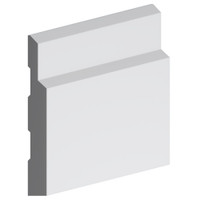


Baseboard moulding defines the wall-to-floor transition and helps set the scale for the rest of the trim package. Choosing the right profile, height, and character helps the room feel finished and coordinated with adjacent casing, crown, and flooring. With these baseboard moulding options, you can compare a wide range of potential styles and discover the right match for remodeling, restoration, and new builds.
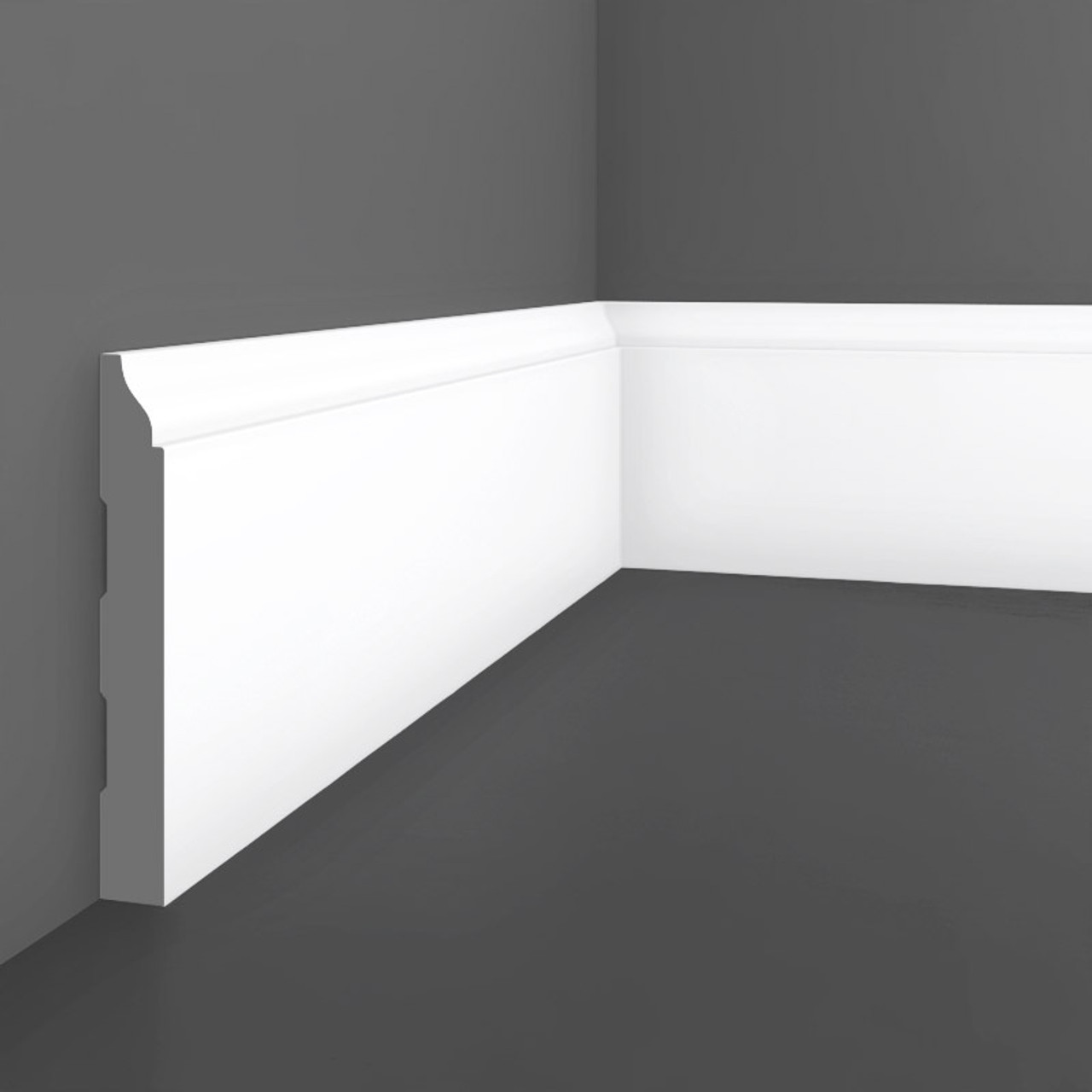
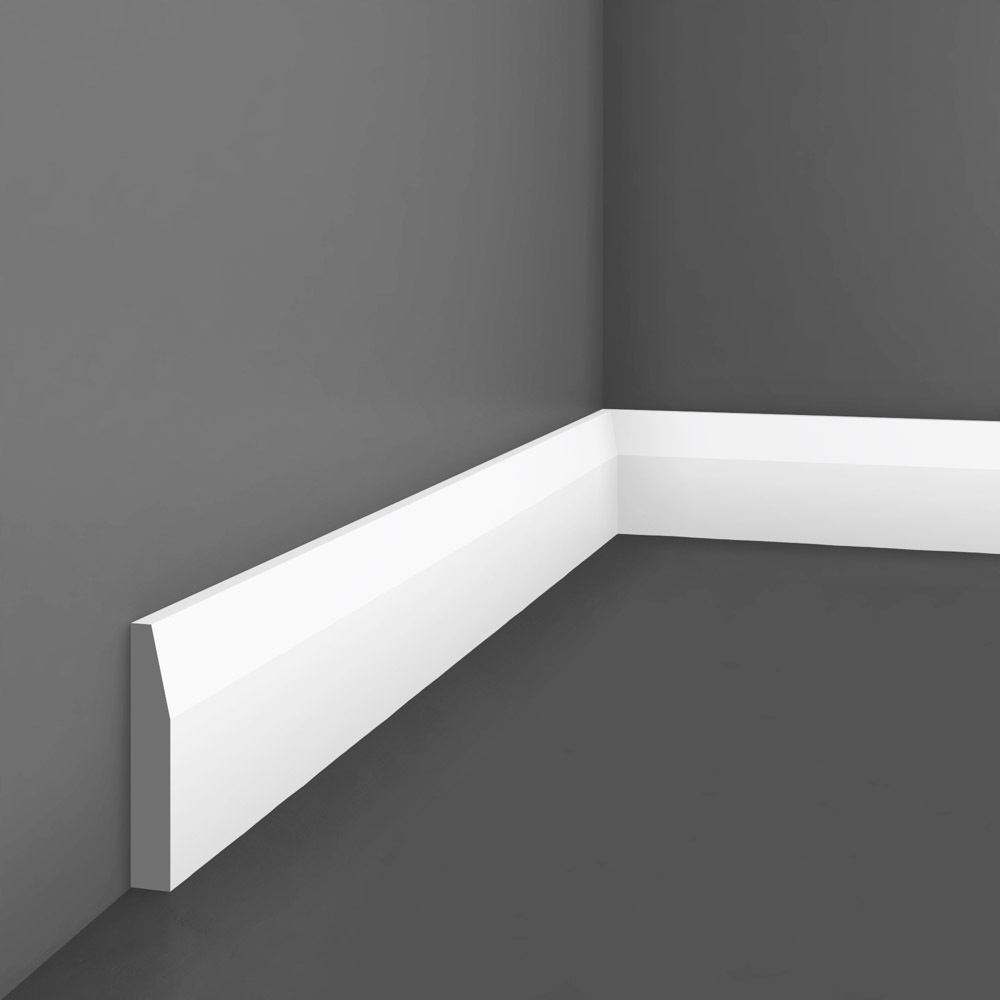
The process starts by comparing profile shapes to match the style of the project. Cove, inclined, ogee, quarter round, and stepped profiles can all provide different effects. Each is available in a variety of heights as well, giving you ample options to get the perfect silhouette and scale for your project after final installation.
With so many profiles available, you can find flexible solutions for any project. Many profiles are also able to be modified in height, making for an even more versatile range. Whether refining a trim package, coordinating with adjacent mouldings, or matching an existing room, you can find the right baseboard moulding for your project.
Choosing the right baseboard height for a room
Choosing the right height for your baseboard moulding is a crucial step in planning your project. The height affects the finish and feel of the room. You can choose lower profiles to maintain a quiet perimeter, while taller profiles can build up a strong visual presence at the base of the wall.
When comparing options, carefully consider room size and ceiling height as starting points. Low ceilings and small rooms can benefit from restrained baseboards. If you’re dealing with larger rooms, the visual weight of a taller baseboard can be just right.
Don’t forget to consider the overall trim package when choosing your baseboard moulding. The size and detail should correspond with the casing width, crown, and flooring. A profile that seems fine in isolation might not align with your overall project if you don’t plan ahead. For a broader trim proportion framework, review our designing with mouldings guide.
Matching profile to your interior style
You’ll also need to find the right profile to suit your project’s overall style. Simple wood baseboard profiles work well with modern and restrained interiors. Go with inclined, stepped, or cove shapes to define the lower wall line without drawing too much attention.
More detailed profiles are ideal for traditional and formal spaces. Ogee profiles and other more articulated transitions can add depth at the base of the wall and provide an architecturally finished style.
When dealing with remodels and restorations, the amount of detail already present in the room is paramount. Carefully compare potential profiles against existing trim so that you can achieve an intentional overall appearance.
Coordinating with casing, crown, and flooring
When choosing baseboard moulding, consider it as part of the full trim package instead of seeing it in isolation. Matching your choice to the door and window casing, crown, and flooring transition will help the project feel more coordinated.
Broad or detailed casing often calls for a base with enough height to establish itself visually. For more detail on adjacent trim, review door and window casing options alongside your baseboard selection. Comparing adjacent profiles is an important step in choosing the right combinations for your project.
Considering the ceiling line is just as important to achieve a coherent room envelope. Comparing upper and lower trim elements together is vital, and you can see our guidance on matching crown and baseboard styles to get started.
Stock profiles vs. modified baseboards
Stock profiles provide an extensive range of options across many shapes, all available on a fast and straightforward timeline. Many stock options are also available with height modification to ensure your wood baseboard molding is just right without having to start from scratch.
This flexibility is often needed when dealing with remodels, additions, and historic homes. Matching new trim to established proportions isn’t always easy. When the right profile is close but not exact, height modification can often get you to the right proportion faster than starting from a fully custom profile.
Shop baseboard profiles
With a full range of baseboard moulding profiles available from Mouldings One, you can find the perfect profile and size to suit your project. Shop by style family, height, and silhouette to select baseboard moulding that supports your overall trim package. Height modification and custom work are available to meet your specifications. Shop baseboard profiles or request a quote for a custom or height-modified match.
Frequently Asked Questions
What height baseboard moulding should I choose?
The right baseboard height for your project depends on a wide range of factors. The ceiling height is one of the most important, with higher ceilings typically calling for taller baseboard moulding.
Can wood baseboards be modified for height?
Yes, many profiles can be modified to achieve the height for your specific project. You can apply the profile you’re looking for in a variety of applications by adjusting proportions, especially to match during remodeling and renovations.
What is the difference between simple and decorative baseboard profiles?
Simple baseboard profiles provide a clean edge that’s just right for modern and restrained interiors. A decorative profile can introduce more visual depth and is often suited for traditional or formal spaces.
How should baseboard moulding coordinate with door and window casing?
It’s important that the base be proportionate to the casing in both height and detail. It’s not about finding an exact match but achieving a balanced and consistent trim package.
Do taller ceilings need taller baseboards?
Often, but not automatically. Higher ceilings can support taller baseboards, but room size, casing width, crown scale, and flooring build-up should all be considered before choosing the final height.
Can I match new baseboards to existing trim in an older home?
Yes, it is possible to match new baseboards to existing trim. There are many stock profiles available, and custom work is also an option when dealing with unusual proportions or detailing.
What baseboard styles work best in modern vs. traditional interiors?
Modern interiors typically pair best with cove, inclined, or stepped profiles. Traditional interiors are well-suited for ogee or more shaped profiles that add depth and contour.