Postmodern
Playful shapes, bold color, and exaggerated woodwork give familiar architectural details an unexpected character.
What Is Postmodern?
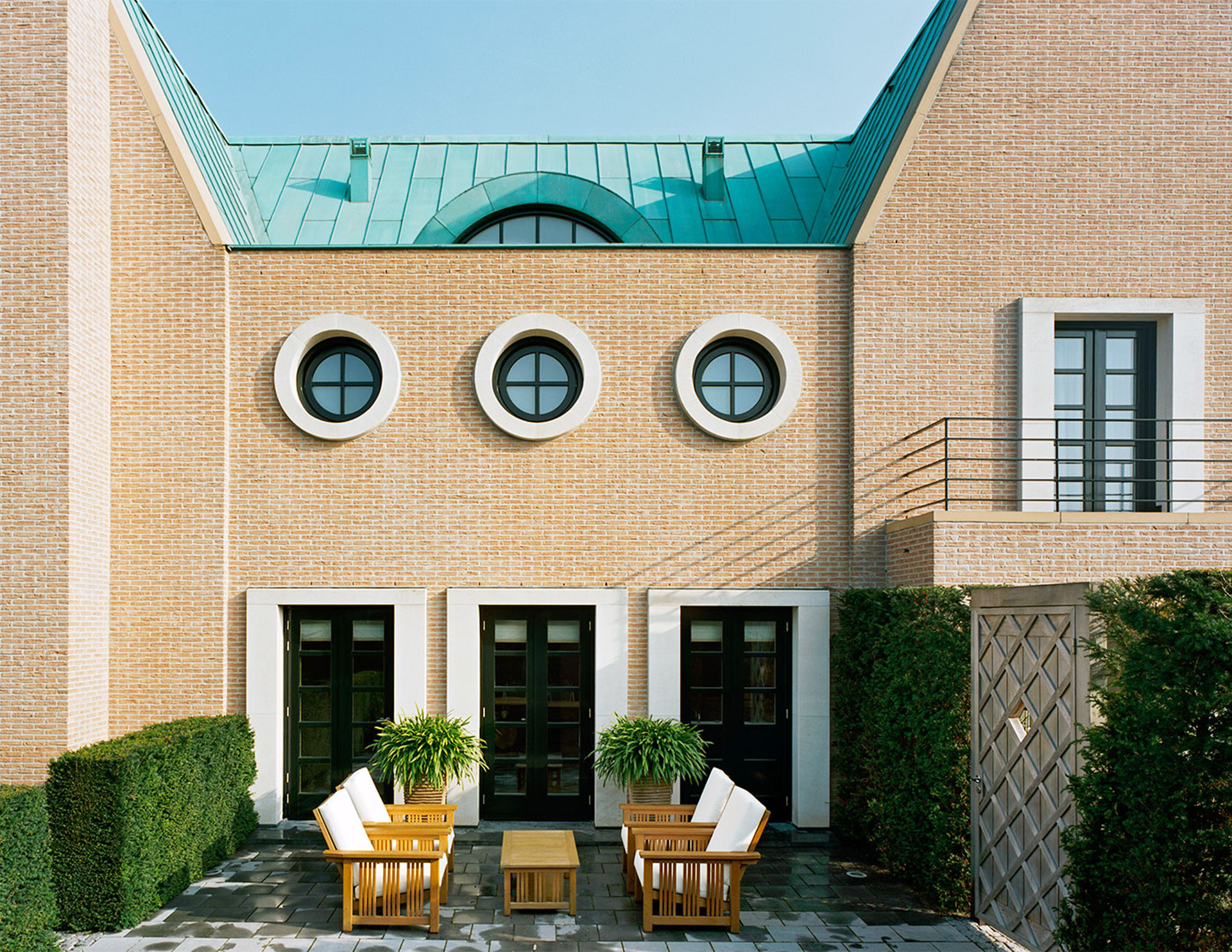
Postmodern architecture emerged during the 1960s and became widely influential in the 1970s and 1980s. It challenged the restraint associated with the International Style, drawing on architectural history, everyday buildings, and popular culture. Architects combined familiar forms with unexpected proportions, contrasting materials, and expressive ornament.
References could range from the classical columns and pediments of Neoclassical architecture to the decorative geometry of Art Deco. Interiors carried this approach into door surrounds, cornices, wall treatments, and built-in furnishings. Mouldings could be enlarged, simplified, layered, or arranged in unusual combinations, making woodwork an expressive part of the overall design.
The Collection

Postmodern Characteristics
Postmodern architecture combines recognizable historical forms with new materials, unusual proportions, and expressive decoration. Compositions range from formal symmetry to deliberate asymmetry, with color, ornament, and changes in scale giving buildings an individual identity. Familiar elements may be simplified, enlarged, or placed in unexpected relationships to introduce humor, symbolism, or visual surprise.
- Historical references and eclectic combinations
- Exaggerated scale and unexpected proportions
- Bold colors and contrasting materials
- Curved forms combined with angular geometry
- Reinterpreted columns, arches, and pediments
- Playful ornament and visual symbolism
POSTMODERN MOULDINGS
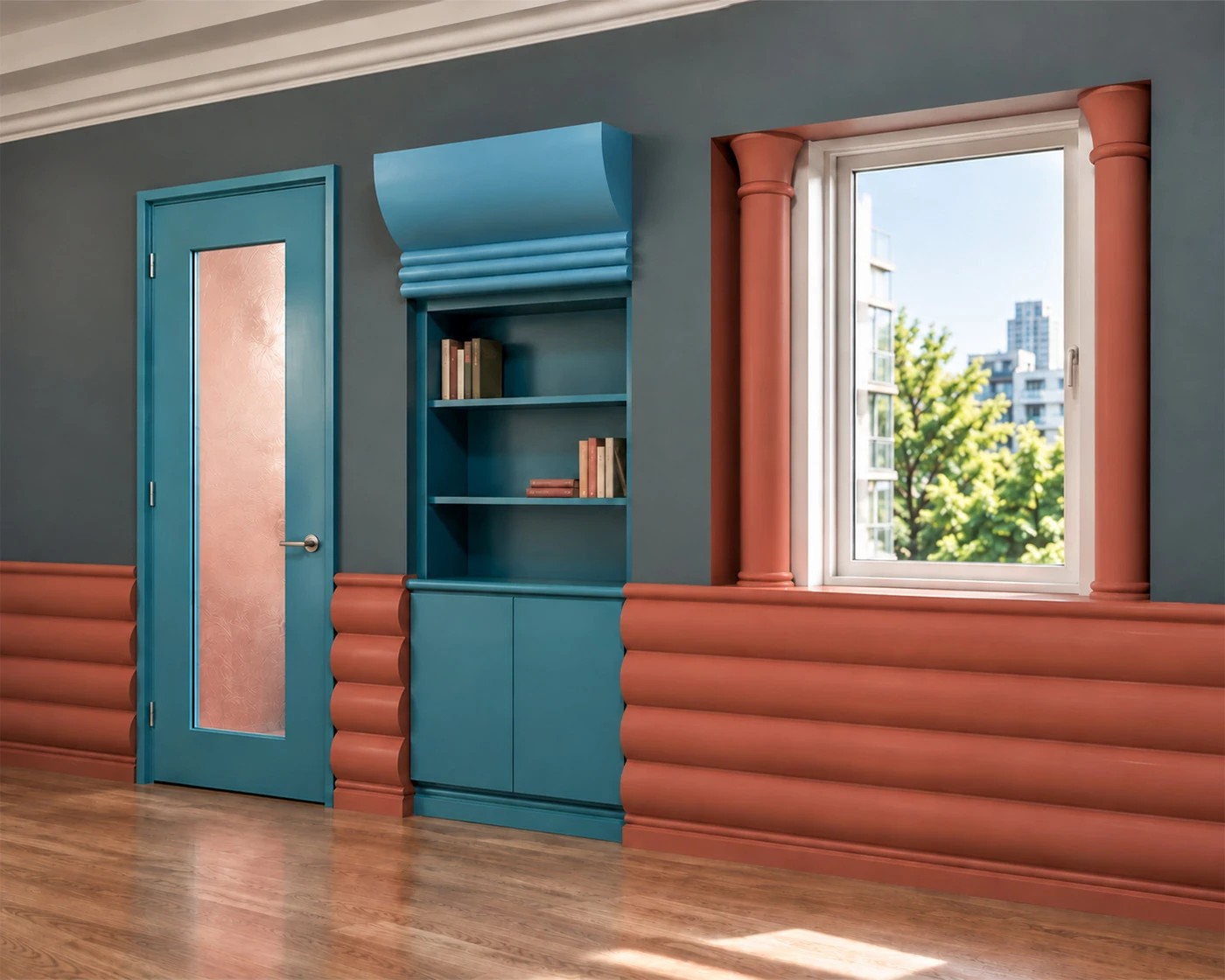
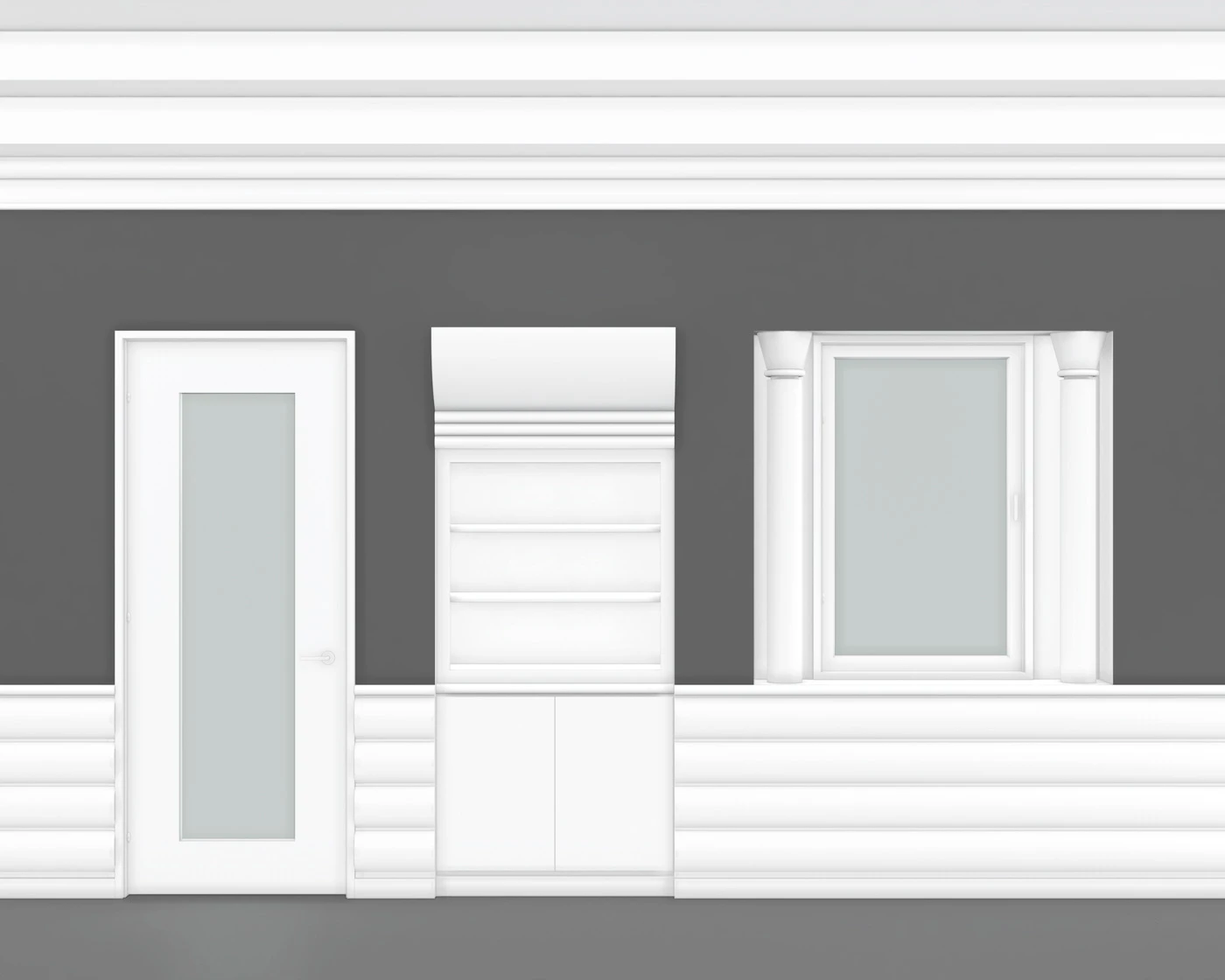
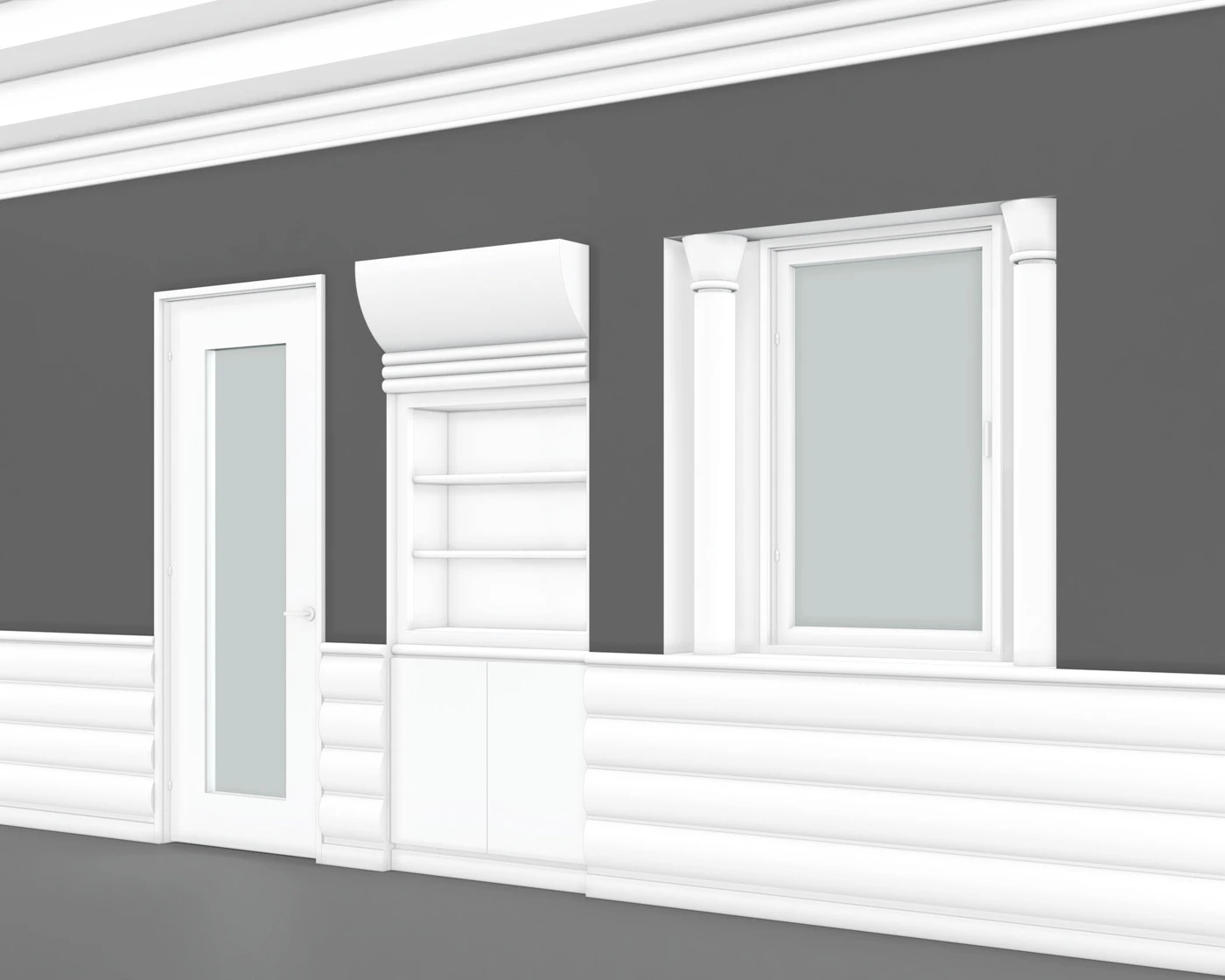
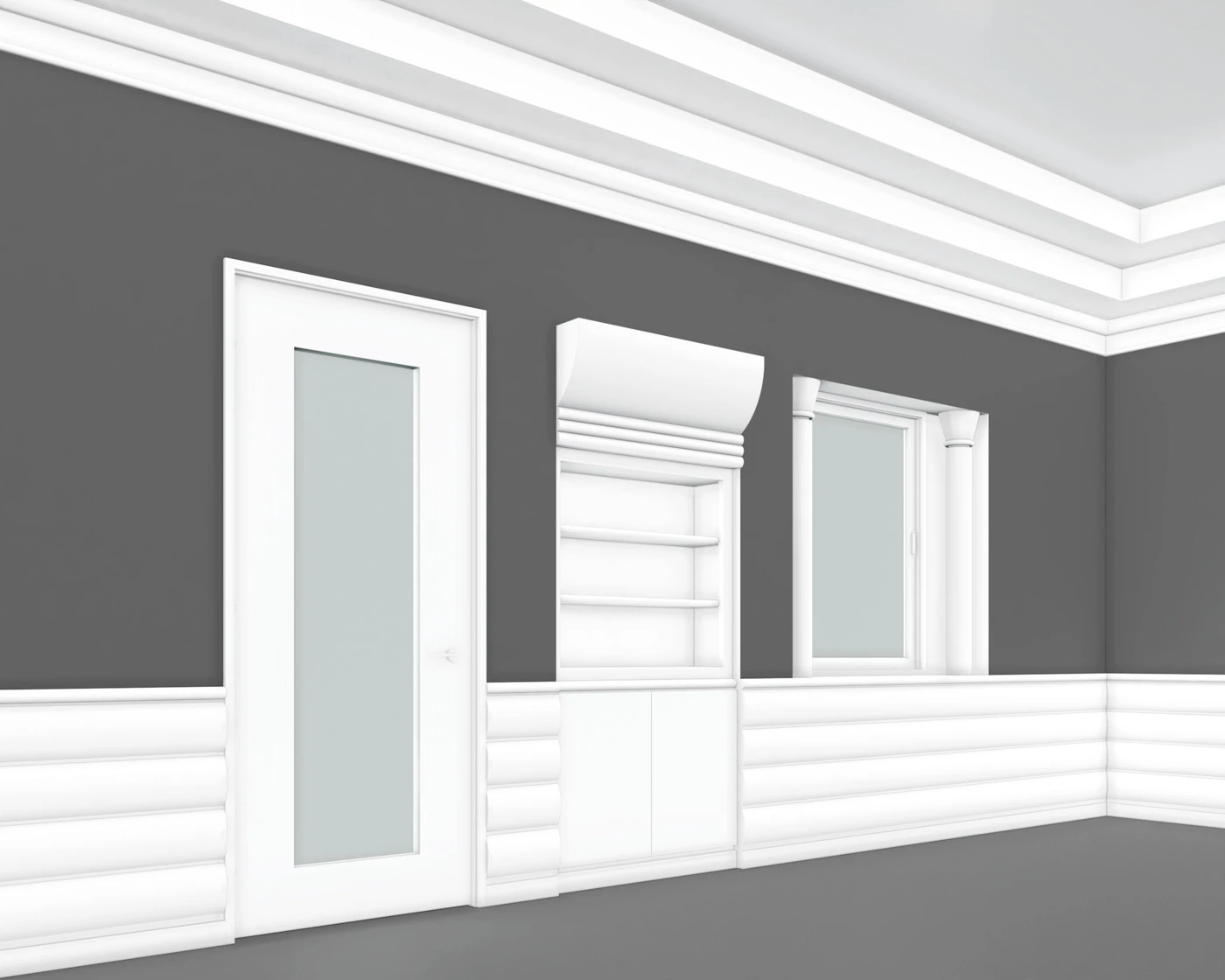
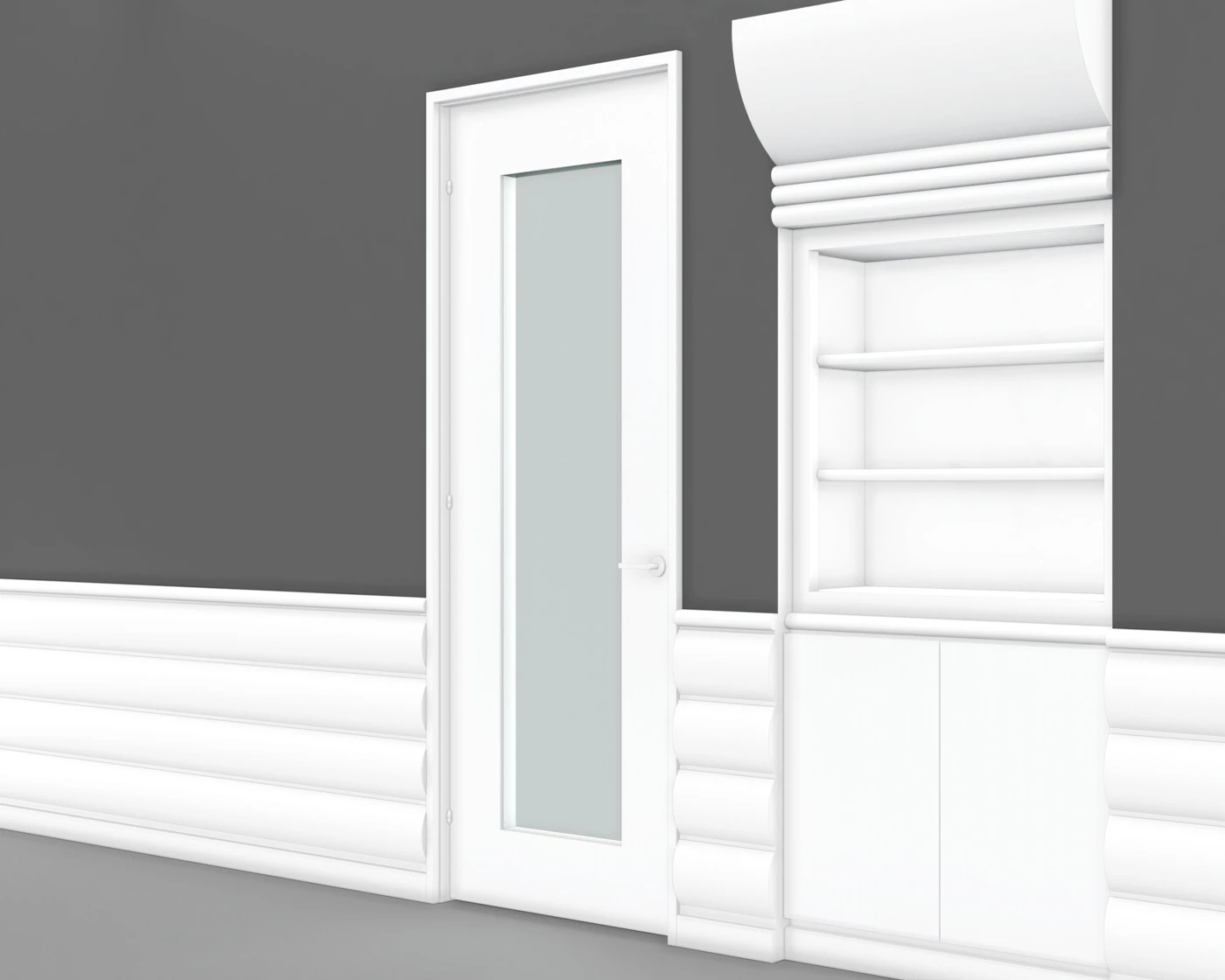
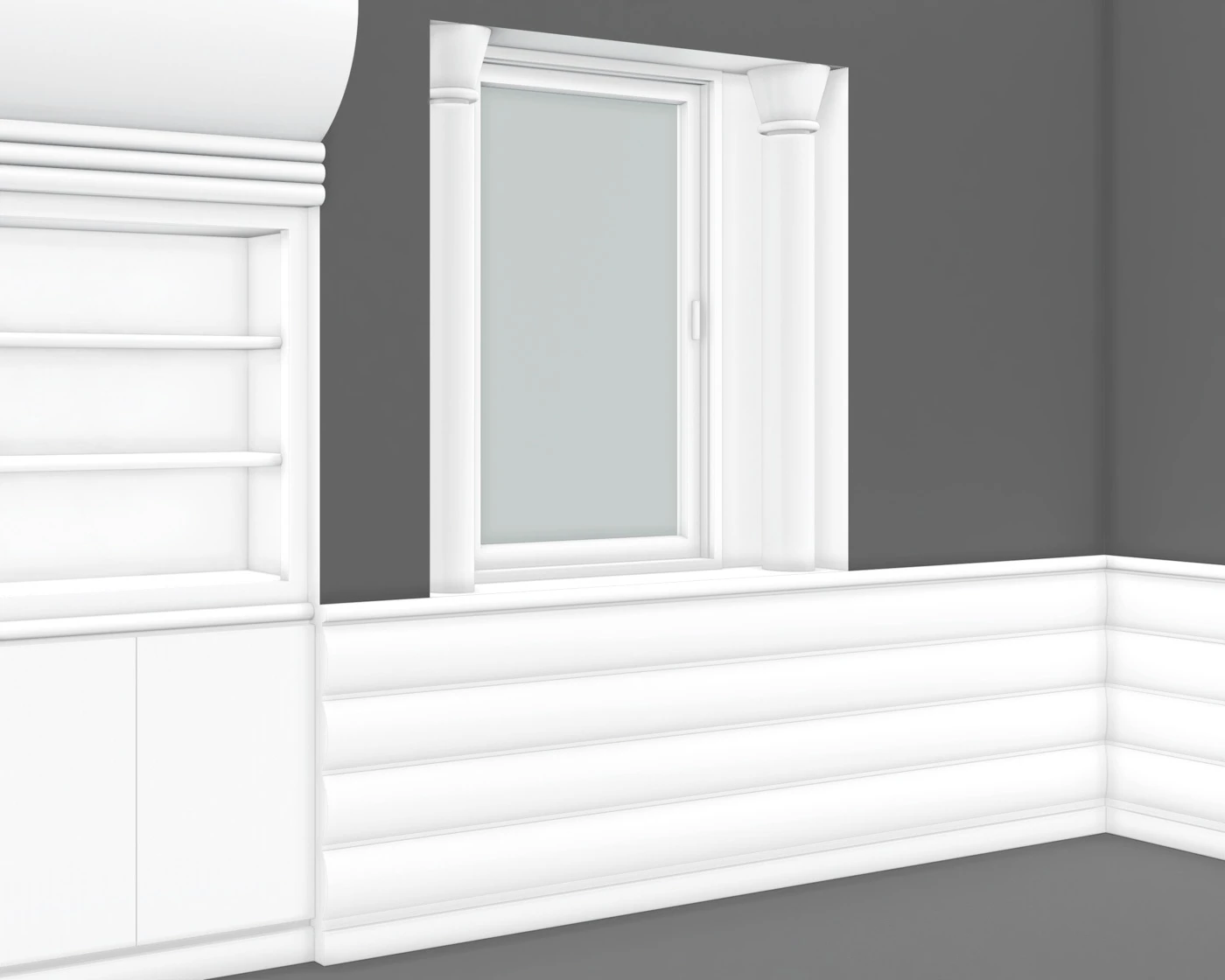
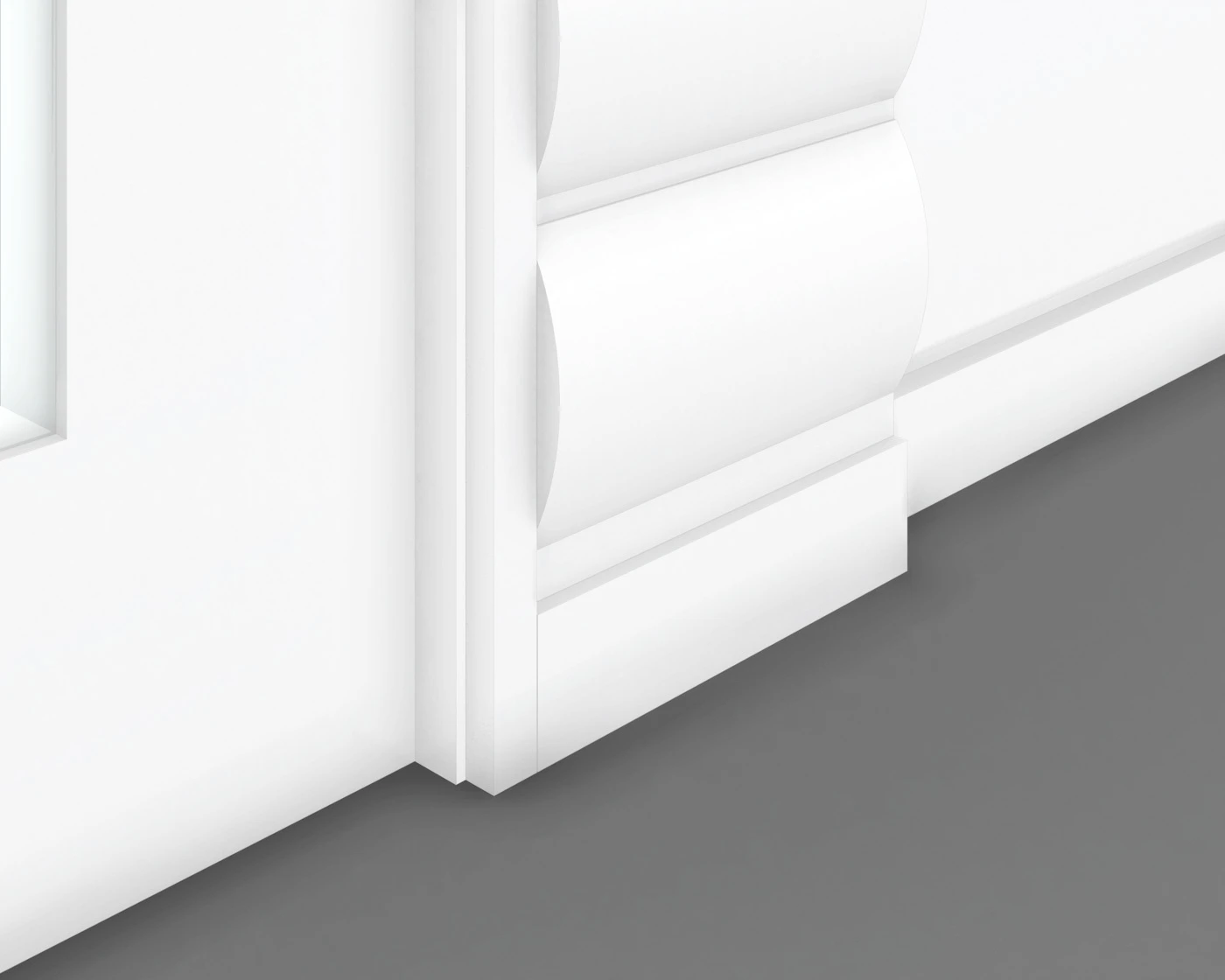
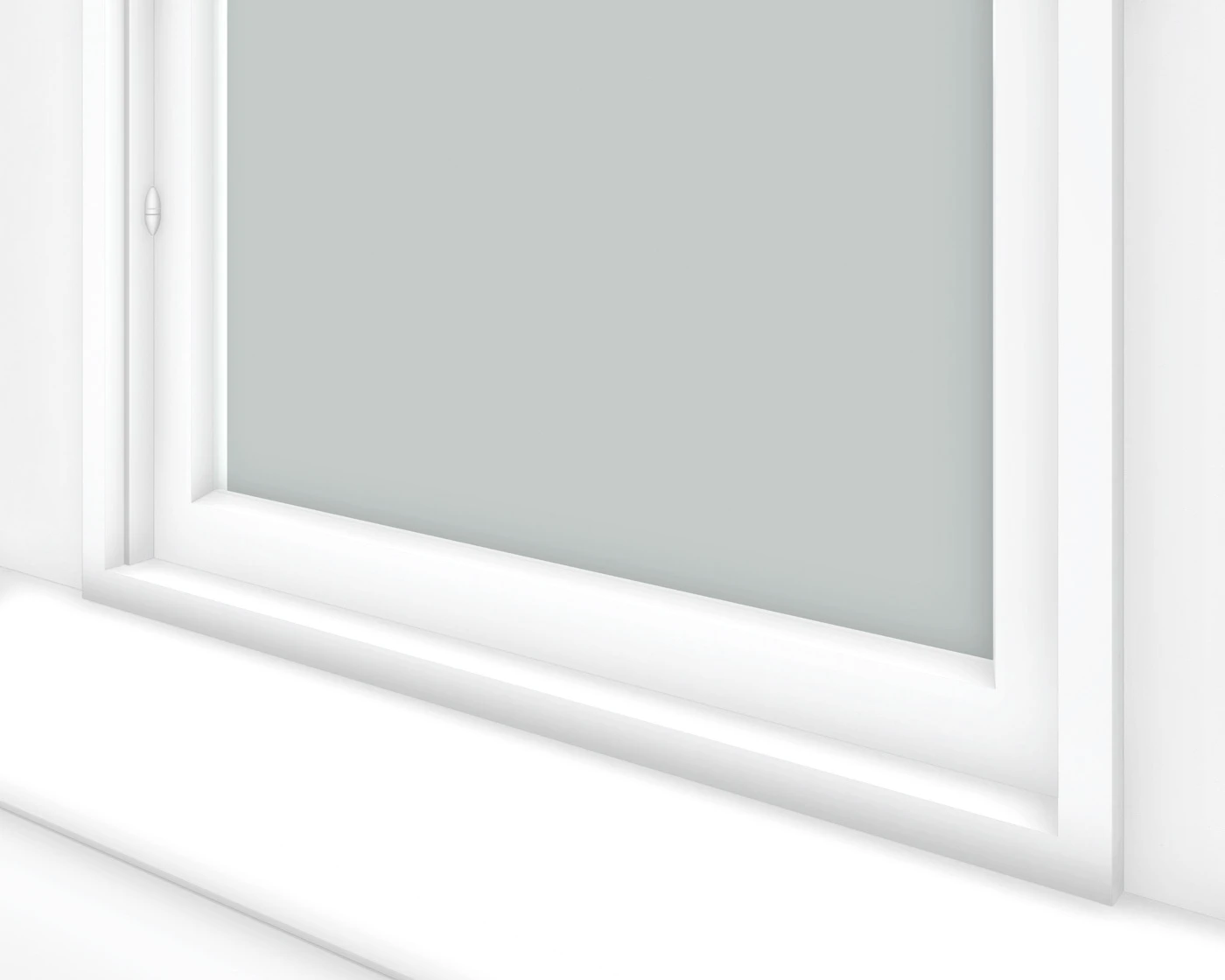
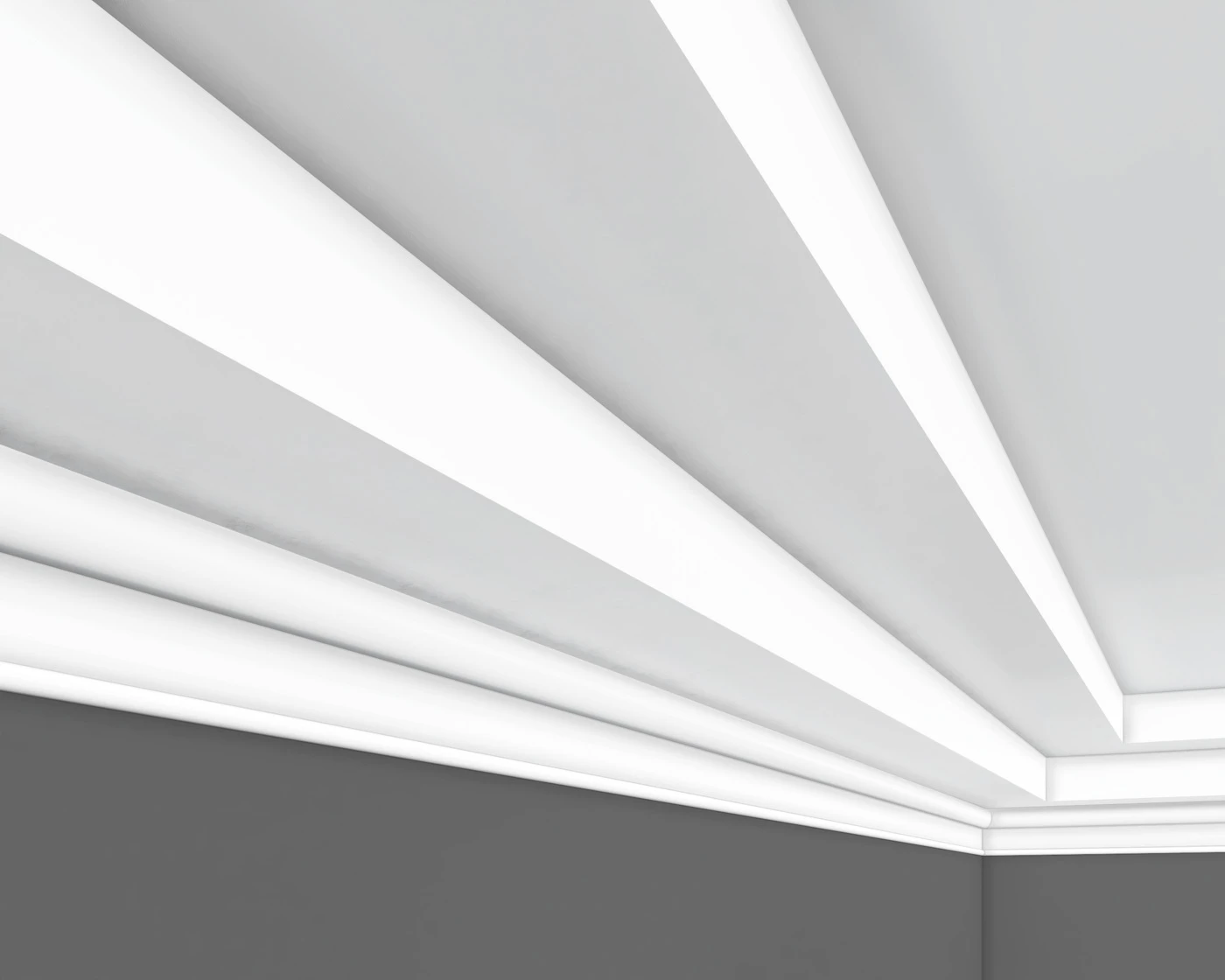
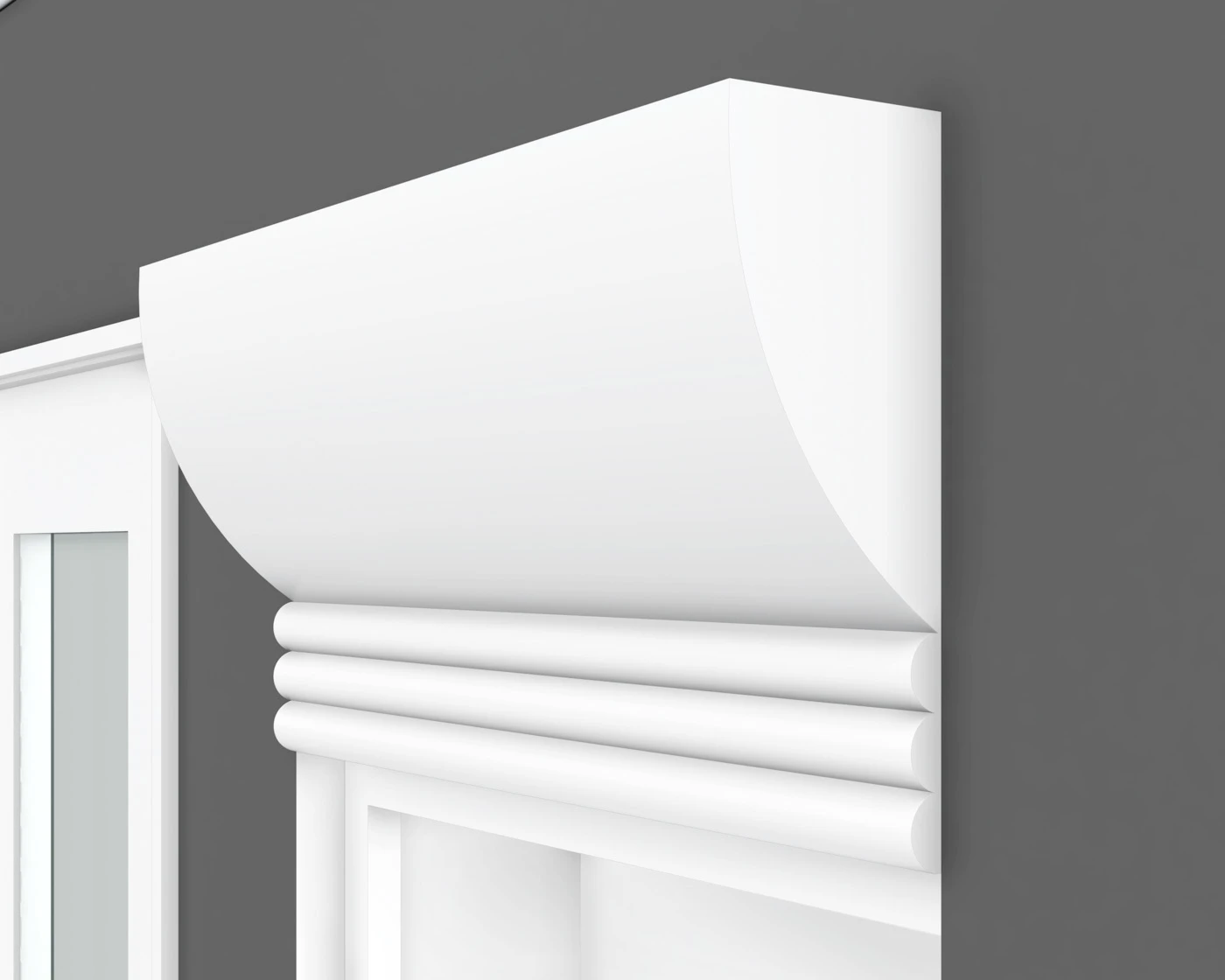
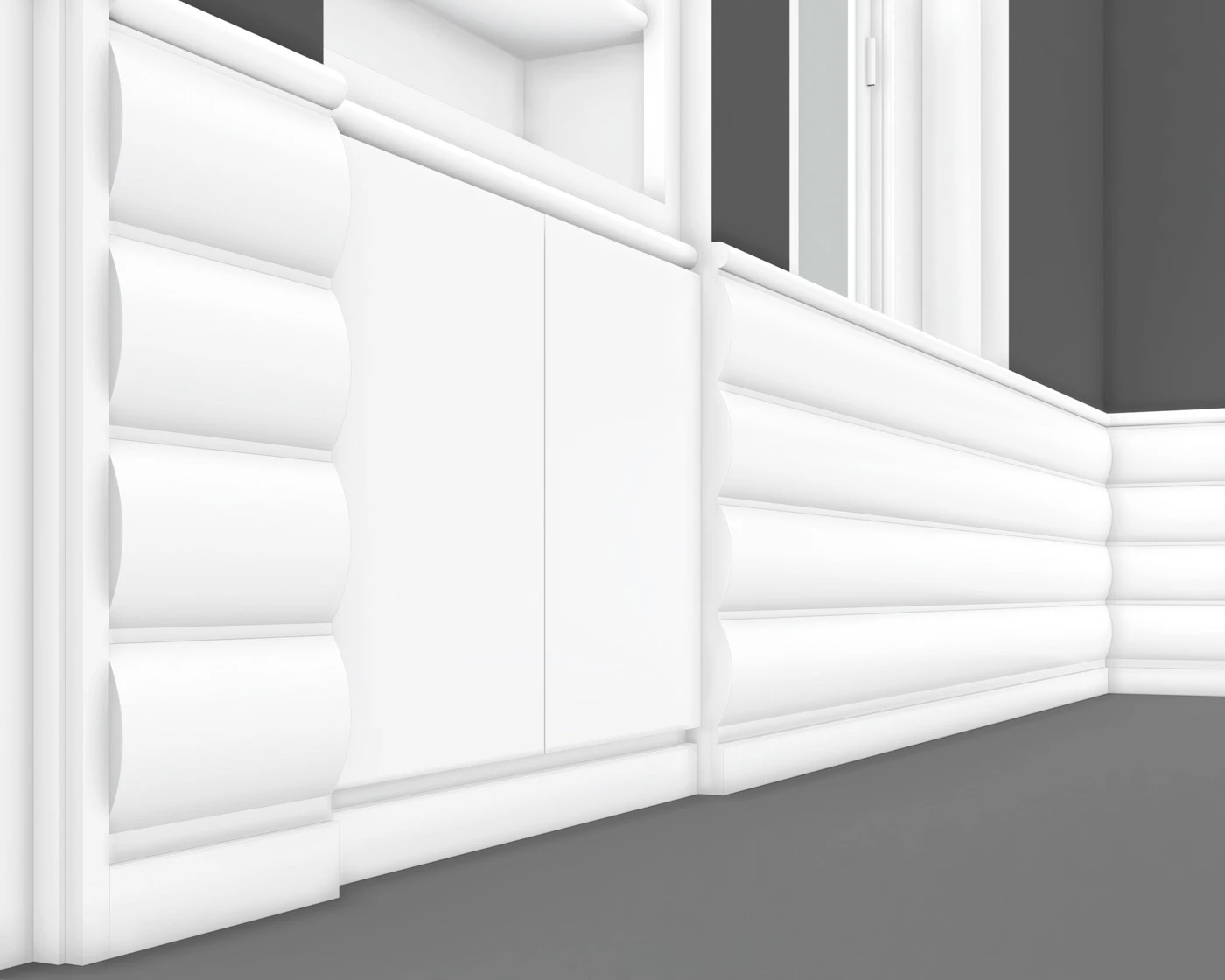
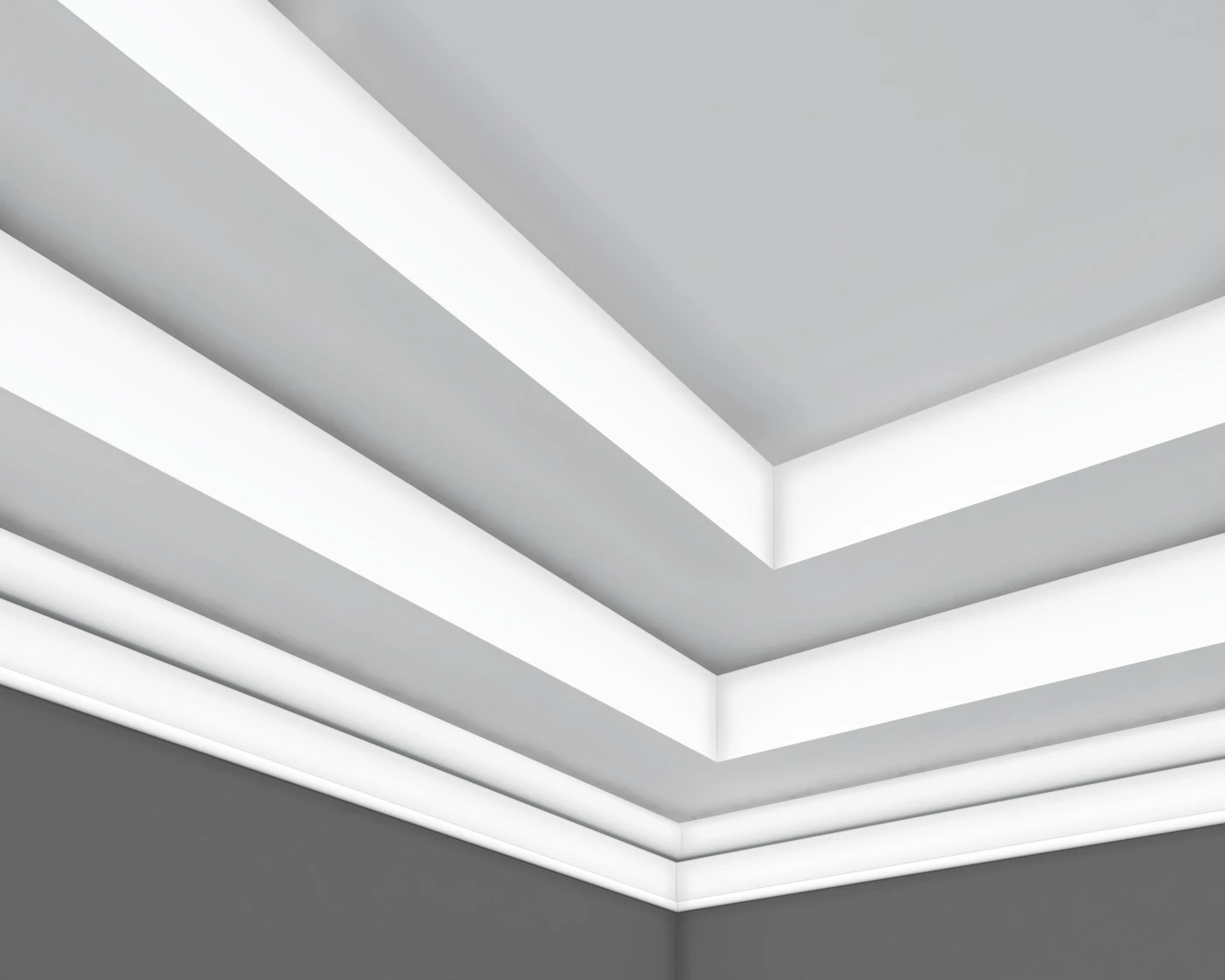
Postmodern mouldings reinterpret traditional profiles through simplified geometry, enlarged scale, and unexpected combinations. Half-rounds, coves, flat bands, and stepped shapes can be layered into substantial cornices, wall treatments, and door and window surrounds. Contrasting finishes can emphasize individual profiles and their arrangement.
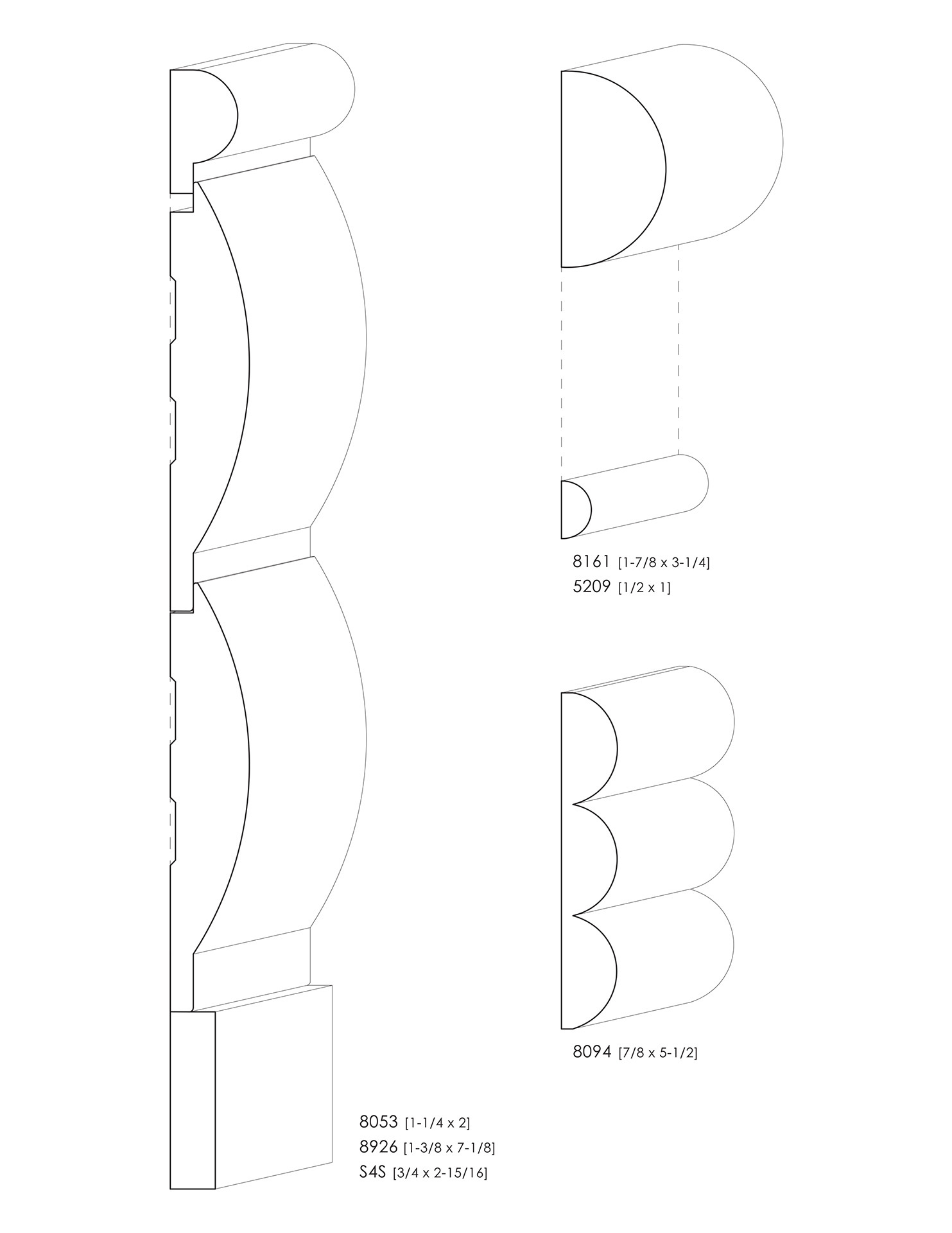
Square-cut terminations can expose the shape of a moulding as a decorative detail, while other designs use mitred corners or continuous profiles. The collection shown here emphasizes pronounced curves and layered geometric trim, giving familiar openings and wall surfaces a sculptural character.
Shop Now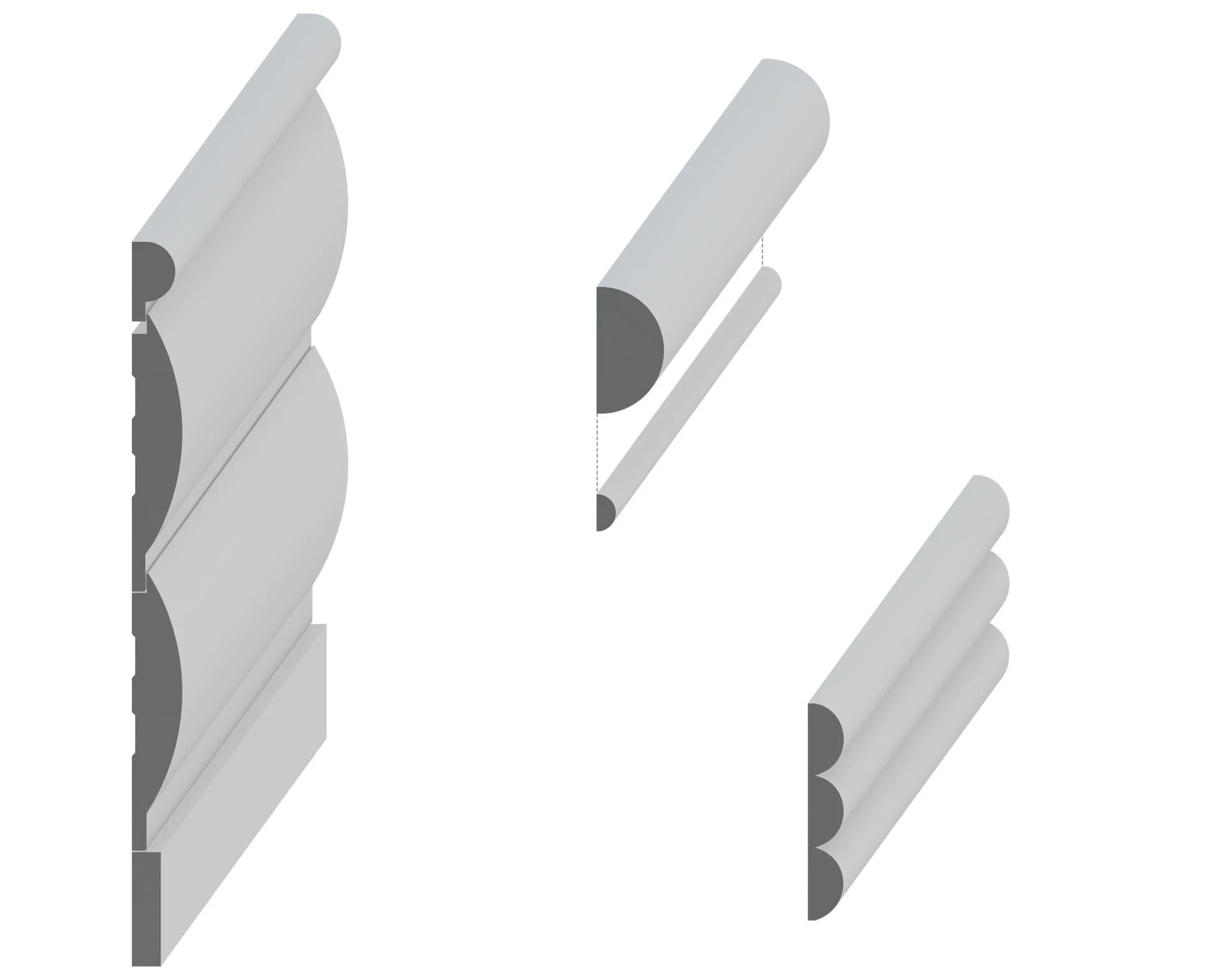
Period Details & Drawings

History of Postmodern
Postmodern architecture developed as architects questioned the limits of established Modernist approaches, including the restrained language of the International Style. Robert Venturi helped establish its intellectual foundation through Complexity and Contradiction in Architecture (1966). He advocated an architecture that accommodated ambiguity, historical references, and contrasting forms. His phrase “less is a bore” challenged the Modernist maxim “less is more,” expressing a preference for complexity and richness of meaning.
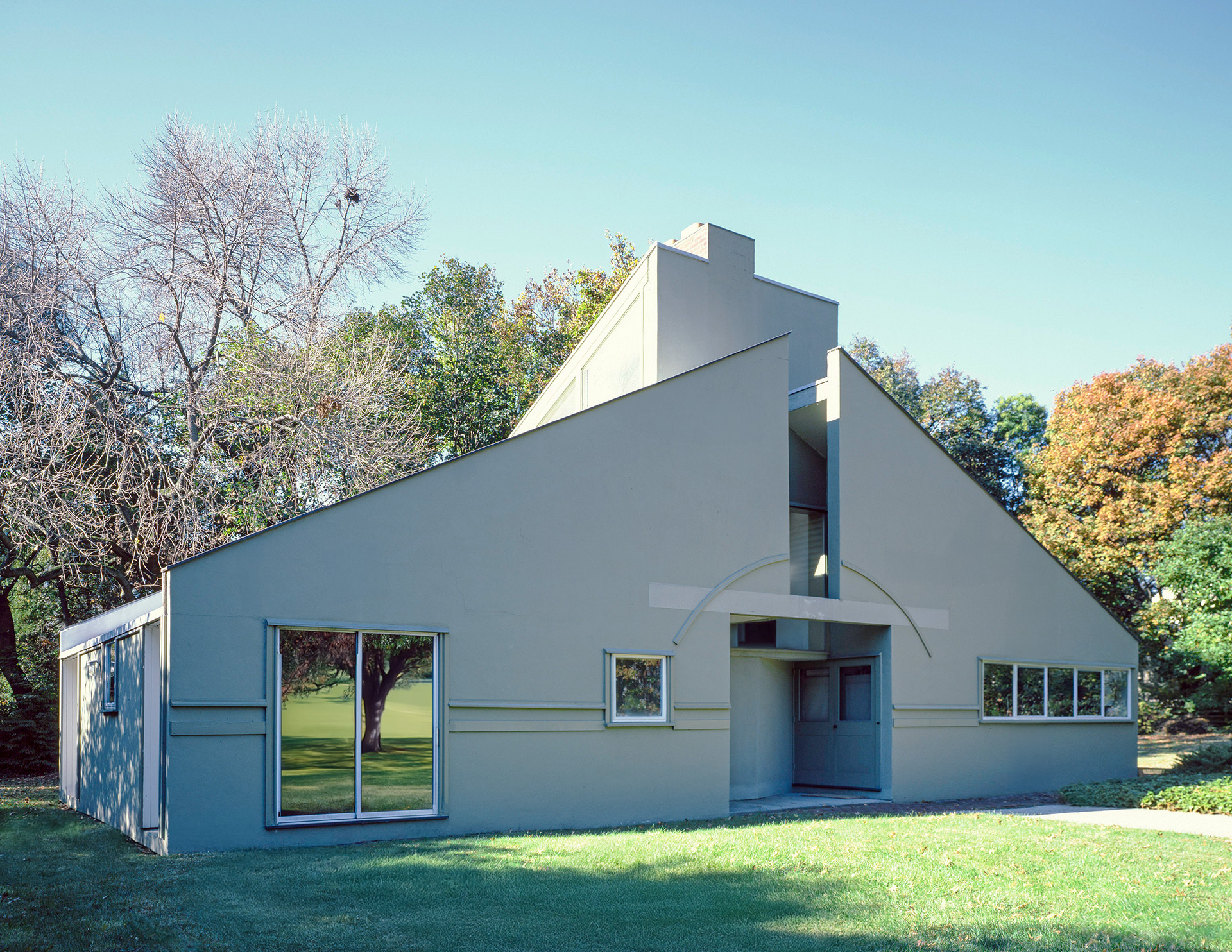
The Vanna Venturi House in Philadelphia, designed for Venturi’s mother and completed in 1964, became an influential early example. Its broad gabled façade, oversized chimney, decorative arch, and apparent symmetry recalled familiar architectural forms. Venturi altered their proportions and relationships, introducing asymmetry and deliberate contradictions into the composition. The house demonstrated how traditional references could contribute to a distinctly modern building.
Denise Scott Brown also played a central role in developing these ideas. With Venturi and Steven Izenour, she coauthored Learning from Las Vegas (1972), examining commercial buildings, signs, and the everyday urban landscape. Their research encouraged architects to consider how buildings communicate through recognizable forms and symbols, extending architectural discussion beyond formal composition and monumental design.
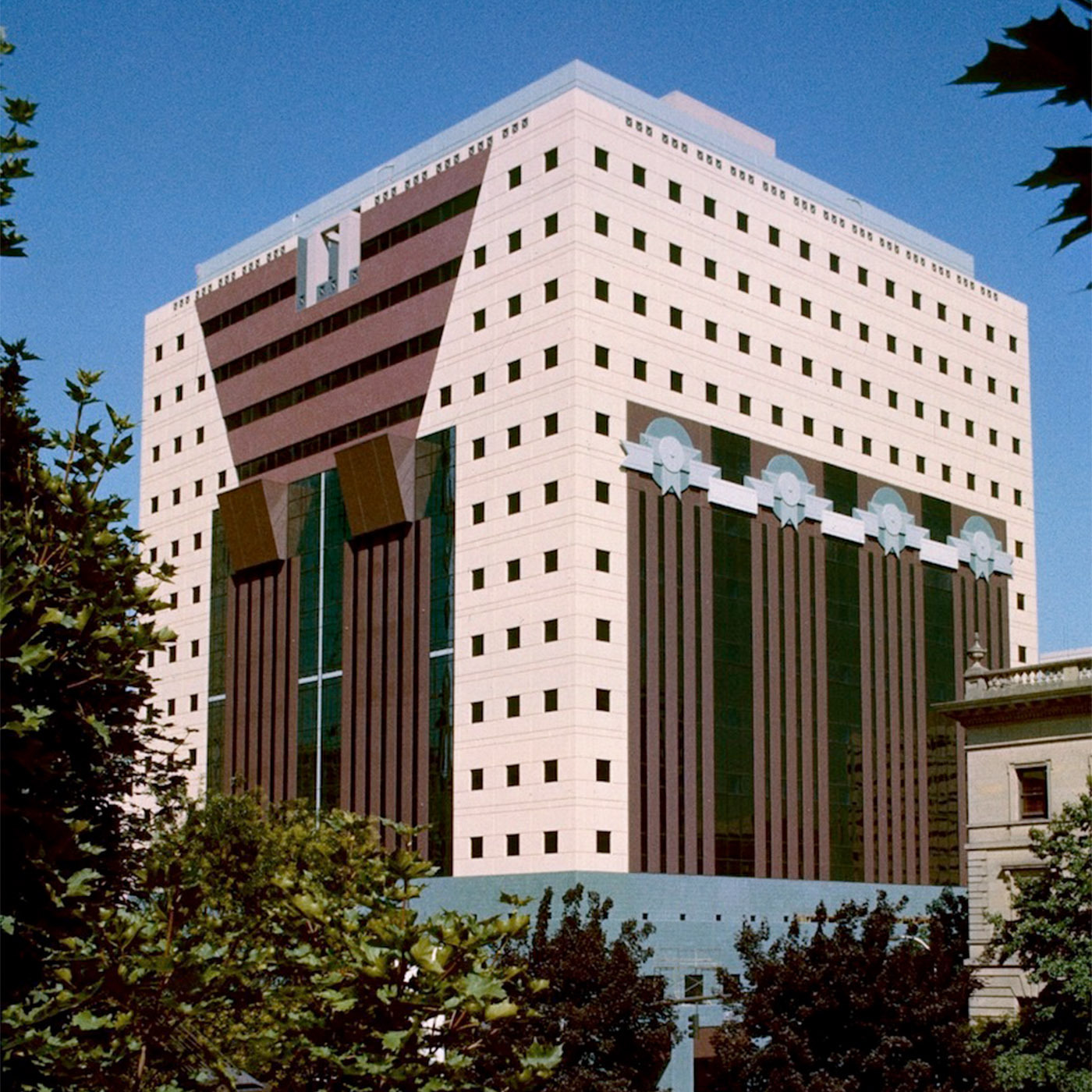
Architectural historian Charles Jencks helped explain and publicize the international movement through The Language of Post-Modern Architecture (1977). During the 1970s and 1980s, Postmodern approaches spread across houses, civic buildings, museums, and commercial developments. Michael Graves’s Portland Building, completed in 1982, became a prominent public example.
Designers reinterpreted classical features familiar from Neoclassical architecture, geometric ornament associated with Art Deco, and many other historical and vernacular sources. Their work explored how color, scale, decoration, and cultural references could give contemporary buildings a recognizable identity. This flexible treatment of architectural history also shaped interiors, furnishings, and decorative woodwork.