OCTAGON STYLE MOULDING PROFILES & GALLERY



ABOUT OCTAGON ARCHITECTURE
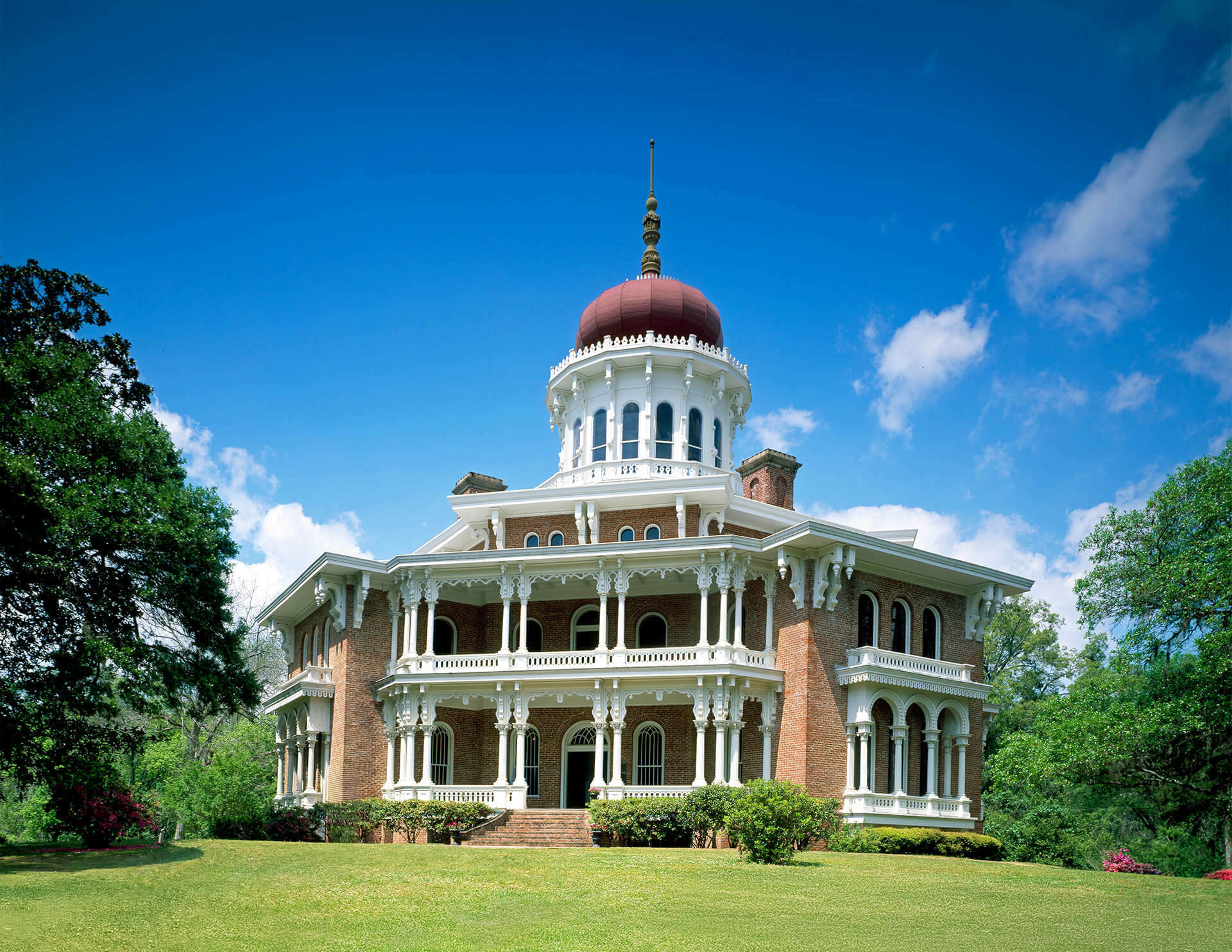
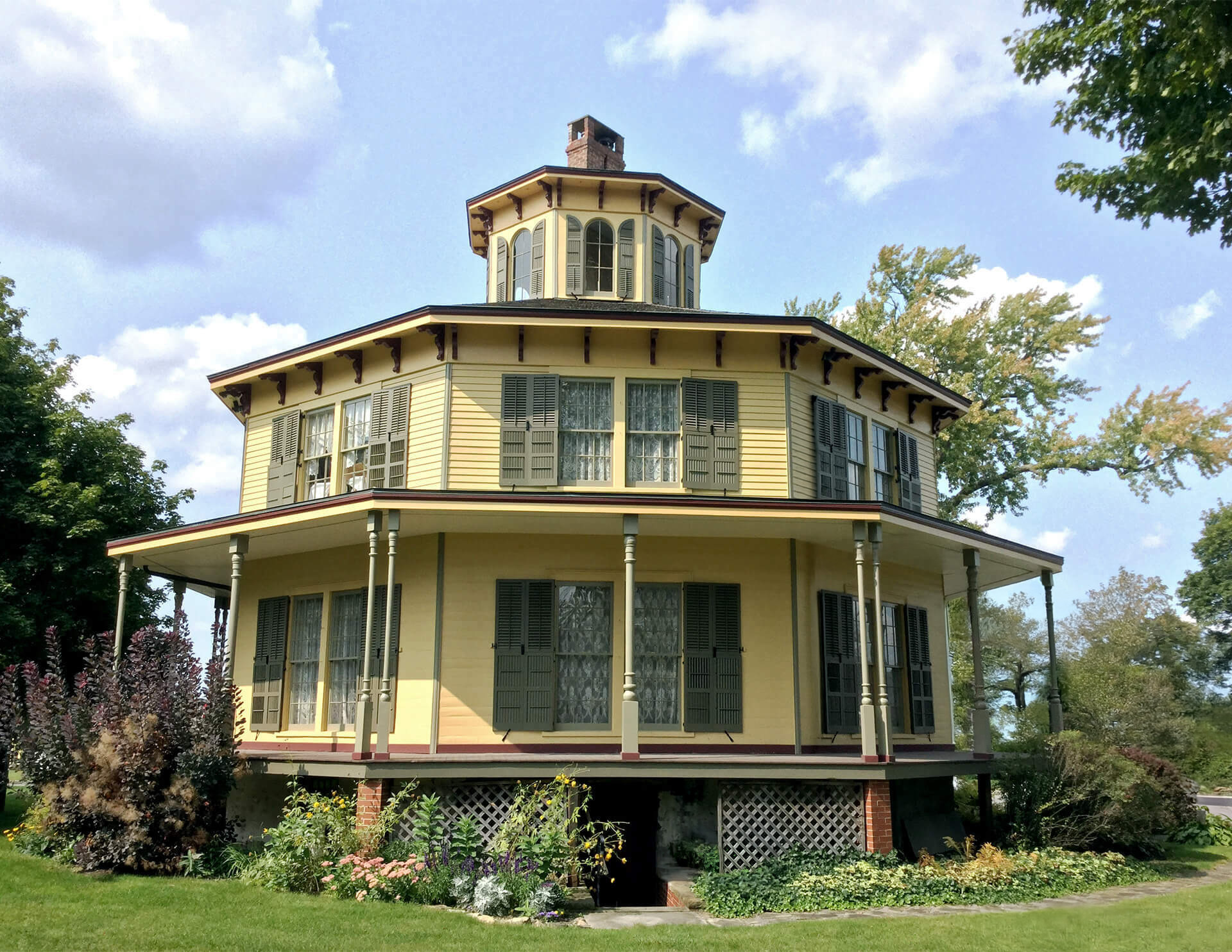
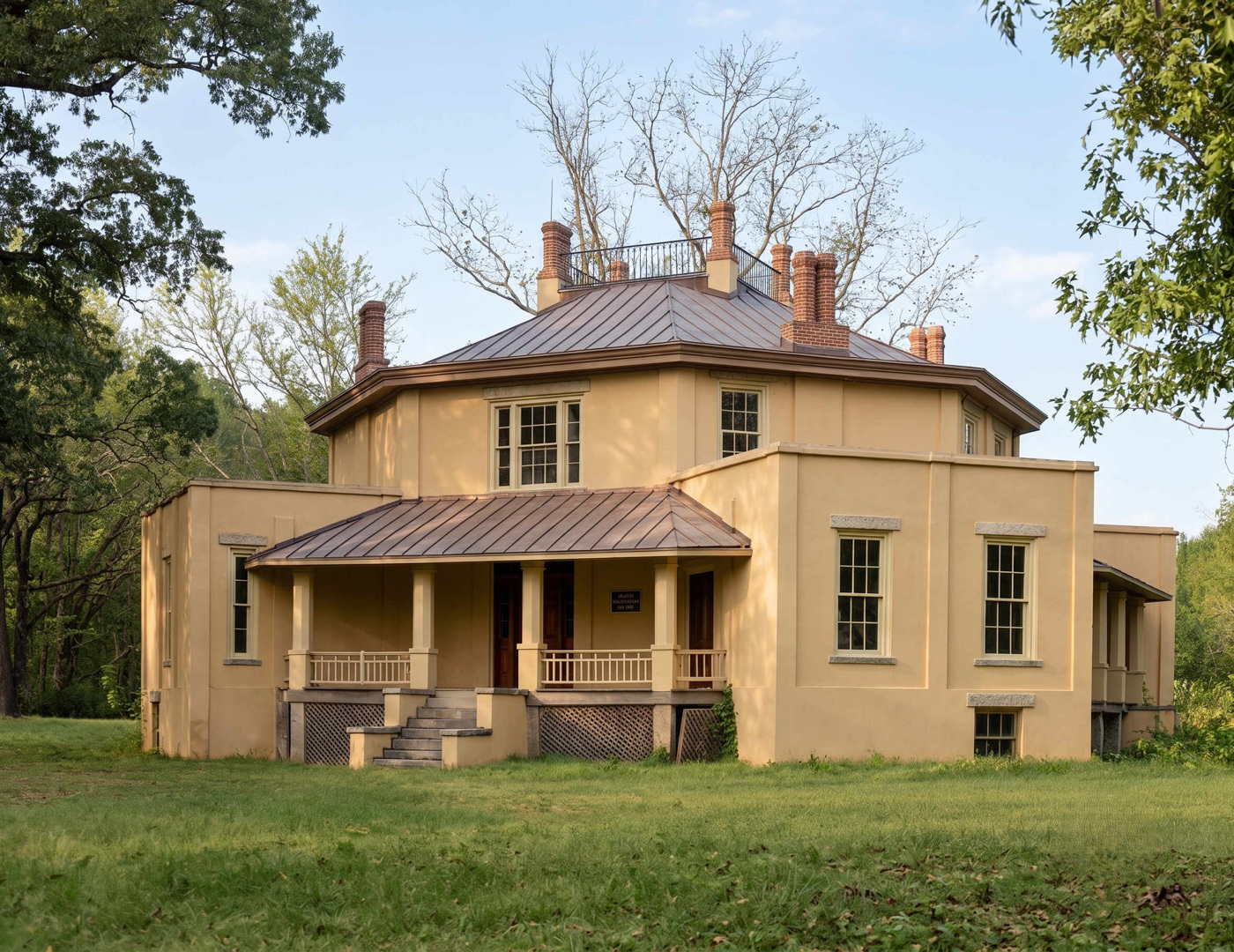
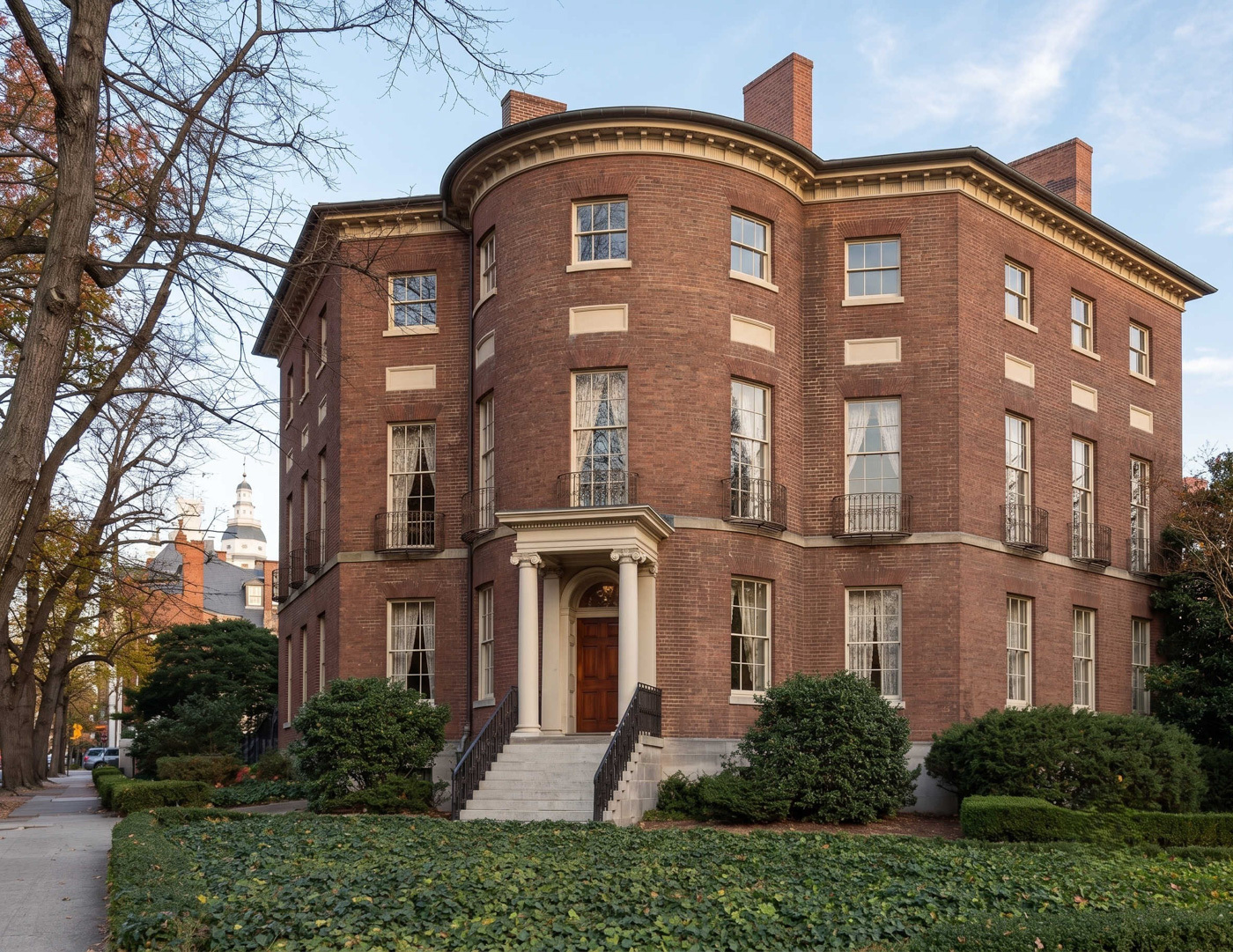
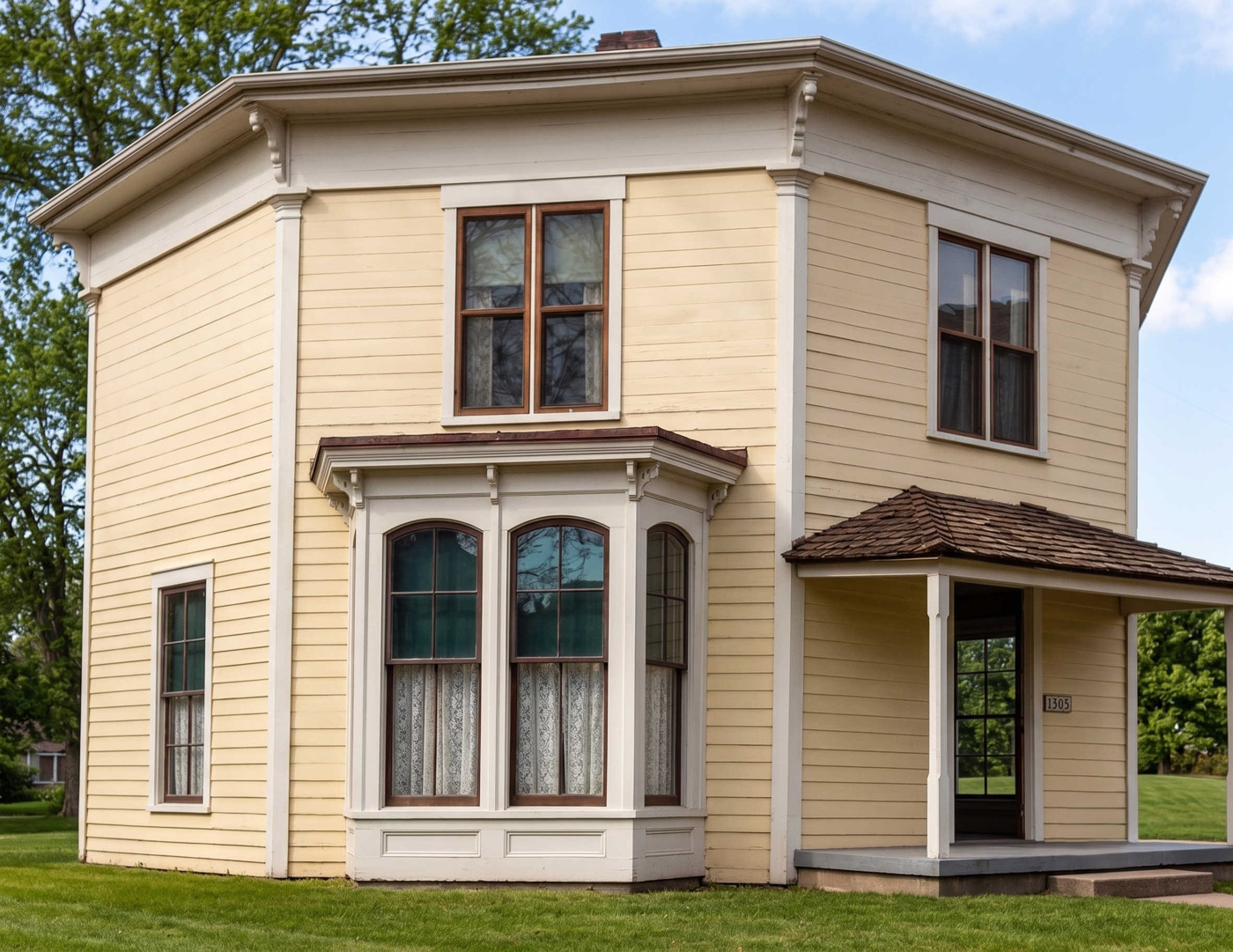
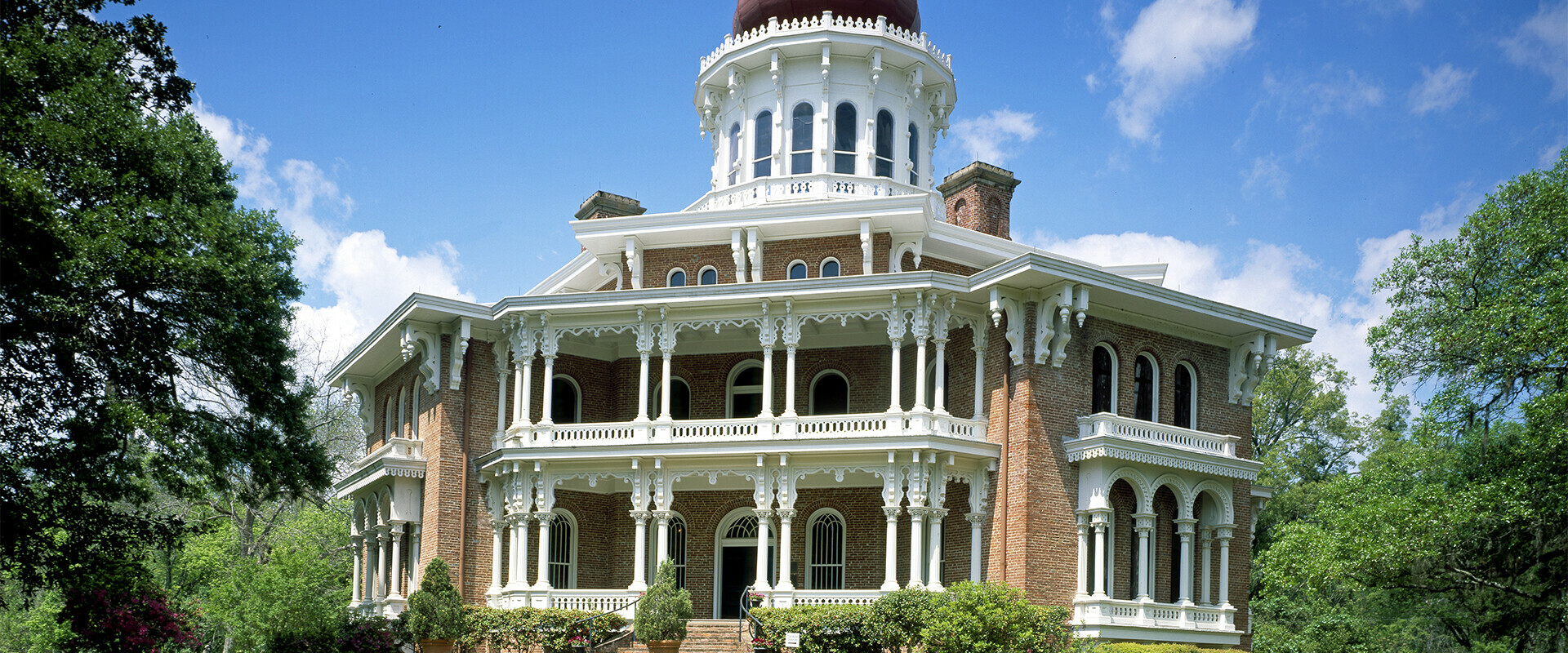
The octagonal house plan became a fad in the mid nineteenth century, promoted by Orson Squire Fowler. According to Fowler, the octagonal plan was cheaper to build, easier to heat, and provided more square footage than a rectangular house. Octagonal houses were built in the styles popular at the time, from very simple vernacular buildings to highly ornate Greek Revivial, Gothic Revival and Victorian concoctions. The architectural style is applied to the octagon plan, making it one of the most diverse house types in terms of stylistic expression.
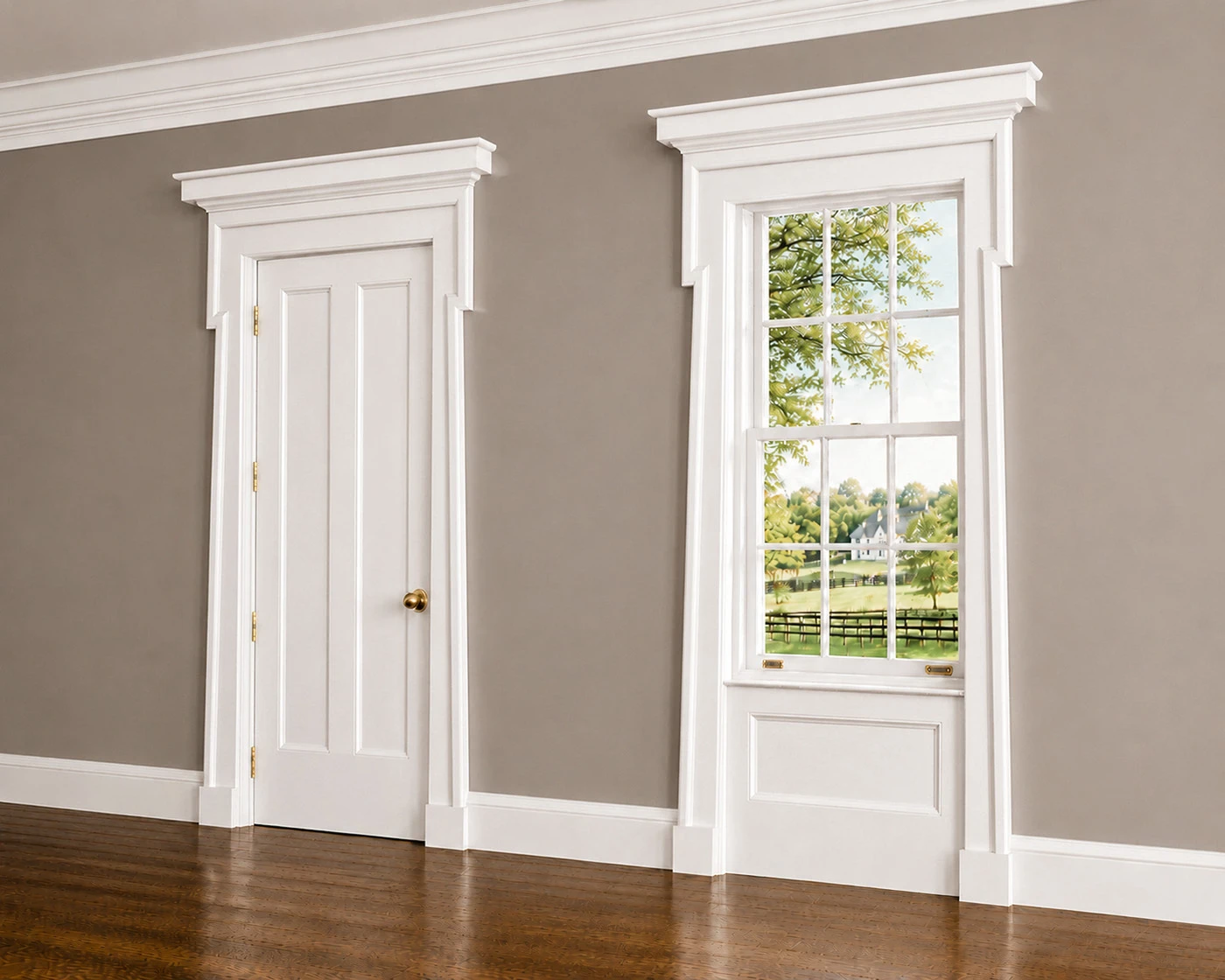
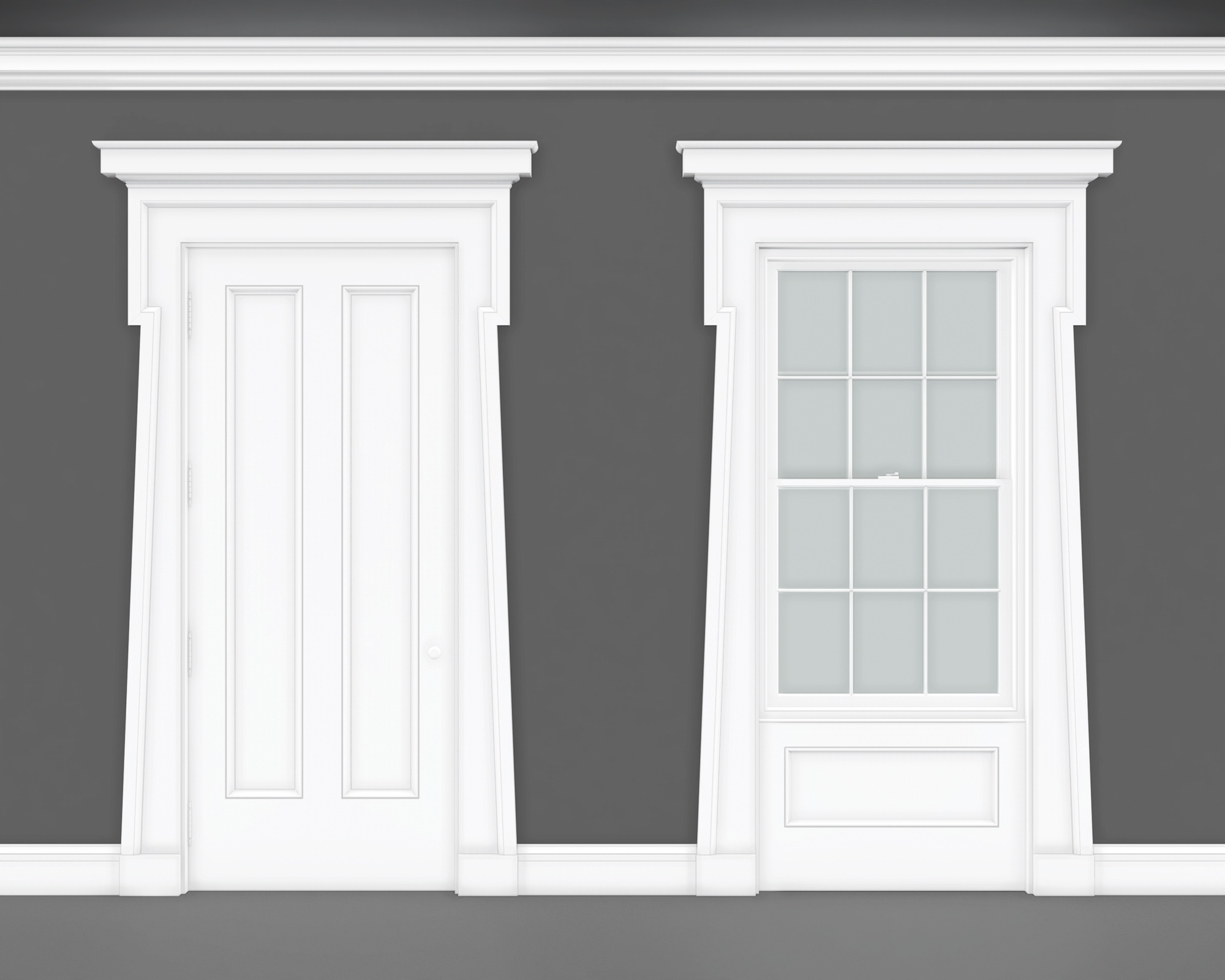
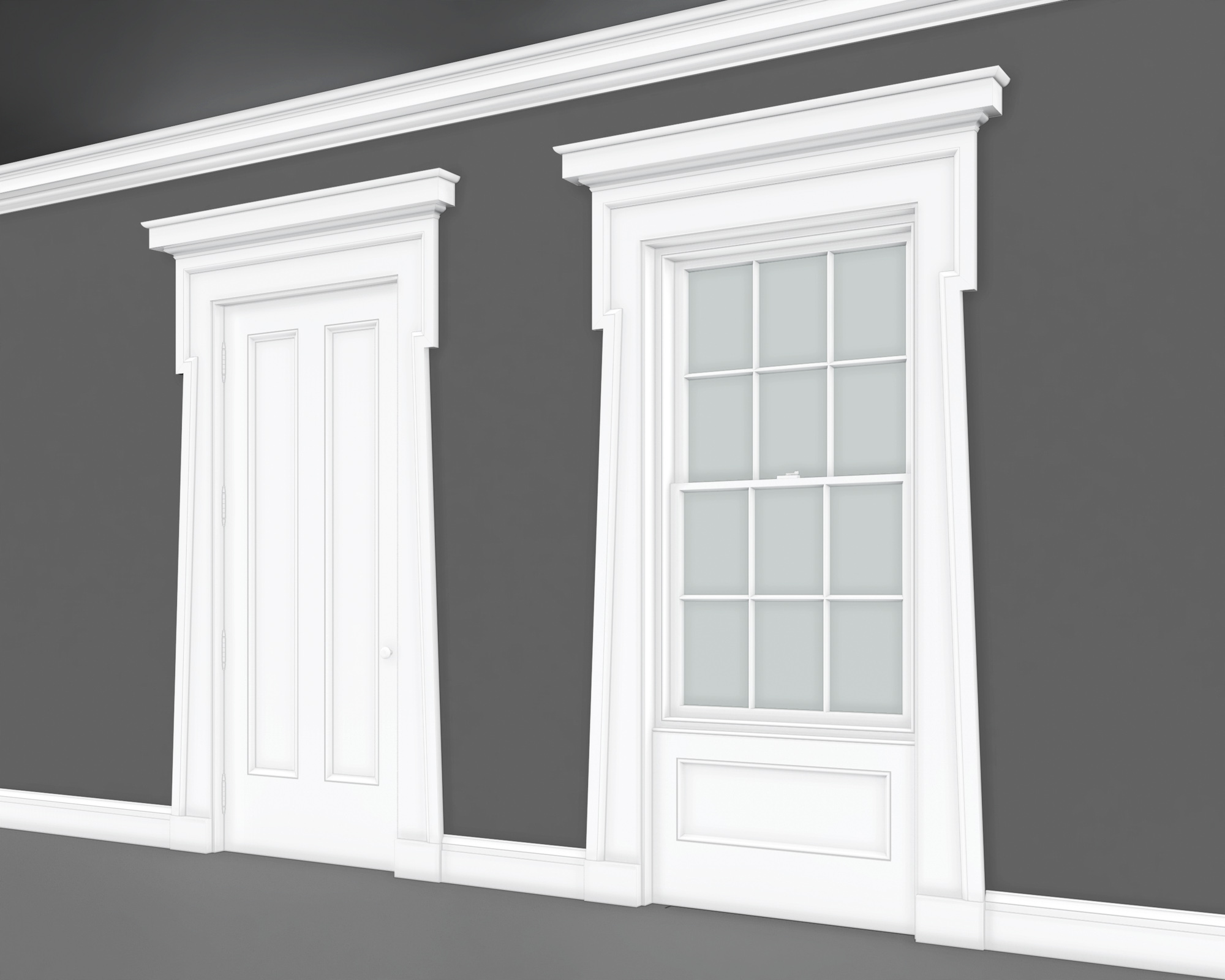
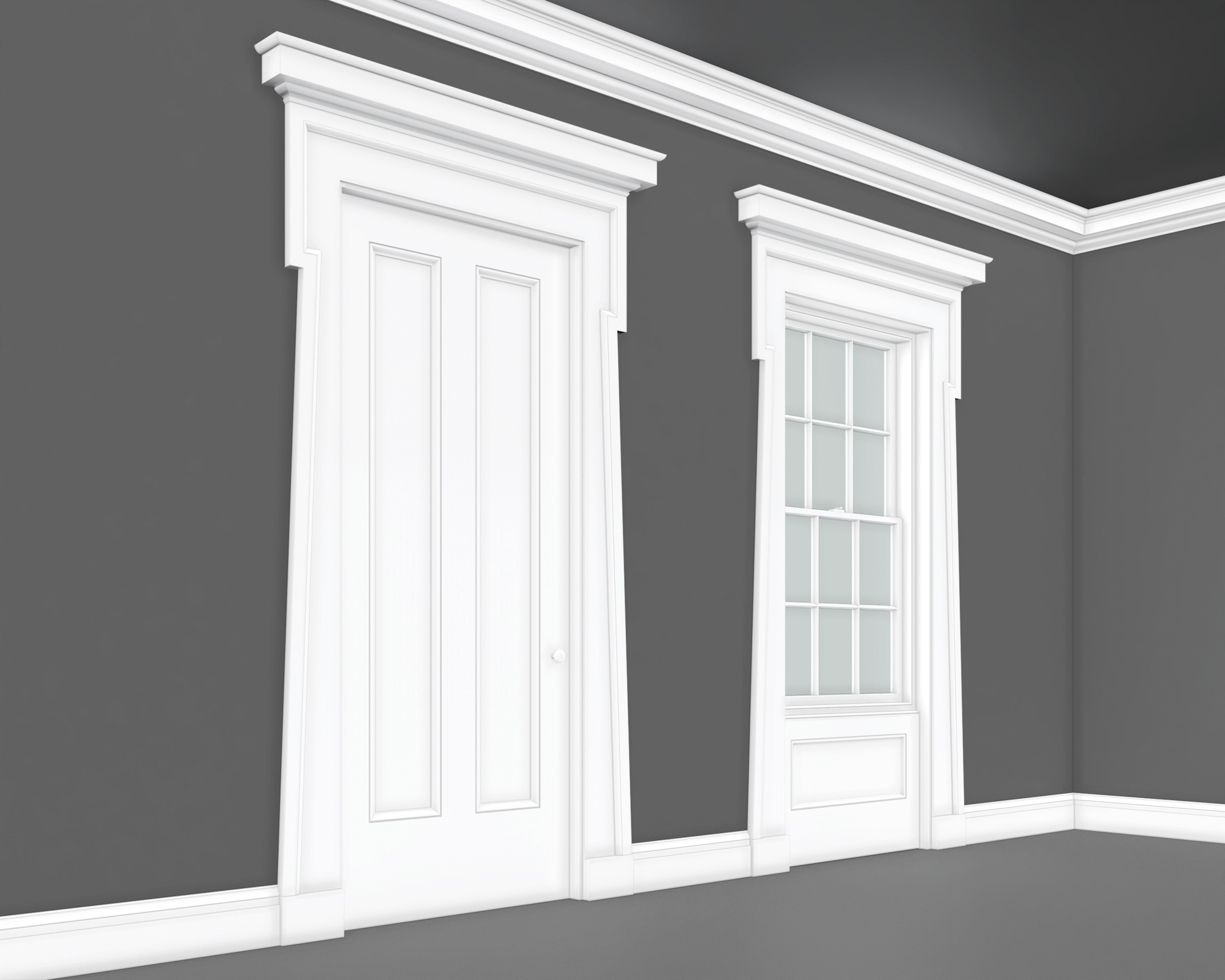
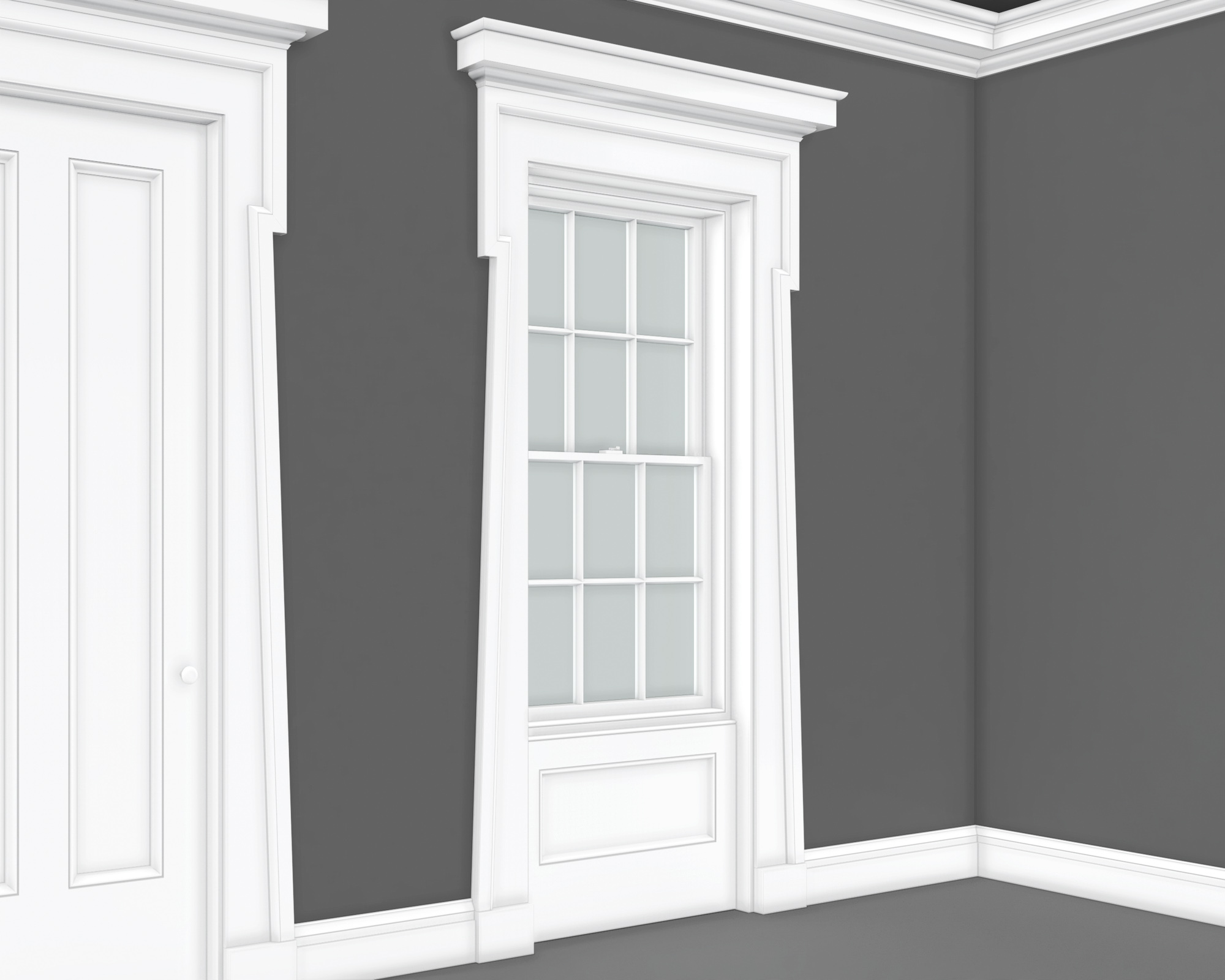
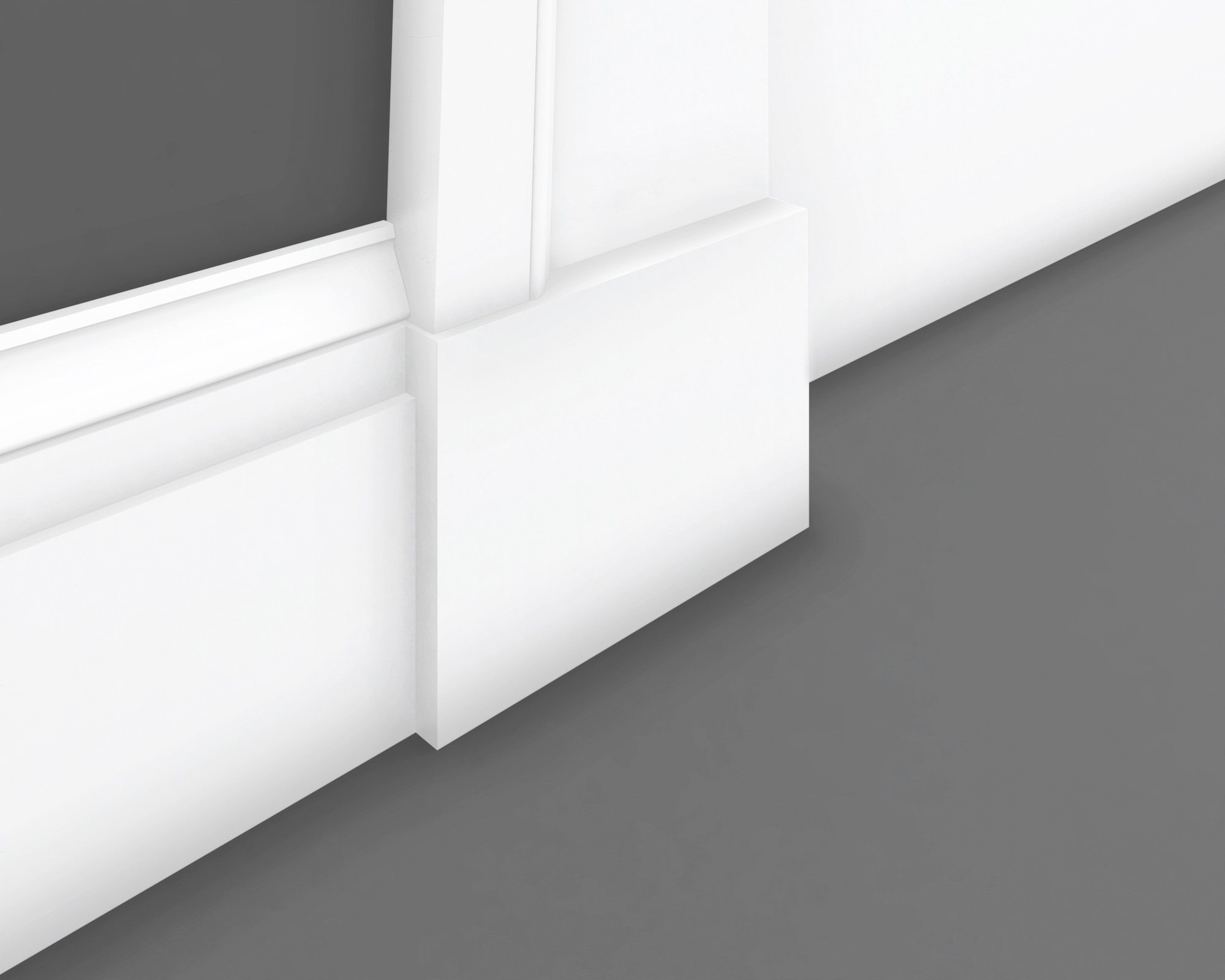
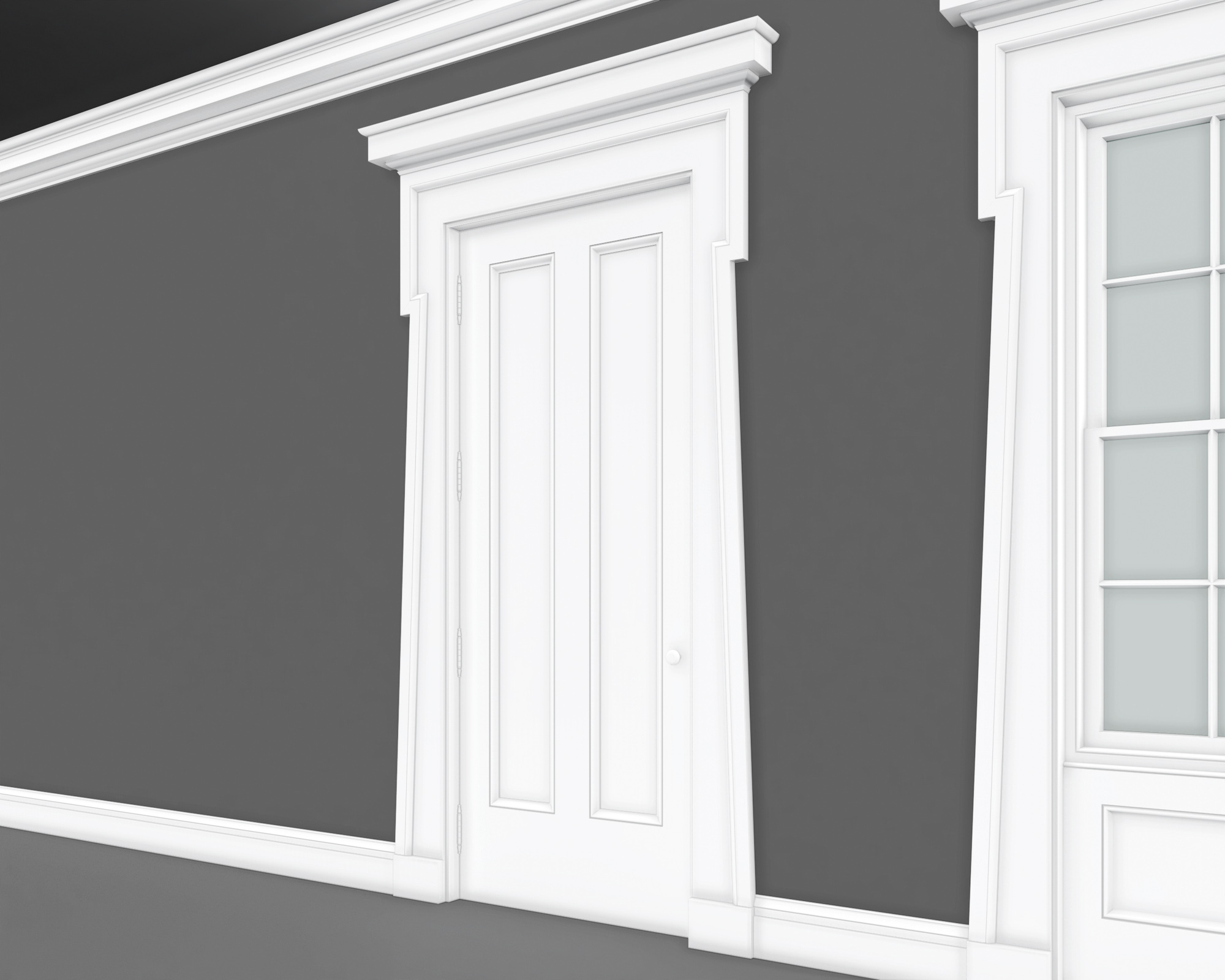
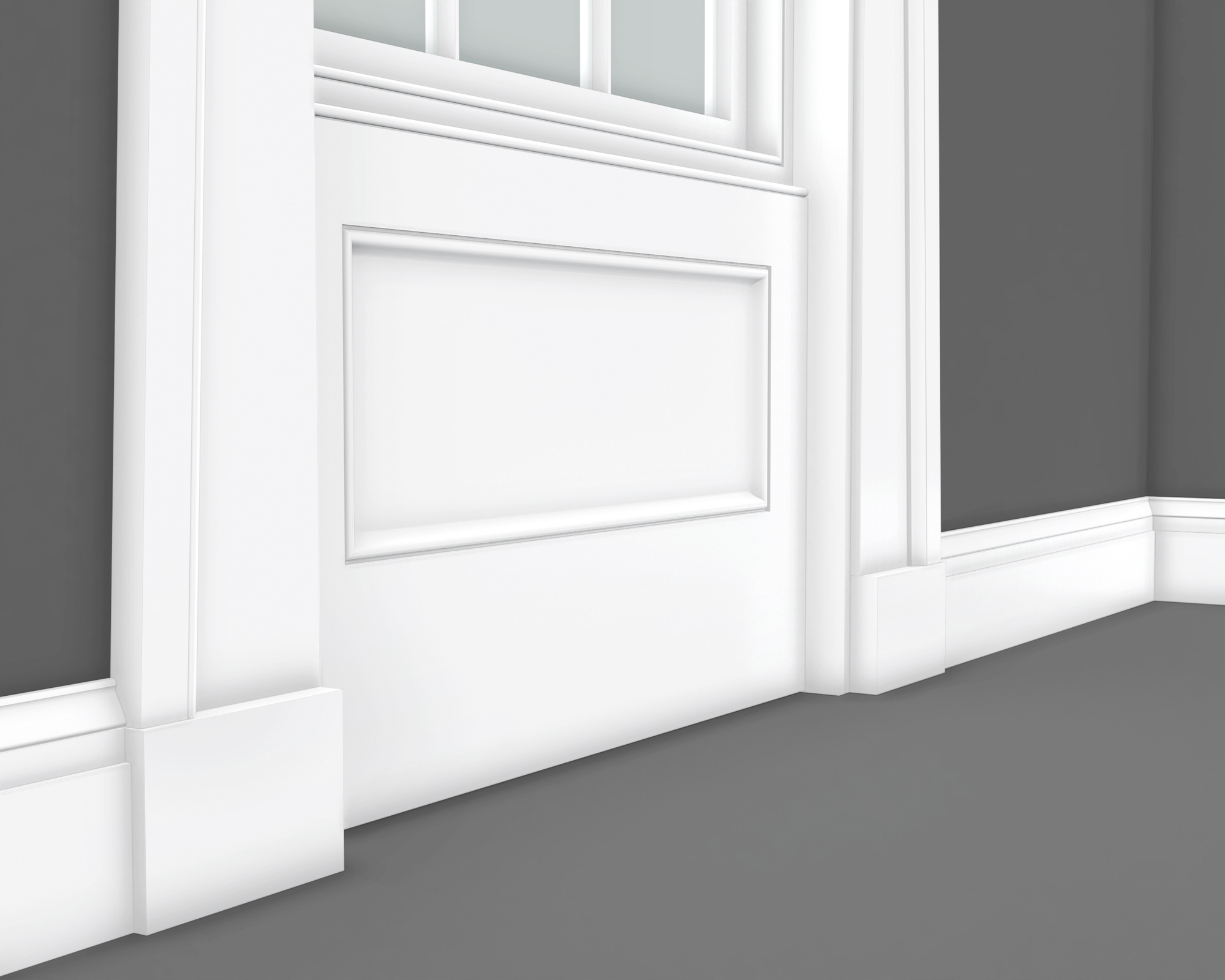
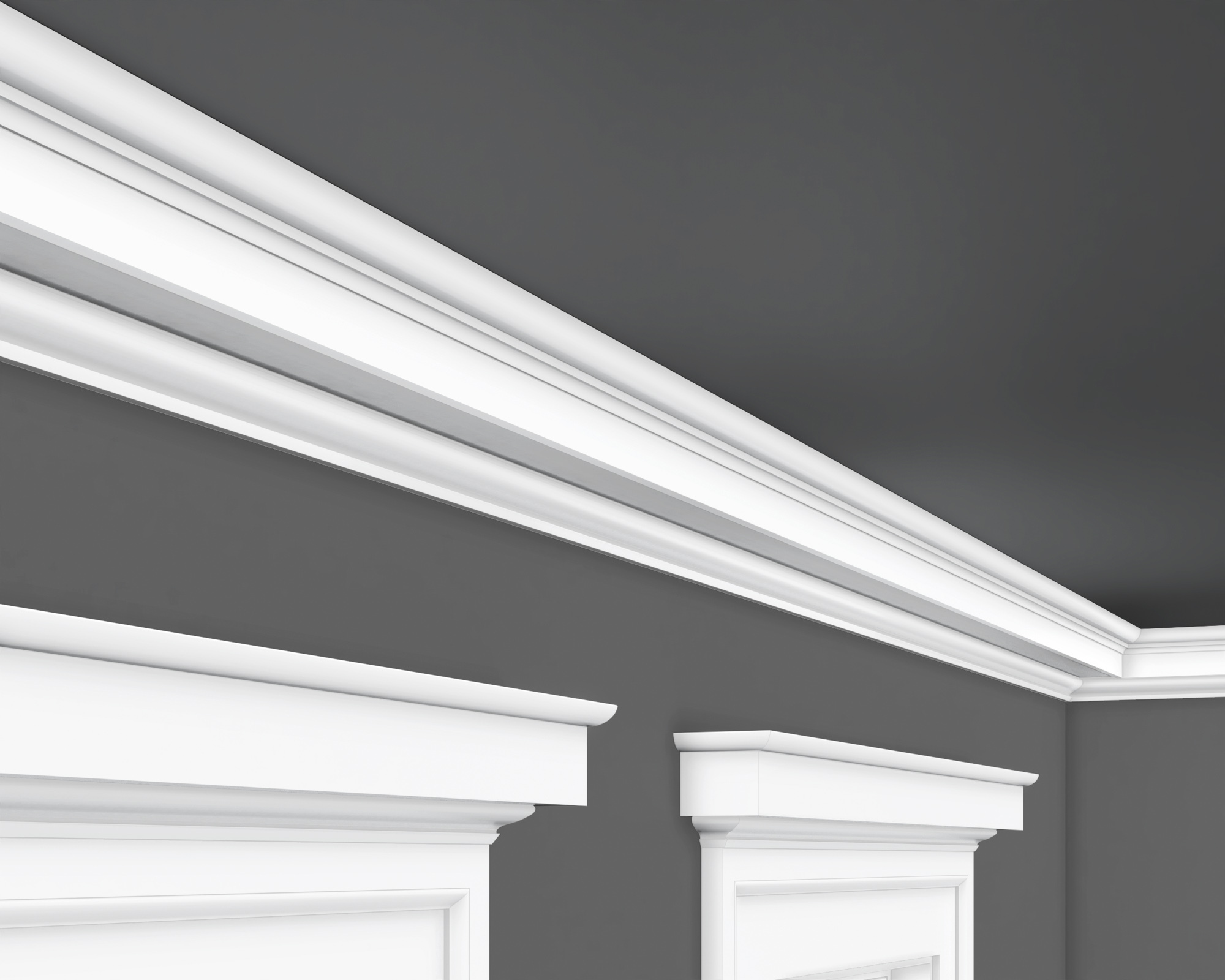
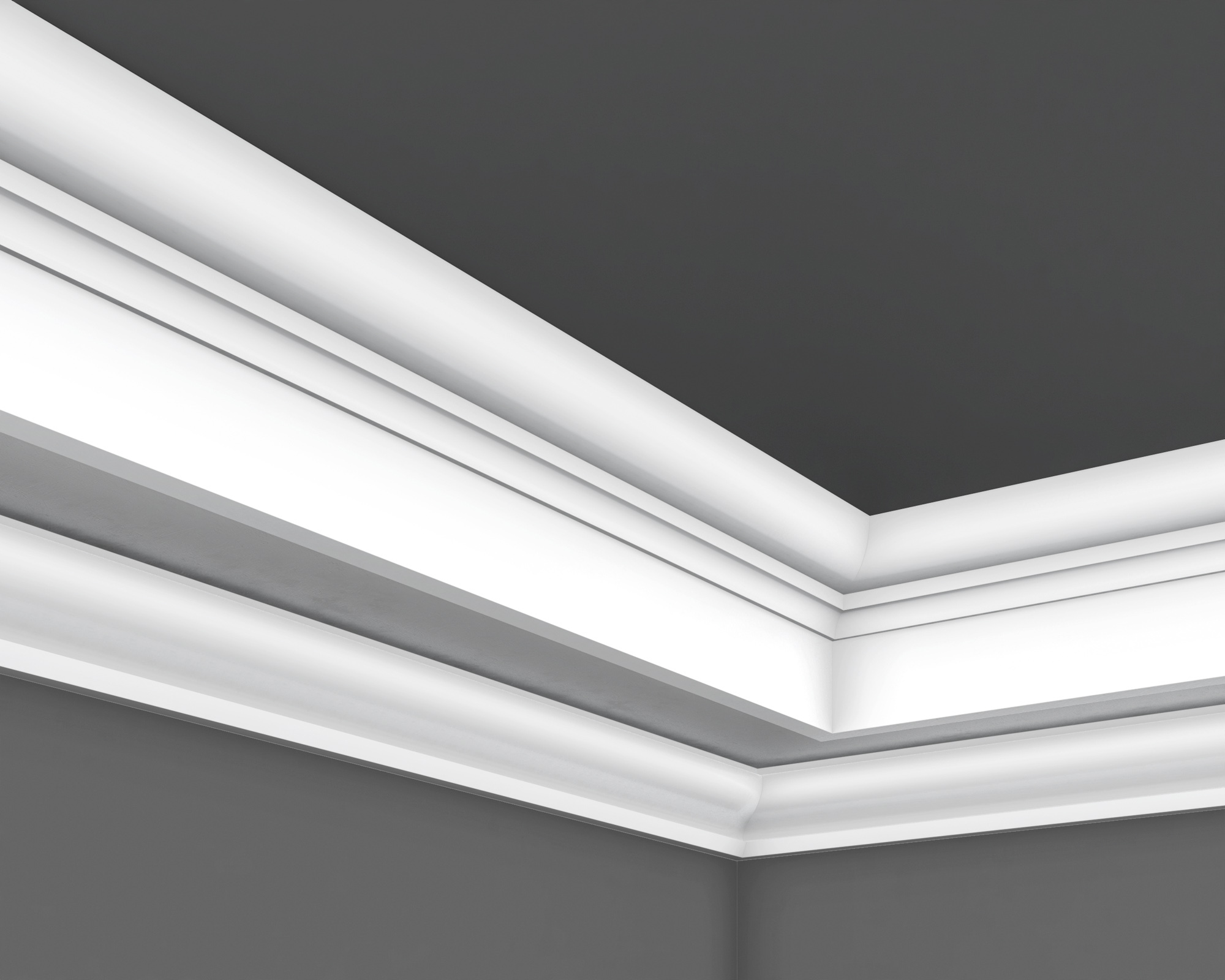
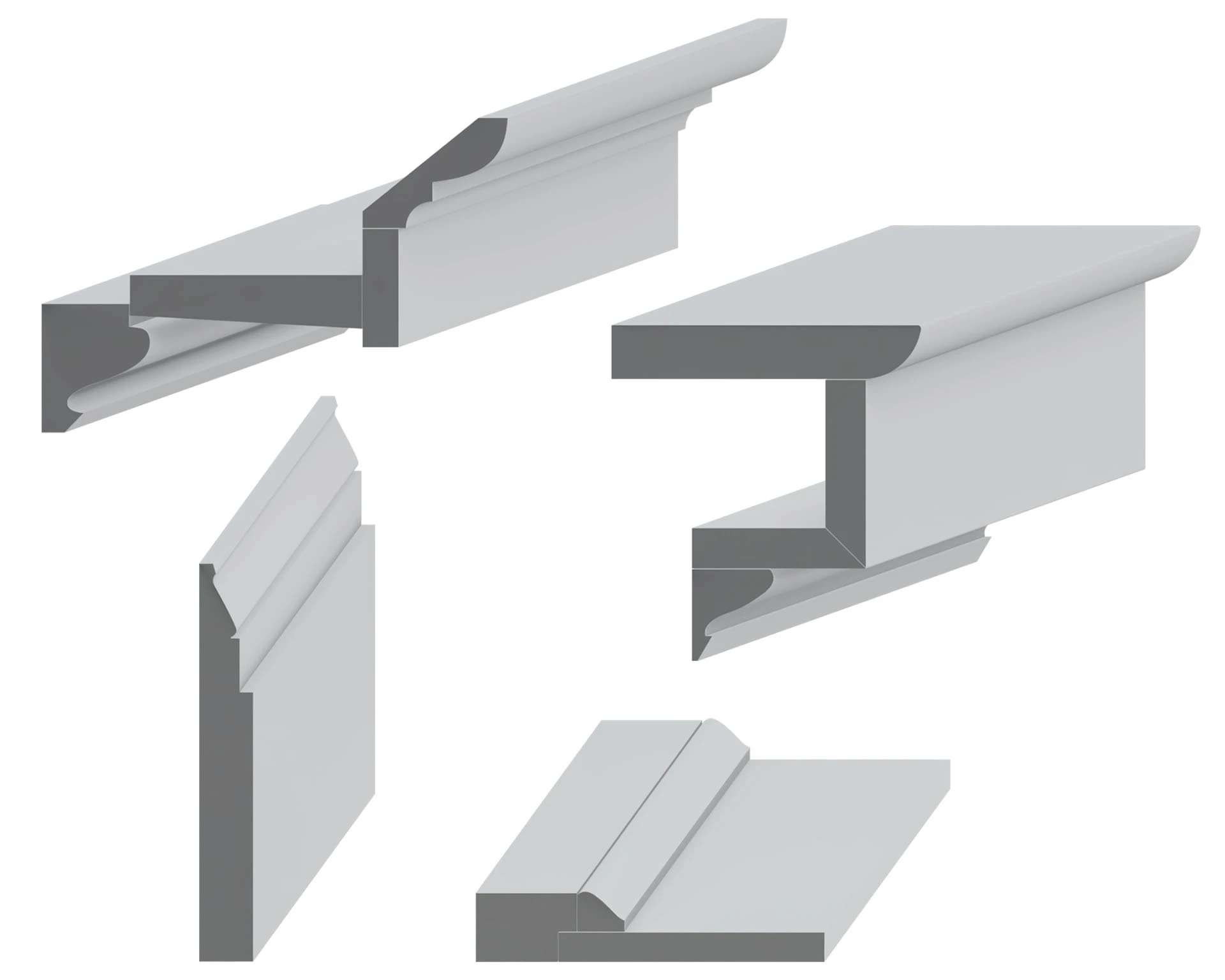
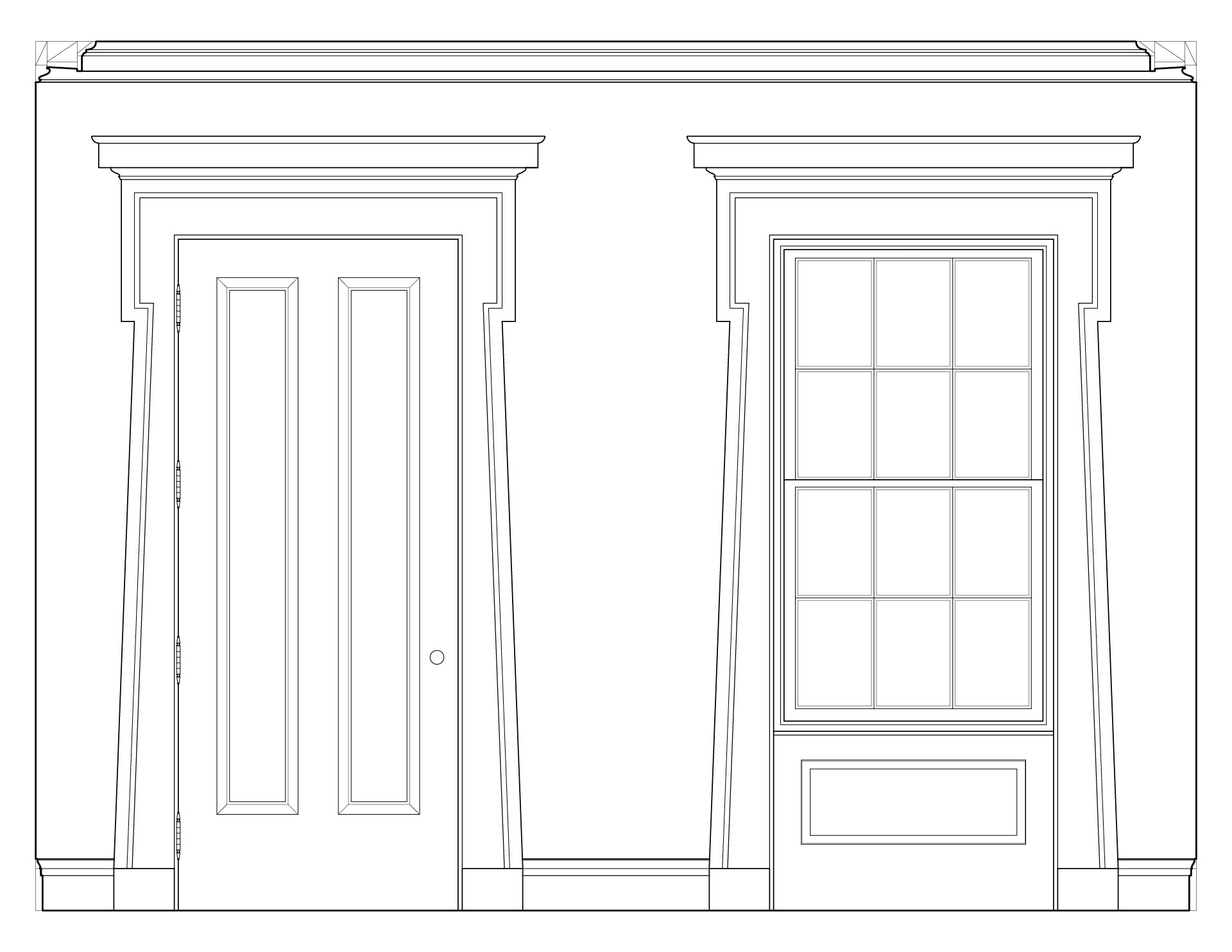
OCTAGON STYLE MOULDINGS
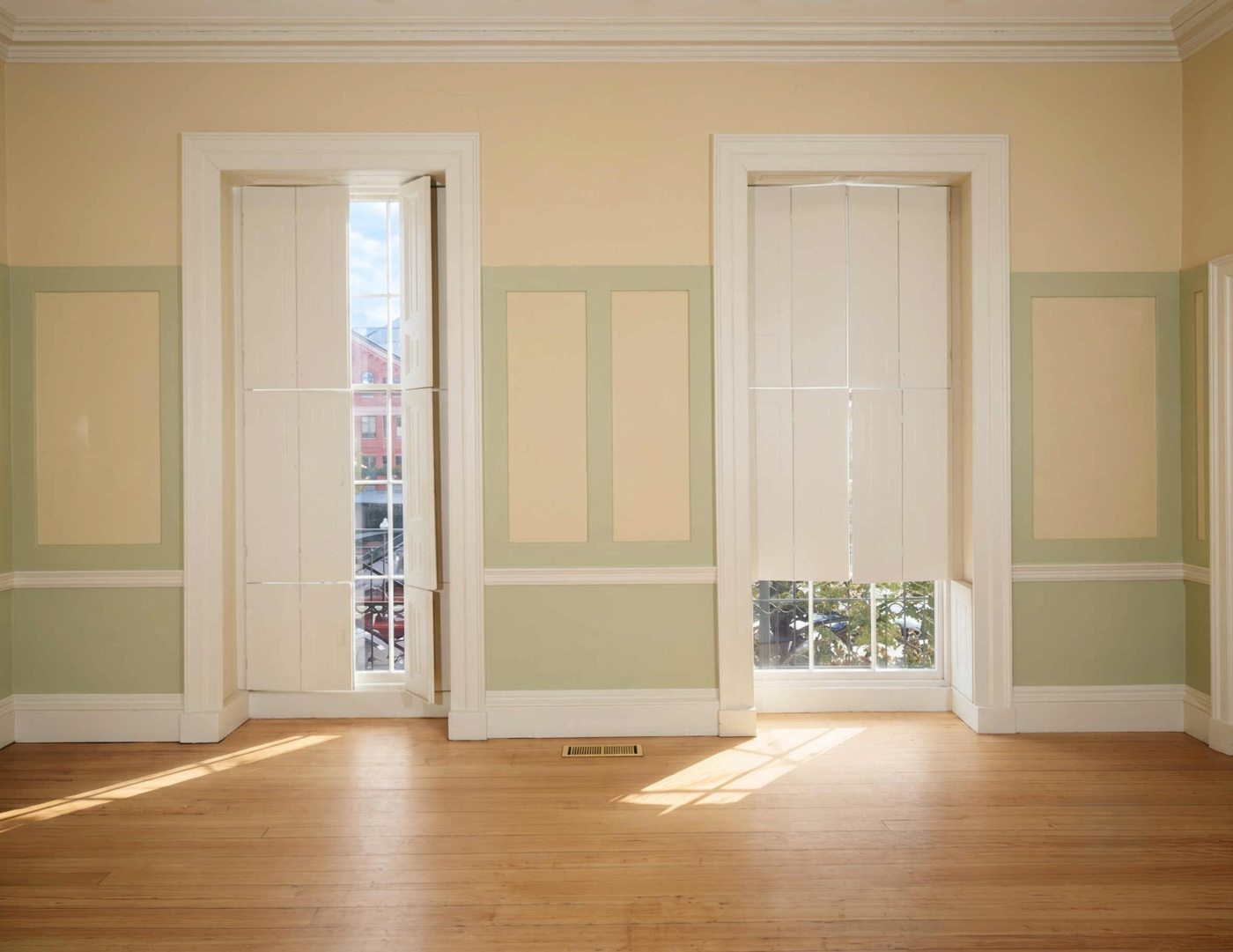
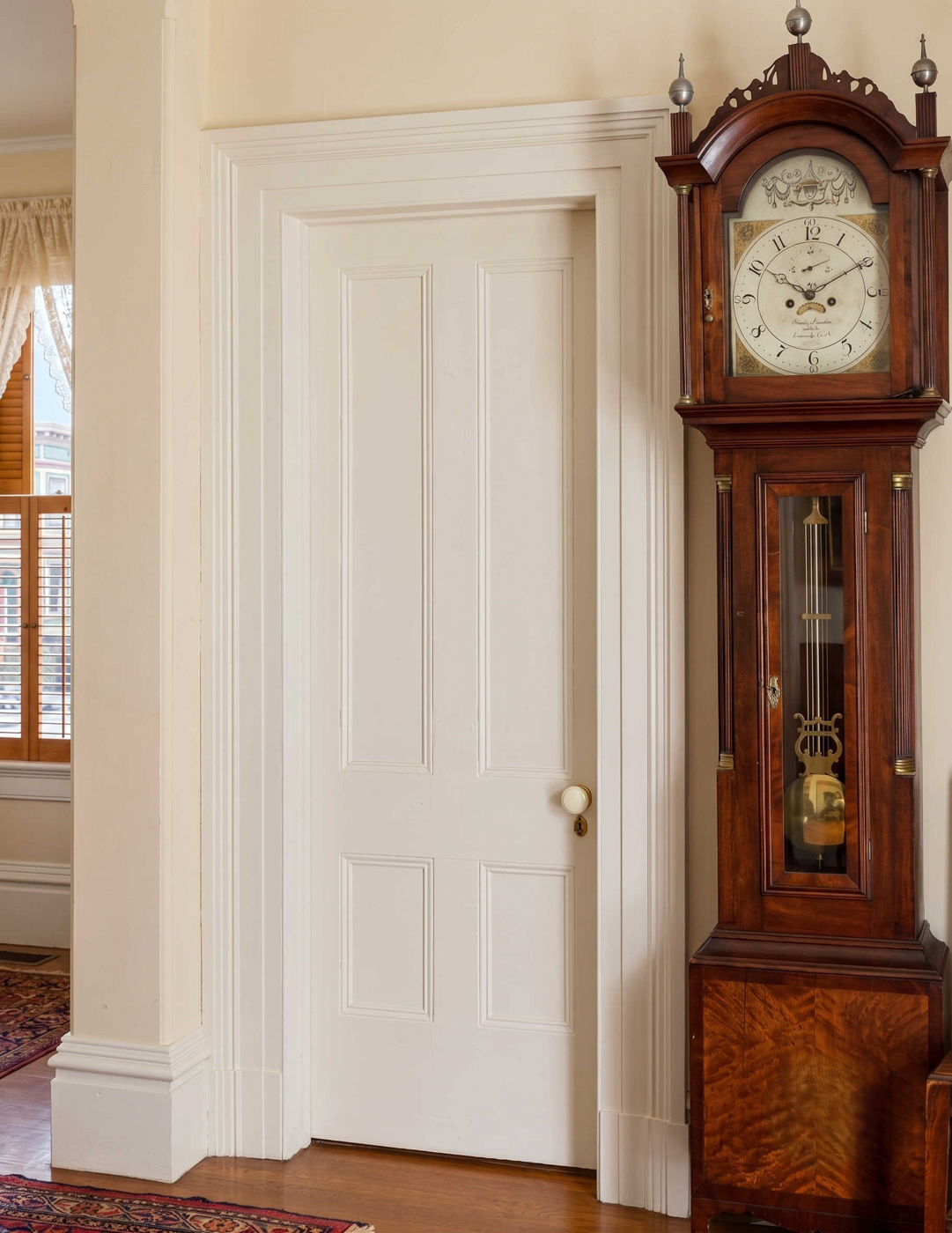
See Greek Revival, Italianate, or Victorian style mouldings.
HISTORY OF OCTAGON STYLE
Long before the octagon became an American domestic experiment, its geometry had distinguished buildings of ceremonial and religious importance throughout architectural history. The form appeared in ancient Roman monuments and later in early Christian baptisteries, where its ordered symmetry carried both functional and symbolic meaning. During the nineteenth century, however, the octagon was reimagined for everyday life by the American reformer Orson Squire Fowler. In his influential 1848 publication, A Home for All, Fowler argued that an eight-sided house could provide greater interior space while requiring fewer materials than a conventional rectangular dwelling. He further maintained that its plan improved the circulation of daylight and fresh air, reflecting an era increasingly concerned with domestic health, economy, and social progress.
Fowler’s ideas captured the reforming spirit of the 1850s, inspiring the construction of octagon houses throughout the United States and parts of Canada. The movement encouraged homeowners to regard architecture as a means of improving daily life through rational planning and technological innovation. Because the octagon described a building’s form rather than its ornamental character, architects and builders could interpret its exterior through the prevailing architectural fashions of their respective communities. Although some examples displayed the restraint of Greek Revival design, others assumed the picturesque character of the Gothic Revival or the ornamental richness of the Italianate style. Enthusiasm diminished as builders encountered the practical difficulties of furnishing angled rooms, framing complex rooflines, and adapting conventional materials to an unconventional plan. By the outbreak of the Civil War, enthusiasm had largely receded, leaving behind one of nineteenth-century America’s most distinctive architectural experiments.