ART MODERNE STYLE MOULDING PROFILES & GALLERY
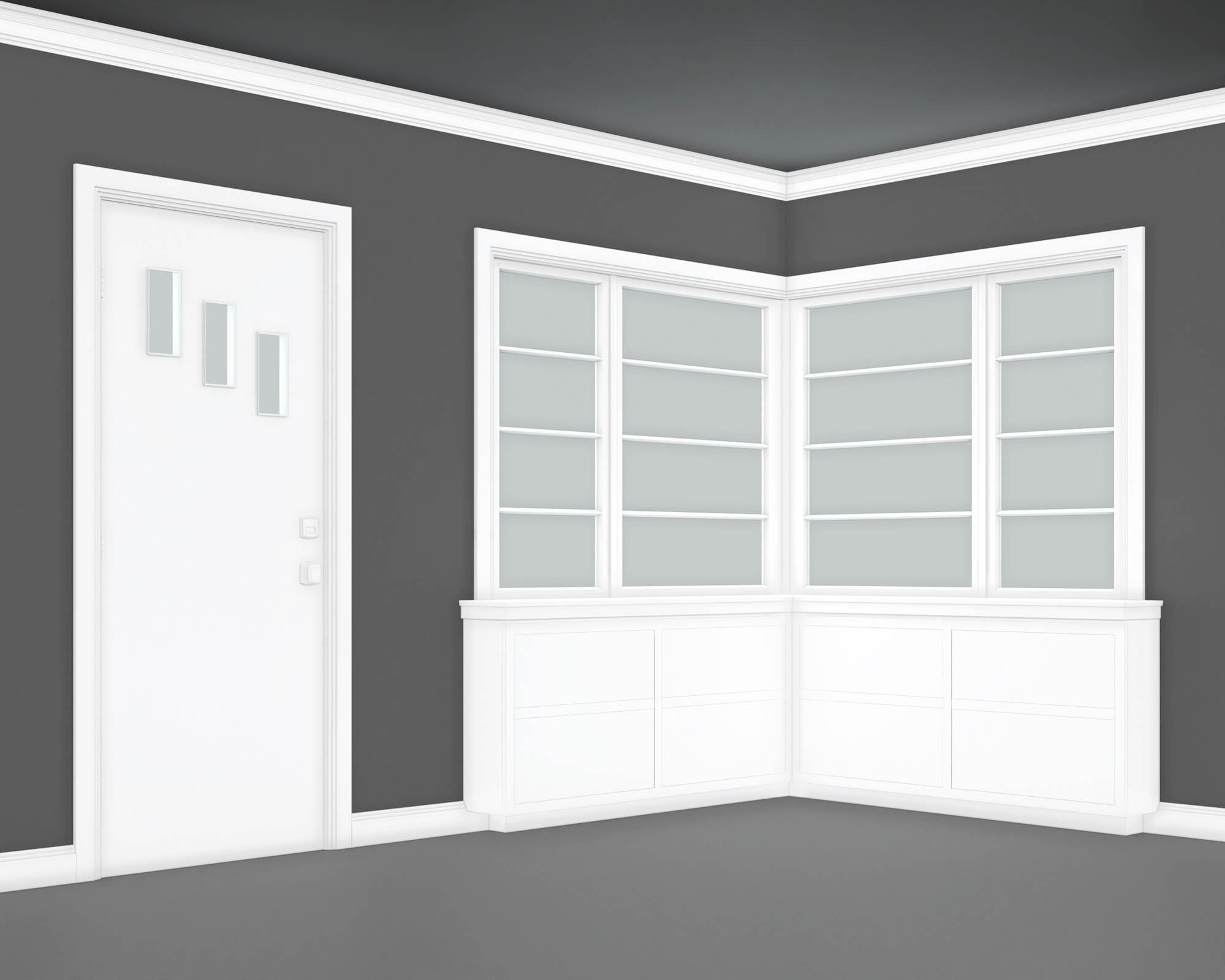
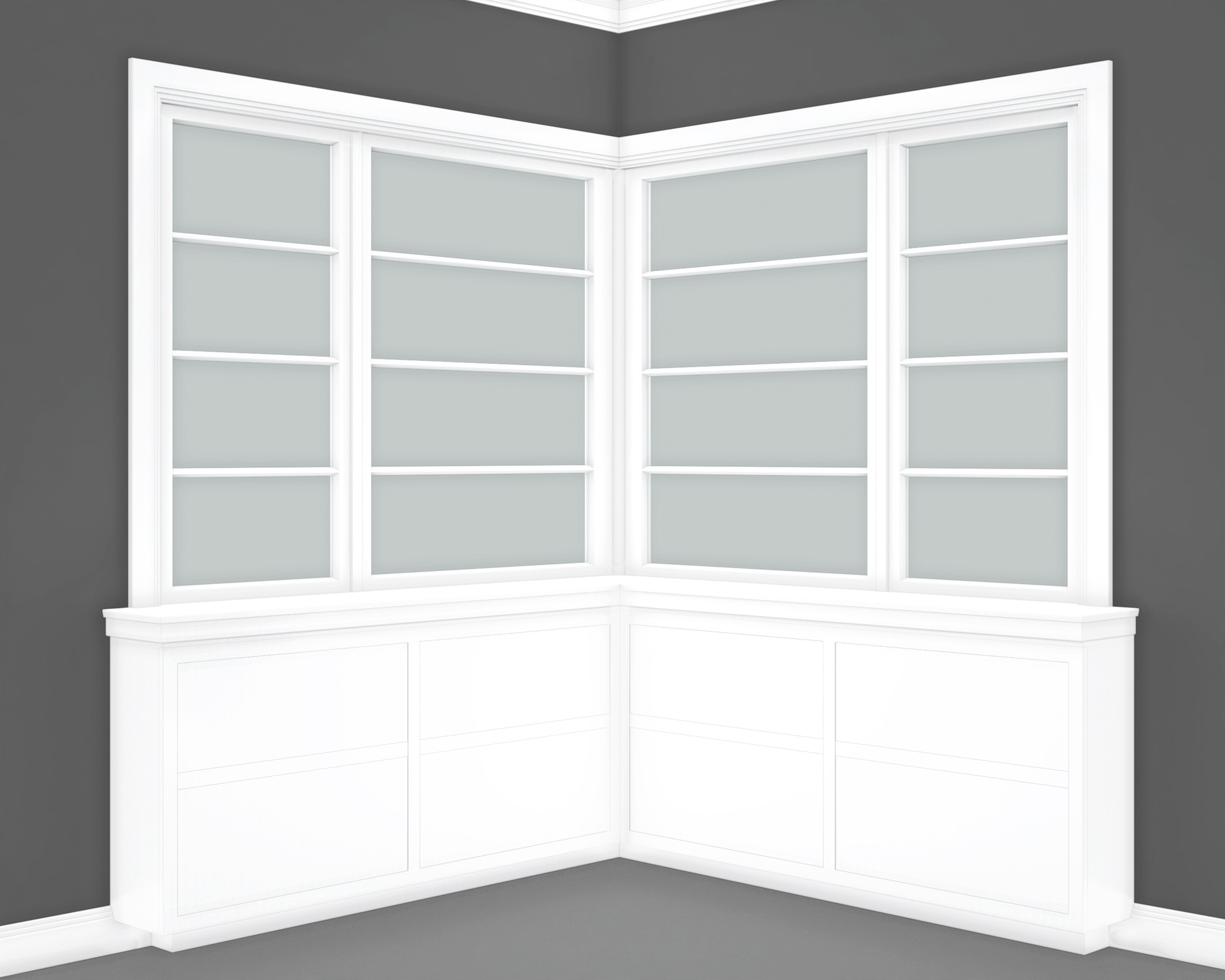
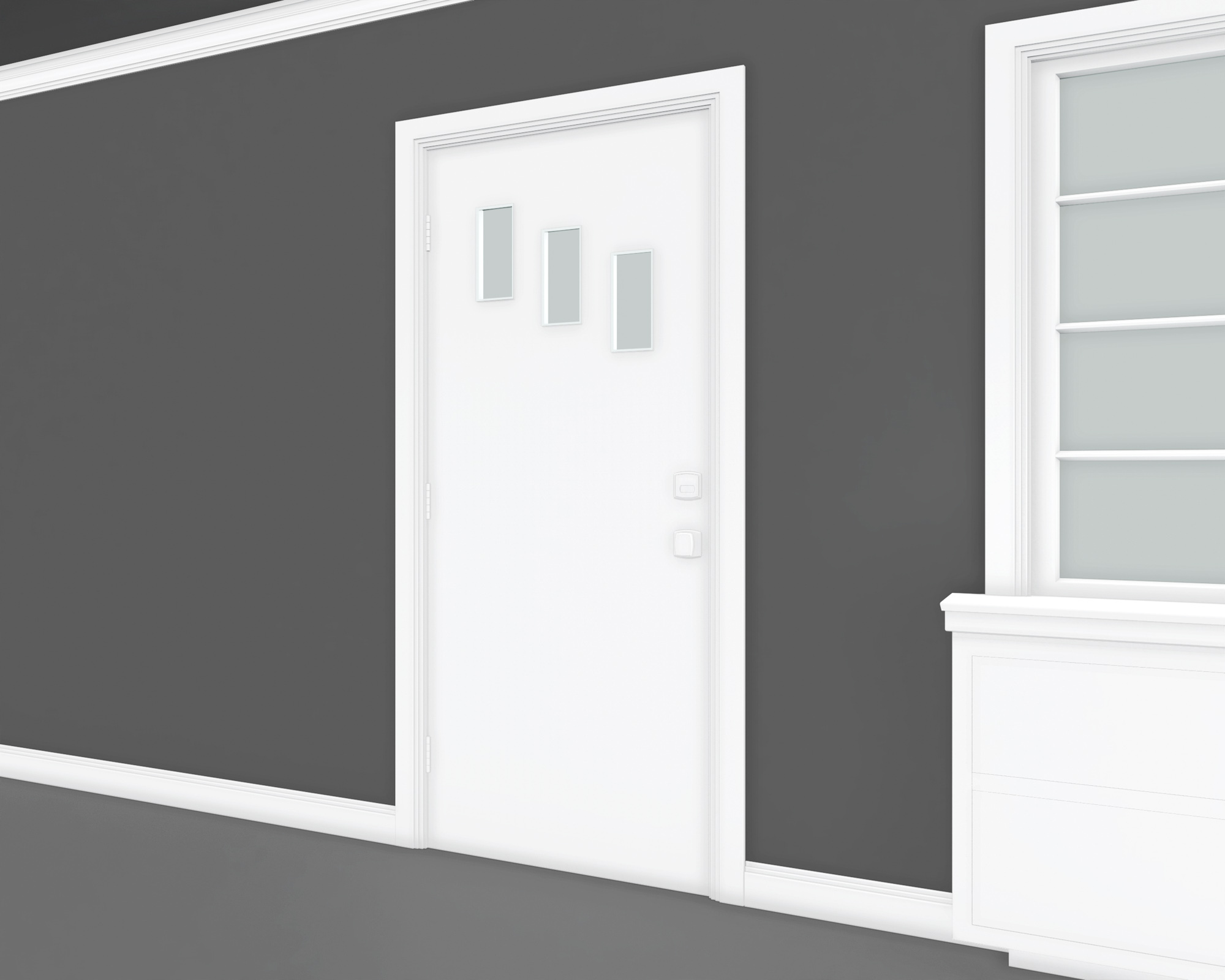
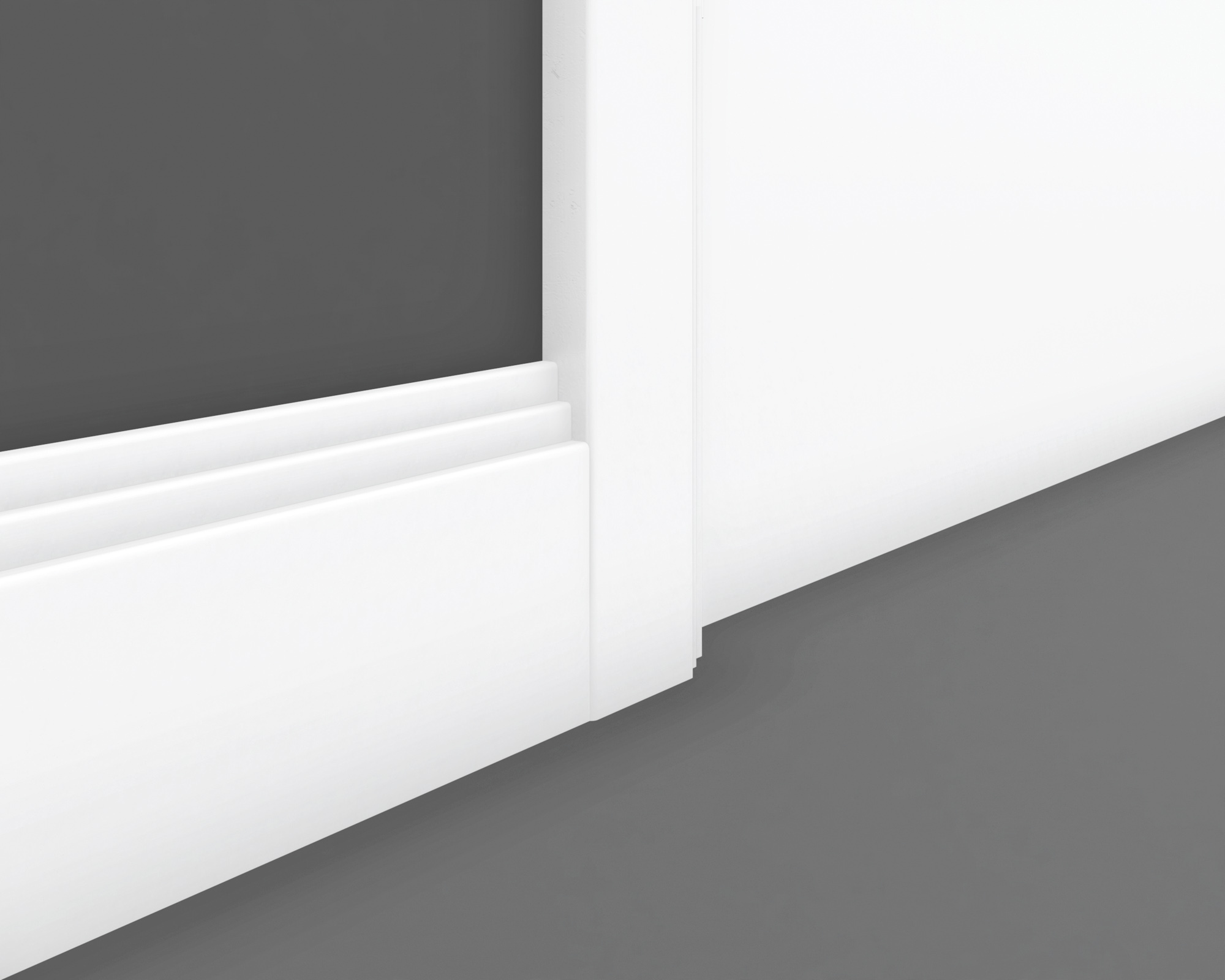
WHAT IS ART MODERNE ARCHITECTURAL STYLE?
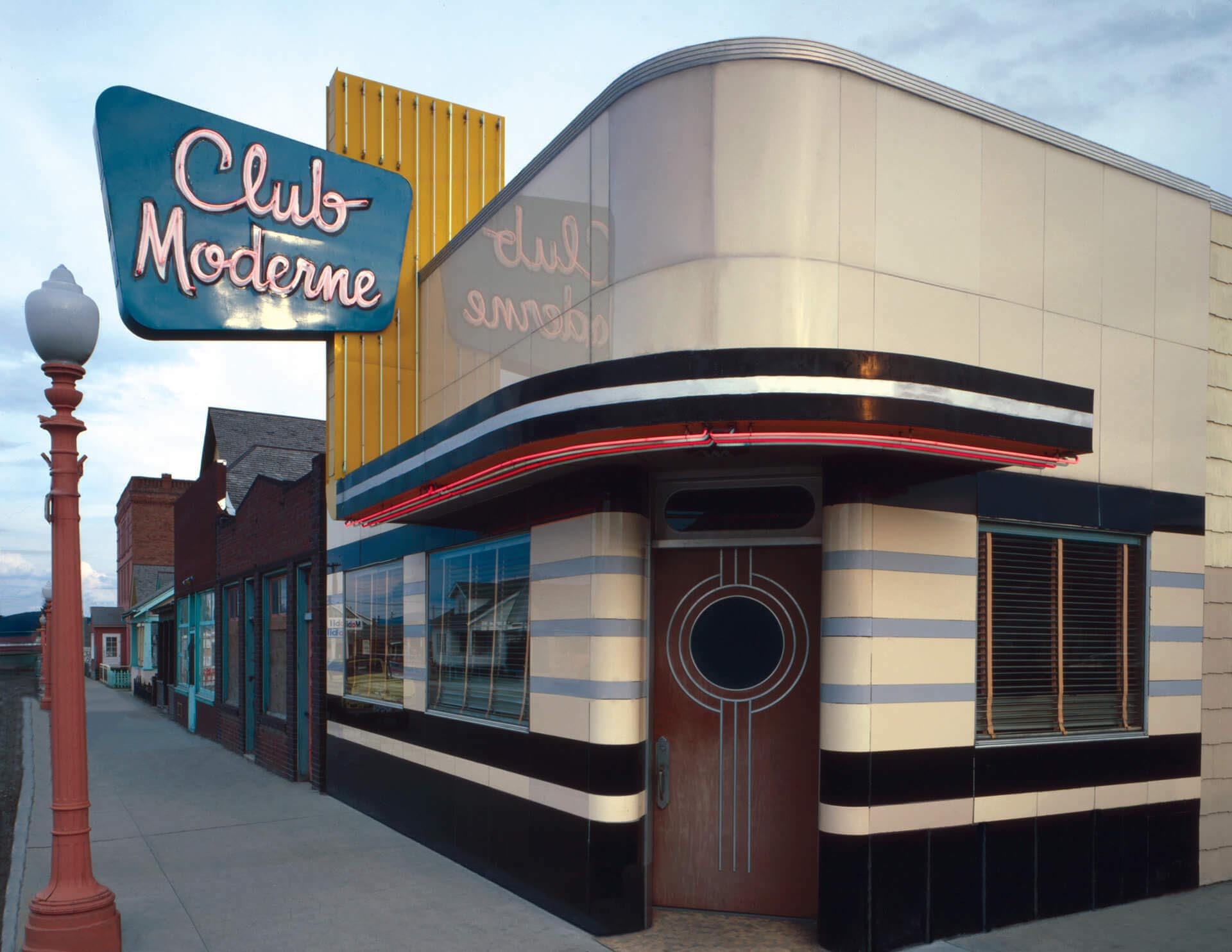
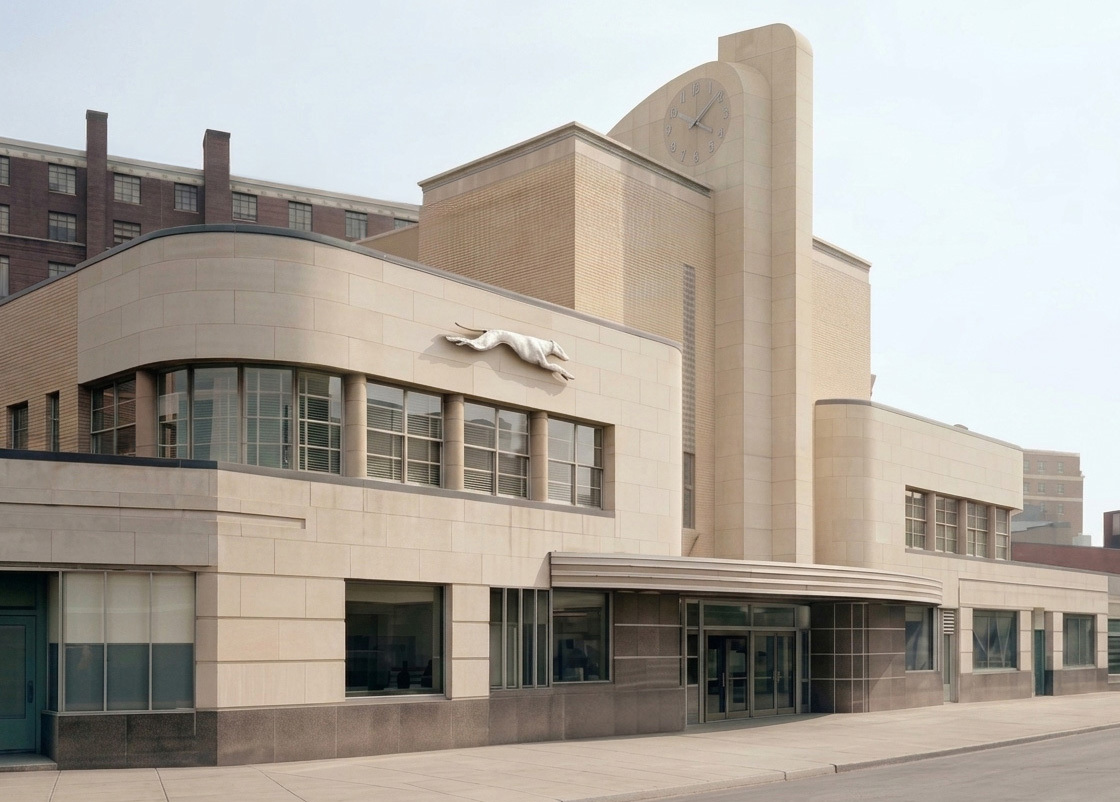
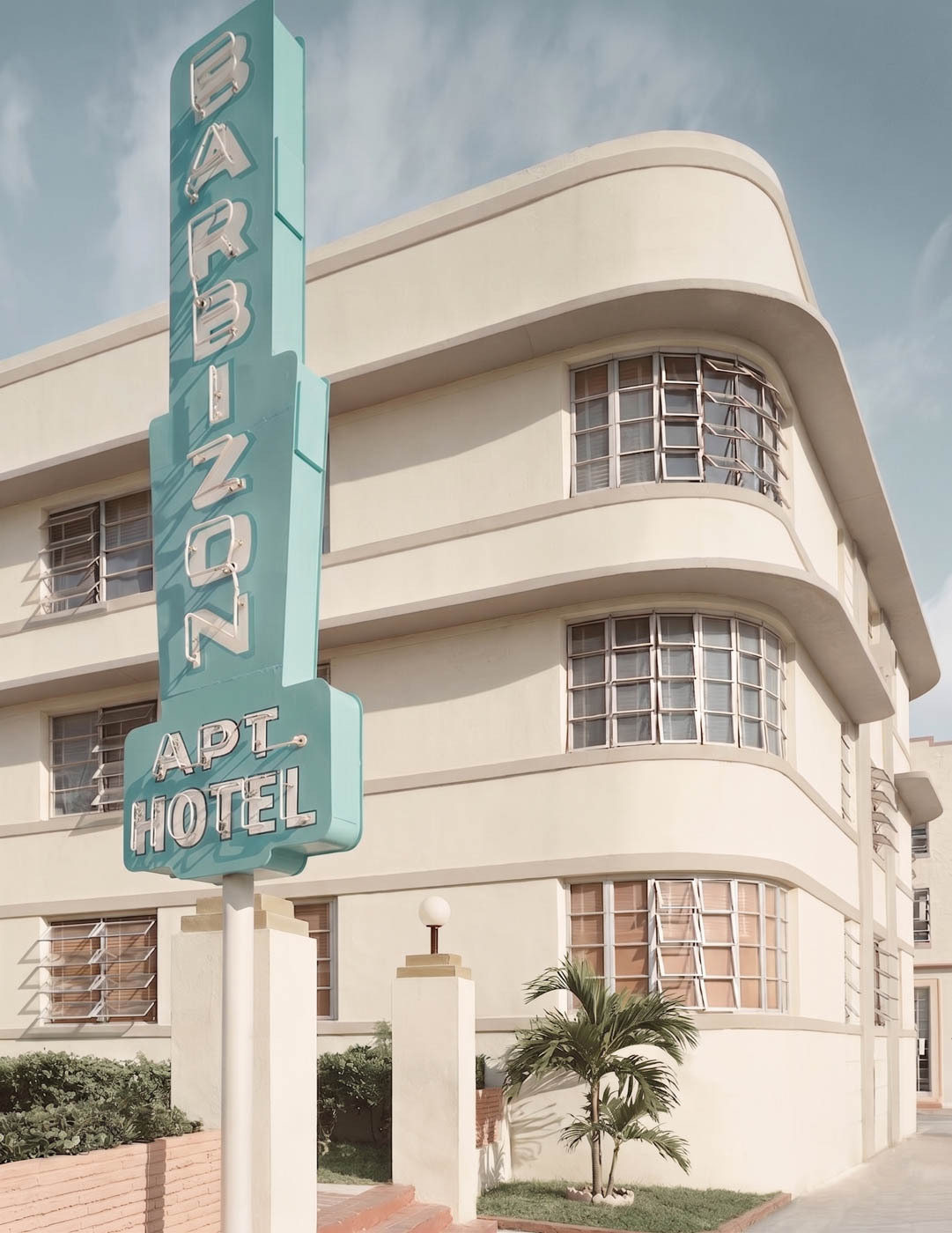
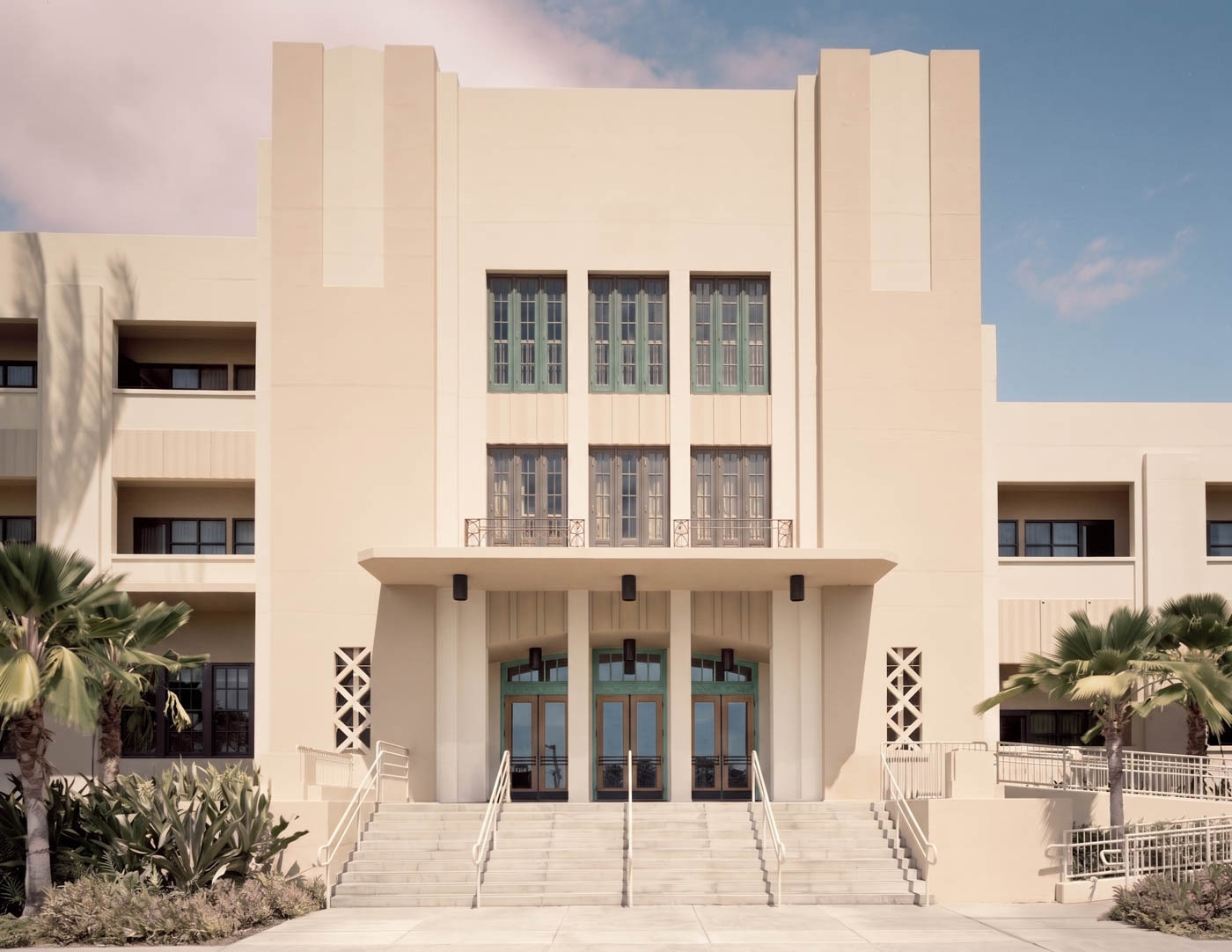
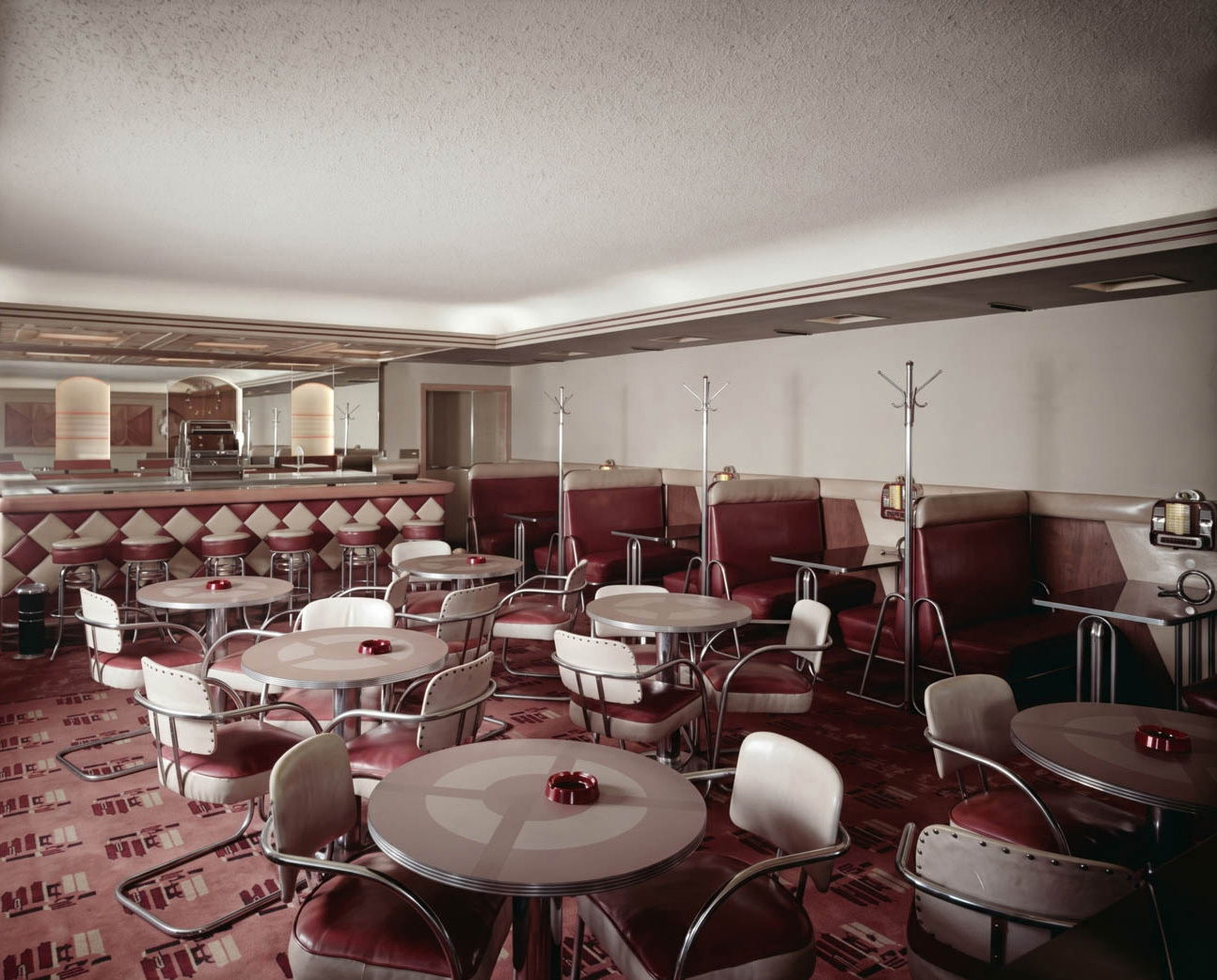
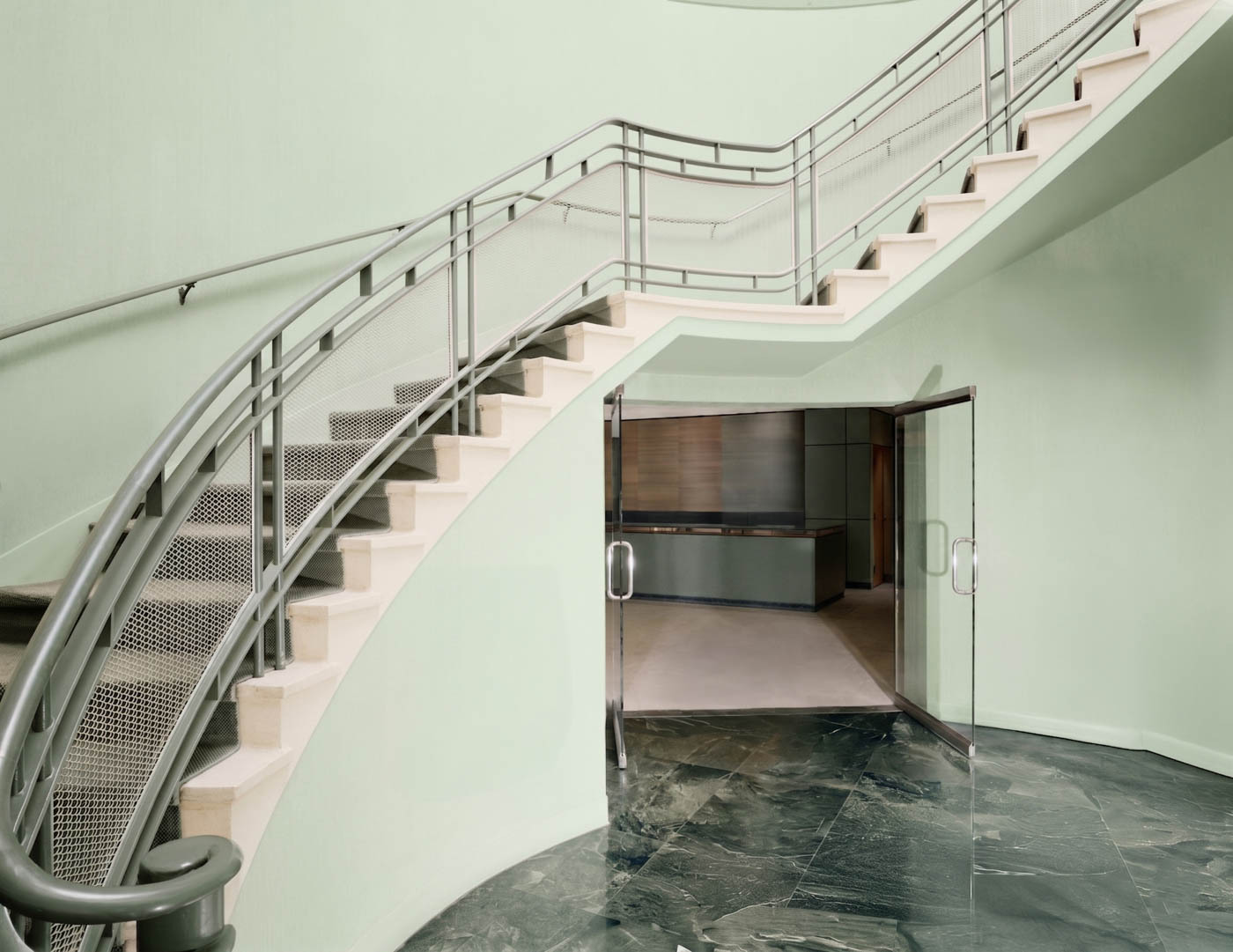
Art Moderne architecture, sometimes referred to as Streamlined Moderne, was a design style that emerged during the 1930s. The architectural style emphasized curving forms, long horizontal lines, rounded corners, flat roofs, horizontal bands of windows, and smooth walls with no ornamentation.
CHARACTERISTICS OF ART MODERNE ARCHITECTURE
The Art Moderne style developed out of Art Deco, but it has distinguishable features such as low, horizontal shapes. Art Moderne style also places an emphasis on curving forms, while triangles, zigzags, and chevrons are more commonly seen in Art Deco.
Curved window glass wrapping around corners, stainless steel window and door trim, and sunshade roofs over southern windows were also popular Art Moderne details.
Common elements of Art Moderne style:
- Emphasis on curving forms
- Simple geometric shapes
- Long horizontal lines
- Contemporary styles
- Flat roofs
- One-story buildings
- Predominately white
ART MODERNE STYLE MOULDINGS
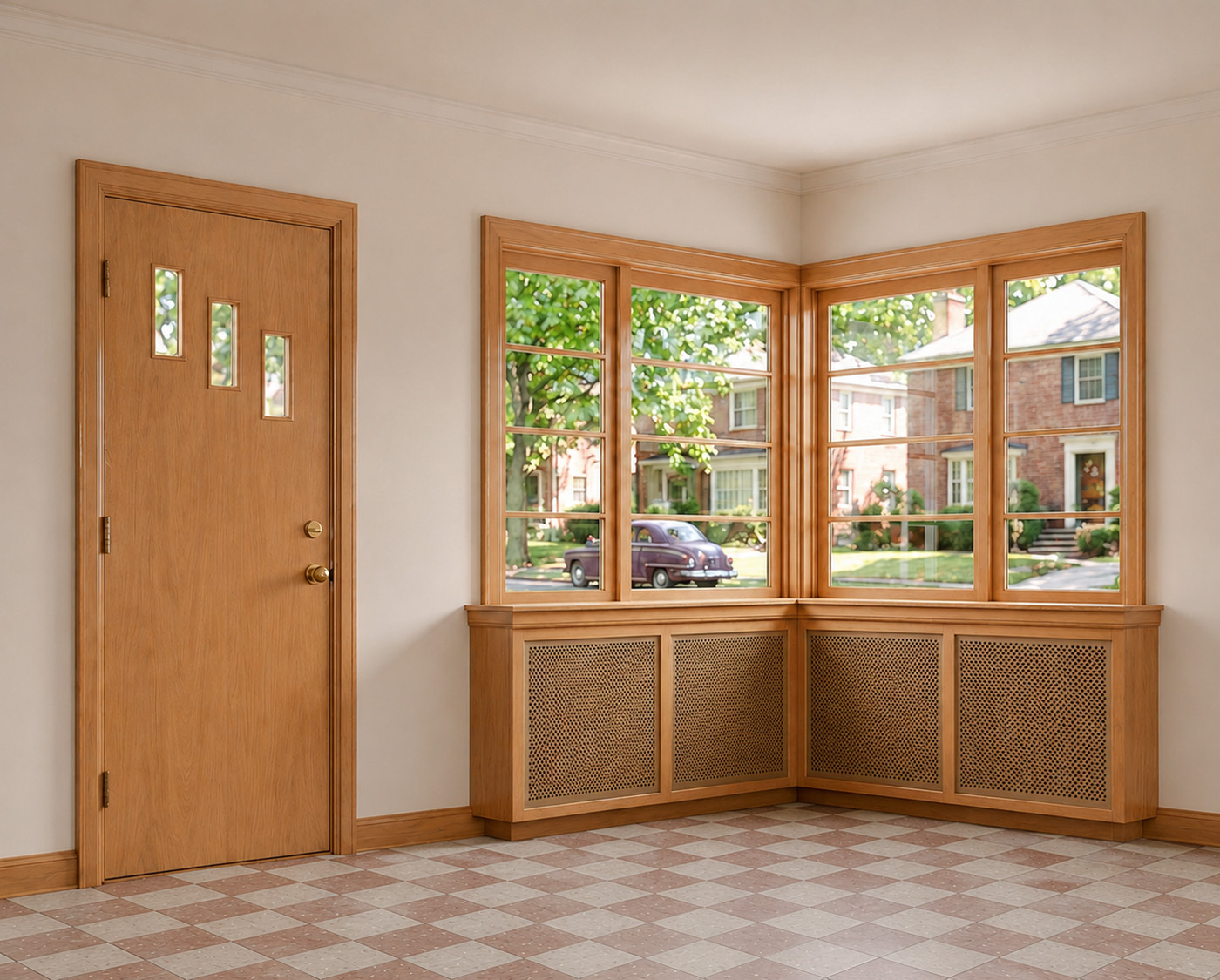
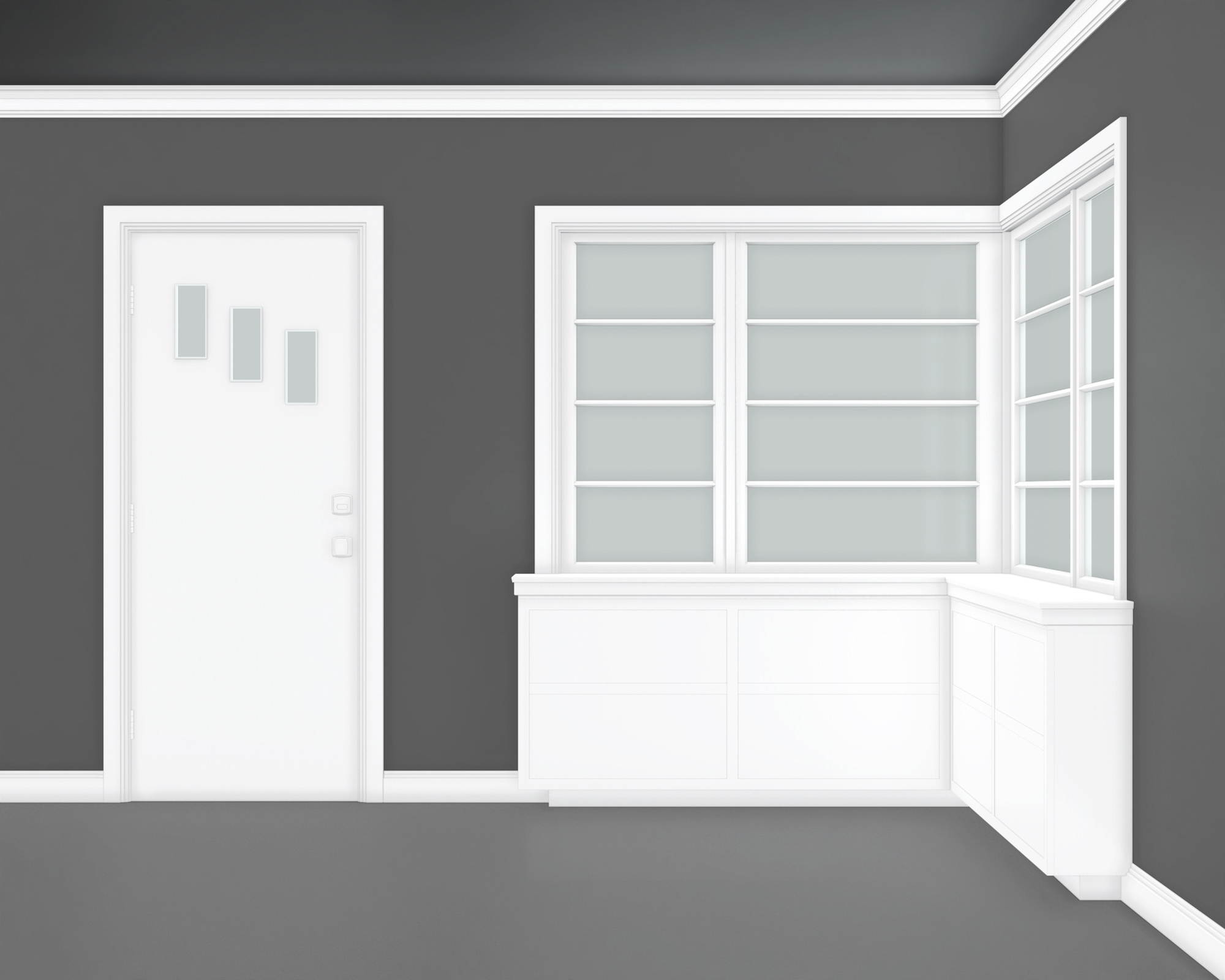
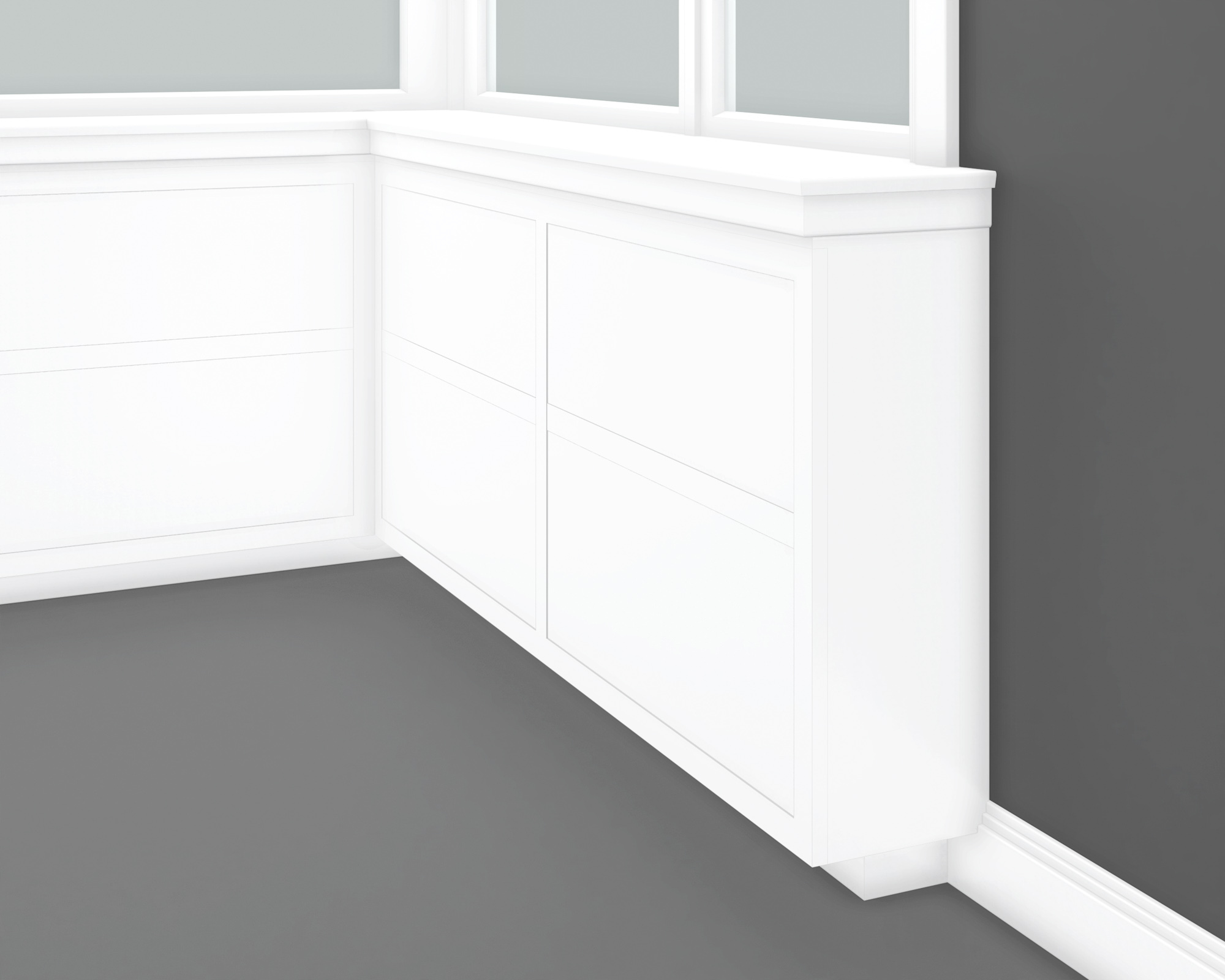
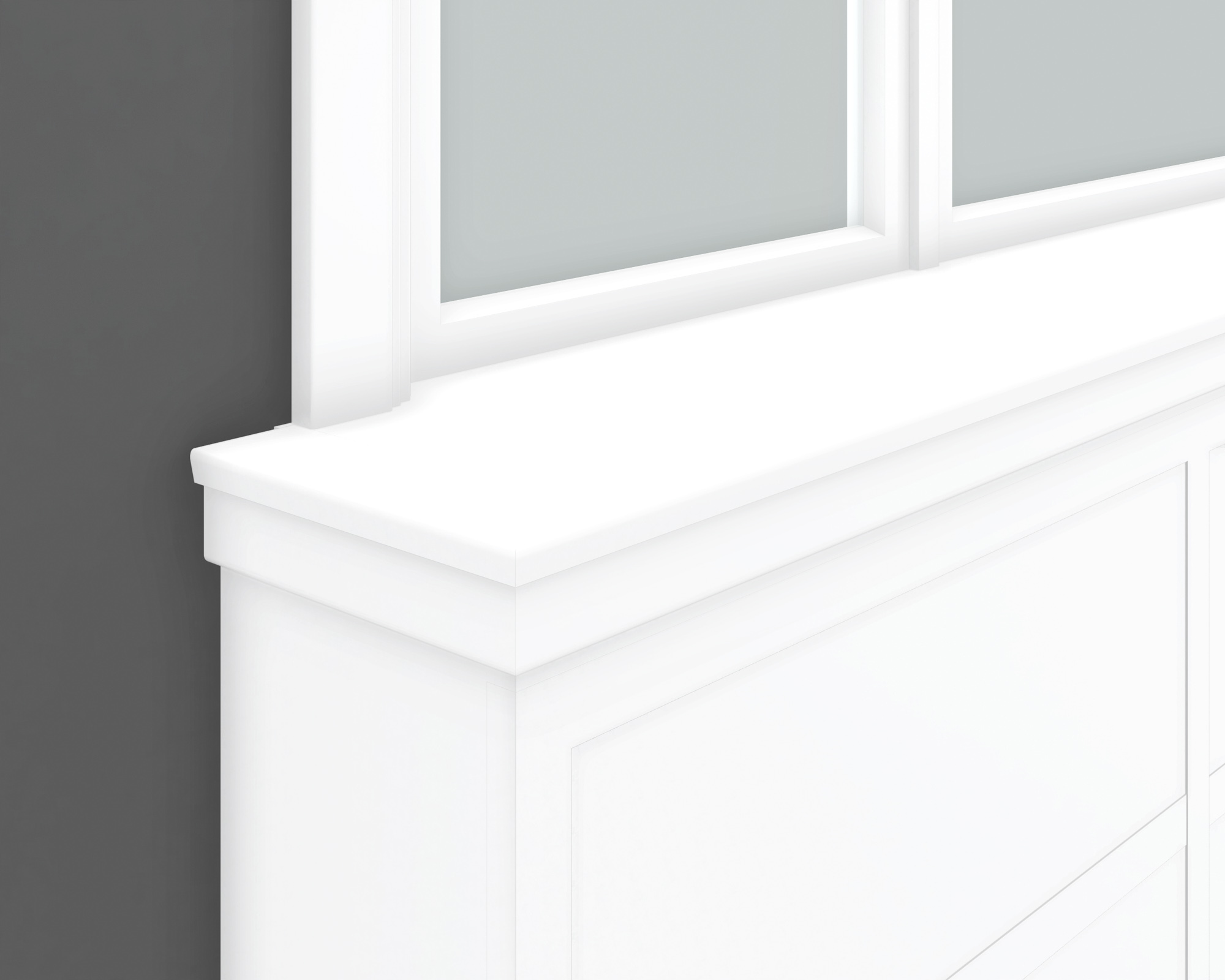
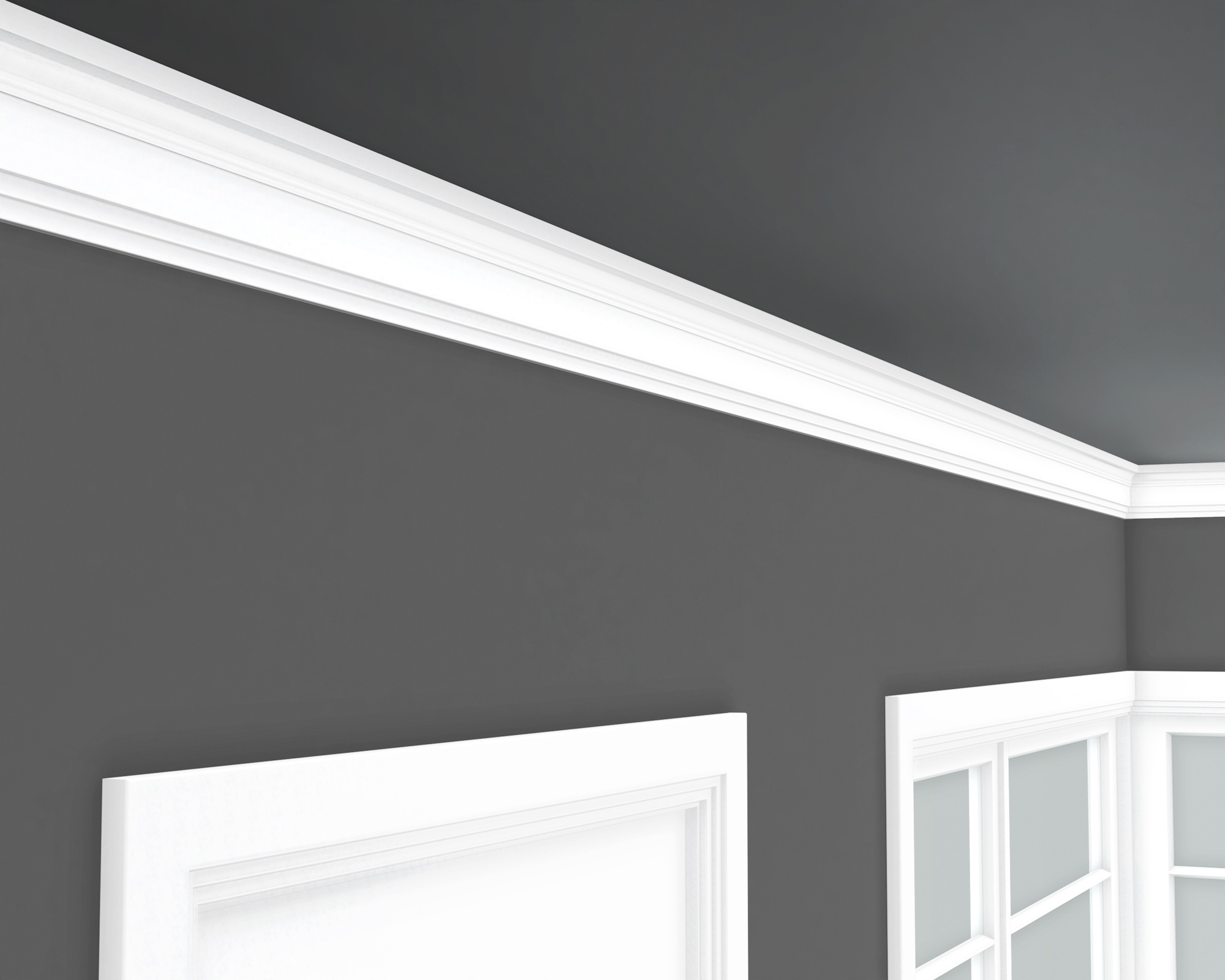
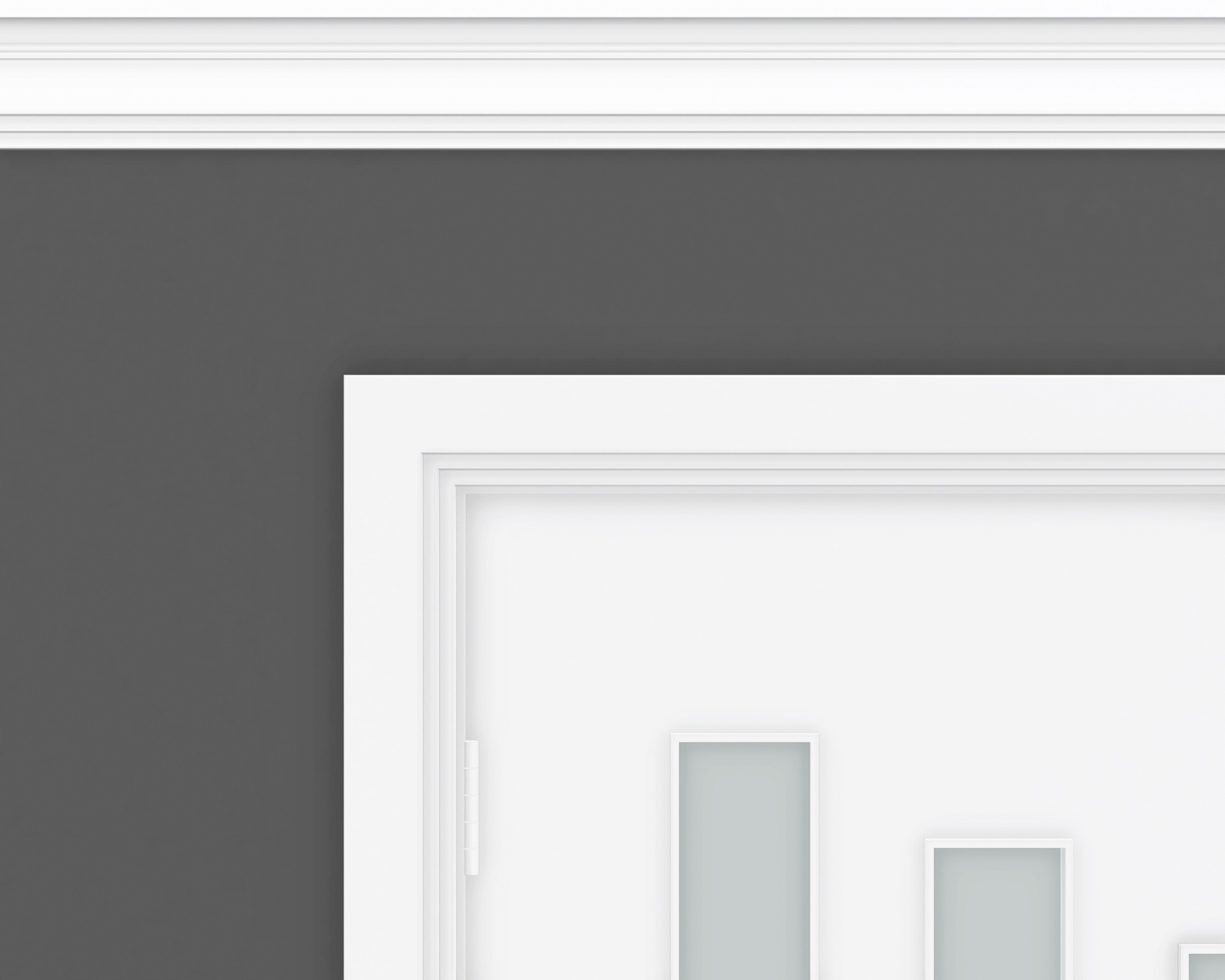
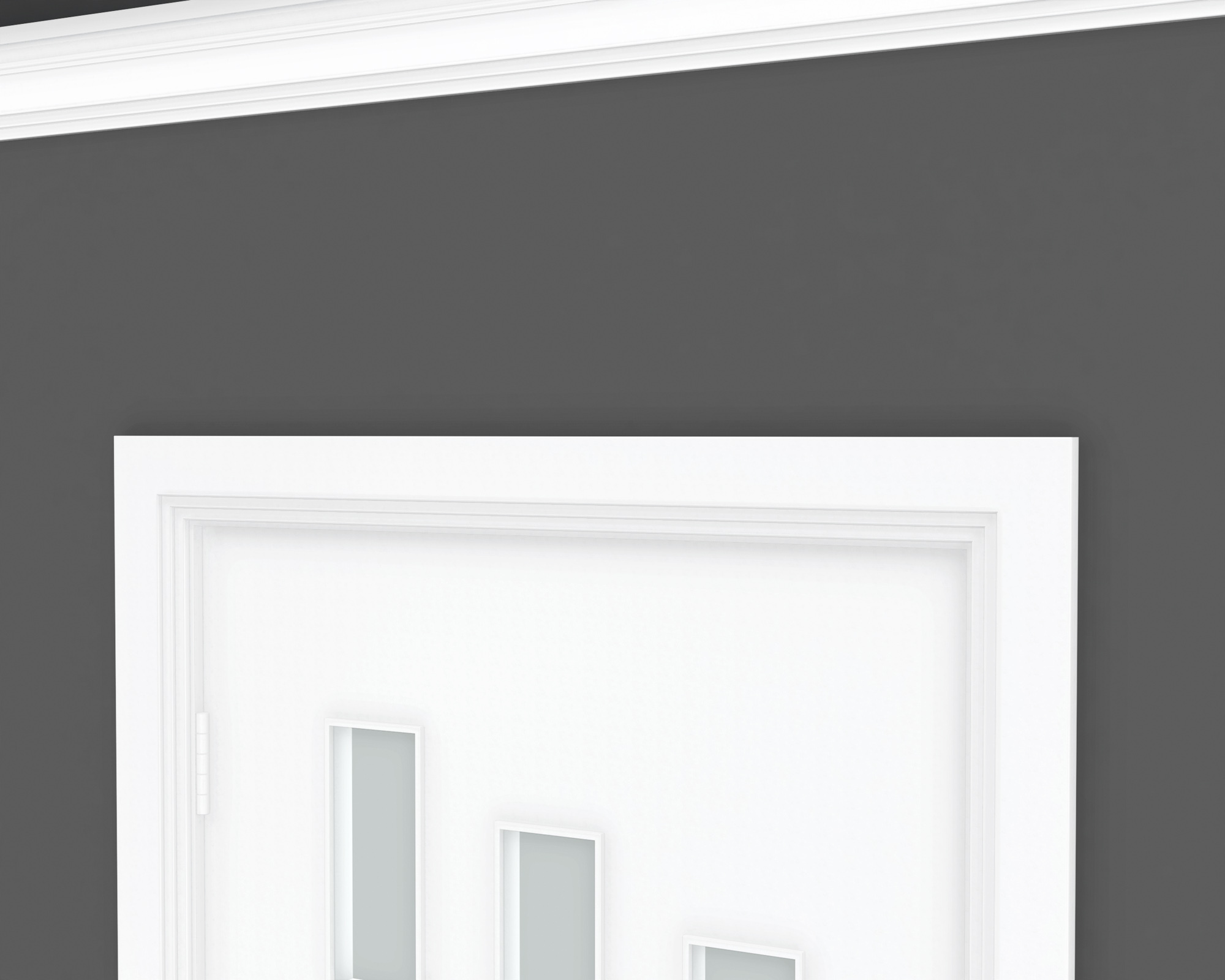
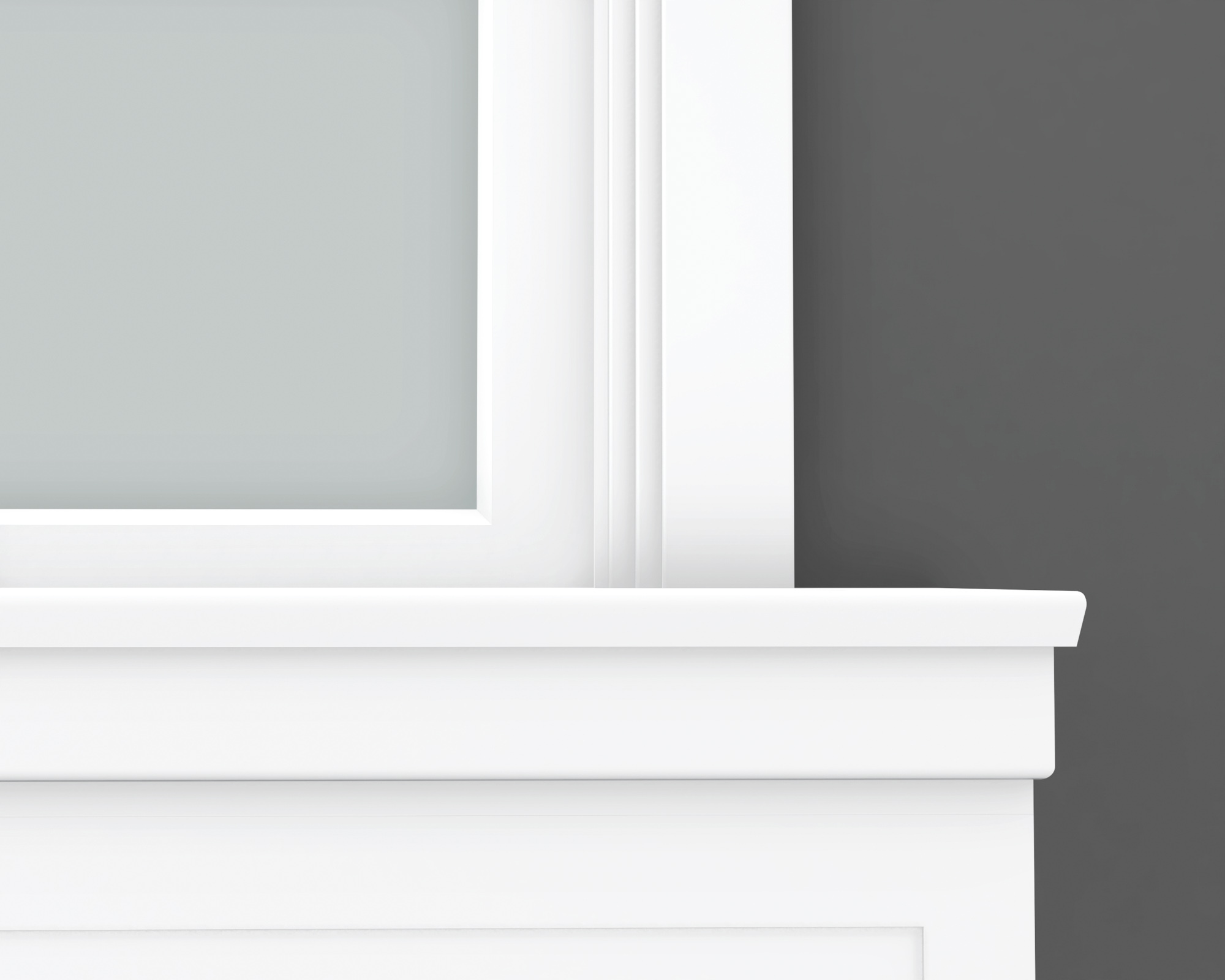
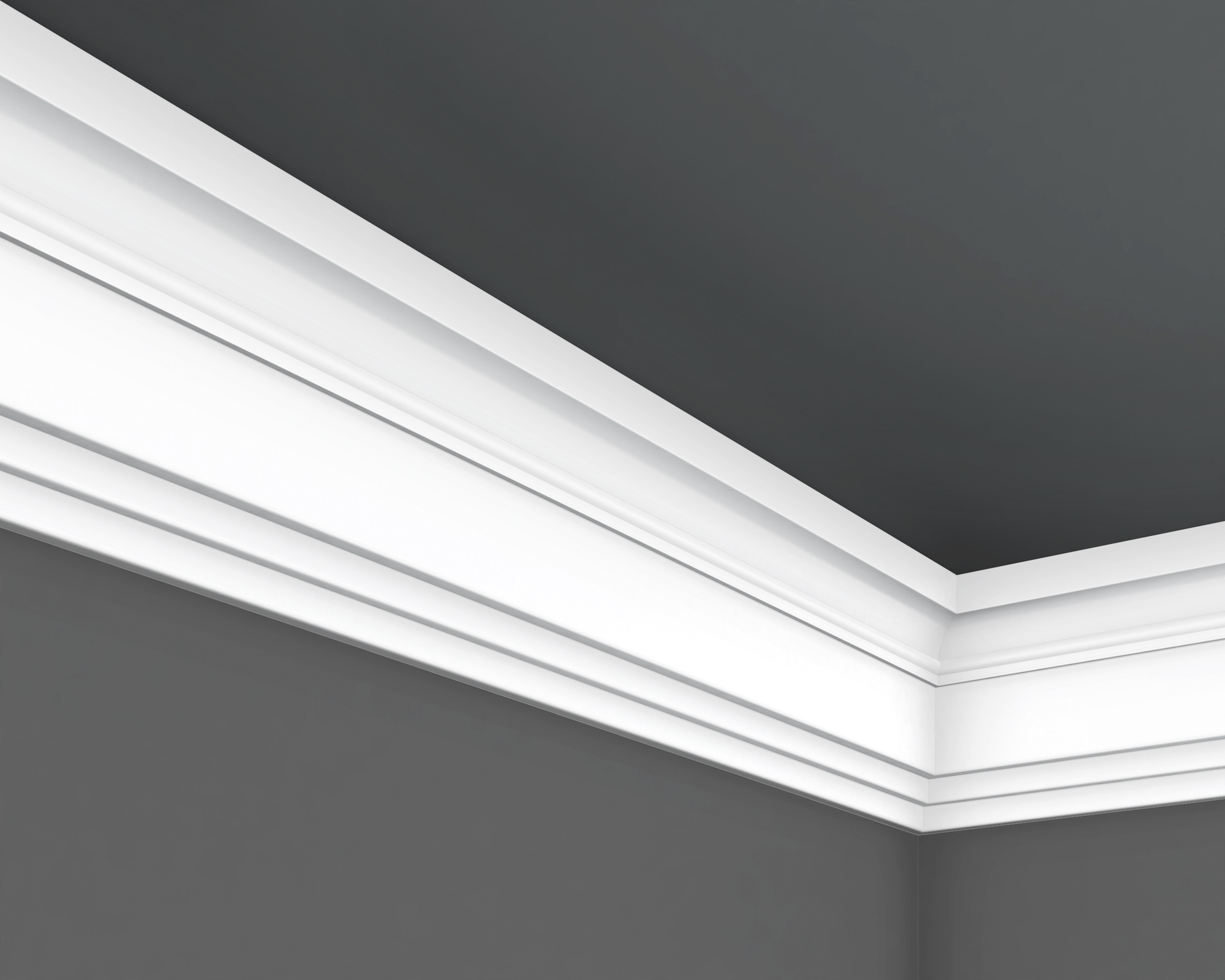
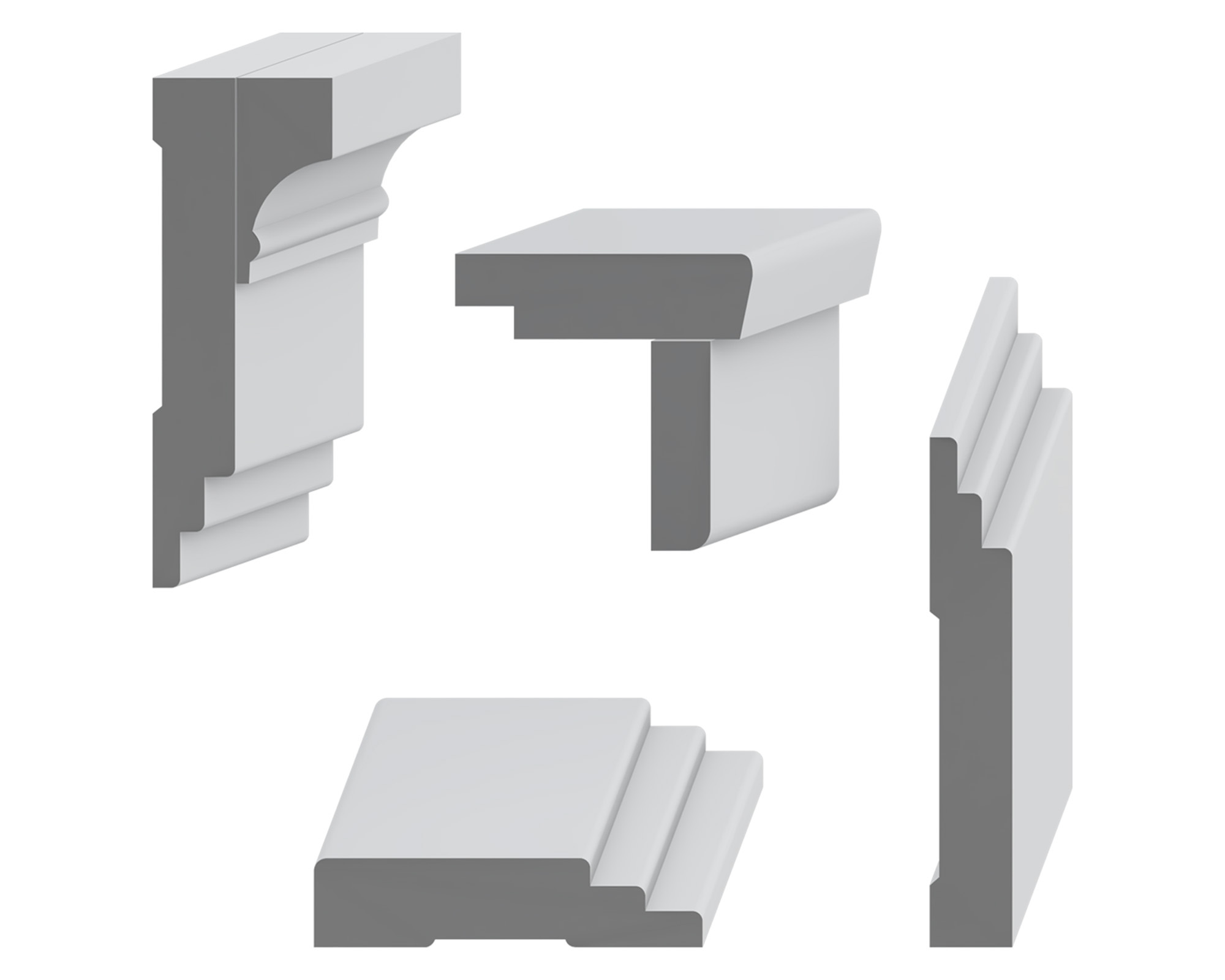
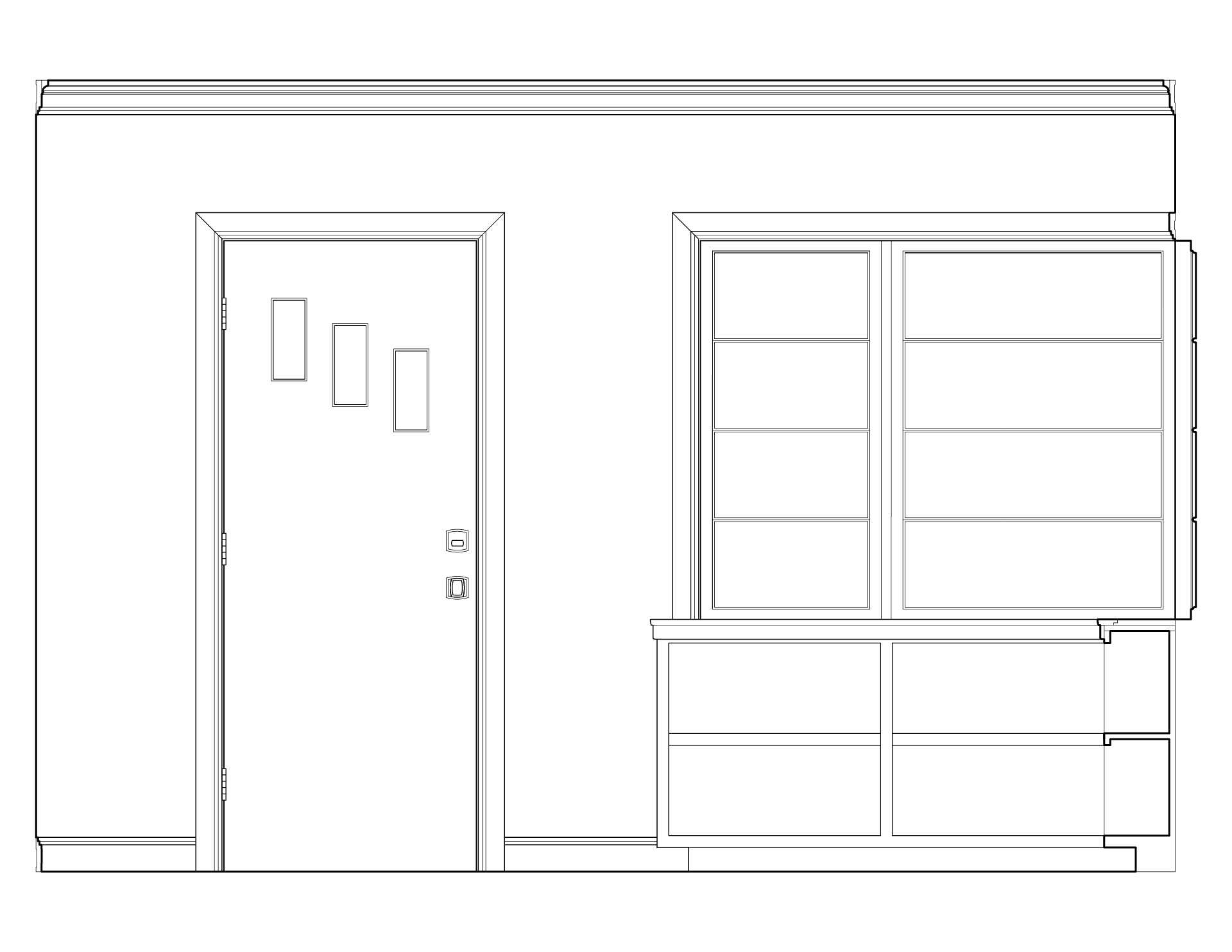
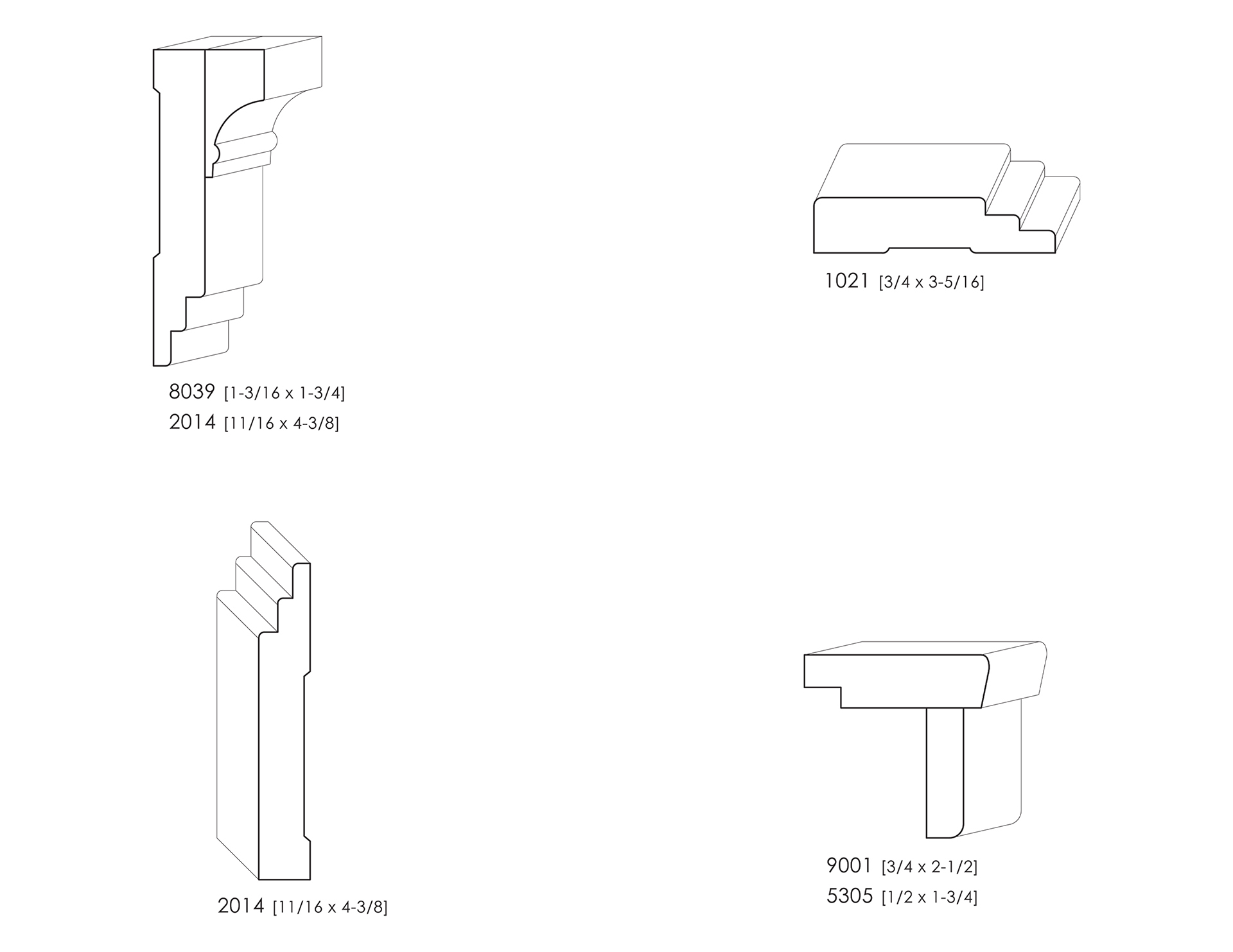
Art Moderne style mouldings use long, smooth, parallel lines with soft corners and suggest the speed of the machine age.
HISTORY OF ART MODERNE ARCHITECTURE
The 1930s marked the rise of Art Moderne architecture as the final stage in the evolution of the Art Deco movement. Shaped by the economic realities of the Great Depression and the growing influence of disciplined industrial design, architects departed from the exuberant ornamentation of the 1920s in favor of an architecture that embodied efficiency, innovation, and the promise of modern life. Influenced by advances in engineering, aviation, rail travel, and ocean liner design, Art Moderne captured the optimism of an age driven by invention and forward momentum.
Throughout the decade, Art Moderne came to symbolize a nation looking toward the future. As industrial designers such as Norman Bel Geddes, Raymond Loewy, and Henry Dreyfuss reimagined everything from locomotives and automobiles to everyday household appliances, architects adapted this new language of streamlining to the built environment. More than an aesthetic, streamlined design came to symbolize speed, efficiency, and industrial progress, marking an important transition from the opulence of Art Deco to the broader Modern Movement.