French City
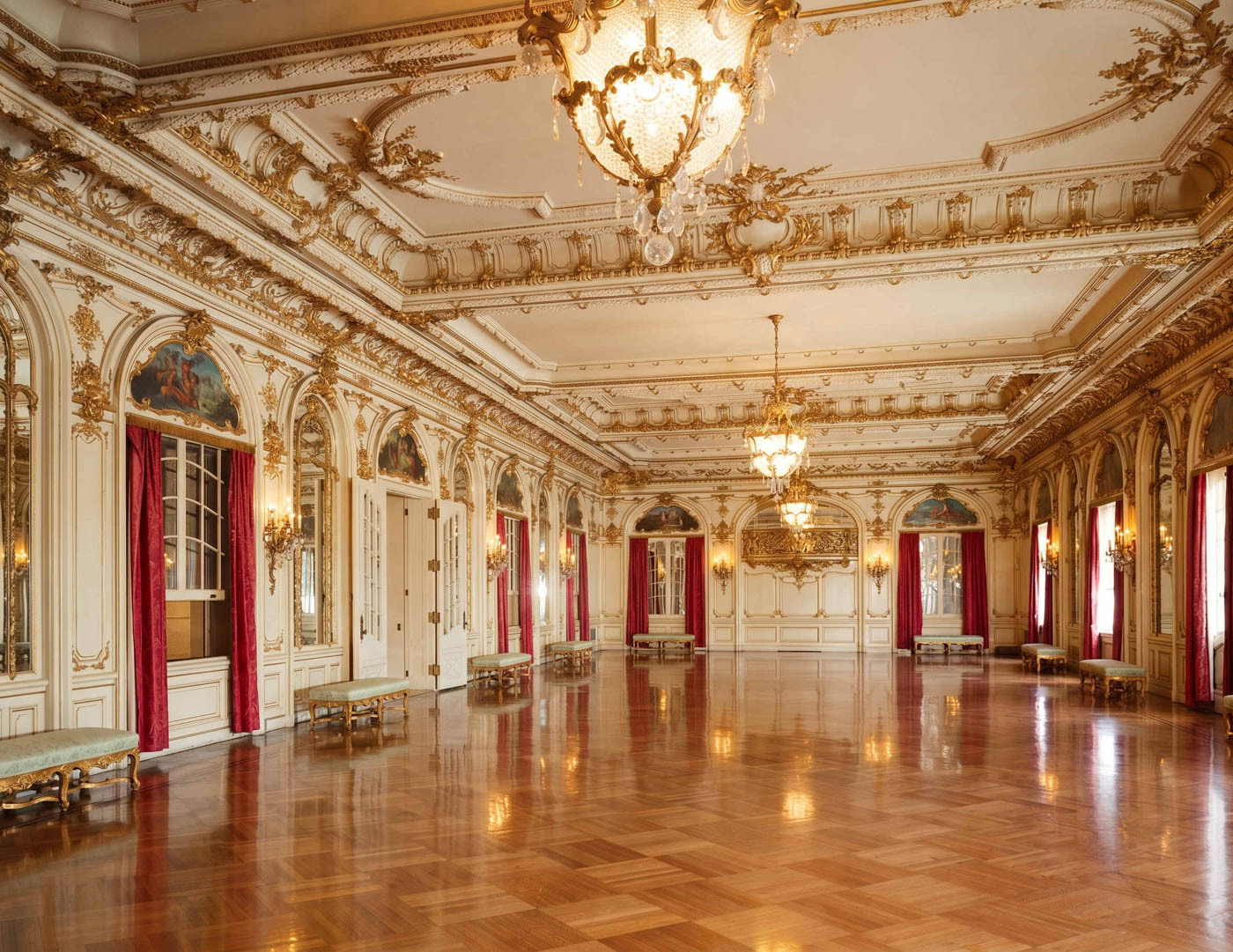
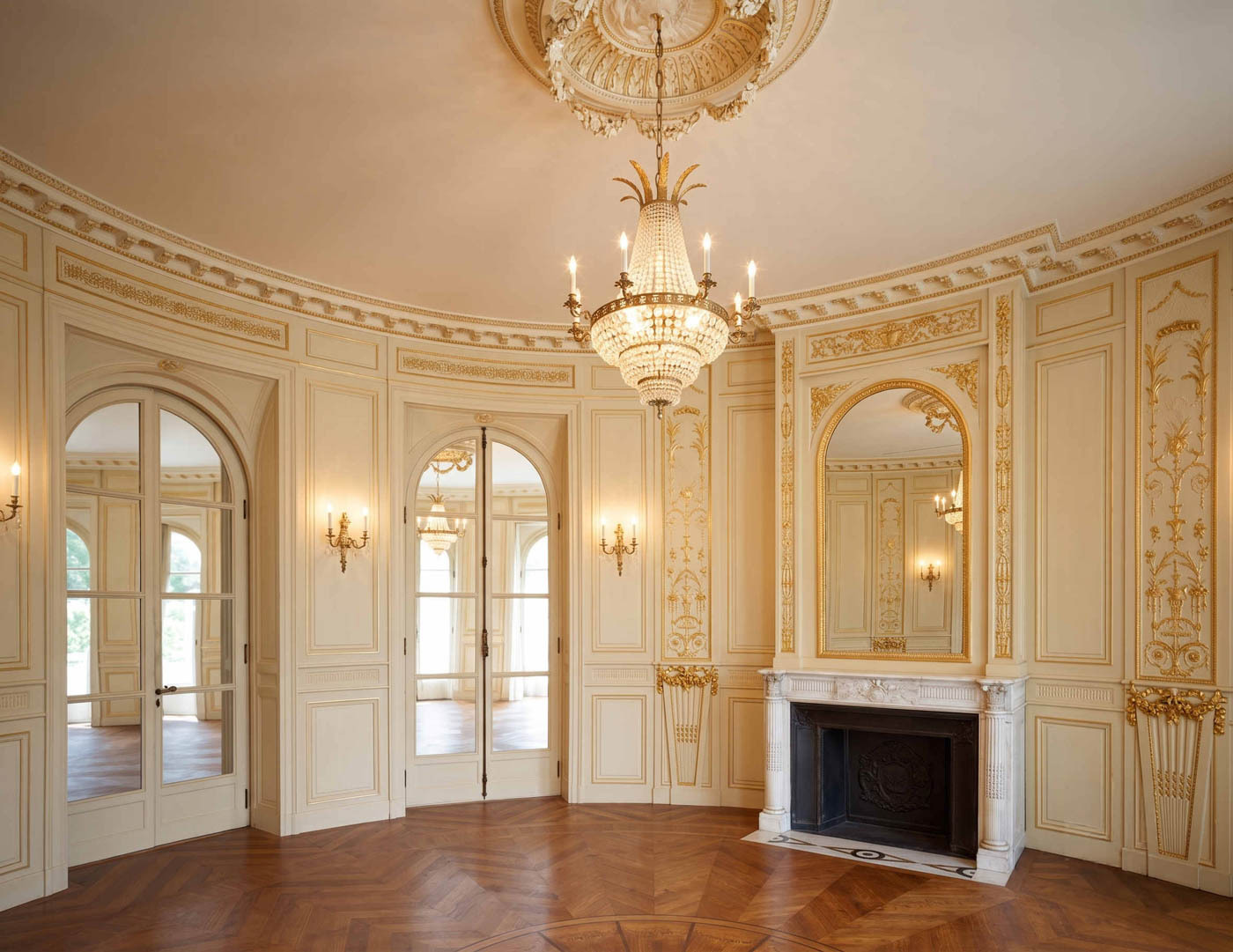
Bold curves, delicate floral decoration, and deep undercut profiles bring depth and detail to formal French interiors.
What Is French City?
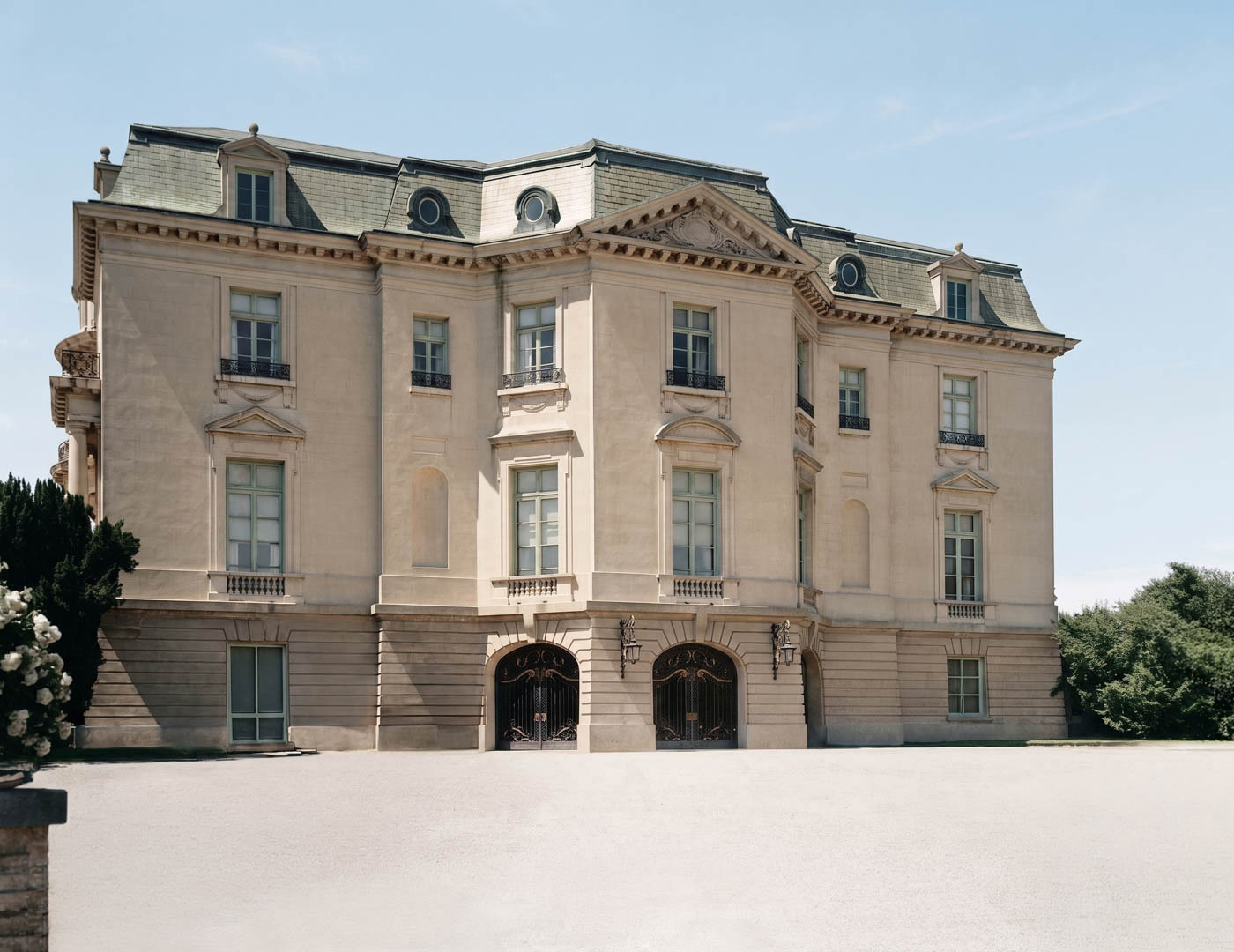
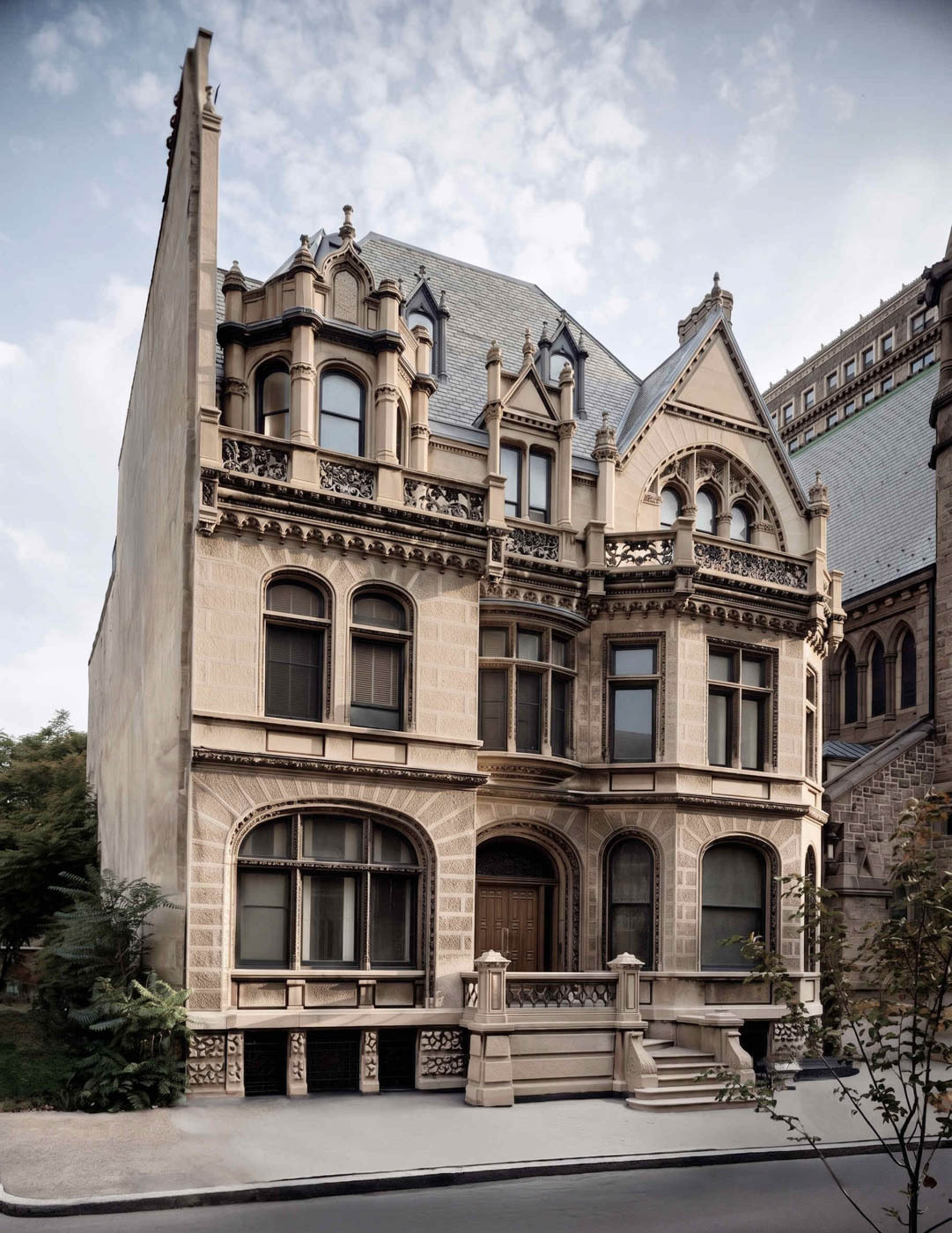
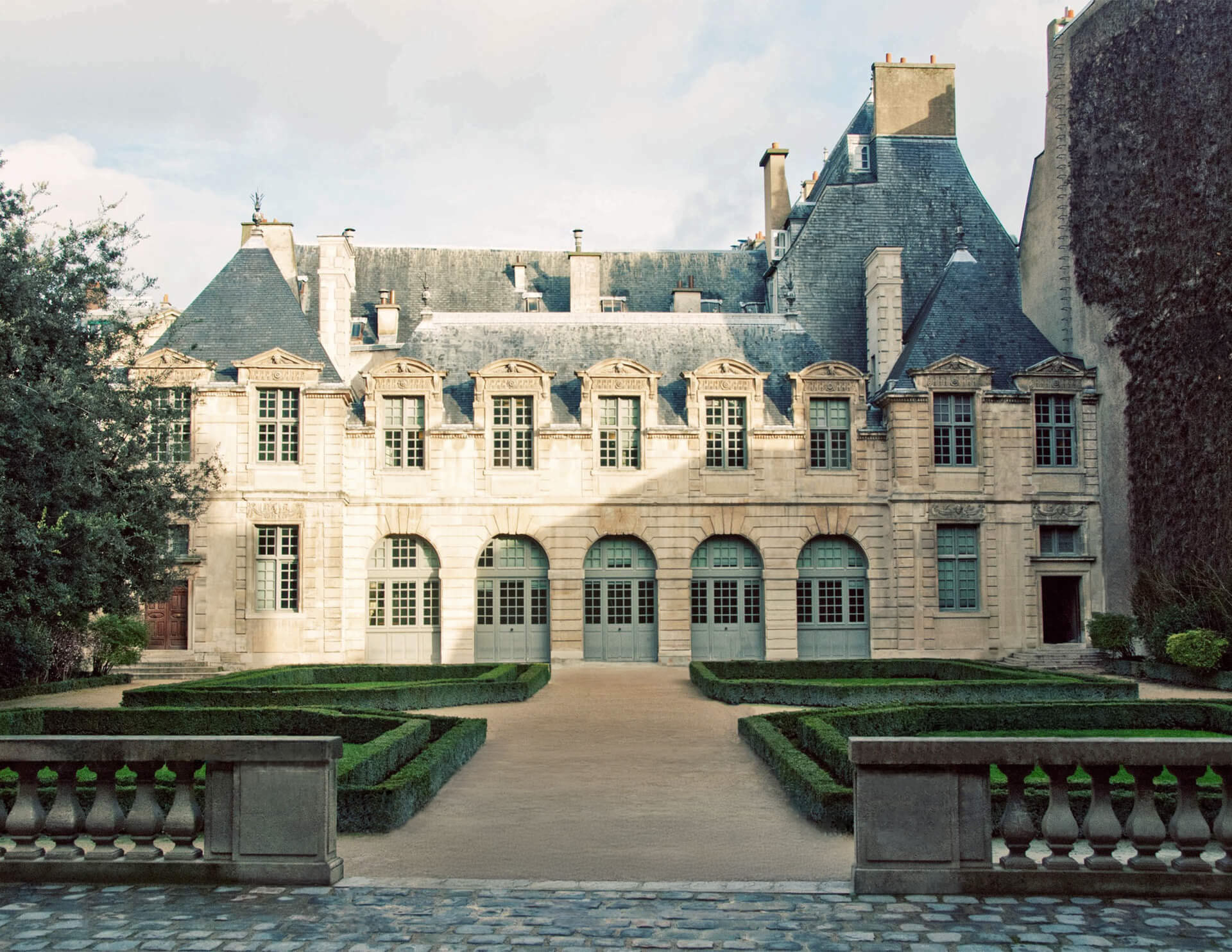
French City draws on the formal architecture and interiors of French palaces, townhouses, and urban apartments. It combines classical proportions with decorative detail influenced by Renaissance, Baroque, Rococo, and Neoclassical design. Important precedents include the Loire Valley châteaux, the Louvre, Versailles, and the townhouses and boulevard apartments of Paris.
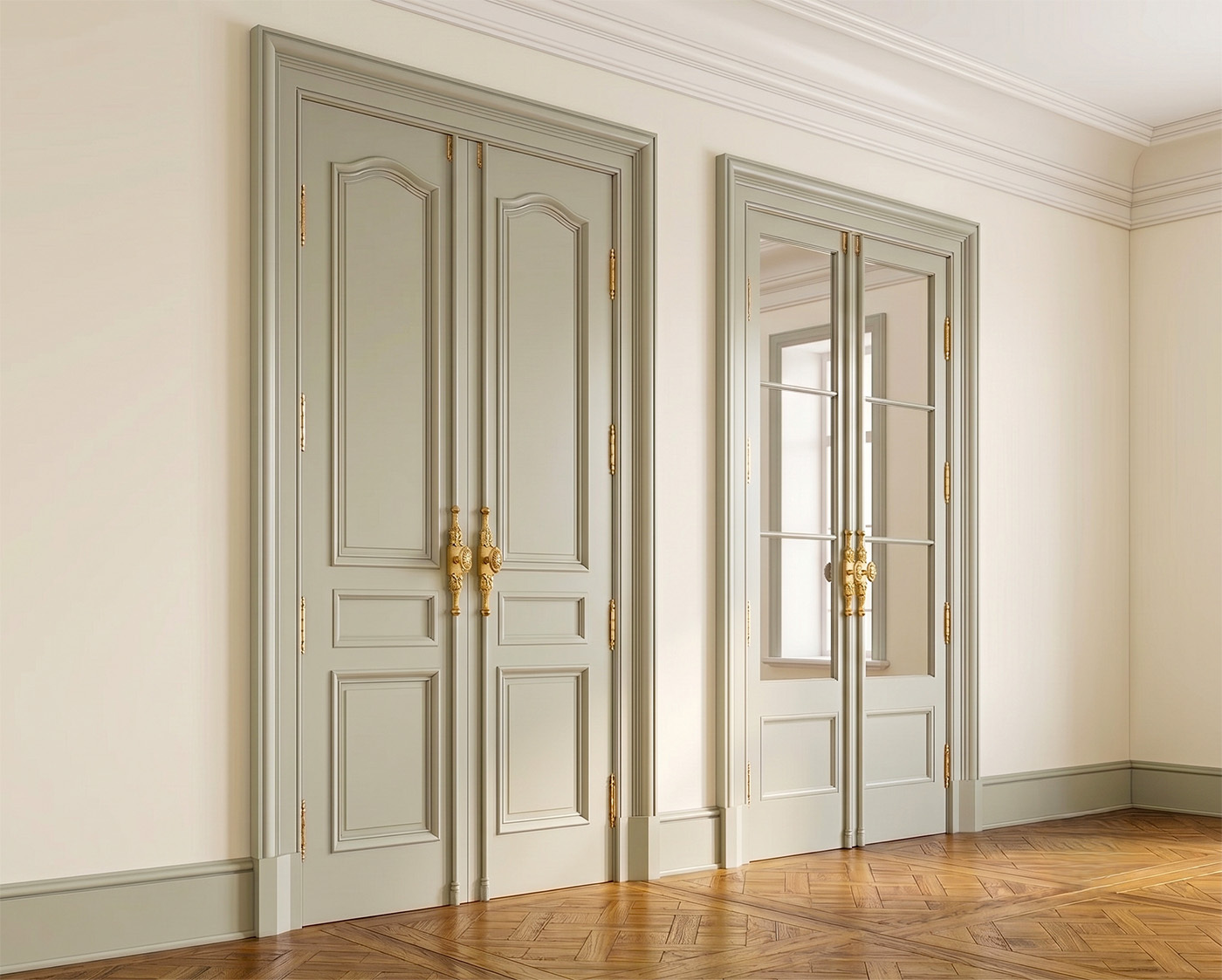
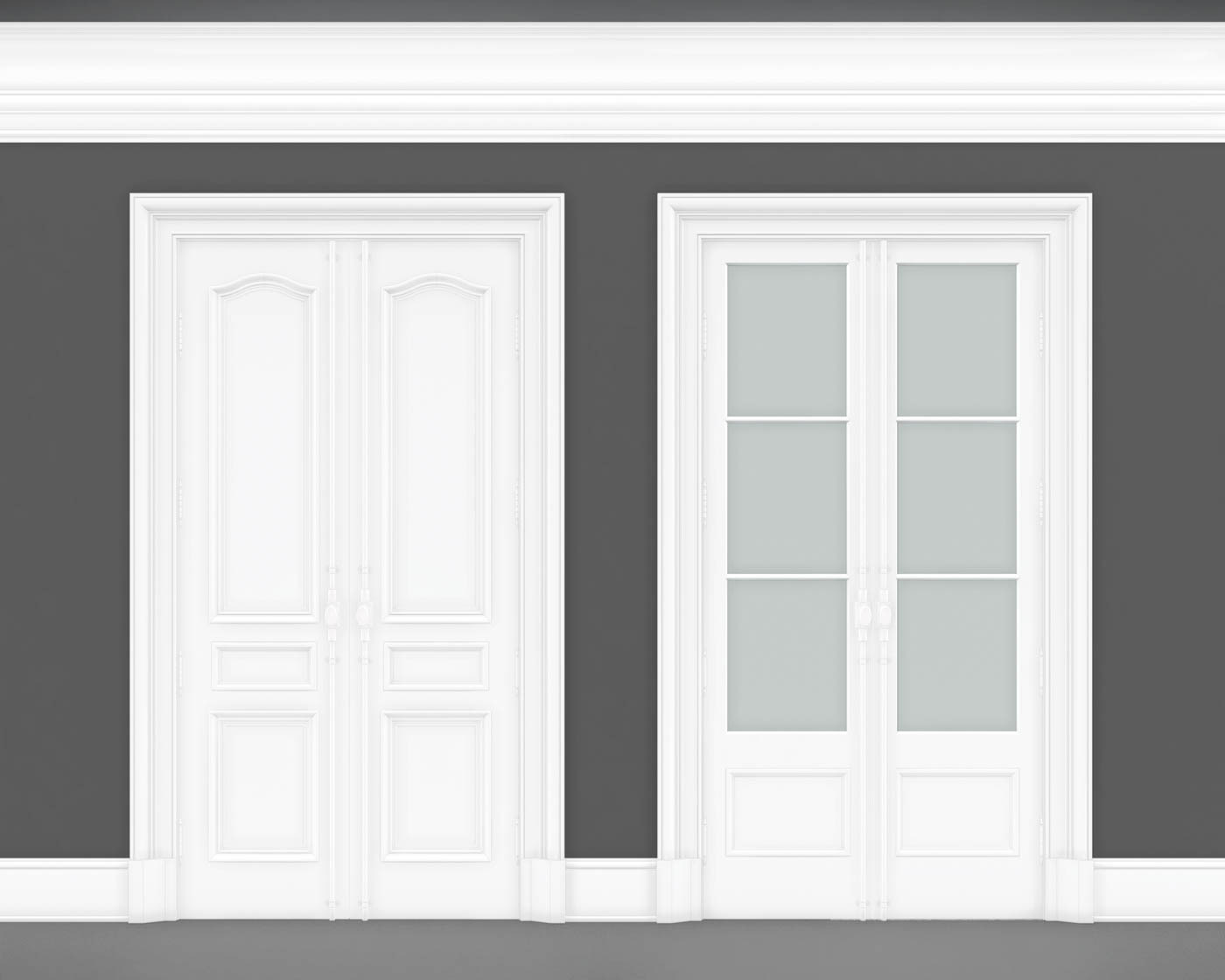
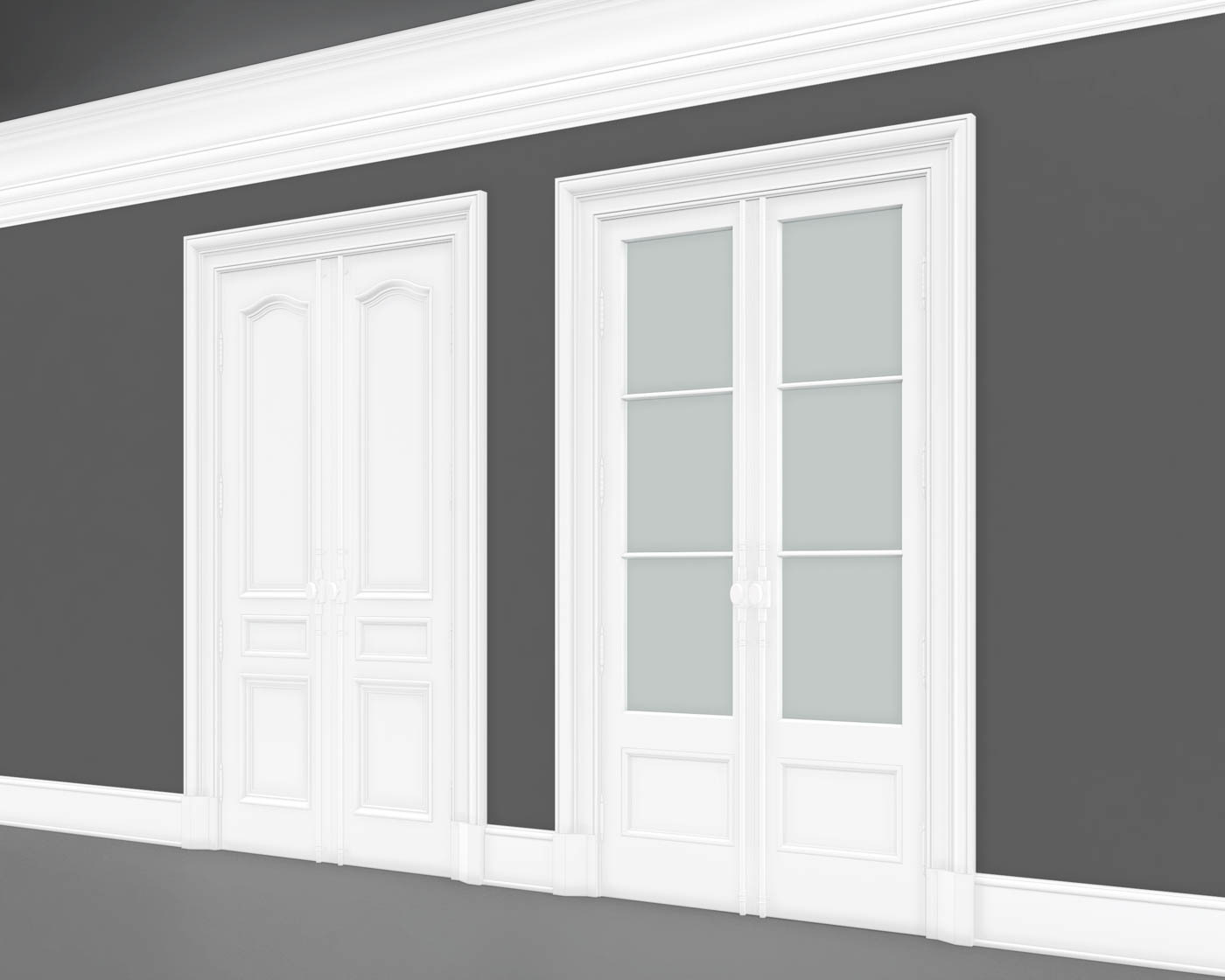
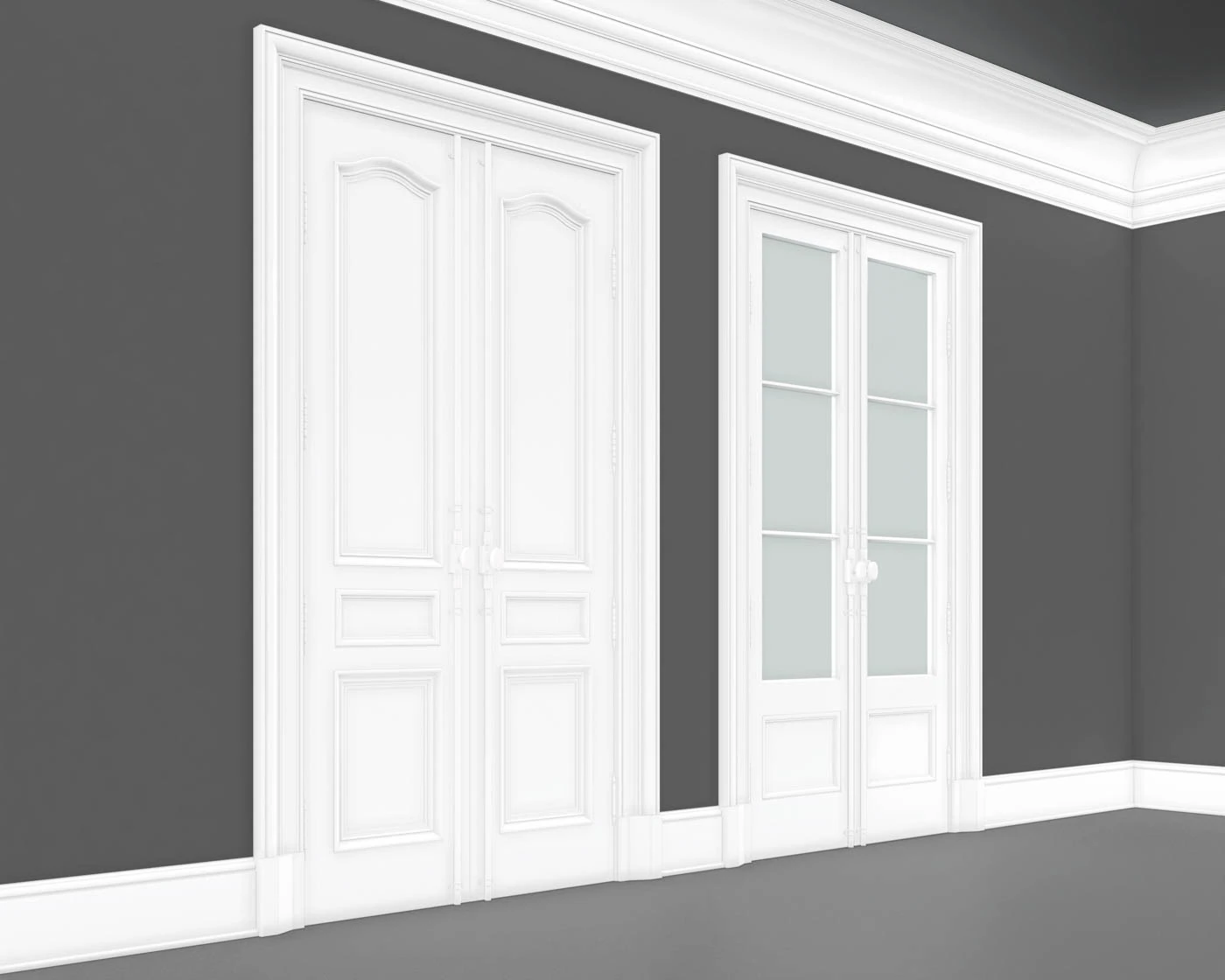
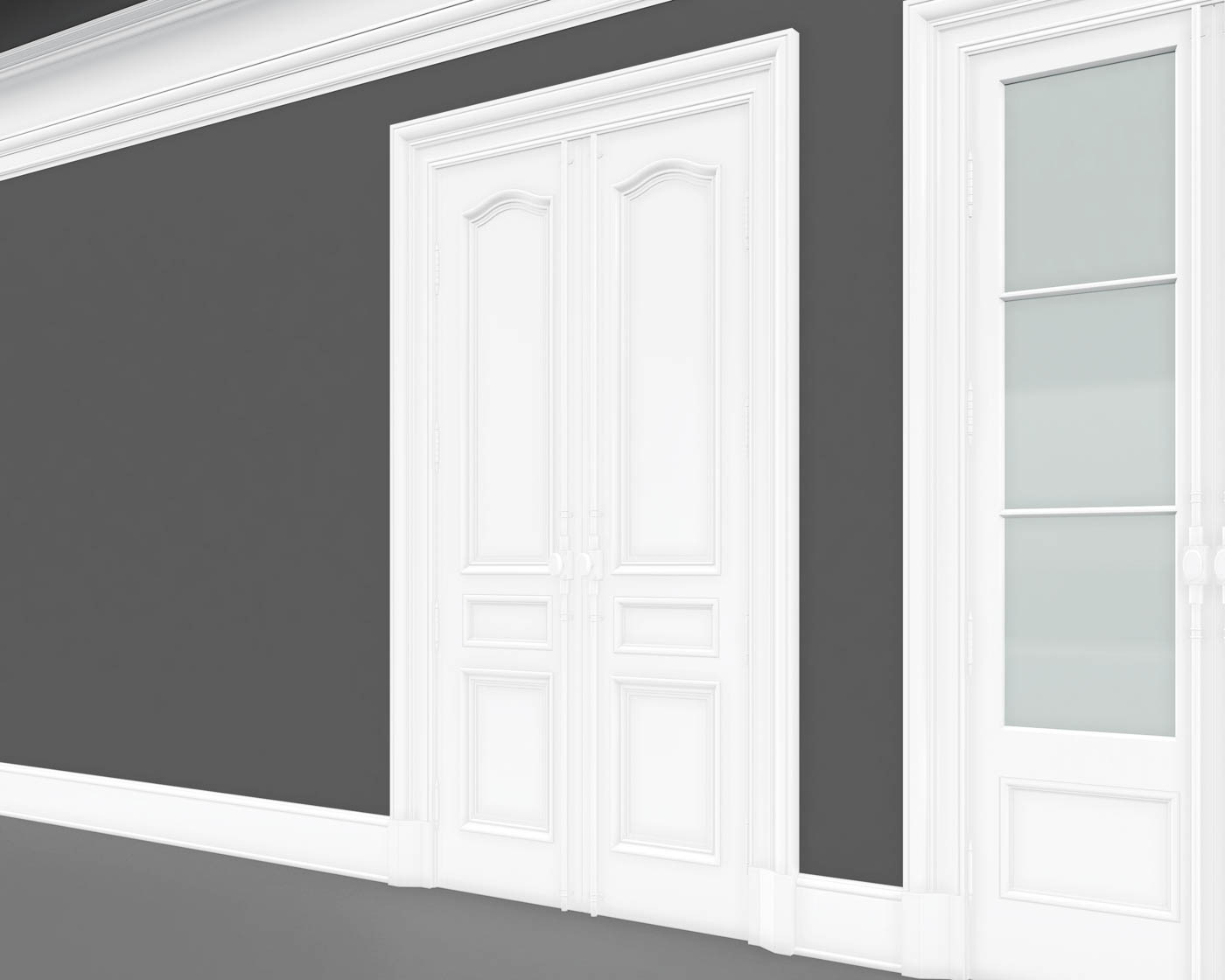
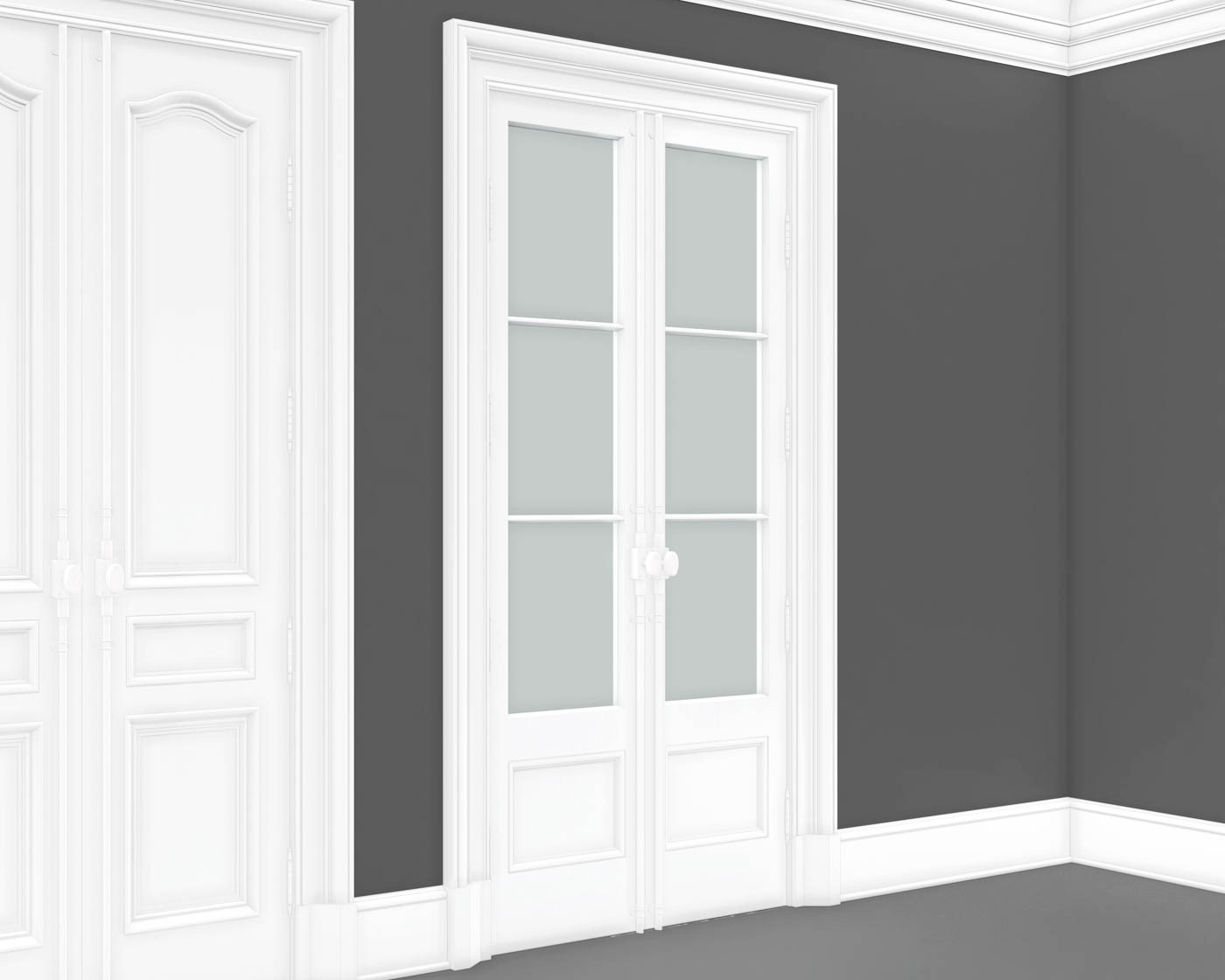
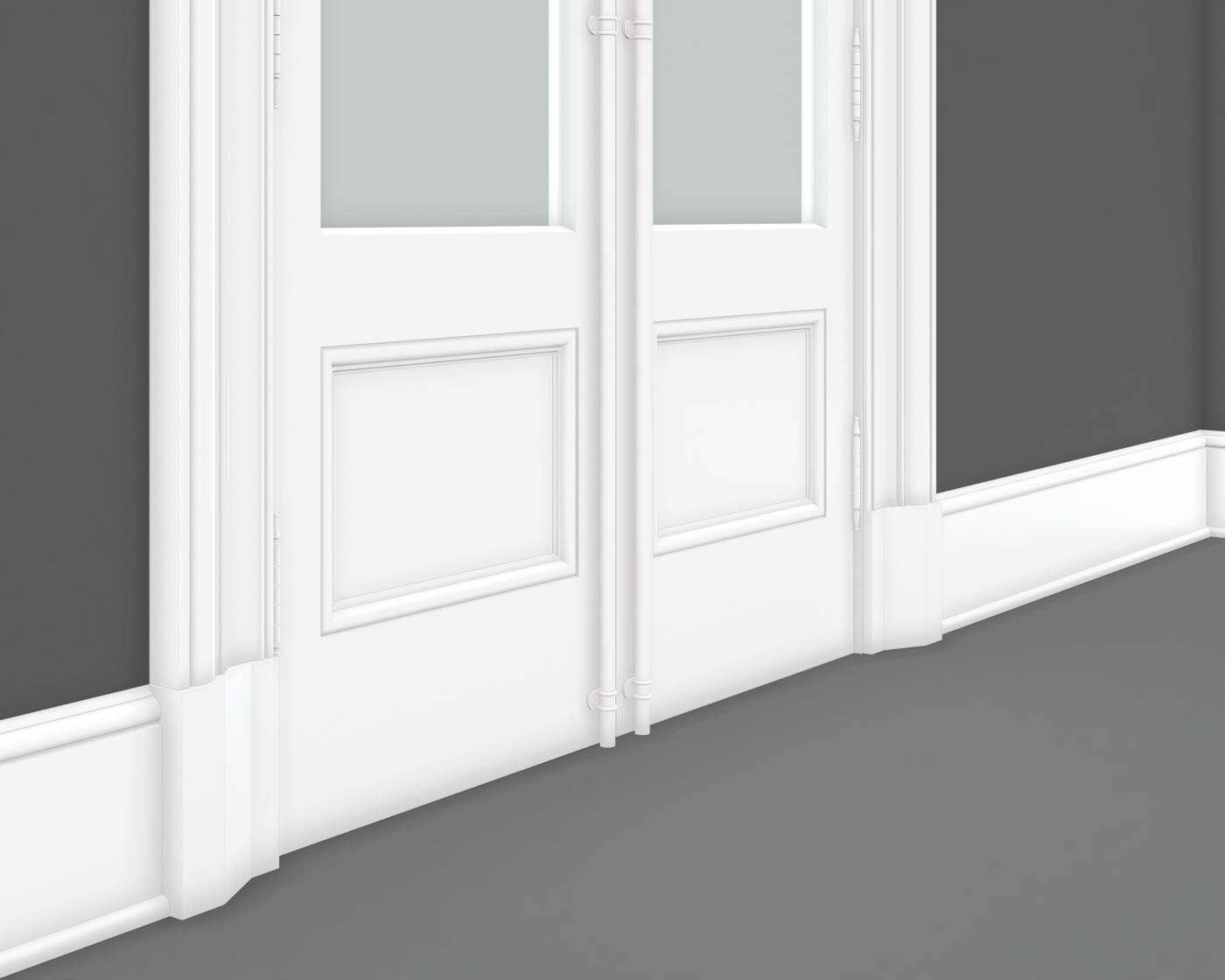
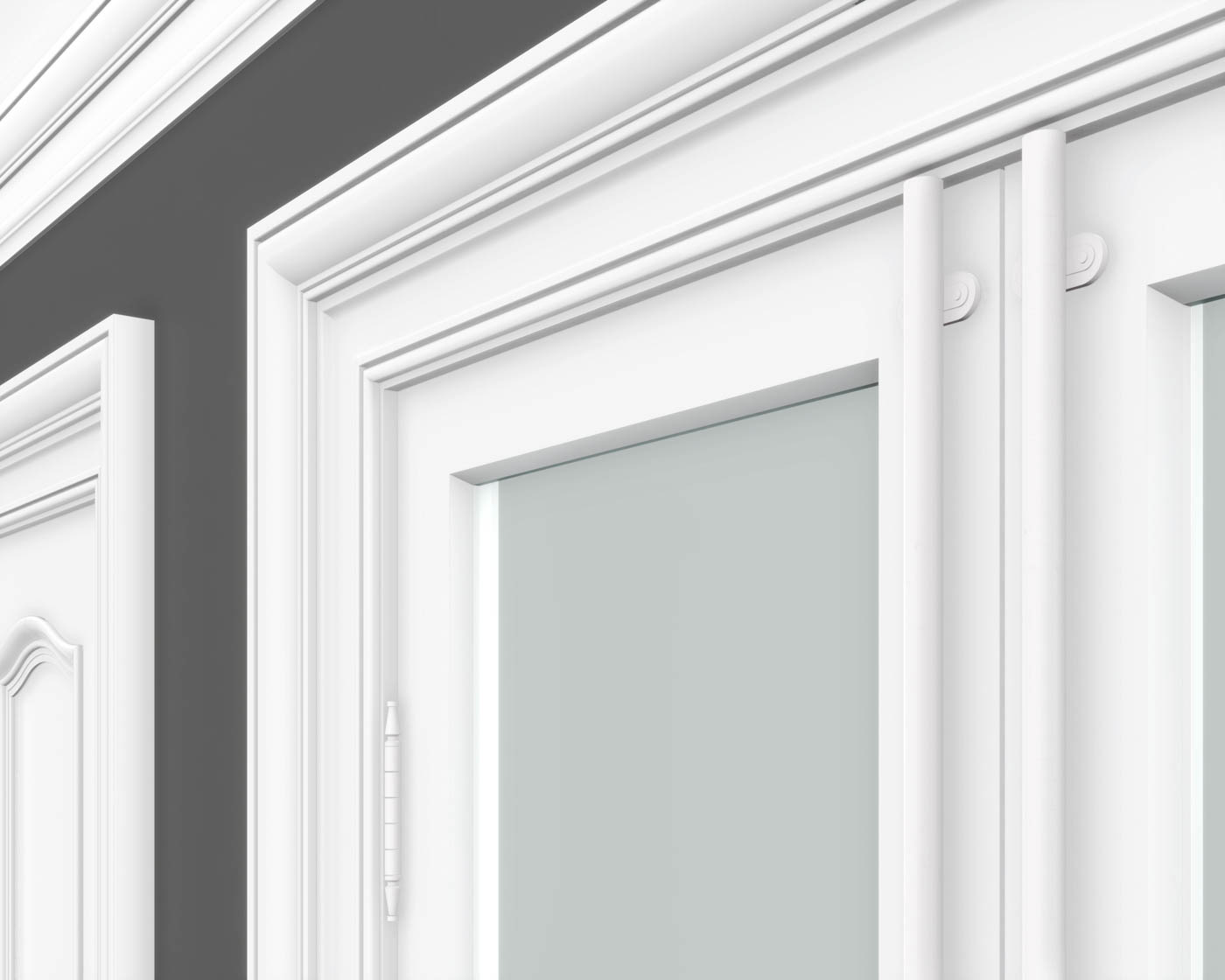
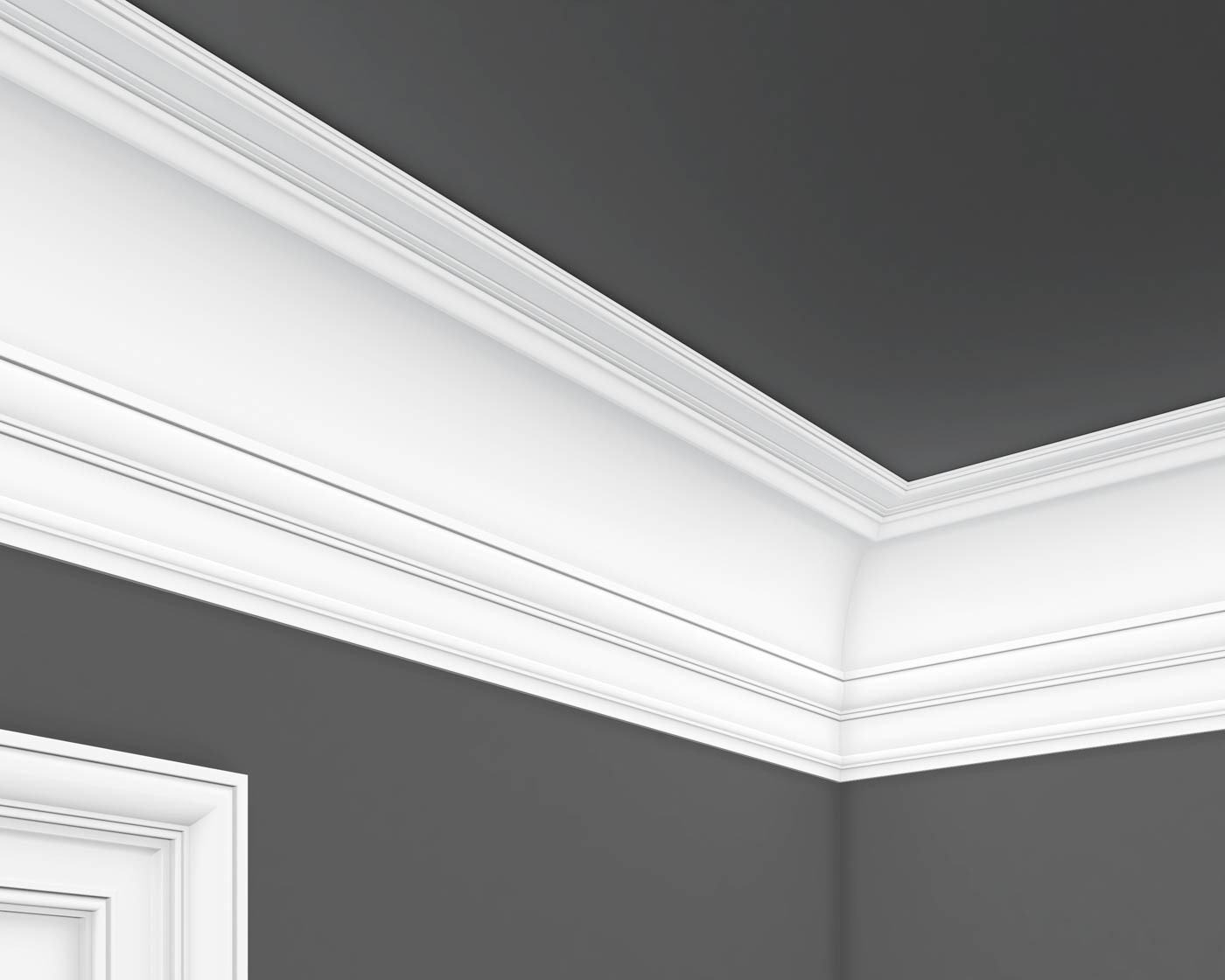
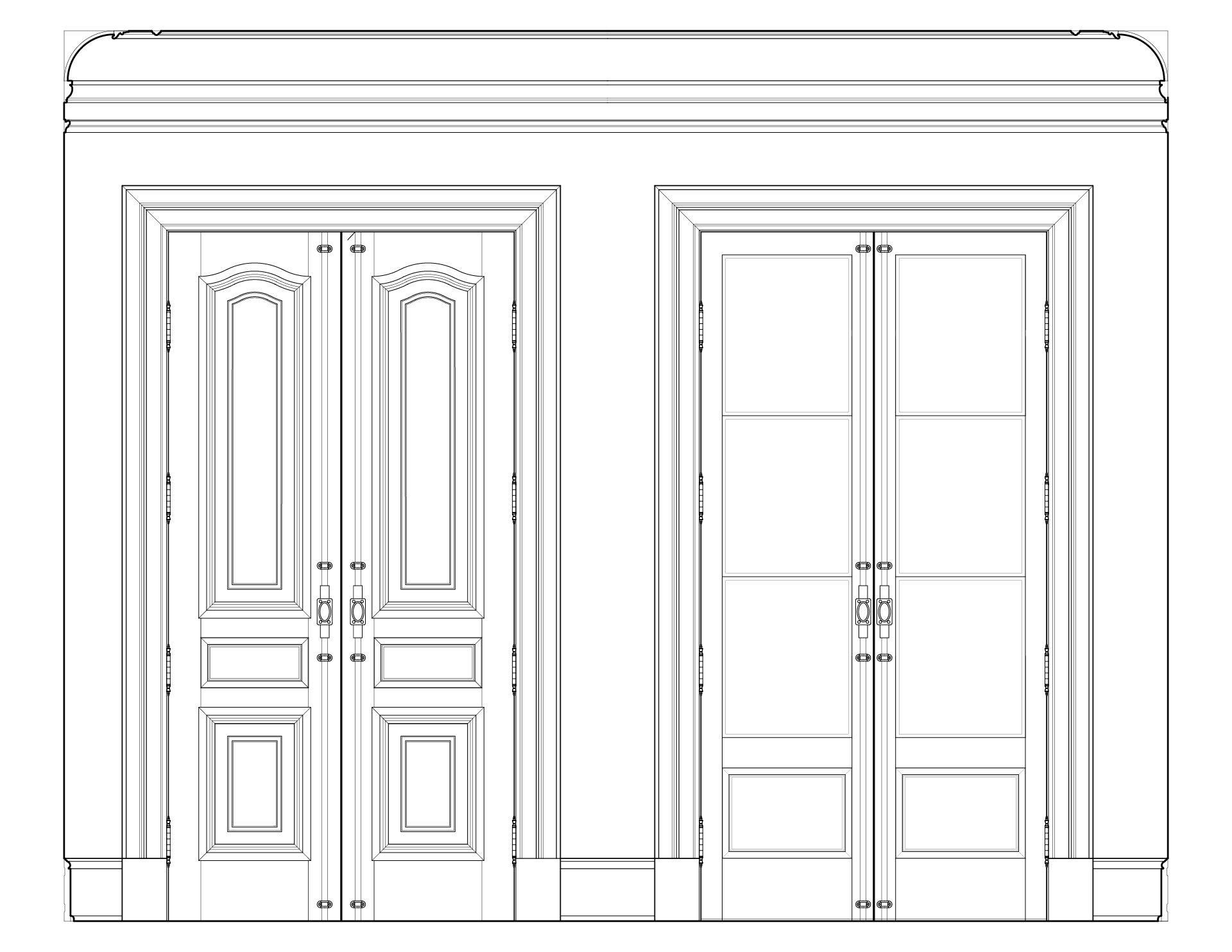
Interiors feature paneled doors, decorative wood paneling, layered casing, and substantial cornices. Paired glazed French doors and tall casement windows complement the woodwork, with traditional hardware such as crémone bolts and espagnolette fasteners.
The Collection
French City Characteristics
French City architecture combines classical proportions with richly decorated interiors. Its character reflects French palaces, private townhouses, and urban apartments, where formal room arrangements, carefully crafted joinery, and ornamental details work together.
- Balanced façades with classical decorative details
- Tall casement windows and paired French doors
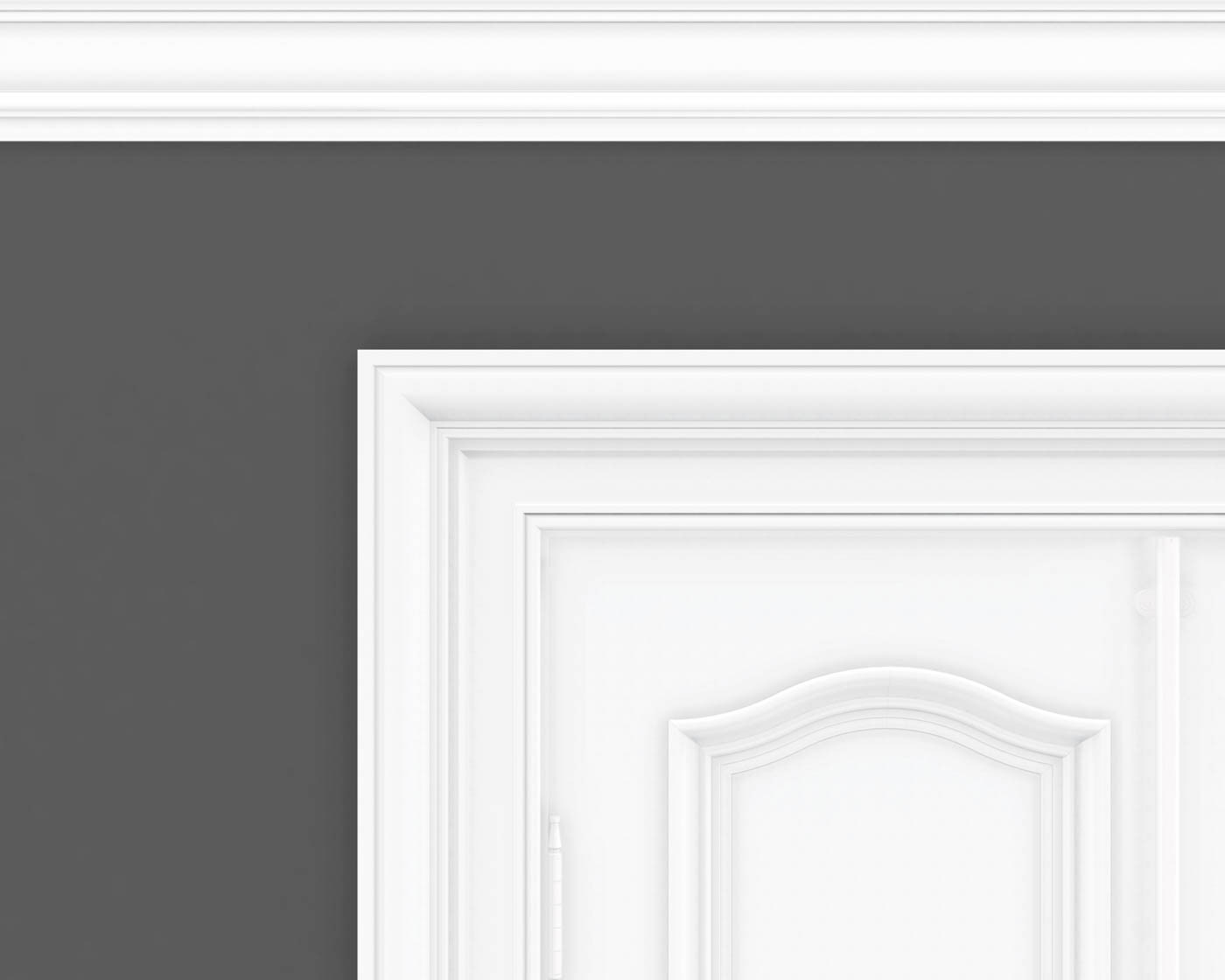
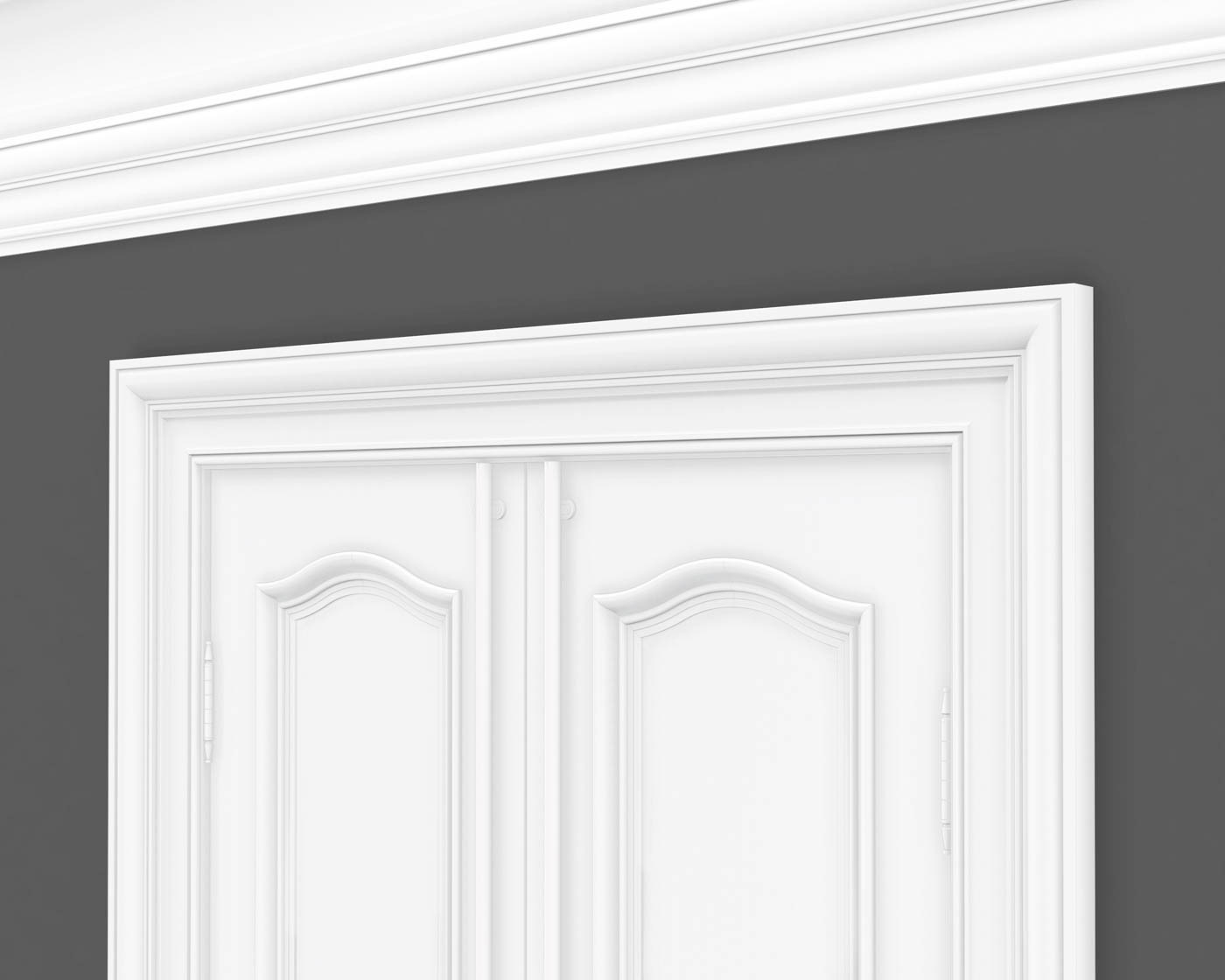
- Paneled doors with layered wood casing
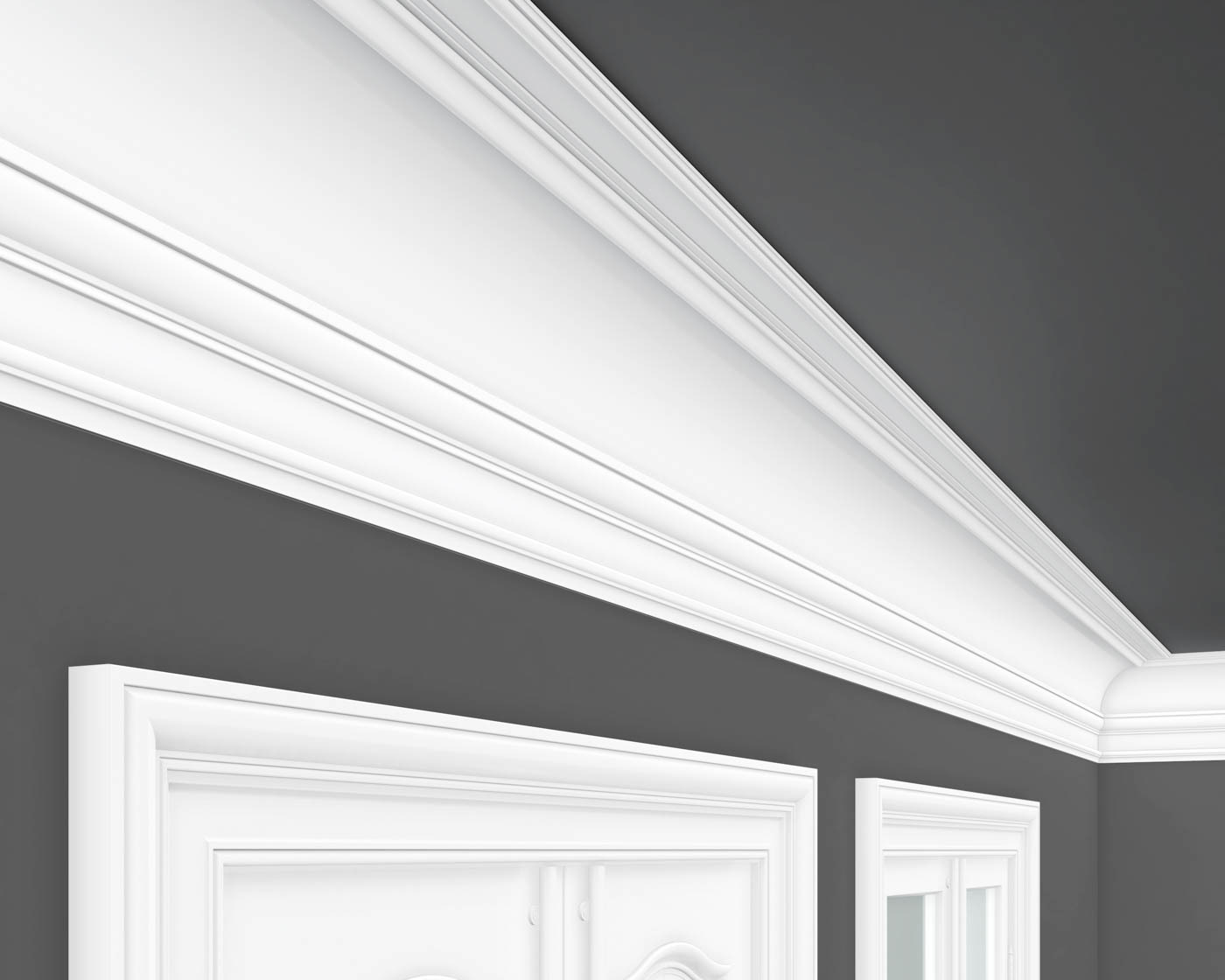
- Carved wall paneling and substantial cornices
- Fireplaces, large mirrors, and parquet floors
- Painted woodwork with selected gilded accents
FRENCH CITY MOULDINGS
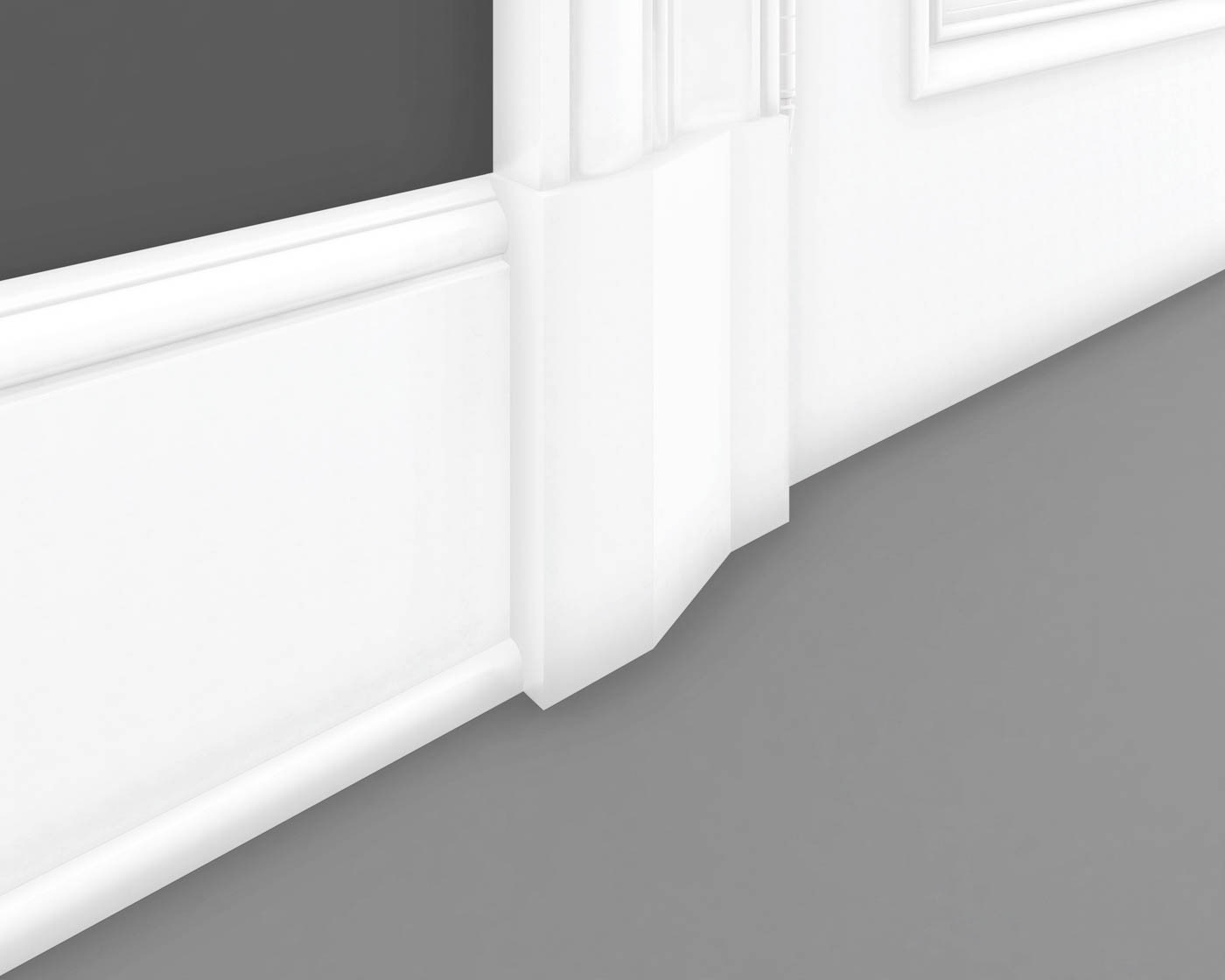
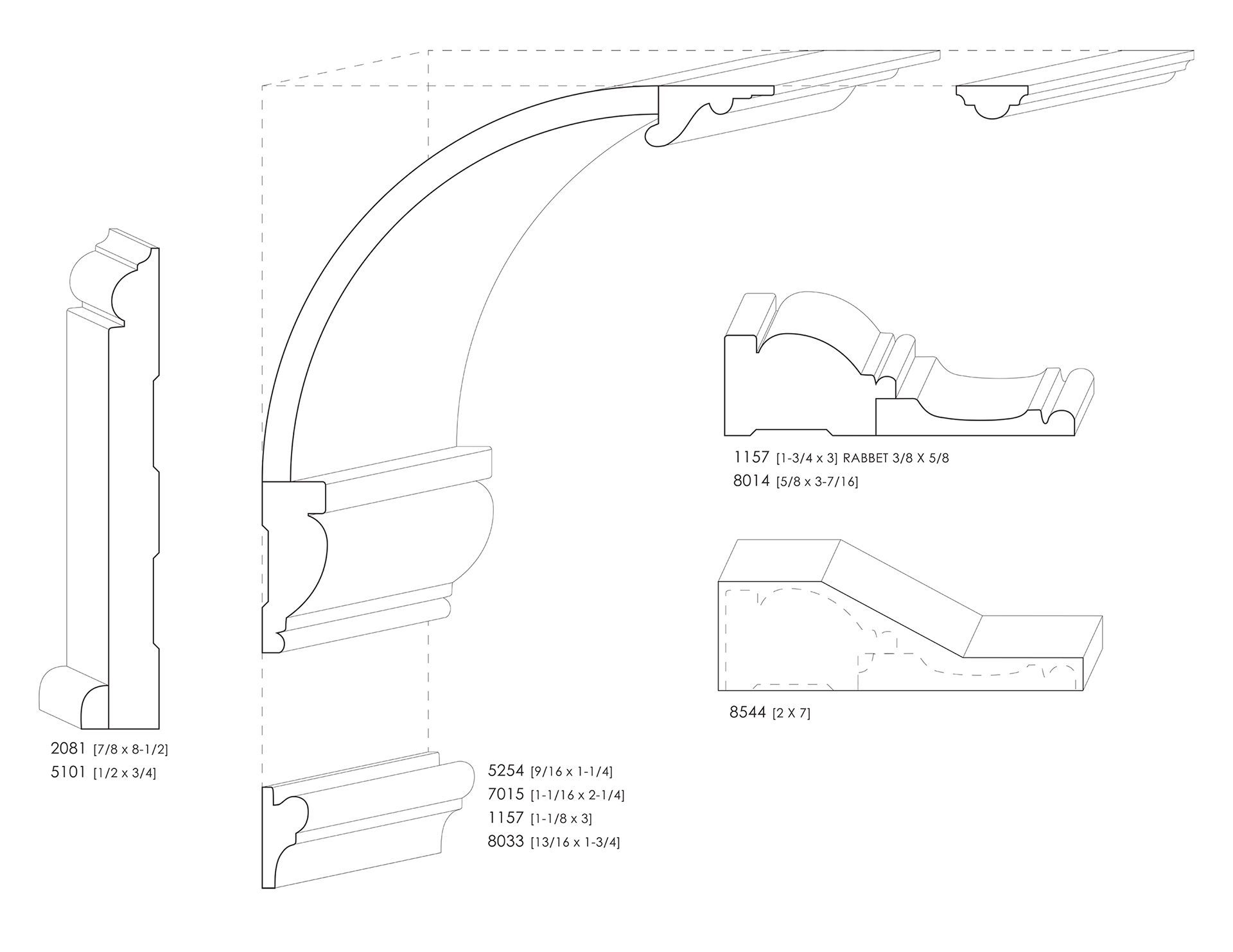
French City mouldings feature broad surfaces, bold curves of varying scale, bead and quirk details, and deep undercut profiles. Delicate floral ornament appears in carved boiserie, or wood paneling, while selected details are gilded in more elaborate interiors.
For a closer look at historic French profiles, ornate interior millwork, and period architectural details, visit our French Period Mouldings resource in the Mouldings One Historical Millwork Museum.
Shop Now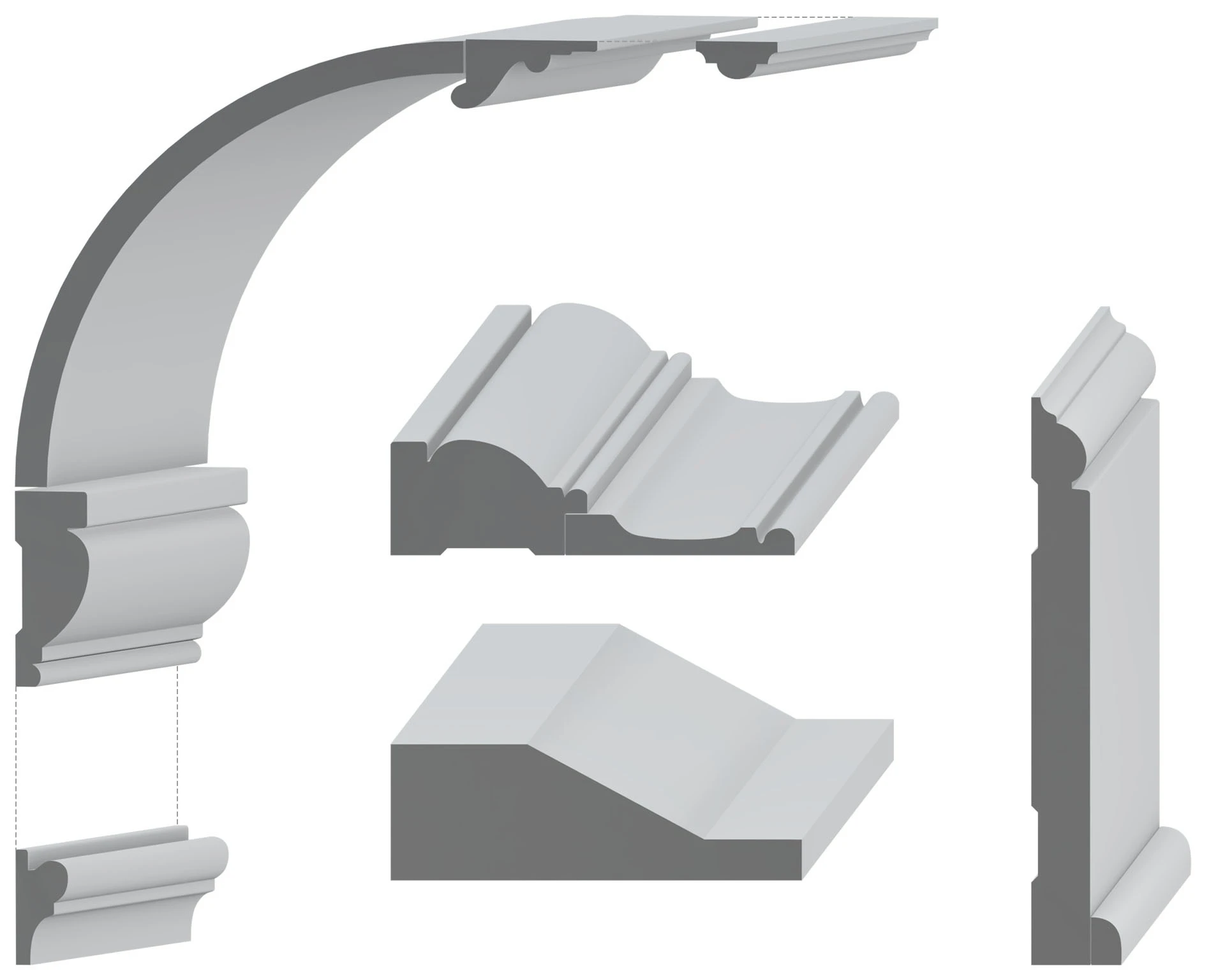
Period Details & Drawings
History of French City
The traditions represented by French City developed over several centuries. During the sixteenth-century Renaissance, French patrons and architects adapted Italian classical ideas to local building practices. The châteaux of the Loire Valley combined classical ornament and increasingly ordered plans with steep roofs, dormers, and other features inherited from French medieval architecture. Renaissance additions to the Louvre helped establish a related architectural language in Paris.
During the seventeenth century, royal building projects gave French classical architecture greater scale and influence. Under Louis XIV, Versailles became a major expression of royal authority, bringing together formal architecture, ceremonial interiors, and extensive gardens. Carefully arranged rooms, rich ornament, mirrors, and gilded decoration contributed to an influential model of palace design.
In the eighteenth century, Parisian townhouses became important settings for decorative innovation. Rococo interiors associated with the reign of Louis XV introduced flowing scrolls, floral carving, and shell motifs into painted and gilded boiserie. Later, Neoclassical design returned to straighter lines, balanced compositions, fluted pilasters, and symmetrical ornament. These distinct traditions contributed to the range of profiles and decorative treatments associated with formal French interiors.
Between 1853 and 1870, Napoleon III and Georges-Eugène Haussmann directed a major transformation of Paris. Broad avenues and boulevards, coordinated stone façades, new parks, and expanded water and sewer systems reshaped the city. Apartment buildings with tall windows, balconies, and high-ceilinged principal rooms became defining elements of the Parisian streetscape. This nineteenth-century urban setting forms another important part of the French City design vocabulary.
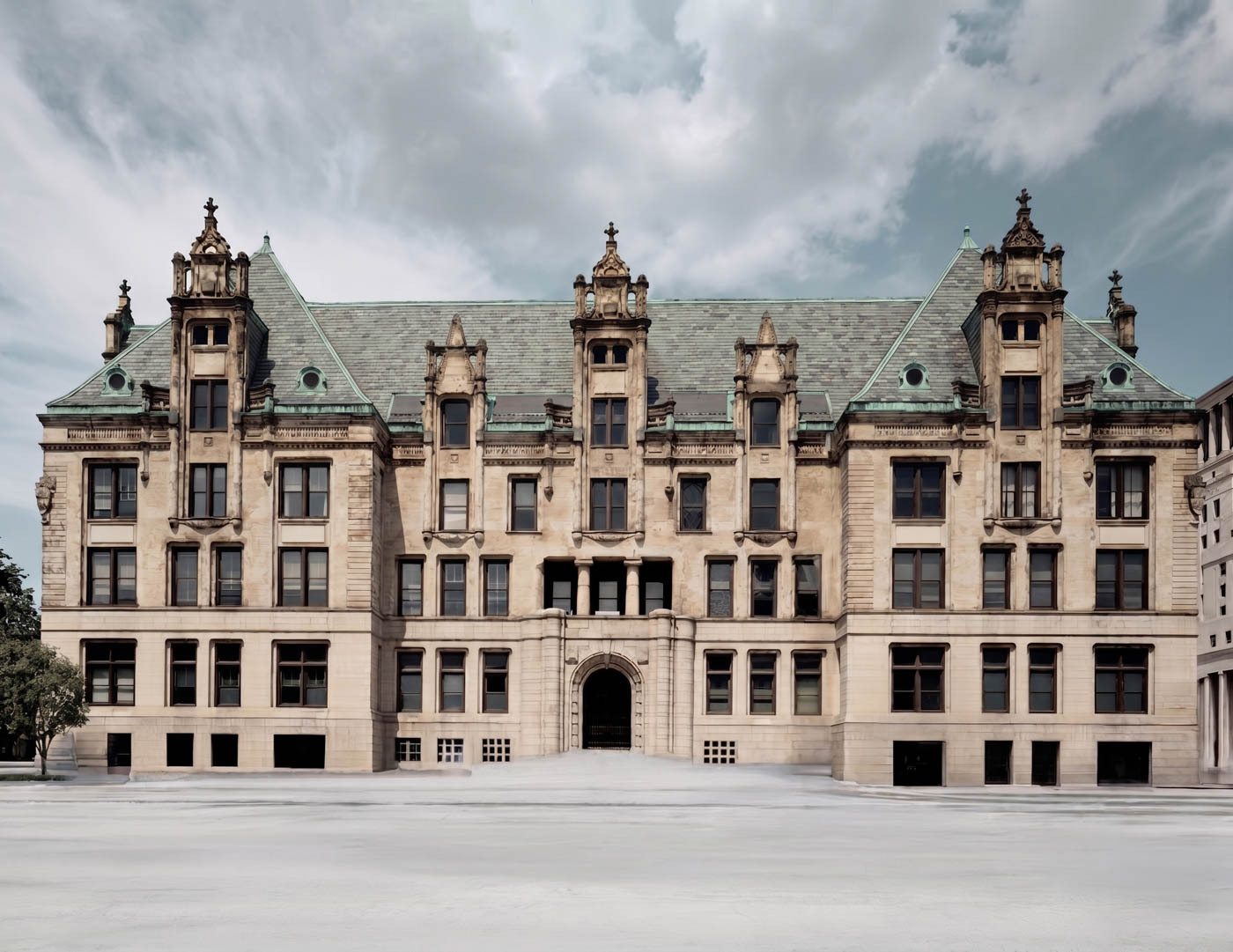
French planning traditions also influenced cities beyond France. Pierre Charles L’Enfant’s 1791 plan for Washington, D.C., drew on European precedents, including French approaches to broad avenues, vistas, and public spaces. The later City Beautiful movement renewed an emphasis on monumental civic architecture and coordinated planning. Together with the continuing influence of French interior decoration, these traditions helped carry French design into American public buildings and private residences.