Craftsman
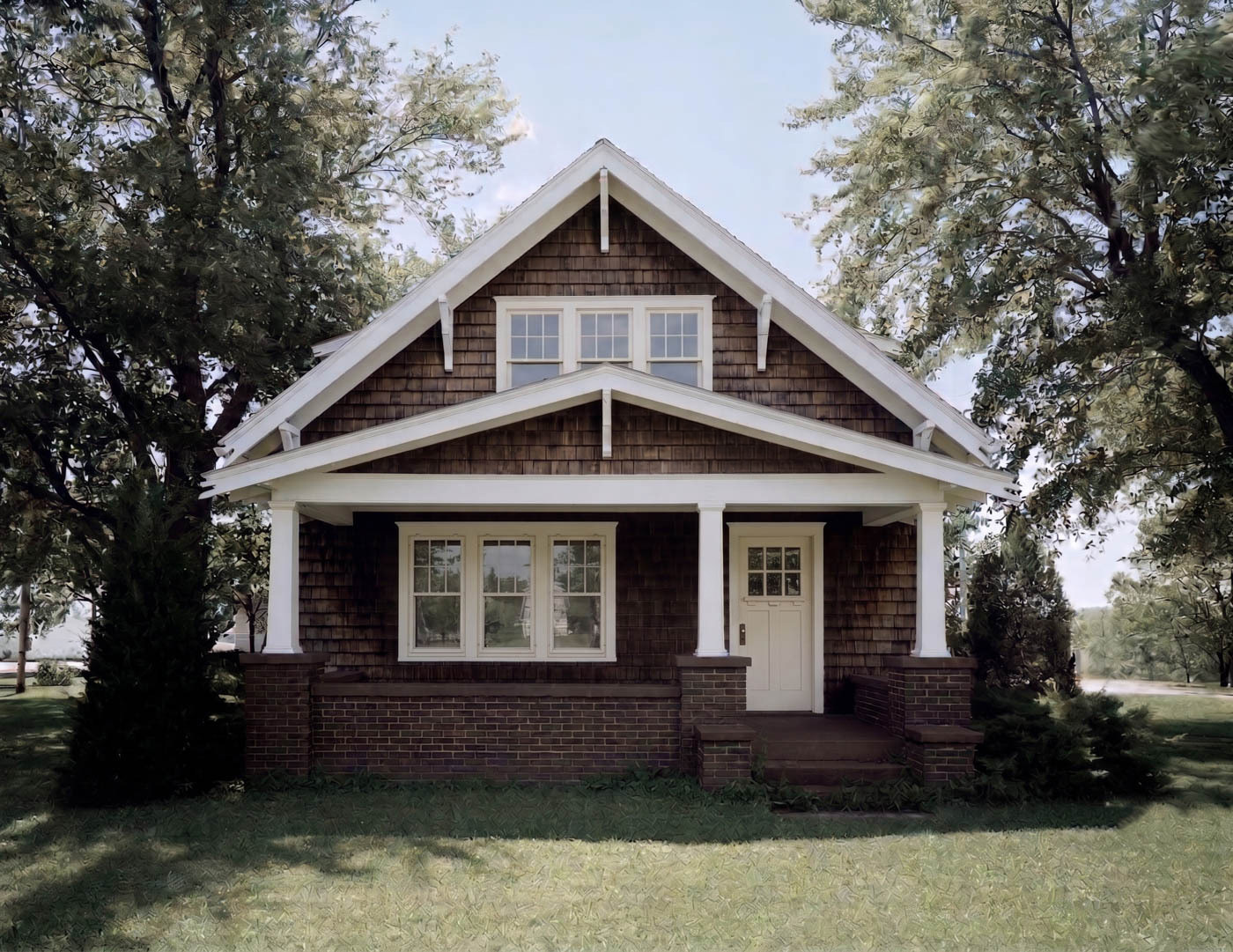
Natural materials, visible construction details, and carefully coordinated woodwork emphasize craftsmanship and practical design.
What Is Craftsman?
Craftsman architecture is an American expression of the Arts and Crafts movement that became prominent in the early twentieth century. It emphasizes practical design, natural materials, and craftsmanship, with woodwork and construction details playing an important role in the overall composition.
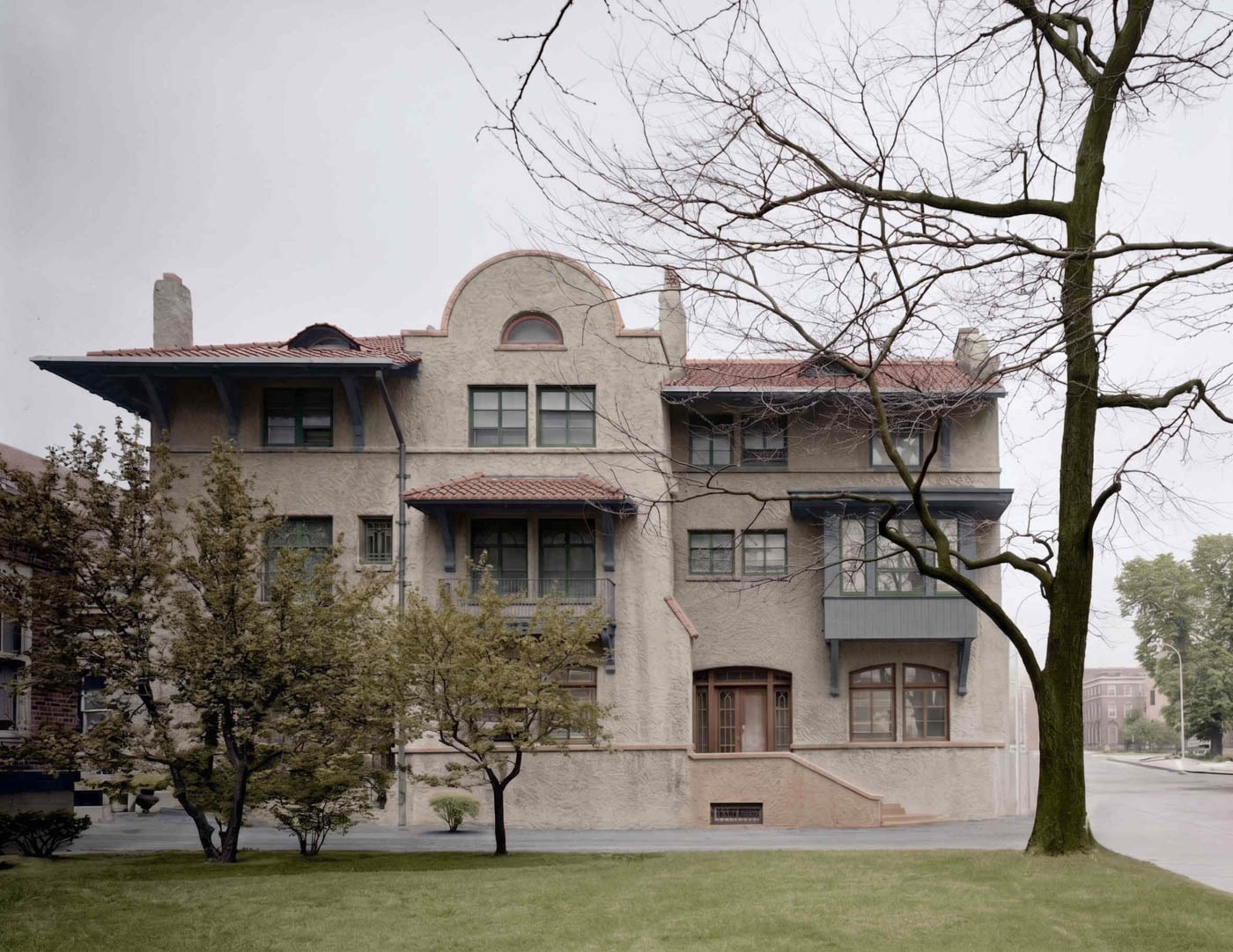
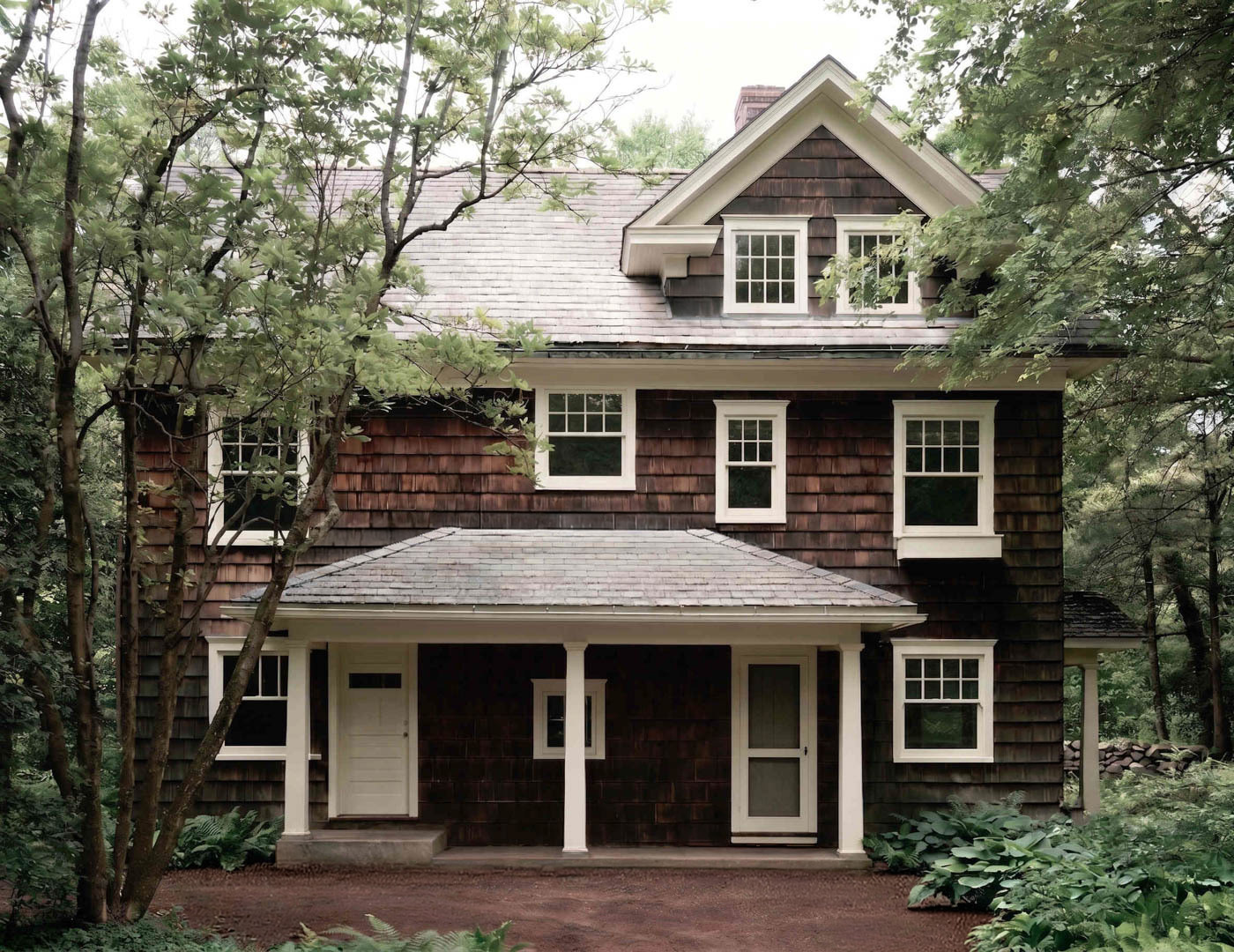
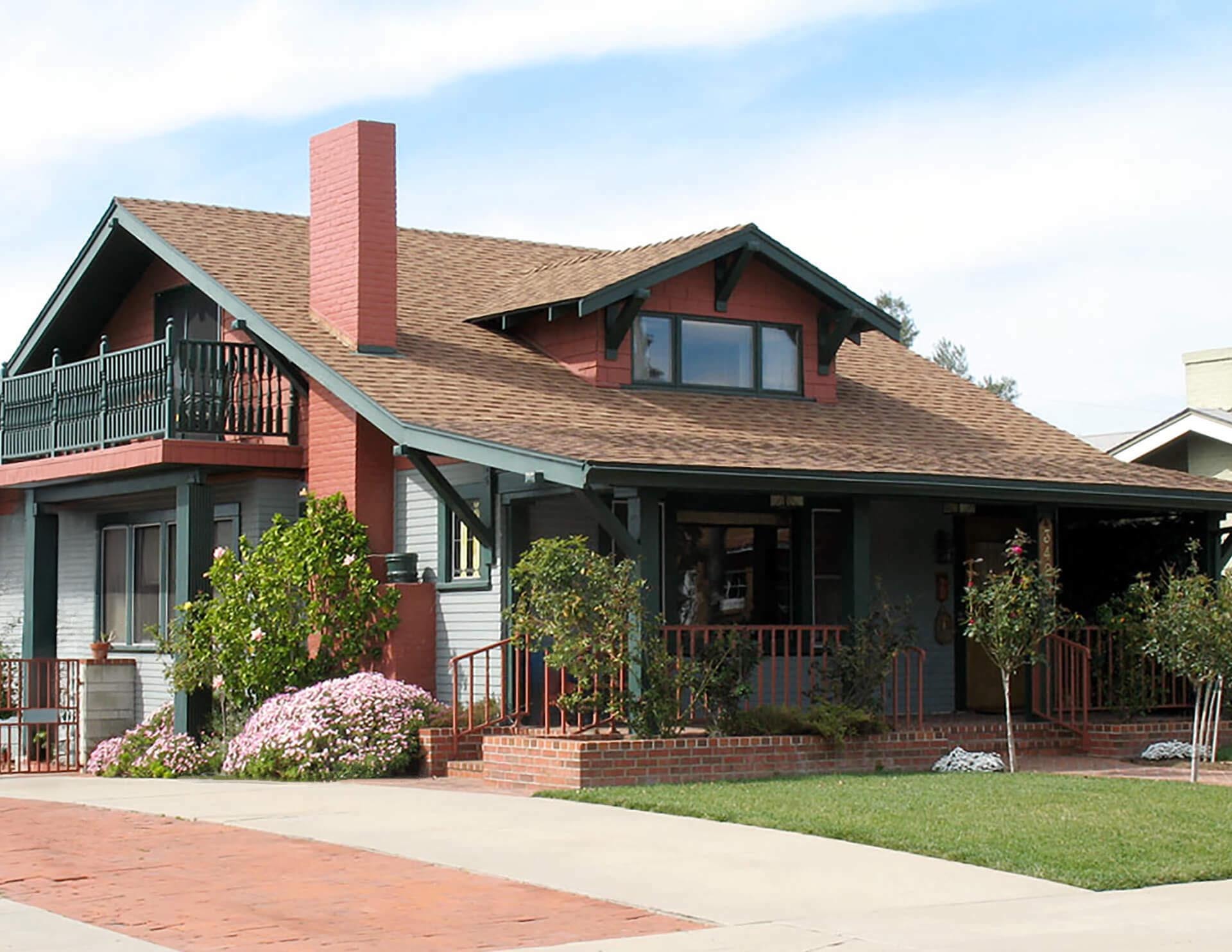
The style appears in a range of house forms, from compact bungalows to larger residences. Broad roof eaves, substantial porches, and coordinated interior details give Craftsman homes their characteristic appearance.
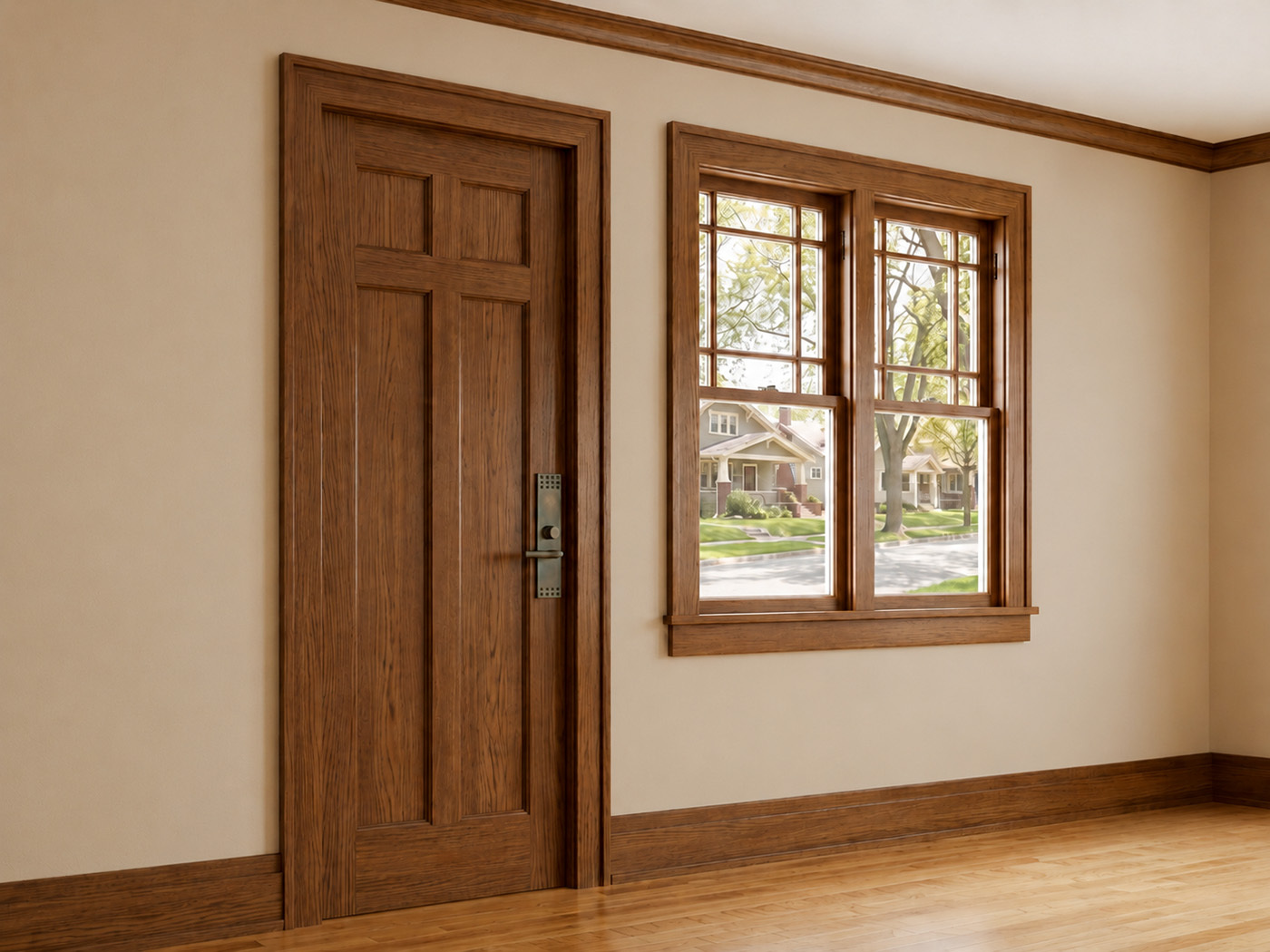
The Collection






Craftsman Characteristics
Craftsman buildings favor clear forms, practical layouts, and the natural character of wood, stone, and brick. Decorative interest often comes from balanced proportions, visible joinery, and the grain and texture of the wood. Broad eaves and substantial porches give the exterior a sheltered appearance, while interior details contribute to a sense of warmth and comfortable everyday living.
- Low-pitched roofs with broad eaves and exposed rafter tails or brackets
- Porches with substantial square or tapered columns
- Wood siding or shingles, often combined with brick, stone, or stucco
- Grouped windows and connected living spaces
- Paneled walls, boxed ceiling beams, and prominent fireplaces
- Built-in cabinets, bookcases, and seating
- Woodwork often stained and varnished, although painted finishes were also used
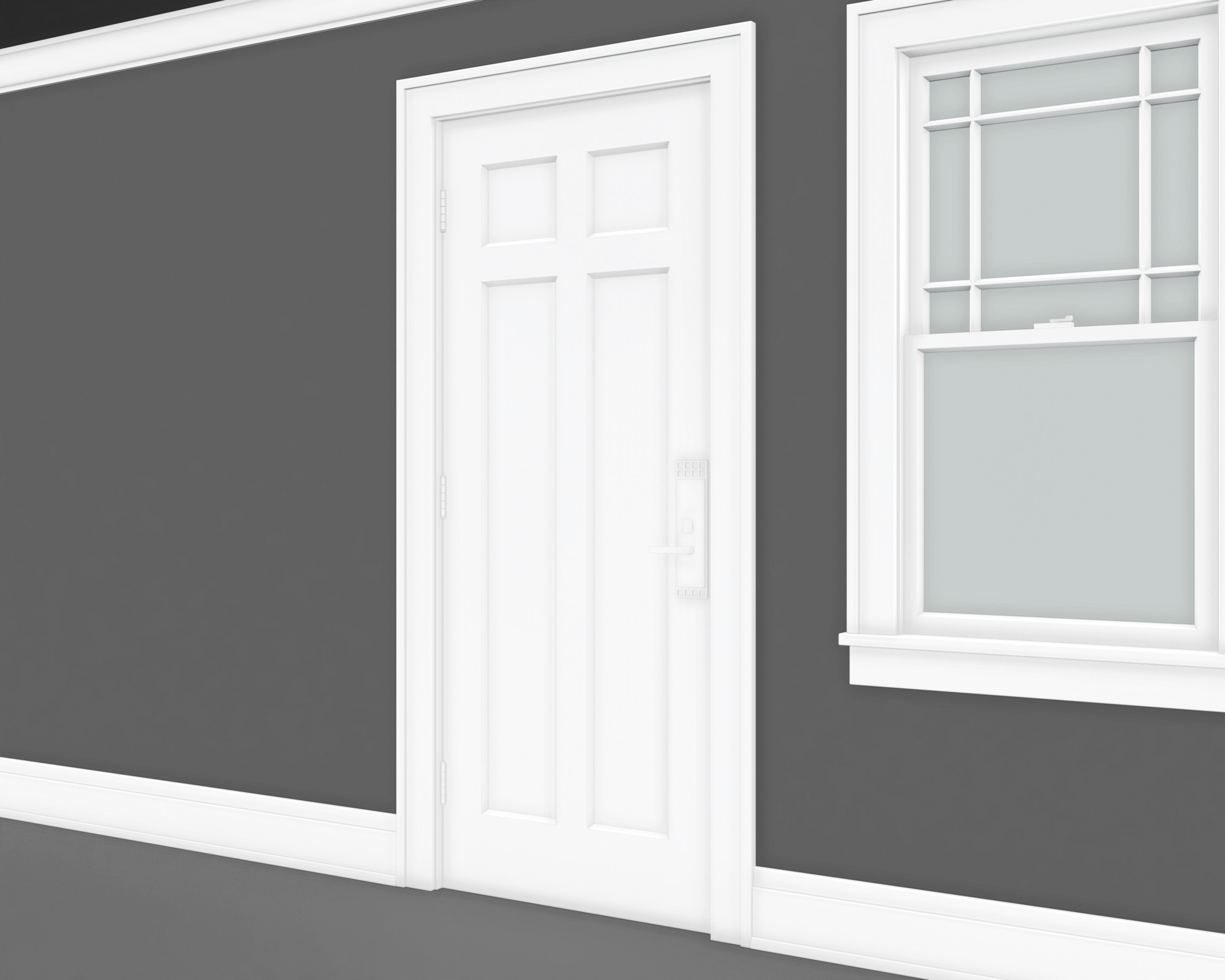
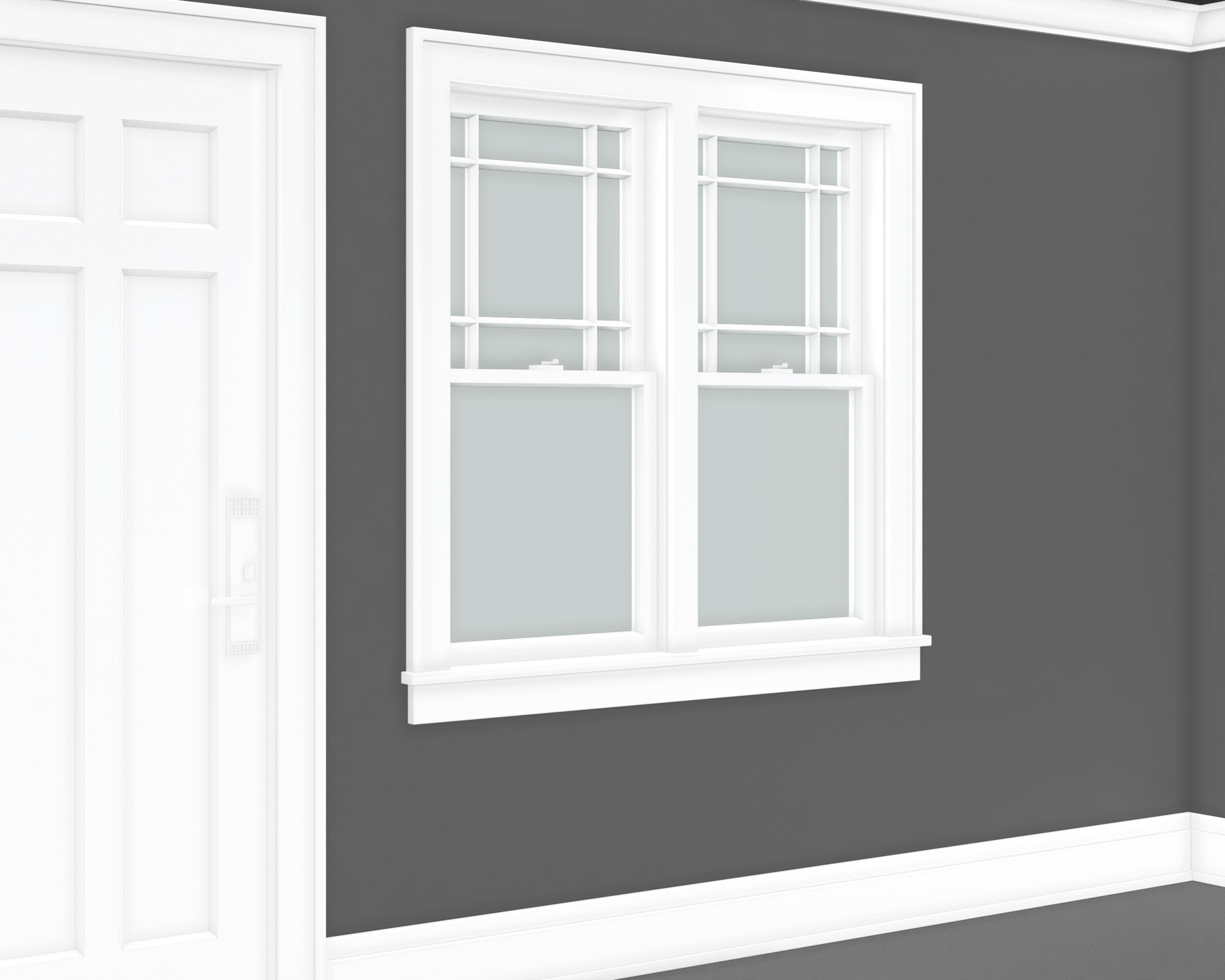
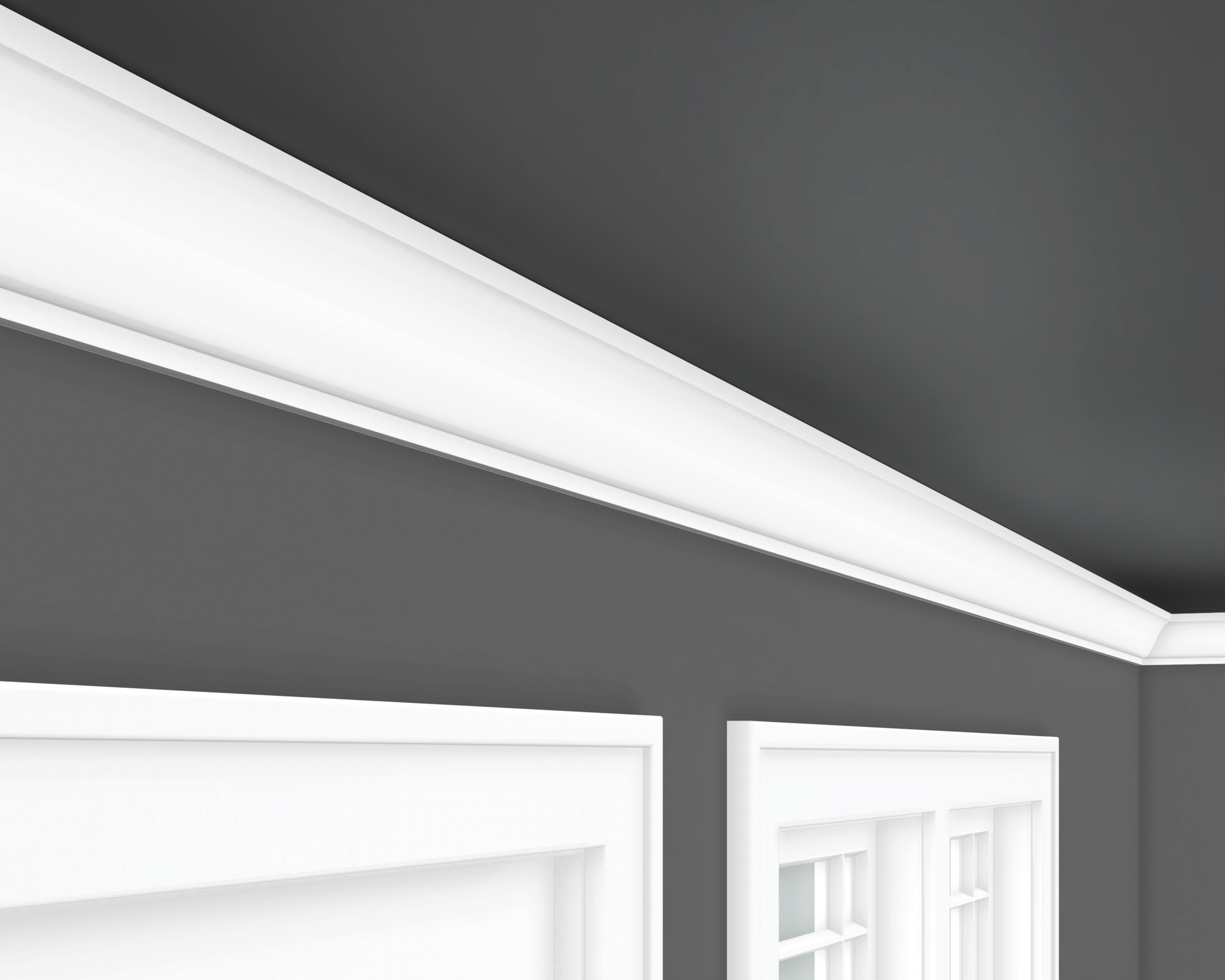
CRAFTSMAN MOULDINGS
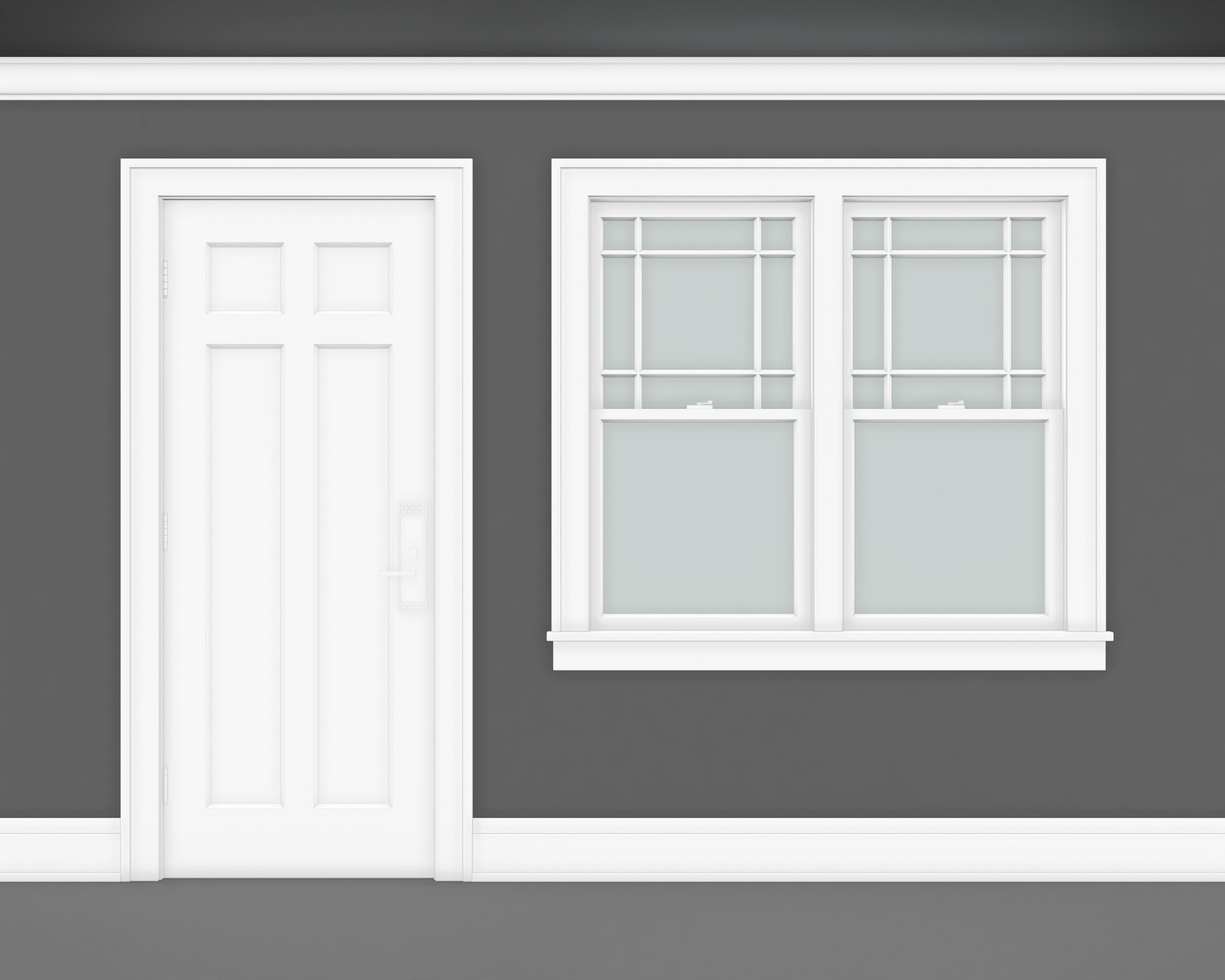
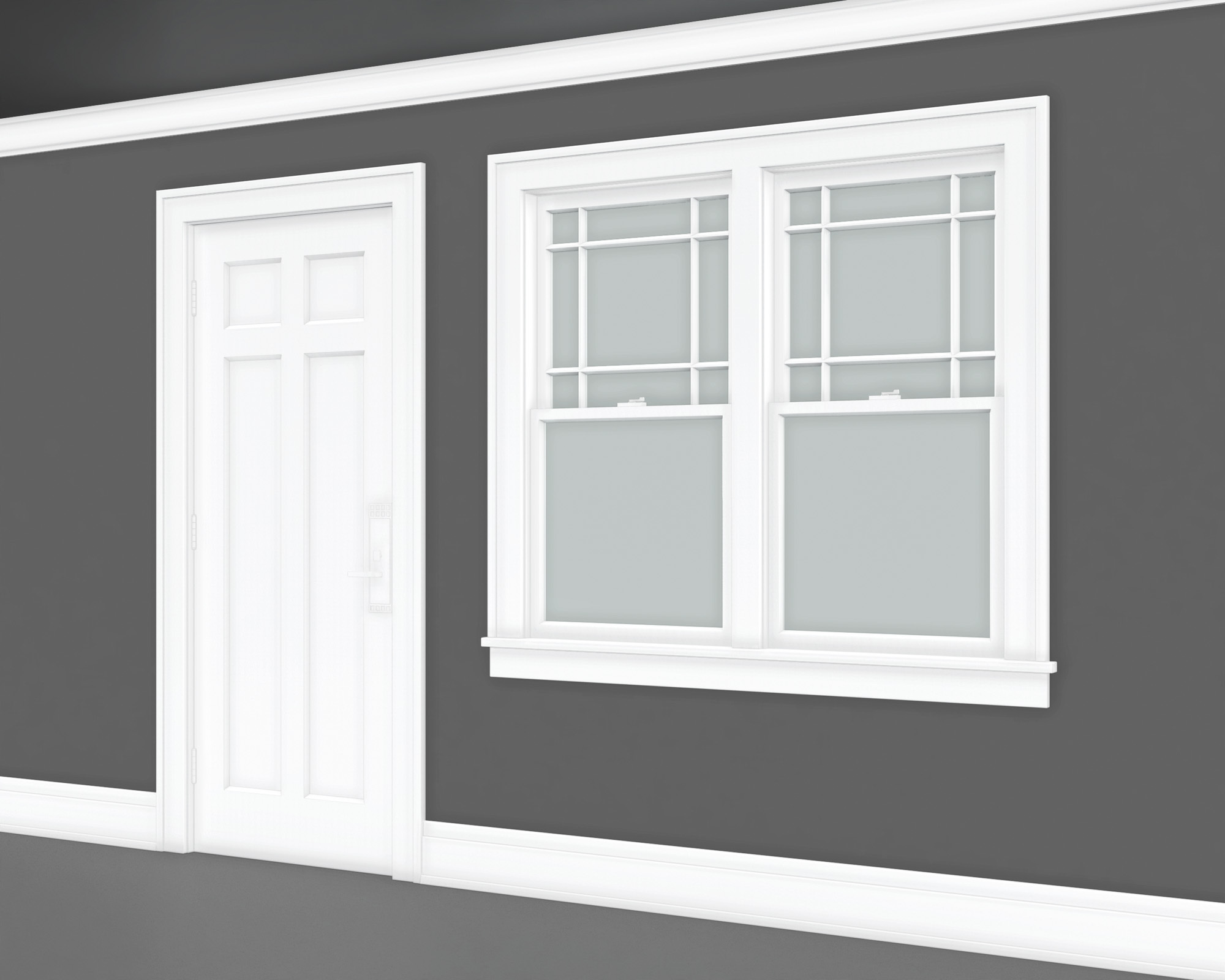
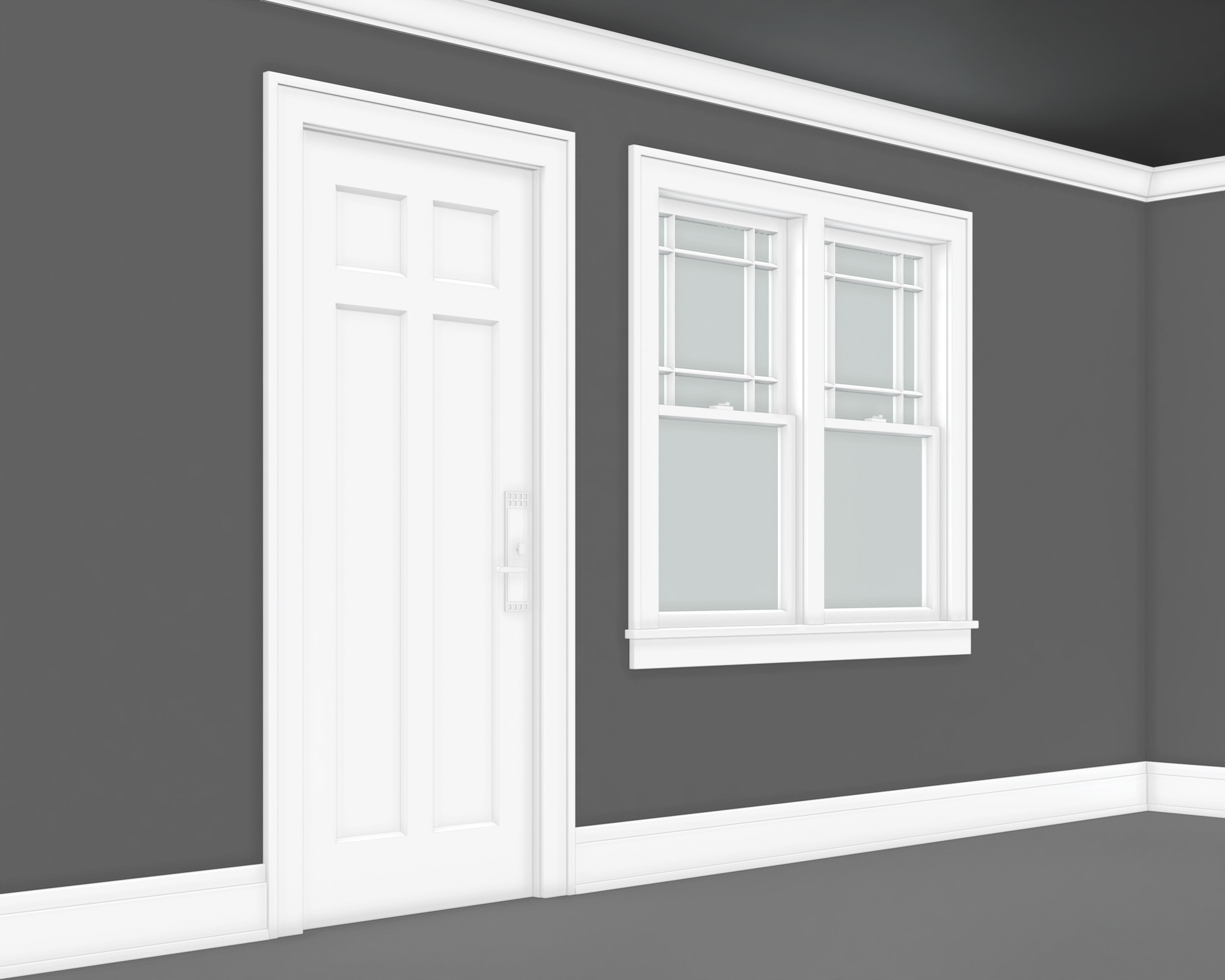
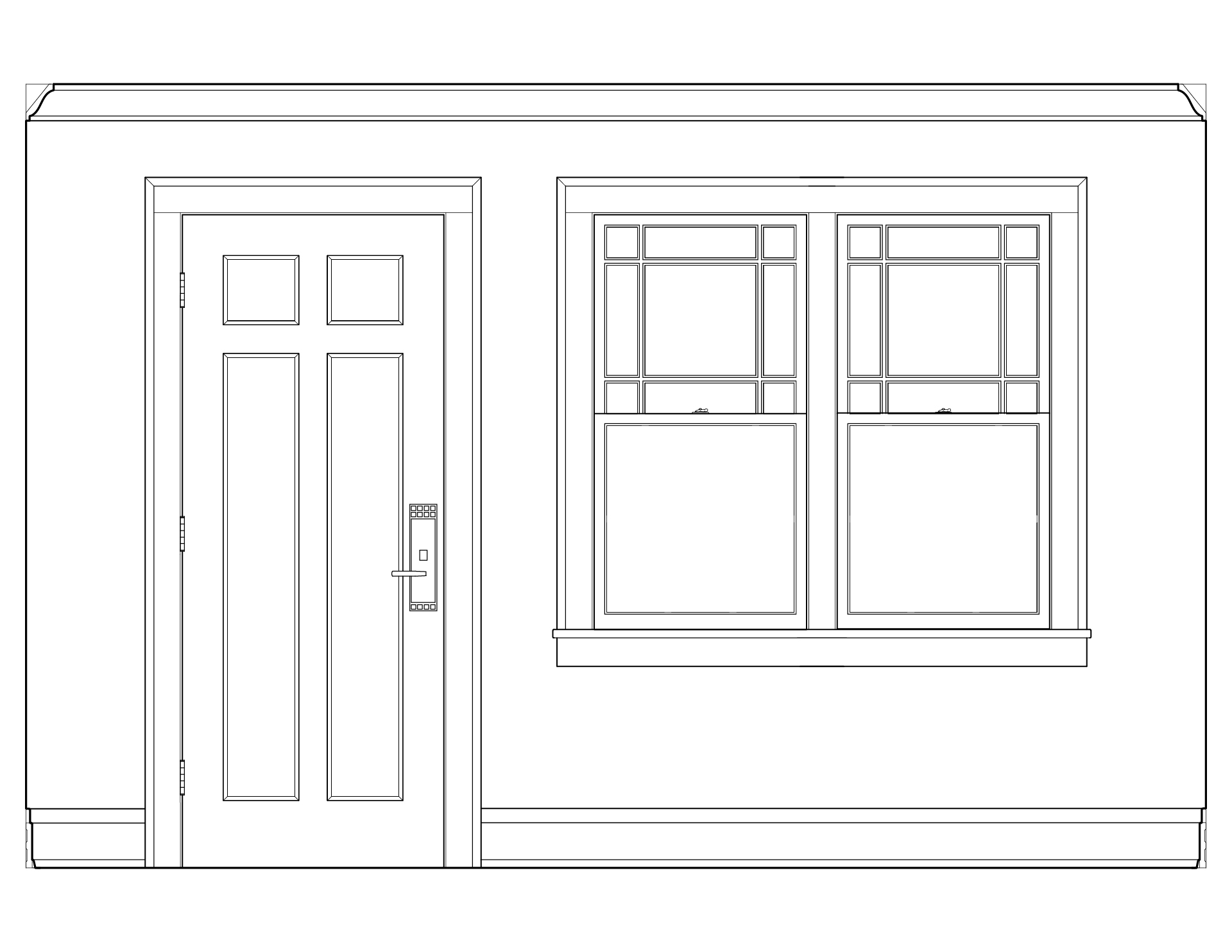
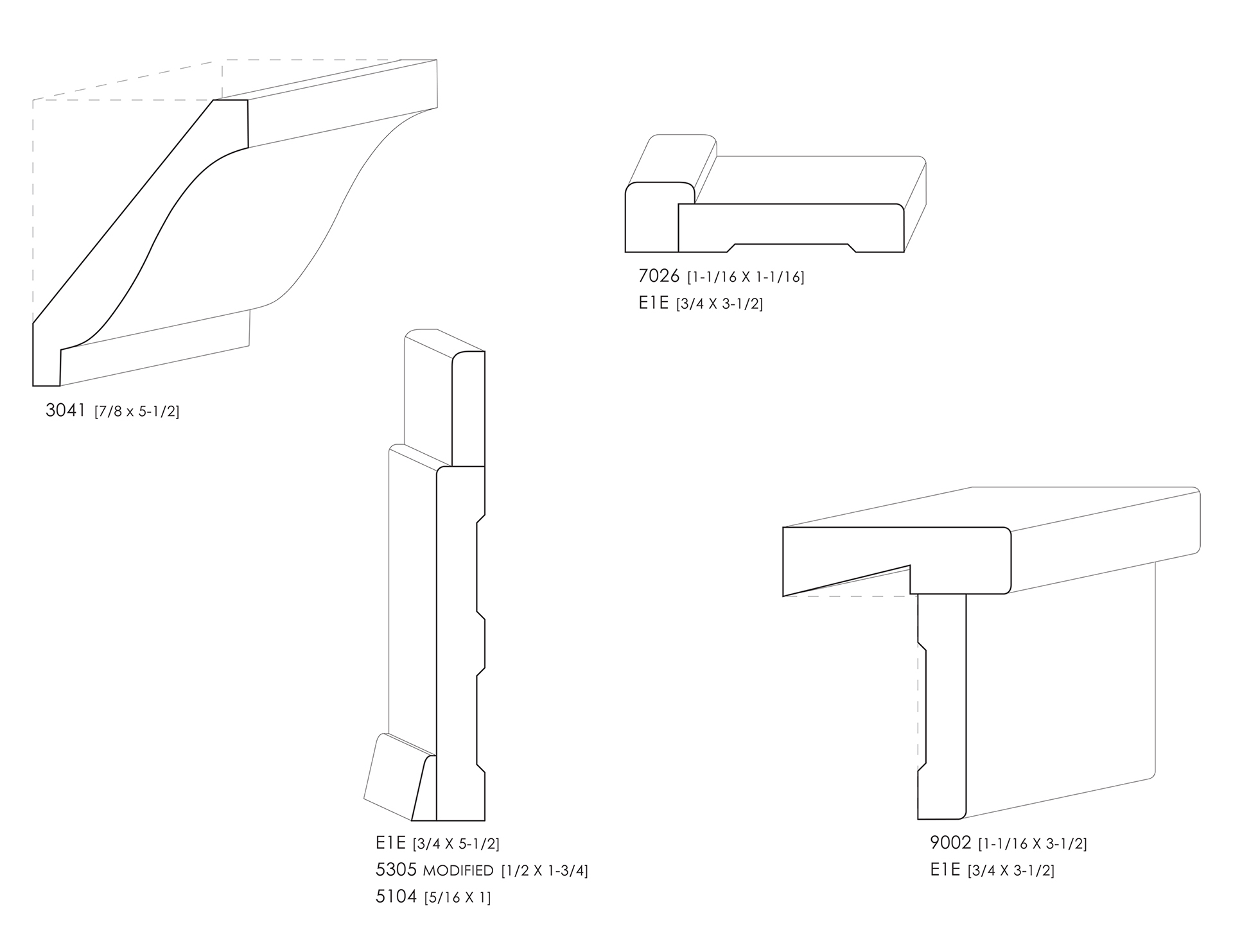
Craftsman mouldings combine flat boards, simple geometric profiles, and squared or eased edges. Broad door and window casings, substantial baseboards, and restrained crown or cap mouldings create coordinated interior woodwork with an emphasis on proportion and the natural character of the wood.
Shop Now
Period Details & Drawings
History of Craftsman
Craftsman architecture grew from the English Arts and Crafts movement of the late nineteenth century. Designers such as William Morris advocated thoughtful design, quality materials, and skilled workmanship in response to concerns about industrial production. These ideals encouraged a closer relationship between the design of a home and the making of its furnishings and decorative details.
In the United States, Gustav Stickley promoted the Craftsman ideal through his furniture and his magazine The Craftsman, published from 1901 to 1916. Elbert Hubbard’s Roycroft community also helped advance American Arts and Crafts through its printing, furniture, and decorative arts. Mission furniture reflected these ideals through simple forms and an emphasis on materials and craftsmanship, while Prairie architecture shared an interest in natural materials and integrated design.
During the early twentieth century, magazines, pattern books, and mail-order house kits brought Craftsman-inspired designs to a national audience. The style became especially popular for smaller homes, while larger houses offered more elaborate interpretations. Its popularity declined during the late 1920s and 1930s as architectural tastes changed, but its influence continues in homes that emphasize practical planning and carefully detailed woodwork.