Greek Revival Eastern
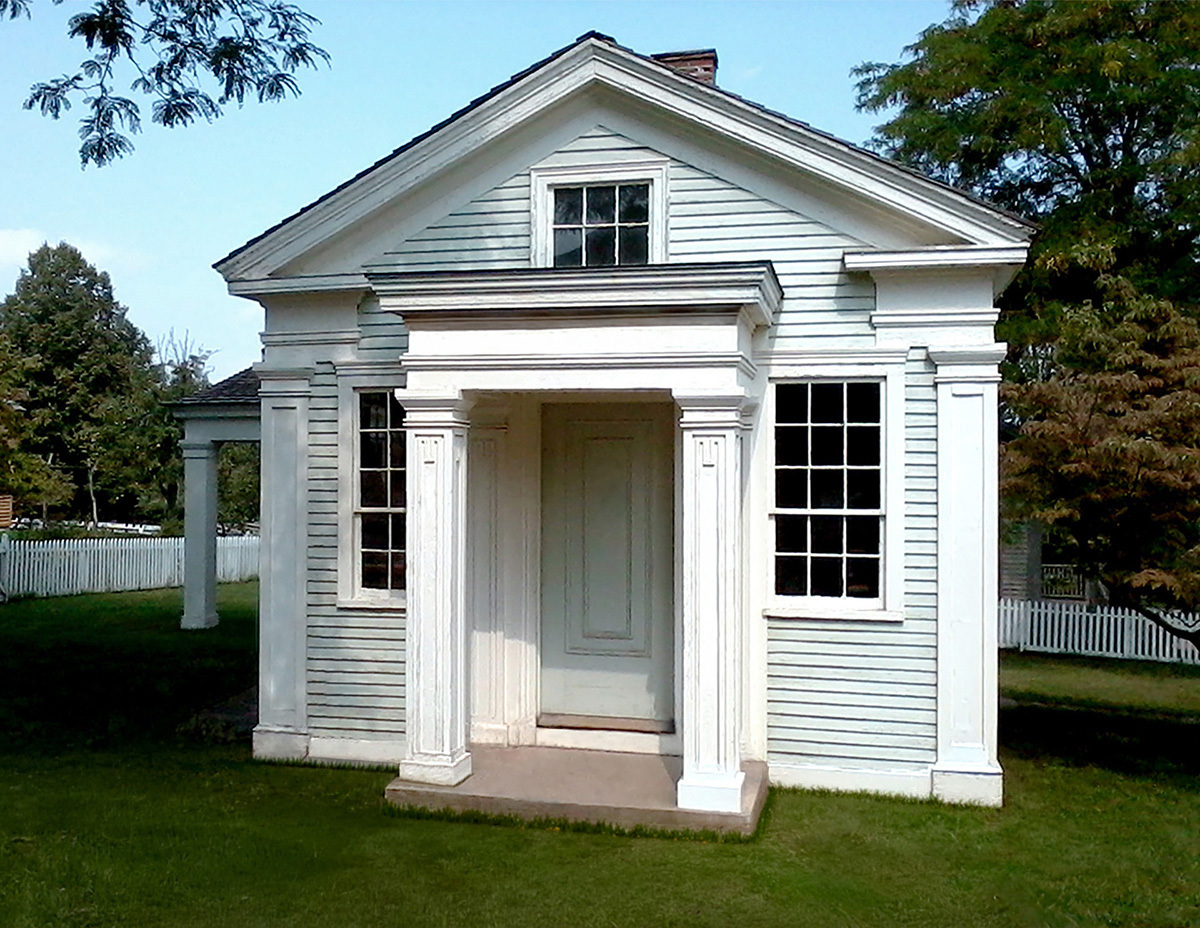
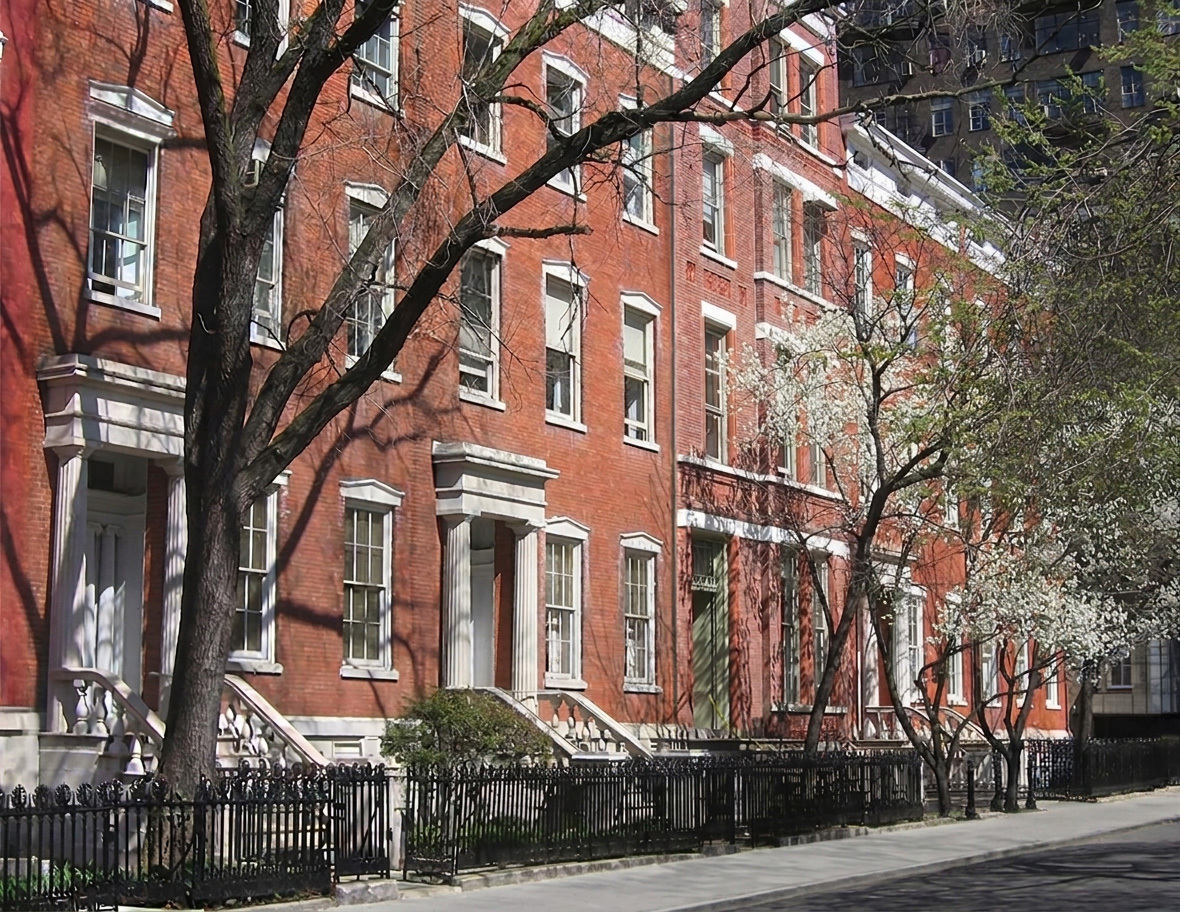
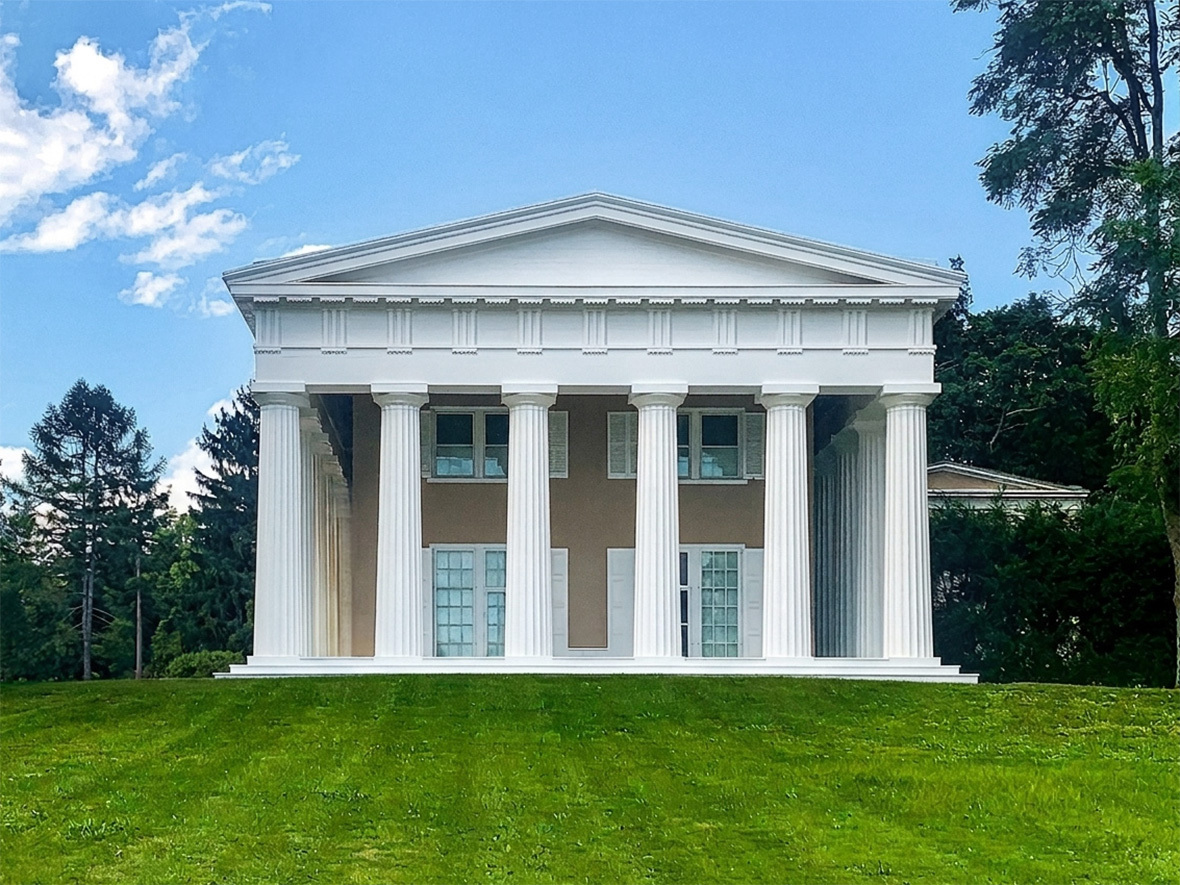
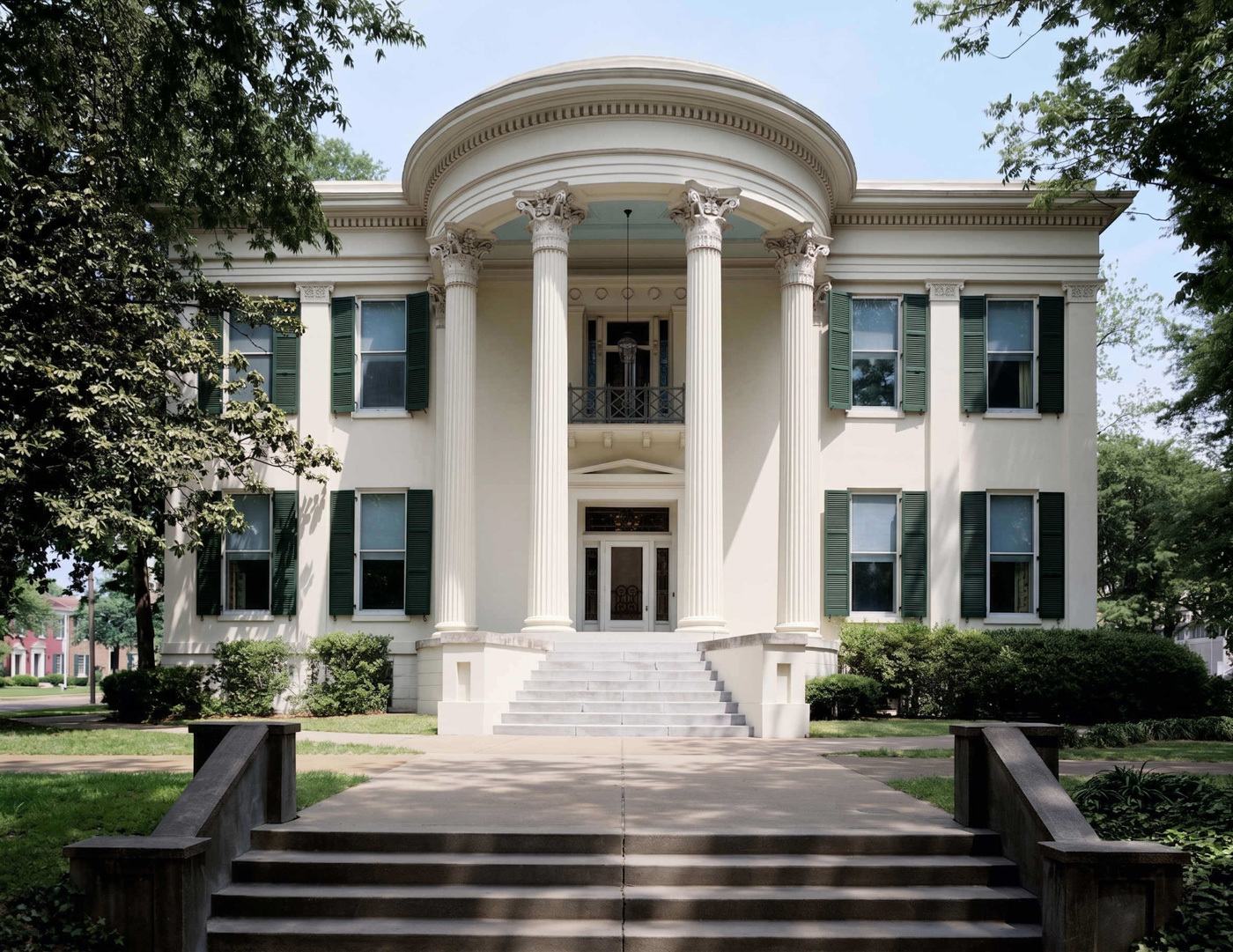
Classical proportions and finely detailed woodwork reflect the Greek Revival traditions of New England and the Mid-Atlantic.
What Is Greek Revival Eastern?
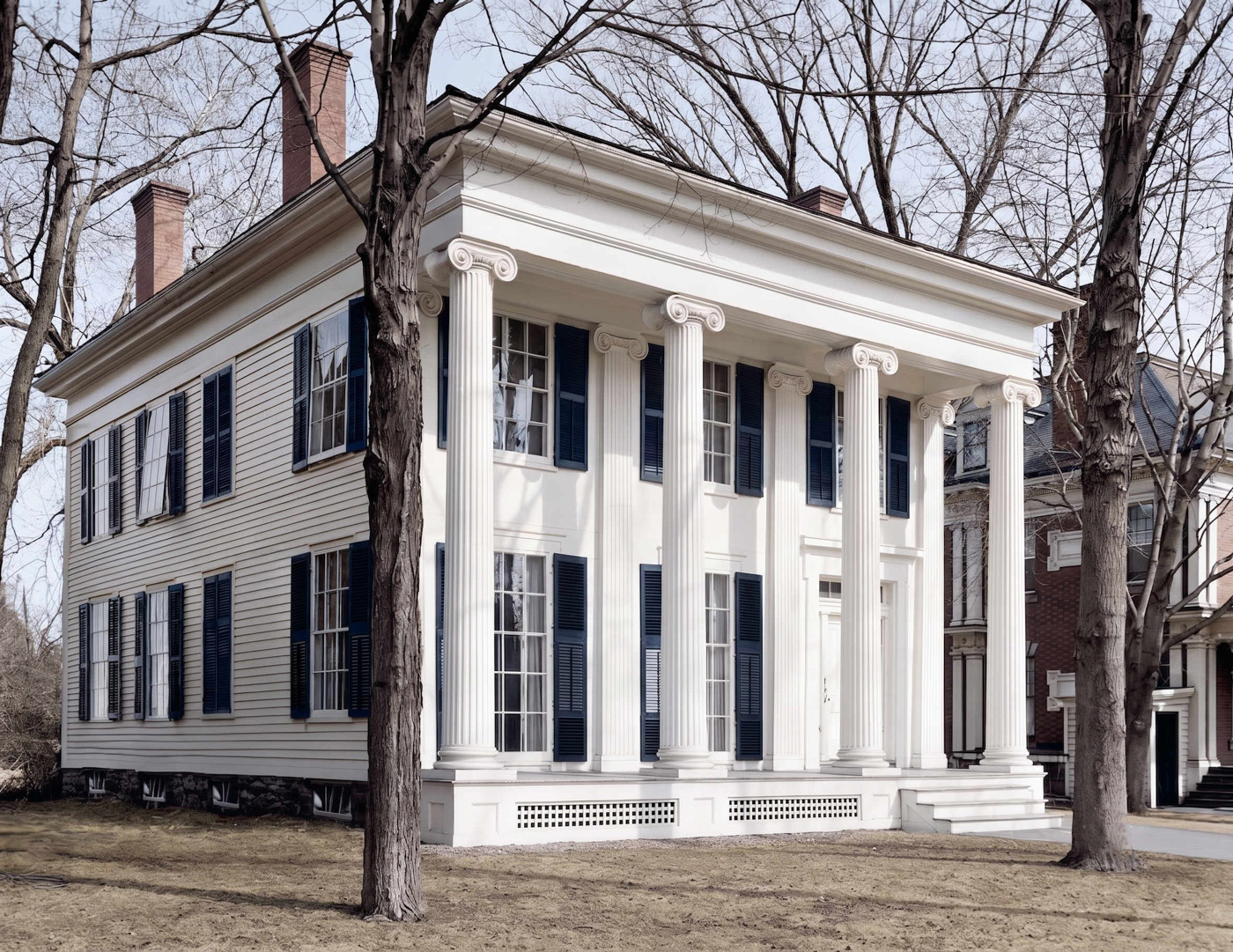
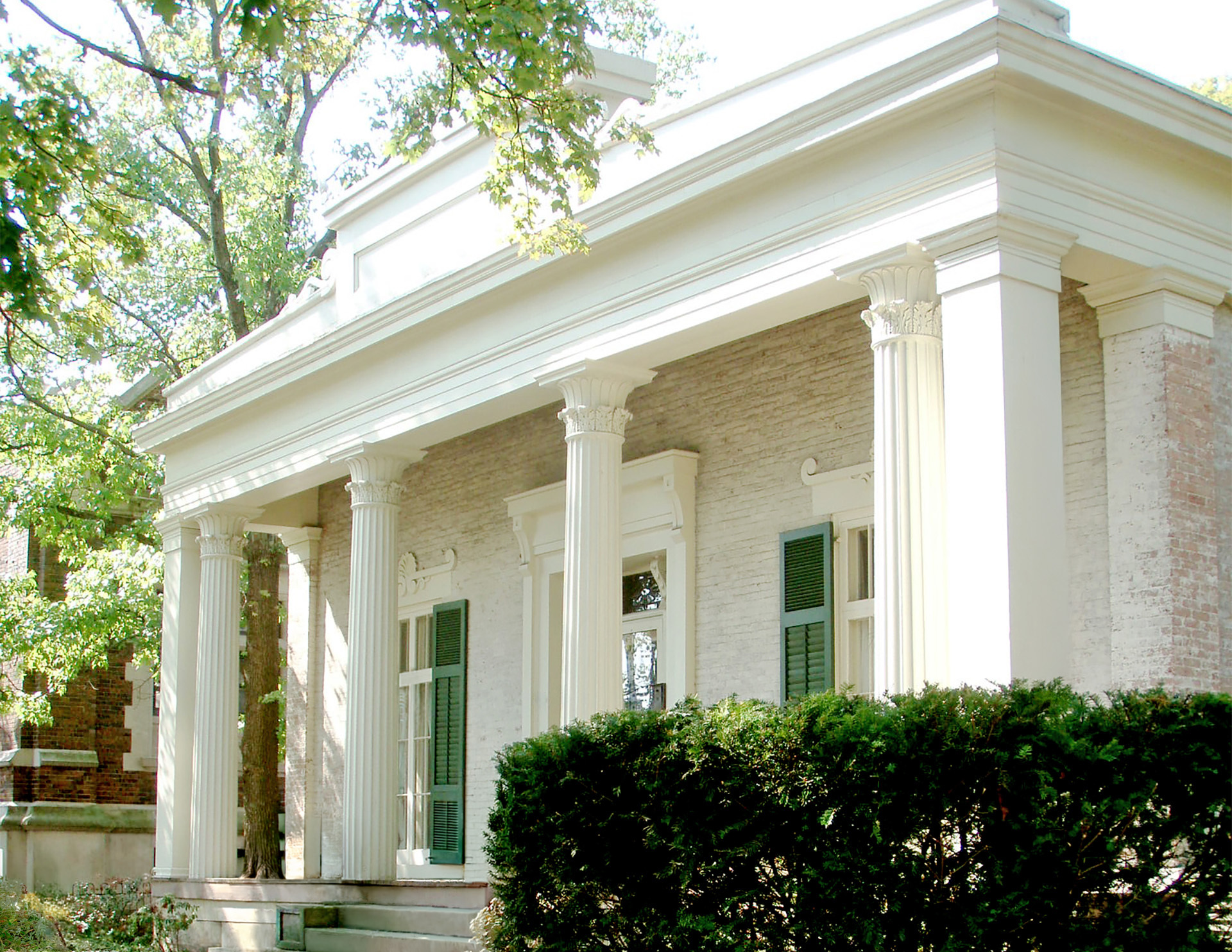
Greek Revival Eastern refers to the interpretation of Greek Revival architecture that developed throughout New England and the Mid-Atlantic during the early nineteenth century. Architects and builders drew on ancient Greek buildings while adapting their forms to established cities, towns, and local construction traditions.
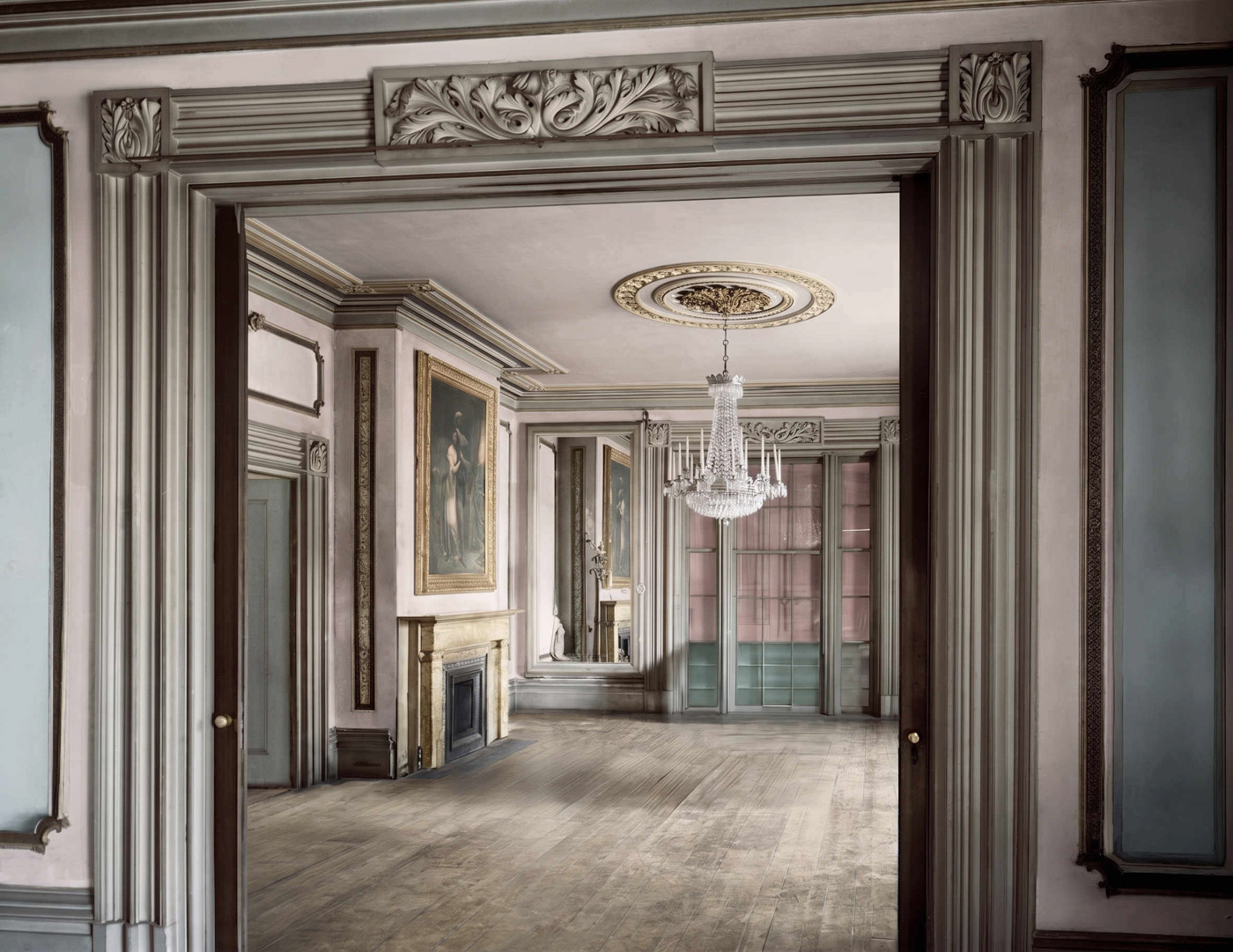
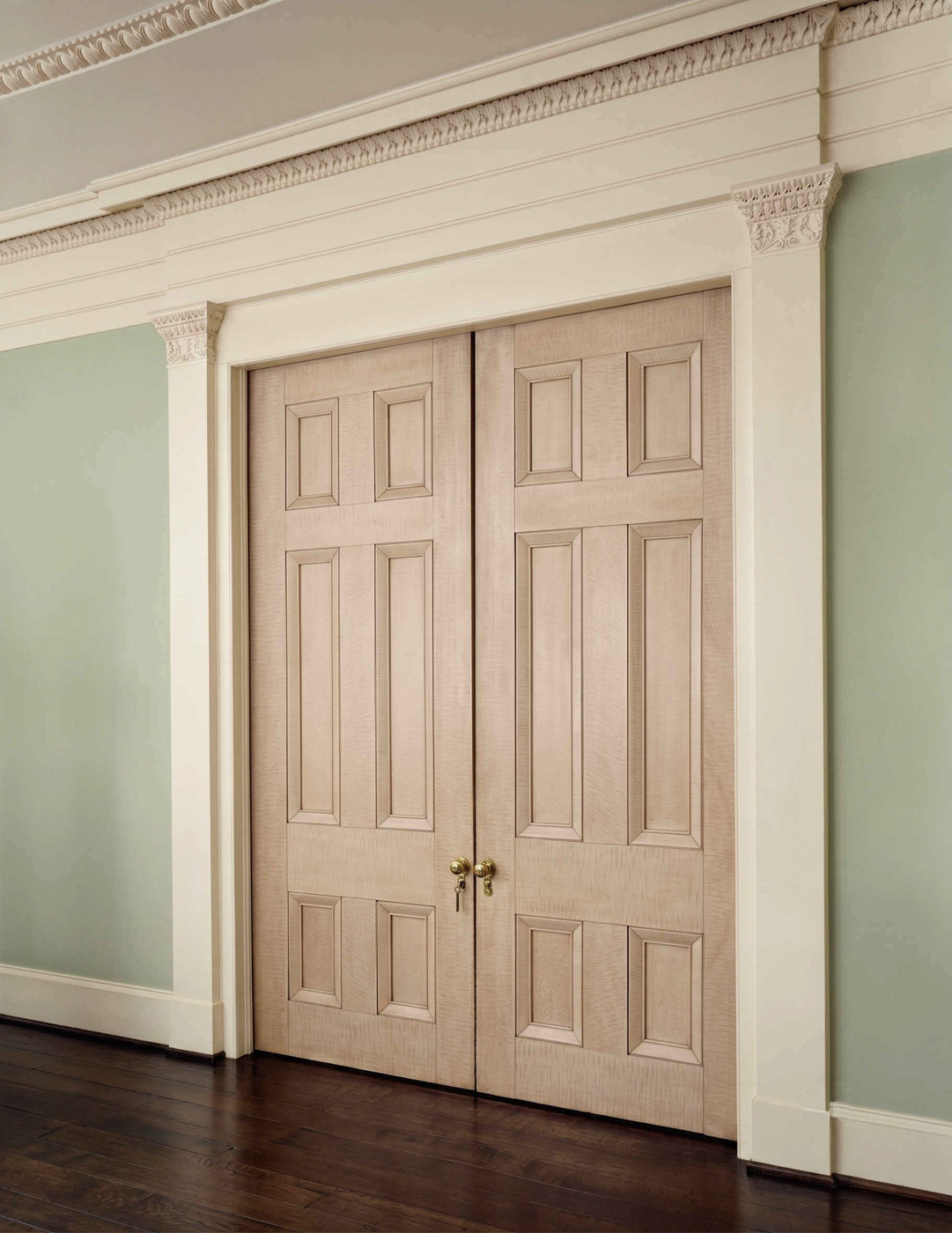
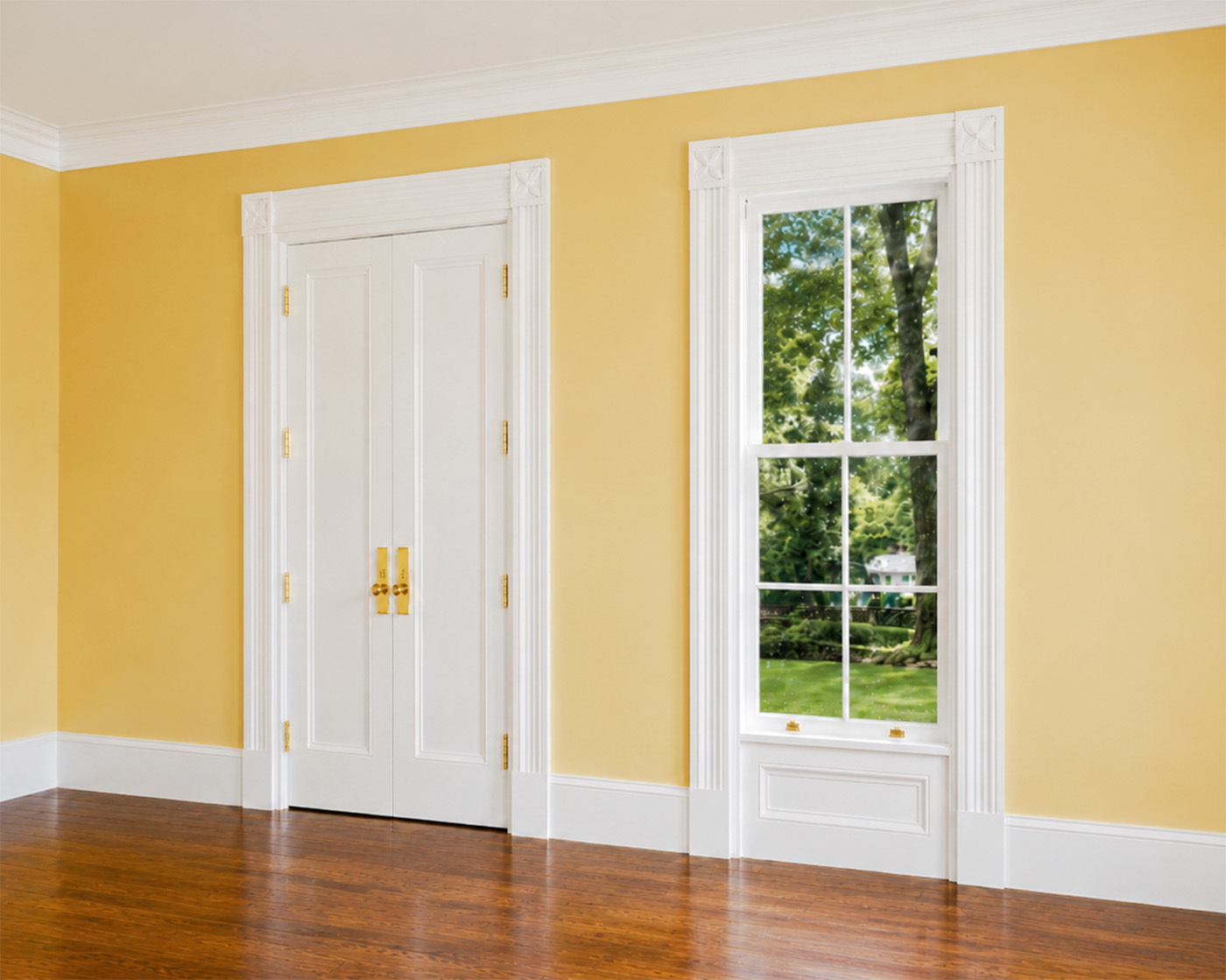
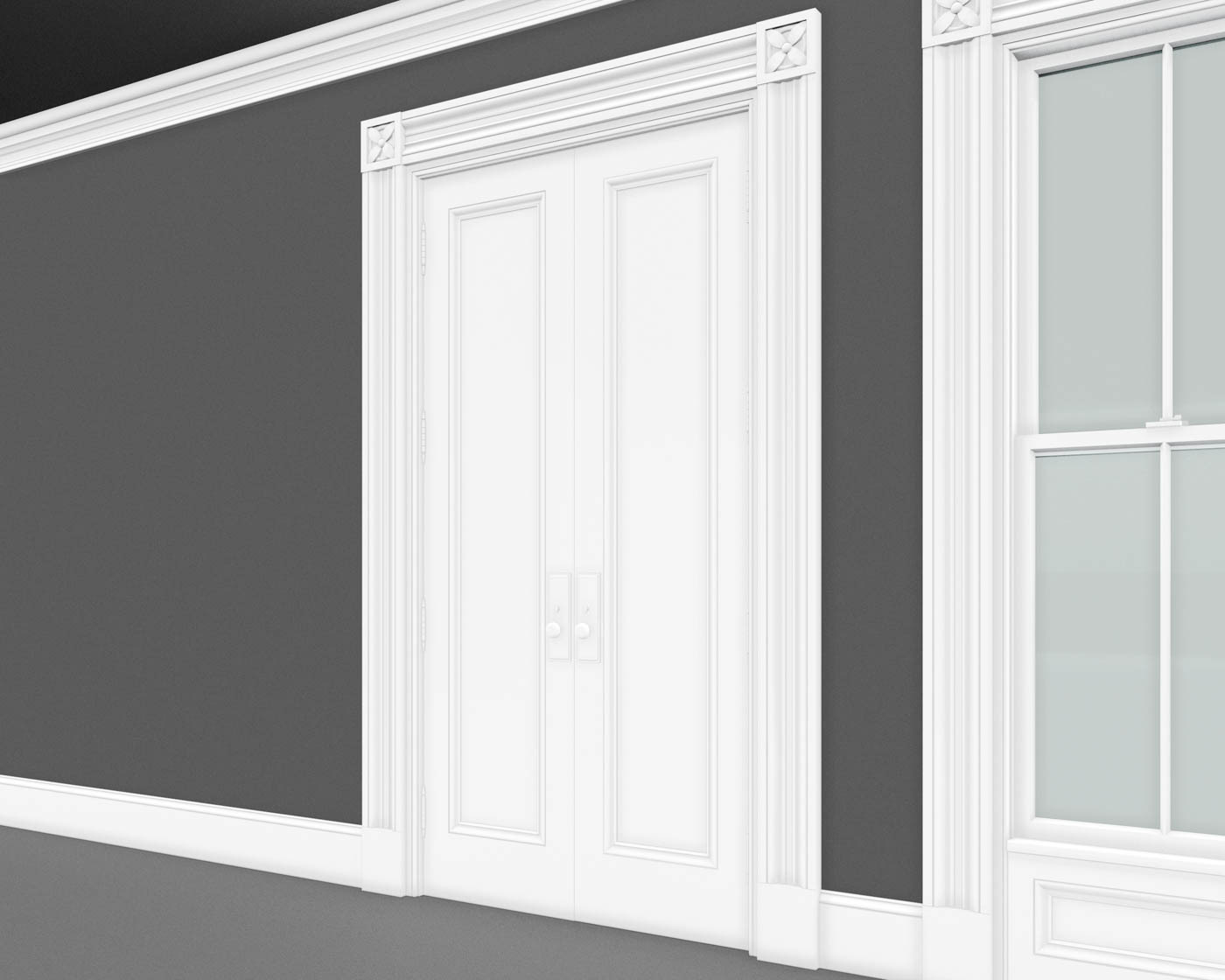
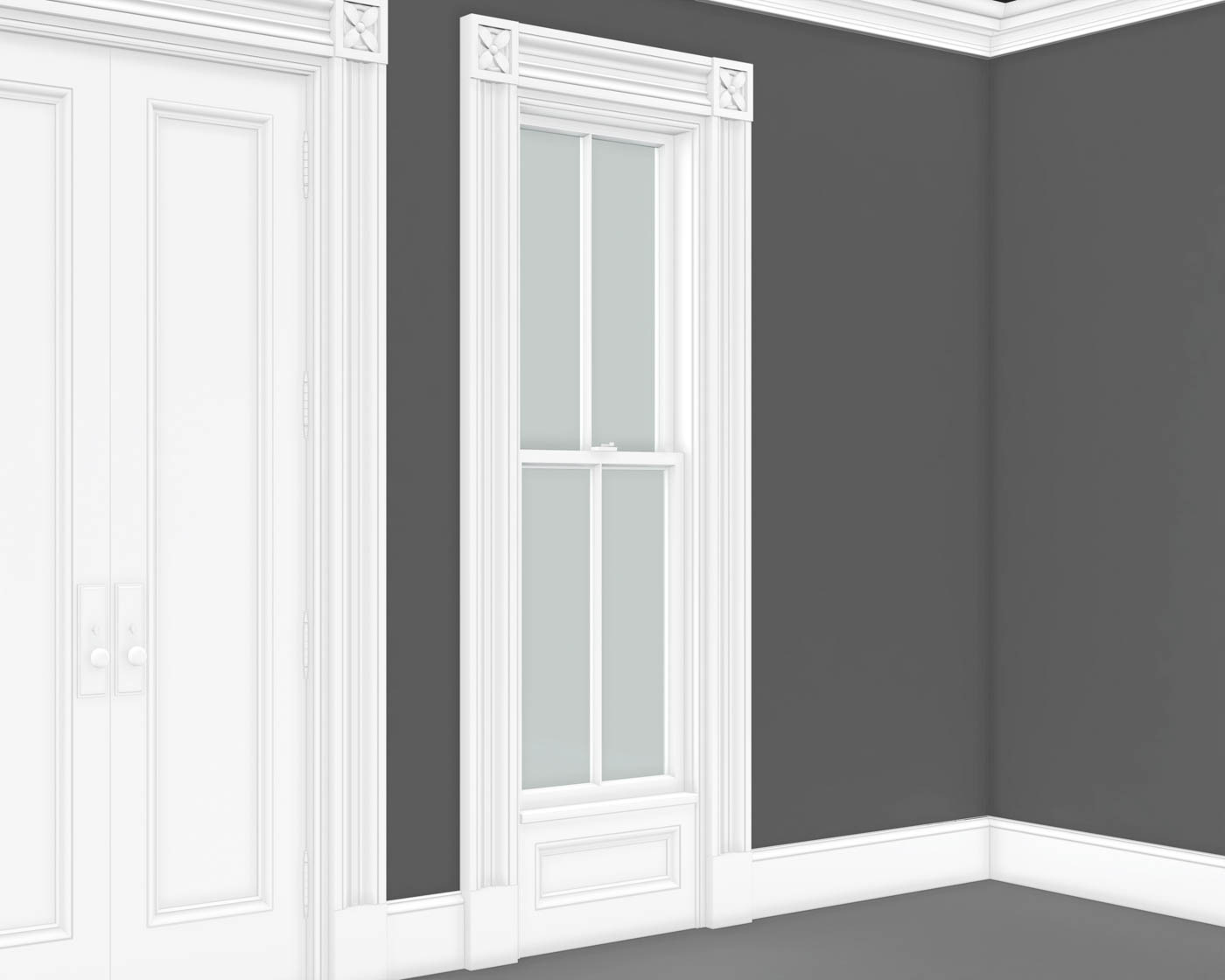
The style appeared in civic buildings, churches, and houses, with classical proportions connecting exterior architecture and interior woodwork. Door and window surrounds, cornices, and baseboards combined substantial forms with carefully shaped profiles. Many interiors used restrained trim compositions, while more elaborate examples incorporated carved classical ornament.
The Collection
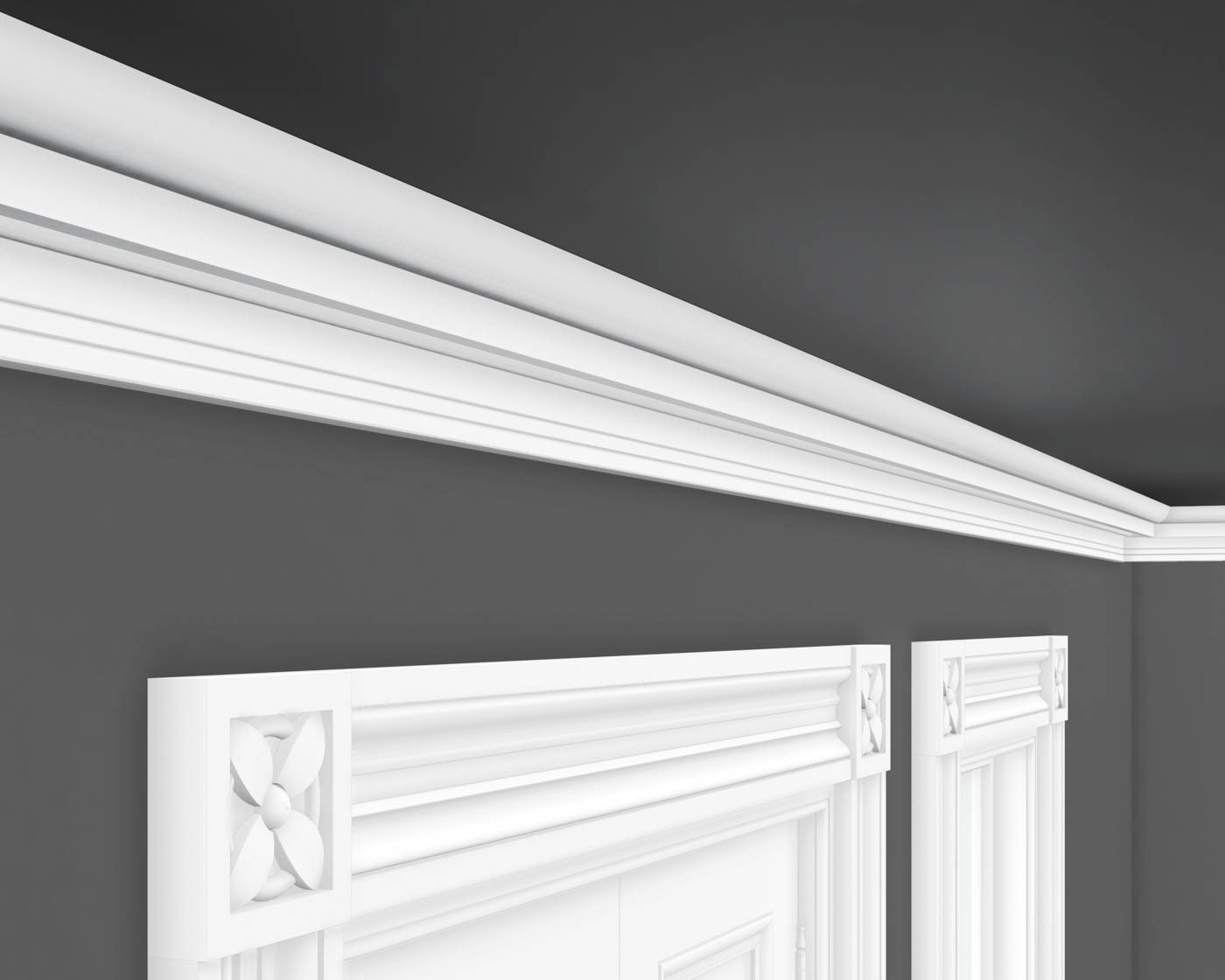

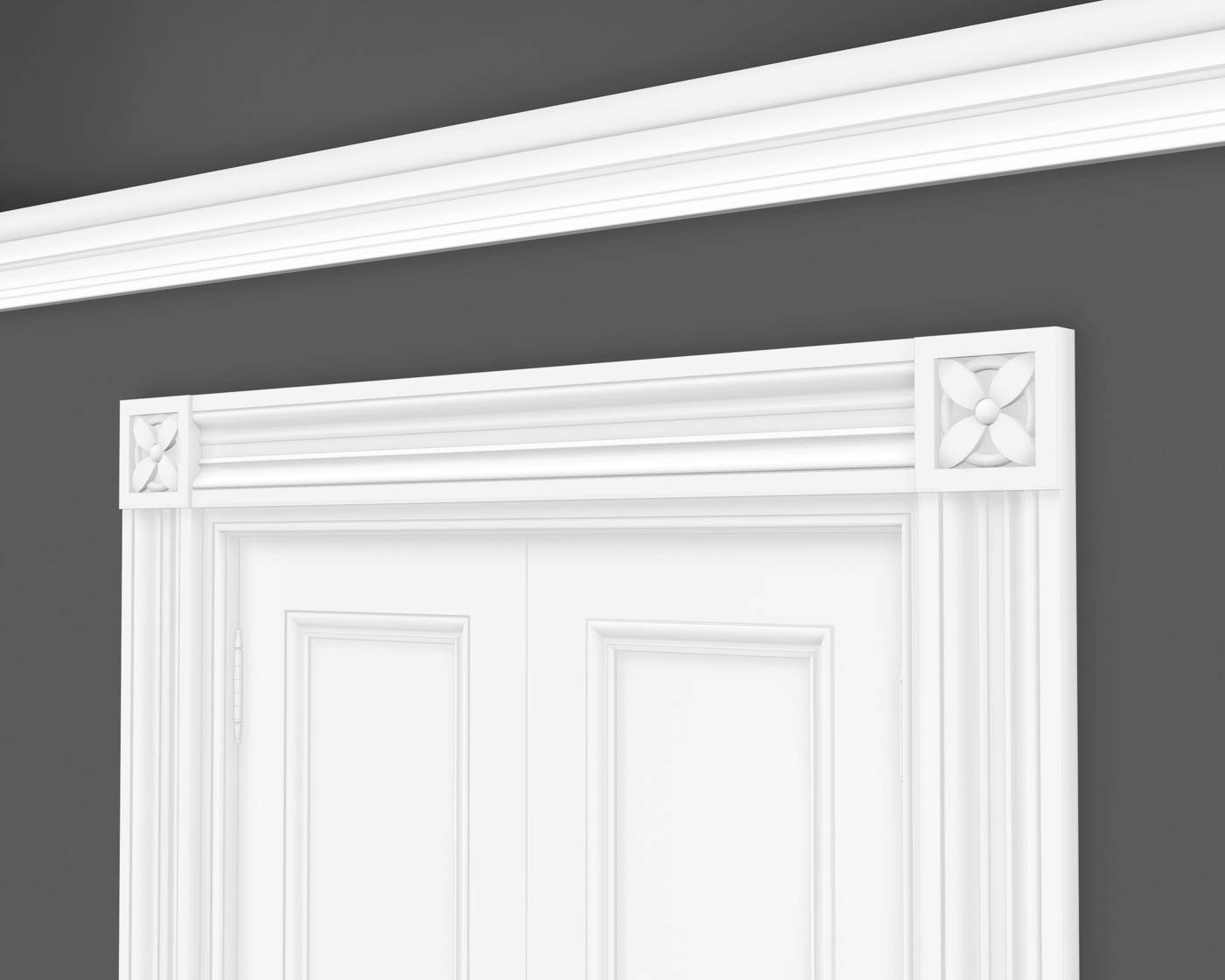


Greek Revival Eastern Characteristics
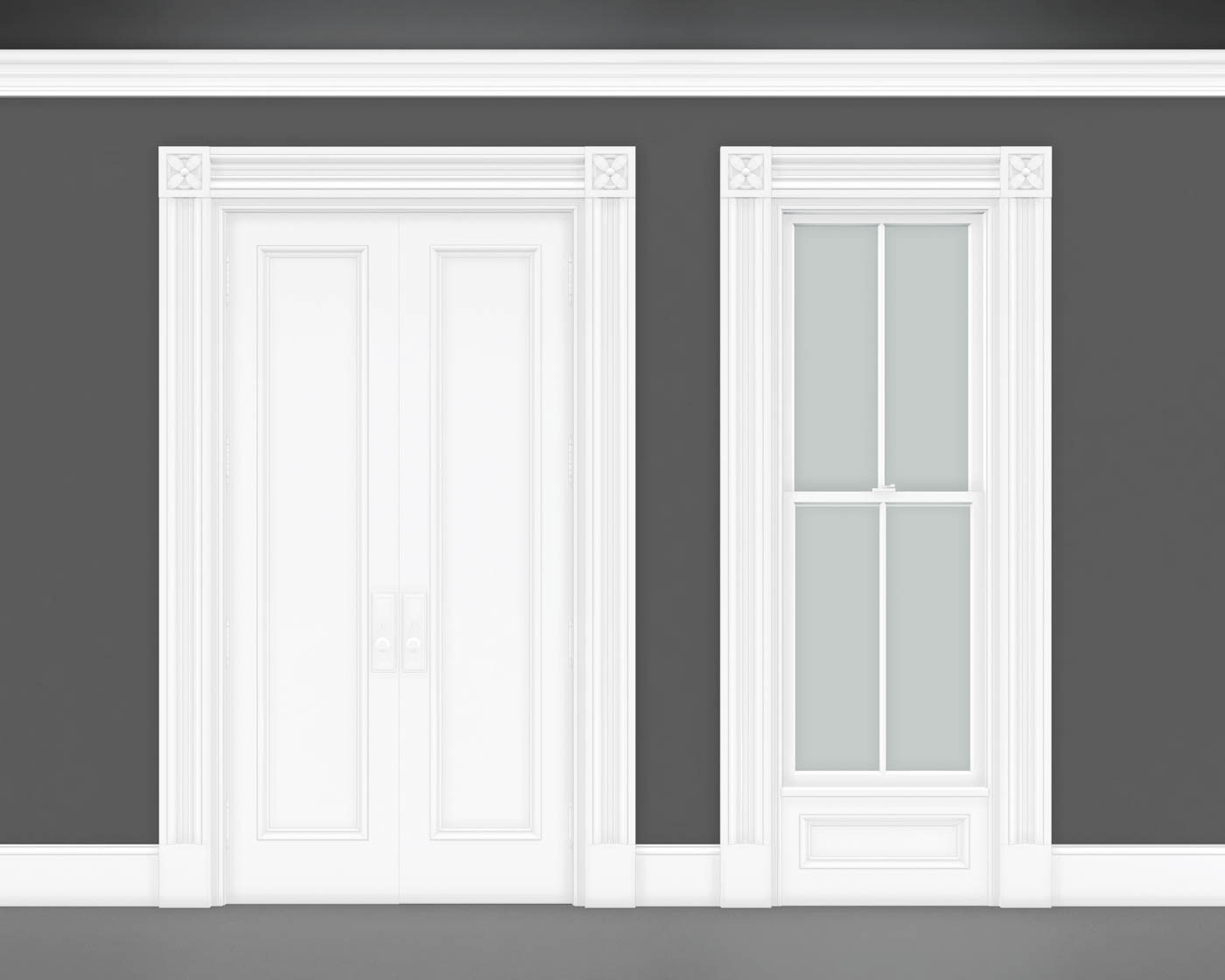
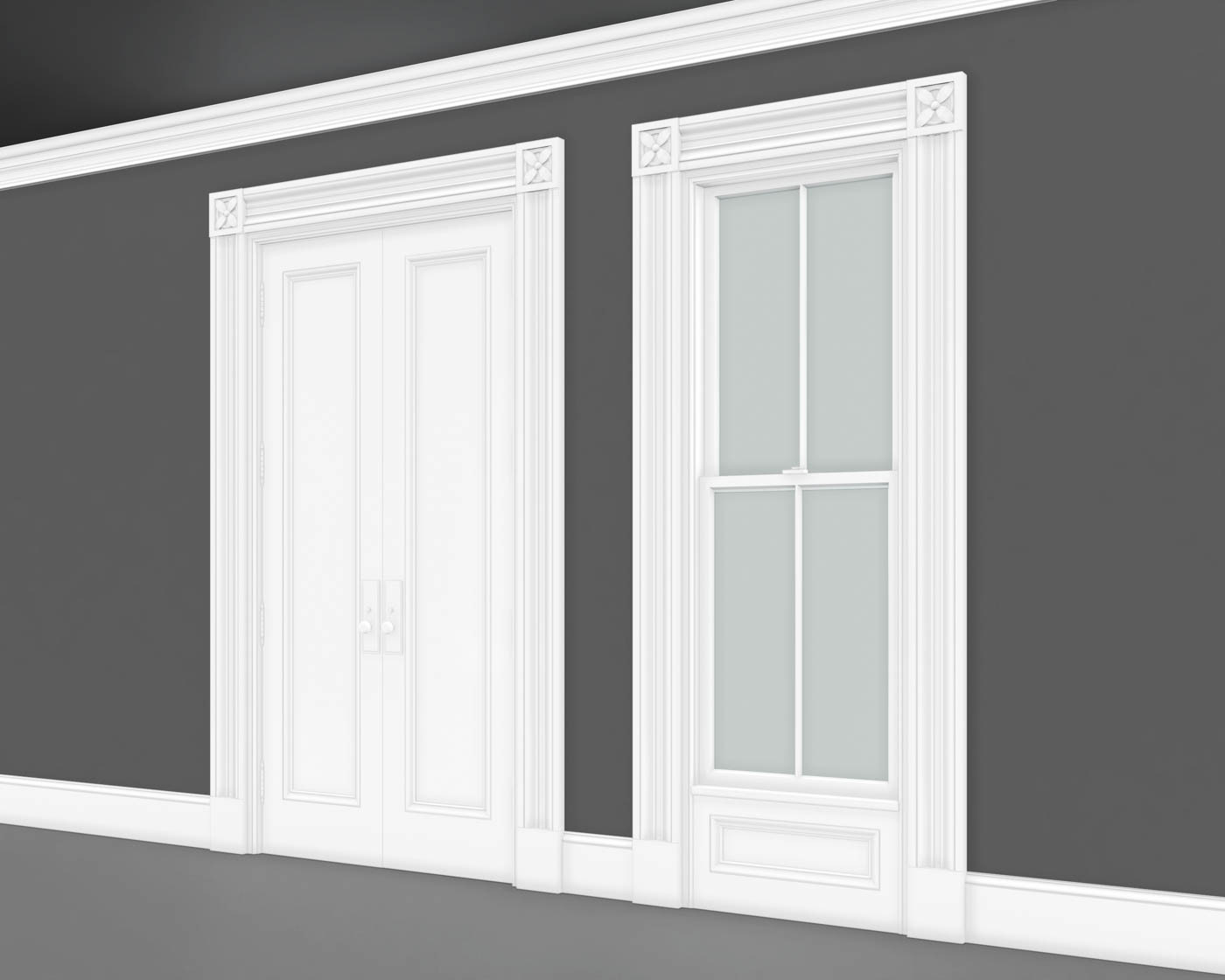
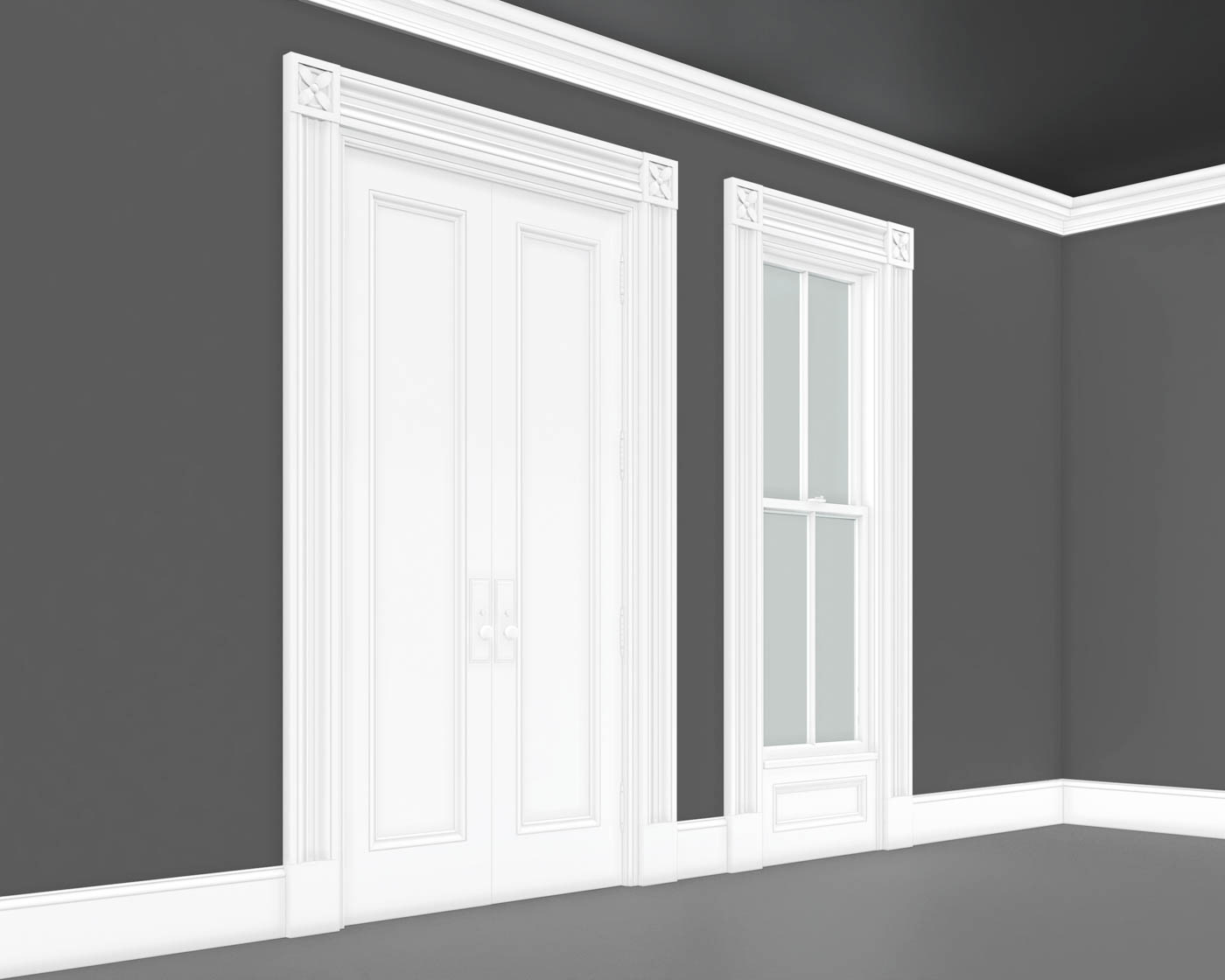
Eastern Greek Revival buildings emphasize balanced proportions and carefully composed classical details. Interior woodwork gives rooms a clear architectural structure, with coordinated mouldings around openings and along the walls and ceiling. Plain surfaces allow curved profiles and selected ornament to stand out.
- Classical columns, pilasters, and prominent cornices
- Substantial door and window surrounds
- Flat surfaces paired with curved moulding profiles
- Palmettes, acanthus leaves, and decorative scrolls
GREEK REVIVAL EASTERN MOULDINGS
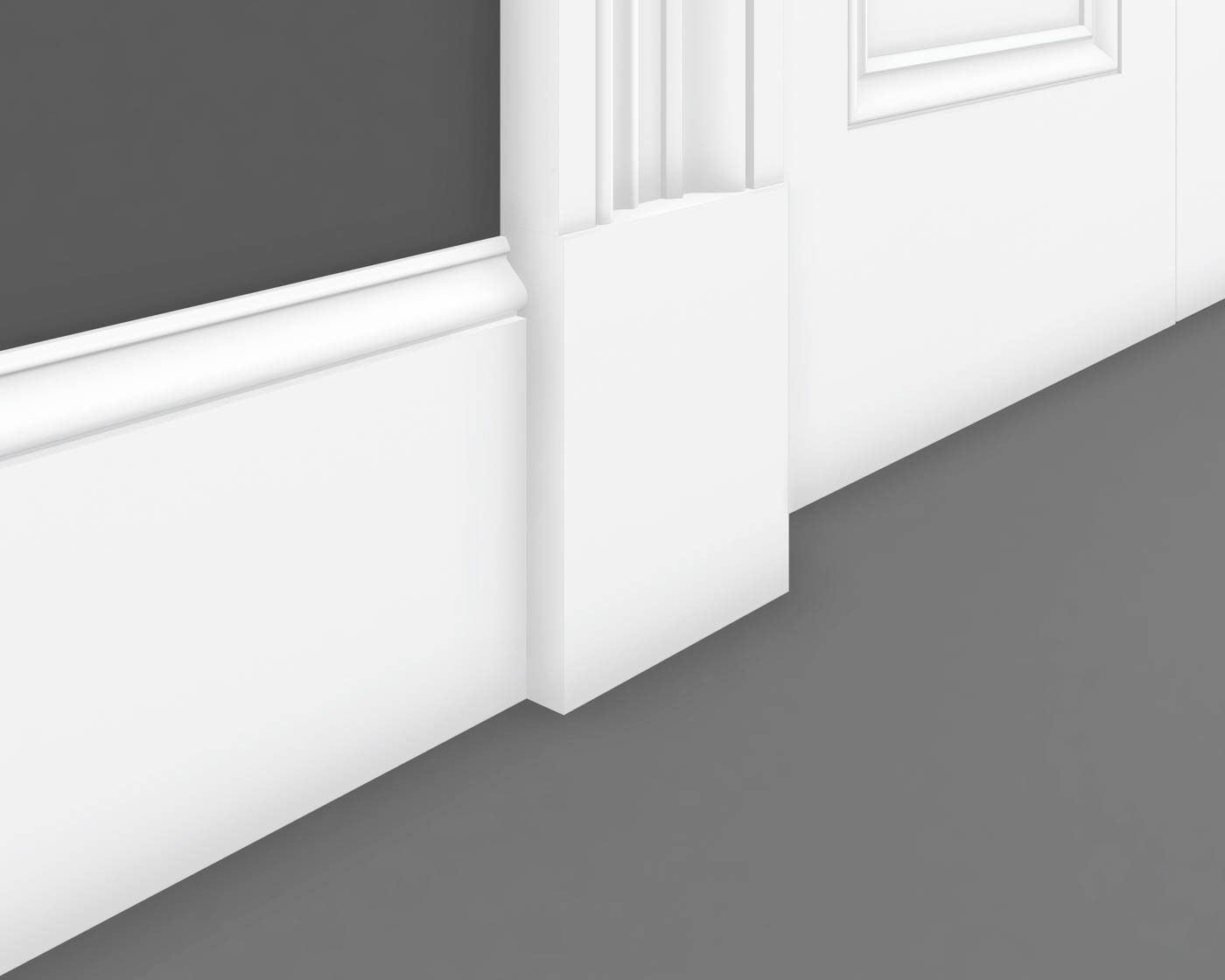
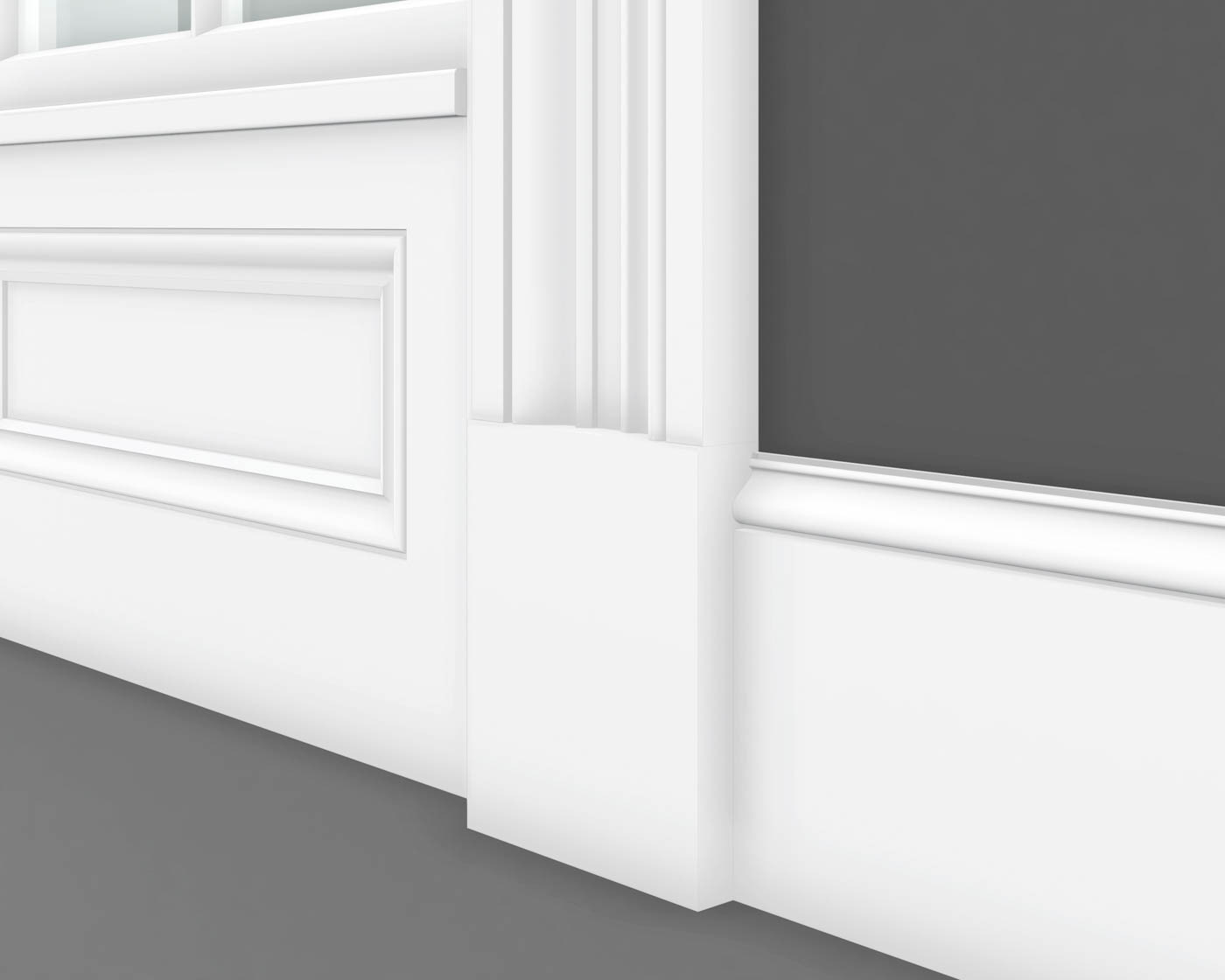
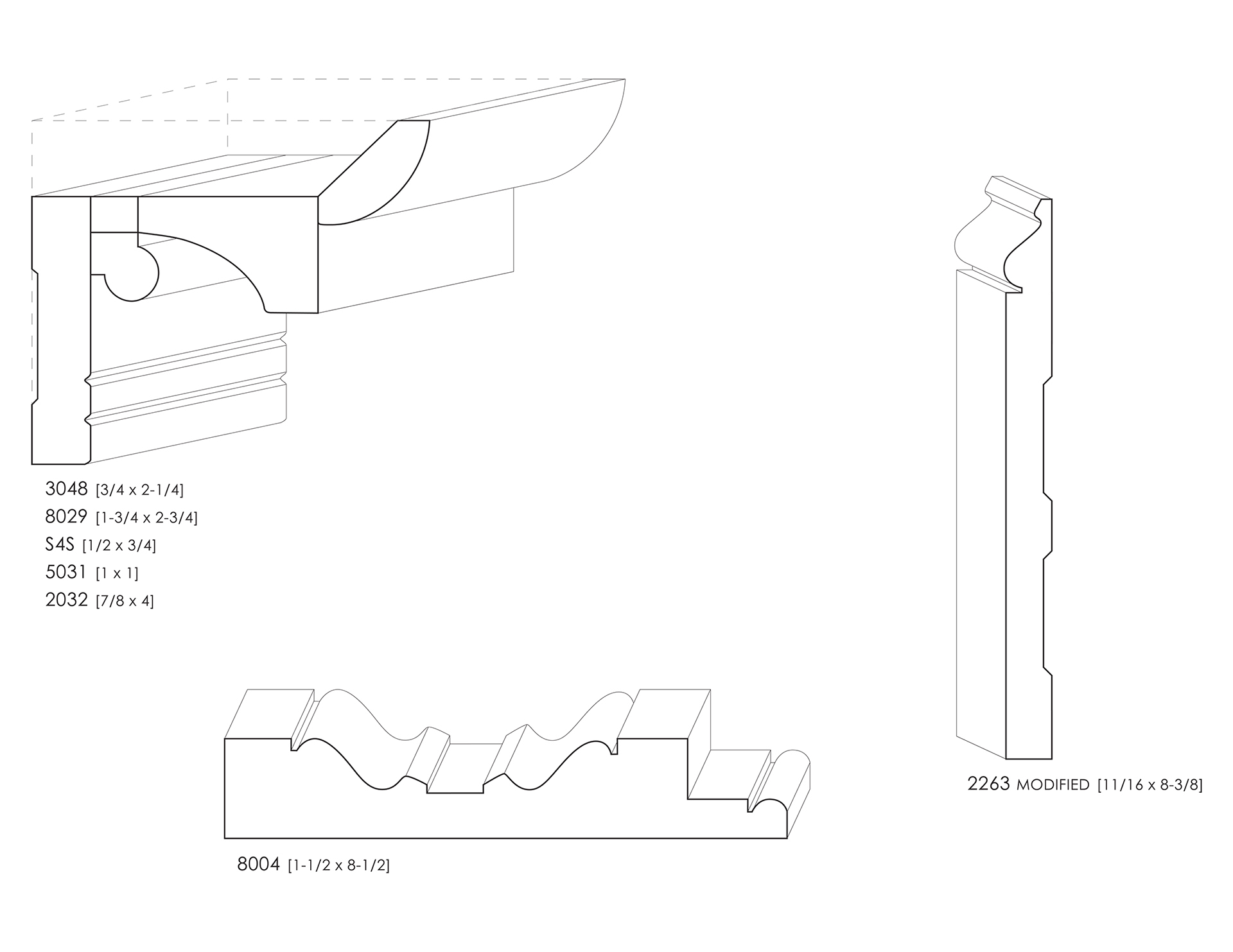
Greek Revival Eastern mouldings use echinus curves, portions of an ellipse, beak mouldings, fillets, and chamfers. Rounded contours and sharply defined edges bring depth and detail to door and window surrounds, cornices, and baseboards. Their effect depends on both the individual profiles and the proportions of the overall composition.
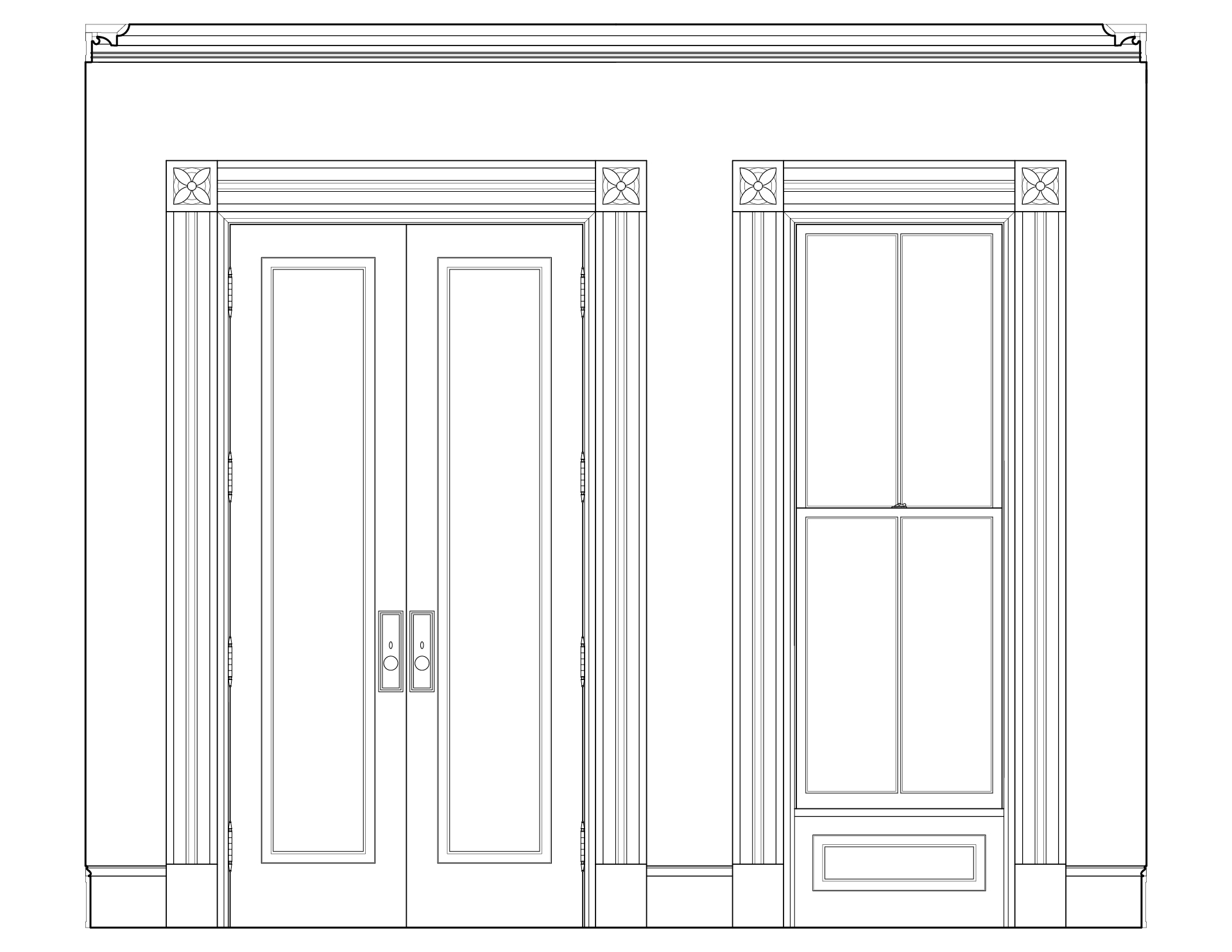
More elaborate ornament includes palmettes, anthemion patterns, acanthus leaves, tendrils, honeysuckle blossoms, and volutes. These details enrich the woodwork while maintaining its connection to classical architectural forms.
Shop Now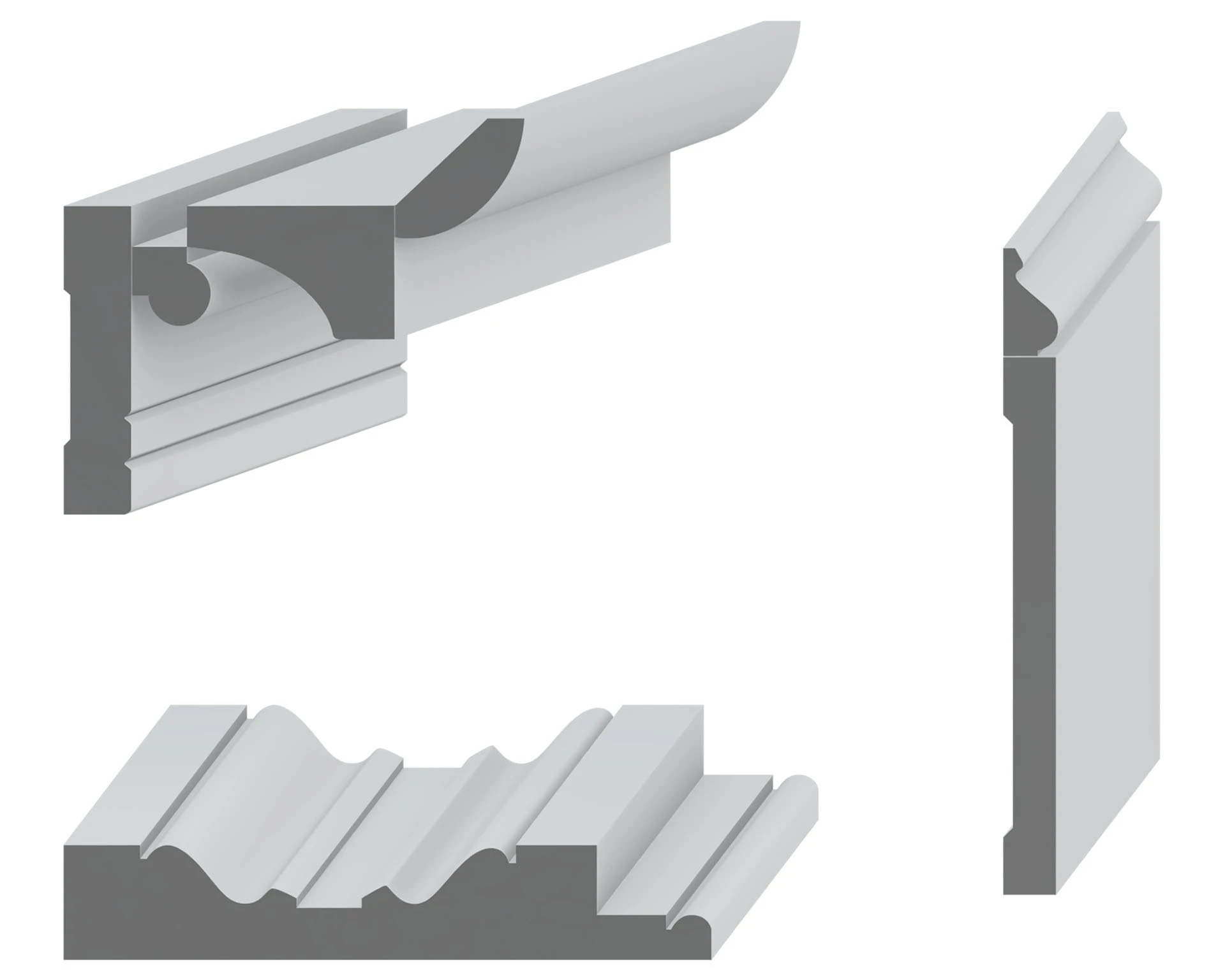
Period Details & Drawings
History of Greek Revival Eastern
Greek Revival gained prominence throughout New England and the Mid-Atlantic during the first half of the nineteenth century. Renewed study of ancient Greek architecture provided classical models that many Americans associated with civic virtue and democratic ideals. In established cities such as Boston, New York, and Philadelphia, the style appeared in public buildings, churches, and residences.
The region’s commercial centers and civic institutions supported prominent architectural commissions and the work of local builders. Greek details were adapted to existing streetscapes and building traditions as the earlier Federal style gradually gave way to a stronger emphasis on Greek precedents. Eastern examples ranged from substantial civic buildings to houses with relatively restrained classical trim.
Benjamin Henry Latrobe helped introduce Greek architectural forms through commissions such as the Bank of Pennsylvania and his work at the United States Capitol. Thomas Jefferson supported classical architecture and appointed Latrobe as Surveyor of Public Buildings in 1803, although Jefferson’s own designs drew primarily on Roman precedents.
Pattern books by Asher Benjamin and Minard Lafever made classical designs accessible to builders and carpenters. Their instructions and illustrations helped spread Greek Revival beyond major architectural commissions into everyday construction. Carefully proportioned mouldings and coordinated interior details became an important part of the style’s expression throughout the eastern states.