Neoclassical
Greek and Roman traditions shape symmetrical architecture, classical columns, and carefully proportioned interior mouldings.
What Is Neoclassical?
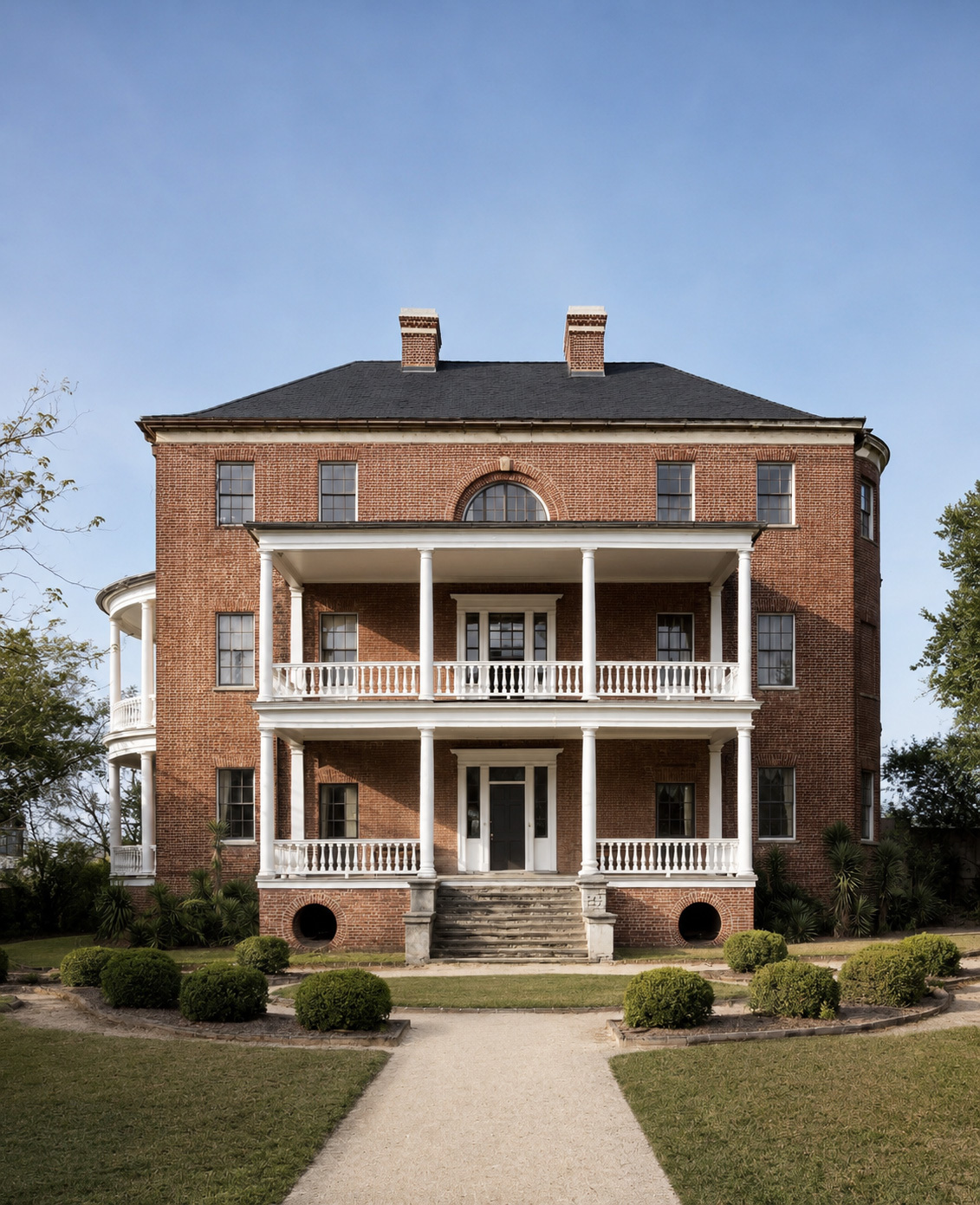
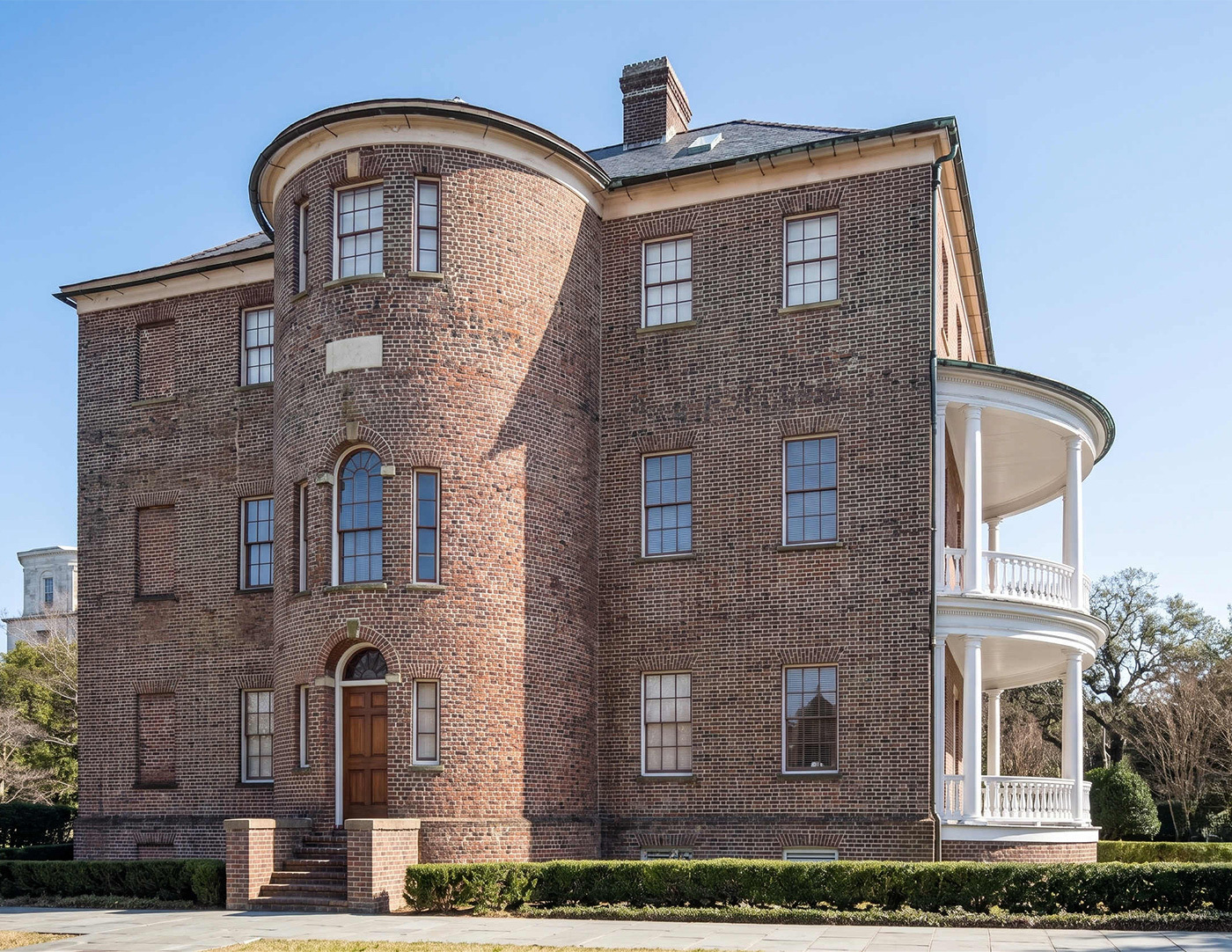
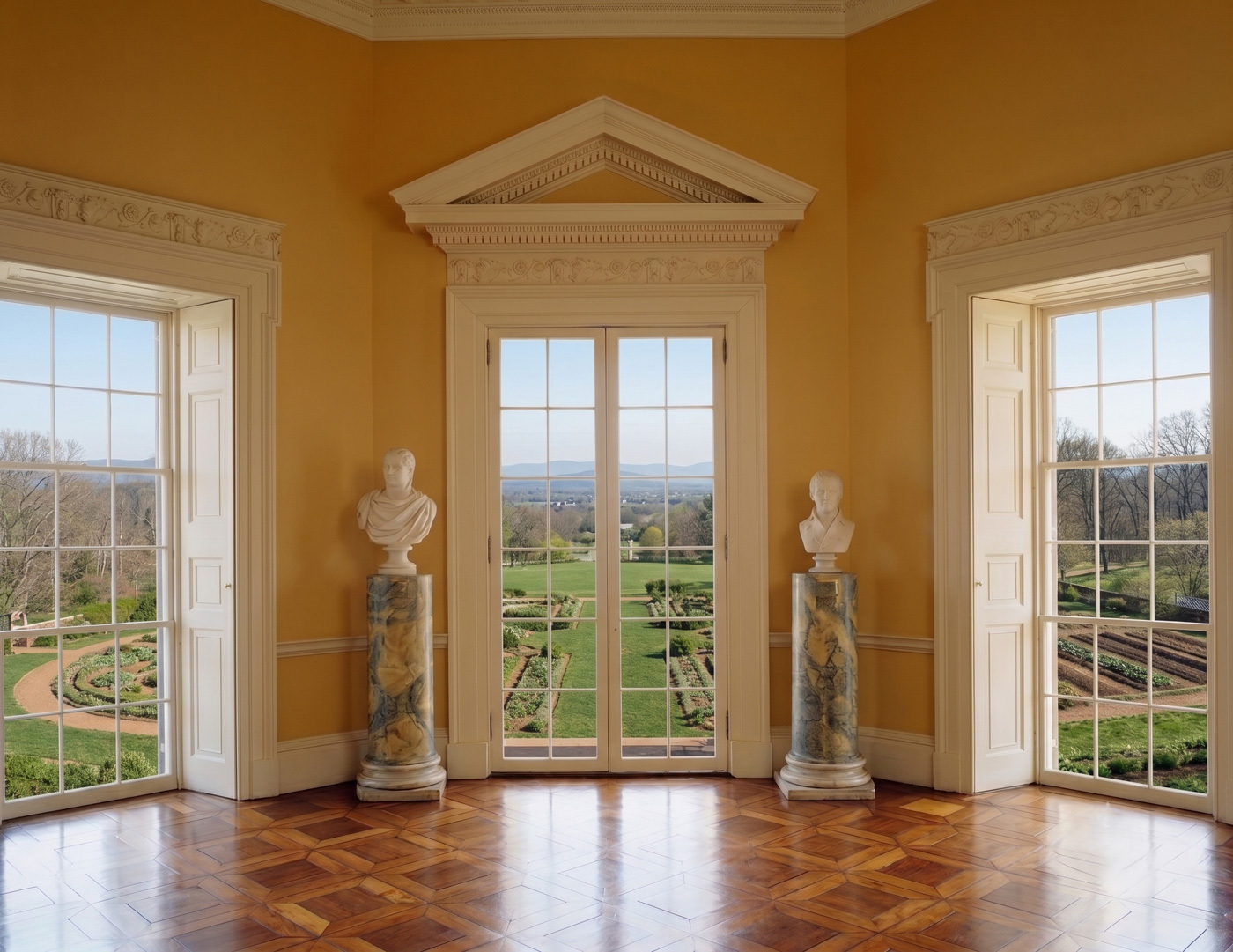
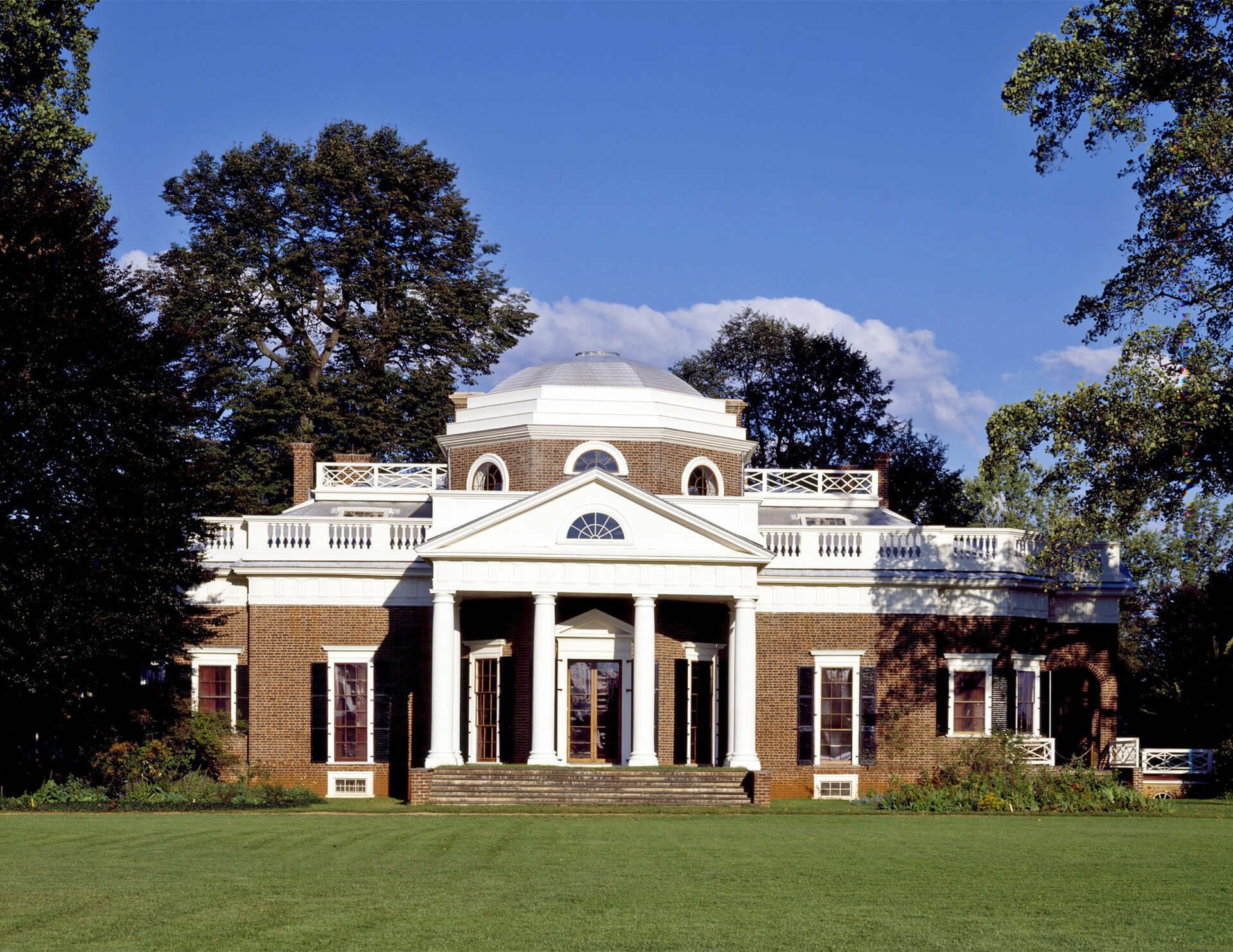
Neoclassical architecture is a revival of ancient Greek and Roman design that developed during the eighteenth century. It draws on the classical orders, including Doric, Ionic, and Corinthian, and emphasizes symmetry, clear geometry, and carefully proportioned forms.
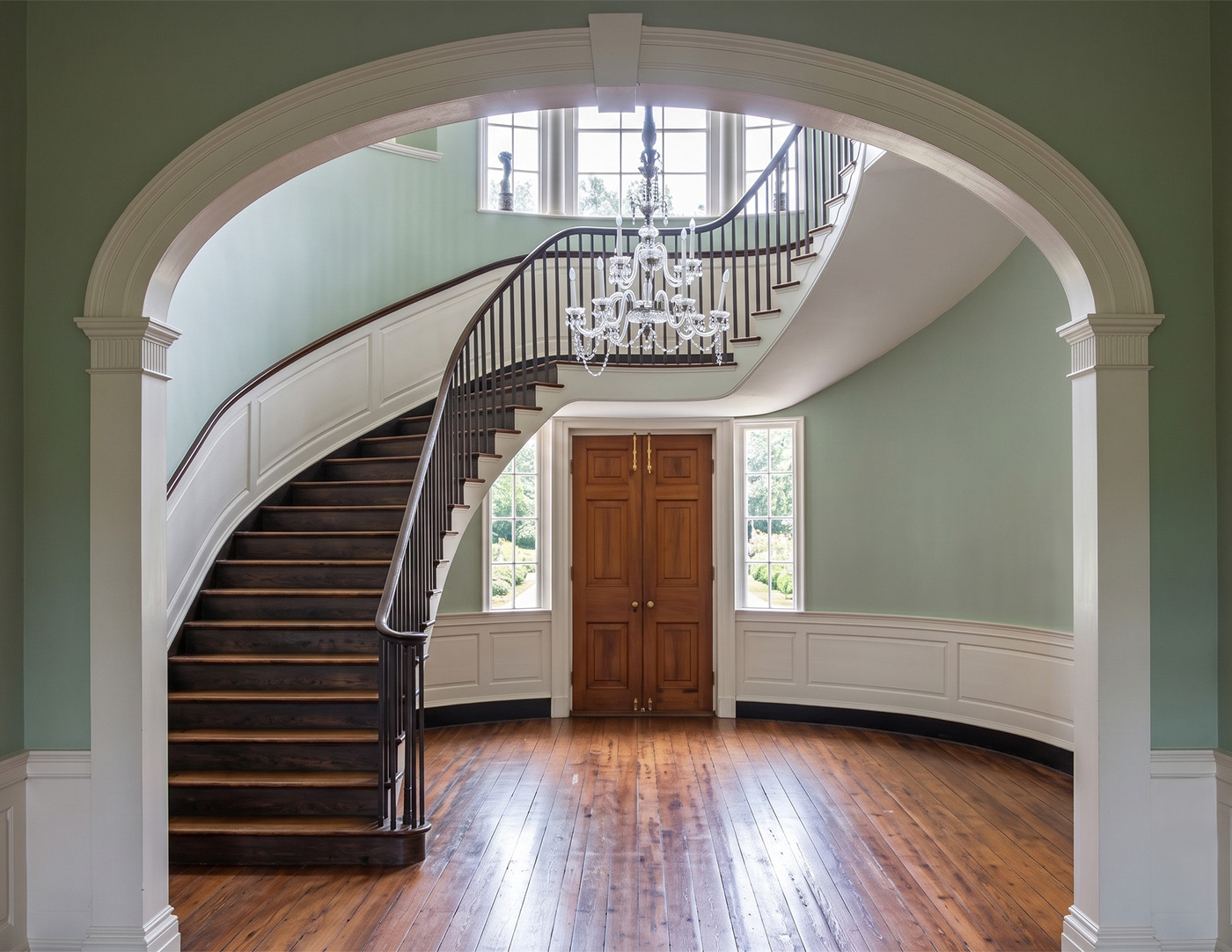
Classical principles guide the entire composition, from the relationship between columns and entablatures to the arrangement of doors, windows, and interior wall panels. In the United States, the style became closely associated with Enlightenment ideals and the architecture of the early republic, influencing public buildings, educational institutions, and private houses.
The Collection






Neoclassical Characteristics
Neoclassical buildings use balanced façades and clearly defined architectural elements to establish a sense of order. Porticoes, pediments, columns, and pilasters organize entrances and elevations, while cornices and friezes reinforce horizontal divisions. Interiors continue these relationships through aligned openings, balanced wall panels, and coordinated classical detailing.
- Symmetrical façades and balanced compositions
- Doric, Ionic, or Corinthian columns and pilasters
- Columned porticoes and pedimented entrances
- Clearly defined cornices and friezes
- Simple geometric forms and restrained ornament
- Classically proportioned doors, windows, and wall panels
NEOCLASSICAL MOULDINGS
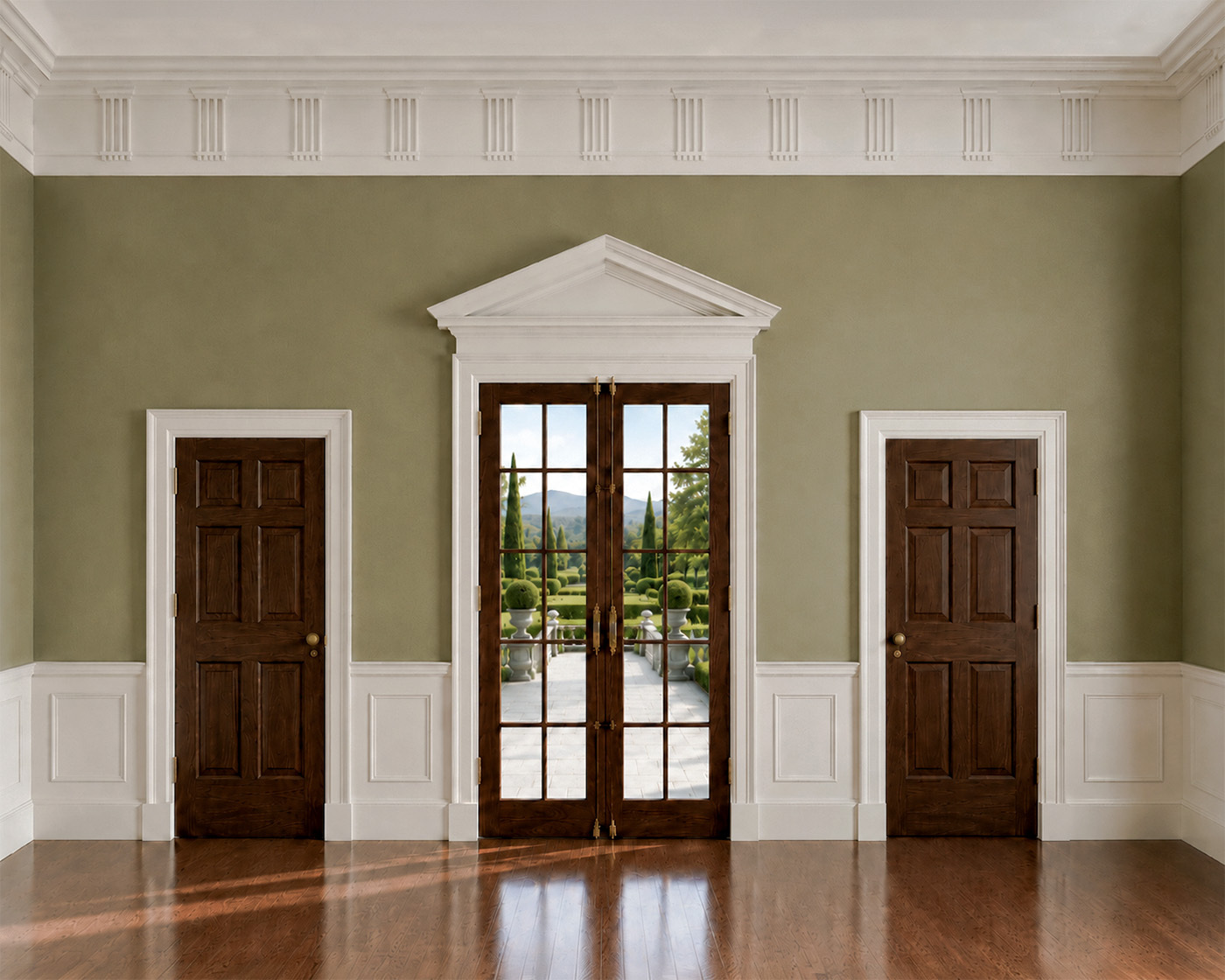
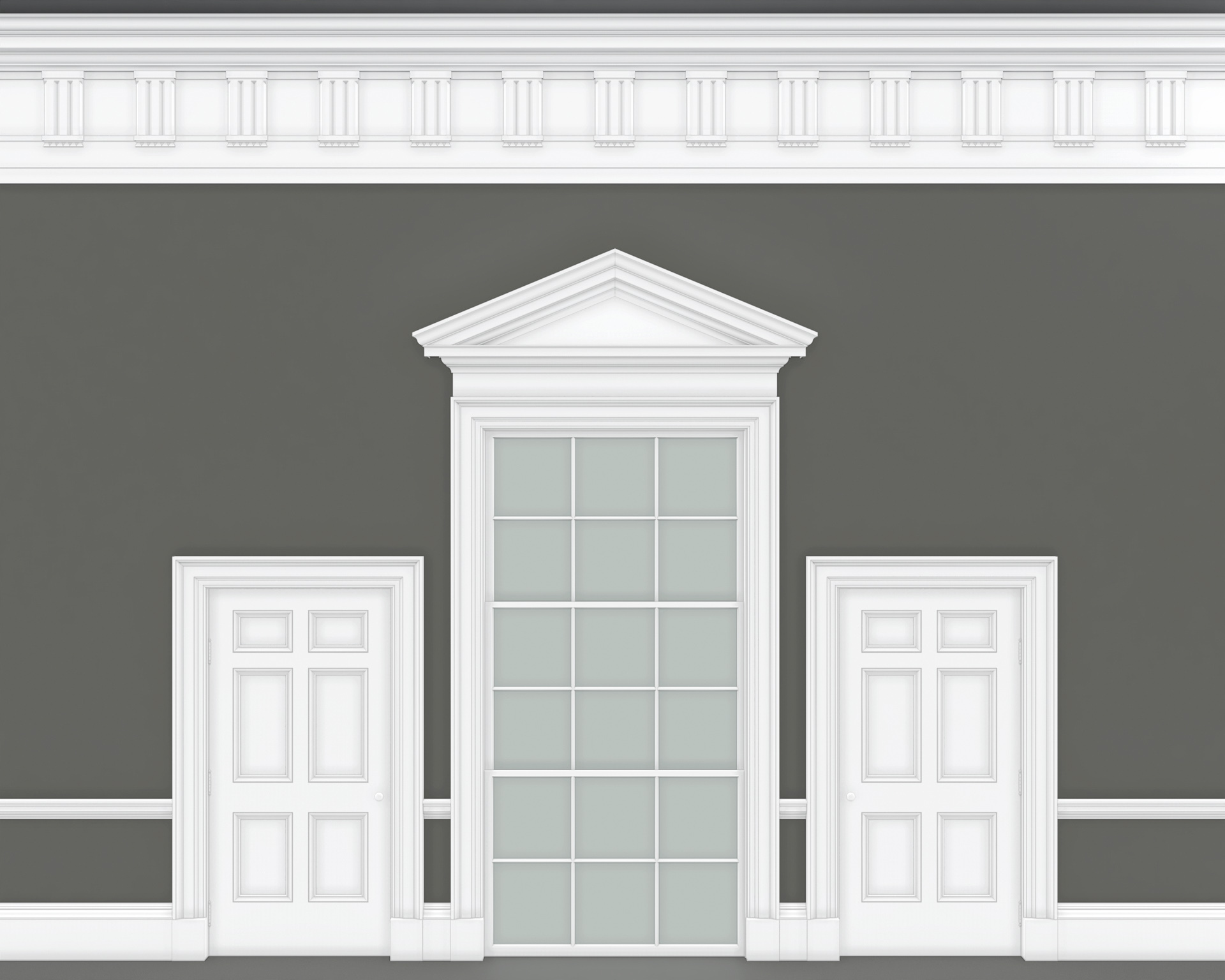
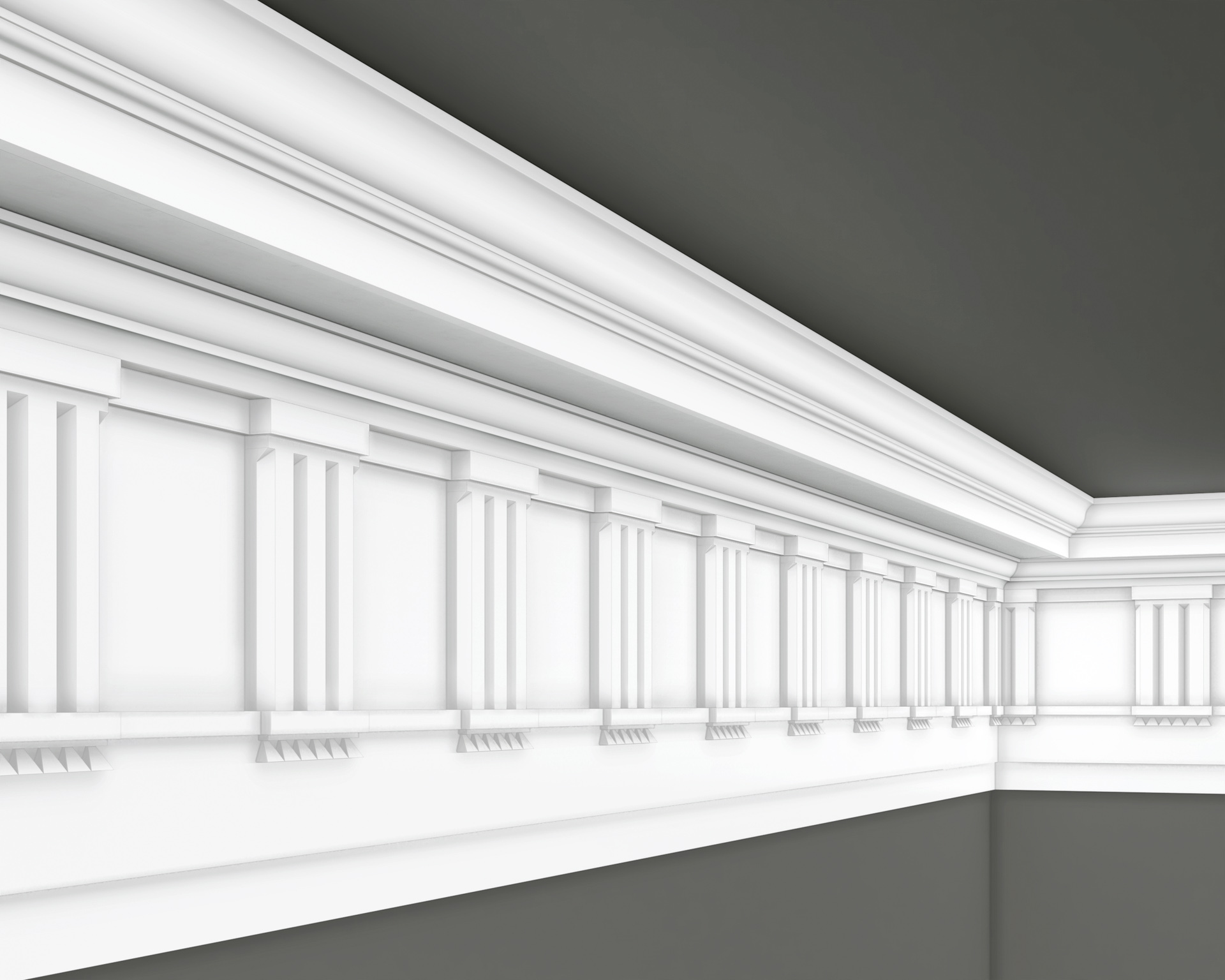
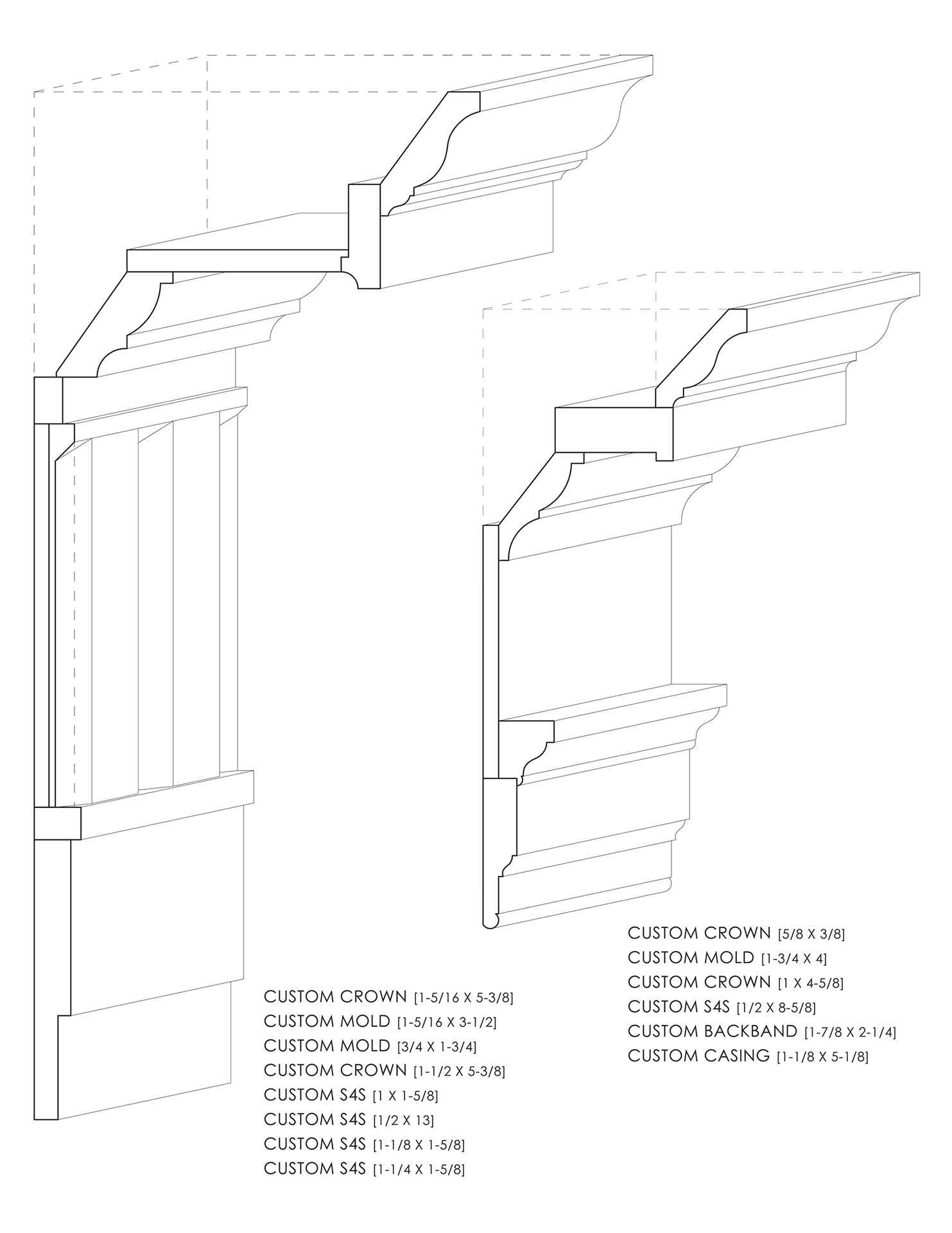
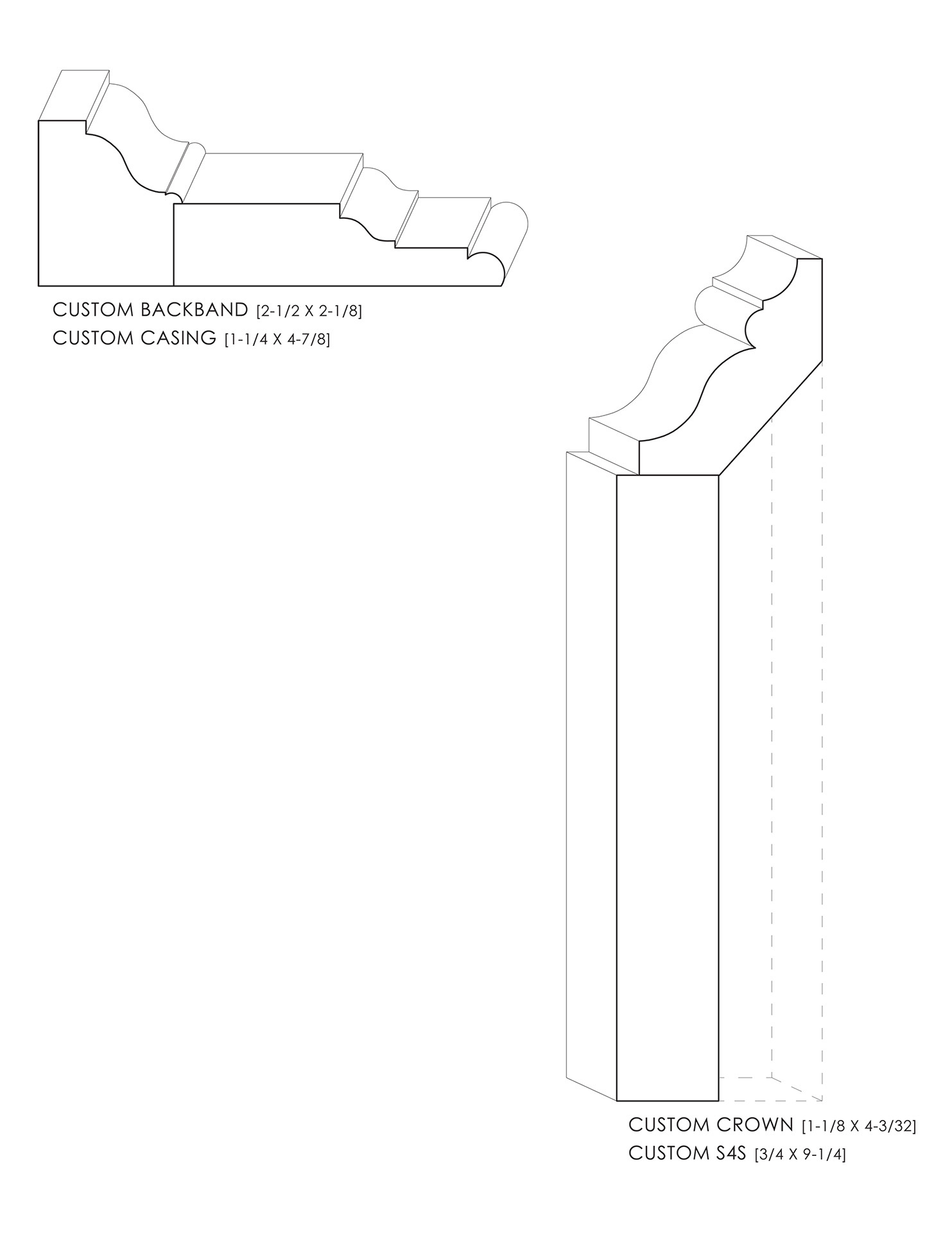
Neoclassical mouldings derive from profiles used in ancient Greek and Roman temple architecture. Classical entablatures, composed of an architrave, frieze, and cornice, provide a model for interior cornices and door and window surrounds. Convex and concave curves, beads, and flat fillets create distinct transitions, with each profile contributing to the proportions of the overall assembly.
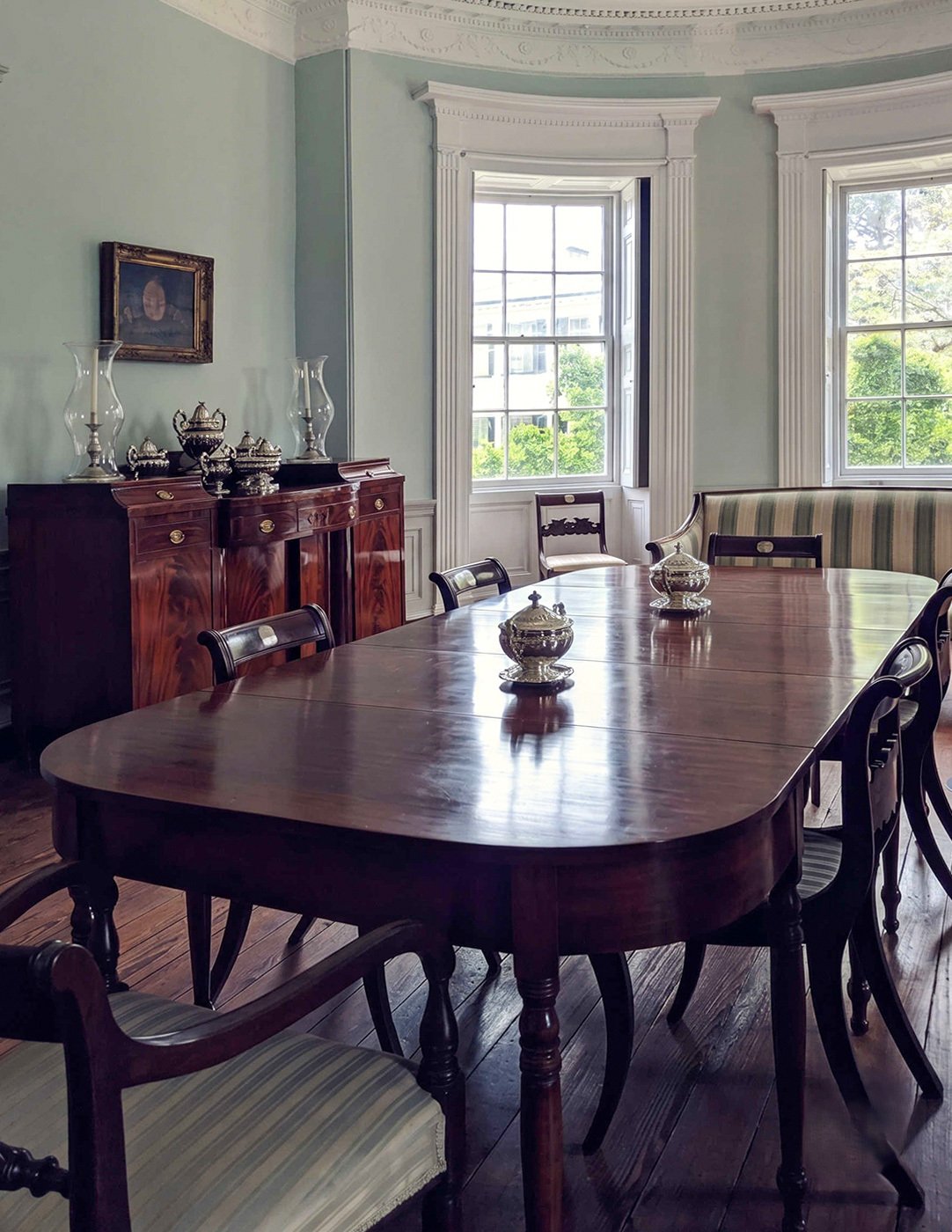
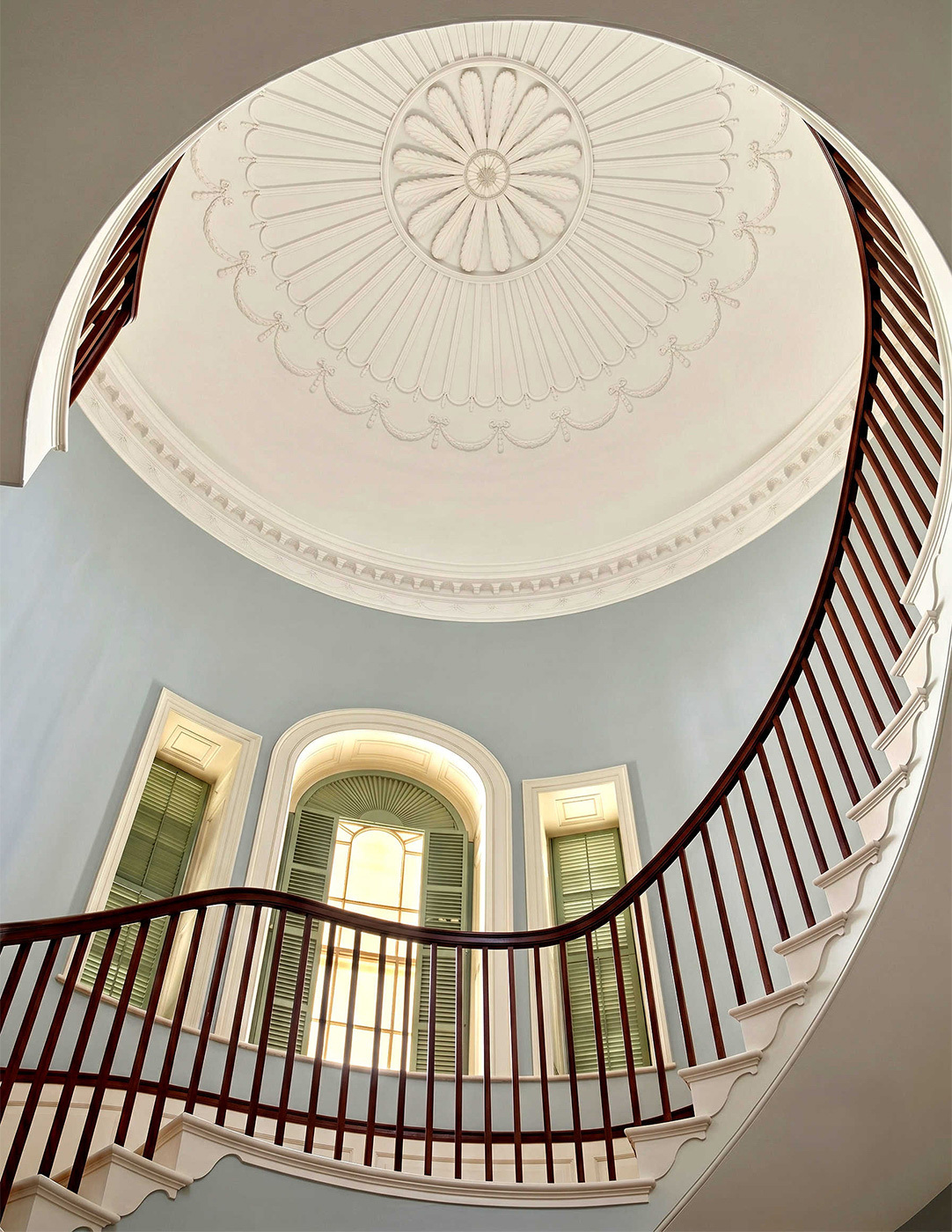
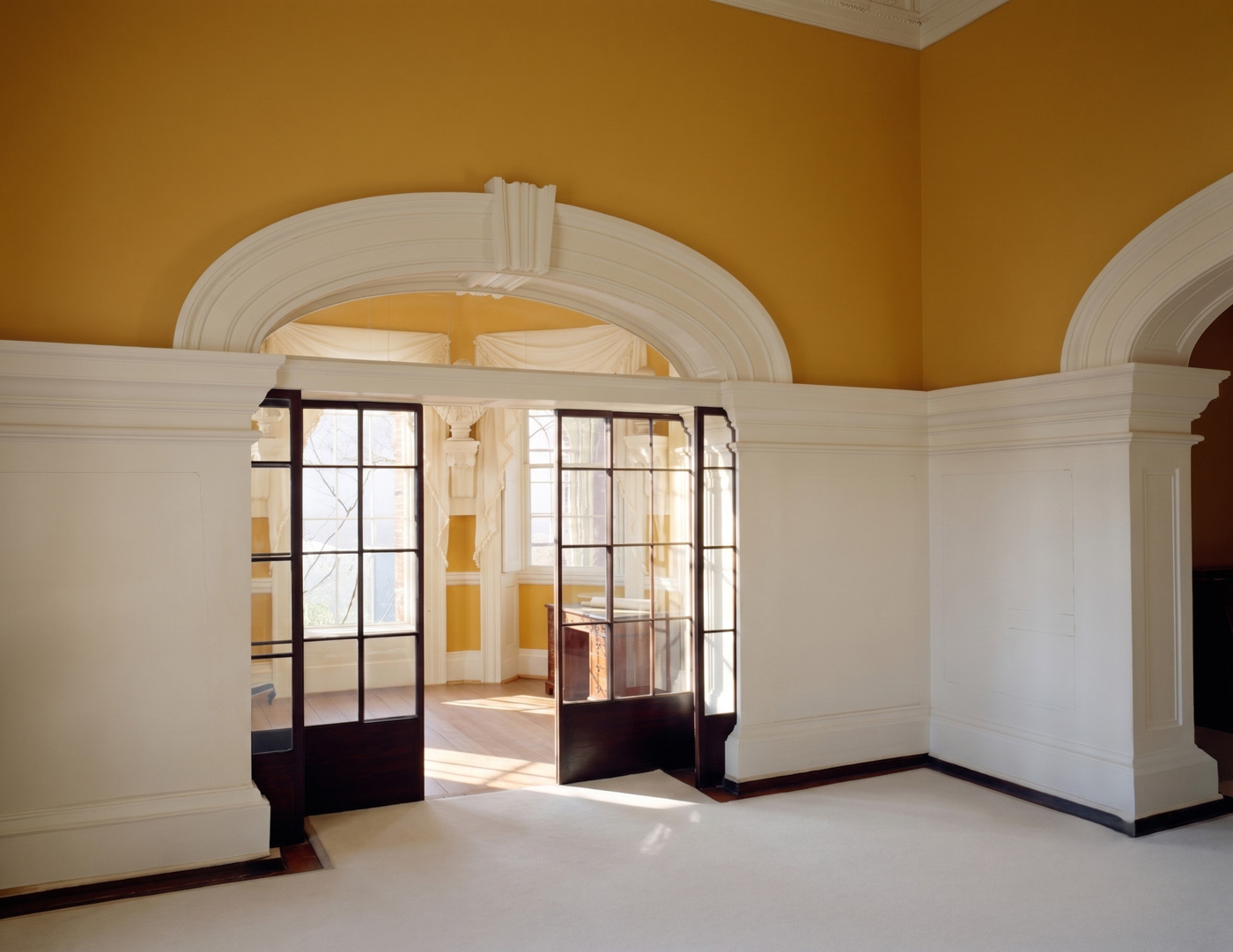
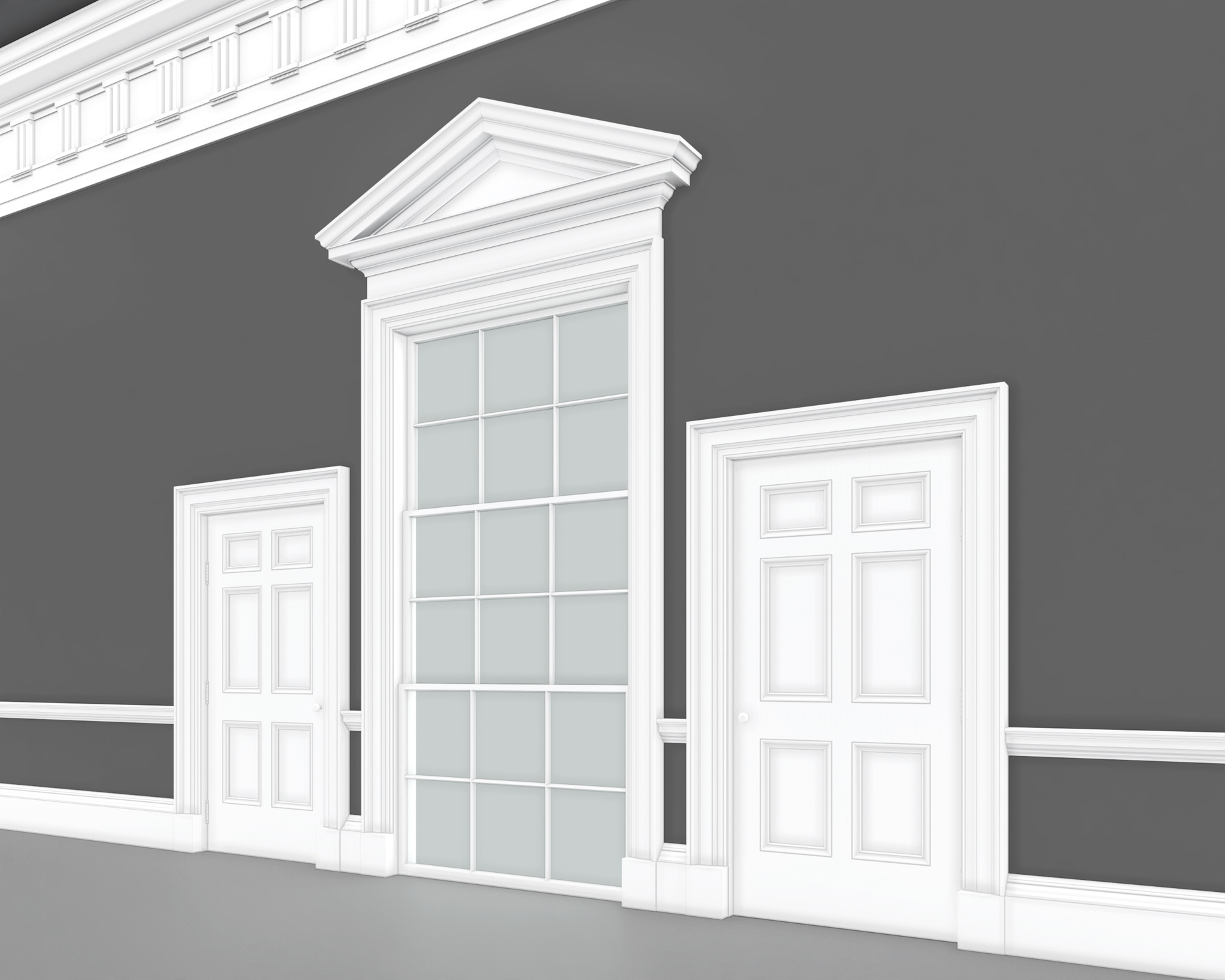
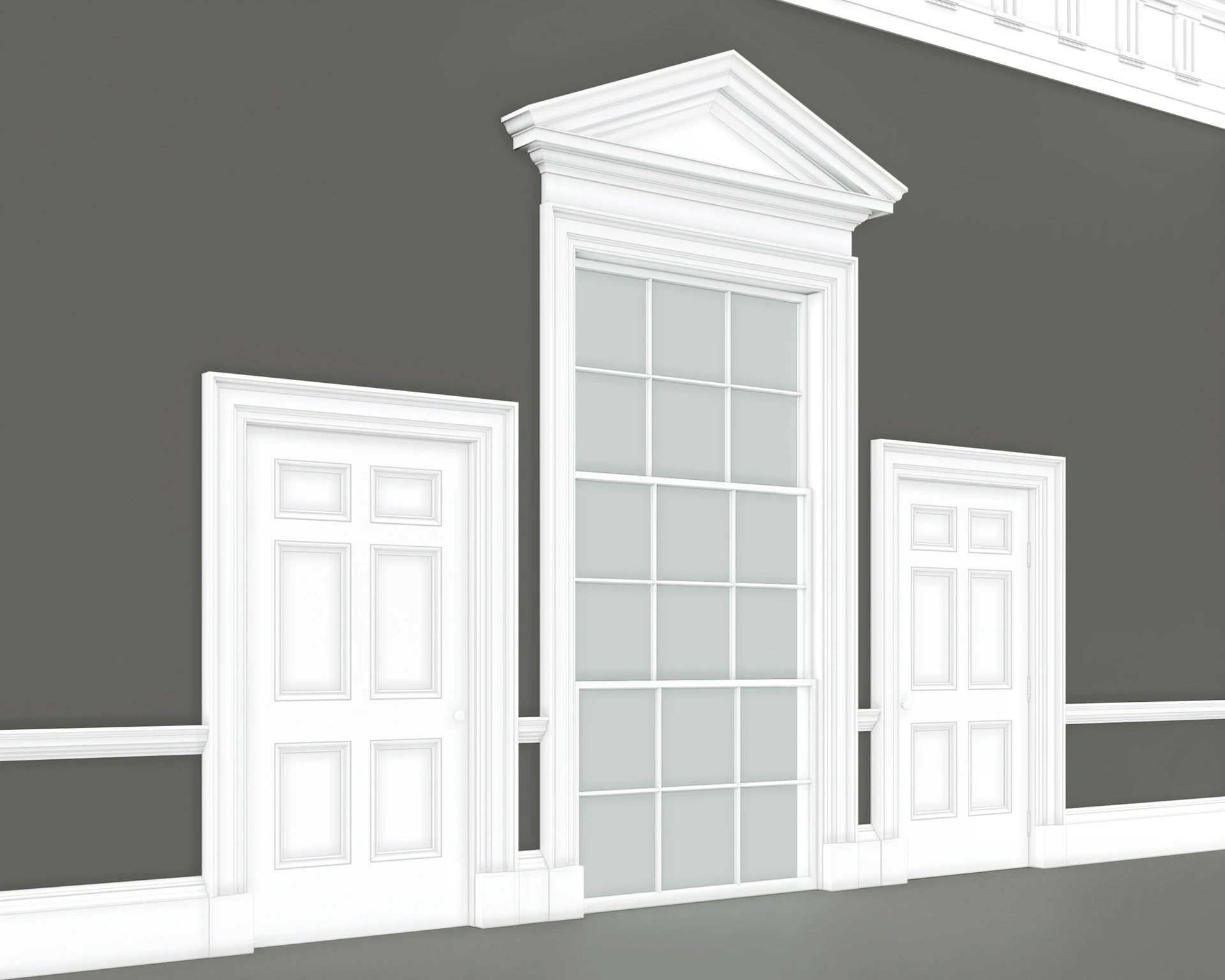
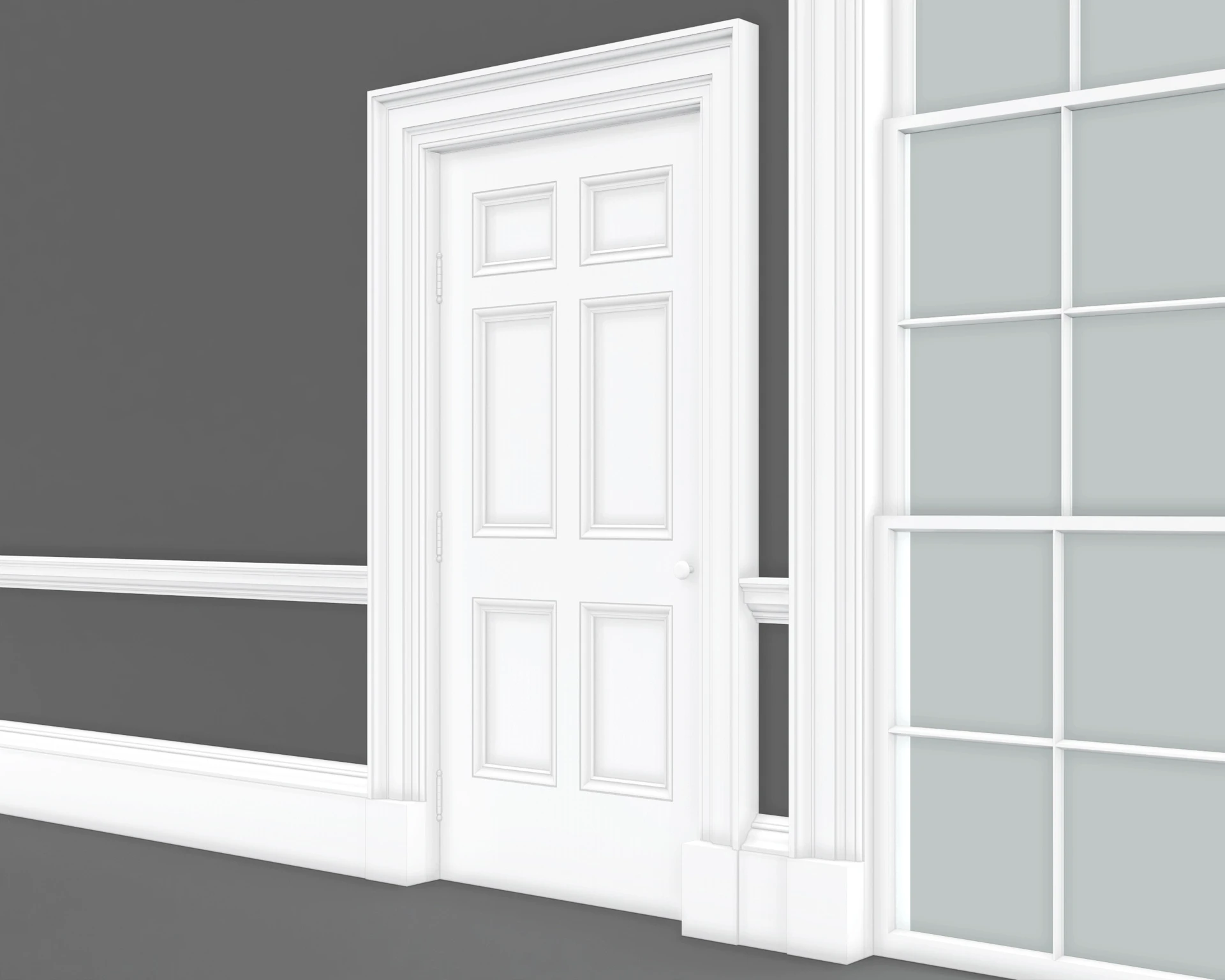
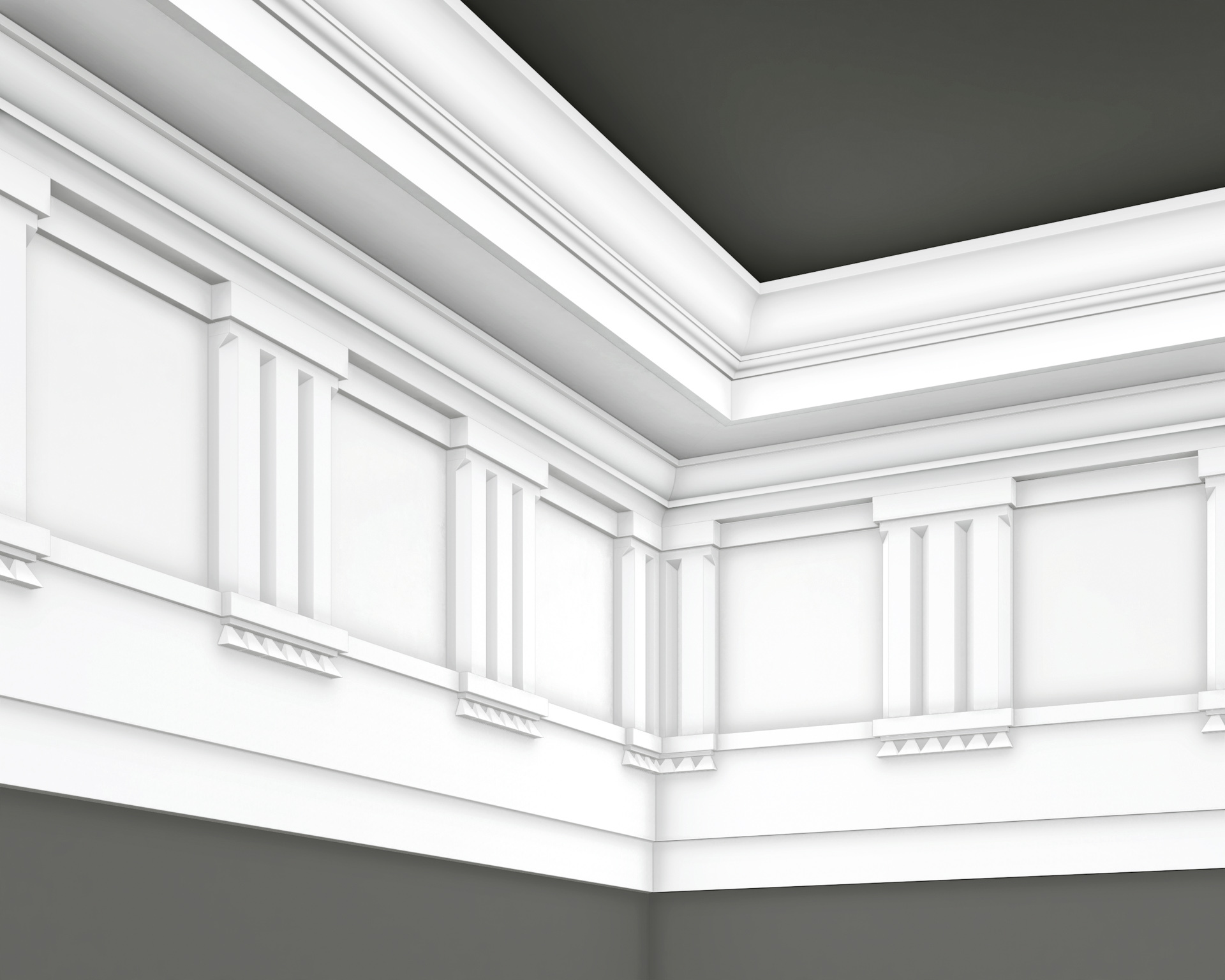
The illustrated collection combines substantial crown mouldings, layered casings, plinth blocks, chair rails, and paneled wainscoting. A triglyph frieze and pedimented window surround carry the architectural language of classical temples into the room, coordinating the woodwork with the surrounding wall divisions.
Shop Now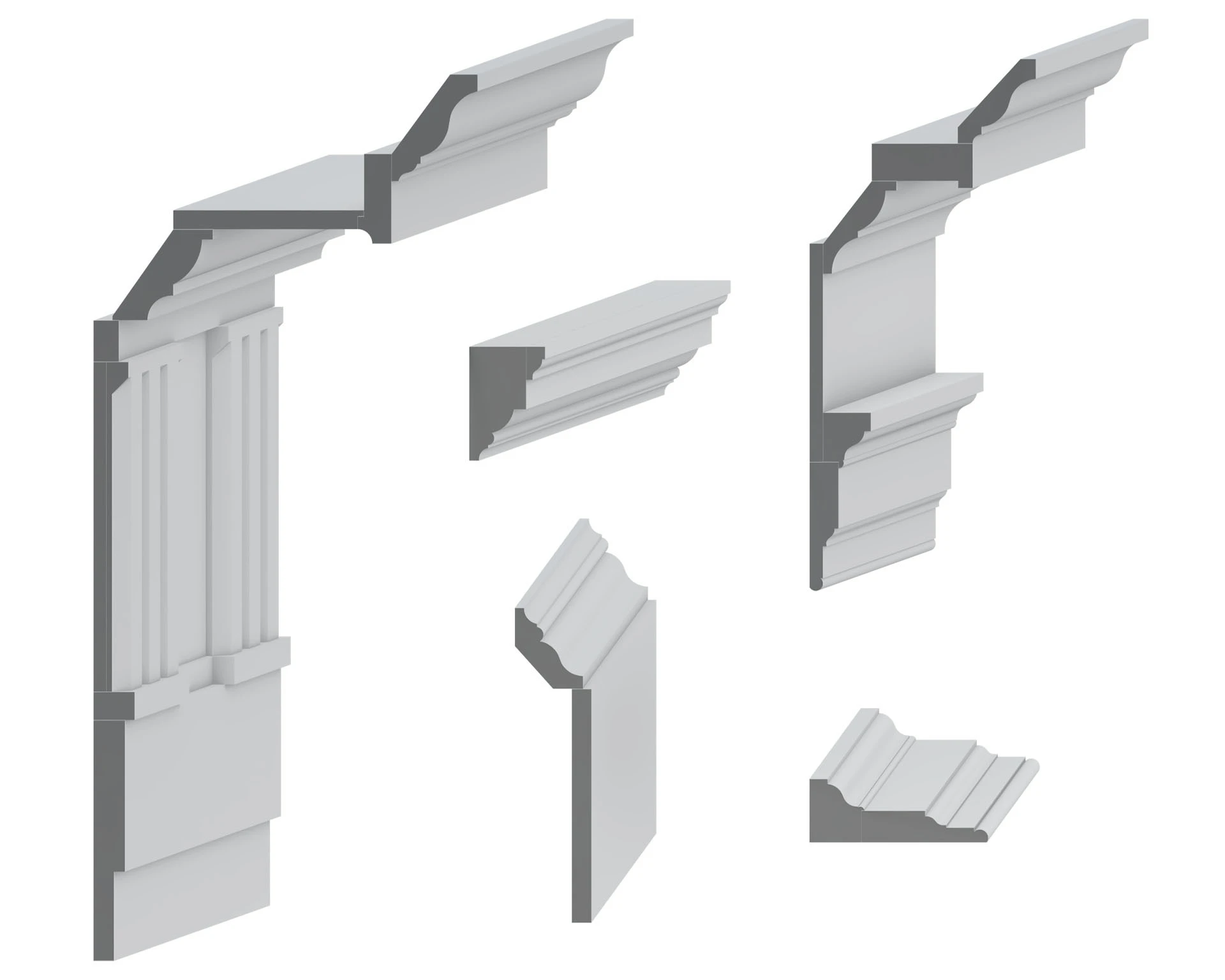
Period Details & Drawings


History of Neoclassical
During the eighteenth century, the excavations of Herculaneum and Pompeii revealed ancient buildings, interiors, and decorative details that renewed European interest in classical antiquity. Enlightenment scholarship encouraged architects to examine this evidence systematically, while the Grand Tour brought architects and patrons into direct contact with the monuments of Rome. The engravings of Giovanni Battista Piranesi carried images of ancient Roman architecture to a wider audience, helping make its forms and monumental scale influential beyond Italy.
This renewed investigation built on a long tradition of classical study. The Roman architect Vitruvius, writing in the first century BCE, recorded principles of proportion and architectural order that informed Italian Renaissance architects such as Andrea Palladio. In England, Inigo Jones advanced Palladian architecture, while Christopher Wren developed a classical approach shaped by Renaissance and Baroque design. Their work formed part of the earlier architectural background to eighteenth-century Neoclassicism.
Rome became an important center for the movement as architects studied ancient monuments and exchanged ideas. Neoclassicism’s emphasis on geometric clarity and archaeological evidence marked a change from the freer classicism of the Baroque. In Britain, Robert Adam transformed knowledge acquired during his Grand Tour into a unified approach to architecture, interiors, and furnishings. In France, architects applied classical precedent at a monumental scale, using it to express civic purpose in churches and public buildings.
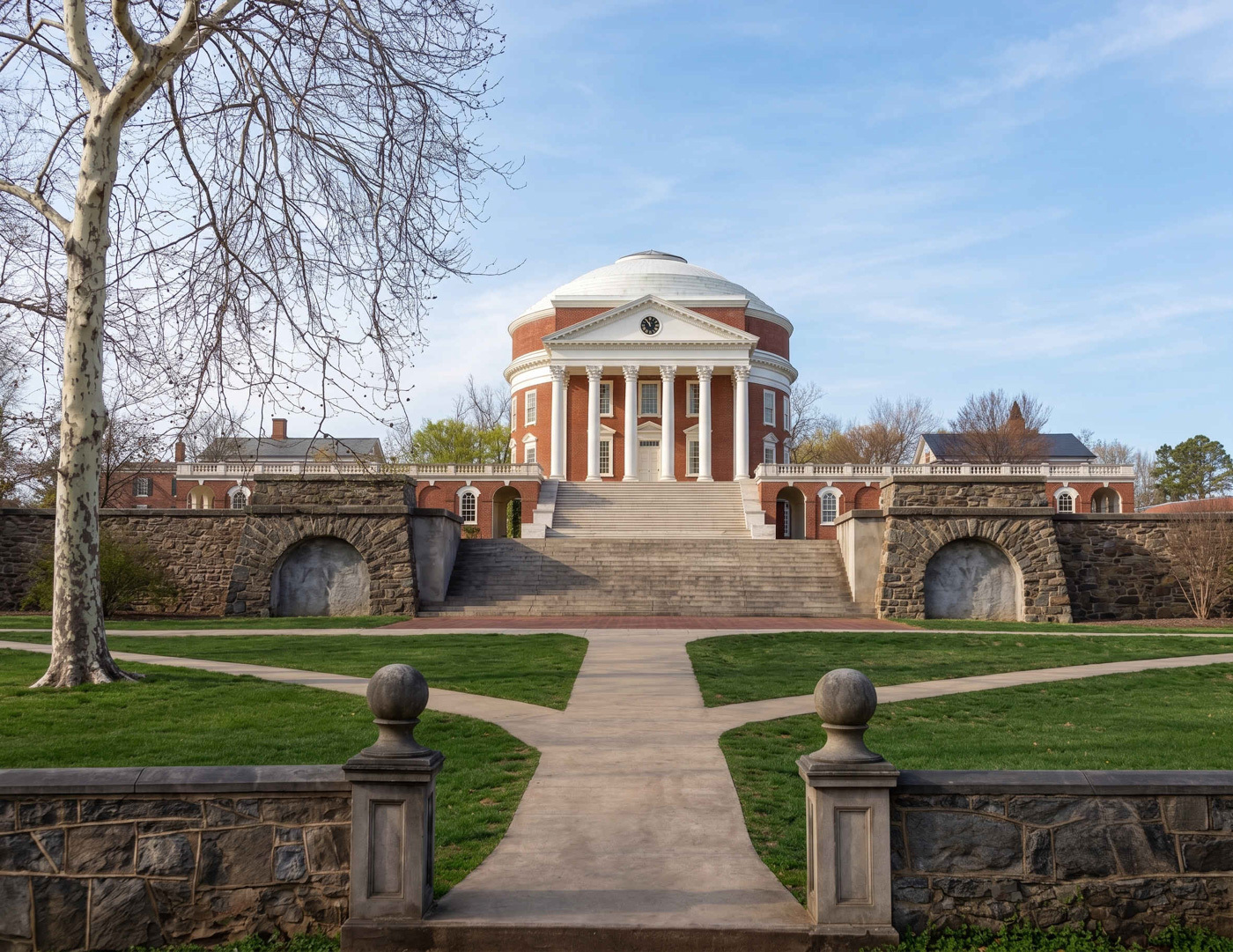
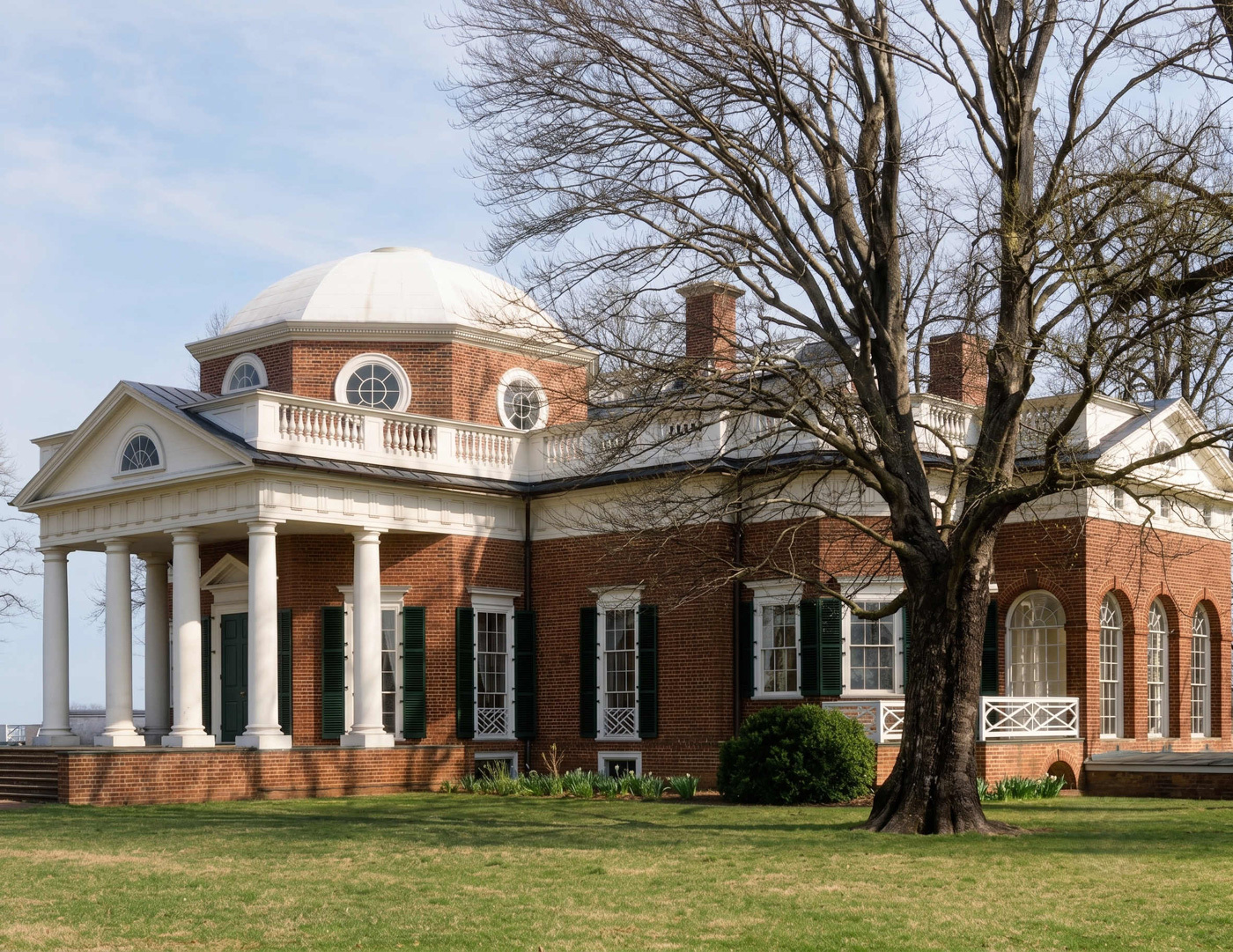
Classical ideas influenced American architecture during the late colonial period and gained particular significance after the American Revolution. Leaders of the new republic embraced associations with the political traditions of ancient Greece and Rome. Thomas Jefferson became one of the movement’s most influential American advocates, developing classical ideas at Monticello and applying them to the Virginia State Capitol and the University of Virginia. His work connected ancient architectural models with the civic and educational ambitions of the new nation.
Benjamin Henry Latrobe further advanced American Neoclassicism through his professional practice and contributions to the United States Capitol. His interiors and interpretation of classical forms helped establish the movement as an architectural language of the early republic. Neoclassicism also informed the development of Federal and Greek Revival architecture, with its principles continuing through later classical revivals.