Palladian
Classical proportions, symmetrical design, and carefully composed mouldings bring balance and formality to interiors.
What Is Palladian?
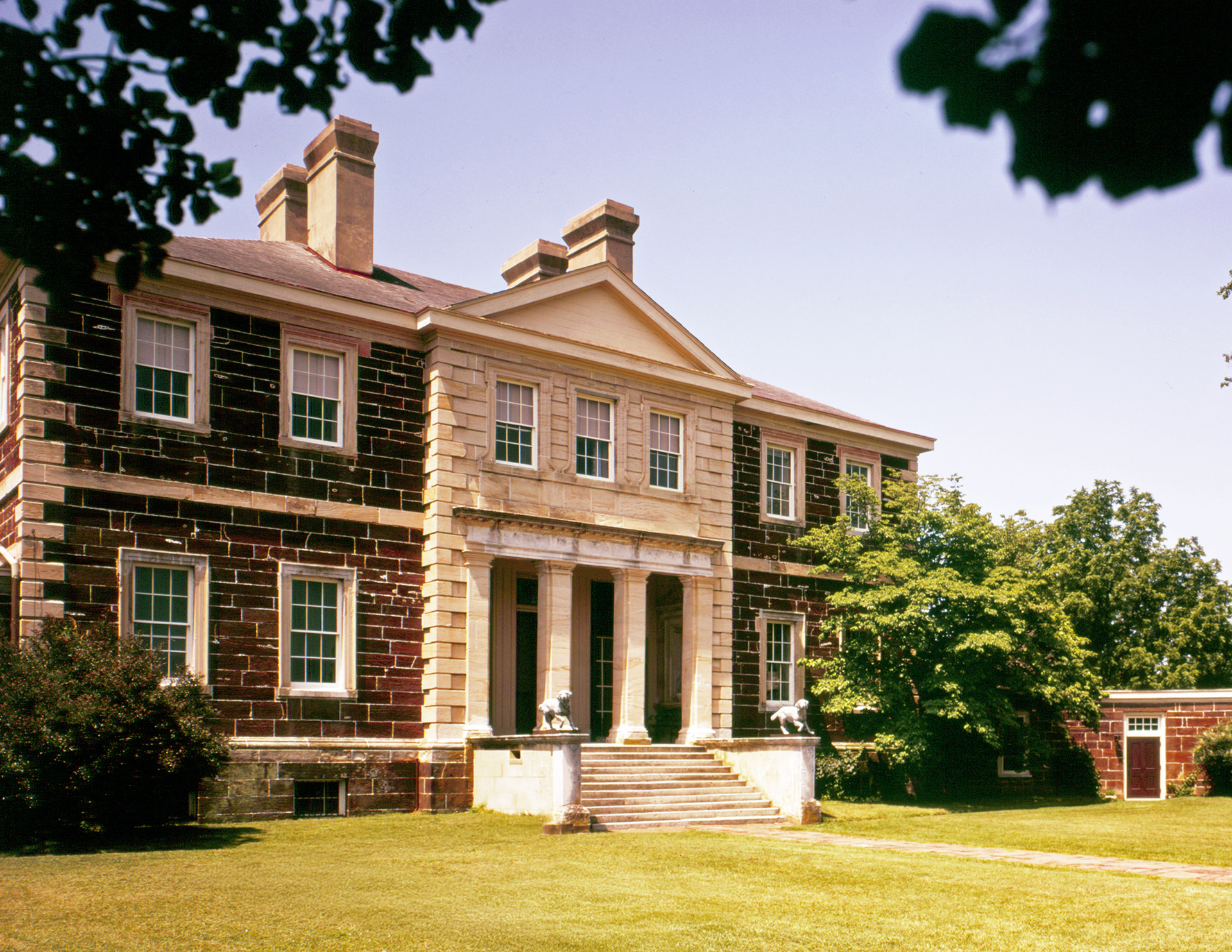
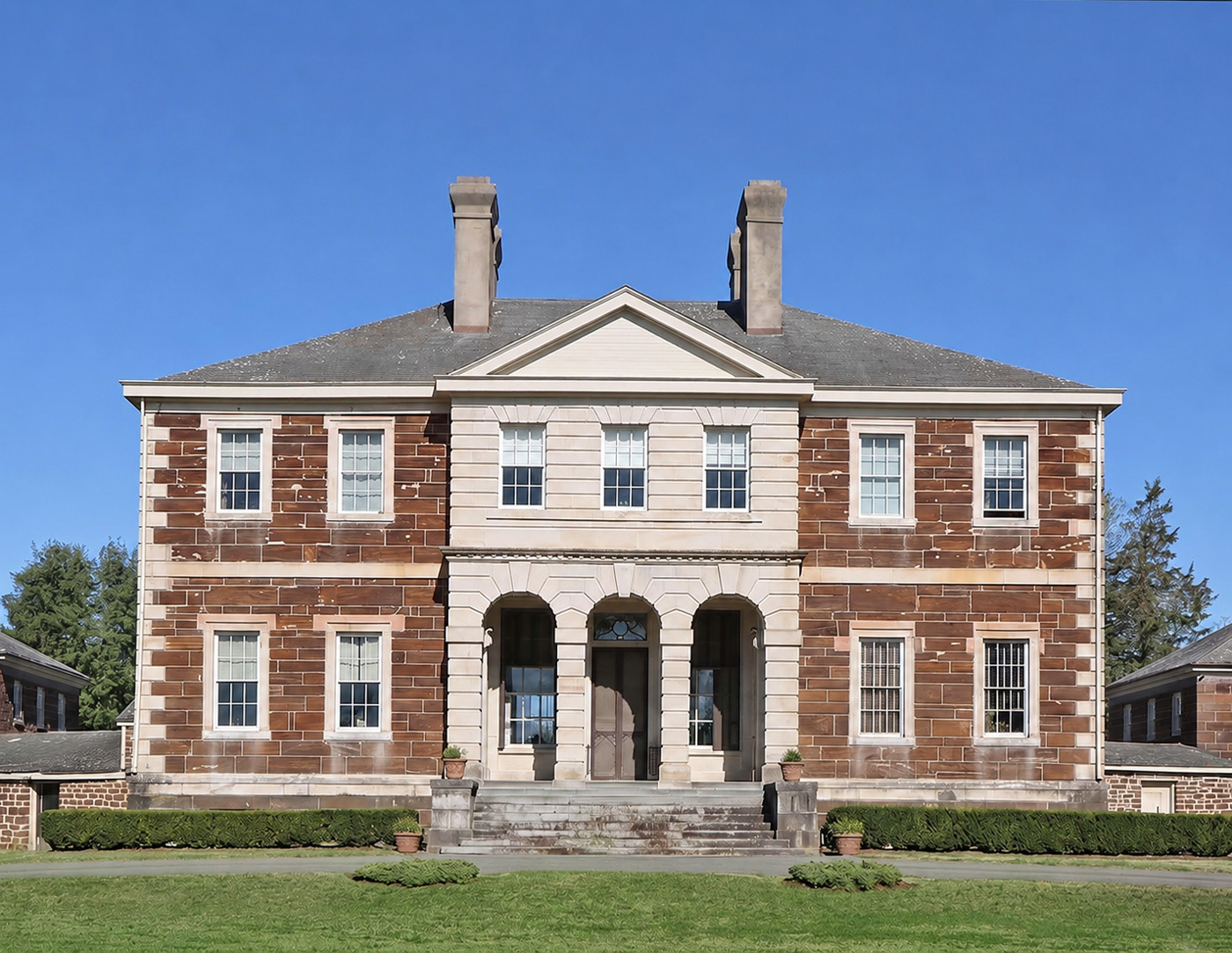
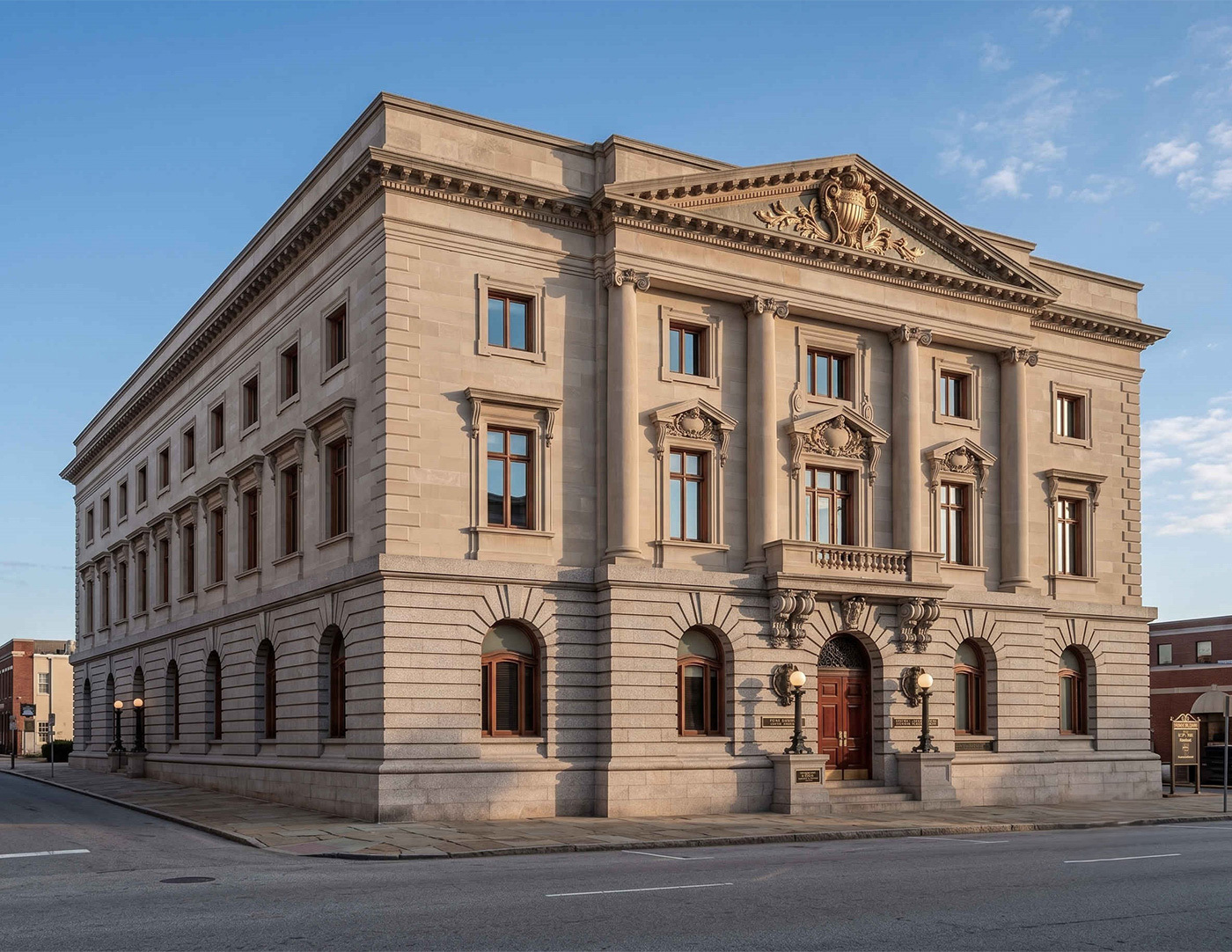
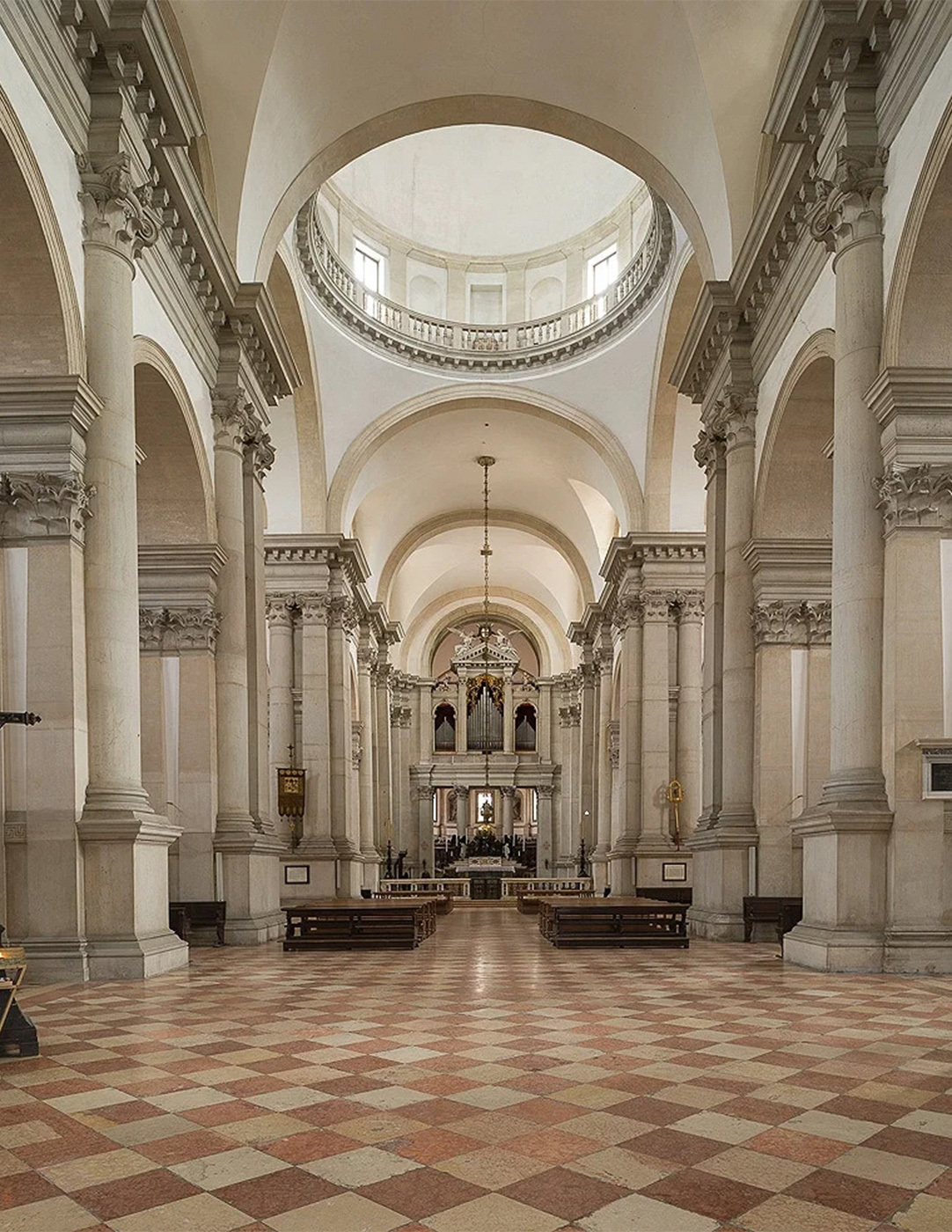
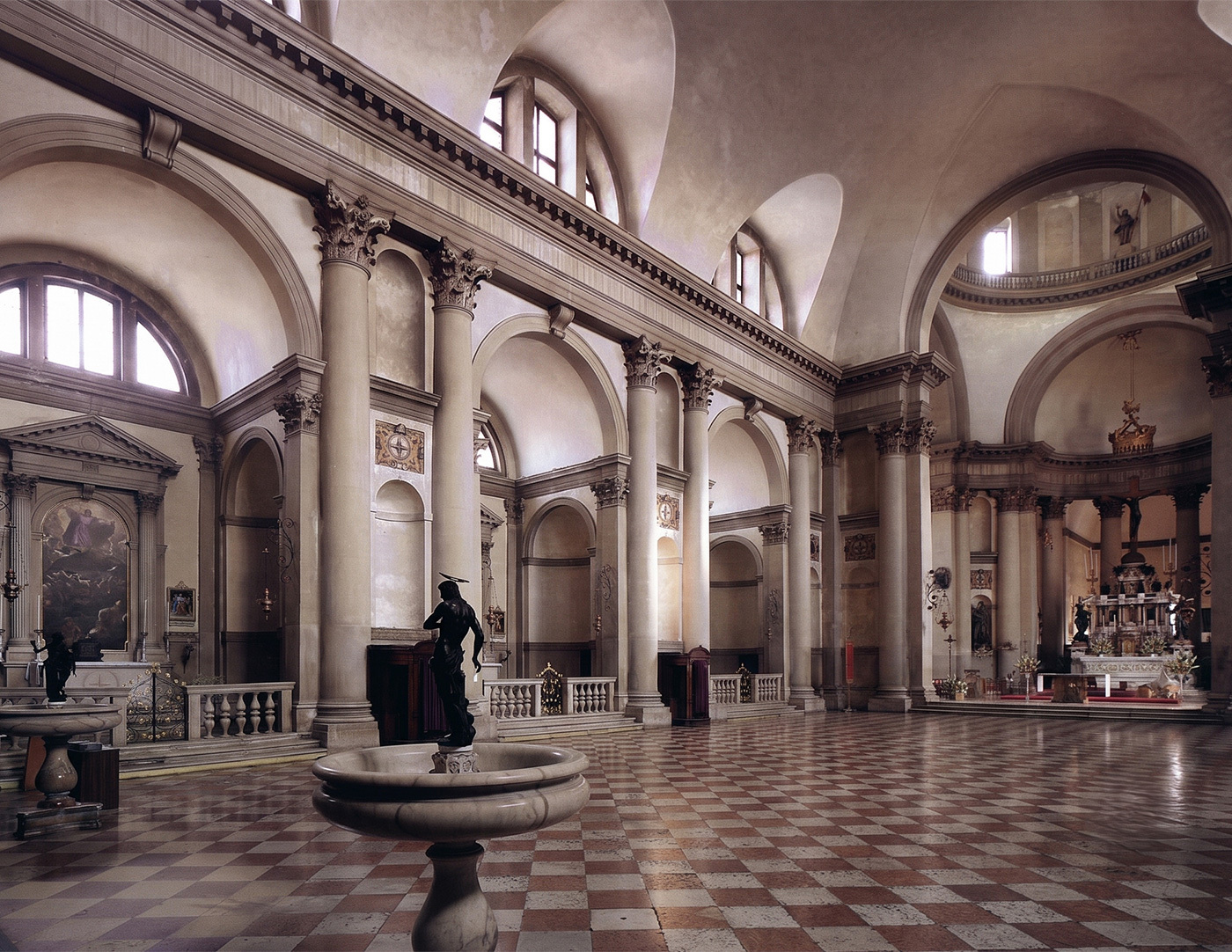
Palladian architecture is a classical style based on the work of Italian Renaissance architect Andrea Palladio. Inspired by ancient Roman buildings, it emphasizes symmetry, balanced proportions, and the coordinated use of columns, pediments, and cornices.
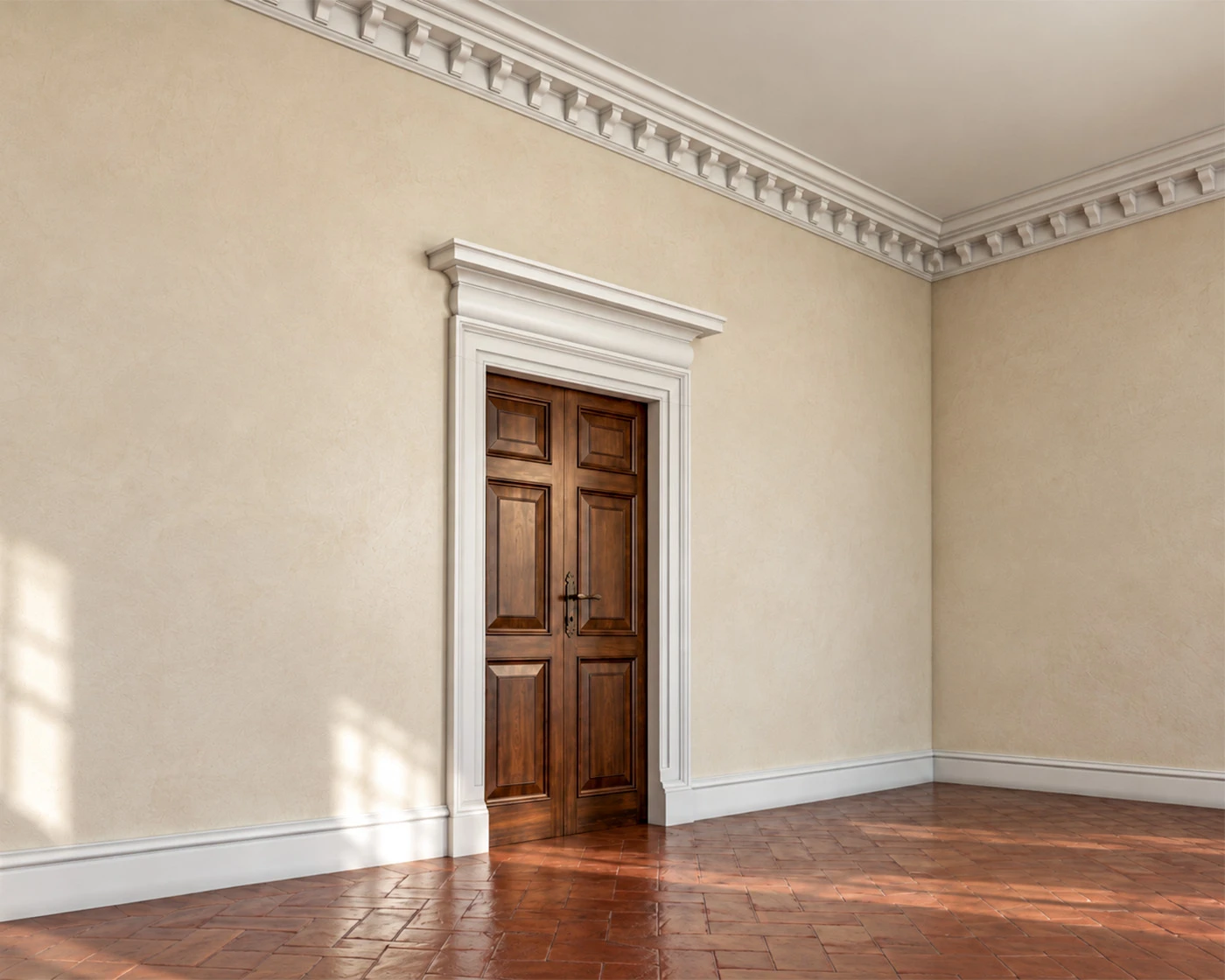
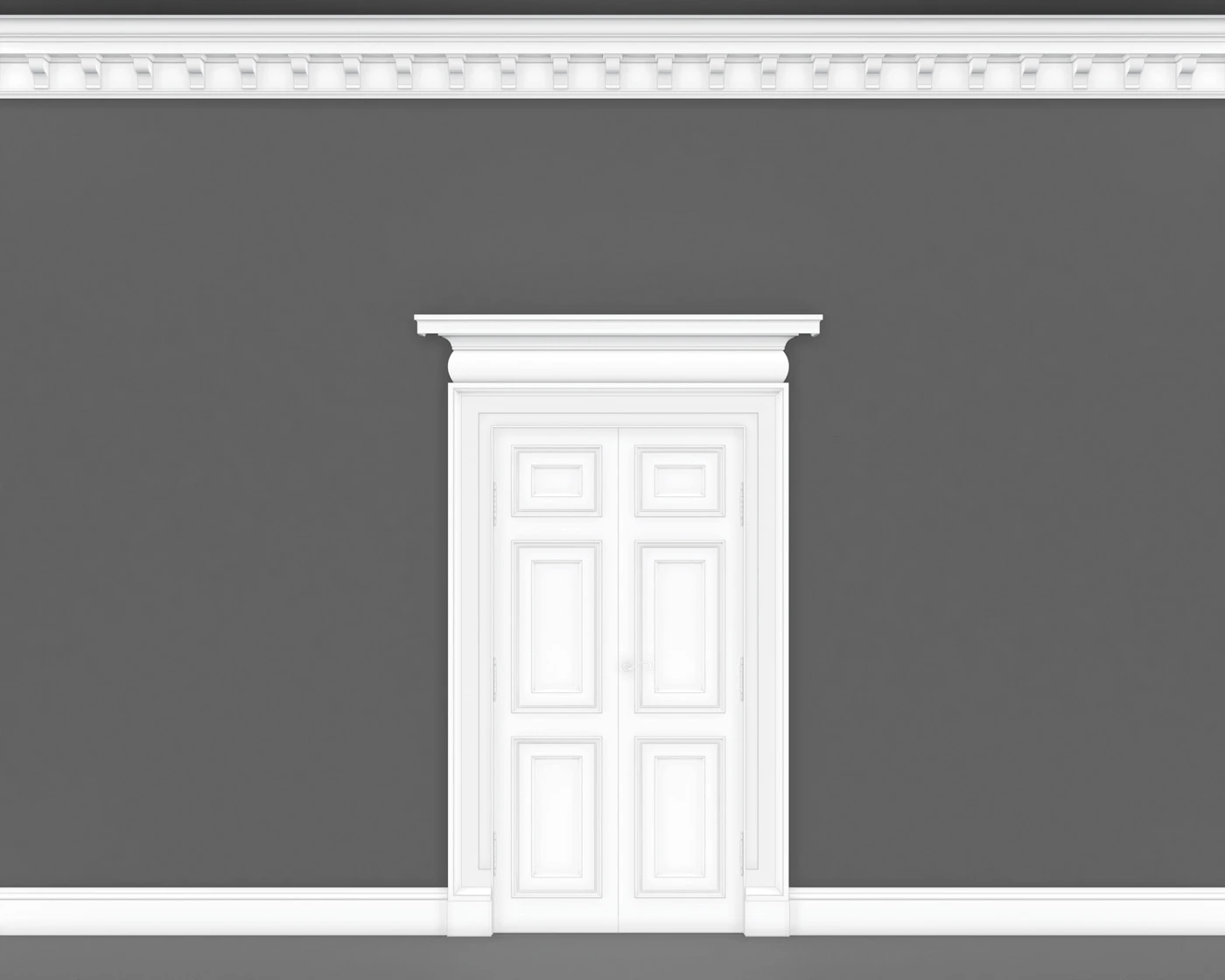
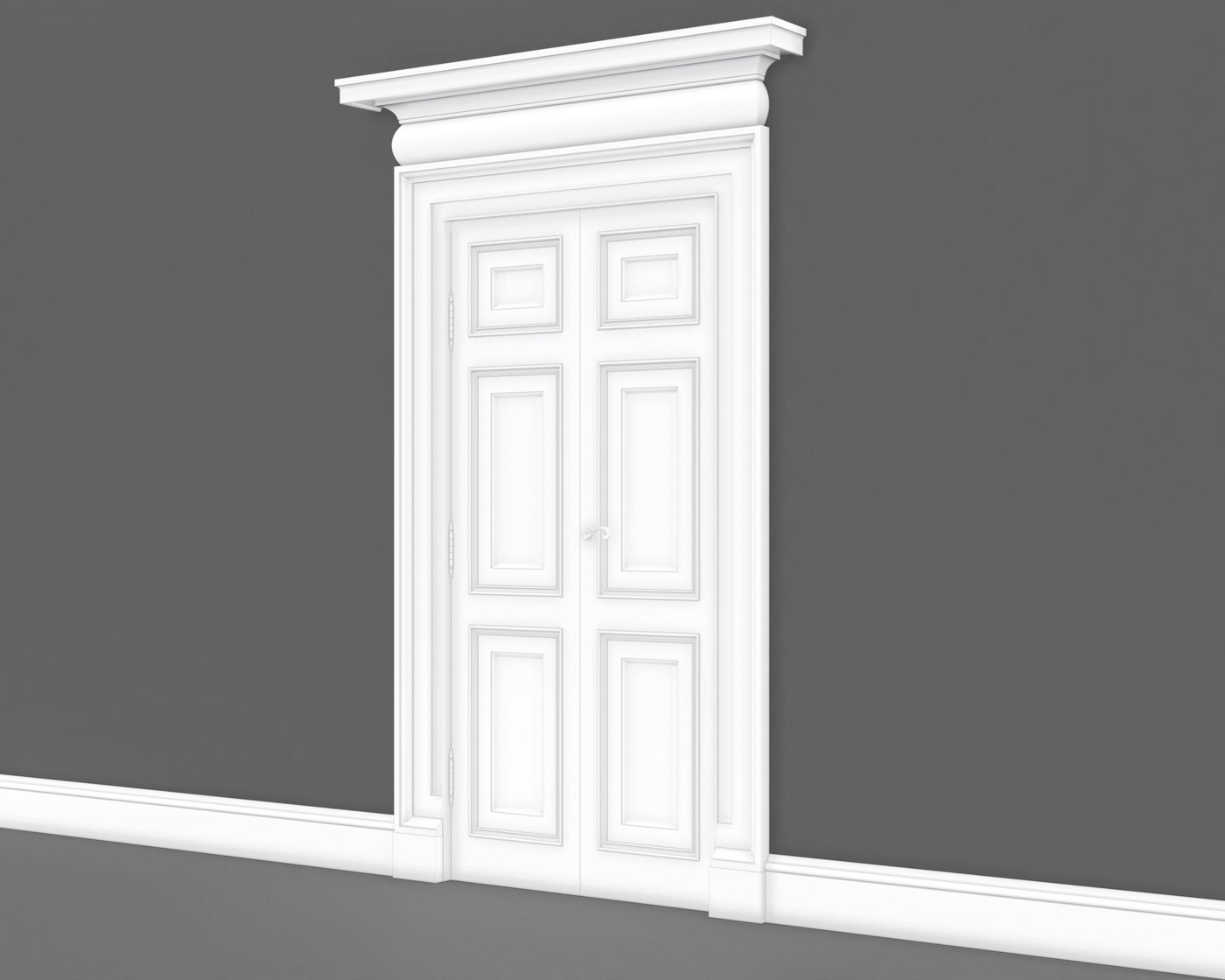
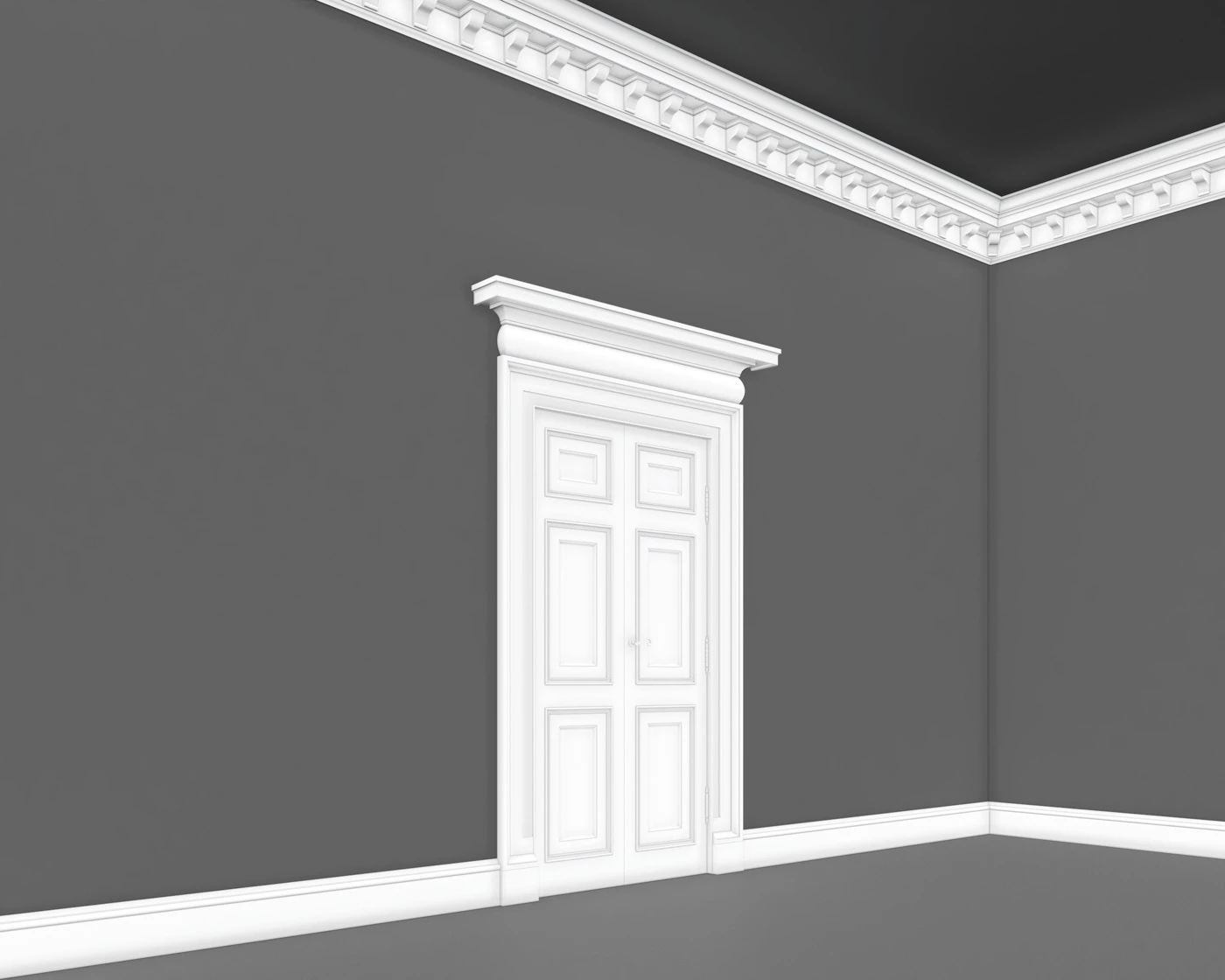
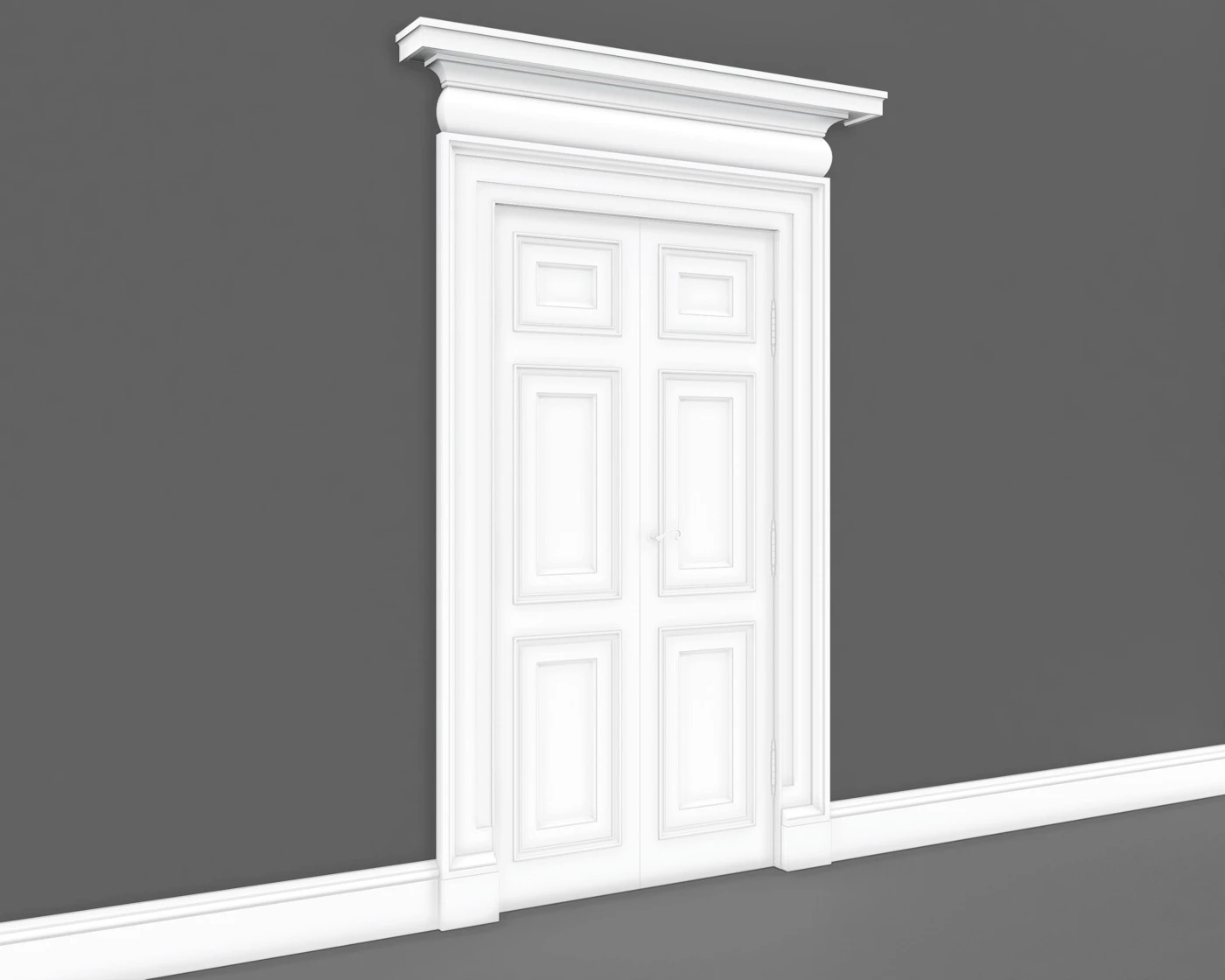
The style developed from Palladio’s sixteenth-century buildings in northern Italy and spread through later interpretations in Britain, continental Europe, and North America. Interior woodwork carries these principles into door surrounds, cornices, and panel details, with mouldings scaled to complement the room’s architecture.
The Collection
Palladian Characteristics
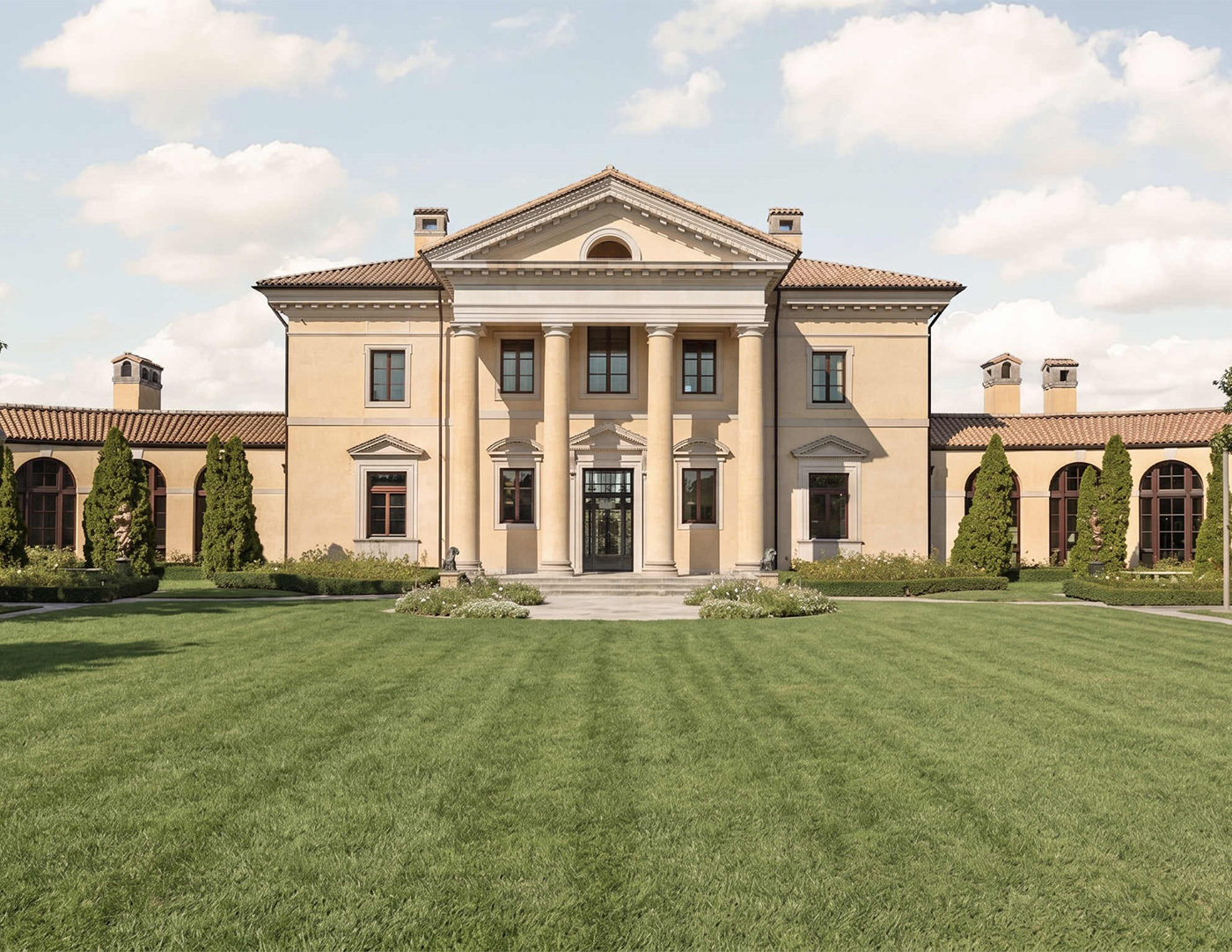
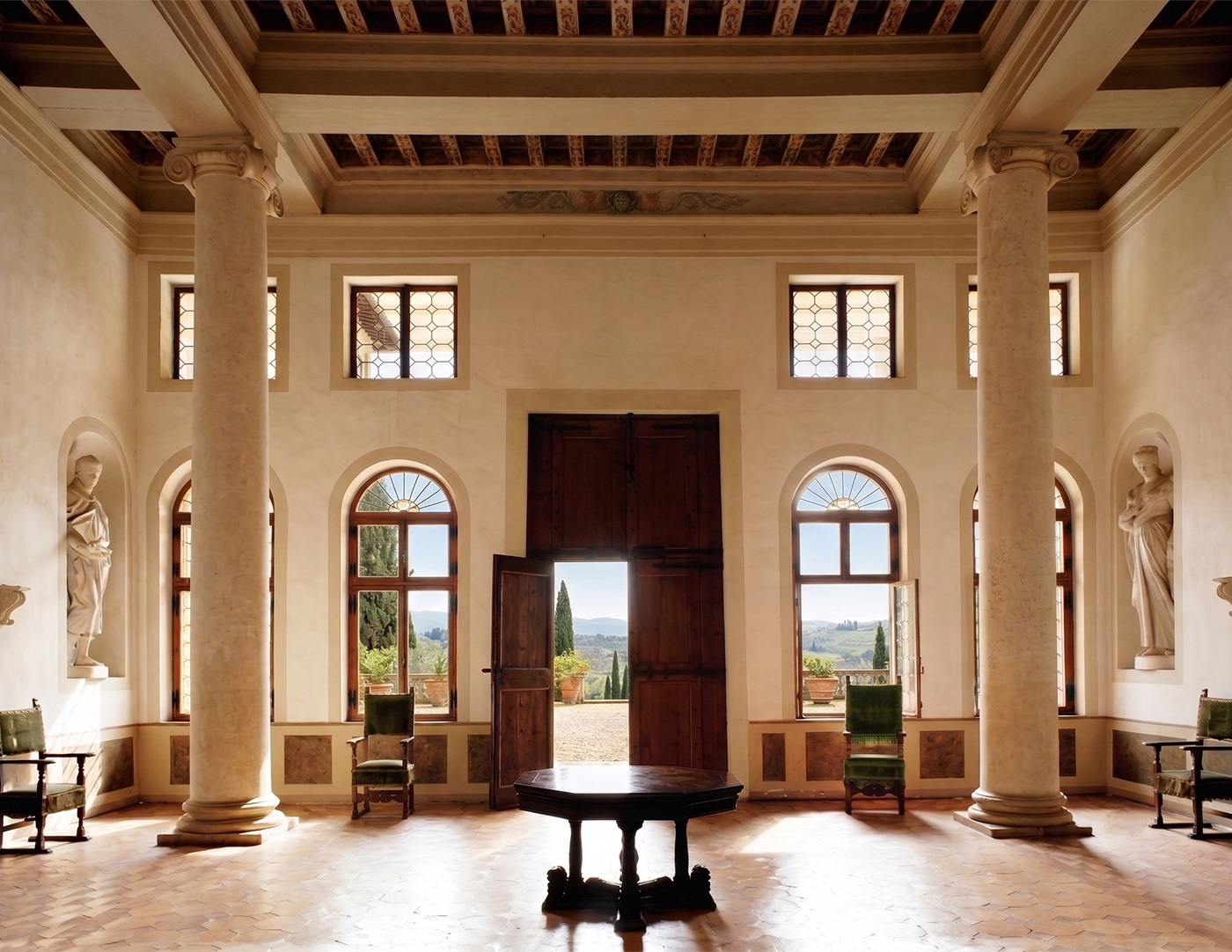
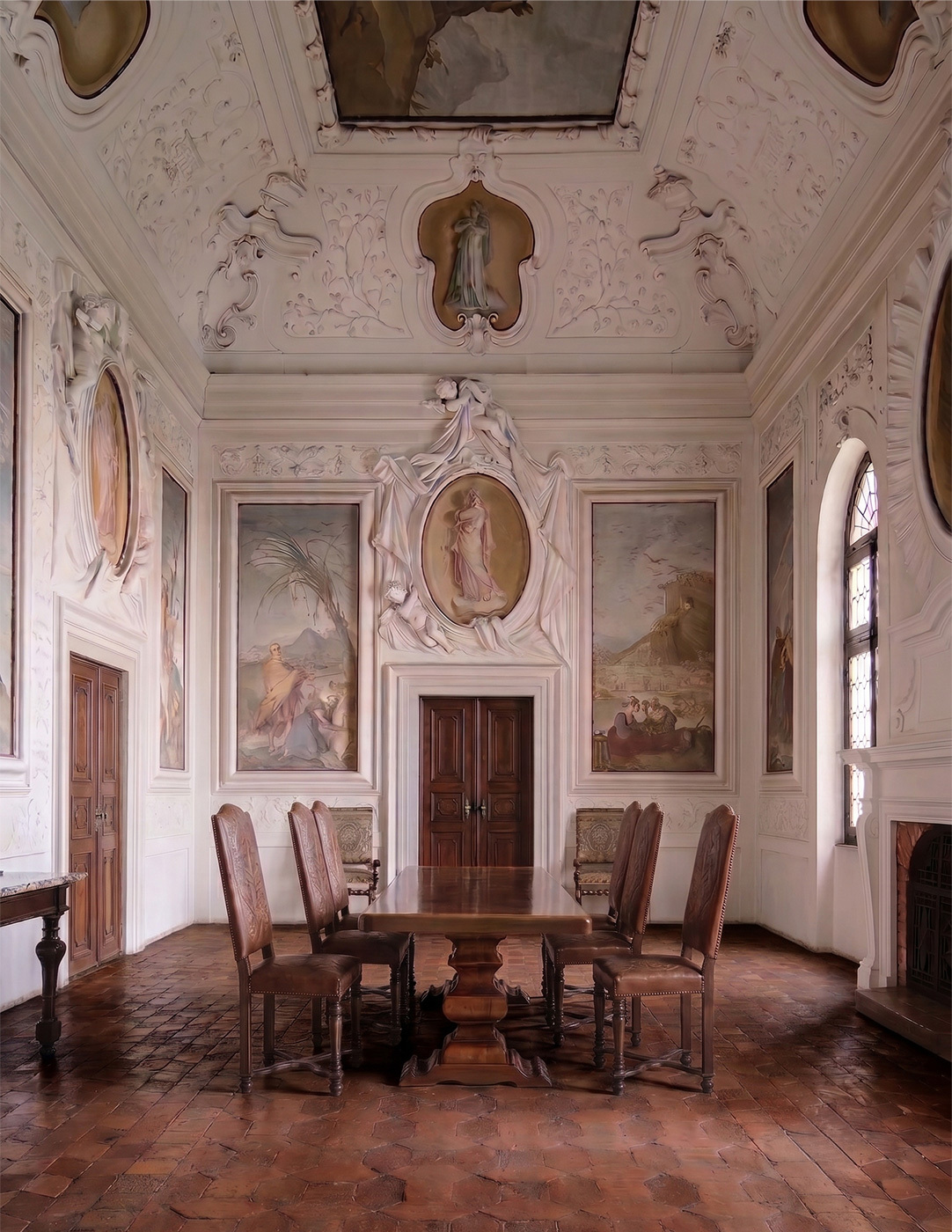
Palladian architecture emphasizes the relationship between individual details and the building as a whole. Windows, doors, and principal spaces follow an orderly composition, while classical elements reinforce its sense of balance. Ornament varies between buildings and periods, from restrained exteriors to interiors with elaborate ceilings, decorative wall treatments, and substantial architectural woodwork.
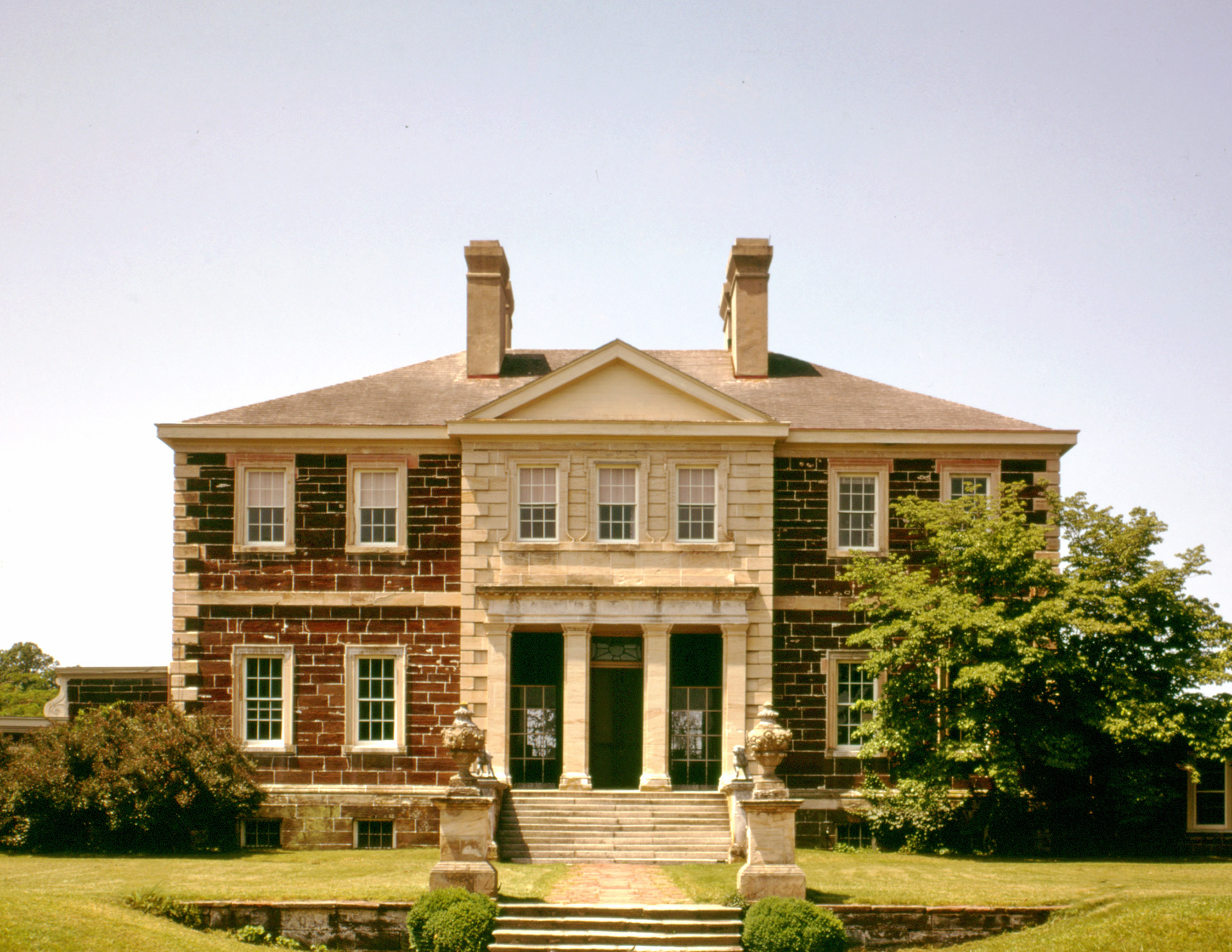
- Symmetrical façades and plans with classical proportions
- Raised principal floors above basements or service levels
- Classical façades with columns, lintels, and loggias
- Columned entrance porticos with classical pediments
- Domed central spaces
- Interior columns, pilasters, pediments, and cornices
- Venetian windows: arched centers and rectangular side openings
PALLADIAN MOULDINGS
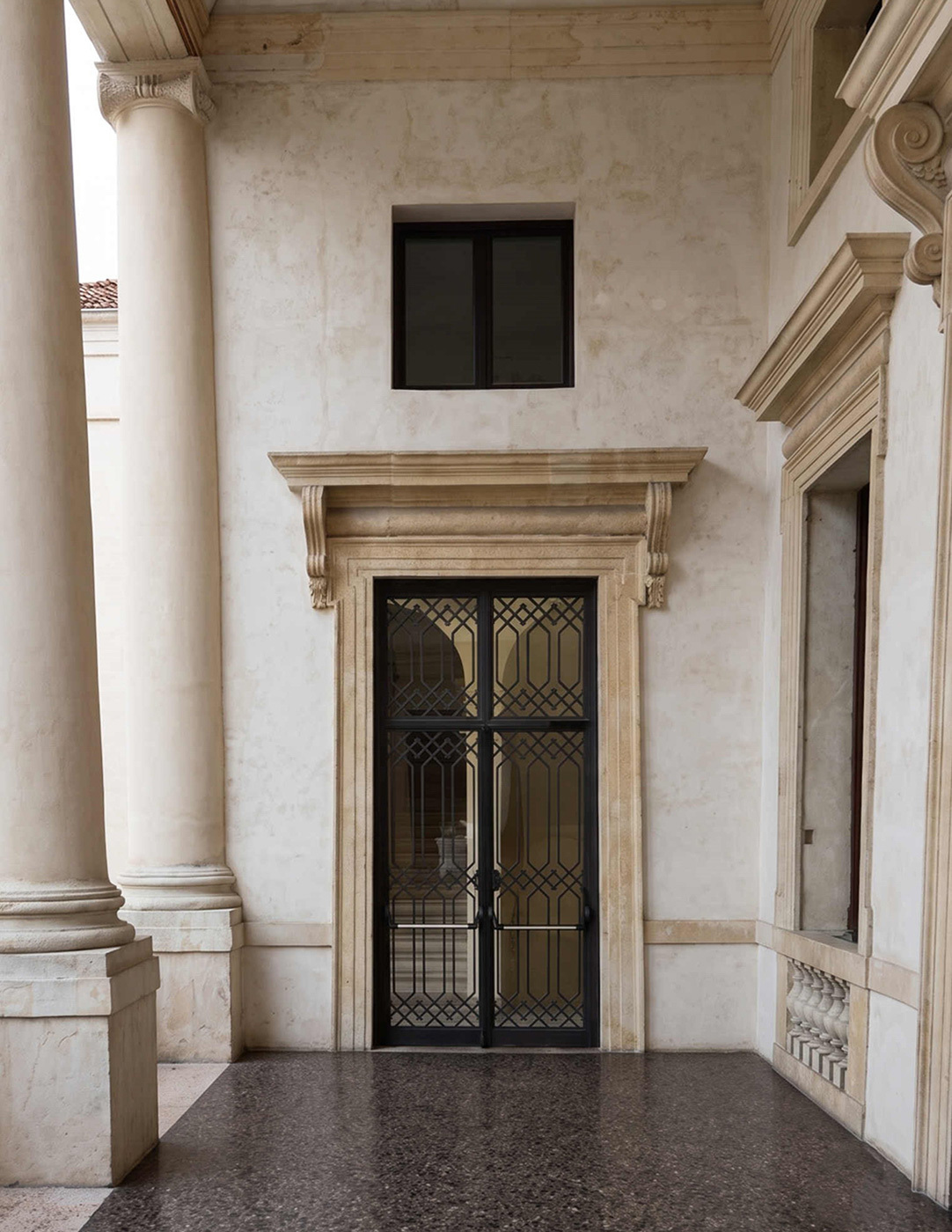
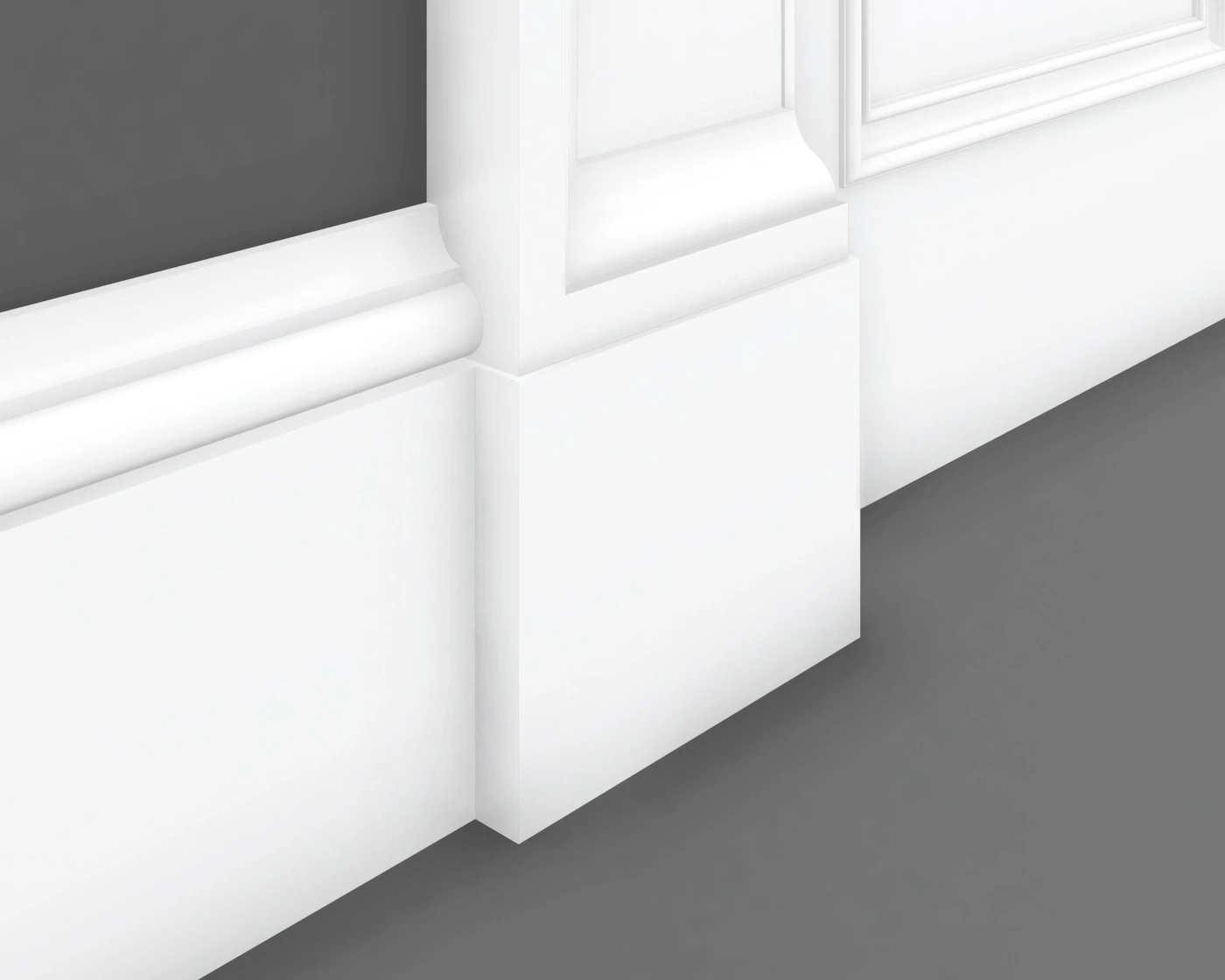
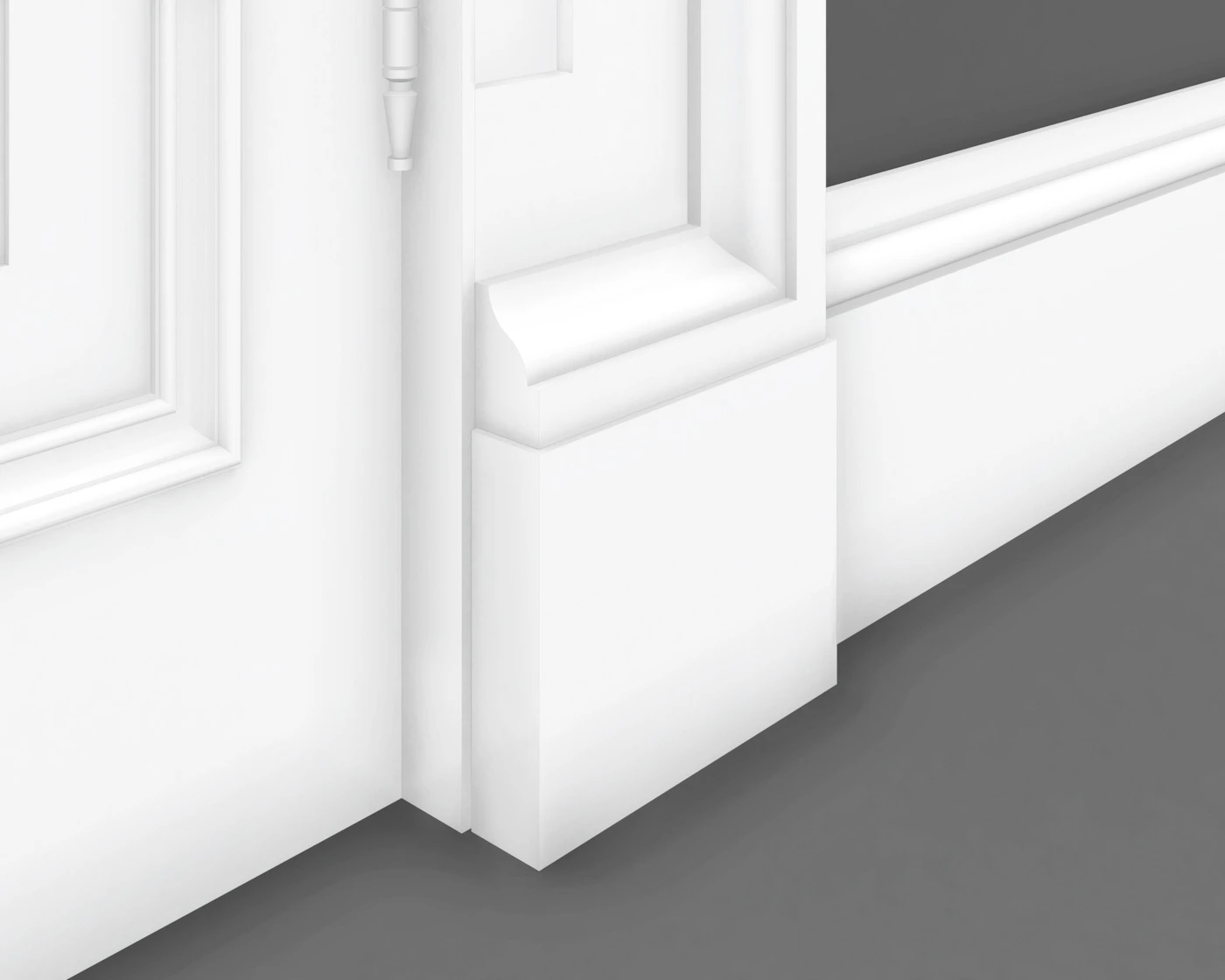
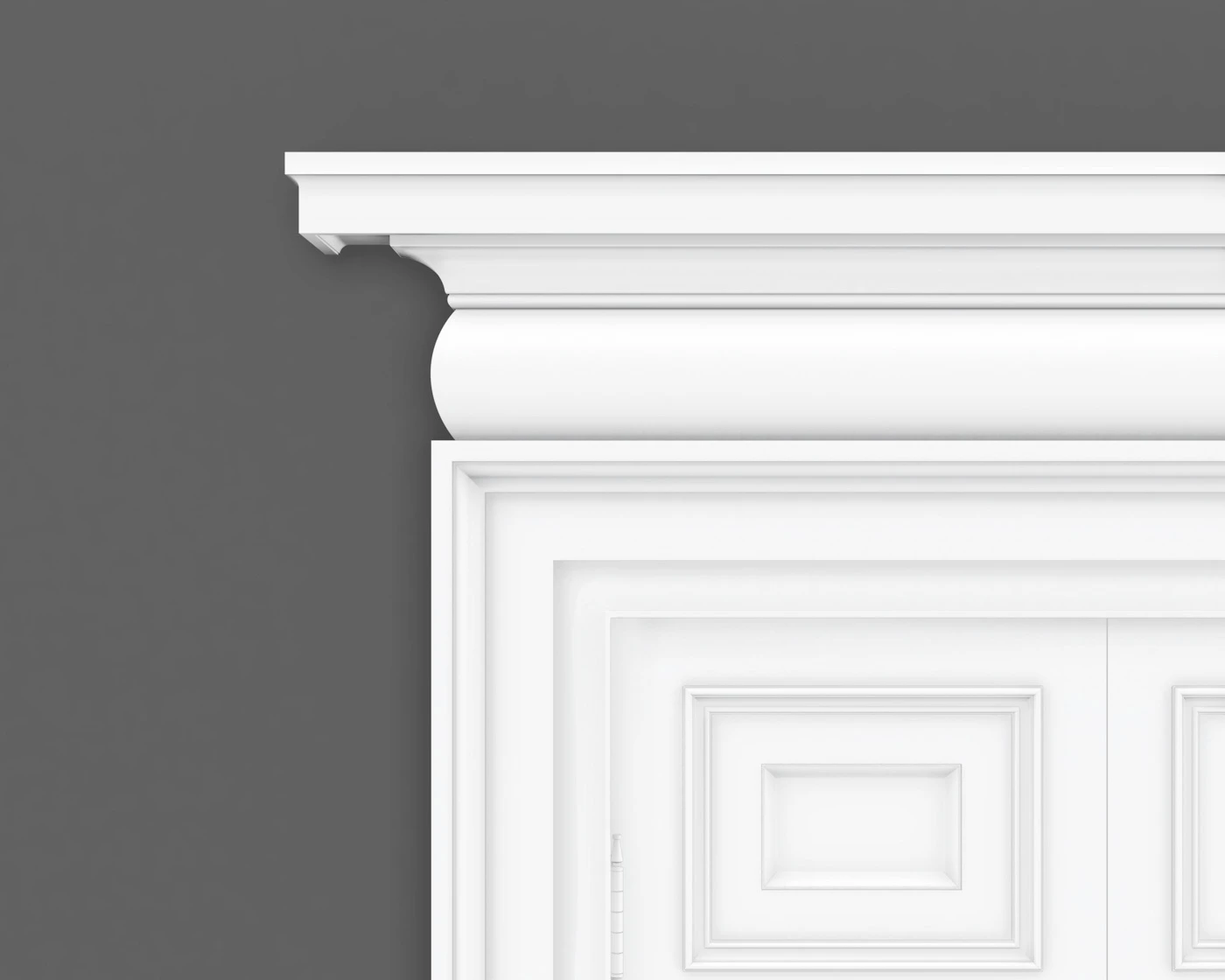
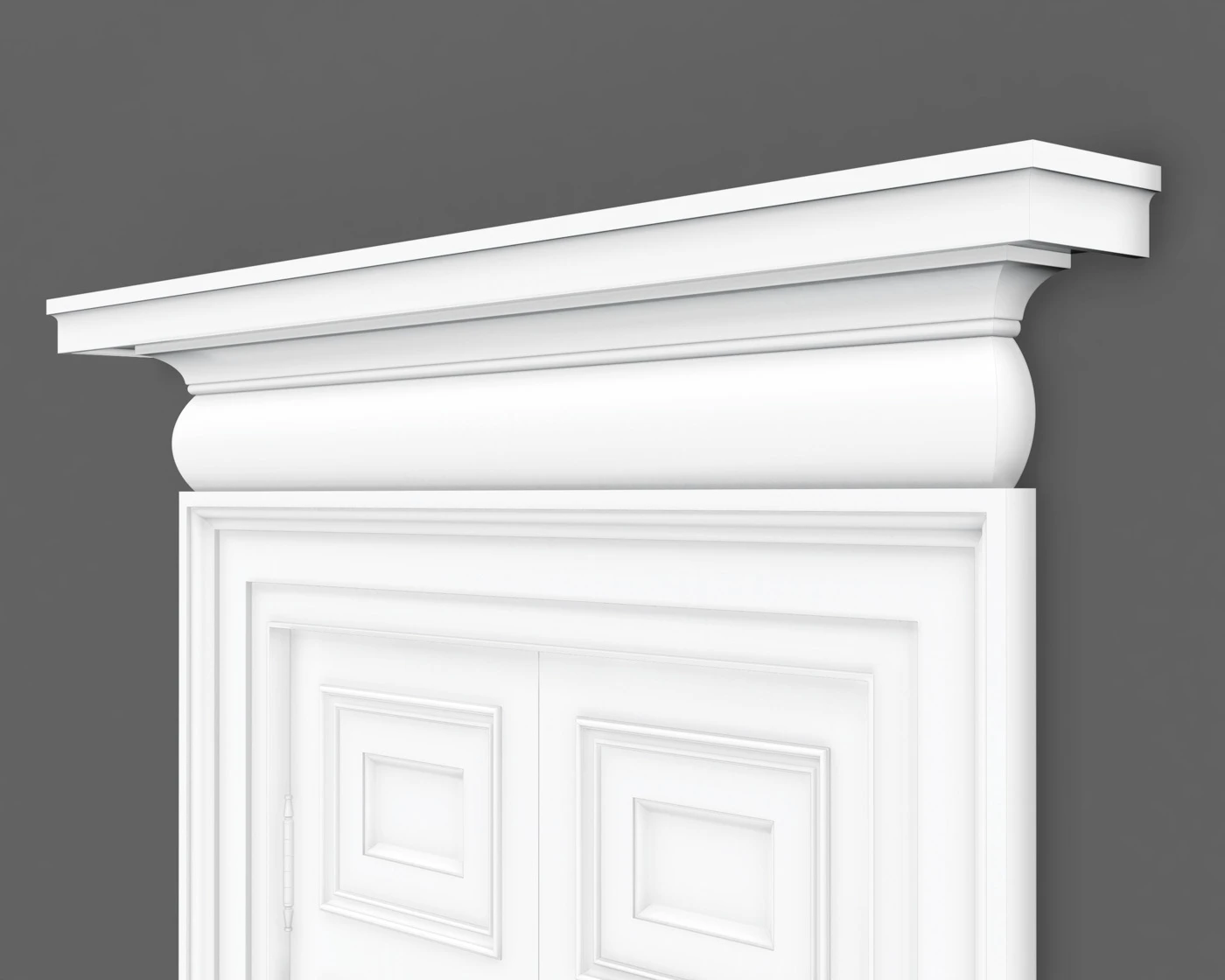
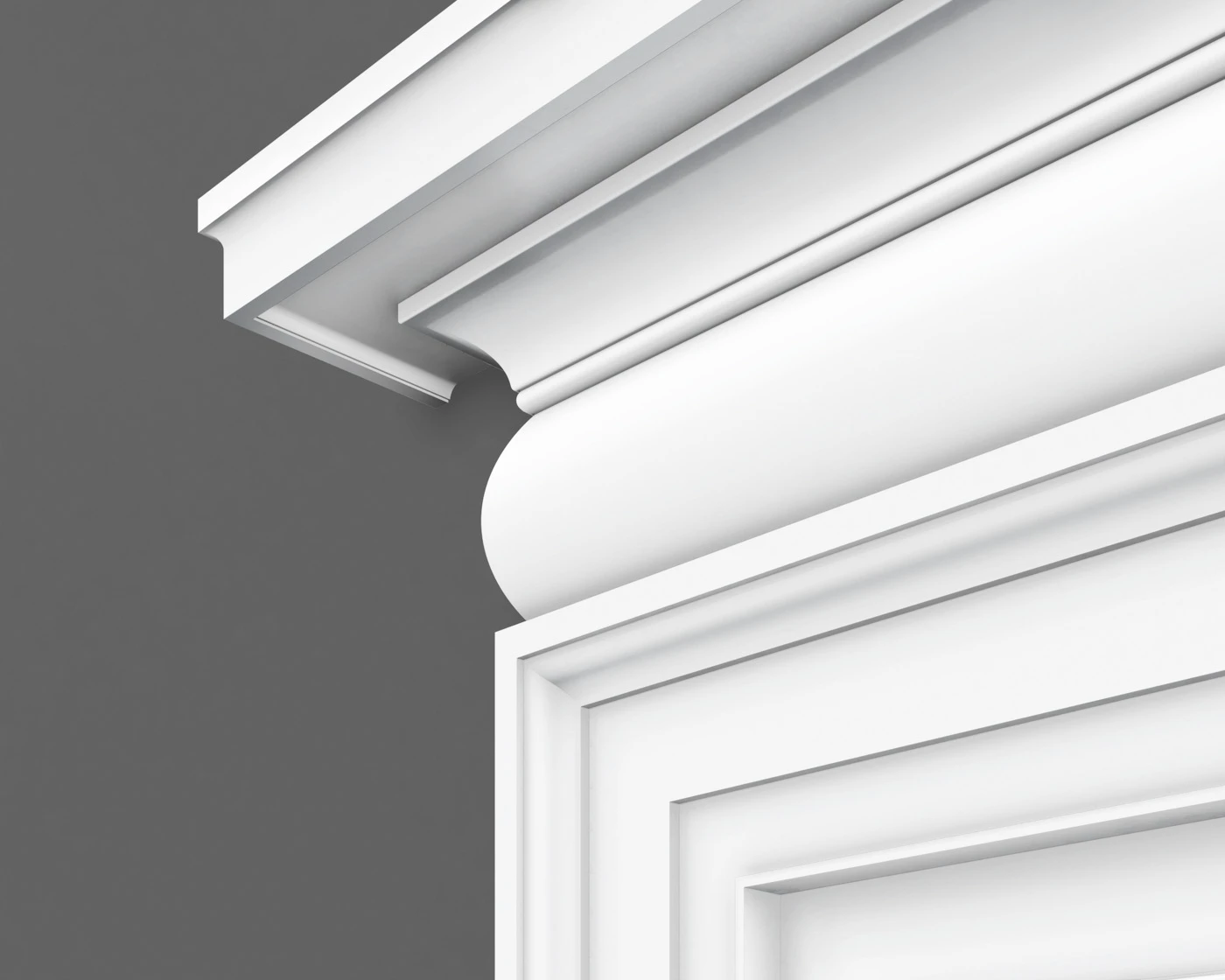
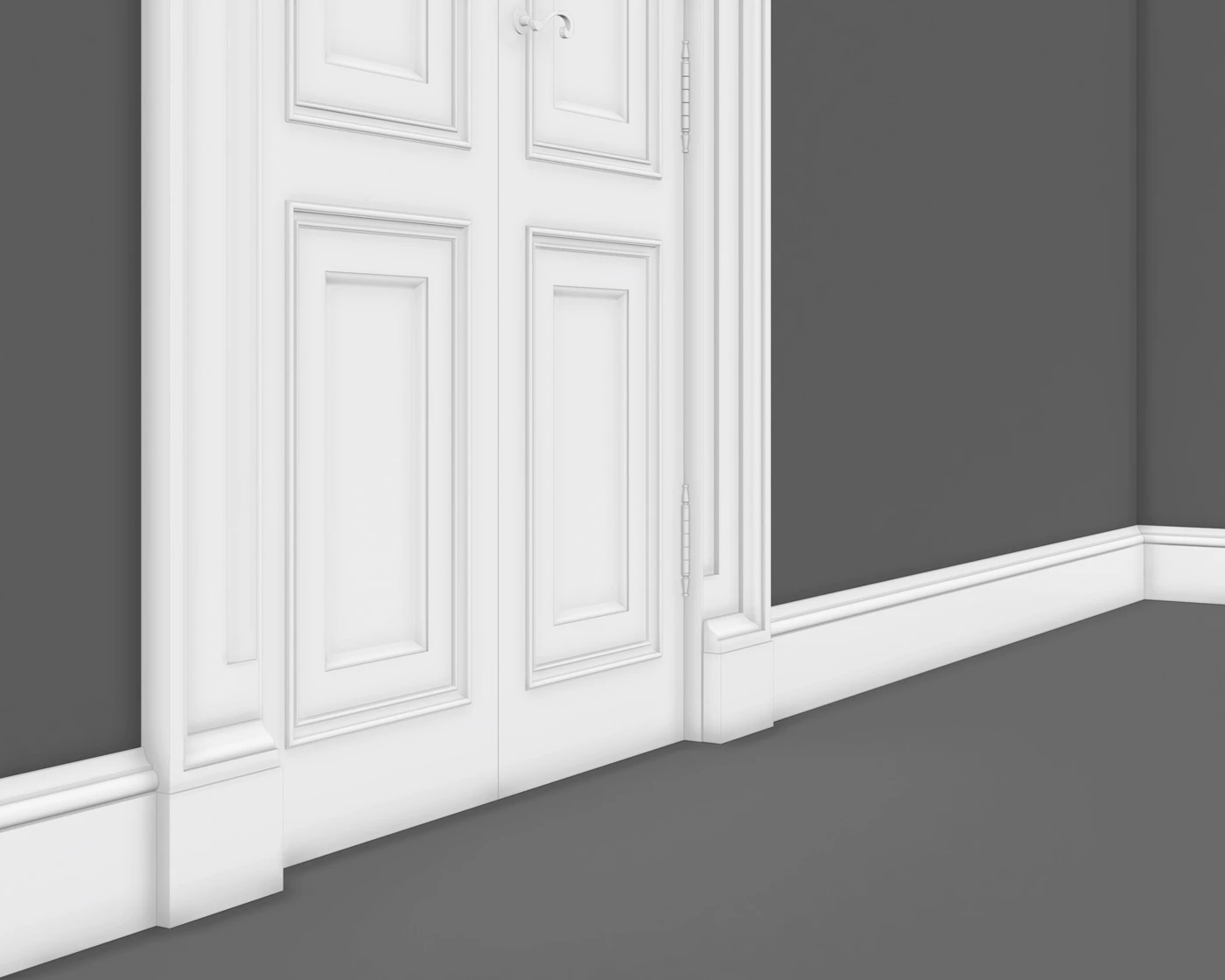
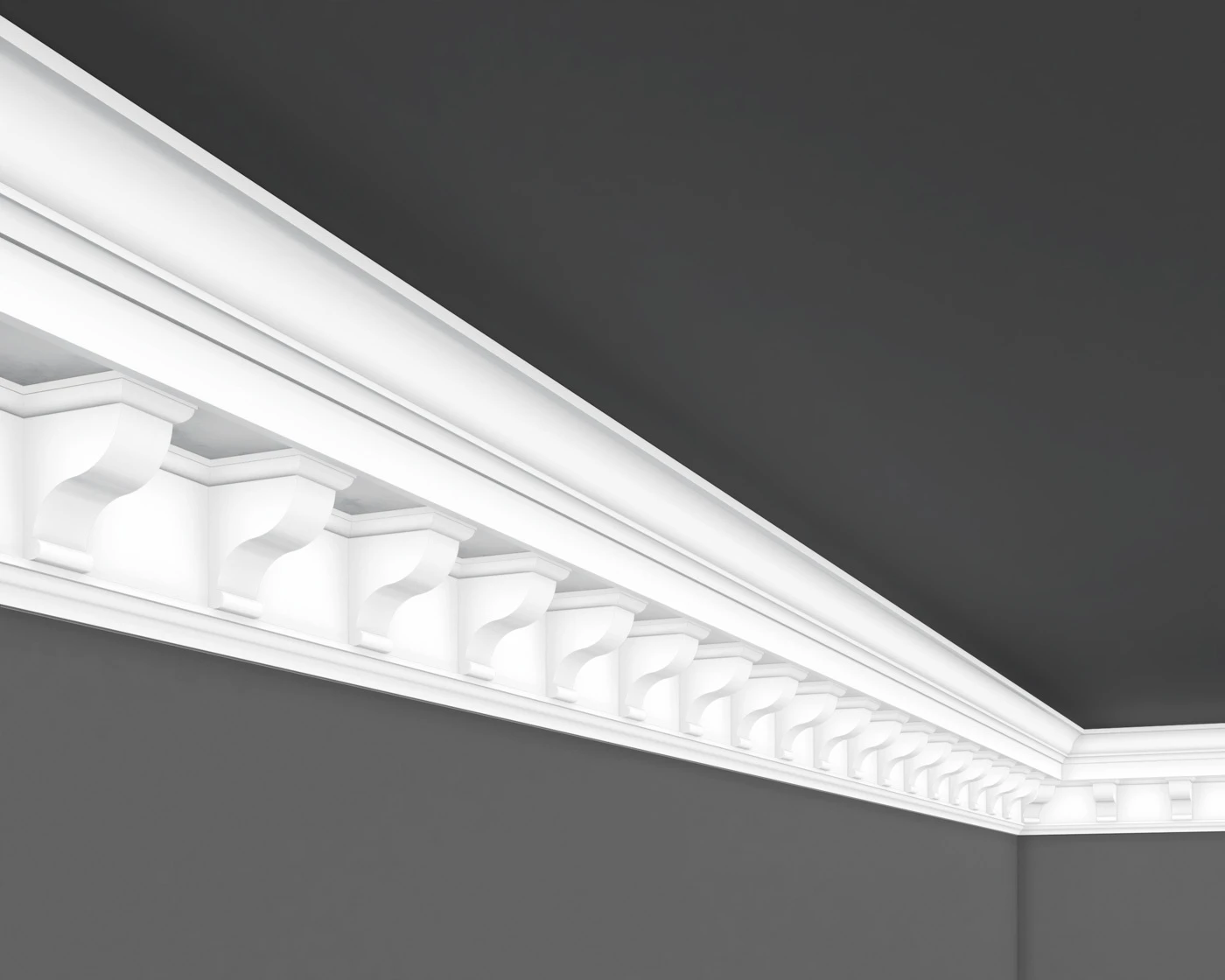
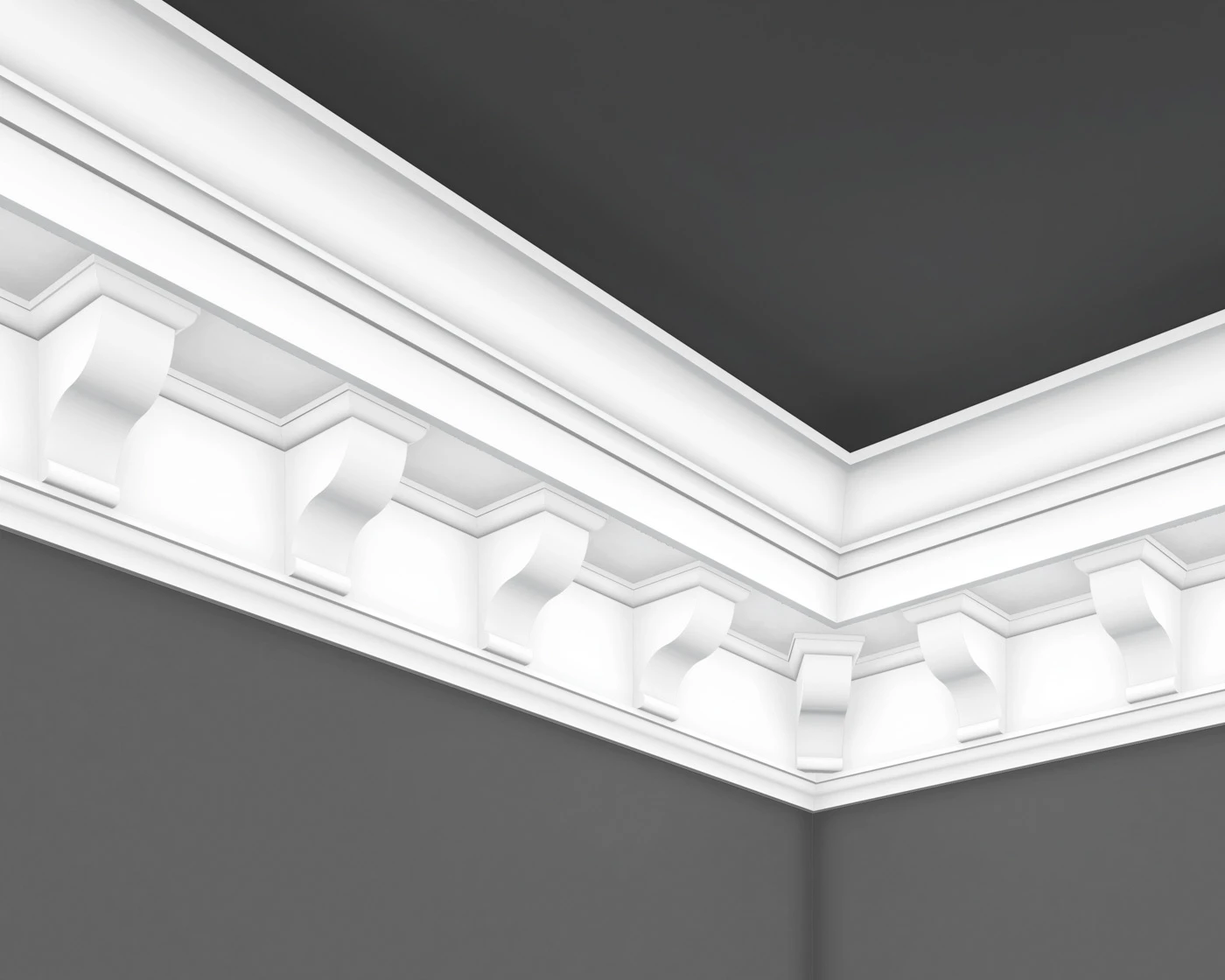
Palladian mouldings draw on classical profiles, including fillets, ovolos, coves, and cyma curves. These shapes are combined in cornices, door and window surrounds, and other architectural details, with their scale and placement reinforcing the proportions of the room.
Profiles may be plain or enriched with ornament, depending on the design. Coordinated casing, crown, baseboard, and panel mouldings bring this classical approach to interior woodwork.
Shop Now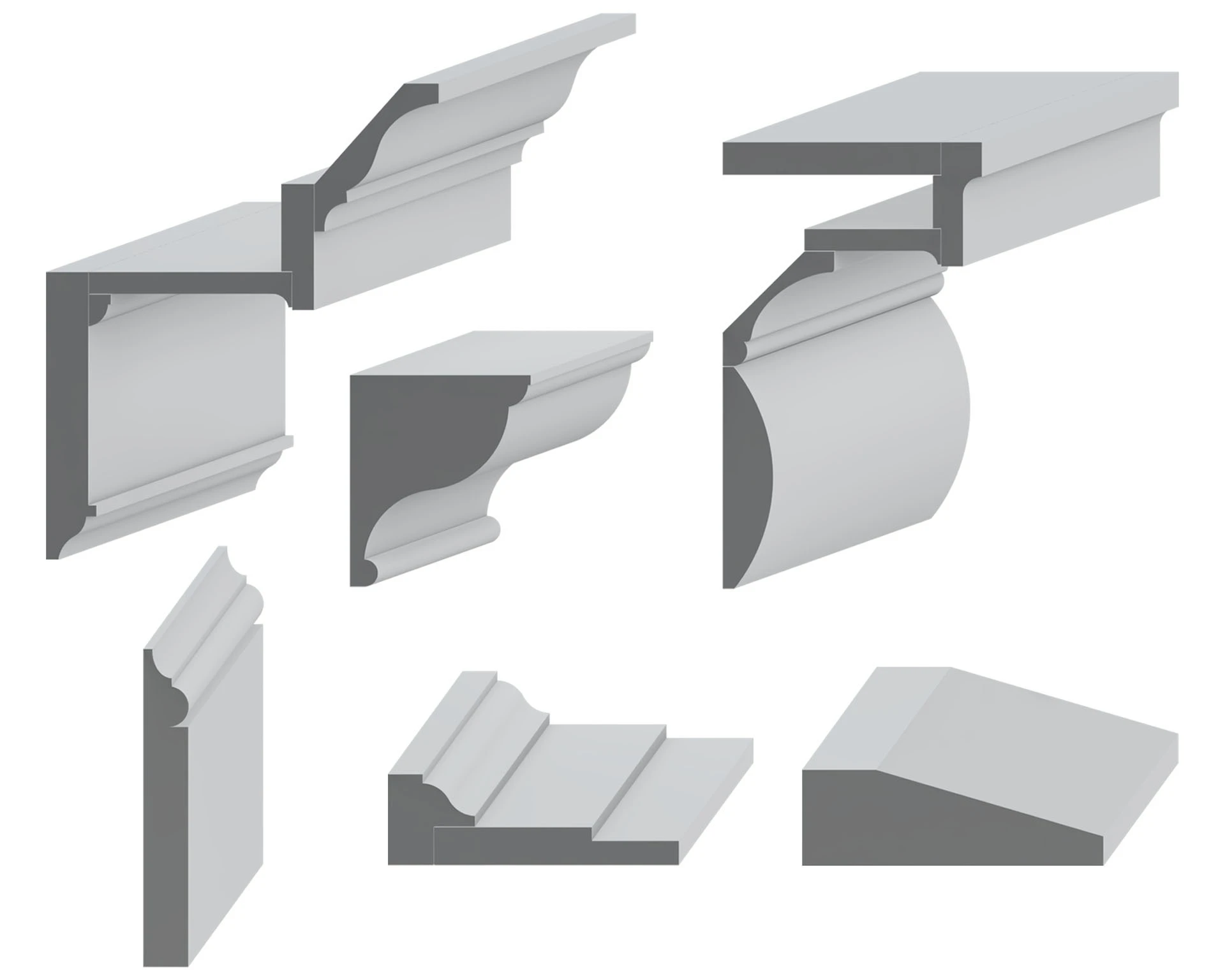
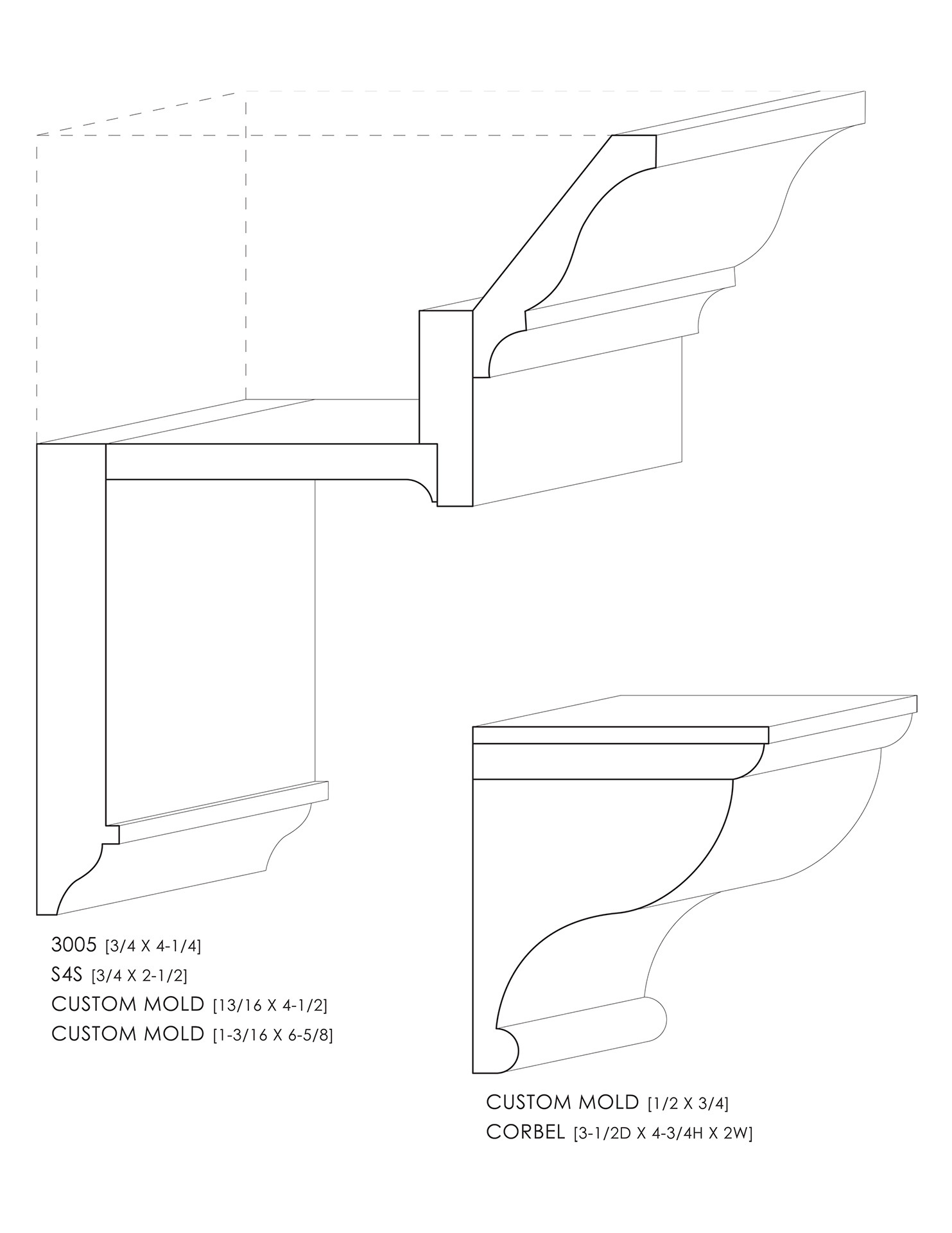
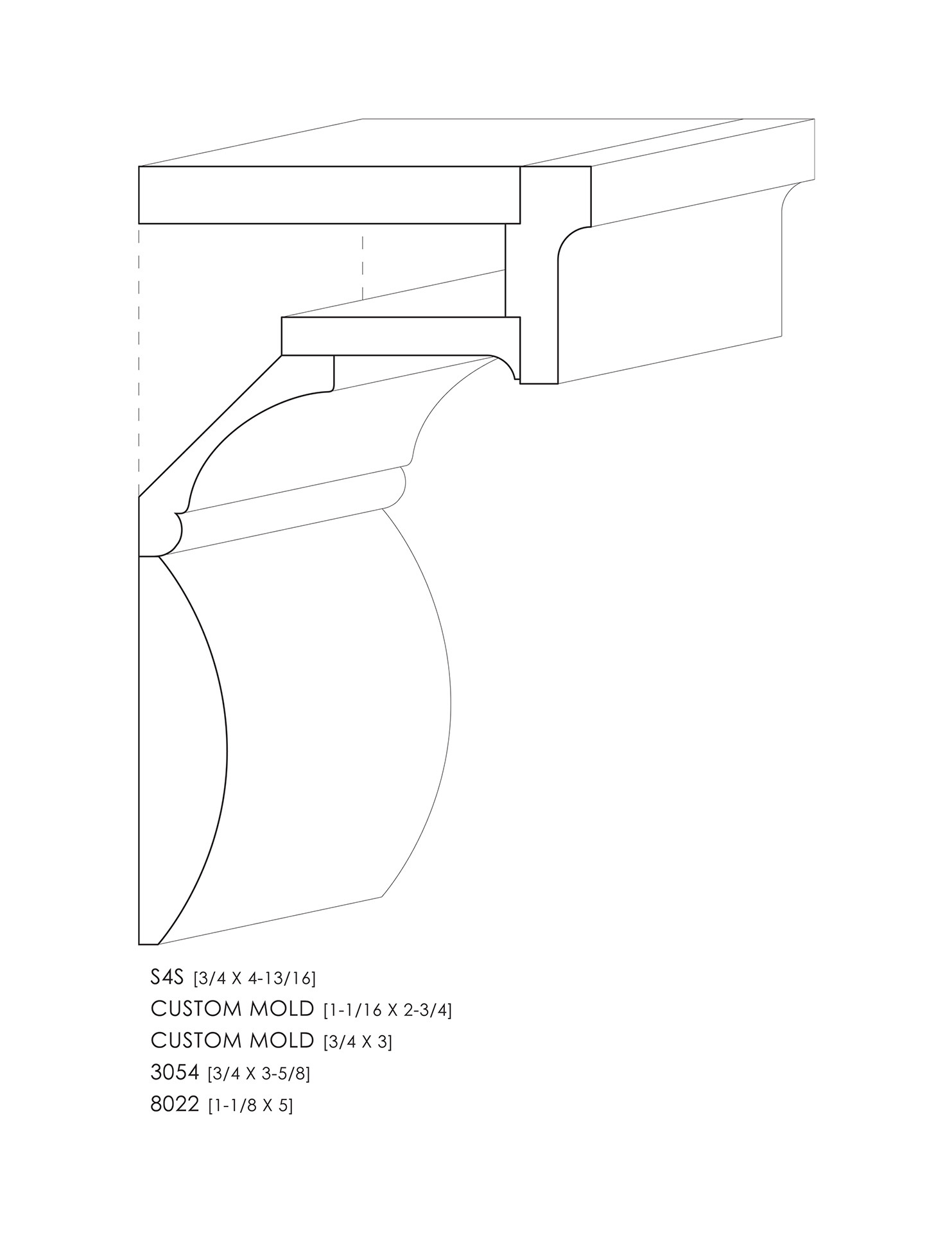
Period Details & Drawings


History of Palladian
Andrea Palladio (1508–1580) developed his architectural approach in sixteenth-century northern Italy. Originally trained as a stonemason, he studied classical antiquity with encouragement from the scholar Gian Giorgio Trissino. Visits to Rome allowed him to examine and measure ancient buildings, while the writings of Vitruvius informed his understanding of proportion and architectural order.
Palladio adapted these principles to villas, palaces, churches, and civic buildings in Vicenza, Venice, and the surrounding Veneto. Works such as Palazzo Chiericati in Vicenza and Villa Cornaro at Piombino Dese demonstrate his use of classical proportions, columned loggias, and balanced compositions. His designs combined classical forms with the practical requirements of their settings and uses. In 1570, he published I quattro libri dell’architettura (The Four Books of Architecture), presenting architectural principles, studies of ancient buildings, and examples of his own work. Translations and later editions carried his ideas far beyond Italy.
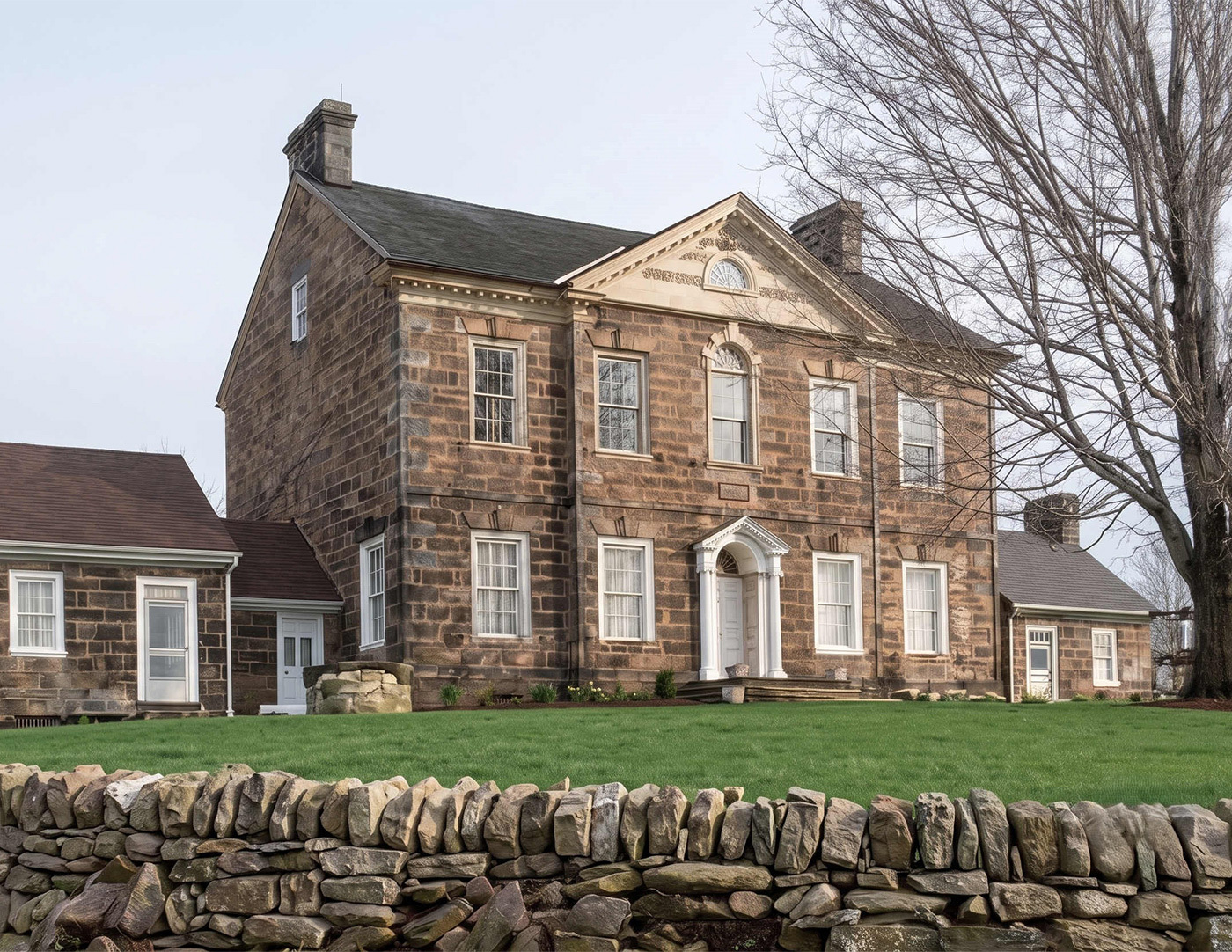
In the early seventeenth century, Inigo Jones introduced Palladian ideas to England. An eighteenth-century revival followed, promoted by Colen Campbell, Lord Burlington, and William Kent. Their buildings and publications helped establish Palladianism as an influential strand of Georgian architecture, particularly in country houses. British interpretations also developed richly decorated interiors within disciplined classical compositions.
Palladian ideas reached the American colonies through architectural books and British examples. Thomas Jefferson drew extensively on Palladio’s writings when designing Monticello and the University of Virginia. Alongside other classical influences, Palladian principles contributed to the development of Neoclassical architecture. Their emphasis on proportion, symmetry, and coordinated detailing continues to inform traditional architecture and interior millwork.