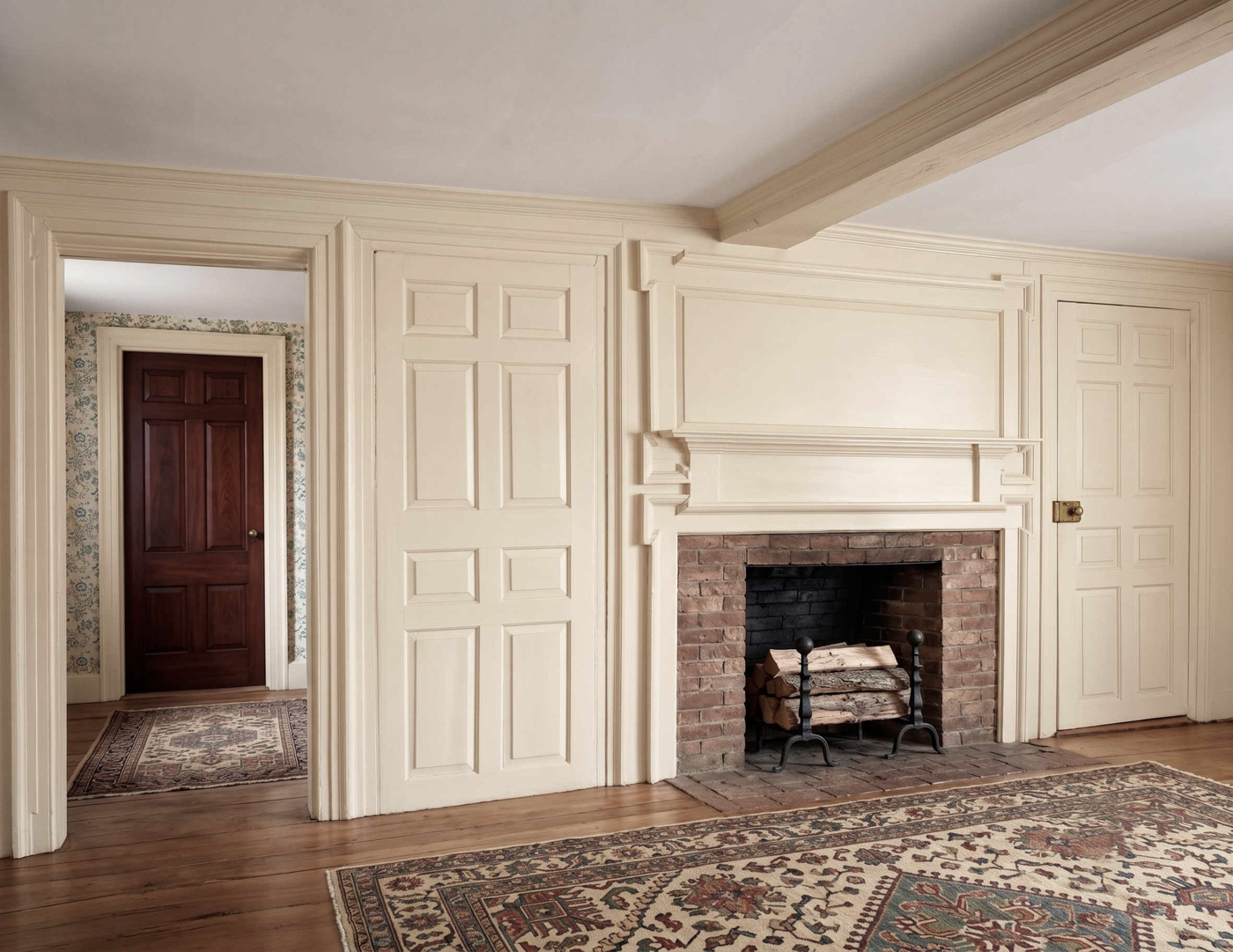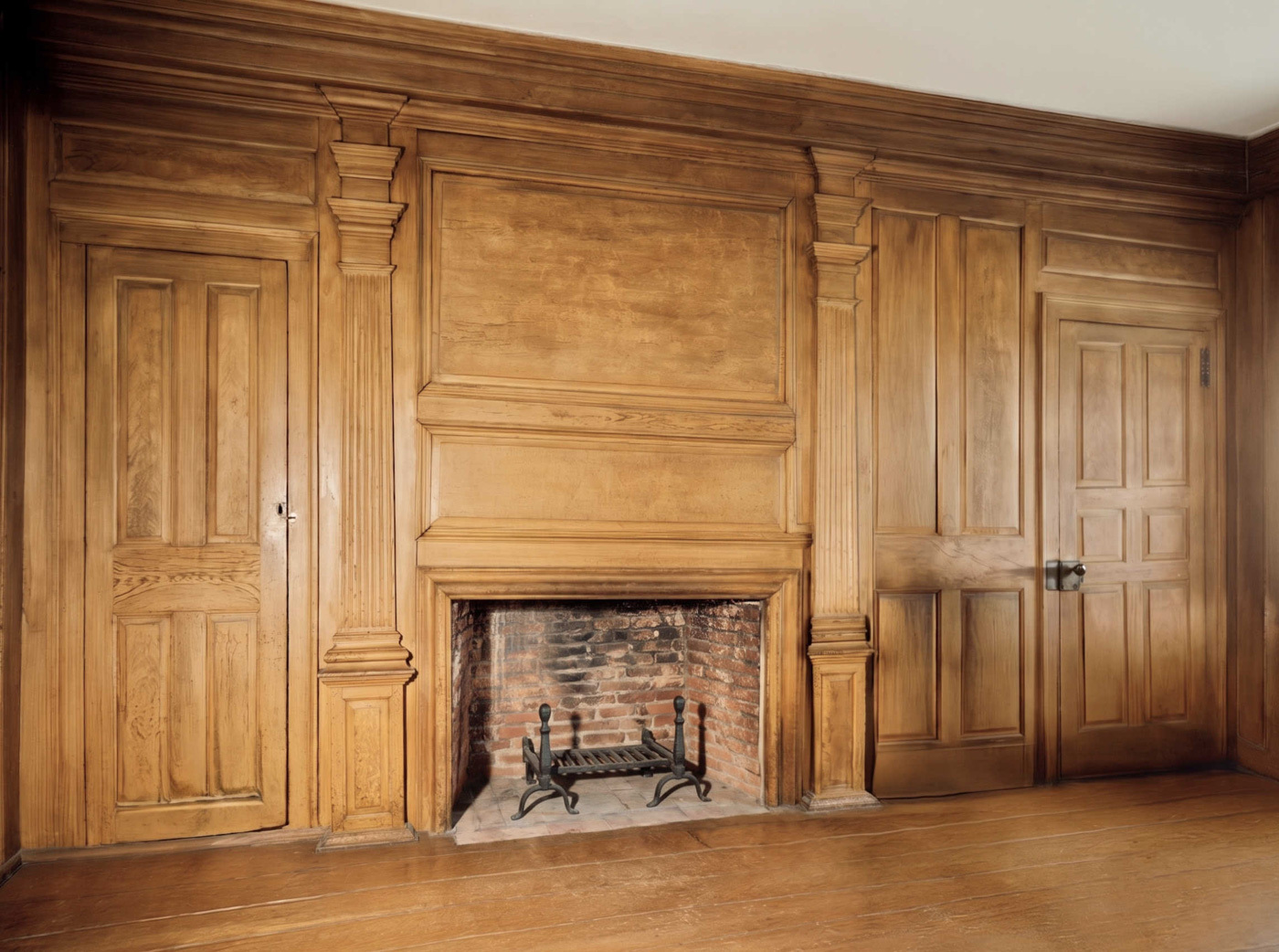
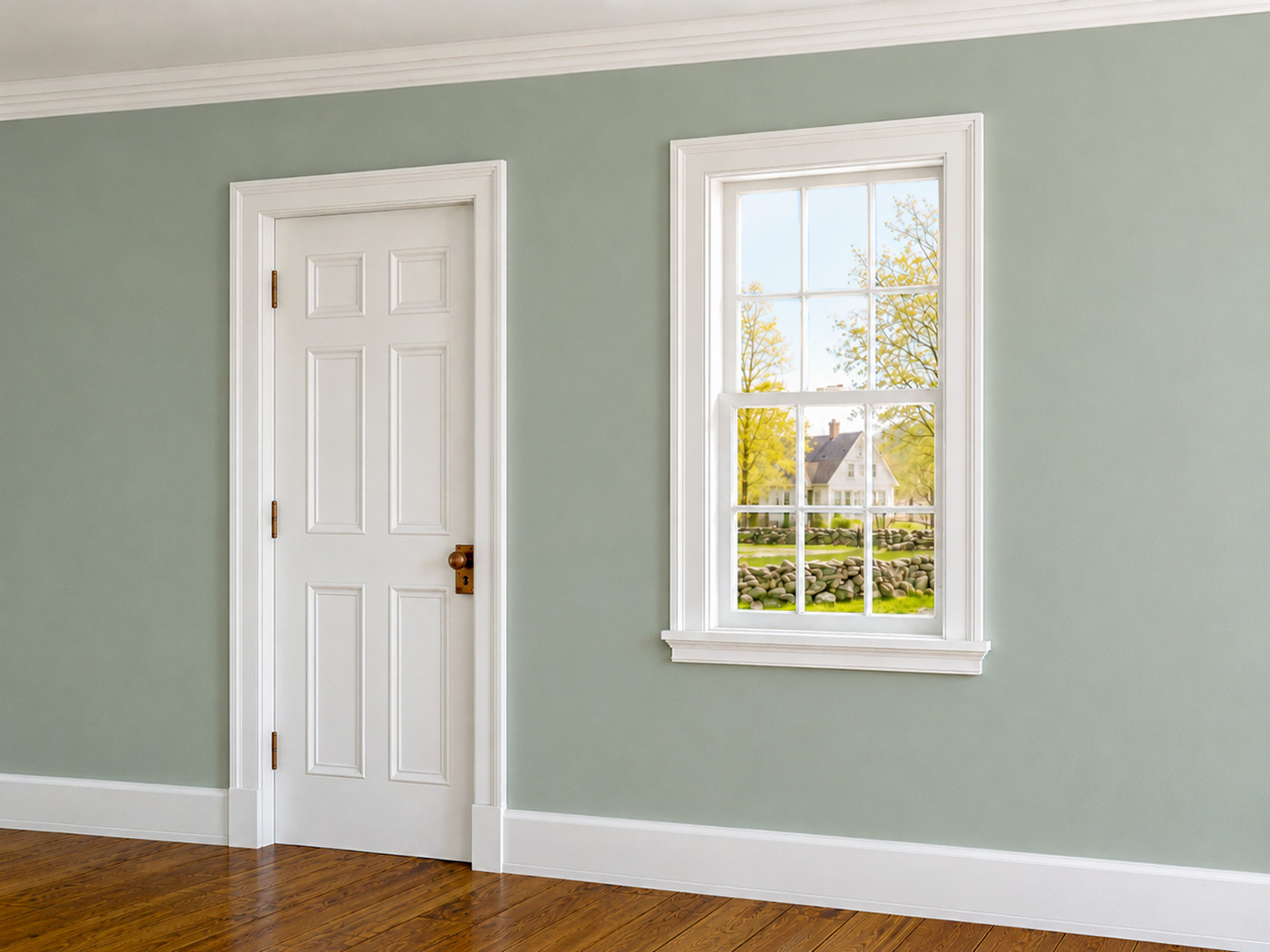
NEW ENGLAND COLONIAL STYLE MOULDING PROFILES & GALLERY

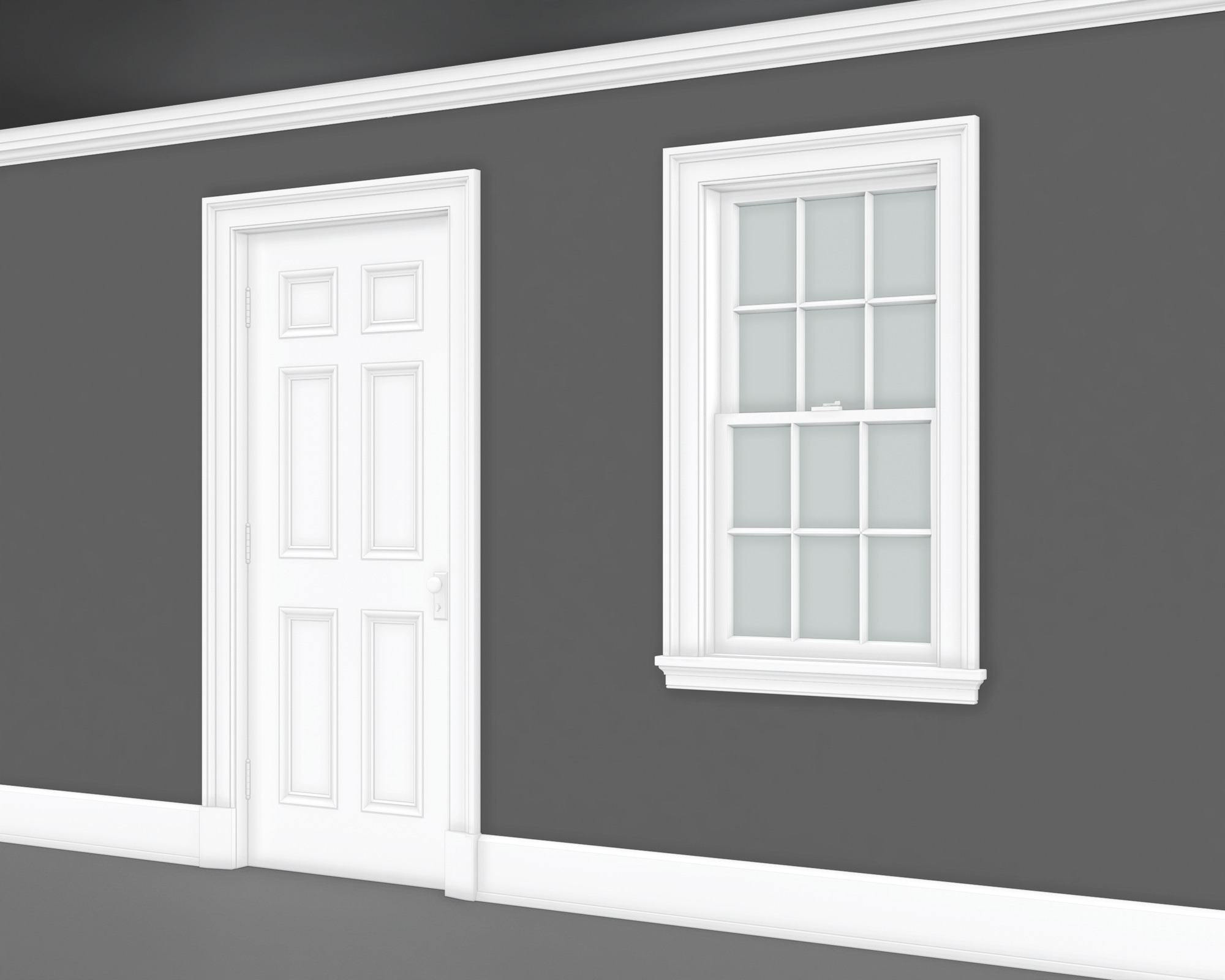










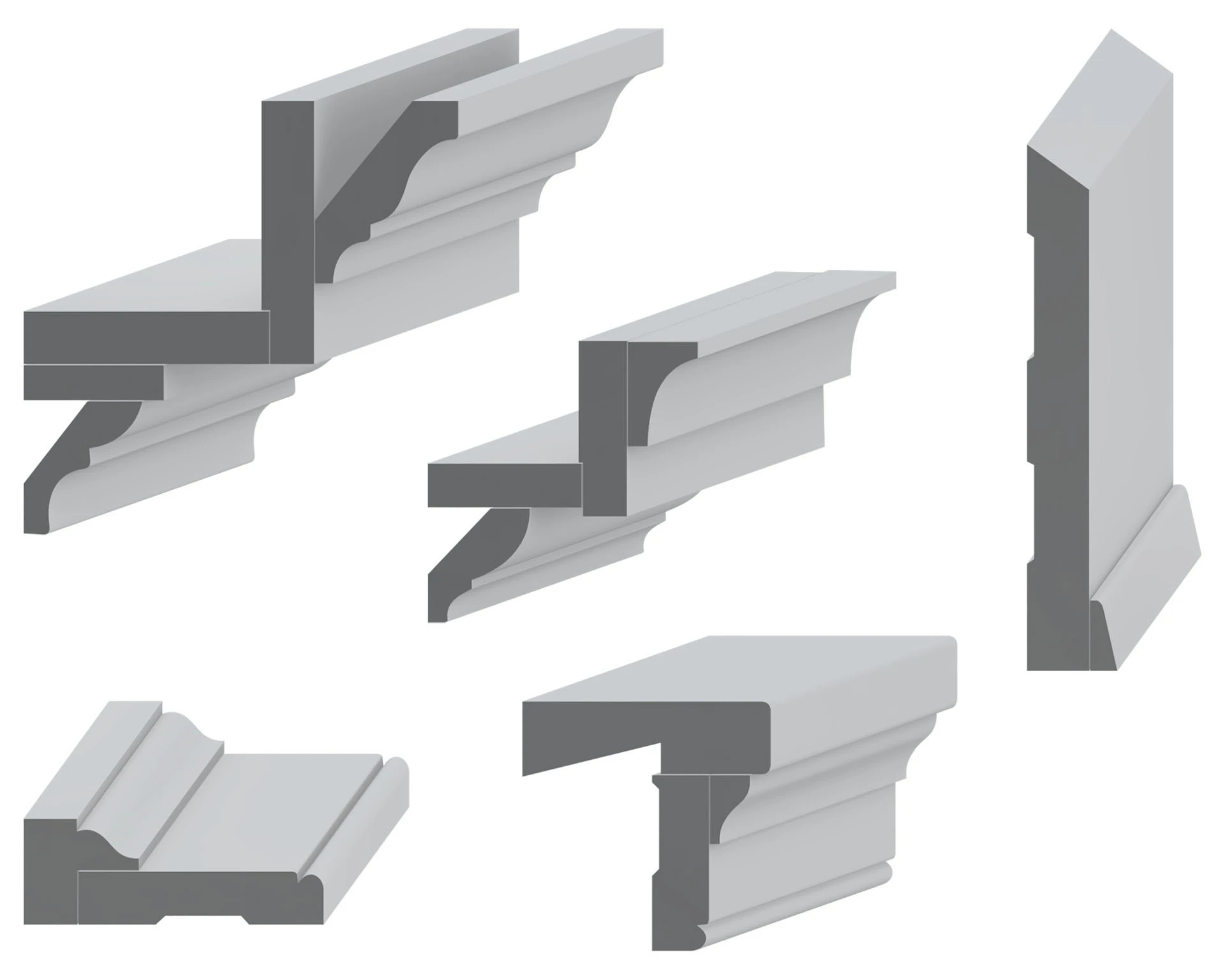
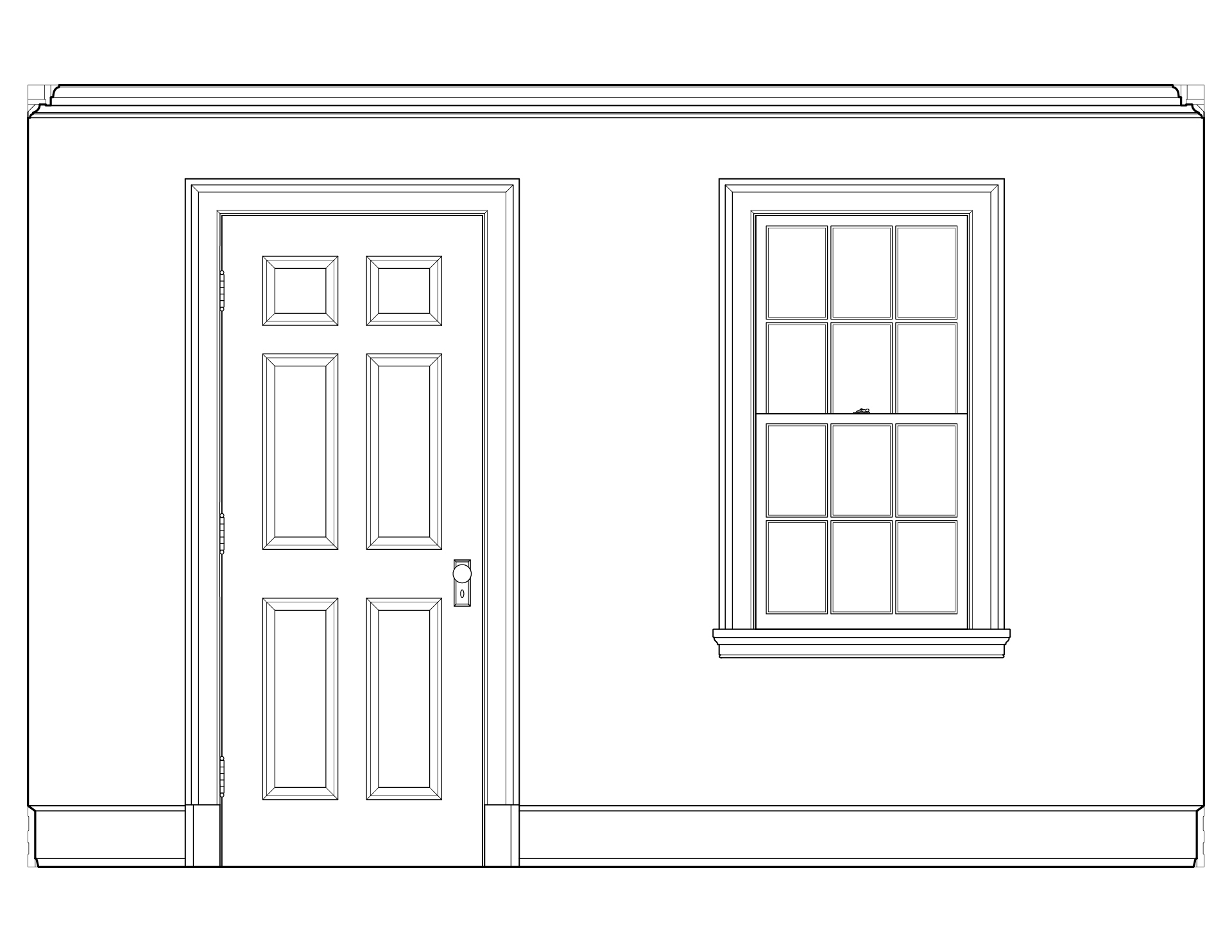
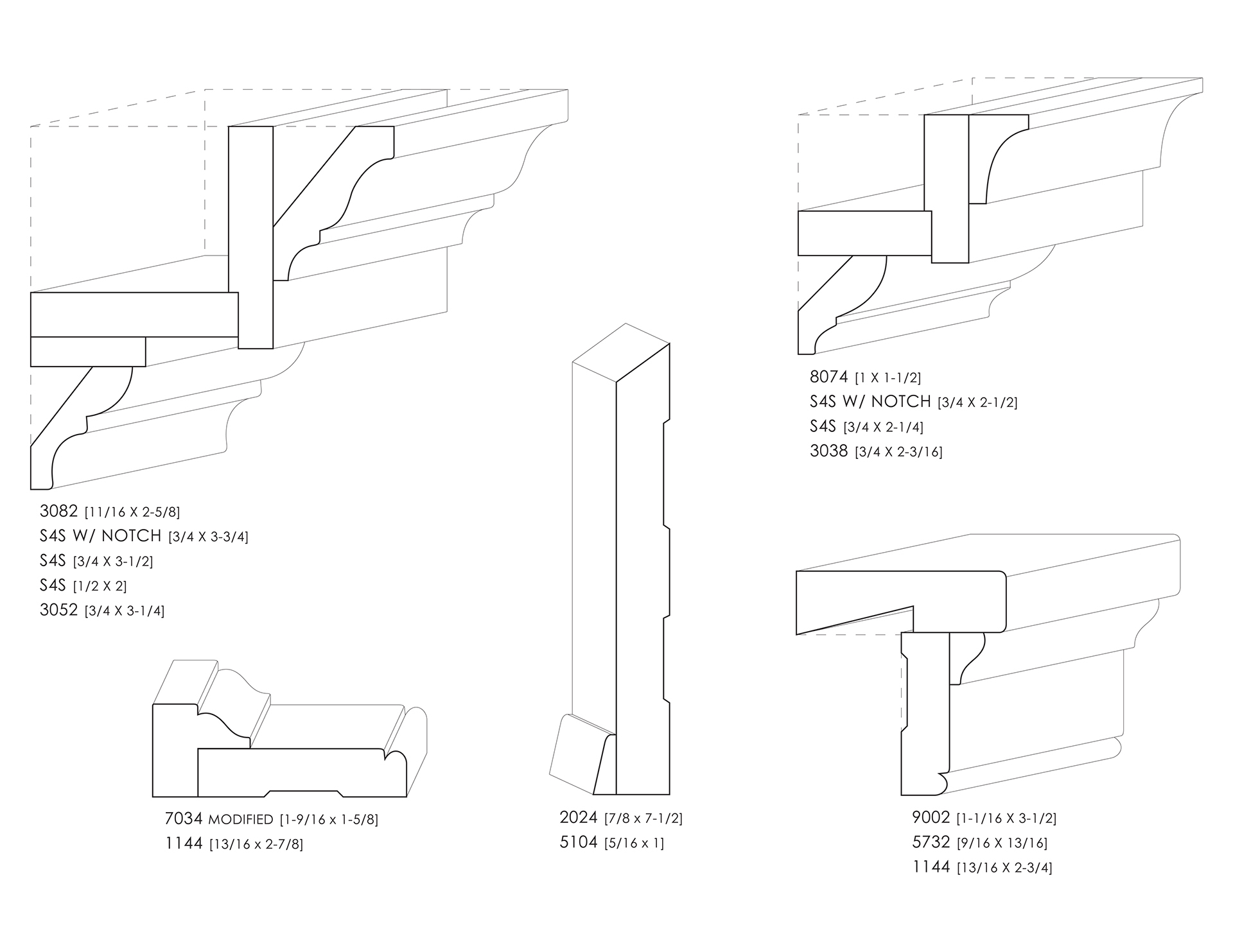
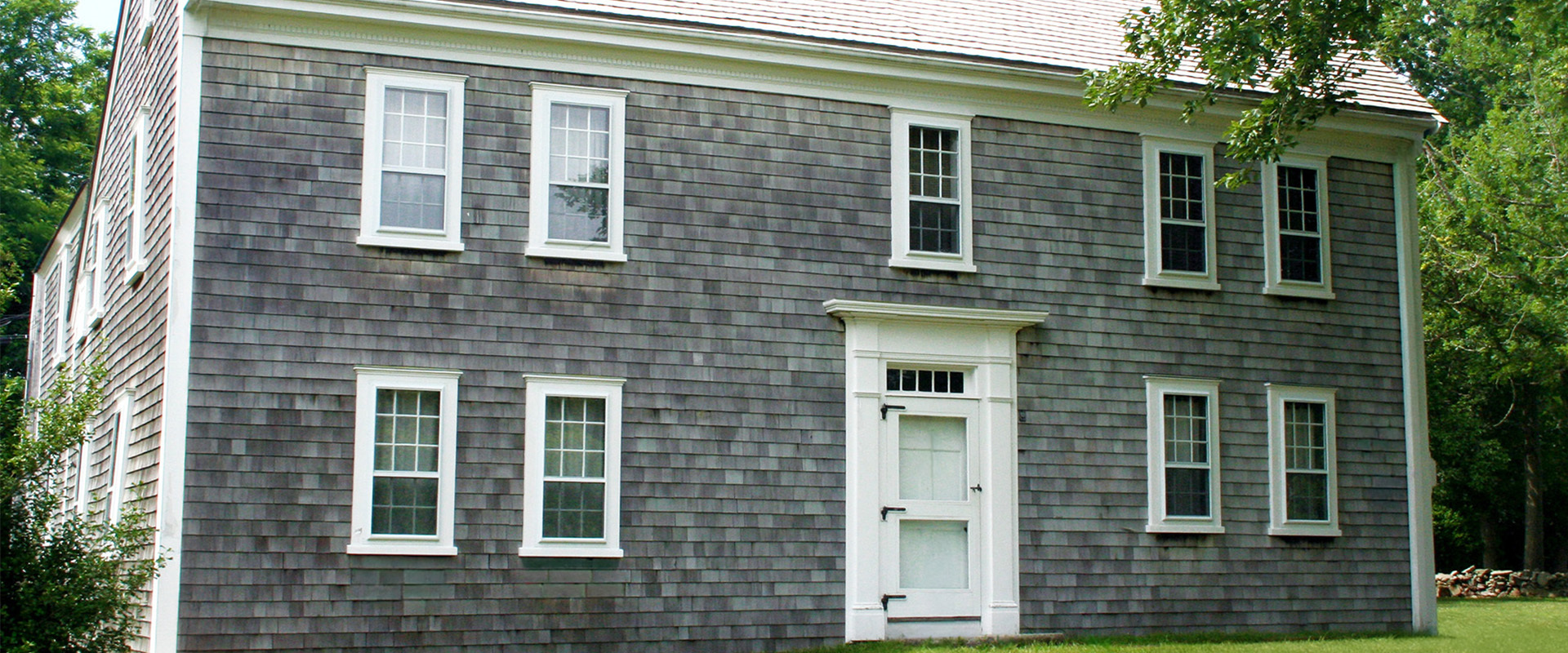
NEW ENGLAND COLONIAL STYLE ARCHITECTURE
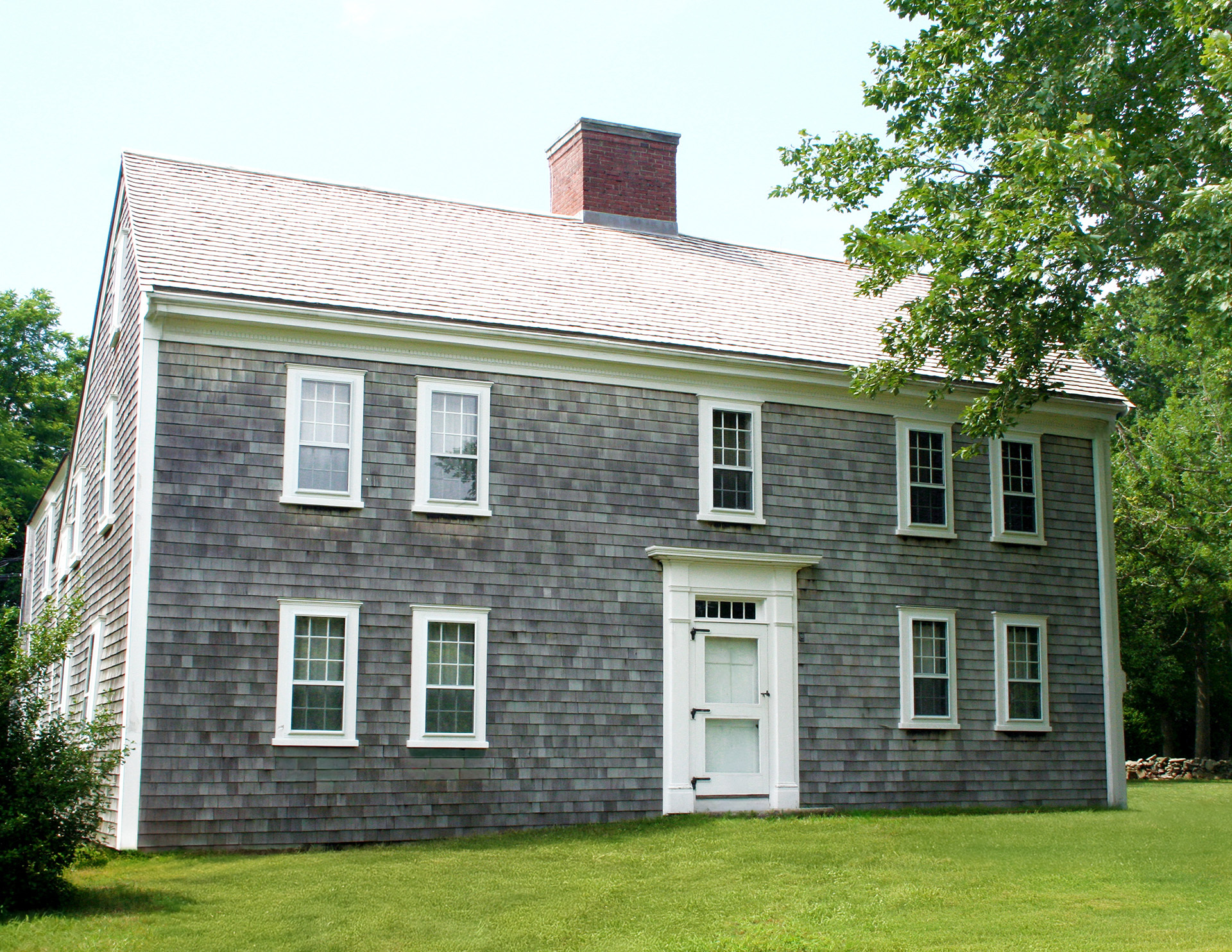
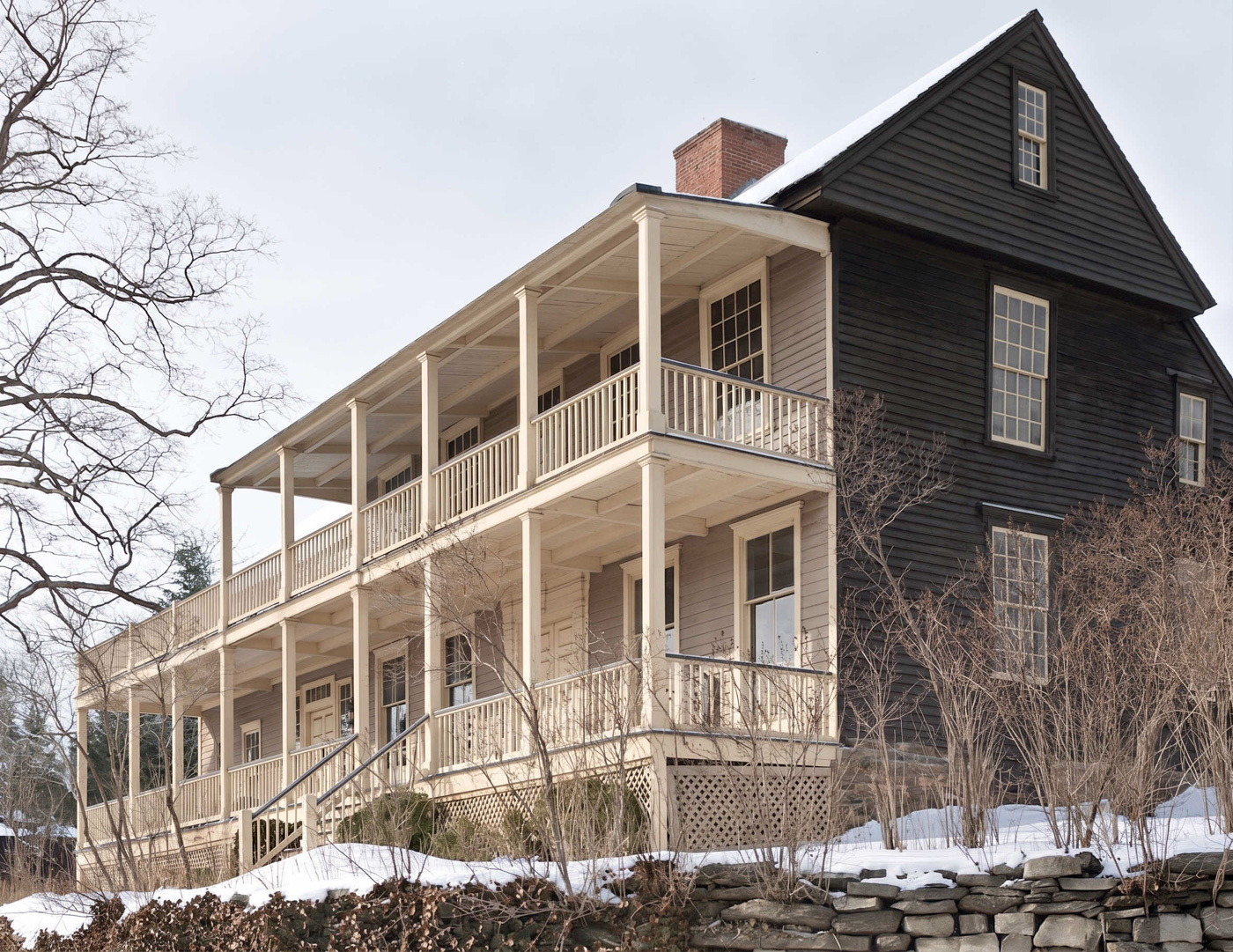
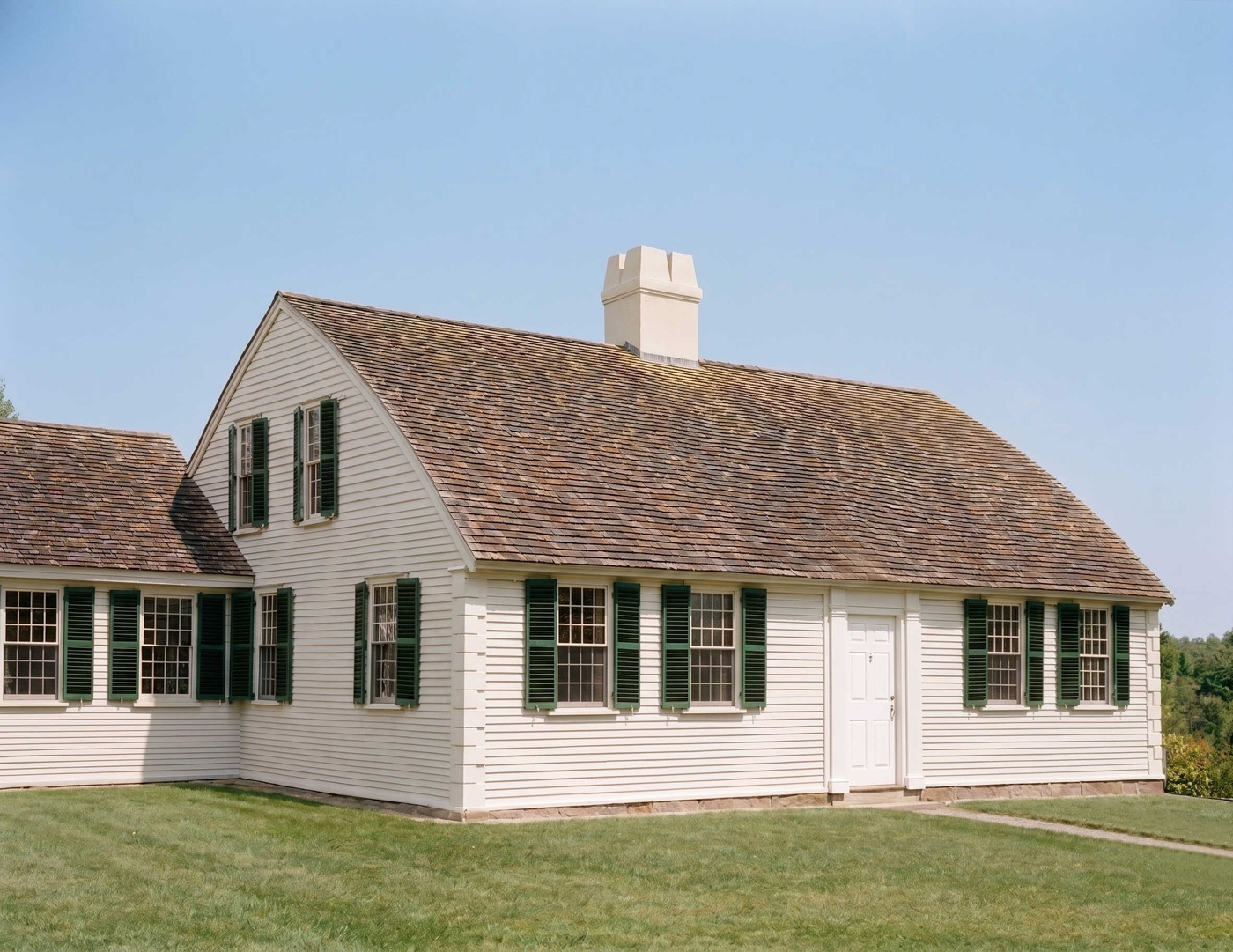
The Colonial style in the 13 colonies was influenced by techniques and styles from England, as well as traditions brought by settlers from other parts of Europe. The Colonial style has been a favorite of homeowners, builders and manufacturers and has symbolized tradition and normalcy.
The term “Colonial” refers generally to the colonial architecture of the English and Dutch colonists. It can range from the austere sensibilities of religious puritans to enlightenment-inspired neoclassicism. Revivals of this simple style have been popular in both the 19th and 20th centuries.
NEW ENGLAND COLONIAL STYLE MOULDINGS
Colonial Style Moulding shapes include the ogee, bead and quirk, fillets, coves, and quarter rounds, shapes most easily crafted in the limited workshops of the colonial frontier.
HISTORY OF NEW ENGLAND COLONIAL STYLE
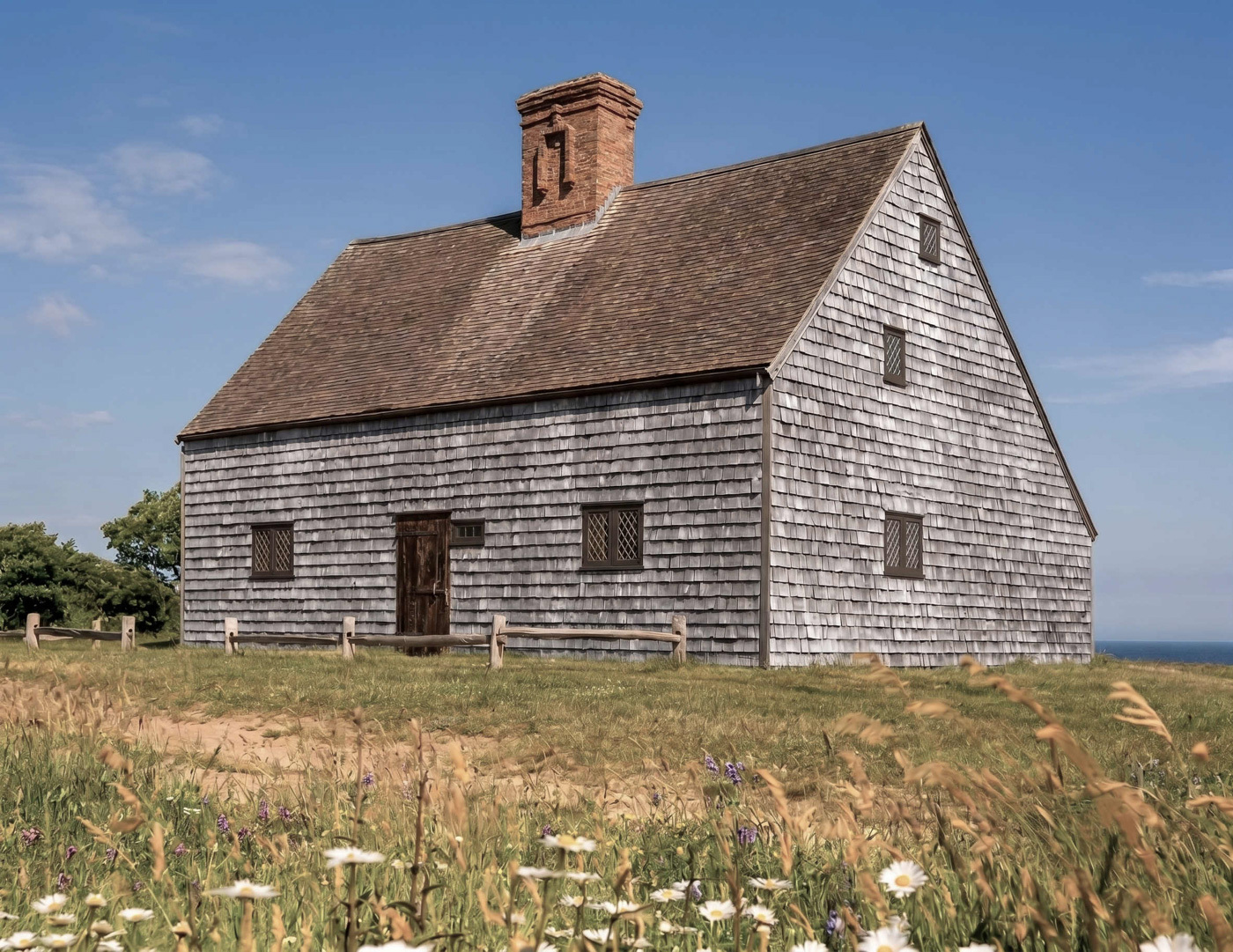
Unlike many early colonial enterprises founded primarily for trade, the English settlements of New England were conceived as permanent communities shaped by family migration, religious conviction, and local governance. Beginning in the early seventeenth century, Puritans and other English settlers established towns throughout present-day Massachusetts, Connecticut, Rhode Island, New Hampshire, and Maine. Meetinghouses, dwellings, and civic institutions developed within closely organized settlements, while builders relied upon construction methods and domestic traditions carried from rural England.
As New England’s towns grew throughout the seventeenth and eighteenth centuries, their architecture evolved from modest post-medieval English forms toward the greater symmetry and refinement associated with the Georgian tradition. Maritime commerce, skilled craftsmanship, and increasing colonial prosperity introduced more sophisticated architectural influences, yet the region retained a pronounced respect for disciplined design and established building practices. These traditions remained deeply embedded in New England’s architectural identity, shaping later interpretations of colonial design and establishing a lasting influence upon American domestic architecture.