French Country
Rural French traditions combine natural materials, textured finishes, and wood mouldings with simple lines and generous curves.
What Is French Country?
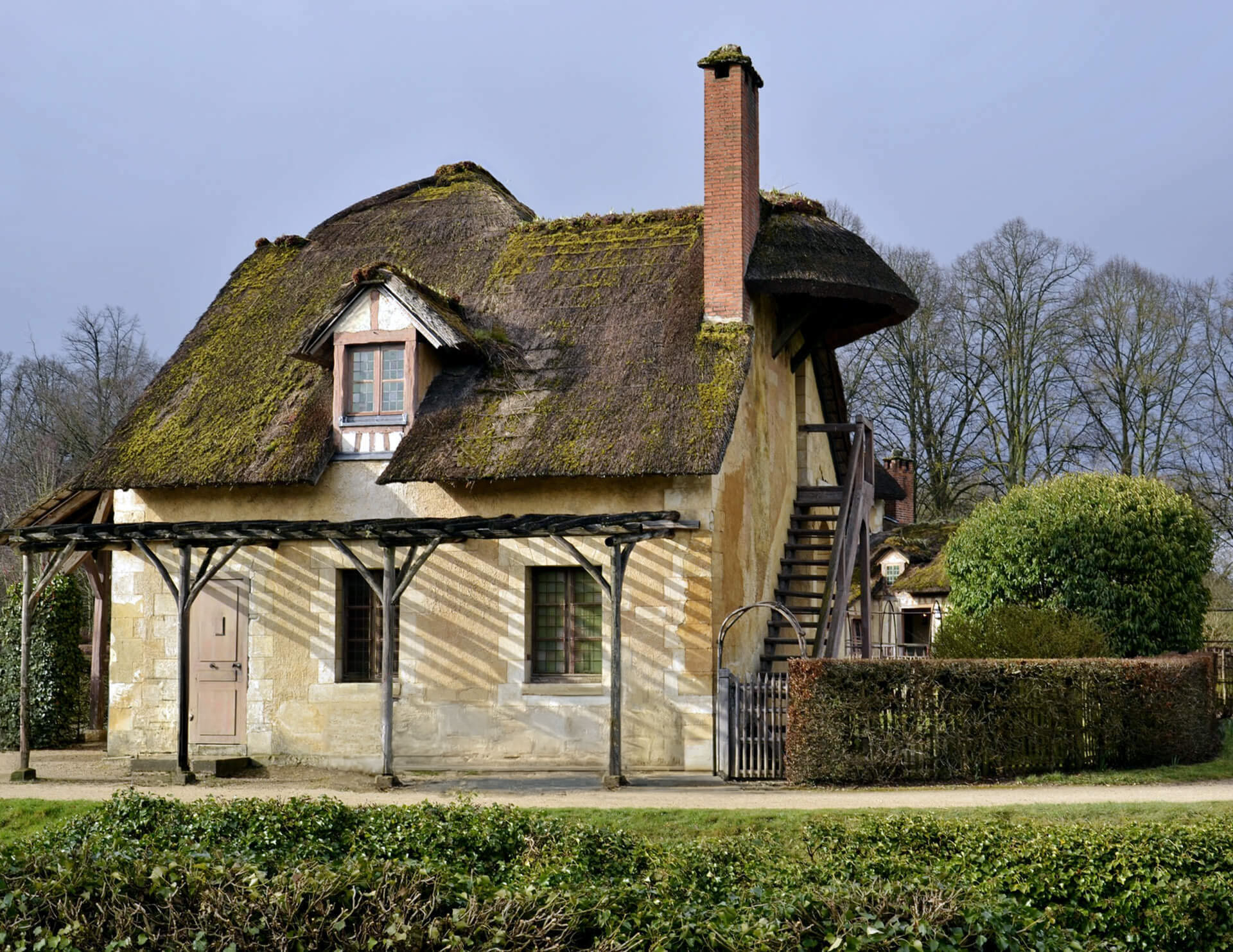
French Country architecture draws inspiration from the farmhouses, cottages, and manor houses of rural France. It encompasses varied regional influences rather than a single historical style, ranging from rustic timber-framed buildings to more formal provincial homes.
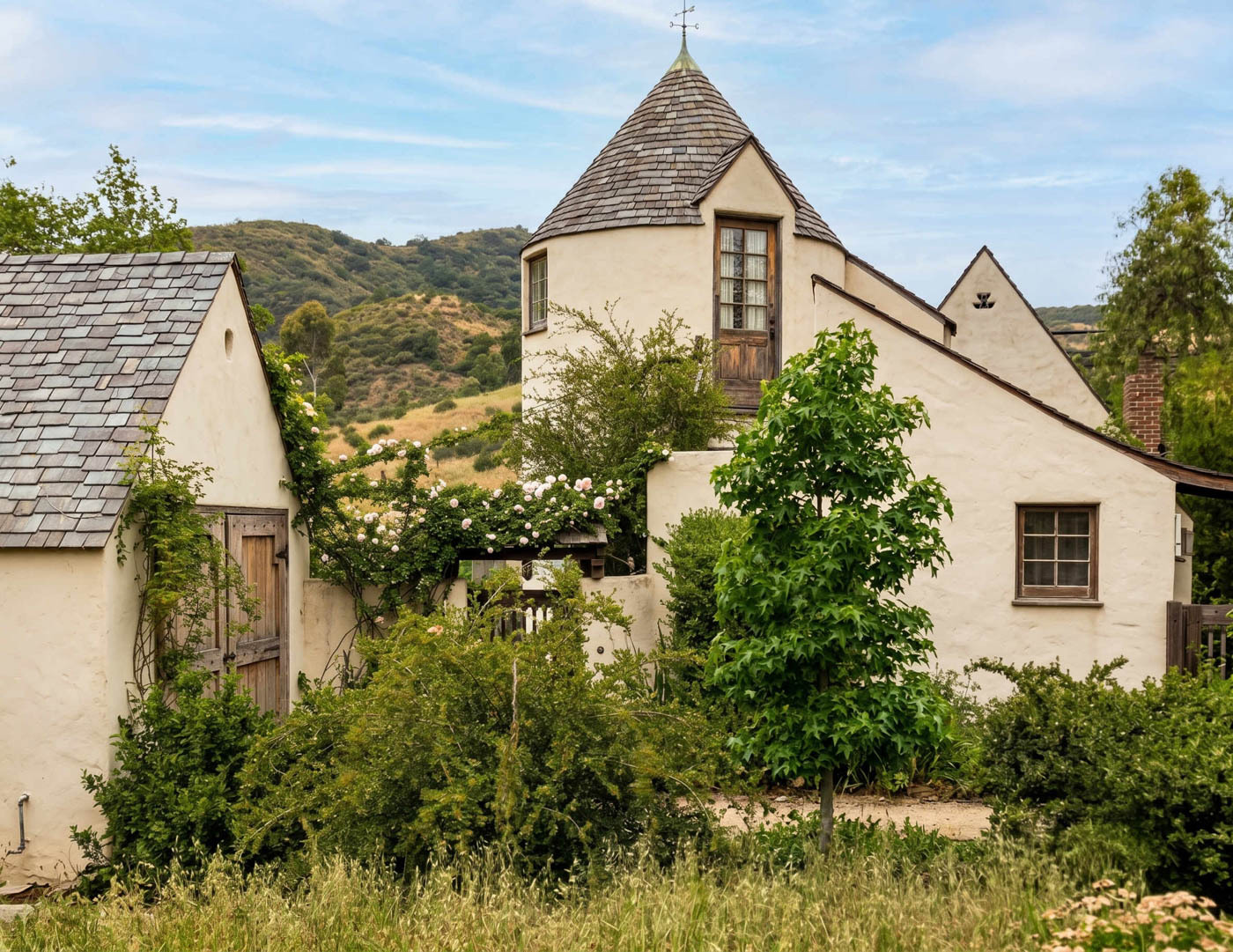
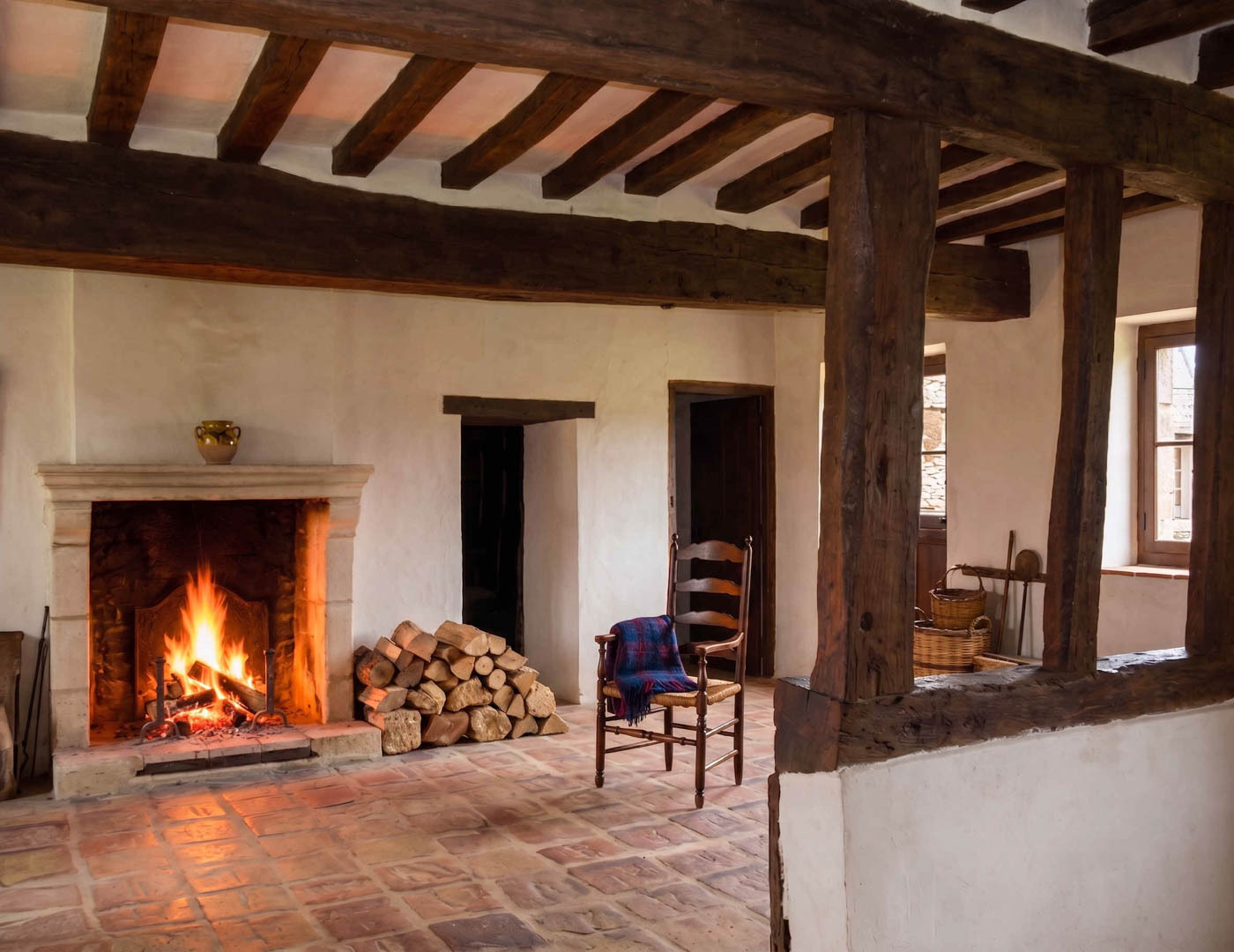
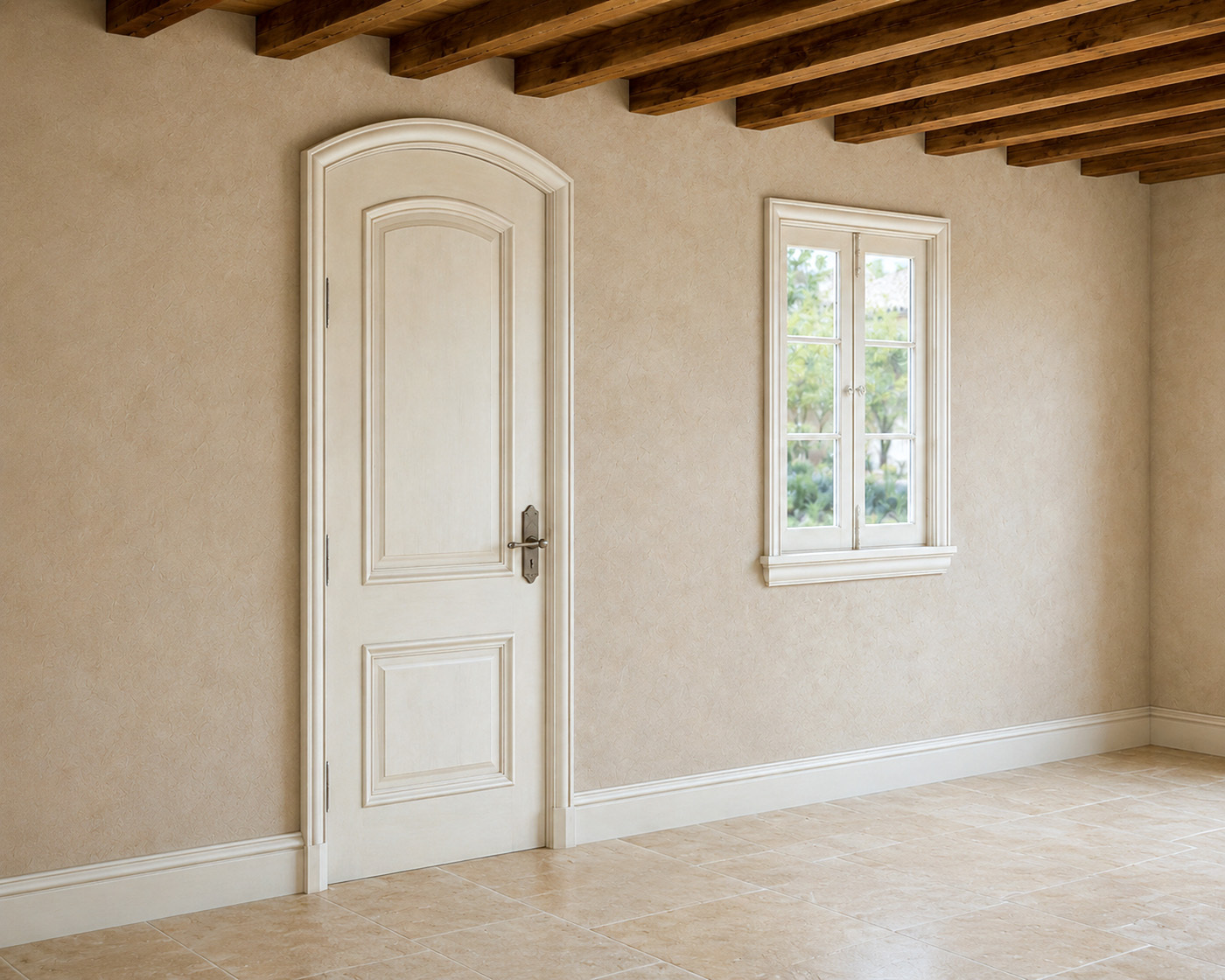
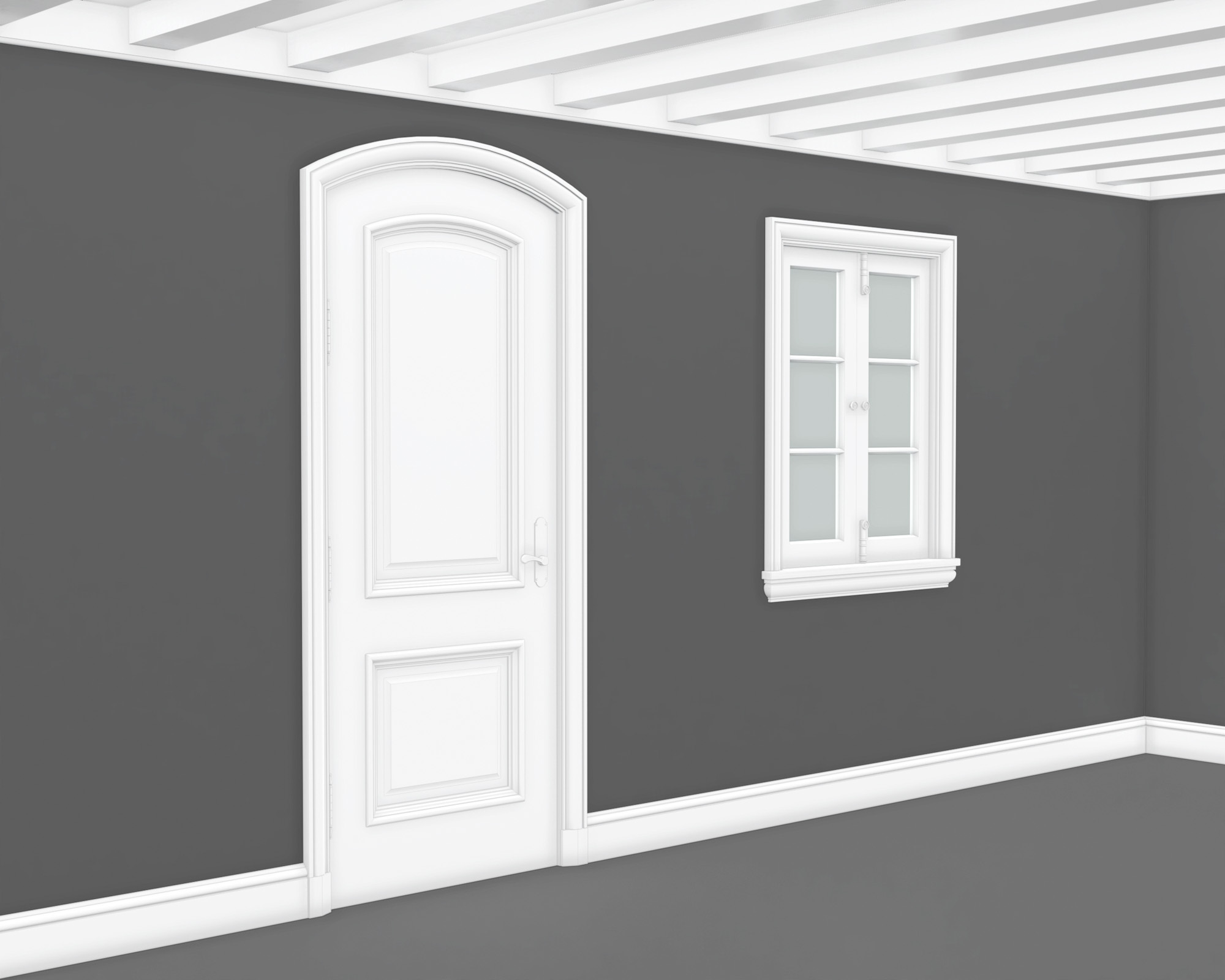
French Provincial interpretations often feature balanced façades and prominent hipped roofs, while Normandy-inspired houses may have irregular forms, half-timbering, and towers. Interiors commonly pair plaster walls and exposed ceiling beams with paneled doors and wood mouldings.
The Collection
French Country Characteristics
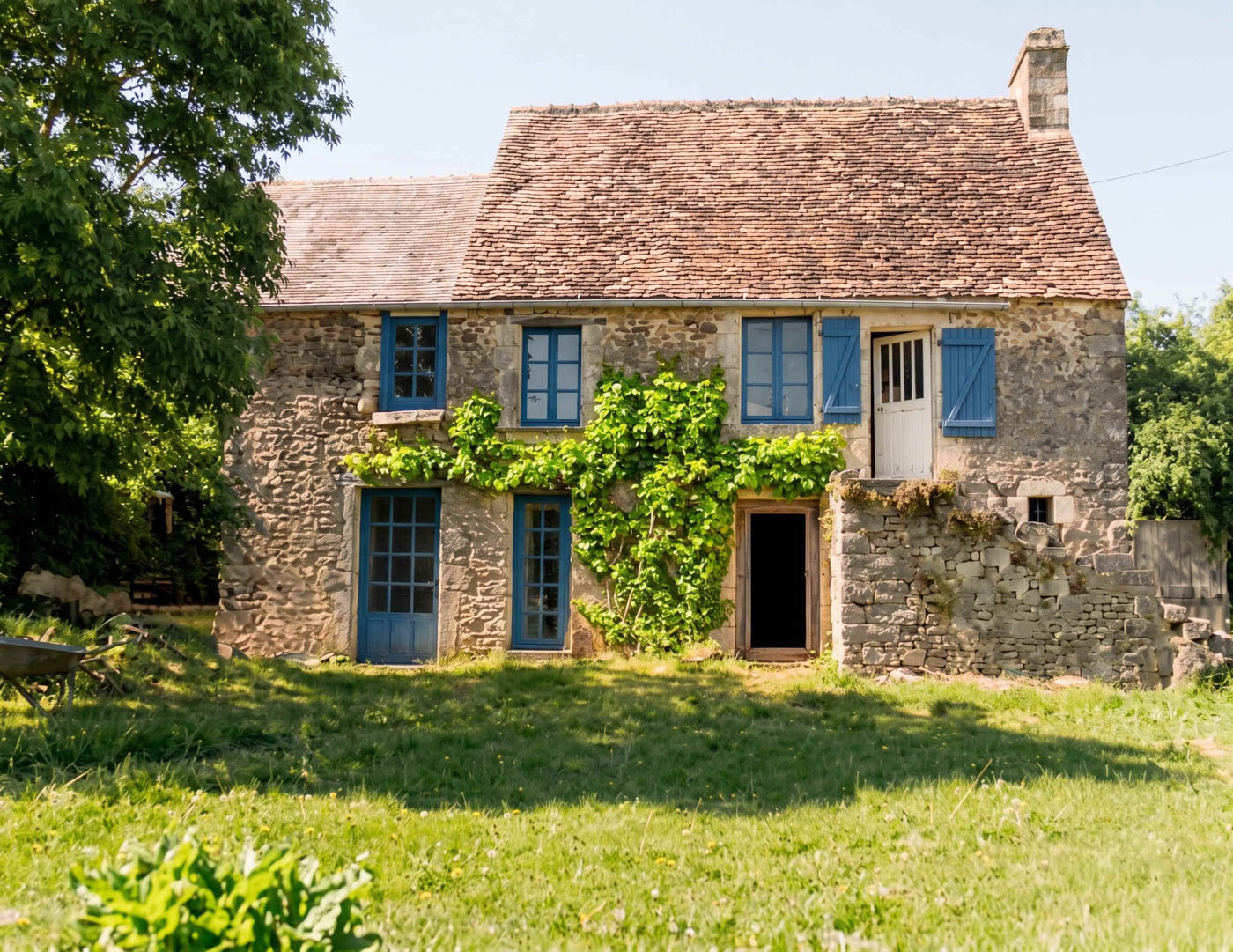
French Country buildings reflect the materials, climate, and building traditions of their regional inspirations. Stone, brick, stucco, and timber contribute texture and character, while prominent roofs and carefully proportioned openings give the exterior a strong architectural presence. Some examples are rustic and irregular, while others have the symmetry and restrained detailing of provincial manor houses.
- Hipped or gabled roofs with dormers
- Stone, brick, or stucco walls
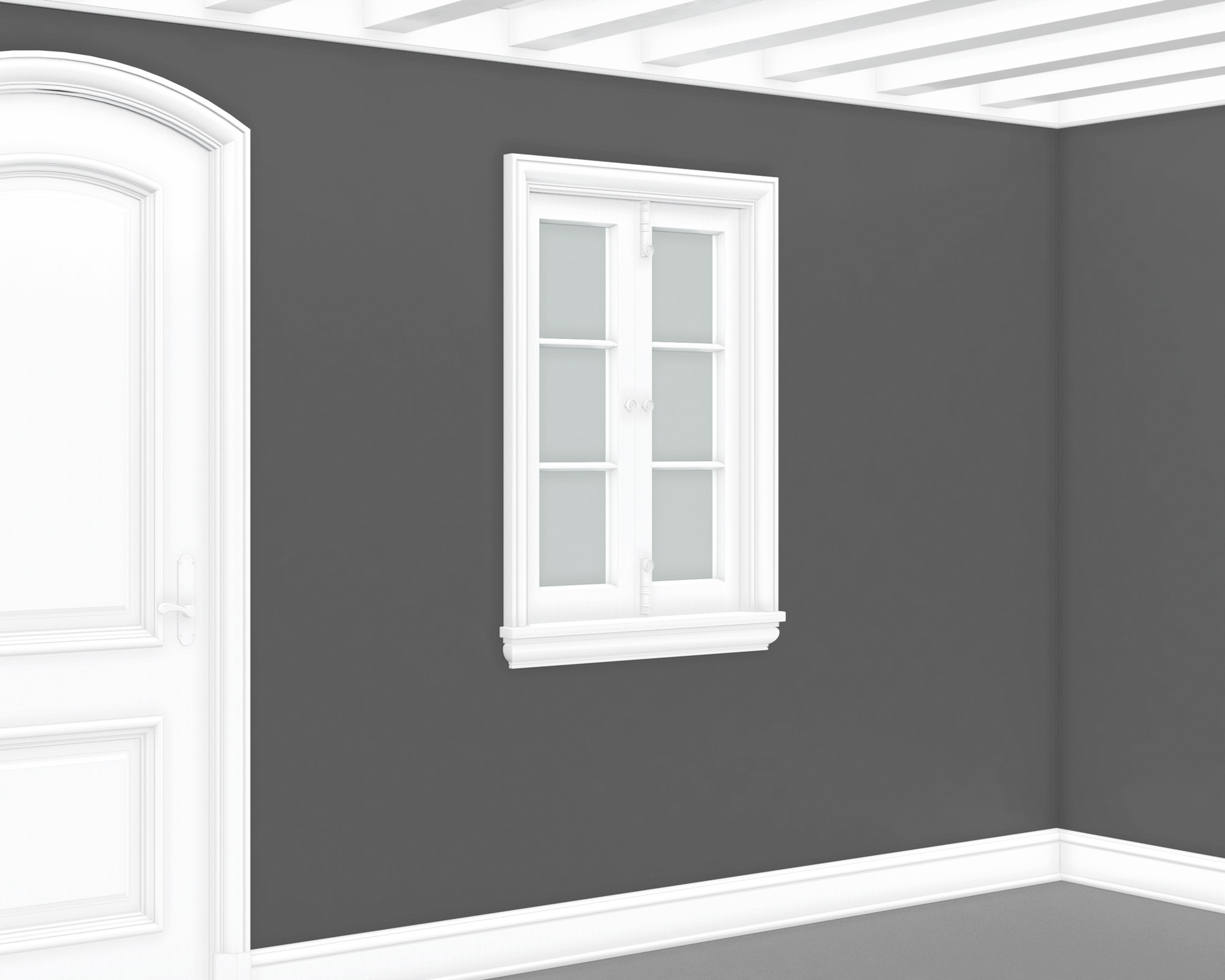
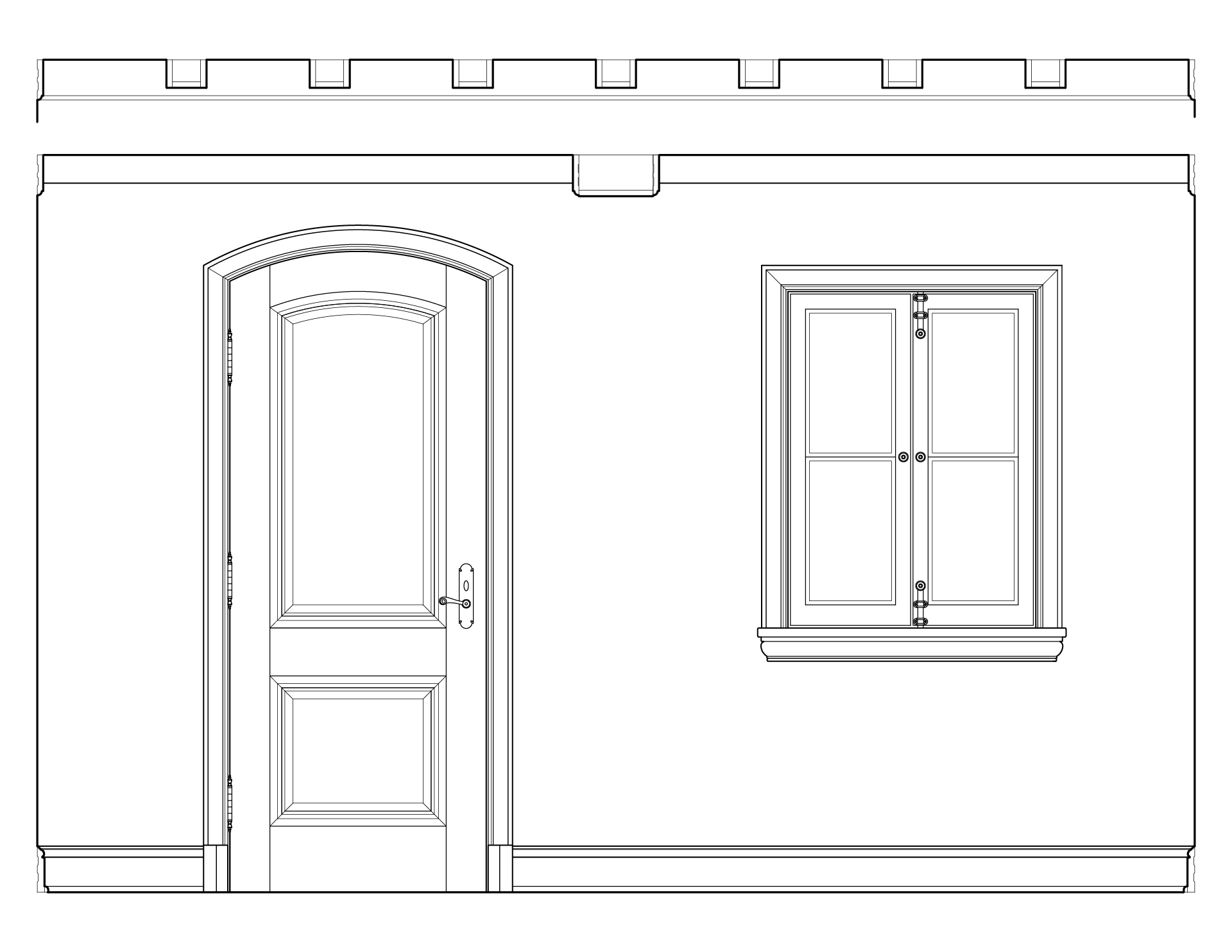
- Divided-light windows with shutters
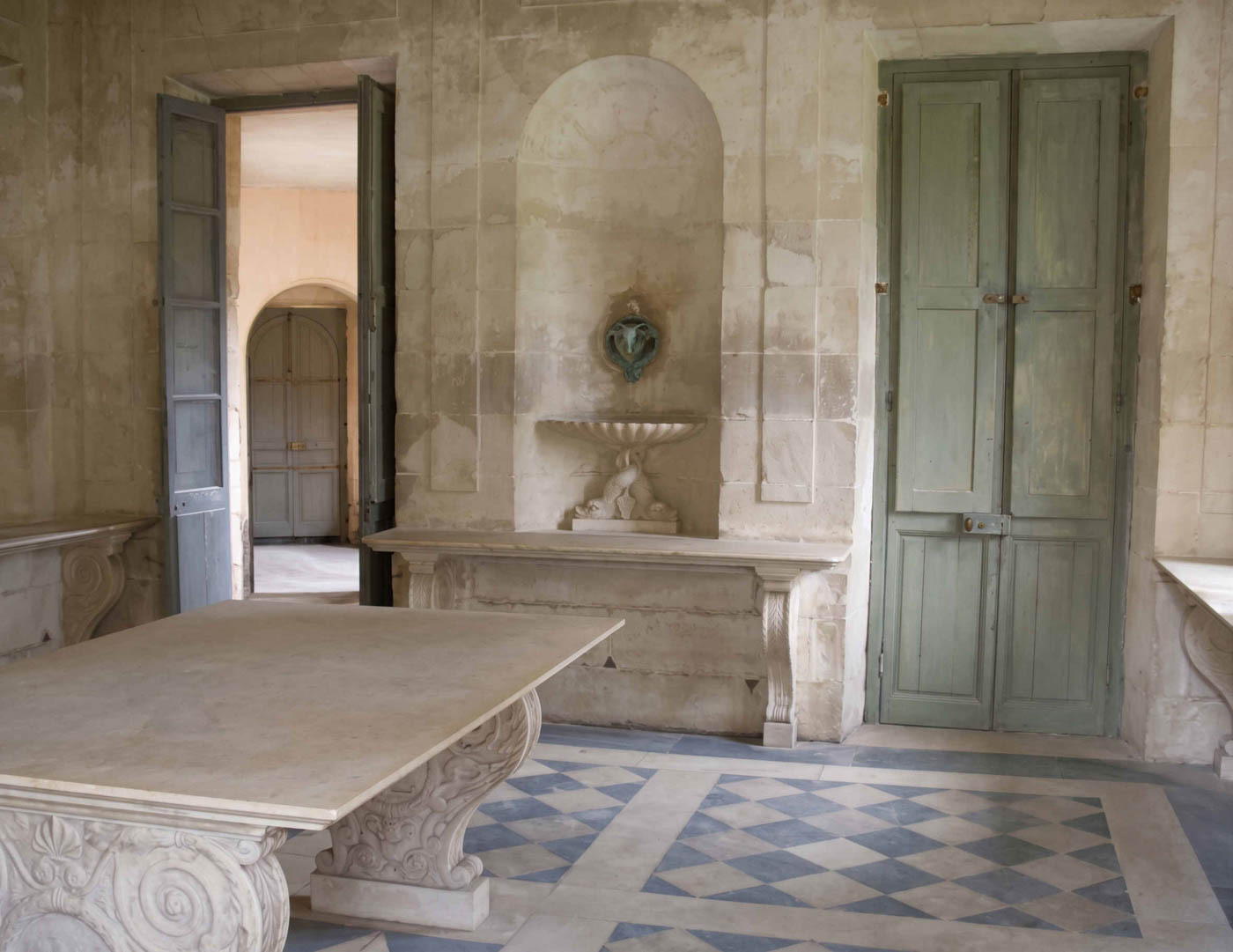
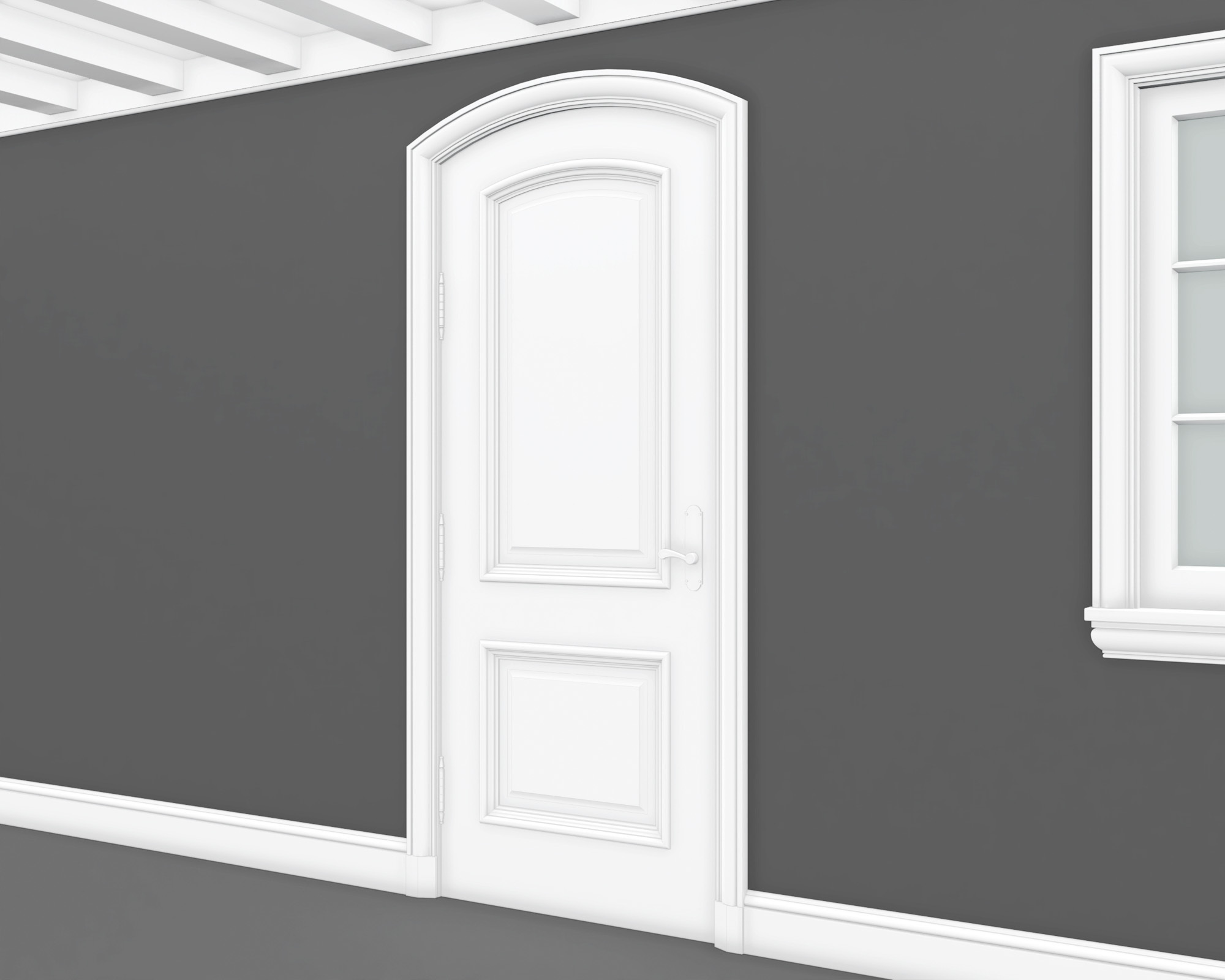
- Arched openings
- Exposed beams and plaster walls
- Paneled or plank doors with wood trim
FRENCH COUNTRY MOULDINGS
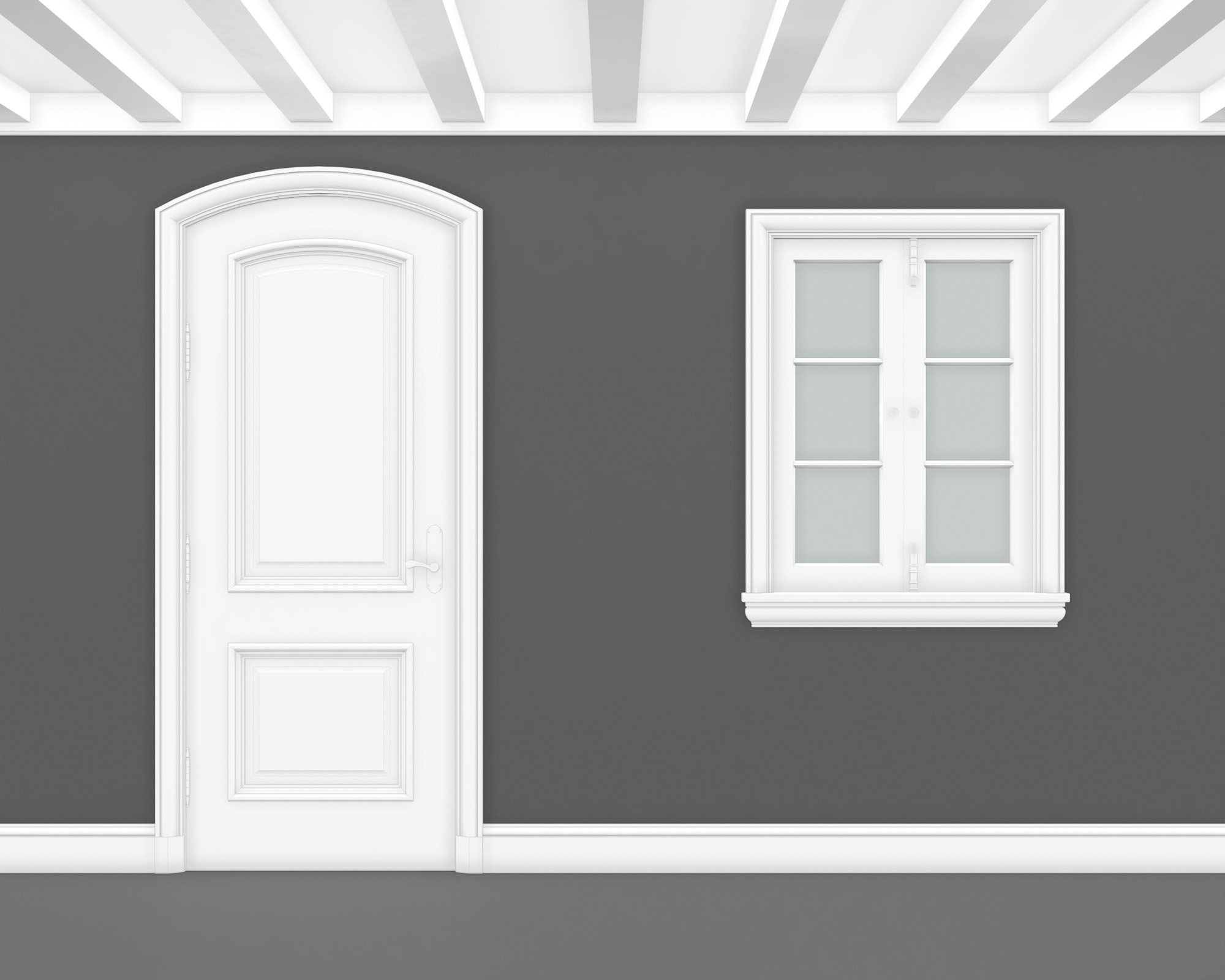
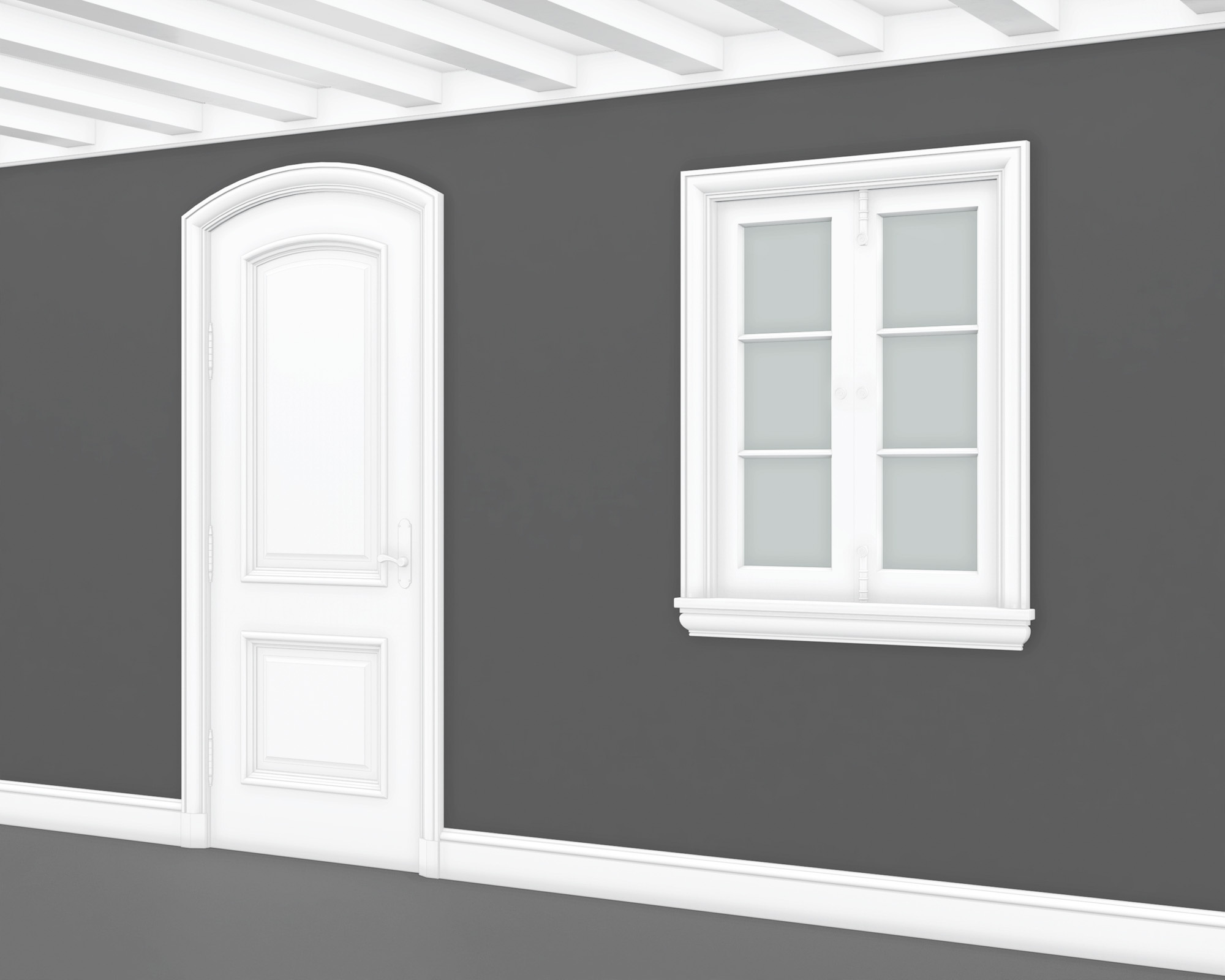
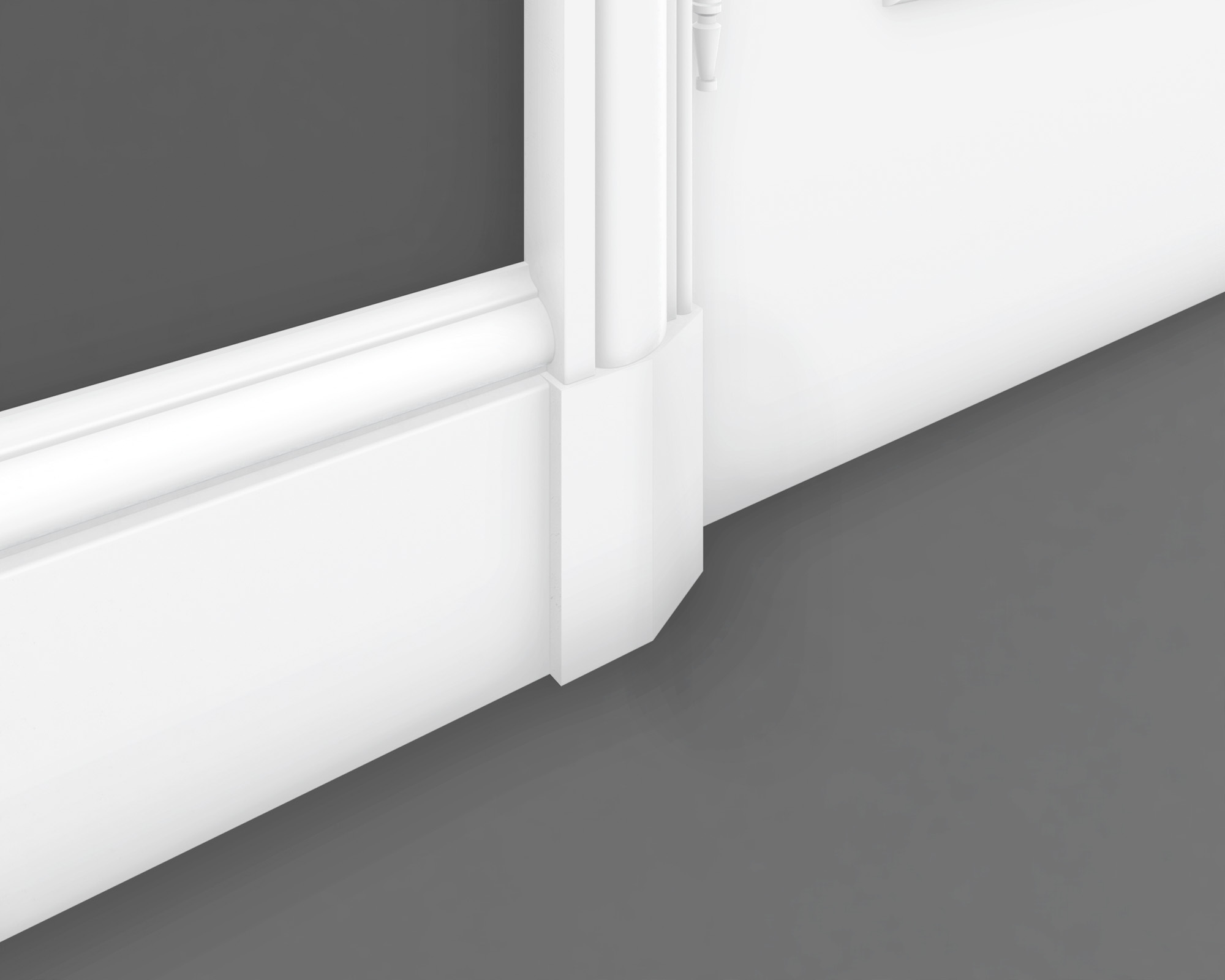
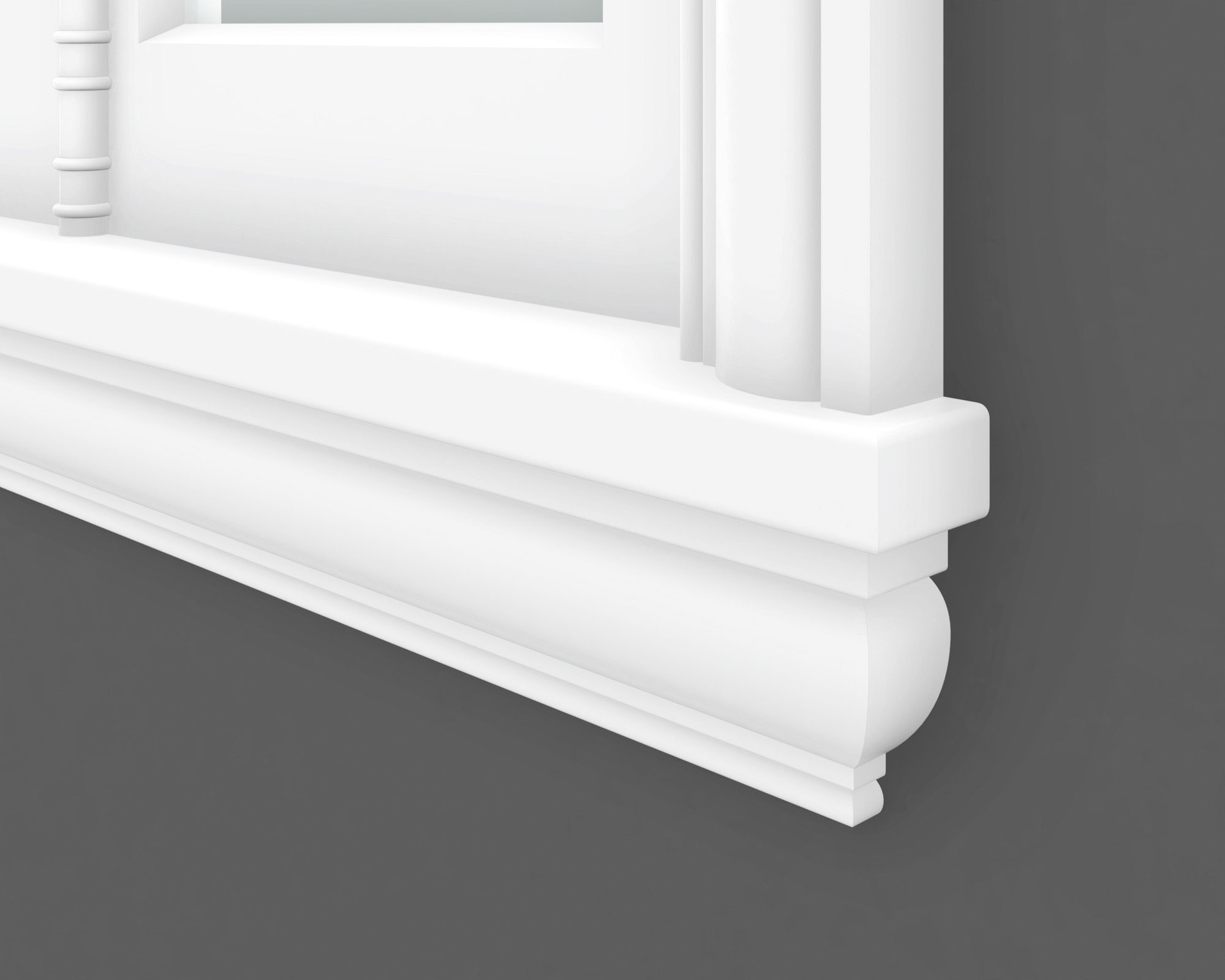
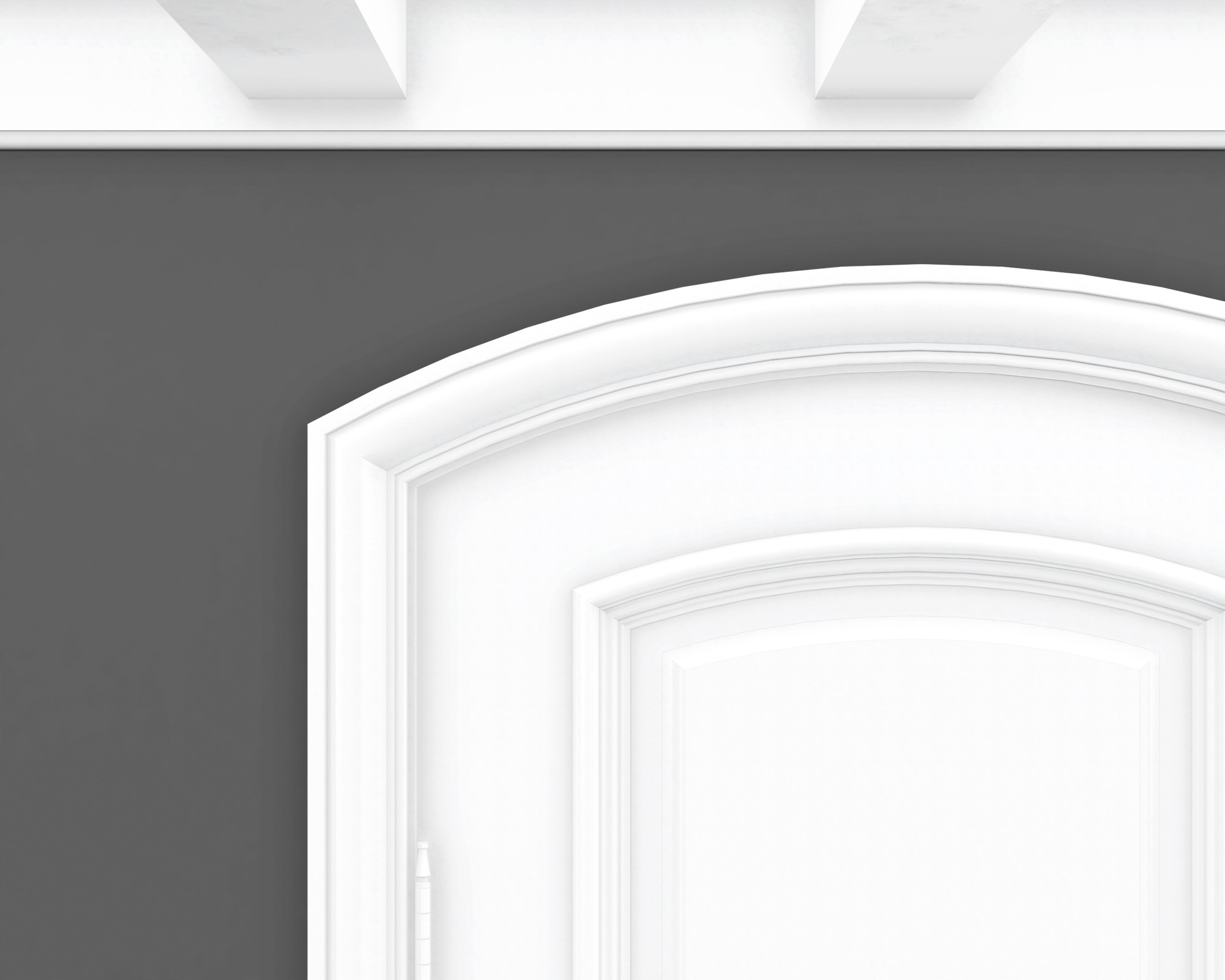
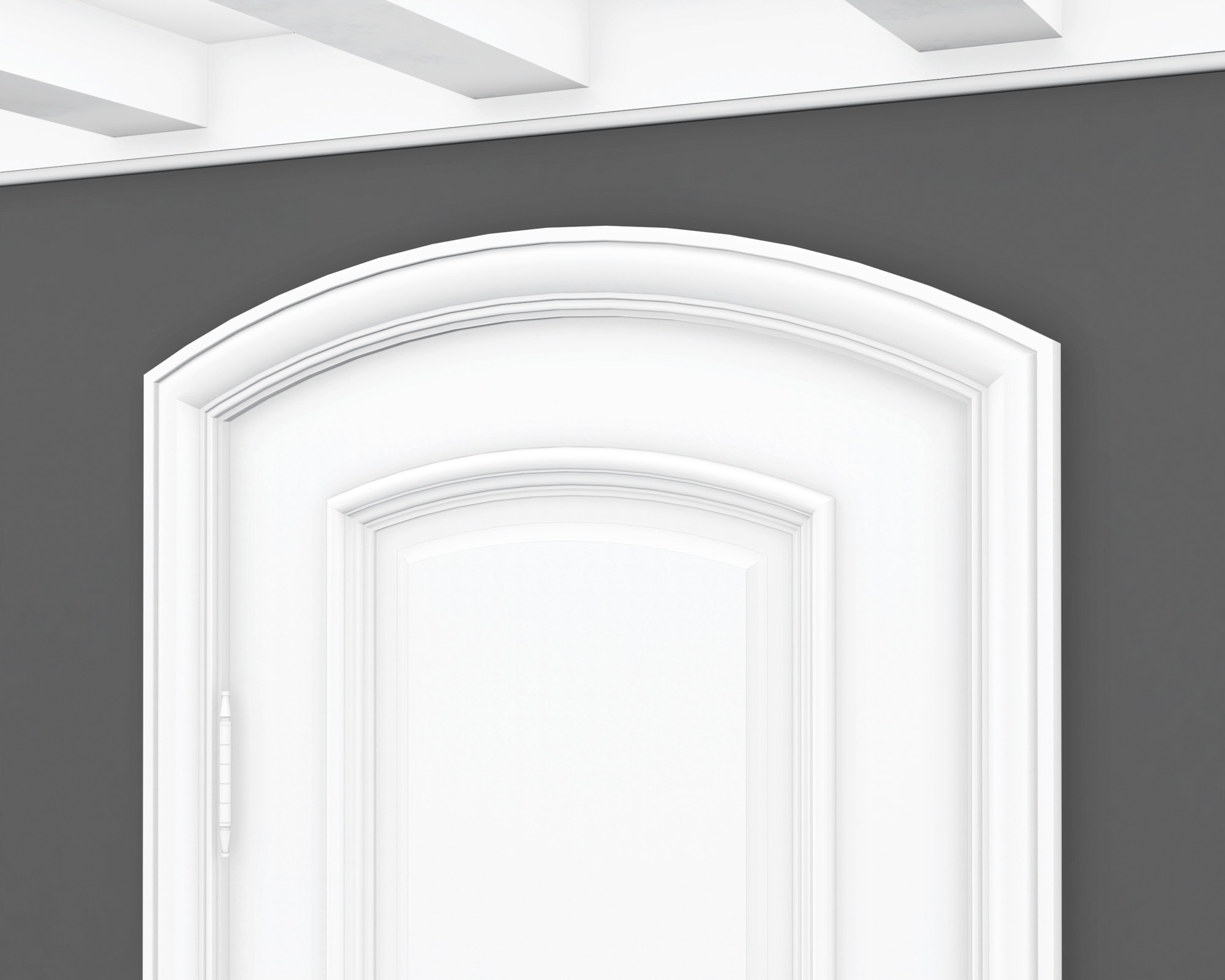
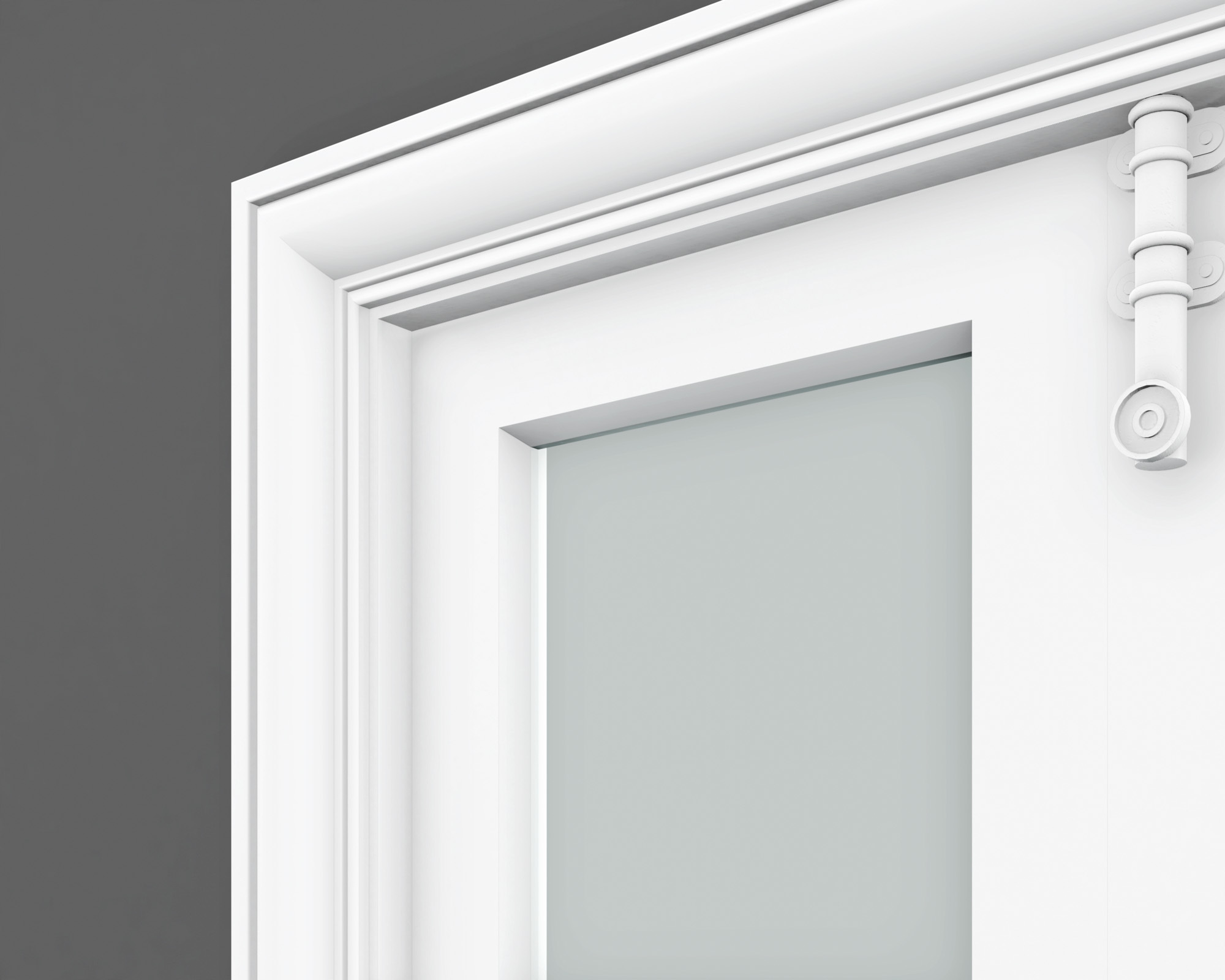
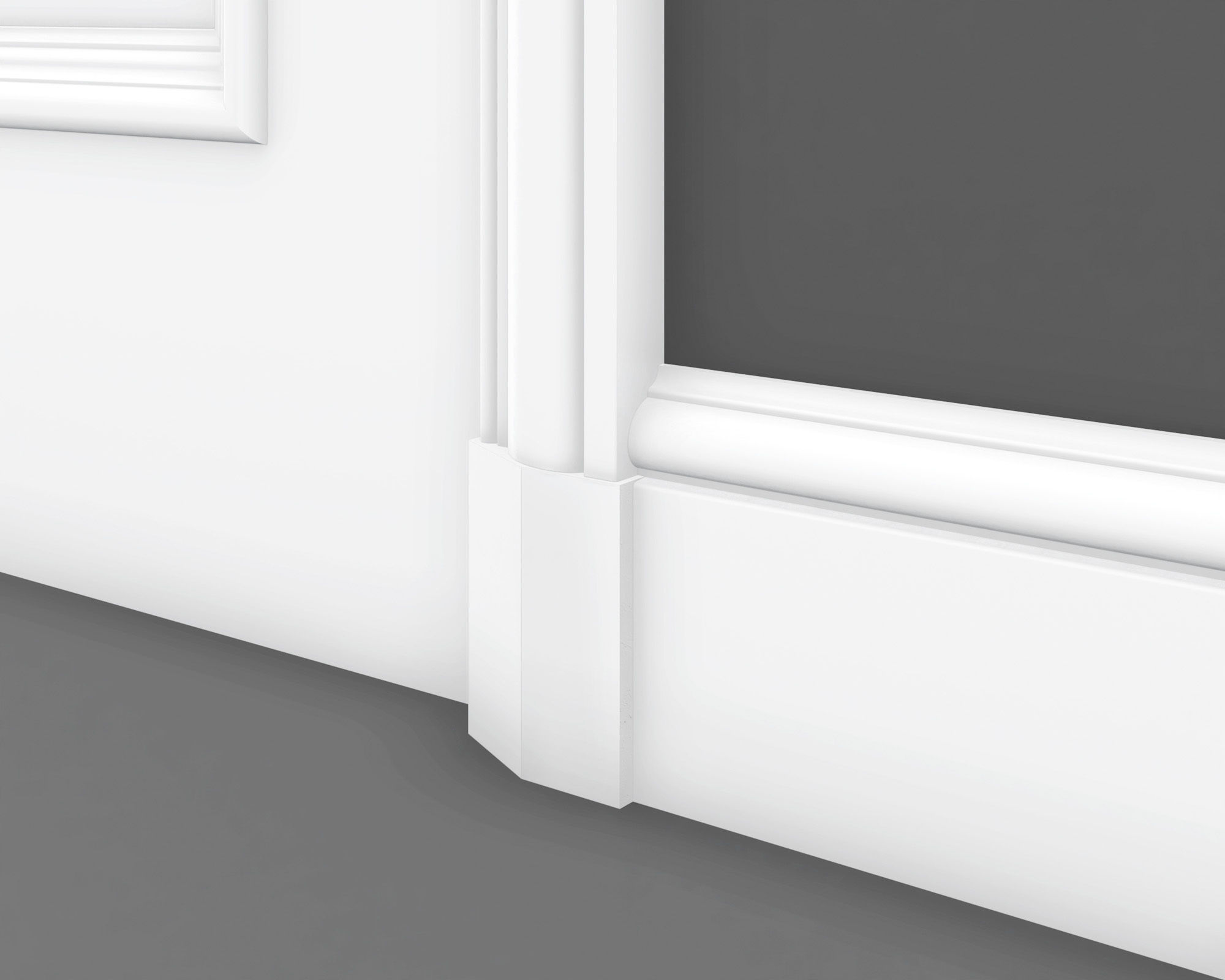
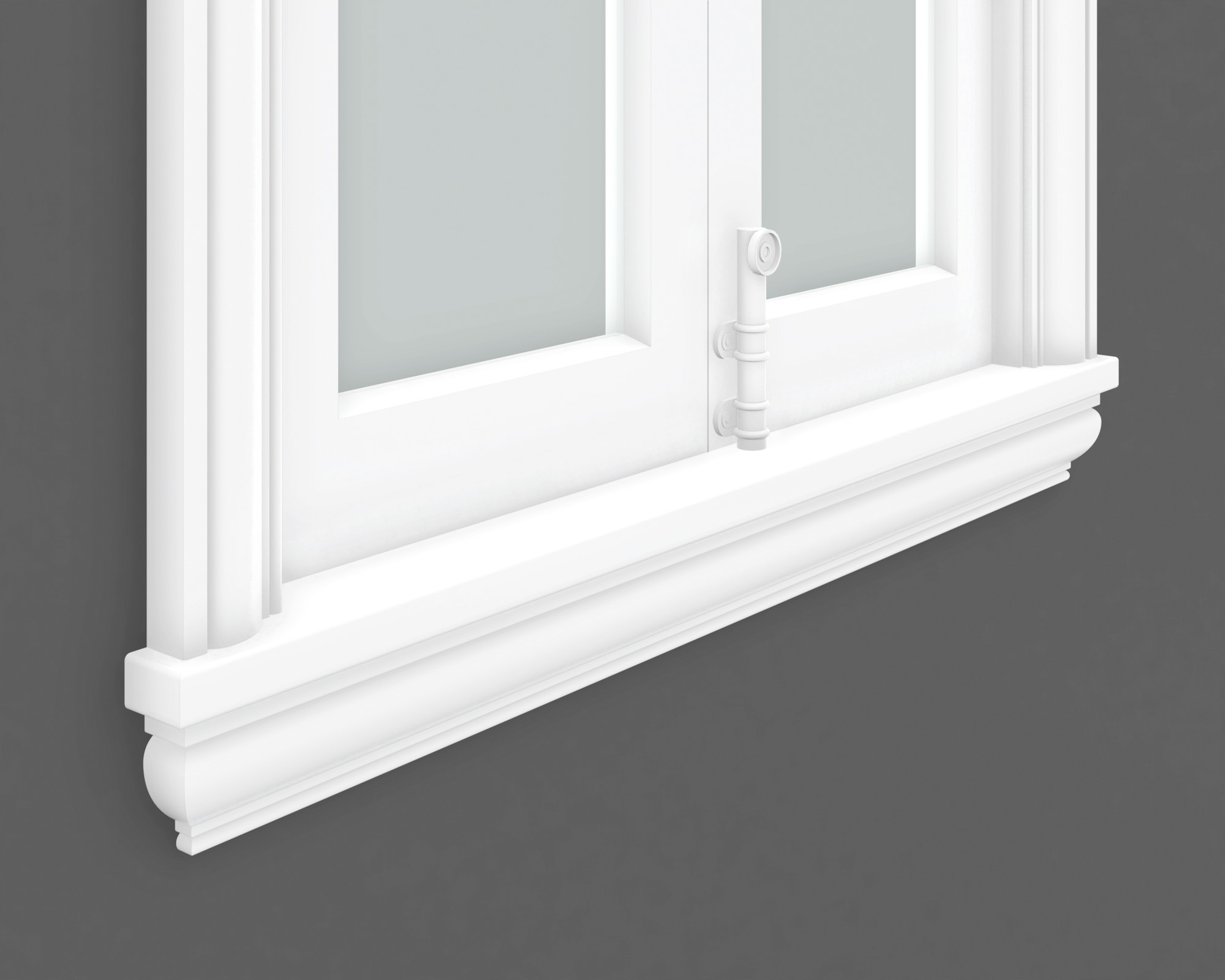
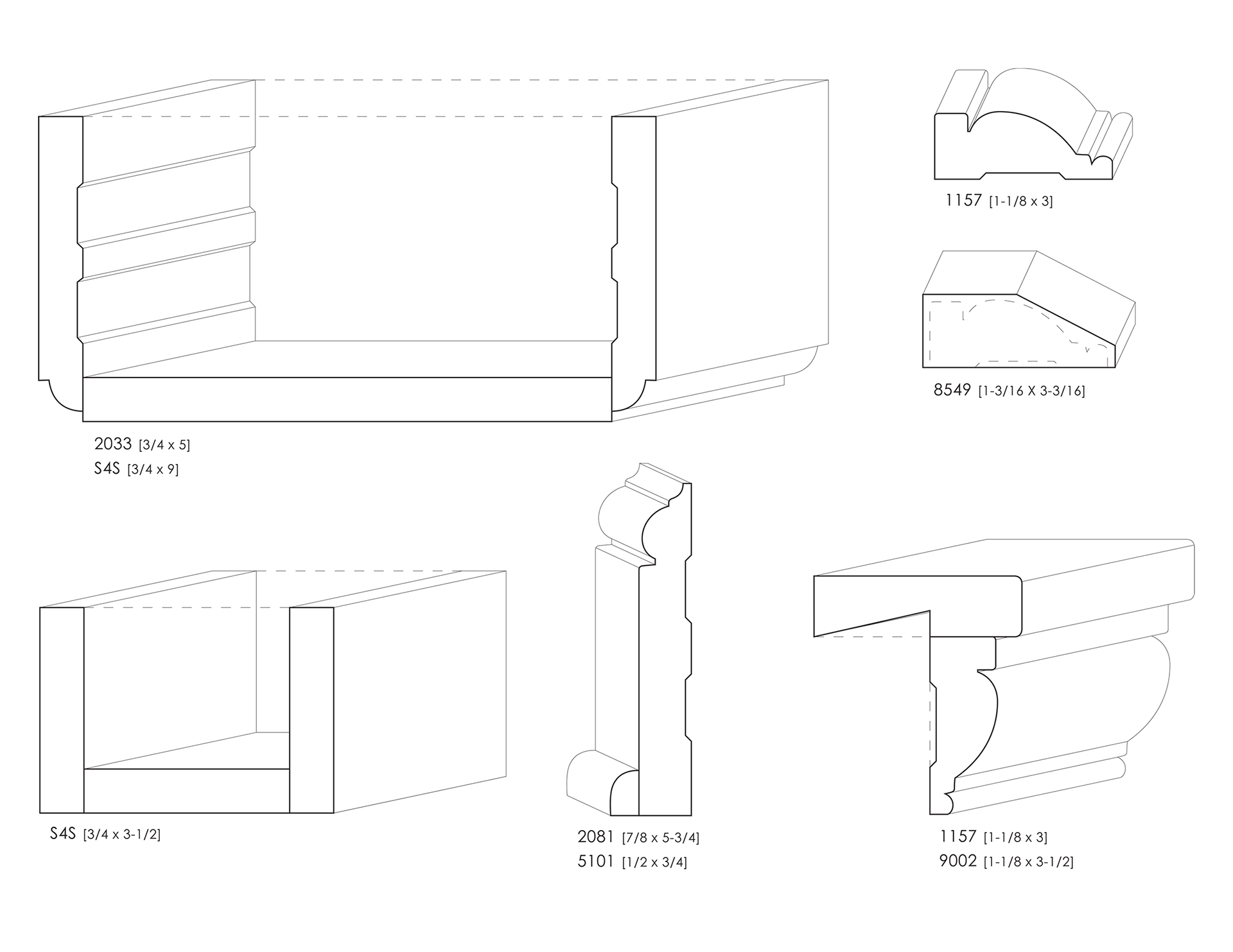
French Country mouldings combine straightforward forms with rounded contours and generous curves. Door and window casings, baseboards, and panel mouldings can range from simple profiles to more substantial layered compositions, depending on the character of the room.
Woodwork may be painted or finished to reveal the grain of woods such as oak and walnut. Coordinated with exposed beams, plaster walls, and stone surfaces, the mouldings bring definition and refinement to an otherwise rustic interior.
Shop Now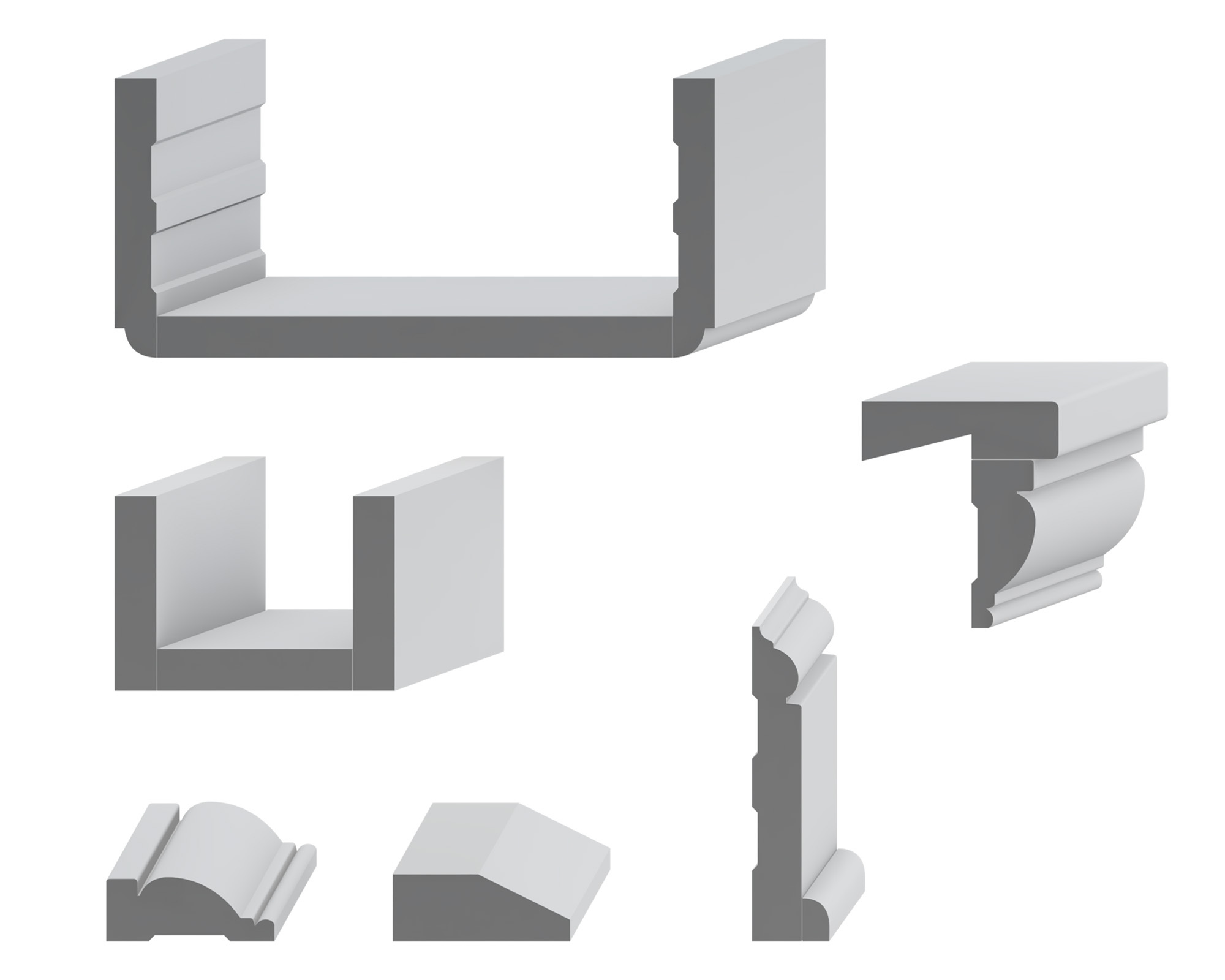
Period Details & Drawings
History of French Country
French Country architecture draws on rural building traditions that developed over centuries across France. Farmhouses, village houses, and country estates took different forms according to local materials, climate, and agricultural life. Timber framing, masonry walls, and varied roof forms contributed to regional identities, providing a broad range of precedents for later French-inspired homes.
Rural architecture also inspired picturesque retreats created for wealthy patrons. At Versailles, Marie-Antoinette commissioned the Queen’s Hamlet, built between 1783 and 1786 to designs by Richard Mique. Its cottages combined several rural influences, with rustic exteriors concealing carefully decorated interiors. The ensemble illustrates an idealized appreciation of country life rather than a single regional building tradition.
In the United States, French-inspired residential architecture gained popularity after the First World War, particularly during the 1920s and 1930s. Returning servicemen, architectural publications, and photographic studies helped introduce Americans to French domestic buildings. Architects and builders adapted these precedents into French Provincial, French Norman, and other French Eclectic houses.
Today, French Country remains a broad description for homes and interiors inspired by these rural traditions. Its interpretations range from informal farmhouse settings to more refined provincial designs, united by an appreciation of natural materials, traditional forms, and carefully detailed woodwork.