-

-

-
-
-
In-Stock, Ready to Ship

-
-

-

-

-

-
-
In-Stock, Ready to Ship

-

-

-

-

-

-

-
In-Stock, Ready to Ship
-
-

-

-
In-Stock, Ready to Ship
-

-

-
In-Stock, Ready to Ship

-

-

-

-
-

-
-

-
-

-
-

-

-
-
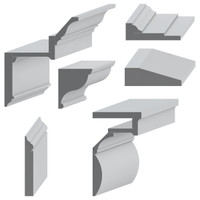
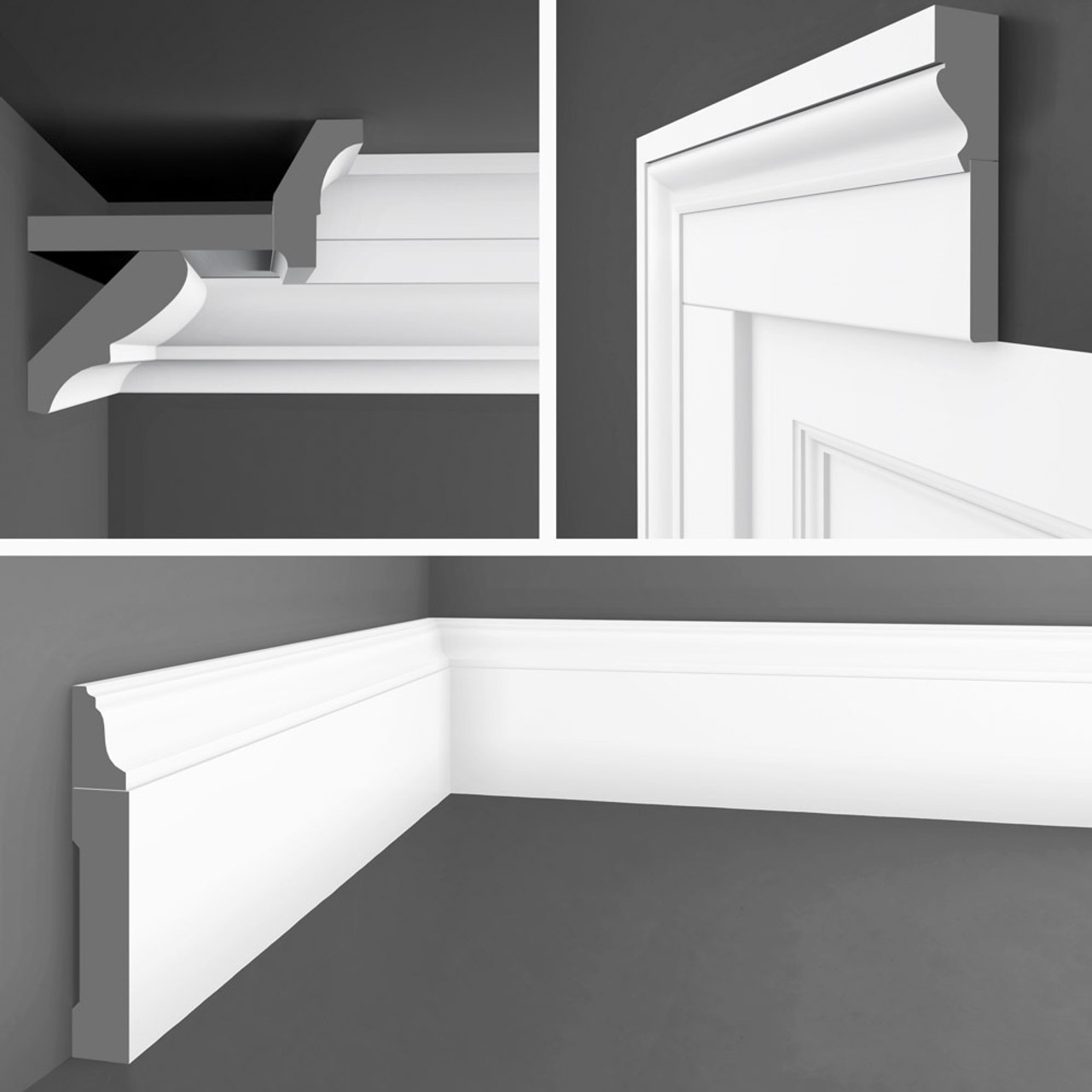
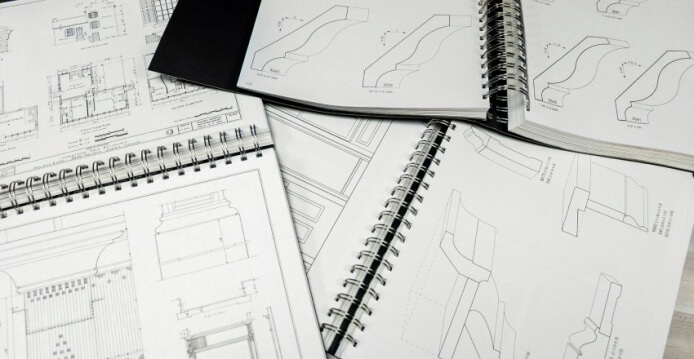
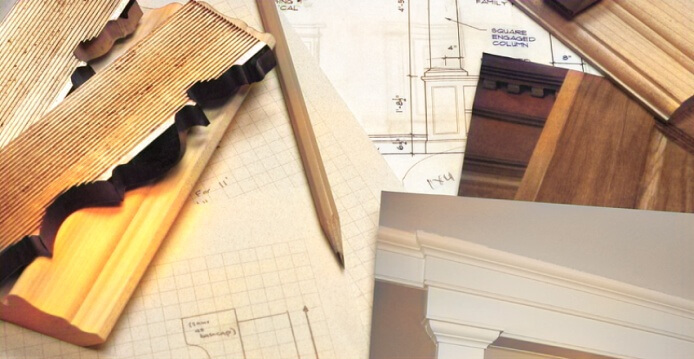
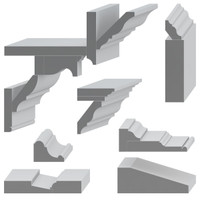
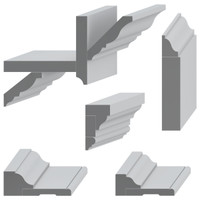
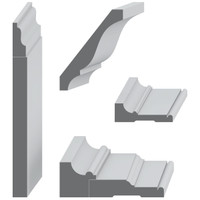
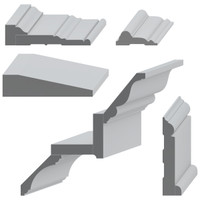
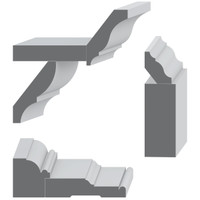
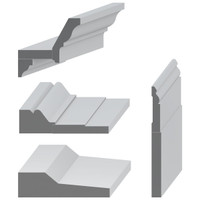
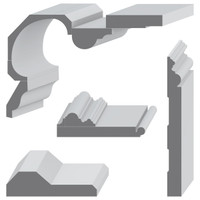
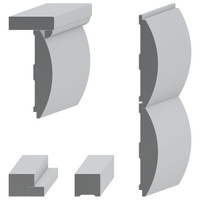
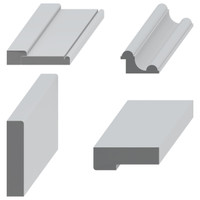
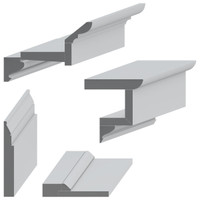
A full range of wood trim styles is available to provide the architectural character you need for any project. Discover trim combinations that will deliver consistent visual appeal across ceilings, openings, walls, and floor lines. Architects, designers, builders, and homeowners can all find the trim combination to suit their projects’ unique styles.
Architects, designers, builders, and homeowners can all find the trim combination to suit their projects’ unique styles.
Trim style packages let you get a clear idea of the overall design framework instead of working your way through individual crown, casing, and baseboard elements. Select a style that lets you build continuity from room to room instead of making disconnected decisions.
Styles are available from both established traditions and modern innovations. Whether for new homes, renovations, or historical restoration, you’ll find trim that suits your specific proportion and coordination needs.
Choosing the right wood trim styles
You can browse moulding styles to move away from evaluating profiles one by one and instead choose a complete package. These curated combinations highlight how wood moulding style packages can meet the needs of real projects.
These style pages are most useful when you want to choose a coordinated trim direction before narrowing down individual crown, casing, and baseboard profiles.
Start your project on a solid footing by addressing the visual framework of all trim elements early. Wood trim styles offer clear reference points for detail level, proportion, and matching existing trim before moving on to further details.
Coordinating trim packages
Coordinated trim packages bring together all required elements within a single style family. You can find a complete package that starts with coordinated door and window casing, then extends to baseboard transitions and crown moulding options.
These elements work together to deliver cohesive finished results. The crown establishes the upper transition, casing defines the opening, and your baseboard moulding grounds the walls.
Instead of having to select decorative wood trim piece by piece, you can rely on a coordinated system that helps guide you through your project.
Wood moulding and trim to suit any project
You can find a style package to suit any project by carefully evaluating your architectural intent. From historical moulding styles with layered detail to the cleaner lines and quieter transitions of modern trim, you can match the aesthetic needs of any space.
Formality is one angle you can view style from. Formal entries, richly finished rooms, and public spaces often call for deeper profiles. In other cases, simpler interiors benefit from more restraint.
The contrast between trim and surrounding surfaces is another key detail for designers to consider. Wood trim styles can create a pronounced frame or provide more subtle aesthetics.
Refining your style package
Style packages serve as effective guides to help you find the solution for your project. However, there are still many adjustments you can make to further tailor your trim package.
Once you’ve chosen the general direction, you can also further refine the package with a variety of crown, base profiles, and window casing options to meet both design priorities and practical installation requirements.
Architectural wood moulding provides exceptional flexibility, with packages making it easy to maintain a coordinated concept while adapting to specific needs.
Getting started with trim for your project
Mouldings One provides an extensive range of wood trim styles for any project. Browse wood trim styles or request a quote for a coordinated trim package.
Frequently Asked Questions
What are wood trim styles?
Wood trim styles are families of trim designs that can be aligned with different architectural character, proportion, and detailing. Instead of looking at components like crown, casing, and baseboard separately, you can choose a specific style across all of them.
How do I choose the right interior wood trim styles for my home?
First, look at the architecture of the project, whether it’s traditional or modern, and the level of detail that would suit it. From there, you can refine your choice to support the results you need for a specific property’s interior.
What is the difference between traditional and modern wood trim styles?
Traditional styles typically focus on rich profiles, layered detailing, and strong transitions. Modern styles are more restrained with simpler lines. Each has its own place depending on your project.
Can I mix crown, casing, and baseboard from different style families?
Yes, but it works best when the profile scale, level of detail, and architectural character still feel coordinated. Mixing style families without a clear trim plan can make the package feel inconsistent from room to room.
Are these moulding styles good for restoration projects?
The moulding styles available are excellent for restoration projects. You can find a good match for the existing trim among stock options. However, some projects may call for custom work if you need a perfect match.
Can architectural trim packages be customized?
Yes, architectural trim packages can be customized to suit your specific project’s needs. This will ensure a visually consistent look while adapting to the practical challenges your project faces.
Where should I start if I want a coordinated trim package?
First, consider the specific architectural character you’re looking for. From there, compare various crown, casing, and baseboard styles to find the right match.