Victorian
Elaborate ornament, varied architectural forms, and richly detailed mouldings reflect the craftsmanship and changing tastes of the nineteenth century.
What Is Victorian?
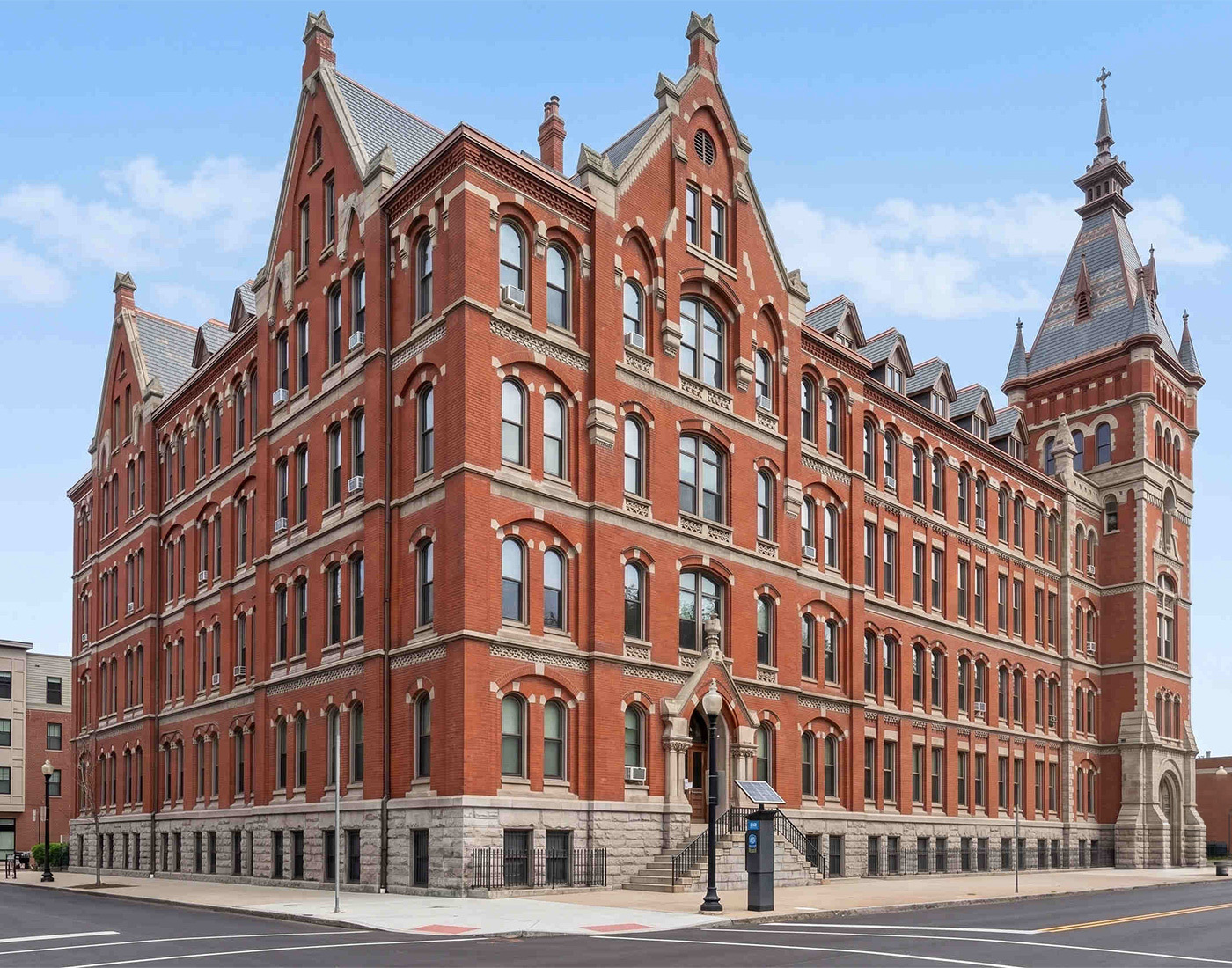
Victorian architecture refers to buildings and design traditions associated with Queen Victoria’s reign from 1837 to 1901. The term describes a broad architectural period rather than a single style, encompassing buildings with varied forms, historical influences, and degrees of ornament.
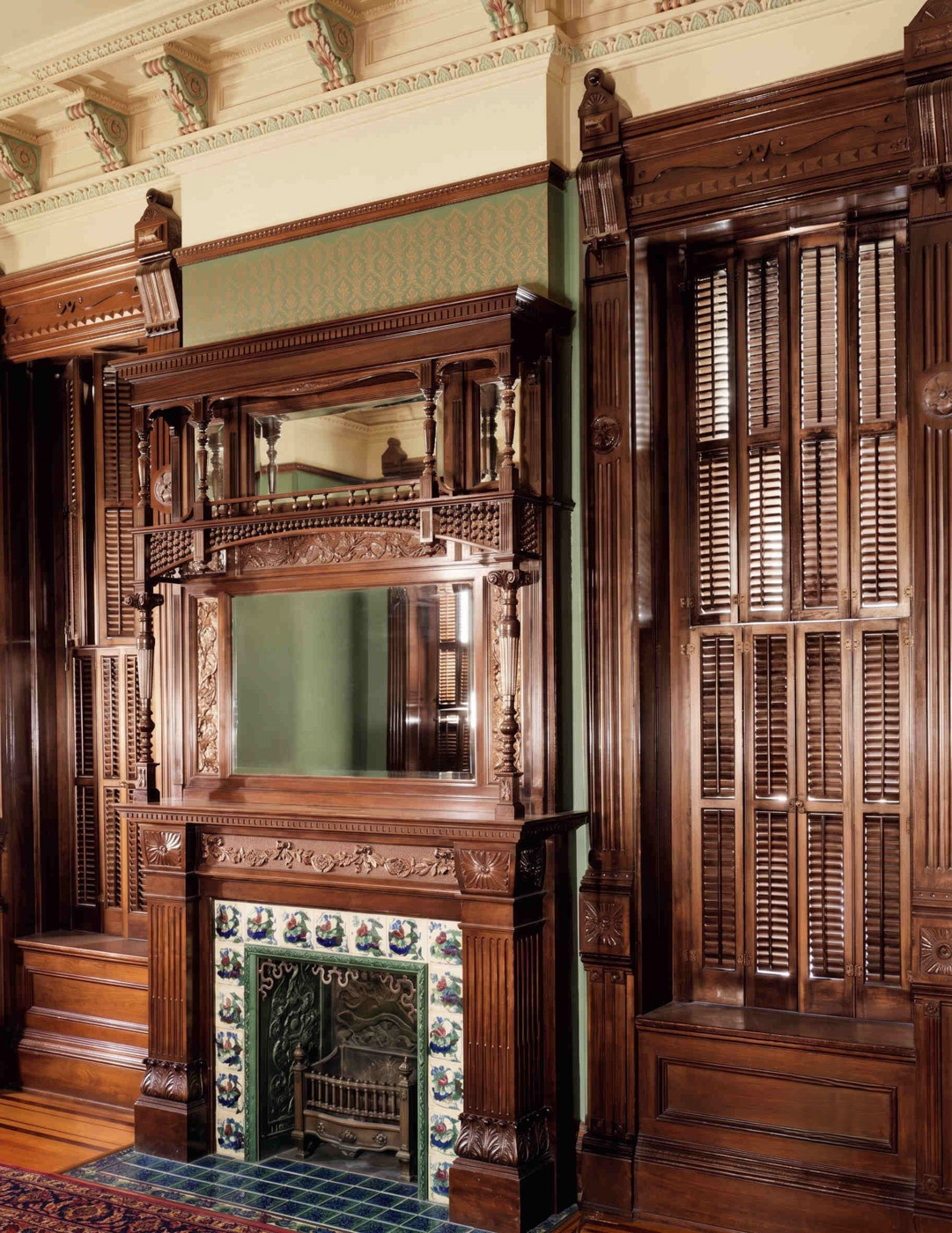
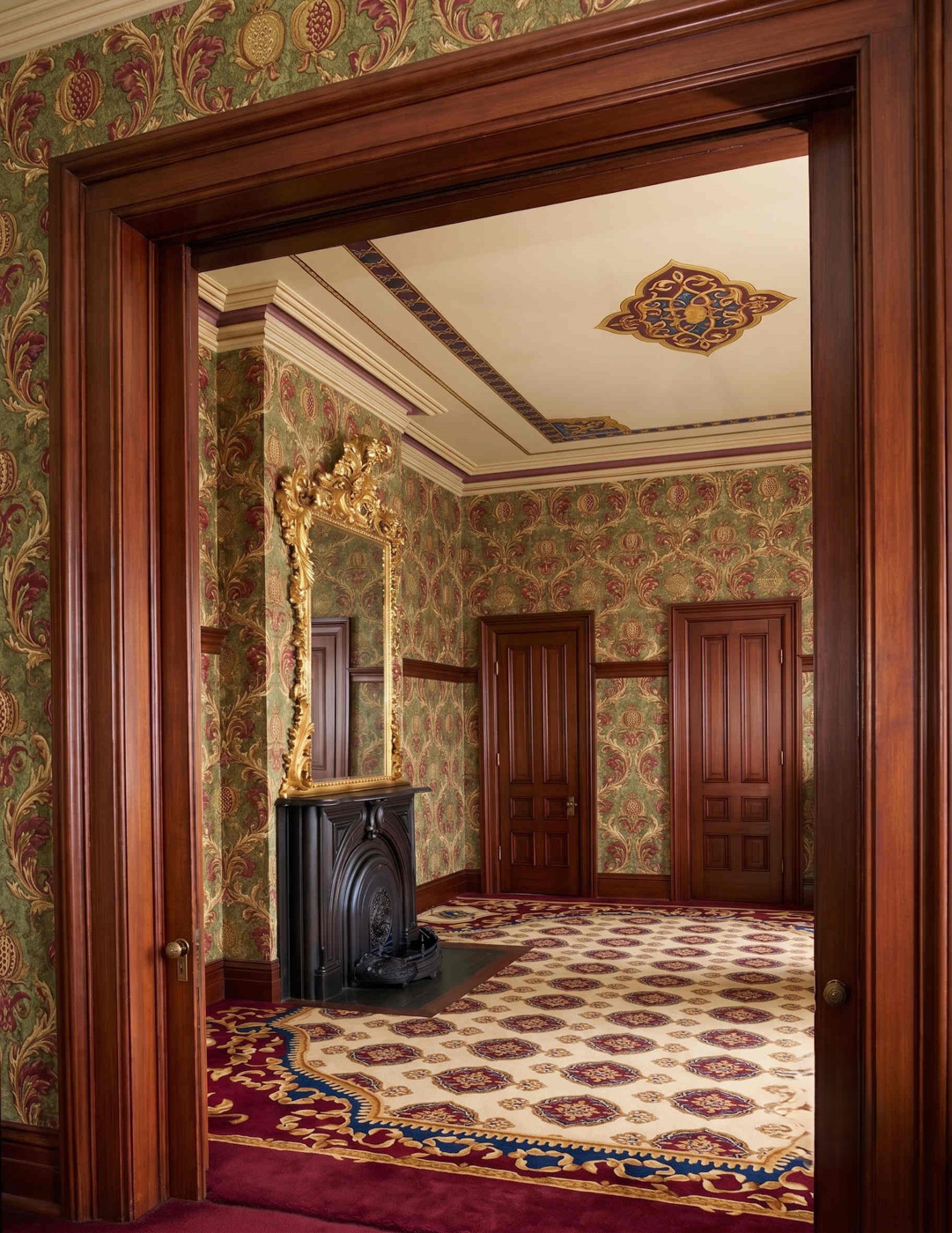
These traditions shaped houses, commercial buildings, churches, and civic architecture. Domestic interiors often brought together decorative woodwork, patterned wall coverings, fireplaces, and furnishings, with the amount and character of the decoration varying according to the building’s style, scale, and setting.
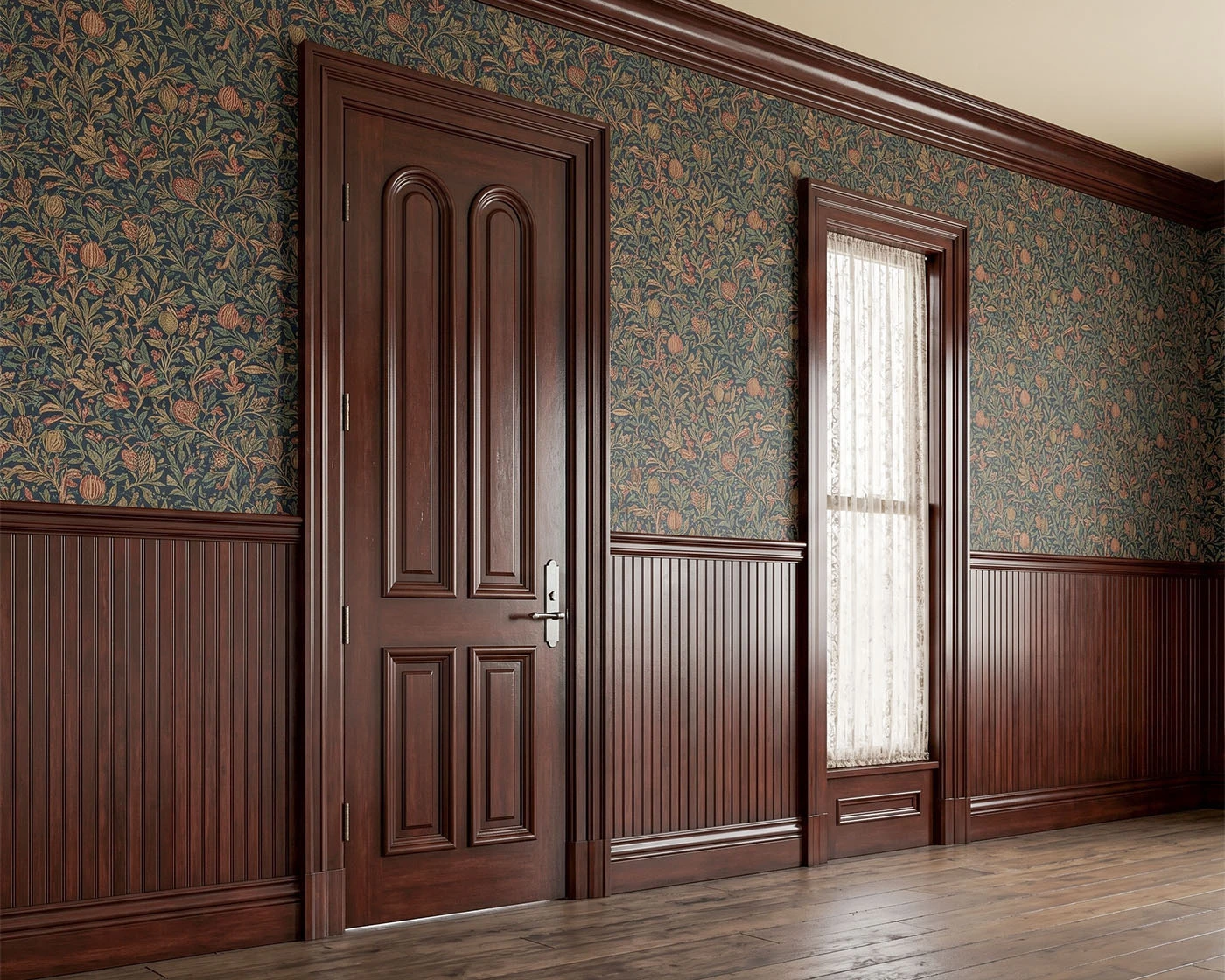
The Collection
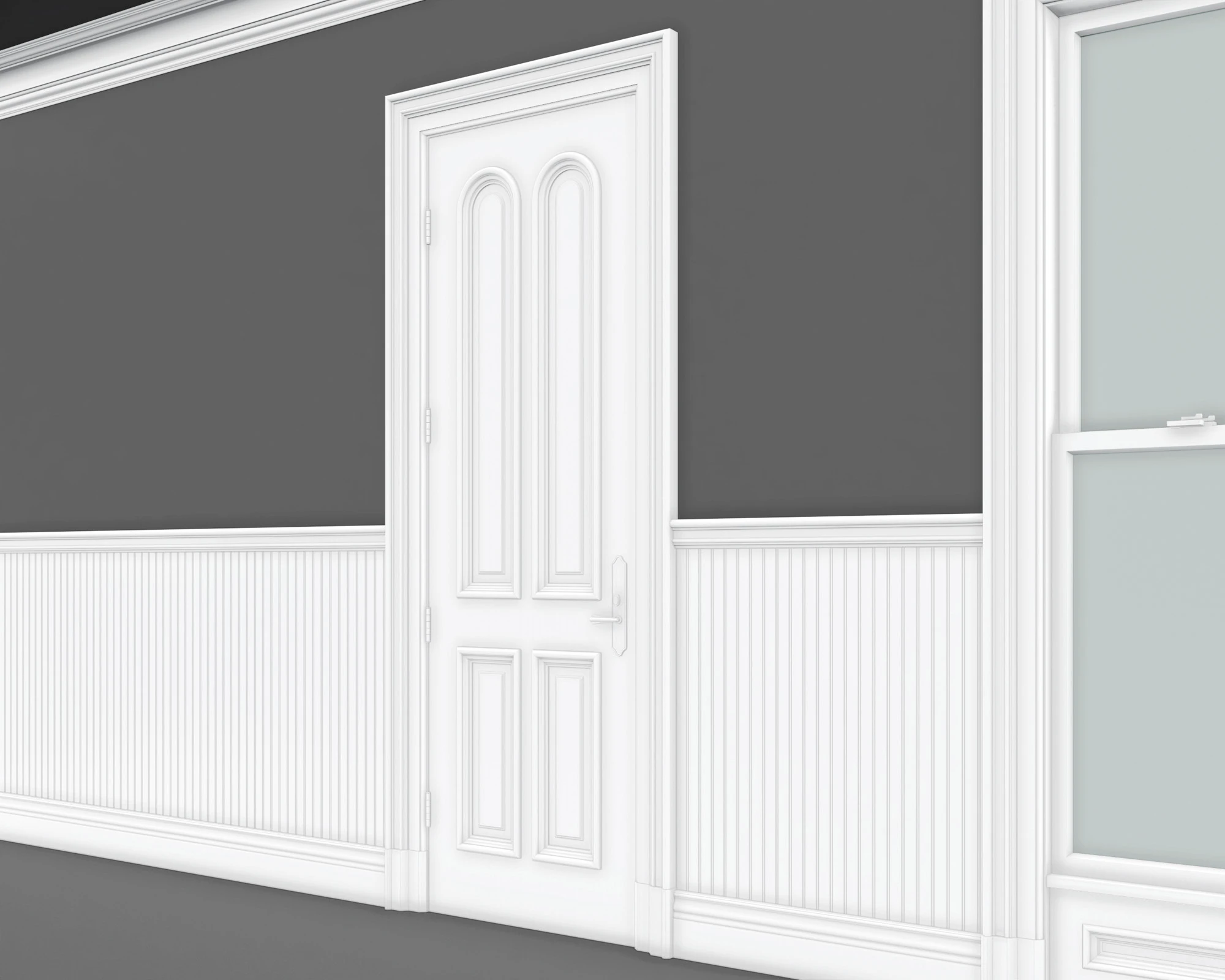
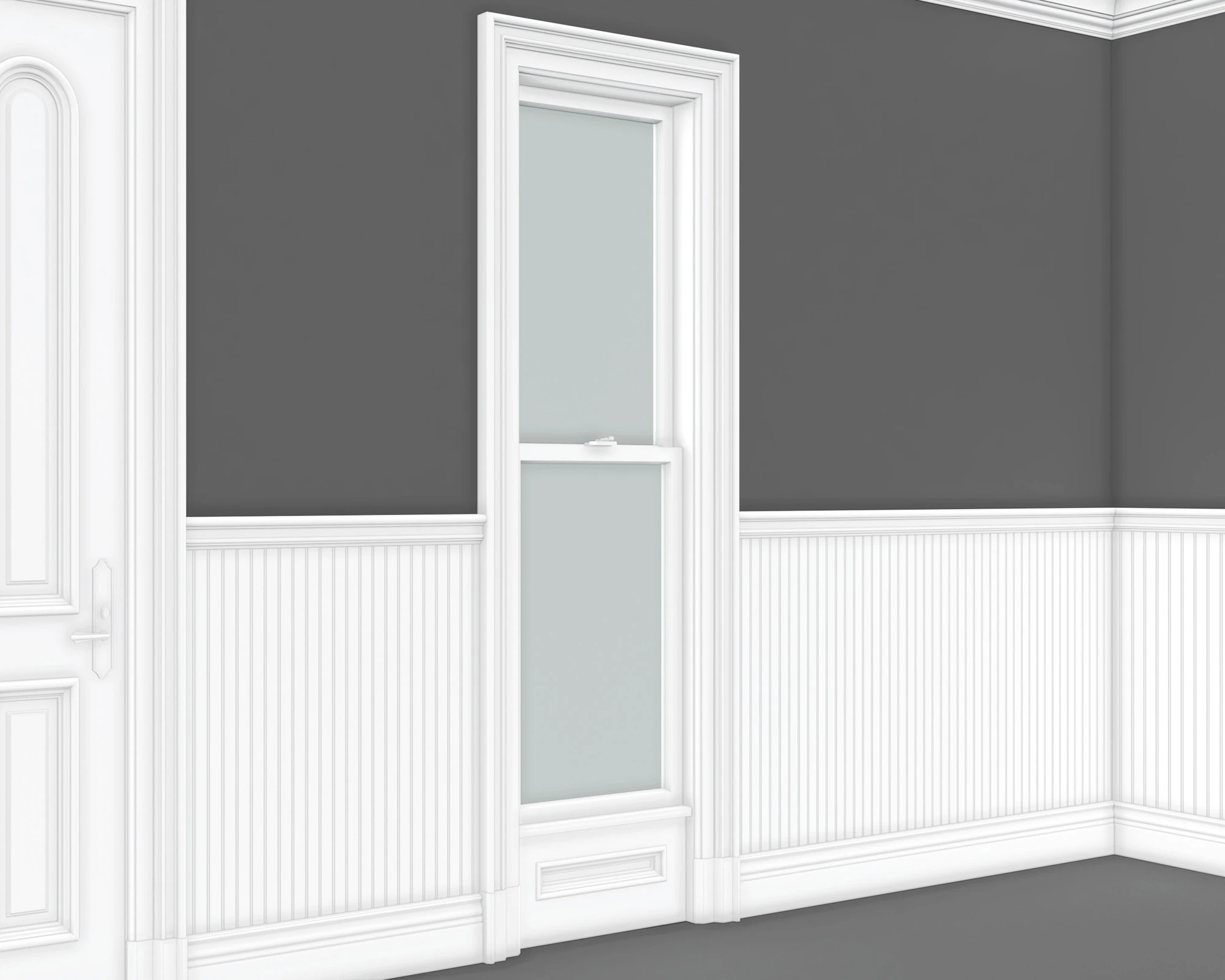
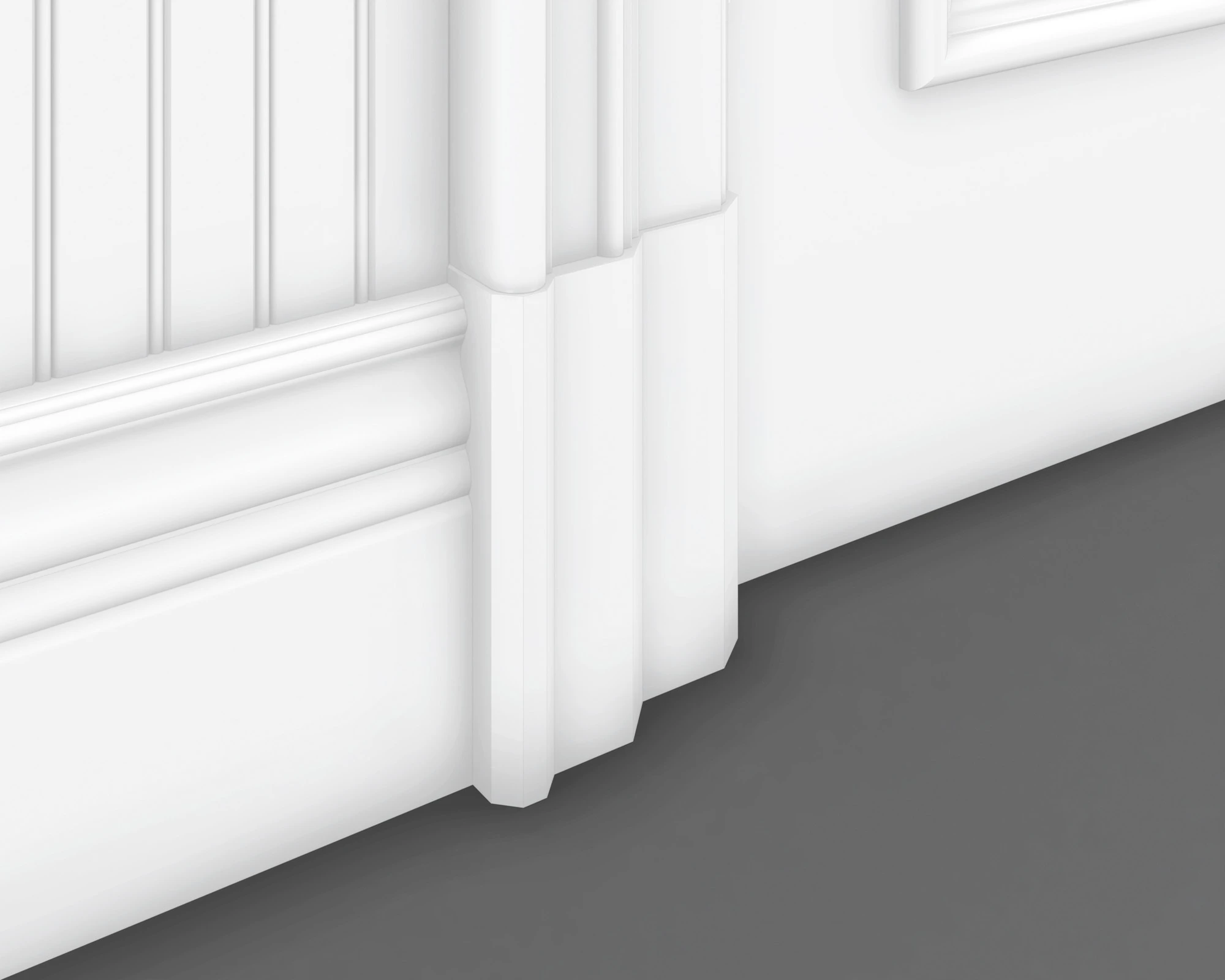
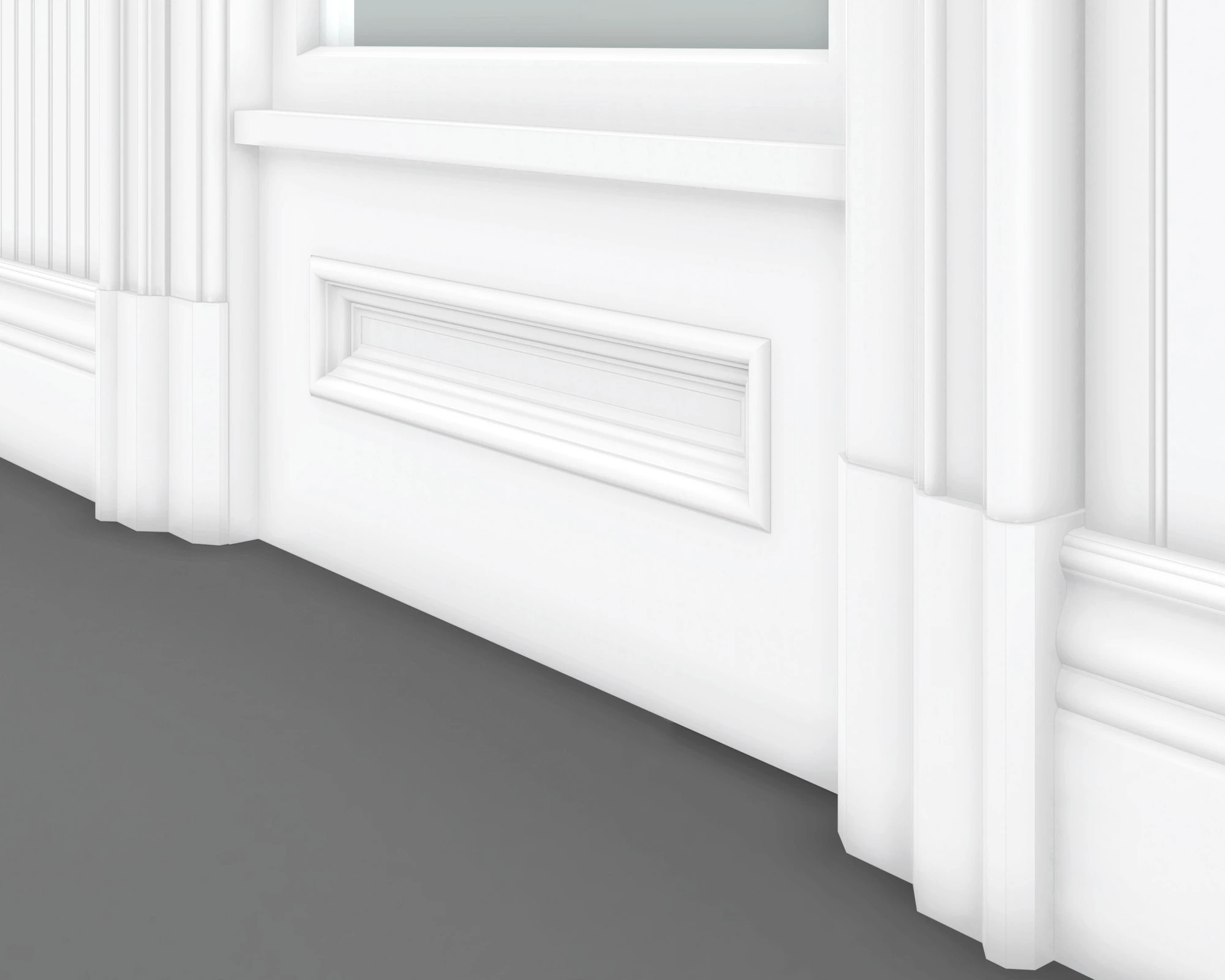
Victorian Characteristics
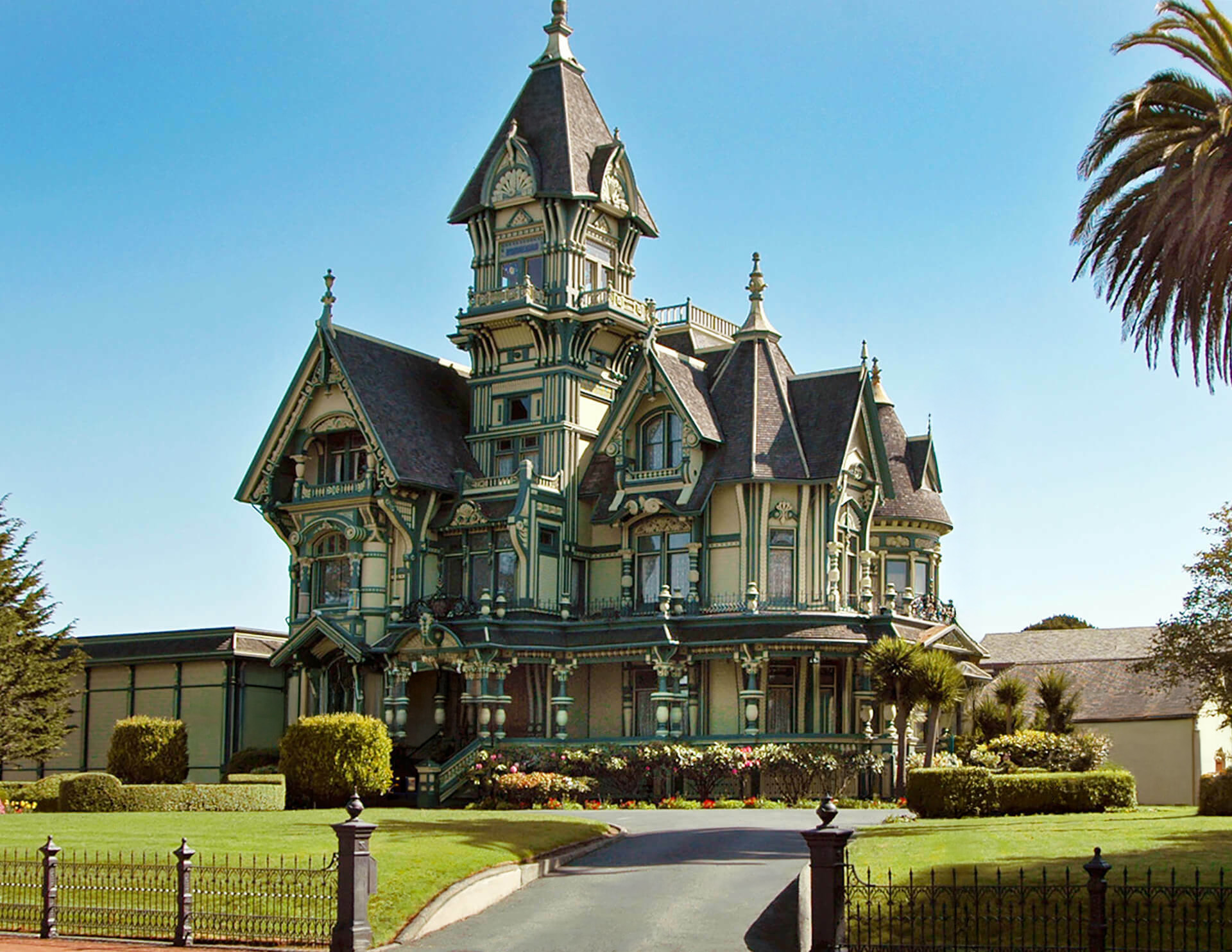
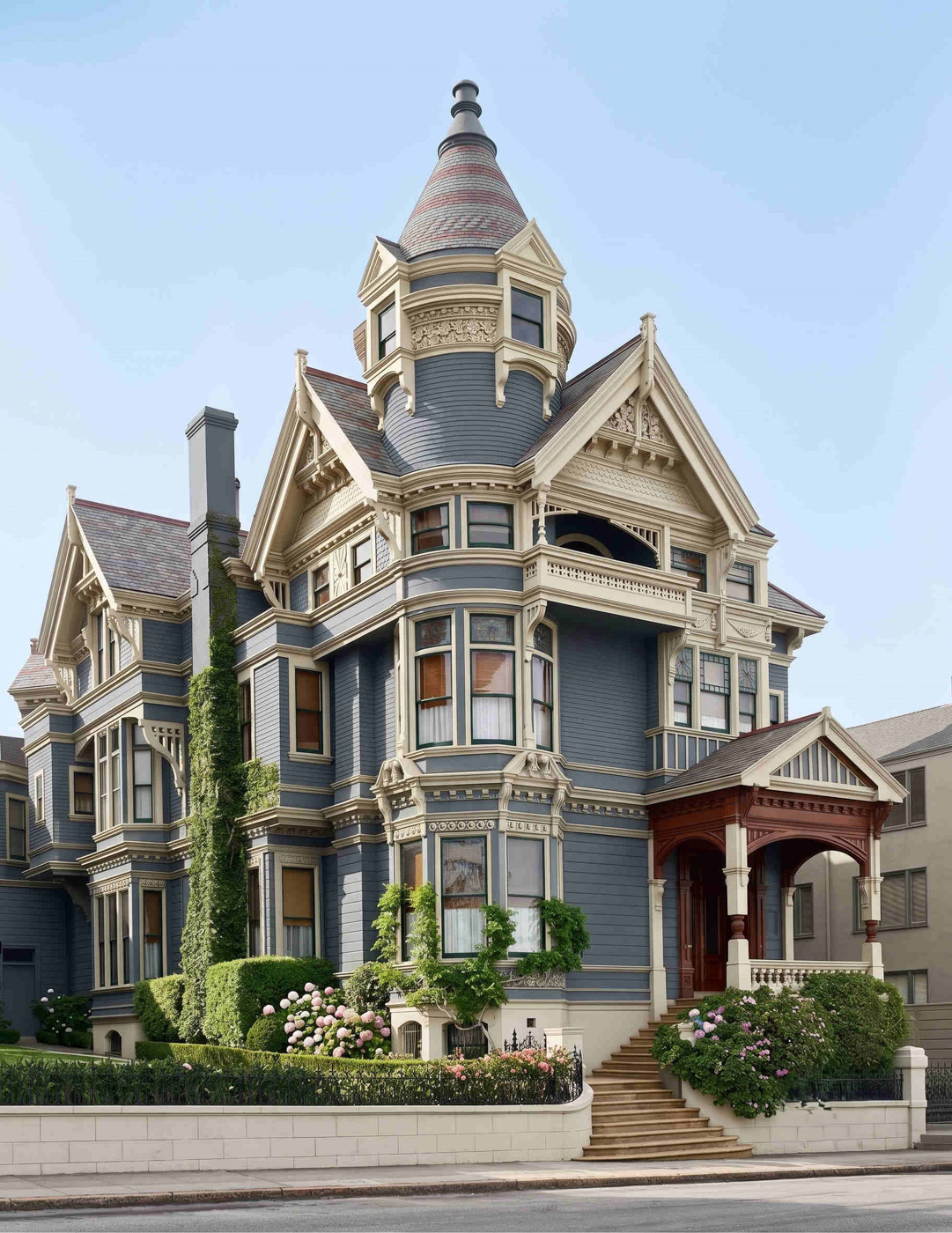
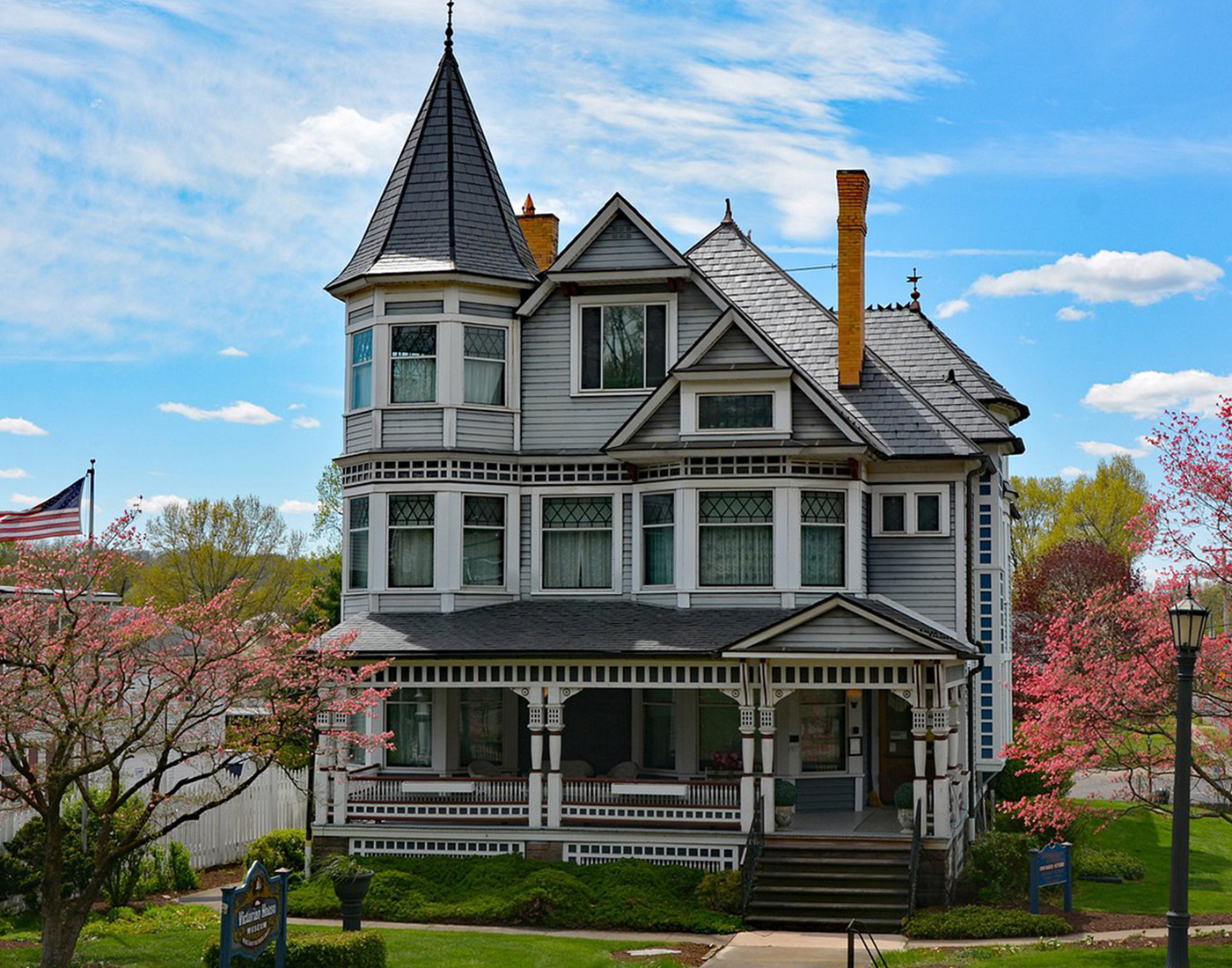
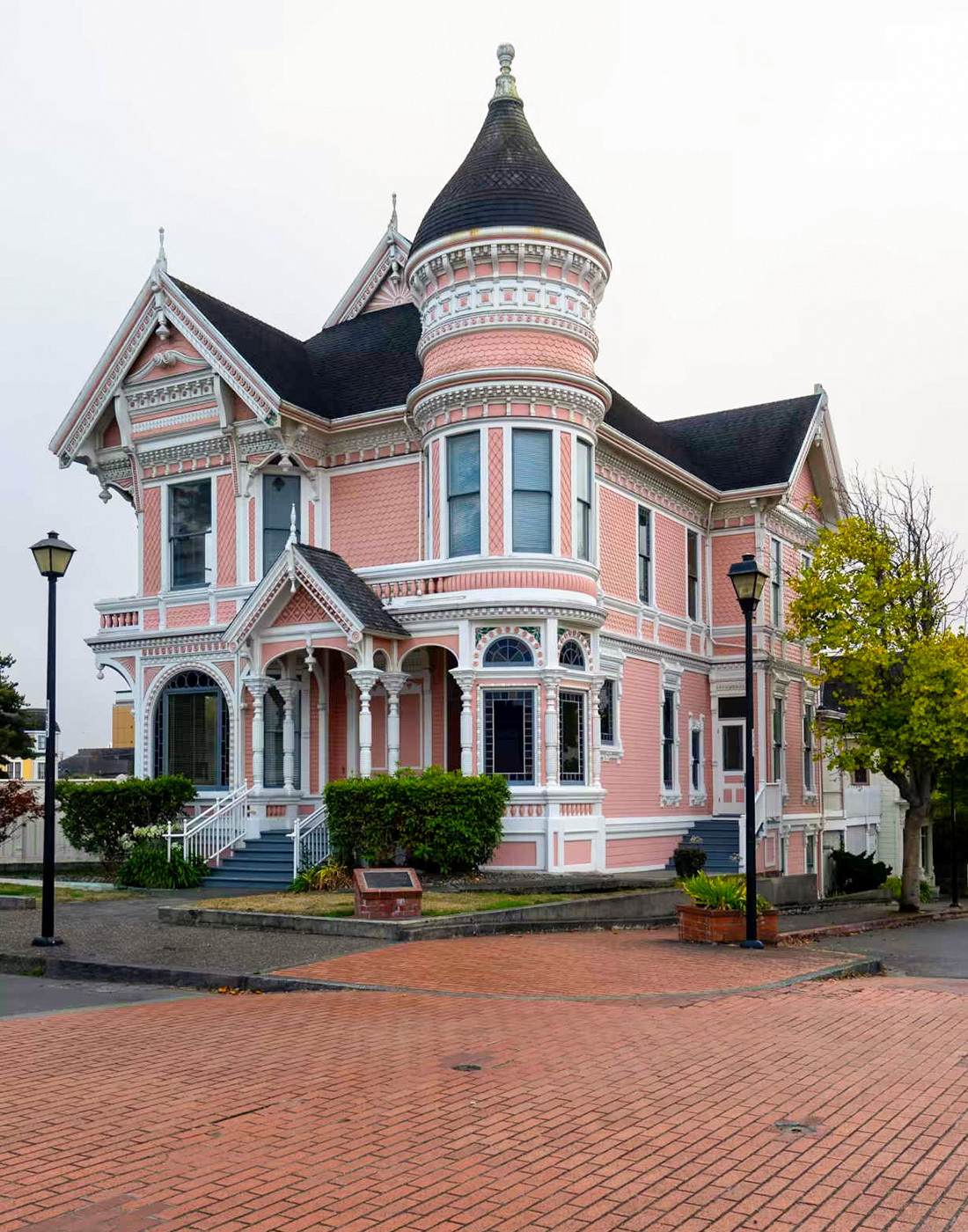
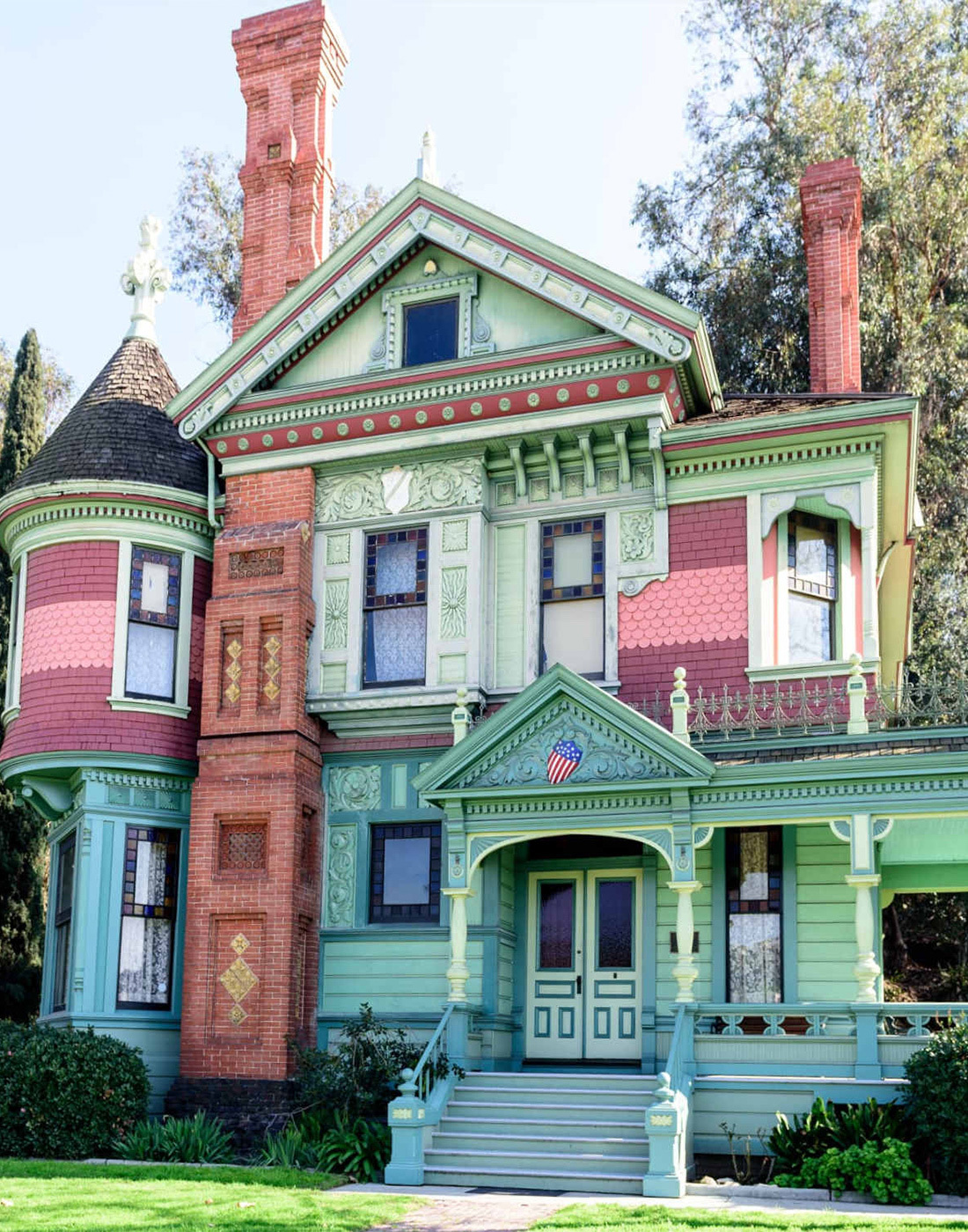
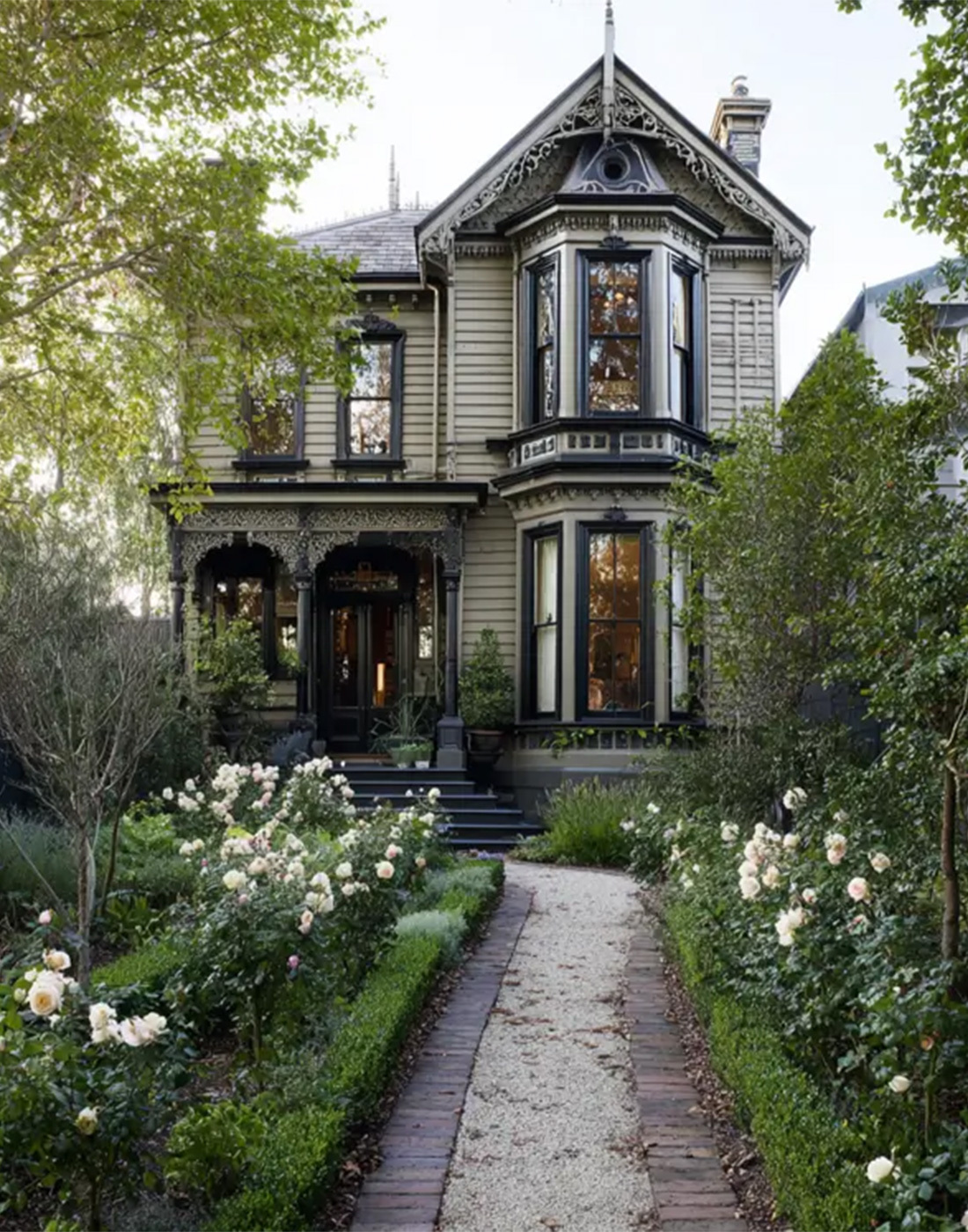
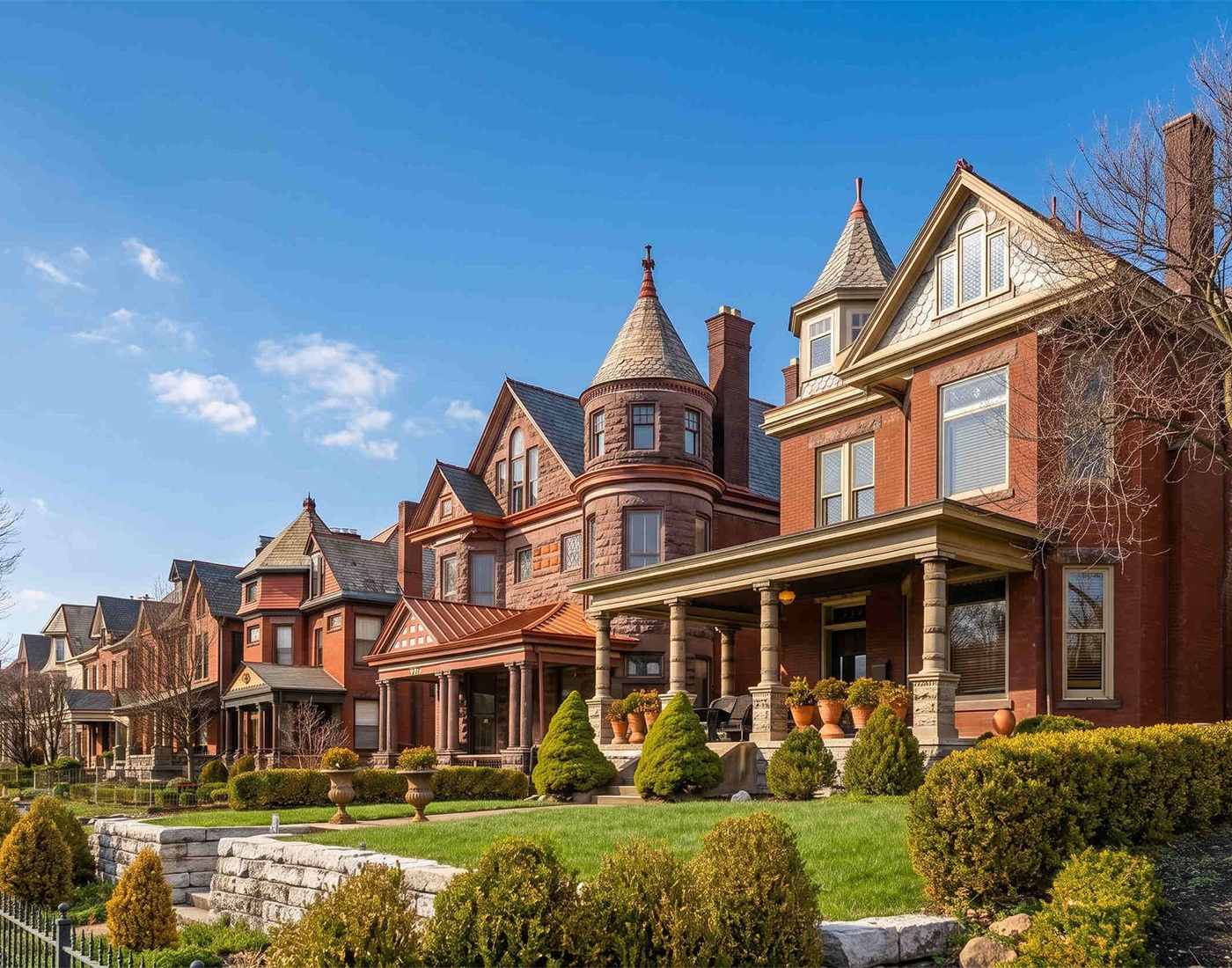
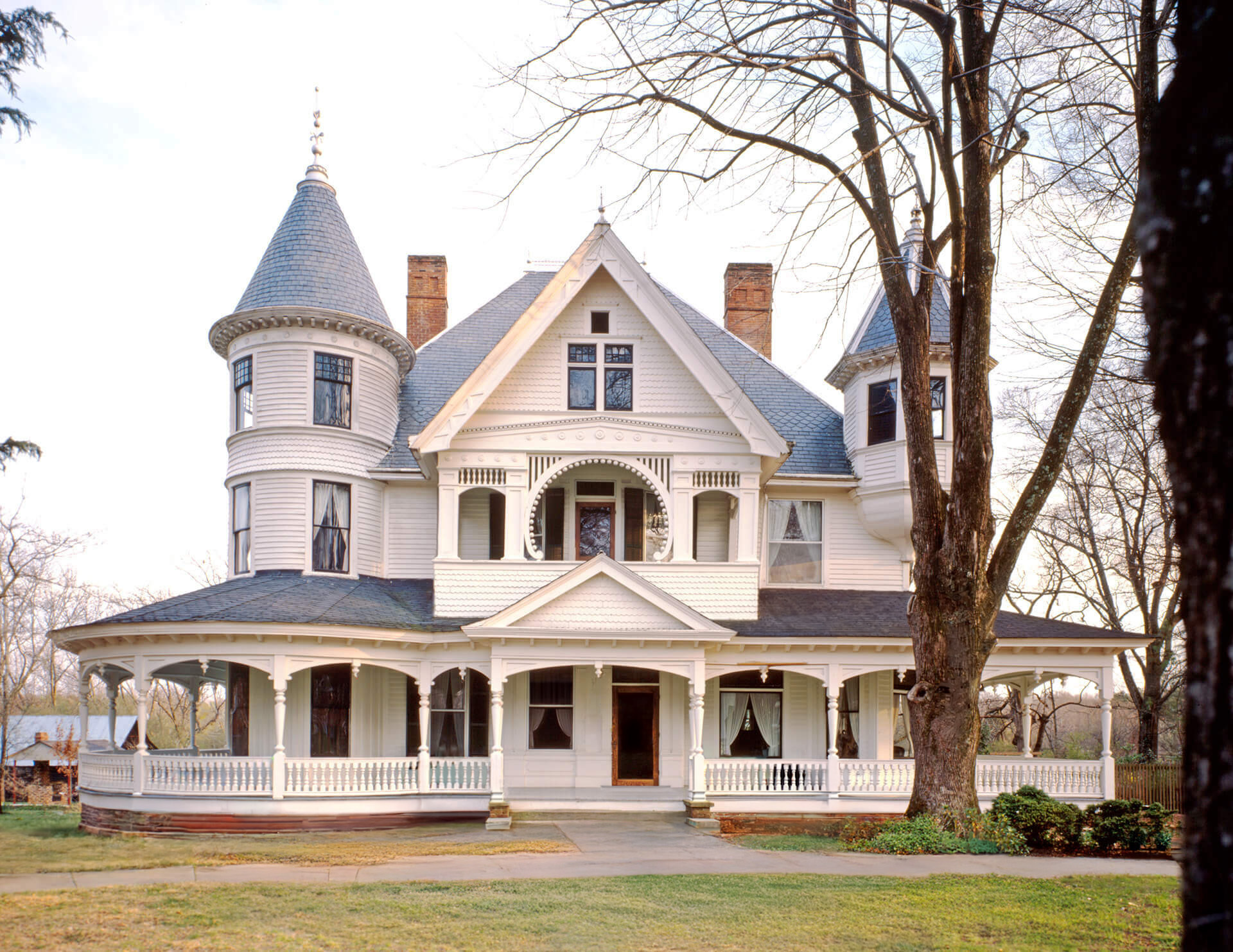
Victorian architecture encompasses many styles, with Gothic, French, Italian, and Tudor influences expressed through different forms and decorative details. The ornate houses popularly associated with the period, particularly Queen Anne examples, emphasize asymmetry, varied rooflines, contrasting materials, and elaborate exterior woodwork.
- Asymmetrical plans and varied building forms
- Two or three stories
- Steep roofs and decorative gables
- Round or octagonal towers
- Broad or wraparound porches
- Contrasting colors and varied wall textures
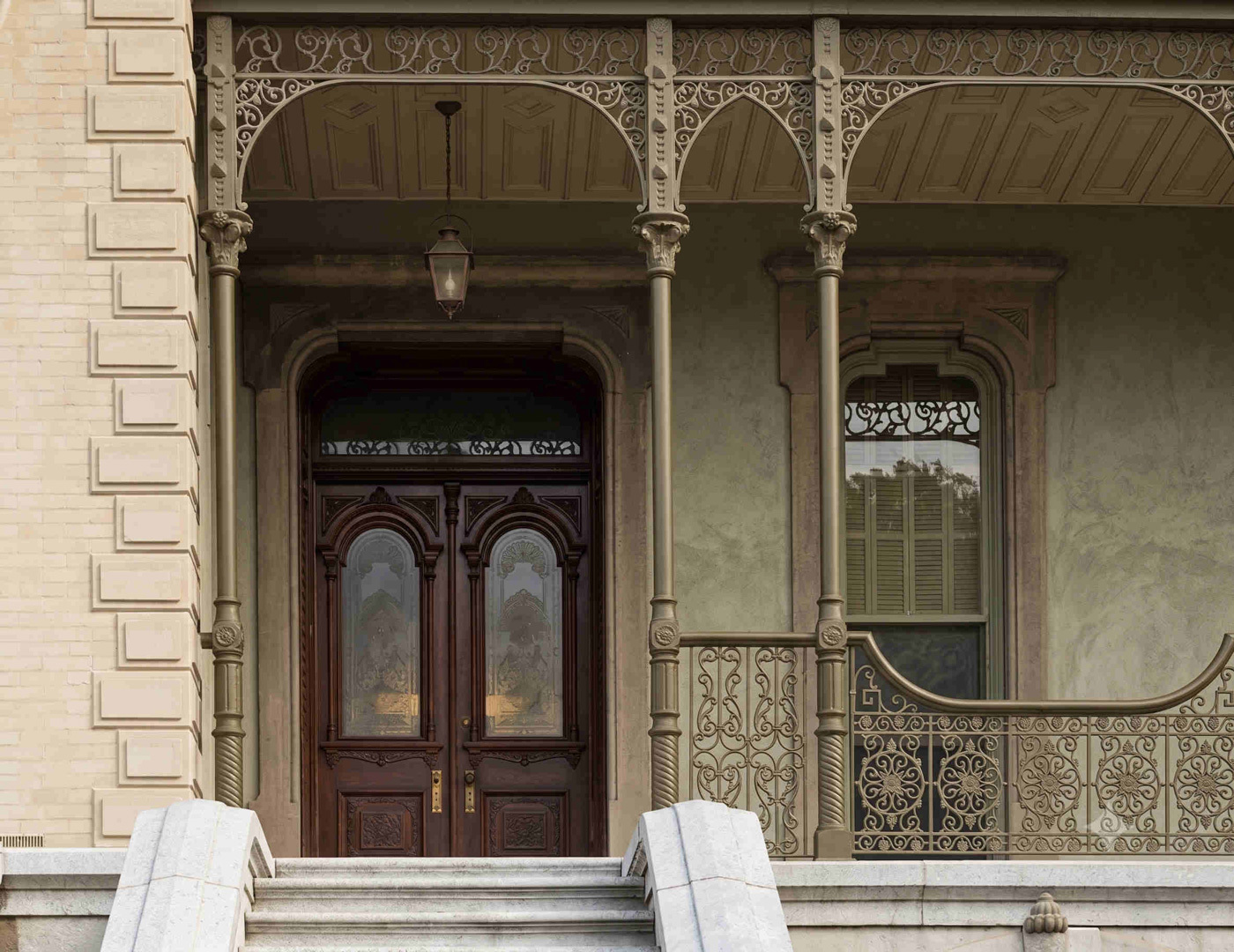
- Decorative brackets, spindlework, and fretwork
VICTORIAN MOULDINGS
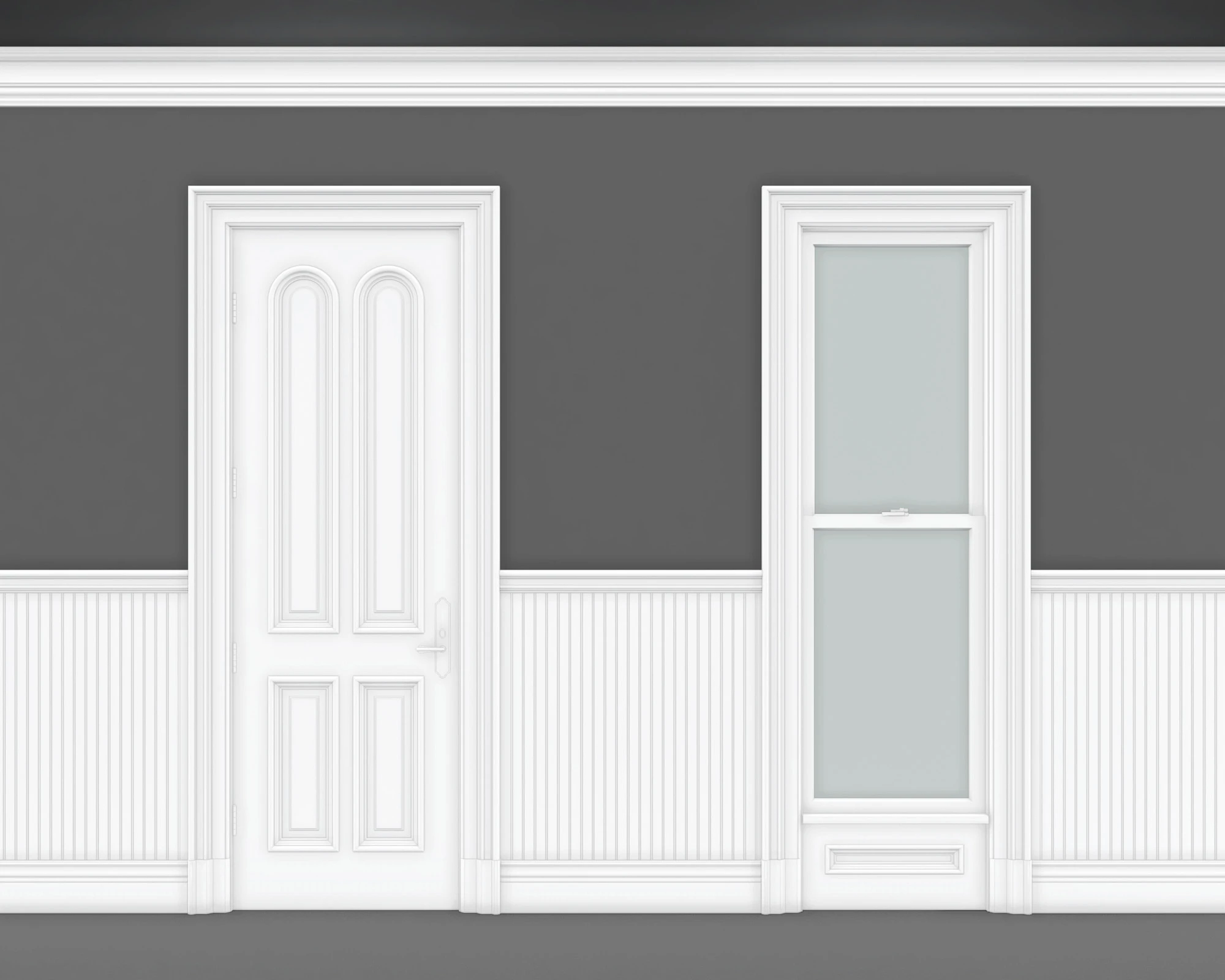
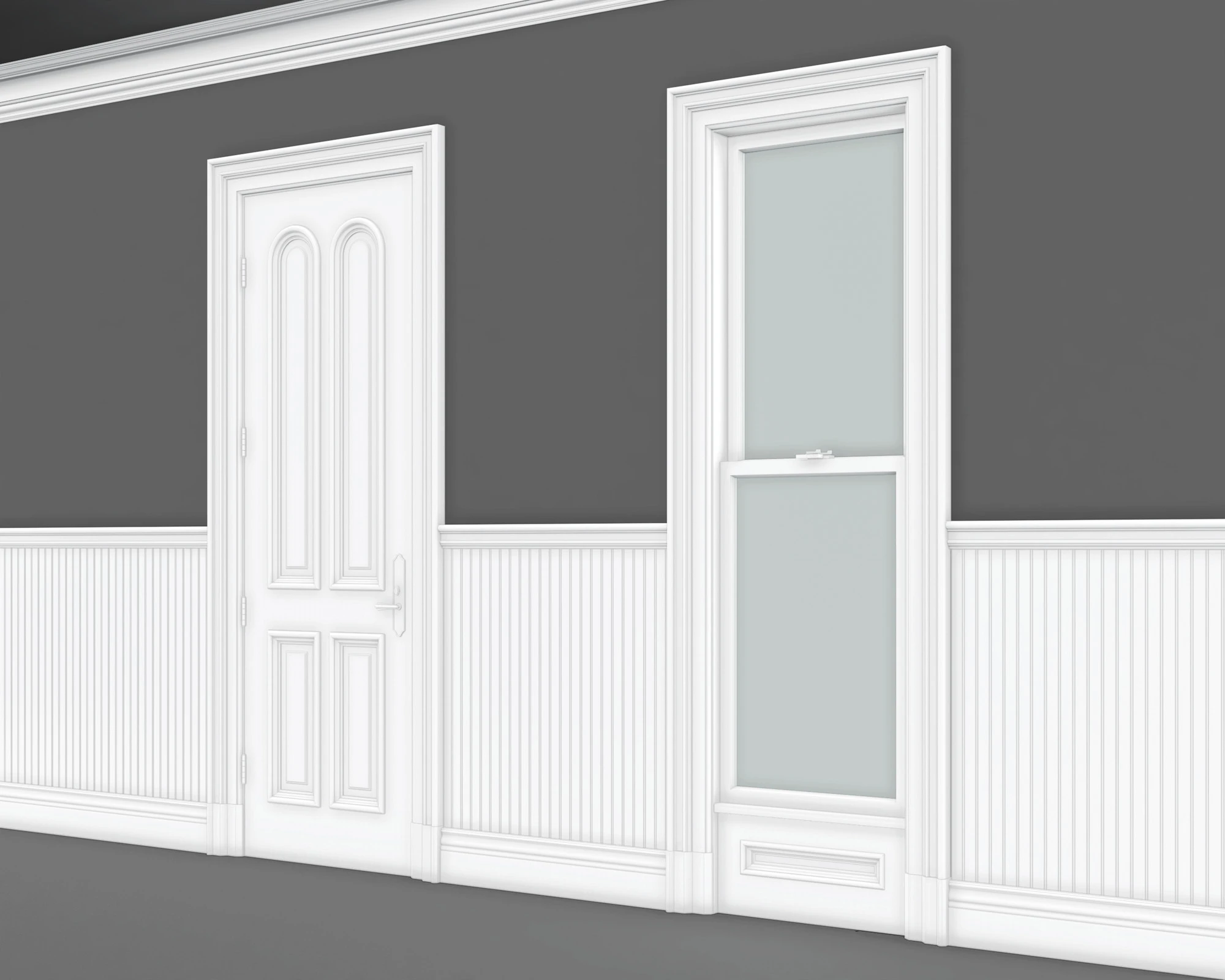
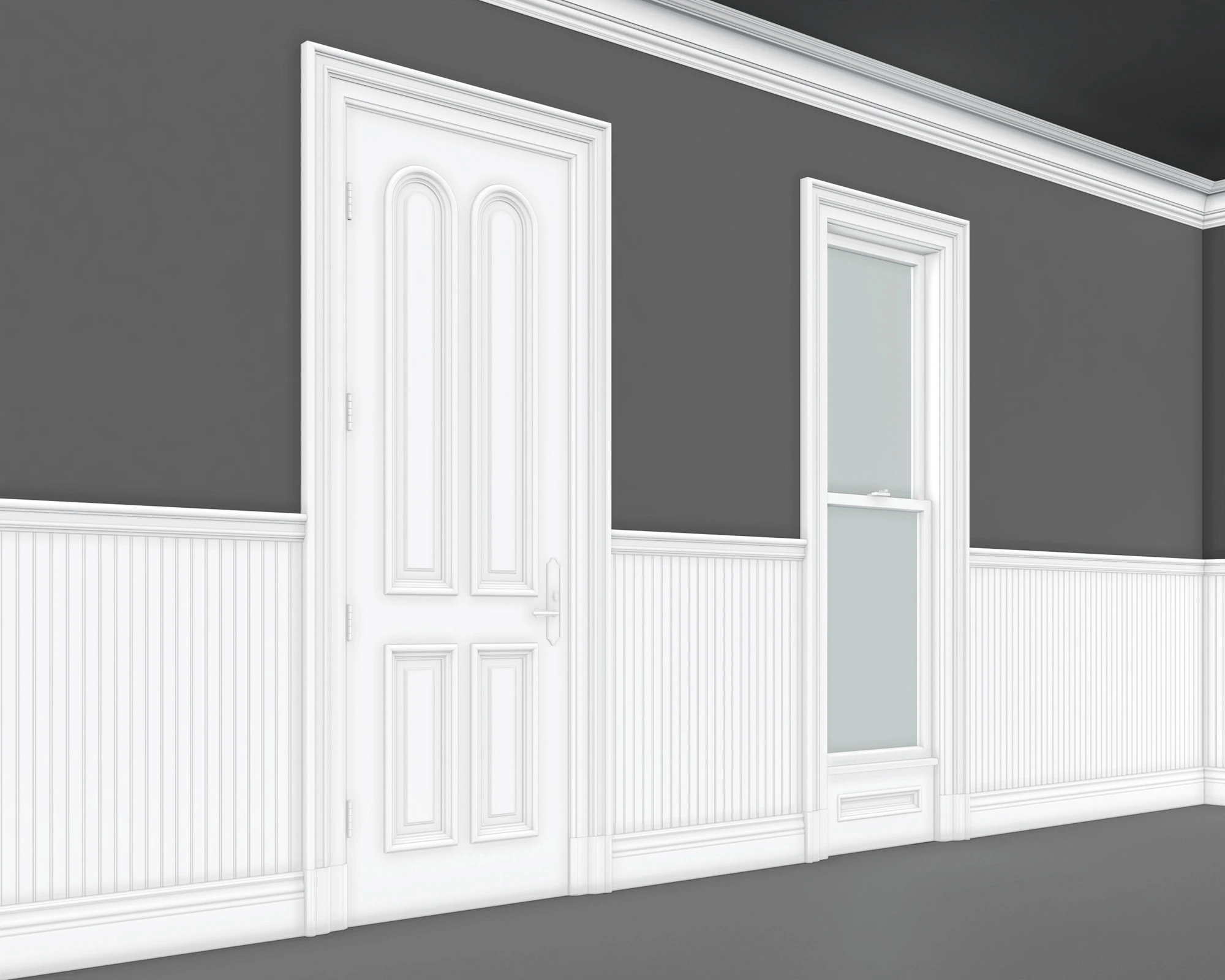
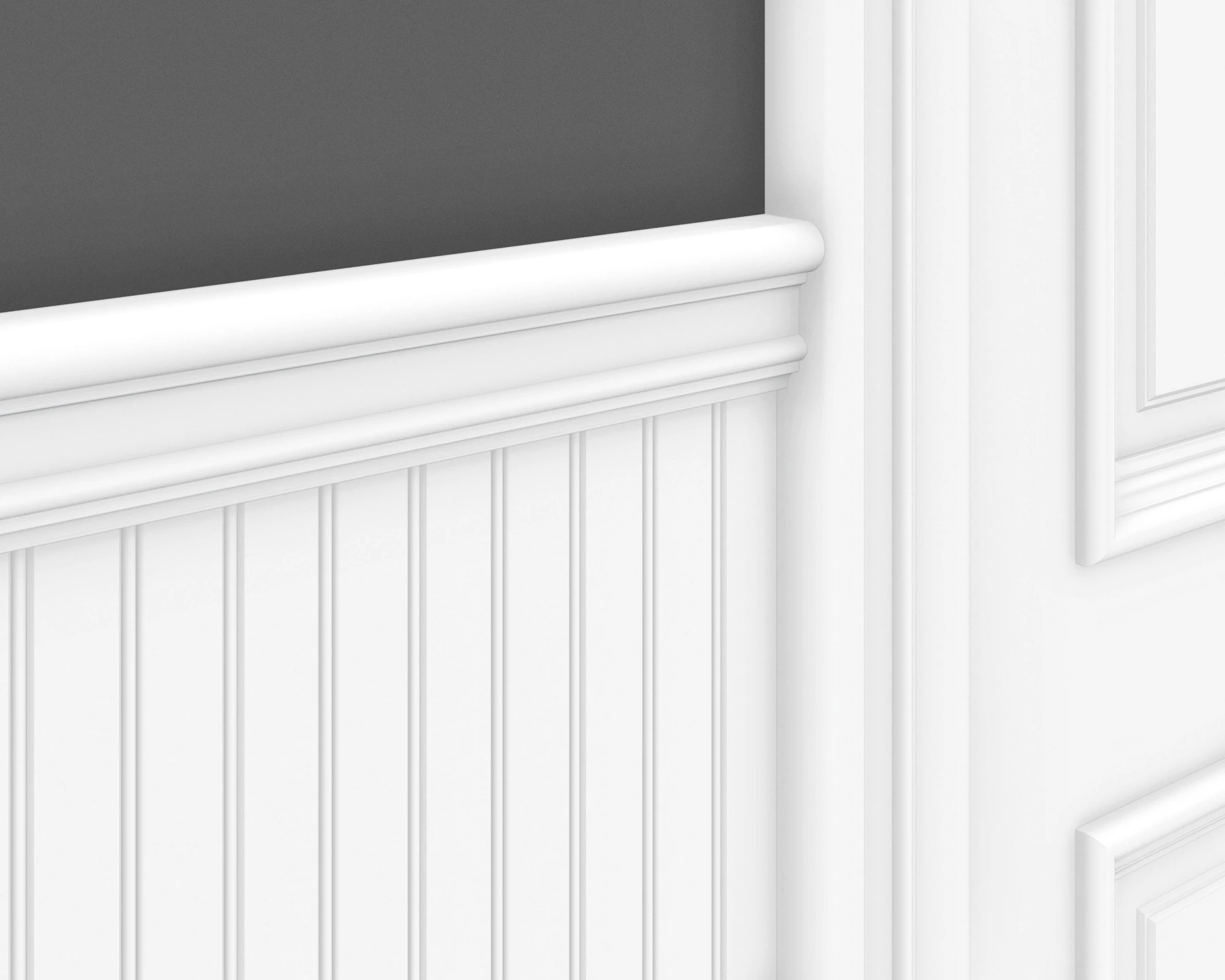
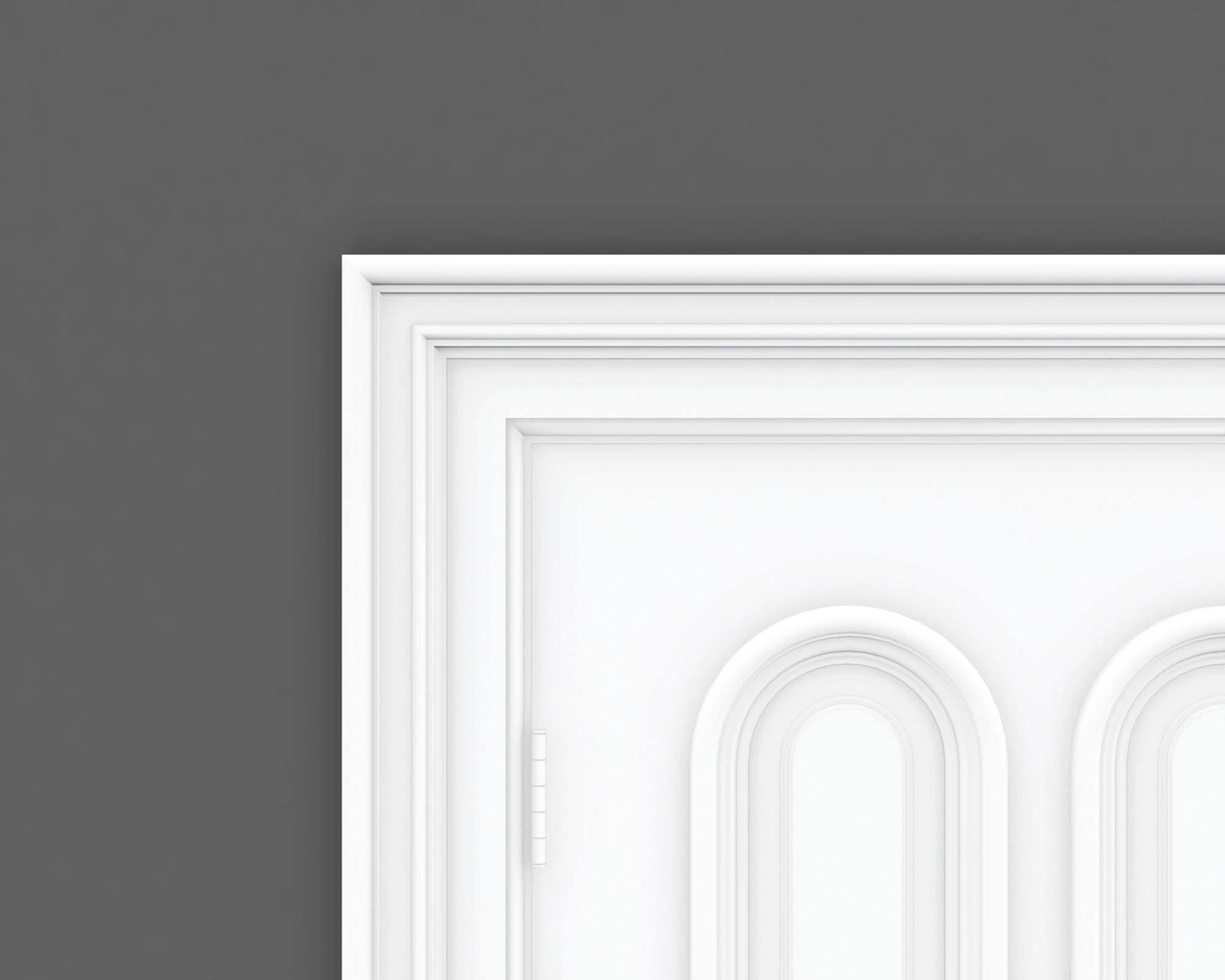
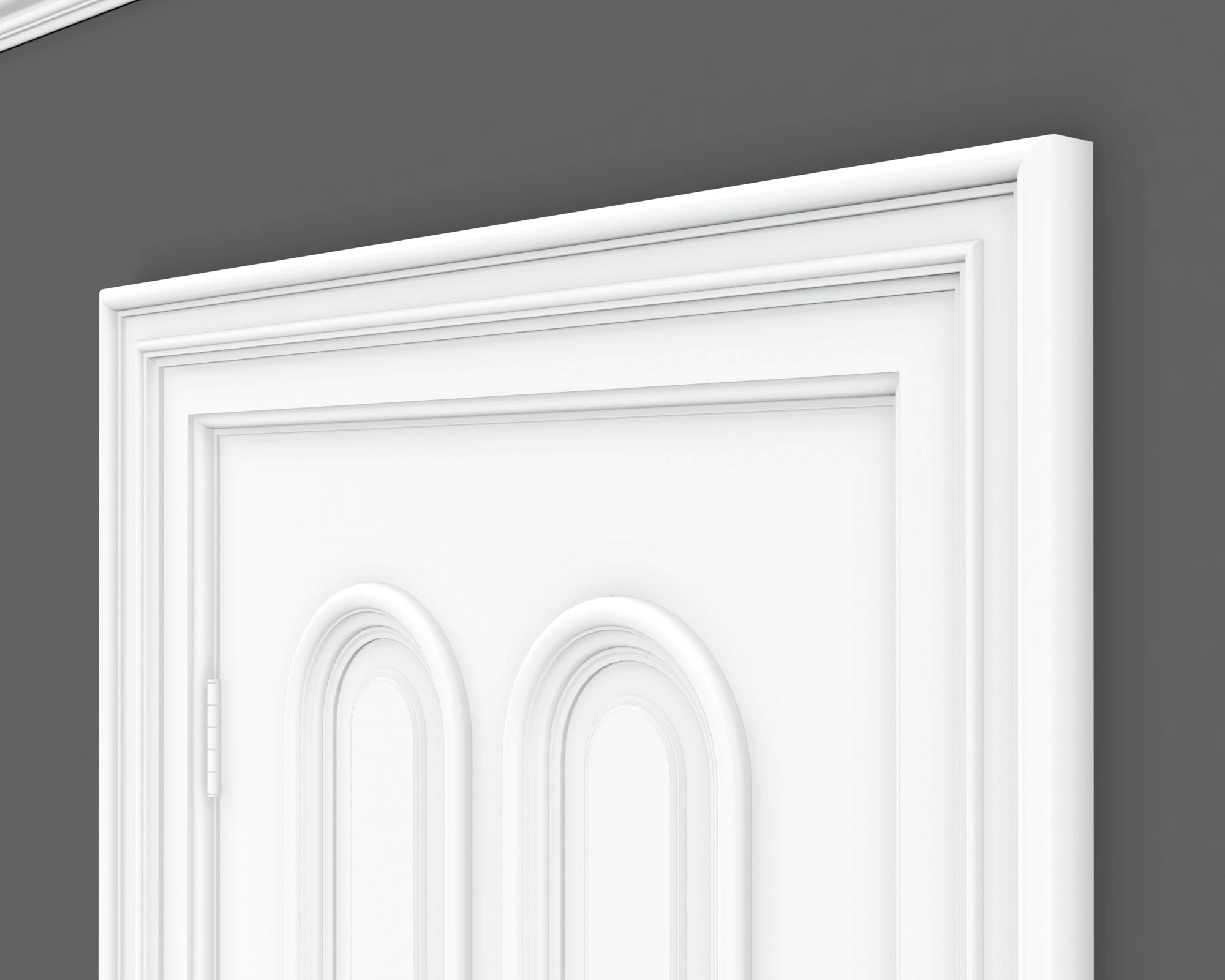
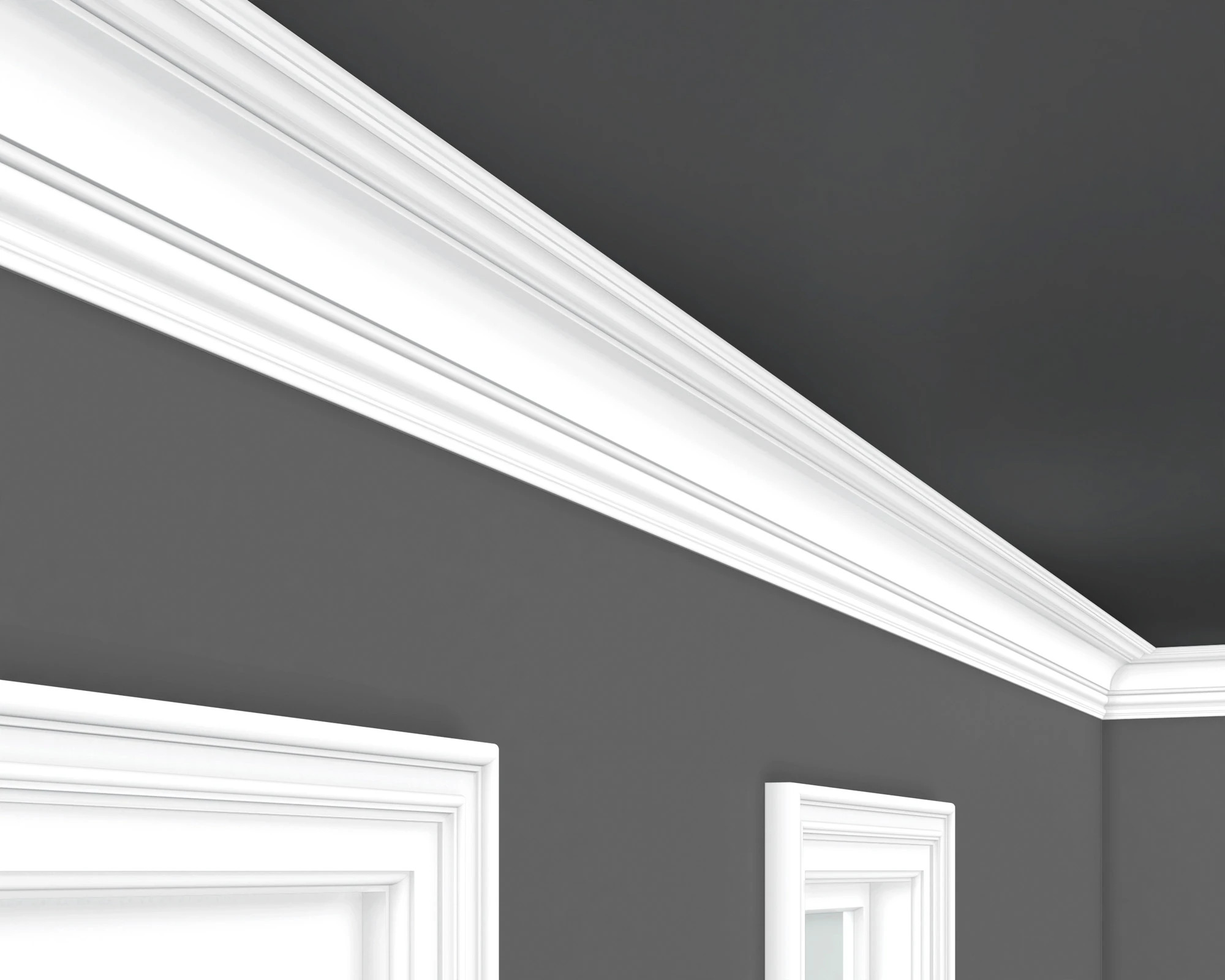
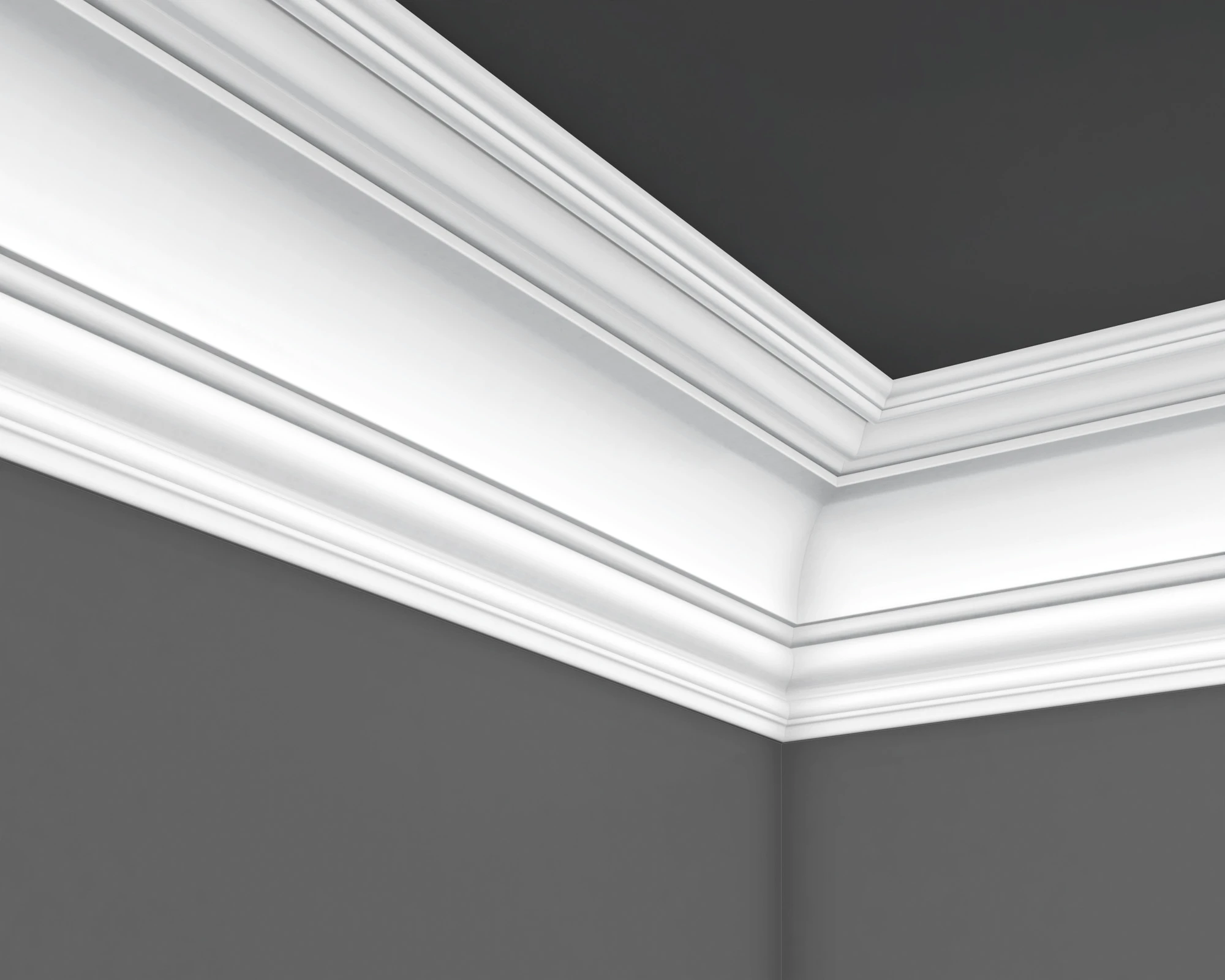
Victorian mouldings range from simple profiles to elaborate combinations of curves, steps, beads, coves, and ogees. Layered profiles create depth and shadow, emphasizing door and window openings and defining transitions between walls, ceilings, and floors.
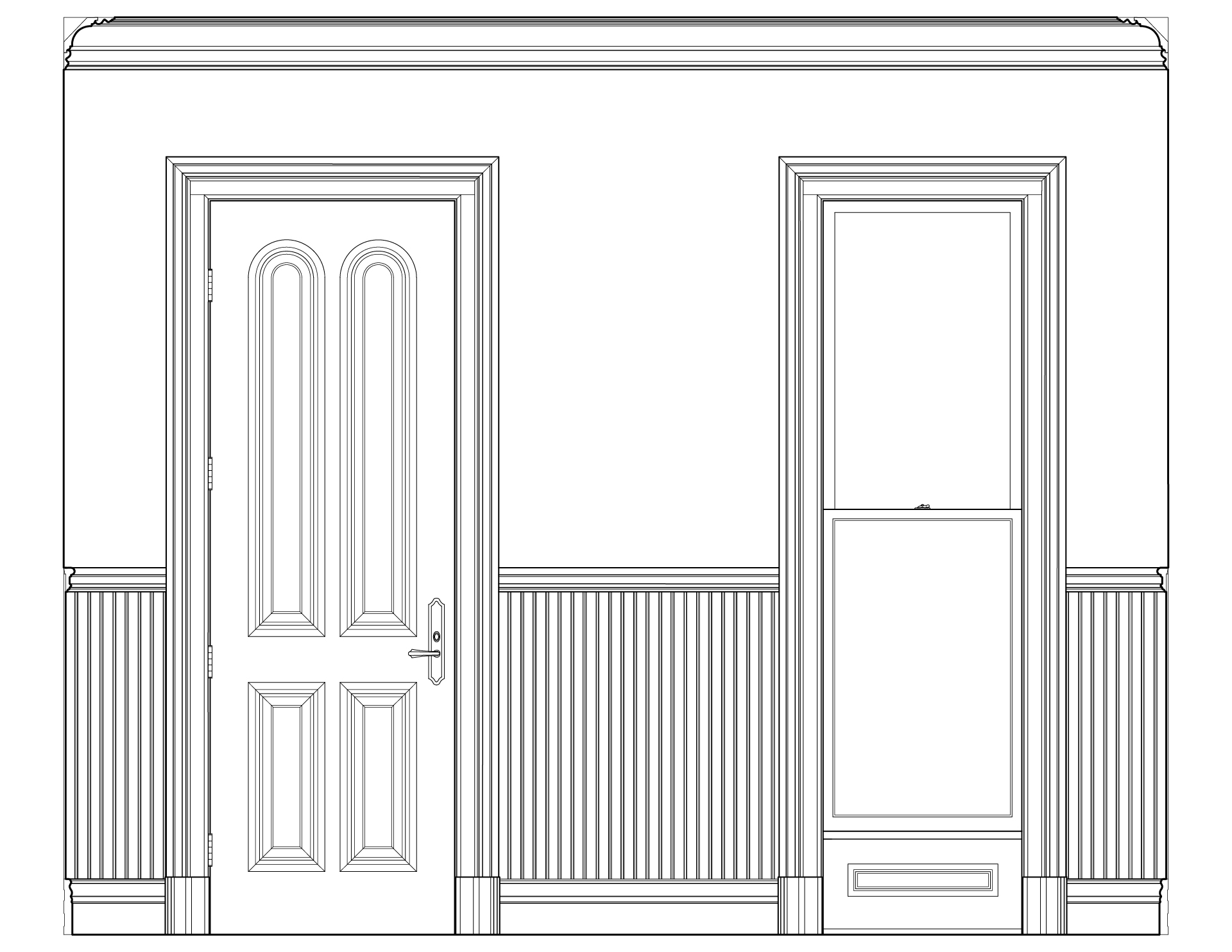
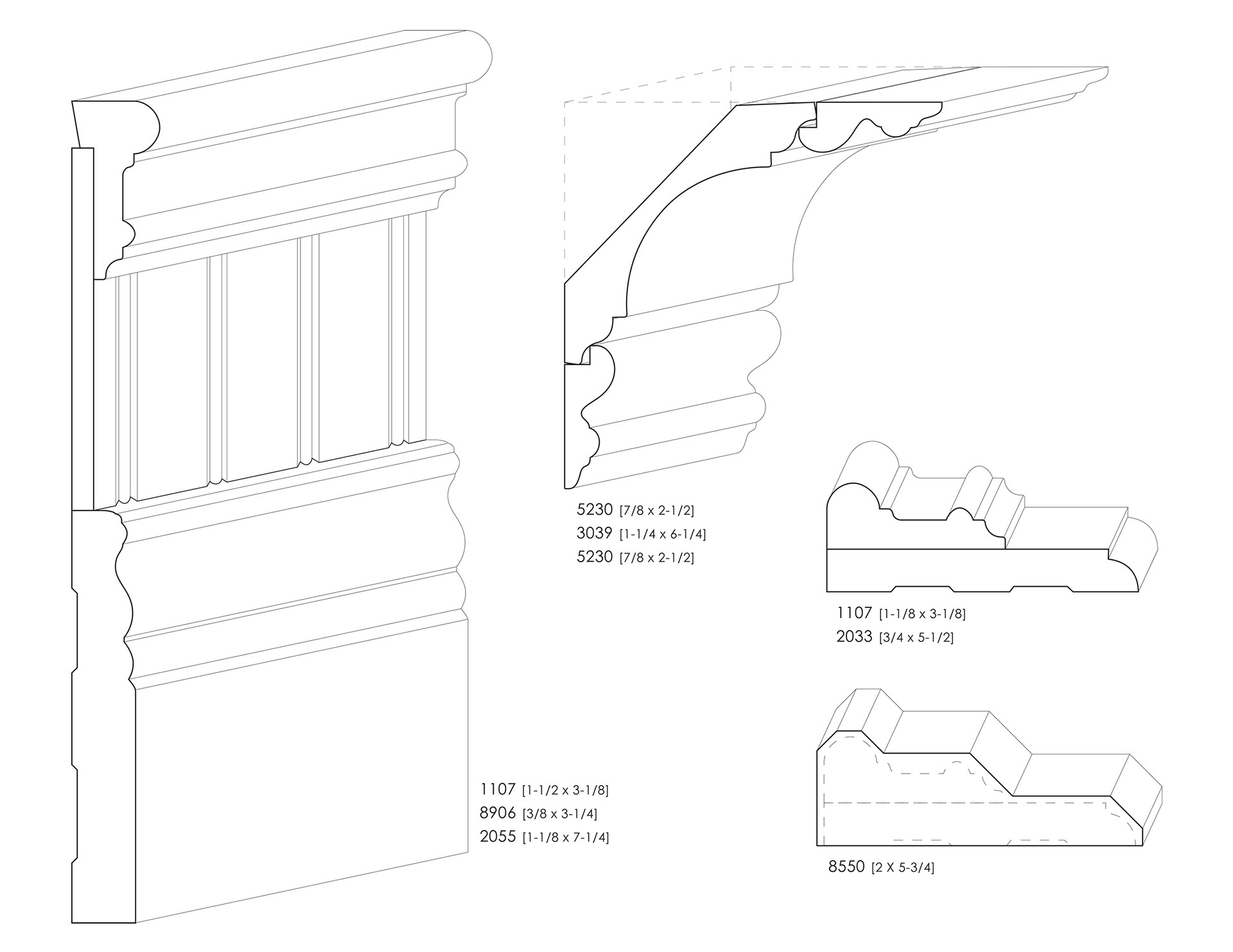
Interior trim often includes substantial door and window casings, tall baseboards, crown mouldings, chair rails, picture rails, and wainscot caps. These elements coordinate with paneled doors, beadboard or paneled wainscoting, and other decorative woodwork, with the level of ornament varying by architectural style and setting.
Historical profiles and period millwork illustrations appear in our Victorian Era Mouldings resource, featuring material from nineteenth-century pattern books and architectural publications.
Shop Now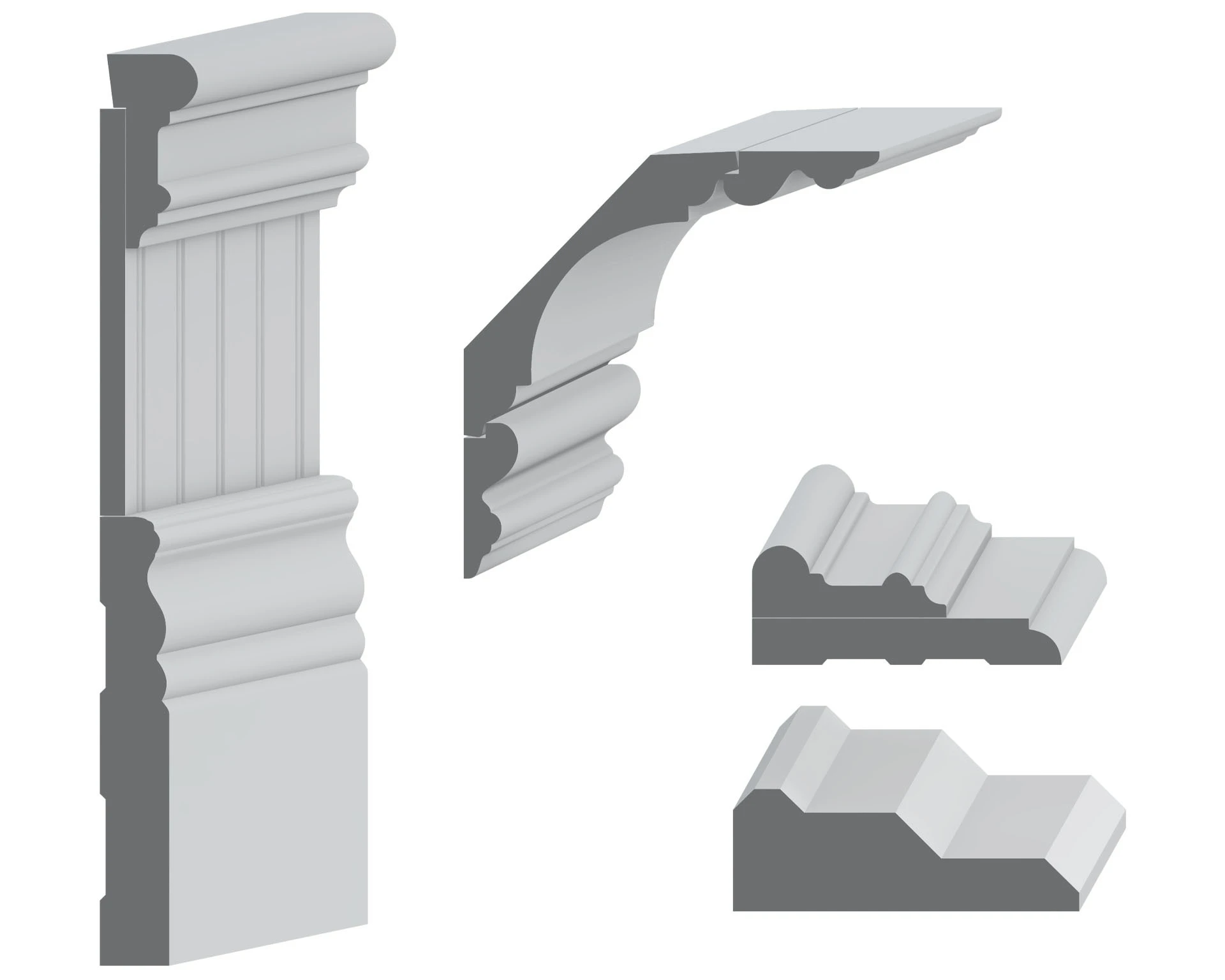
Period Details & Drawings
History of Victorian
During the long reign of Queen Victoria, from 1837 to 1901, architecture became an expression of a society transformed by industrial power. As cities expanded and new wealth altered everyday life, a romantic fascination with the past encouraged medieval revivals, picturesque designs, and renewed interest in regional building traditions. These approaches offered alternatives to the classical order associated with much Georgian architecture, while classical influences also continued. Victorian architecture developed as an era of experimentation in which architects freely reinterpreted historical traditions.
Architectural styles and decorative approaches represented during this period included Italianate, Gothic Revival, Scottish Baronial, Swiss Chalet, Colonial Revival, Second Empire, Eastlake decoration, the Shingle and Stick styles, Romanesque Revival, Greek Revival, Folk Victorian, and Queen Anne. Some had begun before Victoria ascended the throne or originated beyond Britain, and several remained popular after 1901. Each acquired new expression as nineteenth-century architects adapted historical precedents to contemporary life.
The growing wealth created by industrialization supported increasingly elaborate buildings and interiors. Mechanized woodworking made standardized mouldings, fretwork, and turned ornament more widely accessible, bringing decorative details into middle and working class homes as well as substantial residences. Pattern books and manufacturers’ catalogues helped builders select and combine these elements.
Victorian Architecture in America
Victorian architecture found particularly fertile ground in the rapidly developing United States, where balloon framing made irregular wooden buildings easier to erect, and the expanding railroad network carried factory-produced materials across the country. Pattern books and architectural publications guided builders through the changing fashions of the century, allowing national design trends to acquire distinctive regional interpretations.
The Gothic Revival carried medieval forms into the period, while Italianate architecture drew on Italian villas and Renaissance precedents. The grandeur of contemporary France entered American architecture through the Second Empire style, while the Stick Style emphasized wooden construction through decorative timber patterns on exterior walls. Queen Anne architecture later gathered the period’s growing interest in color, texture, and asymmetry into some of its most exuberant compositions.
These distinct architectural styles were united by the historical moment in which they flourished. Industrial growth and expanding development in the decades following the Civil War supported new construction in cities, suburbs, and rural towns. Factory-produced ornament allowed even a comparatively modest dwelling to acquire architectural distinction.
By the closing decades of the nineteenth century, Victorian architecture had given the American built environment an extraordinary visual richness that reflected both the possibilities of industrial production and a powerful desire for beauty, variety, and personal expression.