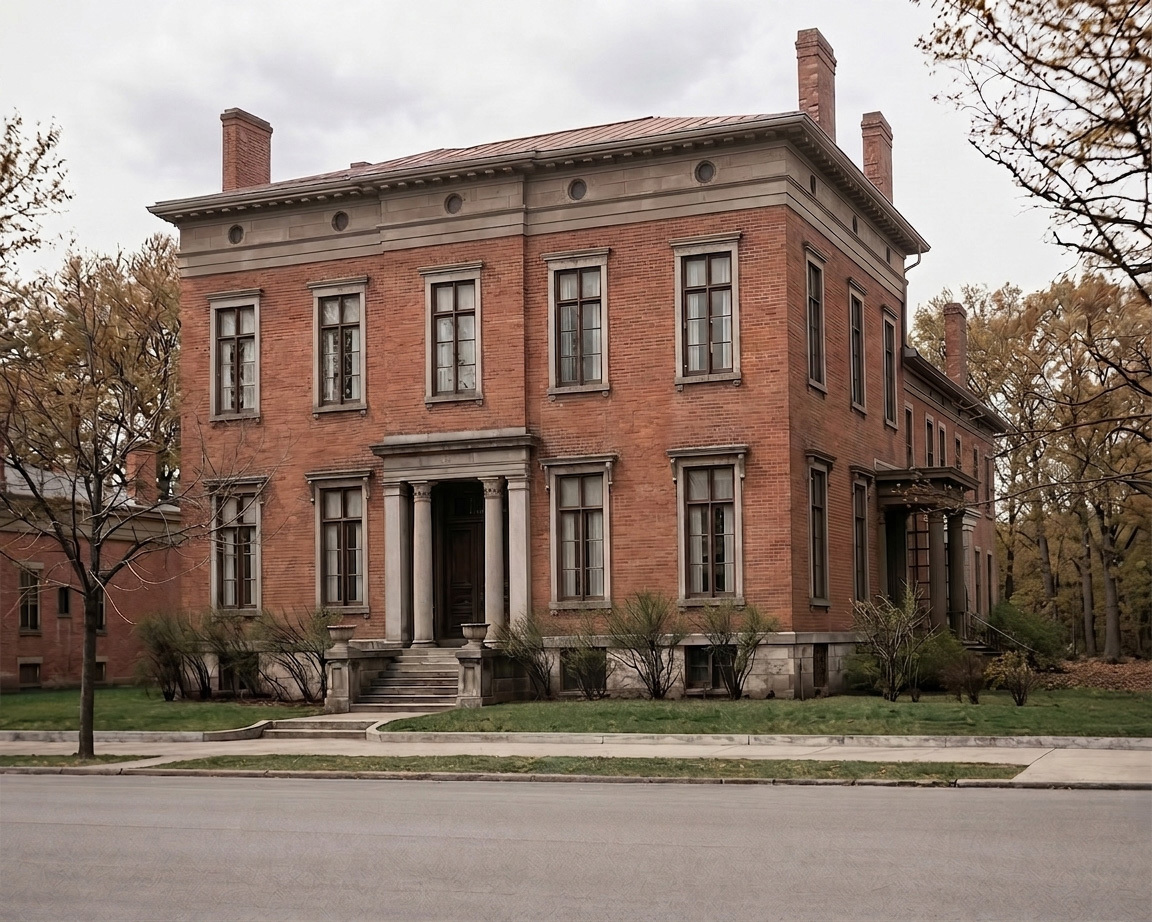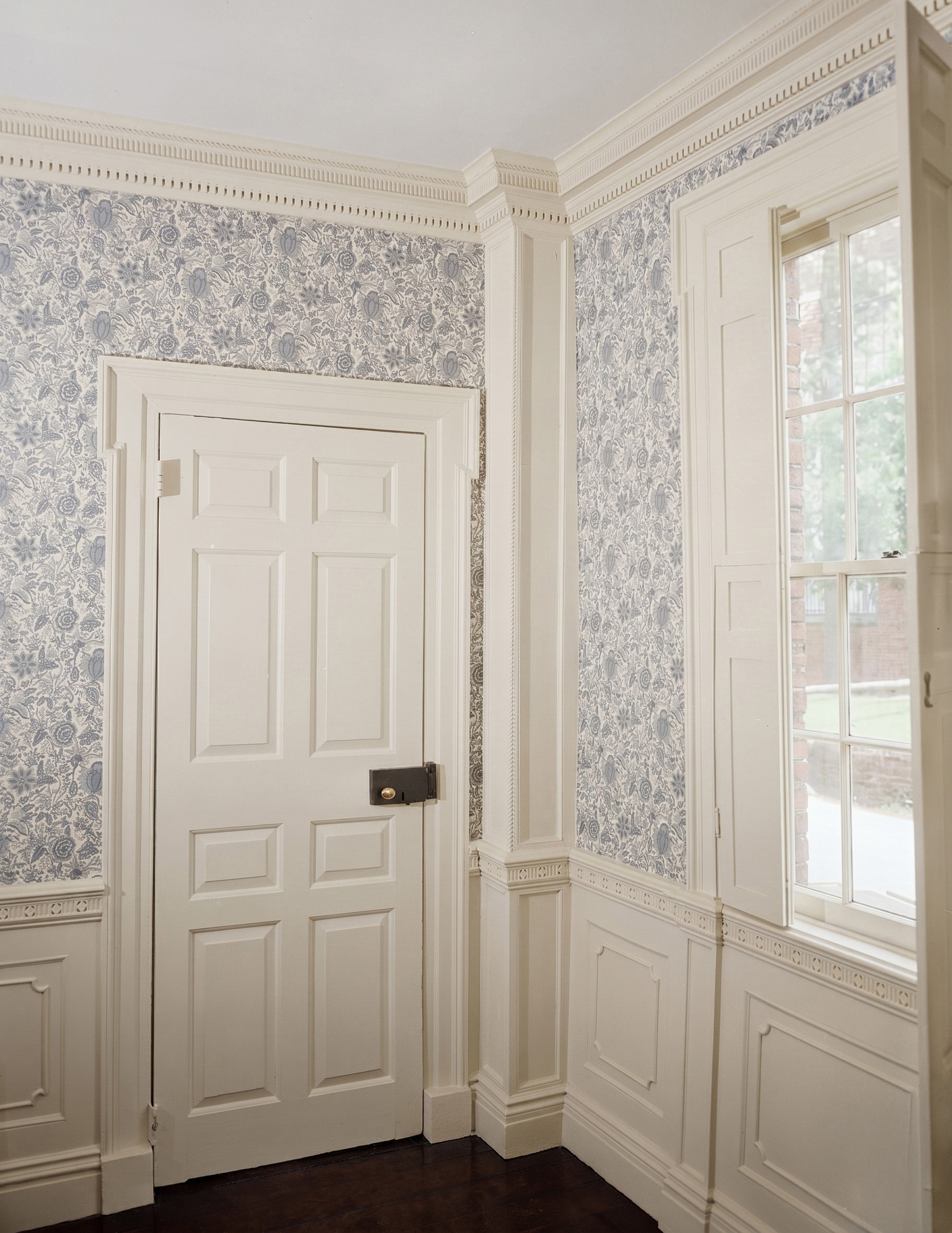
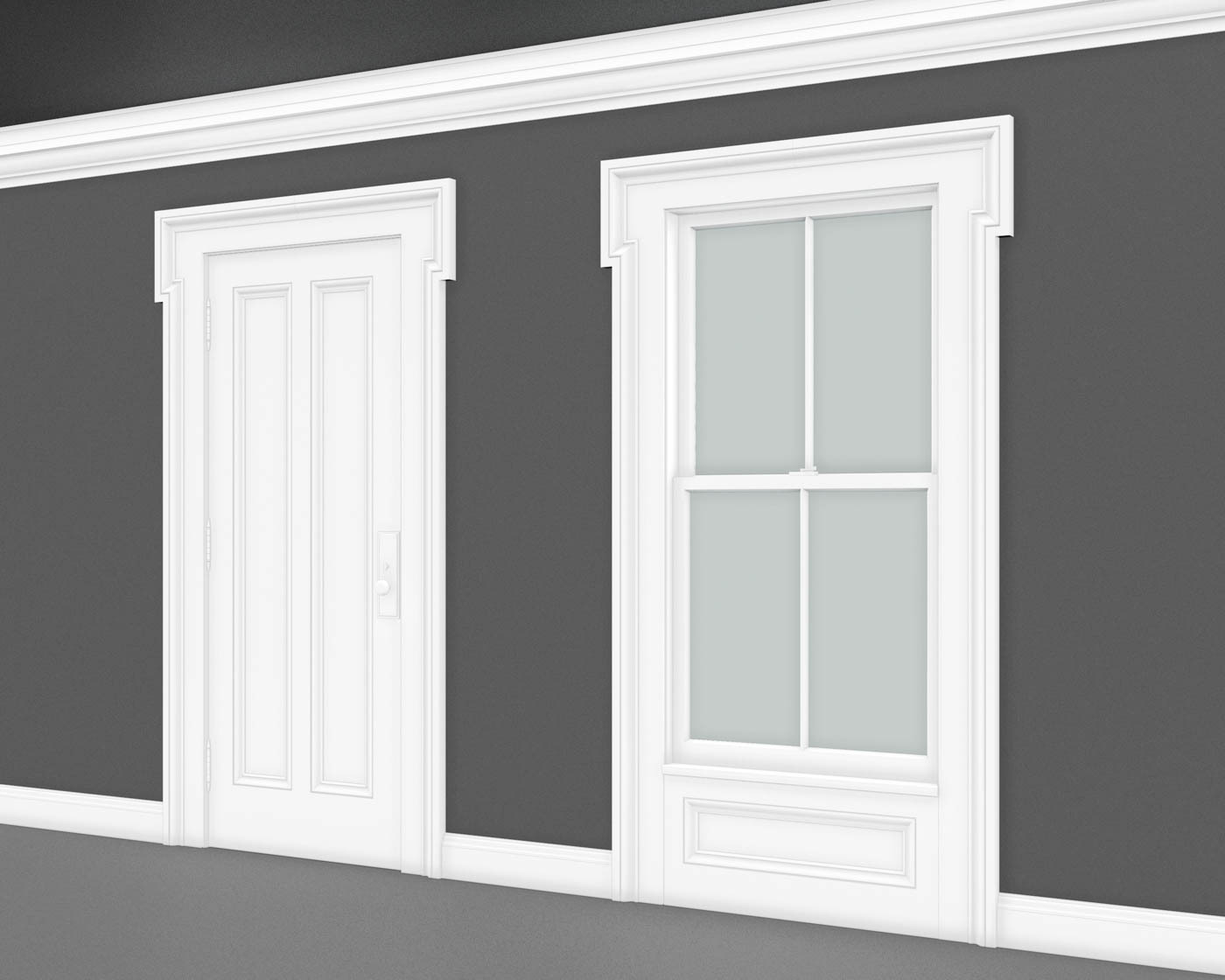
GREEK REVIVAL STYLE MOULDING PROFILES













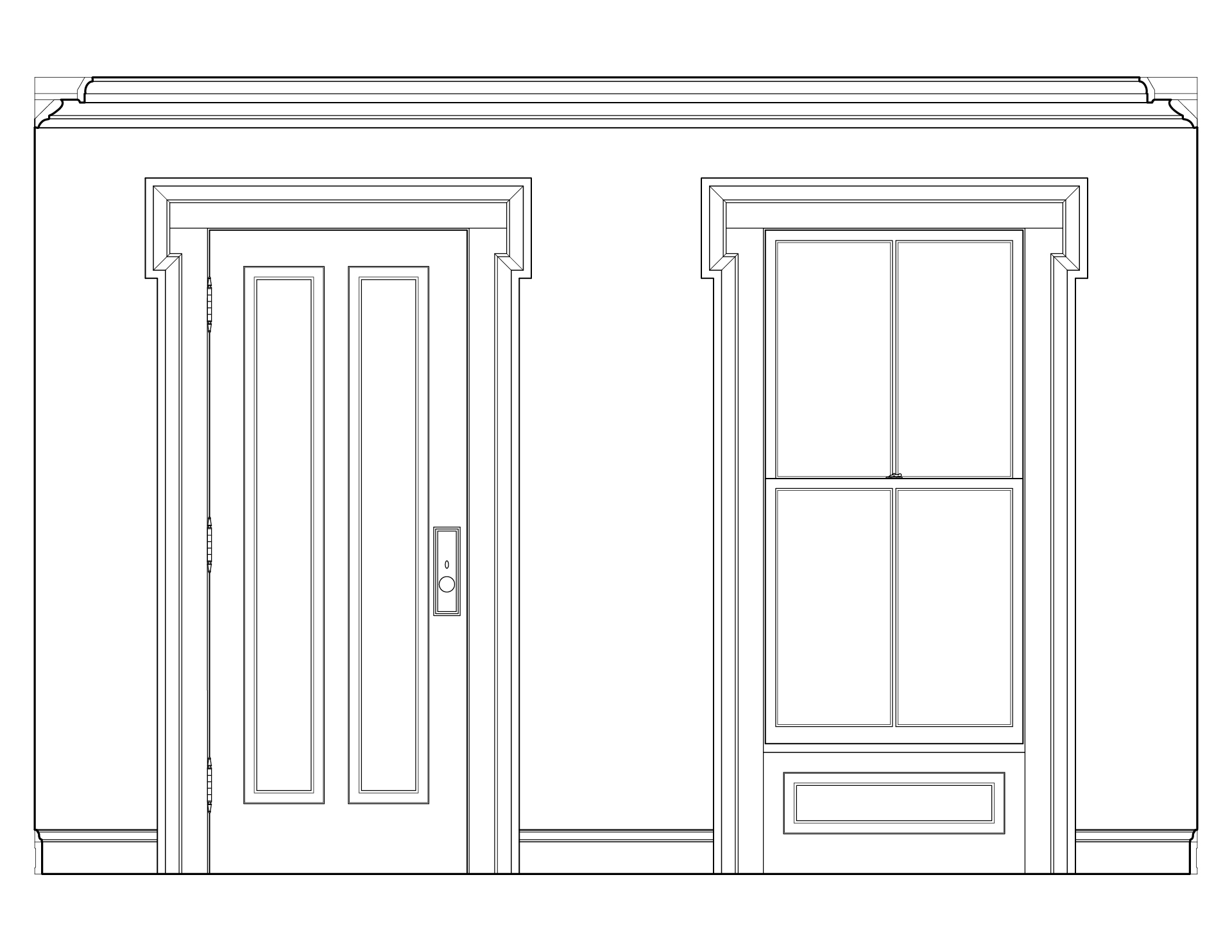
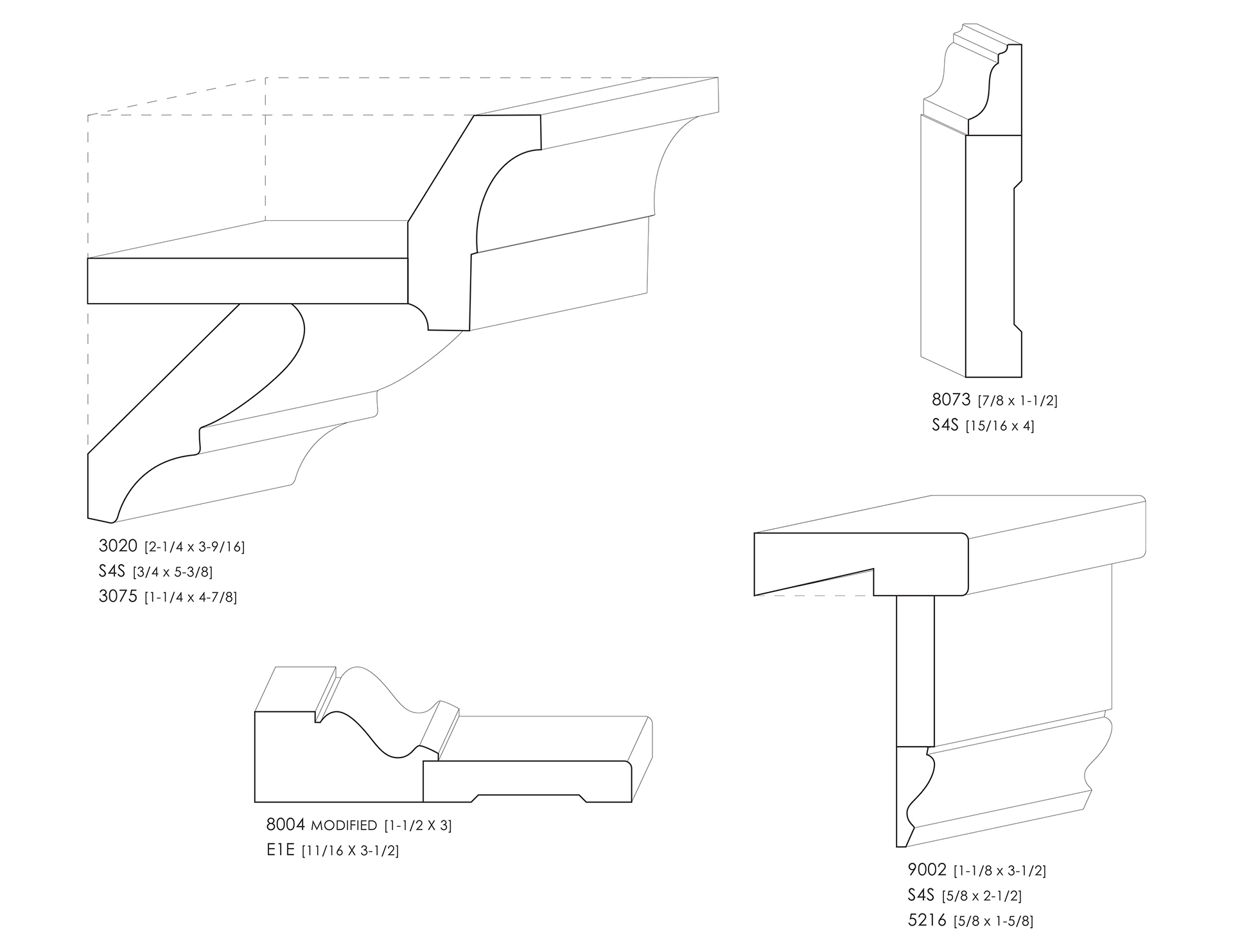
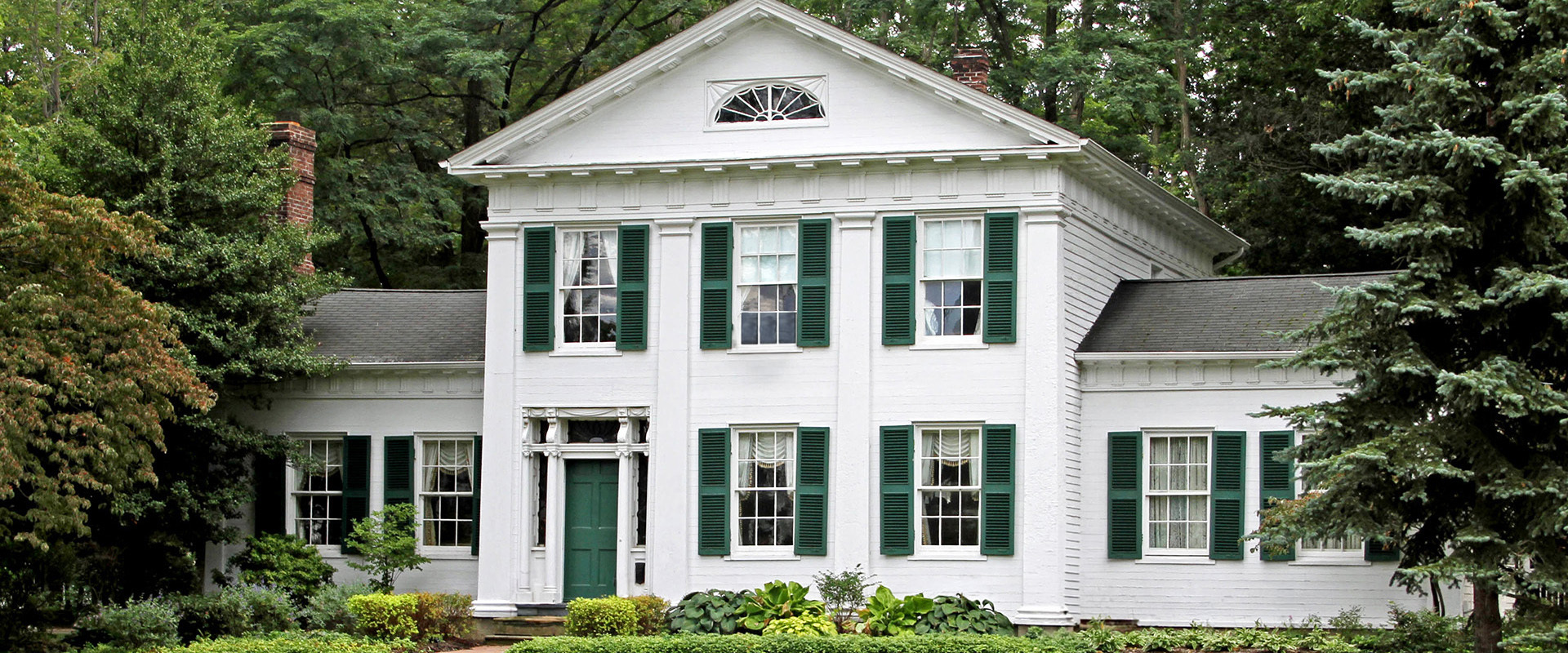
ABOUT GREEK REVIVAL ARCHITECTURE
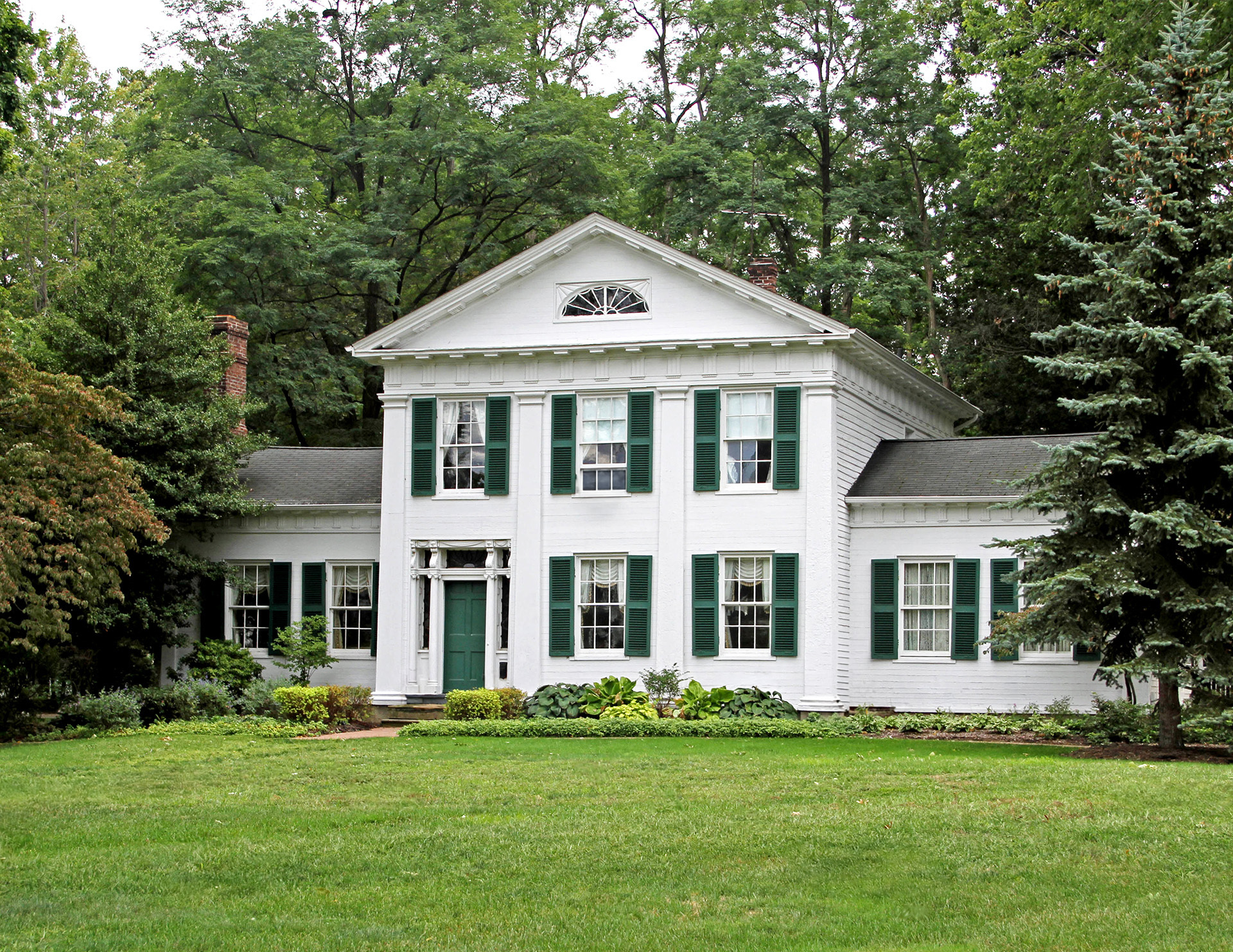
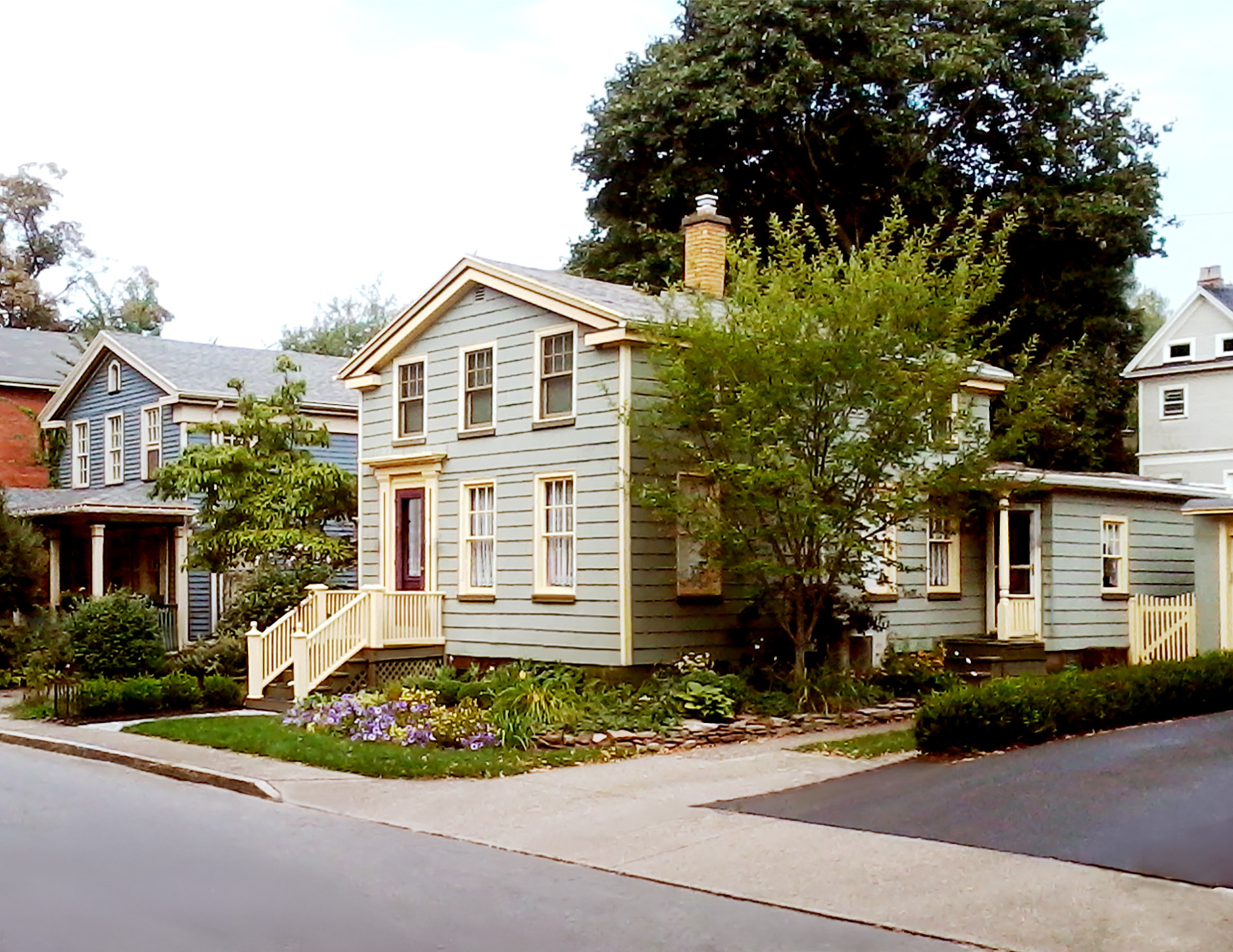
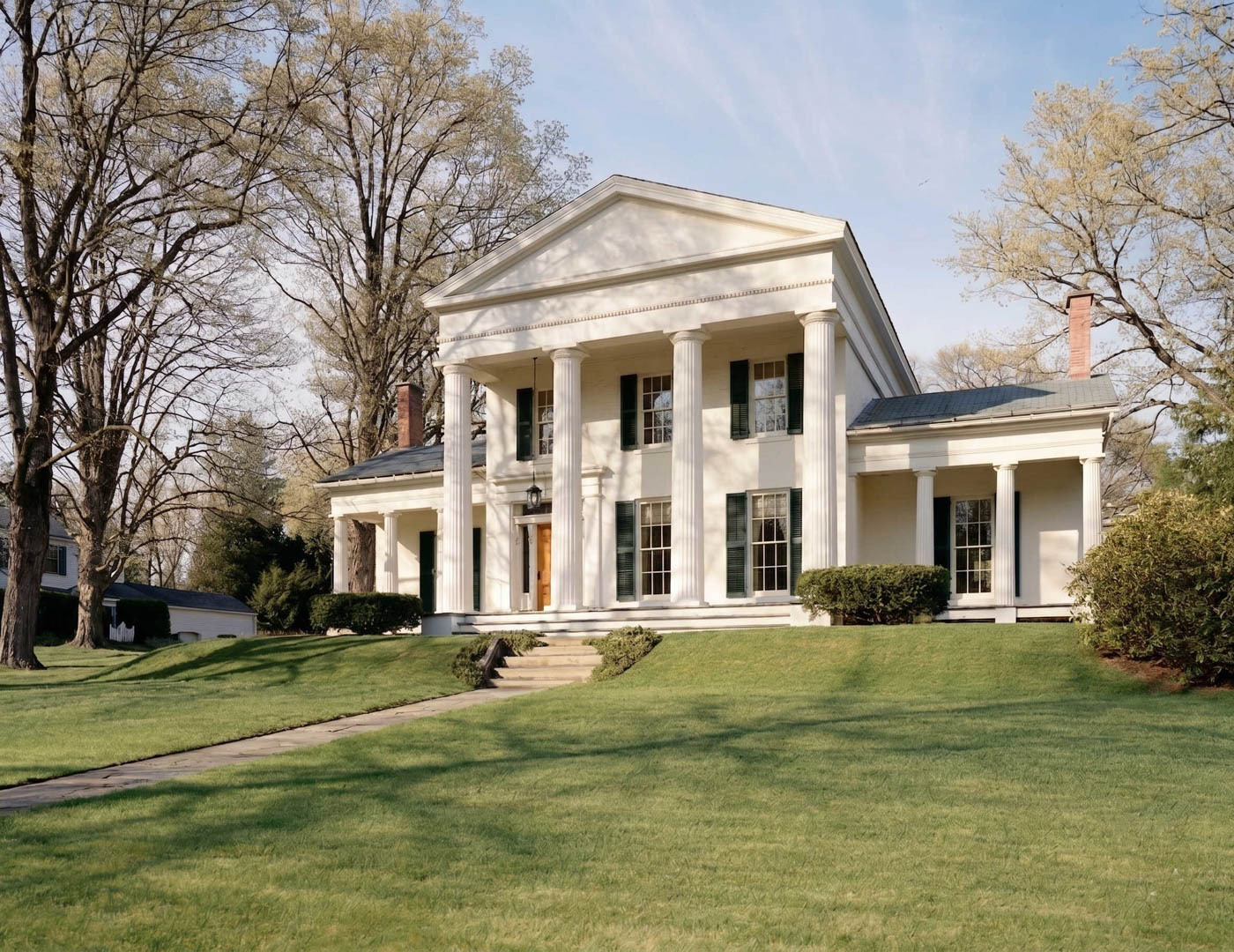
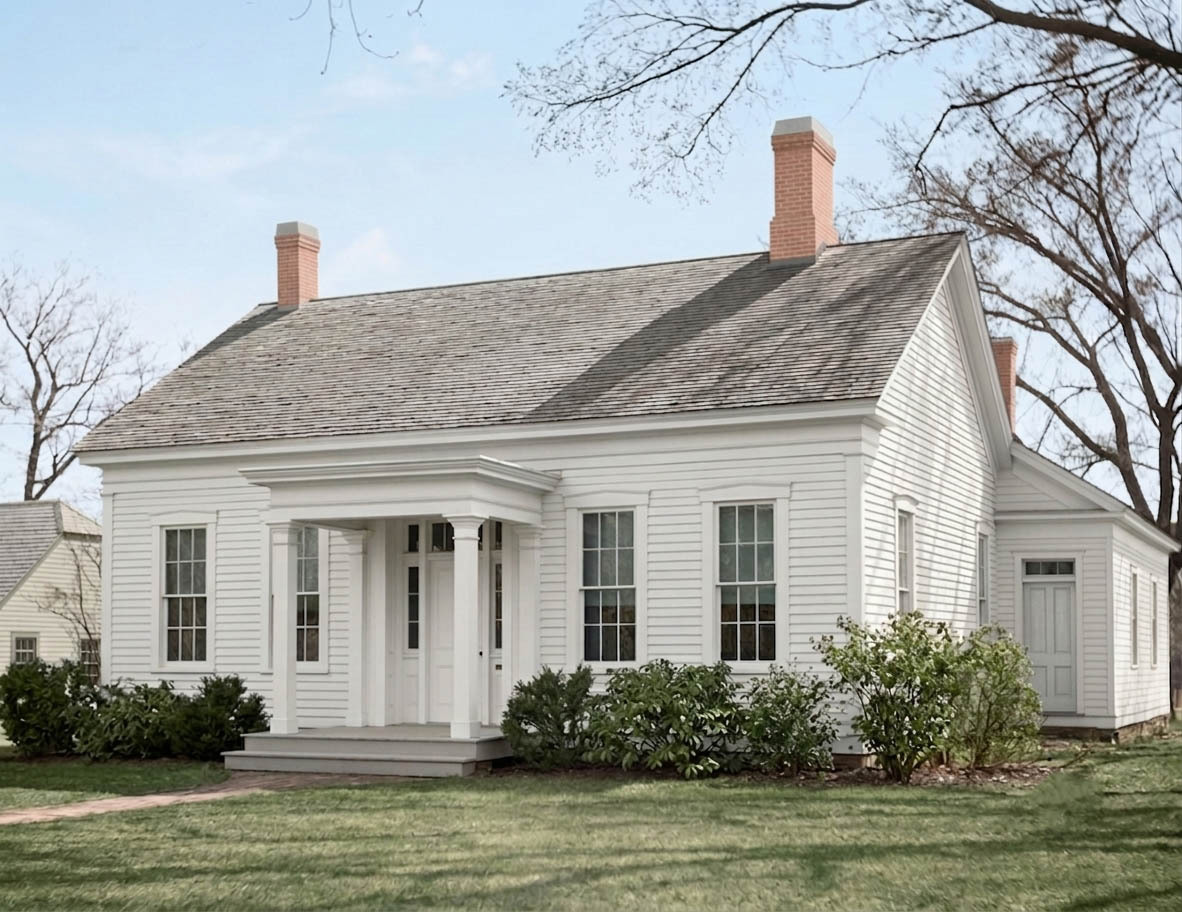
At the beginning of the 19th Century, the Greek Revival style of architecture was popularized. It is considered the last phase of the neoclassical movement and was inspired in part by a newfound access to Greece.
GREEK REVIVAL STYLE MOULDINGS
Greek Revival style mouldings typically use the echinus, portions of an ellipse, the beak mold, fillets, and chamfers. The palmette, anthemion and acanthus leaf, tendrils, honeysuckle blossoms and volutes characterize the ornamentation.
HISTORY OF GREEK REVIVAL ARCHITECTURE
Across the sunlit hillsides of Greece, the timeless silhouettes of ancient temples awakened a renewed fascination with the civilization that had long shaped the intellectual foundations of the Western world. As archaeological discoveries revealed the remarkable legacy of ancient Greece, architects increasingly turned away from the long-standing influence of Roman classicism in favor of earlier Greek precedents, which many scholars regarded as the purest expression of classical design. The growing tradition of the Grand Tour, during which artists, architects, and intellectuals journeyed abroad to study the monuments of antiquity firsthand, further elevated appreciation for authentic Greek architecture. Together, these influences transformed Greek Revival into one of the nineteenth century's most celebrated architectural movements.
During the early nineteenth century, Greek Revival found an eager audience in the United States, where the young republic embraced the style as an architectural expression of democratic ideals and national identity. Thomas Jefferson championed classical architecture, while Benjamin Henry Latrobe introduced its principles through prominent public commissions. The widely circulated pattern books of Asher Benjamin and Minard Lafever further propelled the movement by making its classical design vocabulary accessible to architects and builders alike. Greek Revival left an indelible mark upon the American landscape, weaving the ideals of classical antiquity into the architectural identity of a young nation.