International
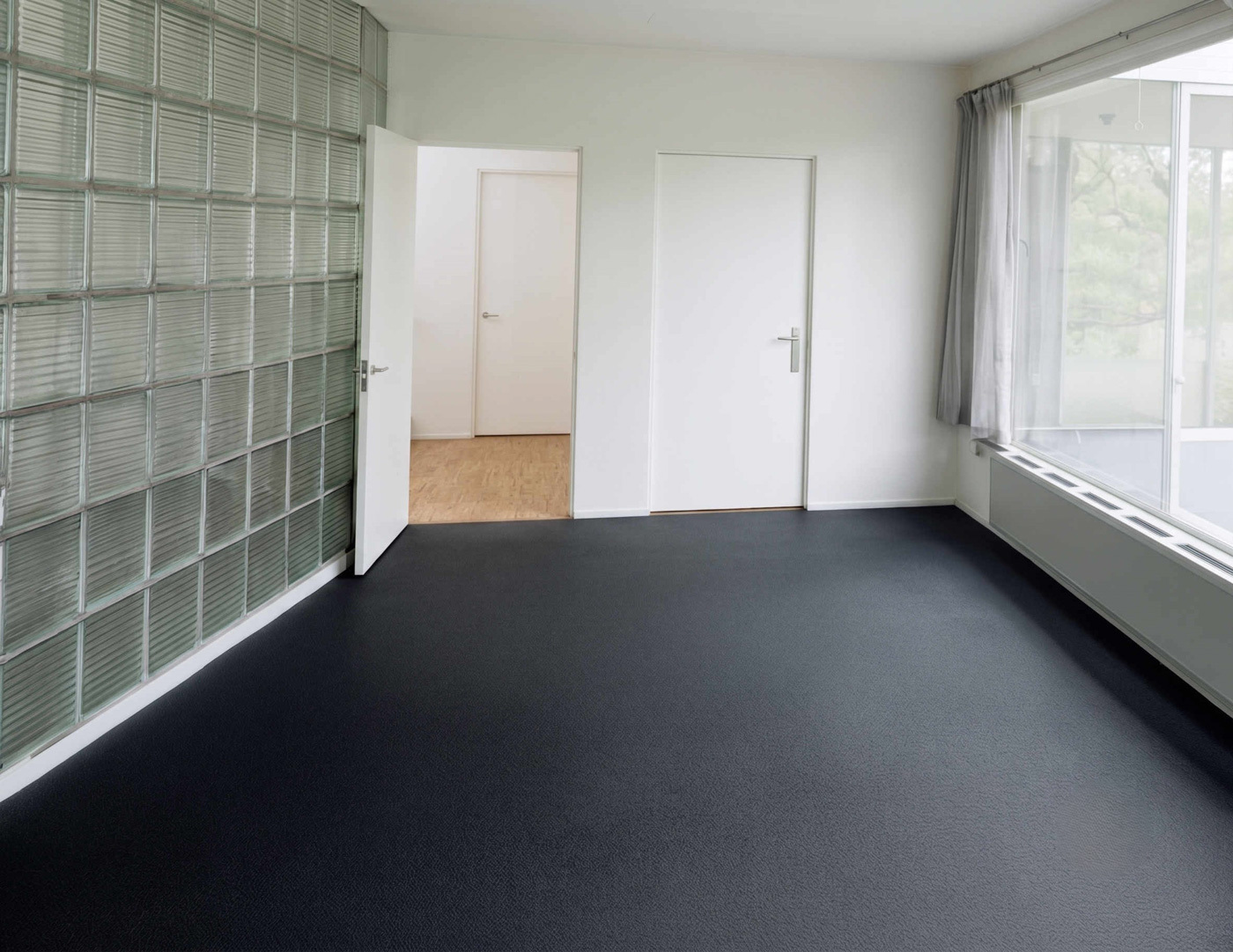
International style is characterized by precision detailing & craftsmanship.
What Is International?
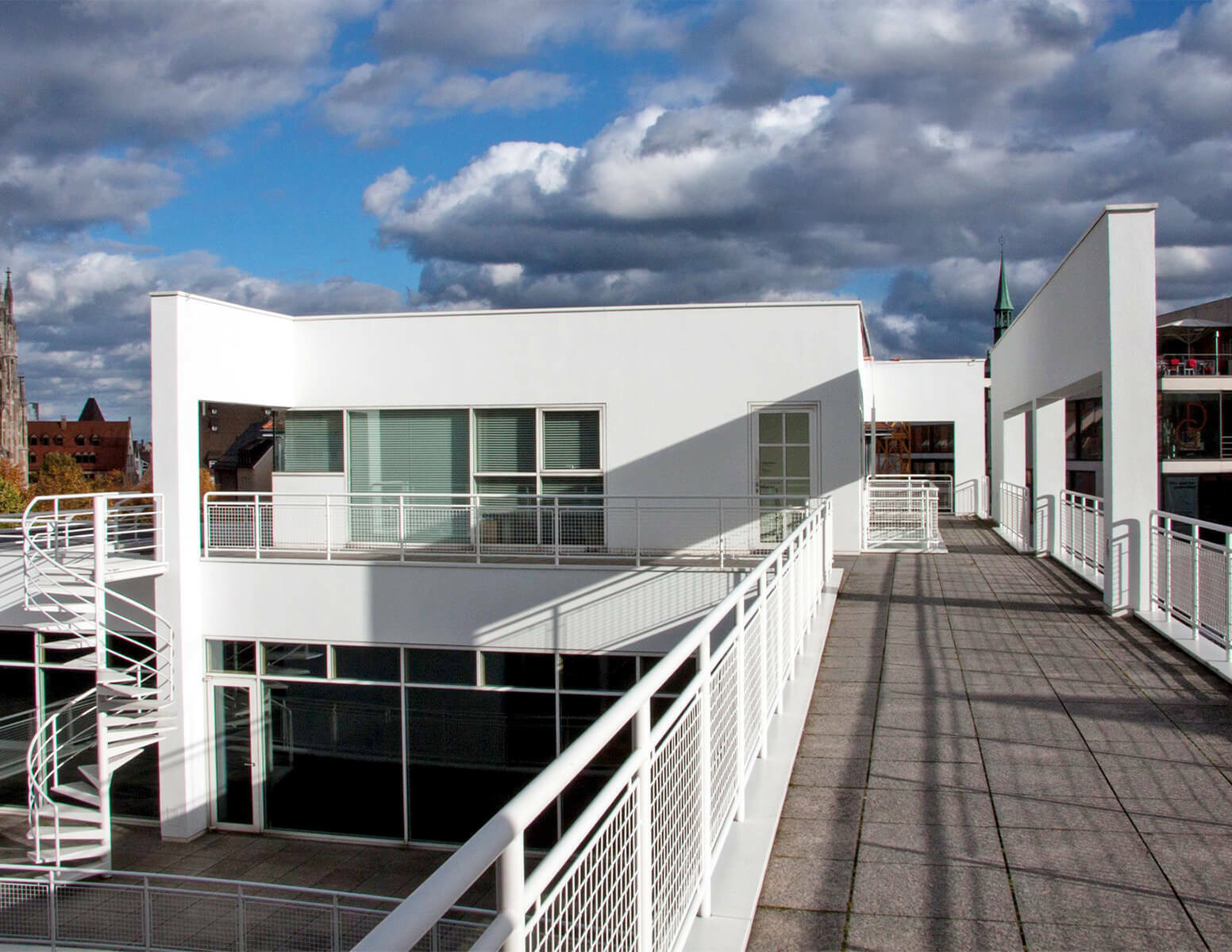
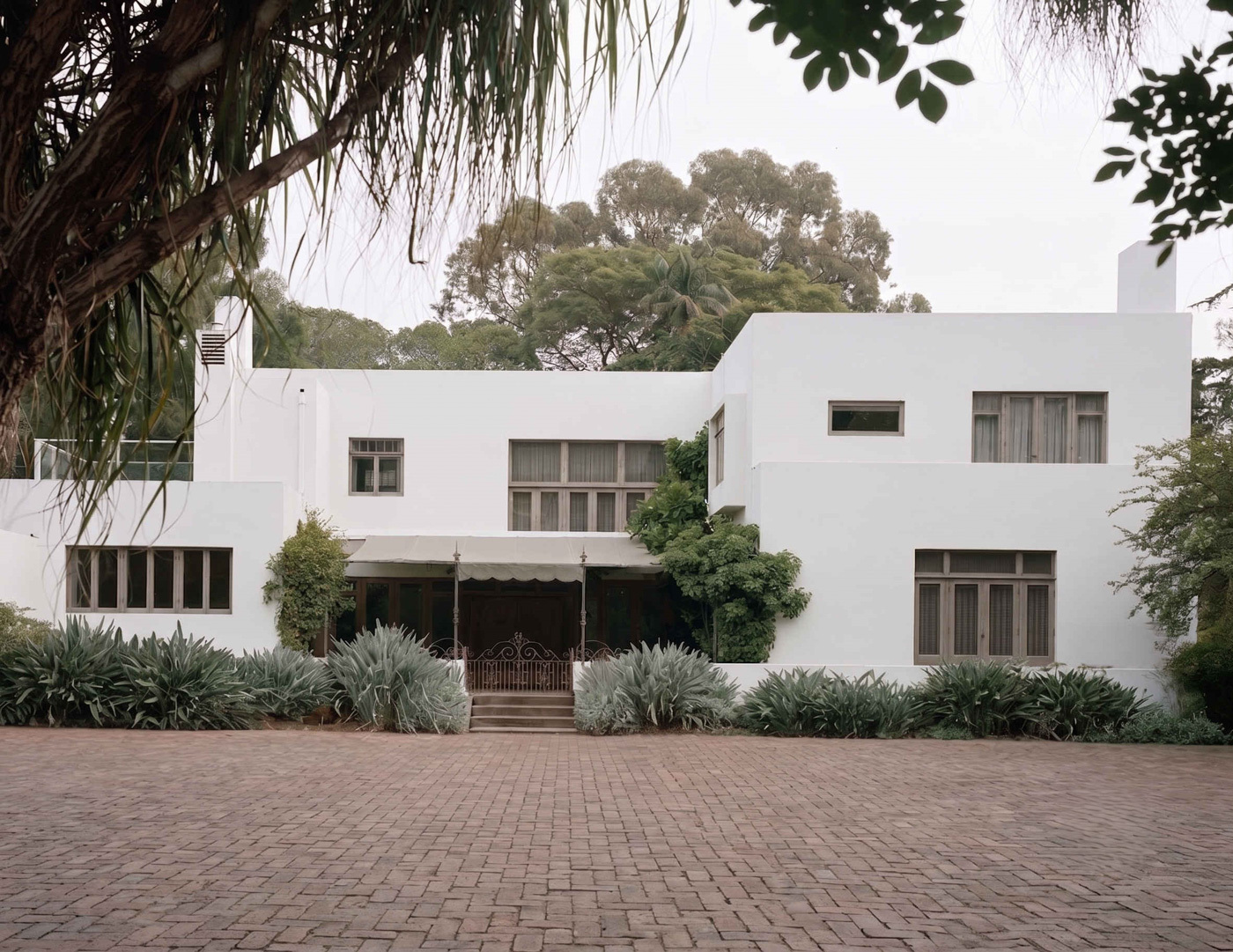
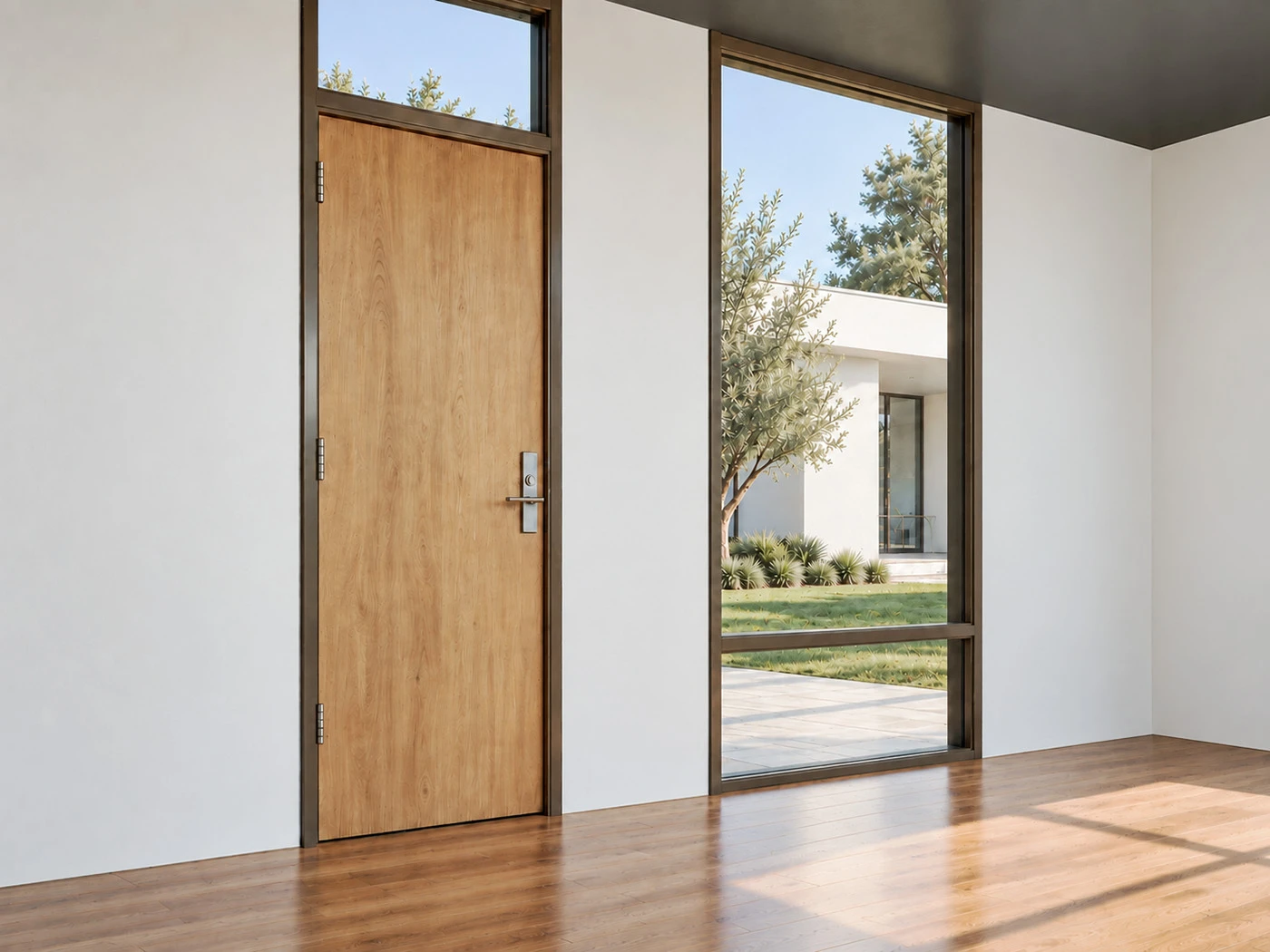
International style architecture is characterized by a lack of extraneous ornament, precision detailing and craftsmanship, floor to ceiling windows and doors and simple hardware. It is a difficult style to execute and demanding in terms of maintenance, but for the truly elite and avant garde, a necessity.
The Collection












International Characteristics
INTERNATIONAL STYLE MOULDINGS
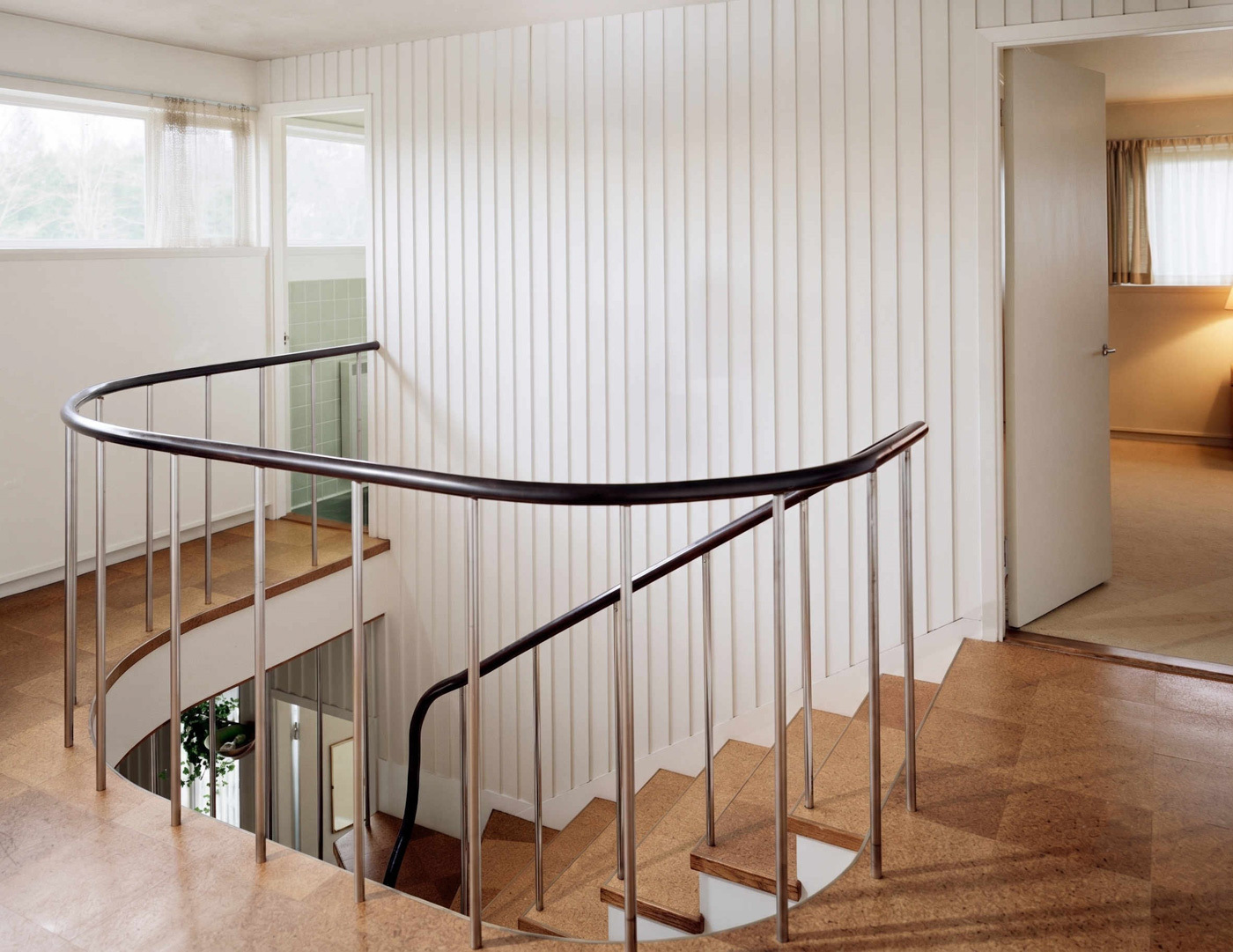
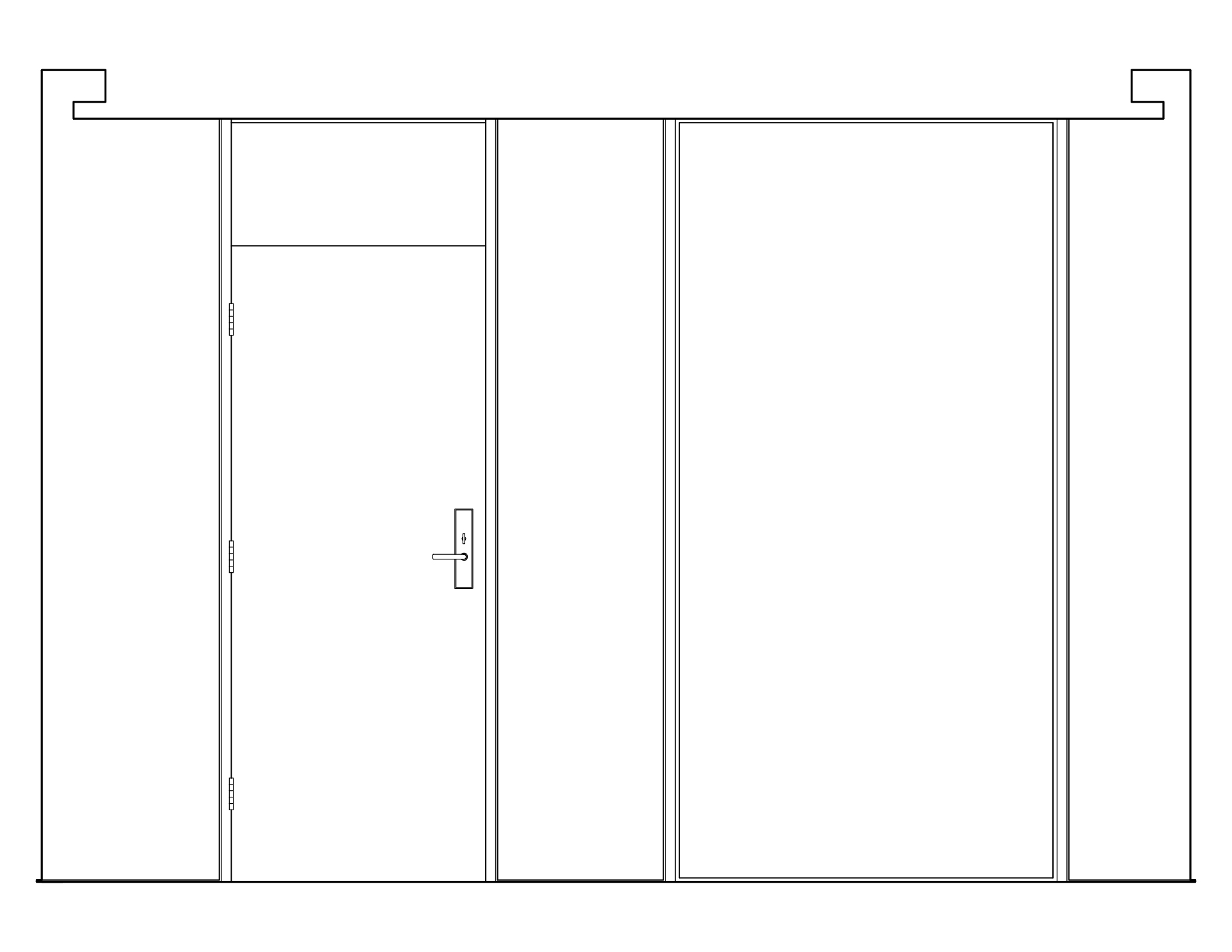
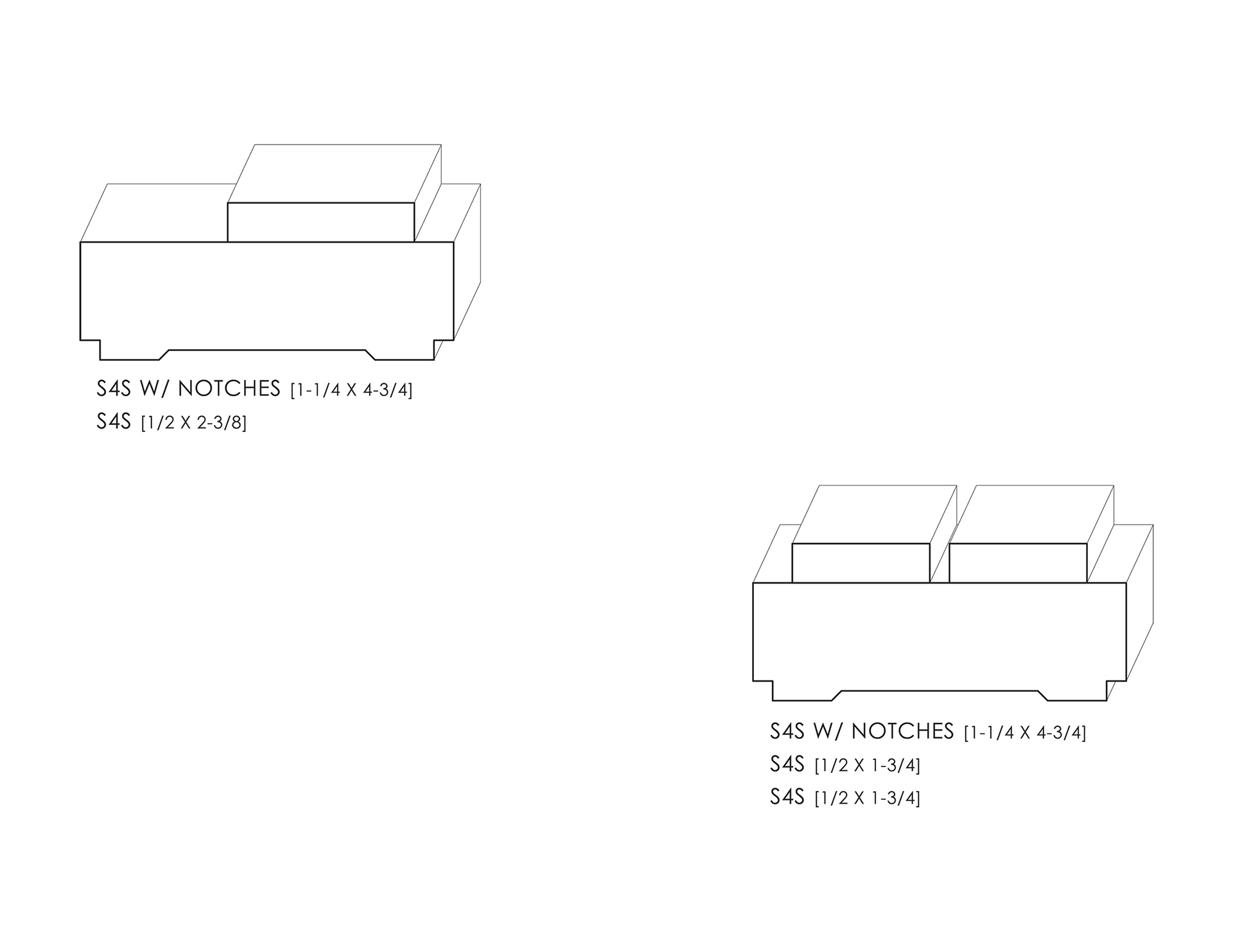
The International style does not use mouldings to cover construction joints, shim spaces, irregular surfaces, etc. Metal plastering and gypsum board accessories such as the “J-mold” and “corner bead” are used to create straight, clean edges. The style is unforgiving of sloppy craftsmanship. Bauhaus style details involve a high degree of precision and careful setting of the wooden parts prior to finish-plastering or taping. Finished woodwork, where used at all, is usually made up of S4S rectangular shapes, sometimes with routed edges to create a reveal or shadow line between surfaces.
Shop Now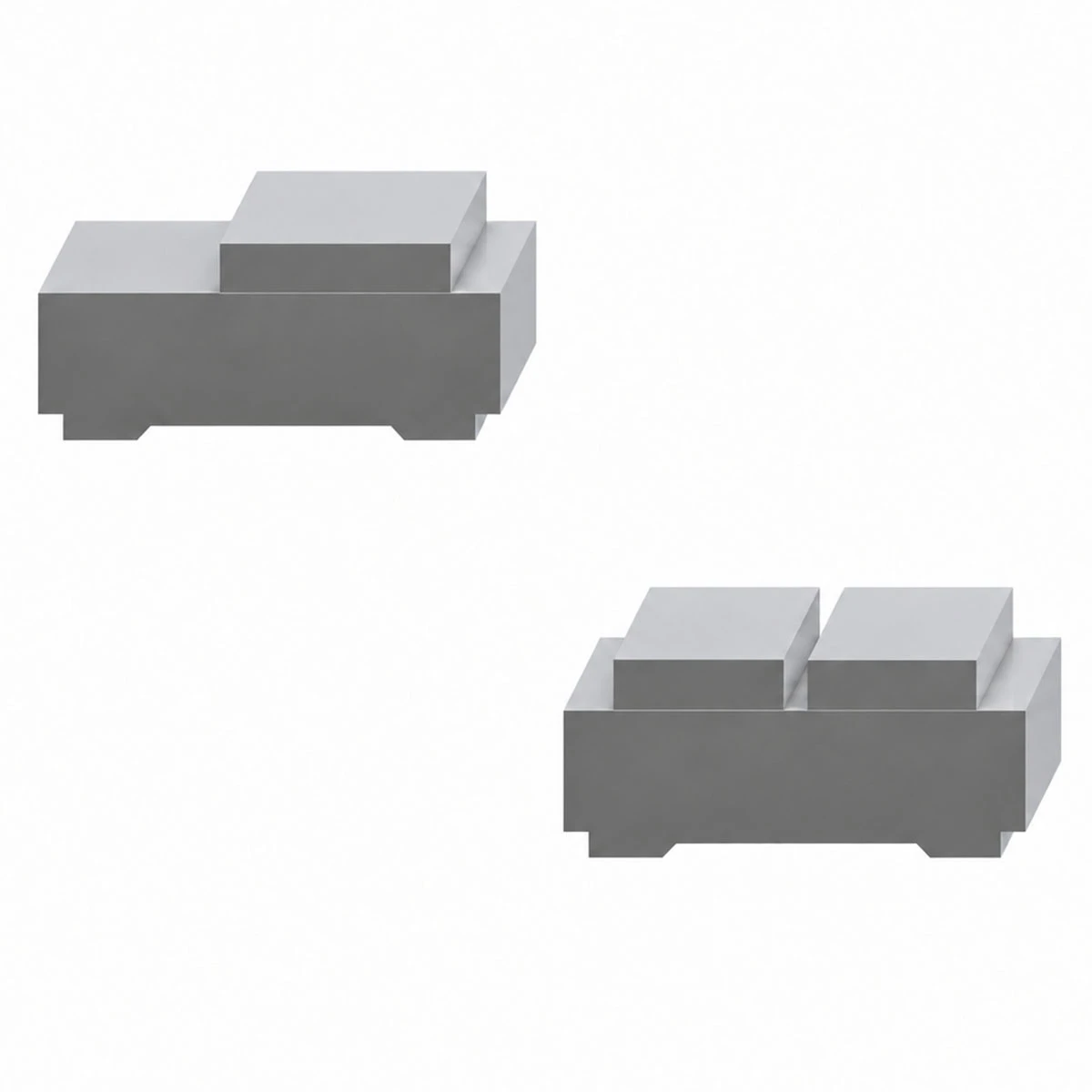
History of International
Born from the profound social and industrial transformation that followed the First World War, International Style architecture emerged as a decisive departure from the elaborate ornament and historical revivalism that had defined Western architecture for centuries. As Europe confronted widespread housing shortages and rapid technological advancement, architects embraced a new vision in which form followed function and buildings reflected the realities of modern life rather than the past. Organizations such as the Deutscher Werkbund championed the union of industry, craftsmanship, and design, while the Bauhaus under Walter Gropius united architects, artists, and craftsmen in pursuit of a new philosophy of design. Although the Bauhaus was a pioneering school rather than a style itself, its principles helped shape the International Style, which Ludwig Mies van der Rohe, Le Corbusier, and others refined through clean geometry, open floor plans, expansive glass, and an absence of unnecessary ornament. In 1932, the movement received its name through the landmark exhibition at New York’s Museum of Modern Art, where historians Henry-Russell Hitchcock and Philip Johnson presented it as a style capable of transcending national traditions.
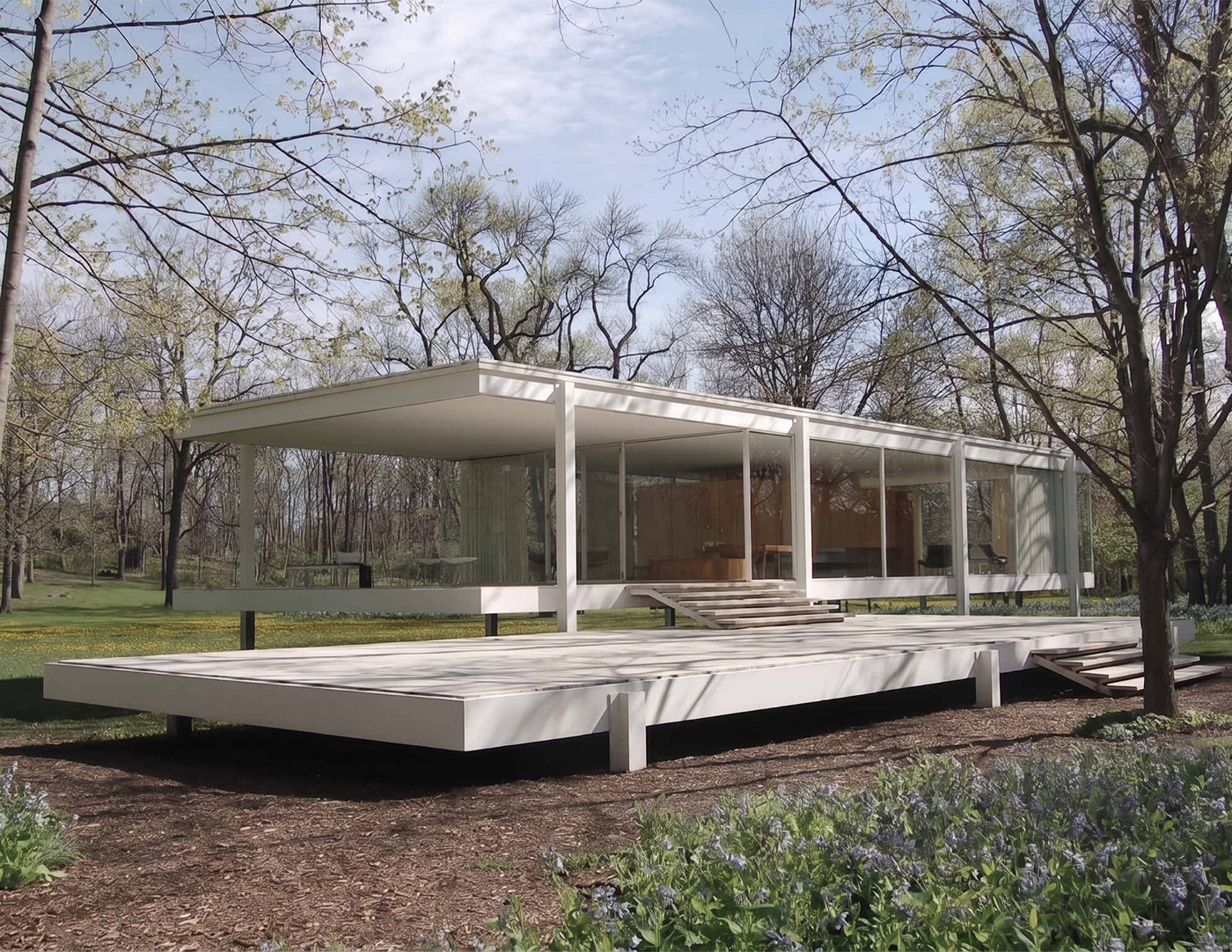
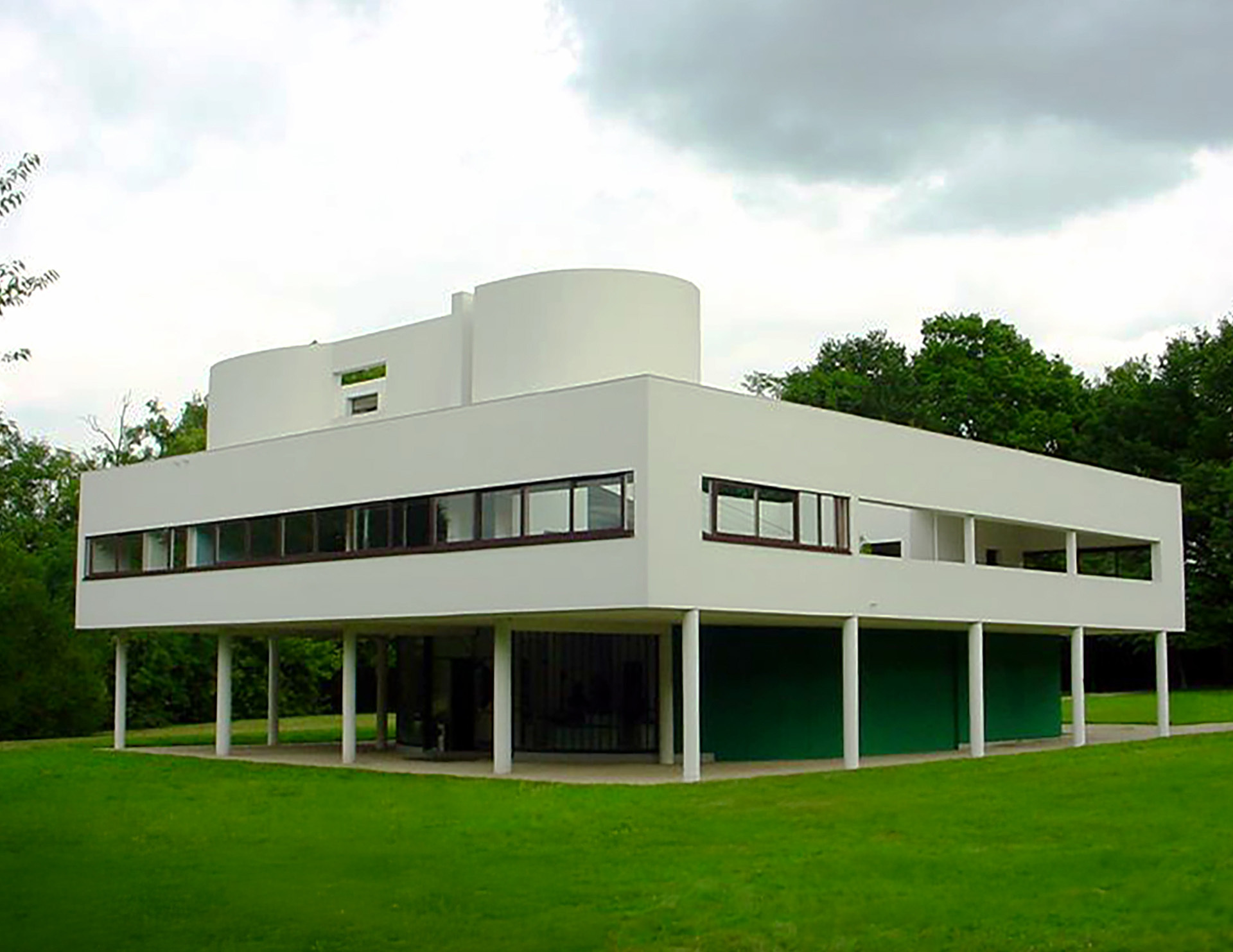
Political upheaval soon carried these ideas across the Atlantic. As the Nazi regime rose to power during the 1930s, many of Europe’s leading modern architects emigrated to the United States, profoundly influencing American architecture. Following the Second World War, the International Style became the defining expression of modern design, transforming skylines with elegant skyscrapers, corporate headquarters, museums, universities, embassies, and sophisticated private residences. Masterworks such as Villa Savoye, the Farnsworth House, Lever House, and the Seagram Building demonstrated that simplicity, when executed with exceptional precision, could achieve a monumentality equal to the great architecture of earlier centuries. Although later movements challenged its universal ideals, the International Style permanently reshaped twentieth-century architecture, leaving a legacy that continues to influence contemporary design throughout the world.