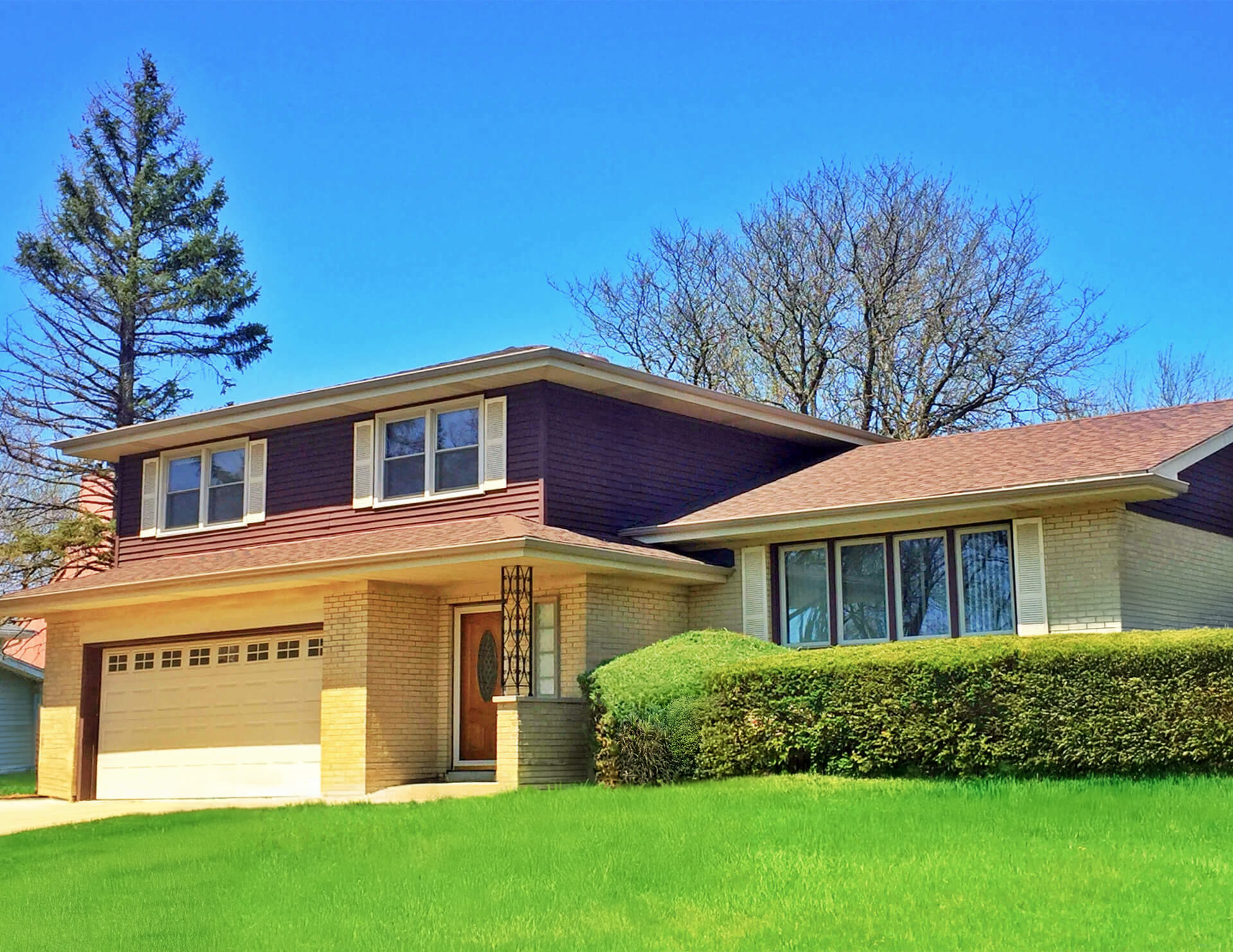
Mid-Century Modern
Clean lines, simple profiles, and streamlined woodwork complement open interiors and practical modern design.
What Is Mid-Century Modern?
Mid-Century Modern refers to a broad movement in architecture, interior design, product design, and urban planning that took shape around the middle of the twentieth century. Its architectural roots predate World War II, but the style flourished in American homes during the postwar decades.
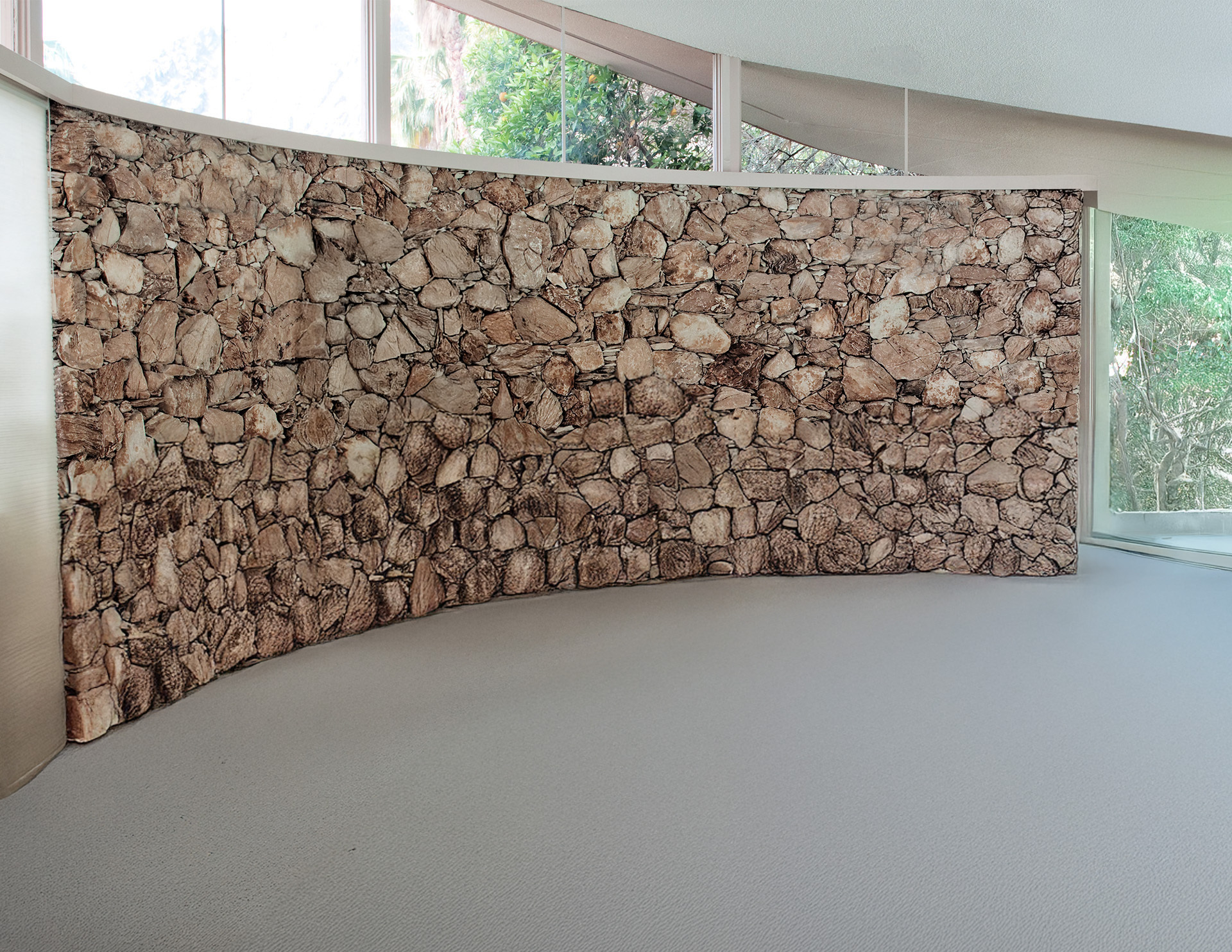
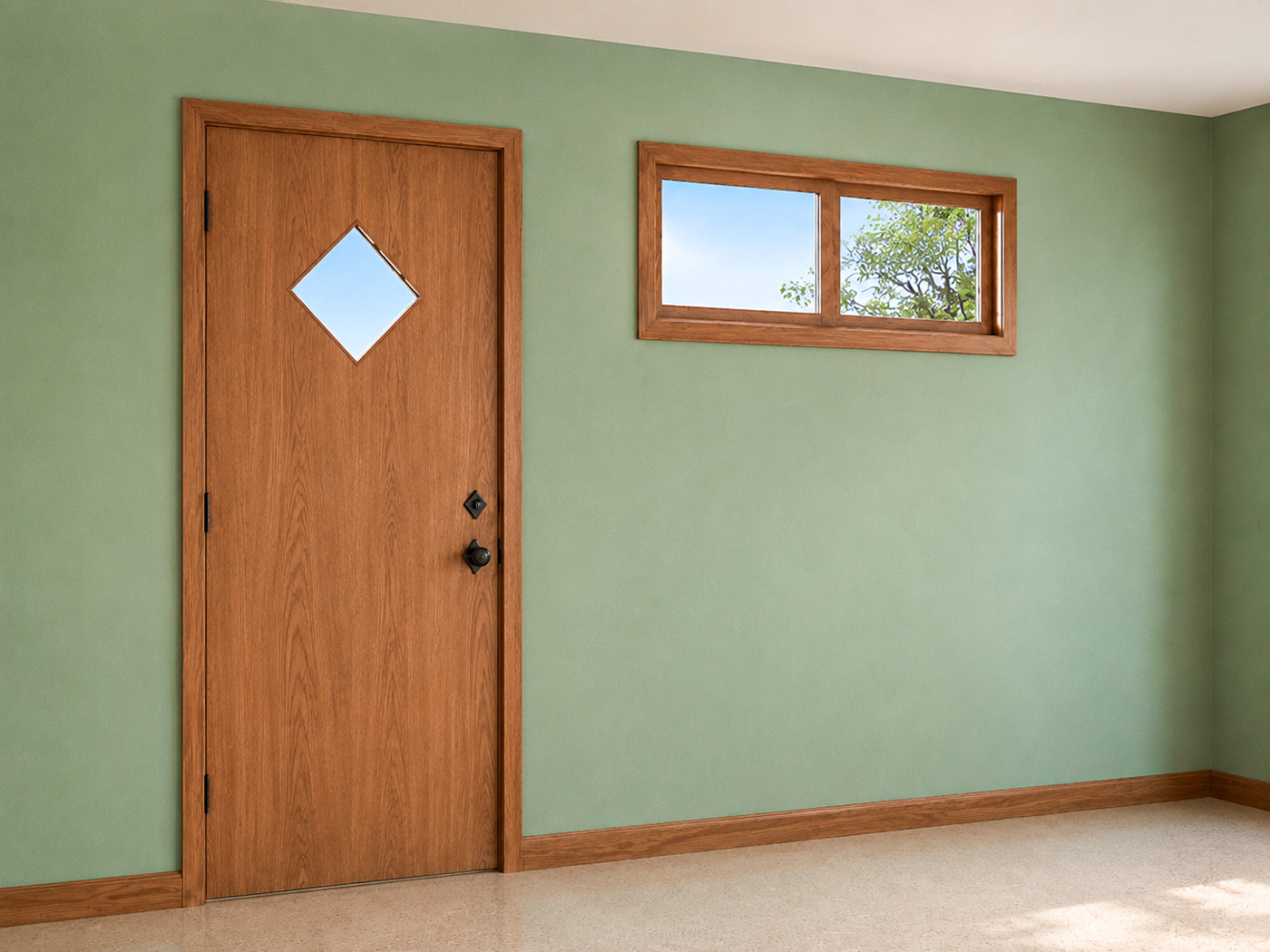
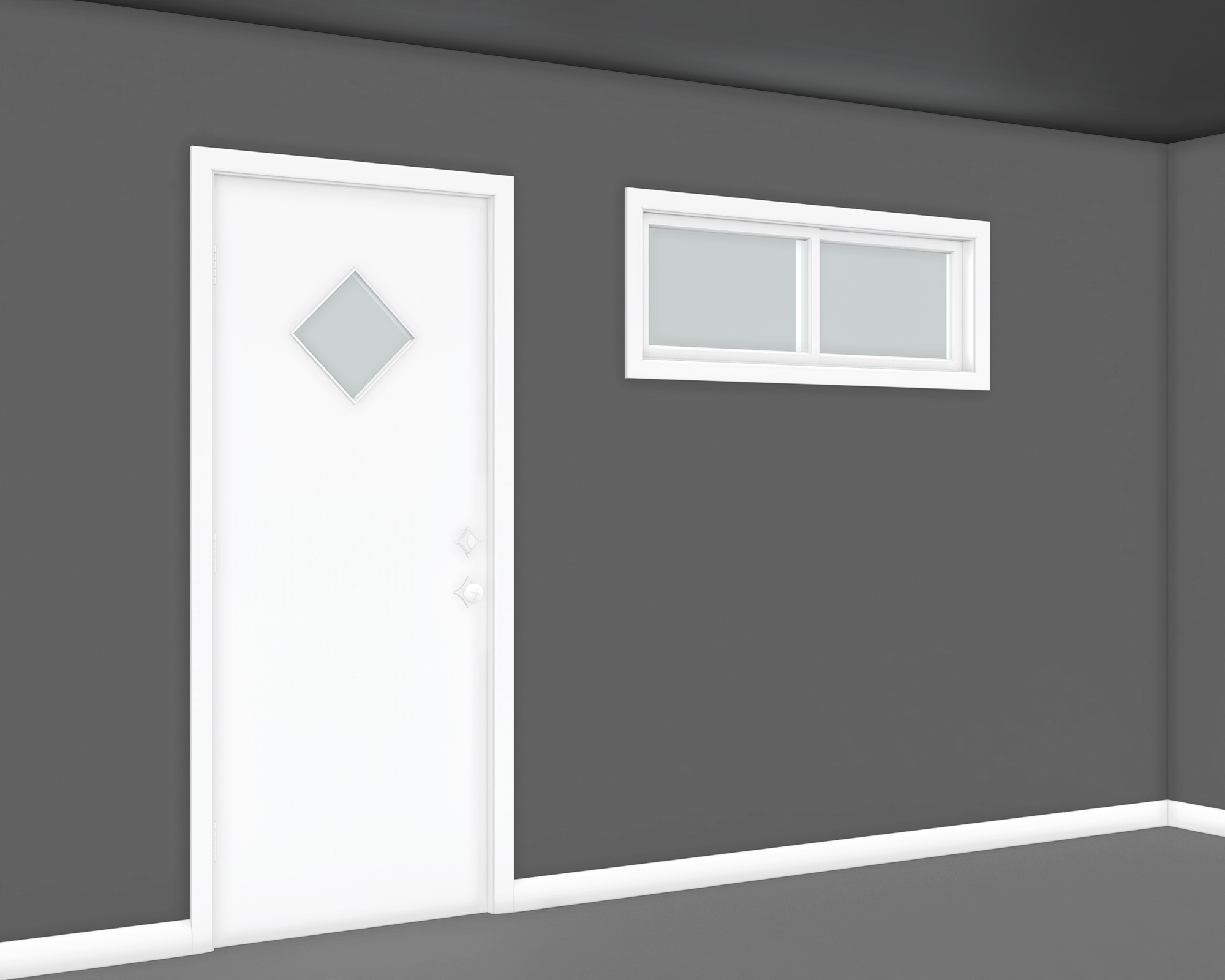
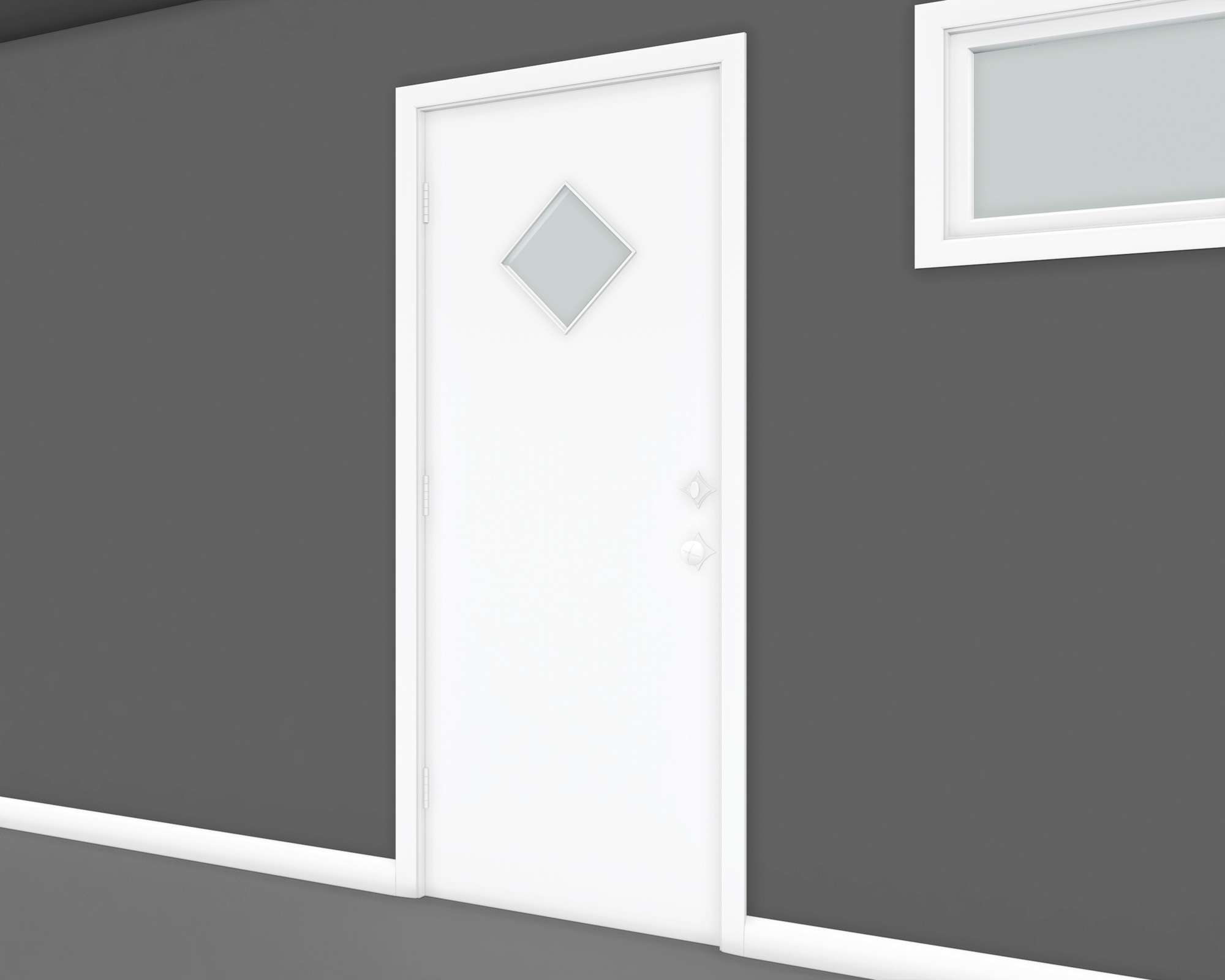
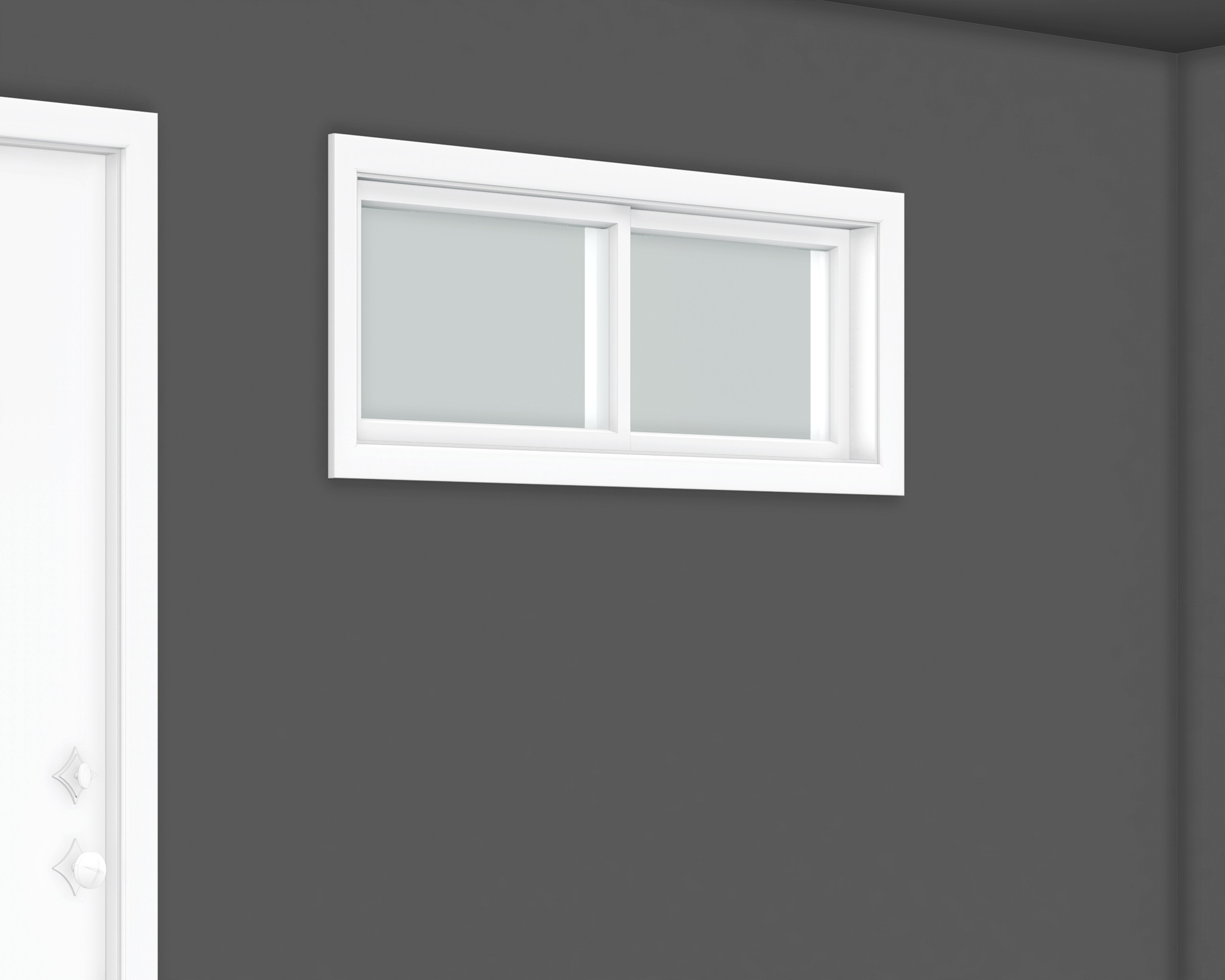
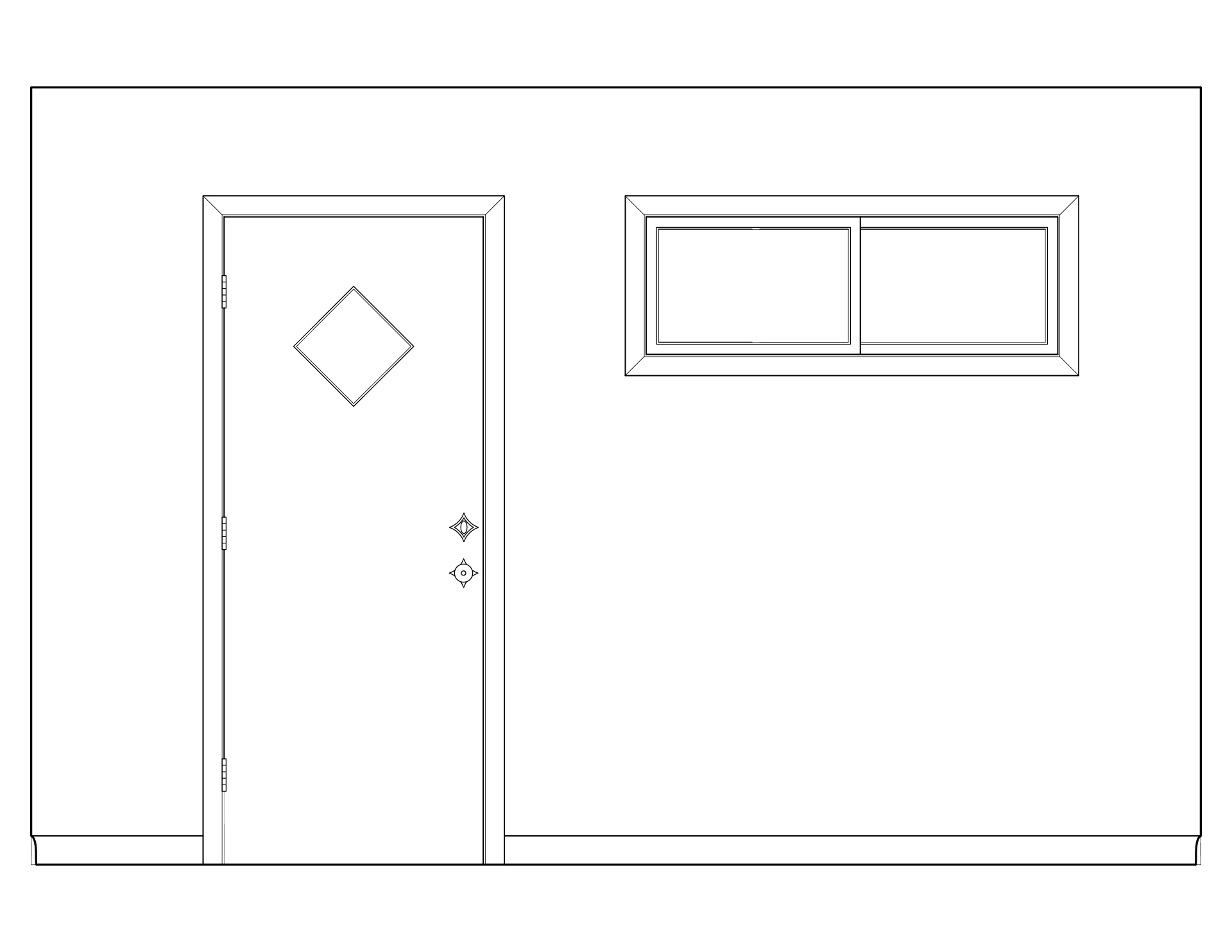
Buildings emphasize practical layouts, simple forms, natural light, and connections to the outdoors. Interiors often combine wood and other natural materials with glass and manufactured finishes. Streamlined door and window casings, simple baseboards, and flush doors complement the architecture’s restrained detailing.
The Collection
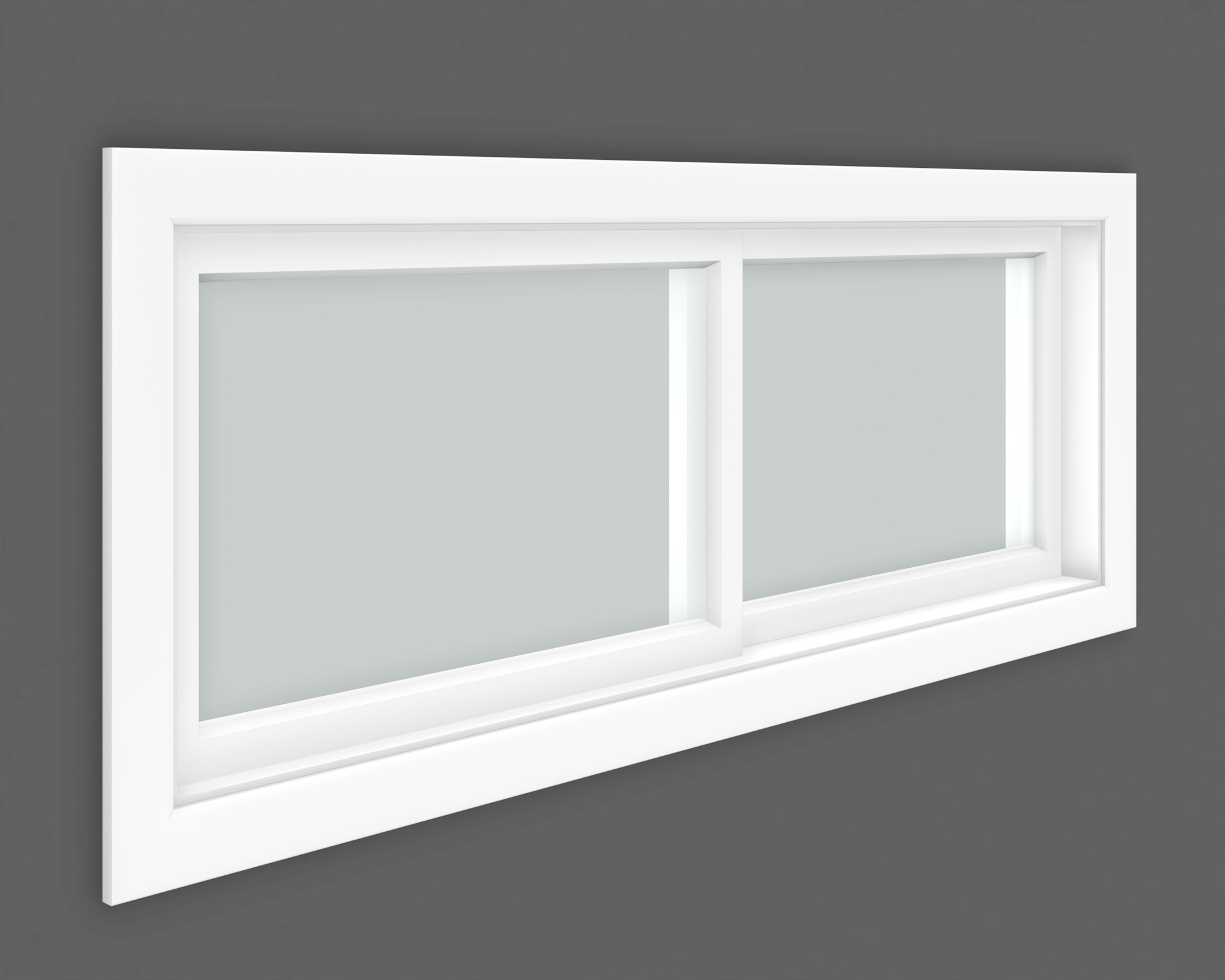

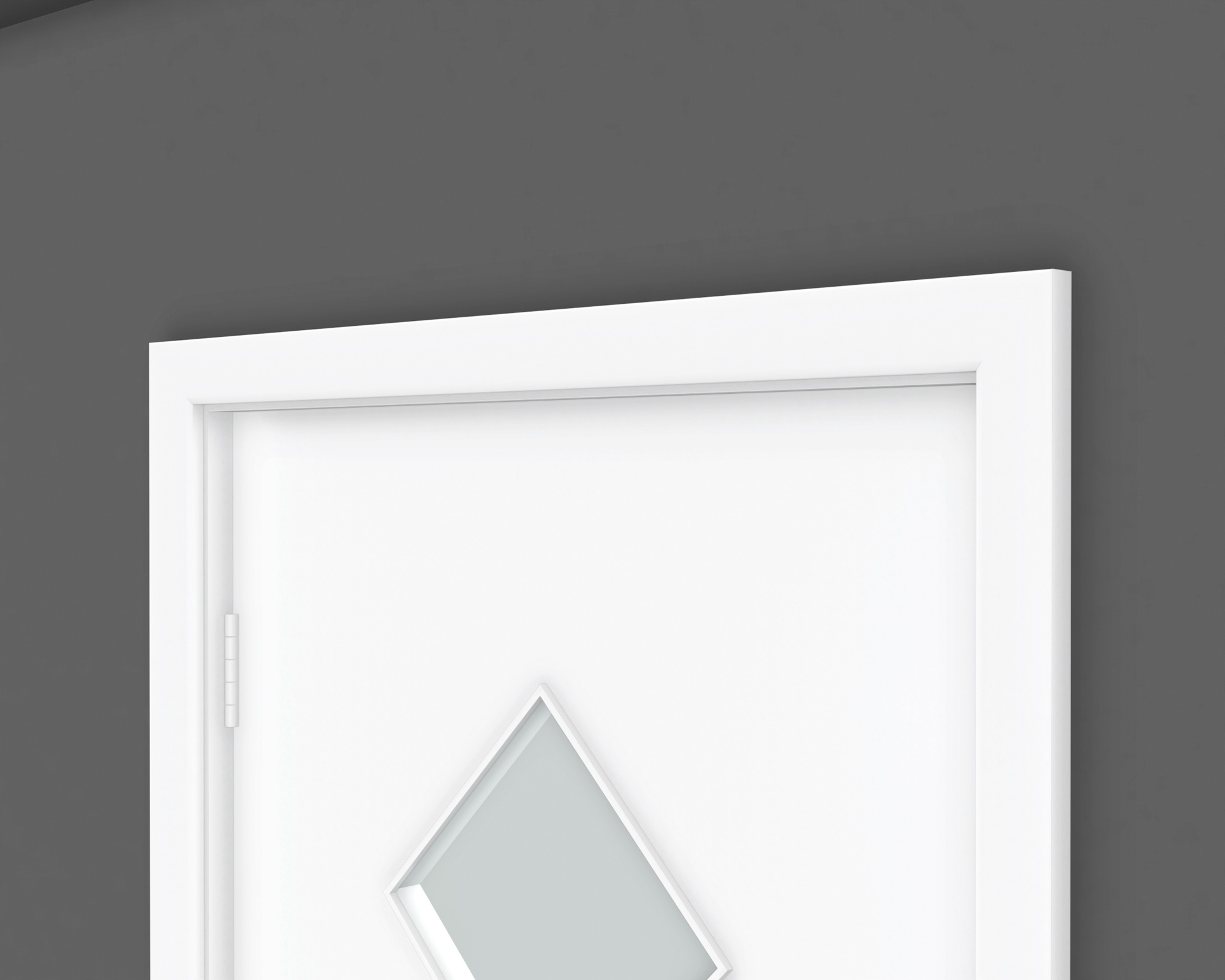
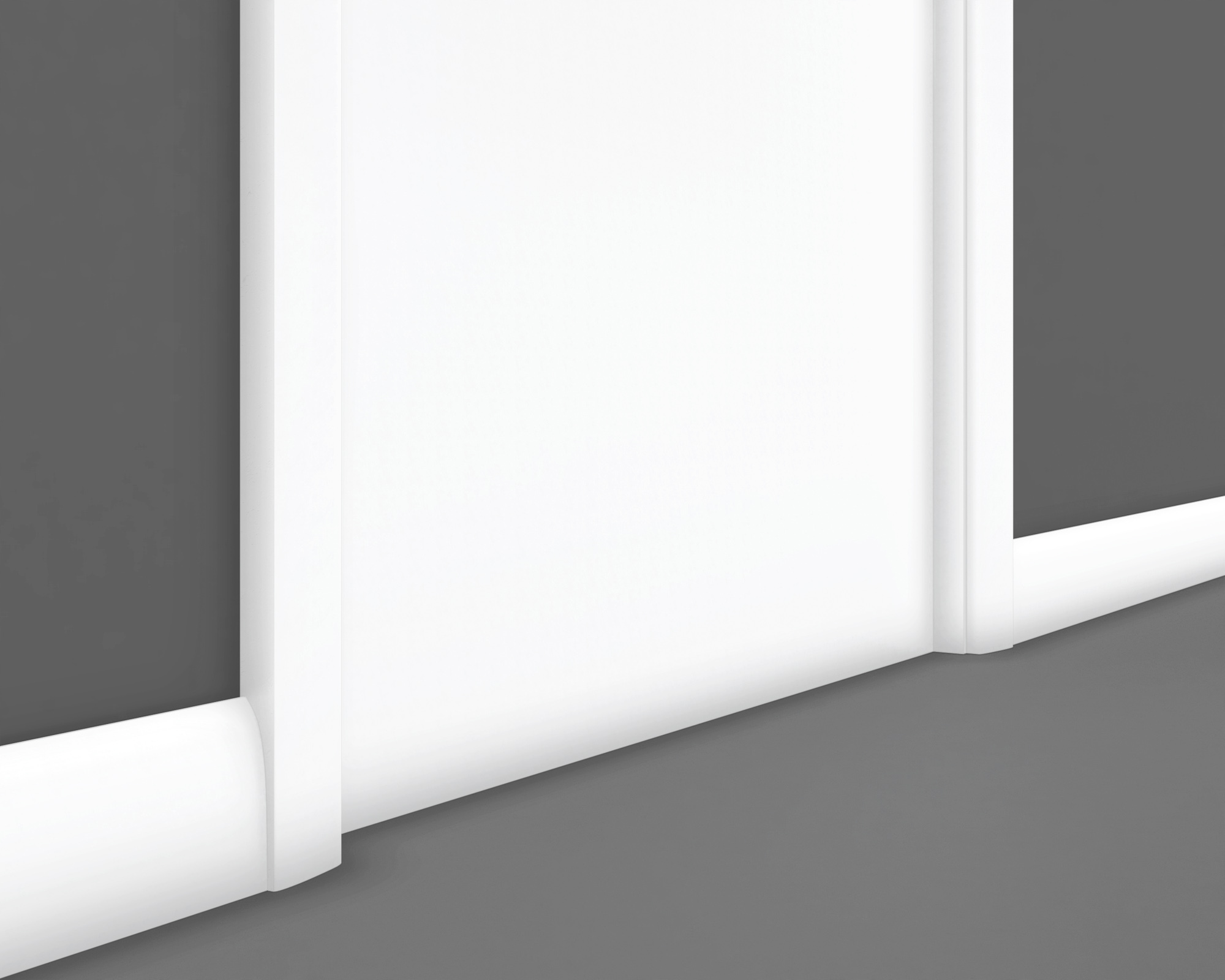
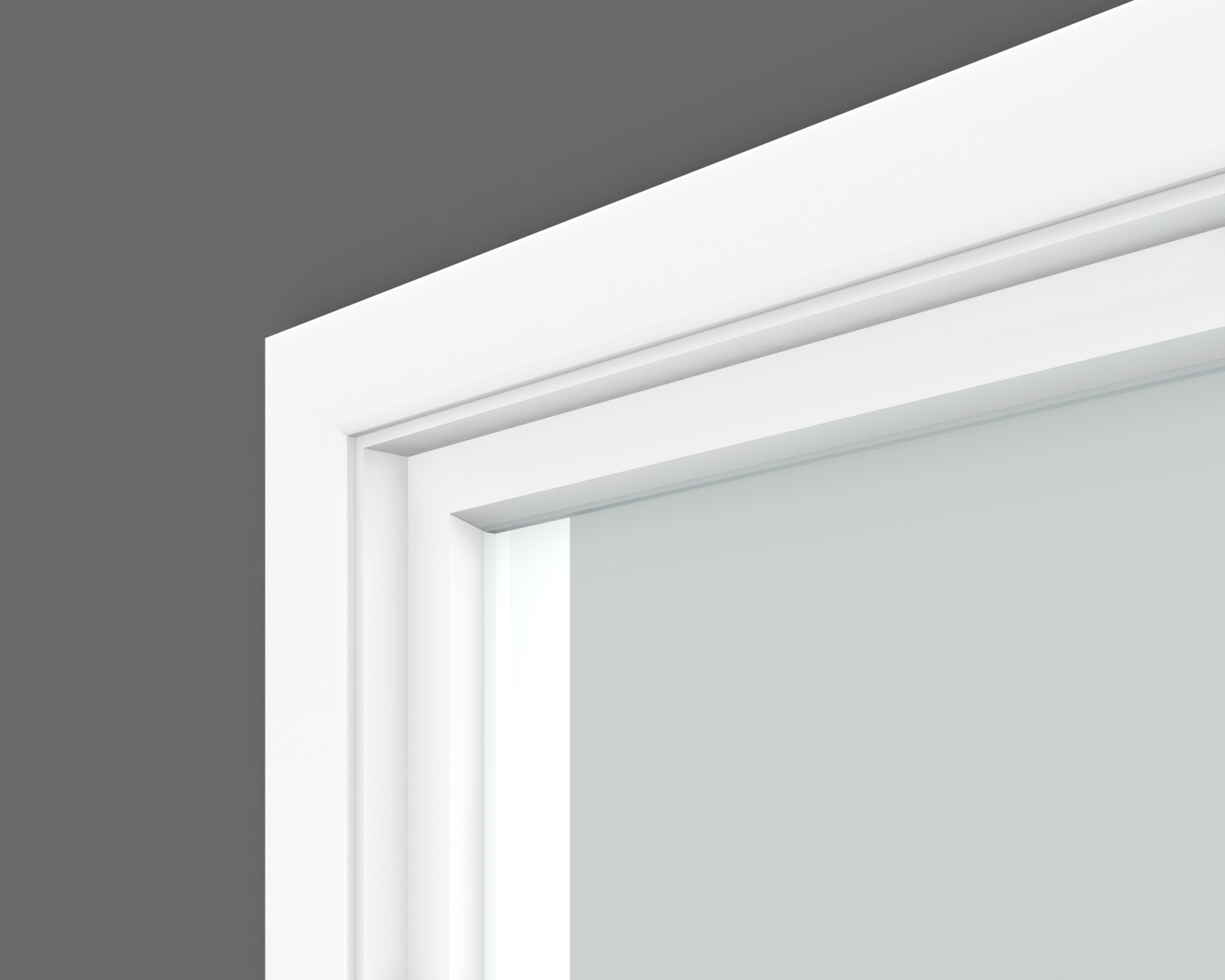
Mid-Century Modern Characteristics
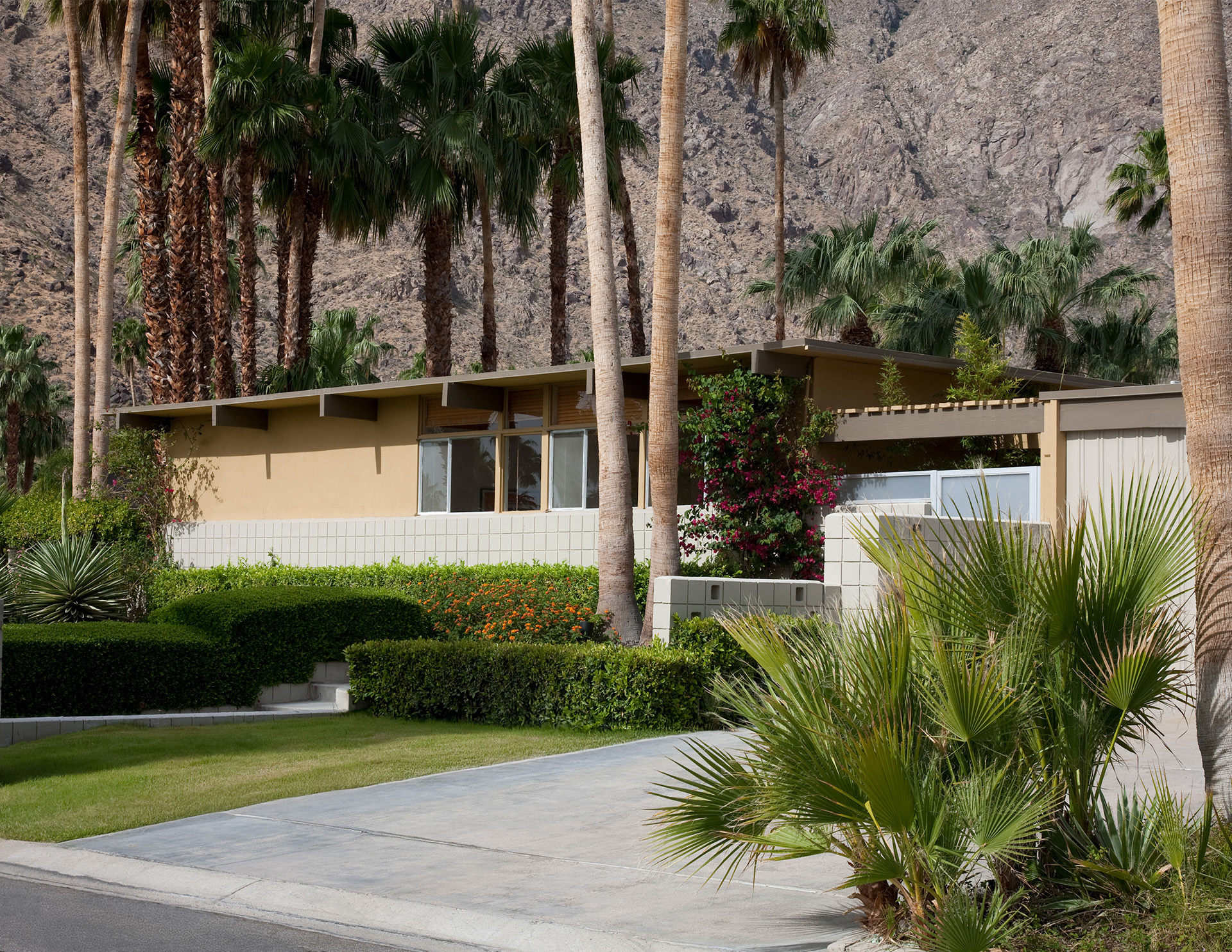
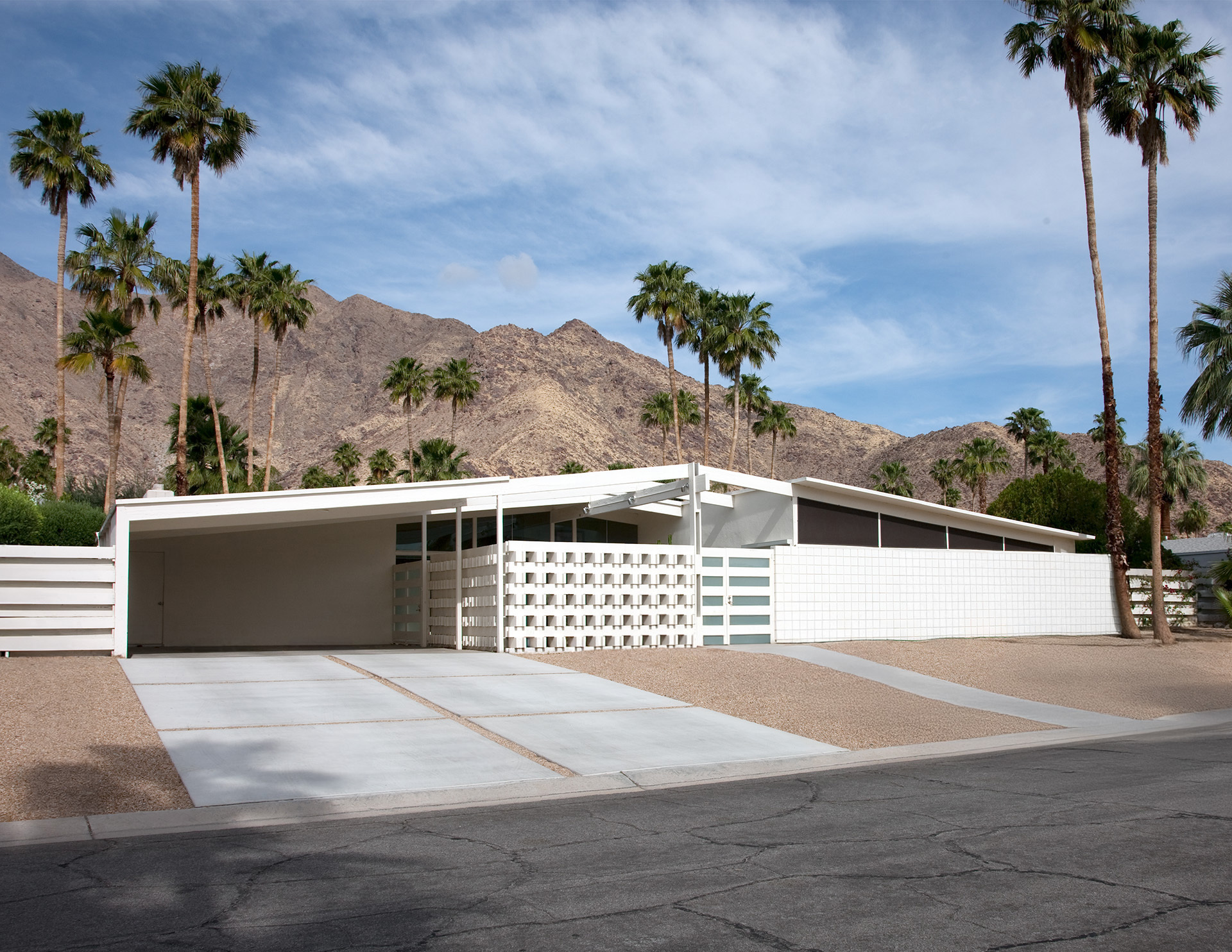
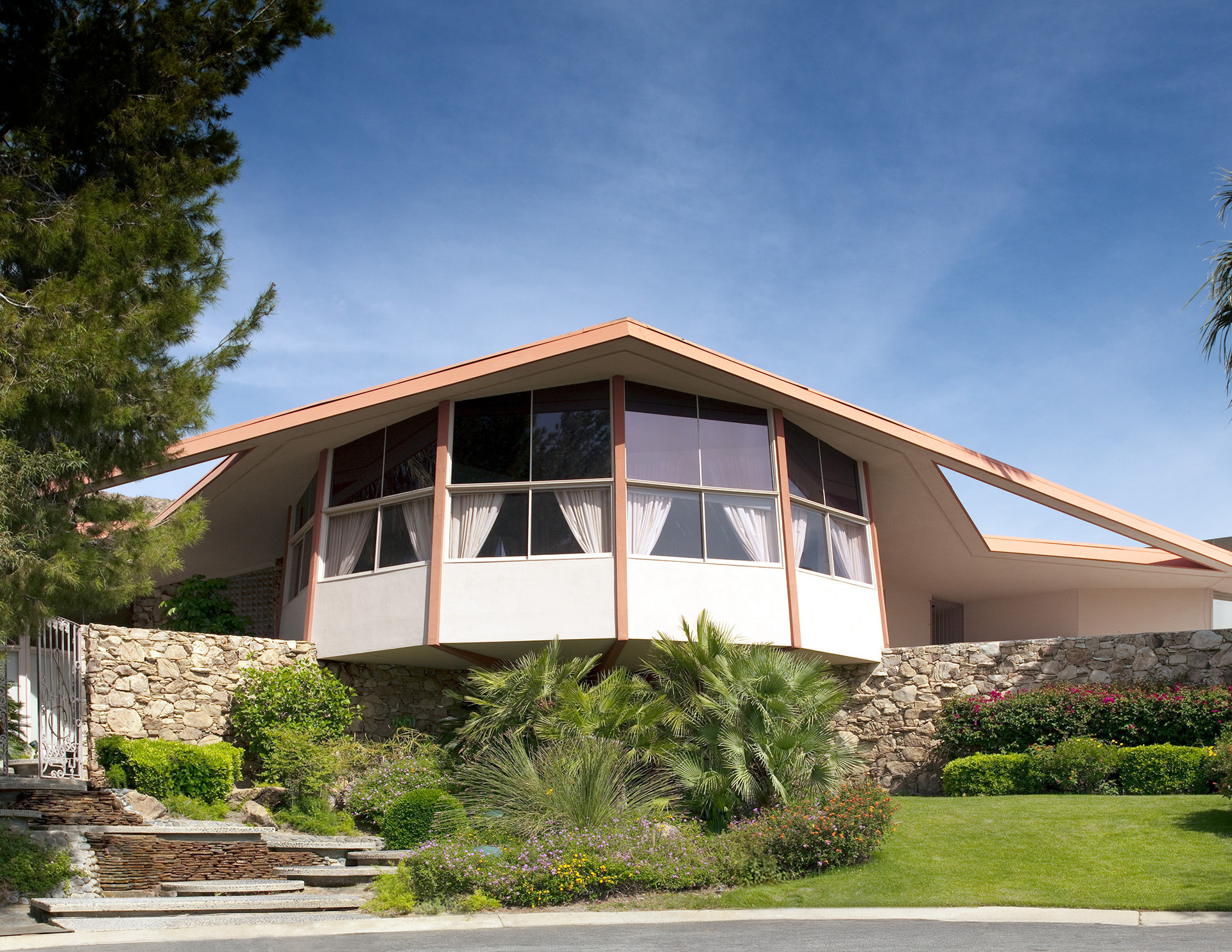
Mid-Century Modern architecture emphasizes open floor plans and generous windows that bring natural light into living spaces and connect the home with its surrounding landscape. Houses may occupy a single level or use multiple and split levels to respond to their site. Materials, proportions, and structural details contribute to the building’s character.
- Simple geometric forms and flat or low-pitched roofs
- Clean lines and minimal applied ornament
- Large windows and glazed doors
- Open, flexible living spaces
- Natural materials combined with glass and metal
- Patios, terraces, or courtyards connected to interiors
MID-CENTURY MODERN MOULDINGS
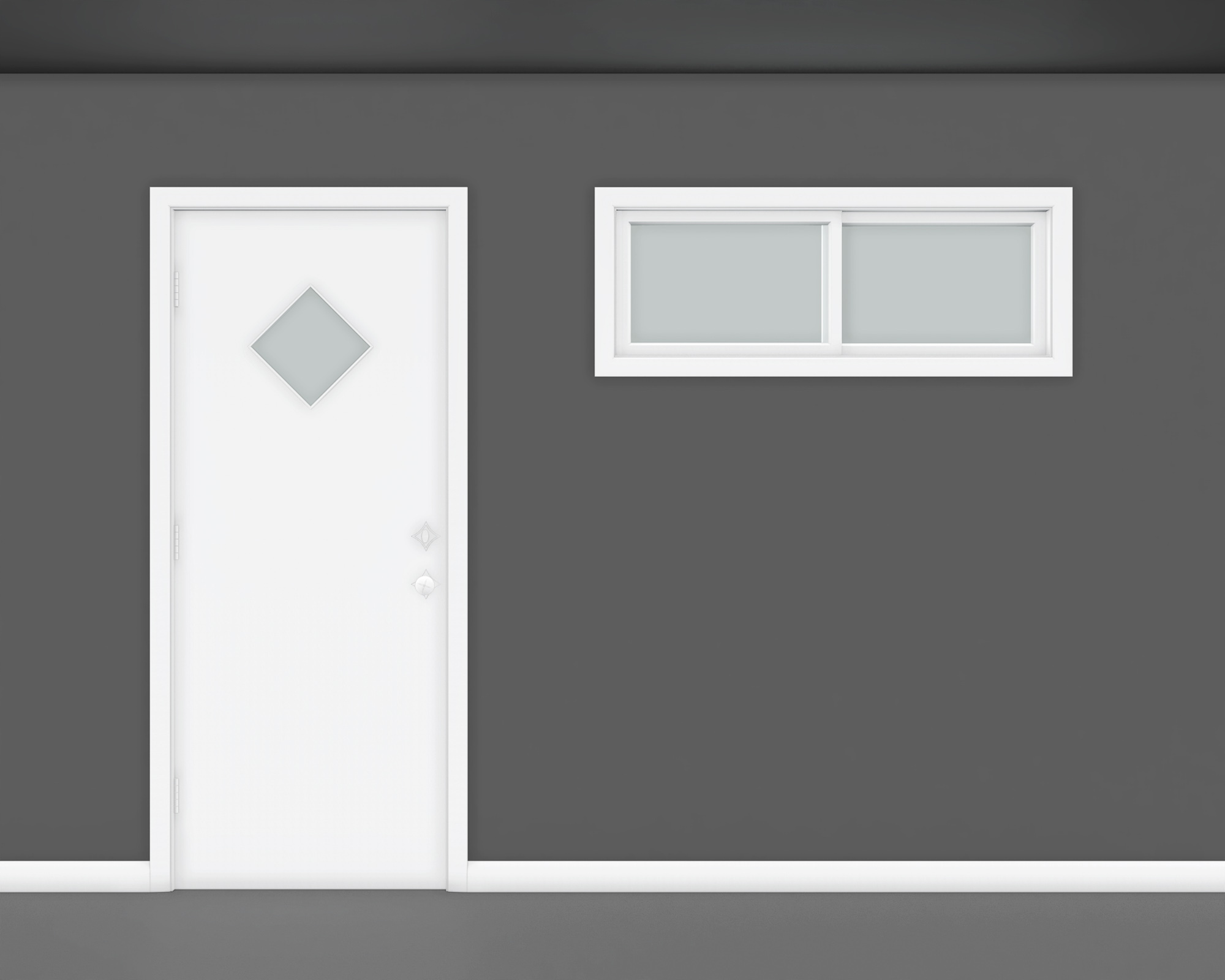
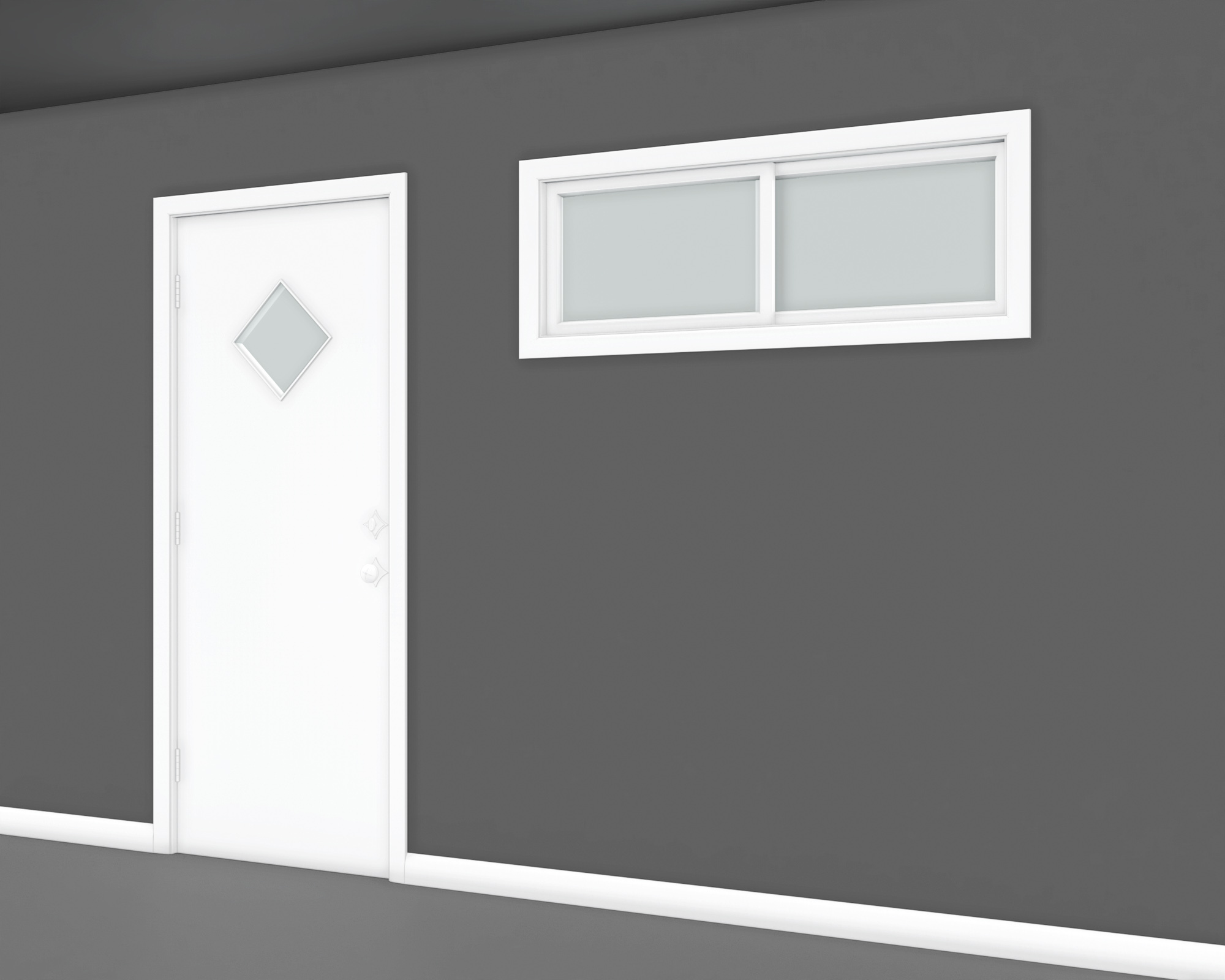
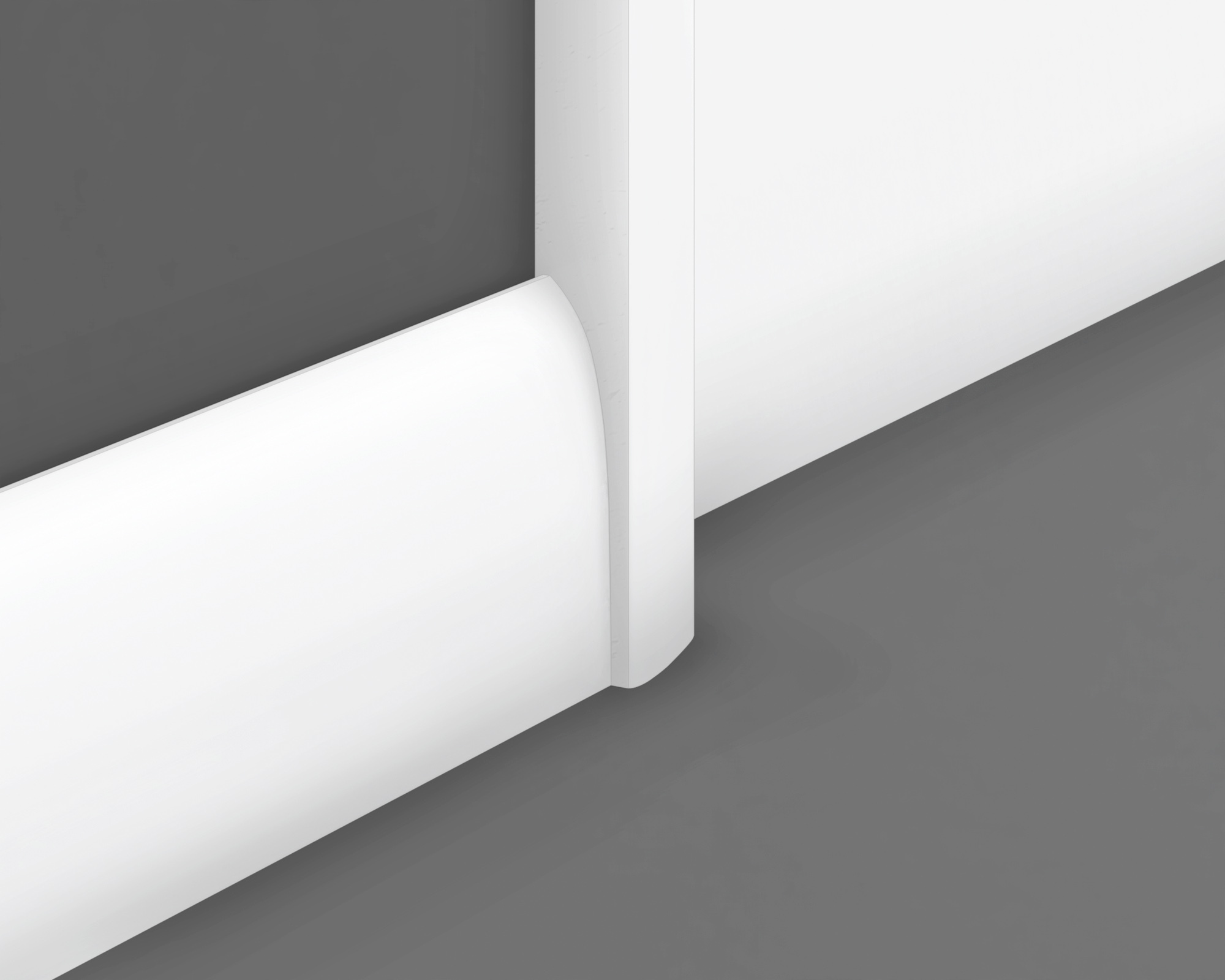
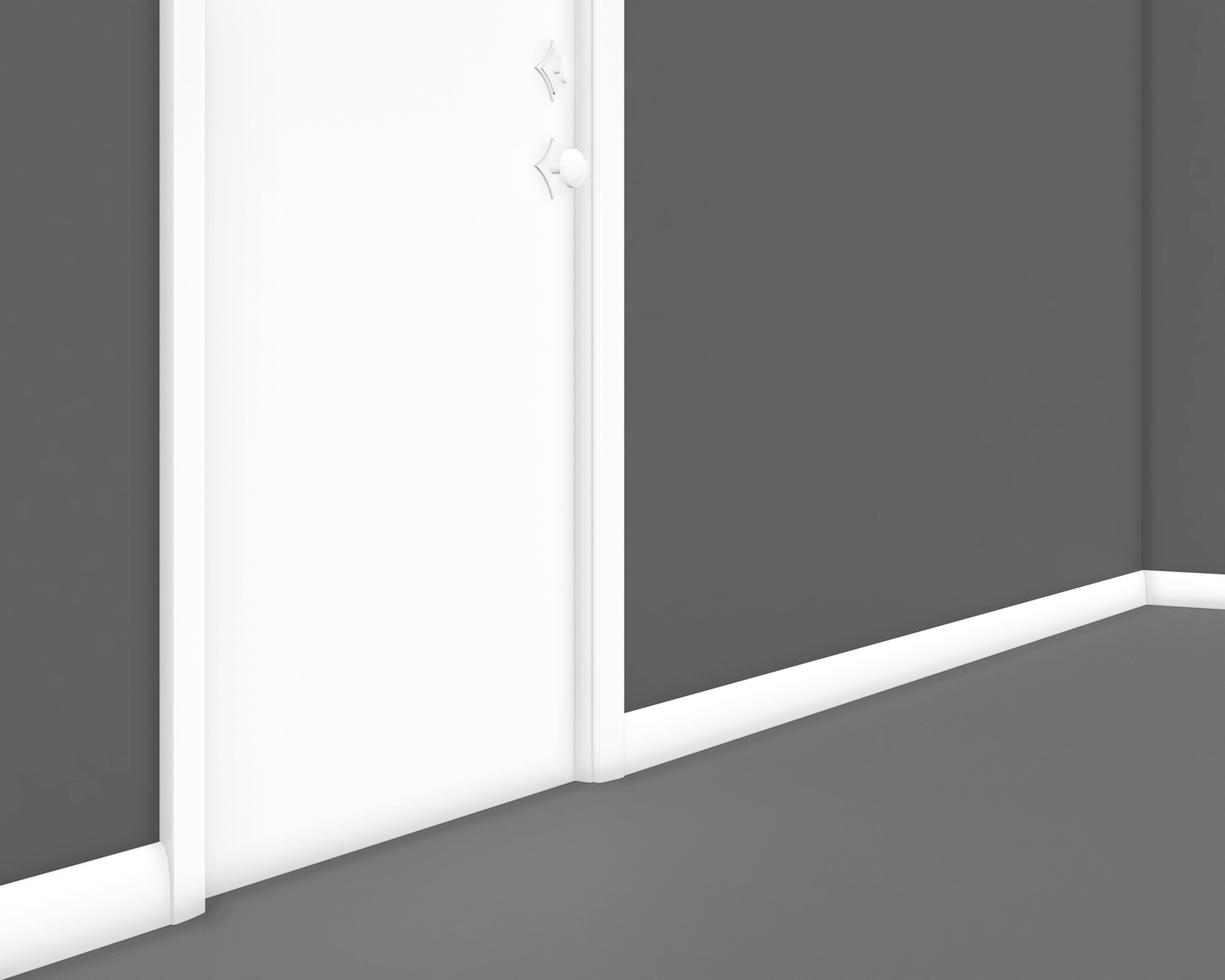
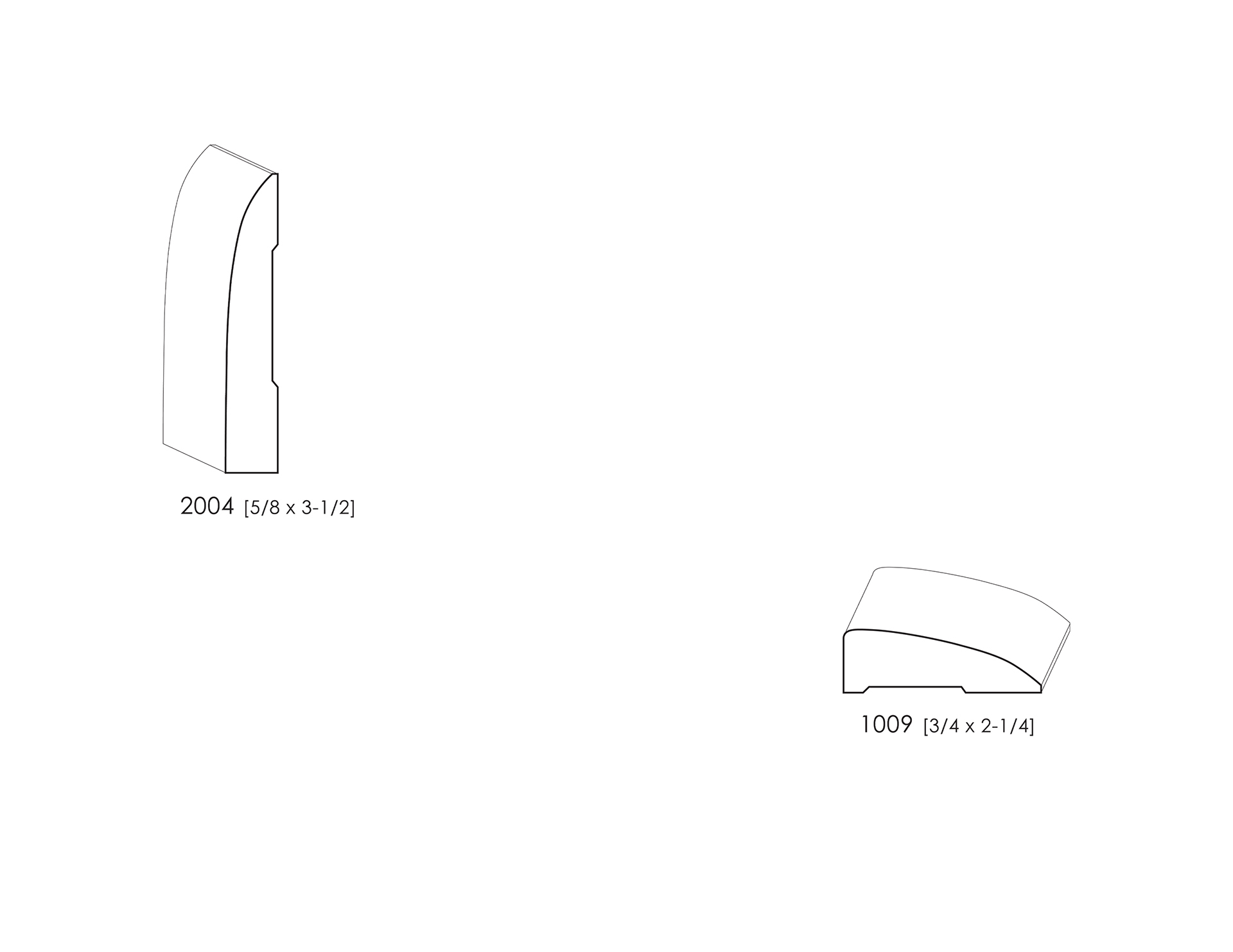
Mid-Century Modern mouldings use simple shapes, smooth surfaces, and restrained detailing. Streamlined door and window casings coordinate with low-profile baseboards to frame openings and finish wall edges. The profiles shown here have gently curved faces and softened edges, adding subtle definition while maintaining the interior’s clean lines.
Shop Now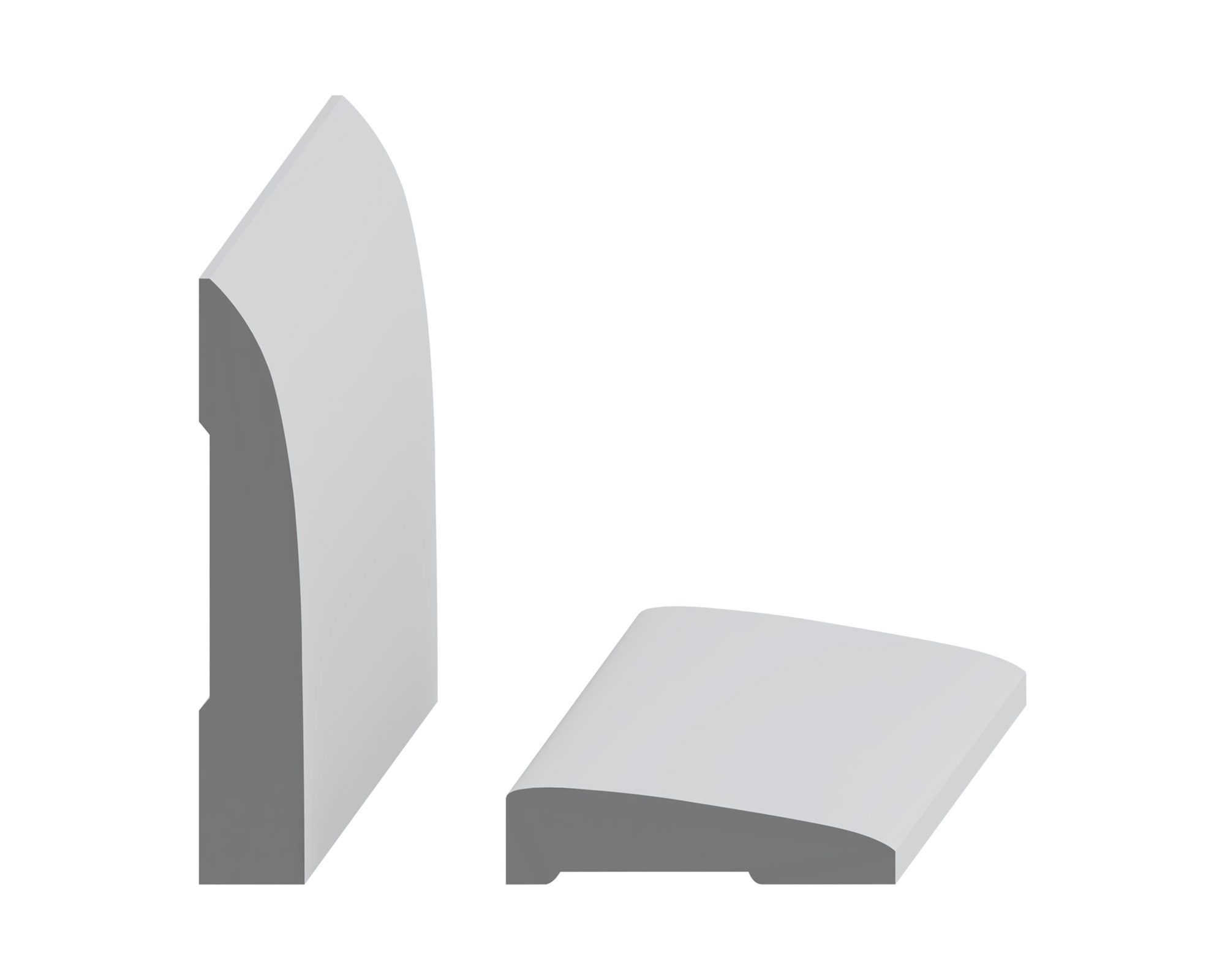
Period Details & Drawings
History of Mid-Century Modern
Mid-Century Modern architecture developed during the decades surrounding and following World War II as an American expression of the broader Modern movement. Its foundations lay in the design philosophy of the Bauhaus and International Style, the organic architecture of Frank Lloyd Wright, and the experimental work of European modernists. Architects including Ludwig Mies van der Rohe and Marcel Breuer brought these ideas to American practice and education during the 1930s, as political conditions in Nazi Germany disrupted their work. Their approaches emphasized structural clarity, efficient planning, and new possibilities for modern living.
The style flourished throughout the United States amid economic prosperity, rapid suburban expansion, technological innovation, and an unprecedented demand for housing. Architects explored how modern design could respond to changing patterns of postwar life. Steel, aluminum, and large expanses of glass appeared alongside wood, stone, brick, and stucco, supporting varied architectural expressions and new relationships between interior spaces and their surroundings.
California became an especially influential center of experimentation, where the climate encouraged architects to connect interior and exterior spaces. Launched in 1945 by John Entenza’s Arts & Architecture magazine, the Case Study House program explored economical methods of residential construction and the use of industrial materials and components.
Architects and designers such as Richard Neutra, Charles and Ray Eames, Eero Saarinen, and John Lautner brought distinct interpretations of modern principles to their work. Developer Joseph Eichler helped bring architect-designed modern homes to a wider market. Examples of Mid-Century Modern architecture can be found in San Diego, Palm Springs, and Beverly Hills, as well as communities throughout the United States.