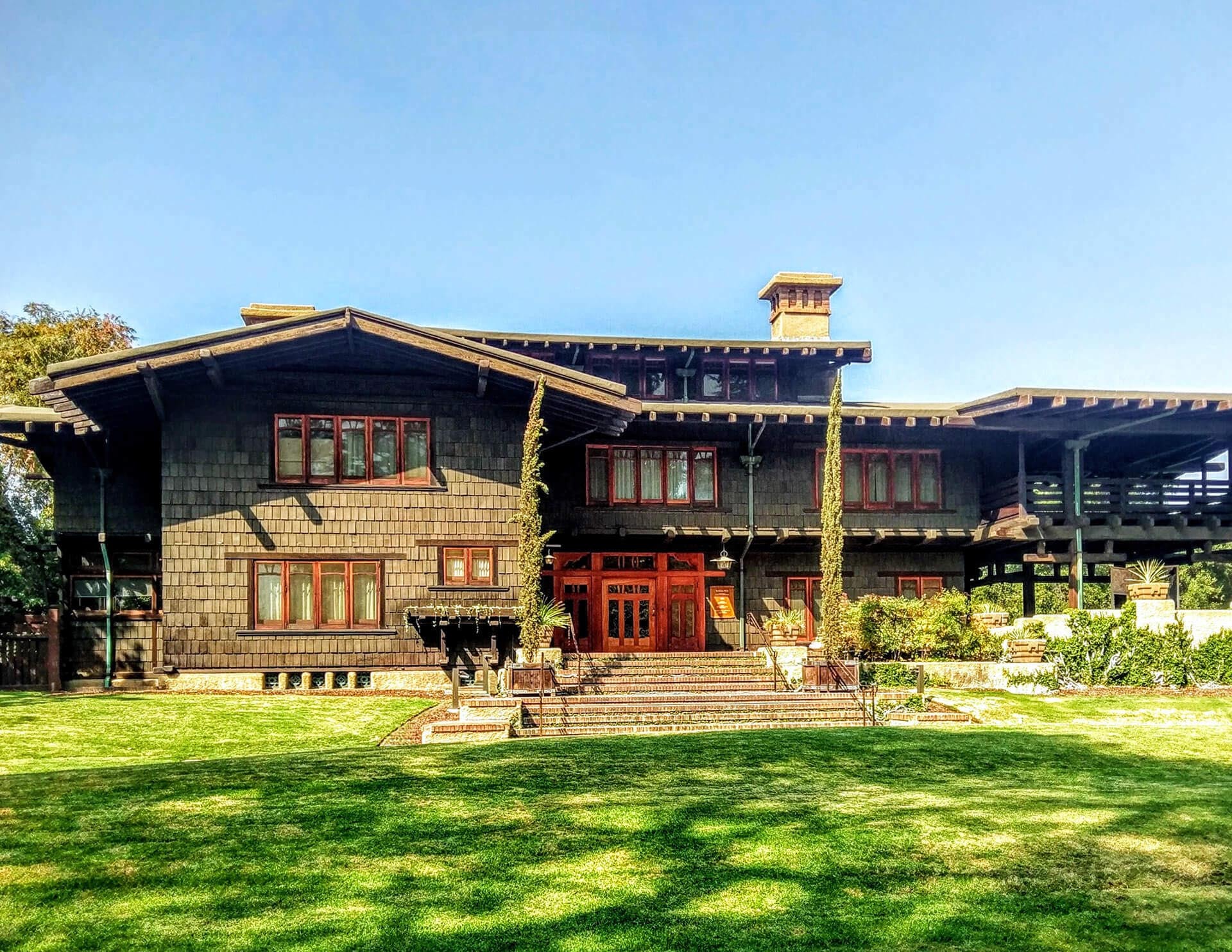
California Craftsman
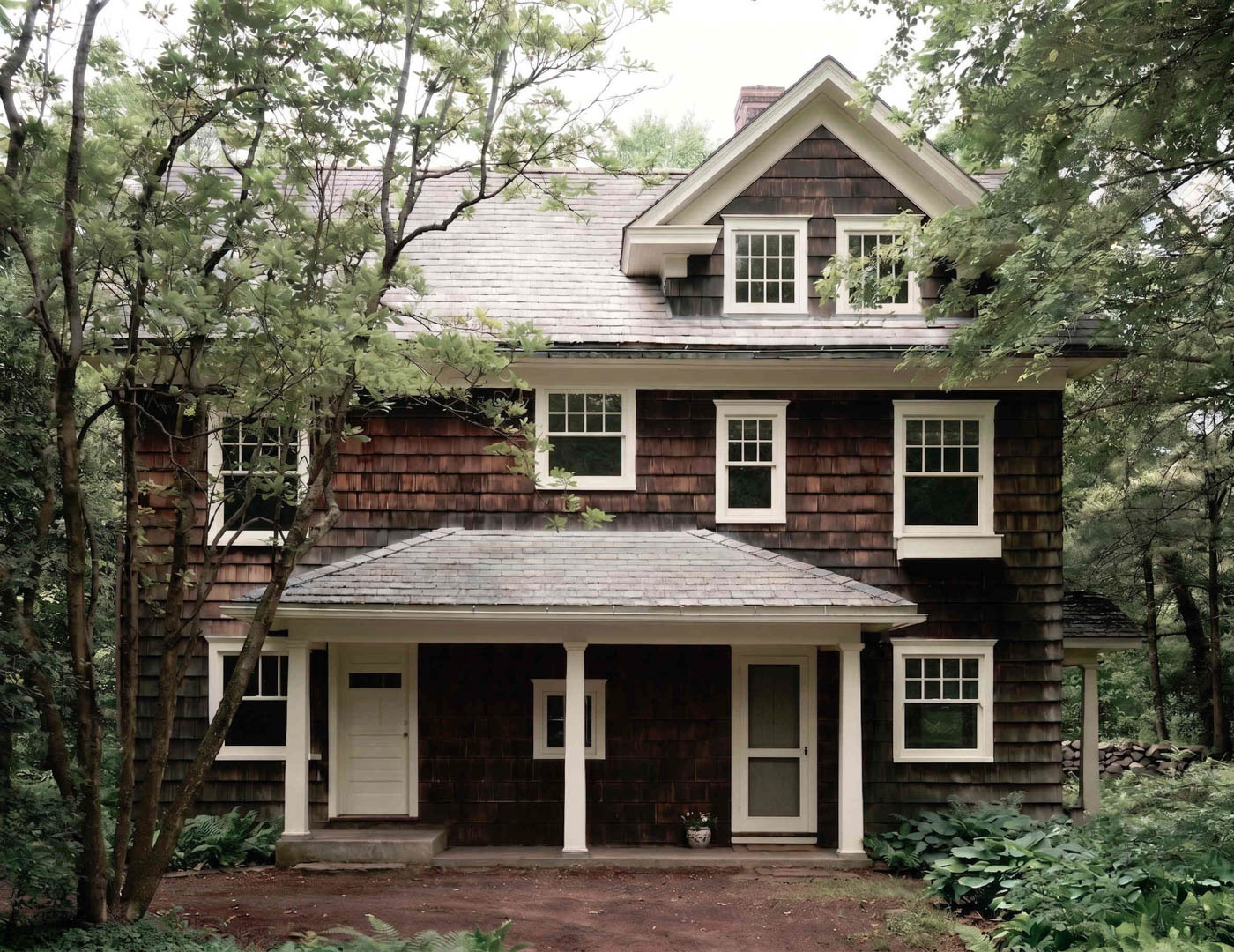
Inspired by the handmade ethos of the Arts & Crafts movement, the American Craftsman style features simple, visible joinery and hardwood details.
What Is California Craftsman?
The Arts and Crafts movement movement of the late 19th Century in reaction to the excesses of machine-production during the Victorian era, gave birth to the birth of the Prairie, Craftsman, and Mission style in home decor, design, and architecture. Popularized by people such as William Morris, Gustave Stickley and Elbert Hubbard, the movement advocated for a return to simplicity, the handmade and the “modern”. It sought to inspire the craftsman and artist in all of us.
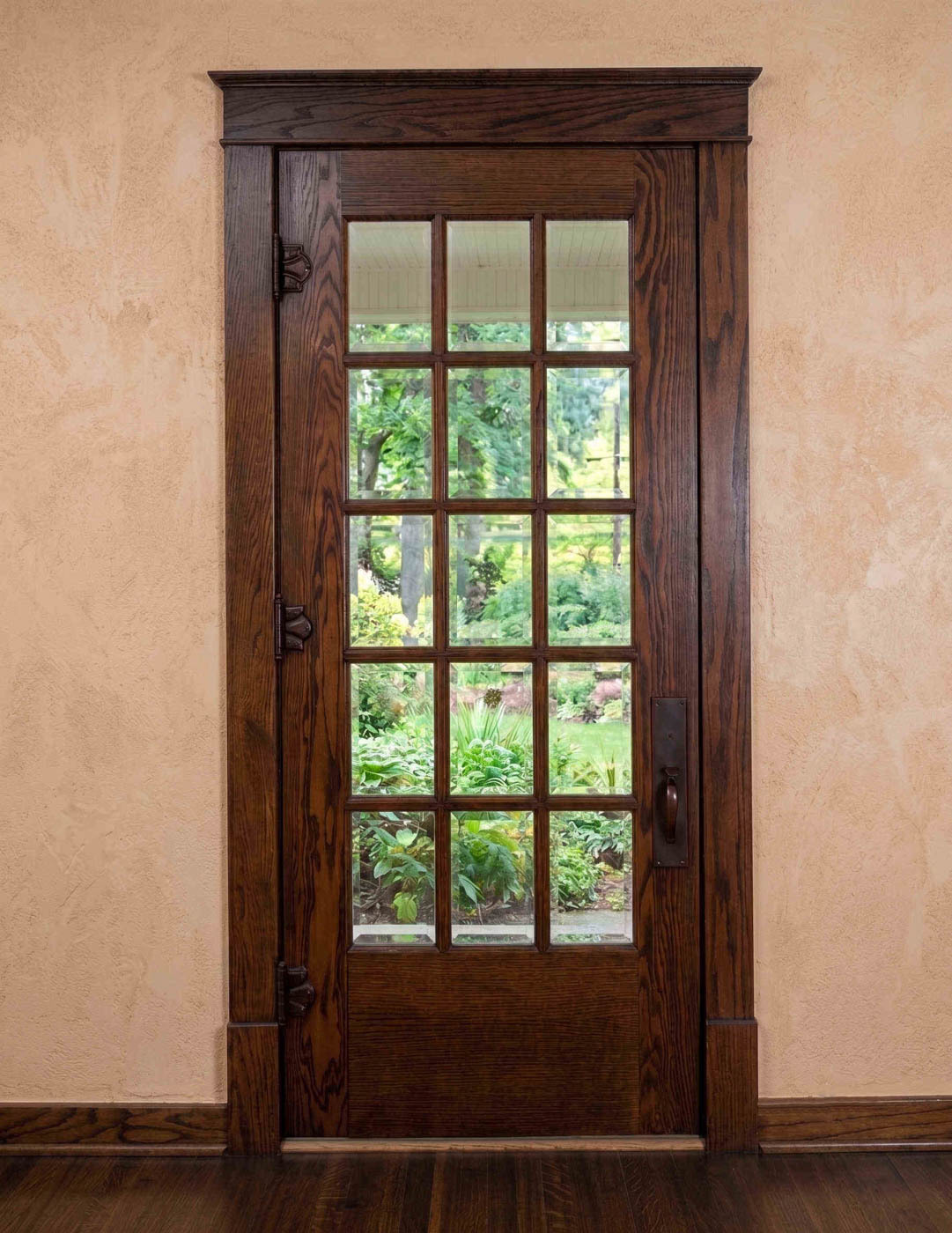
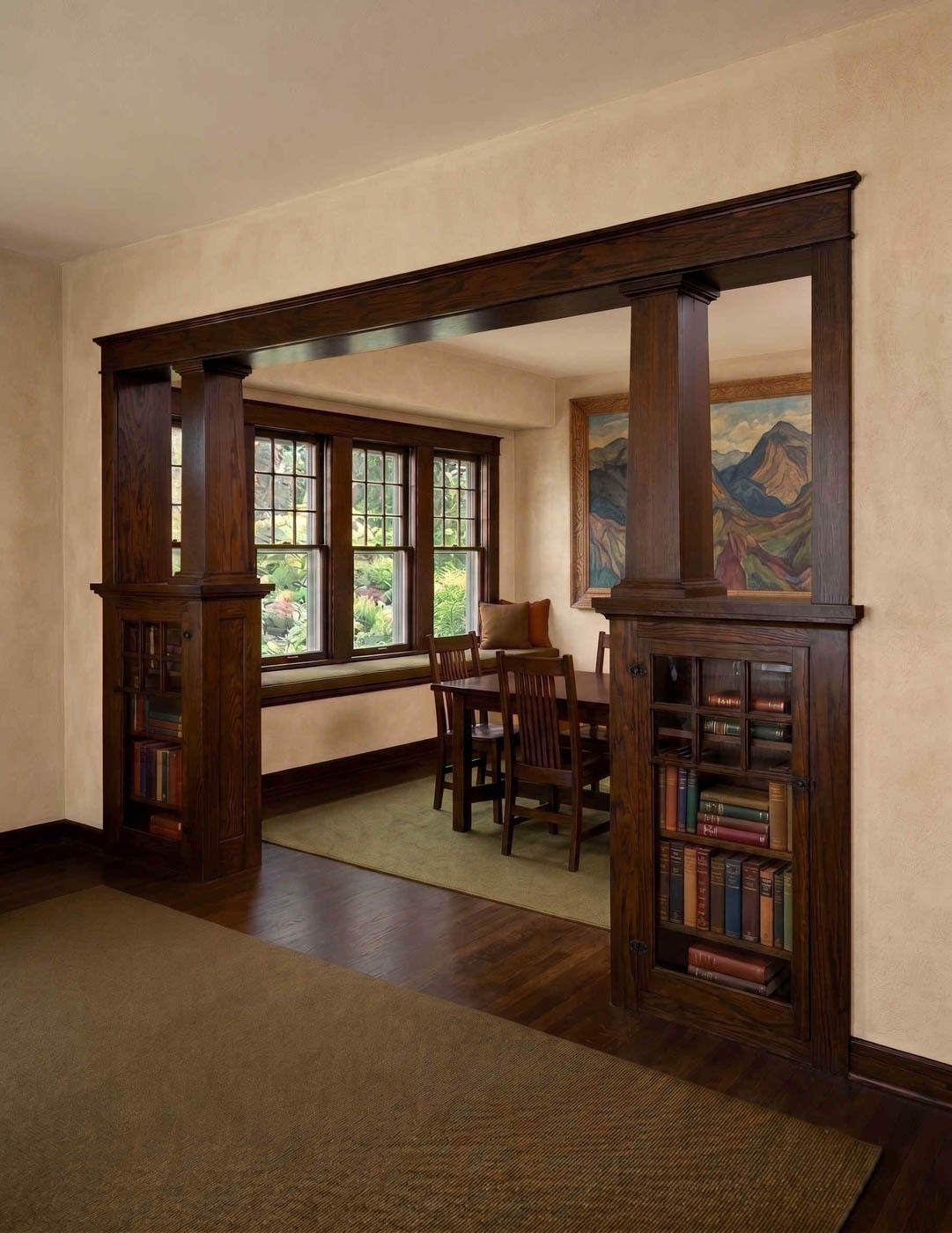
Arts and Crafts era architecture consisted of simple designs, without superfluous decoration. Handcrafted joinery, exposed mortises and tenons and other construction details were often visible. The work typically emphasized the qualities of the hardwood materials used. The Craftsman style was uniquely American, combining the grid of the prairie with the austerity of Protestantism.
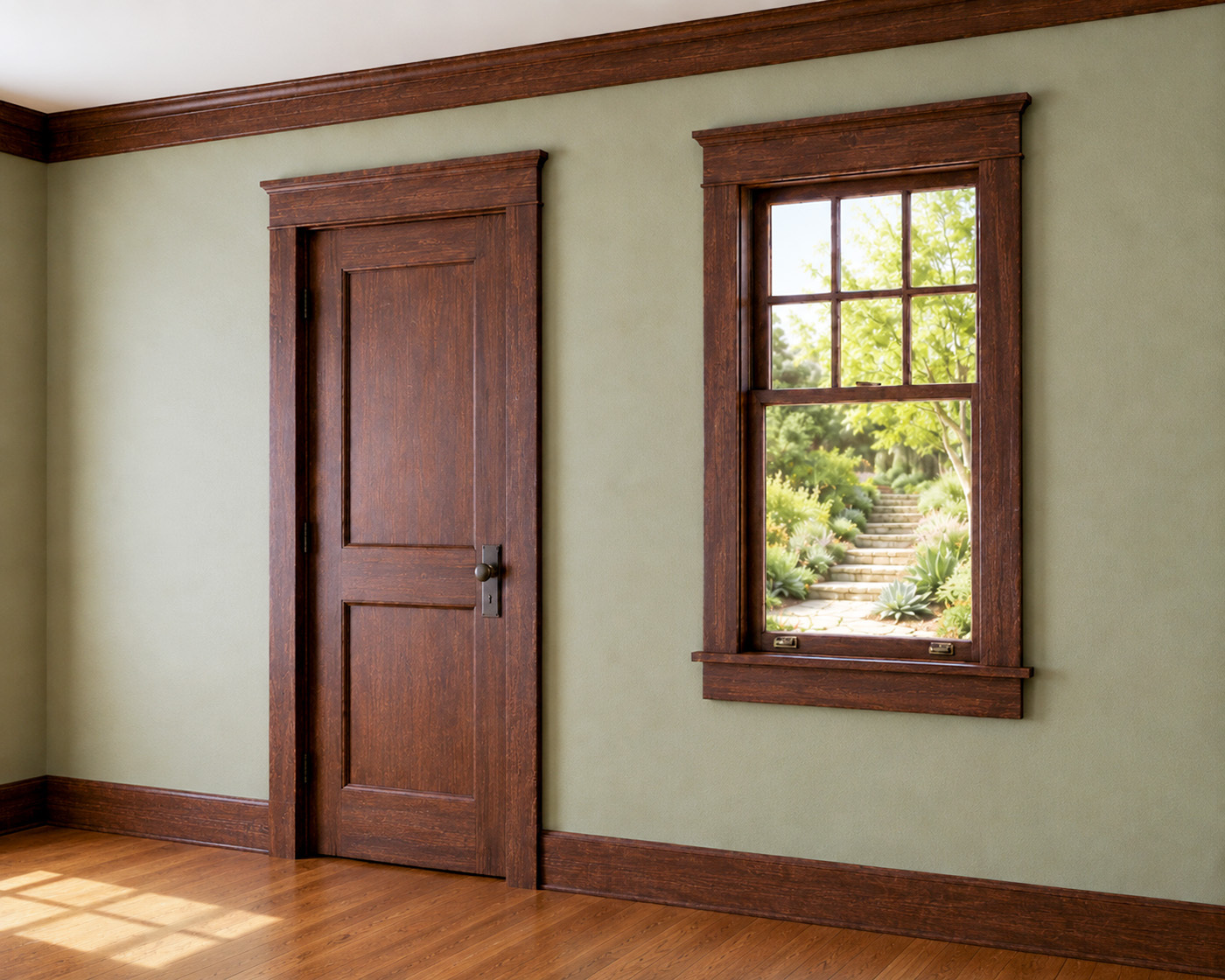
The Collection
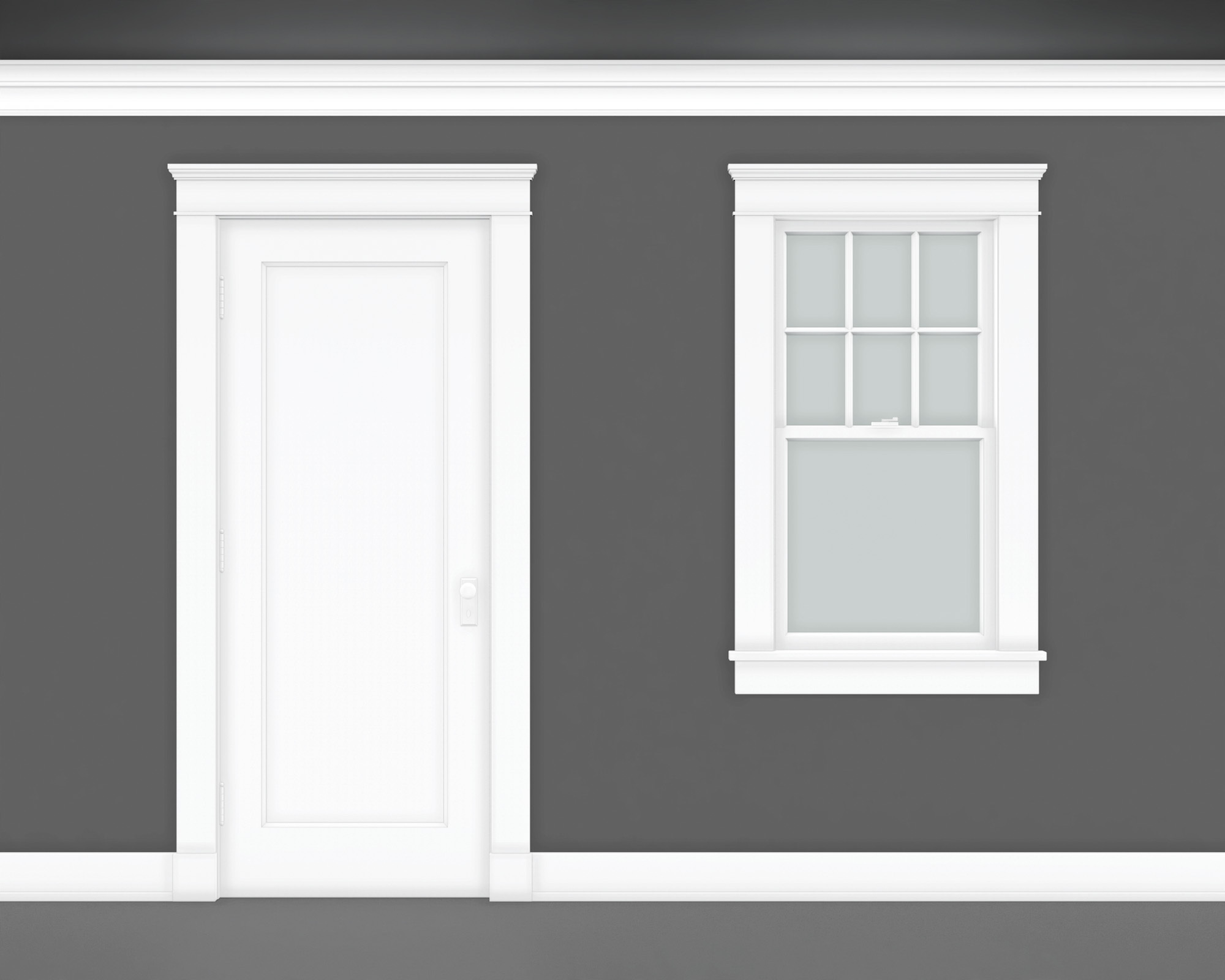
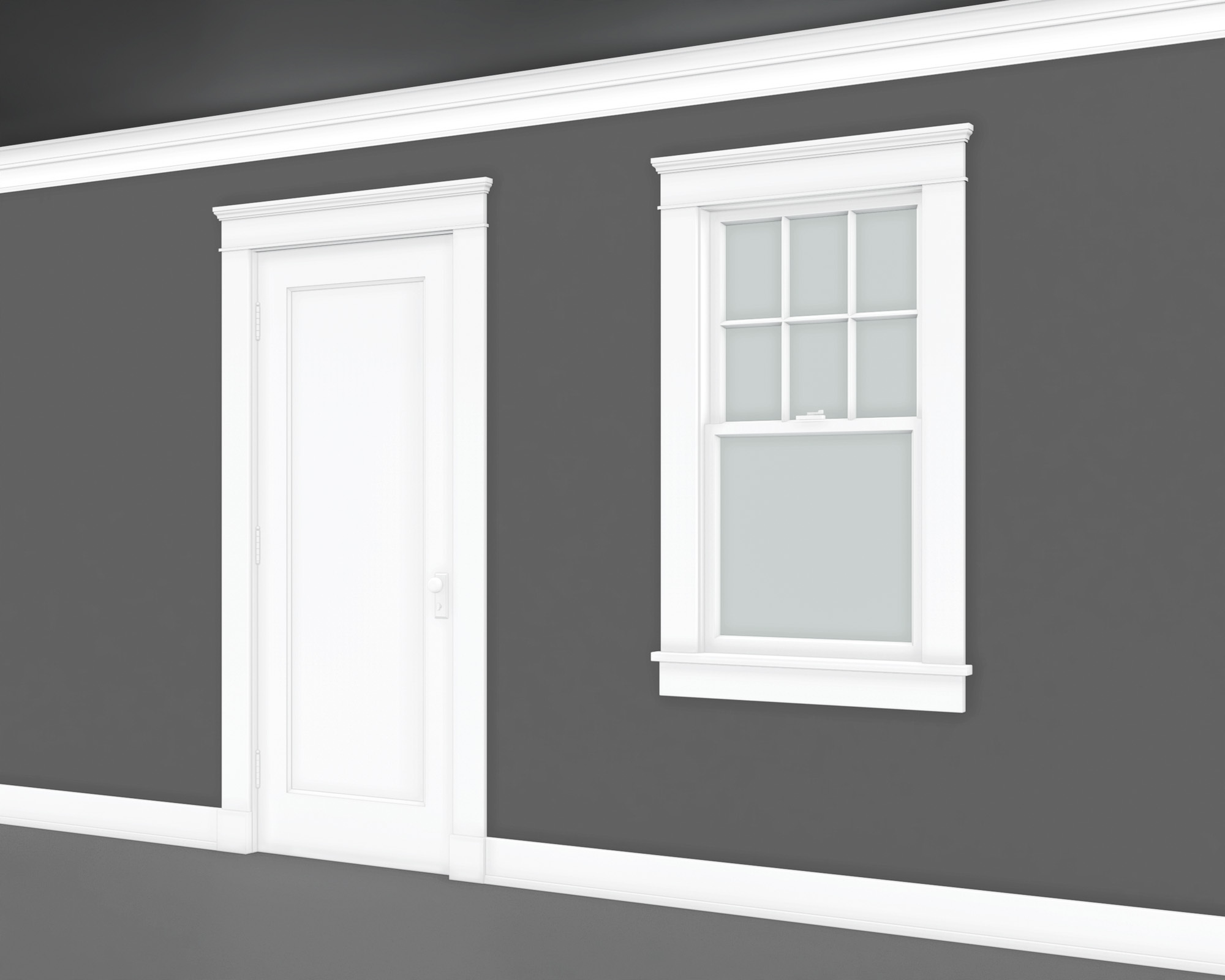
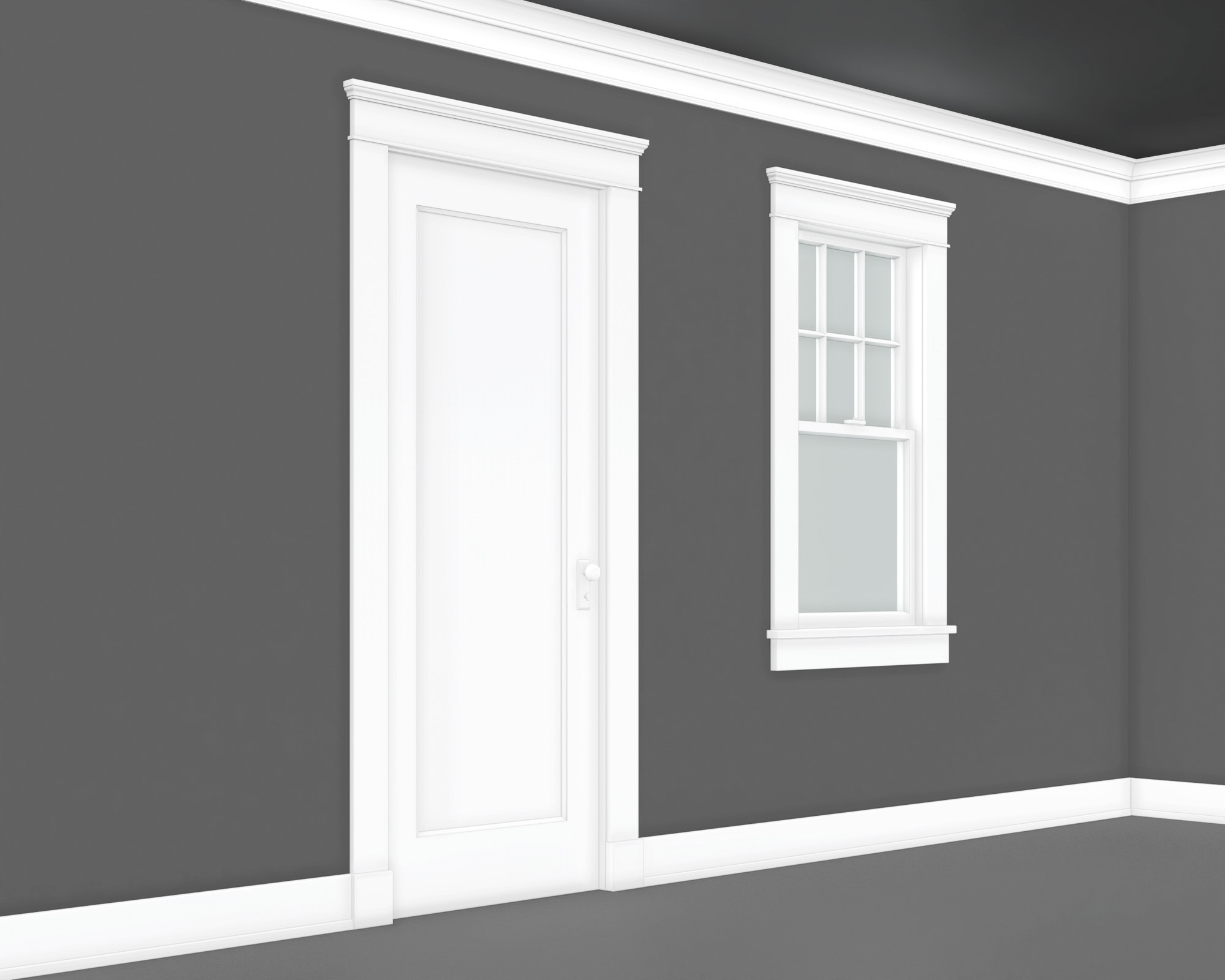
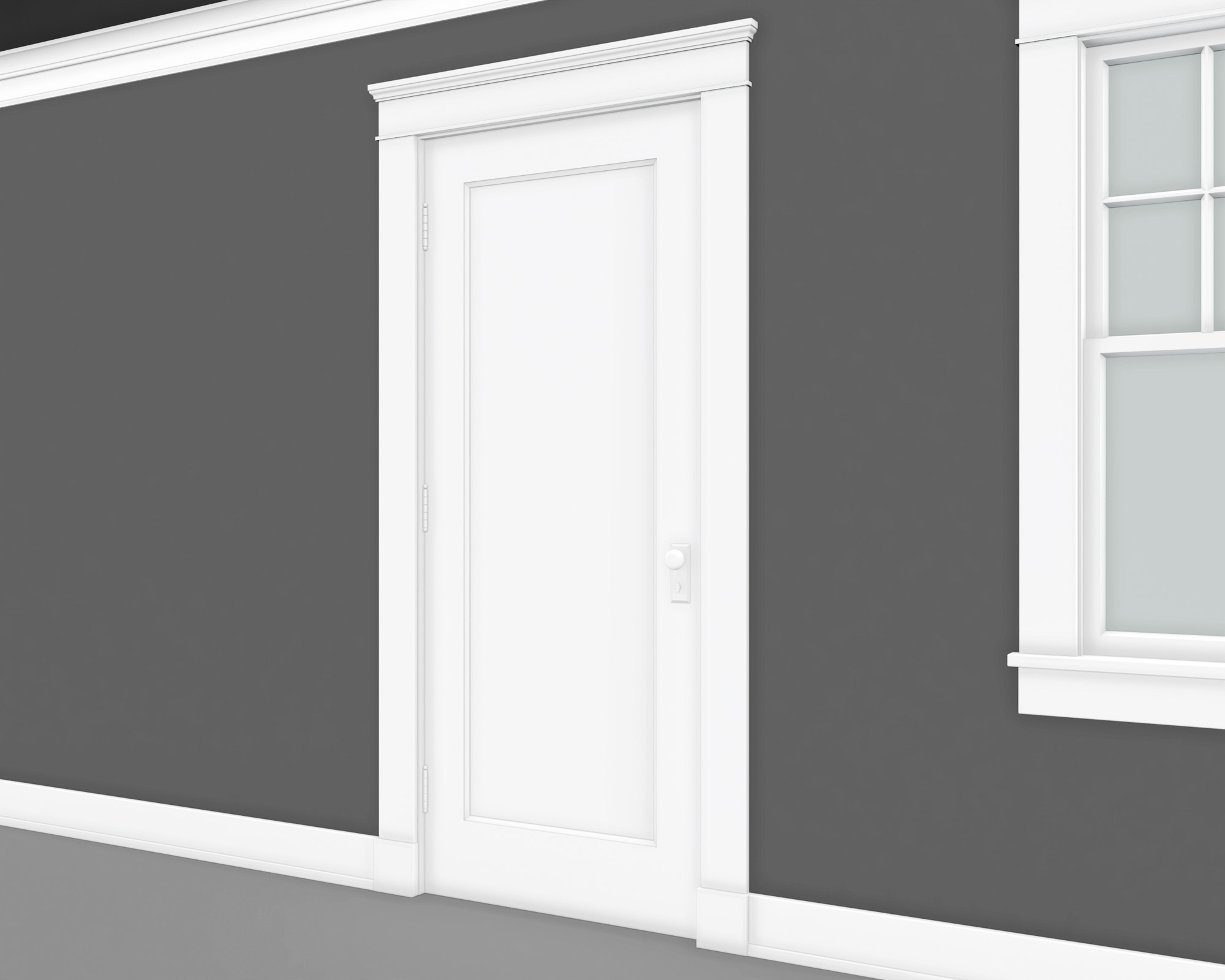

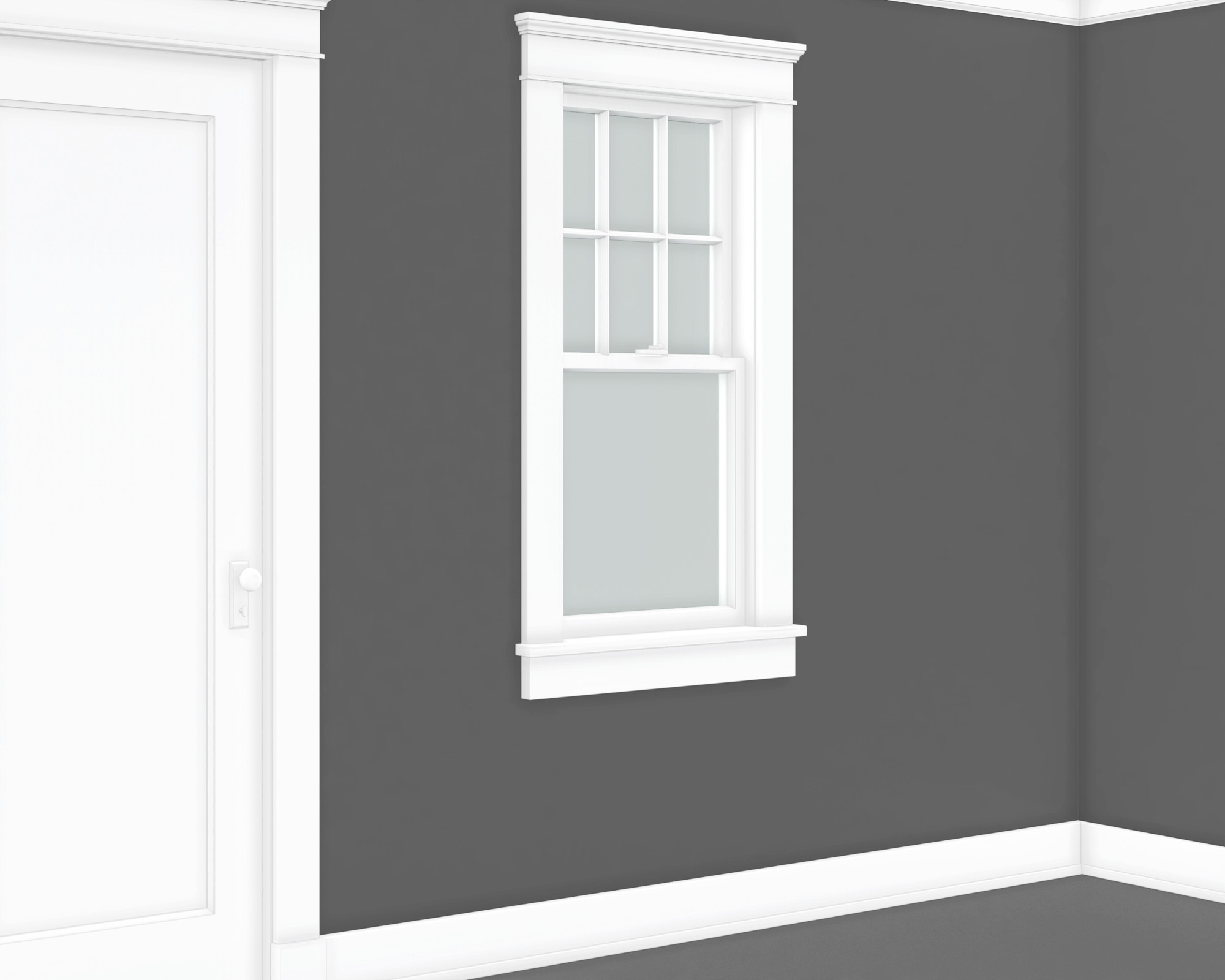

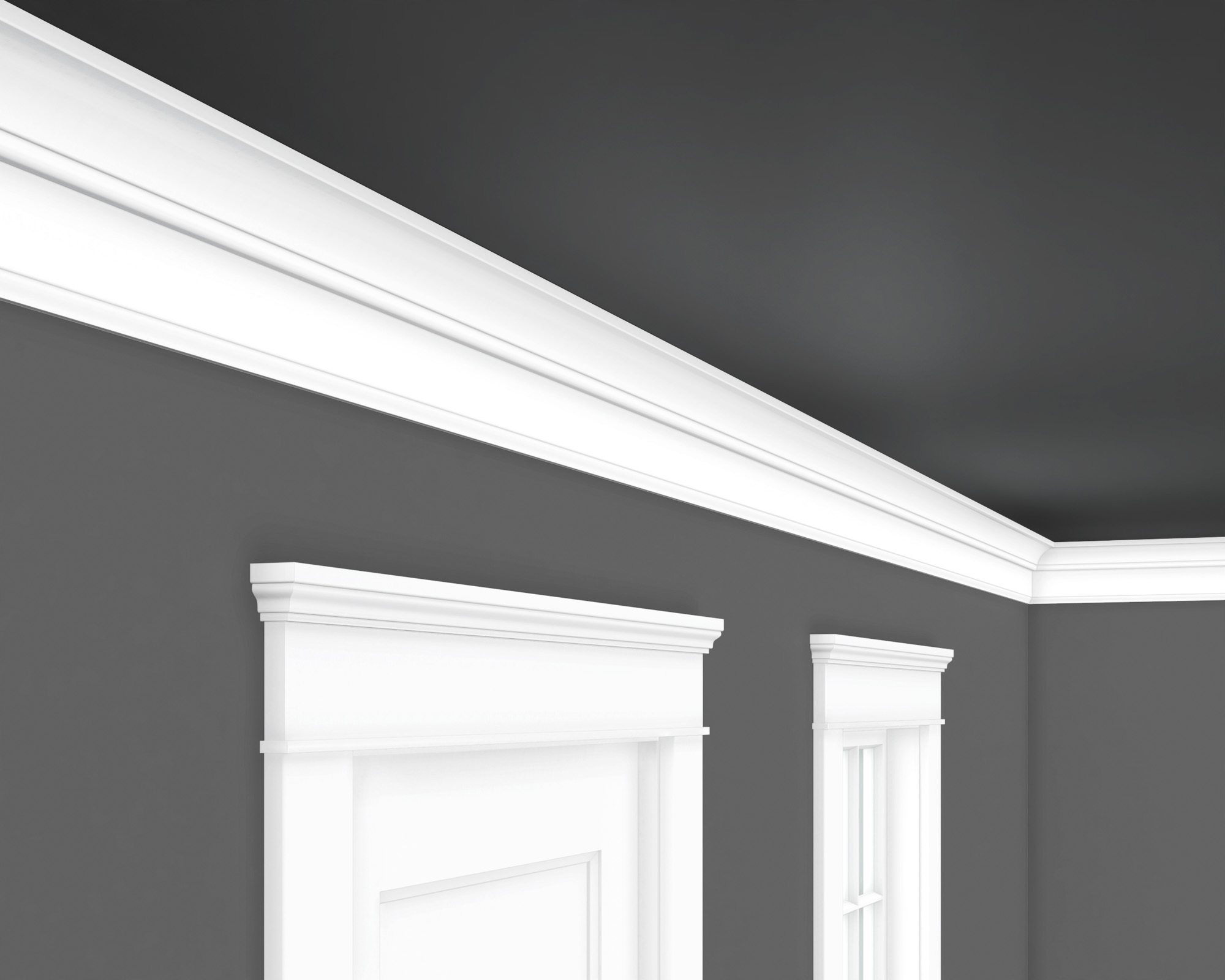

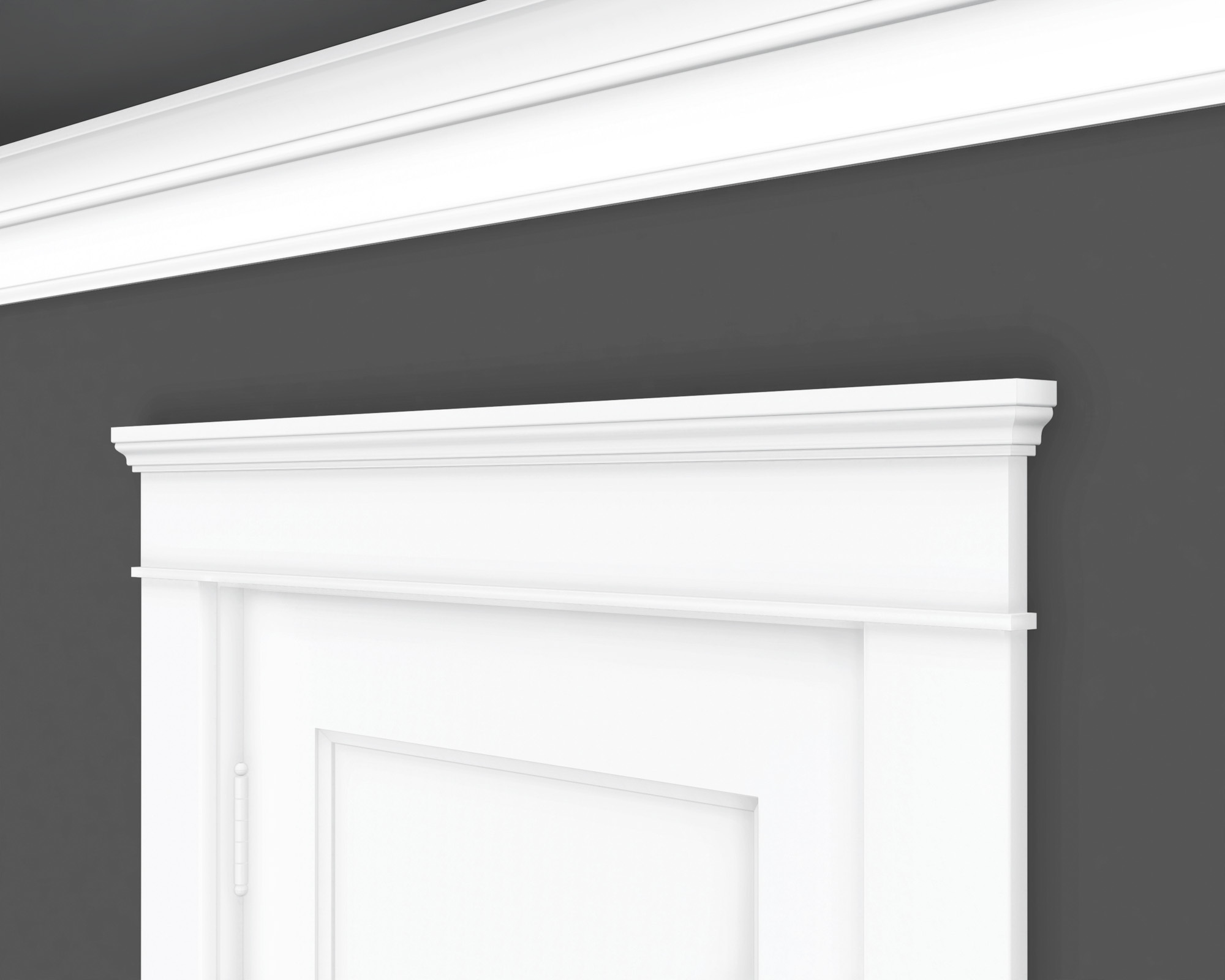
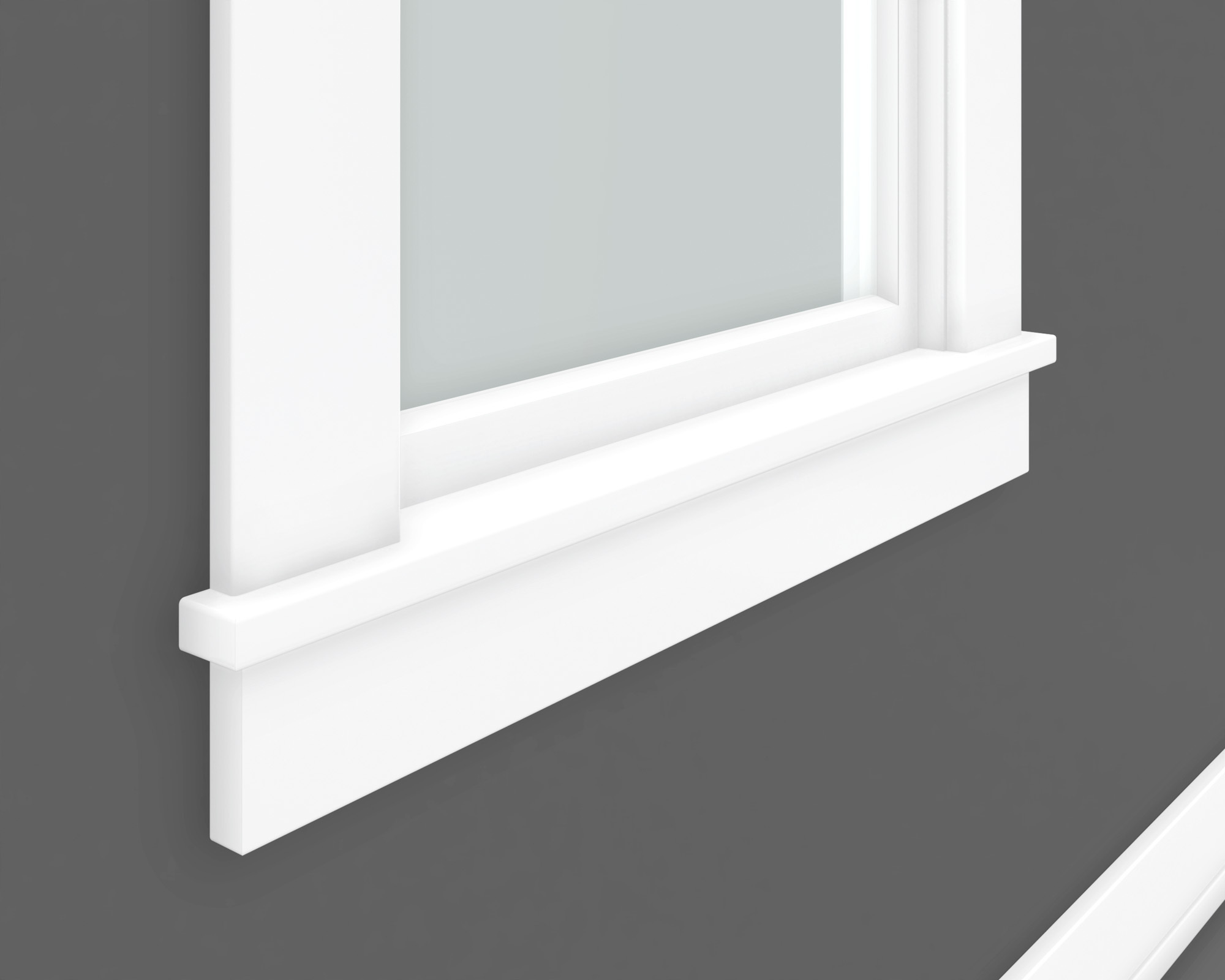
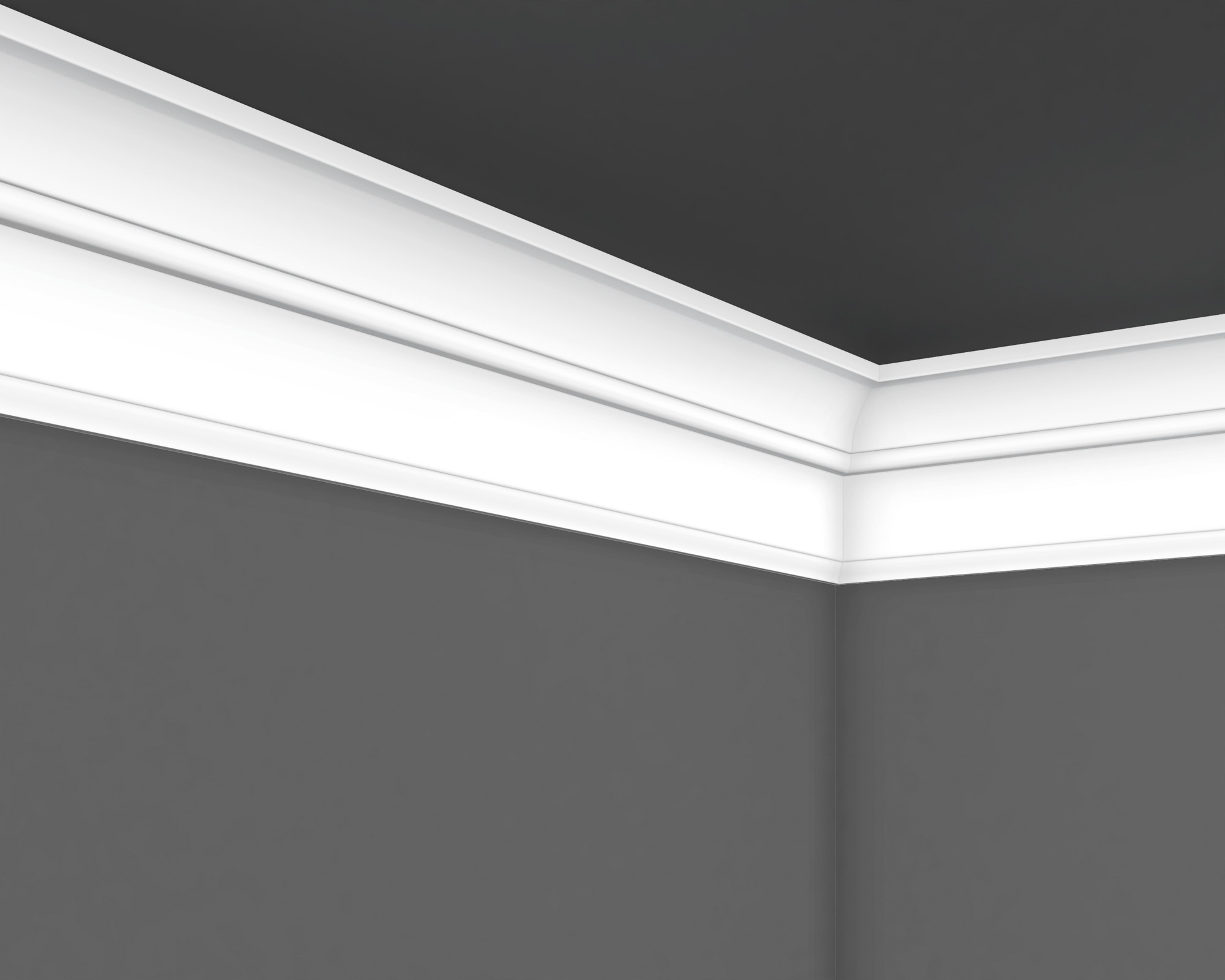
California Craftsman Characteristics
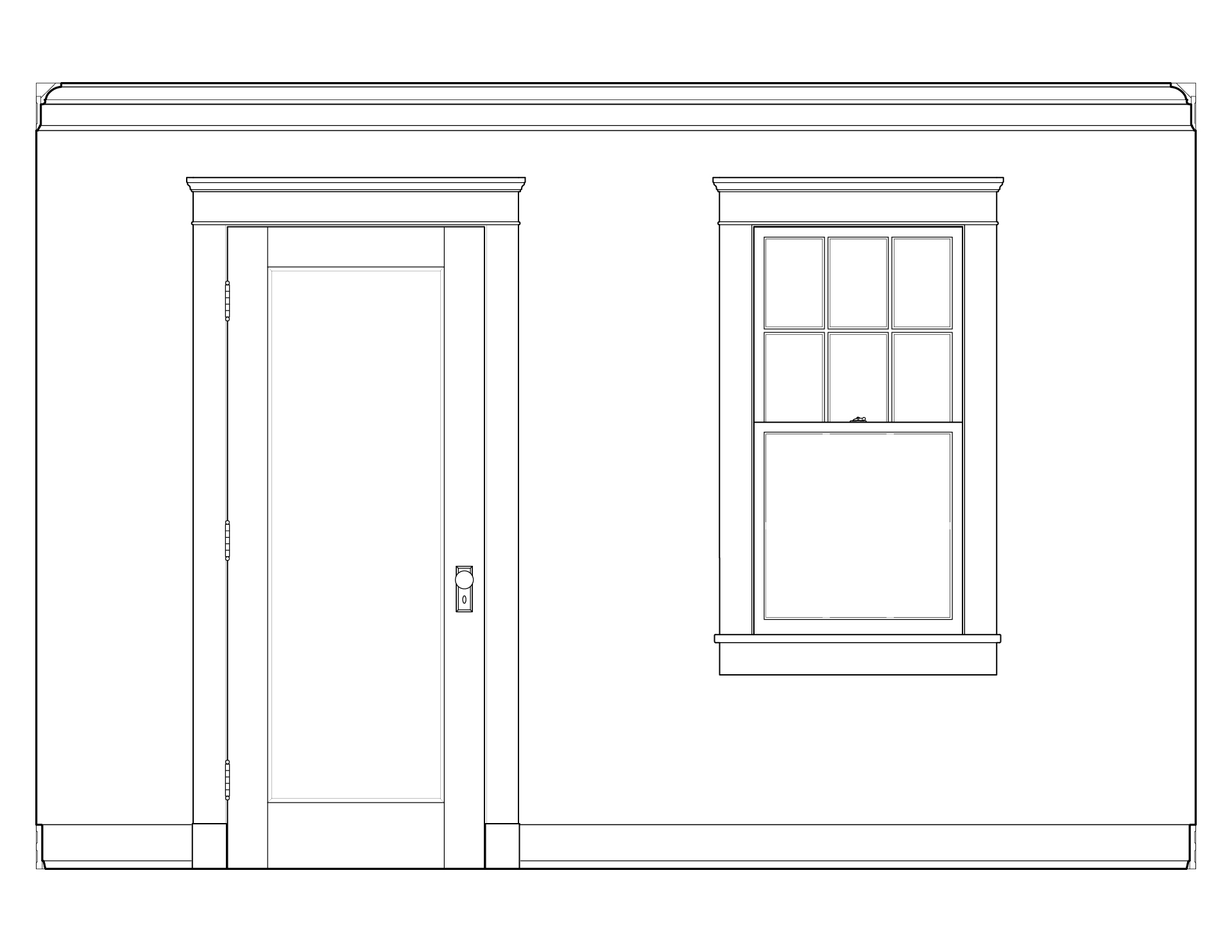
CALIFORNIA CRAFTSMAN STYLE MOULDINGS
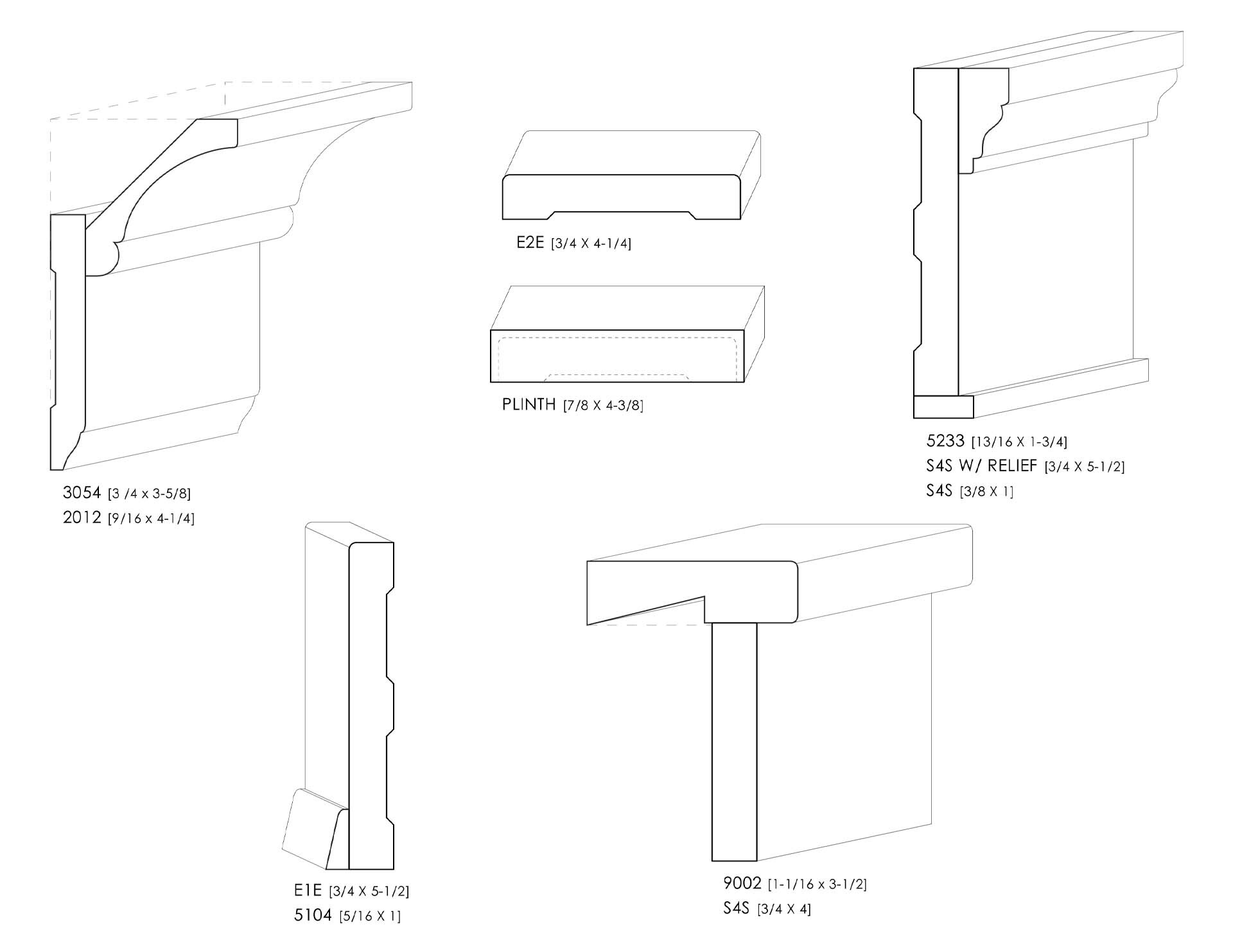
Craftsman style, or more broadly, Arts and Crafts mouldings, are a combination of S4S shapes with eased edges and simple geometric design. Note: Many Craftsman style moulding catalogs and Craftsman style moulding publications are available in print for architects, builders, designers, and arts and crafts aficionados.
Shop Now
History of California Craftsman
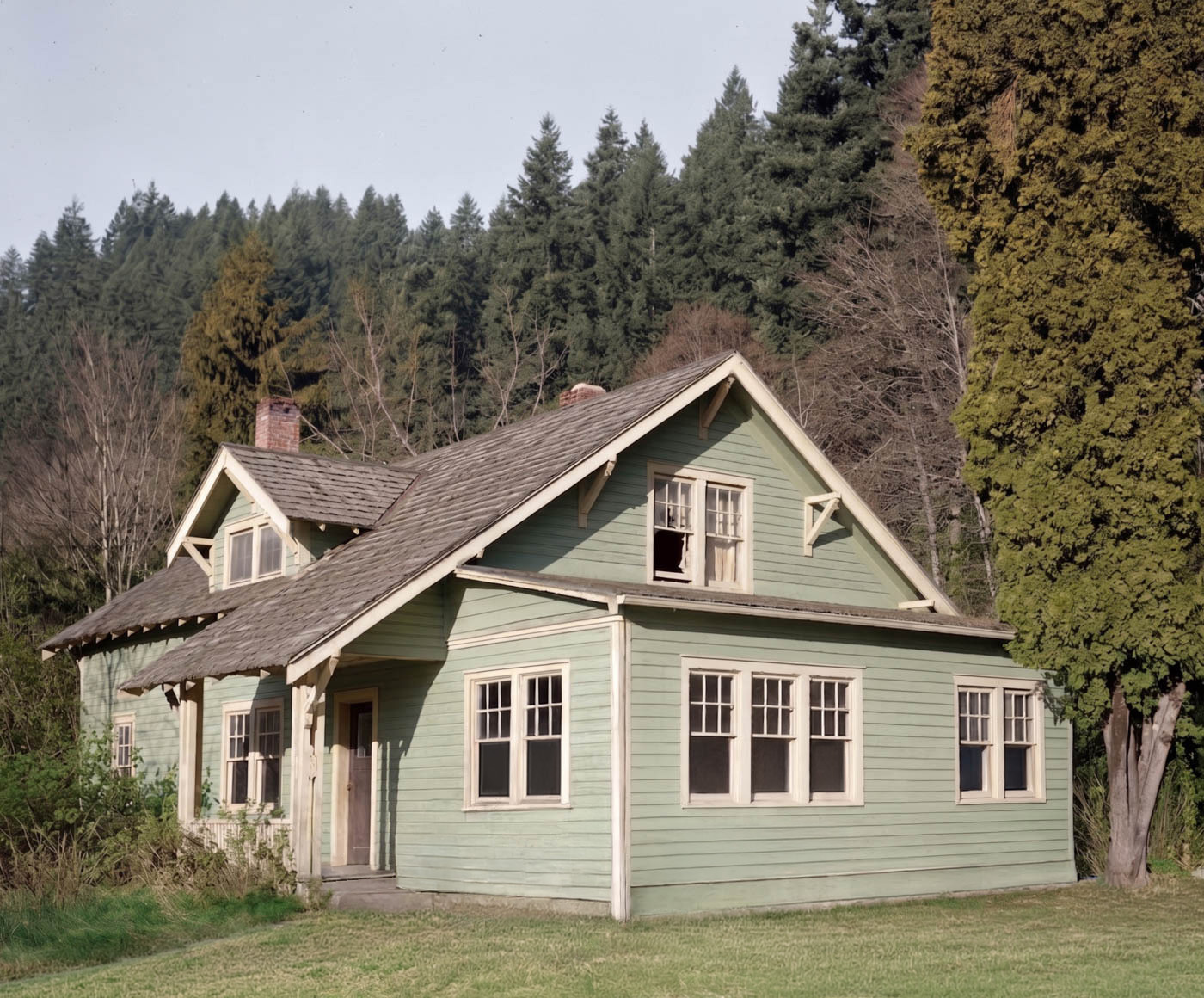
As the Arts and Crafts movement took root along the West Coast, California Craftsman architecture assumed its distinctive character. Benefiting from Southern California's expanding population, favorable climate, and rapid residential development, the style flourished in growing communities such as Pasadena, Los Angeles, and surrounding cities. The expansion of electric streetcar lines encouraged the development of new residential neighborhoods, where California Craftsman homes became synonymous with comfortable suburban living. Unlike many architectural styles that remained closely tied to their European origins, California Craftsman reflected the state's distinctive landscape and increasingly informal way of life, creating homes that expressed both regional identity and the changing lifestyle of a modern America.
Between approximately 1905 and the early 1930s, California Craftsman architecture became one of the defining residential styles of the American West. Its popularity was further reinforced through architectural publications, widely distributed bungalow plans, and the growing influence of California's emerging film industry, which frequently featured Craftsman homes in early motion pictures and promotional imagery. Although changing architectural tastes gradually gave way to Modernism during the mid twentieth century, renewed interest in historic preservation during the 1970s and 1980s inspired the restoration of countless Craftsman neighborhoods throughout California.