Explore Categories
10 Categories
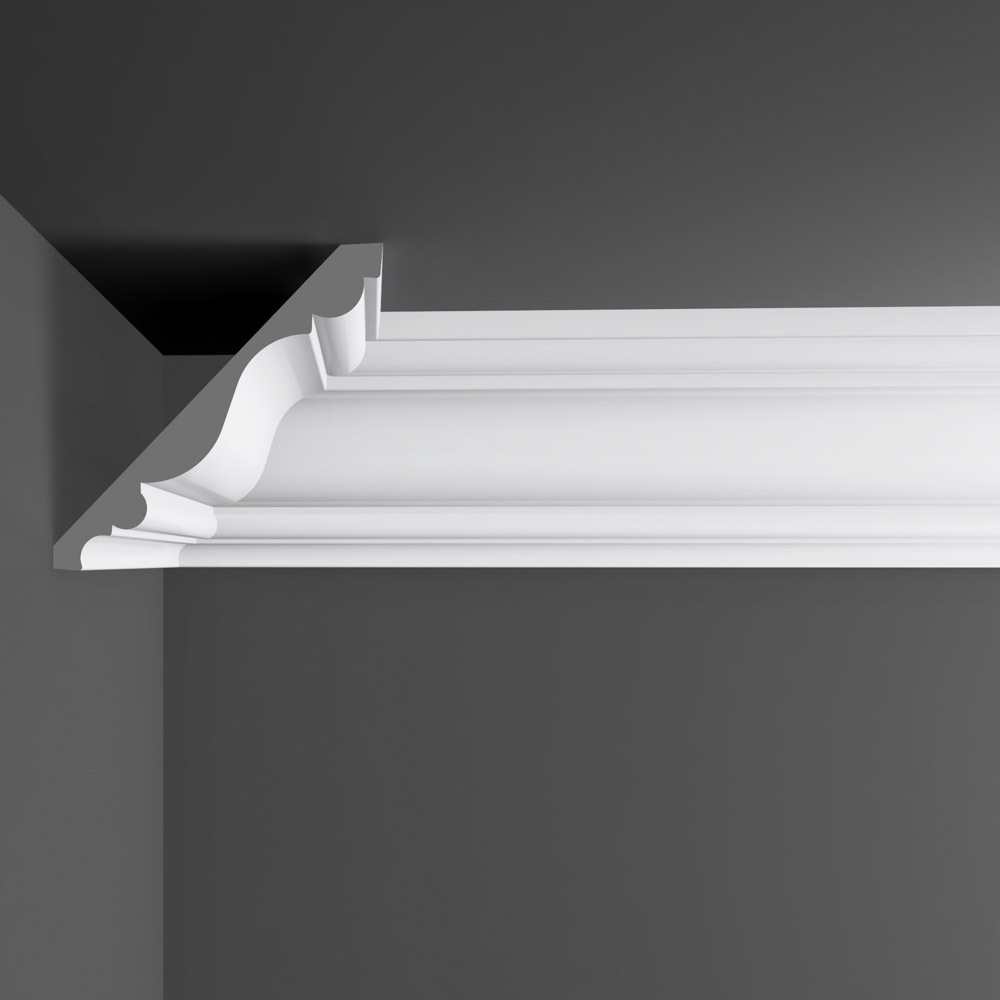
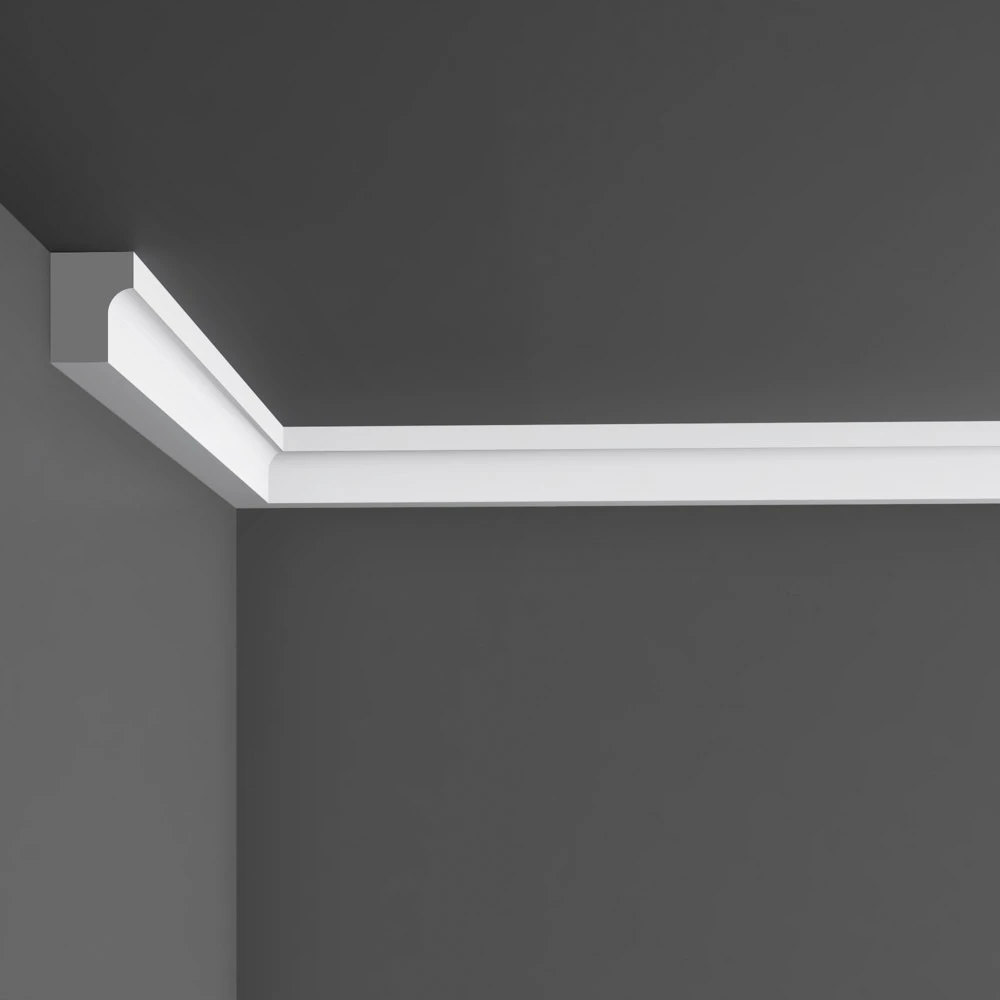
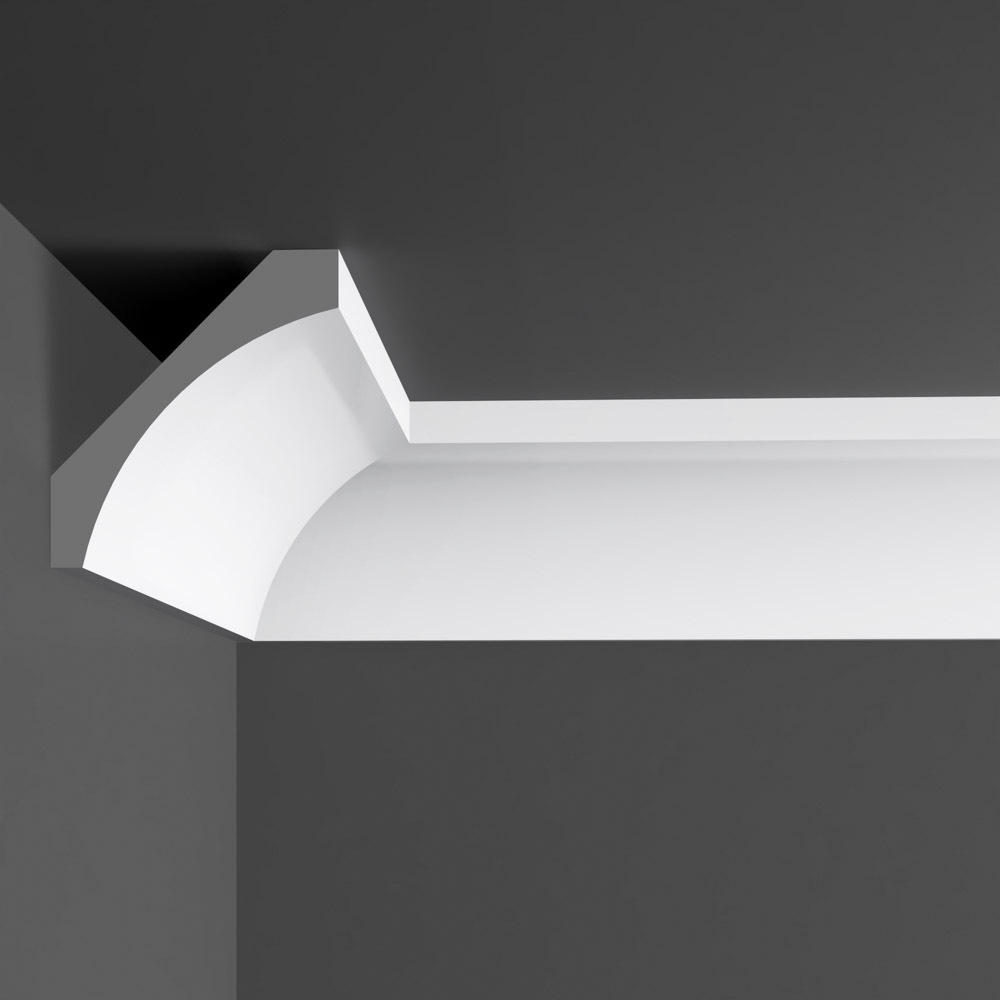
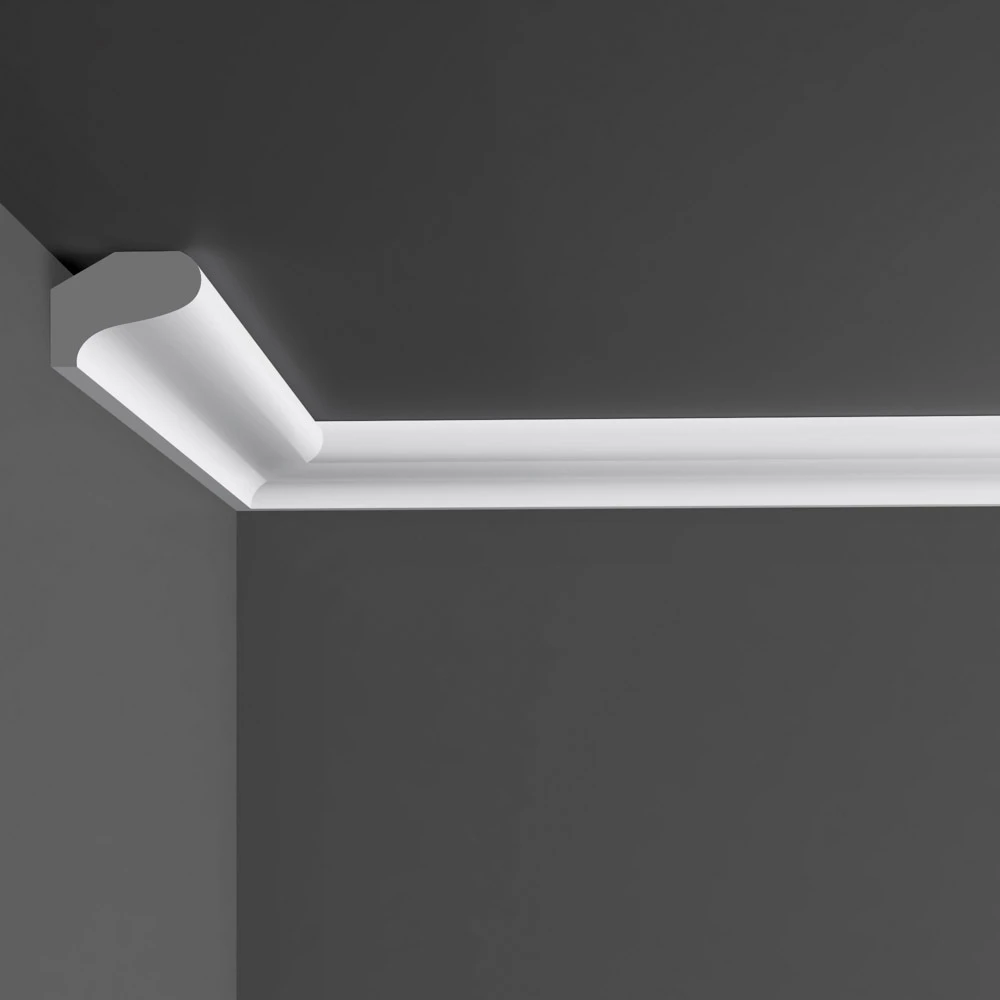
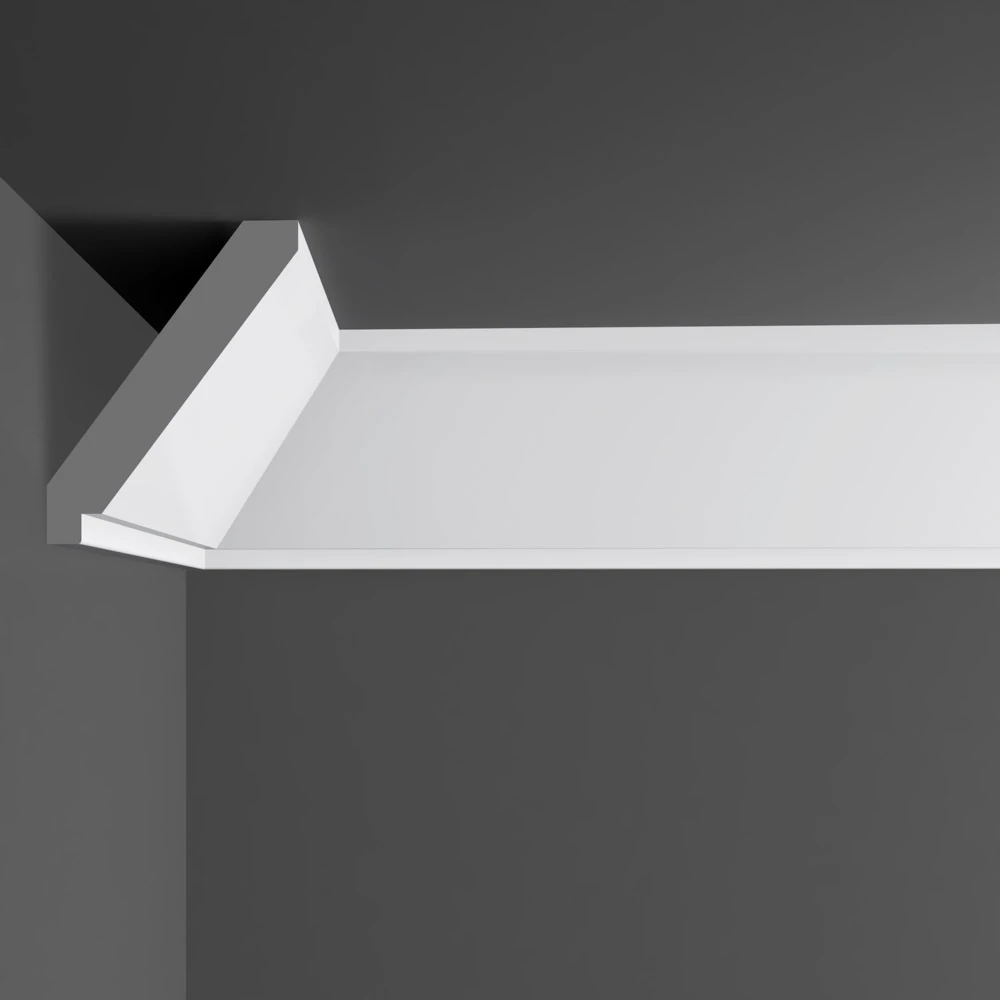
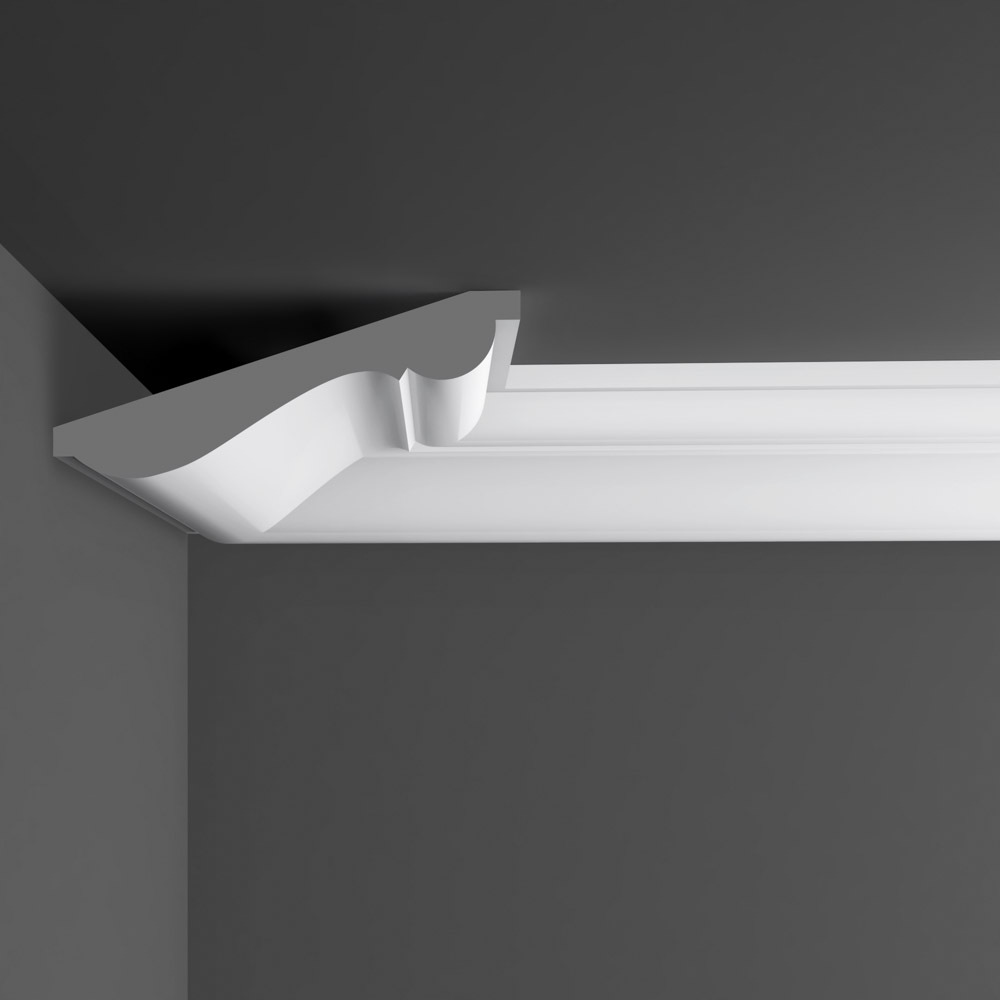
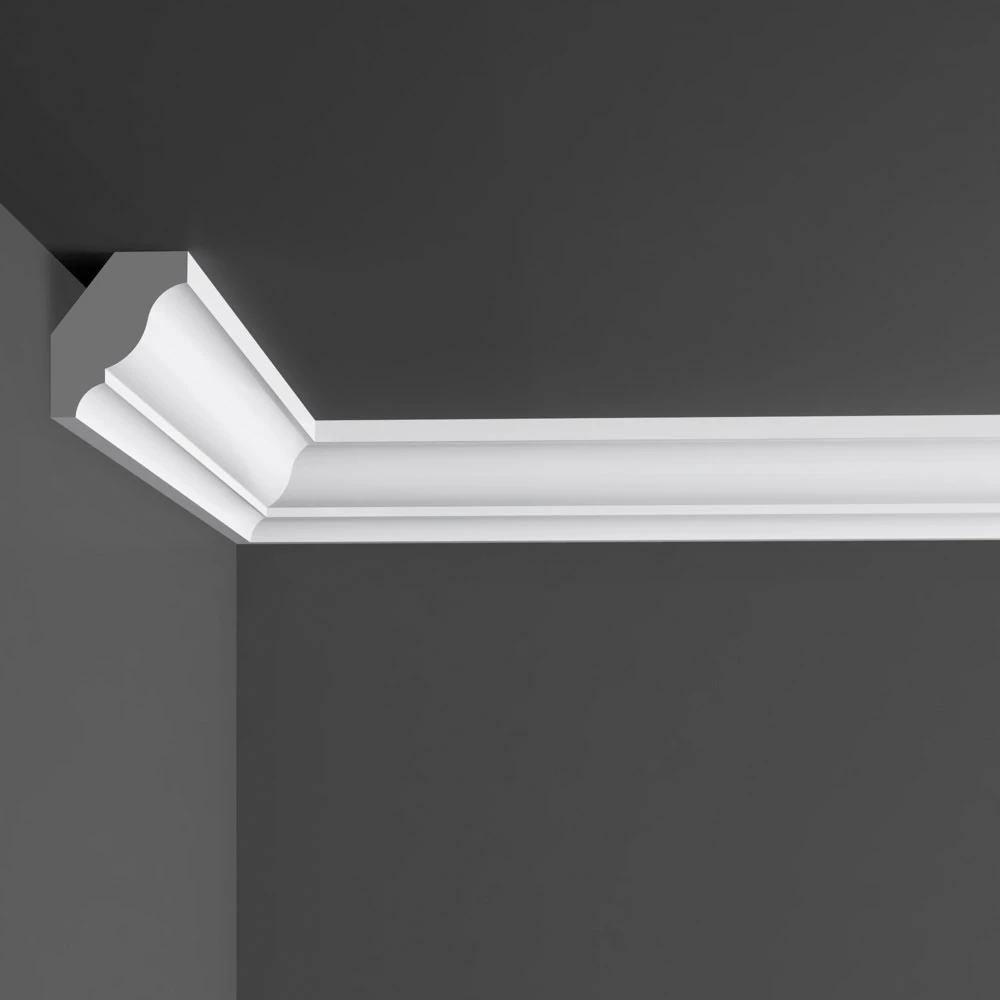
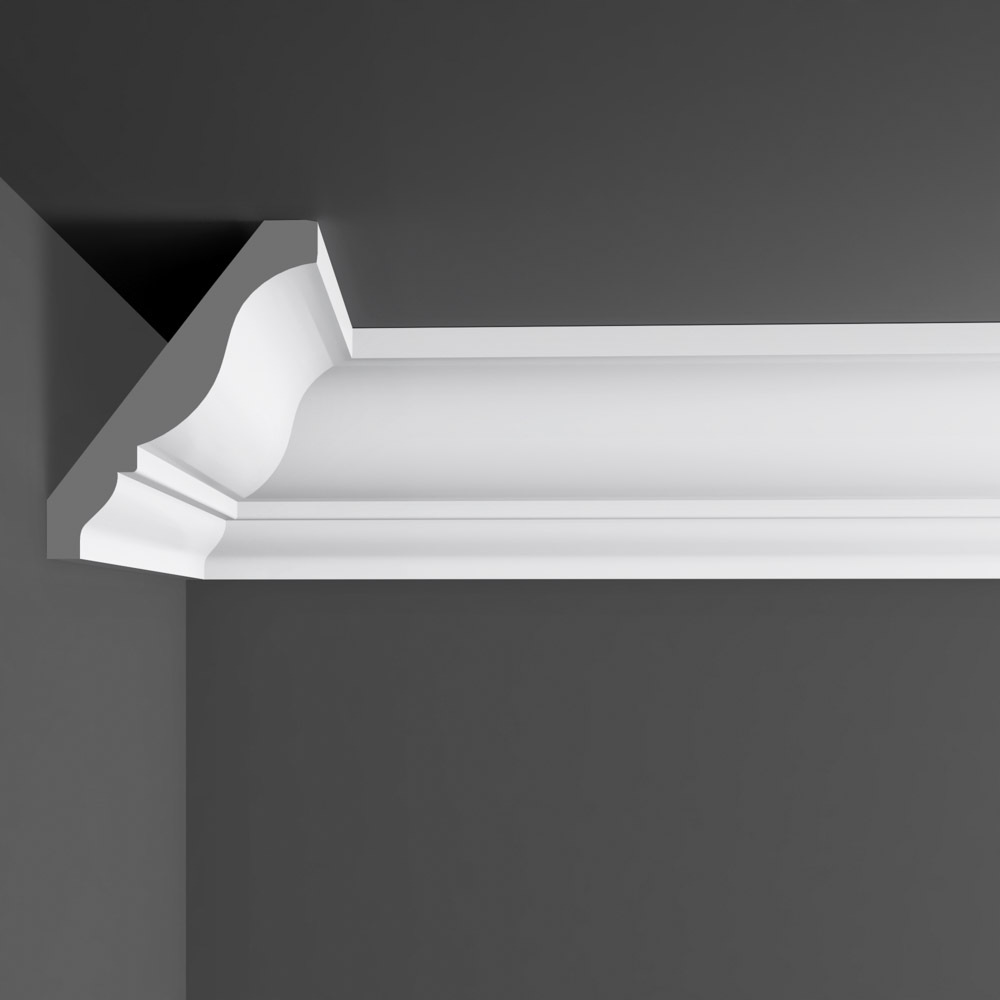
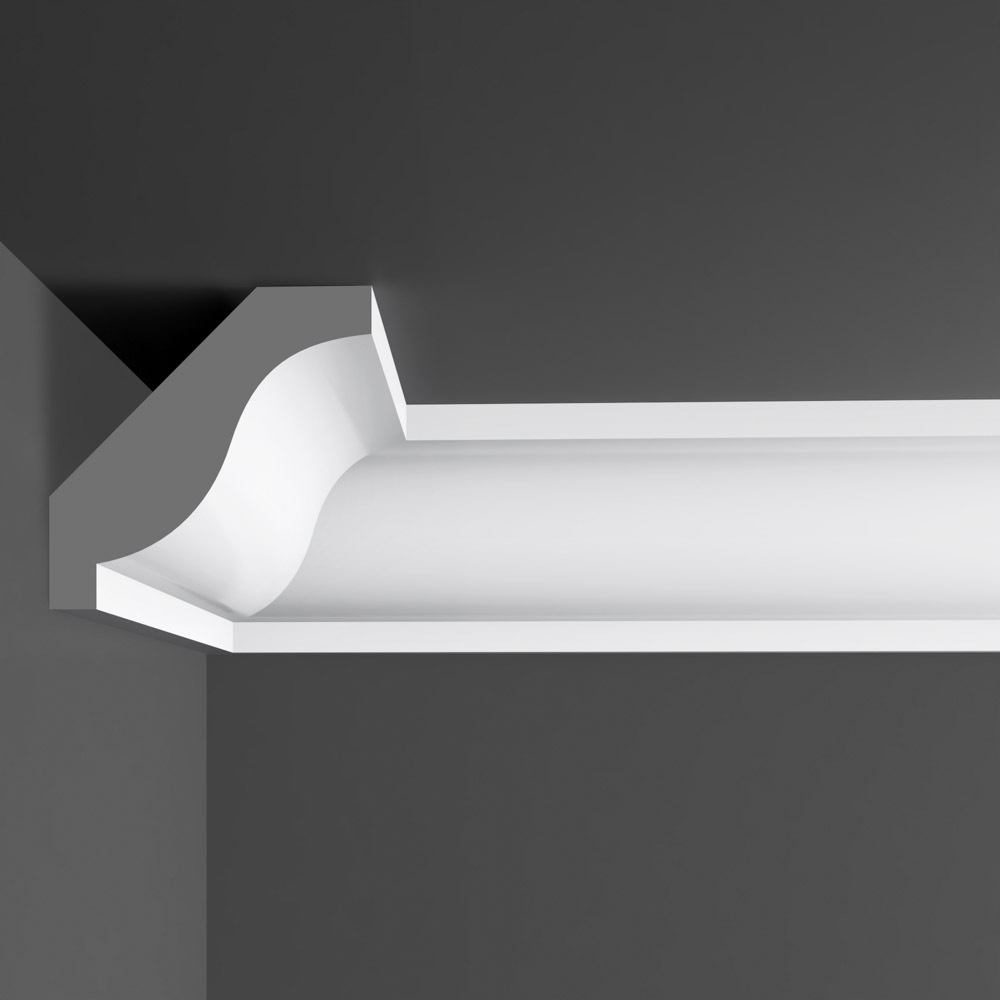
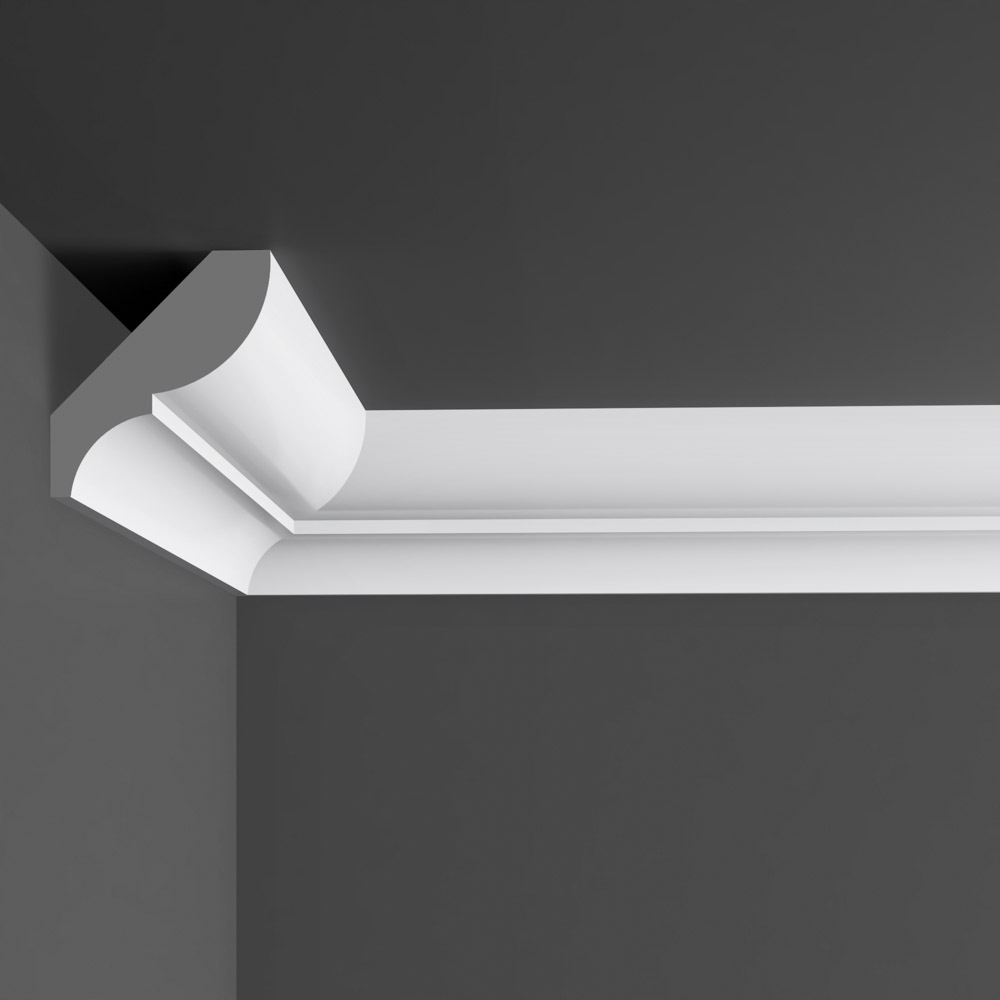


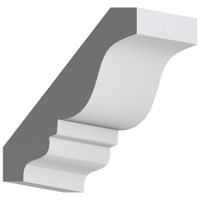


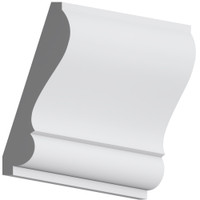


Crown molding adds architectural definition and a finished transition between walls and ceilings. There are many different crown molding styles available, making it possible to find options to suit any space.
Whether you are looking for custom crown molding for a modern home or a classic option for historic homes, you can find the right materials for your intended use case.
Choosing crown molding styles for your space
Selecting the right crown mouldings starts with the space, its proportions, and the overall trim package, including baseboard moulding and window casing. You will need to consider the ceiling height, room size, and architectural details, as each variable influences how bold or subtle the crown molding profile should be. A well-chosen design will enhance the room without overwhelming it. Conversely, the wrong style could be overpowering and detract from other aspects of your space.
Homes with traditional architecture often benefit from more detailed profiles with layered curves and shadow lines. Profiles like compound crown moulding, ogee crown moulding, and cove crown moulding are common in these spaces. These crown molding designs are best paired with classic trim that adds visual depth. In contrast, contemporary spaces typically pair better with streamlined profiles like inclined crown moulding and minimal ornamentation.
Wood crown molding is associated with classic or historic homes. However, it’s important to choose wood that matches the tone, style, and coloration of existing accent pieces. Otherwise, the crown molding will disrupt the flow of the room, which could be a costly mistake. When selecting wood crown molding, make sure you choose a natural grain that will work well in your intended application.
Consistency across rooms is another key consideration. While you don’t necessarily need to match the same moulding and trim sizes throughout the entire home, the profiles need to complement one another. Otherwise, transitions between rooms can feel disjointed. If you are going to mix things up, you need to be intentional with your crown molding choices. Using compatible profiles throughout adjacent spaces will maintain a smooth flow, especially in open layouts where multiple rooms connect visually. For added depth in taller rooms, consider crown build-up assemblies that layer multiple profiles.
After you’ve chosen your molding, it’s time to plan the installation. Know your wall angles and ceiling conditions so that you can achieve a clean finish. Proper preparation will help you avoid material waste and improve overall results. When in doubt, invest in professional installation so that your molding completes the look of your rooms.
When you begin your search for crown molding, focus on scale, material types, and moulding styles that match the project’s architectural style. Doing so will make it easier to narrow down your choices and select a profile that fits both the space and the project goals. You can also browse our full selection of wood molding and trim to coordinate across rooms.
Custom crown molding and historic profile matching
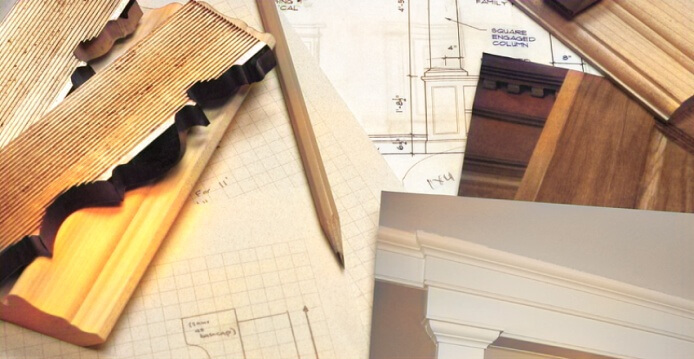
Custom crown molding can be a great option when you are restoring a historic home or renovating your space. It may also be necessary when doing an addition, as existing profiles in older spaces may no longer be readily available. Matching an existing profile ensures the new sections blend in naturally with the original trim, allowing you to avoid any visual breaks between old and new spaces.
Historic homes often feature profiles that are no longer produced as standard options. Custom milling makes it possible to recreate these designs with precision while maintaining the proper scale. Custom profiles are also useful when a project has non-standard ceiling heights or an unusual layout you want the molding to complement.
Browse our selection of crown molding profiles below or contact us to get a quote for your project. Mouldings One can also reproduce period-accurate crown molding styles for historic renovation projects.
What is Crown
Molding?
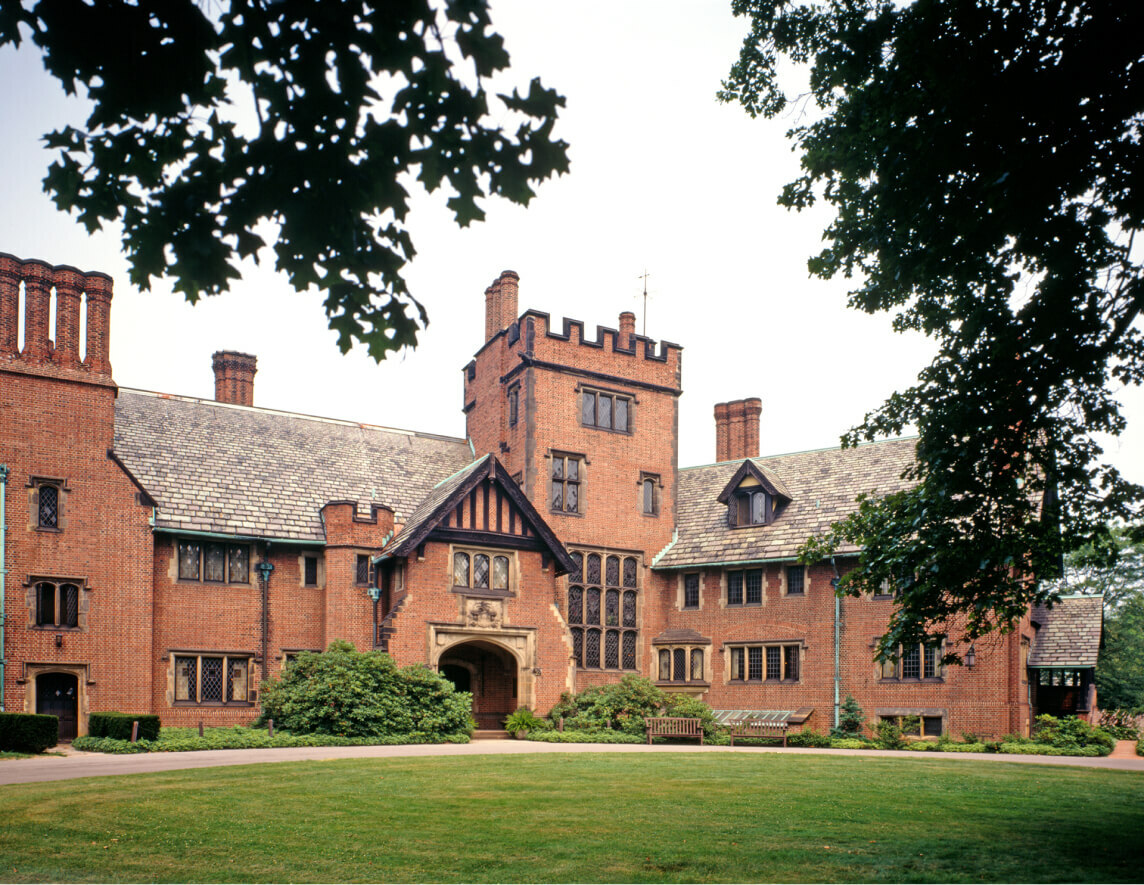
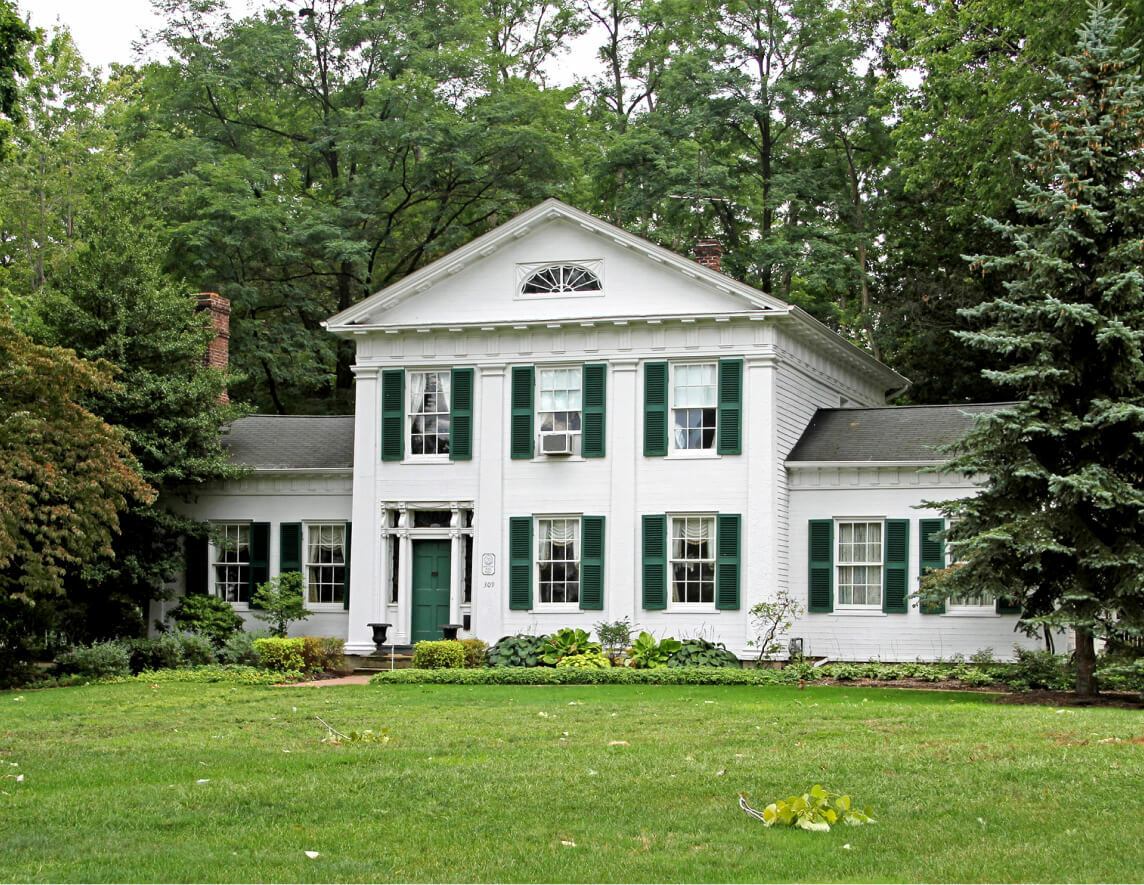
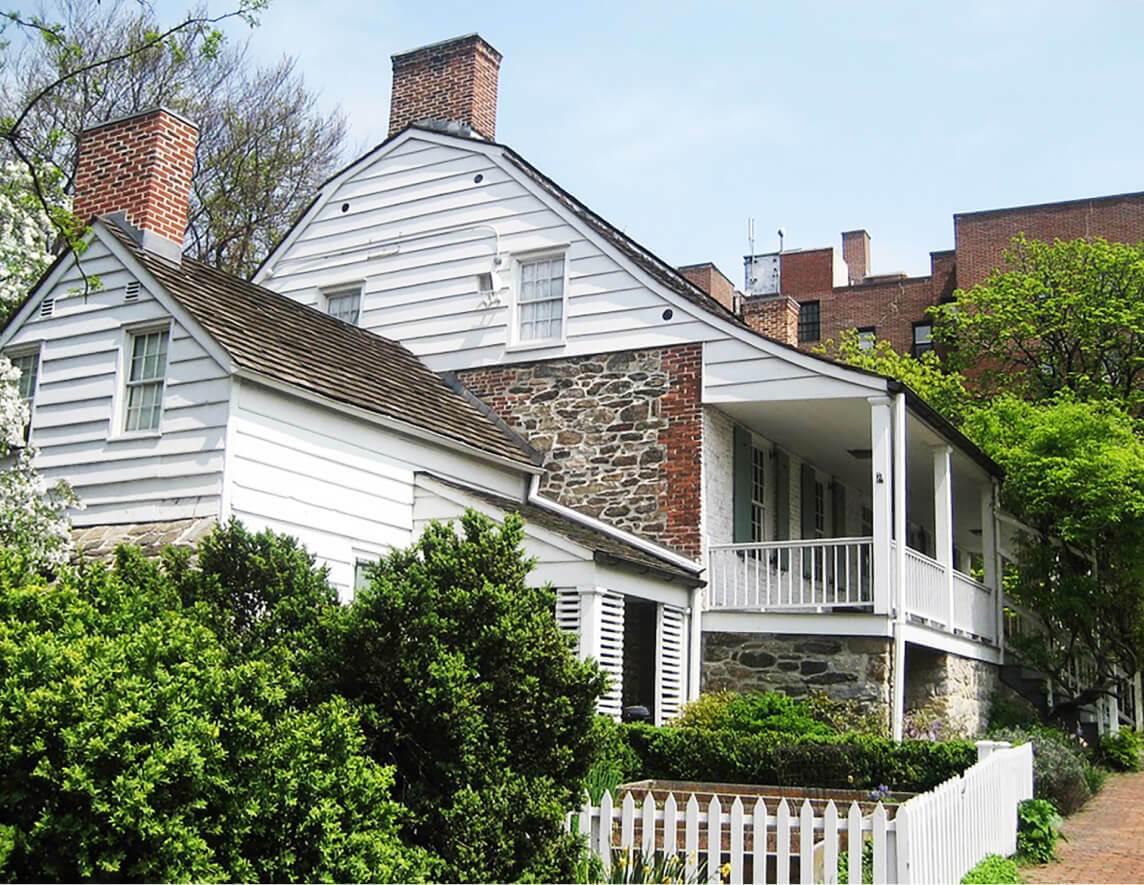
Crown molding is a classic style of trim that has been used for centuries. Historically, crown molding was used to cover gaps between different building materials. Today, it serves a decorative function and is often installed where walls meet with a ceiling. However, crown molding can also be used as an adornment on cabinets, shelves, pilasters, and more.
All of our moldings are milled at our state-of-the-art woodworking facilities in Middlefield, Ohio. If you need high-quality custom crown molding for your renovation project, trust our team to deliver results.
Get Started with Your Custom Crown
Molding Project
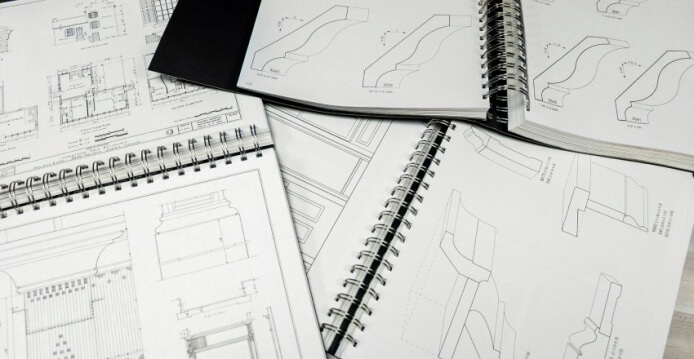
Submit a custom request and include your drawings, images or CAD files for custom molding profiles.
Request a QuoteView our latest catalog of designs; a complete collection of available moldings and other millwork.
Download CatalogFrequently Asked Questions
How do I choose the right crown molding style for my project?
Start with ceiling height and architectural style. Taller ceilings can support deeper, more decorative profiles. If you have lower ceilings, a simpler design is likely a better fit. Consider the adjacent trim and room proportions when selecting crown molding for the space.
How long does it take to recreate a historic molding profile?
Most historic or discontinued profile matches take about 1–3 weeks after we receive your sample or detailed measurements and confirm the profile. More intricate designs, large runs, or high production volume can extend the timeline. For the most accurate lead time, send over the profile details and quantity and our team will confirm next steps.
Can you match any crown molding profile?
In many cases, yes. The most accurate match comes from a physical sample, but detailed measurements and clear photos can also work depending on the profile. If the existing crown is from an older or discontinued line, we can often recreate it through custom milling.
How do I care for and maintain my crown molding?
Maintenance depends on the finish. Painted trim can be cleaned with a soft cloth and mild soap as needed. Stained or clear-finished wood should be dusted regularly and kept away from prolonged moisture exposure. If the trim is installed in higher-humidity areas, ask about finish recommendations to help protect the wood.
What types of wood do you offer for your moldings?
Wood species availability varies by profile and finish requirements. Many projects use paint-grade options for a smooth, consistent look, while stain-grade options highlight natural grain and color. If you share the look you’re after and how the trim will be finished, we can recommend the best species and grade.
Can I get a sample before finalizing my order?
Yes, samples are commonly requested for confirming profile detail, scale, and finish direction. Contact our team with the profile(s) you’re considering and we’ll confirm sample availability and the best next step based on your project needs.
What’s the difference between crown molding and other types of molding?
Crown molding is designed specifically for the wall-to-ceiling transition and typically has more projection and detail than other trim types. Baseboards finish the wall-to-floor transition, casings frame doors and windows, and panel molding is used to create wall detail and wainscoting layouts. Crown tends to be one of the most visually defining trim elements in a space.
Can the moldings be painted or stained?
Yes. Crown molding can be painted or stained depending on the look you want and the wood grade selected. Painted finishes often create a clean, uniform appearance, while stain-grade trim is selected to showcase grain and color. If you tell us your finish plan, we can help confirm the best material choice.