Explore Categories
6 Categories
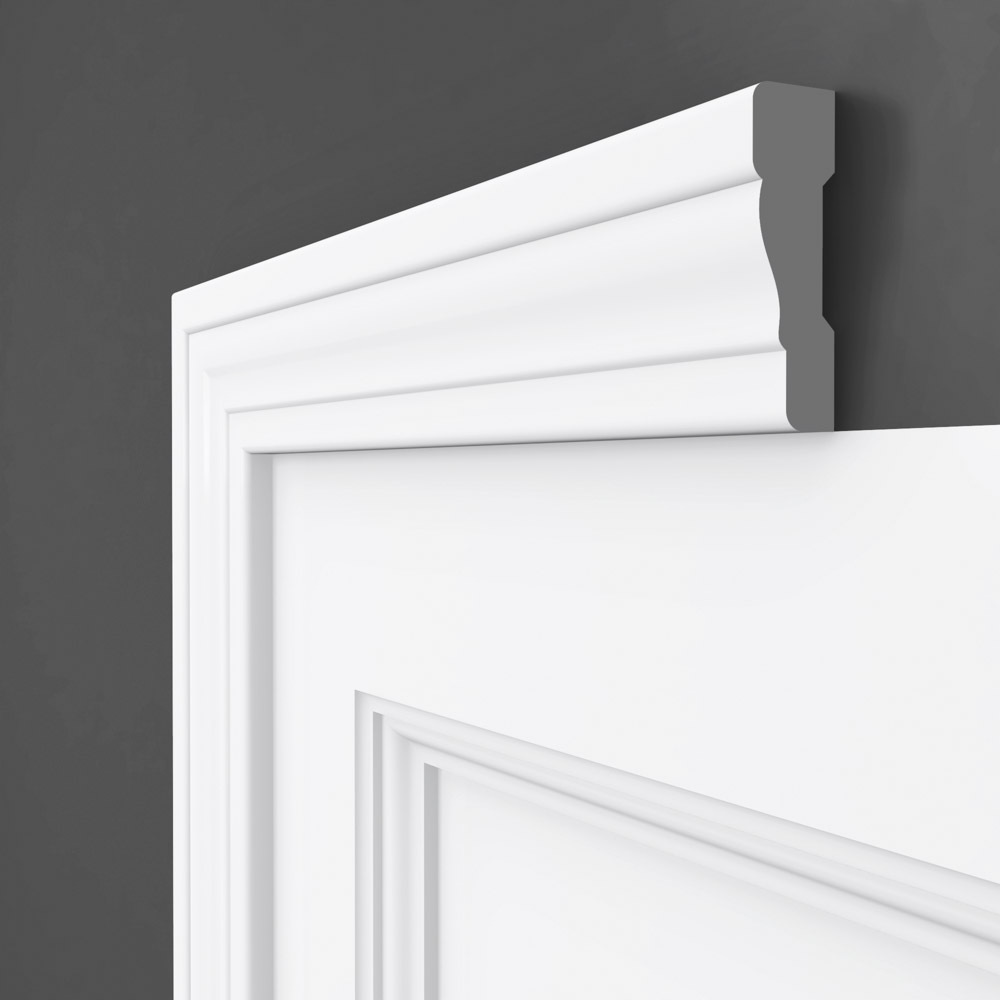
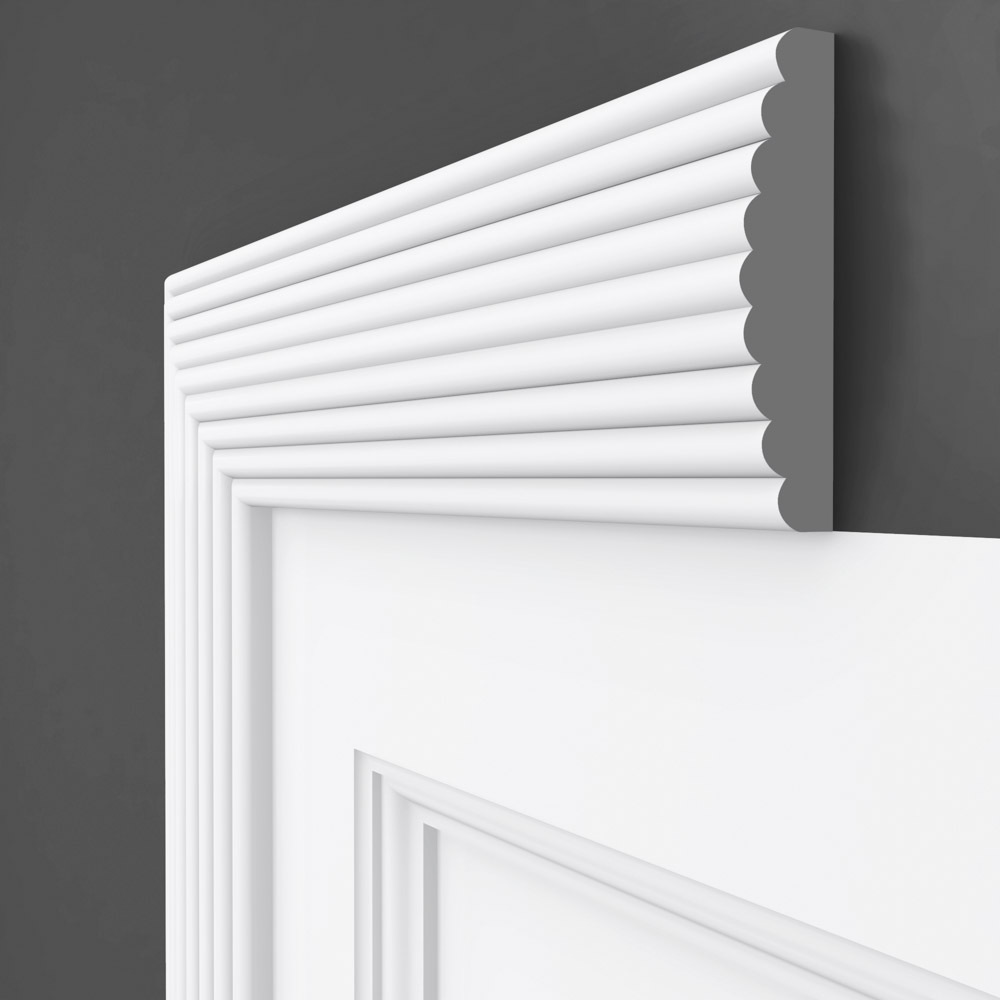

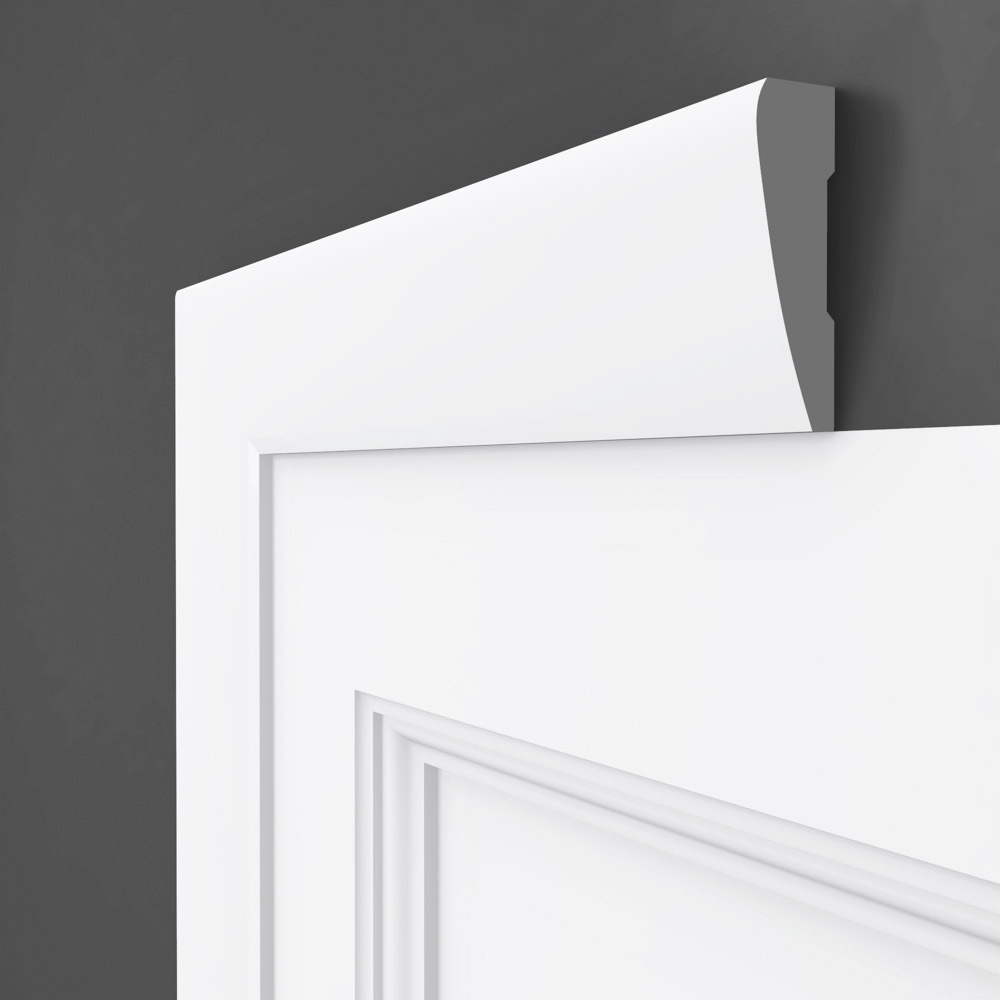
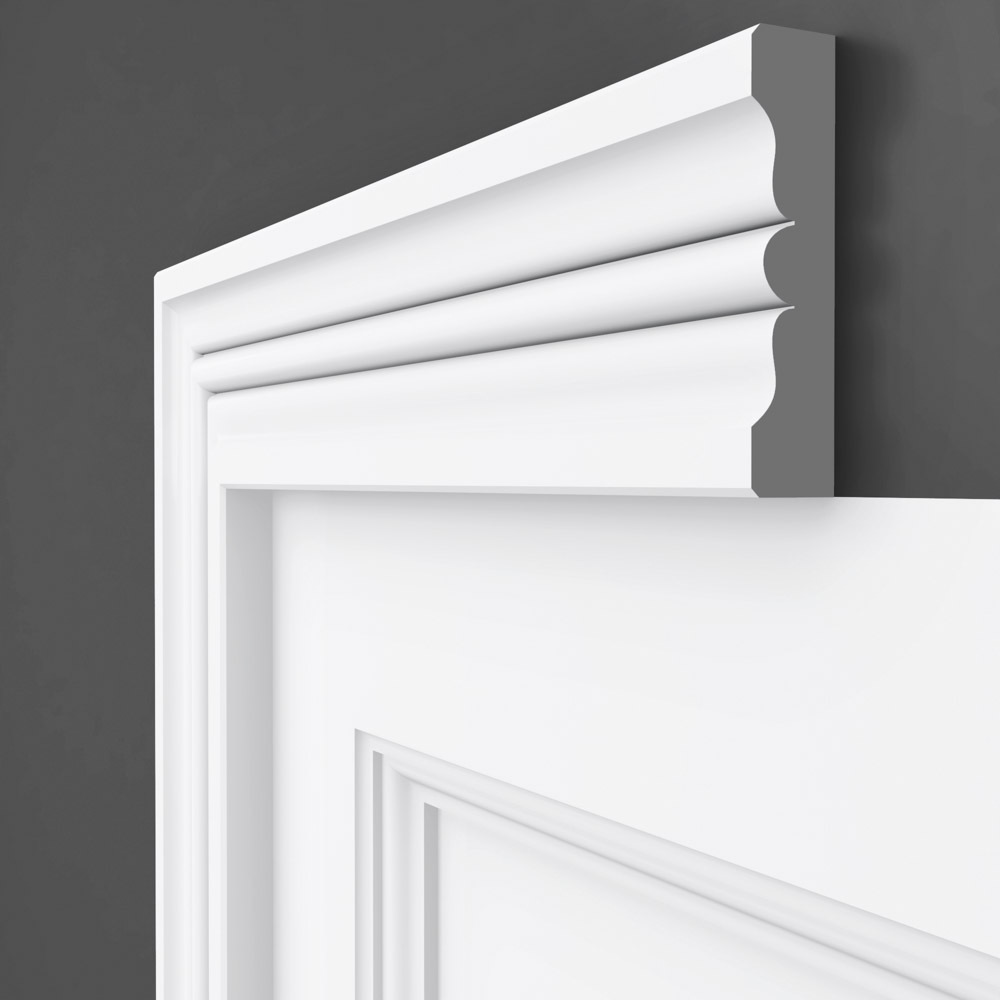




Door and window casing create a clean edge between the trim, jamb, and wall. They frame openings to add depth, proportion, and a finished look while helping tie the trim package together, including baseboard moulding and crown molding
At Mouldings One, we offer precision-milled wood casing profiles for both doors and windows, designed to suit traditional and modern interiors. Browse options like colonial casing, streamlined modern casing, beaded casing, and fluted and reeded casing based on your finish style. Our profiles are milled for consistent dimensions and clean installation, helping deliver tighter joints and a refined finish across the project.
Door and window casing profiles for a clean, finished look
A well-designed wood casing can bring structure and polish to door and window openings in a space. The profiles available vary from simple square edges to more decorative shapes, allowing you to control how subtle or expressive the finished detail feels. If you have a modern space, consider wood casings with clean lines to promote a crisp look. Deeper contours add character to traditional or classic homes.
Proportion matters just as much as style when it comes to door and window casing. Narrow profiles create a minimal appearance that keeps attention on the window itself, while wider options add visual weight. If you want even more depth, add backband moulding around the casing. If you have taller ceilings or larger wall spans, go with wider window casings to balance the room. Choosing the right scale ensures the trim complements the architecture rather than overpowering it.
Material quality plays a major role in long-term performance. A properly milled wood casing offers crisp edges and smooth surfaces. They also feature consistent dimensions, making installation more predictable and reducing the need for shimming or other on-site adjustments. The result is tighter joints and a more refined finished result.
Consistency across openings helps maintain a cohesive look. Using the same casing profile for doors and windows in shared spaces creates visual continuity, especially in open layouts. When you choose window casings that match across a project, ordering and installation become simpler, as there is a much lower risk of errors. Make sure you carefully measure your windows prior to ordering, as sending products back can result in restocking costs and push back your project timeline.
After your casing arrives, attention to detail is essential for a clean finished result. Precise cuts, consistent reveals, and tight corners help maintain alignment across door and window openings and support a cohesive trim package. For doors, plinth blocks can add a more grounded base detail.
Mouldings One offers a variety of door and window casing options, making it easy to find the ideal size, style, and finish for your space. If you have questions or concerns, you can reach out to our experienced professional team for guidance. Our goal is to help you find the right materials for your project and desired look.
Wood casing: paint, stain, and finishing considerations
Choosing the right finish is what brings your project together. Painted wood casings create a clean, uniform appearance that blends in with your walls and other architectural elements in the space. Alternatively, you can choose stained wood casings that highlight the natural grain of the materials.
Stained materials add warmth, making it a great choice if you have a traditional space or the space already includes exposed wood elements.
If you are going to stain or paint the wood yourself, preparation is key. Make sure you thoroughly sand, prime, and seal the wood casing before you install it. Doing this will save time and extend the lifespan of the material. Thorough preparation will promote cleaner lines and a better finished look.
Frequently Asked Questions
What’s the difference between window casing and door casing?
Both frame the opening and cover the gap between the jamb/frame and the wall. Door casing is typically sized and installed to suit door heights and jamb depths, while window casing is applied around window openings. Many projects keep casing widths consistent across windows and doors for a cohesive trim package.
How do I choose the right wood casing profile?
Start with scale and architectural style. Clean, simple profiles suit modern interiors, while more detailed profiles align with traditional design. Ceiling height and wall span matter too. Larger spaces typically support wider trim without feeling heavy.
Can wood casings be painted or stained?
Yes. Paint creates a smooth, uniform look, while stain highlights the grain and natural character of the wood. The best option depends on the design direction and what’s already installed in the space.
How do I measure for window casing?
Accurate measurements are key. Confirm opening height and width, then plan for clean joints and consistent reveals. If your project includes window sills, confirm those dimensions before ordering. For most projects, ordering an additional 5-10% is typically recommended to account for cuts, miters, and waste. If you want support before ordering, share your opening sizes and project details and our team can help confirm sizing and quantities.
Can you match an existing casing profile?
In many cases, yes. A physical sample provides the best match, and detailed measurements and photos can work depending on the profile. This is especially useful for additions, renovations, or historic projects where continuity matters.