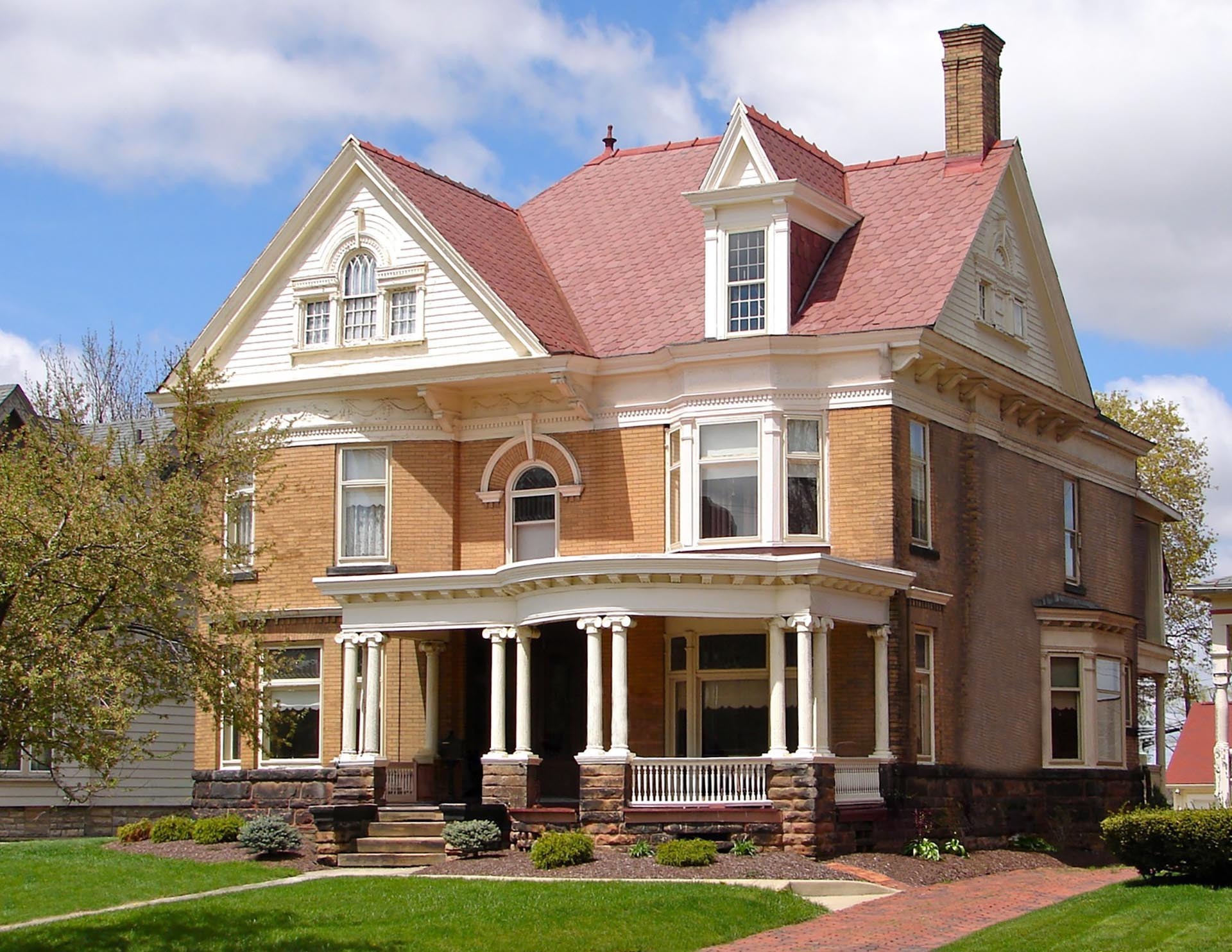
Colonial Revival
Balanced proportions, classical details, and traditional mouldings reinterpret the architecture of early America.
What Is Colonial Revival?
Largely inspired by the Georgian and Federal architecture of early America, Colonial Revival draws on earlier building traditions, including English and Dutch colonial influences. Interpretations range from modest homes to grand residences and public buildings, reflecting the style’s adaptability.
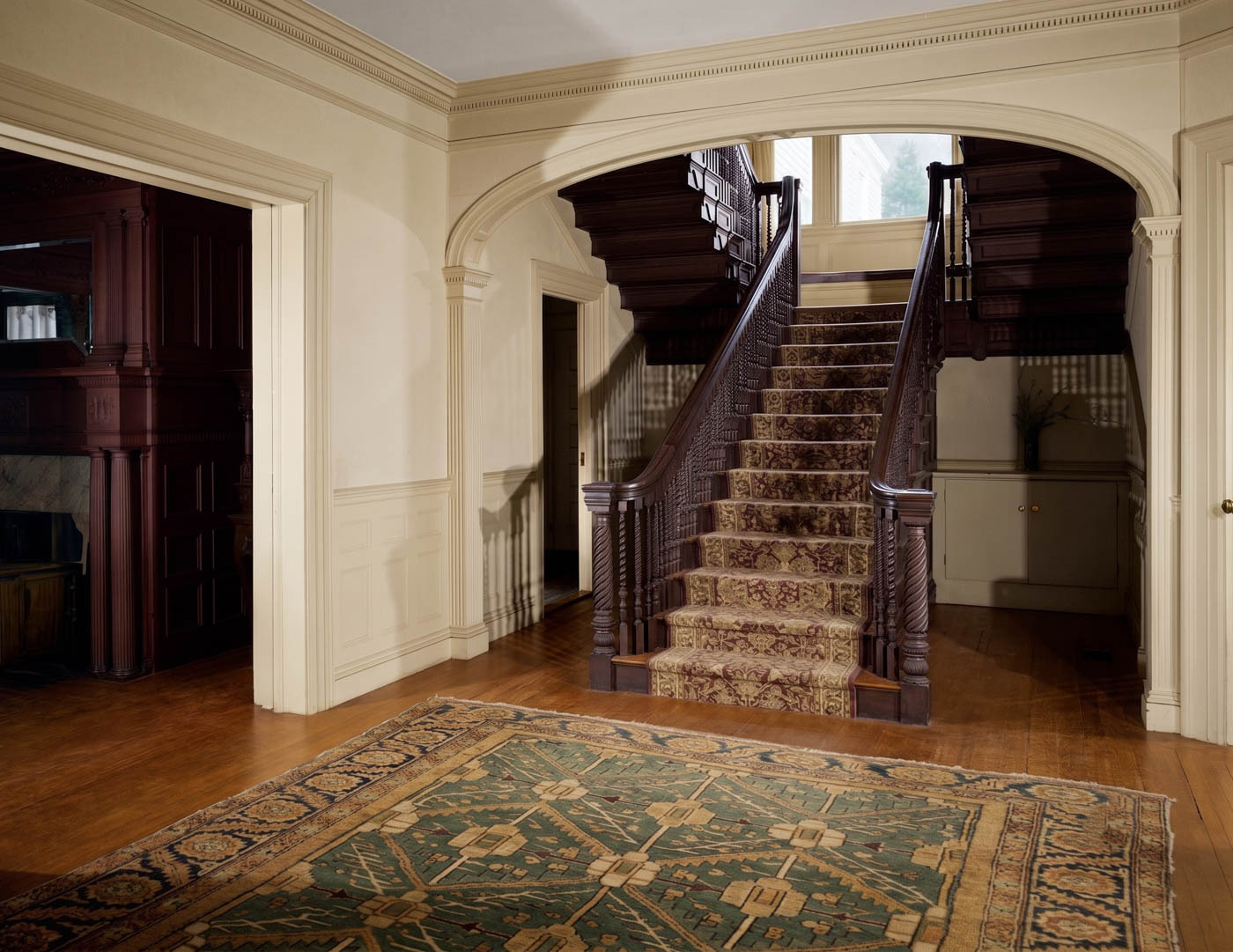
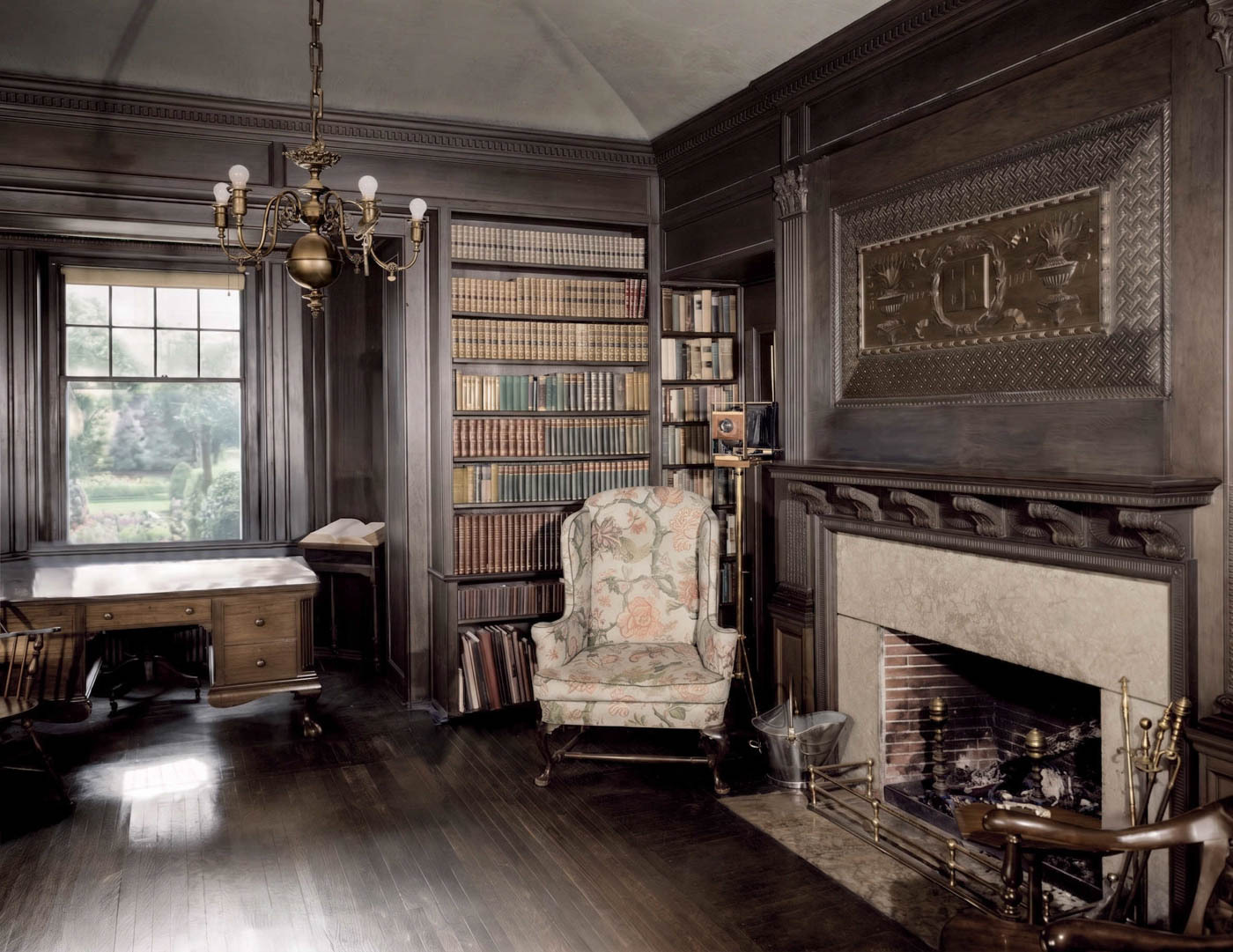
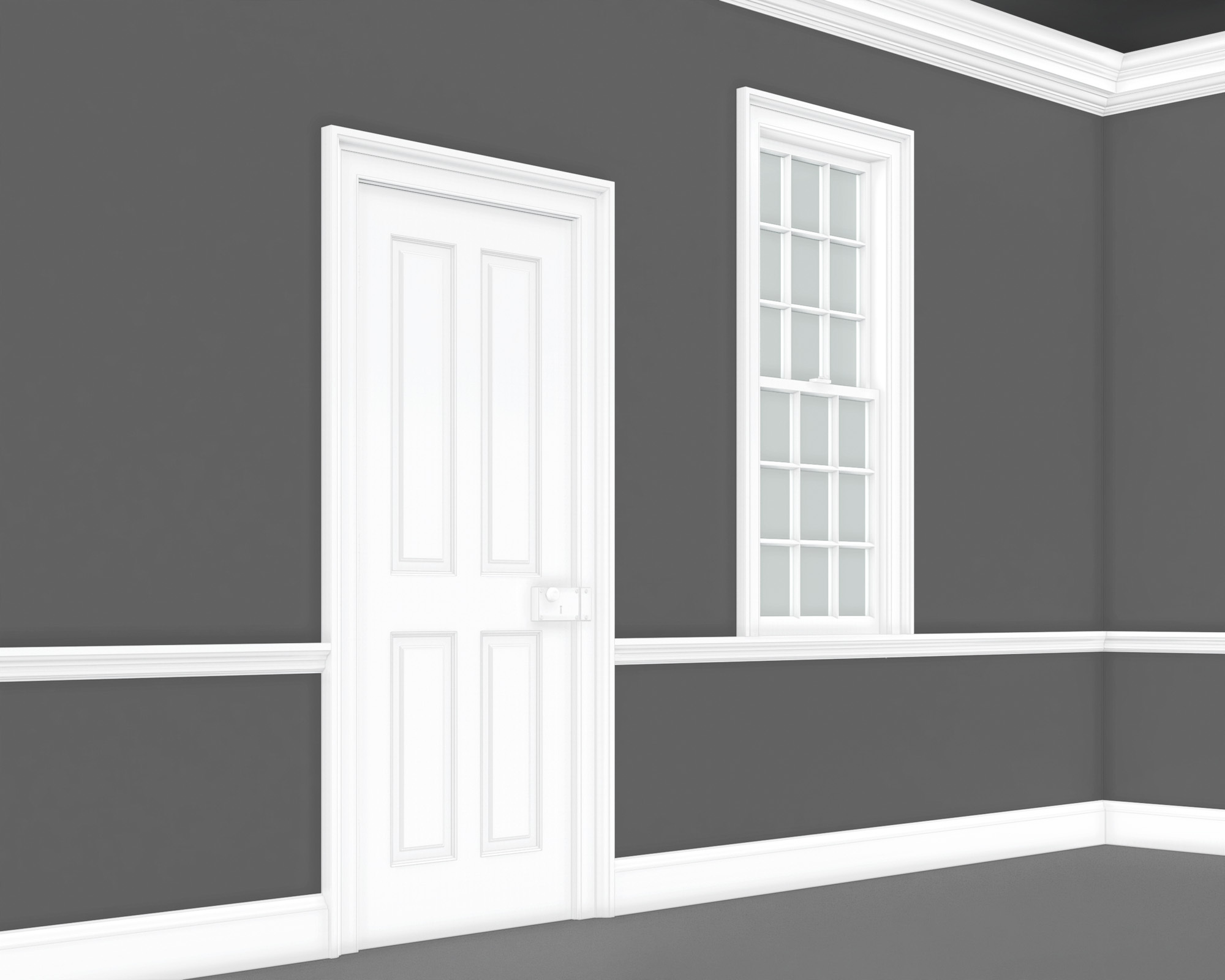
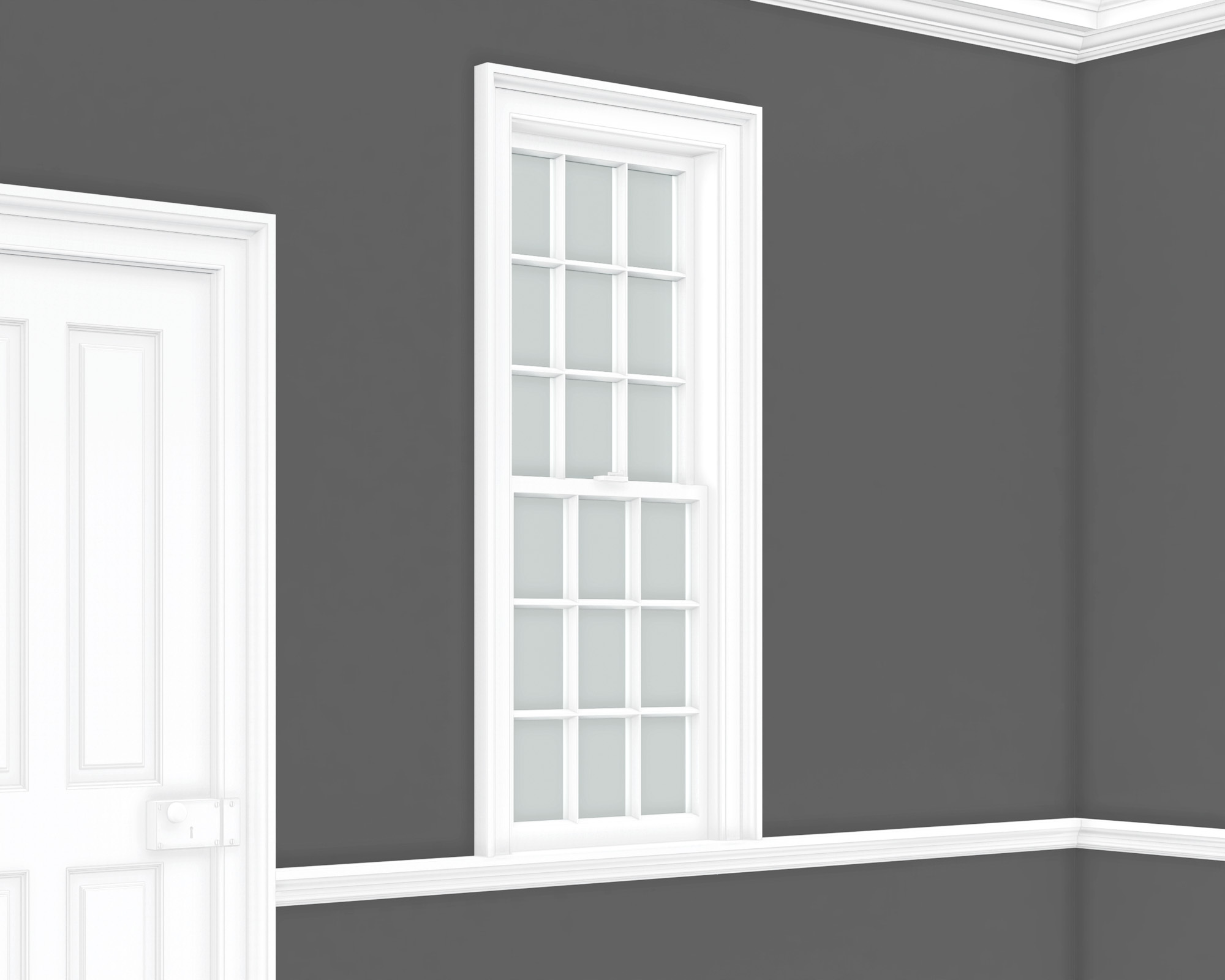
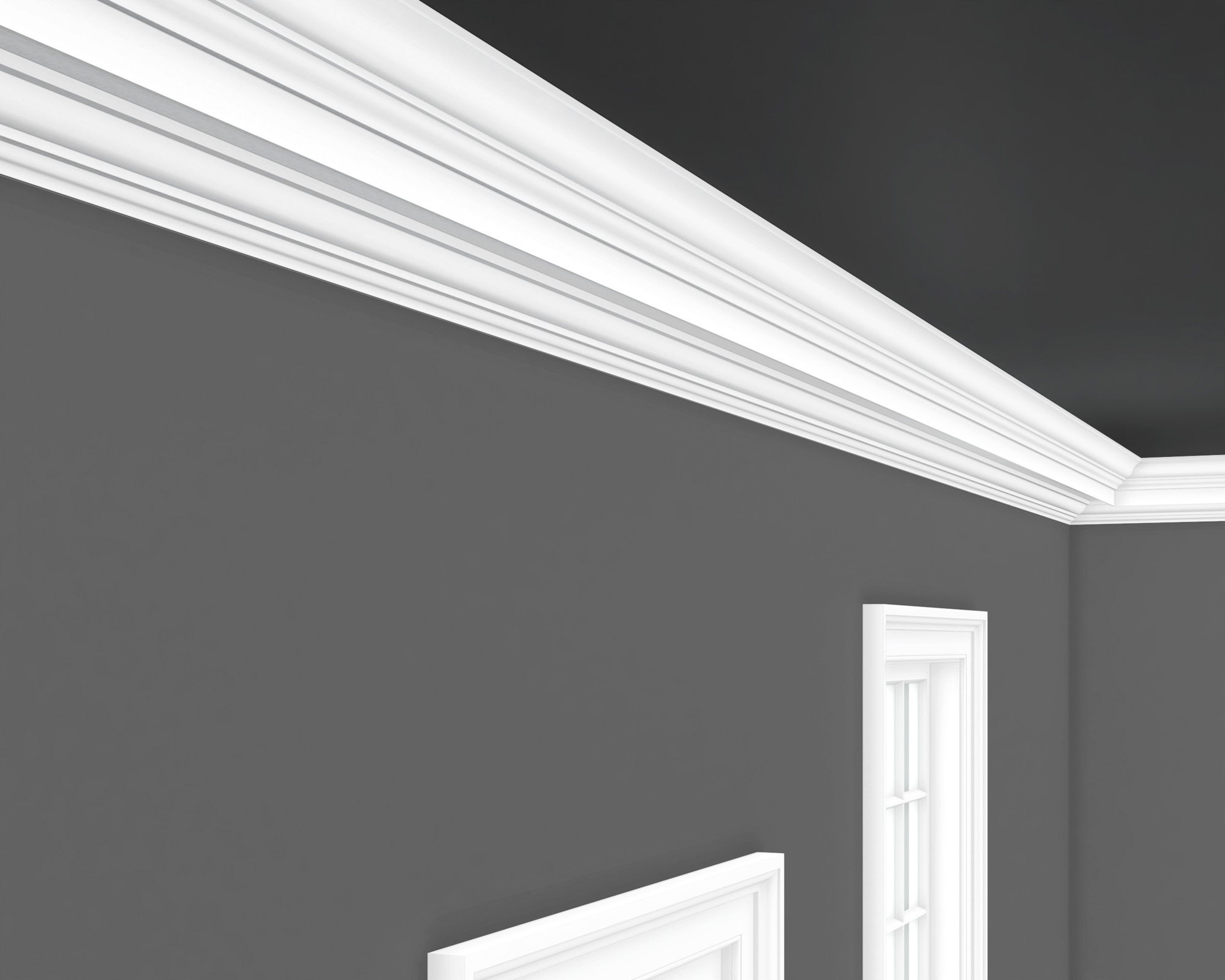
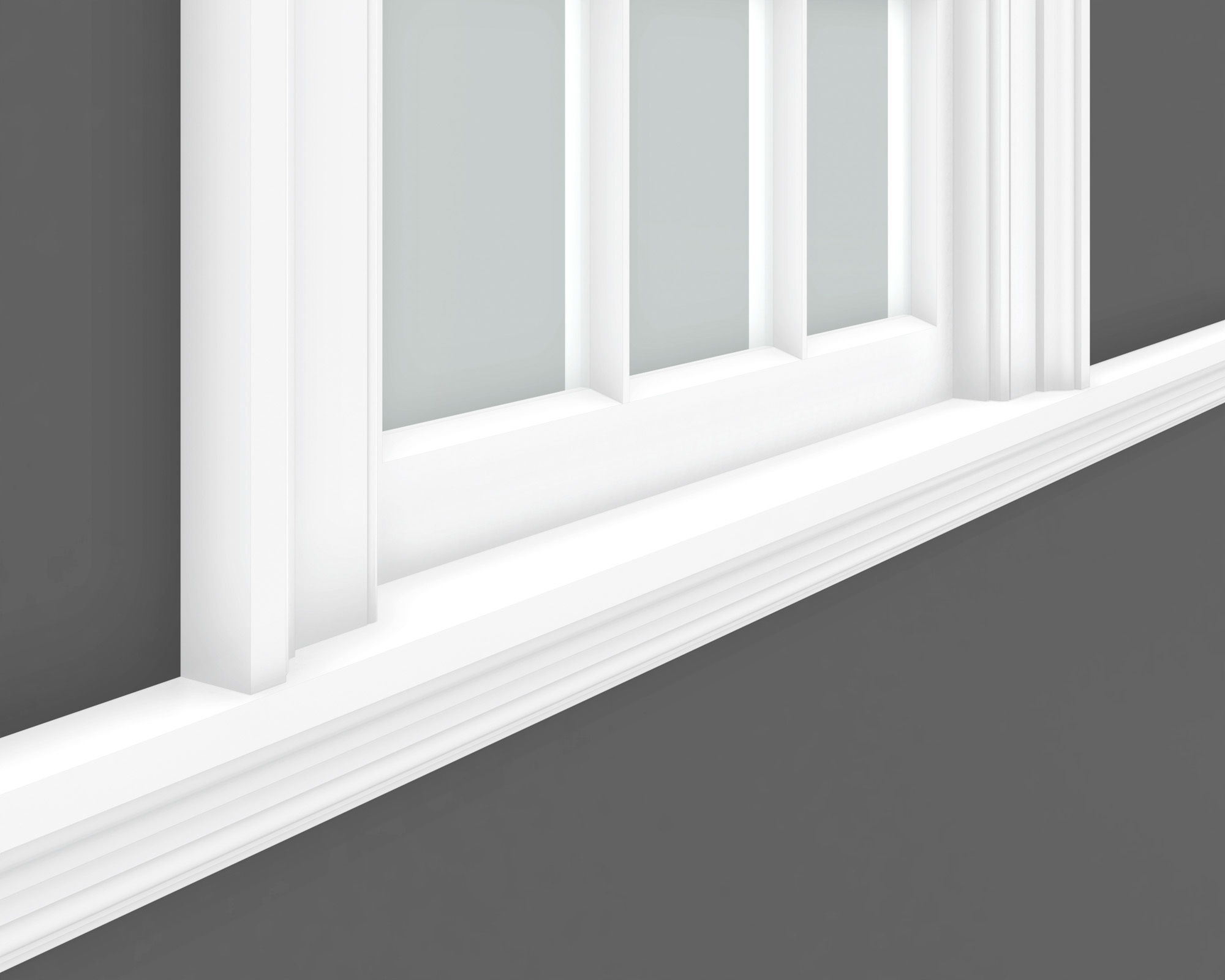
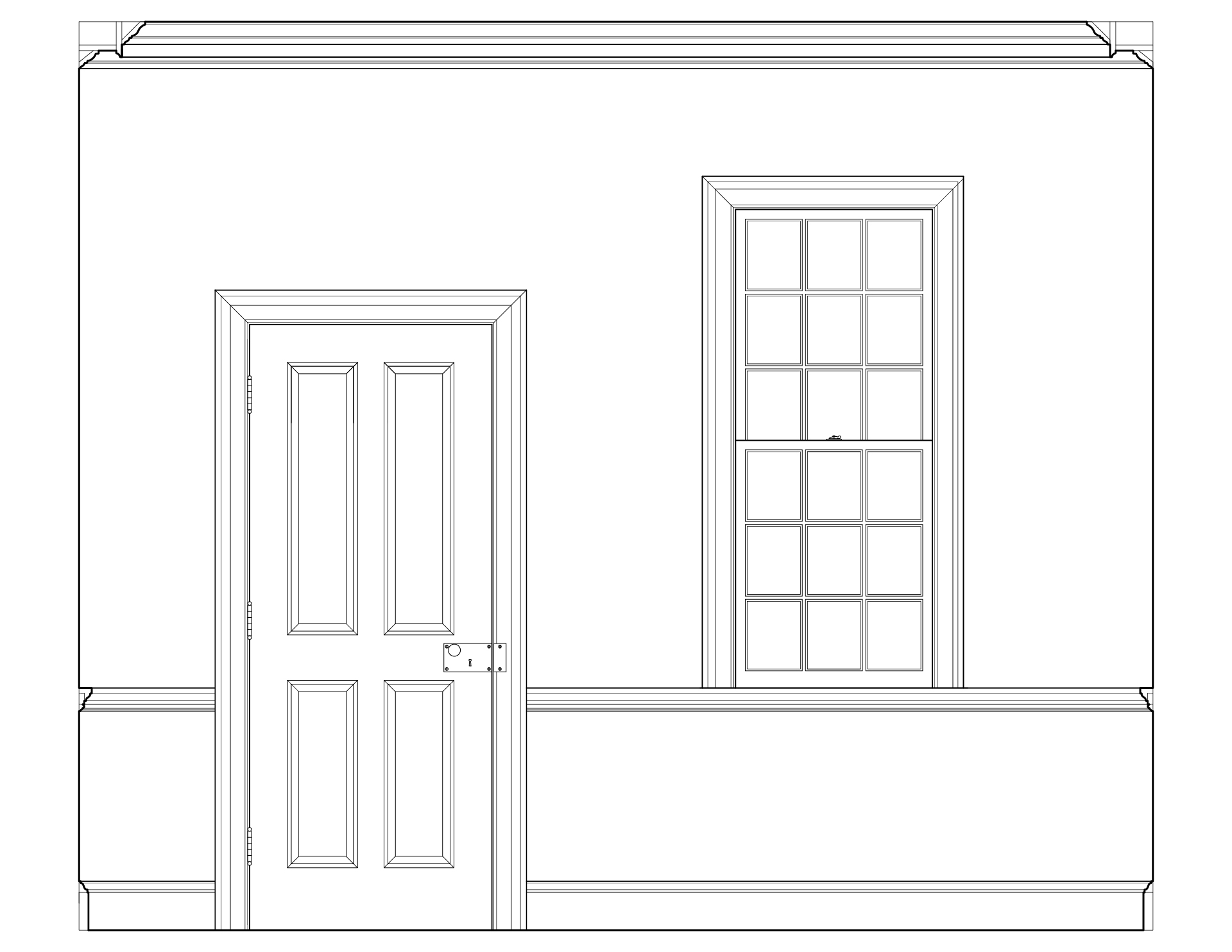
Colonial Revival interiors often feature paneled doors, shaped door and window casings, crown mouldings, chair rails, and baseboards. These elements bring classical detail and balanced proportions to the room.
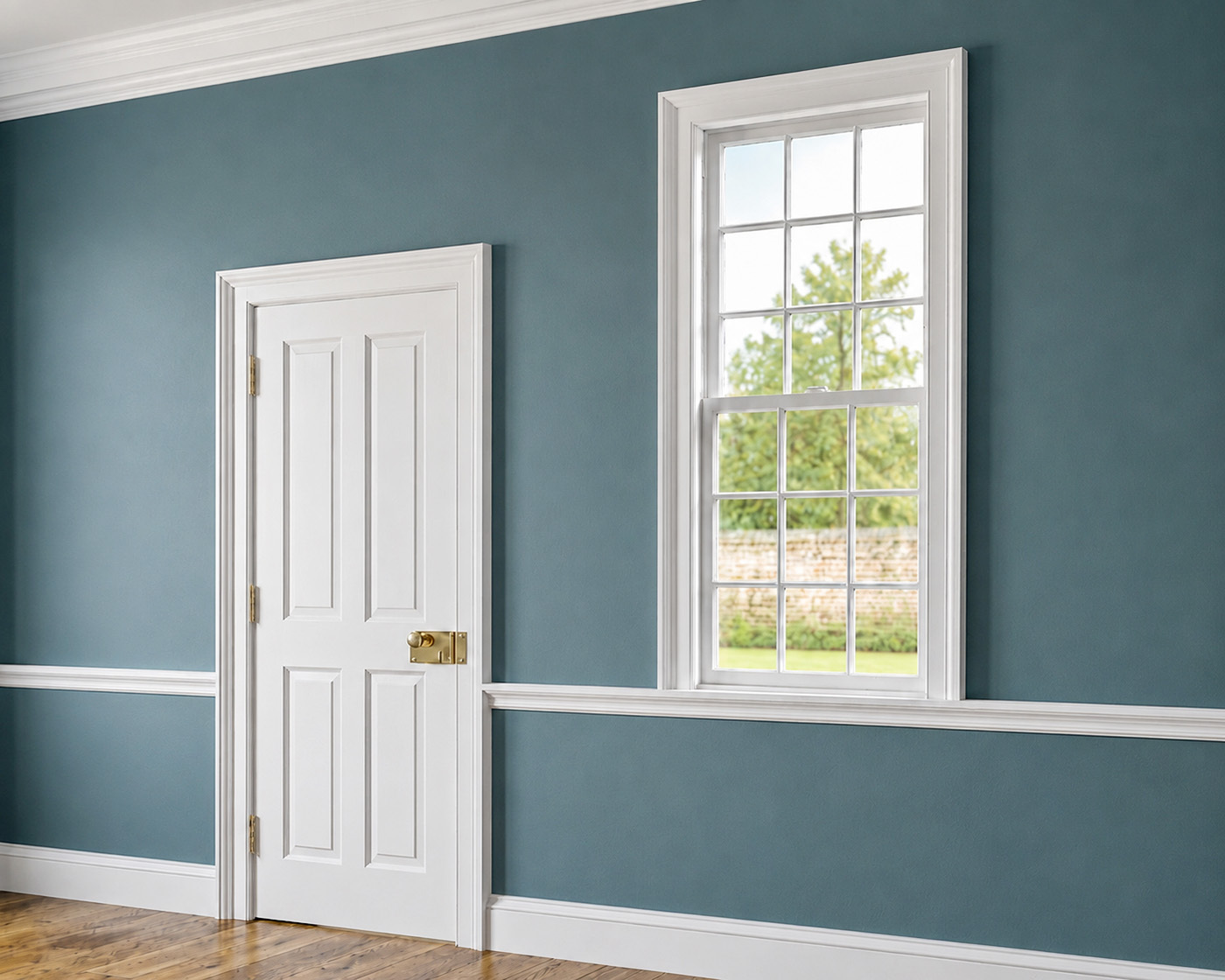
The Collection
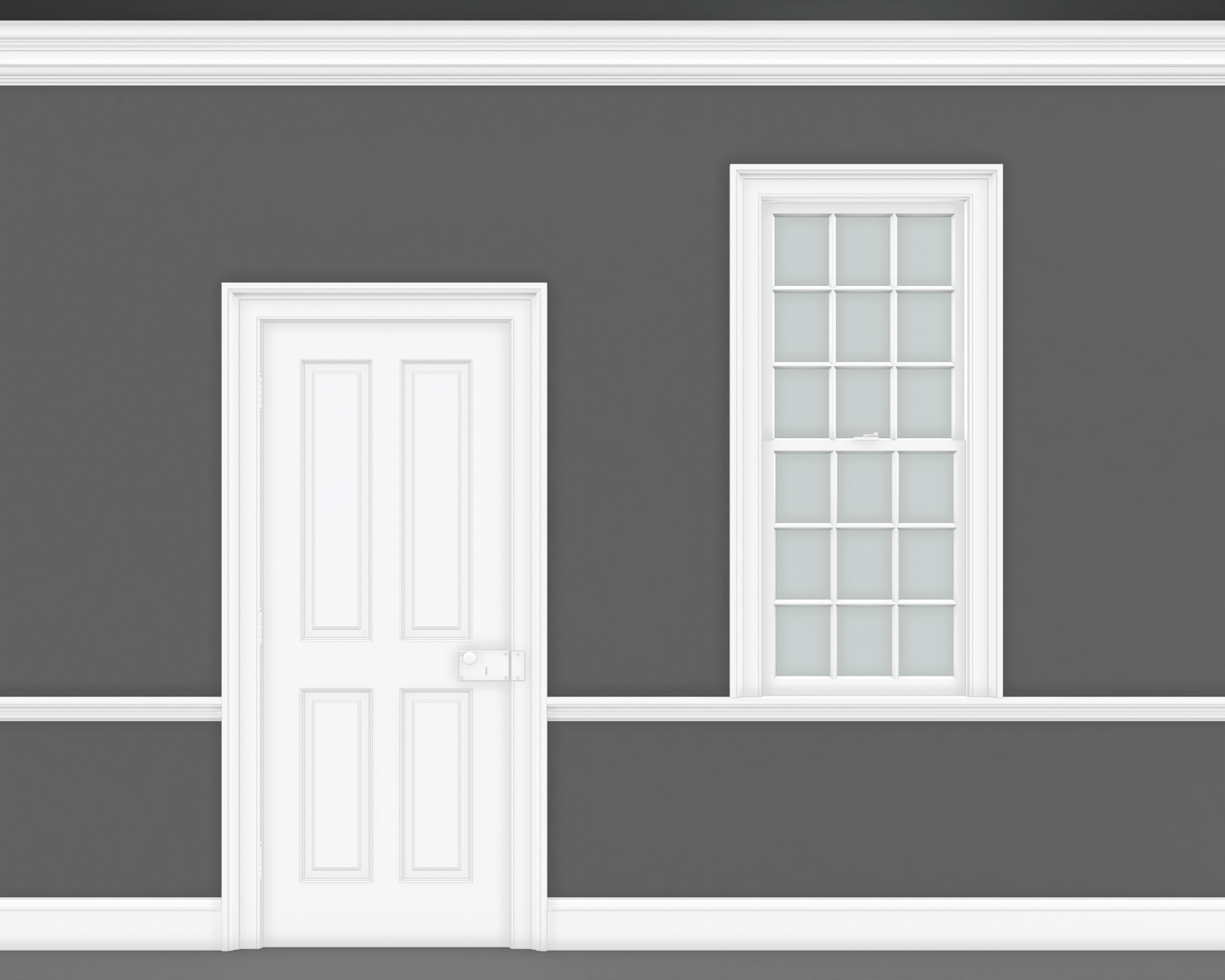
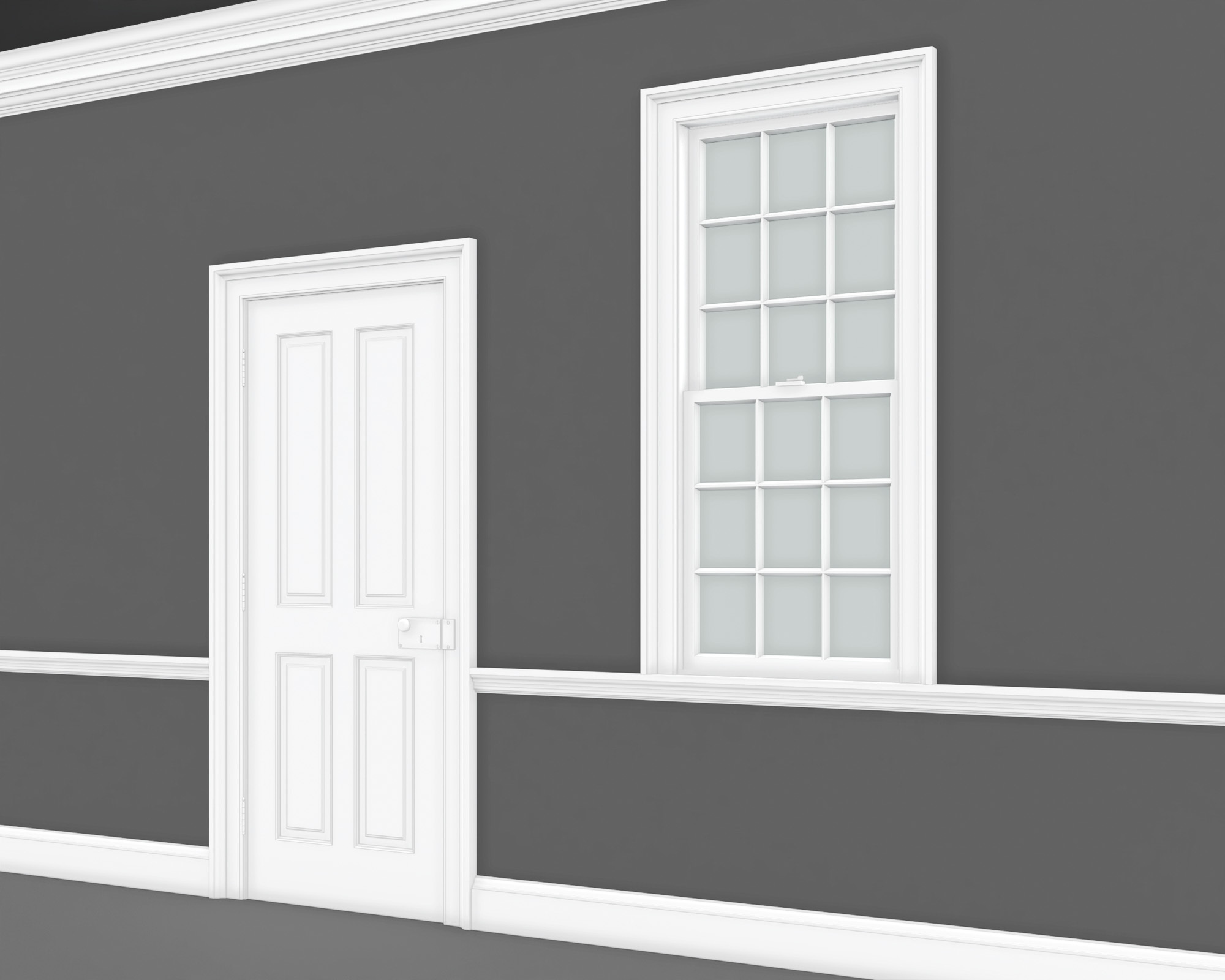






Colonial Revival Characteristics
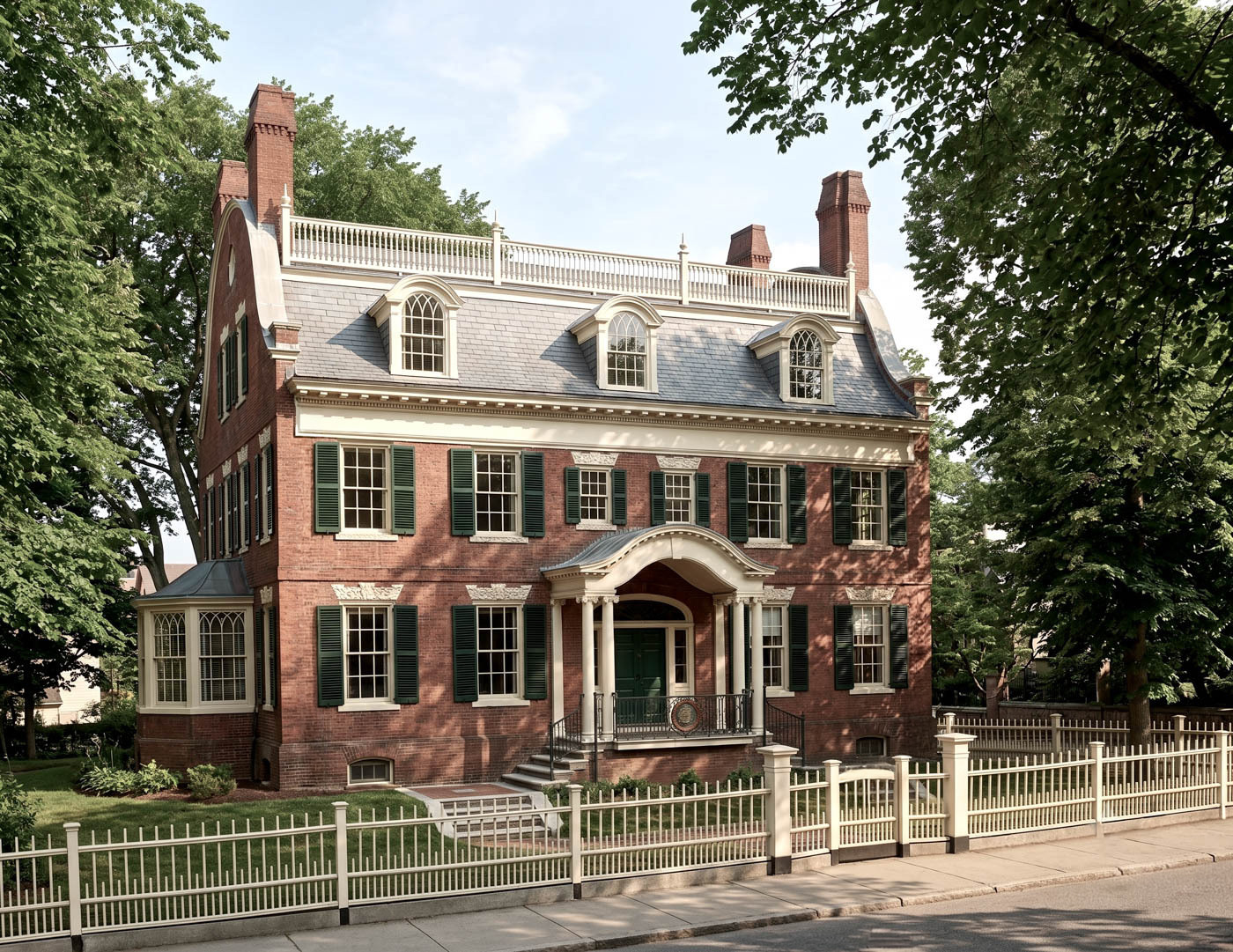
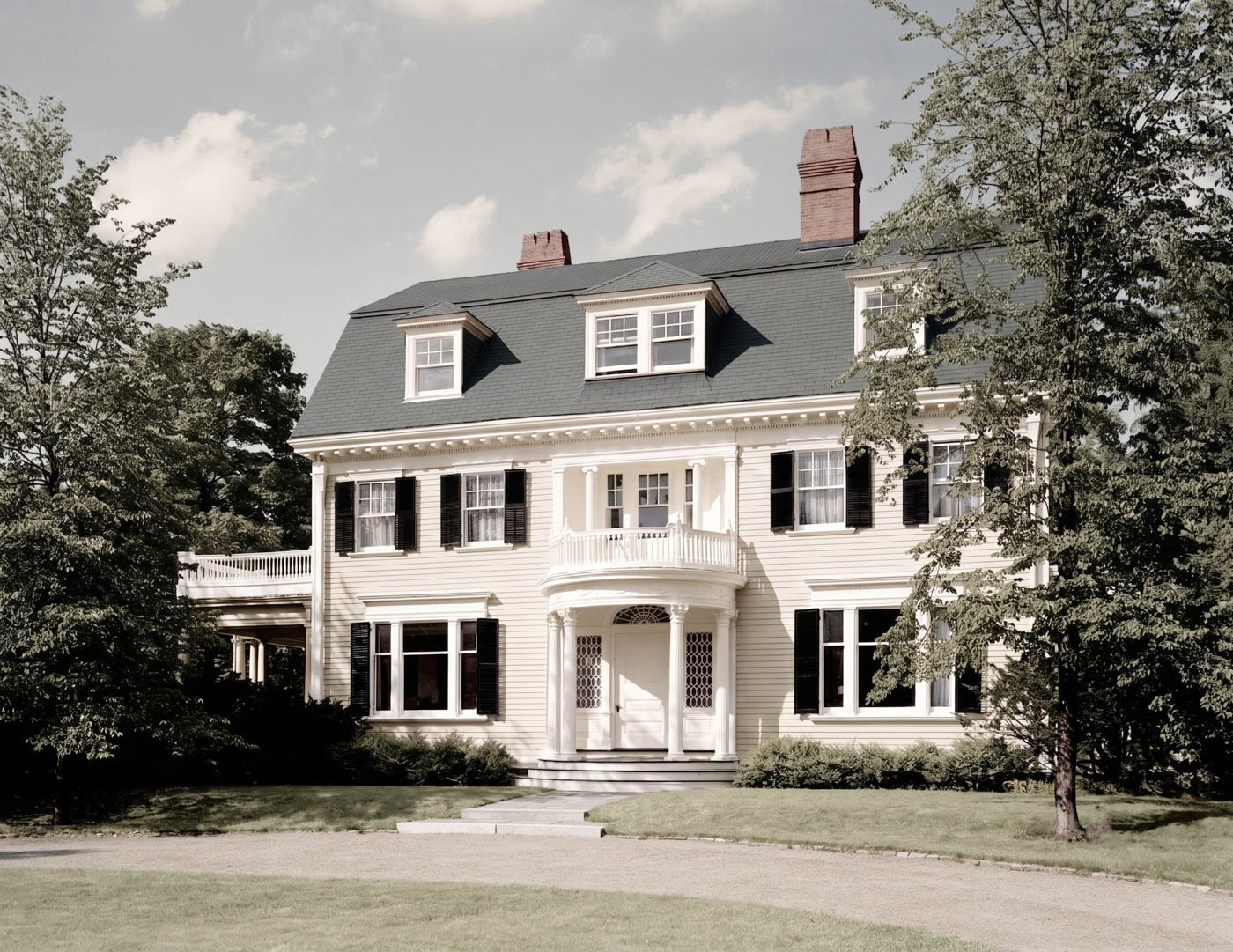
Colonial Revival homes often feature balanced facades, multi-paned double-hung windows, and a central entrance or center-hall plan. Architectural detail ranges from simple trim to elaborate classical ornament, with varying degrees of fidelity to historical examples.
- Symmetrical or balanced facades
- Brick, clapboard, or wood-shingle exteriors
- Side-gabled, hipped, or gambrel roofs
- Double-hung windows, often with divided panes and exterior shutters
- Entrances accented by columned porticos, pediments, fanlights, or sidelights
- Cornices with dentils or modillions
COLONIAL REVIVAL MOULDINGS
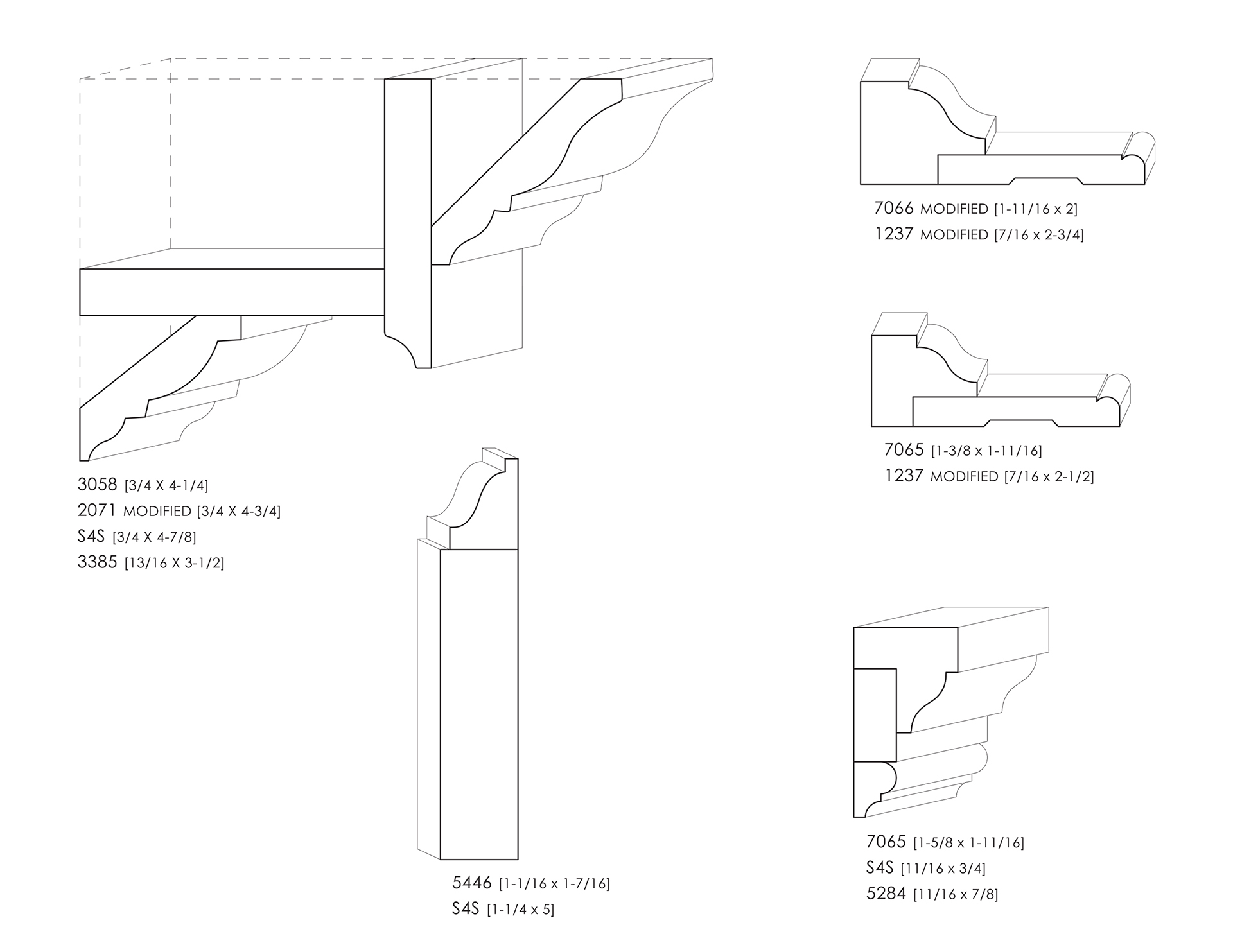
Colonial Revival mouldings draw on earlier colonial and Federal-period woodwork, adapting traditional profiles to buildings of different scales. Common shapes include ogees, beads and quirks, fillets, coves, and quarter rounds. These forms are combined in crown mouldings, door and window casings, chair rails, and baseboards to create coordinated interior trim.
Shop Now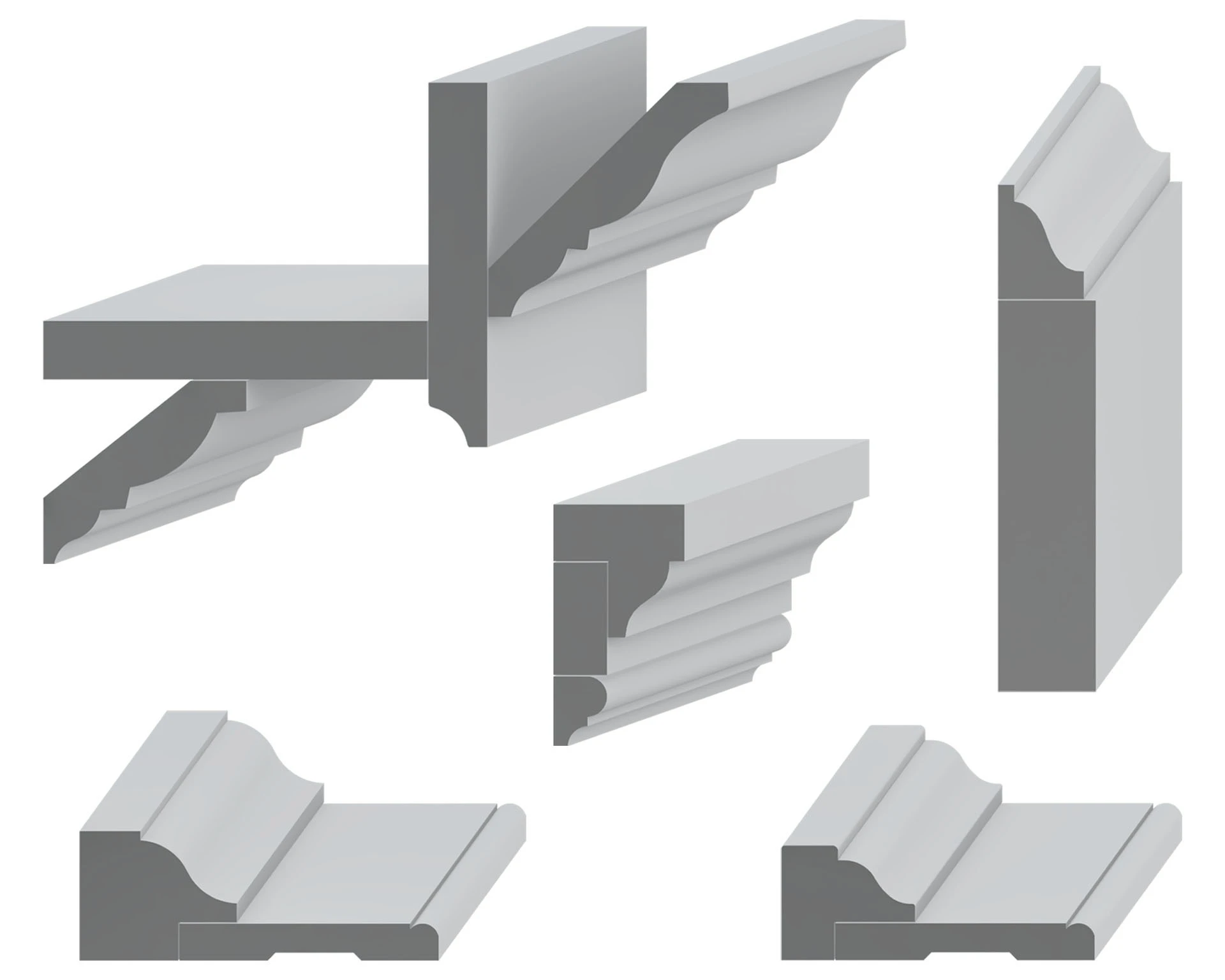
Period Details & Drawings
History of Colonial Revival
Colonial Revival developed in the late nineteenth century amid renewed interest in America’s colonial and Revolutionary-era past. Drawing primarily from Georgian and Federal architecture, with additional English and Dutch Colonial influences, the style adapted earlier building traditions to the needs of later generations. It became one of the country’s most enduring architectural styles, remaining influential throughout the twentieth century and into the present.
The Philadelphia Centennial Exhibition of 1876 helped spark this renewed interest. Celebrating the nation’s first hundred years, the exhibition encouraged a romanticized appreciation of early American buildings, furnishings, and craftsmanship.
The Columbian Exposition of 1893 in Chicago further promoted interest in historical architecture. Early Colonial Revival designs often freely combined Georgian and Federal details with the larger proportions and elaborate forms of the Victorian era. During the early twentieth century, architectural publications and closer study of surviving buildings encouraged more historically faithful interpretations, particularly between 1915 and 1935.
Historical reconstructions also brought colonial architecture before a broad public audience. At the Louisiana Purchase Exposition in St. Louis in 1904, New Jersey’s exhibition building replicated the Ford Mansion in Morristown, which had served as George Washington’s headquarters. The replica incorporated additions and large exterior porches, illustrating how revival designs could combine historical precedent with contemporary requirements.
By the 1920s, Colonial Revival had become widely established across the country. Philadelphia’s Sesquicentennial International Exposition of 1926 reflected this continuing enthusiasm for America’s past. Its reconstruction of colonial High Street presented an idealized view of Philadelphia during the Revolutionary era, bringing historical architecture and everyday life before a broad public audience.
The economic pressures of the Great Depression and World War II encouraged simpler interpretations of the style. In the 1940s and 1950s, Colonial Revival houses often retained traditional entrances, windows, and cornices while reducing the scale and complexity of their ornament. These adaptations carried the style into more modest homes and suburban neighborhoods.
Colonial Revival also extended beyond residential architecture to schools, libraries, banks, government offices, and other public and commercial buildings. Its adaptability allowed it to serve settings ranging from small houses to large estates and institutional buildings. The style’s classical proportions and traditional details continue to influence American architecture today.