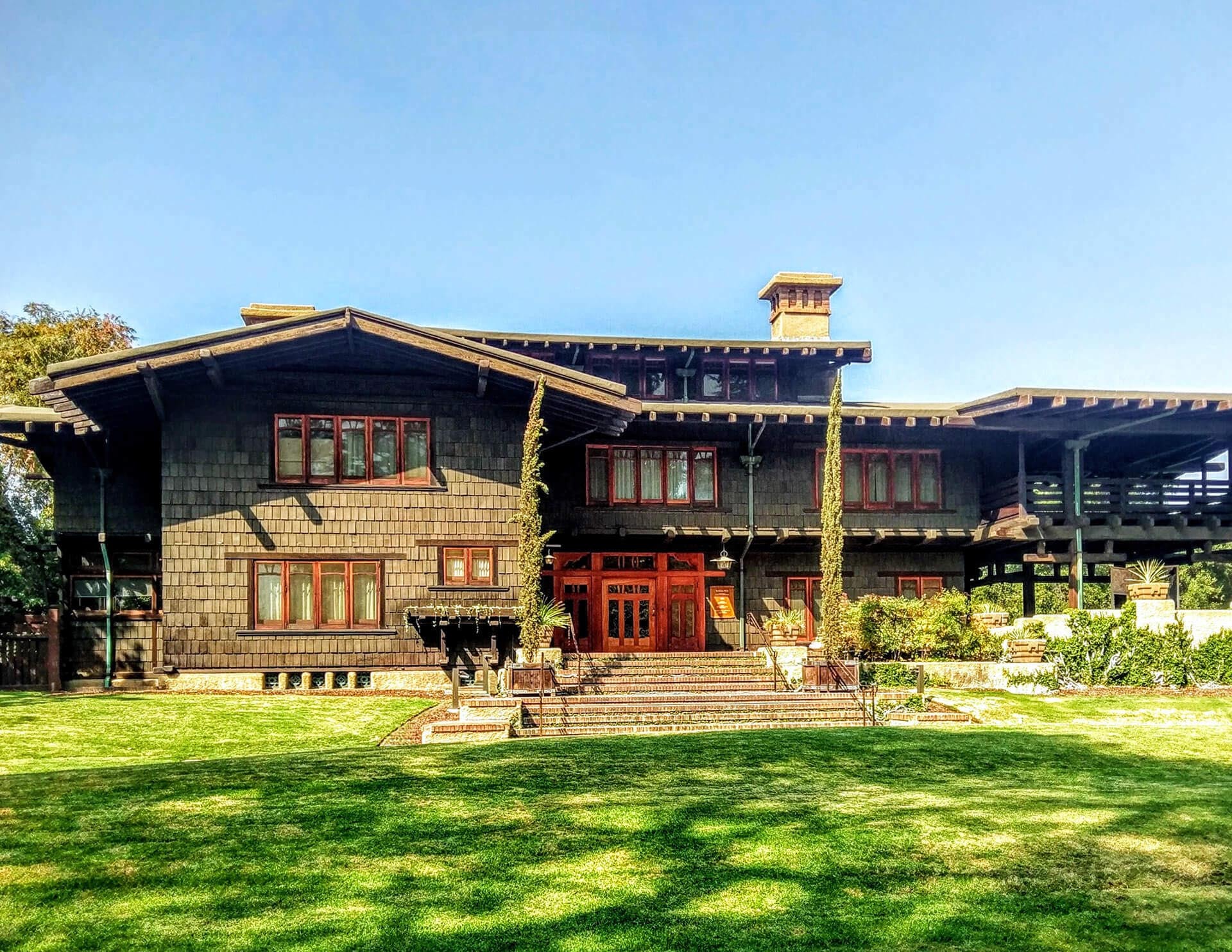
California Craftsman
Natural materials, carefully detailed woodwork, and a close connection between indoor and outdoor spaces.
What Is California Craftsman?
California Craftsman is a regional expression of American Craftsman architecture rooted in the Arts and Crafts movement. It combines an emphasis on craftsmanship and natural materials with a close relationship between the house and its landscape.
The style became especially influential in Southern California, where mild weather encouraged generous porches and connections between indoor and outdoor living spaces. Houses range from modest Craftsman bungalows to larger residences with more elaborate woodwork and carefully integrated furnishings.
The Collection


California Craftsman Characteristics
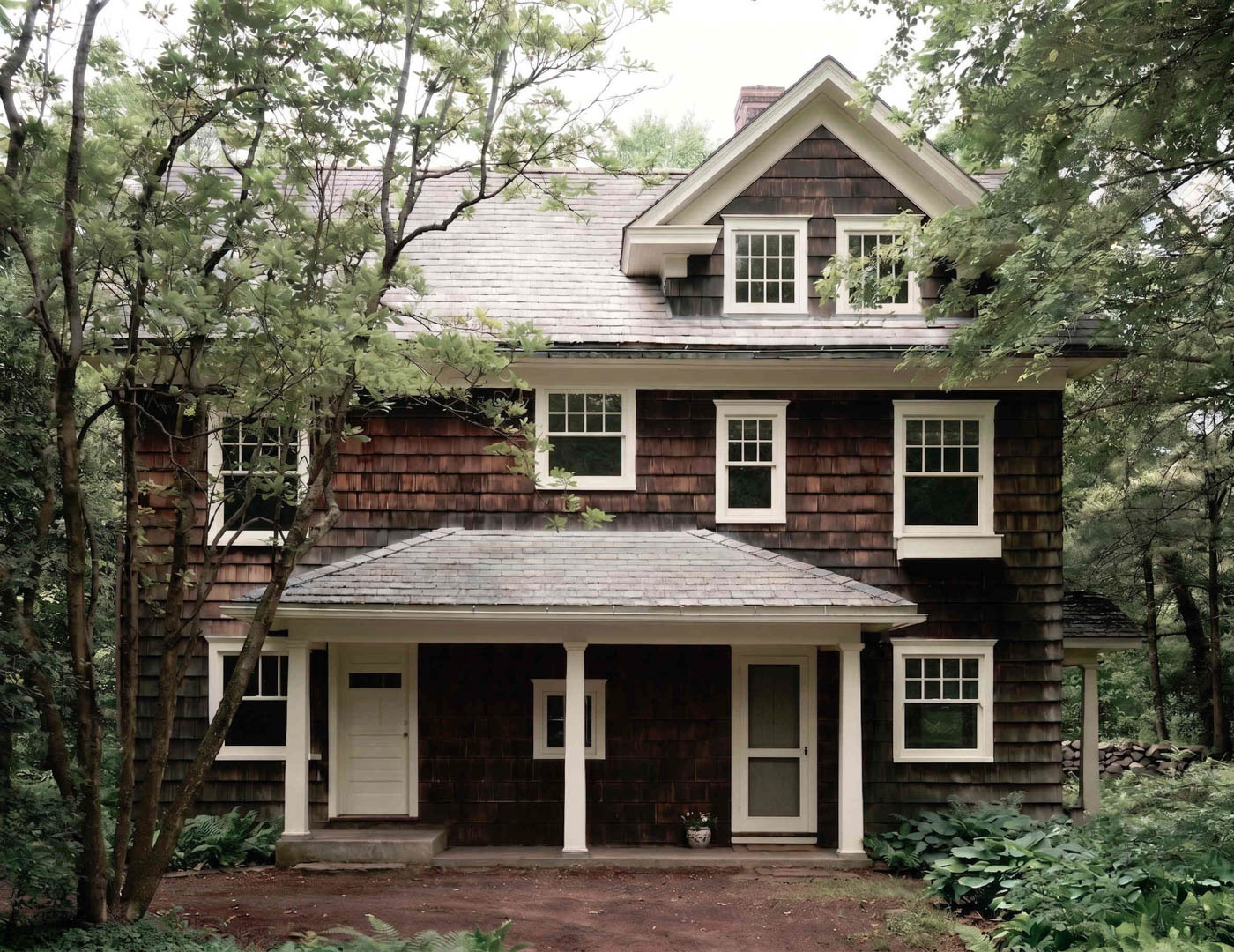
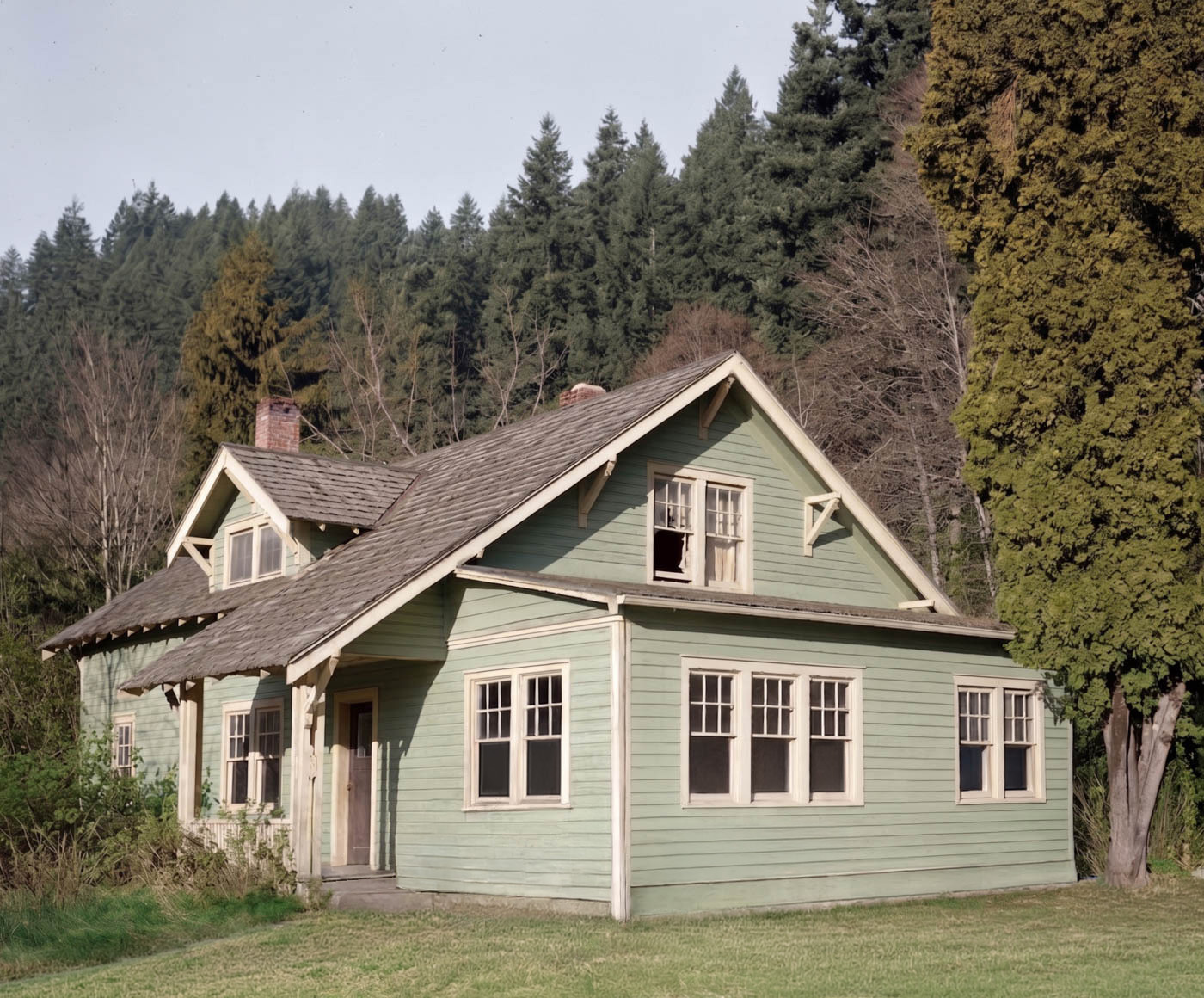
California Craftsman architecture emphasizes natural materials, visible construction details, and a close relationship between the house and its surroundings. Broad rooflines and generous porches create sheltered transitions between indoor and outdoor spaces, while grouped windows bring natural light and views into the home.
- Low-pitched roofs with wide overhanging eaves
- Exposed rafter tails, beams, or supporting brackets
- Wood siding or shingles with brick or stone
- Grouped windows framing views of the landscape
- Broad porches and sheltered outdoor living areas
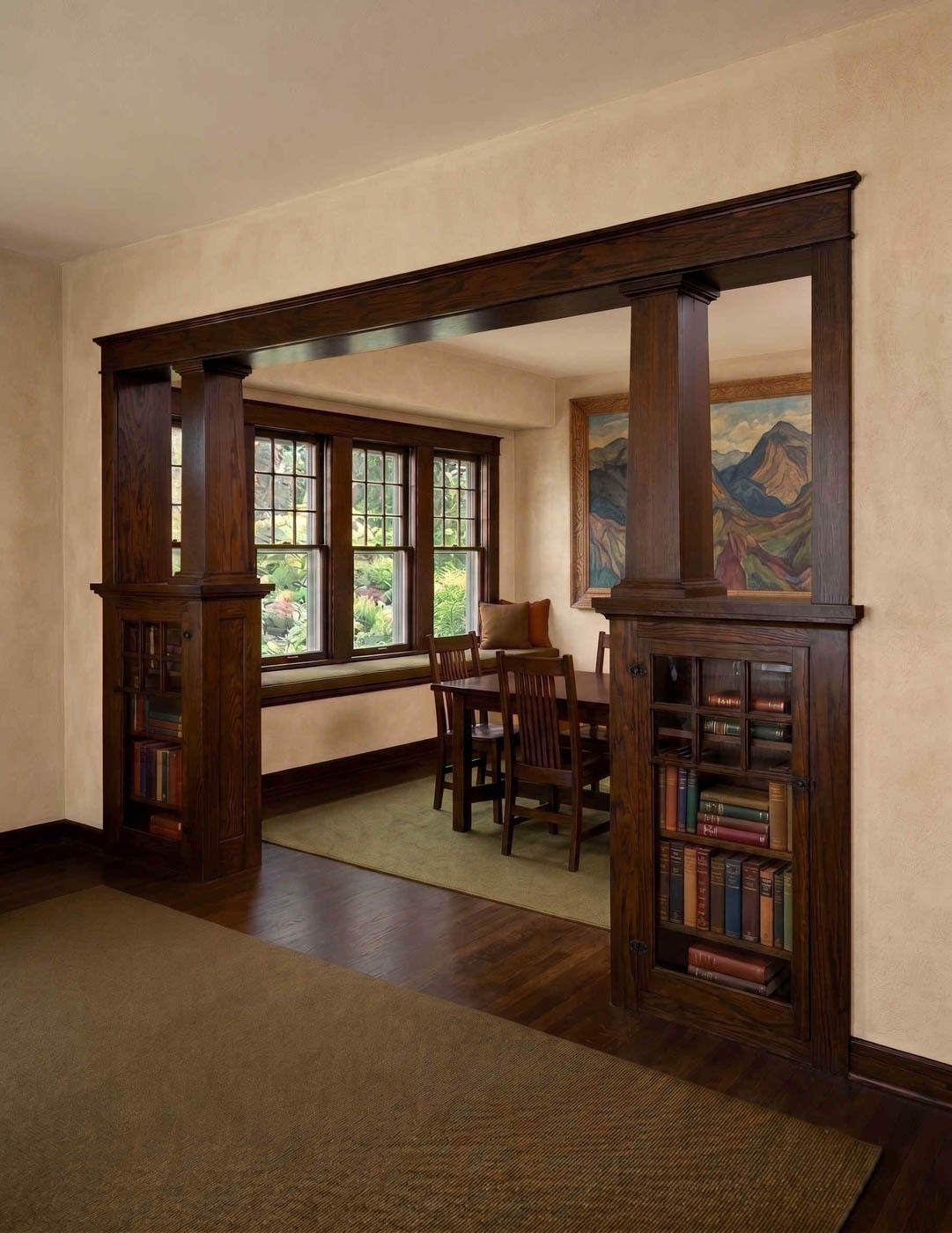
- Connected interiors with built-in cabinetry
CALIFORNIA CRAFTSMAN MOULDINGS
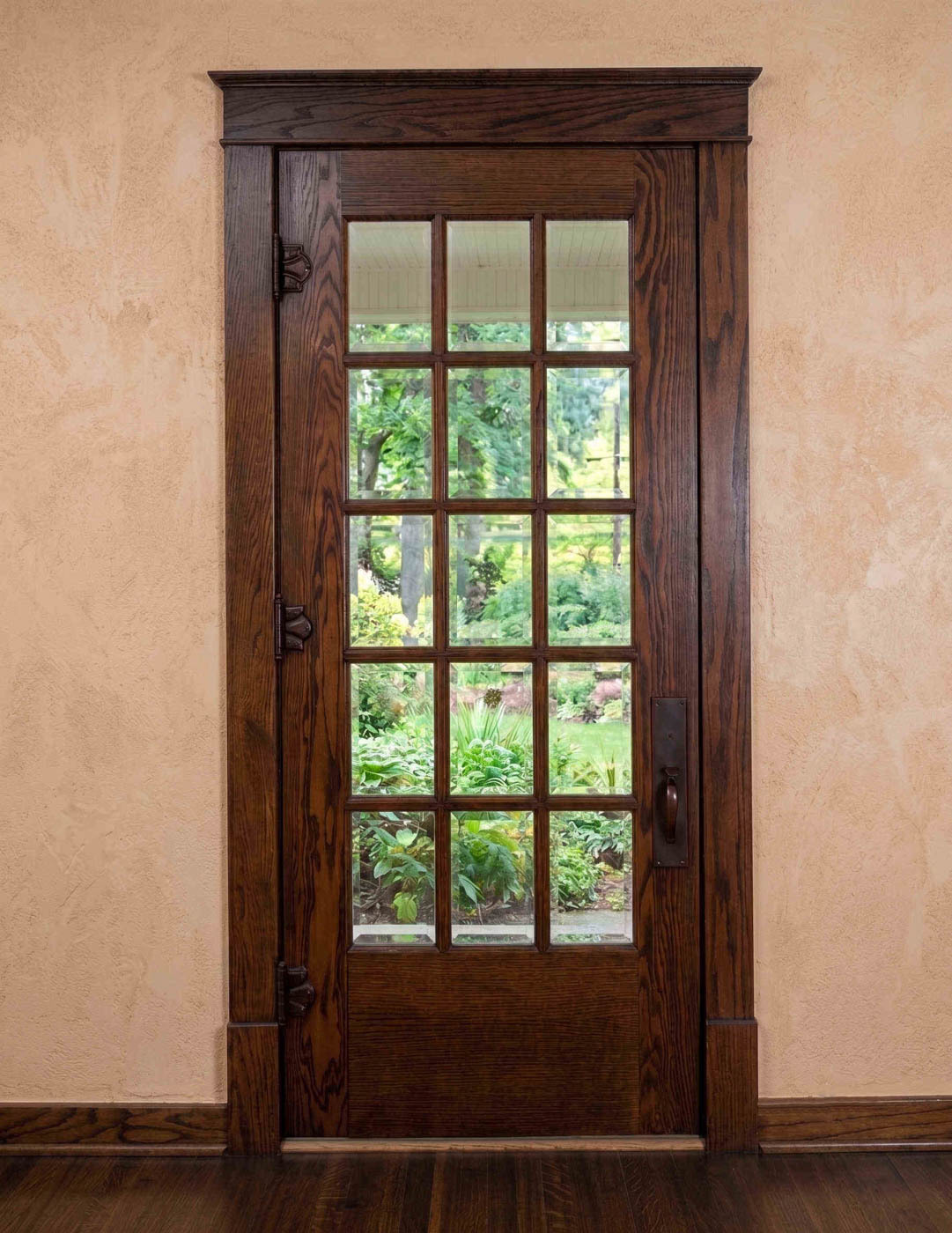
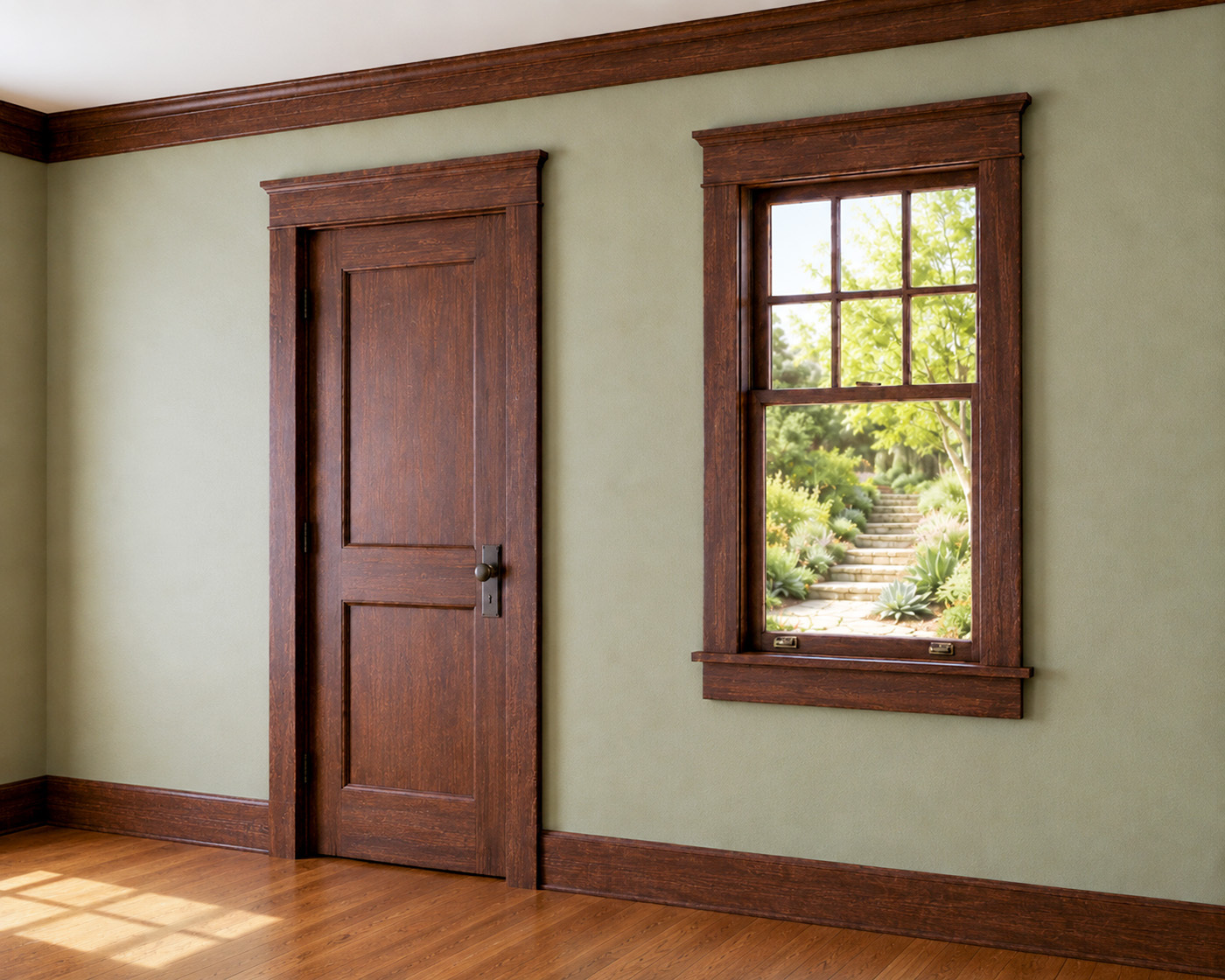
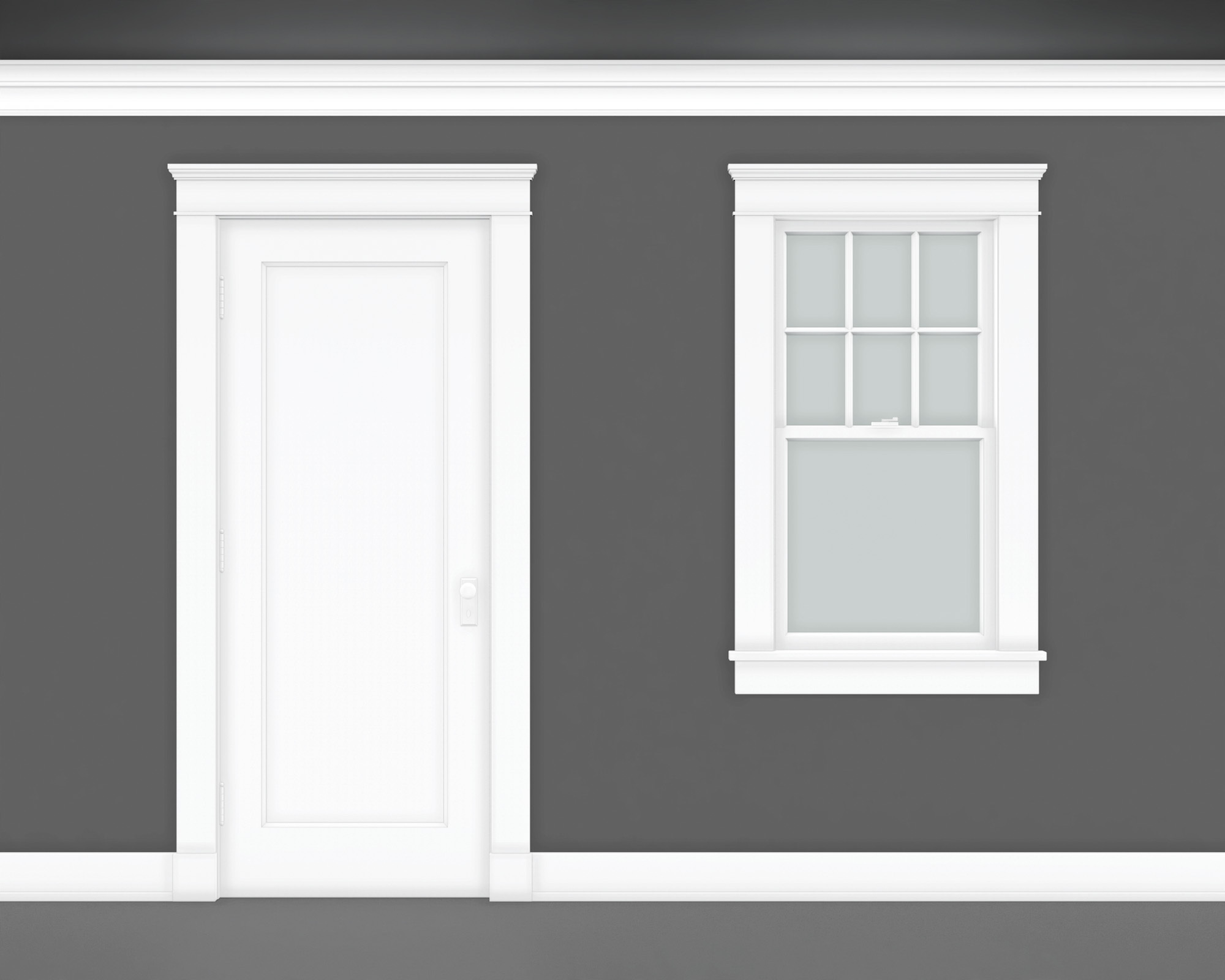
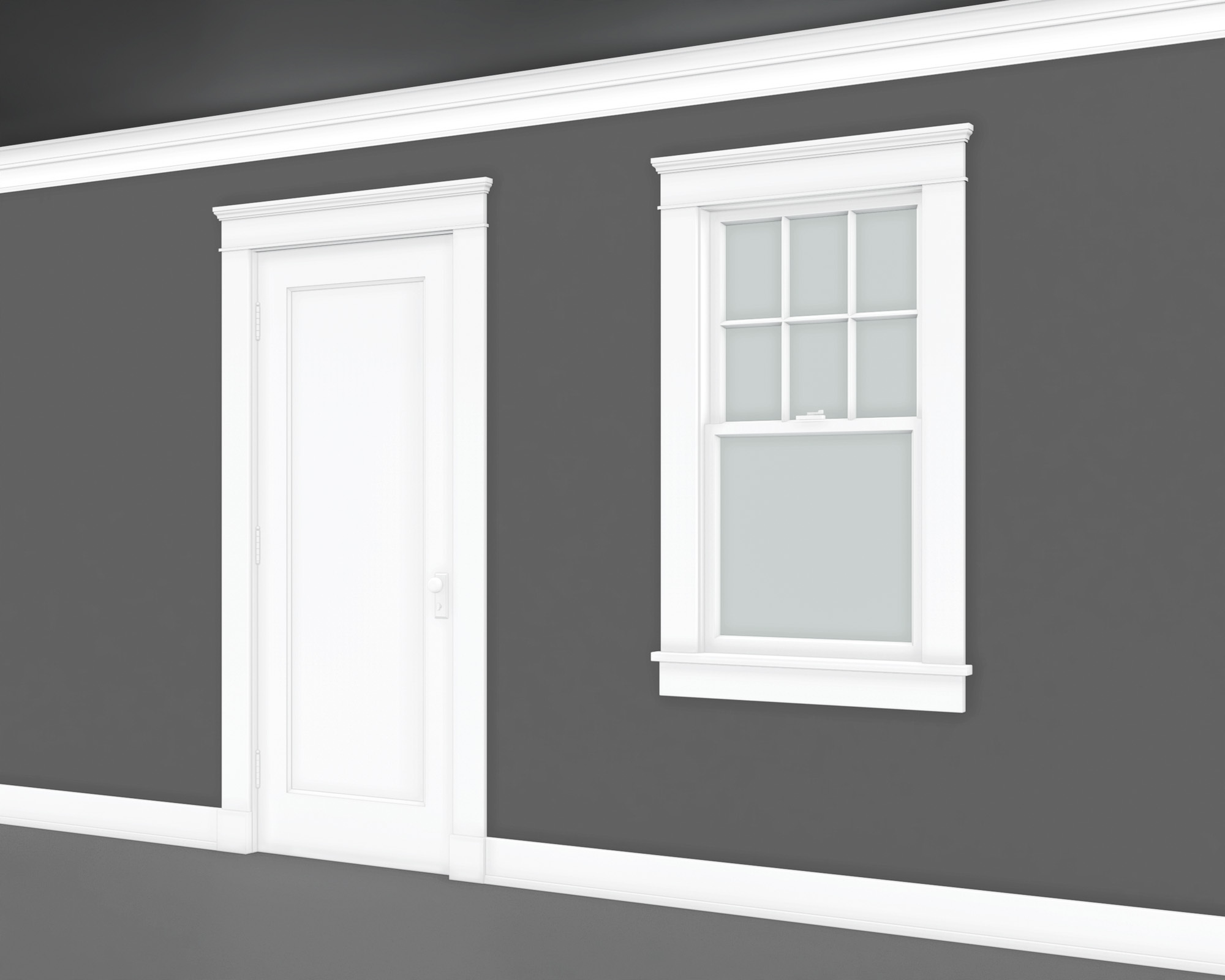
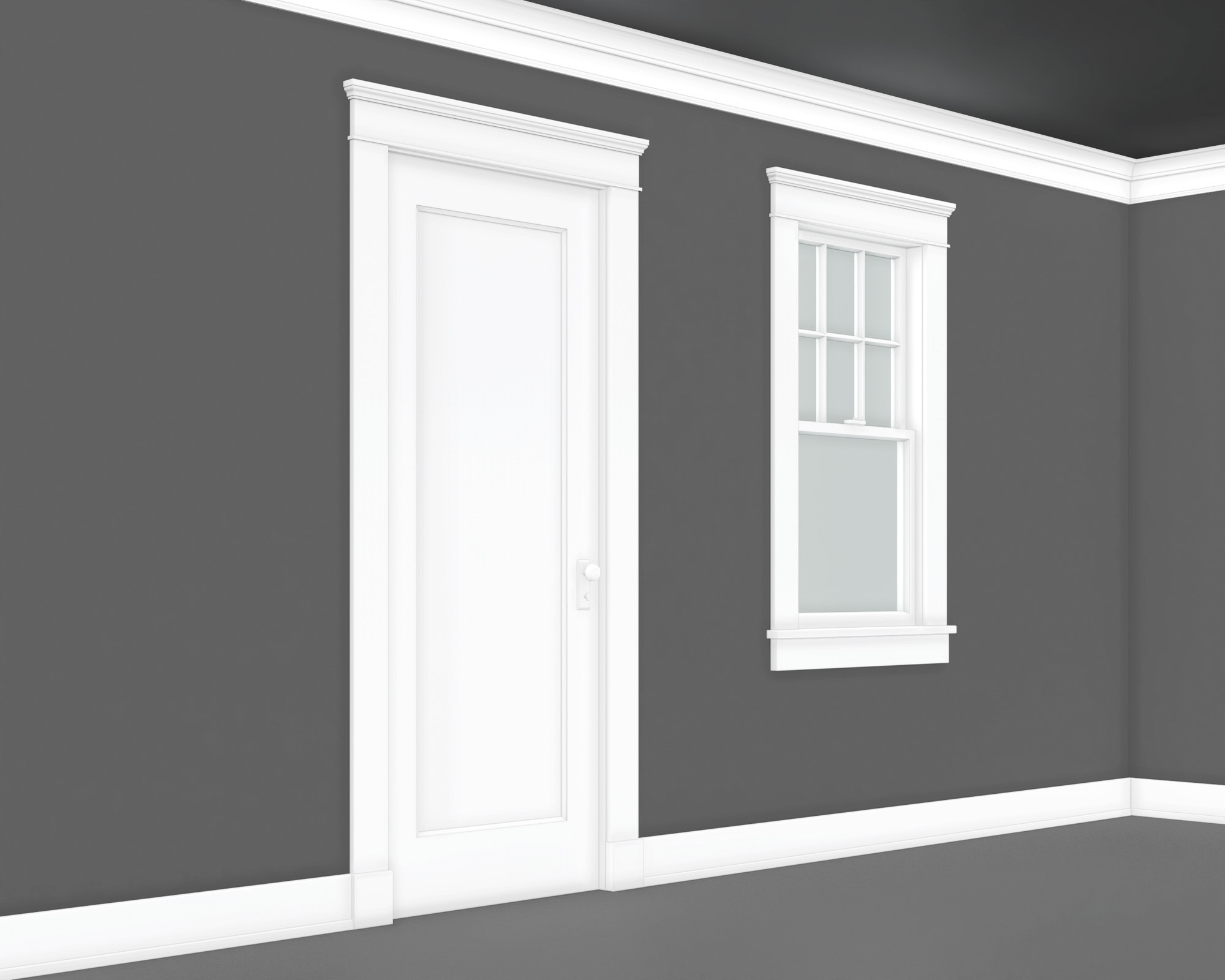
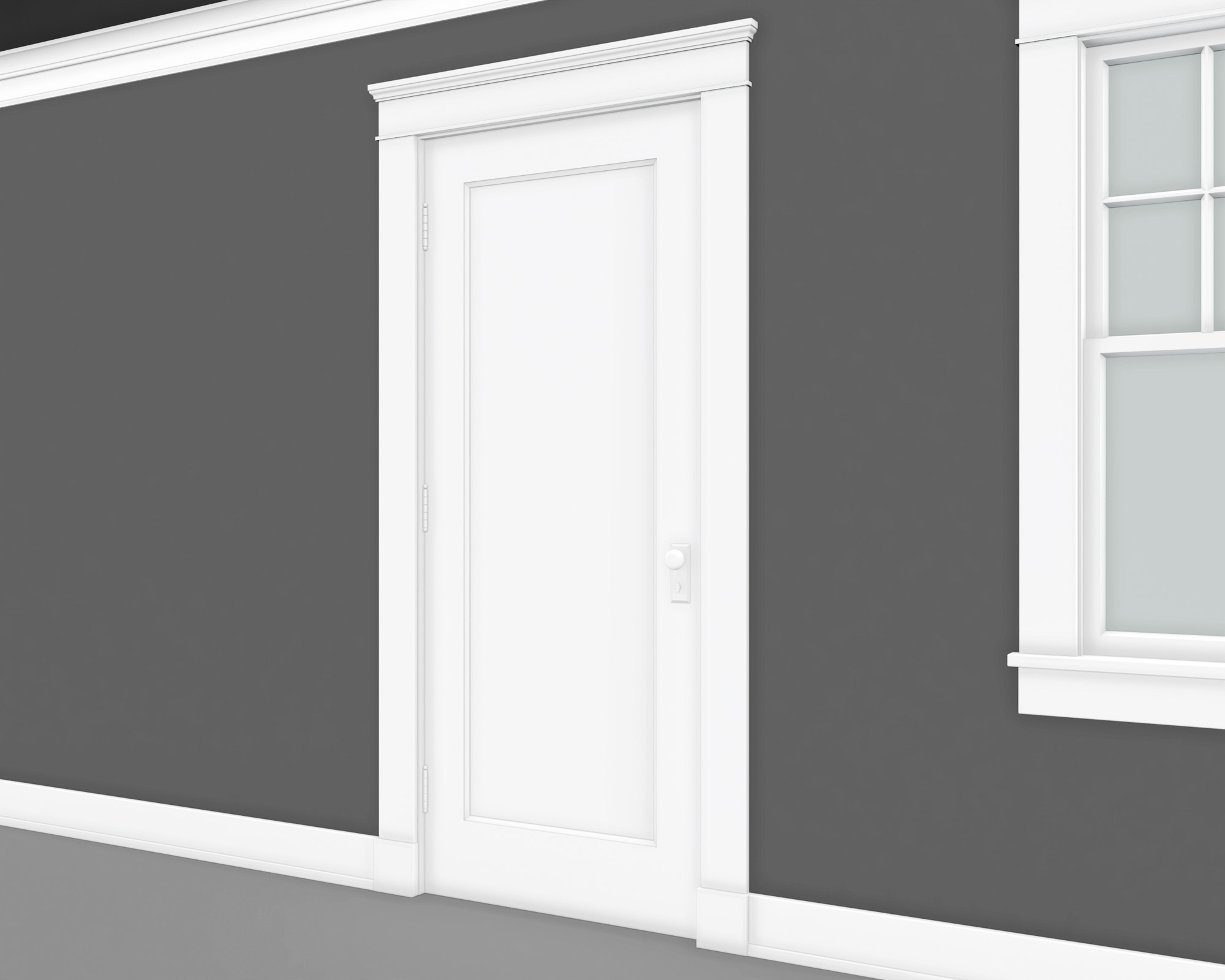
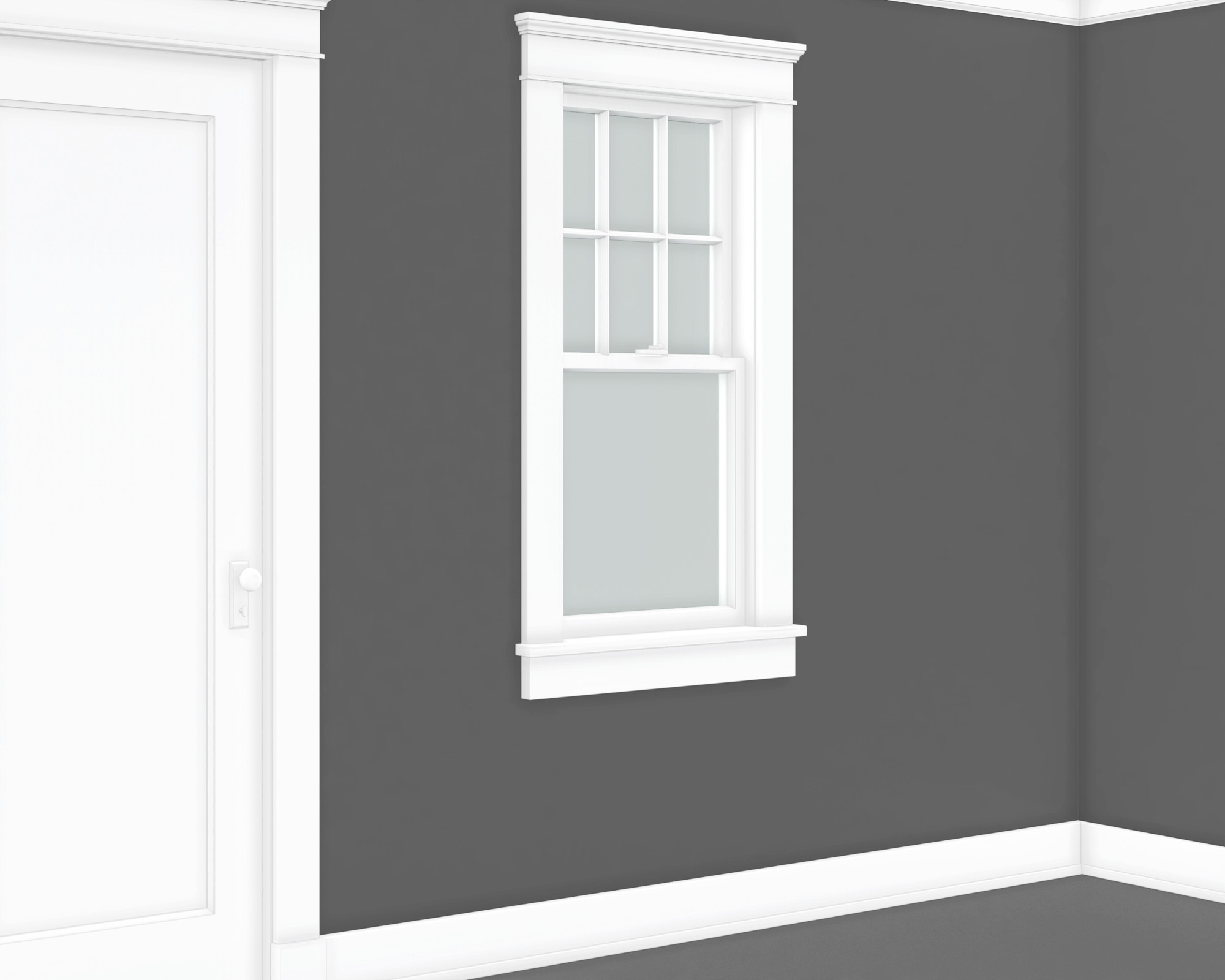
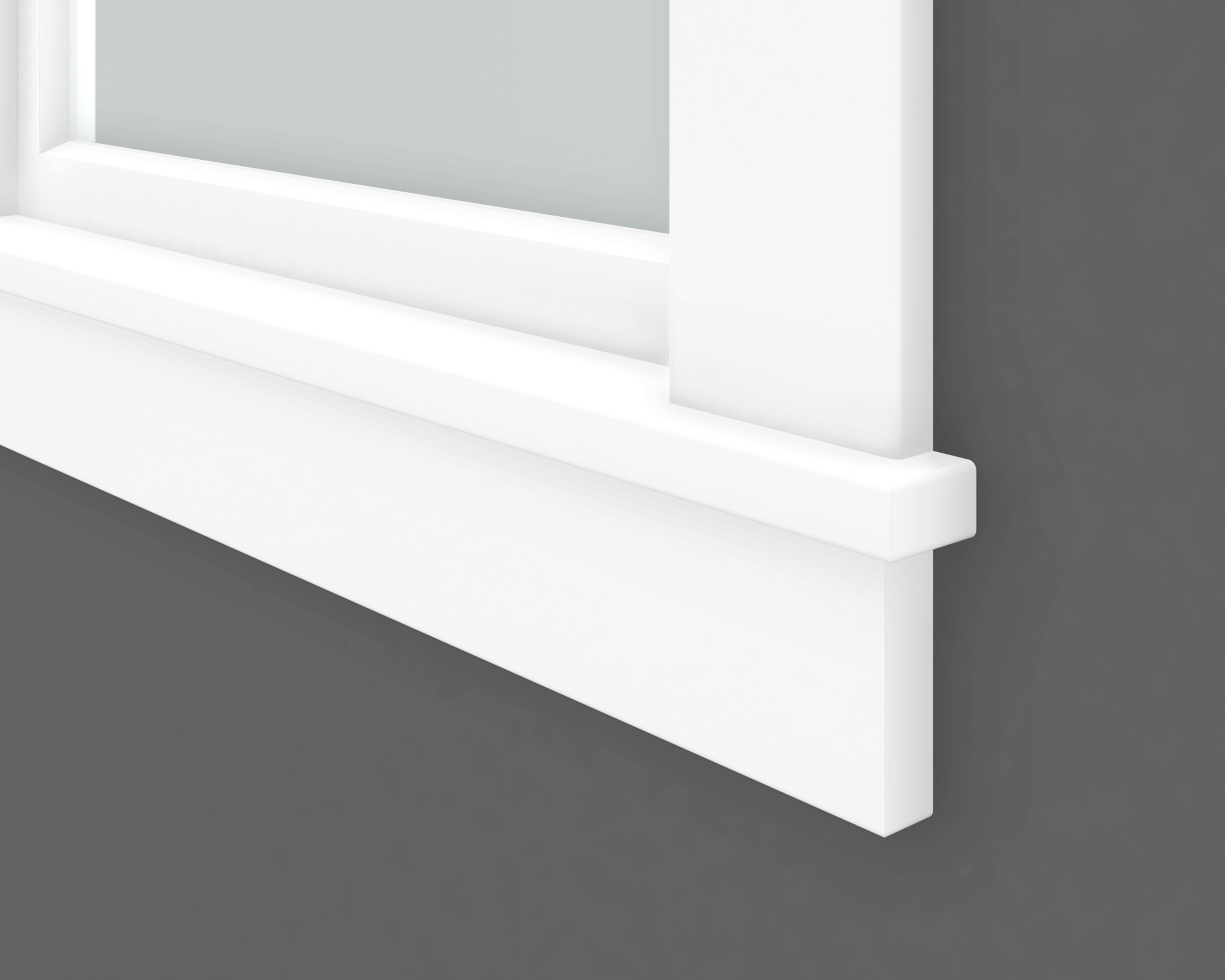
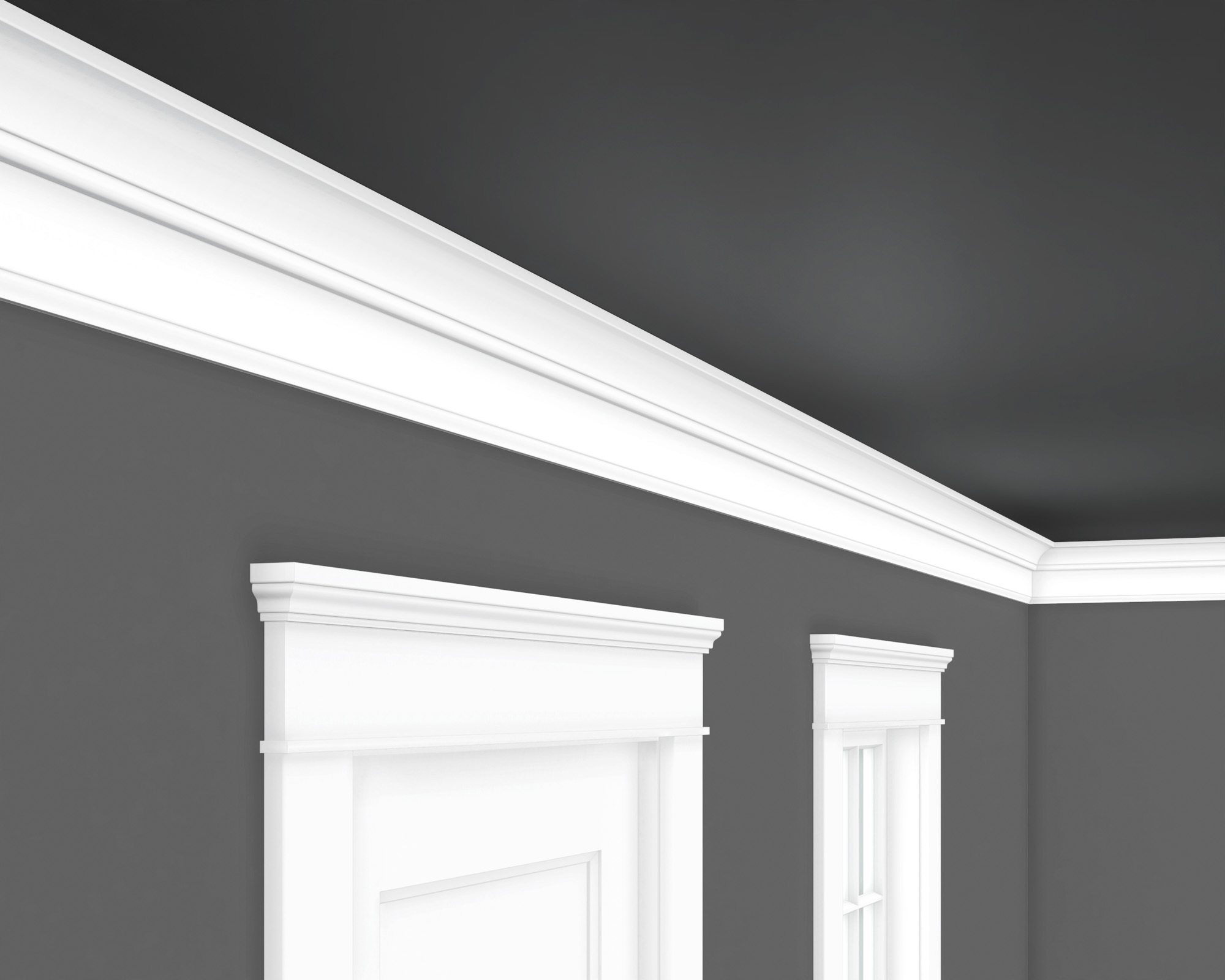
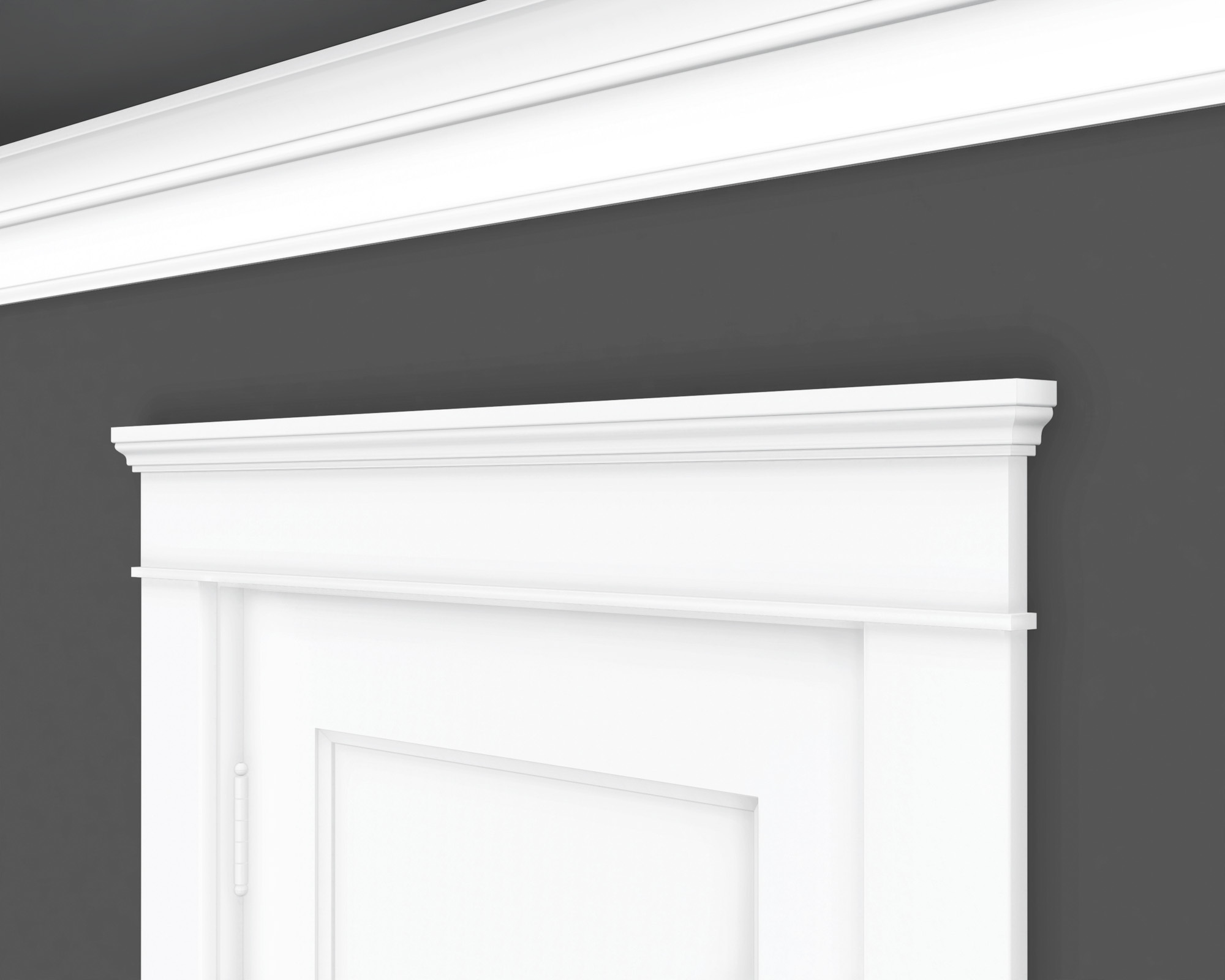
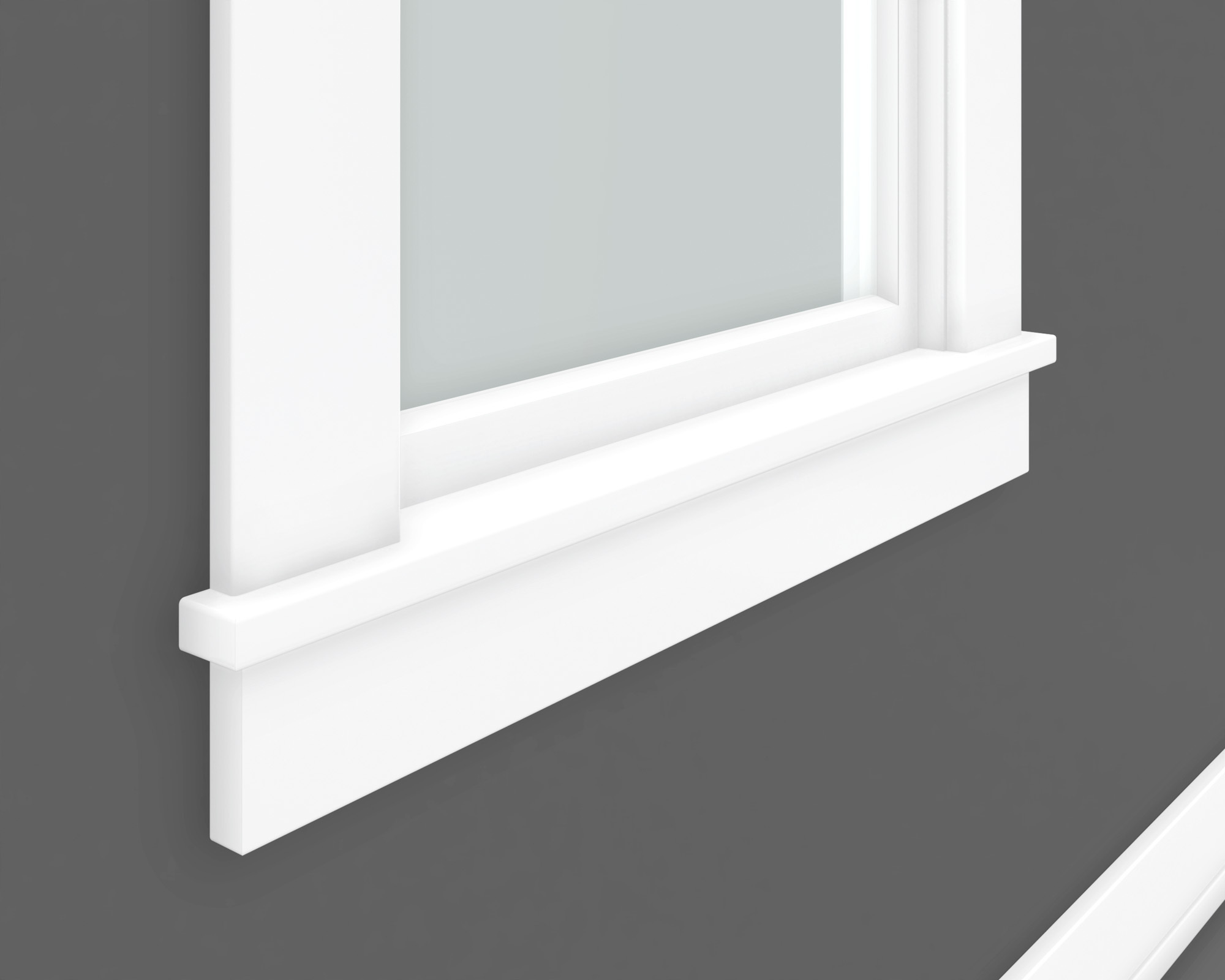
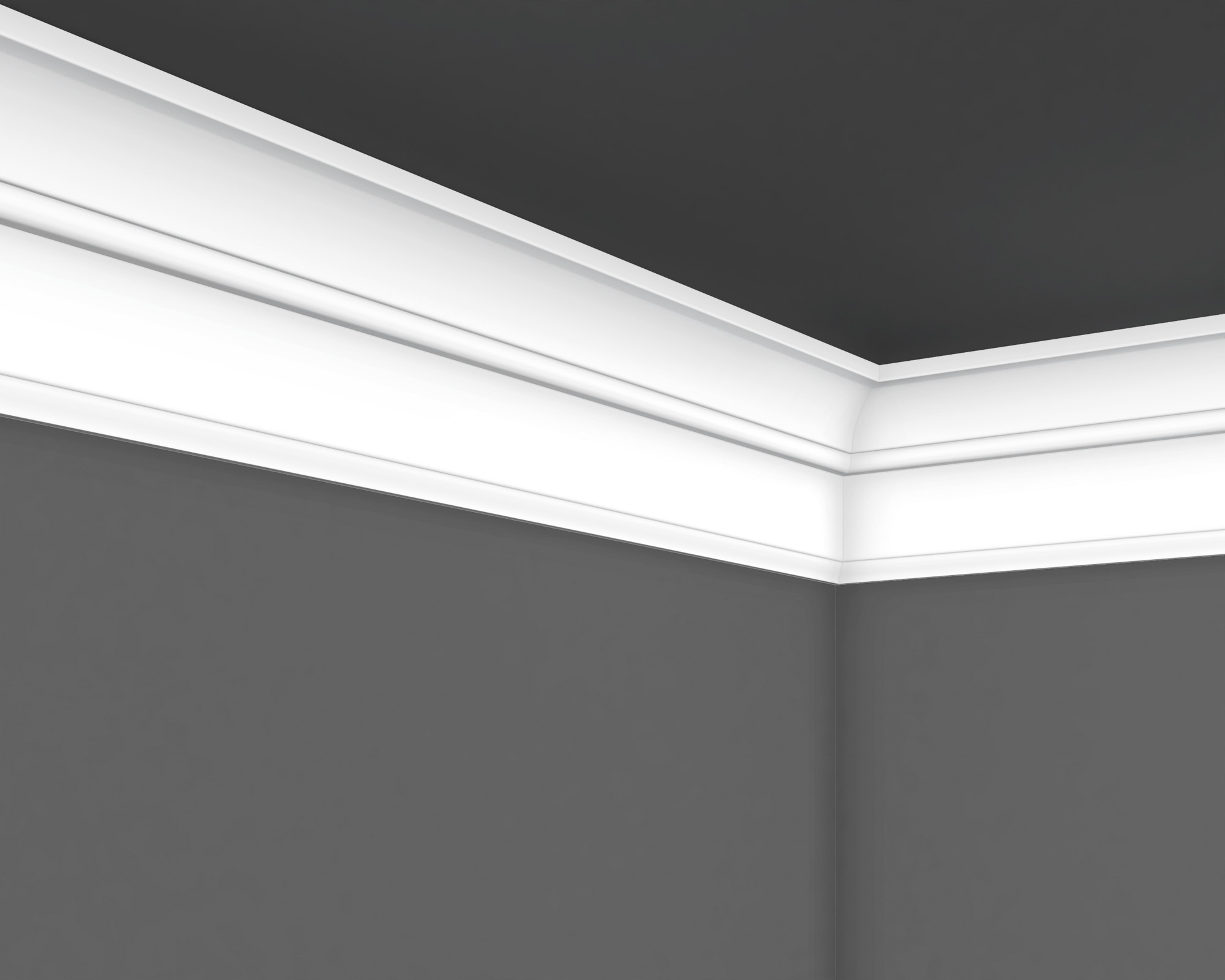
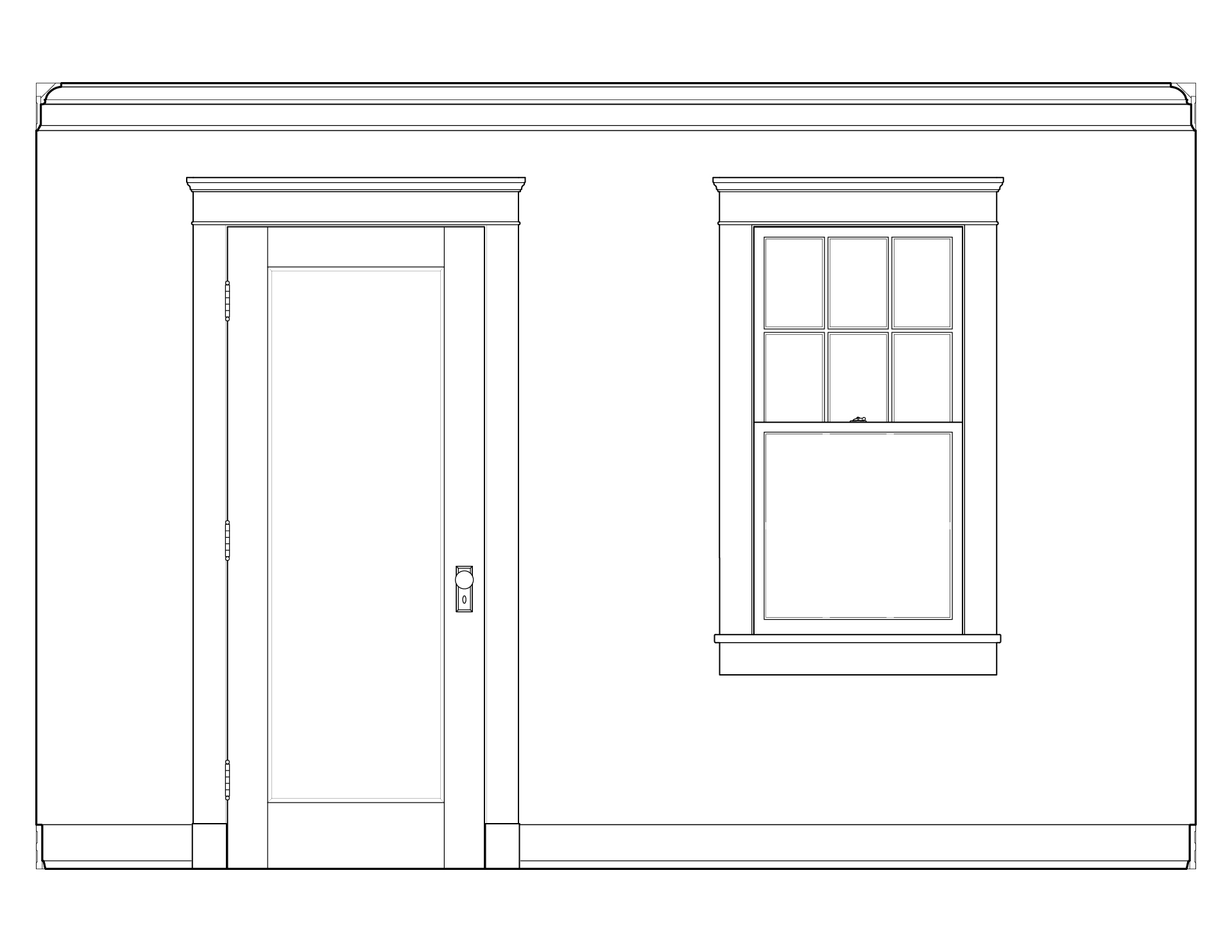
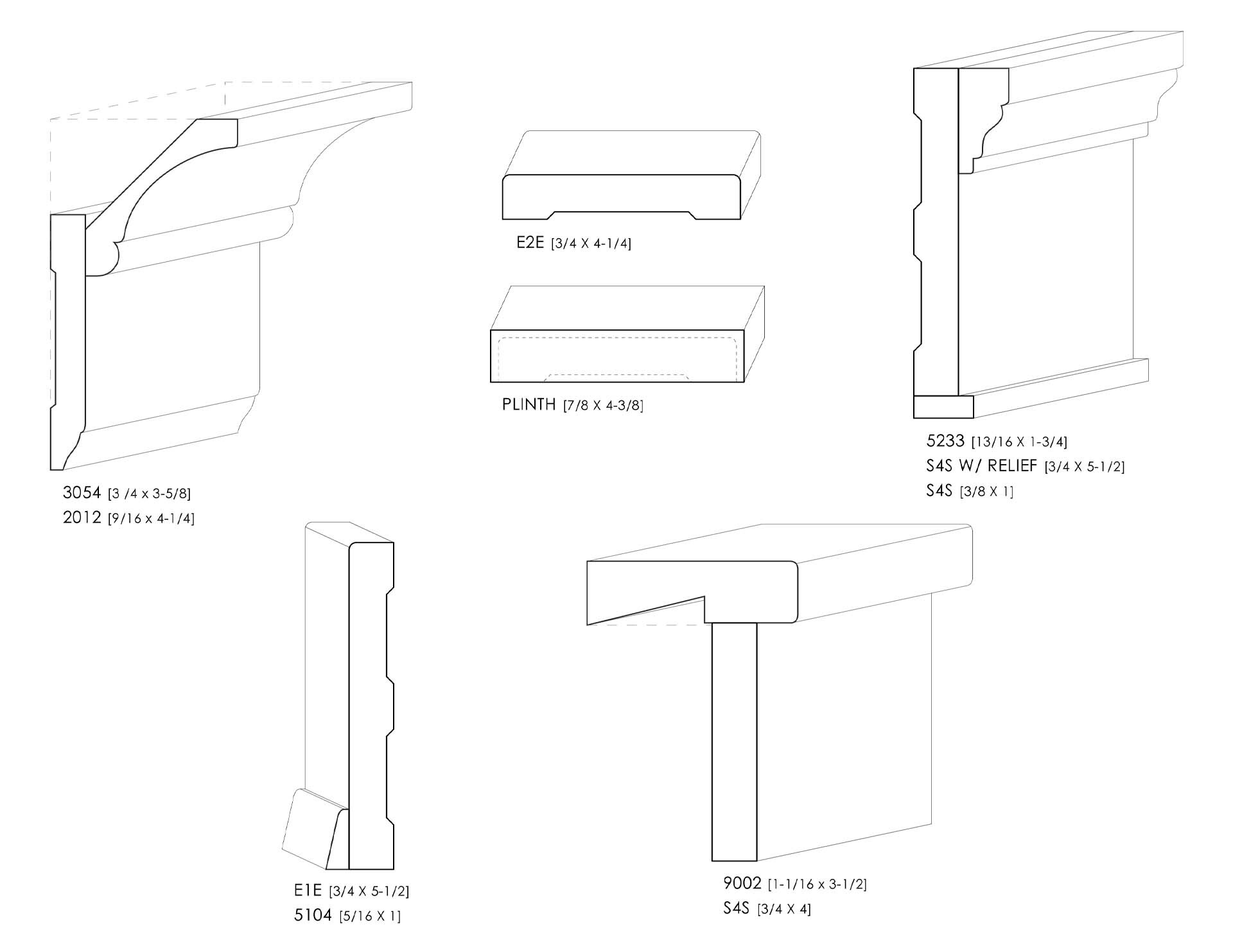
California Craftsman mouldings combine broad, flat surfaces, eased edges, simple geometric forms, and restrained curved profiles. Substantial door and window casings pair with projecting head trim and cap mouldings. Flat baseboards, plinth blocks, and crown profiles coordinate the room’s woodwork, creating depth through changes in thickness and projection. S4S (surfaced on four sides) boards can form the flat portions of these assemblies.
Door and window surrounds work together with paneling, ceiling beams, and built-in cabinetry as parts of a coordinated interior. Stained finishes often emphasize the wood’s grain, although painted finishes were also used.
Shop Now
Period Details & Drawings
History of California Craftsman
As the Arts and Crafts movement took root along the West Coast around the turn of the twentieth century, California Craftsman architecture assumed its distinctive character. Benefiting from Southern California’s expanding population, favorable climate, and rapid residential development, the style flourished in communities such as Pasadena and Los Angeles. The expansion of electric streetcar lines encouraged new residential neighborhoods, where Craftsman houses offered practical designs for suburban living.
Architects Charles and Henry Greene helped shape the California interpretation through houses that coordinated architecture, woodwork, furnishings, and landscape. Their work drew on Arts and Crafts principles and Japanese design influences, combining carefully crafted details with a strong connection to the outdoors. The Gamble House in Pasadena, dating from 1908, remains one of their best-known examples.
Architectural publications, pattern books, and widely distributed bungalow plans helped spread Craftsman designs throughout California and across the country. As architectural tastes shifted around World War I, revival styles gained ground, although Craftsman bungalows continued to be built through the 1920s. Renewed interest during the 1970s encouraged the restoration and appreciation of surviving Craftsman homes.