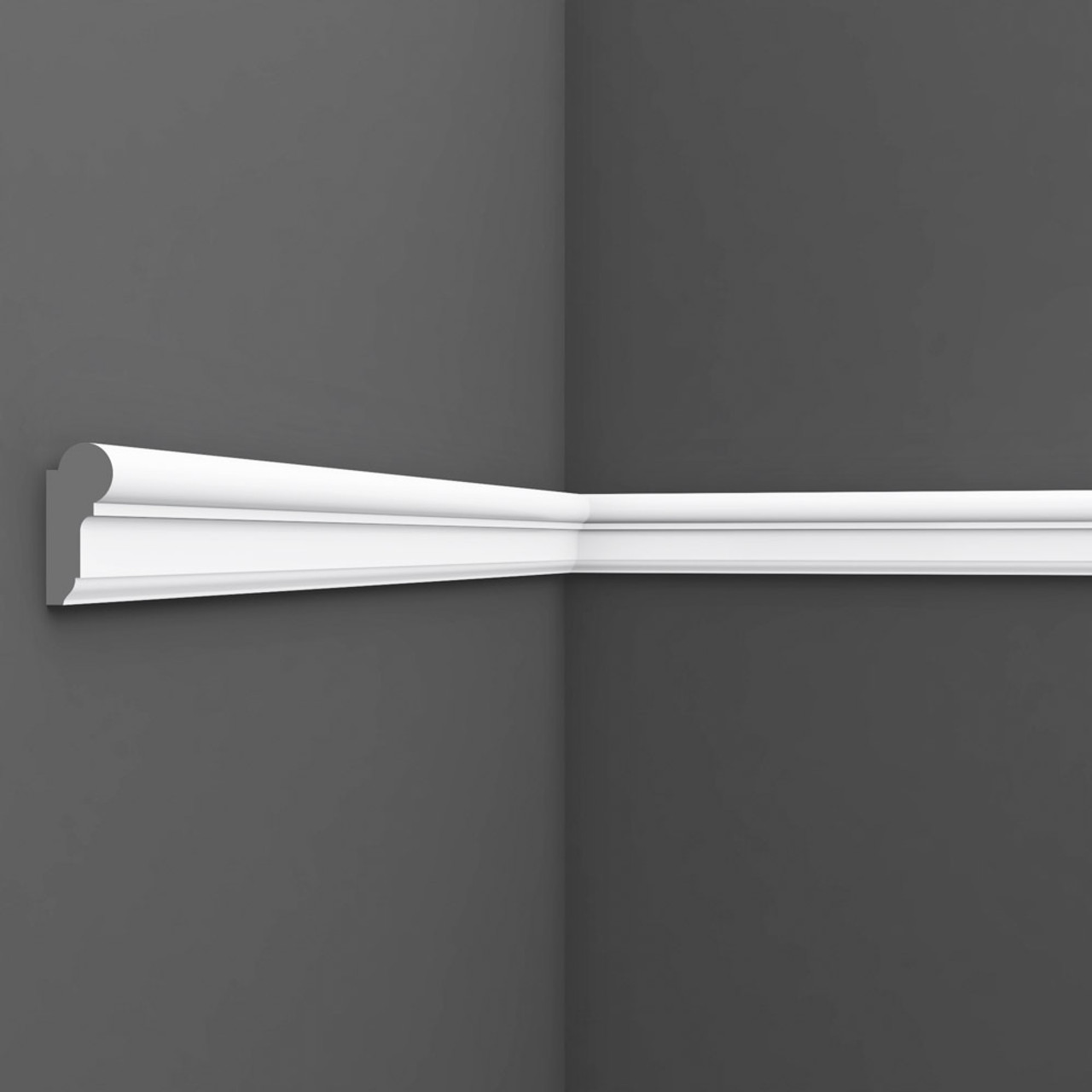


Picture rail molding adds a defined horizontal detail near the upper wall and can support artwork, divide wall finishes, or complete a traditional trim package. Compare wood picture rail profiles by height, projection, edge shape, and visual weight to find an option that fits the room and surrounding mouldings.
You can compare a variety of picture rail profiles to find the proper size, shape, and visual weight to suit your project. Mouldings One also helps match profiles for renovations, restorations, and other projects with custom millwork based on drawings and samples.
Picture rail selection and placement for your project
You’ll typically find picture rail molding installed near the upper part of a wall. Depending on the profile and hanging hardware, picture rail can support artwork or create a clean transition between paint colors and wallpaper. Placement is an important part of planning for your project, as it should feel intentional and align with other architectural features.
When choosing picture rail, both the ceiling height and wall scale must be considered carefully. You can use more substantial profiles when working with taller rooms, allowing for greater distance below the ceiling. Smaller rooms typically benefit from lighter profiles that are placed closer to surrounding trim lines.
Consider how the picture rail will relate to crown moulding, door and window casing, and the room’s larger moulding assembly. Placement shouldn’t rely on a single fixed measurement. Instead, you must take into account balanced wall proportions and visual rhythm to suit each specific room.
The overall style of the room is another critical detail. For clean or transitional interiors, simple profiles often work well. A more detailed picture rail molding can be an excellent option for more formal rooms, period homes, and restoration projects.
Comparing different picture rail profiles
Your choice of profile will have a major impact on both the style and functionality of the picture rail you install. To start, look at the profile height. A taller, more prominent rail has a strong architectural presence, while smaller profiles can divide walls while remaining more subtle. Evaluate height against existing trim as well.
Projection is another key detail to get right, measuring how far the moulding extends from the wall. A larger projection will have stronger shadow lines and add visual weight. In the case of picture rail, it also affects the types and sizes of hooks, cords, and other hanging systems you can install.
You should also consider that not all profile styles work with every type of hanger. If you already have specific hangers in mind, make sure the profile shape and dimensions fit with the hardware. If hanging artwork is a top priority, you should select the hook or rail system and the moulding profile with each other in mind. For more help coordinating hooks, cords, rail height, and artwork placement, review our guide to hanging art with picture rail moulding.
Matching existing profiles and custom projects
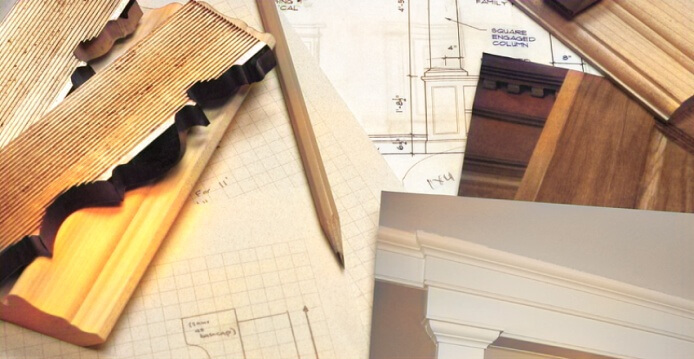
If you’re doing renovation or restoration work that requires picture rail moulding, custom matching could be the best choice to preserve visual continuity. If stock profiles don’t offer the height, projection, or edge details you’re looking for, a custom quote may be necessary.
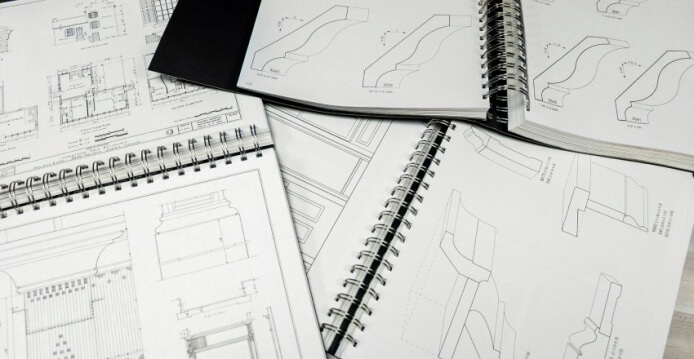
Mouldings One can review an existing sample, drawing, or clear dimensions to develop a custom picture rail profile with the appropriate shape, projection, and edge detail. Use our CAD resources to compare available profiles, or request custom matching when stock options do not align with the existing trim package.
Compare profiles and get started on your next project
Compare the available picture rail profiles by height, projection, and edge detail. For historic matching, unusual dimensions, or a project-specific run, request a quote and provide a sample, drawing, or measurements for review.
Frequently Asked Questions
What is picture rail moulding used for?
Picture rail moulding is used in a variety of applications, such as decorative wall breaks, dividing wall treatments, and hanging artwork.
How high should picture rail be installed?
The placement of your picture rail depends on the ceiling height, wall proportions, surrounding trim, and other factors unique to specific rooms in your project.
Can picture rail be used to hang artwork without nails?
Yes. Compatible hooks, cords, or wires can suspend artwork from the rail without adding a new nail hole for each frame.
How do I choose a picture rail profile?
First, look carefully at the height and projection and how they align with the room scale. You’ll also want to match the style and scale of the rest of the trim package.
Can Mouldings One match an existing picture rail profile?
Custom matching is often possible when Mouldings One can review an existing sample, drawing, or accurate measurements. The final profile and production approach are confirmed through the quote process.