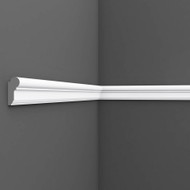
How to Hang Art With Picture Rail Molding: Hooks & Height
24th Jul 2026
Picture rail hanging lets you display framed artwork with hooks and cords or wires, without adding a new nail hole every time the arrangement changes. Before ordering, compare picture rail profiles against the artwork weight, rail position, intended hardware, and surrounding trim.
How hanging art with picture rail moulding works
Traditional picture rail systems consist of a shaped wood rail close to the ceiling. A hook can rest over the upper edge of the trim. A cord or wire can then be used to hang framed artwork from the hook. This arrangement makes it easy to swap out and rearrange artwork as needed.
You’ll find this system used in many historic interiors and professional art galleries. Frames can be moved horizontally along the rail, and the wire length can be changed for vertical movement. This makes it possible to revise art placement without creating new fastening points and damaging the architecture each time.
Picture rail hooks, cords, wires, and chains also affect the finished appearance. Low-contrast cord or wire can keep the display restrained, while decorative cord or chain can reinforce a traditional or period interior.
Matching hooks, cord, and rail profile for your project
Picture rail molding hooks provide the connection between the trim and the suspended artwork. They vary in their curve, depth, and opening. The hook must fit the upper edge, bead, or contour of the selected profile so it can seat properly. Confirm the hook shape, depth, and opening against the rail dimensions before ordering.
Not every decorative horizontal moulding is intended for picture hanging. Confirm that the selected profile, fastening method, hook, cord or wire, and frame hardware are appropriate for the intended load and installation conditions.
There are also many types of suspension materials to choose from. They offer a variety of appearances and are rated to support different weights. Braided cord is a traditional decorative option. Wires are often used in more modern interiors as they are more restrained. Chains are another choice to complement period interiors.
Artwork weight is also a critical factor in choosing trim and components. The rail, hook, cord or wire, and frame must all be suitable for the weight of the artwork. Carefully evaluate picture rail molding hooks and other hardware information before purchasing to ensure they meet your suspension requirements.
Planning rail height and artwork placement
There’s no one-size-fits-all solution to picture rail height. Placement is typically at the upper portion of the wall, but specifics vary depending on ceiling height and architectural style. Taller interiors can often accommodate more space between the rail and ceiling, while smaller rooms may benefit from a tighter relationship to surrounding trim.
You’ll also want to align the rail with surrounding architecture. The presence of crown molding, door and window casings, beams, and other horizontal elements can influence placement. The picture rail should read as part of the larger moulding assembly rather than as an isolated strip of trim.
A given rail position can allow for a wide range of frame positions. Longer cords or wires lower artwork even when the rails are very close to the ceiling. Map out frame centers, furniture heights, and wall openings in advance to plan a balanced look for your finished display.
Spacing between frames is also important. Repeated gaps of the same size can create order, while varied spacing is also used in modern styles. Rails are also used to define paint or wallpaper transitions, especially in rooms where the two-tone walls are a key visual point.
Choosing the right profile for your project
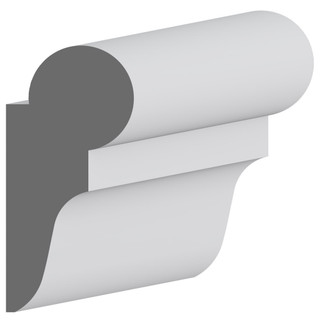
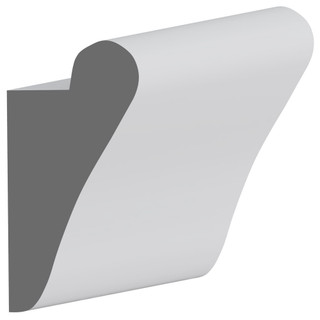
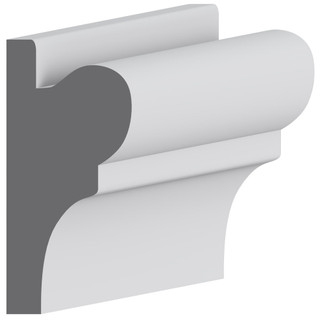
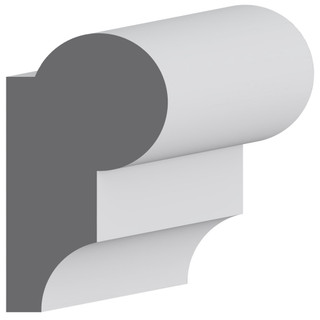
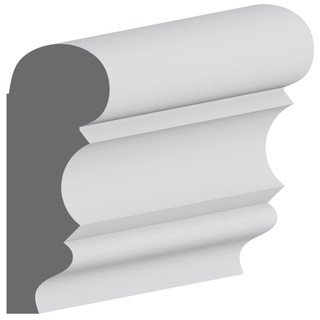
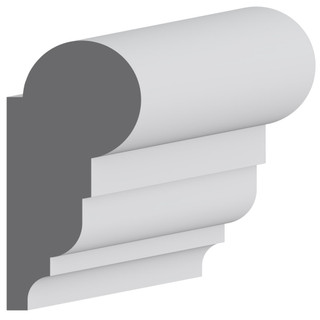
The first thing to verify is that the height, projection, and upper edge of your trim will work with the picture rail hooks and suspension method. Use the available CAD files to compare profile height, projection, and upper-edge geometry before ordering. There are many styles available, so align the profile, wood species, and finish with existing molding or the Stock profiles can suit many new-construction, renovation, and restoration projects. However, some projects may require custom trim to deliver the proper dimensions and detail. Drawings, measurements, or an existing sample can be reviewed when a project needs custom picture rail moulding or a closer match to historic trim.

Getting started on your next project
A successful picture rail system depends on coordinating the profile, hooks, suspension material, rail position, and frame spacing before installation. Compare the available profiles, then request a quote when the project requires historic matching, unusual dimensions, or other project-specific guidance.
FAQs
Can you hang heavy artwork from picture rail moulding?
The weight of the artwork you can hang depends on the specific rail attachment, hook rating, and frame hardware. Confirm the maximum weight for each component before hanging a heavy piece.
Do all picture rail profiles work with picture rail hooks?
Not all profiles work with every type of hanging hardware. The bead shape, projection, and clearance all affect what types of picture rail molding hooks fit a specific profile.
How high should picture rail be placed for hanging art?
Picture rail placement depends on factors like ceiling height, crown molding, and other surrounding trim. It’s important to balance architecture and artwork arrangement to maintain visual appeal.
Can picture rail be used in modern homes?
Yes. Simple picture rail profiles can work in modern interiors as an artwork-hanging system or a clean divider between wall finishes.