Explore Categories
6 Categories
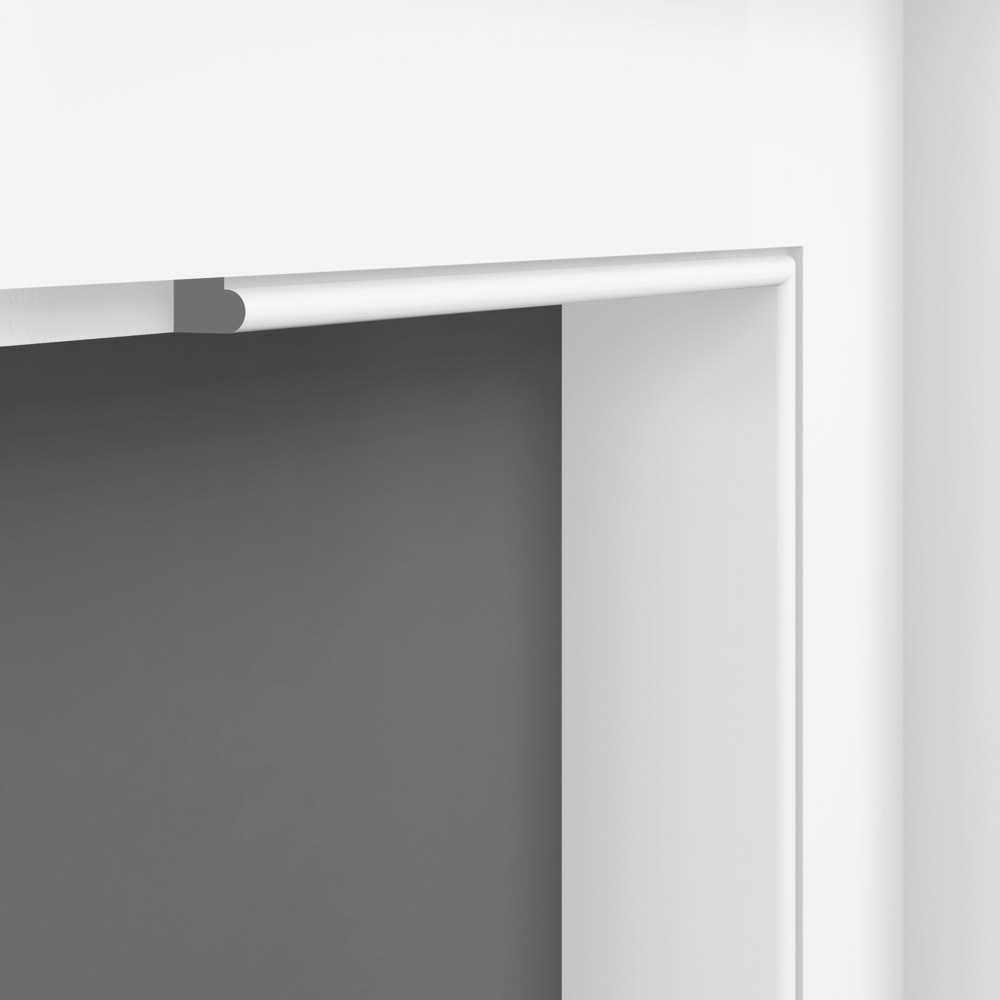
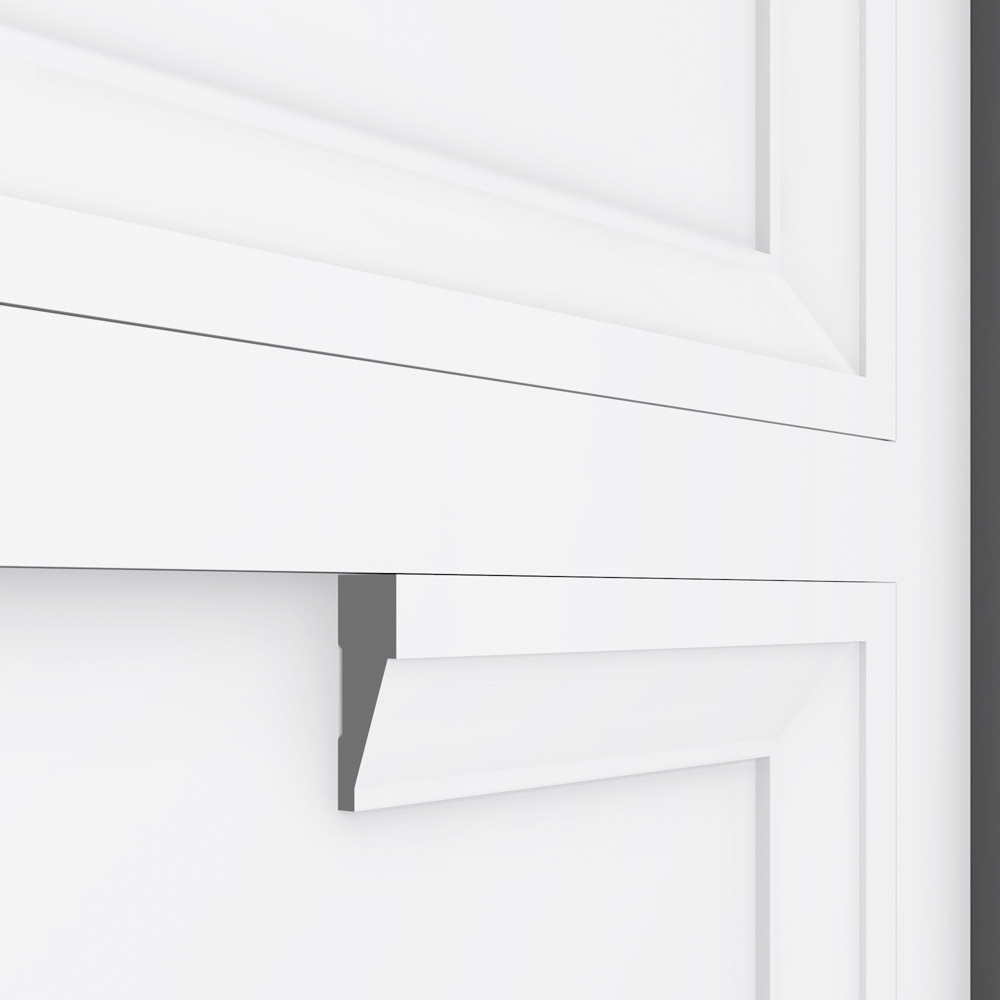
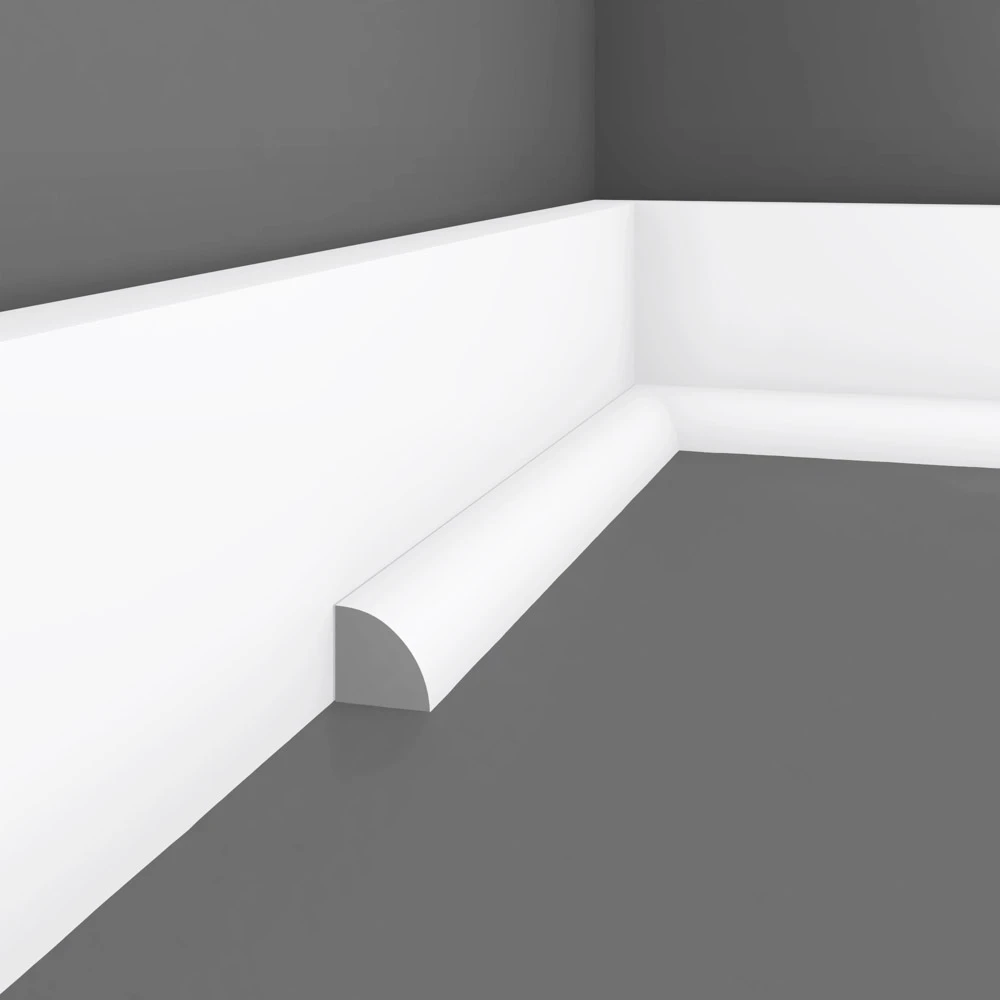
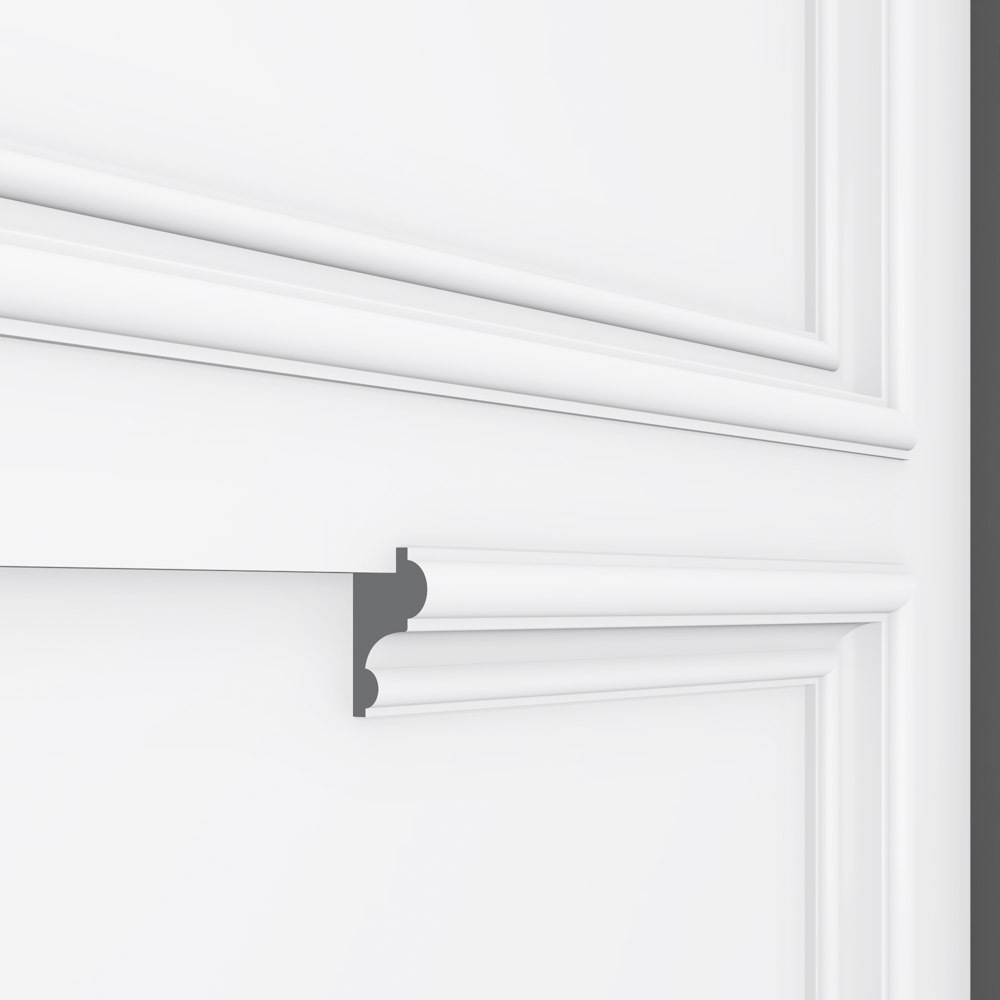
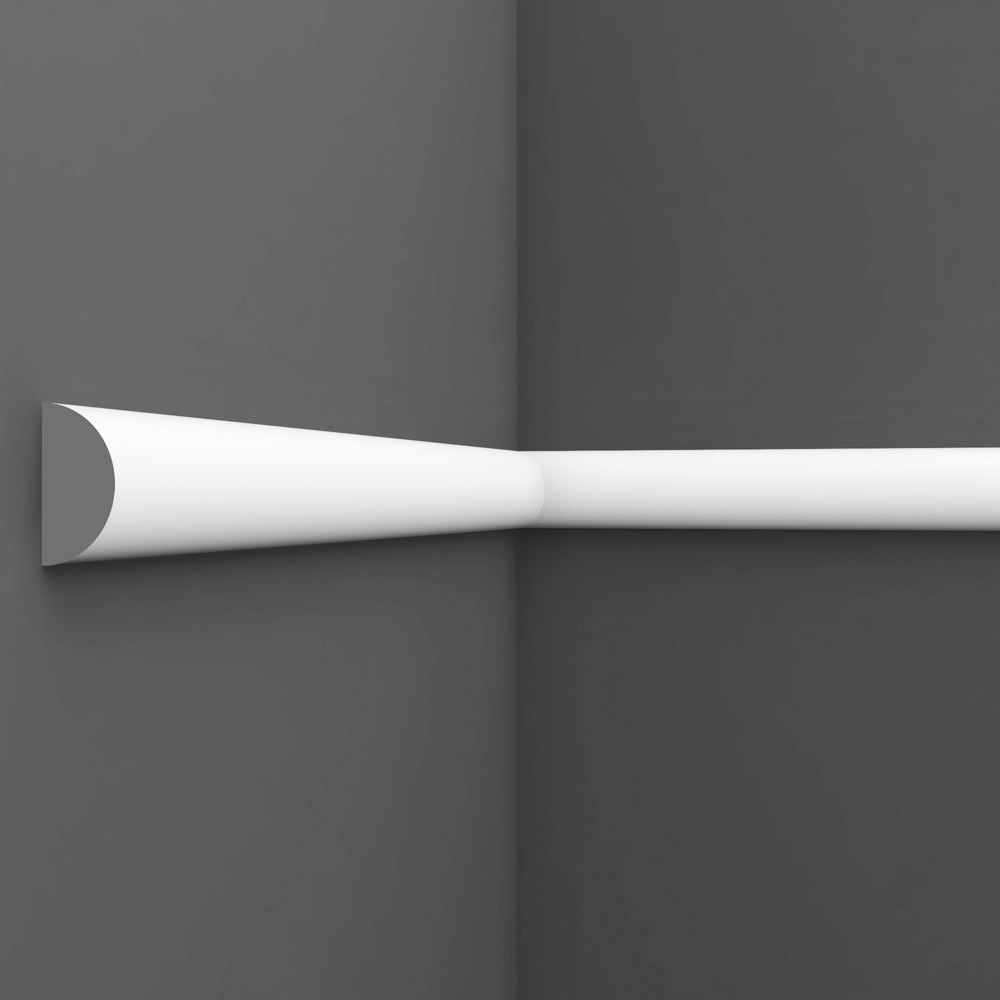
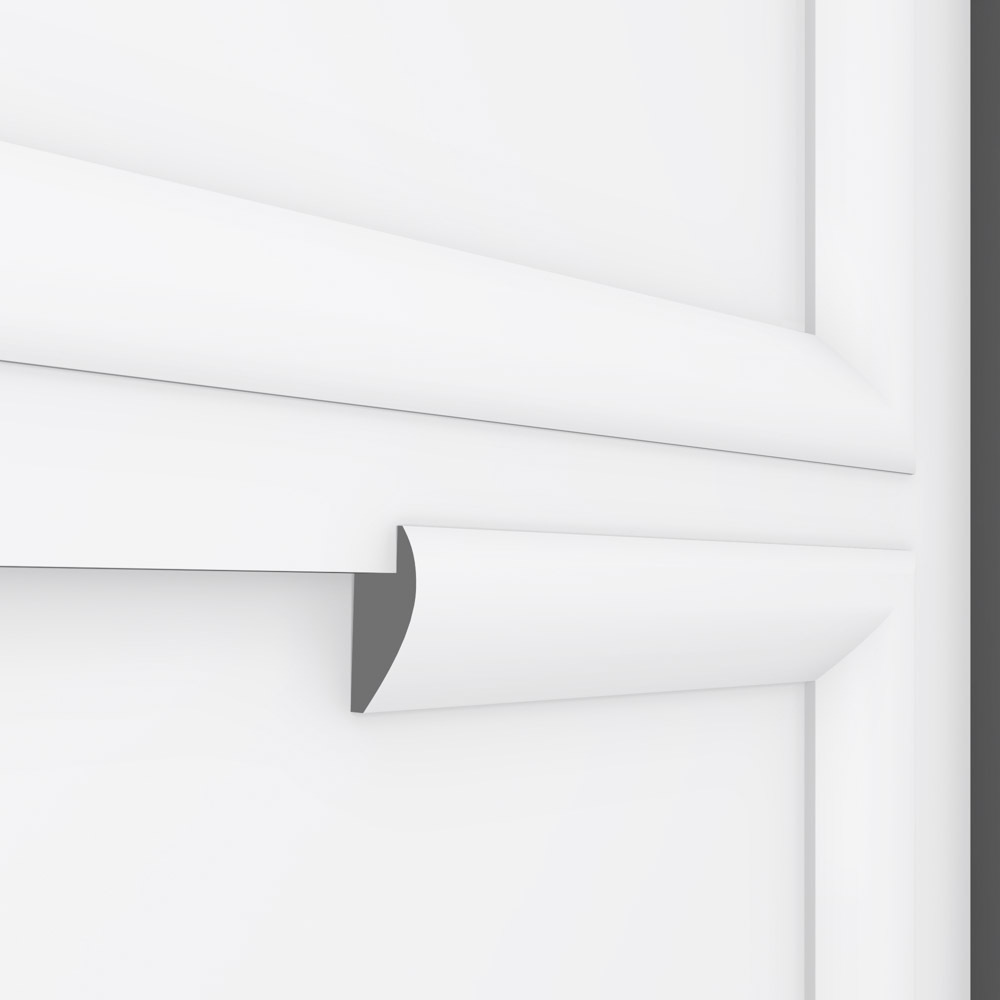


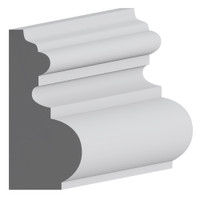


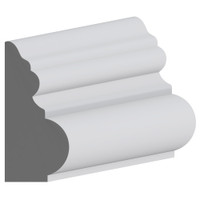

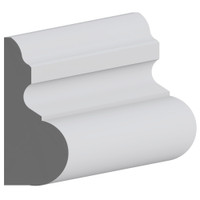


Panel moulding is attached directly to interior walls to add depth and more complex aesthetics. You can also use it to define wainscoting or add an extra touch of elegance to your existing trim. Base cap installs on top of baseboards to create a more sophisticated look without removing existing trim.
Panel Moulding and Base Cap Moulding for Finished Walls and Trim
Panel and base cap mouldings are decorative elements that can elevate the appearance of any room. Base cap goes on top of baseboard mouldings to create a complex trim pattern. On the other hand, panel moulding is installed directly on walls to create a three-dimensional look. While these two types of moulding can occasionally be used interchangeably, they are built for different applications. The main difference is that base cap moulding is installed along the top side of baseboards, and panel moulding creates raised accents on a wall.
A well-designed wall trim layout brings order and proportion to a room. Panel moulding is what ties everything together. It’s commonly used to create framed wall sections, enhance wainscoting, or add architectural detail in a way that’s subtle and tasteful. The profile you choose influences how formal or minimal the finished wall will feel.
When planning to incorporate base cap and panel moulding into a room, you must consider the scale. Typically, a room with taller ceilings will benefit from wider profiles and more generous spacing. Smaller rooms usually look best with slimmer proportions. Approaching the sizing thoughtfully will result in trim that enhances your space, rather than competing with furniture or overshadowing architectural features.
Panel moulding can be installed in symmetrical layouts for a traditional look or arranged in simpler, linear patterns for a more contemporary feel. Square and rectangular configurations are the most common, as they fit most rooms. However, you should adjust the spacing and alignment of the moulding based on the height of your ceilings, door locations, and what you want the focal point of the room to be.
Material consistency is another key consideration. Choosing high-quality materials that complement one another will create a cohesive appearance throughout the room. Pre-primed options are easier to finish. Stain-grade materials allow you to maintain the natural character of the wood while improving the aesthetics of your space.
You can use base caps, panel moulding, or a combination thereof to refine your space. Consider the overall vibe you are trying to create and how you can use moulding to achieve that look.
Ideas for Wainscoting and Wall Panel Layouts
Wainscoting consists of decorative panels attached to the lower portion of interior walls. You can install wainscoting in a wide range of rooms, although it is most commonly used in dining and living spaces. Builders, designers, and millwork teams often use panel moulding to outline or frame wall panels. If you’re planning a full layout, our wainscot and paneling moulding assemblies can help you visualize common combinations and spacing.
Panel moulding works especially well in spaces like hallways and entryways. The moulding can add extra detail to otherwise blank walls. Aligning panels with doors, windows, or built-ins helps the trim feel intentional, rather than decorative for the sake of it. Choosing the right balance and a clean look requires careful planning before installation.
Mouldings One offers precision-milled profiles designed to support clean joins and consistent spacing across the finished layout.
Frequently Asked Questions
What is panel moulding used for?
Panel moulding is commonly used to create decorative wall frames, wainscoting layouts, and architectural wall detail. It adds depth and structure to otherwise flat walls and can be styled to fit both traditional and modern interiors.
What is base cap moulding, and where does it go?
Base cap moulding installs on top of a baseboard to add height, definition, and a more finished transition. It’s often used to upgrade an existing baseboard profile without replacing the full baseboard. Base cap is also commonly paired with flat stock or S4S boards to create built-up base assemblies, which can be a cost-effective way to achieve a larger profile and more detail without a single oversized baseboard.
Can panel moulding and base cap moulding be used together?
Yes. Base cap enhances the baseboard detail at the floor line, while panel moulding adds structure and dimension on the wall surface. Used together, they create a more complete trim package and a cohesive, elevated look. This pairs well with chair rail molding in many wainscoting layouts.
How do I choose the right size and spacing for my room?
Scale is the driver. Taller ceilings and larger wall spans typically suit wider profiles and more generous spacing, while smaller rooms tend to look best with slimmer profiles and tighter layouts. If you share ceiling height and the wall area you’re detailing, our team can help confirm a size range that fits.
Can you match an existing panel moulding or base cap profile?
In many cases, yes. A physical sample is the best way to match an existing profile, and detailed measurements plus photos can work depending on the profile. Matching is especially helpful for additions, remodels, and consistency across multiple rooms.
Can I have a panel or base cap moulding rabbeted?
Yes, in many cases. Some profiles are available pre-rabbeted, and others can be modified to include a rabbet so the moulding sits flush against panels, flat stock, or adjacent trim. This is common in built-up assemblies to improve fit and installation. Feasibility depends on the profile and application, so share your project details and we’ll confirm the best option before ordering. You can also view our pre-rabbeted panel moulding and base cap options for common use cases.