Explore Categories
1 Categories
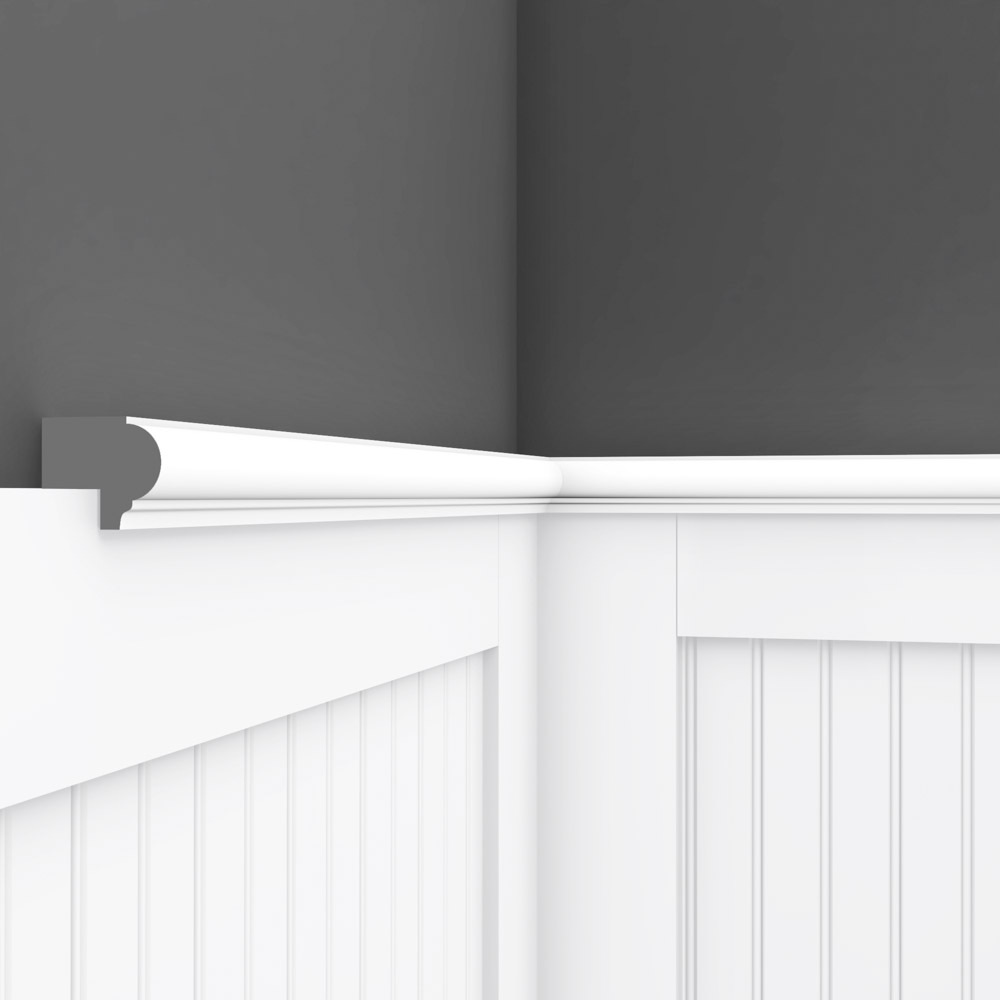

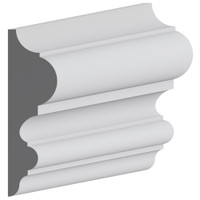


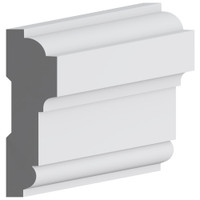


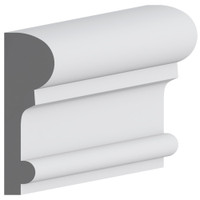

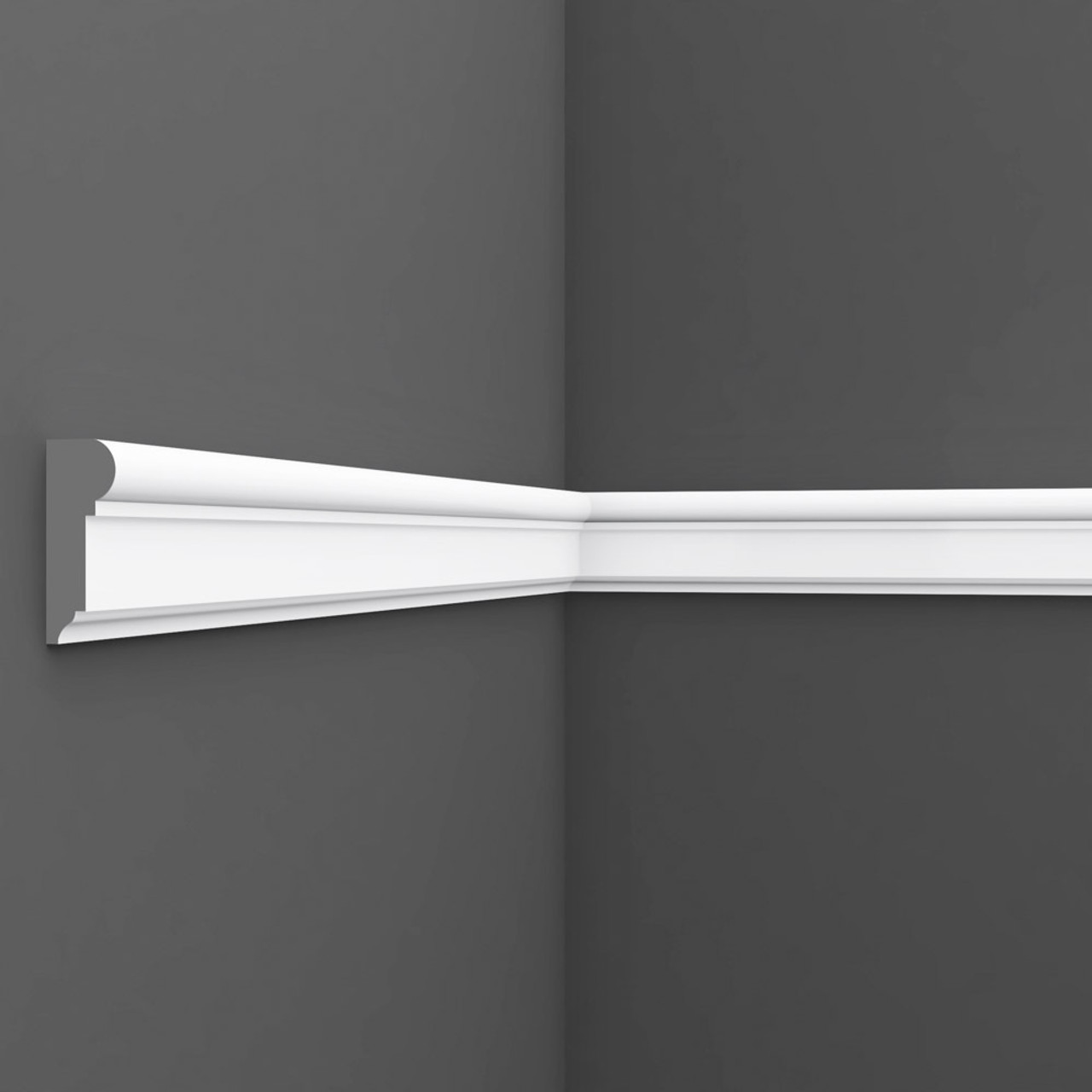
Shield walls from scuffs and scratches with chair rail moulding that adds depth and architectural detail to hallways, stairwells, dining rooms, and other interior spaces. Versatile profiles bring structure and visual interest to classic and contemporary interiors, pairing cleanly with wainscotting, panels, baseboards, and crown molding.
Where the chair rail fits in wall assemblies
Elevation details instill visual interest and personality in any interior space. Chair rails are a functional addition designed to prevent damage to walls, but they also contribute to variations in depth that make a room feel more luxurious. The most basic wall assembly might feature little more than a plain baseboard. Adding crown and chair rail moulding defines the space in an entirely new way, breaking up visual monotony to create a sense of richness and dimensionality.
A decorative chair rail can provide a simple elevation break, or it can help organize a more detailed wall layout with panels and wainscotting. The profile, projection, and placement should support the surrounding trim package rather than compete with it. When those elements work together, chair rail becomes a strong finishing detail in dining rooms, living rooms, hallways, and other interior spaces.
Transitional spaces, such as hallways and staircases, are often treated as a functional afterthought. Even a modest chair rail heightens the charm and beauty of these spaces while coordinating with existing elevation details, handrail profiles, and other design elements. Whether the application is a simple wall break or a more formal wainscotting assembly, the profile should relate cleanly to adjoining trim and termination points. To compare related trim categories, browse the shop mouldings hub before finalizing profiles.
How to choose a profile and coordinate with panel moulding
Choosing the right chair rail moulding starts with scale, projection, and the role it plays in the broader trim package. A profile that works well as a simple wall break may not be the right fit for a paneled elevation or a more elaborate wainscot layout. The goal is to choose a profile that feels proportionate to the room and coordinated with the surrounding trim.
The stature of a structure is the first thing to consider. Larger, more spacious rooms are ideal for more complex mouldings, whereas simpler designs might feel underwhelming. Cozier interior spaces could feel cluttered if mouldings are too large or lavish. You should also consider the architectural style, as greater embellishment lends itself to traditional Victorian or craftsman styles, while streamlined designs tend to work better with sleek, contemporary building styles.
Next, consider how chair rails blend with moulding assemblies, for more complex build-ups. Each element, from panel moulding and base cap to adjacent baseboard and casing, should read as one coordinated assembly. They don’t necessarily have to match precisely, but they should appear complementary and intentional. With these considerations in mind, you can narrow down profile options, confirm scale and suitability for a given space, and coordinate with other design elements to create an attractive and cohesive finished product.
Browse chair rail profiles above, or request a quote if you need help coordinating chair rail with panel moulding or other moulding assemblies.
Frequently Asked Questions
What is a chair rail used for in a trim package?
Chair rail moulding is an elevation detail, like crown moulding or baseboards, that adds depth and visual interest to vertical spaces in interior design. While a chair rail has a functional purpose (protecting the wall from scuffs and scratches made by chairs), it may be used as part of a larger decorative assembly to cap off panels or wainscotting.
How do I choose chair rail height and scale for a project?
Traditionally, a chair rail is set at a height of 28”-36” (32” on average) from the floor, although it can be set at any height for practical purposes, such as preventing damage from chair backs, or for design effects. For example, a slightly higher rail might make a tall or spacious room feel more balanced and grounded, while a lower rail in a small room can help to maintain comfortable proportions.
How do I pair chair rail with panel moulding for wainscot layouts?
The more elevation details you add to a design, the more careful you must be with the complexity of each element. Simple panels and trim could support a larger, more ornate chair rail moulding that adds eye-catching embellishment. For wainscotting and more complex baseboards or crown molding, a simpler chair rail aesthetic may work better.
What wood species and grades work best for paint vs. stain intent?
Wood chair rail moulding is a beautiful and resilient option that offers practical and aesthetic benefits. Porous hardwoods like oak and walnut are ideal for staining, thanks to absorption that produces an even appearance. Denser, more solid species like poplar might work better for painting.
Can you match an existing chair rail profile for a partial renovation?
Often, it’s possible to customize chair rail moulding to match the existing trim for a renovation project. This could be hampered by conditions like damage, wear, prior modifications, or paint buildup that obscures fine details. Accurate measurements and clear images help ensure the best match.