
Custom moulding quoting checklist
22nd Jun 2026
A custom moulding quote is easier to prepare when the right project details are gathered upfront. This checklist helps homeowners, builders, architects, and designers organize the drawings, samples, measurements, footage, species, finish details, timeline, and delivery notes that help Mouldings One review restorations, renovations, additions, and new construction trim packages.
A complete checklist for custom moulding and millwork quoting
Getting an accurate quote for your custom molding doesn’t have to be a challenge. Providing the reviewer with enough information to fully specify profile, material, quantity, and finish can streamline the entire process. This checklist breaks down the key details to prepare for your custom quote.
What your quote package should include
Custom moulding and millwork packages must address a variety of areas at once. That means specifying profiles, quantities, species, and finish. When working with a custom molding provider, providing as much information as possible will help them build a more accurate quote for your needs.
Ensuring accuracy with physical samples
Physical samples are often the most valuable asset for accurate quoting. They clearly show the scale, contour, and edge detail better than any photo or notes. This is particularly important if you’re dealing with highly detailed molding or existing molding that has wear or layered paint.
Tracking sample details
When taking samples, make sure to mark down required details. That includes the location it was taken from, whether crown, casing, baseboard, or otherwise. You should also specify whether the specific sample demonstrates the desired final shape or if you want damage, paint buildup, or wear accounted for and corrected.
Using profile drawings and sketches
Drawings and sketches are an excellent way to specify custom moulding. Drawings are used for both new and existing trim, clearly specifying the scale and profile. Making accurate sketches of existing trim will help ensure your custom trim provides an accurate match across all of these areas.
Careful measurements and dimensions
Careful measurements should be taken to accurately capture profiles. Details such as face width, total width, thickness, projection, drop, and more will help specify the profile. Depending on the detail, the width of flat sections, curve depth, and shoulders should also be measured and recorded.
Taking clear photos
Photos are another useful resource for a custom quote, especially when they show both profile detail and surrounding context. Take close-up photos of the moulding profile, along with photos from farther back that show where the piece fits in the room or assembly. Include a measuring tape or ruler in at least one close-up photo so the size, scale, and profile details are easier to understand. Use good lighting and take photos from multiple angles.
Calculating lineal footage
Custom moulding quotes should include lineal footage, also called linear footage, for each trim profile. Measure each run and note the footage by profile type, room, or opening so quantity and production needs are easier to review. It is also helpful to account for cuts, waste, corners, returns, and field adjustments before placing the order.
Specifying quantity and profile count
The quantity of each profile should also be clearly listed. Account for rooms, walls, openings, corners, and returns so the quote can reflect the full scope of the project and reduce the chance of follow-up questions or ordering delays.
Choosing your wood species
Defining your wood species will impact appearance, workability, availability, cost, and finish. Specifying wood species allows for a more accurate quote and lets you fully understand your options for custom wood molding. There are many options available, and you may not necessarily have to match the exact species of existing trim.
Defining finish expectations
Finish expectations are just as important when choosing custom trim. Matching existing finishes is often a challenge, but it can be done when carefully planned. Evaluating the stain, sheen, texture, and clear coat of trim will help with material selection and preparation.
Addressing all required lengths
Linear footage isn’t the only factor in the quantity and length of trim. Piece length will also vary depending on the number of continuous runs you have. Longer runs can often make use of fewer pieces, avoiding unnecessary seams. Marking a specific run length is important to finalize your material order.
Laying out your timeline
When planning your project and getting quotes, you’ll need to understand your timeline. Custom moulding and millwork can take time, so it's best to plan early to avoid delaying your project. Share target dates and the nature of any phased work when requesting your quote to establish clear expectations.
Specifying delivery requirements
You’ll also want to have a firm understanding of delivery requirements. Note any potential receiving limitations or concerns about your delivery location early to avoid potential disruption. Trim can have special delivery requirements due to length and finish, so plan ahead.
Making use of design resources
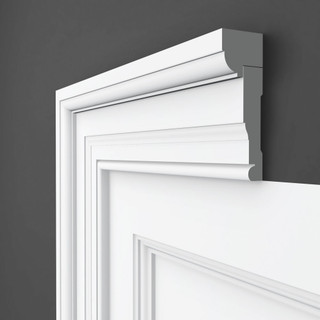
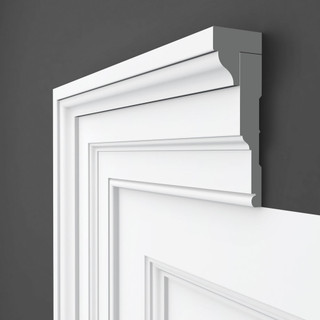
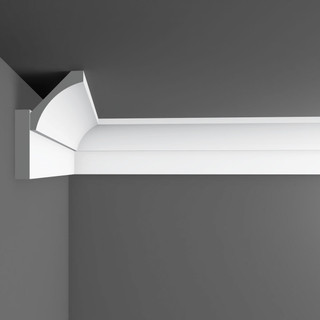
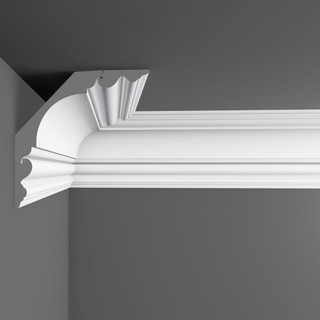
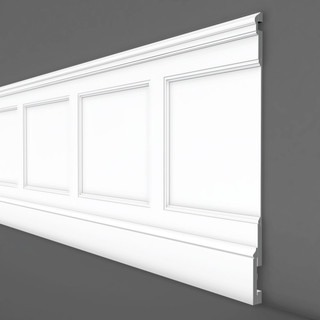
When planning a larger trim package, Mouldings One design resources can help you compare moulding assemblies, profile relationships, and architectural details before requesting a quote. These resources are especially useful when you need to describe how a custom profile should coordinate with the rest of the room.


Common issues that come up during quoting
Projects involving restoration and matching existing trim can be complicated. A few common issues can arise when requesting custom quotes. Understanding these pitfalls in advance will help you avoid them and provide a smooth experience for the duration of your project.
Missing context and measurements
Many quoting issues arise due to a lack of information. Even small gaps in context and measurements can lead to delays. Photos without a clear scale or samples without a specific location leave additional questions that reviewers will have to ask for later.
Insufficient measurements are also common. It’s not enough to only record the front face. Projection, thickness, drop, and other dimensions are also essential. Details such as curves, shoulders, and flats must be measured as well to accurately recreate the profile.
Sample condition and location
Physical samples can streamline custom quotes, but they require the necessary context. A loose fragment isn’t much use if it isn’t clear whether it’s from the crown, casing, baseboard, or other molding. Missing location details leave out the assembly and replacement context.
Failing to address sample conditions also leaves ambiguity that slows the quote process. Any painted layers, sanding, damage, or wear should be specified as to whether they should be accounted for or corrected in the profile shape of the new trim package.
Species and matching assumptions
Overlooking species is a major mistake, as it affects more than just appearance. The material choice affects finishes, cost, and availability. If the existing species is unknown, samples, photos, and finish notes can help reviewers determine the right match for your project.
Simply saying to match existing wood often isn’t enough instruction. Trim often changes color over the years due to light exposure, aging, and cleaning products. Defining whether you’re looking to match the existing tone or are refinishing the entire project helps clear this up.
Uncertain project and quote scope
Scope is critical when getting a custom quote in any industry. Defining the full scope and how requested profiles fit into the larger trim system provides the necessary context. It also ensures the custom moulding and millwork you get will all work together, from crown build-ups to wainscoting layout.
The scope of your project affects material planning, tooling, cost, and timeline. Making adjustments once a quote is underway can lead to delays and confusion. Instead, defining the types of profiles, footage, and other details early provides a much smoother experience.
Getting started
To get started, gather any samples, drawings, measurements, and photos you have available. Include lineal footage, species, finish expectations, timeline, and delivery notes where possible. Then, request a quote from Mouldings One so the team can review your custom moulding and millwork needs and identify any additional details needed for the quote.
FAQs
Do I need a physical sample for custom moulding?
Physical samples are very useful when matching existing moulding. While not strictly necessary, they make it easier to match the scale, contour, and edge detail of your trim as closely as possible.
How do I measure linear footage for a moulding quote?
Linear footage must be measured along each run where molding is needed and totaled. Make sure to carefully confirm quantities before placing your order, and take into account cuts, waste, corners, transitions, and other adjustments.
Can custom moulding be matched from photos?
Photos can help Mouldings One review and match custom moulding, especially when they show the profile clearly and include a measuring tape or ruler for scale. However, photos are best accompanied by measurements, drawings, or a physical sample when possible so lengths, angles, and profile details can be reviewed more accurately.