Gothic Revival
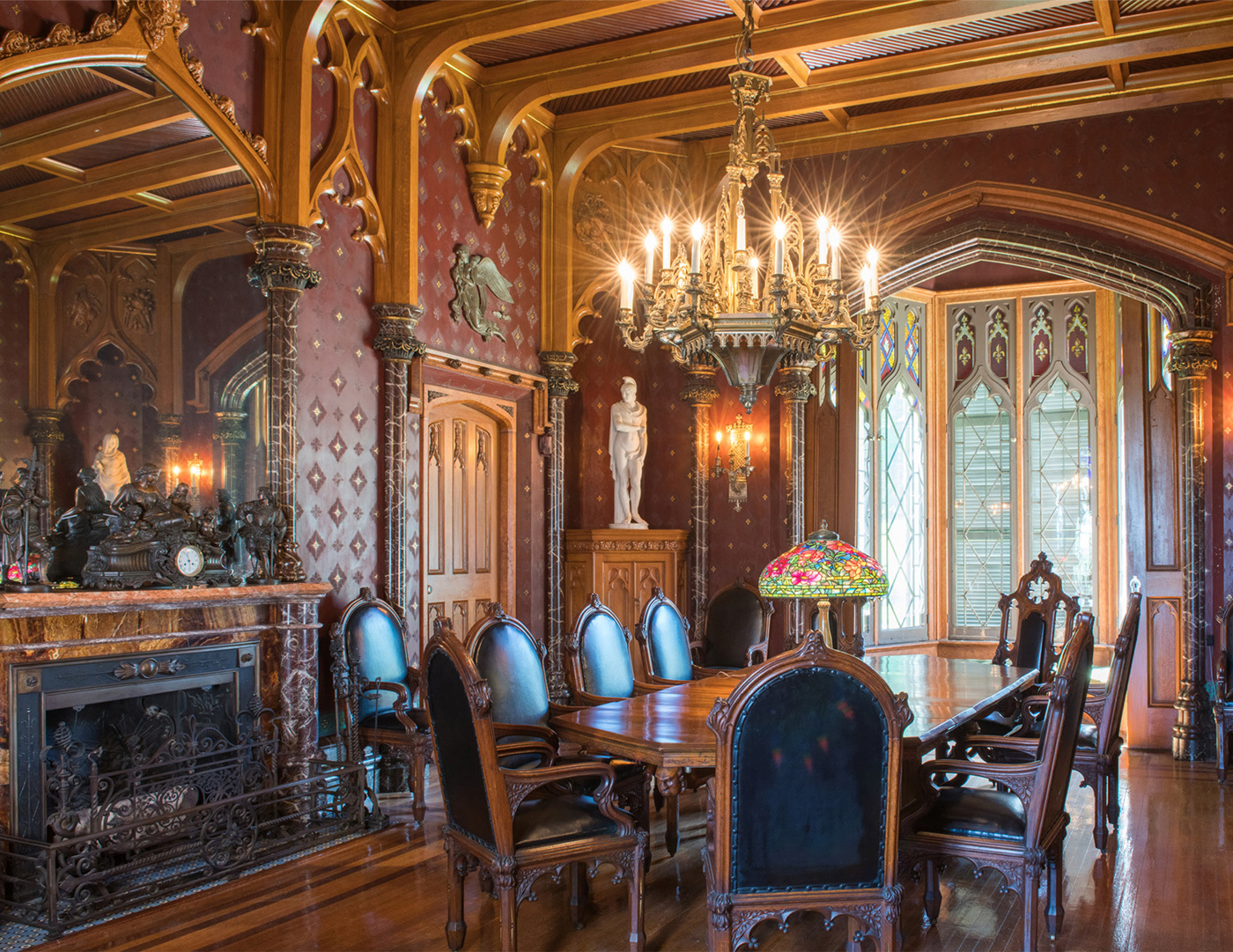
Gothic Revival was inspired by Gothic cathedrals.
What Is Gothic Revival?
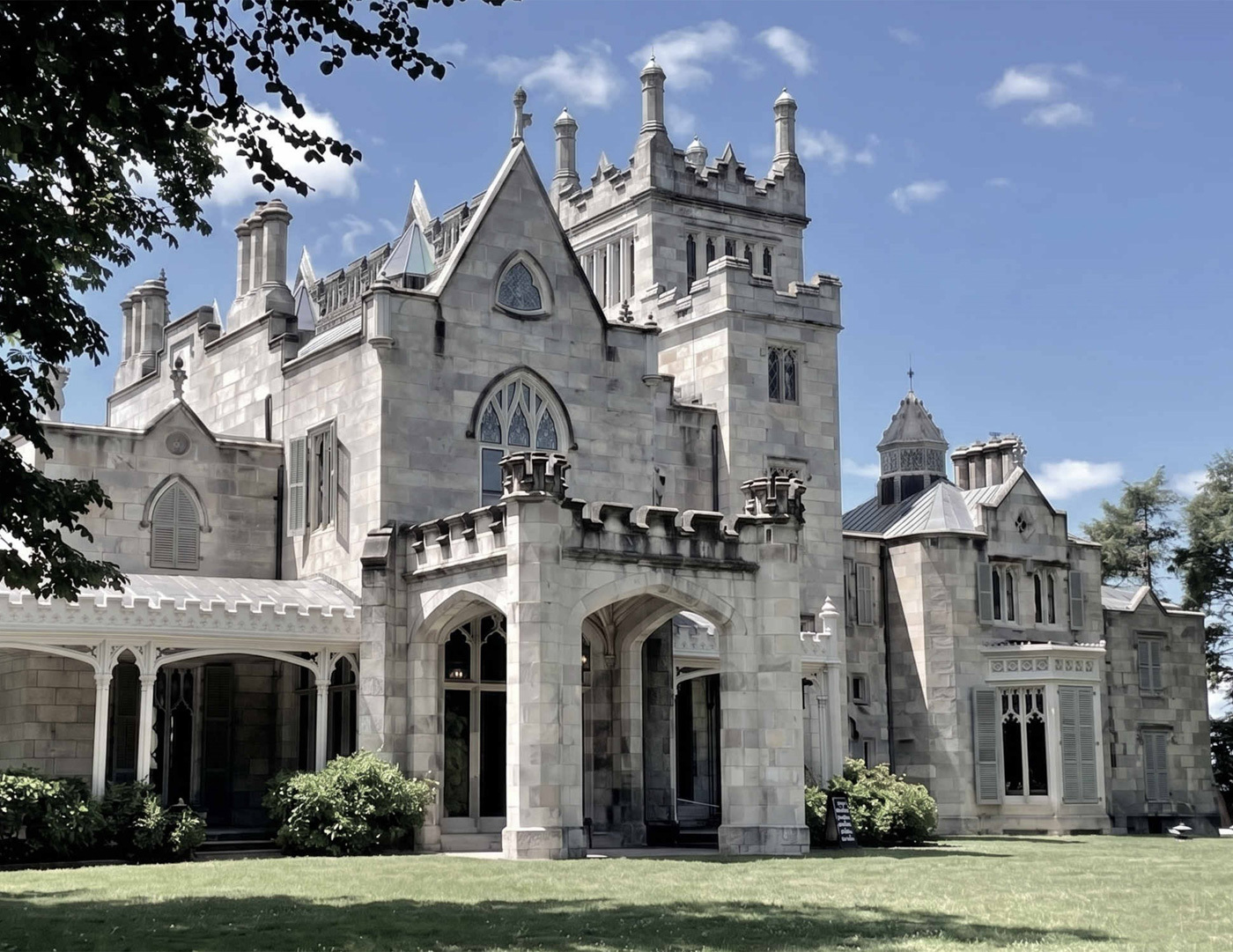
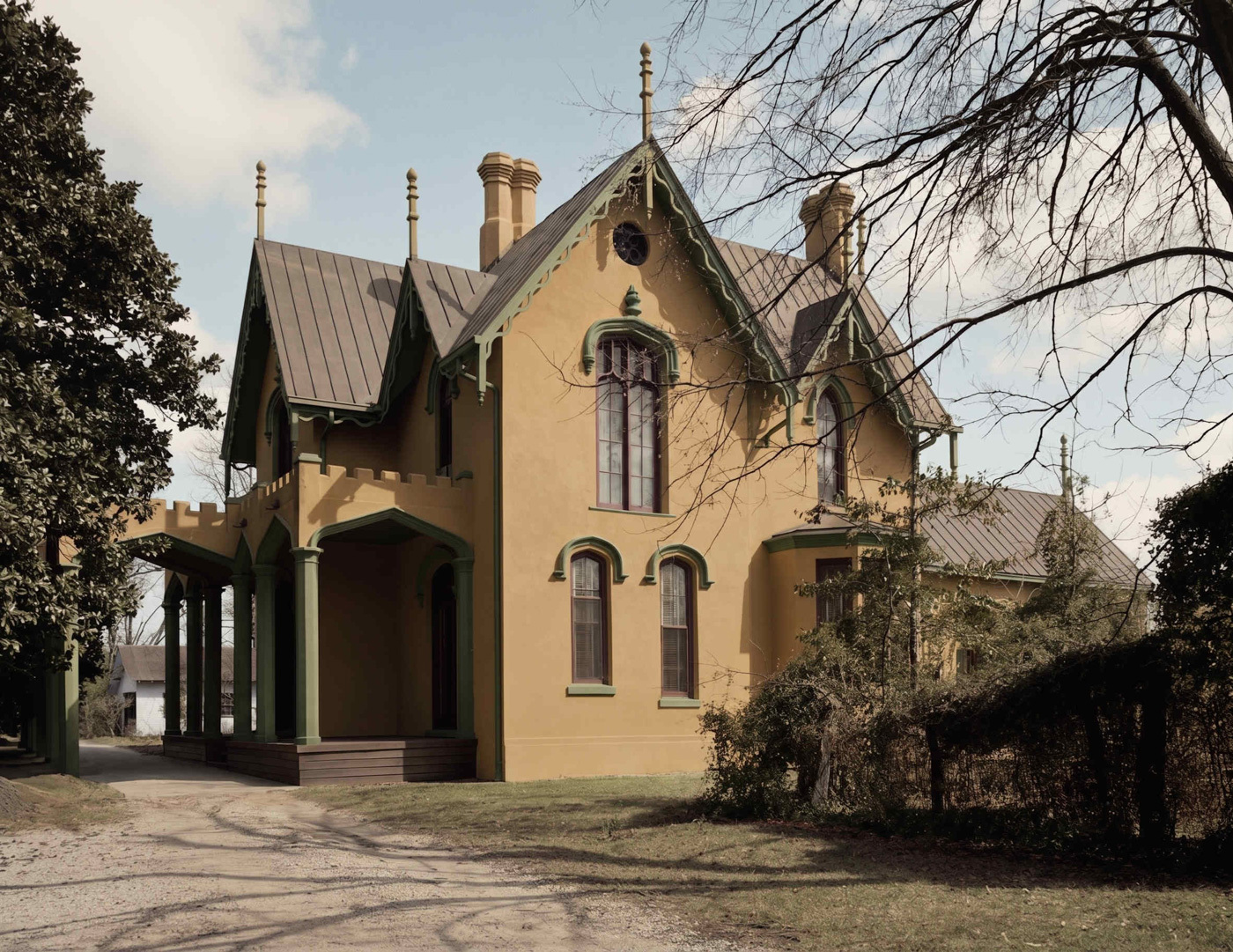
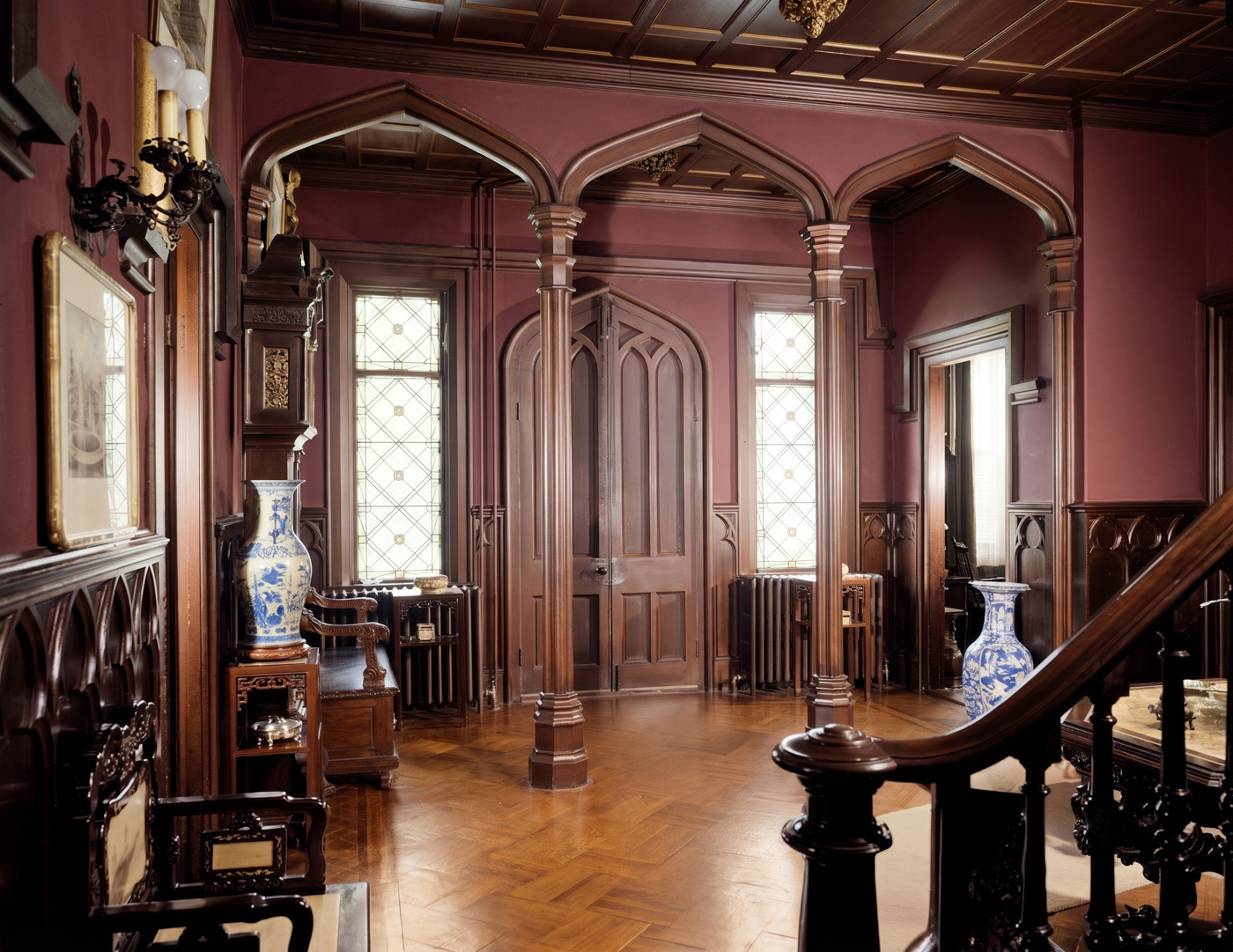
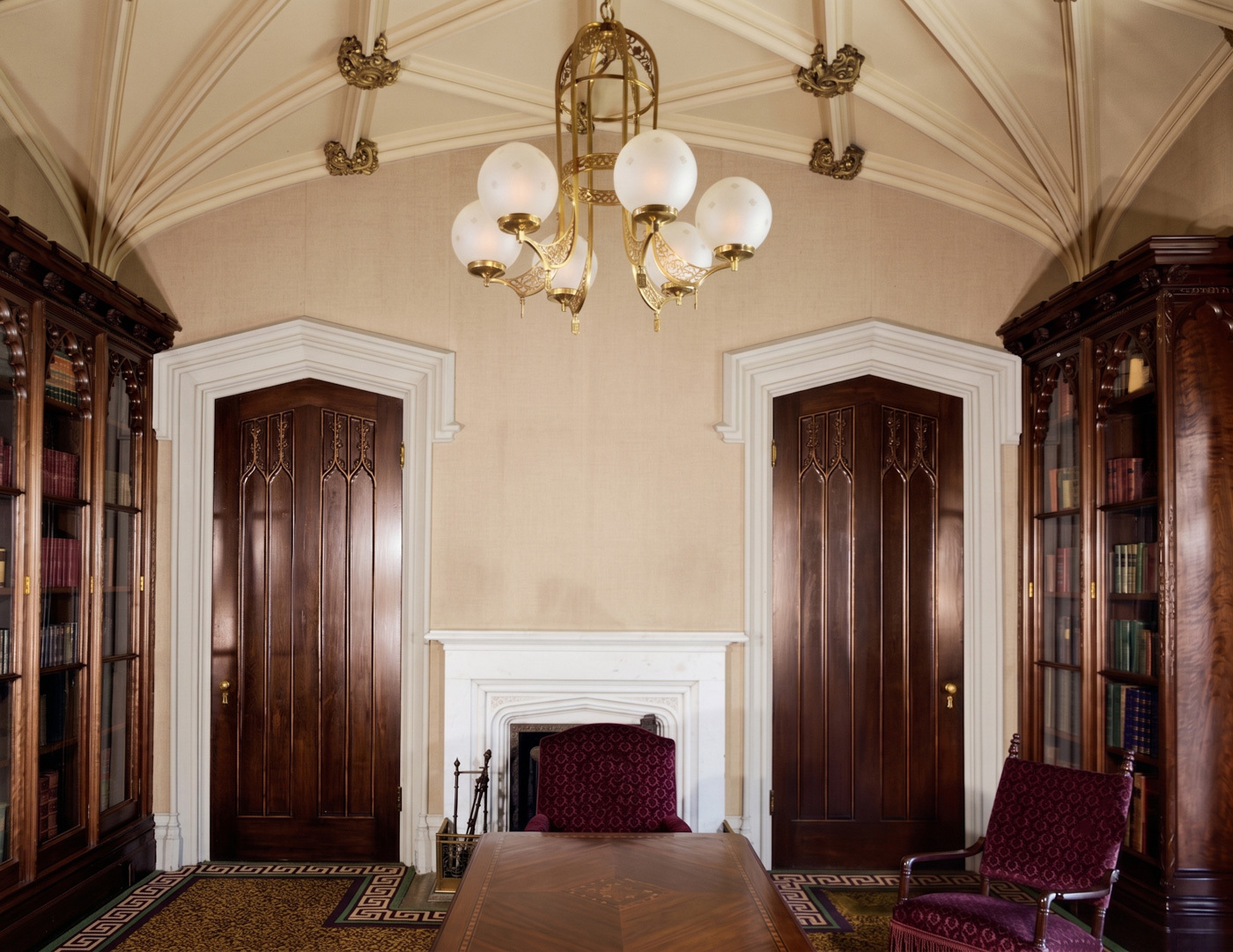
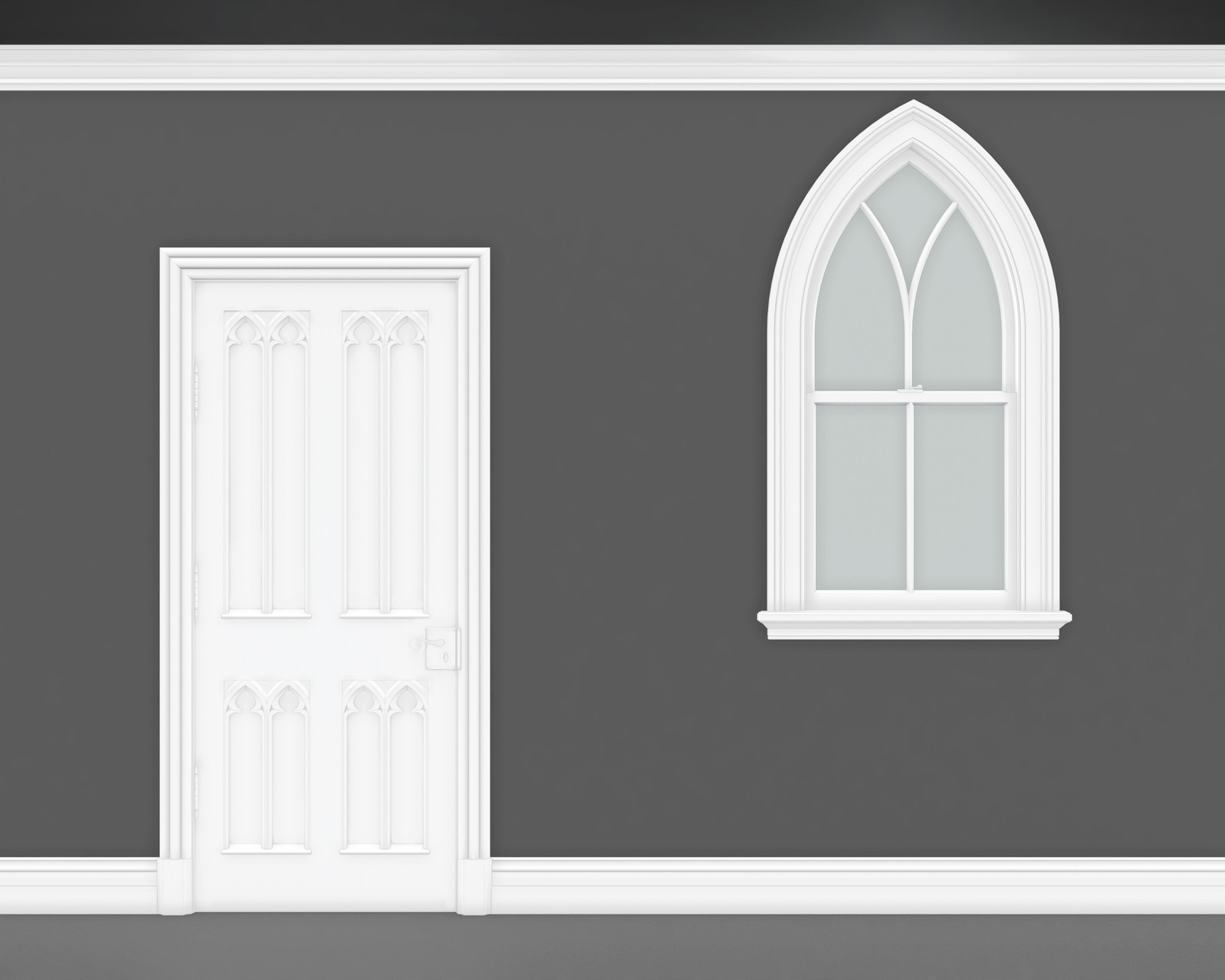
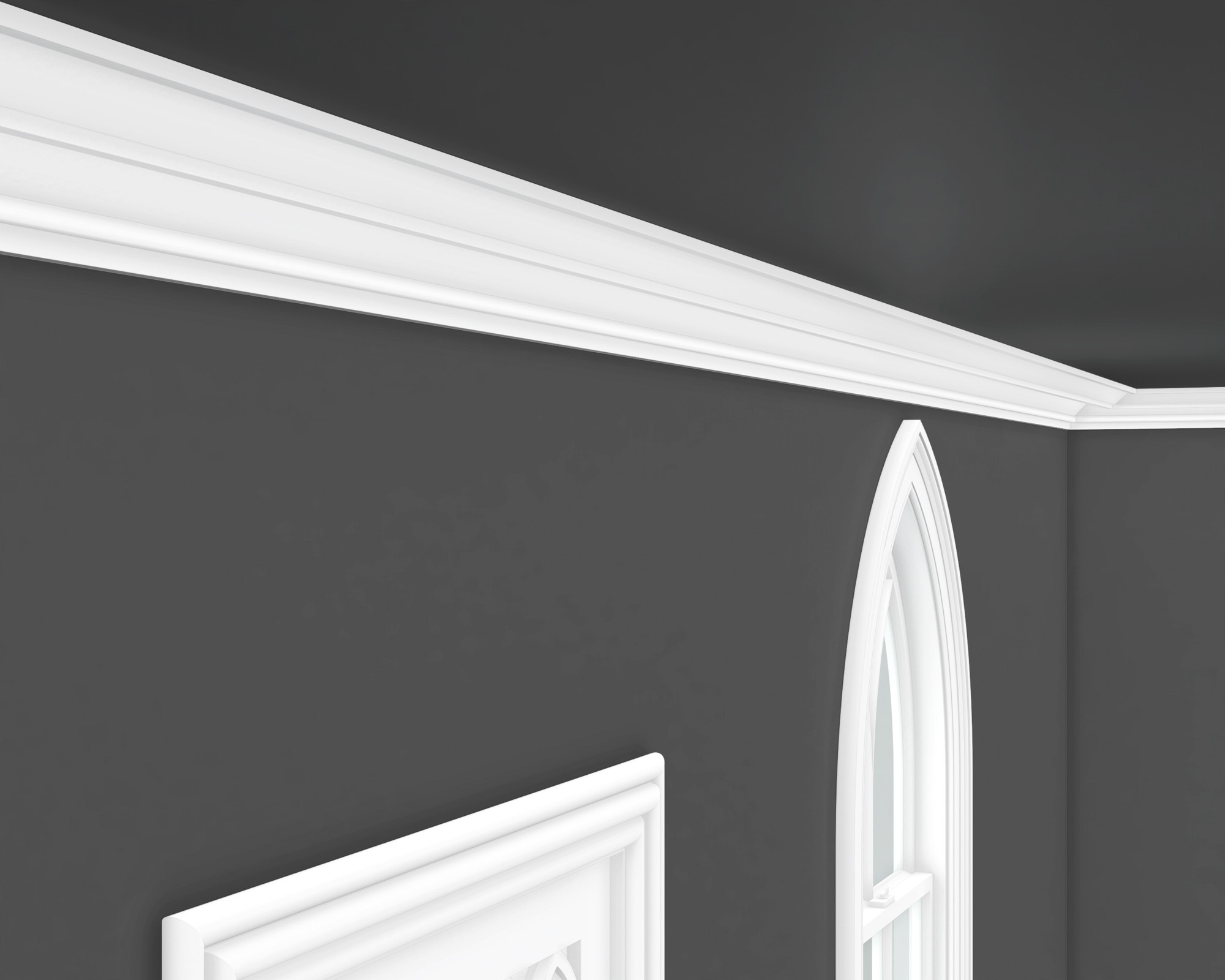
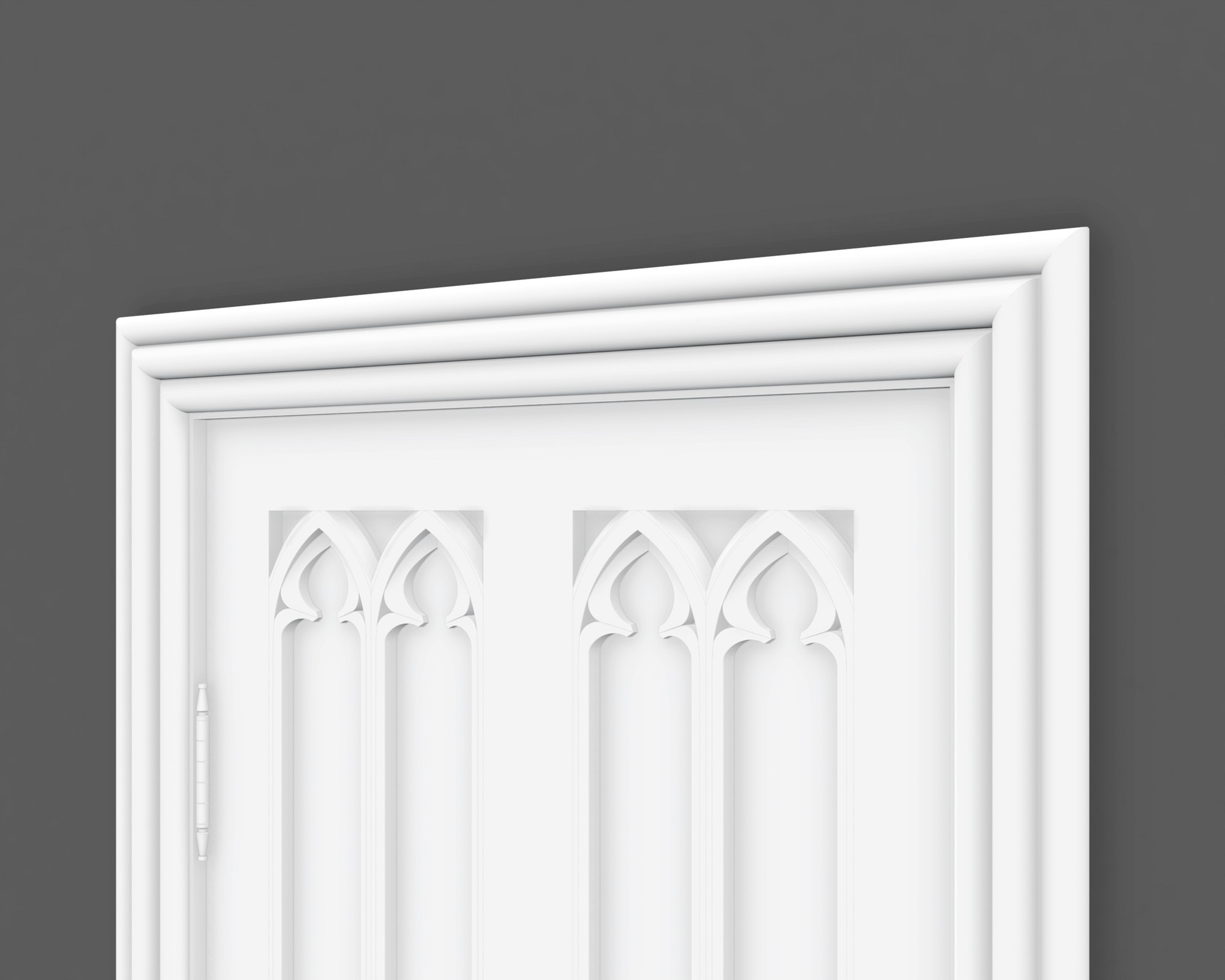
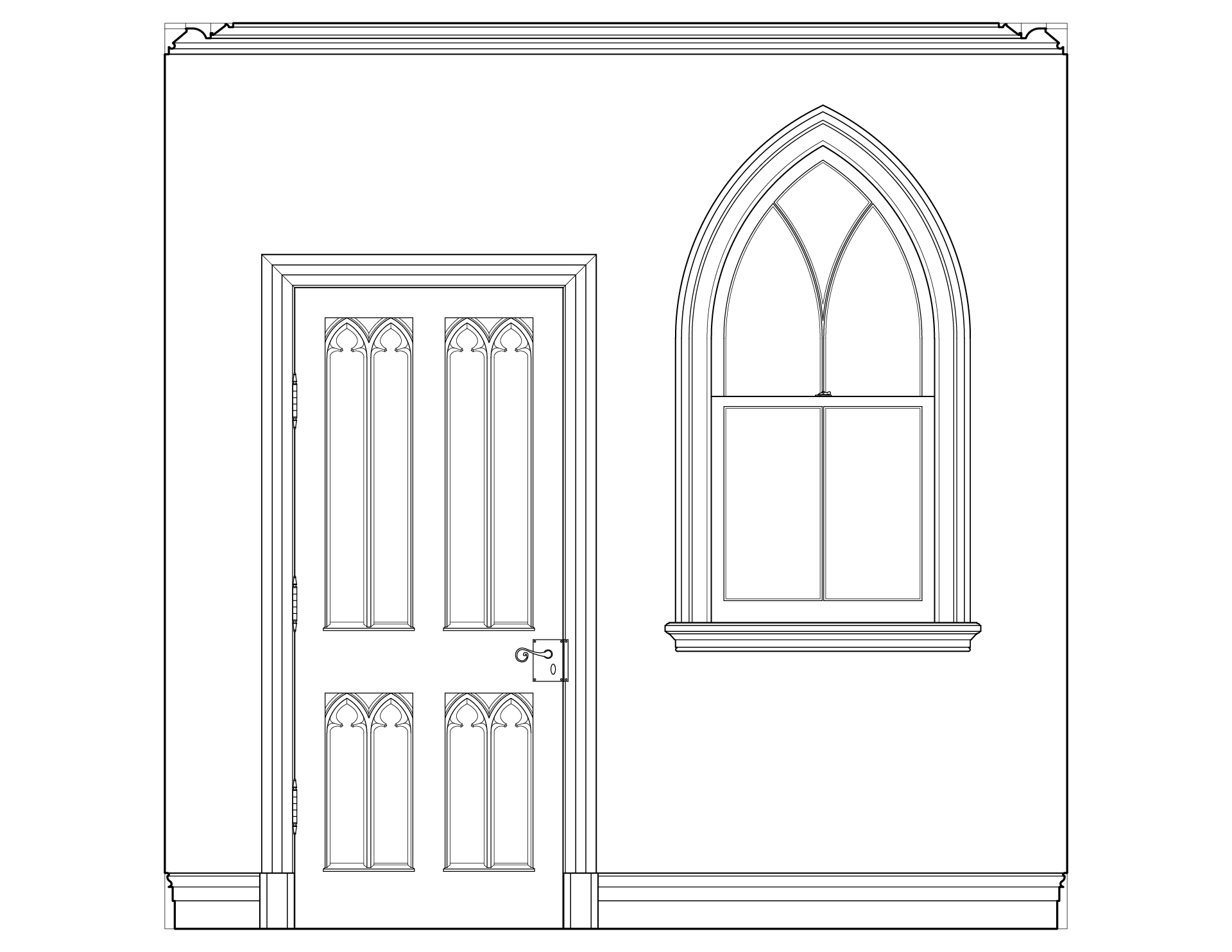
This style of architecture uses the medieval forms of Gothic Cathedrals. It became and remained popular from the late 18th through the 19th century. The signature pointed arch, taller and narrower than the round, Roman arch, distinguishes the style.
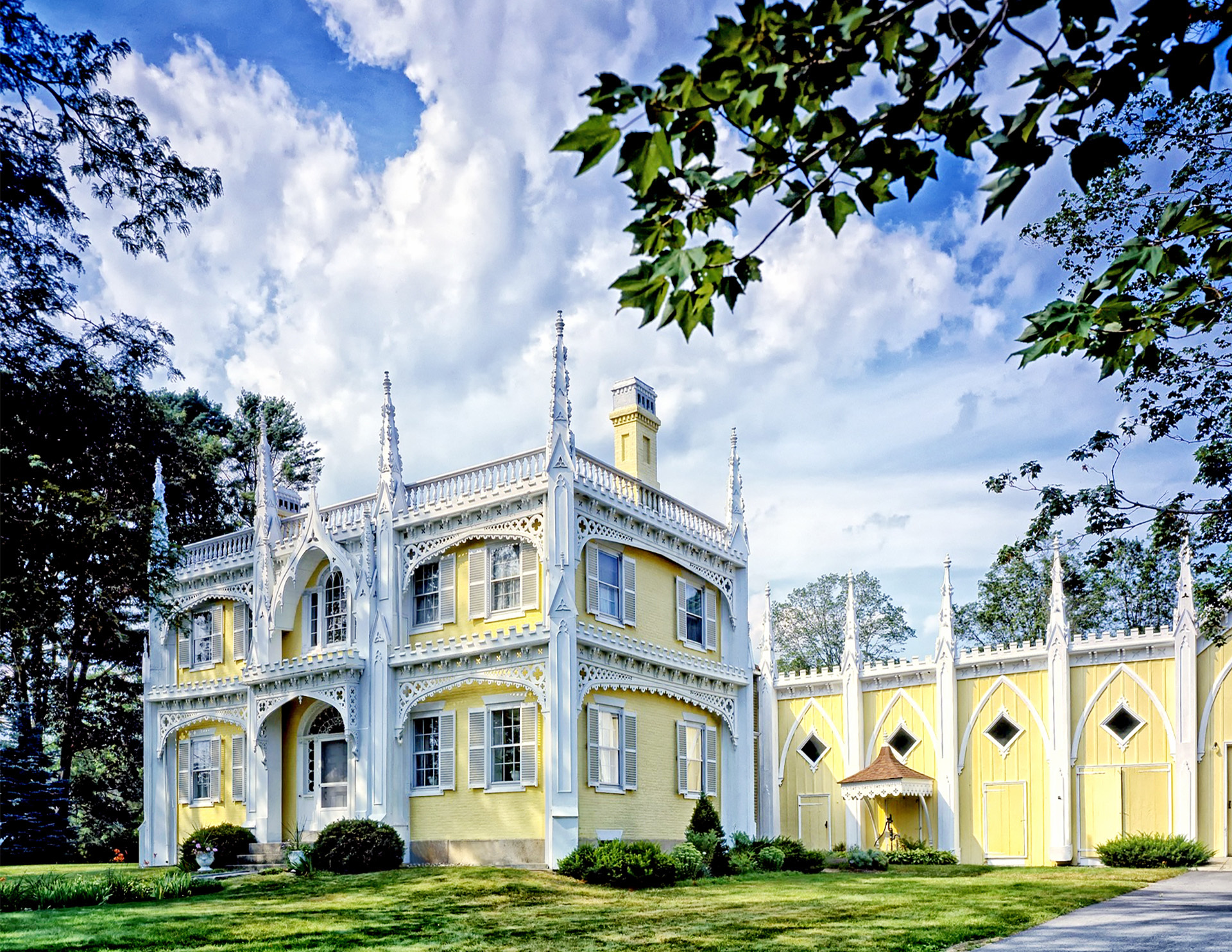
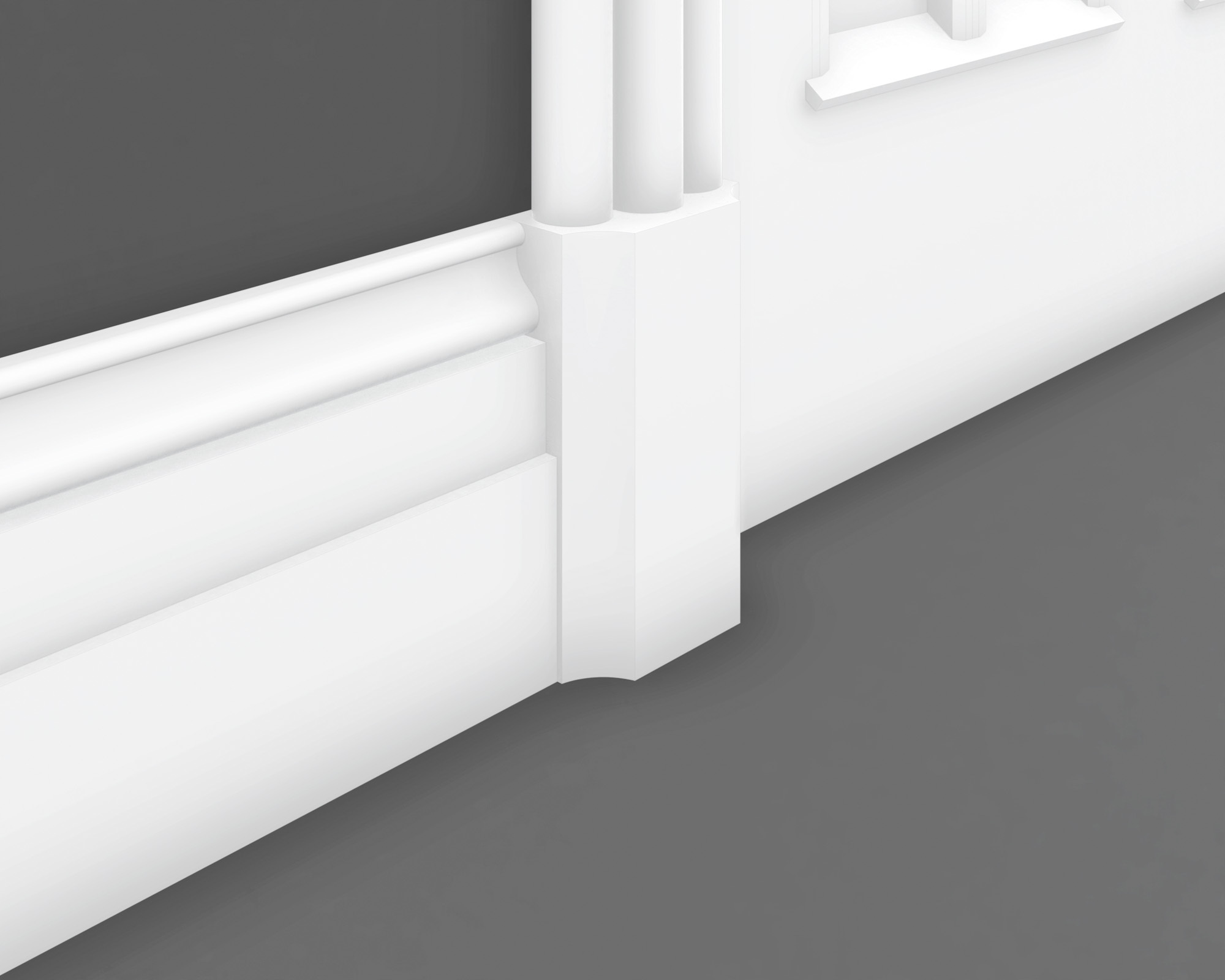
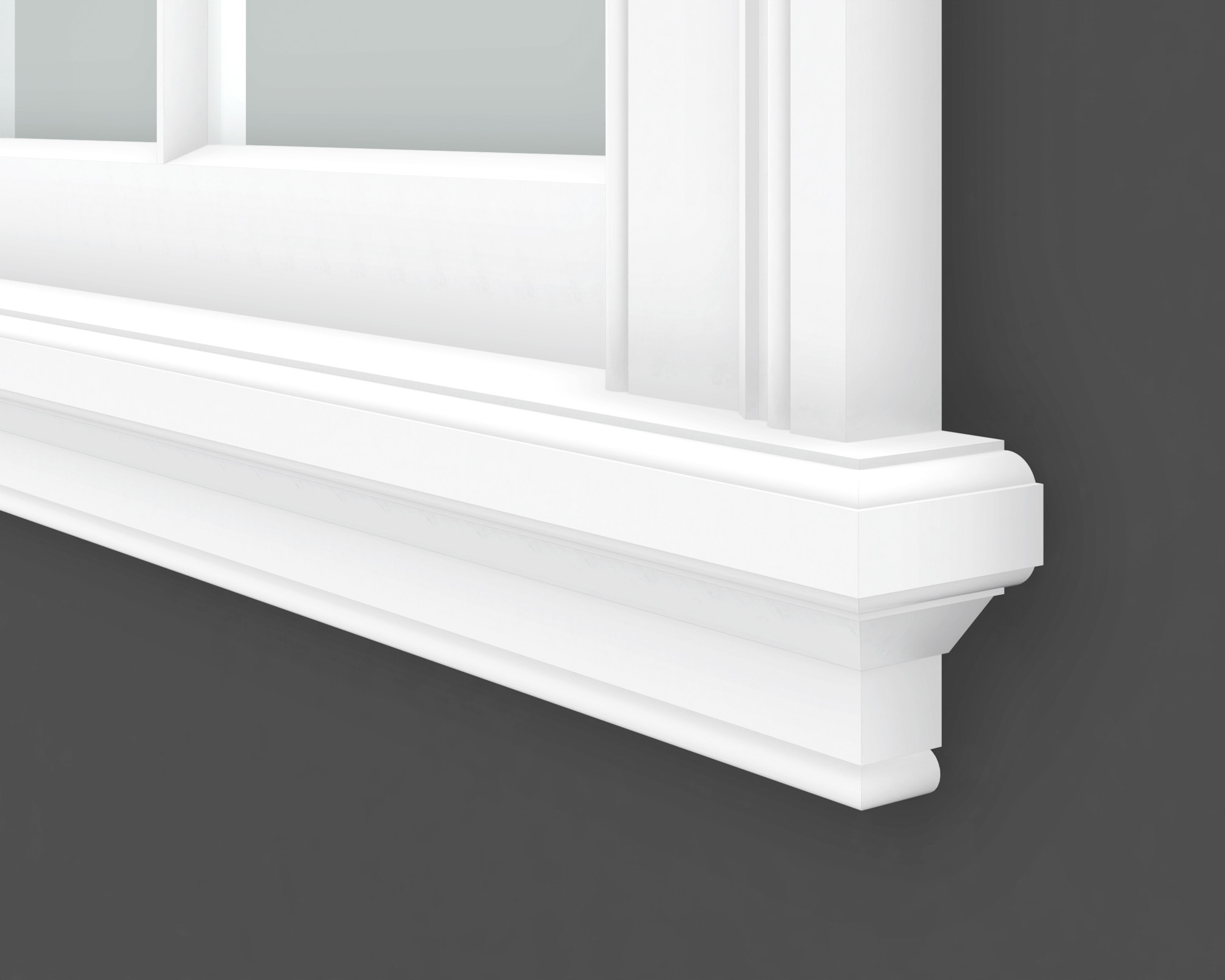
Other Gothic Revival characteristics include crenelated parapets, diamond-shaped window panes and “hood moldings” over openings.
The Collection
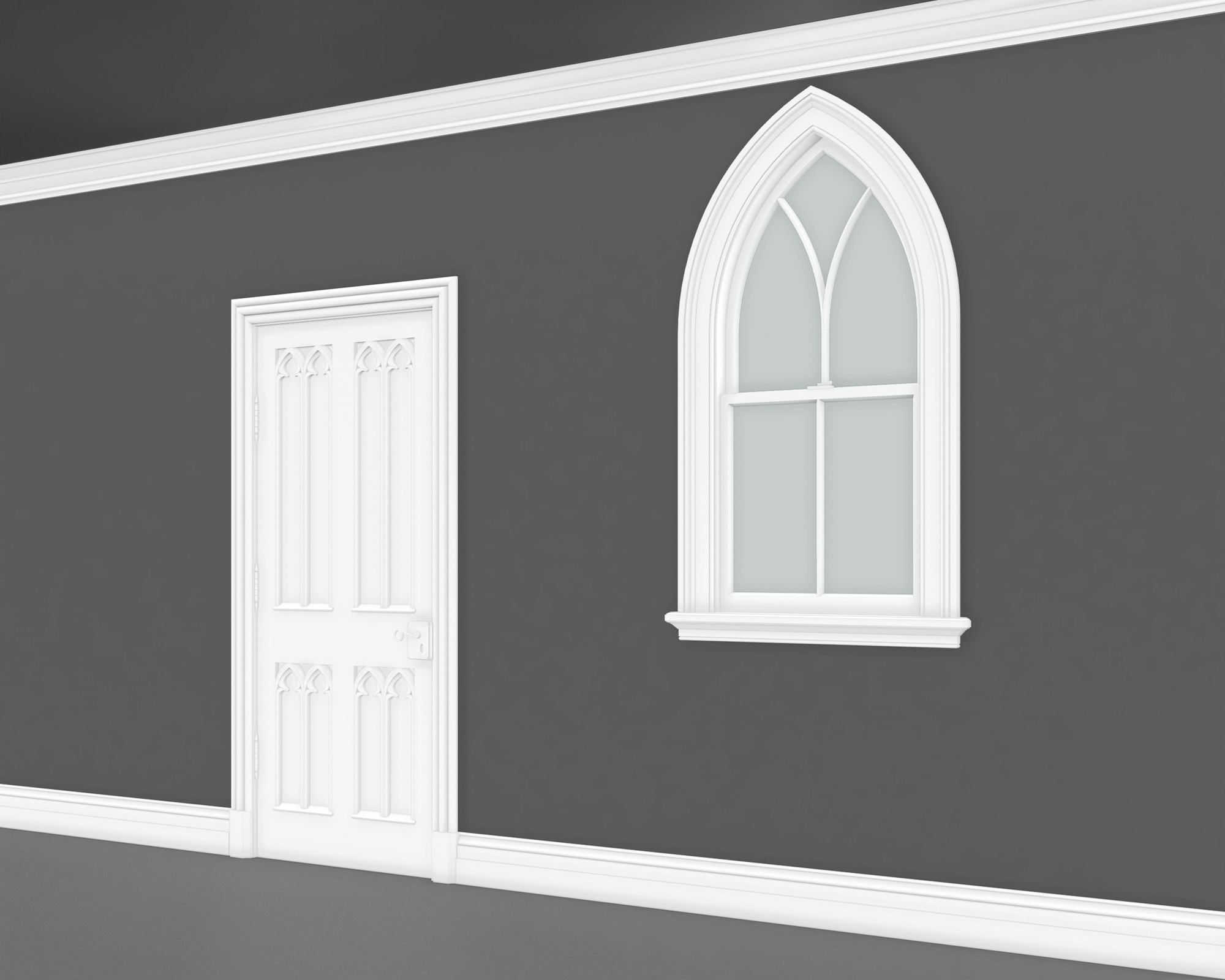
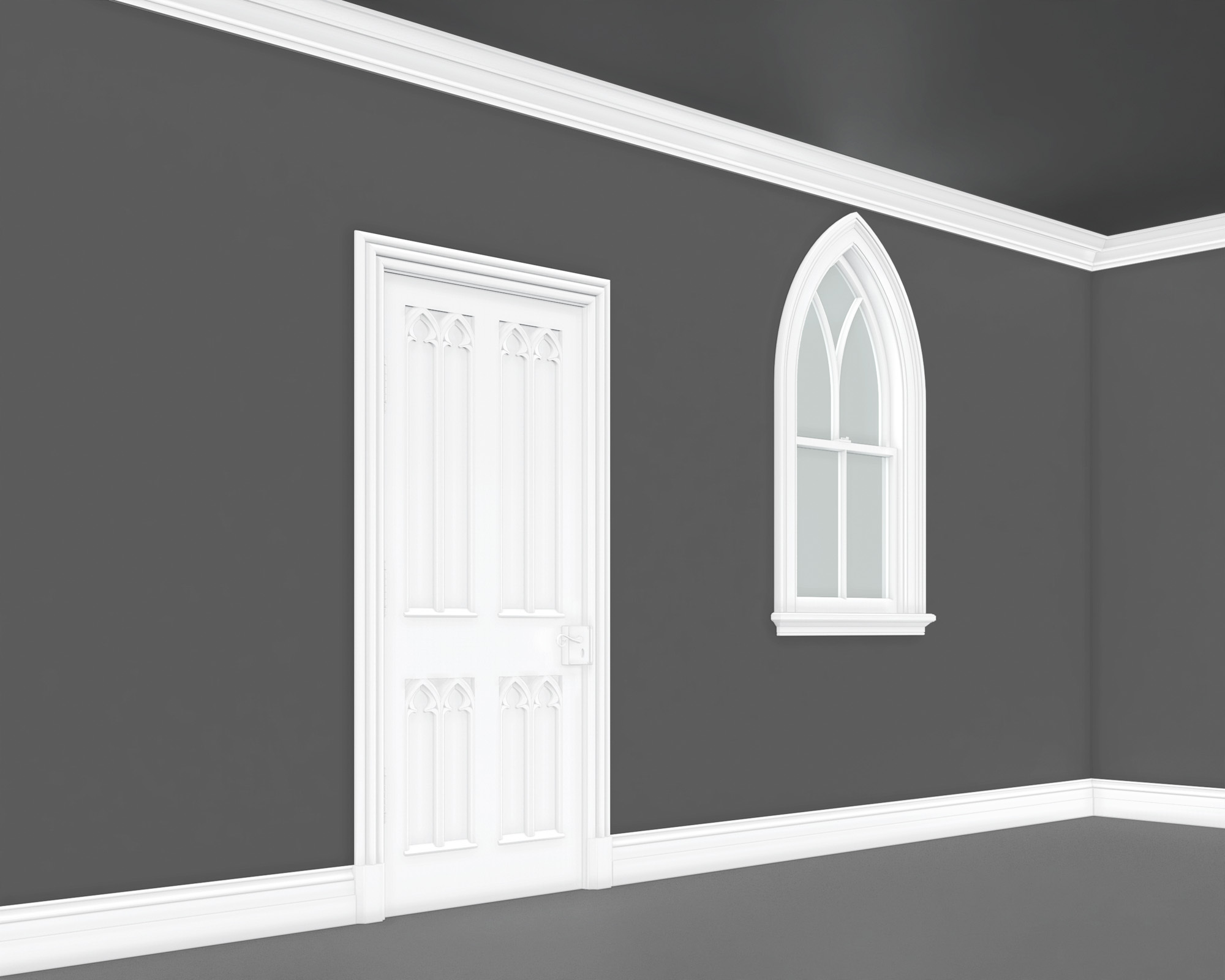
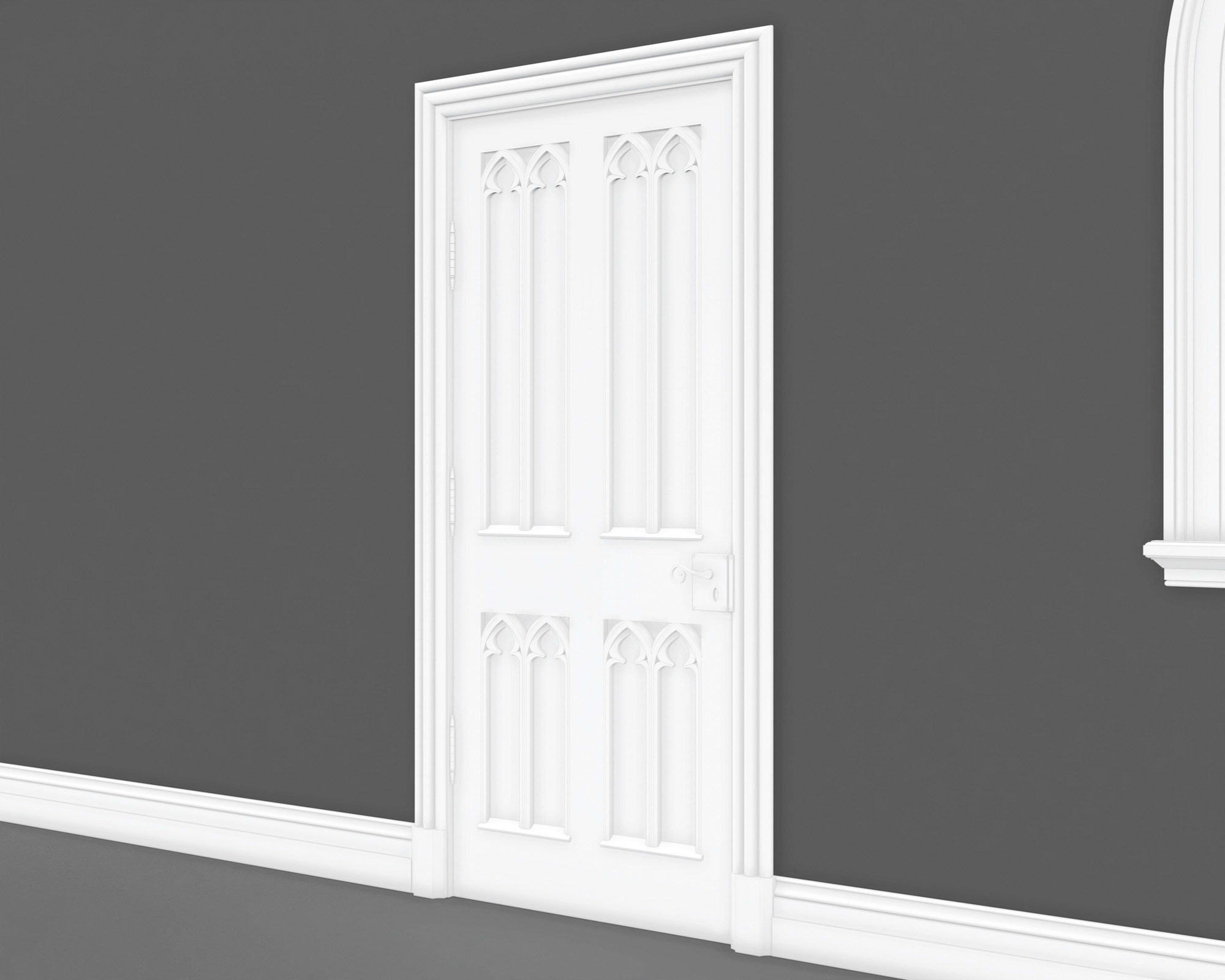
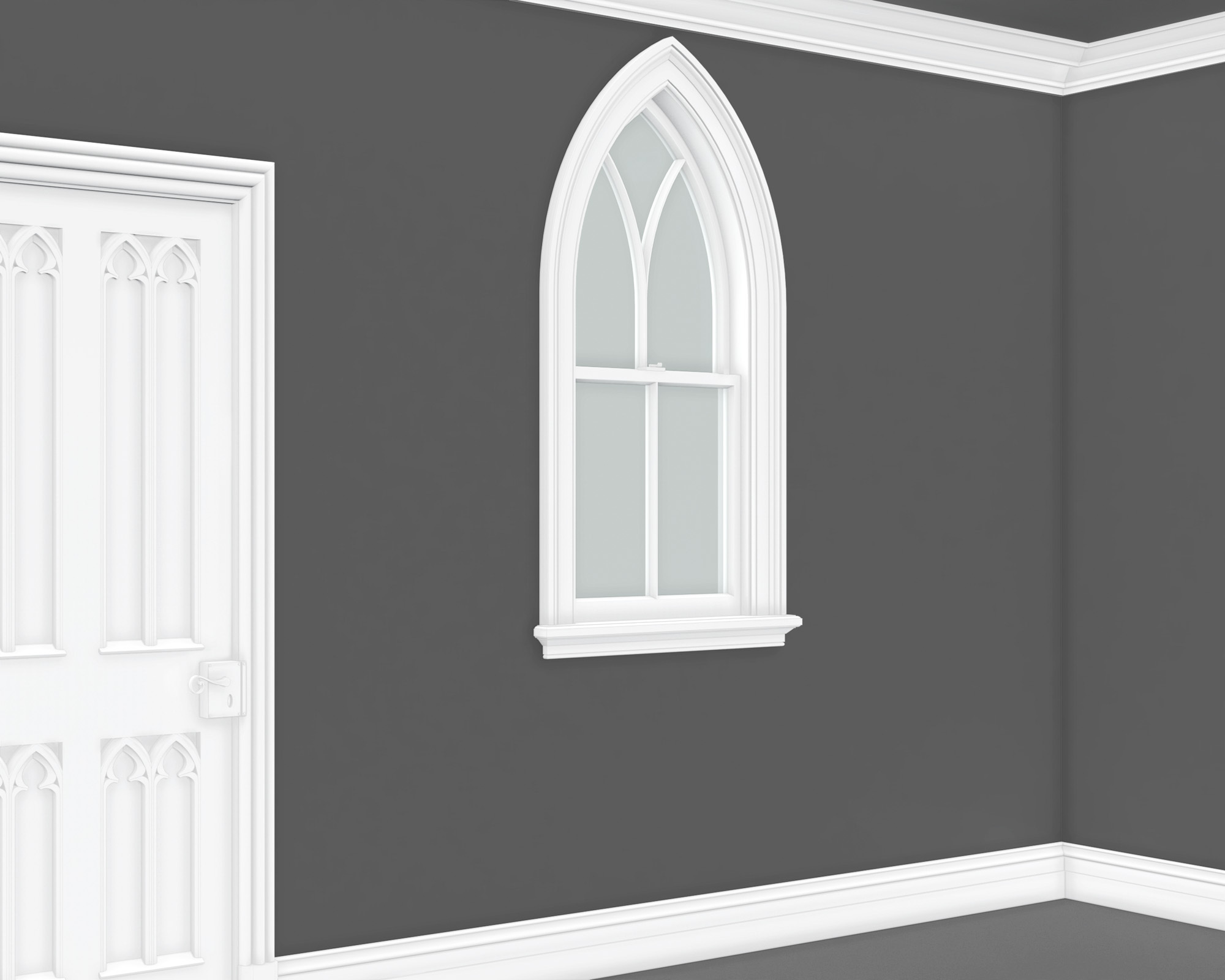



Gothic Revival Characteristics
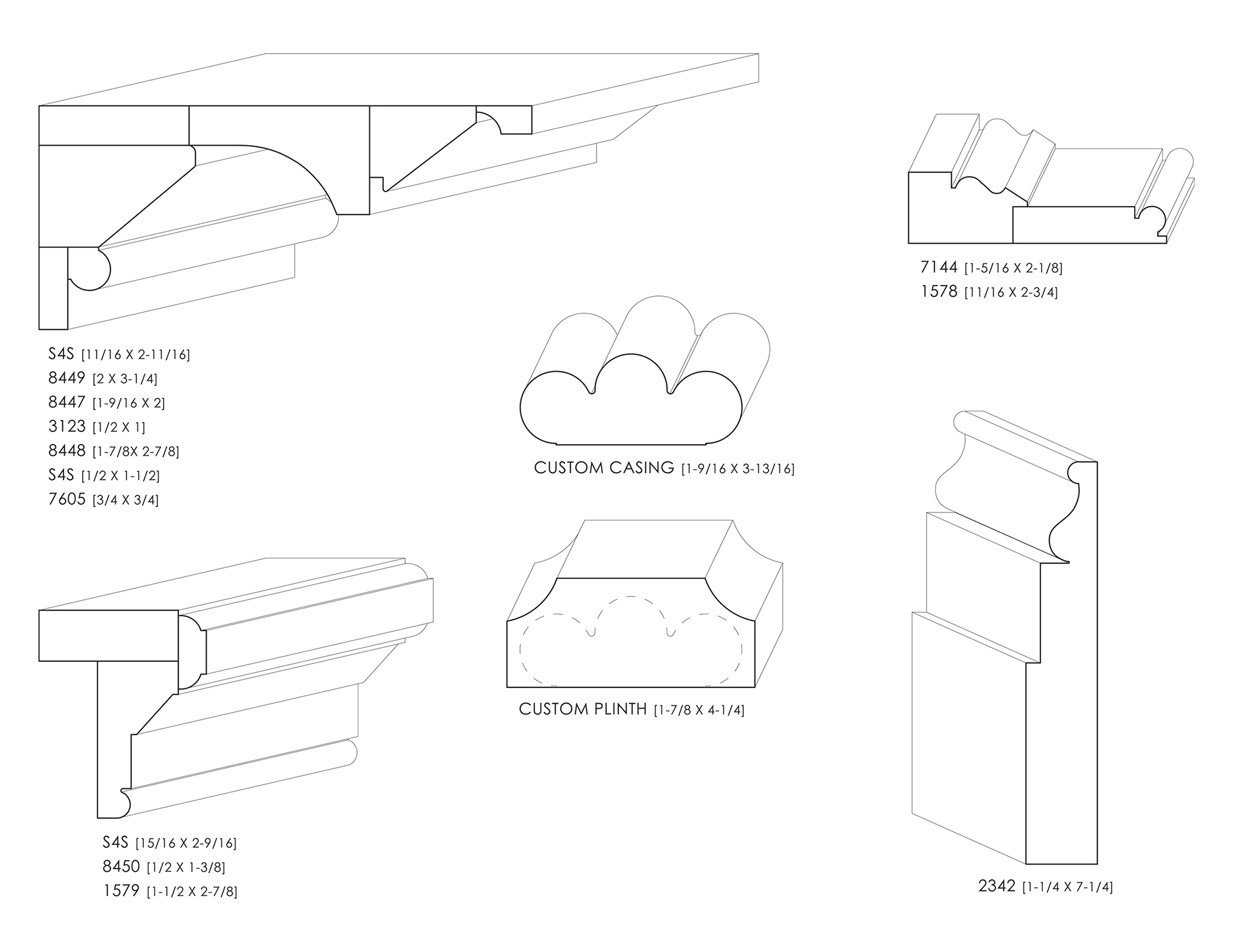
GOTHIC REVIVAL MOULDINGS
Shop Now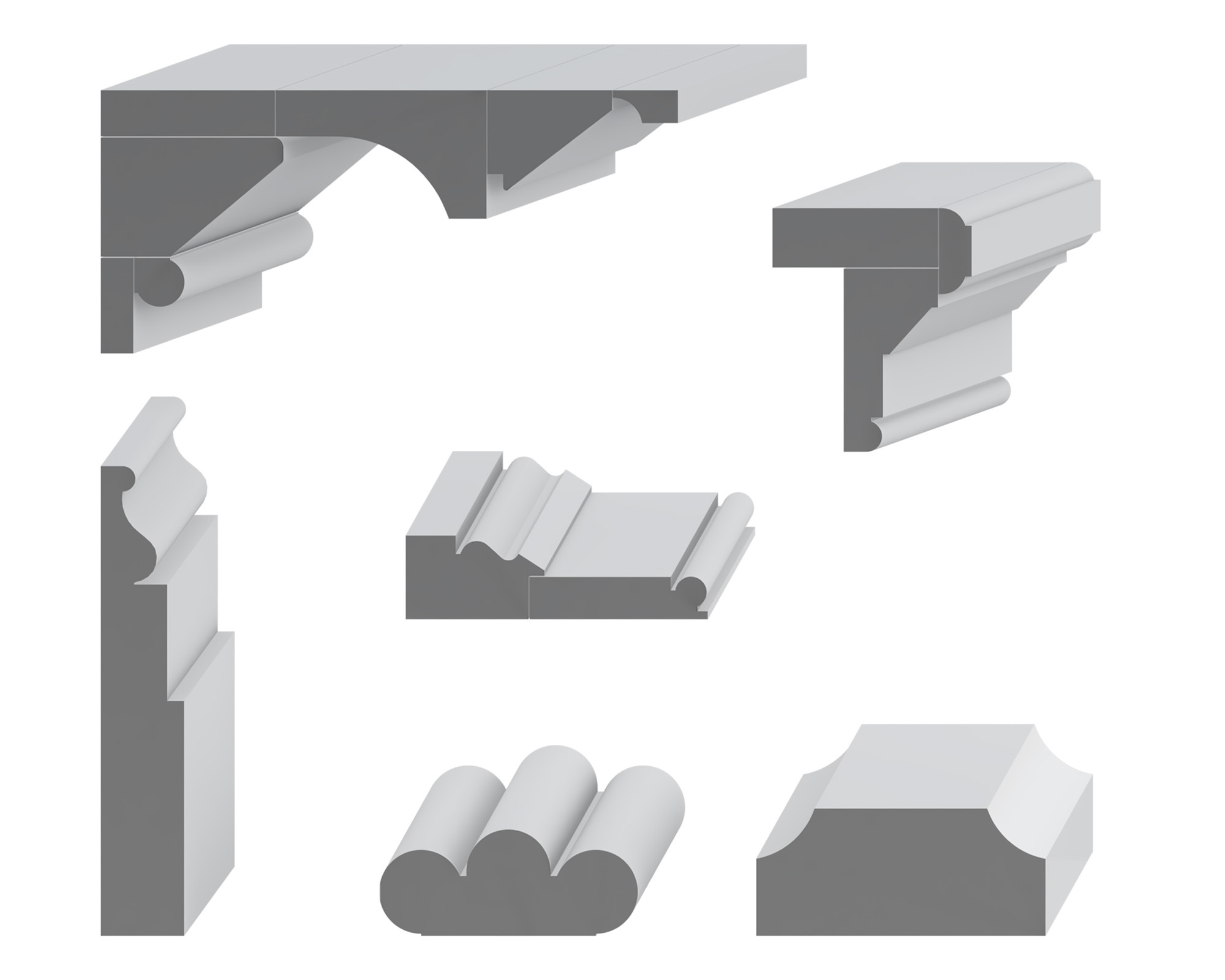
History of Gothic Revival
During the eighteenth century, England witnessed a rediscovery of its medieval past. This renewed fascination gave rise to Gothic Revival, an architectural movement that left an indelible mark on Britain before spreading throughout Europe and North America. As a nostalgic movement, it offered a romanticized vision of medieval heritage that flourished alongside the Romantic movement, which celebrated imagination and emotion amid an era of profound political and social change. Influential writers such as Sir Walter Scott further fueled the movement through his historical novels of knights, castles, and chivalry, rekindling widespread admiration for medieval life and Gothic architecture.
By the early nineteenth century, Gothic Revival had spread throughout Europe and North America, shaping churches, colleges, civic buildings, and country estates alike. Few individuals influenced the movement more profoundly than the architect Augustus Welby Northmore Pugin, whose belief that Gothic architecture embodied the moral and spiritual ideals of medieval Christianity aligned closely with the principles of the Ecclesiological Movement. Beyond its ecclesiastical influence, monumental landmarks such as the British Houses of Parliament affirmed the movement's national significance, while later interpretations found expression in landmarks ranging from New York City's Woolworth Building to the Carpenter Gothic farmhouse immortalized in Grant Wood's iconic American Gothic.