Greek Revival Eastern
At the beginning of the 19th Century, the Greek Revival Eastern style of architecture was popularized.
What Is Greek Revival Eastern?
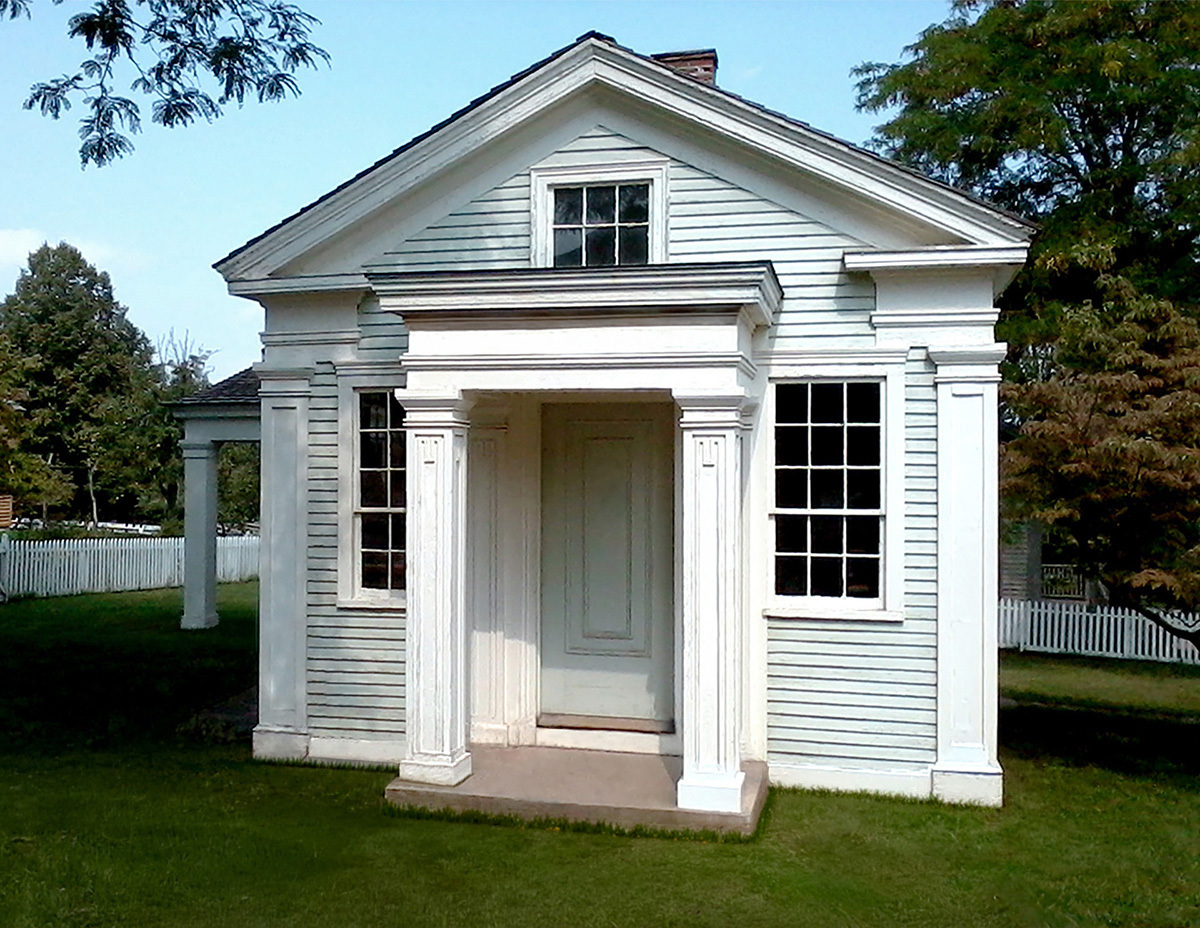
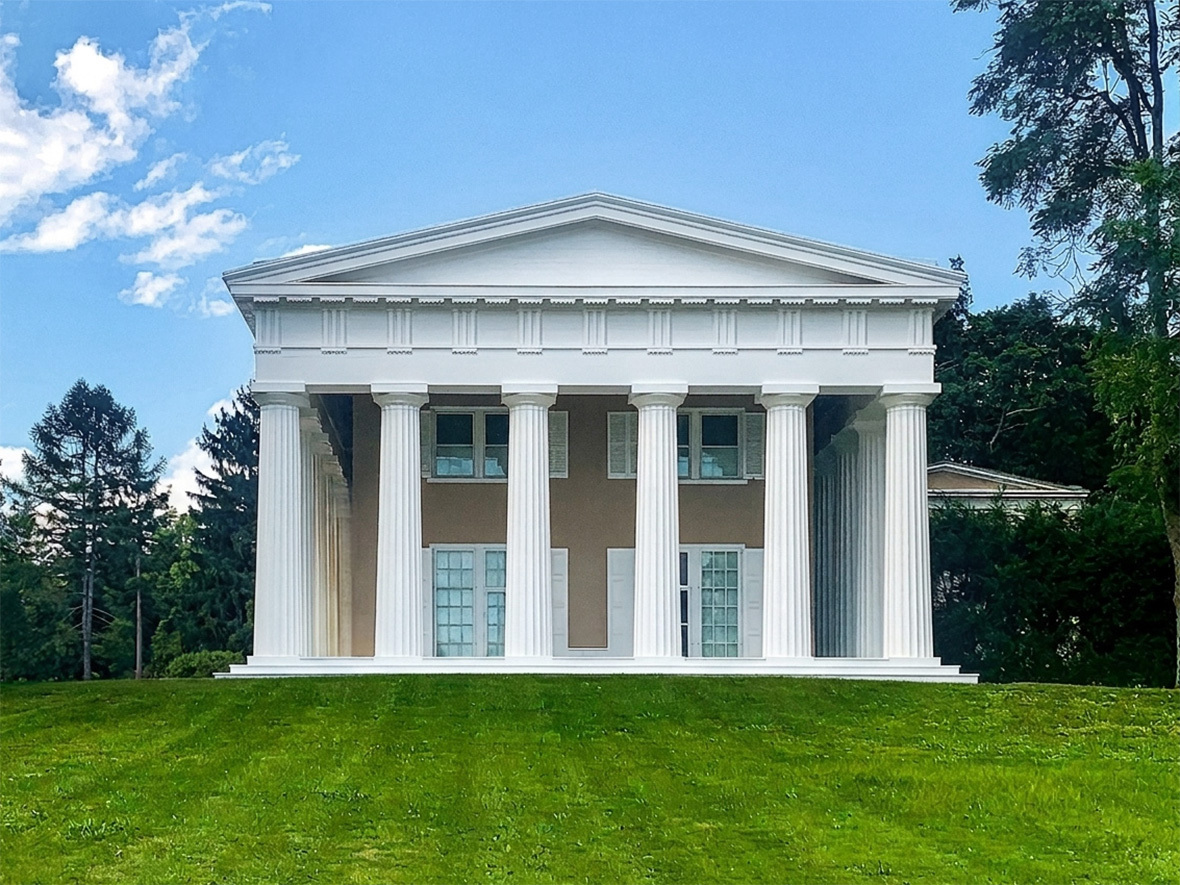
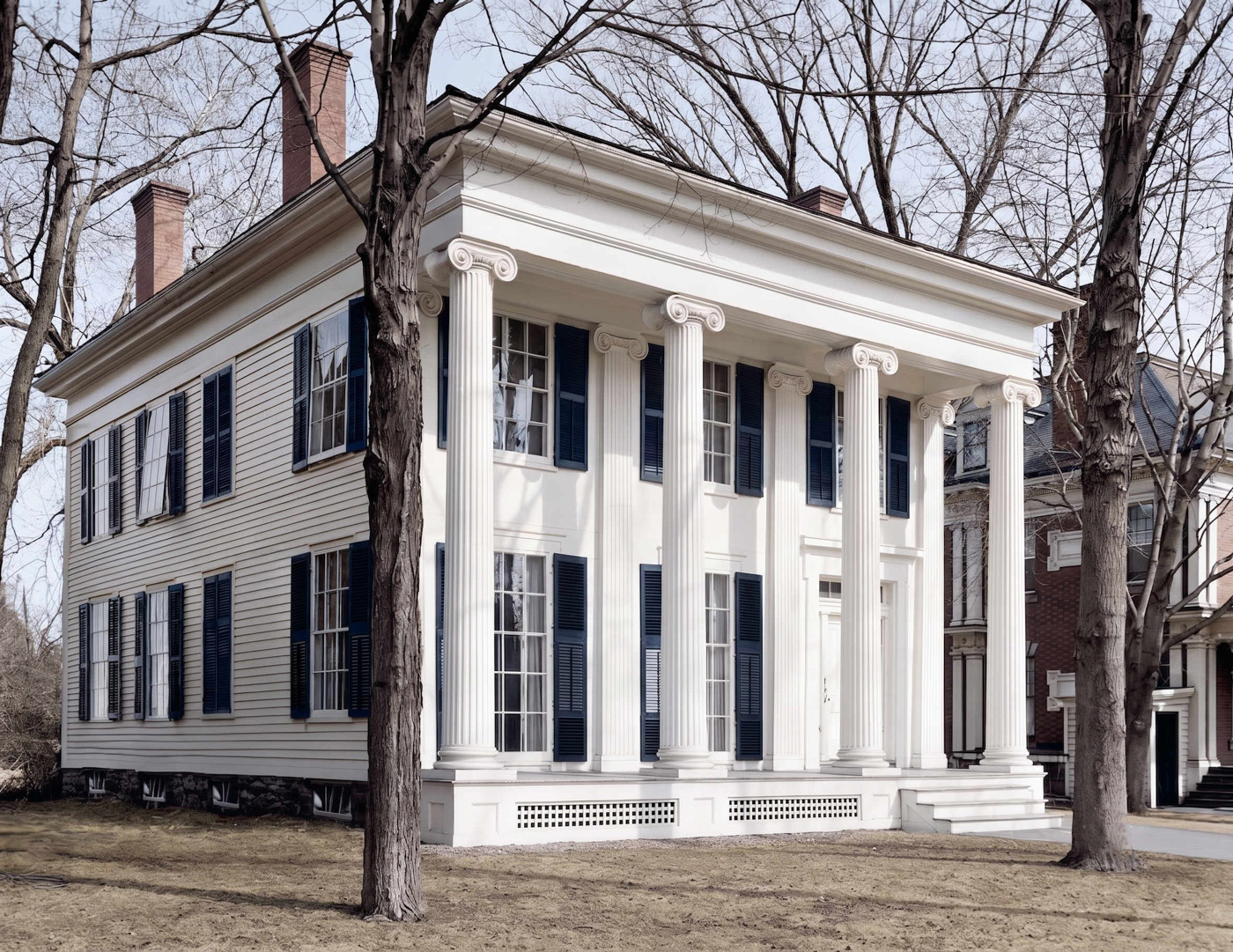
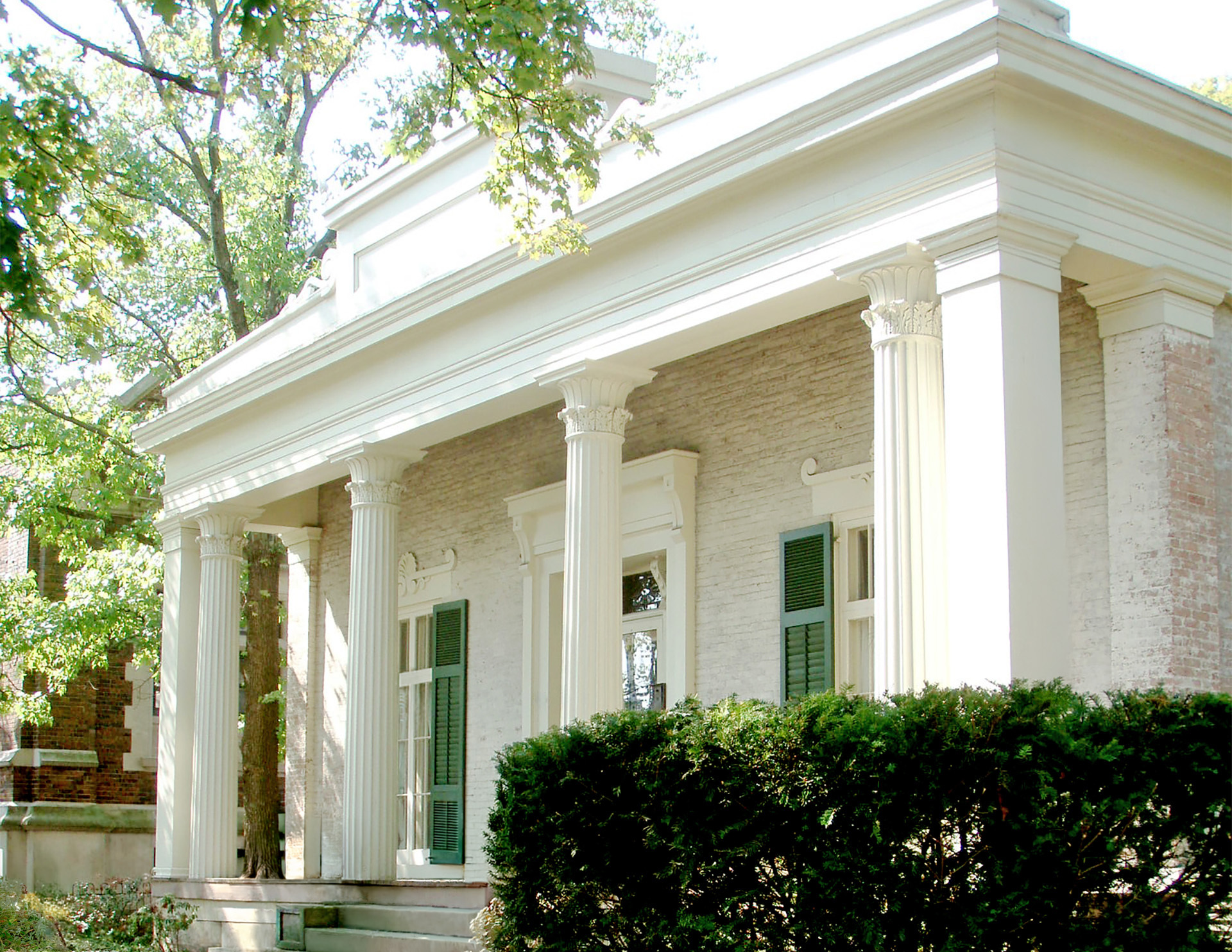
At the beginning of the 19th Century, the Greek Revival Eastern style of architecture was popularized. It is considered the last phase of the neoclassical movement and was inspired in part by a newfound access to Greece.
In the United States, the Greek Revival style was looked on as the expression of local nationalism and civic virtue where the idiom was regarded as being free from ecclesiastical and aristocratic associations and was thought to be an appropriate expression for new democratic societies. Thomas Jefferson was instrumental in introducing Greek Revival architecture in America. In 1803, he appointed Benjamin Henry Latrobe as surveyor of public building in the United States. Latrobe went on to design a number of important public buildings in Washington, D.C. and Philadelphia, including work on the United States Capitol and the Bank of Pennsylvania. Minard Lafever and Asher Benjamin further popularized the style by publishing building manuals that laid out clear instructions on what and how to build in the new style.

The Collection












Greek Revival Eastern Characteristics
GREEK REVIVAL EASTERN STYLE MOULDINGS
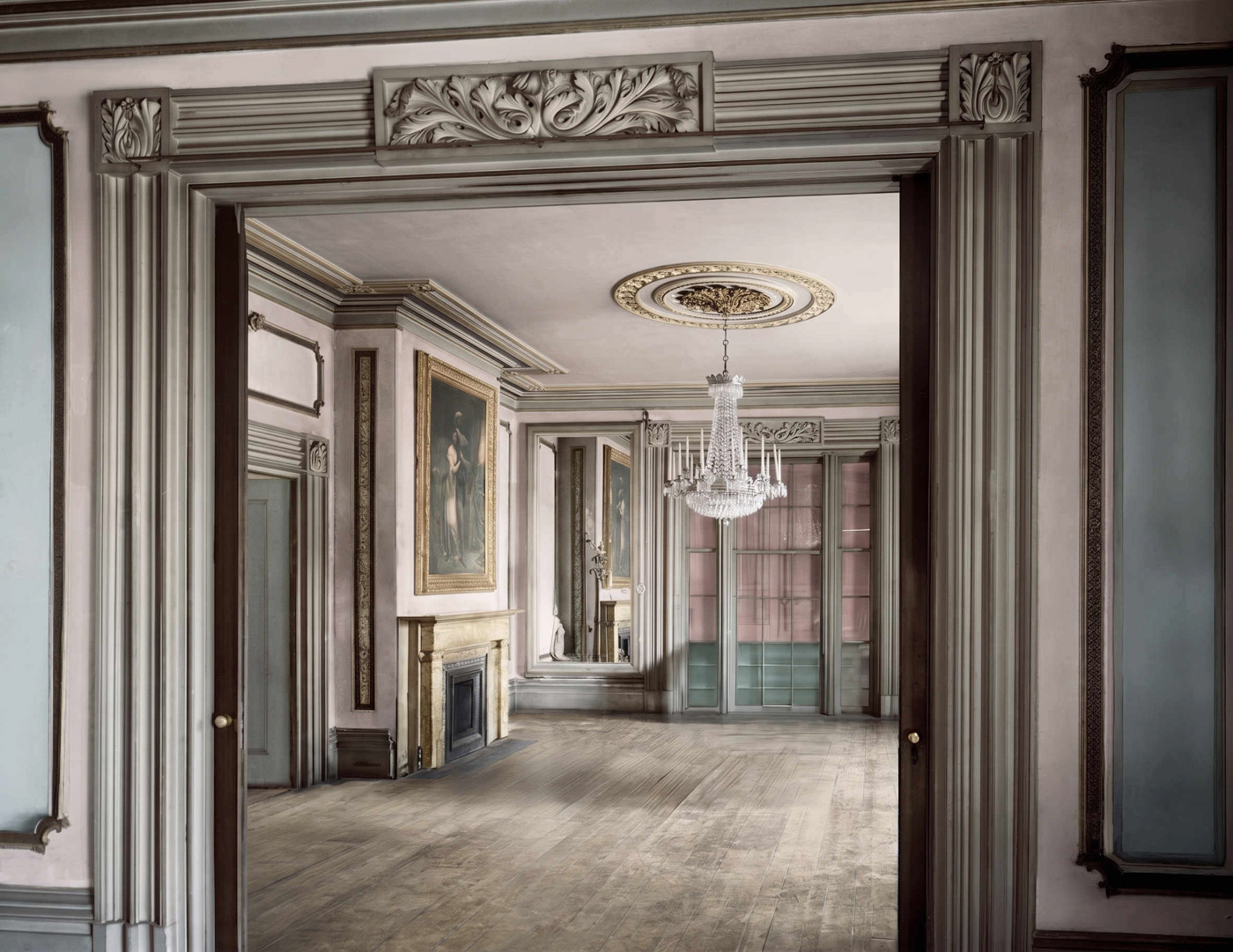
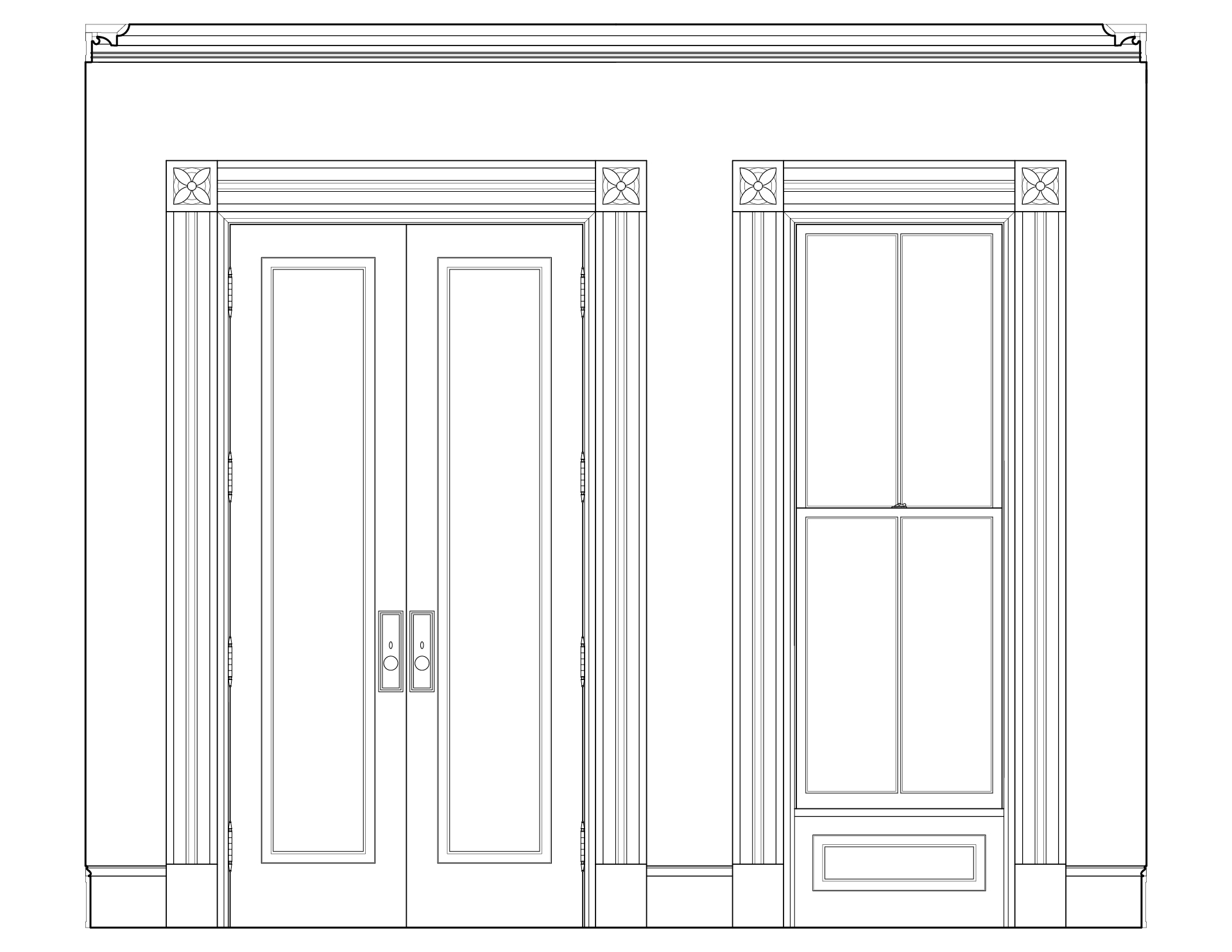
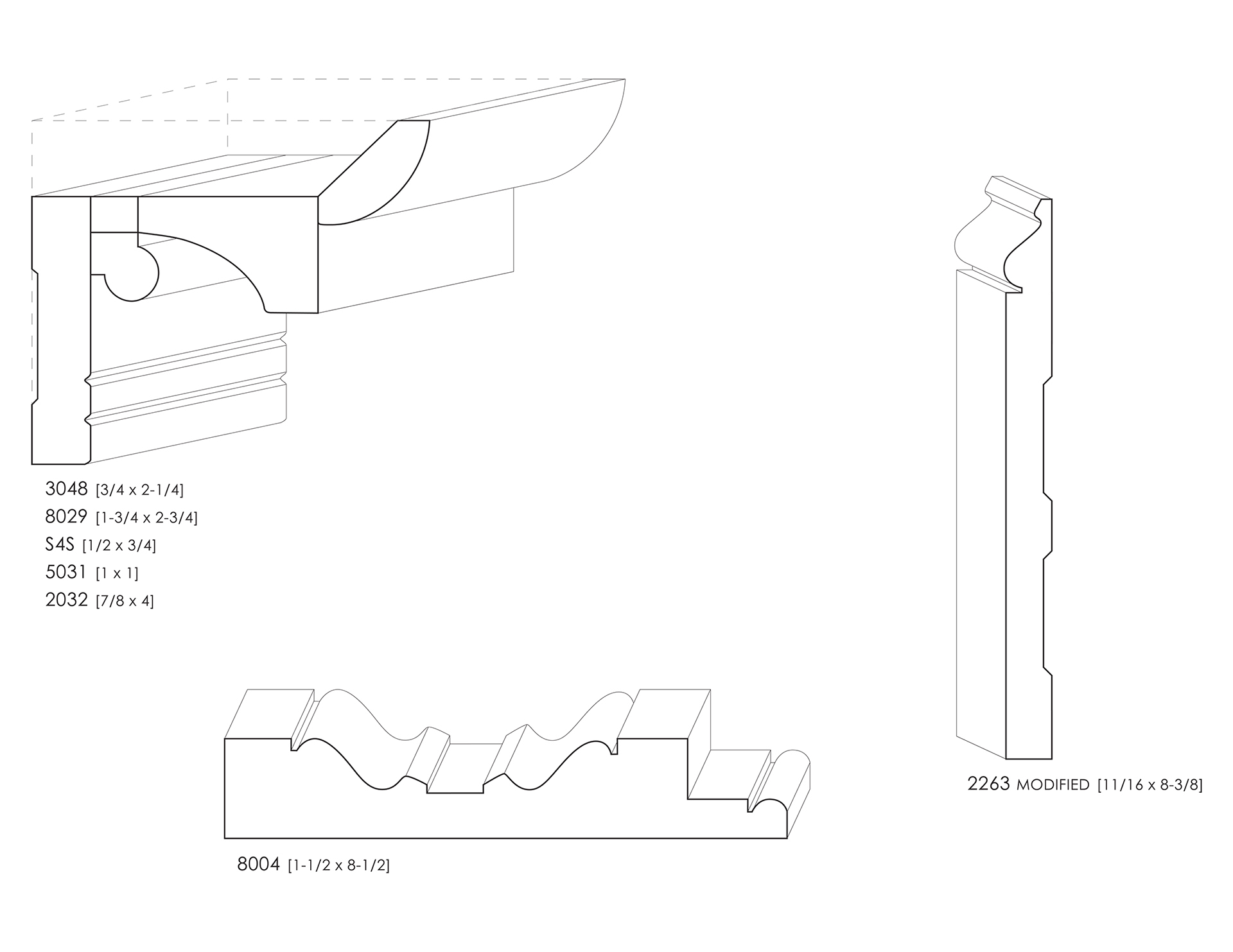
Greek Revival style mouldings typically use the echinus, portions of an ellipse, the beak mold, fillets, and chamfers. The palmette, anthemion and acanthus leaf, tendrils, honeysuckle blossoms and volutes characterize the ornamentation.
Shop Now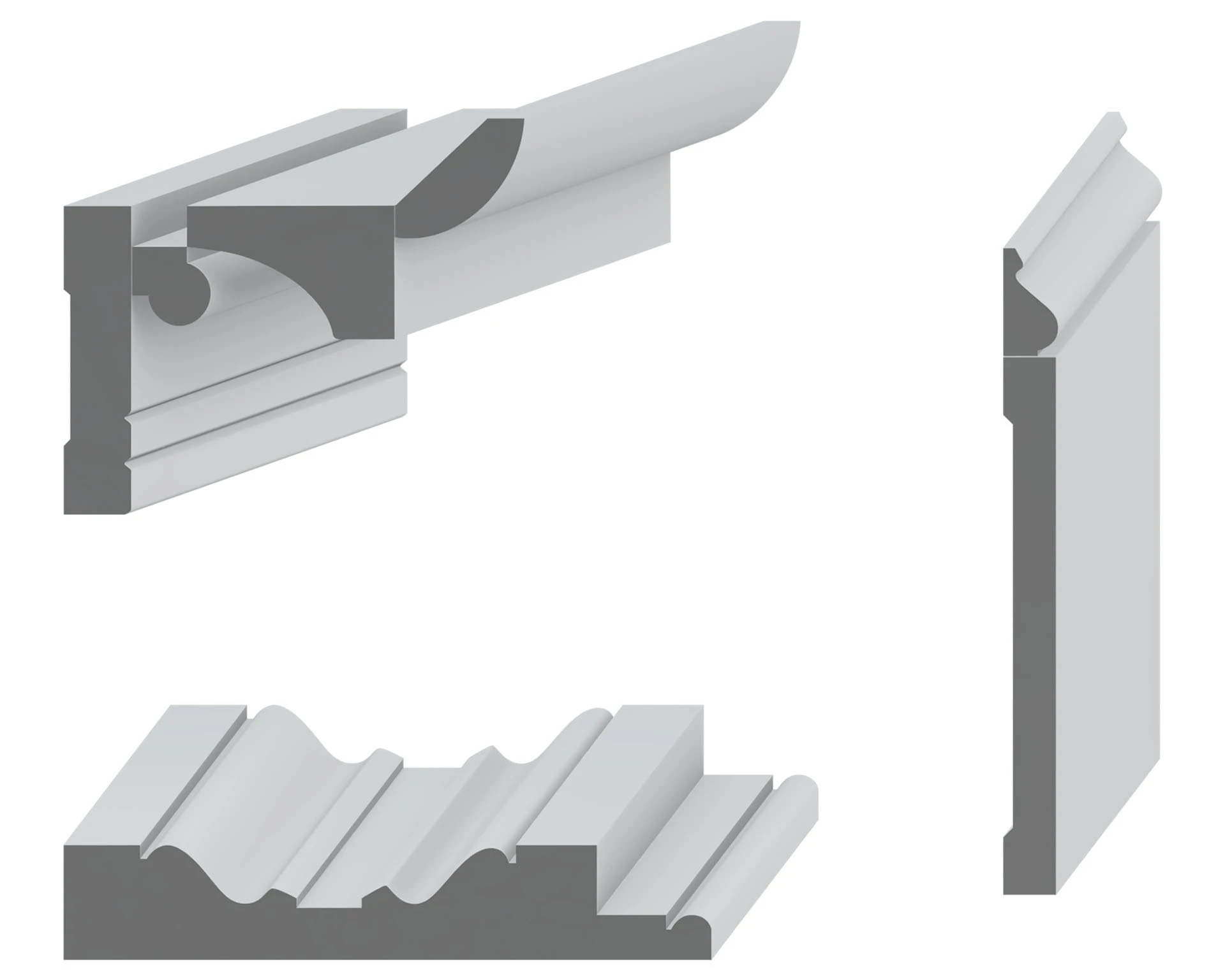
History of Greek Revival Eastern
Across the bustling ports and America's oldest cities, Greek Revival architecture emerged as an expression of national confidence and cultural ambition. Inspired by the rediscovery of ancient Greece and the democratic ideals it embodied, architects throughout New England and the Mid-Atlantic embraced the clarity, balance, and dignity of classical design. Unlike the developing frontier, the Eastern United States possessed established civic institutions, thriving centers of commerce, and an educated architectural community, allowing Greek Revival to evolve with scholarly refinement. As the Federal style gradually yielded to a more archaeologically informed interpretation of antiquity, the movement reshaped civic buildings and distinguished residences from Boston and New York to Philadelphia and beyond.
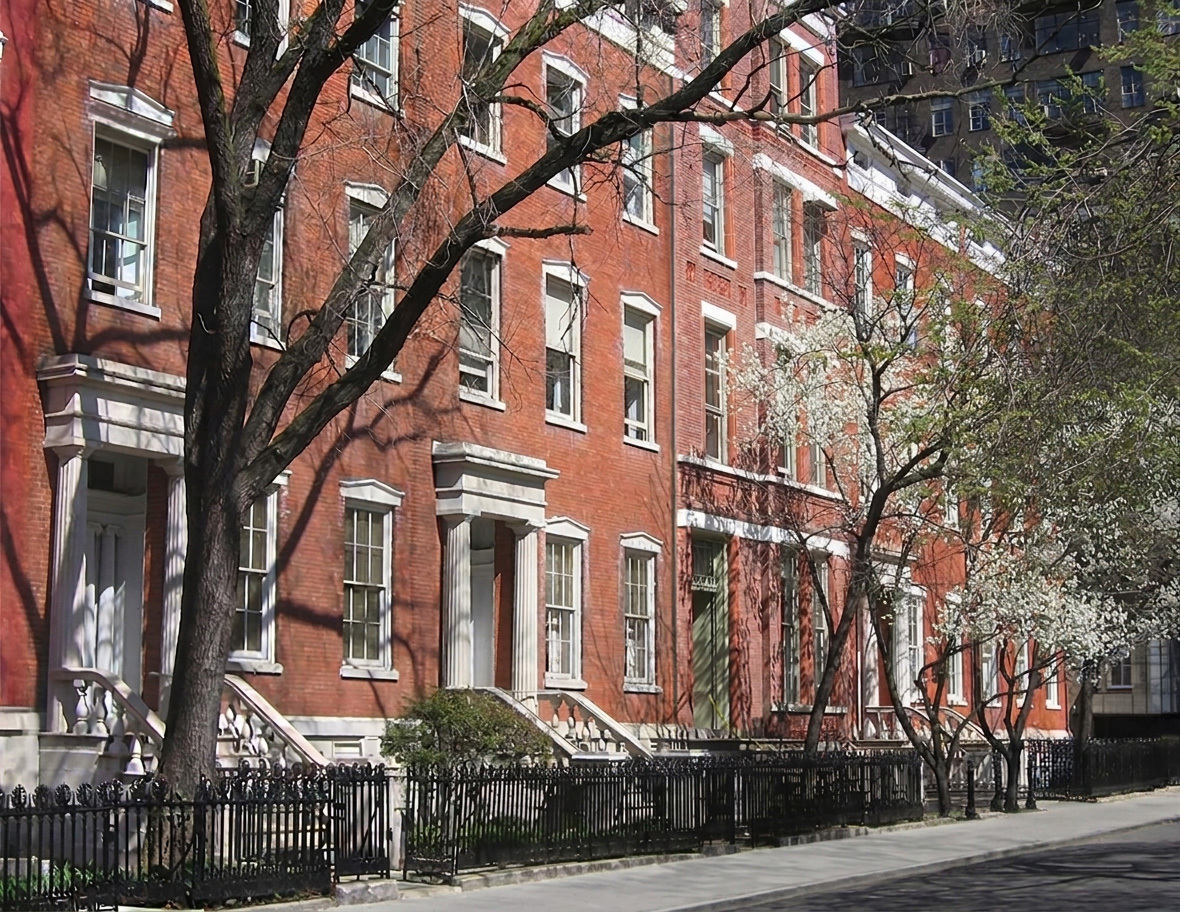
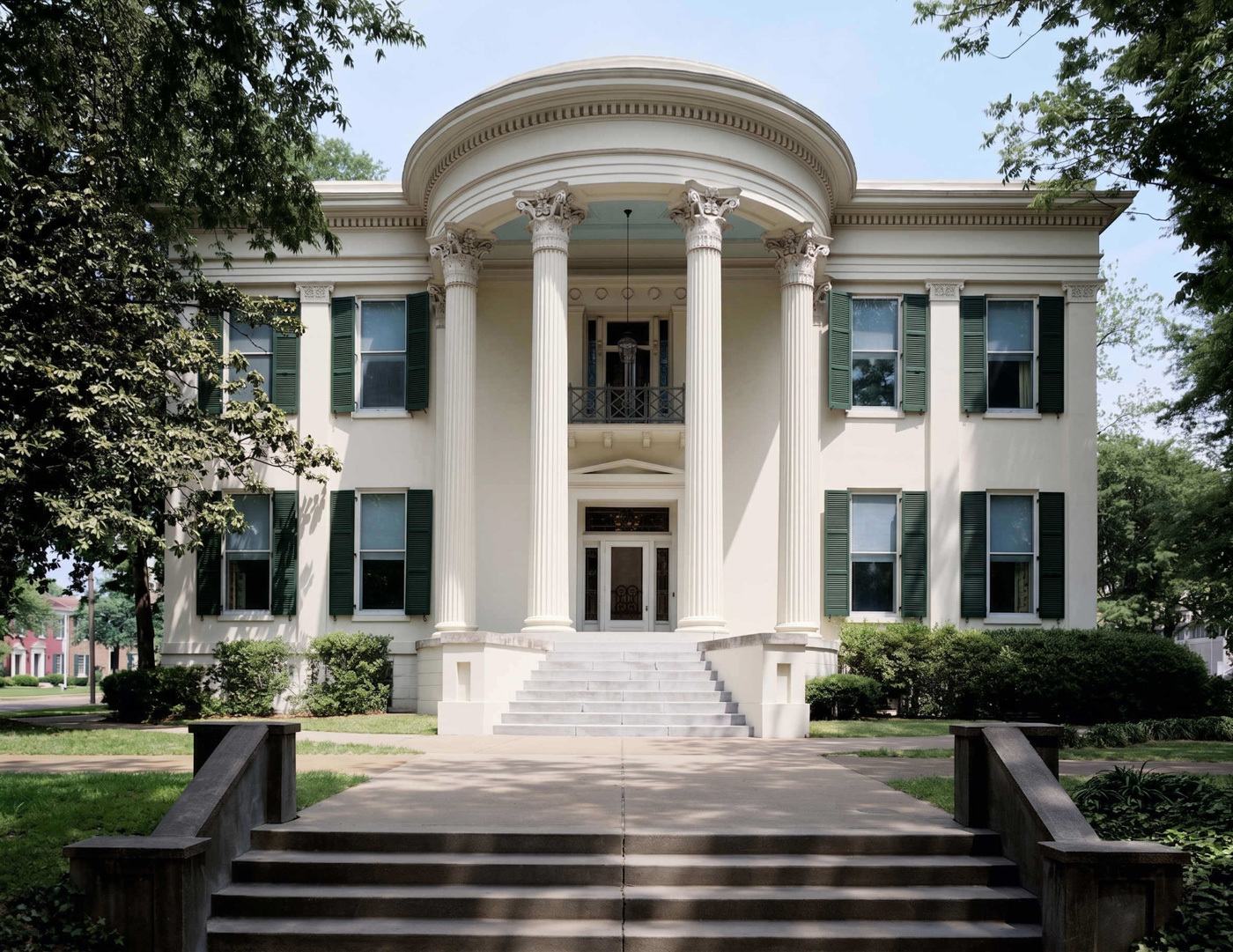
During the first half of the nineteenth century, the eastern states became the intellectual center of America's Greek Revival movement. Prosperous maritime trade, influential institutions, and the widely circulated pattern books of Asher Benjamin and Minard Lafever enabled architects and builders to adapt authentic Greek precedents to the region's established building traditions. While Southern Greek Revival became known for its monumental plantation estates and commanding temple-front porticoes, the Eastern interpretation remained more restrained, reflecting the established civic traditions, urban streetscapes, and architectural refinement of America's oldest cities.