48 ELIZABETH STREET, CHARLESTON, CHARLESTON COUNTY, SOUTH CAROLINA
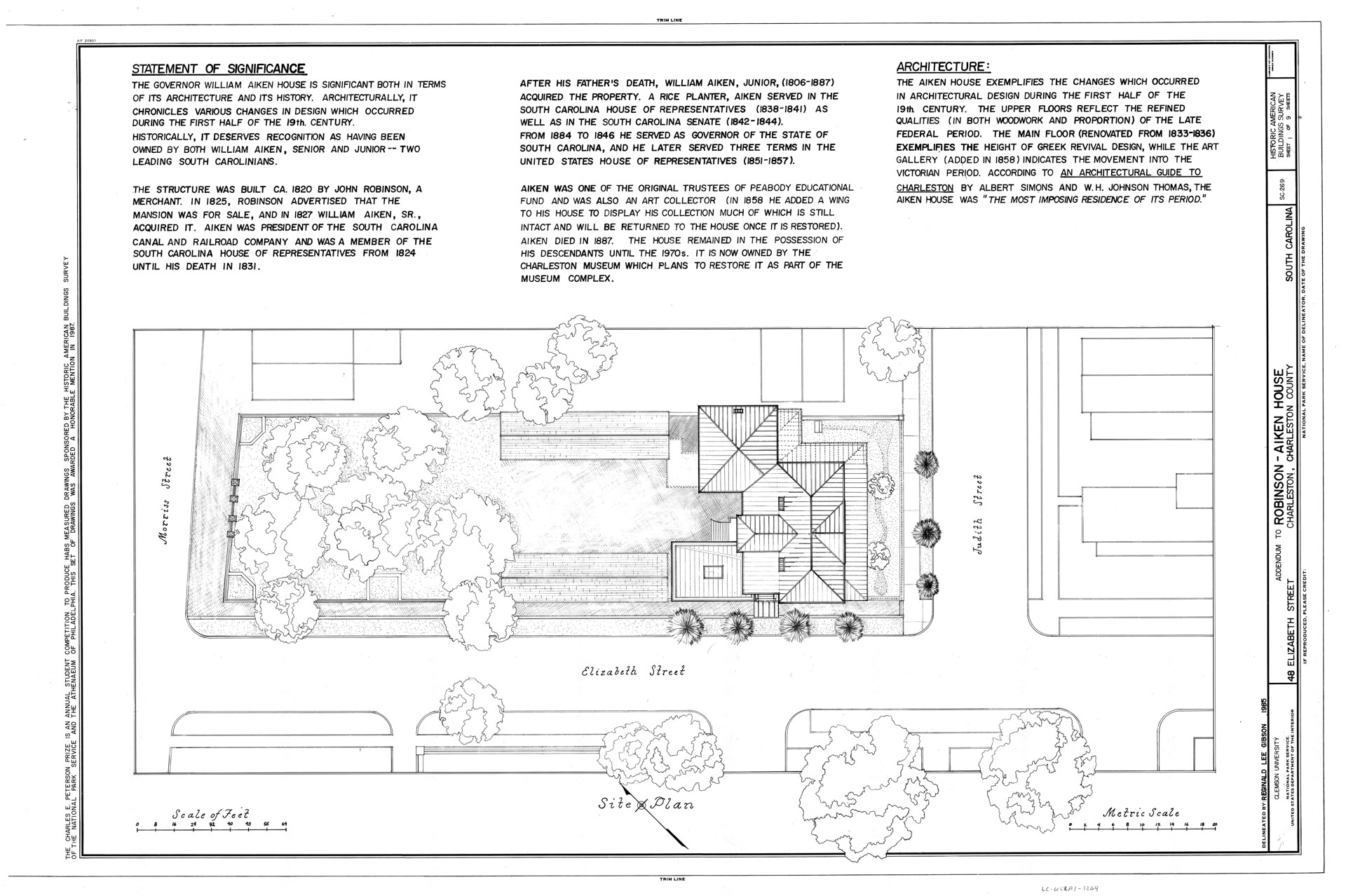
The Robinson Aiken Rhett House stands among Charleston's most compelling architectural survivals, not merely for its grandeur, but for the remarkable completeness with which the estate endures. Constructed around 1820 for merchant John Robinson and later expanded under Governor William Aiken Jr., the residence embodies the evolving sensibility and prosperity of nineteenth-century Charleston. Behind its imposing walls survives an unusually intact urban estate, encompassing service buildings, carriage structures, work spaces, and quarters associated with the enslaved individuals whose labor sustained the household. Few properties in the American South preserve so fully the physical framework of domestic life from this period.
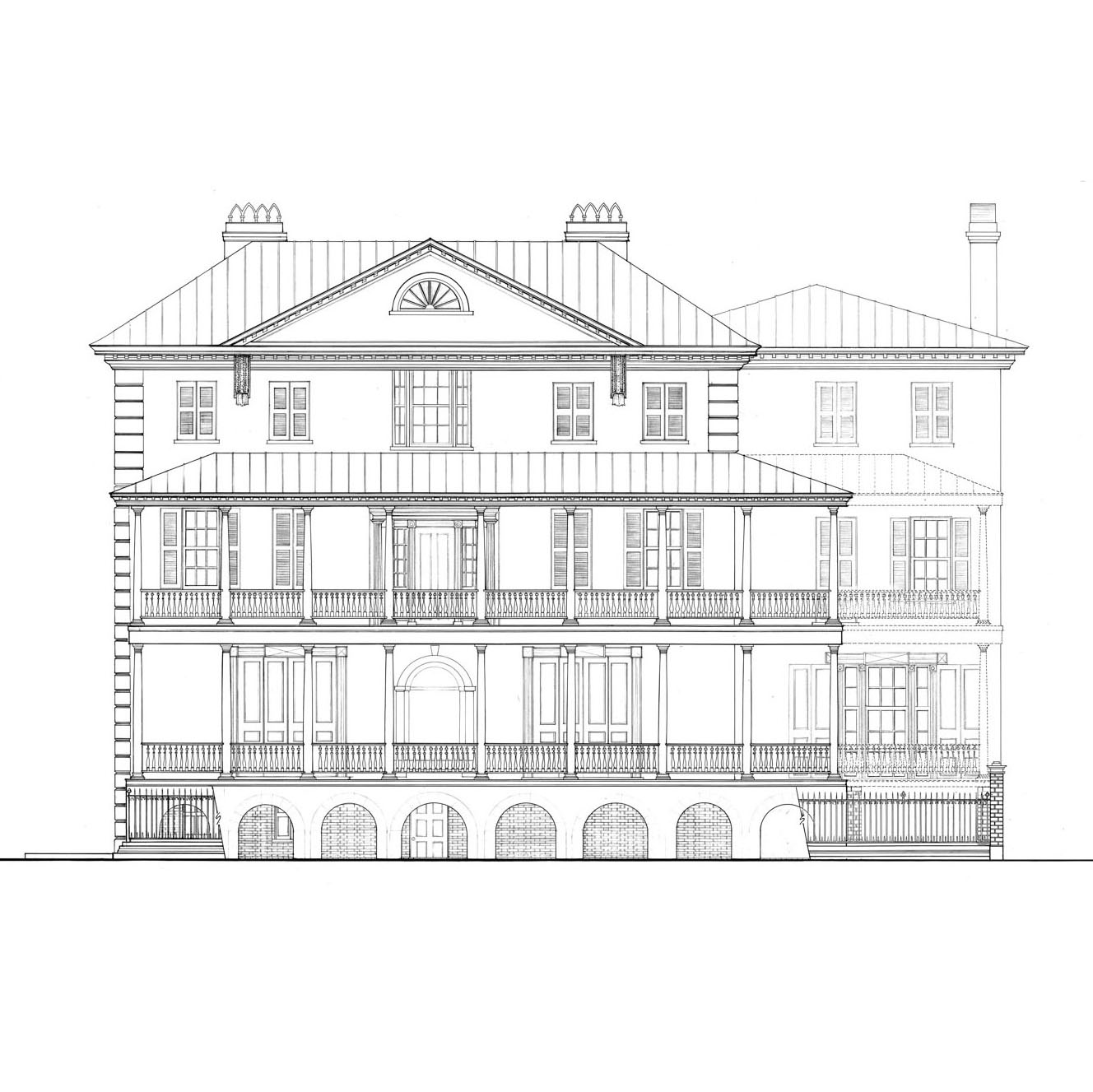
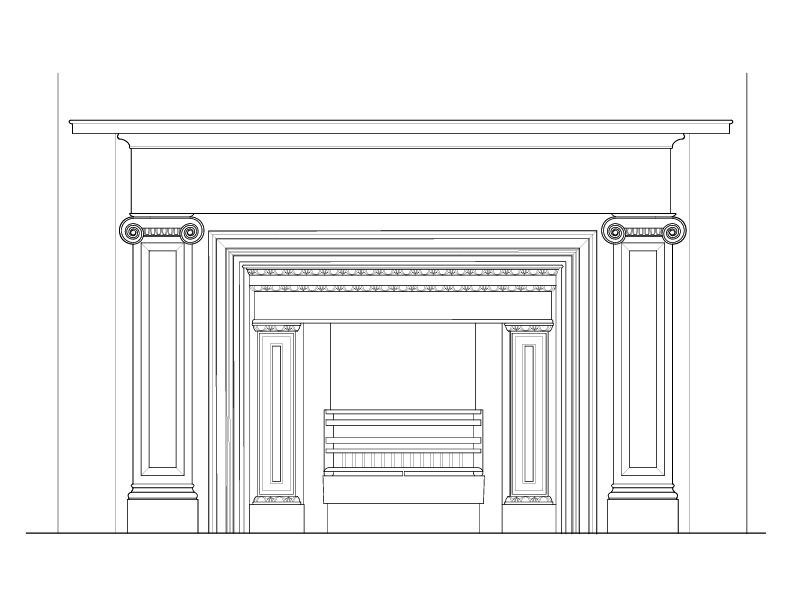
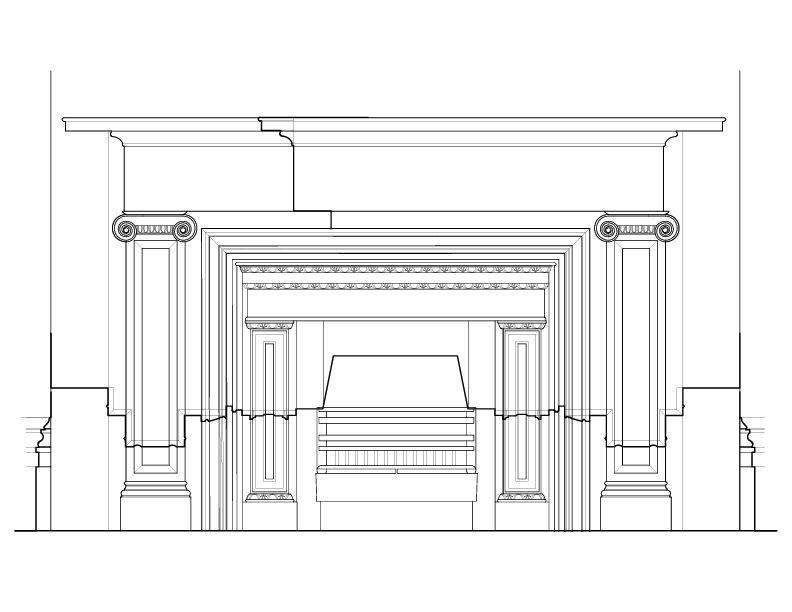
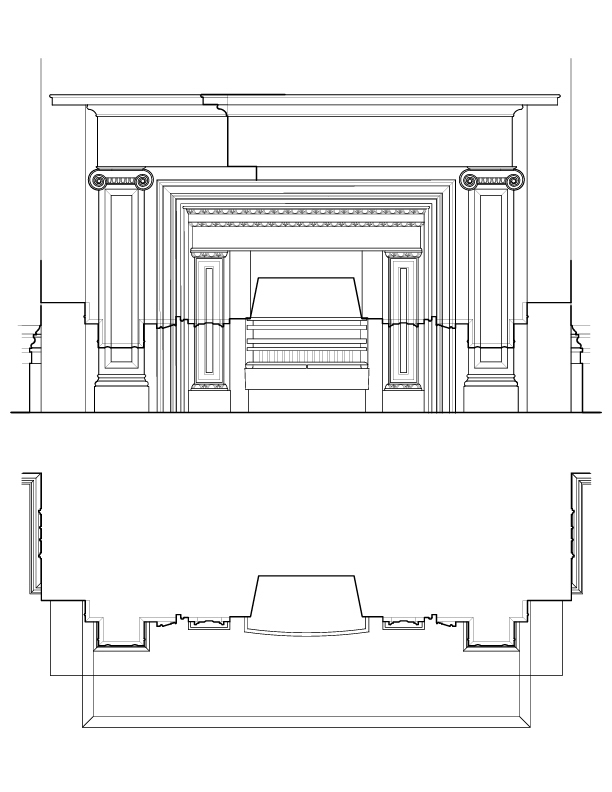
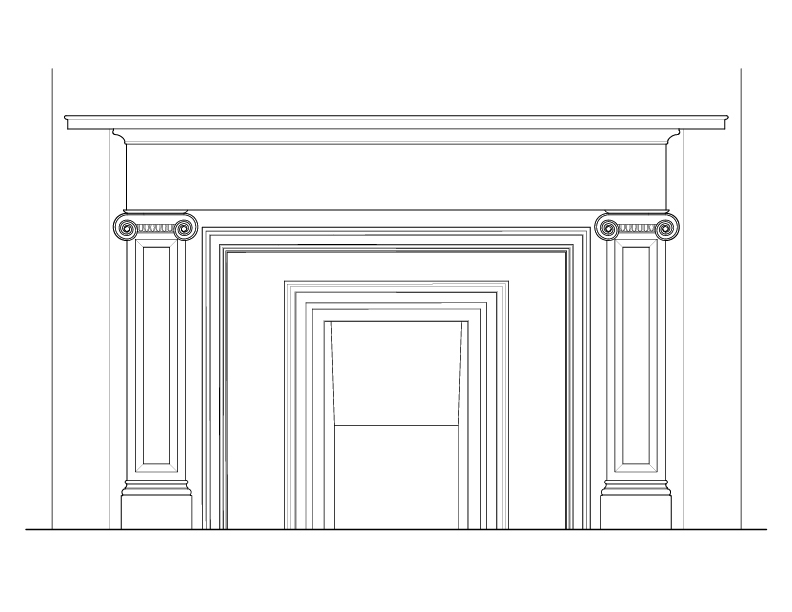
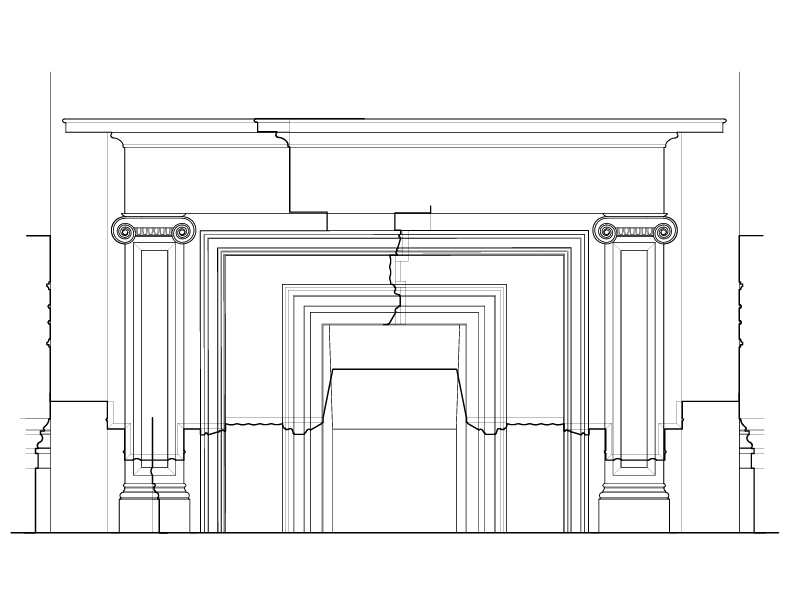
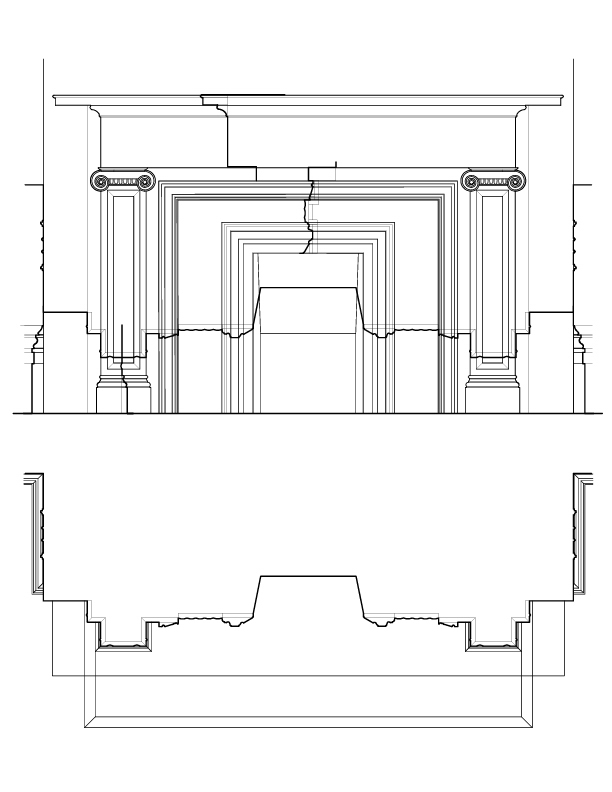
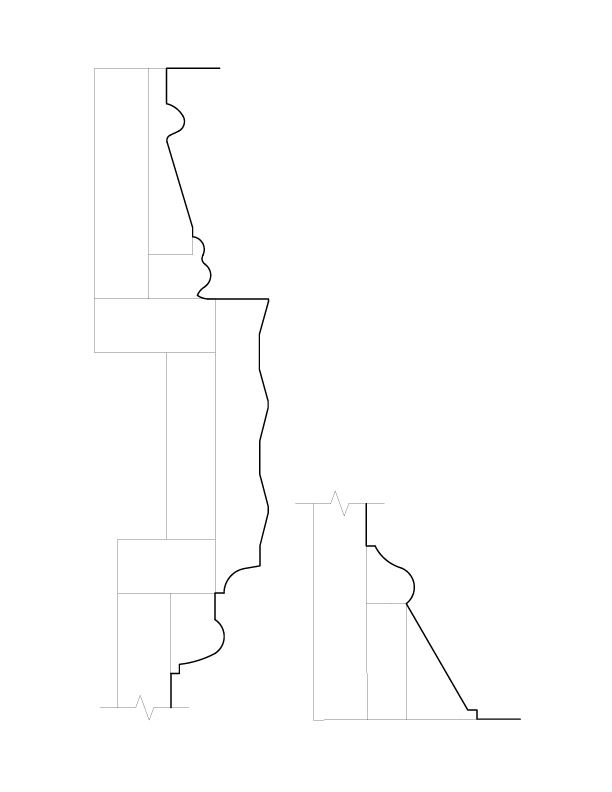
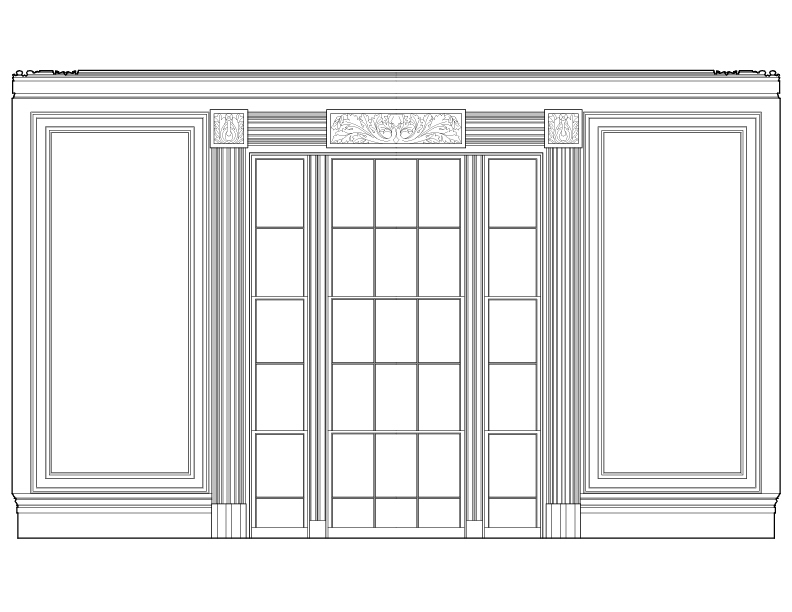
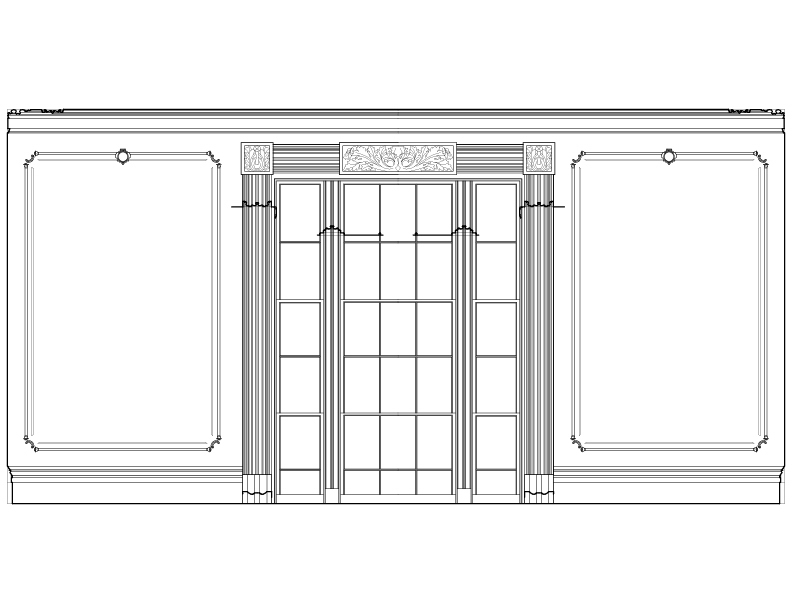
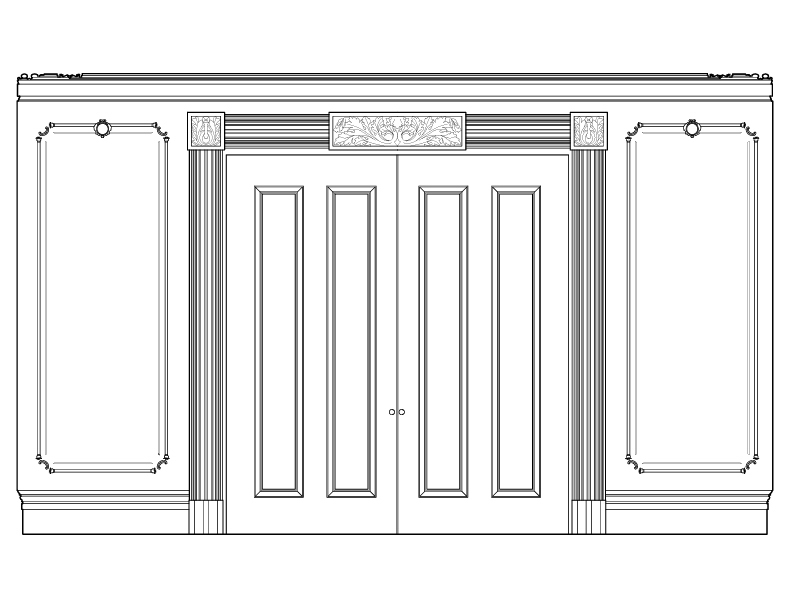
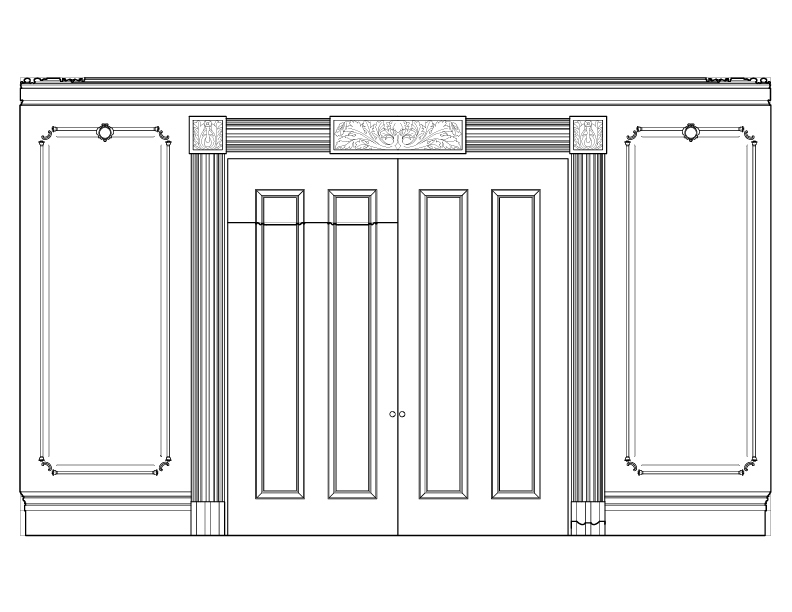
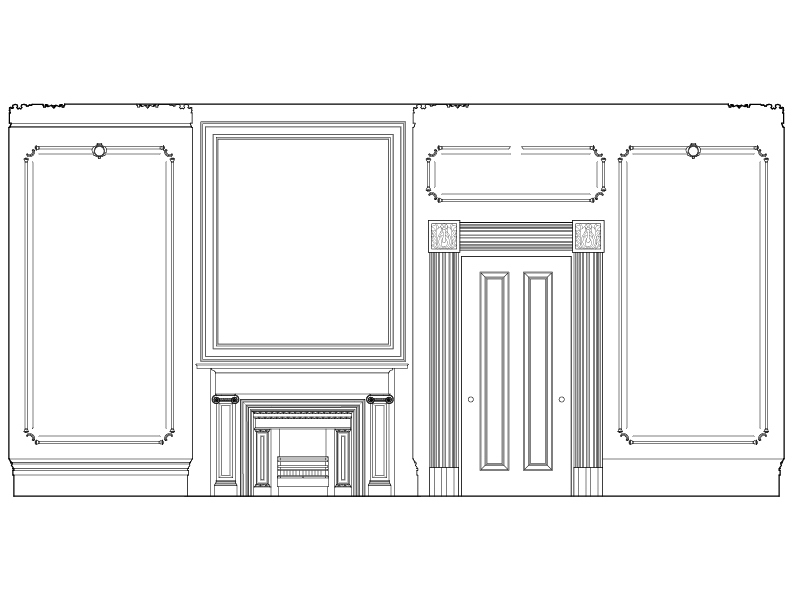
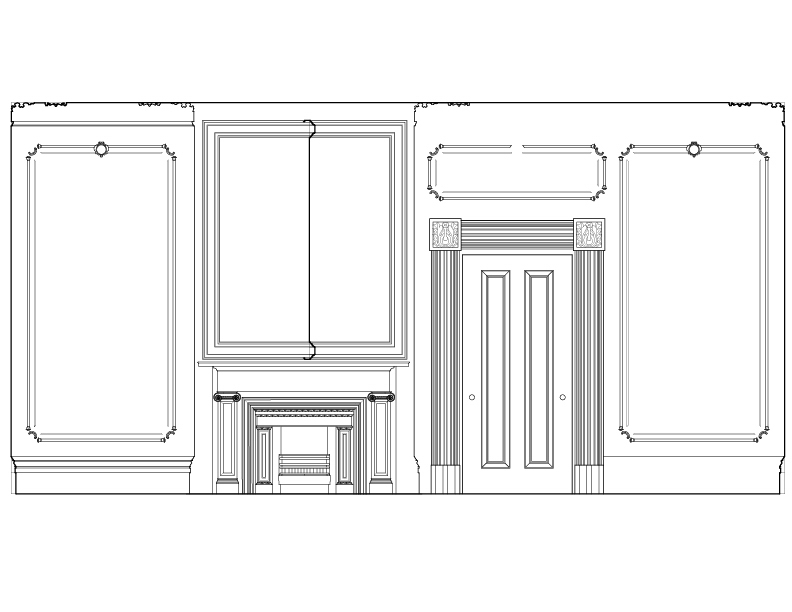
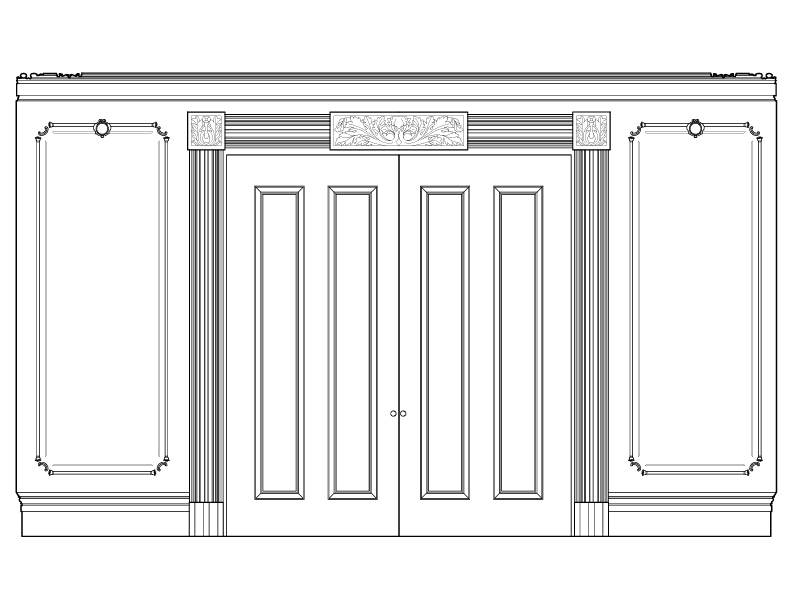
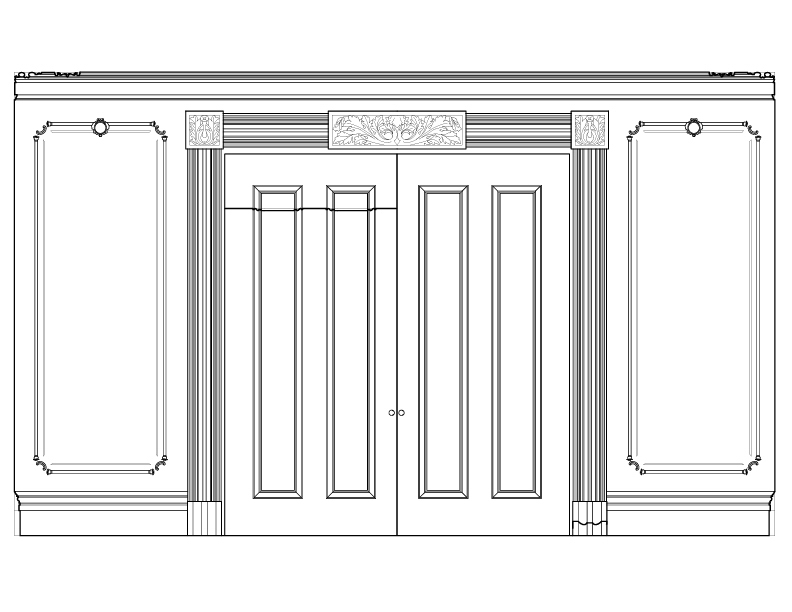
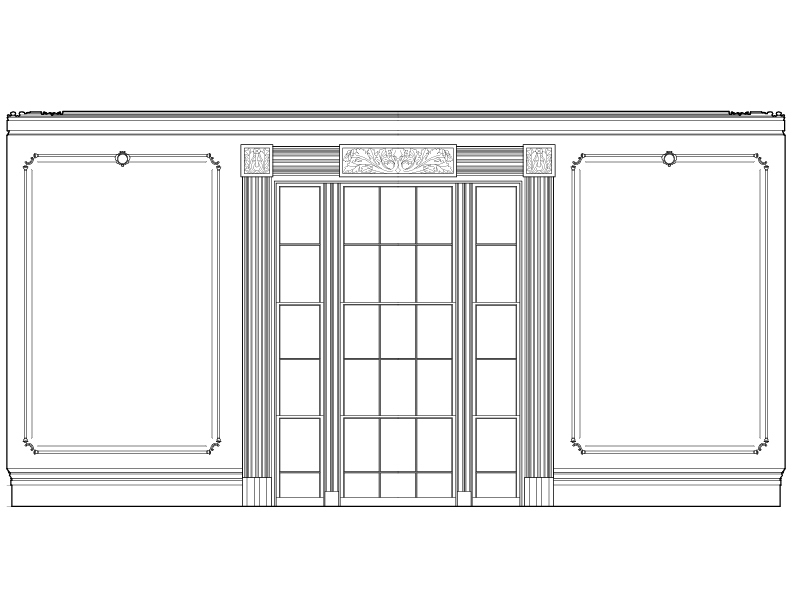
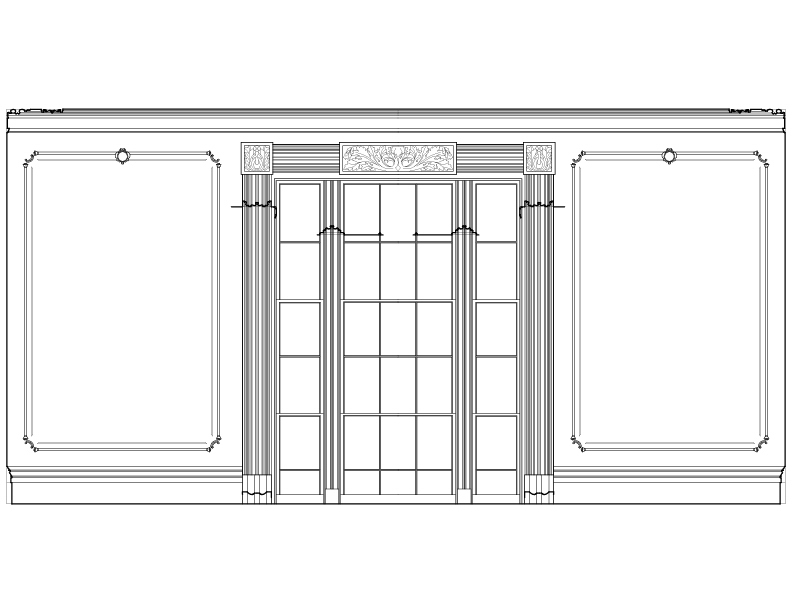
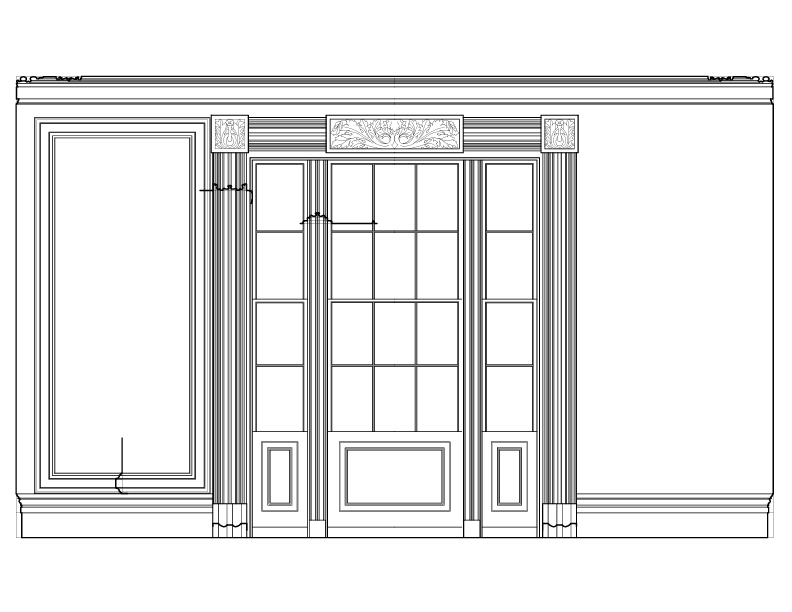
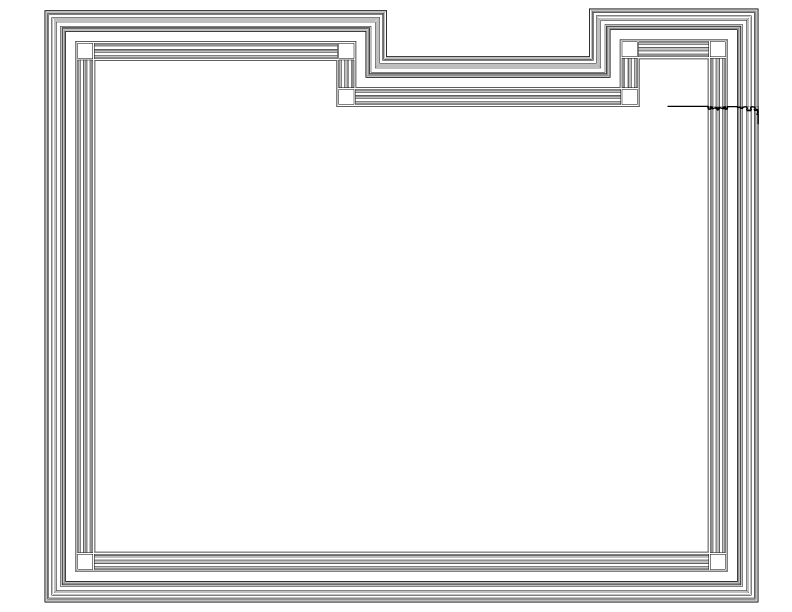
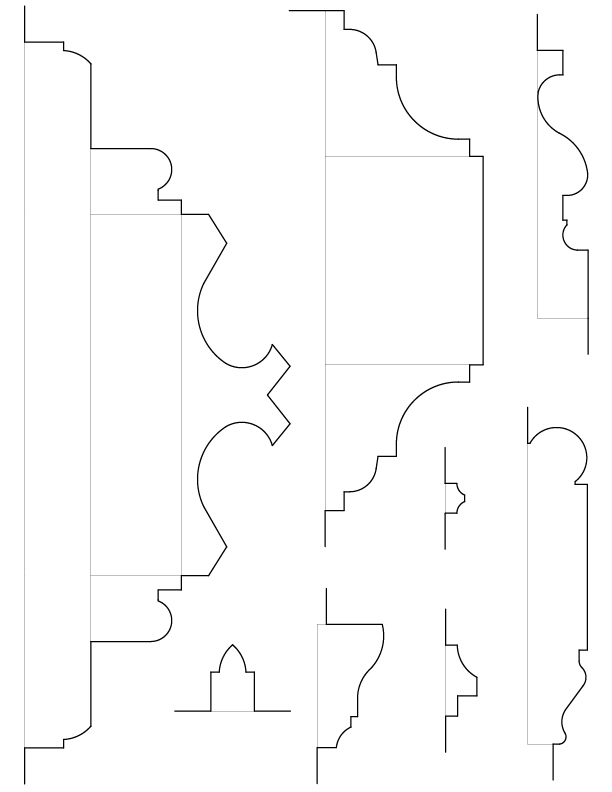
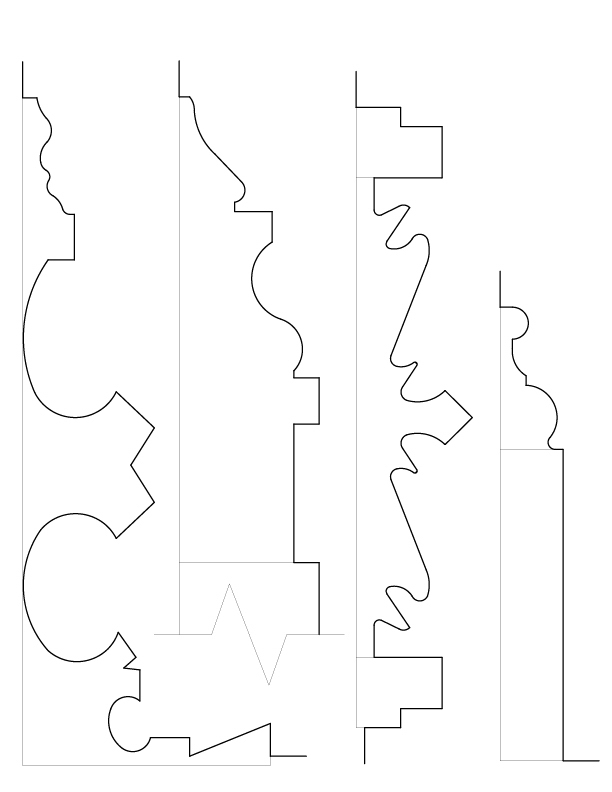
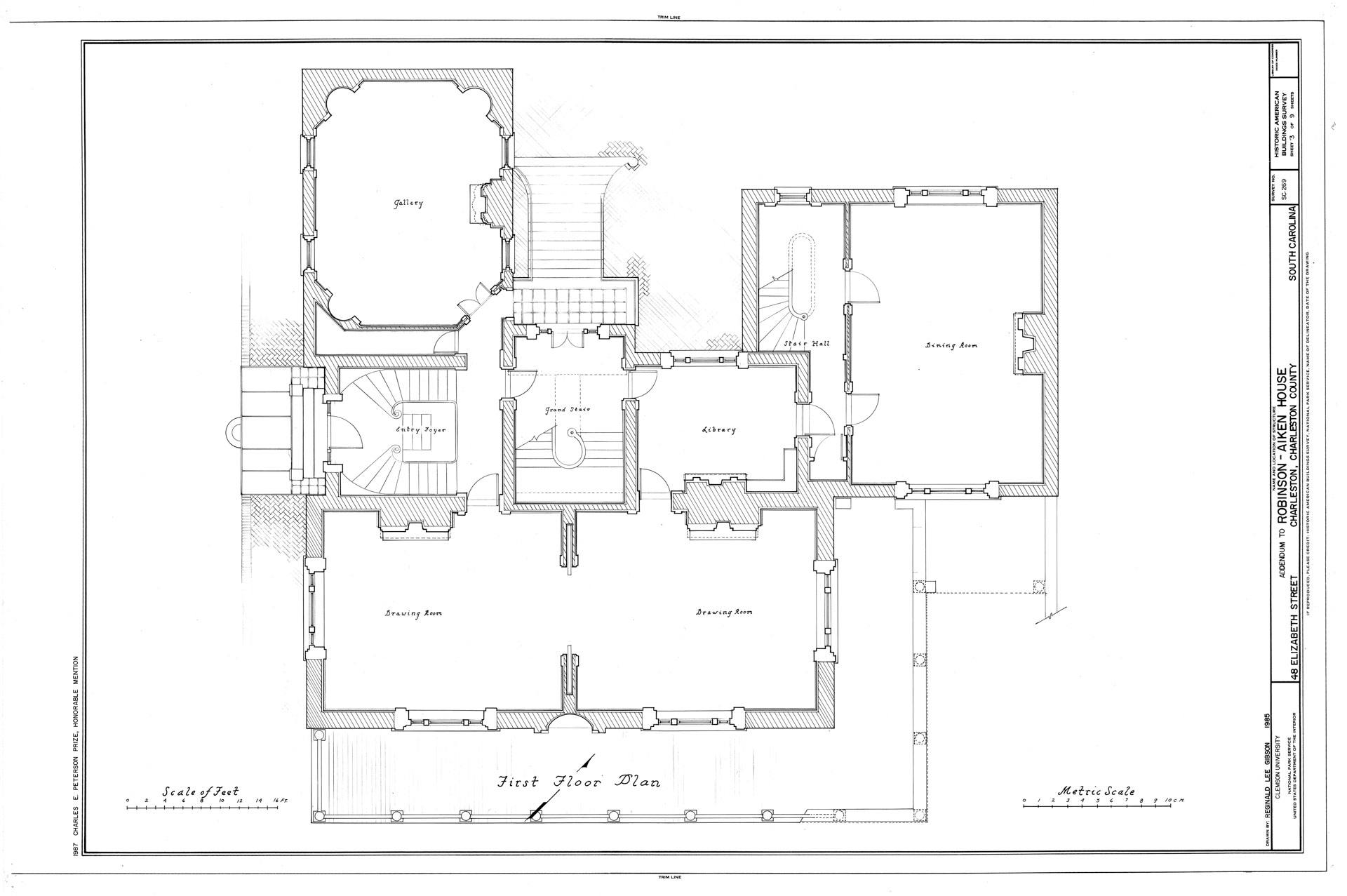
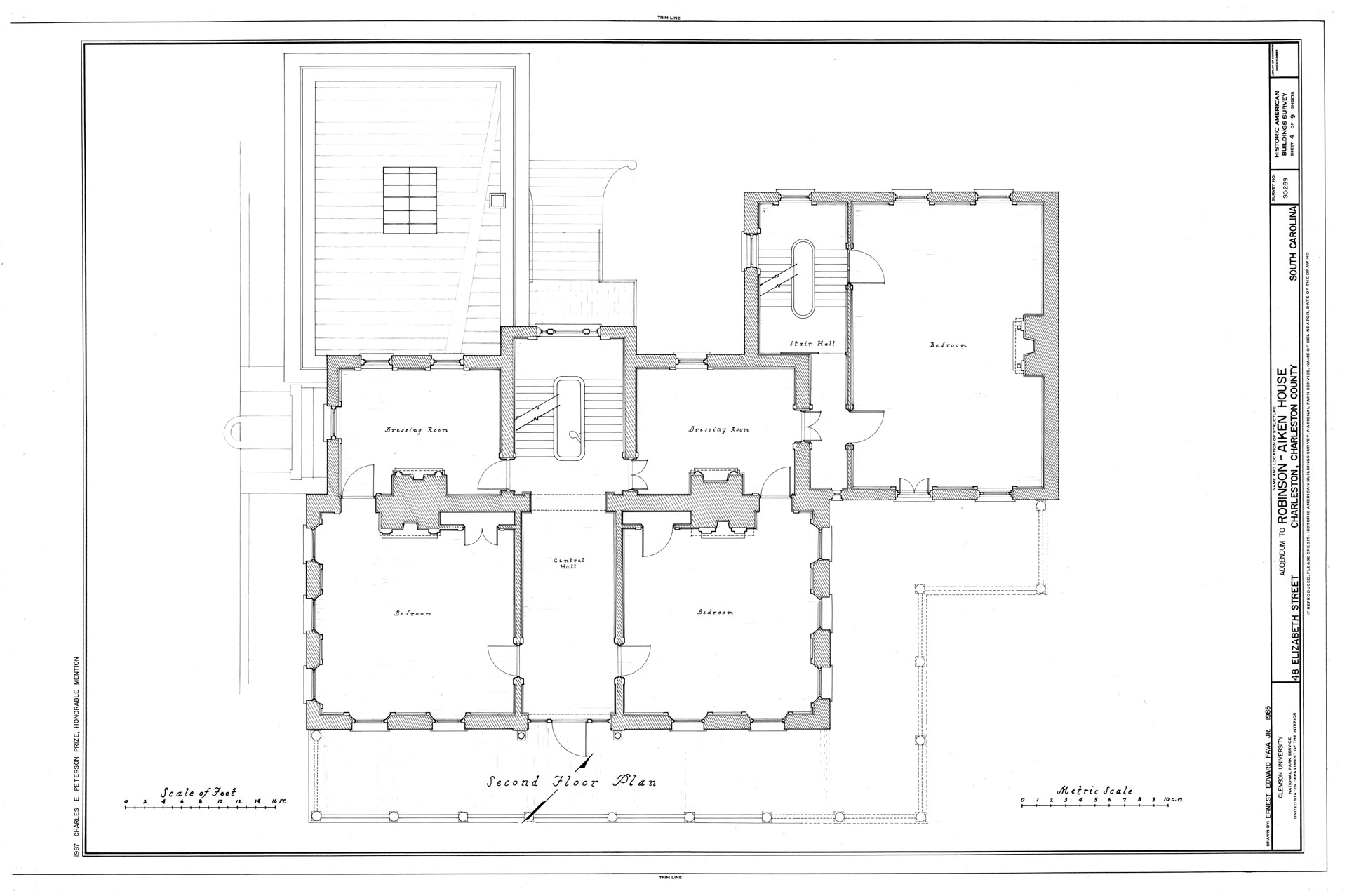
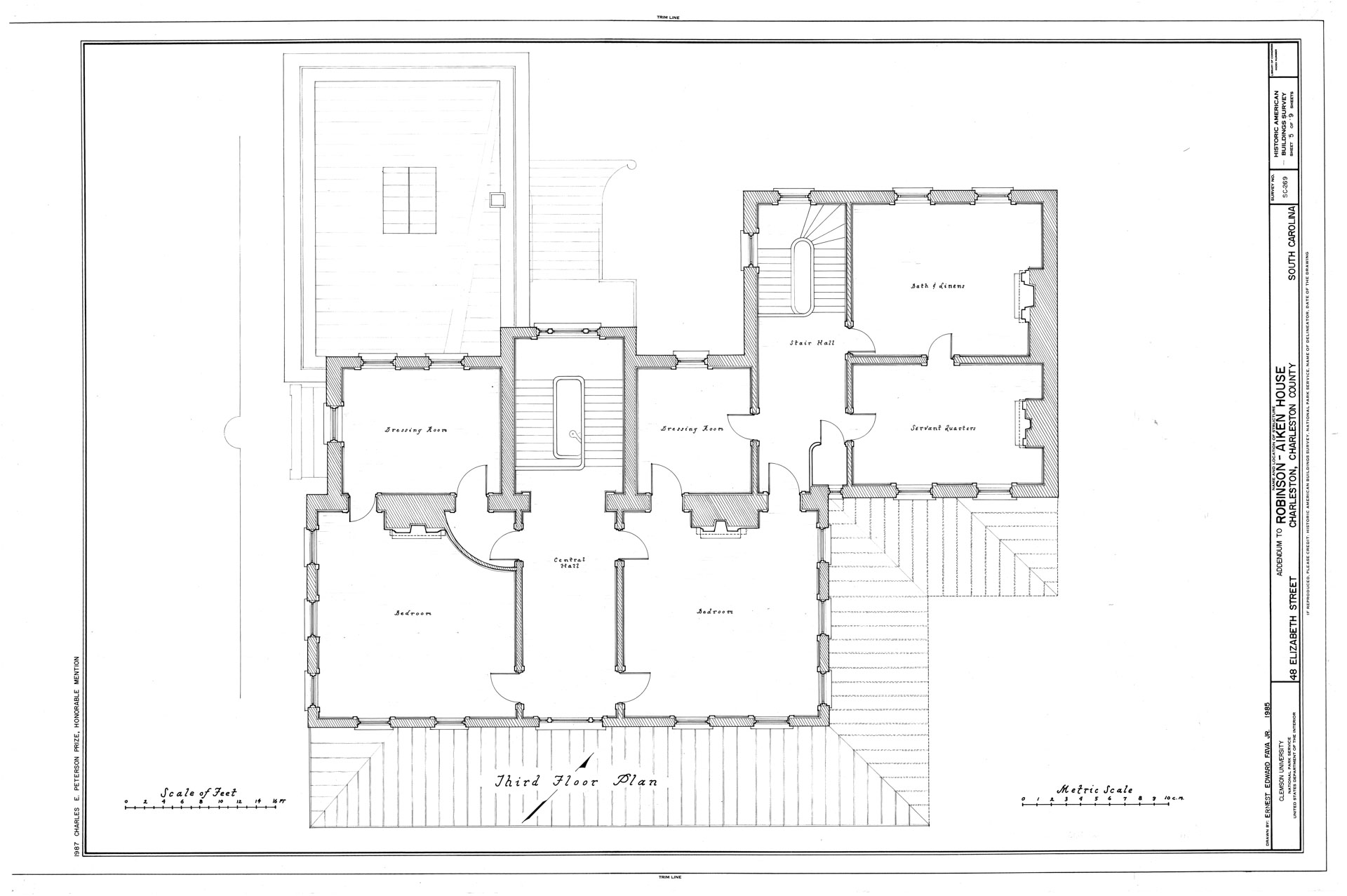
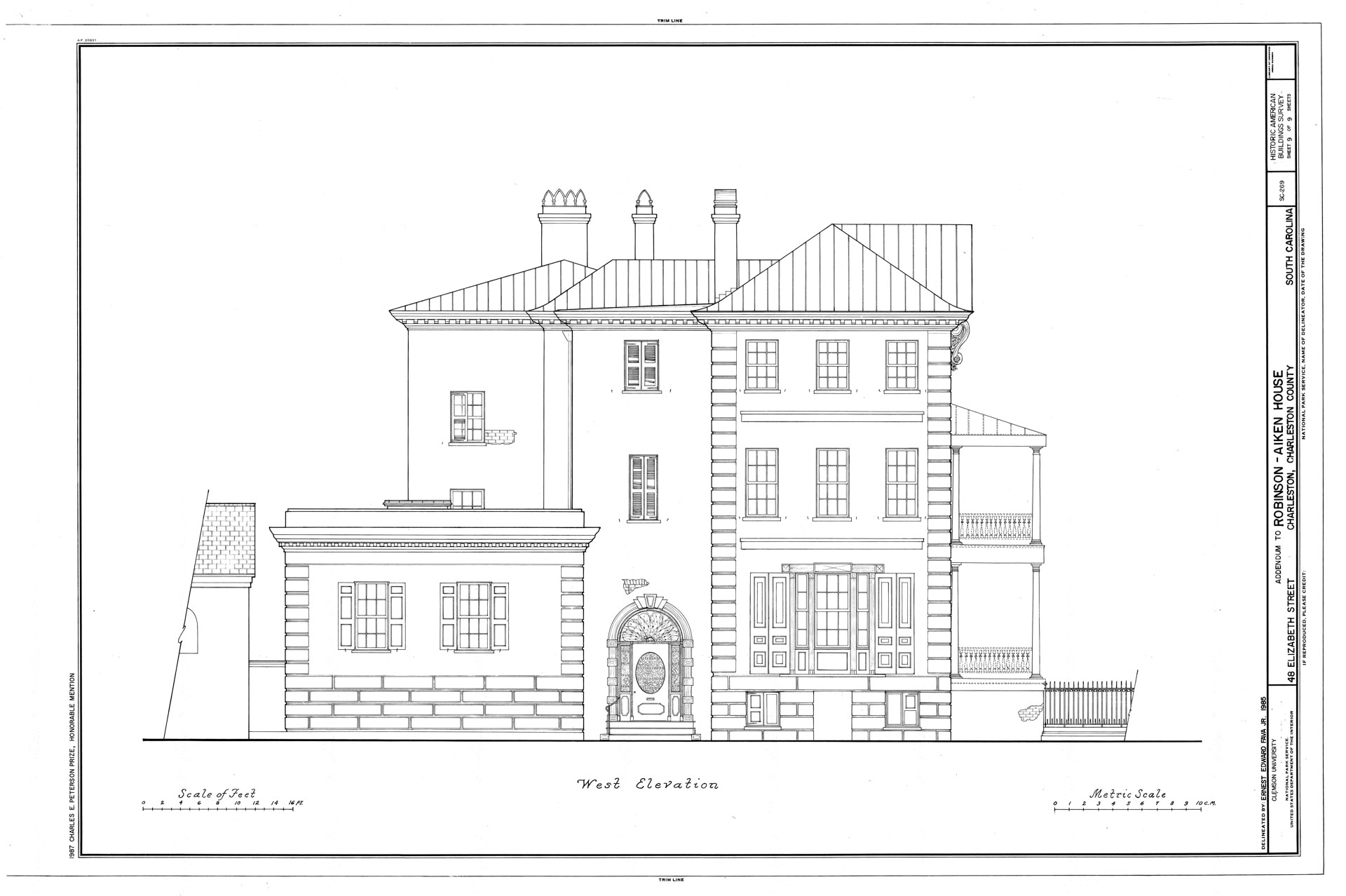
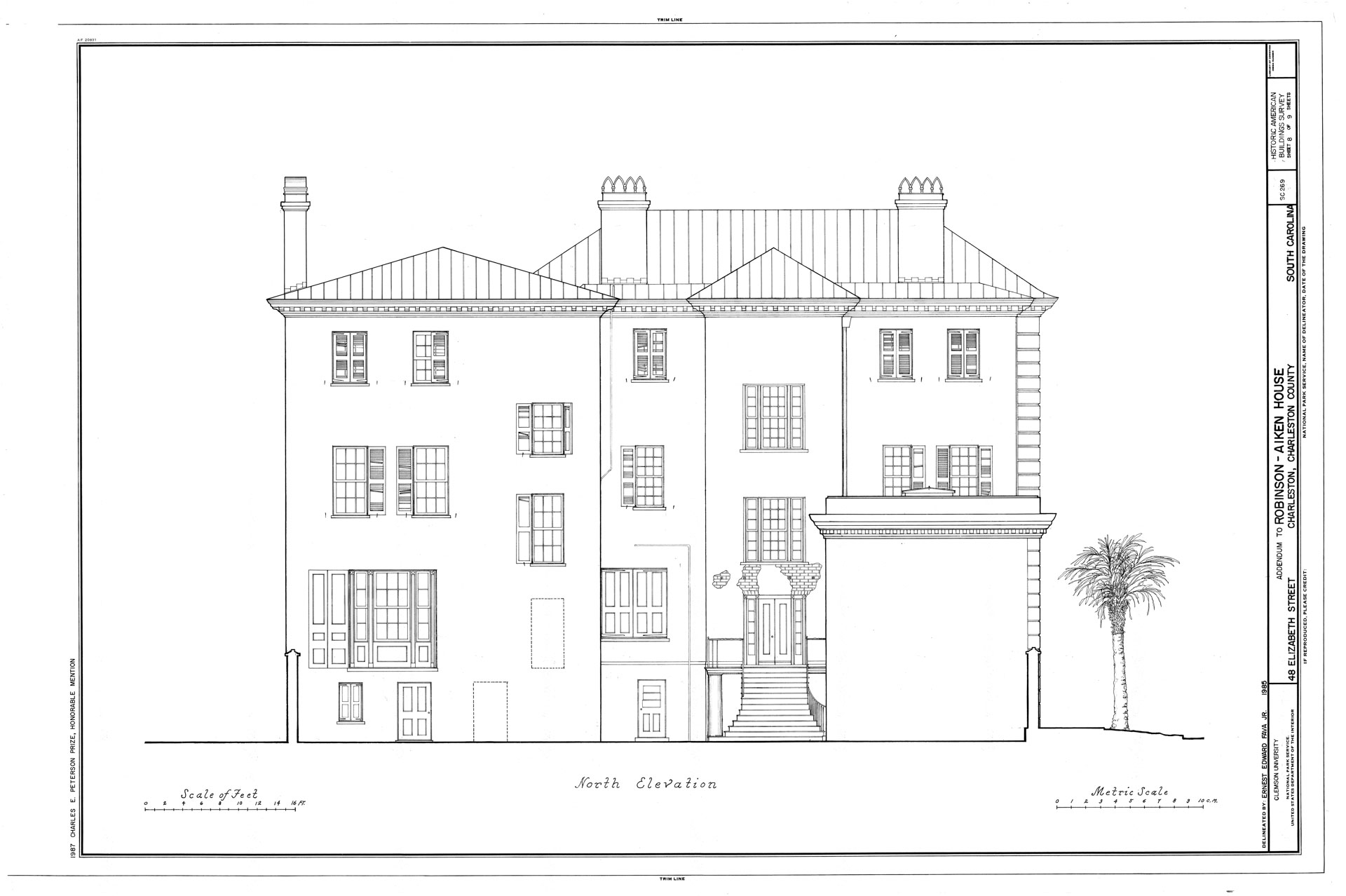
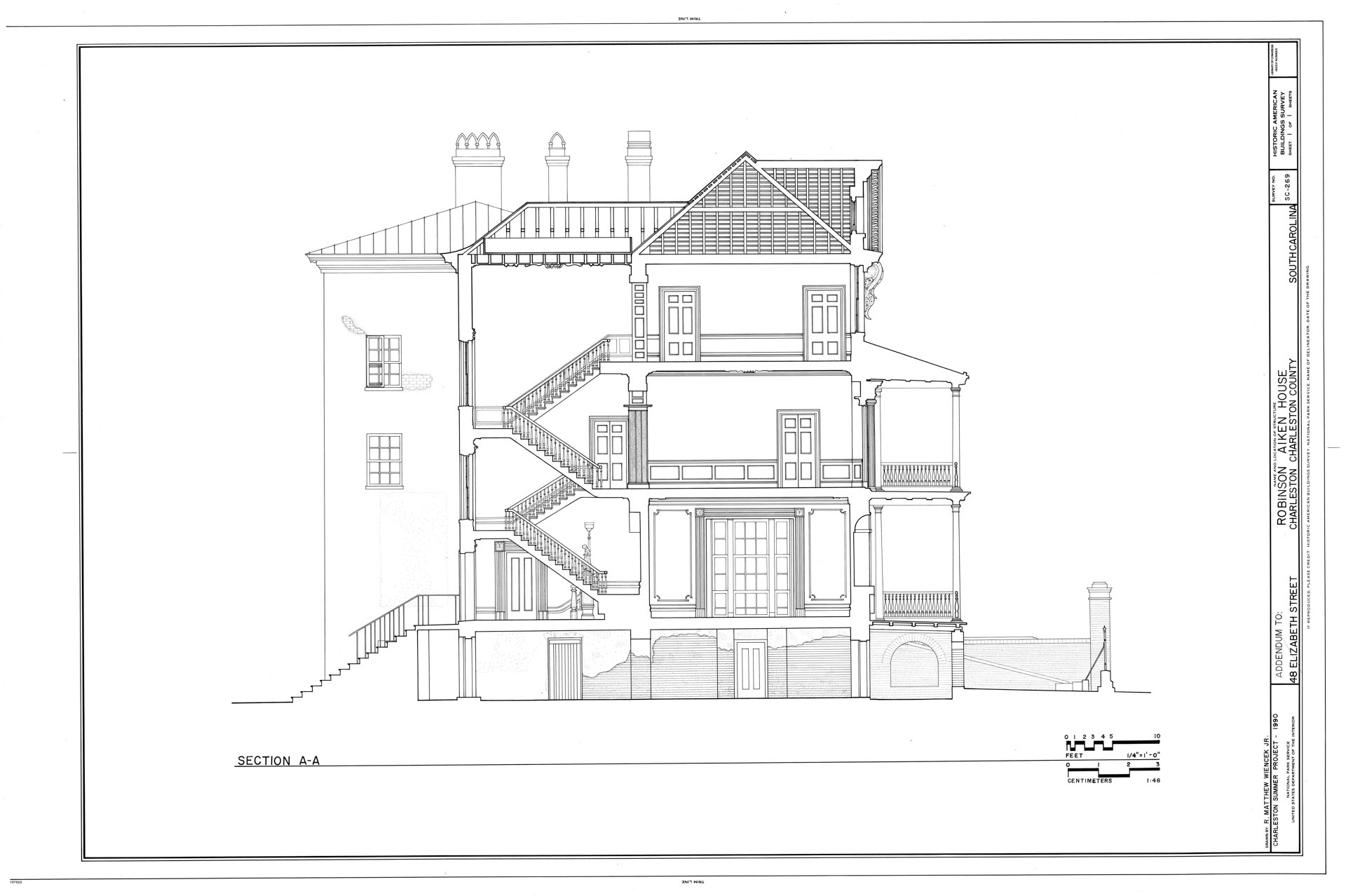
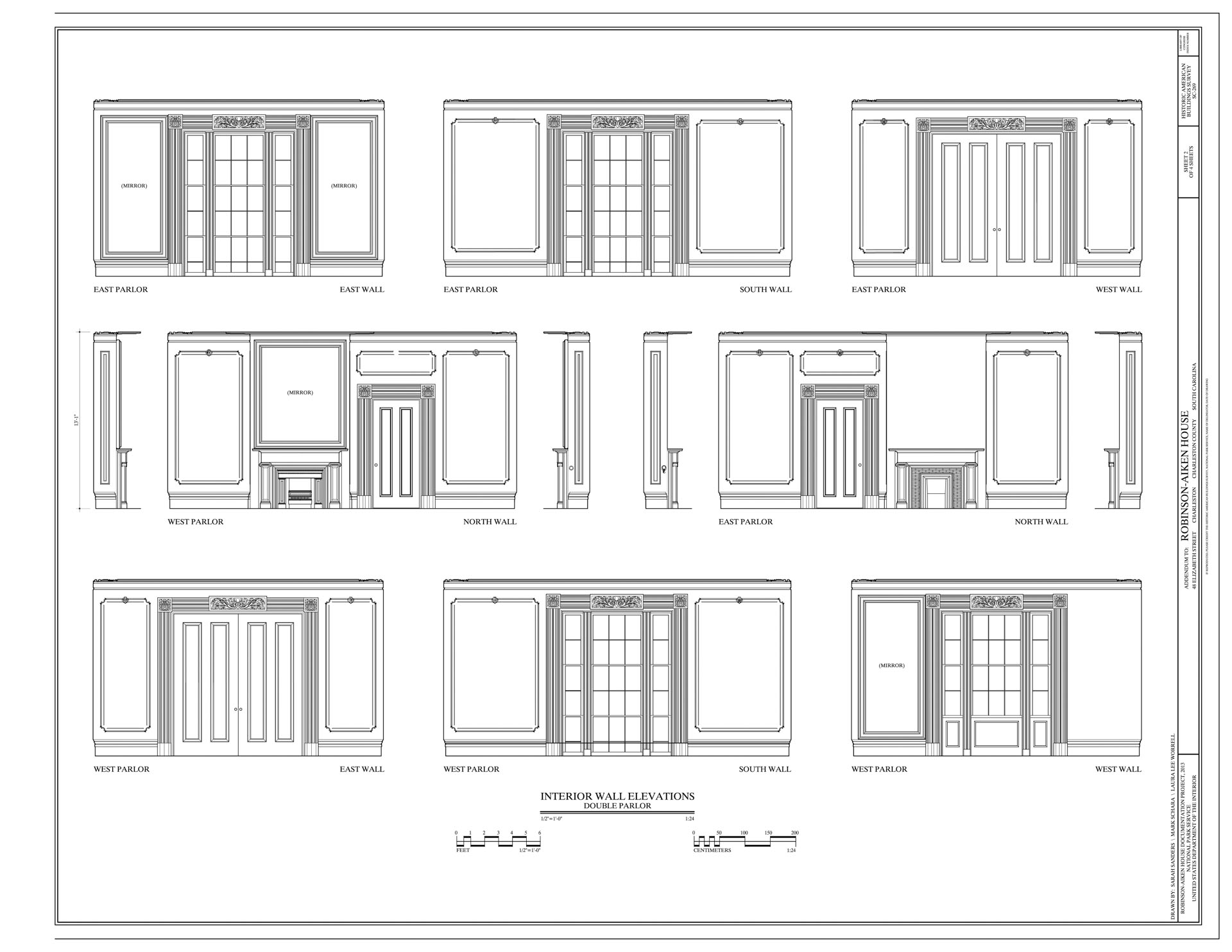
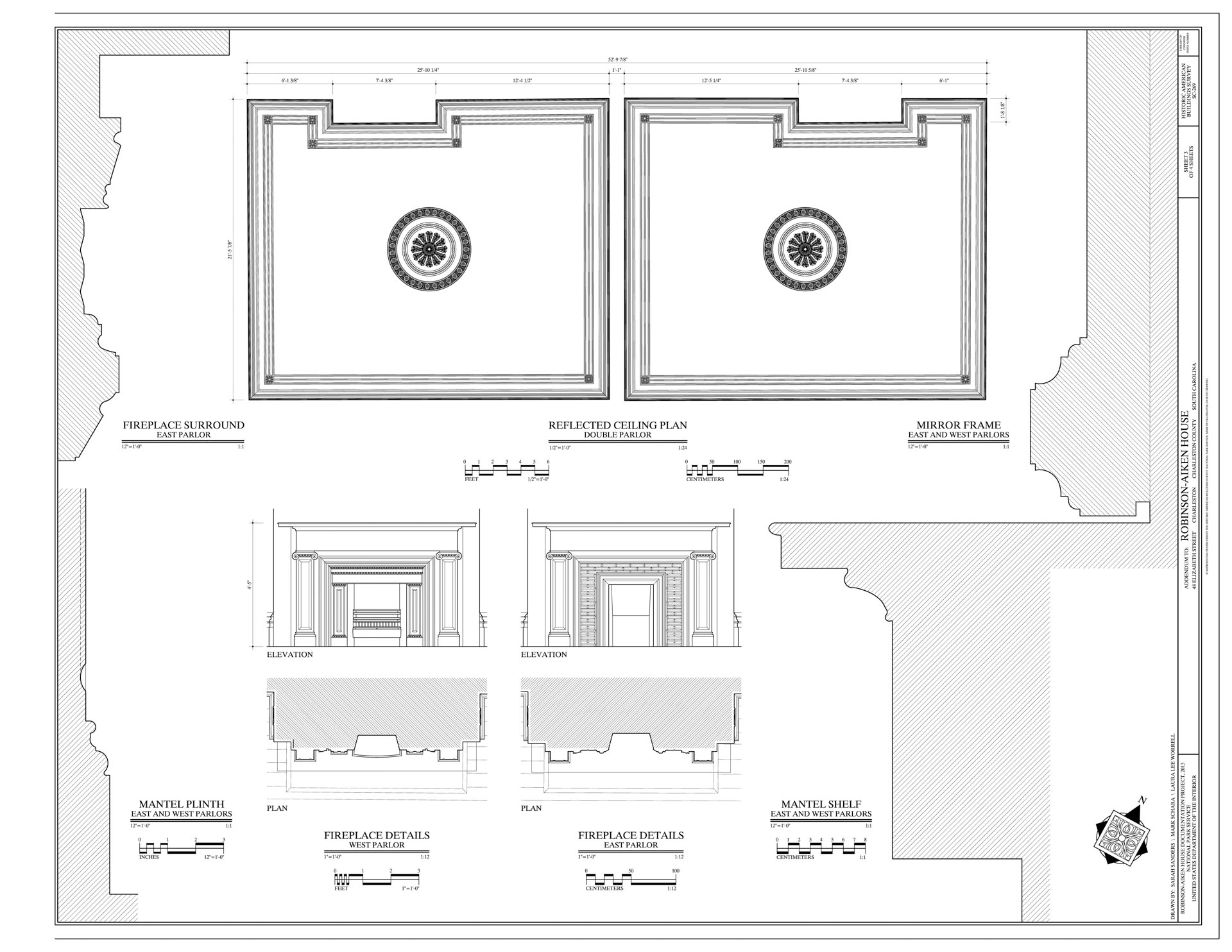
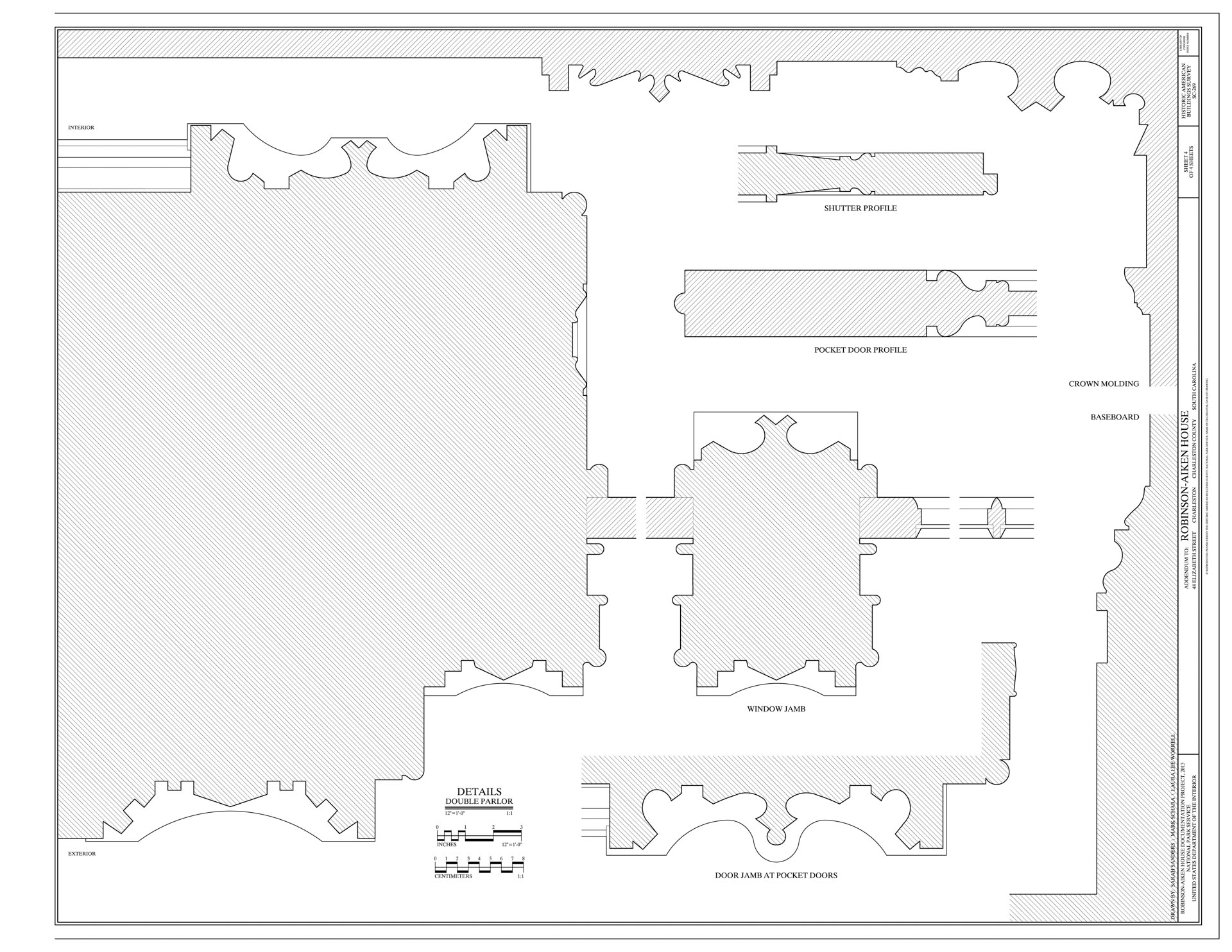
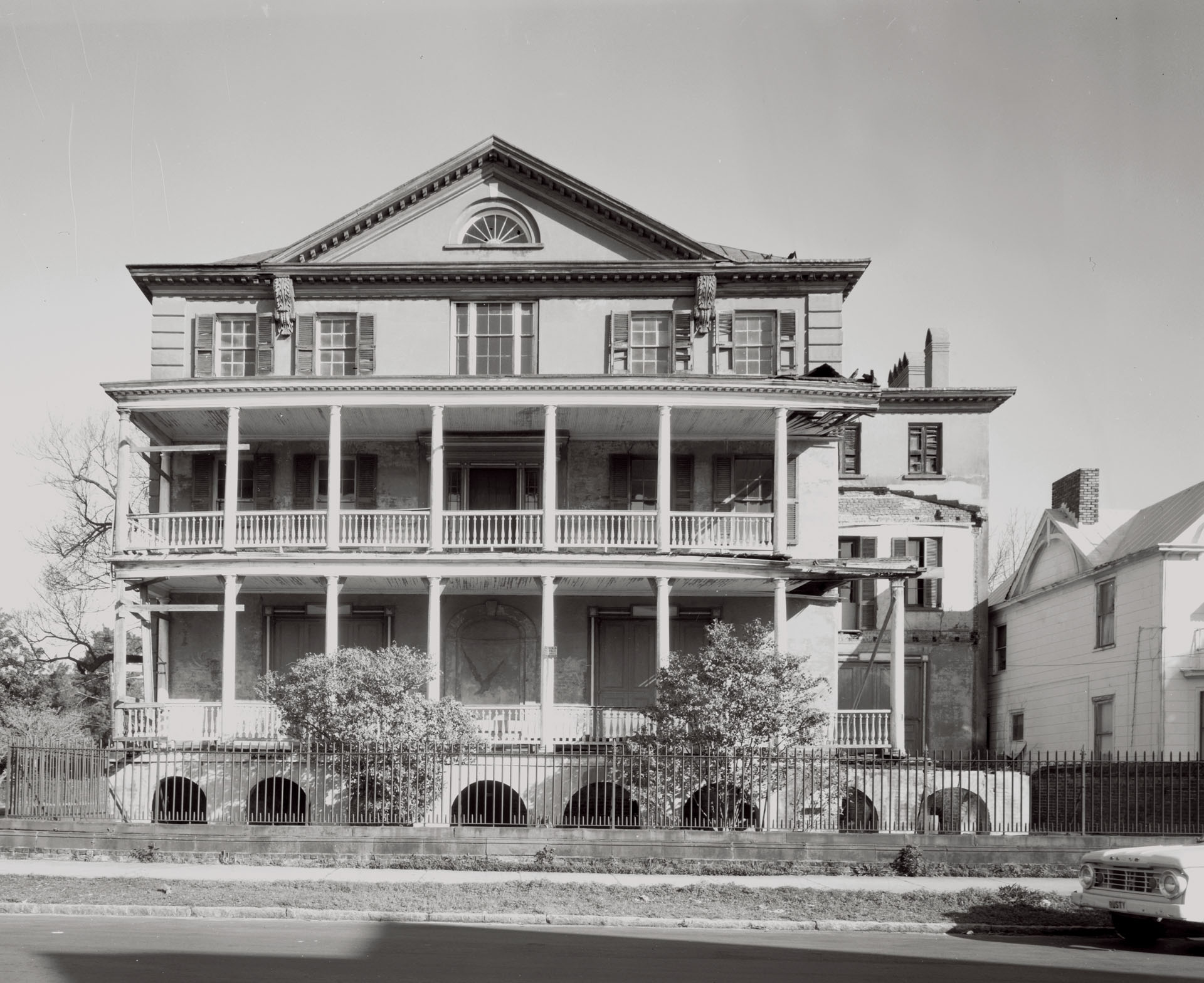
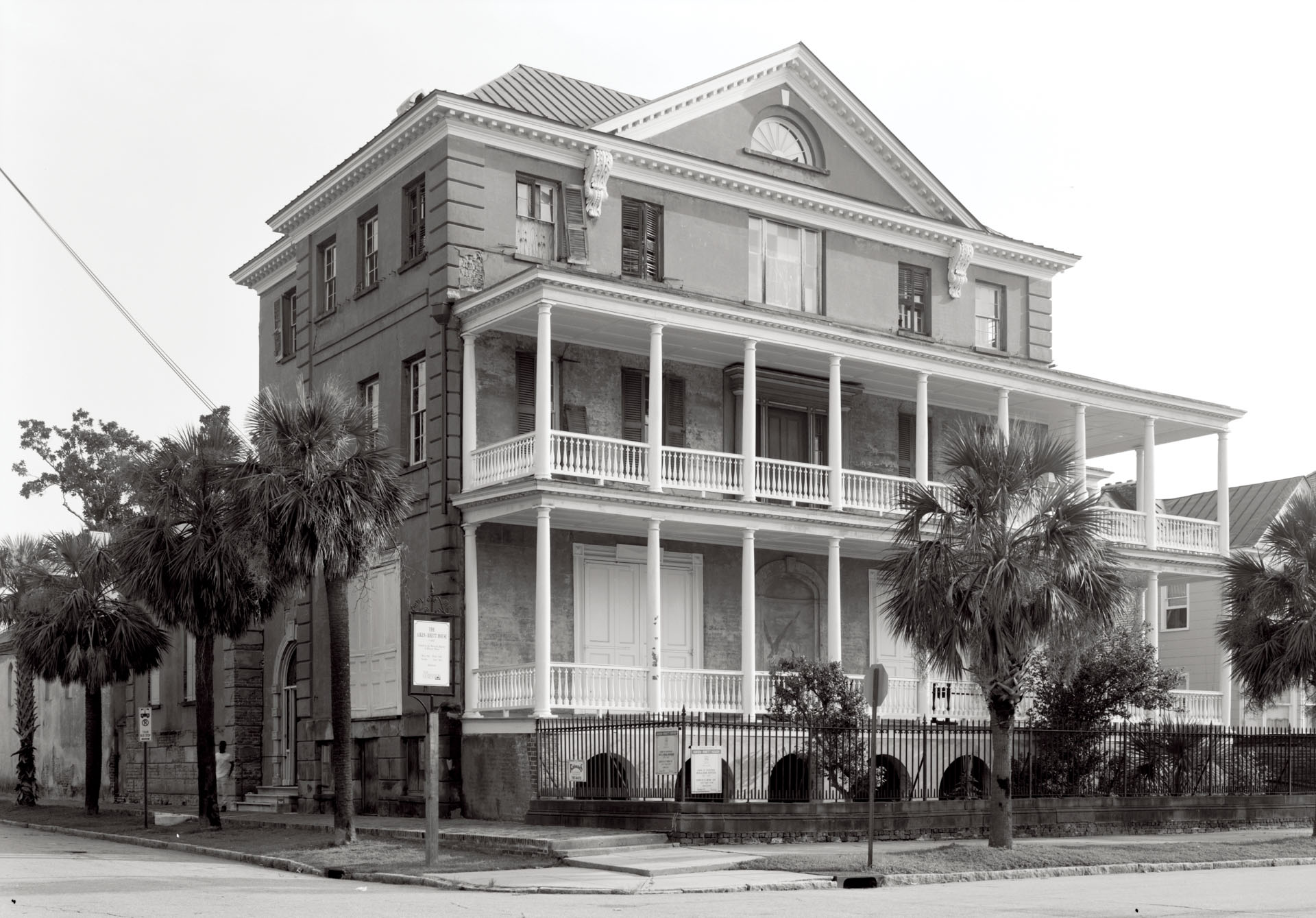
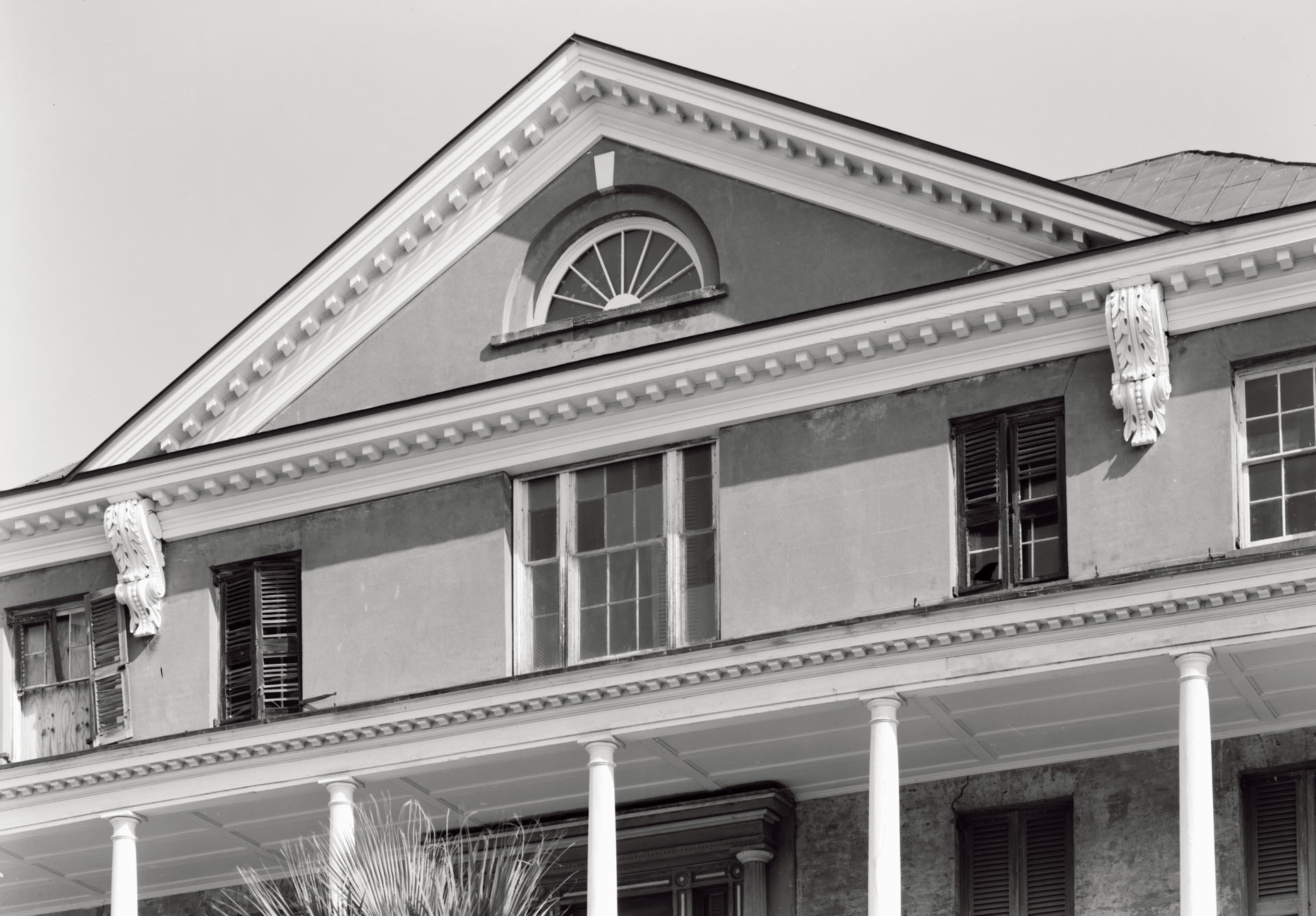
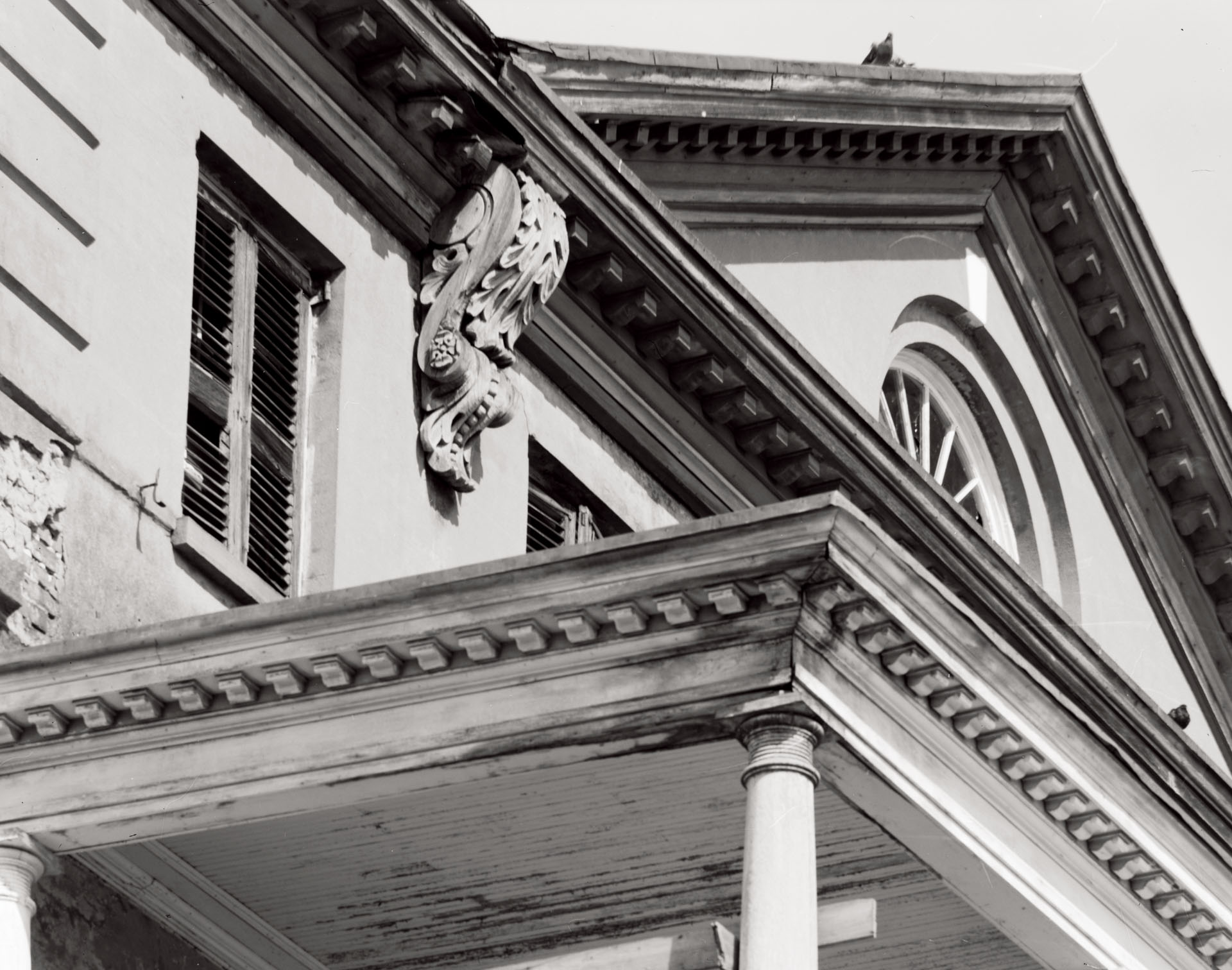
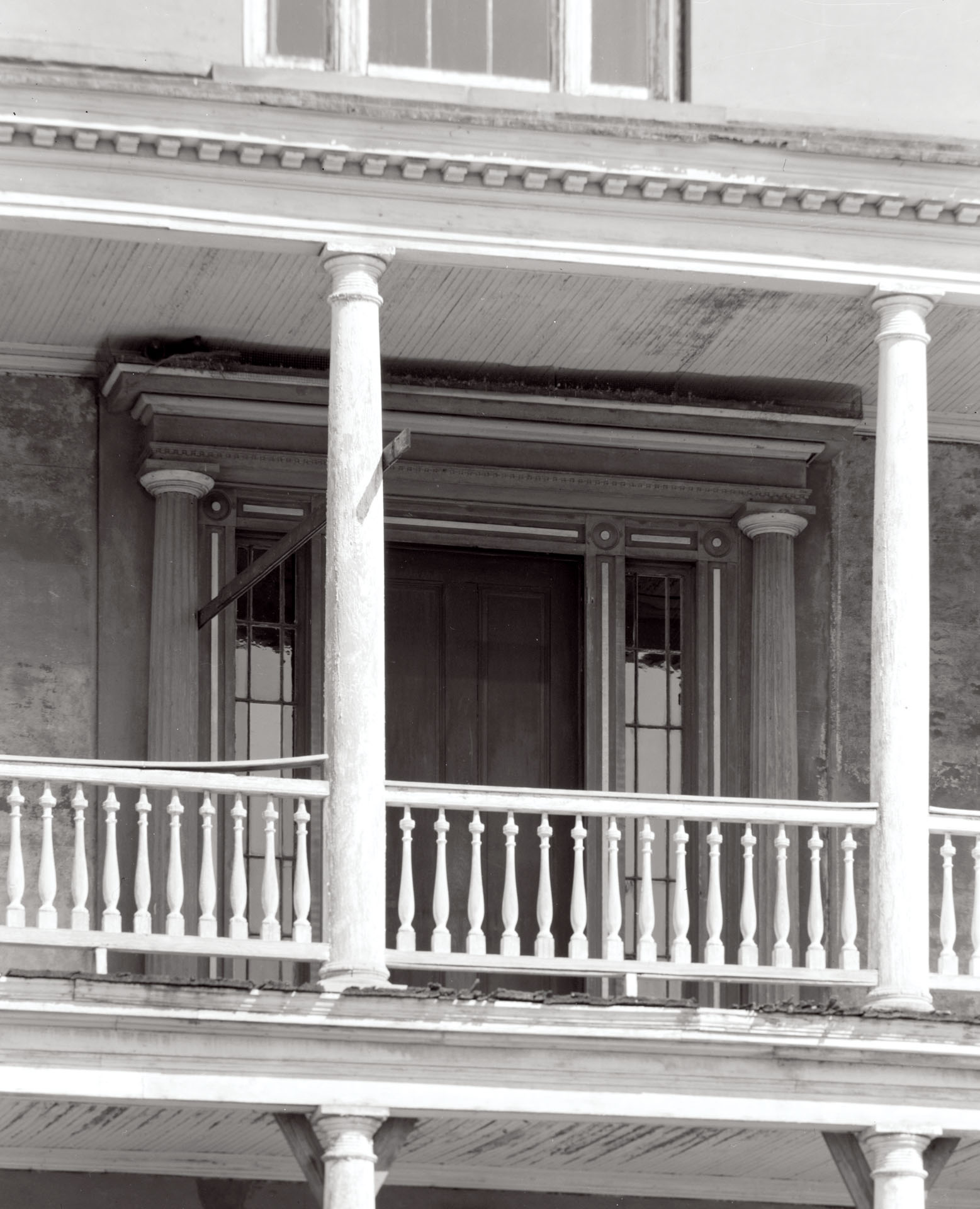
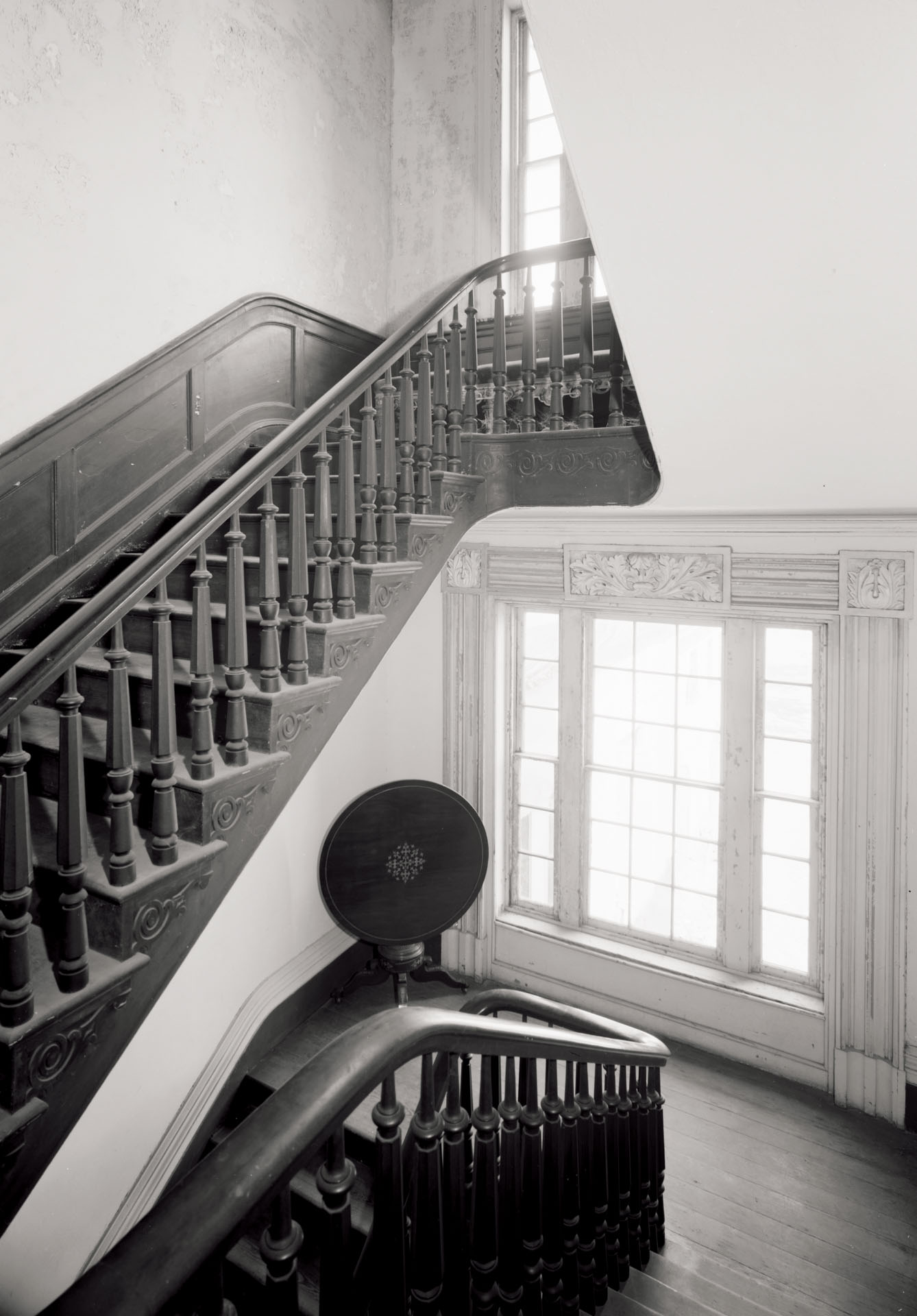
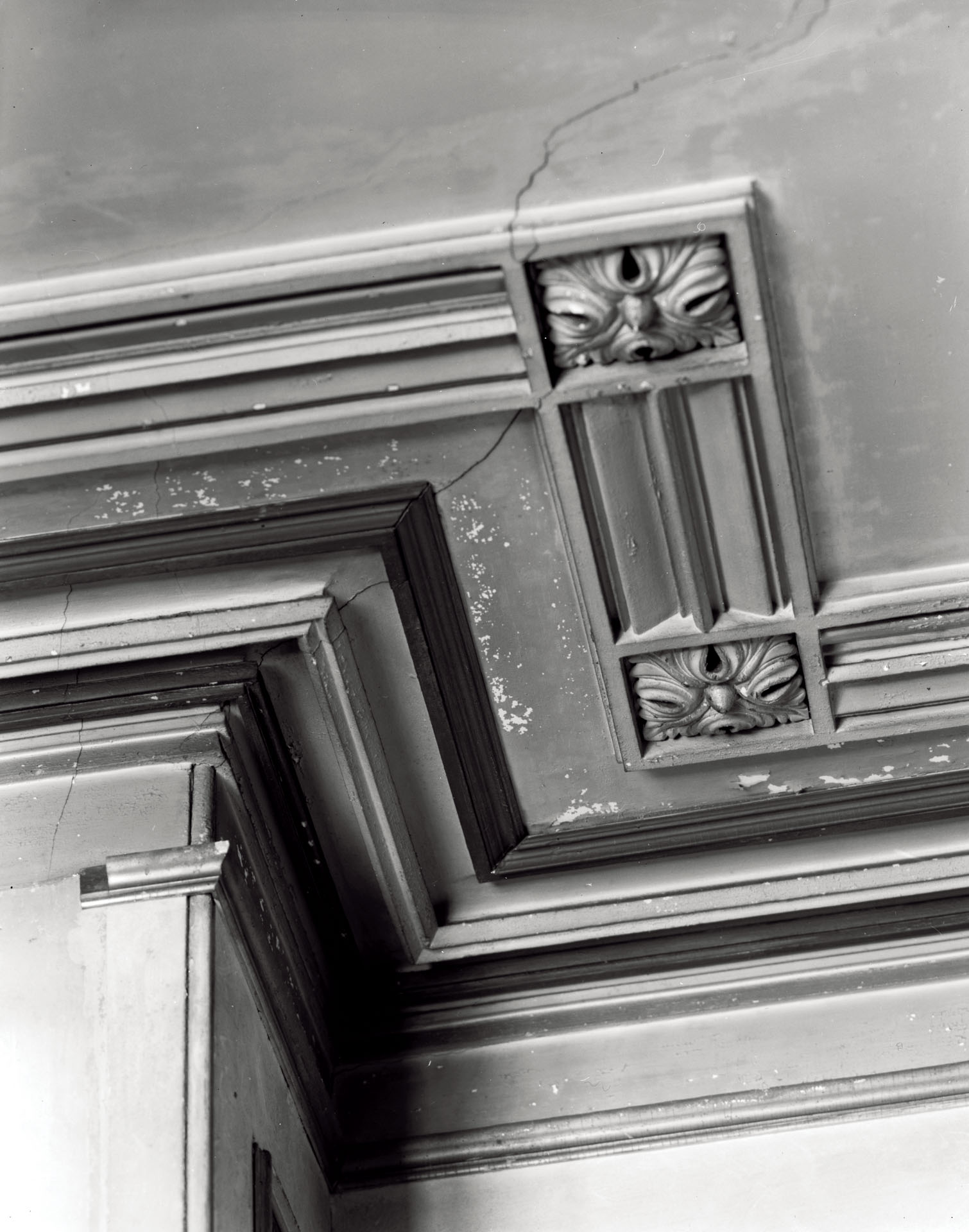
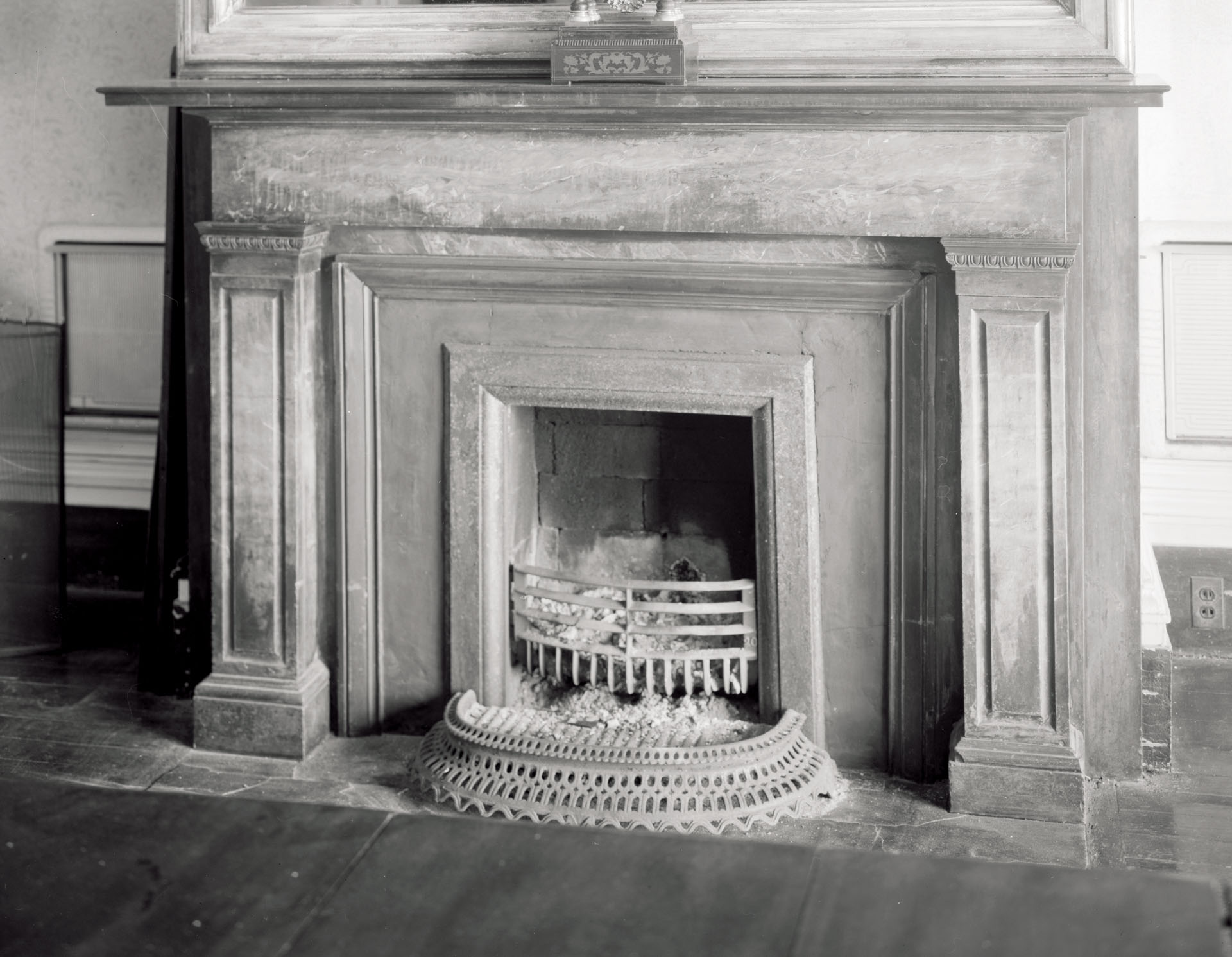
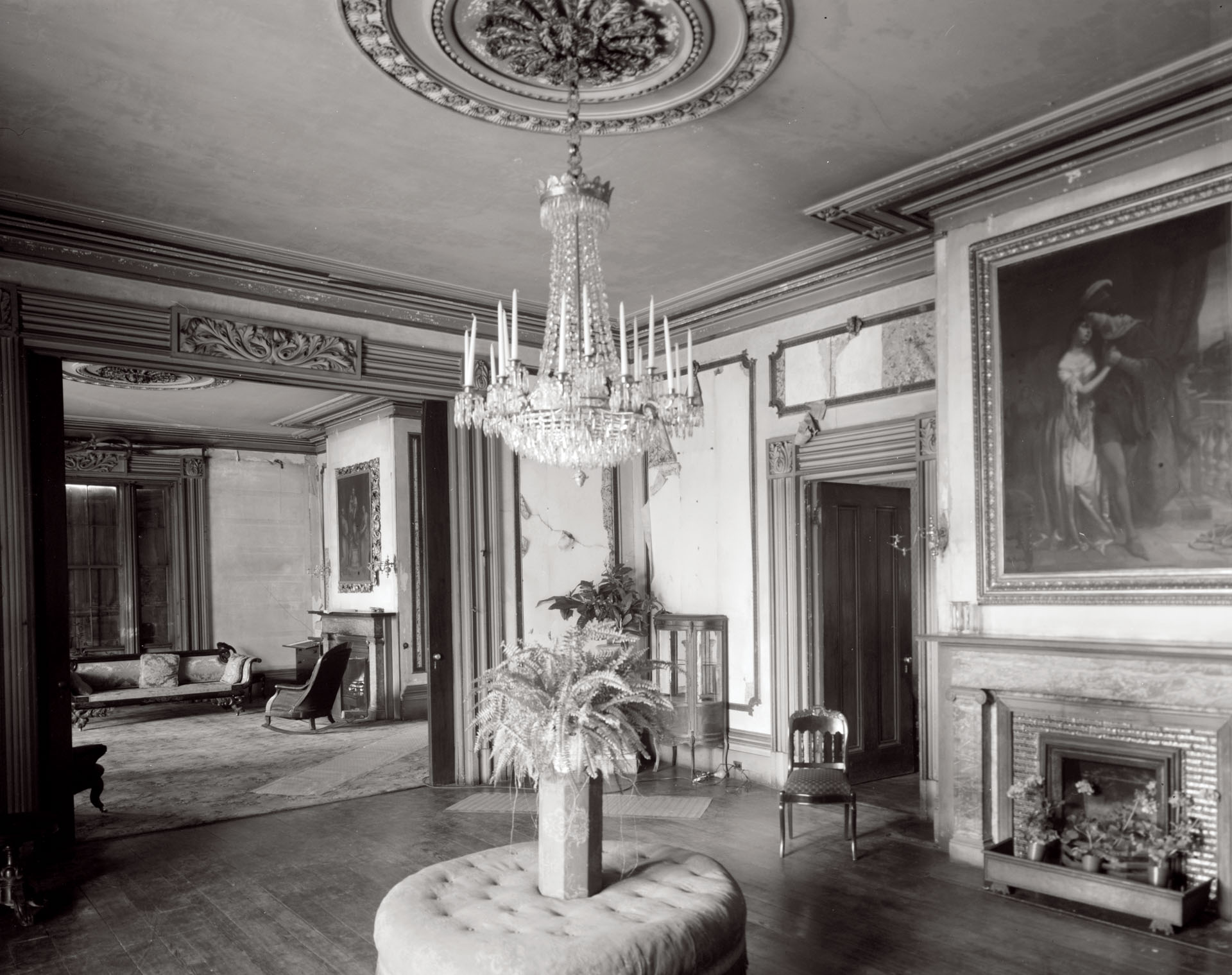
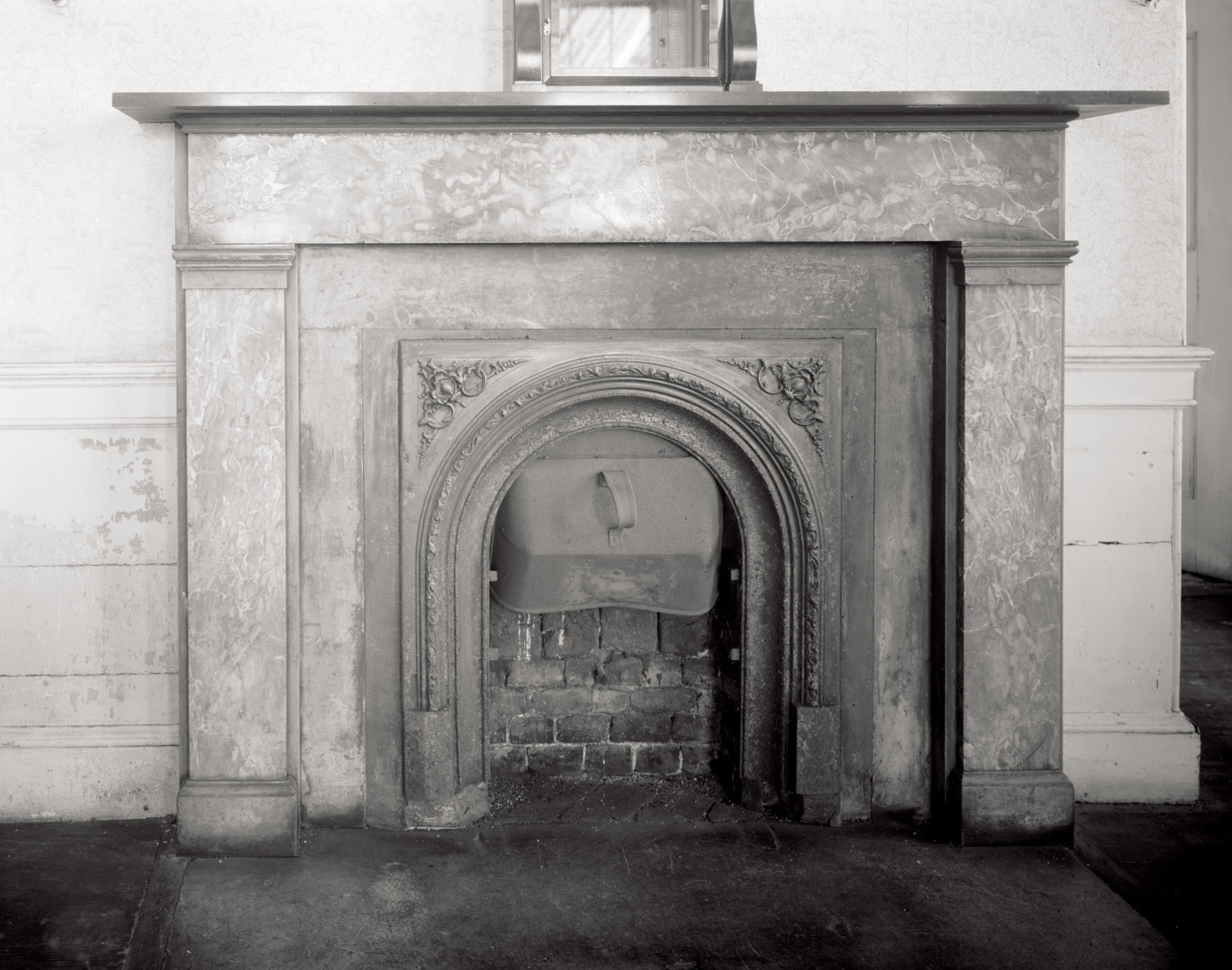
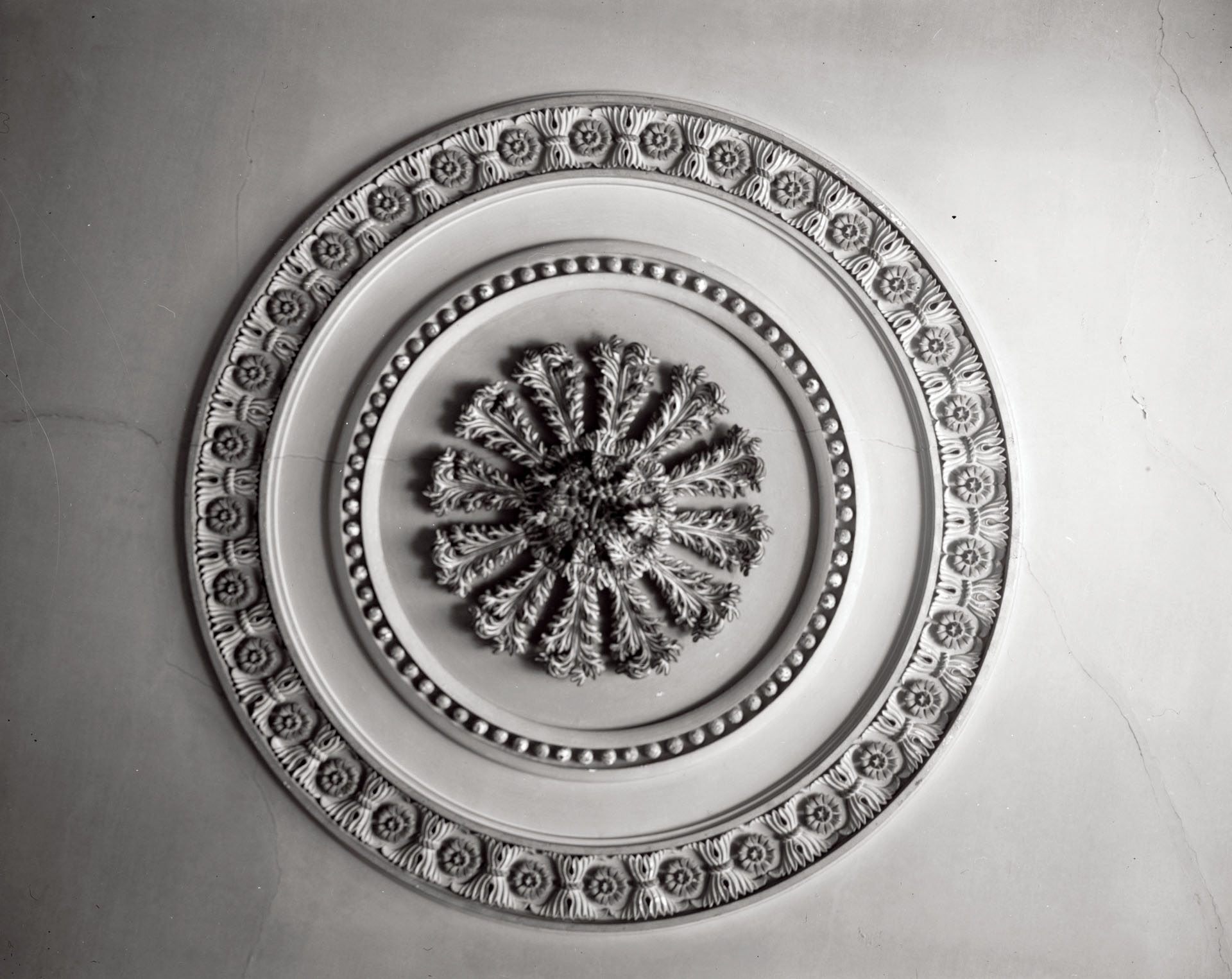
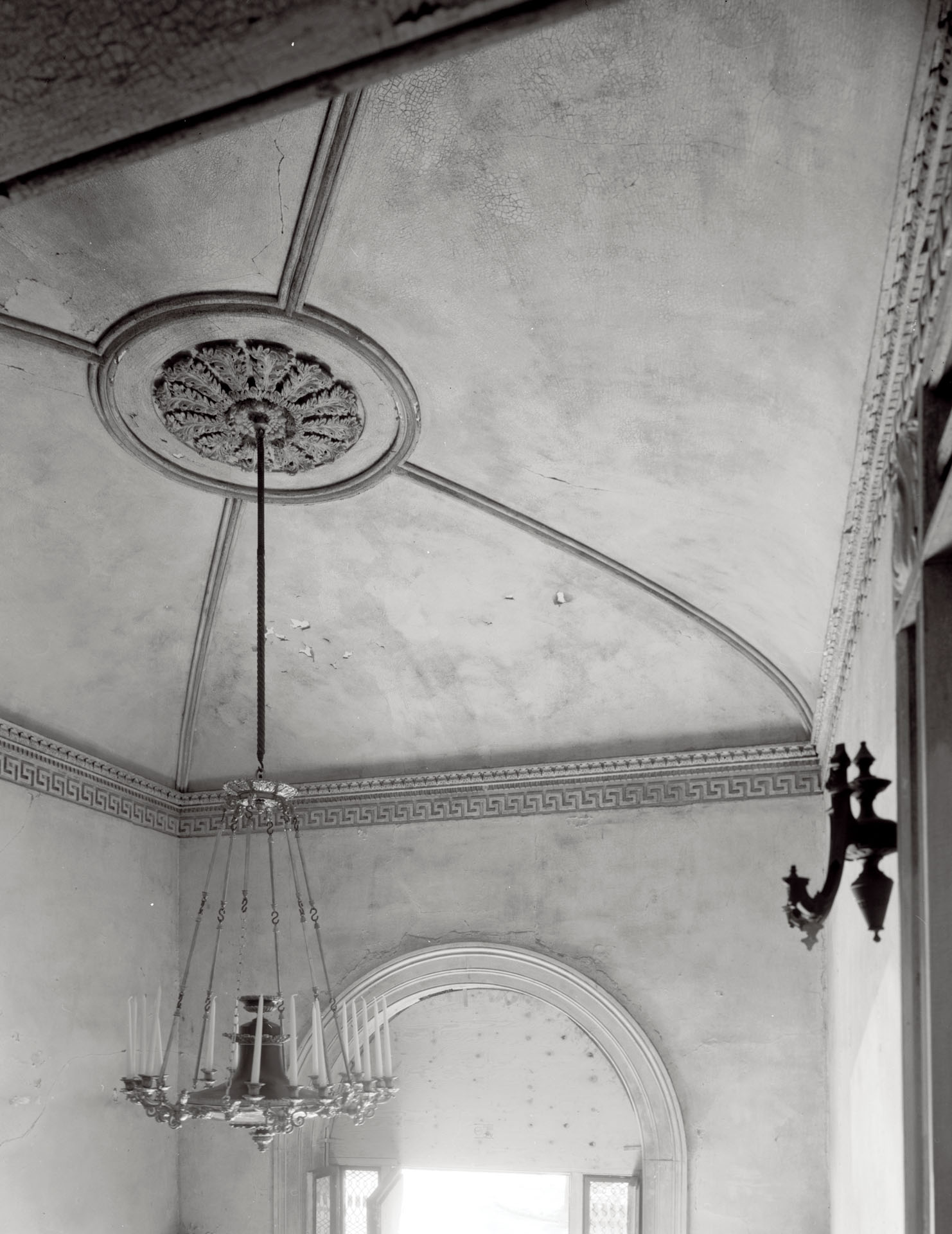
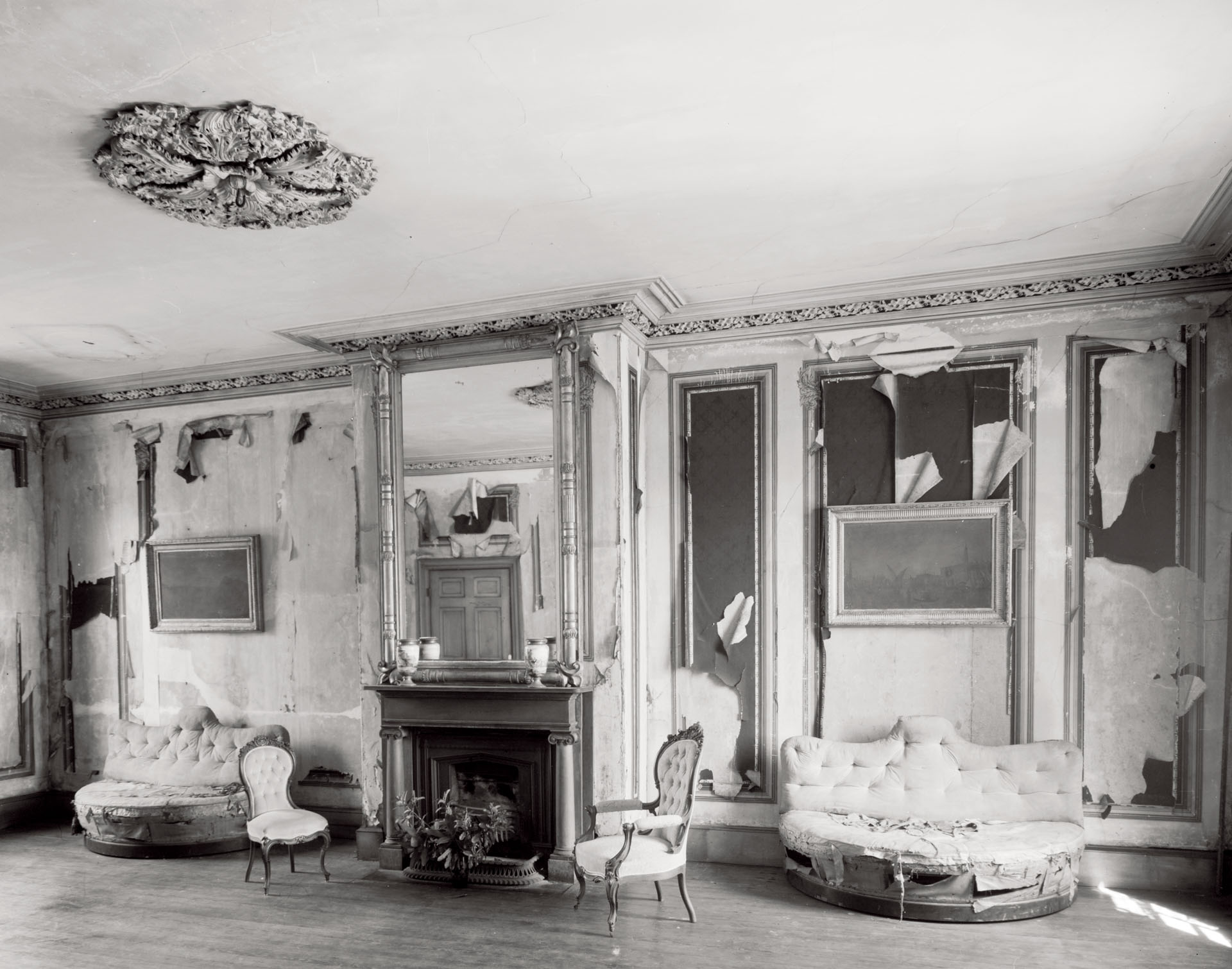
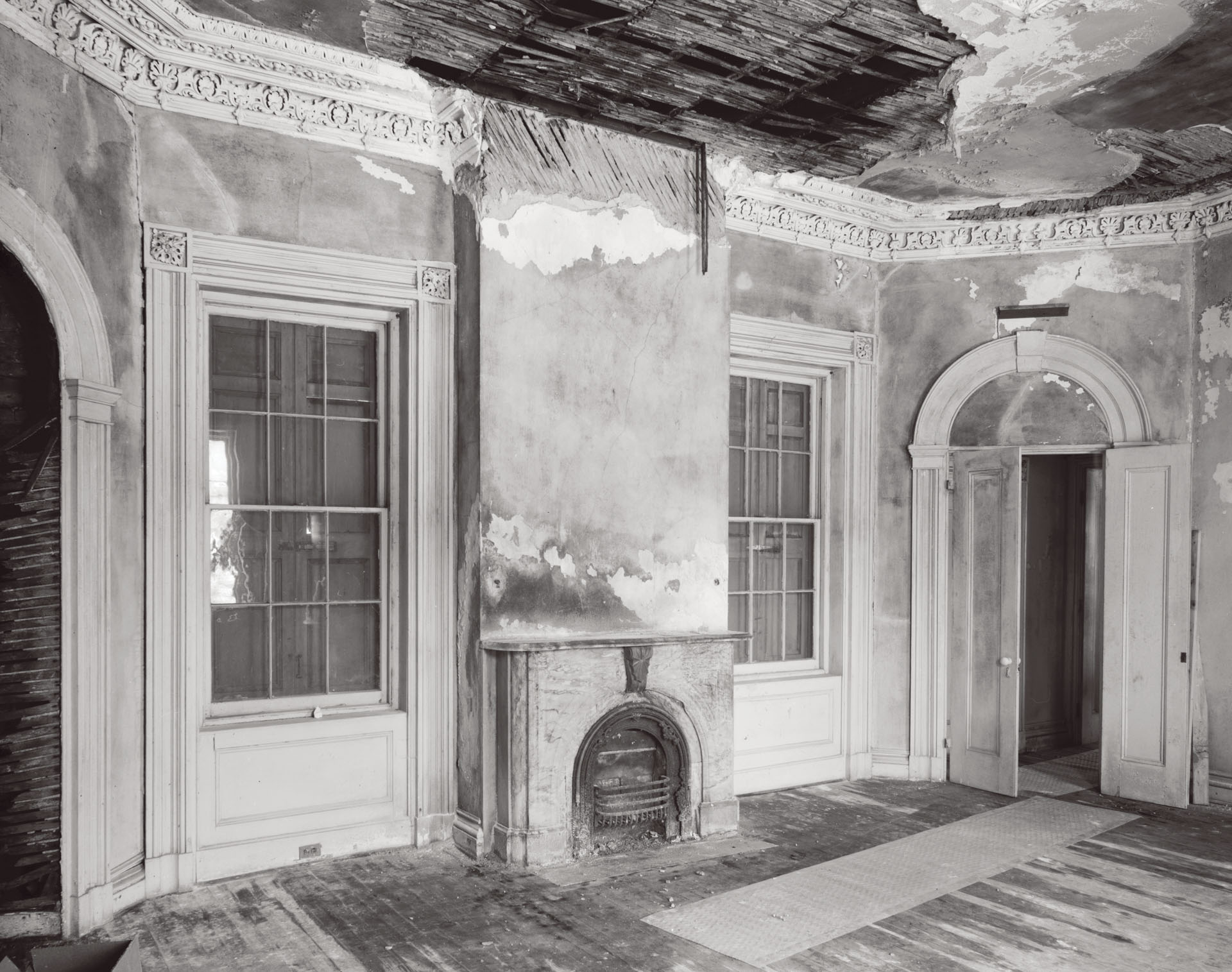
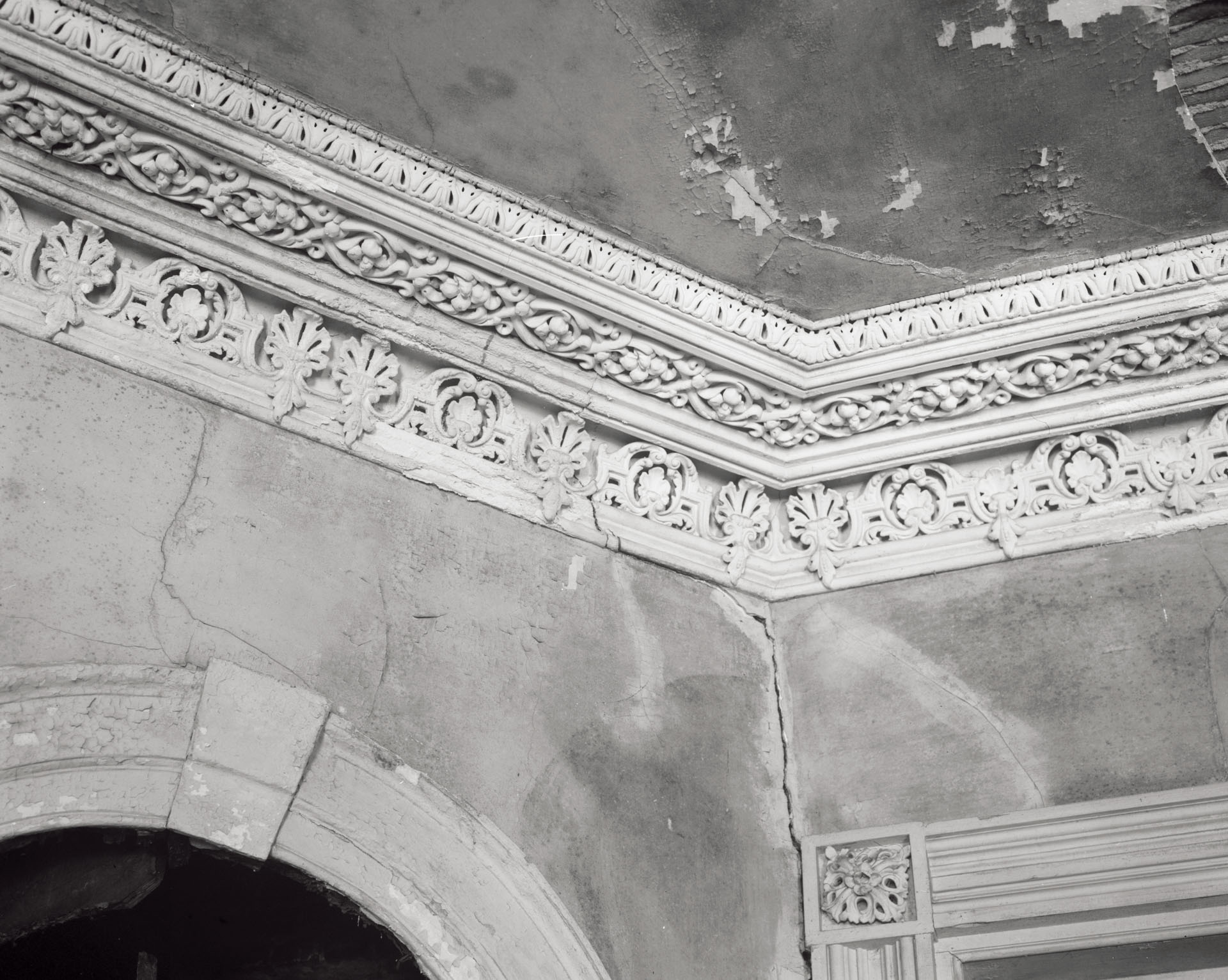
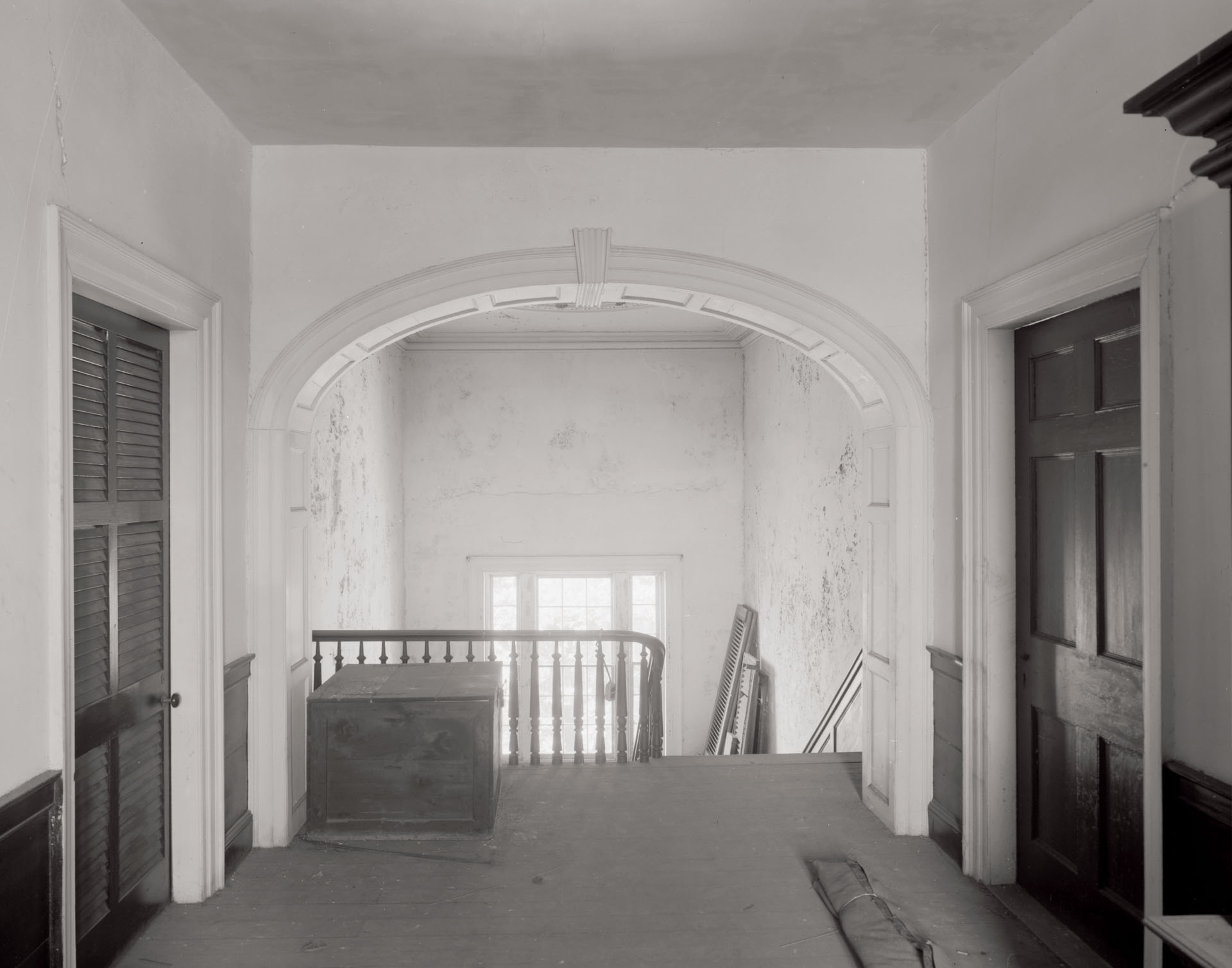
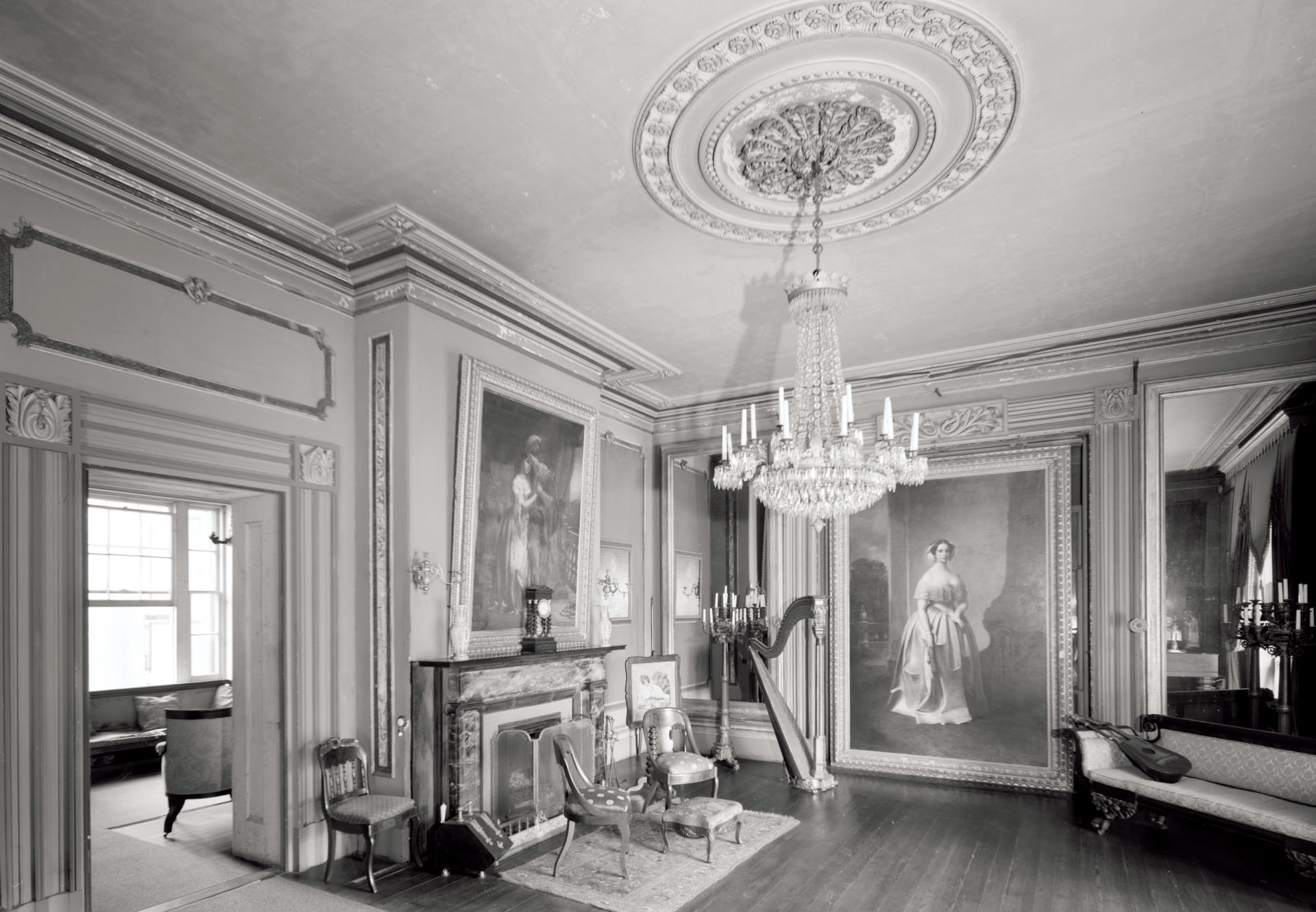
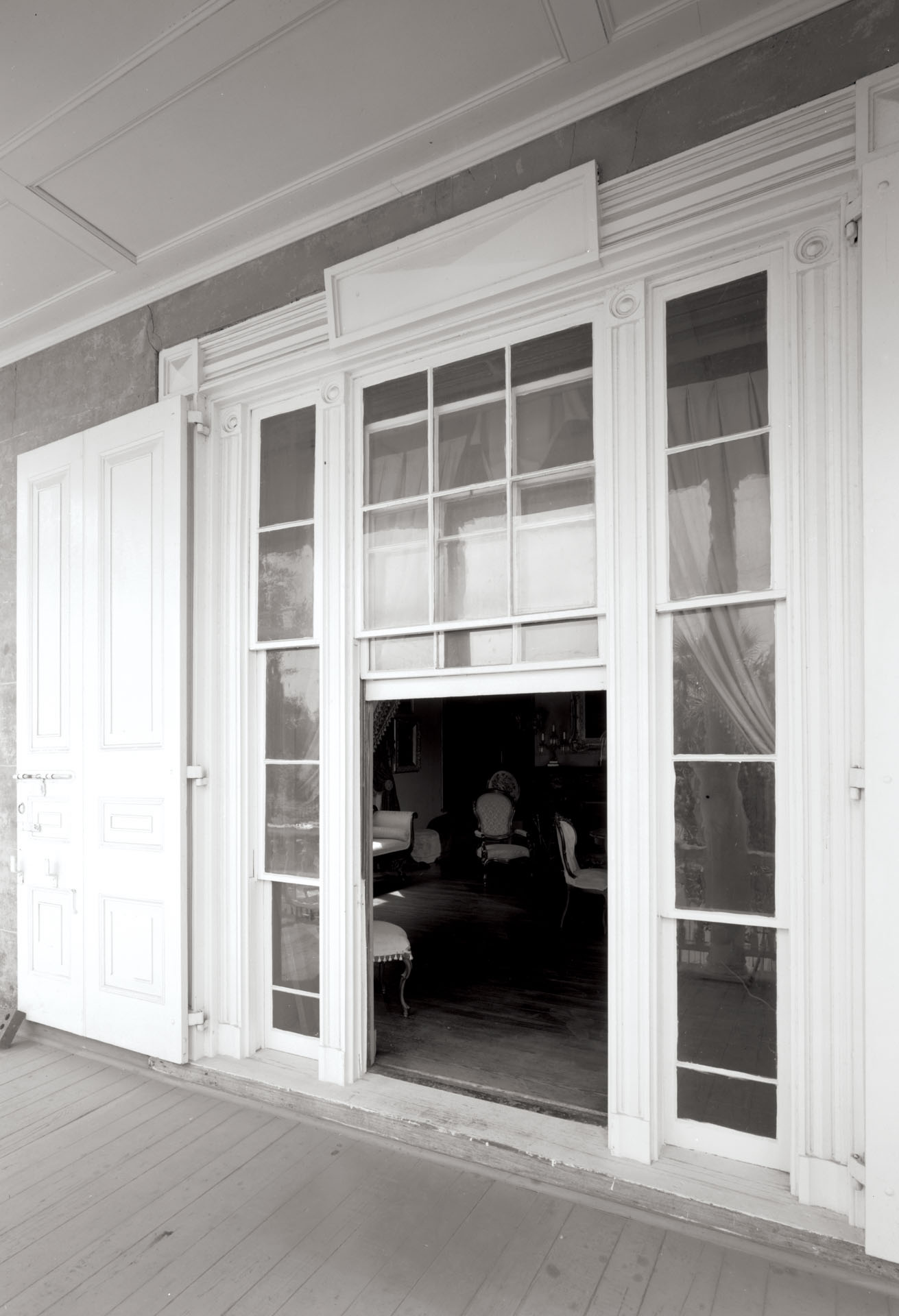
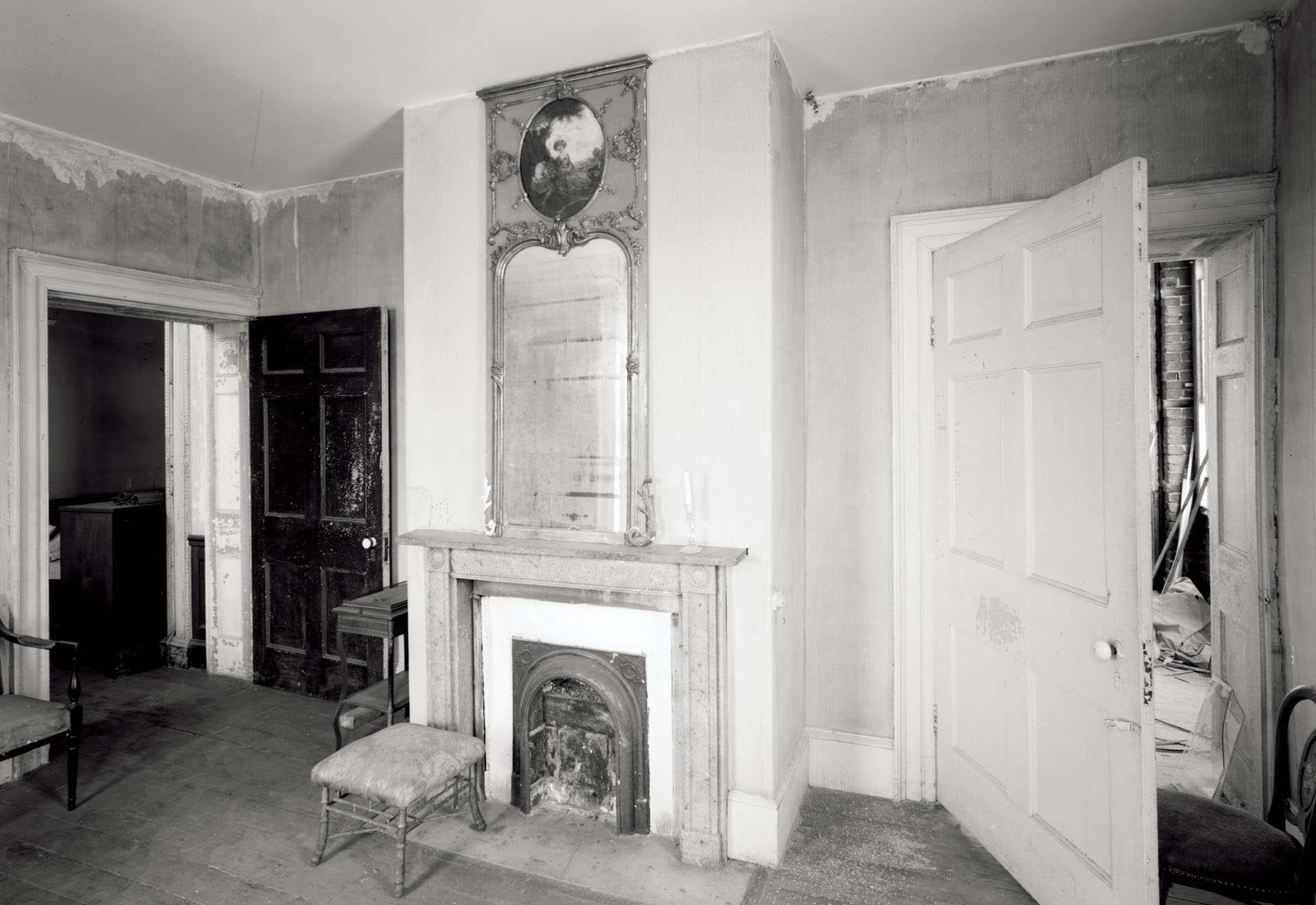
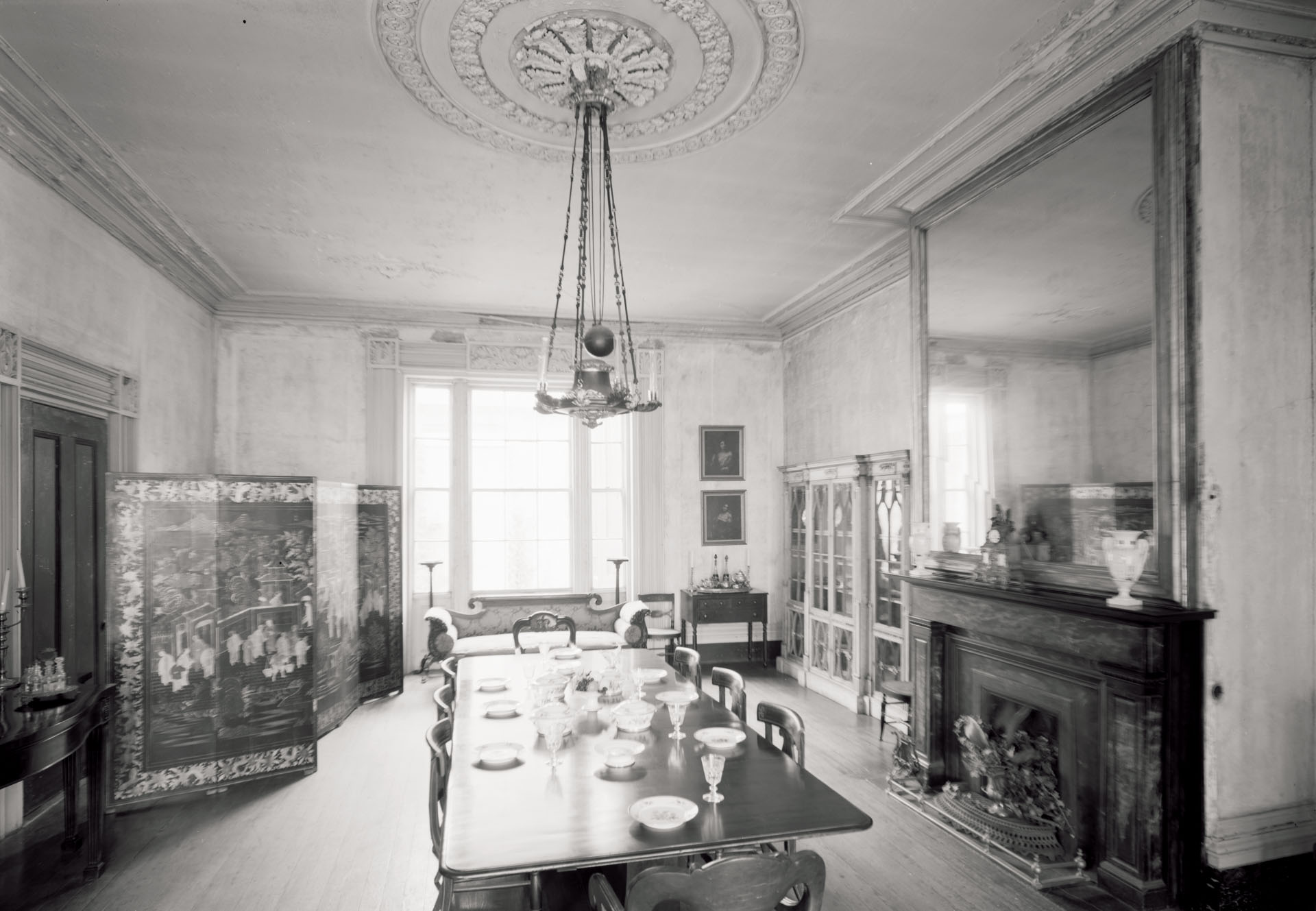
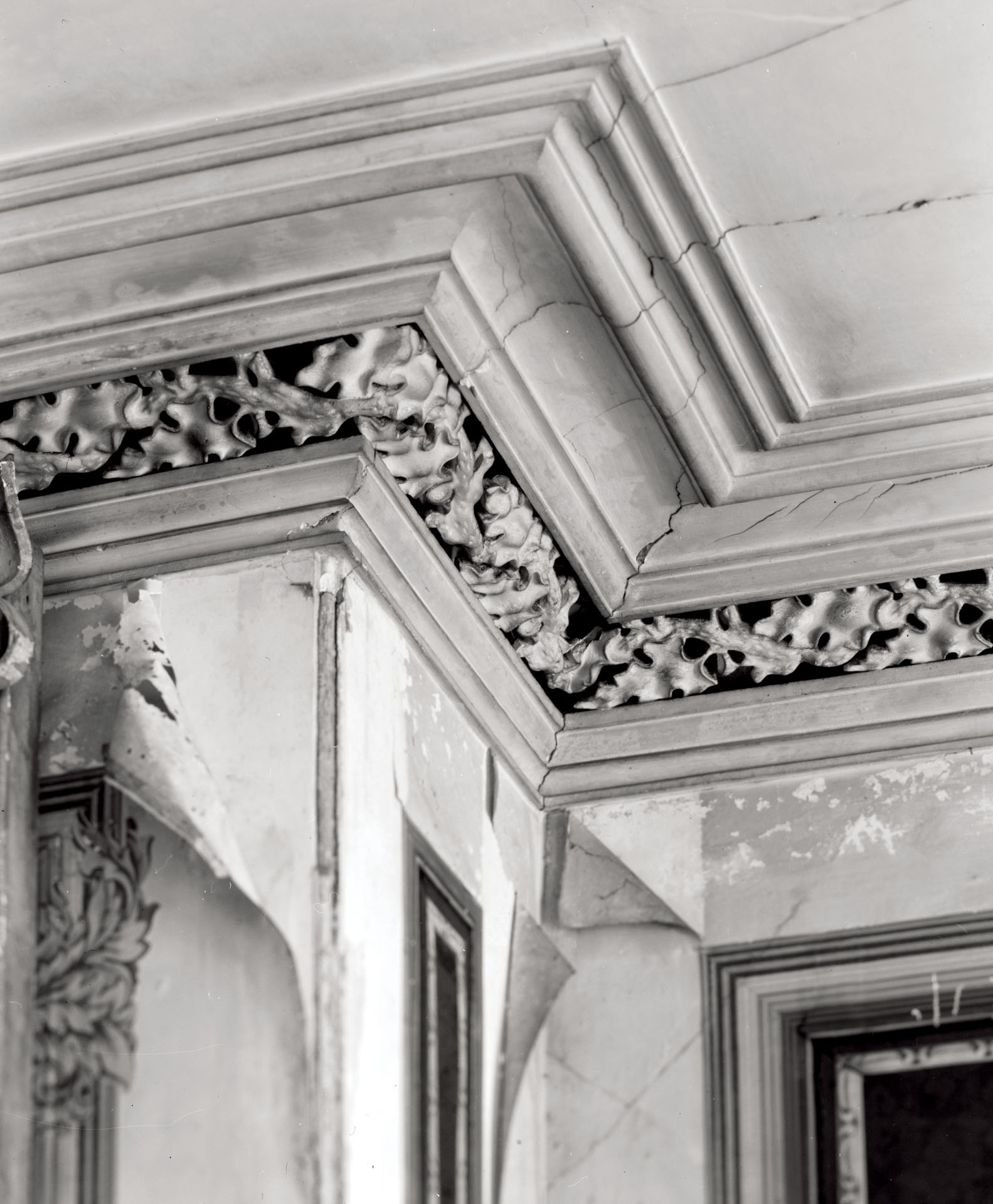
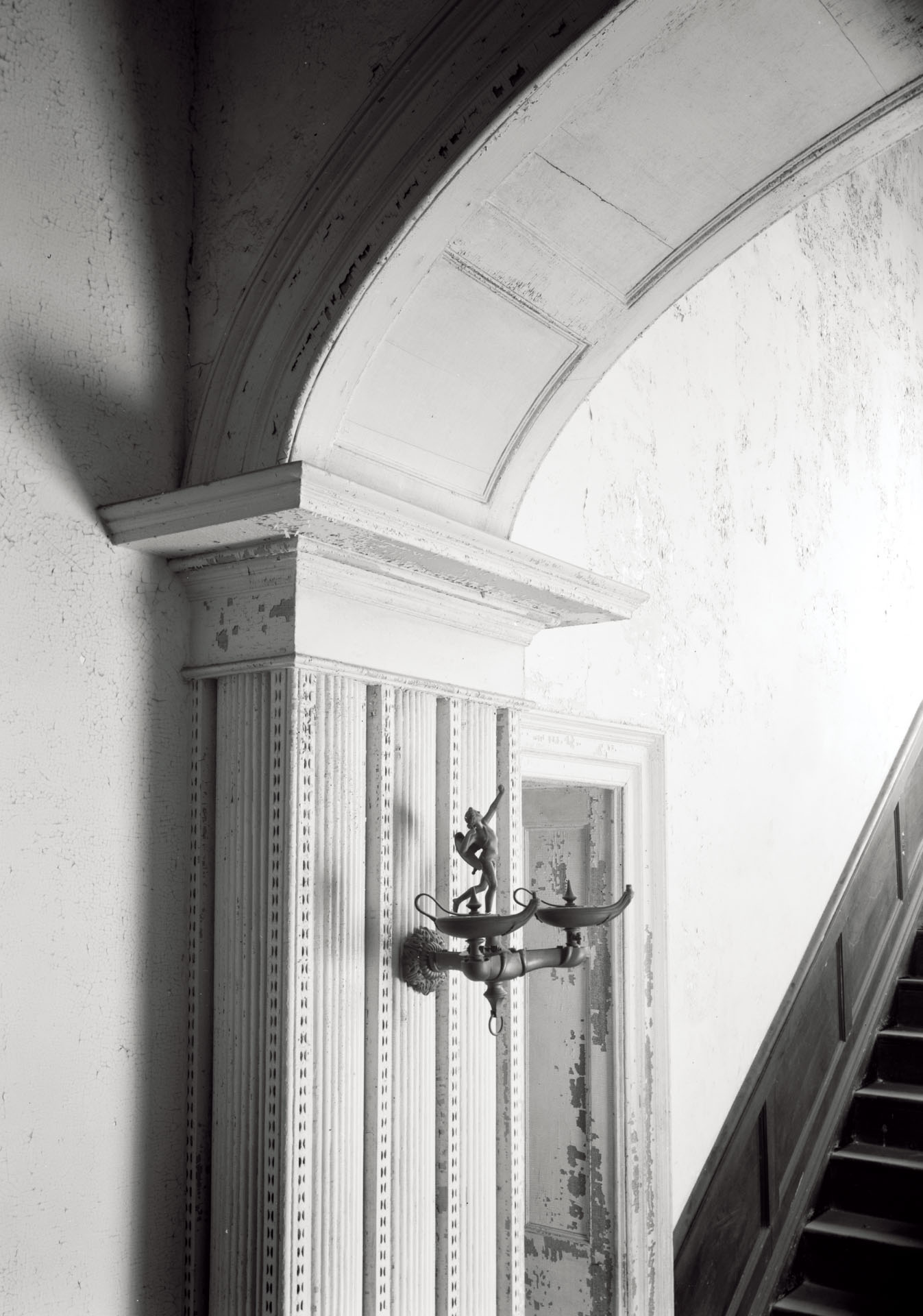
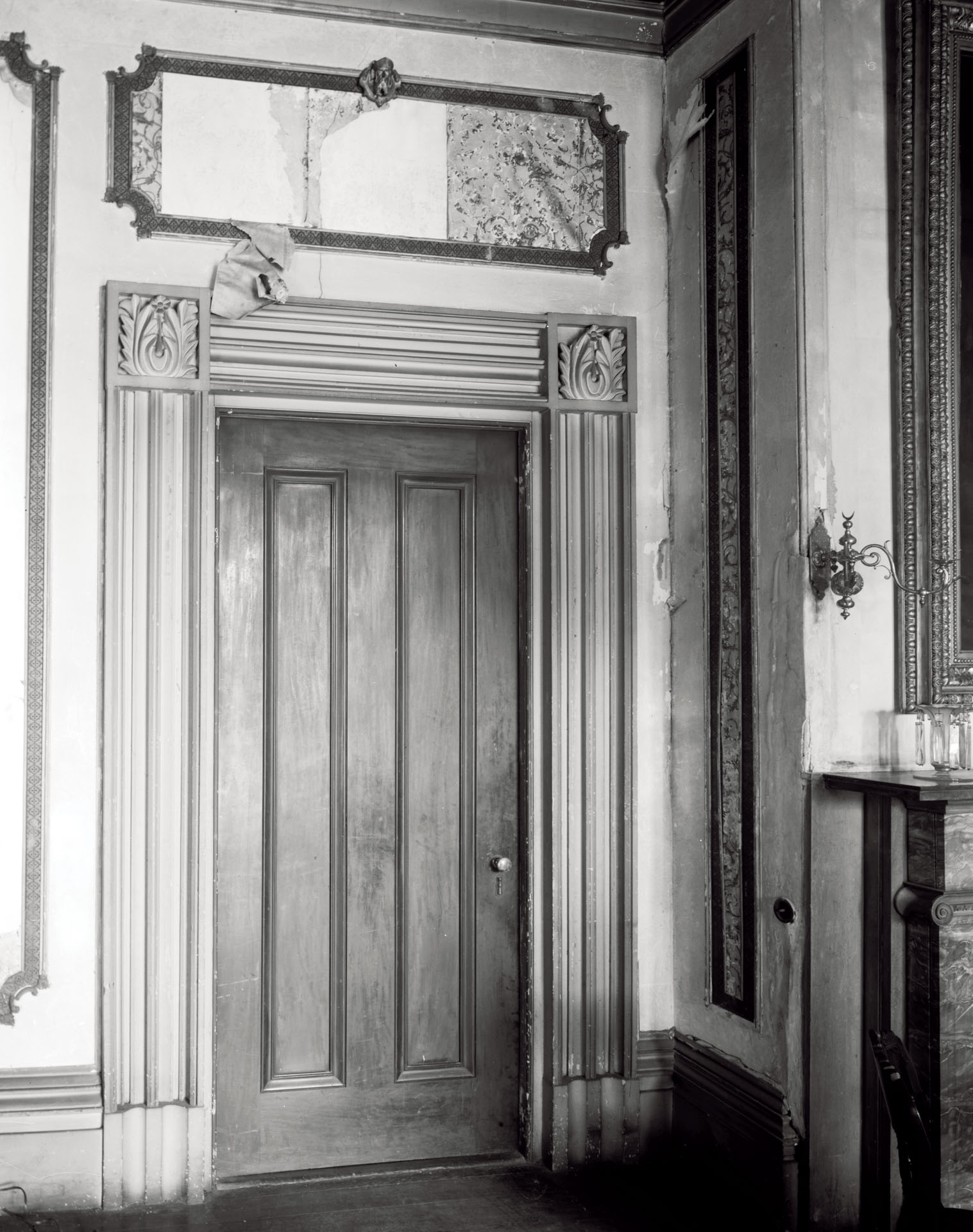
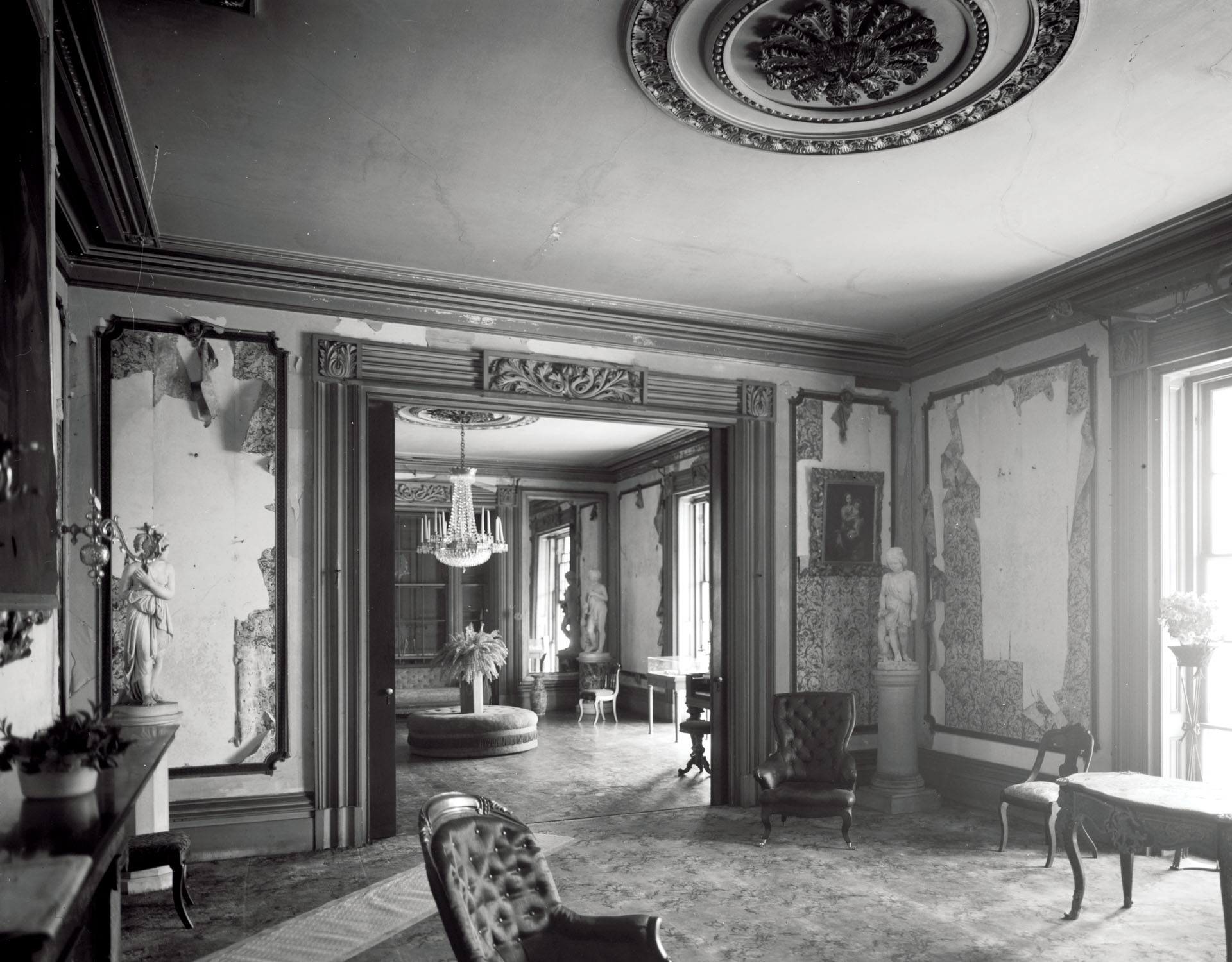
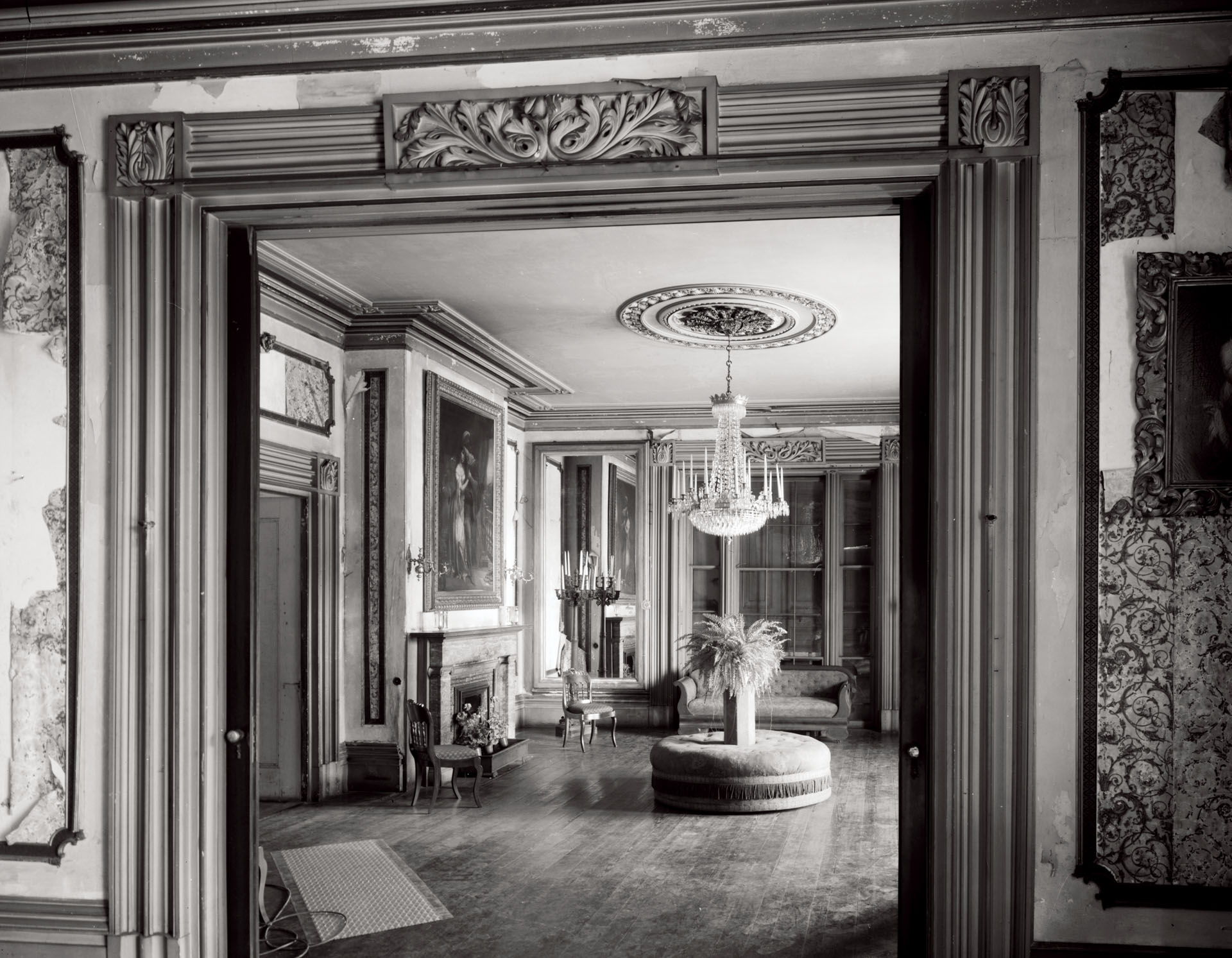
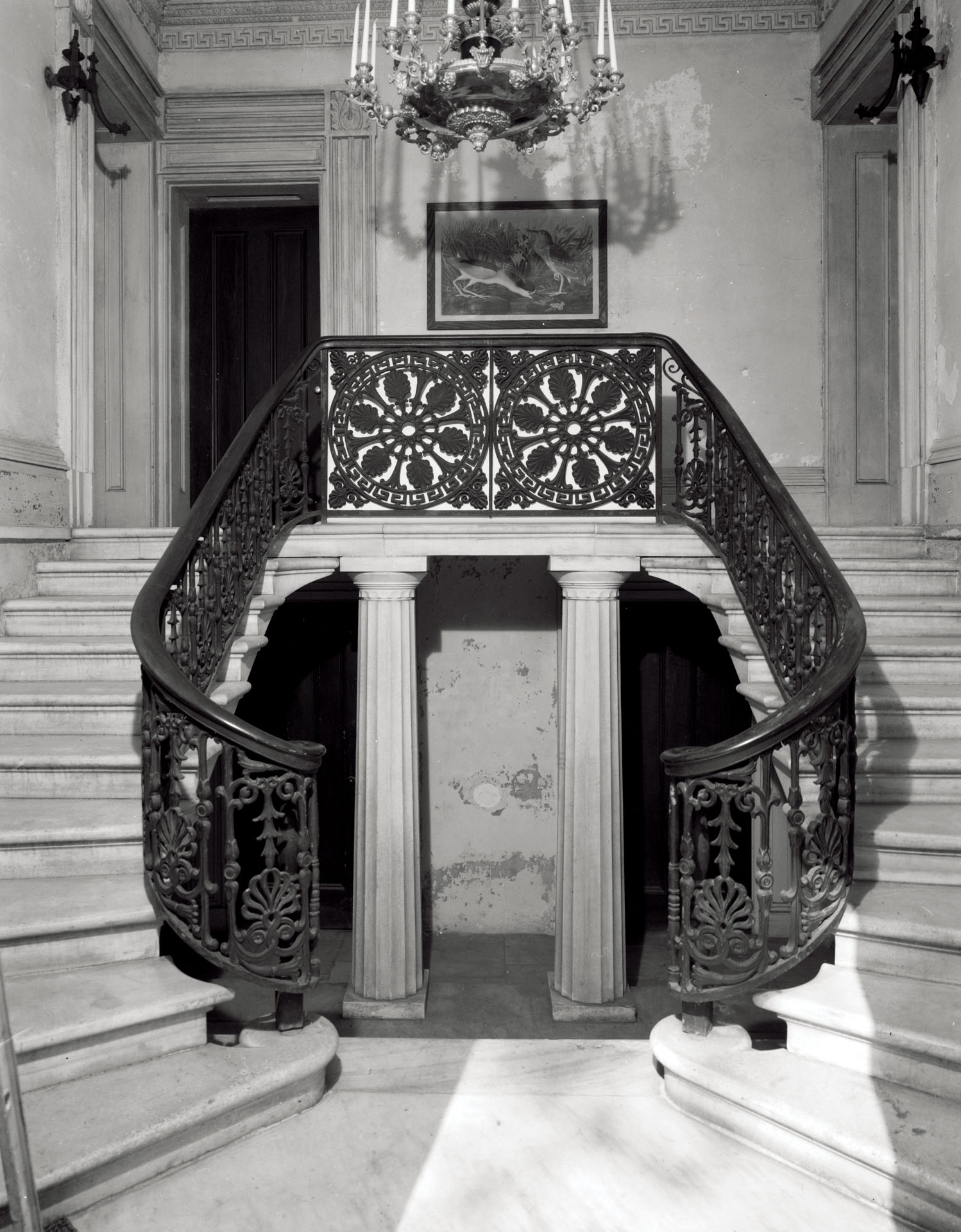
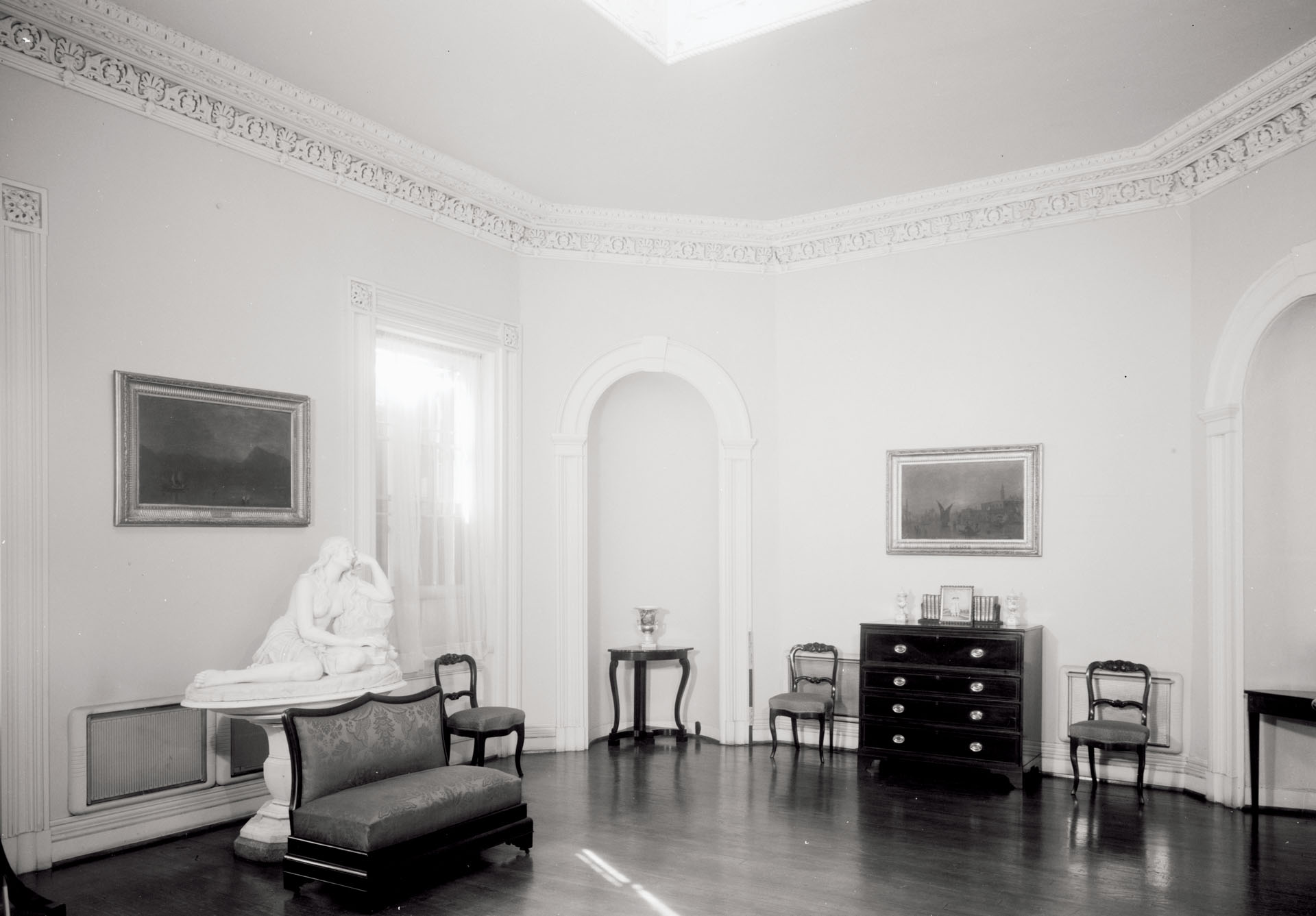
The principal elevation presents itself with an imposing breadth that few Charleston residences can equal. Broad stuccoed surfaces scored to resemble ashlar masonry rise beneath a powerful cornice, while the symmetry of the composition is tempered by delicate ironwork and tall window openings that draw light deep into the interior. The drawings and photographs disclose a sophisticated layering of Federal and Greek Revival influences, particularly within the entrance compositions, stair halls, and richly articulated plaster ornament. Fine moulded casings frame the openings with exactitude, while deep entablatures and carefully calibrated paneling endow the rooms with an atmosphere of cultivated permanence. In the great parlors, reflected light moves across worn finishes and faded surfaces with extraordinary warmth, preserving the impression of rooms that have aged with dignity rather than being aggressively restored.
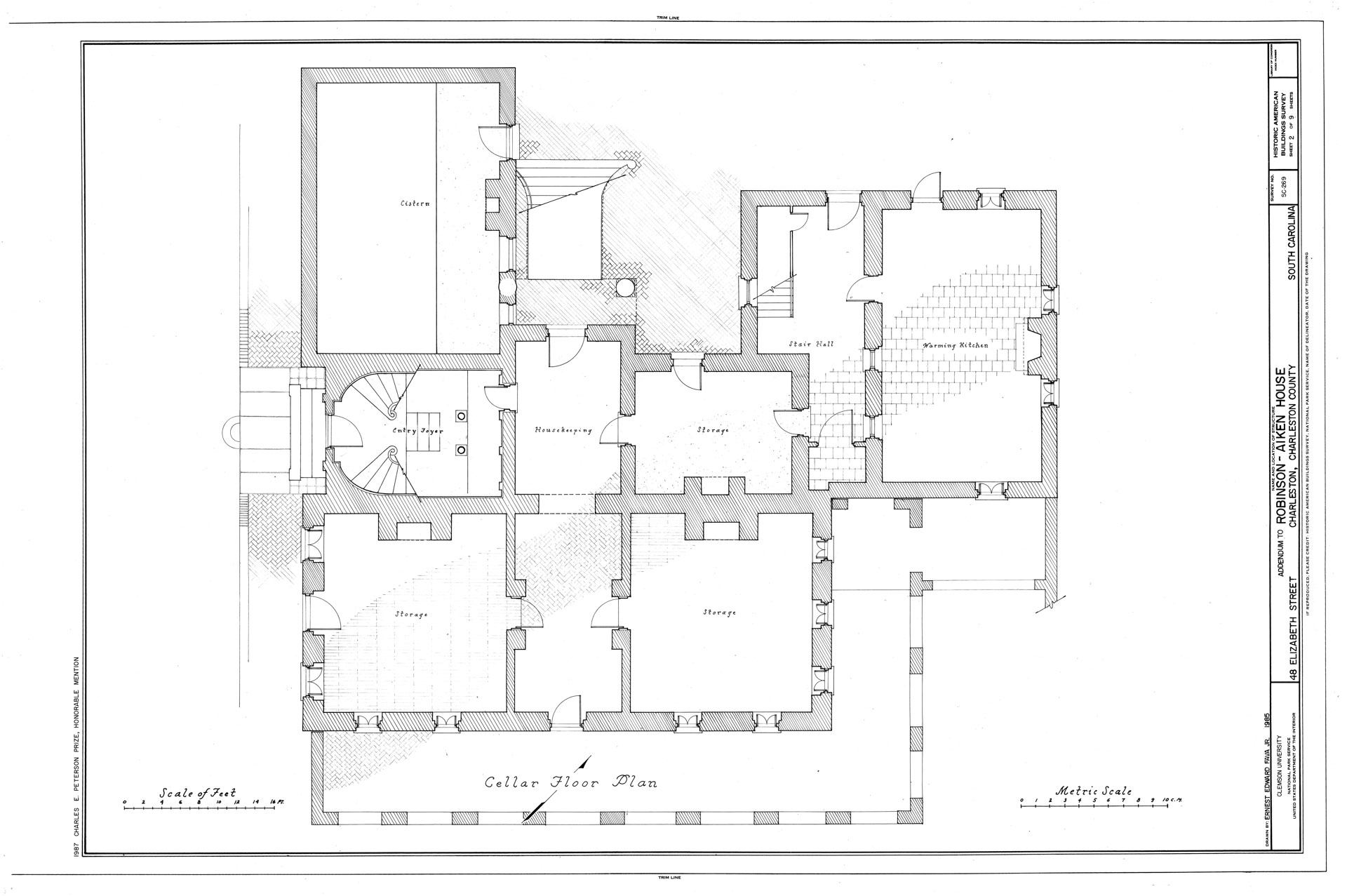
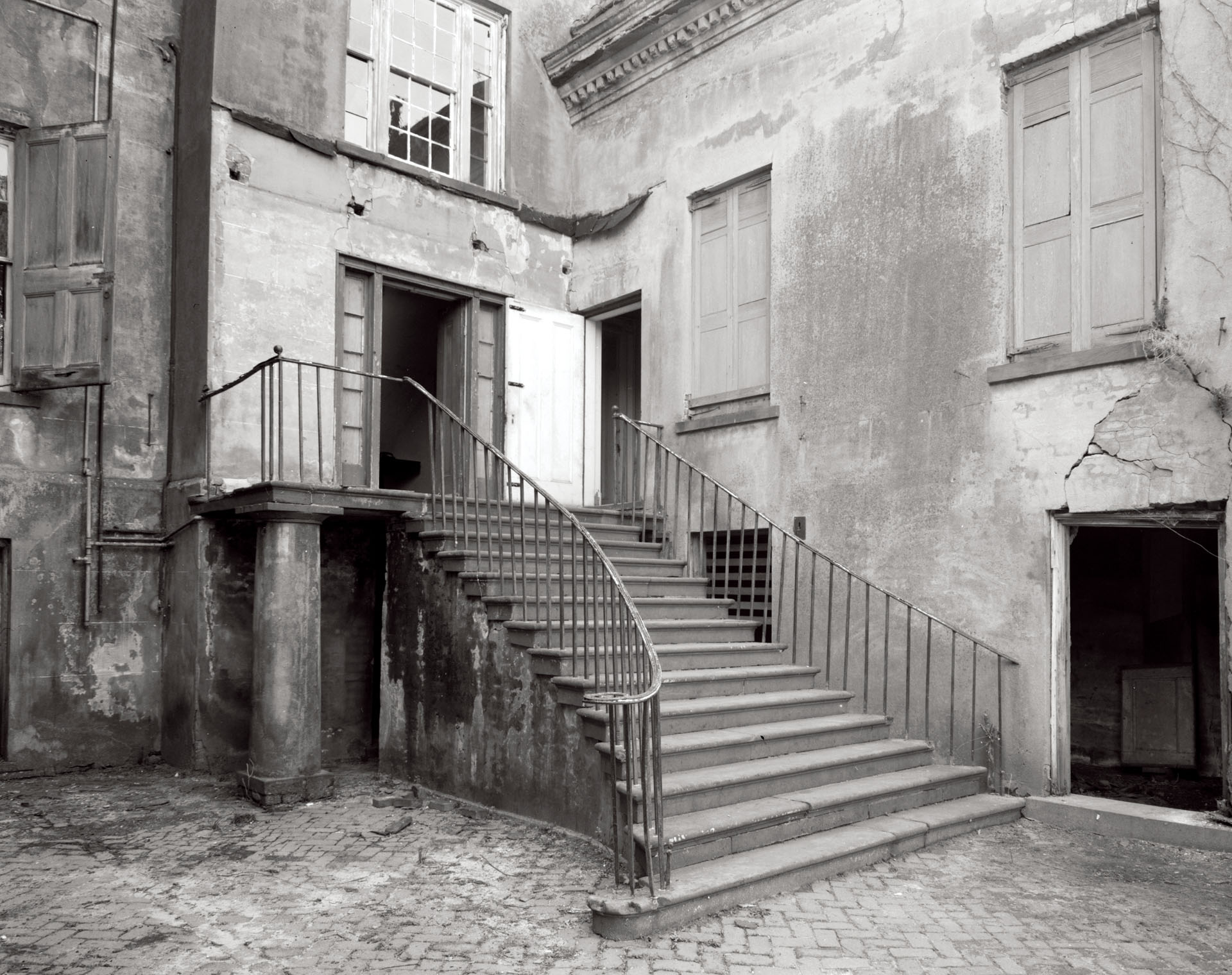
Equally arresting are the service yards and dependency buildings extending behind the main residence. Kitchens, carriage rooms, laundries, and preserved living quarters remain largely undisturbed, allowing the estate to communicate a fuller and more difficult history than many surviving mansions of its era. The textures of weathered brick, aged timber, surviving paint layers, and time-worn hardware, create an uncommonly direct and affecting connection to nineteenth-century Charleston. Together, the drawings and surviving fabric of the estate allow the house to speak with singular power, revealing a world of ceremonial grandeur, relentless labor, and artistic achievement suspended within the humid air of Charleston for more than two centuries.