AMHERST, HILLSBOROUGH COUNTY, NEW HAMPSHIRE
Standing at the edge of Amherst's historic common, the Colonel Robert Means House reflects both the aspirations of its owner and the growing confidence of a young nation. Constructed in 1785, the residence was erected by Robert Means, an immigrant from Northern Ireland who arrived in America with little means of his own before establishing a prosperous mercantile enterprise that would secure his place among the leading citizens of Amherst. Its carefully ordered façade, disciplined arrangement of openings, and commanding roofline compose an impression of permanence, befitting a merchant whose commercial interests extended throughout southern New Hampshire. Occupying a prominent position near the village common, the residence projects the assurance of a prosperous merchant at a moment when Amherst served as a consequential civic and commercial center.
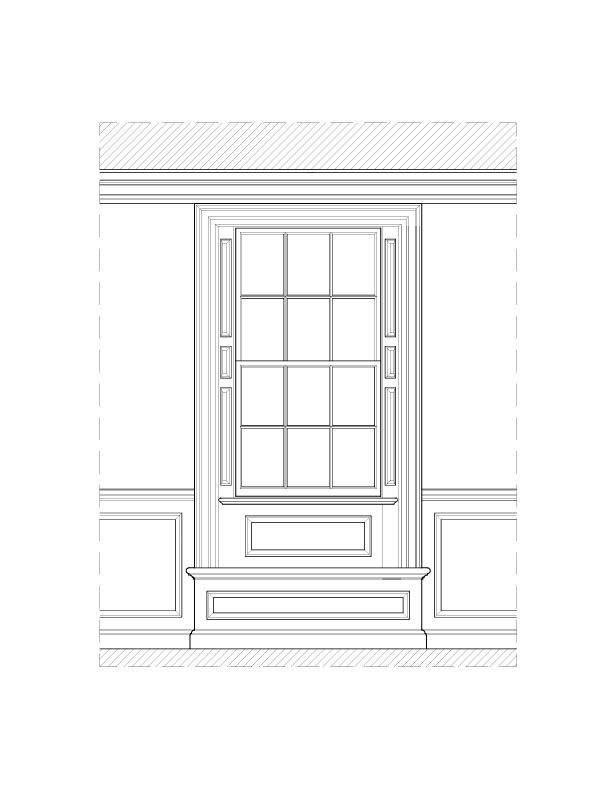
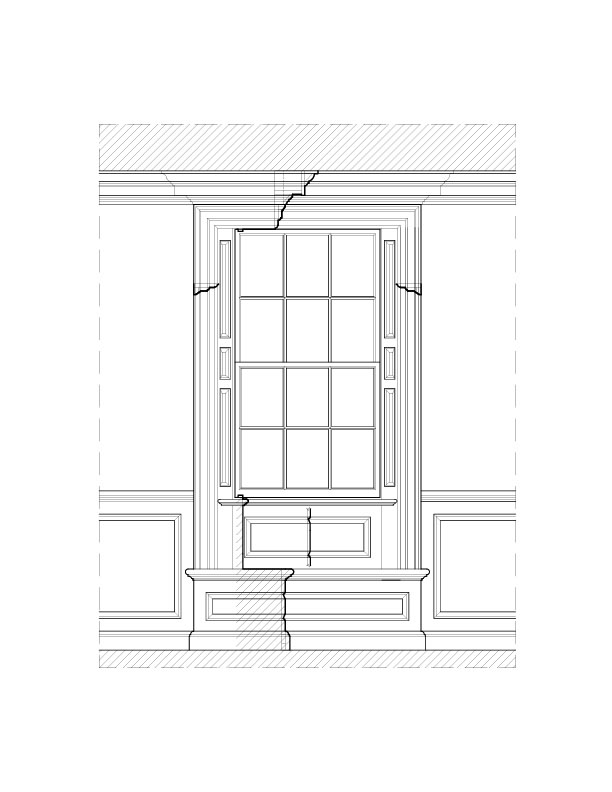
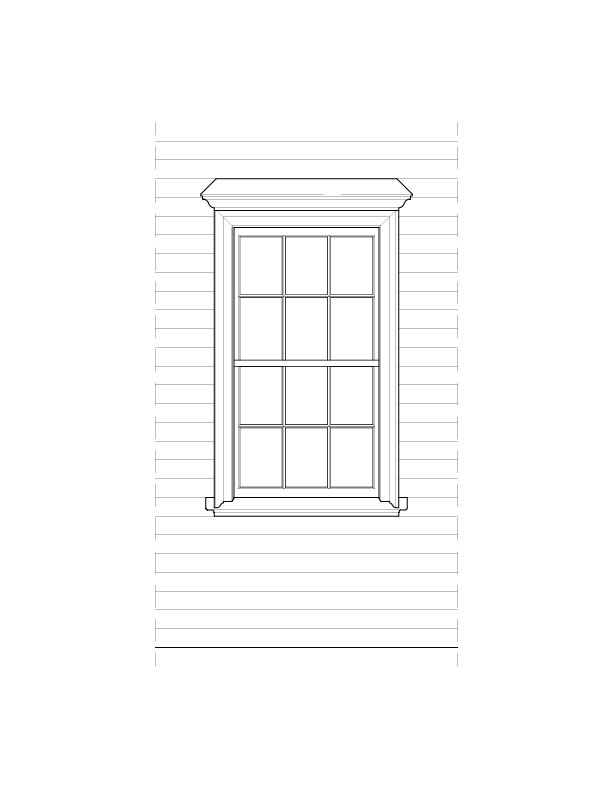
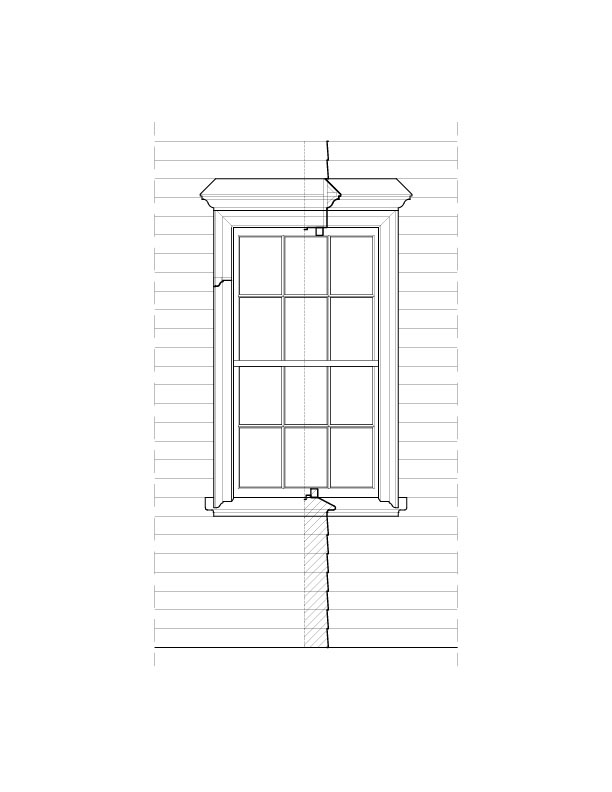
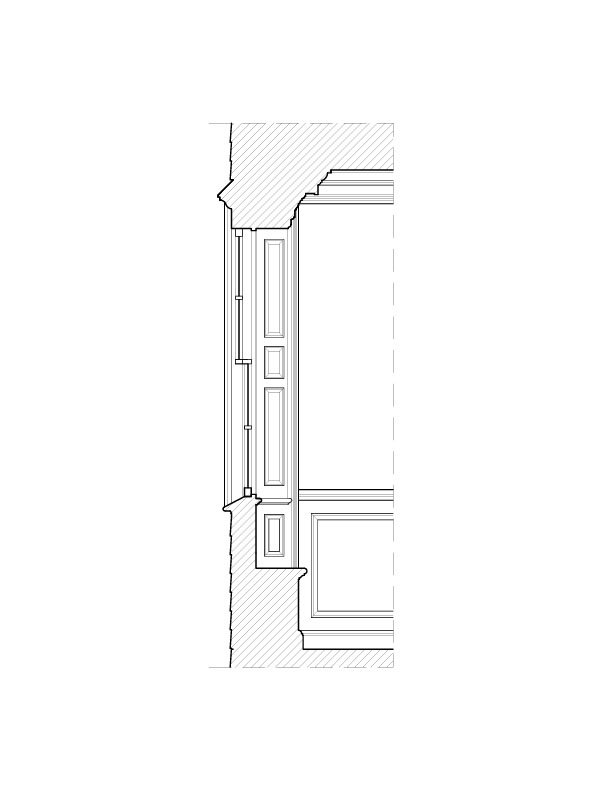
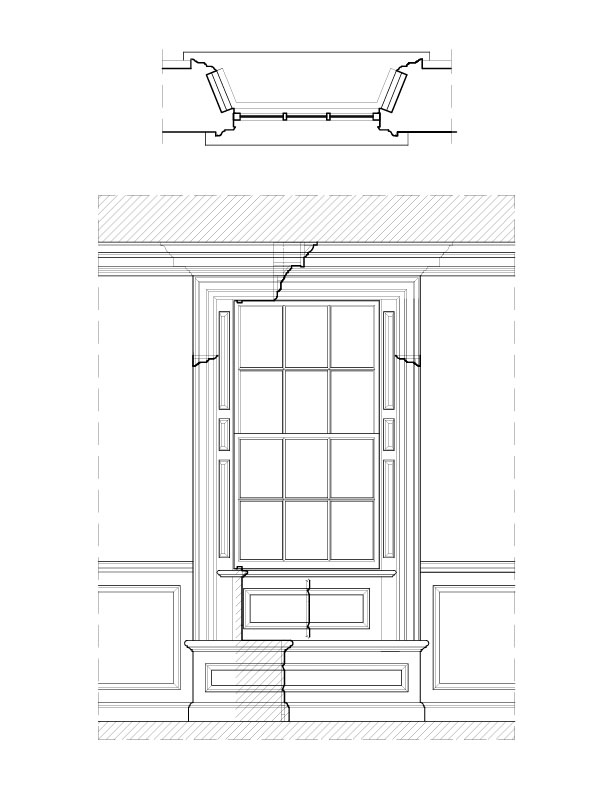
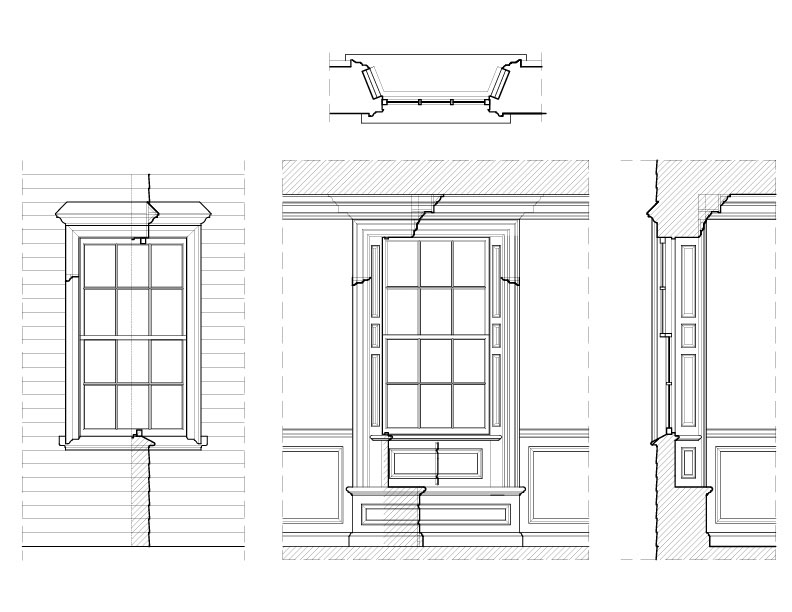
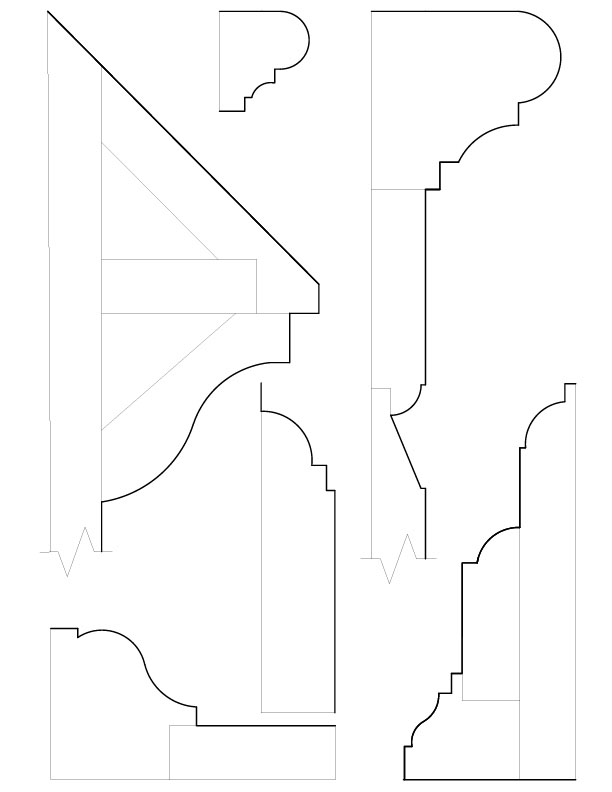
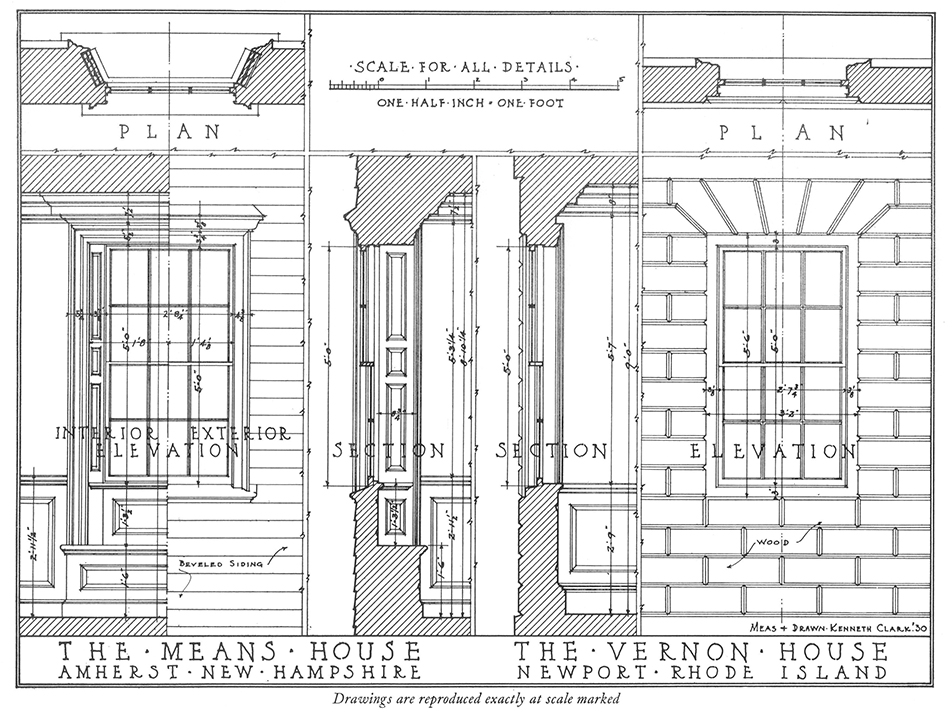
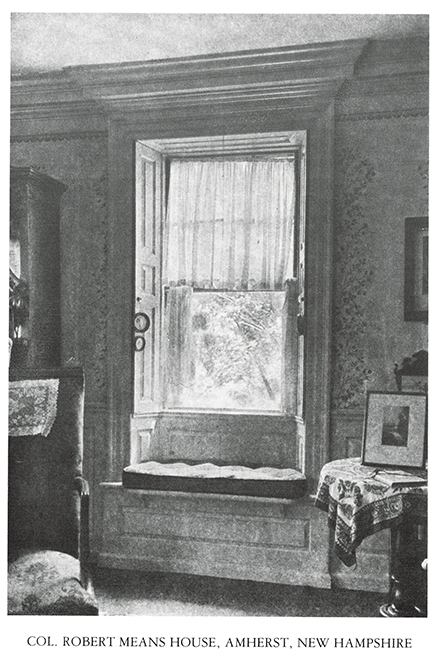
The measured drawings documented through the Historic American Buildings Survey preserve an interior enriched by profiled window casings, substantial finish work, and moulding compositions that reward close examination. Window elevations, moulding profiles, and architectural features recorded by surveyors disclose a sophisticated vocabulary of late eighteenth-century millwork executed with rare exactitude. Particularly noteworthy are the layered window surrounds, where subtle variations in profile generate depth and visual distinction throughout the residence. The measured drawings invite a closer examination of features that are often overlooked, transforming ordinary window openings into studies of composition and craftsmanship. In doing so, they reveal how much architectural character can emerge from details that many visitors might otherwise pass without notice.
The house has borne witness to more than two centuries of village life. Historical records document fires that afflicted Amherst during the eighteenth and nineteenth centuries, while the residence itself endured as a prominent landmark overlooking the village common. It later became the setting for an event of national significance when Franklin Pierce, who would become the 14th President of the United States, married Jane Means Appleton, granddaughter of Robert Means, within its walls. The mansion's continued survival is particularly notable given that so much of its historic fabric remains intact despite successive changes in ownership and use. Through its documented millwork, preserved architectural features, and steadfast presence overlooking the village green, the Colonel Robert Means House continues to offer a tangible and instructive connection to the people, craftsmanship, and aspirations that shaped early New Hampshire.