110 BROAD STREET, CHARLESTON, CHARLESTON COUNTY, SOUTH CAROLINA
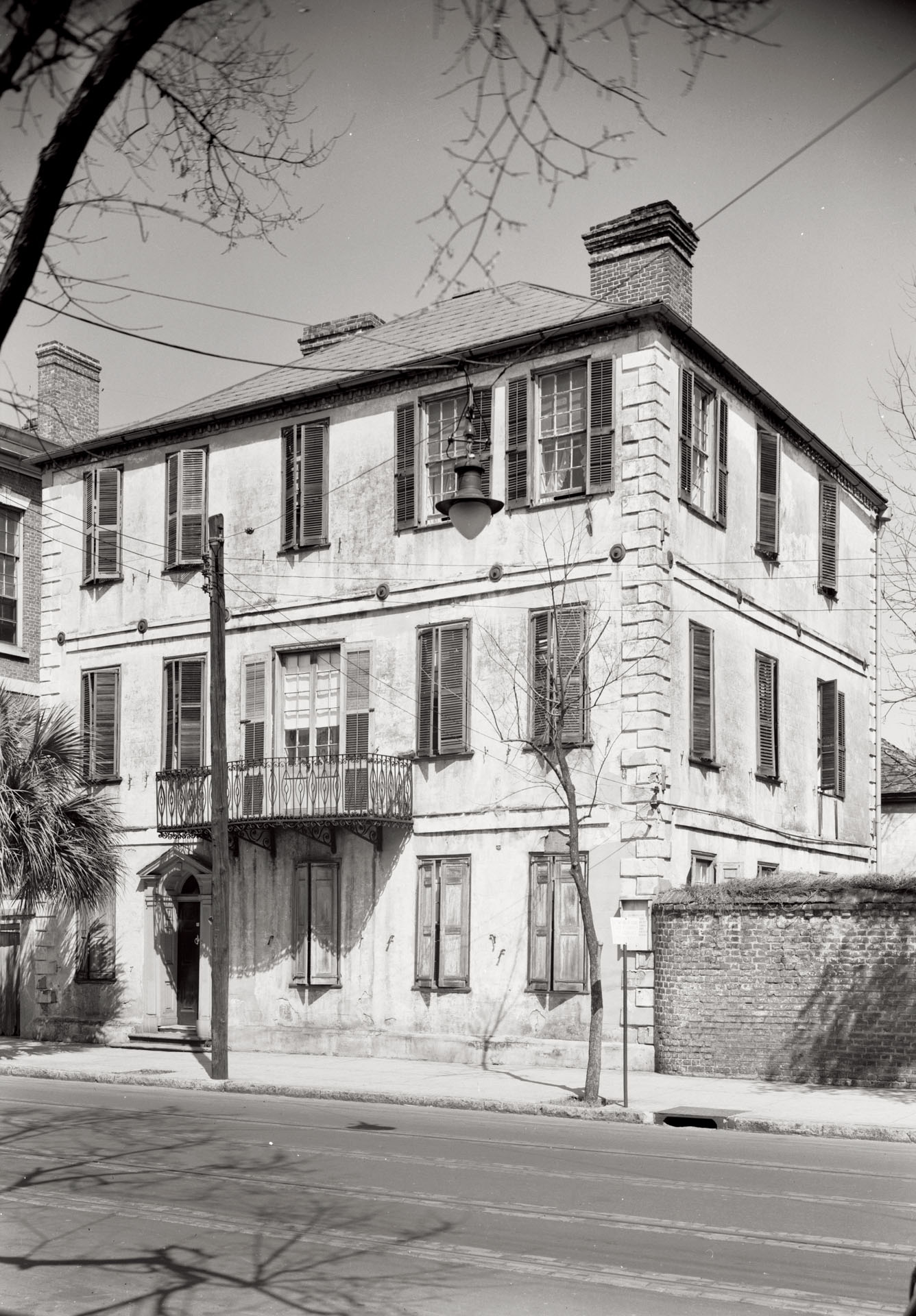
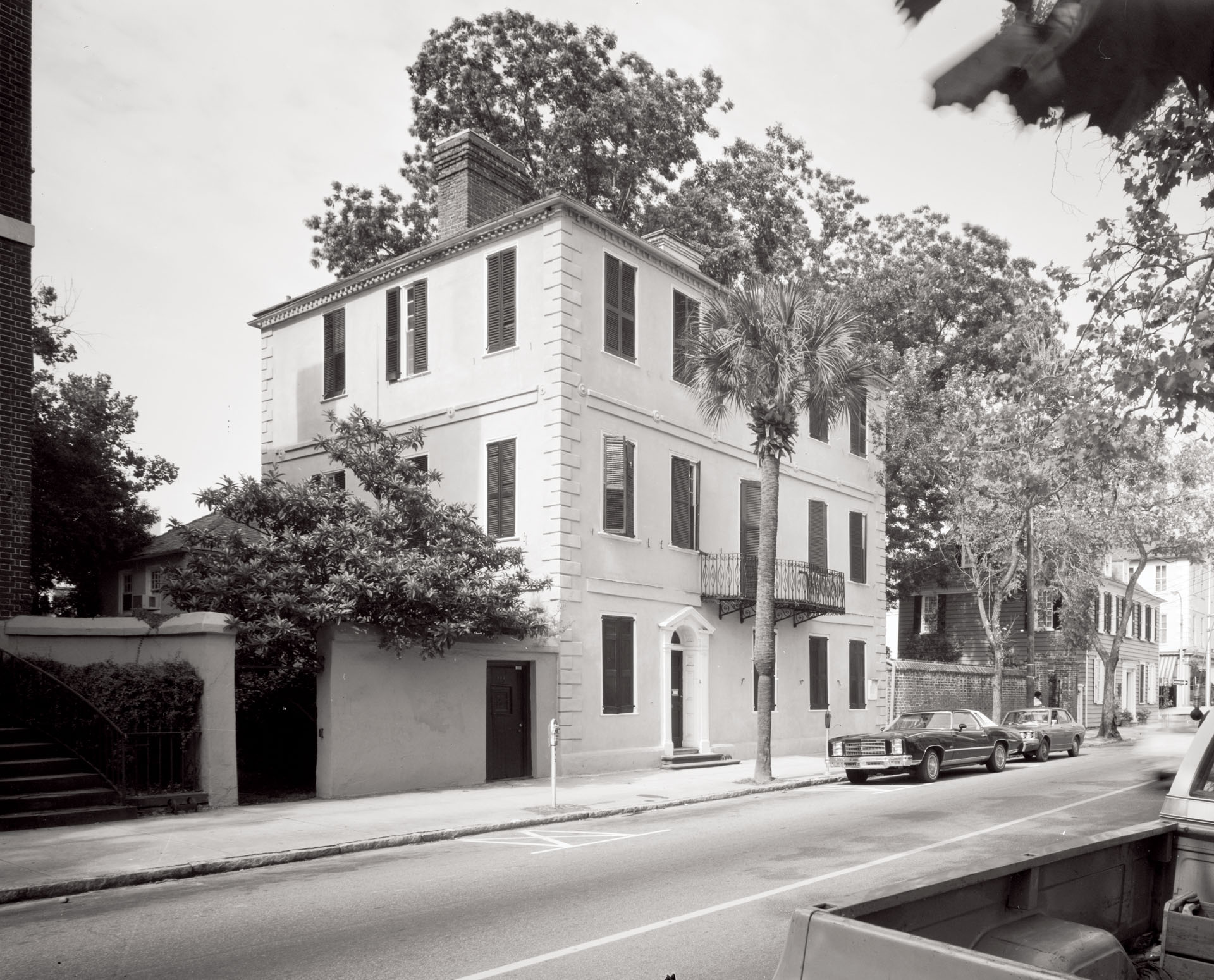
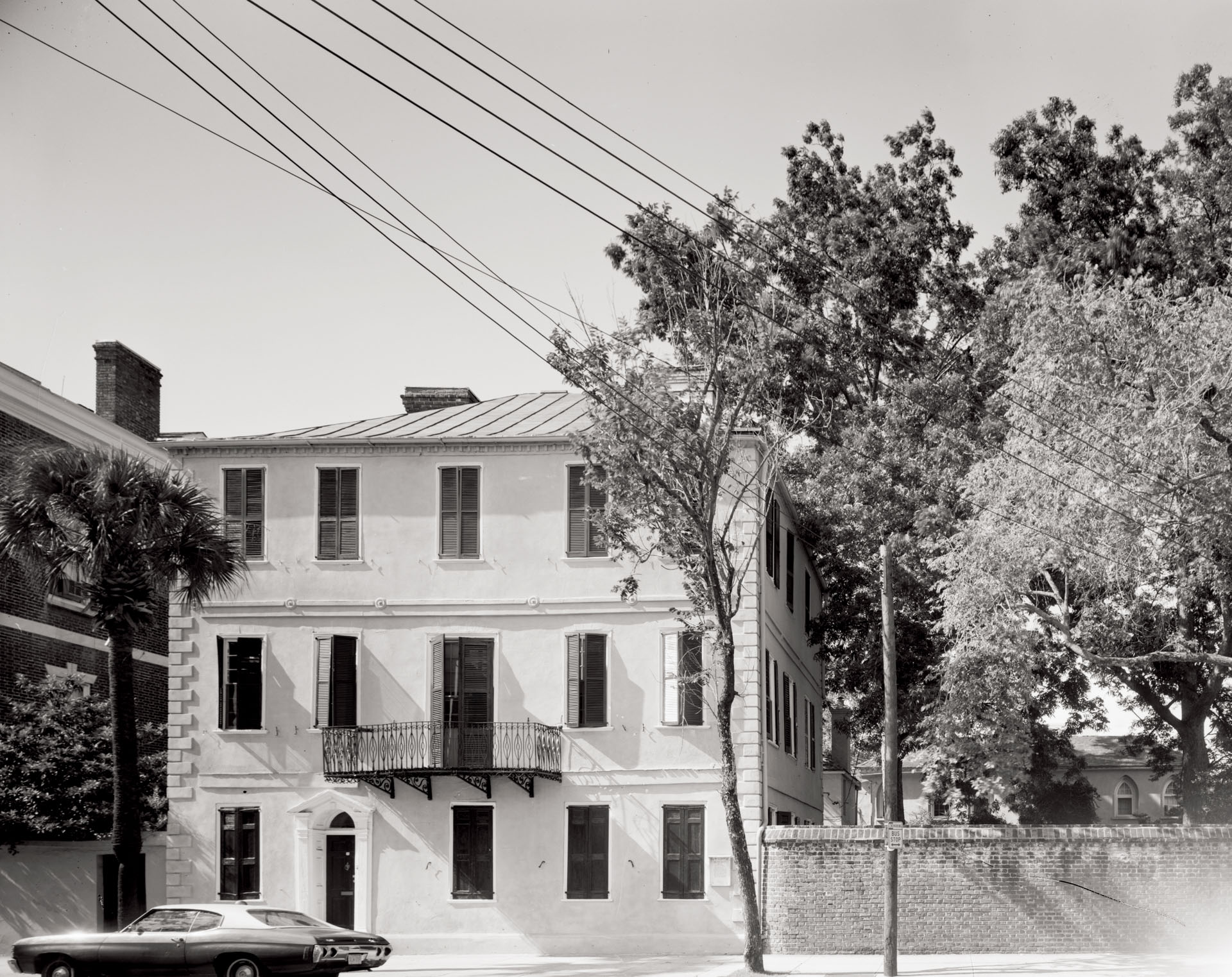
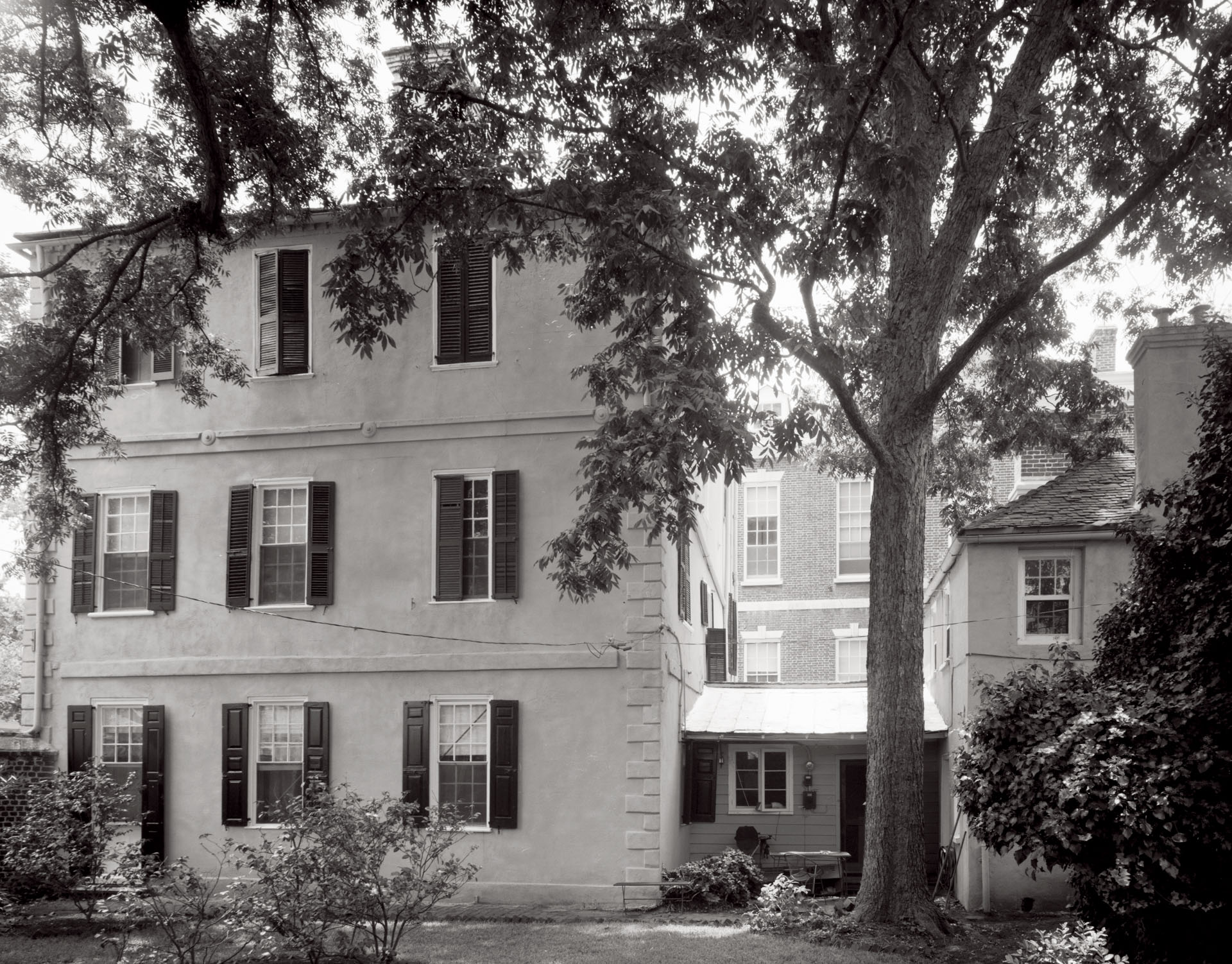
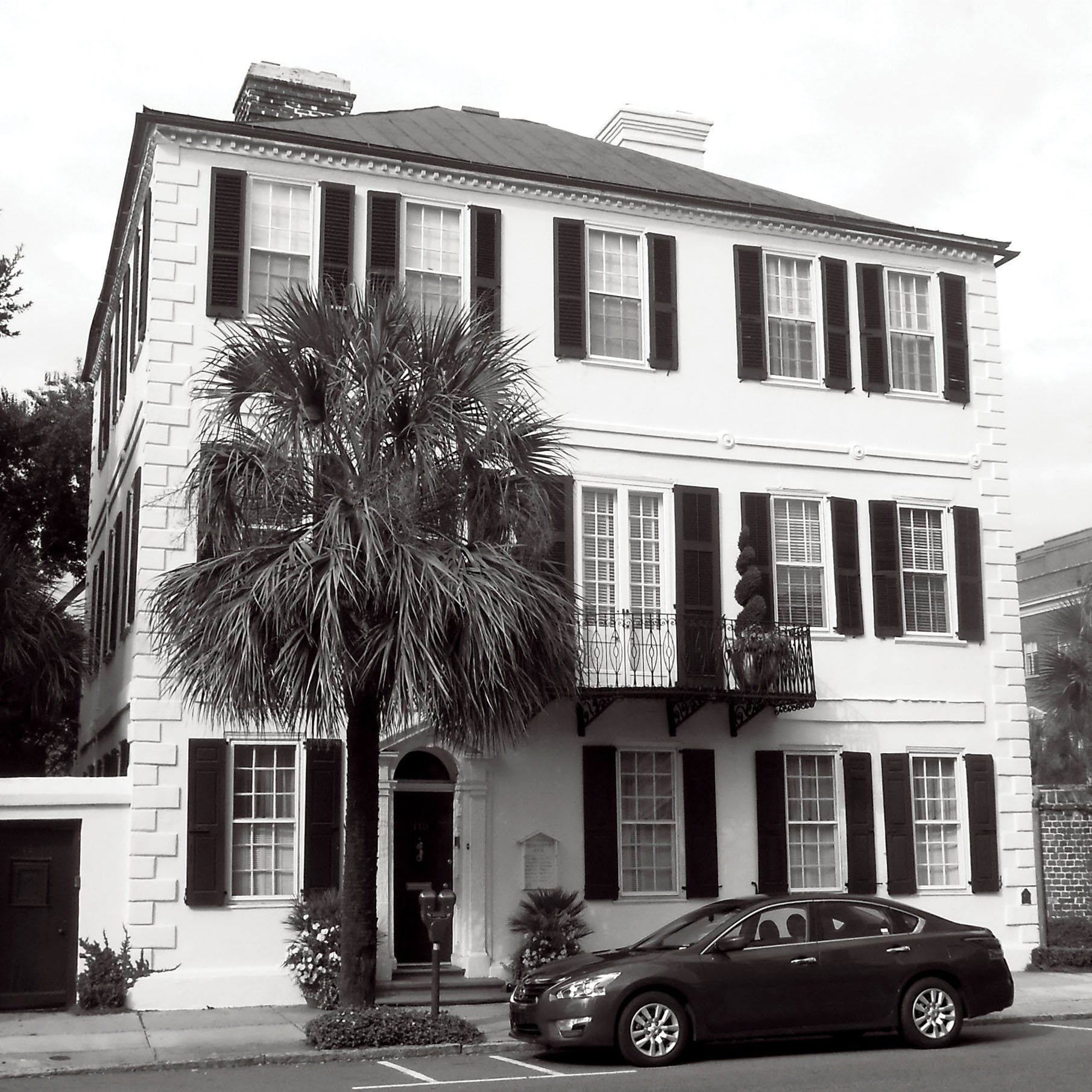
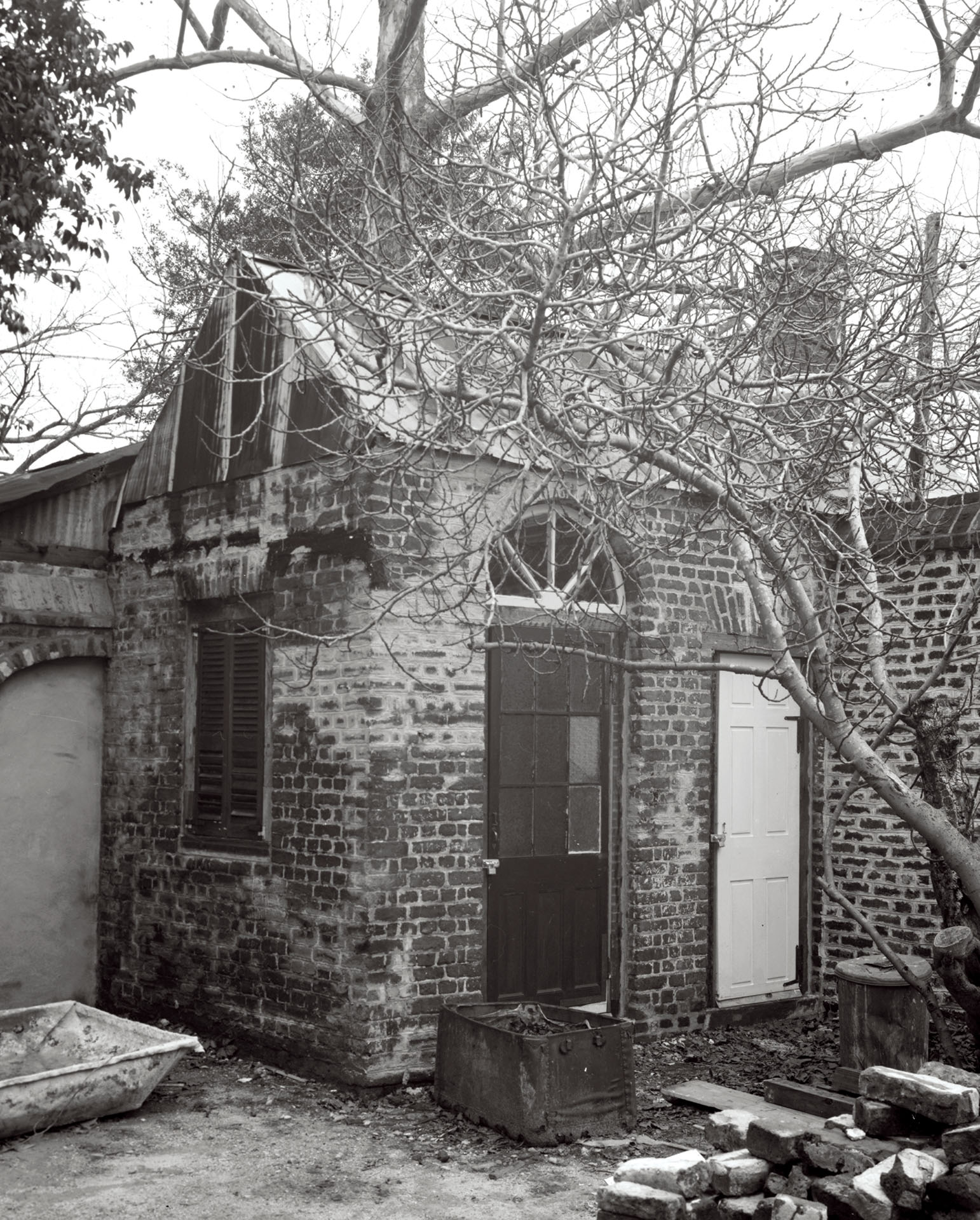
The Ralph Izard House rises along Broad Street with the composure and permanence that distinguish Charleston's earliest masonry residences. Constructed around 1728 for merchant William Harvey and later associated with statesman Ralph Izard, the structure reflects the cultivated ambitions of the colonial port city during its ascendancy as one of the wealthiest centers in British North America. Massive brick walls, carefully calibrated elevations, and tall chimneys crowned with corbeled caps endow the residence with a formidable dignity, while later refinements tempered its severity with graceful ornamental detail. The yard retains a Gothic-style carriage house, subdivided to accommodate both a privy and a kitchen building.
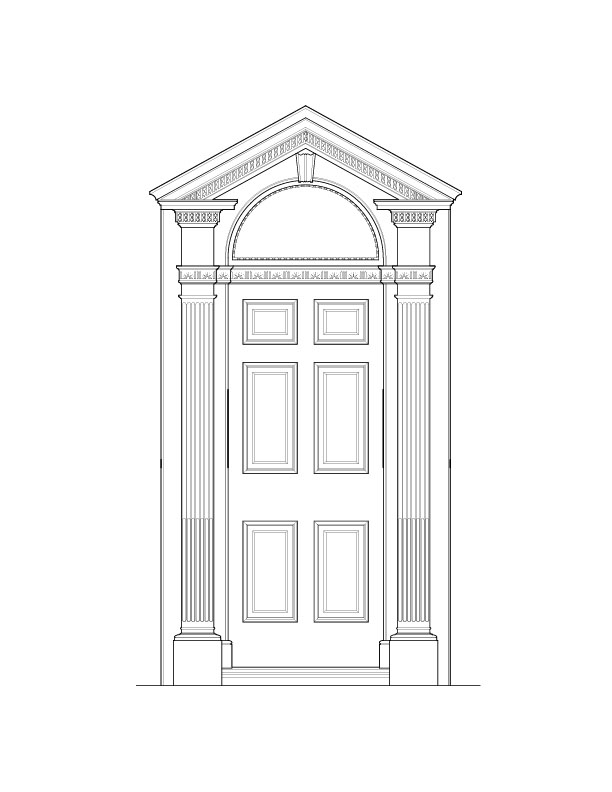
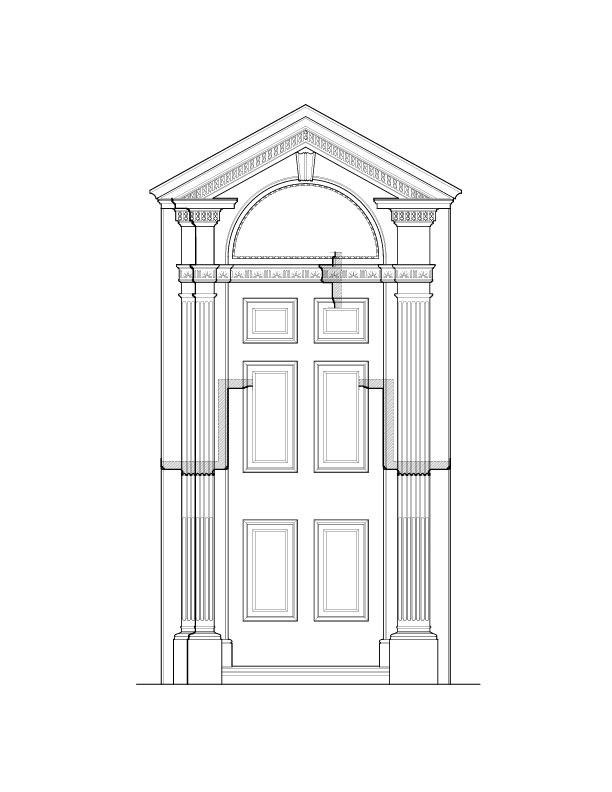
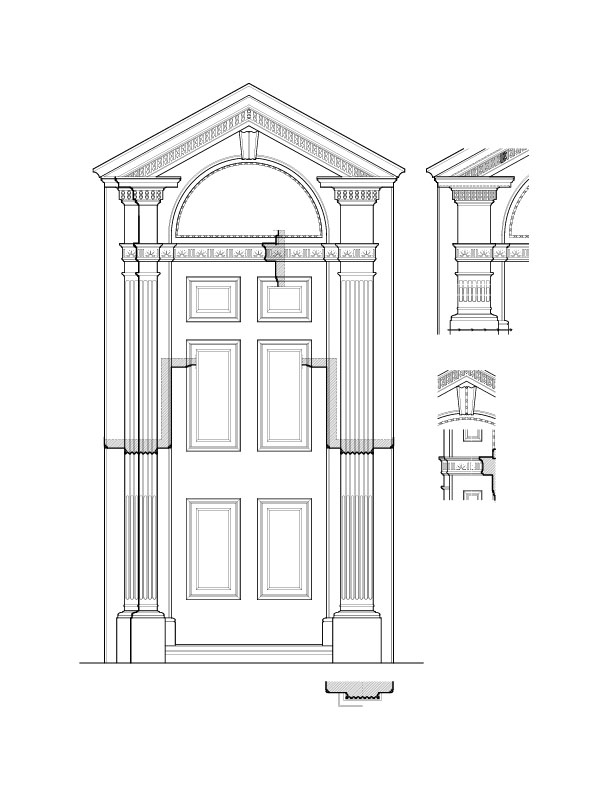
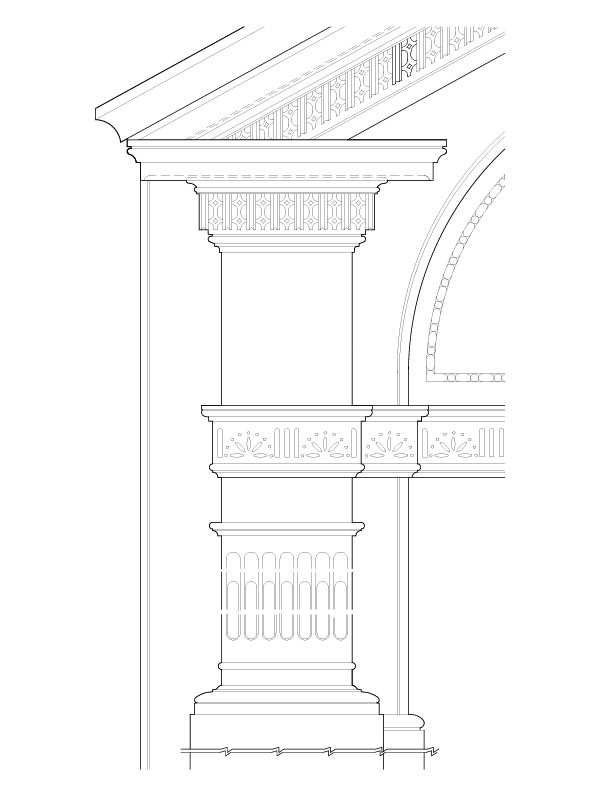
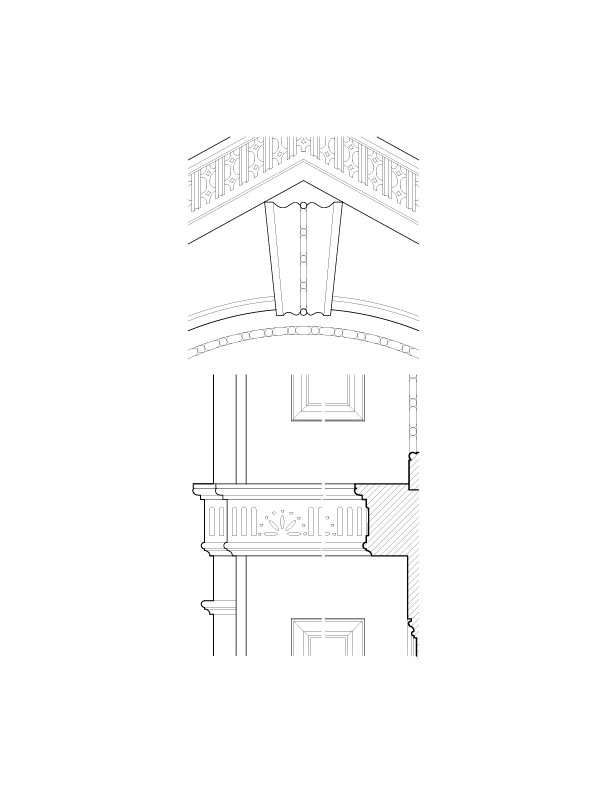
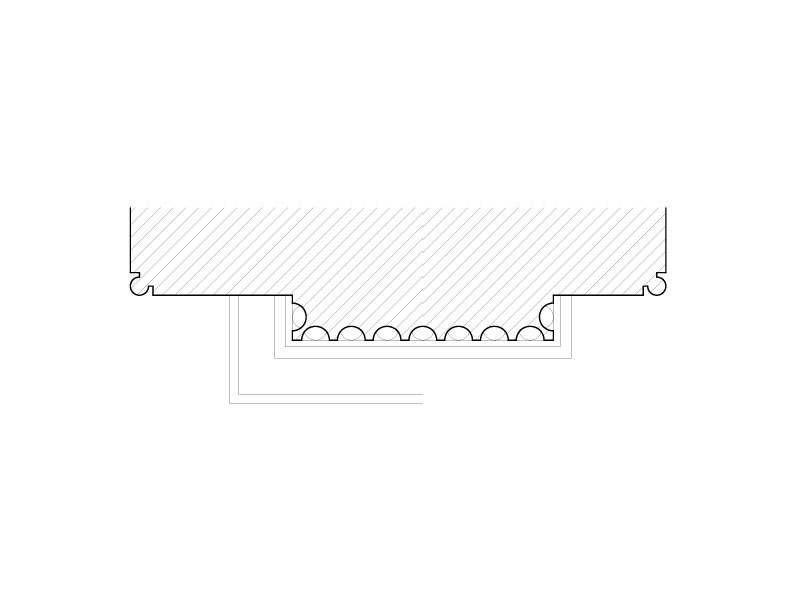
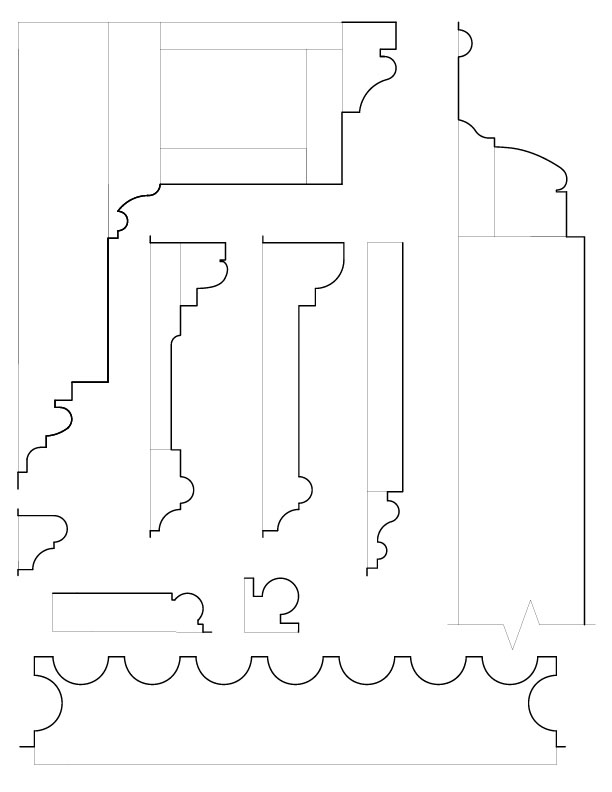
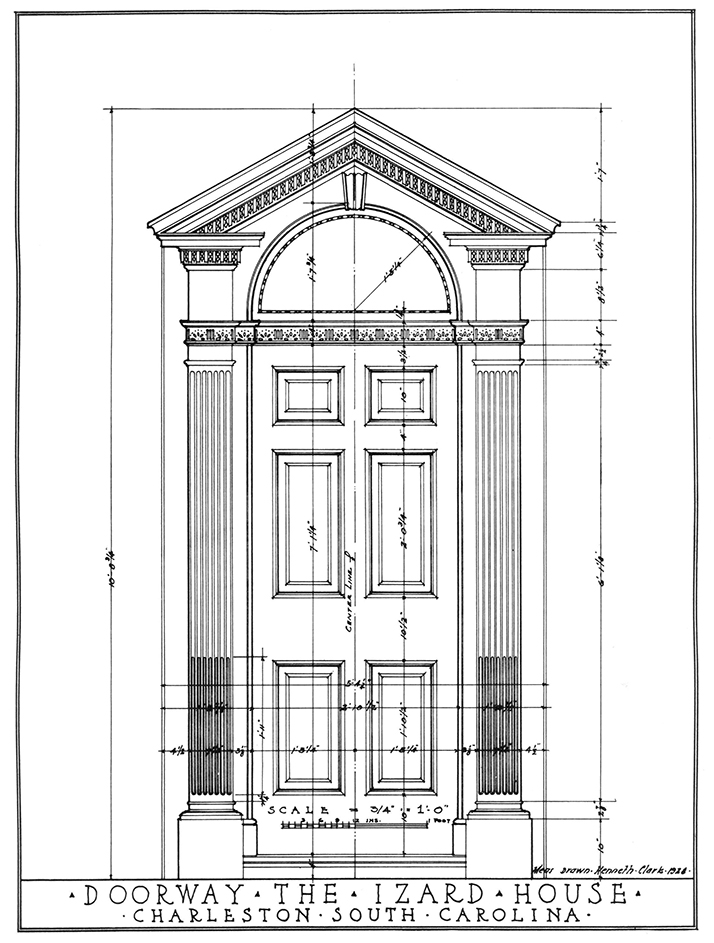
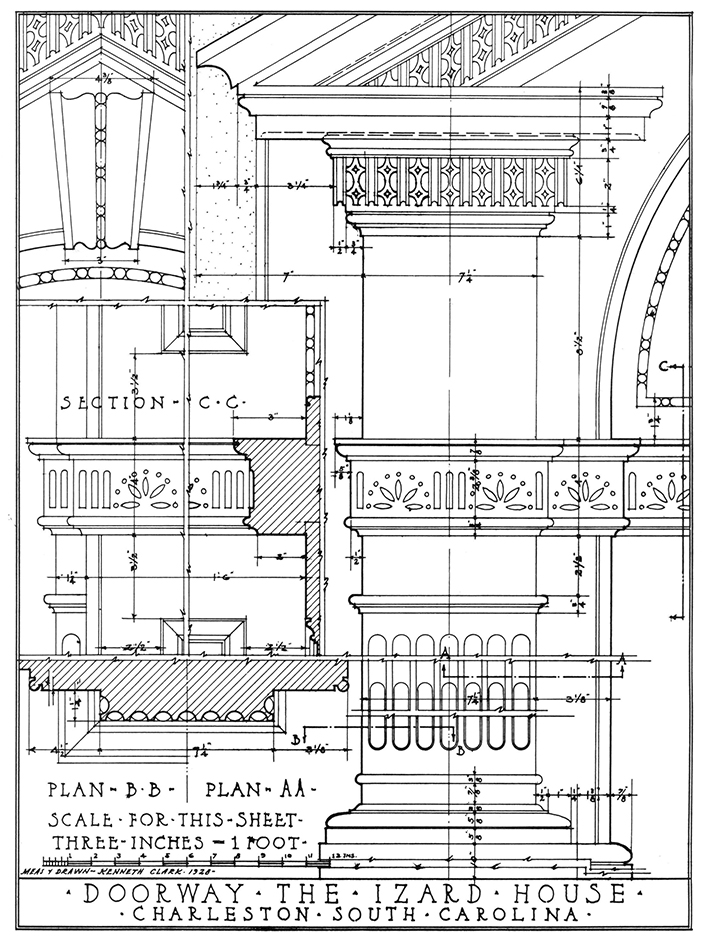
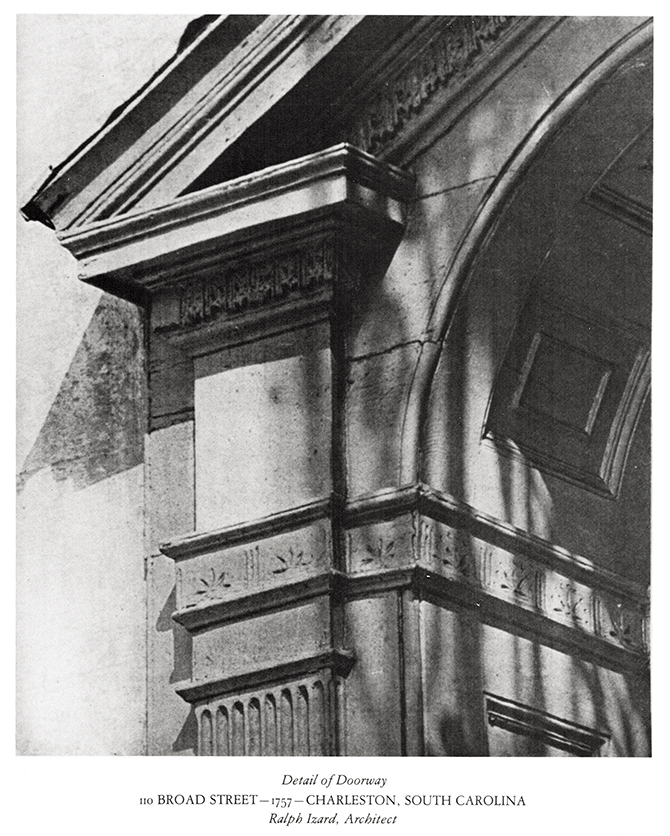
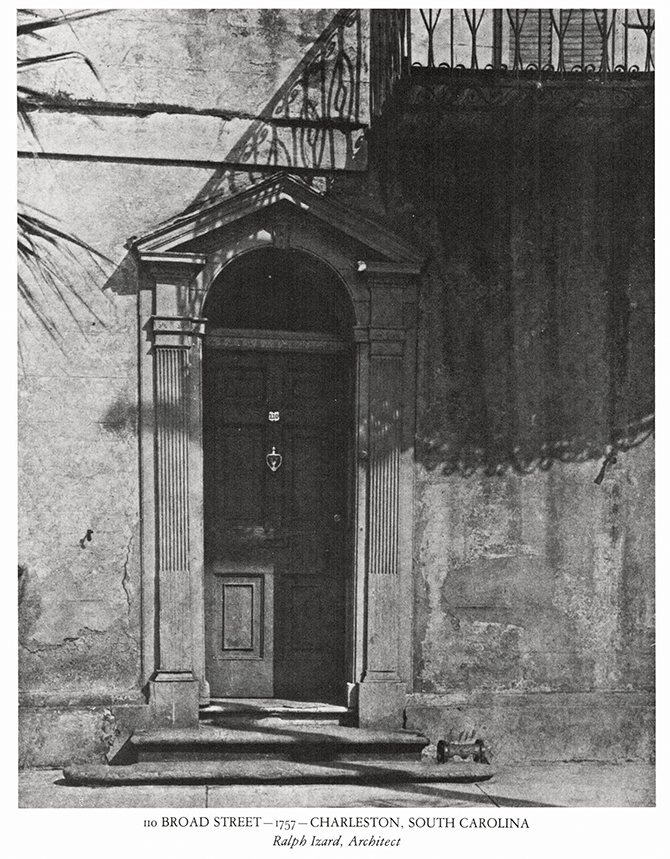
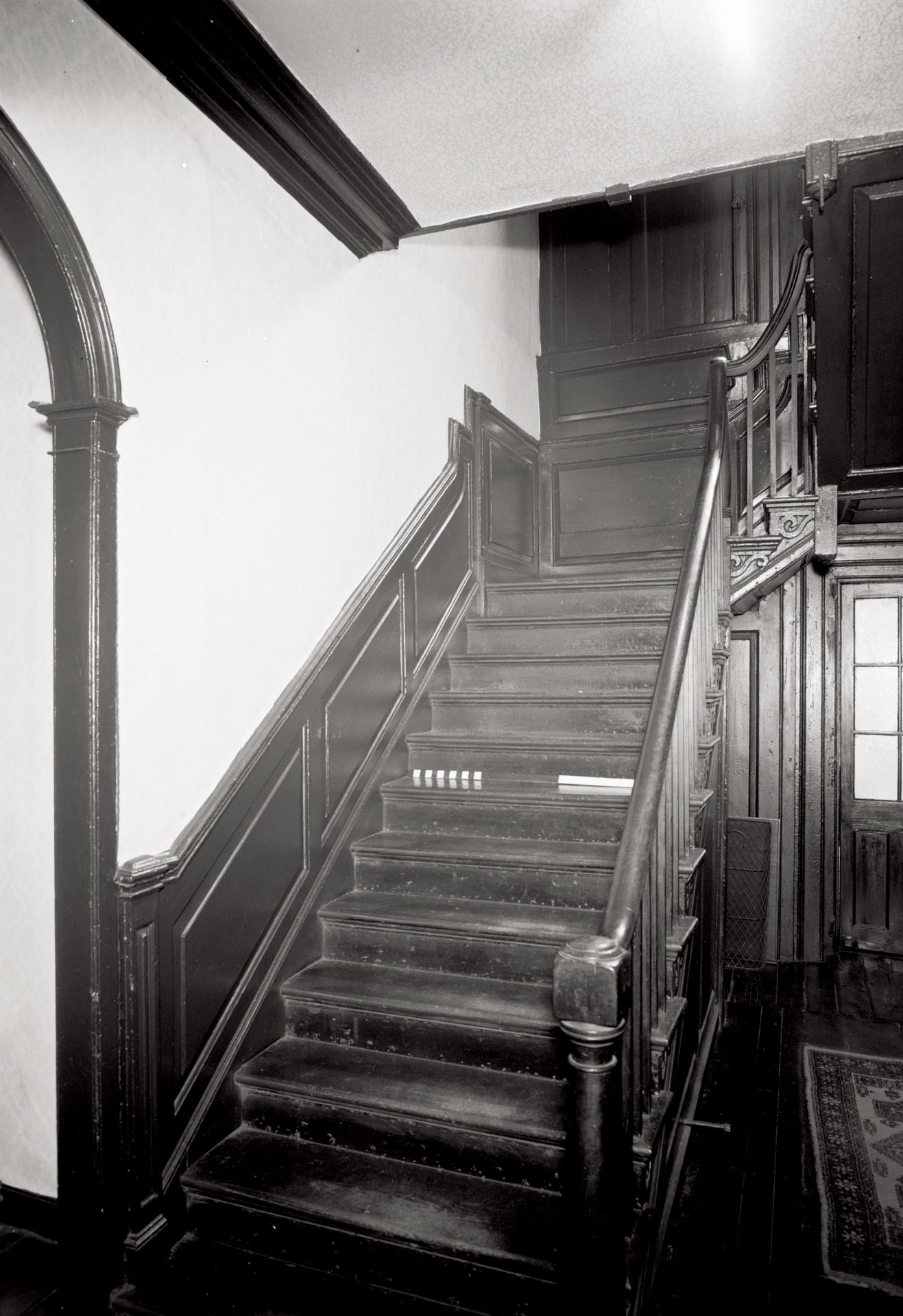
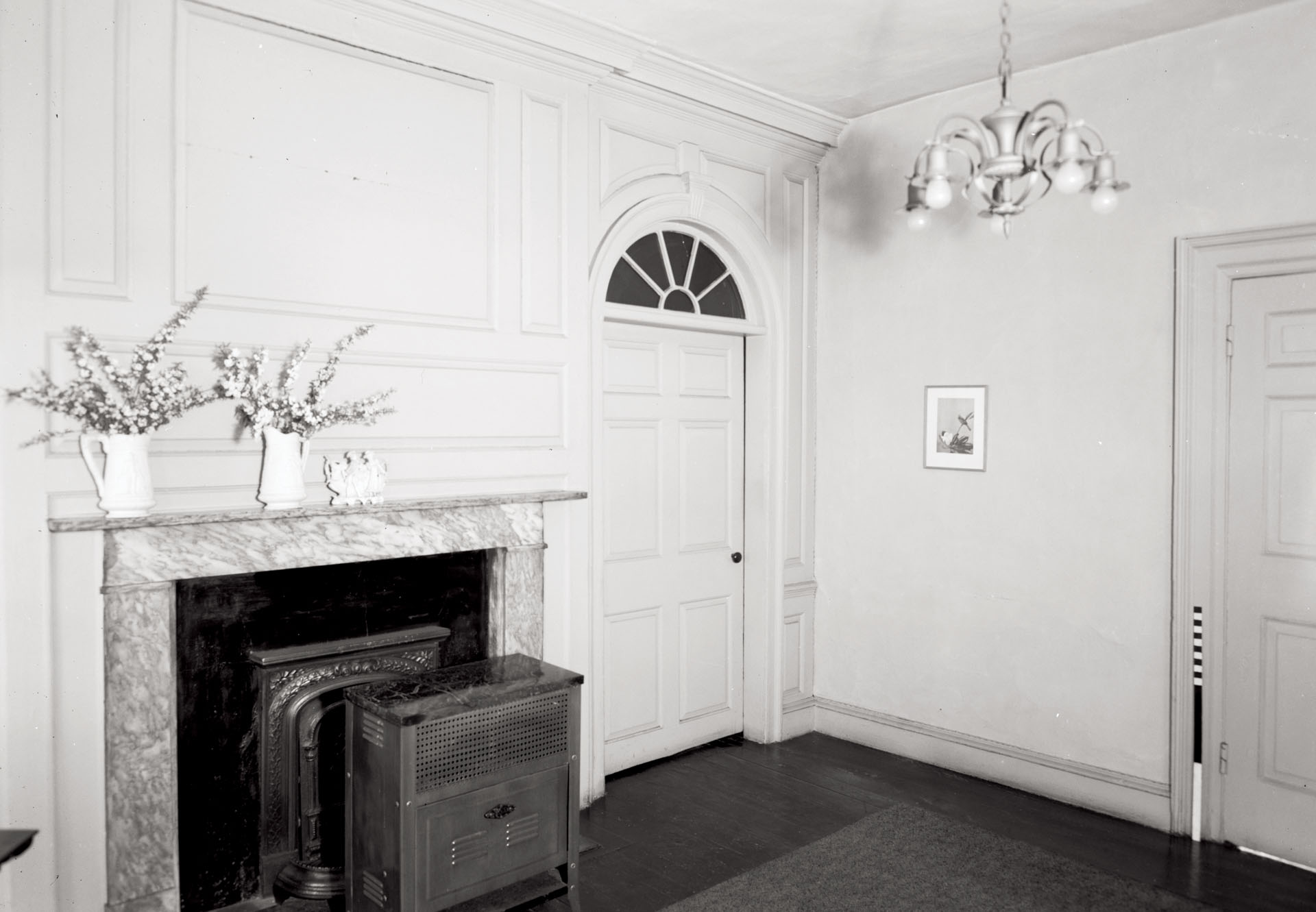
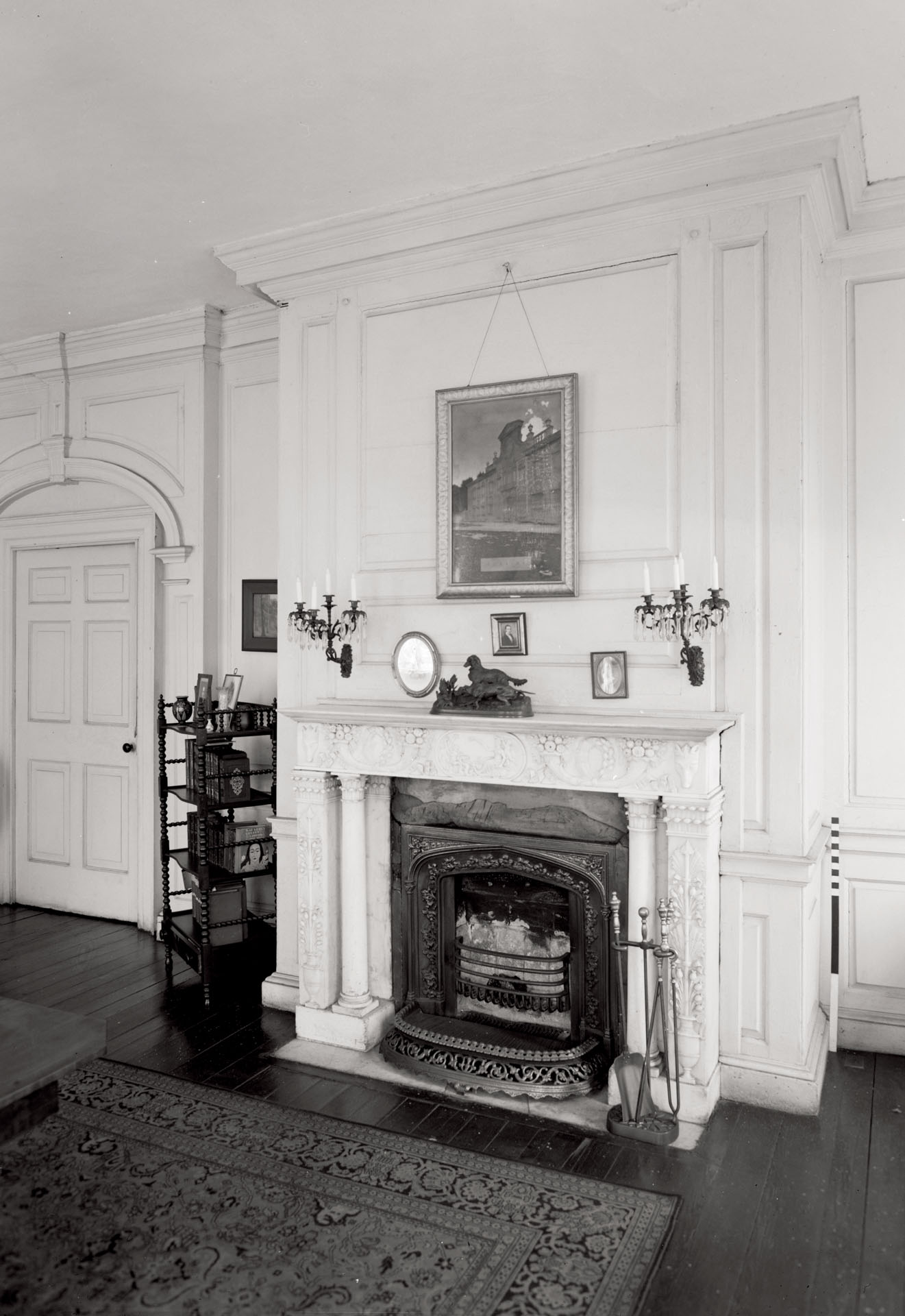
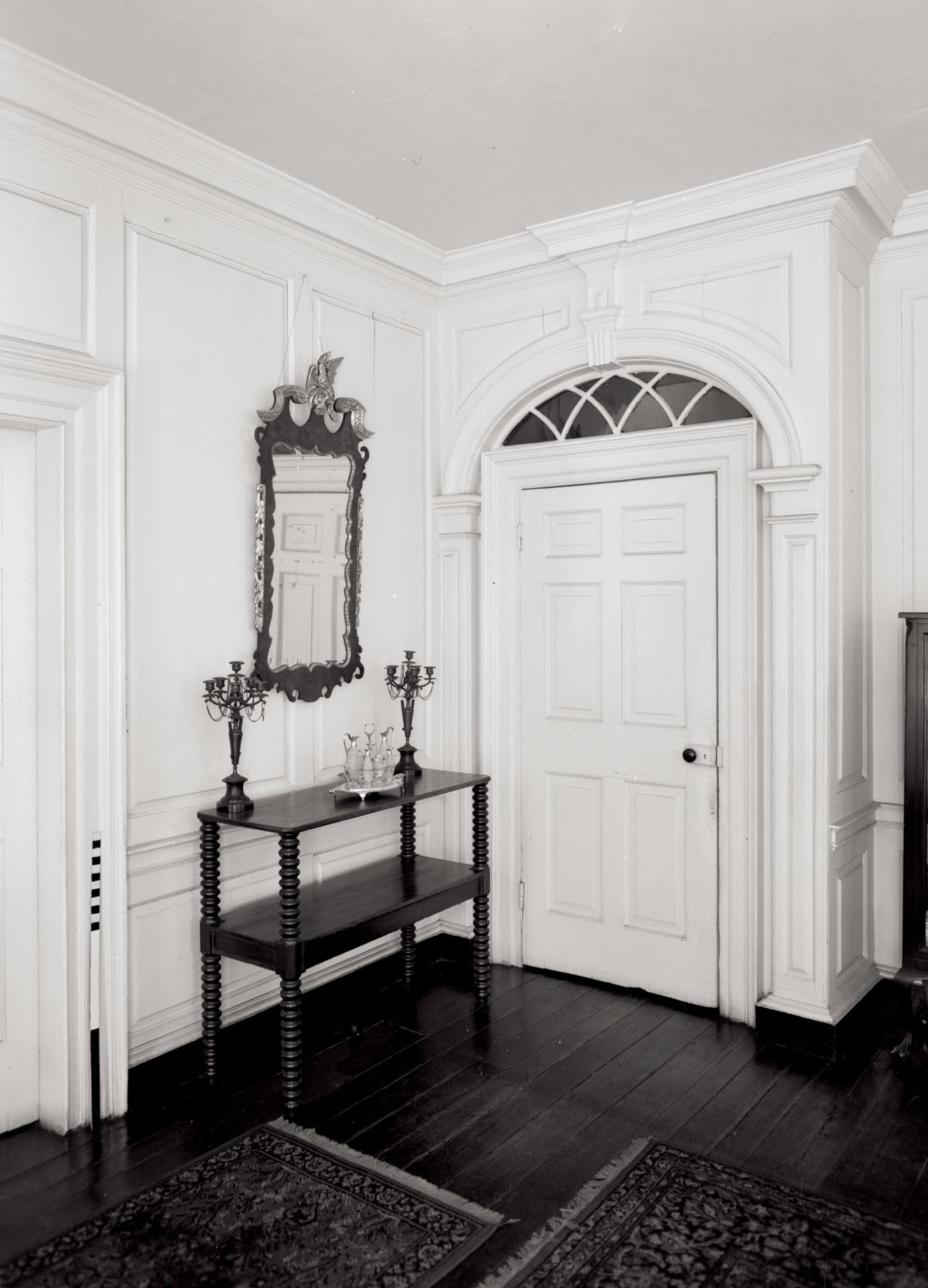
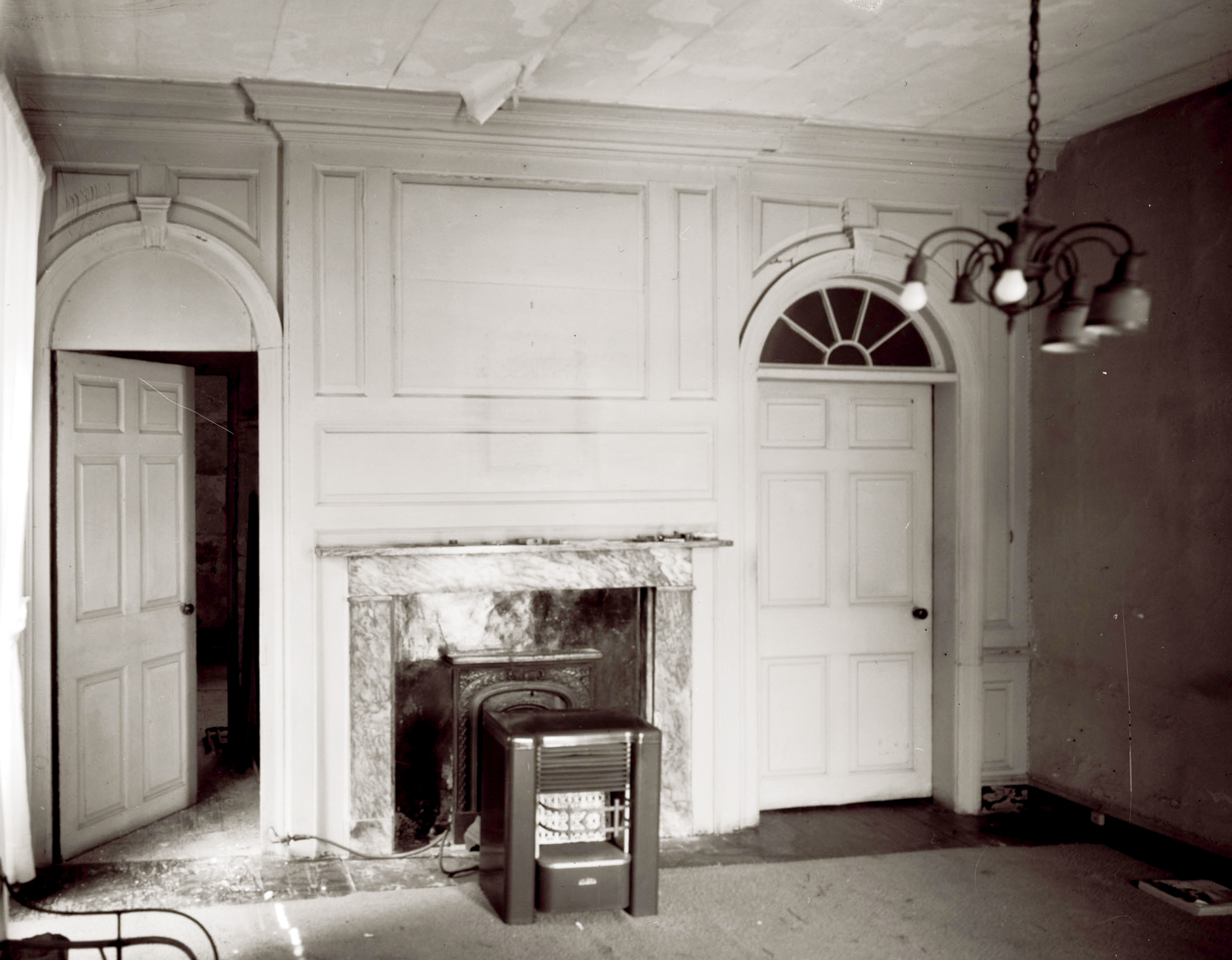
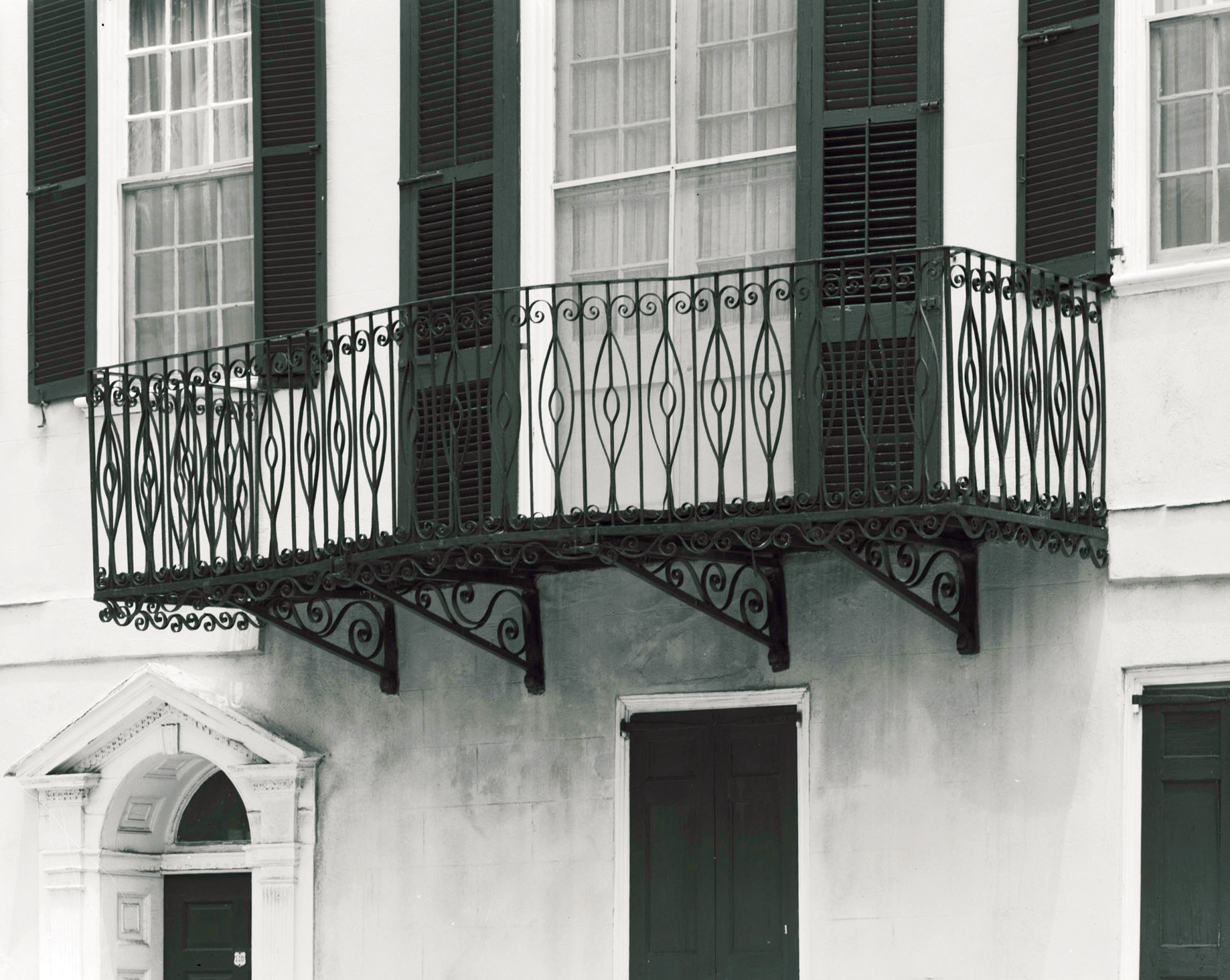
The entrance composition possesses an extraordinary delicacy when considered against the weight of the surrounding masonry. Fine gougework enriches the fanlight and doorway surround, drawing the eye inward through a sequence of moulded profiles executed with remarkable precision. The wrought iron balcony suspended above the entry introduces a lighter cadence across the façade, its intricate metalwork contrasting eloquently with the dense texture of the brickwork behind it. Interior drawings and measured details reveal a disciplined arrangement of chambers connected through a stair hall planned with studied economy. Even in fragmentary studies of the cornices, architraves, and paneling, the house conveys the intellectual rigor associated with Charleston's eighteenth-century craftsmen.
The accompanying drawings and photographs preserve more than ornament alone. They document a tradition of building rooted in permanence, discipline, and exactitude. Every moulded contour and carved enrichment bears testament to the ambitions of a city shaped by Atlantic commerce, classical learning, and transatlantic influence. Through careful study of houses such as the Ralph Izard House, the architectural vocabulary of early Charleston remains legible centuries after its construction, offering an illuminating aperture into the craftsmanship and conviction that defined the colonial American South.