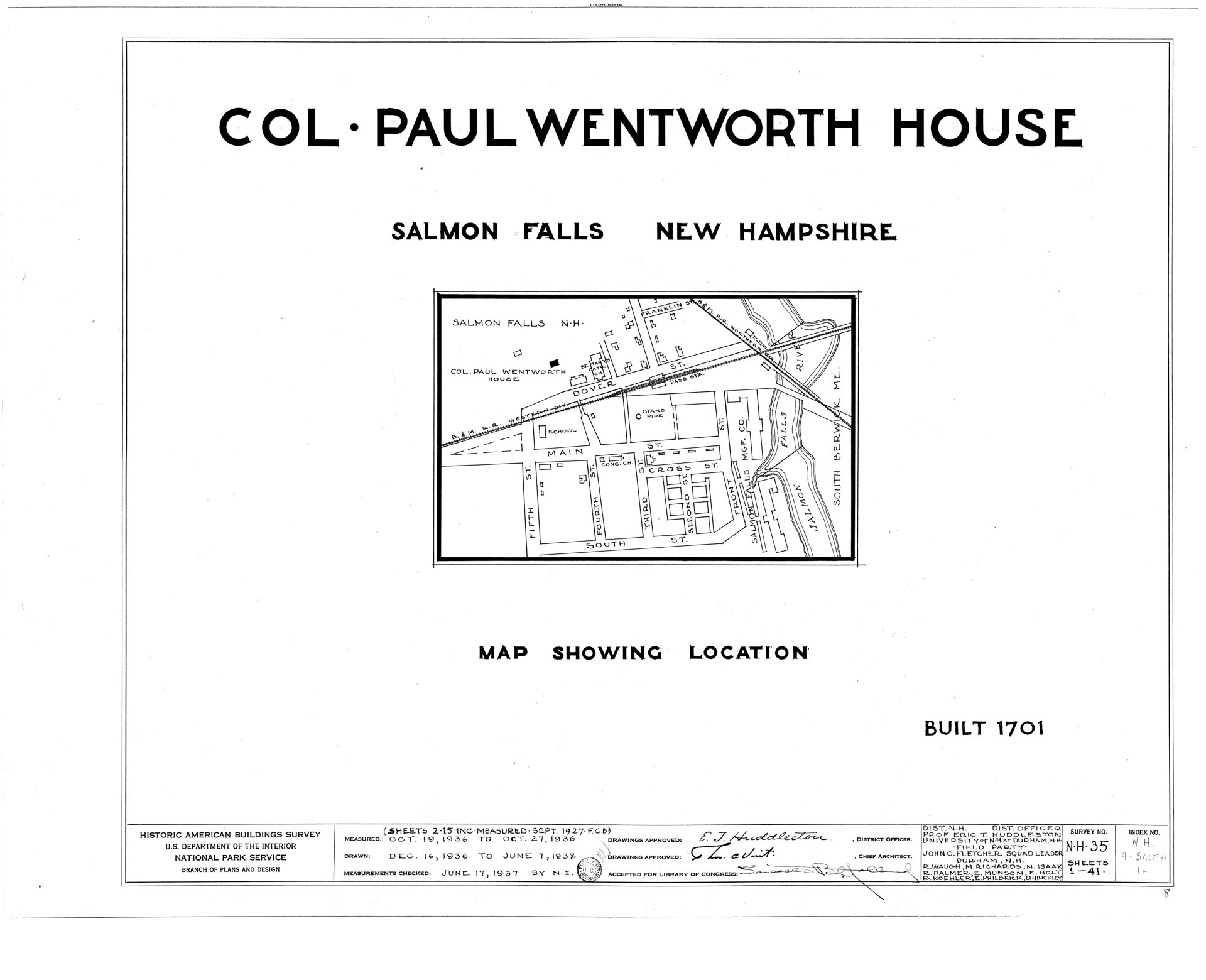
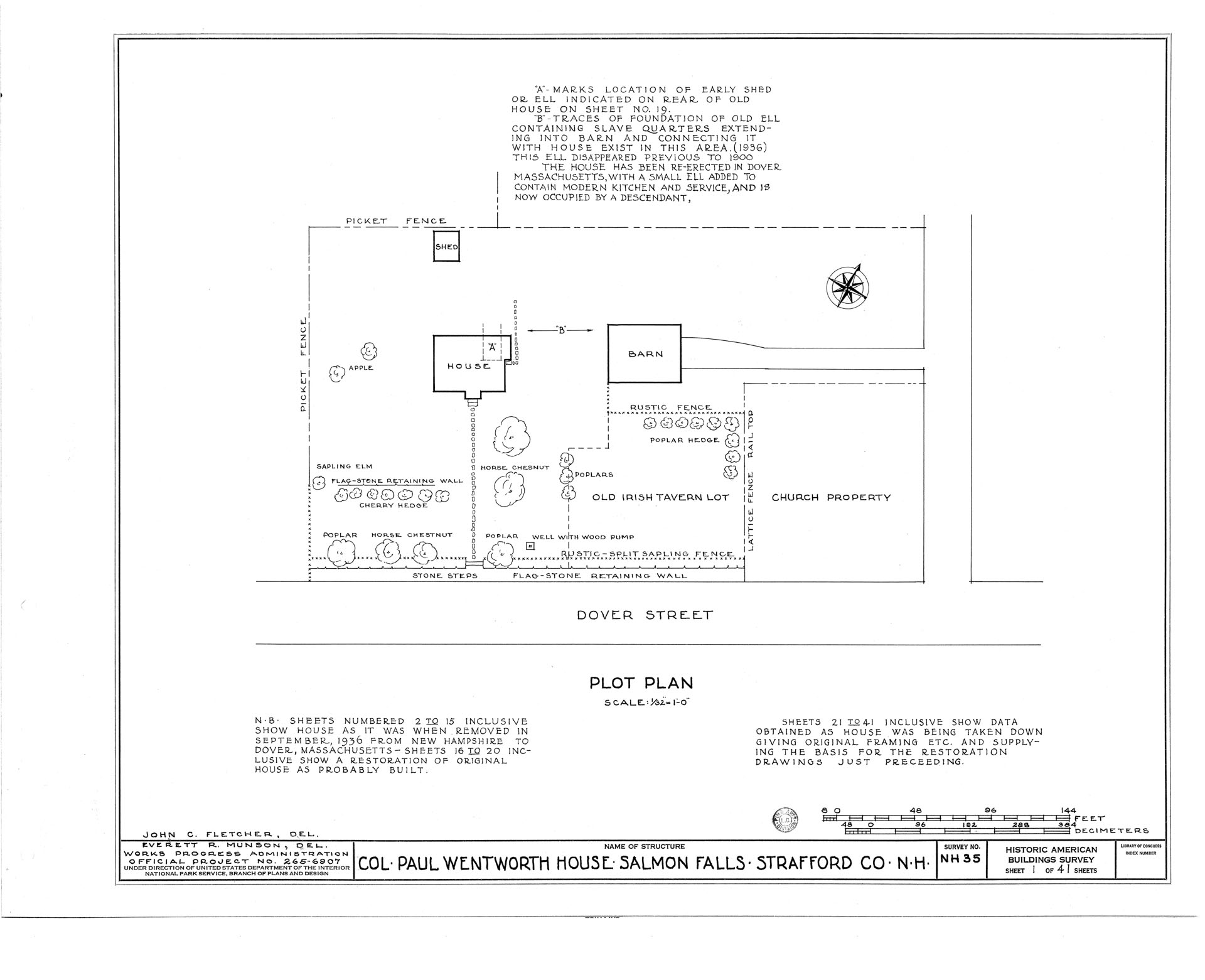
SALMON FALLS, STRATFORD COUNTY, NEW HAMPSHIRE
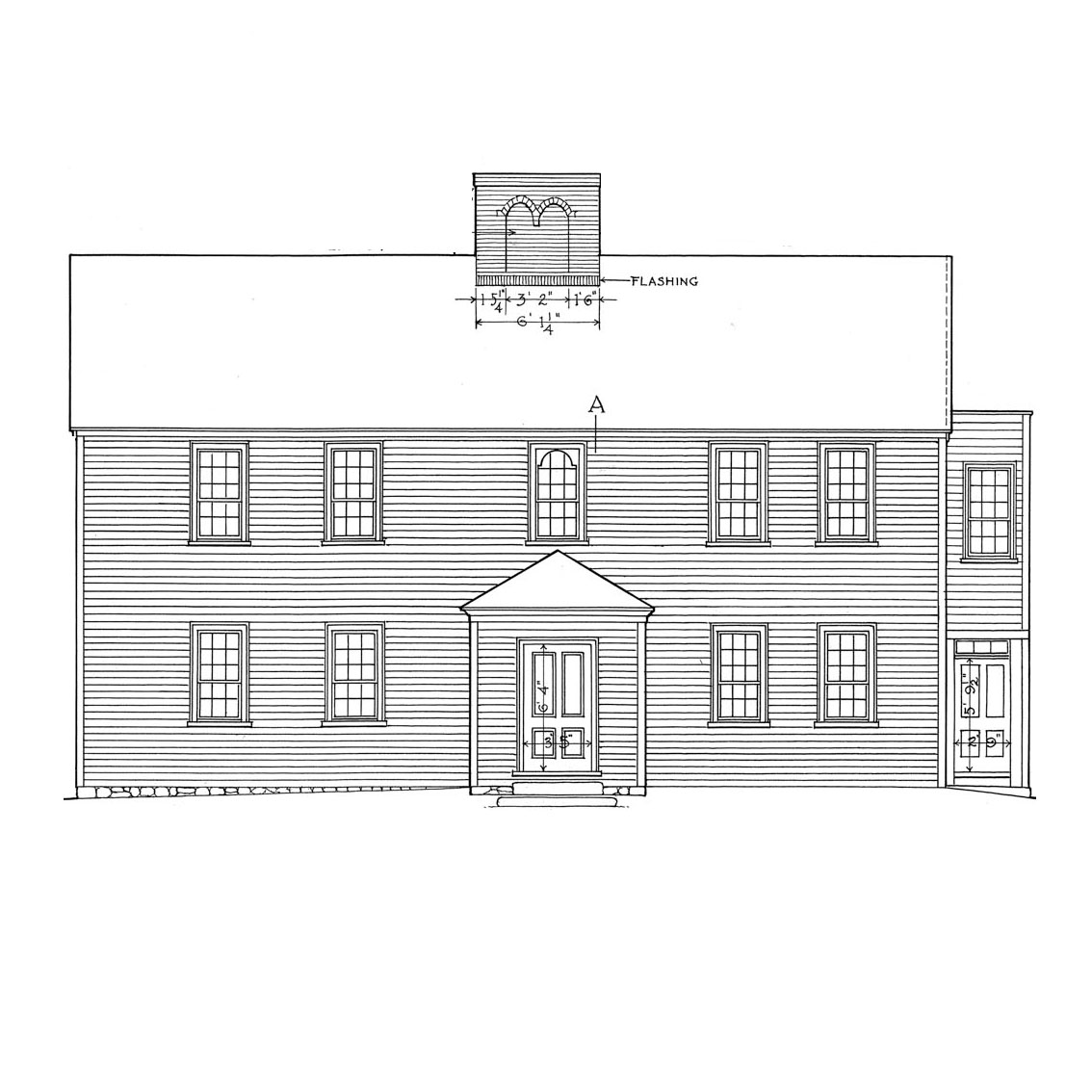
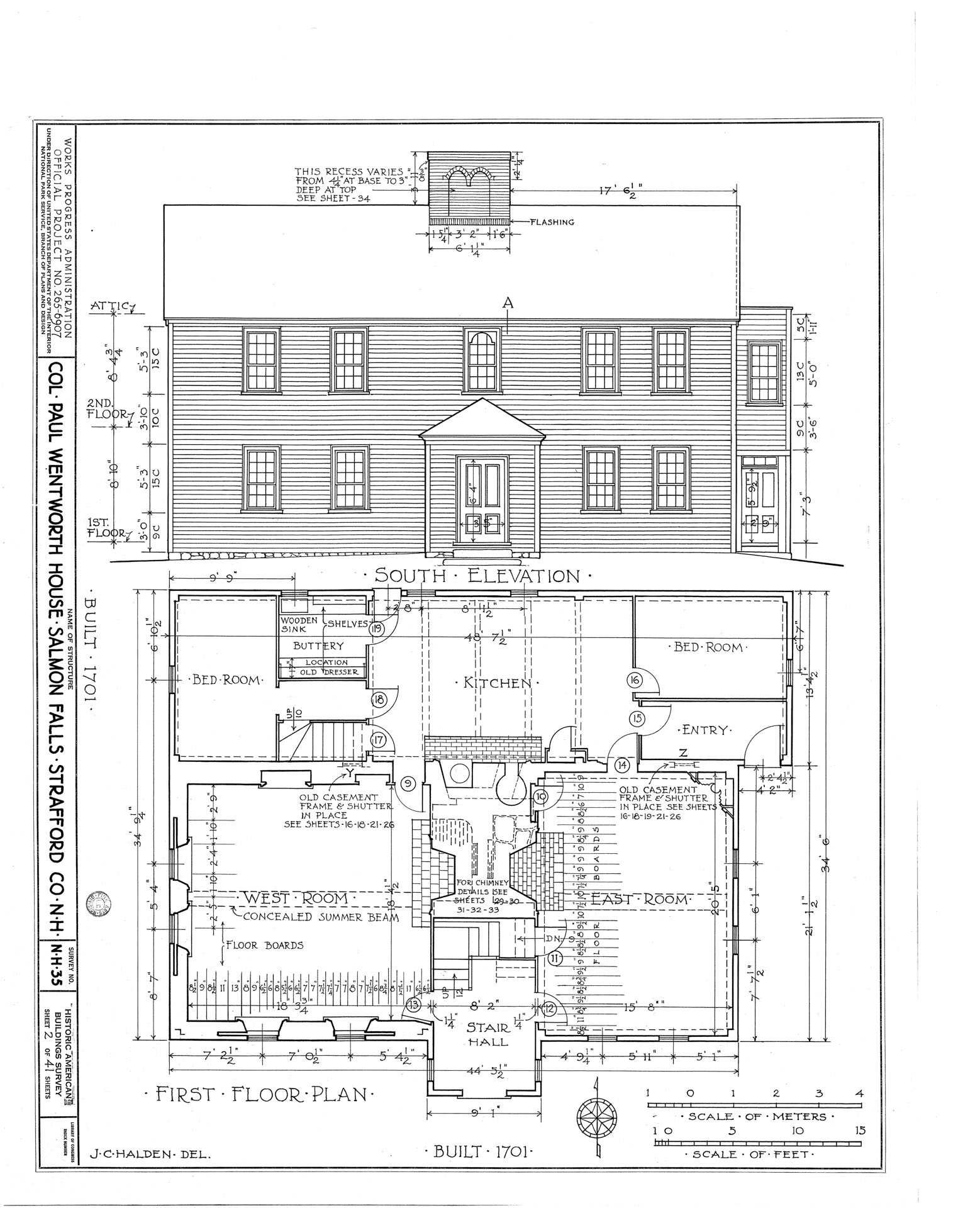
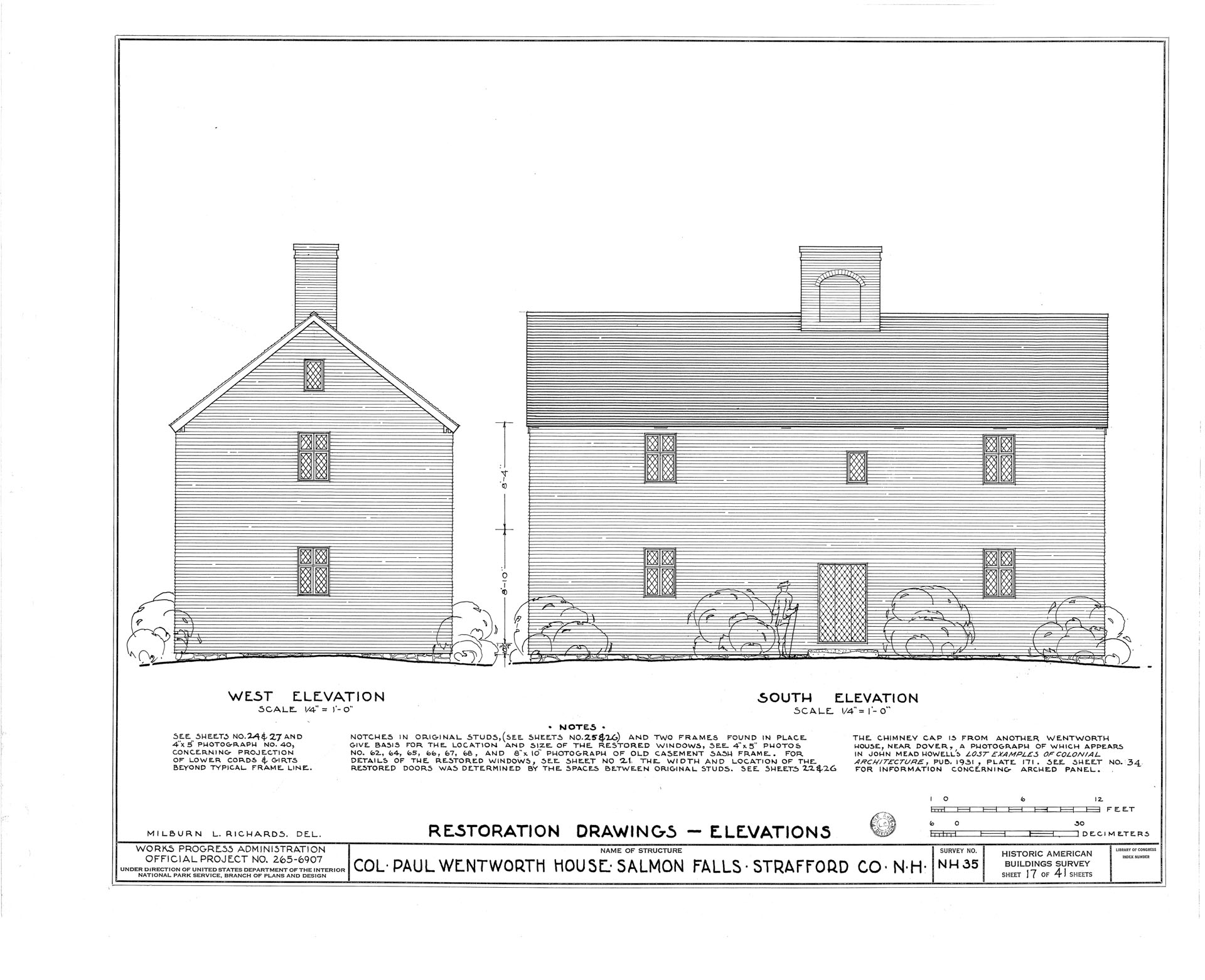
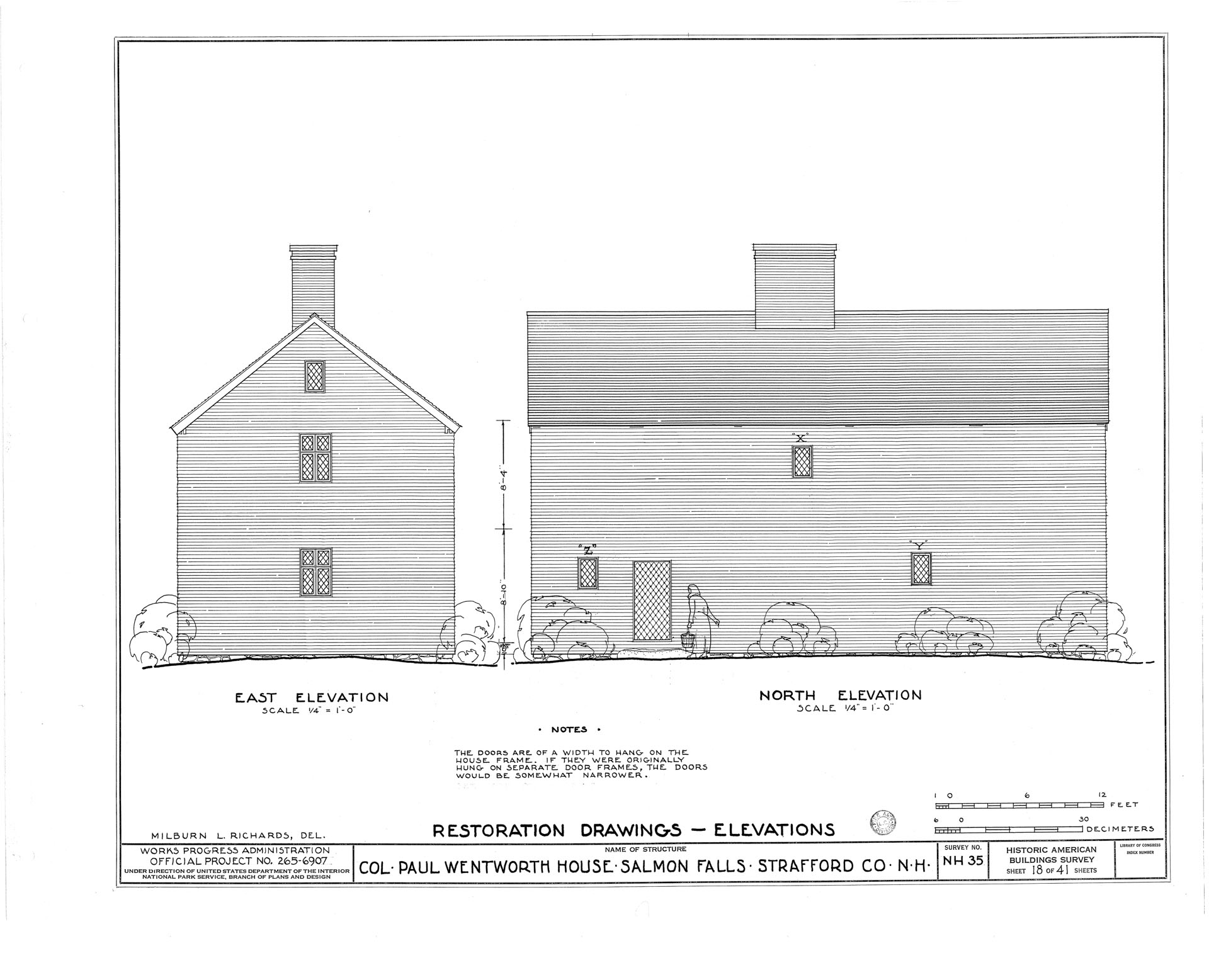
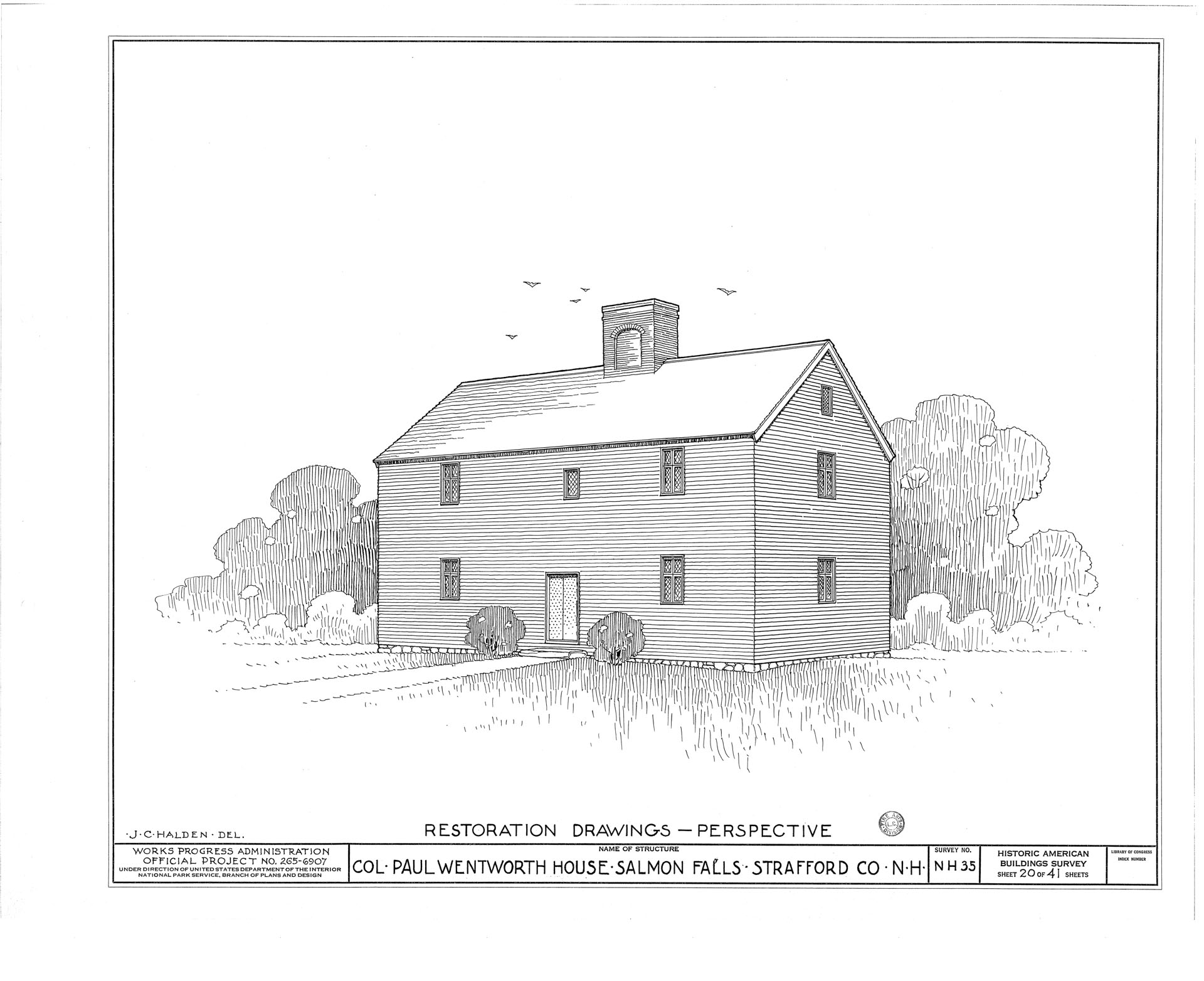
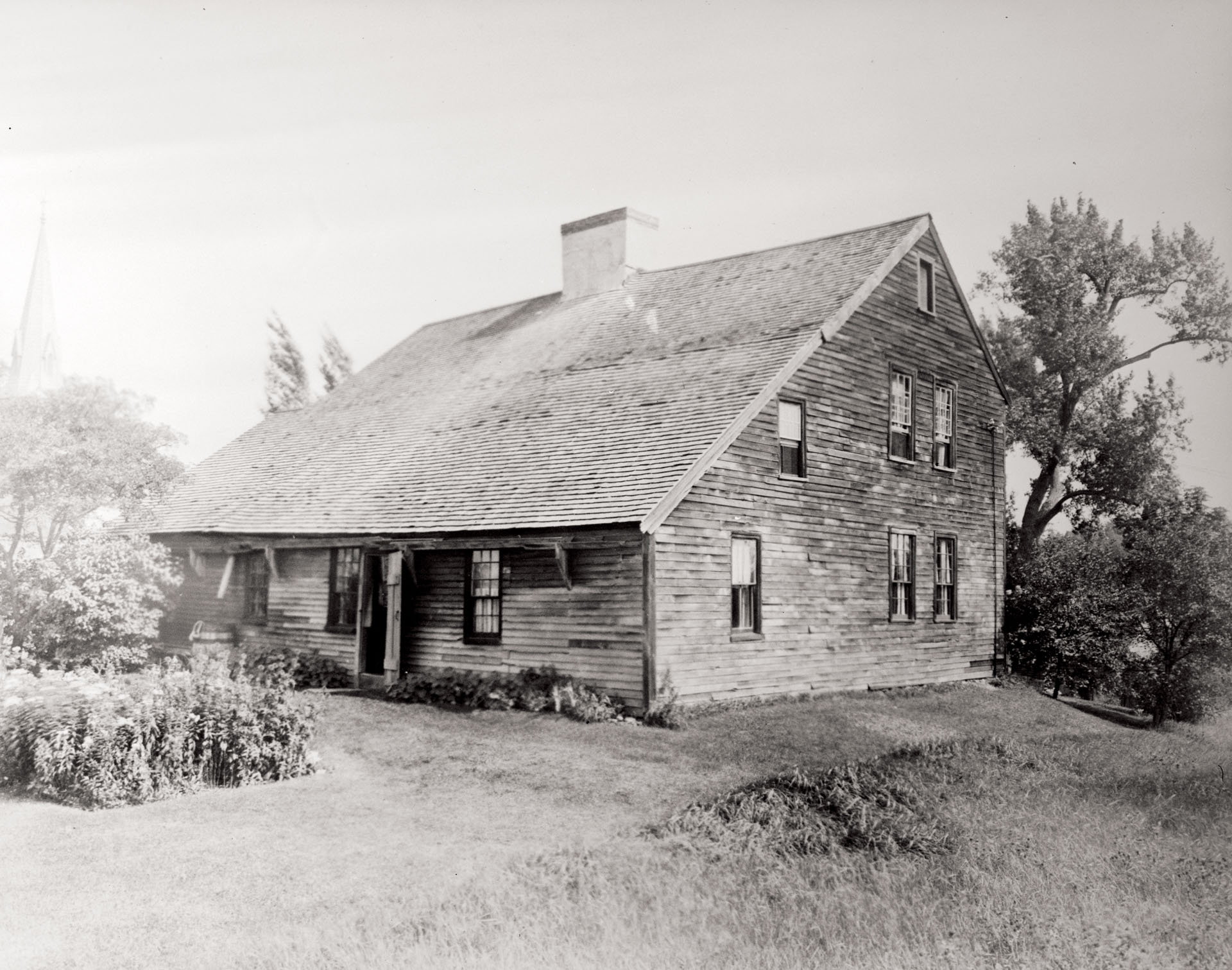
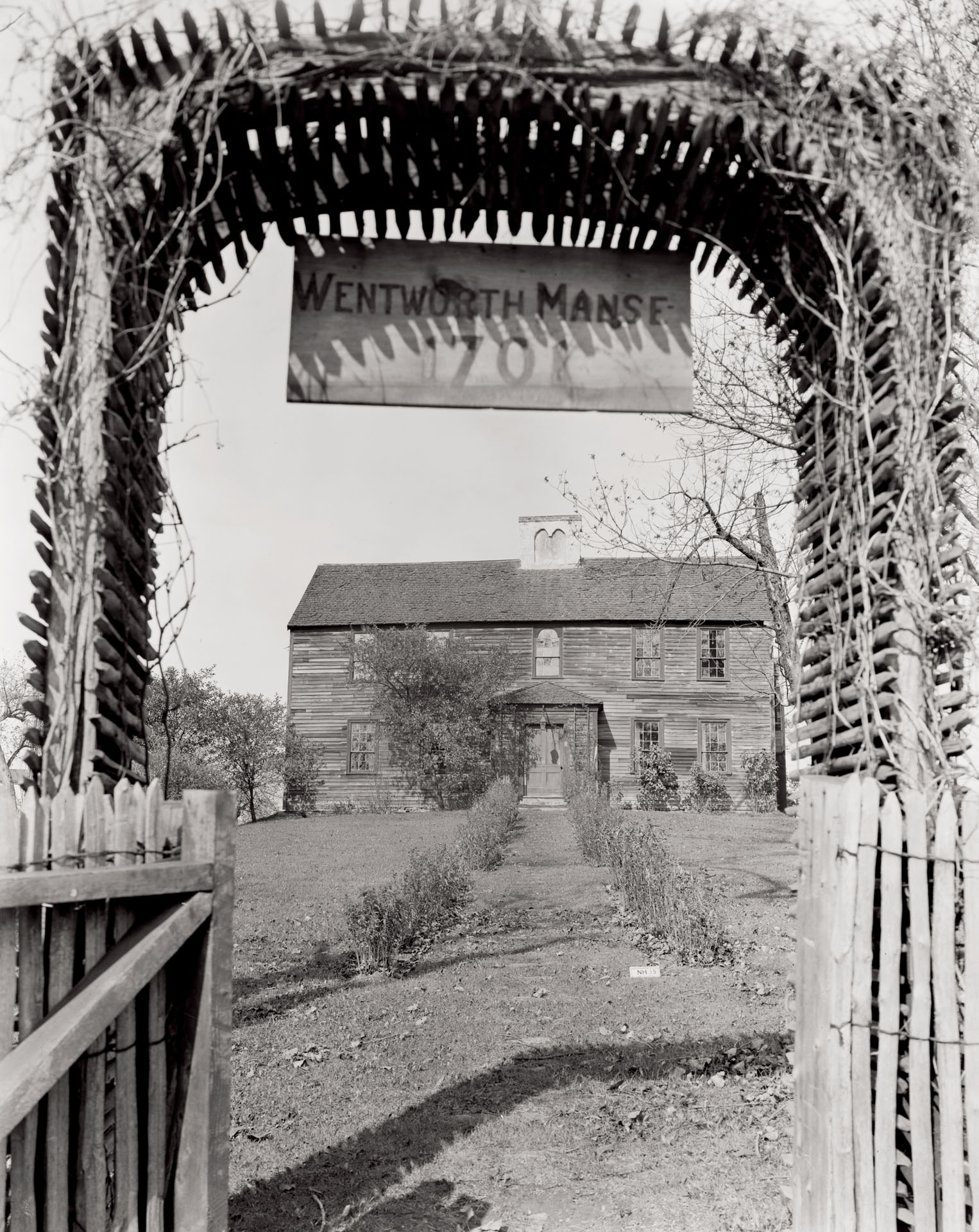
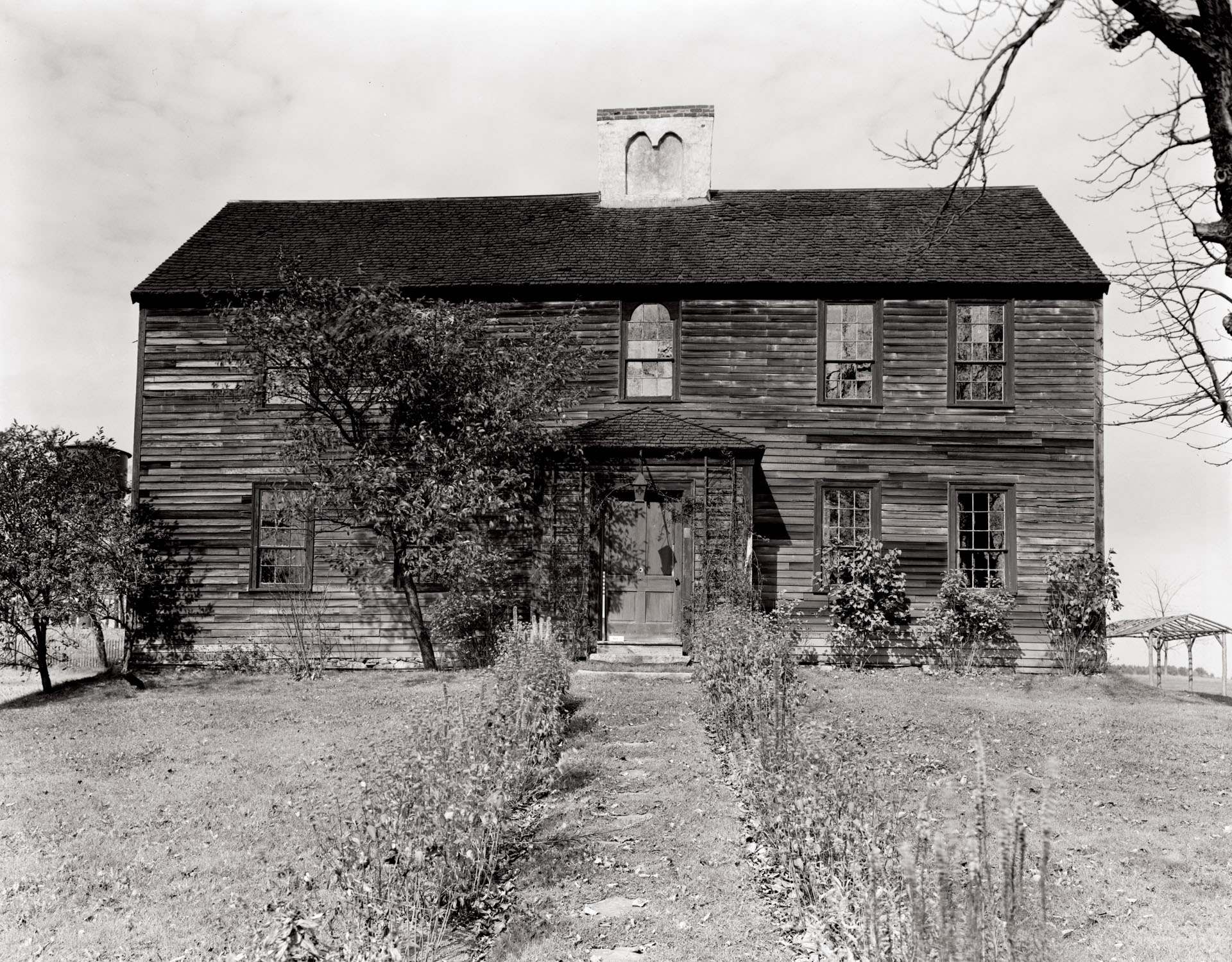
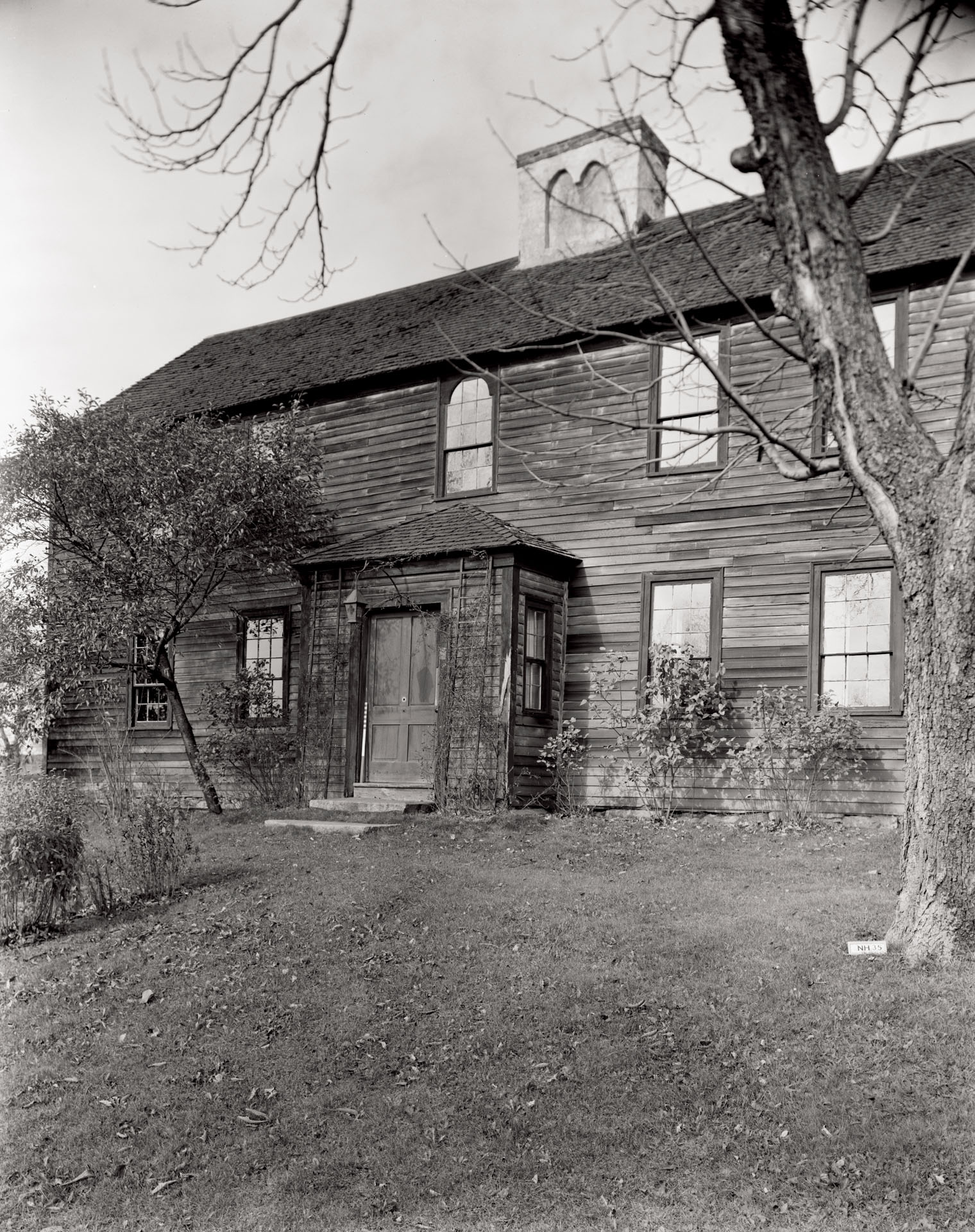
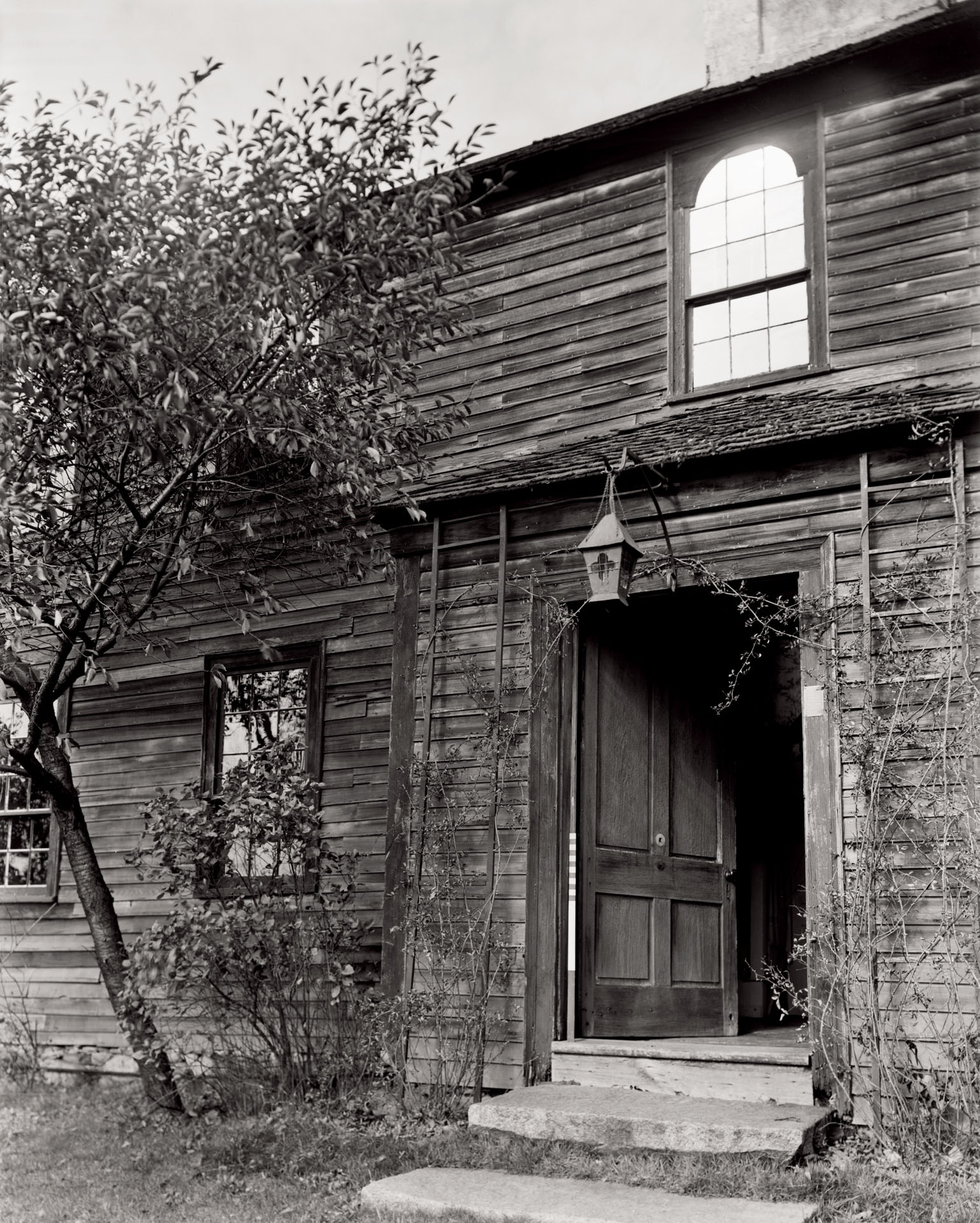
The Salmon Falls River has traced the same path for centuries, and along its banks, the Colonel Paul Wentworth Mansion has kept pace with every turn. Built in 1701, the residence reflects the practical sensibilities of early New England construction while expressing an ambition that extends well beyond necessity. Its clapboard exterior, balanced fenestration, and calibrated proportions compose an elevation that feels orderly, inviting, and timeless. Rather than relying upon dramatic ornament, the residence derives its beauty from harmony, where each window, doorway, and structural element contributes to a unified and considered design.
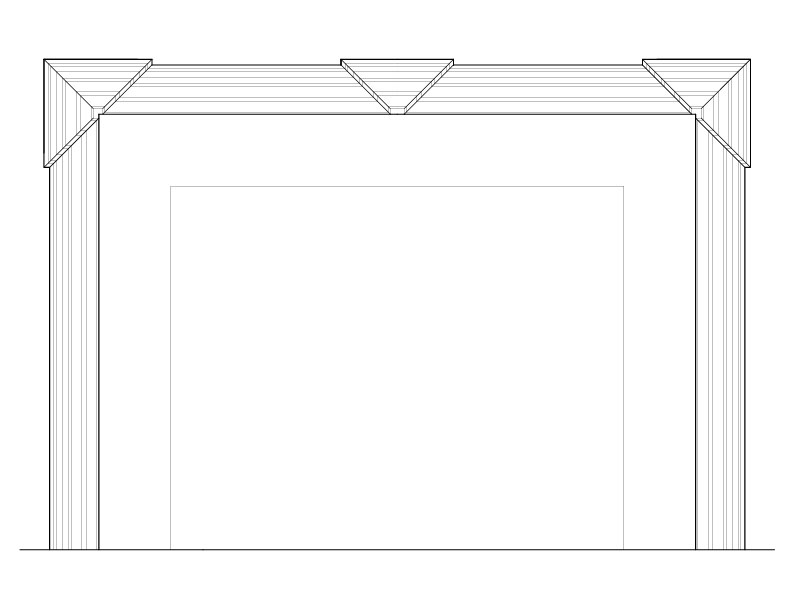
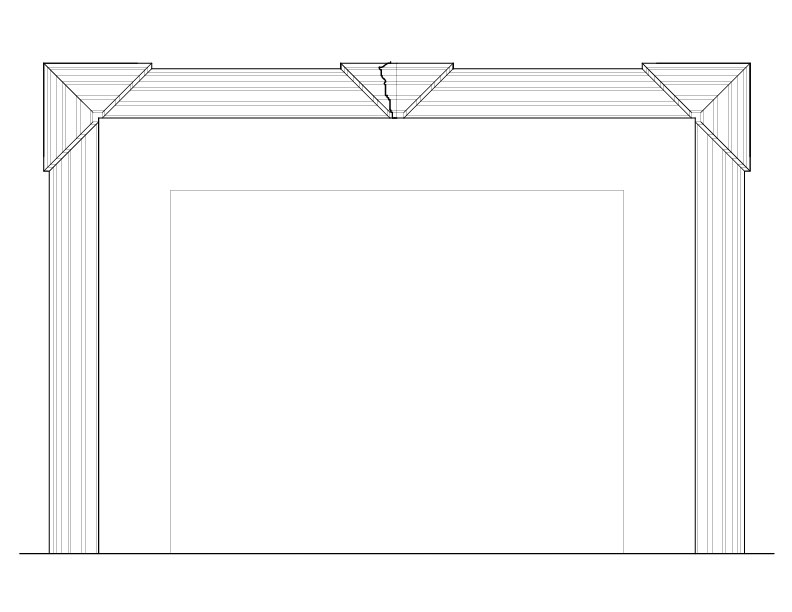
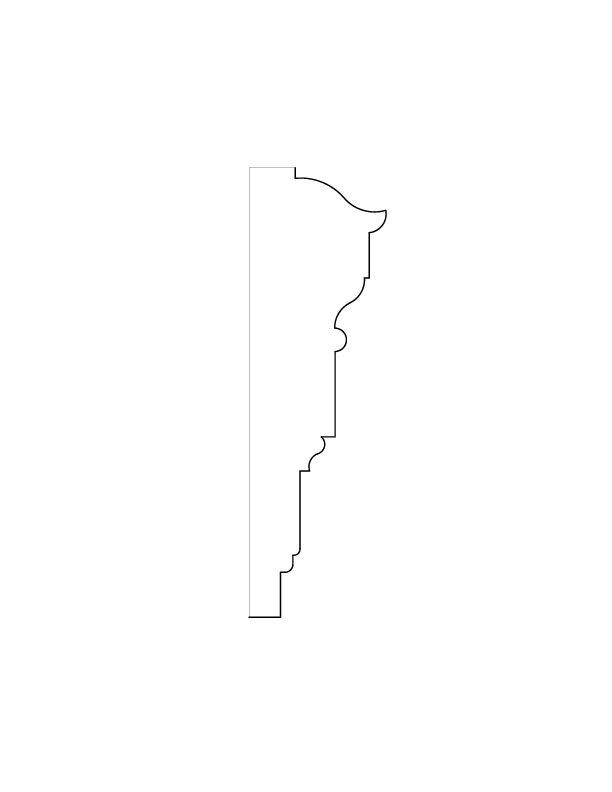
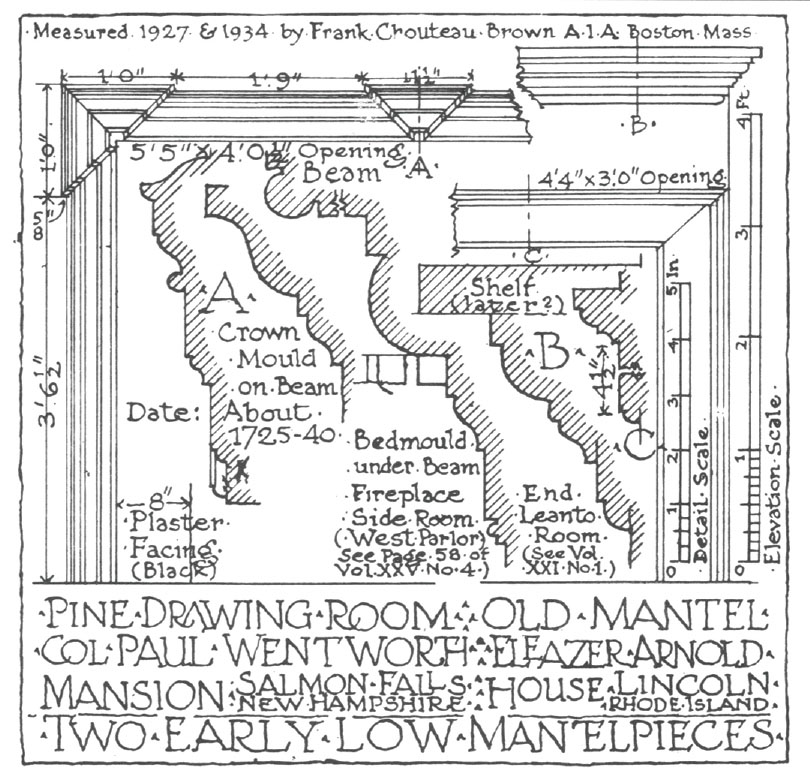
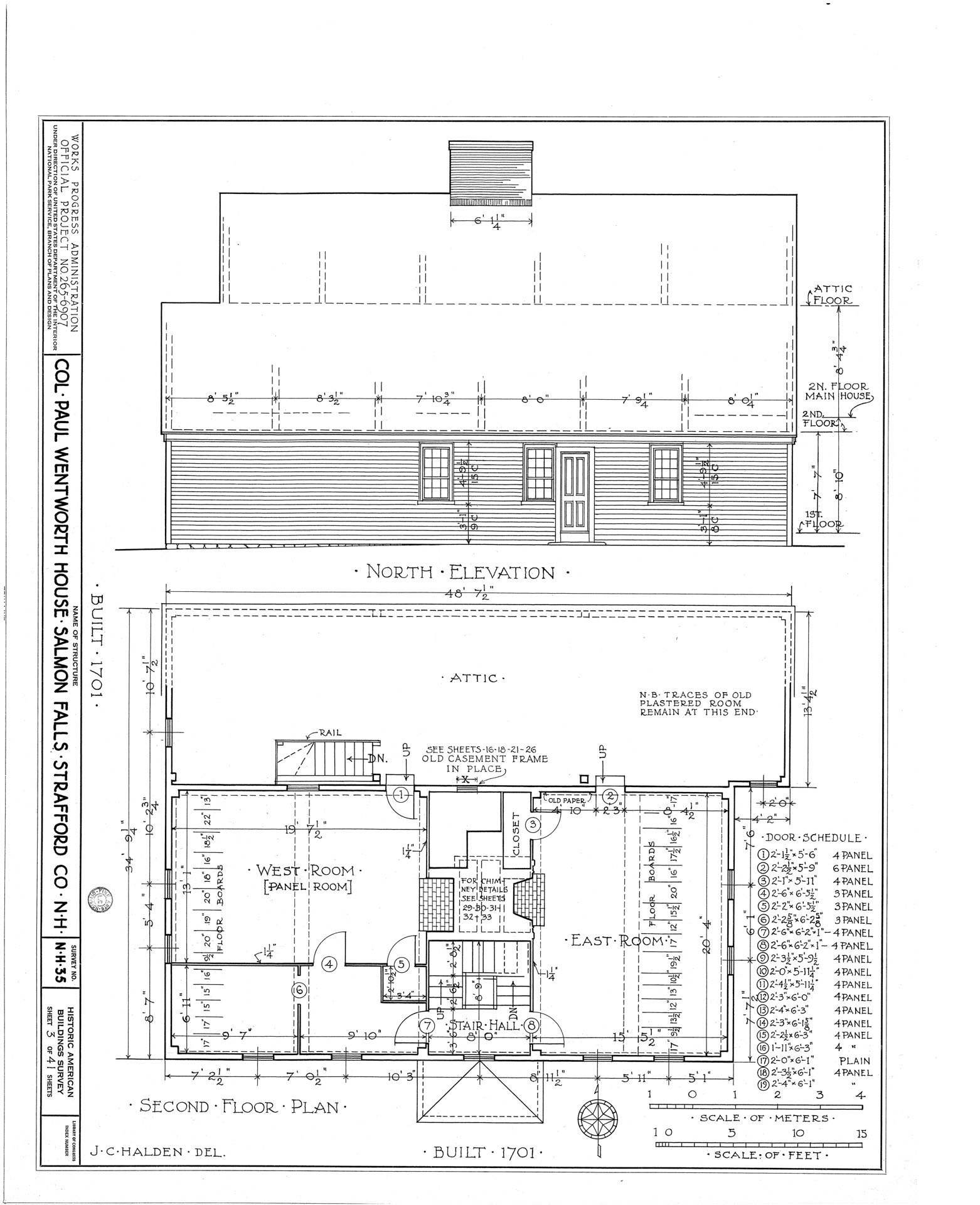
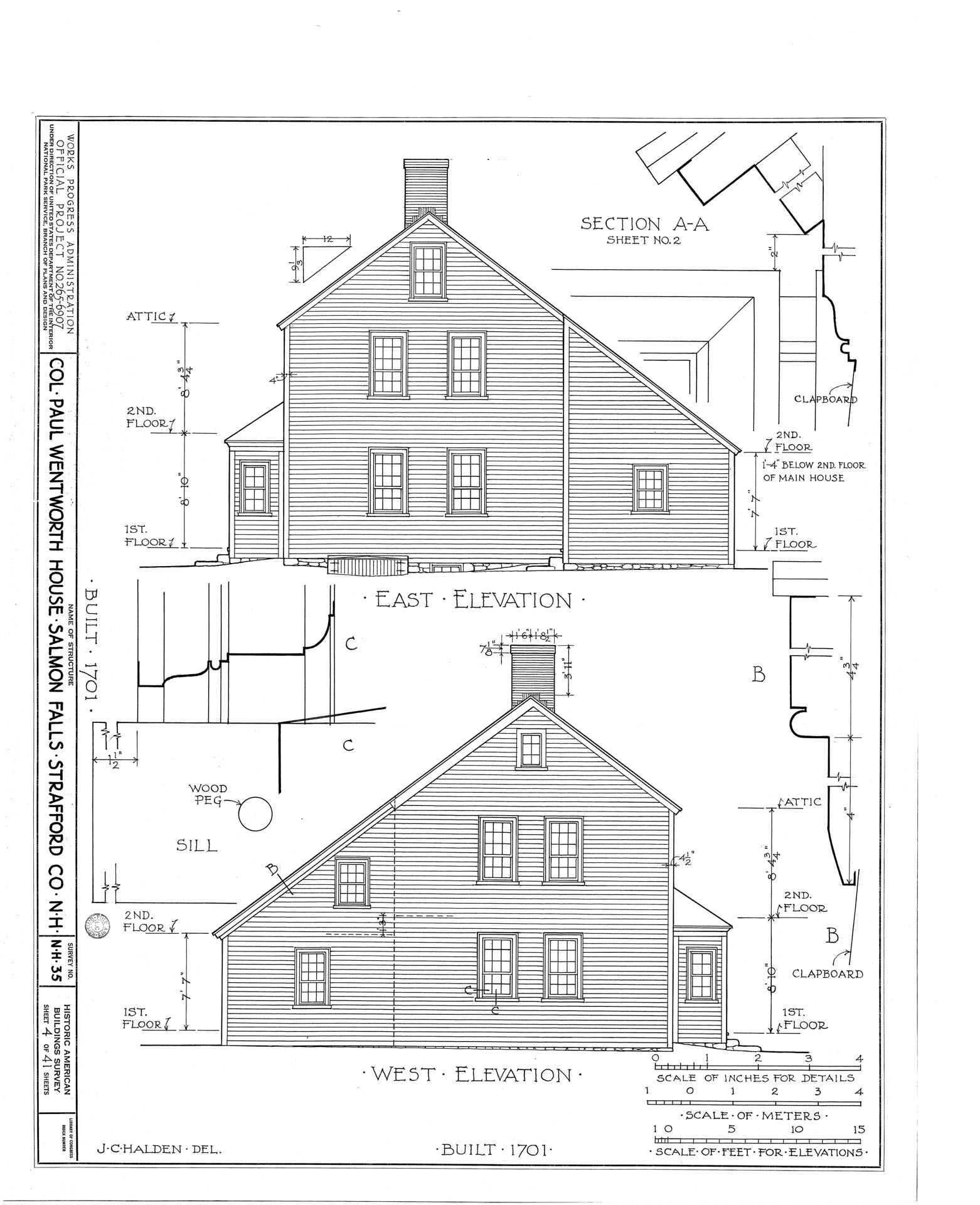
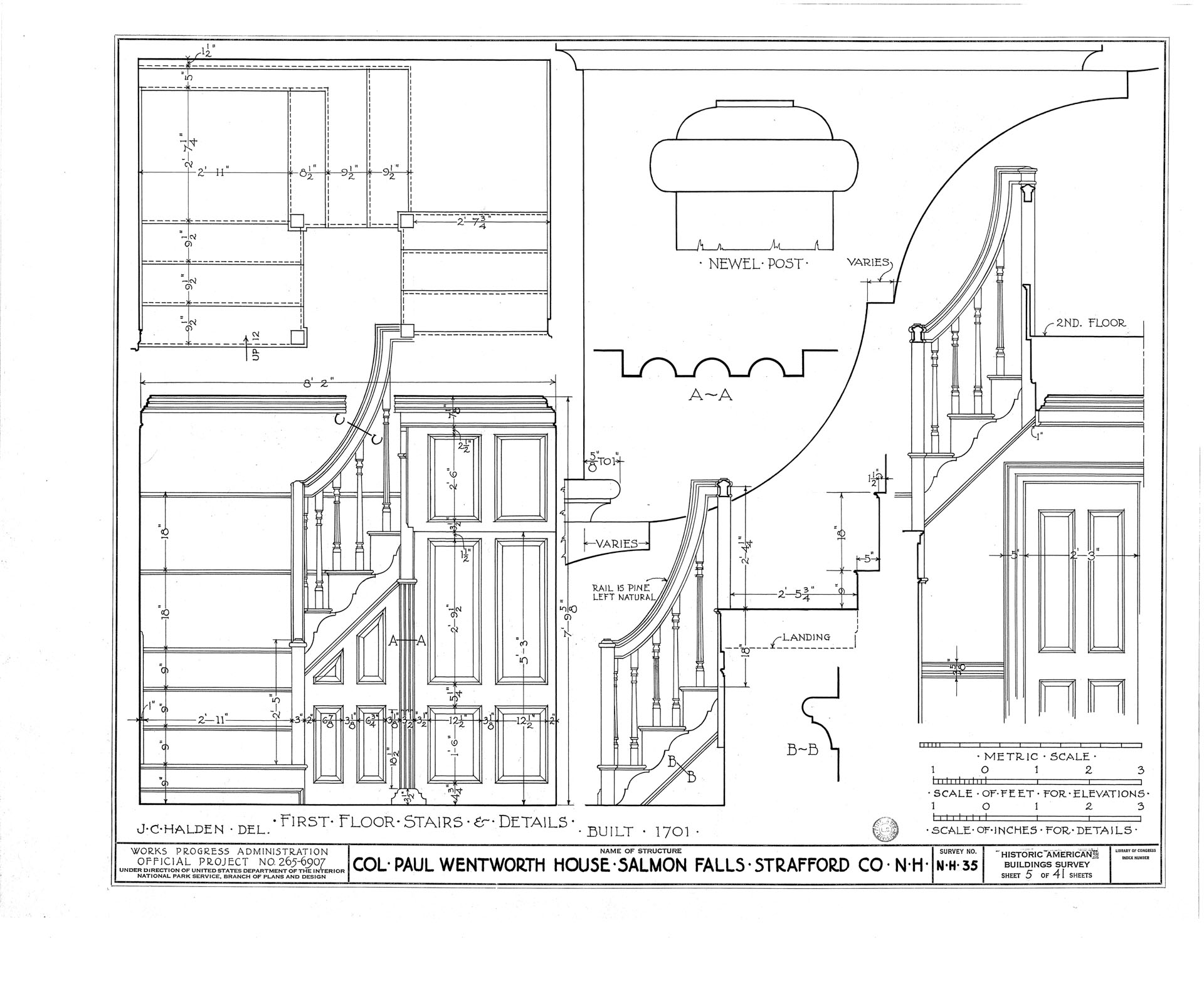
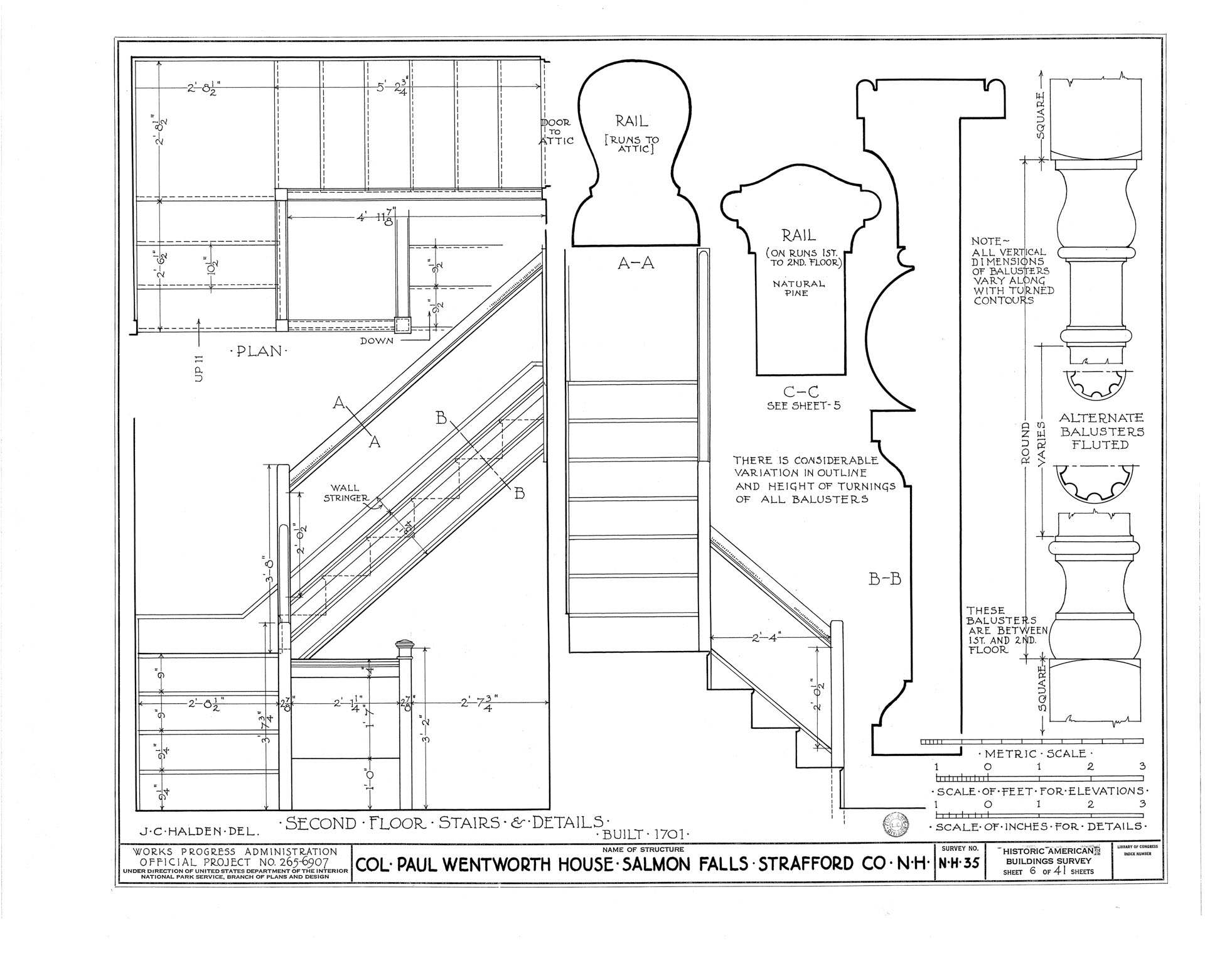
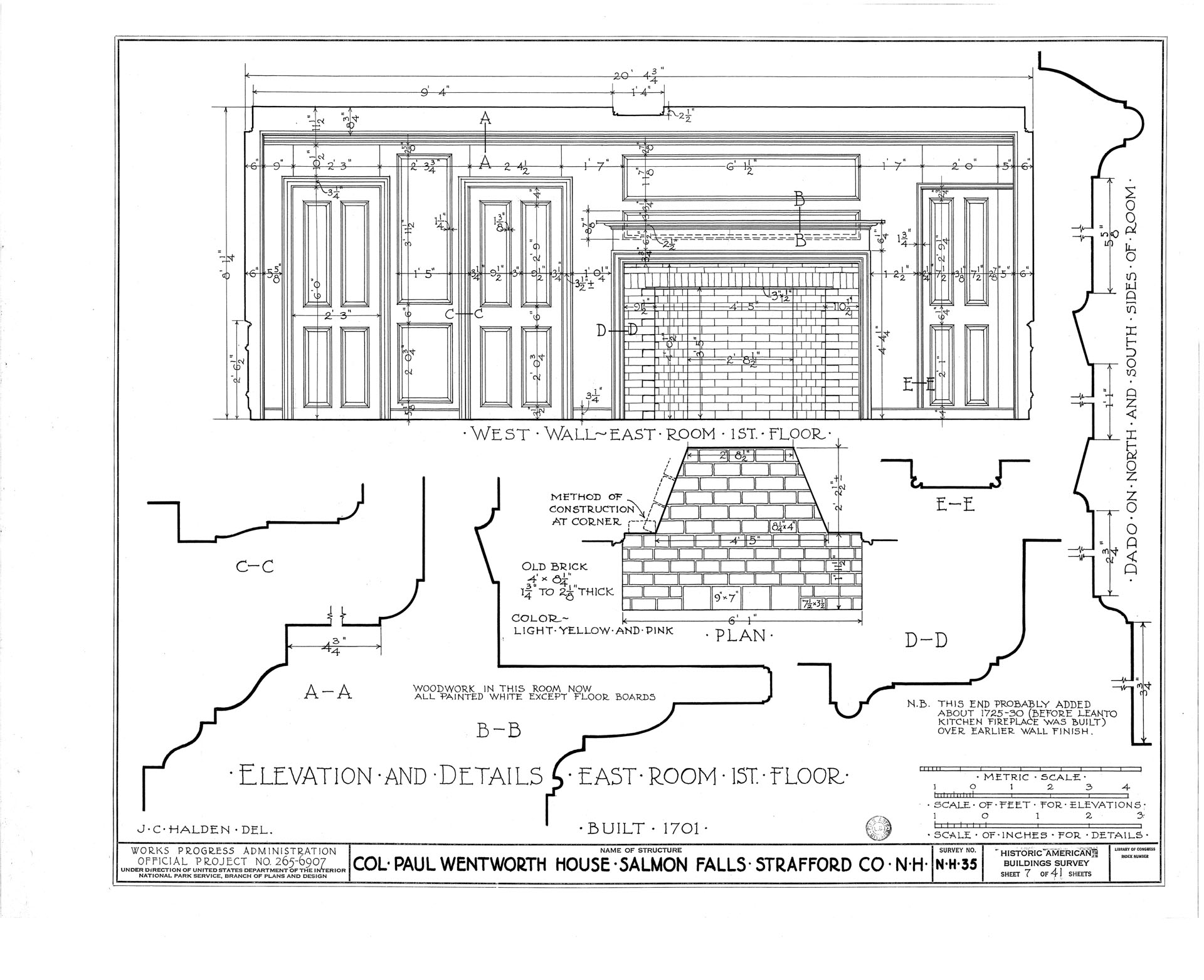
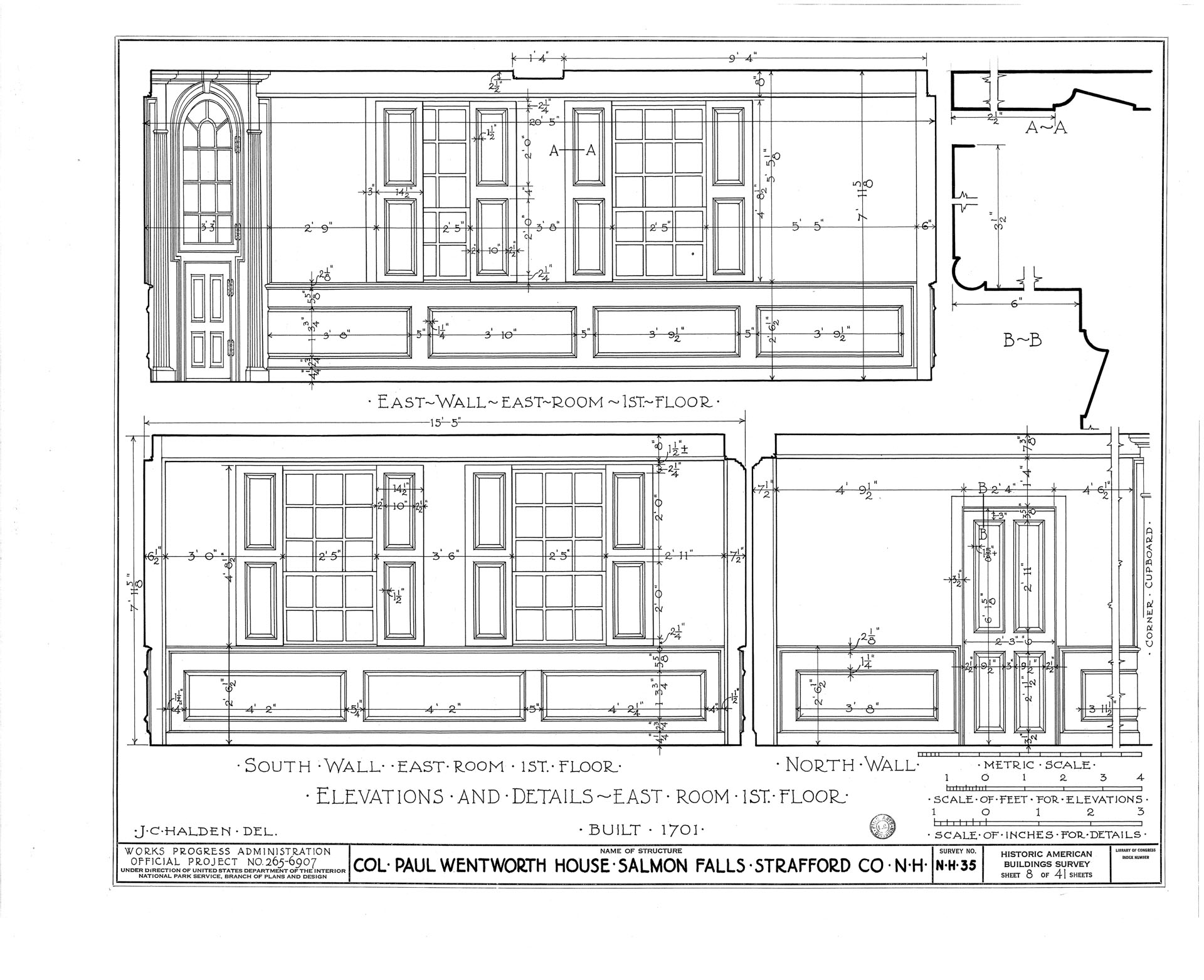
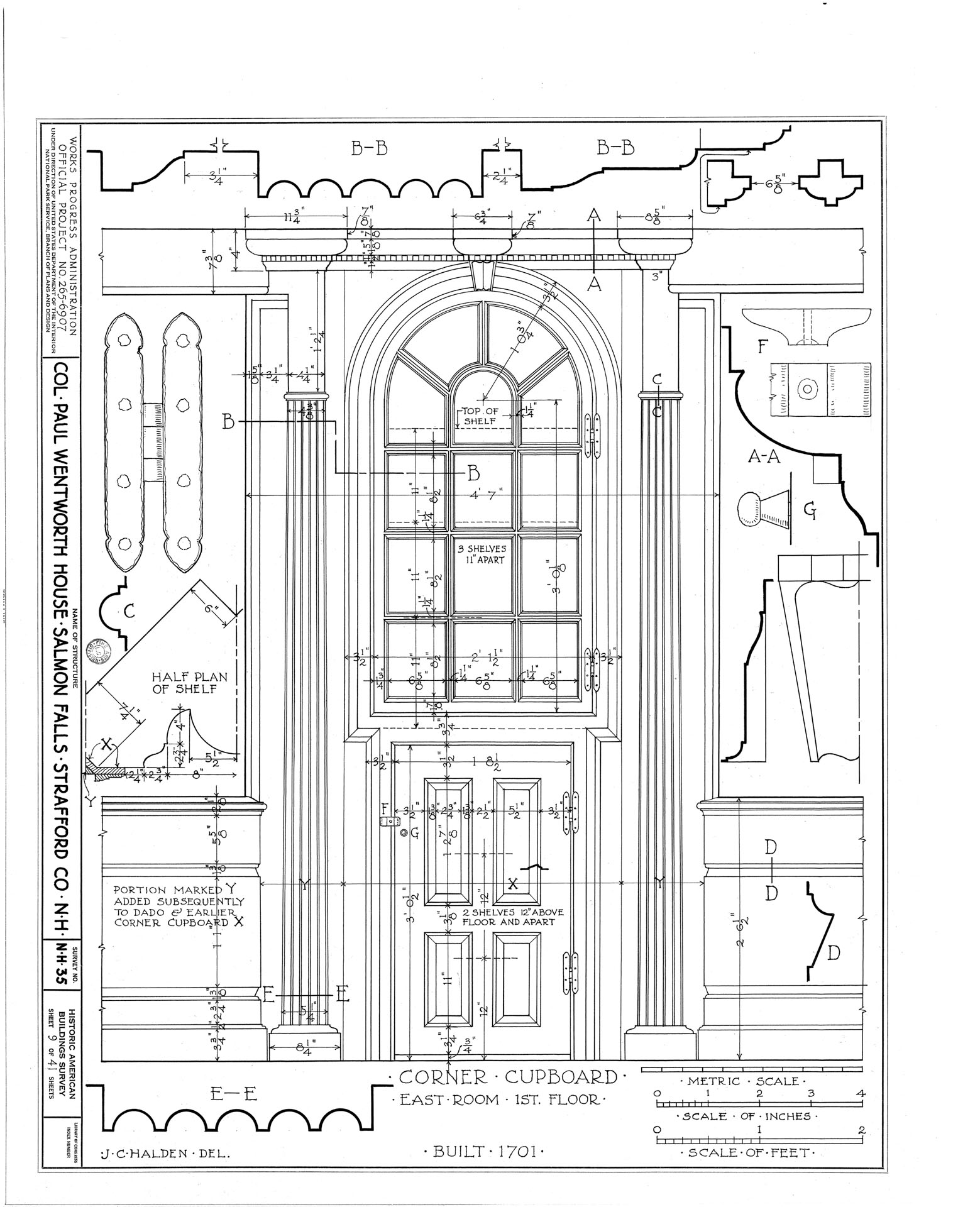
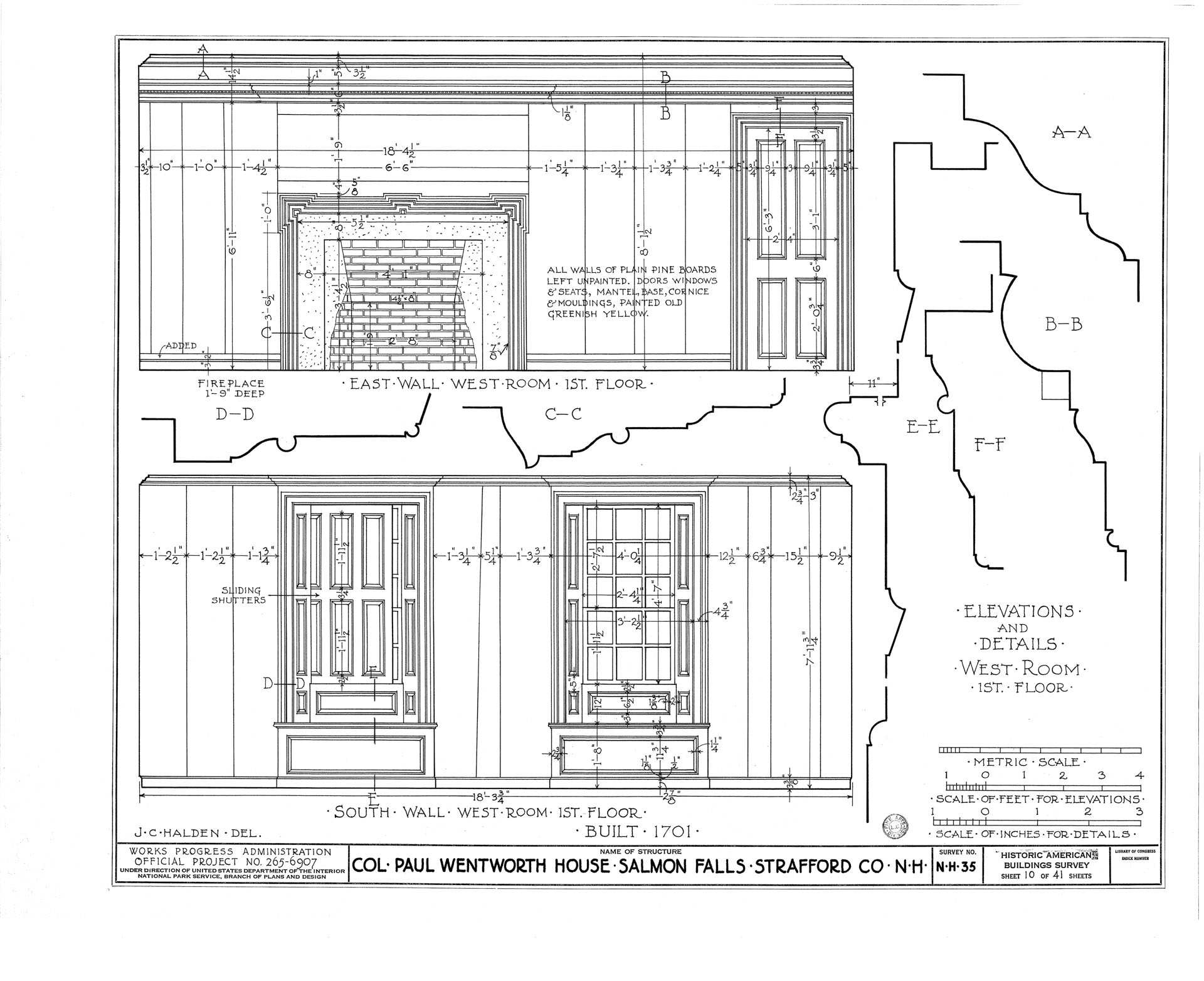
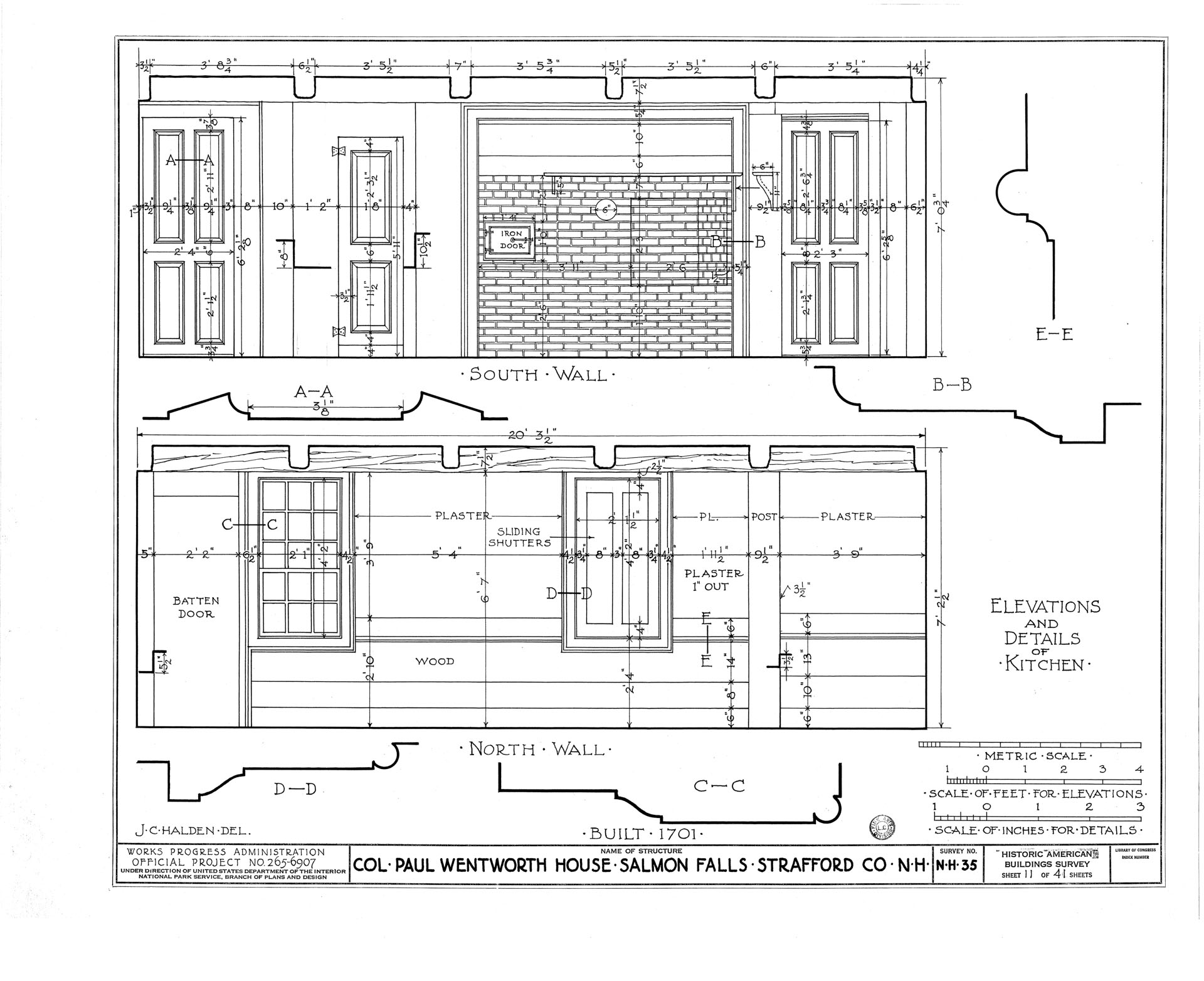
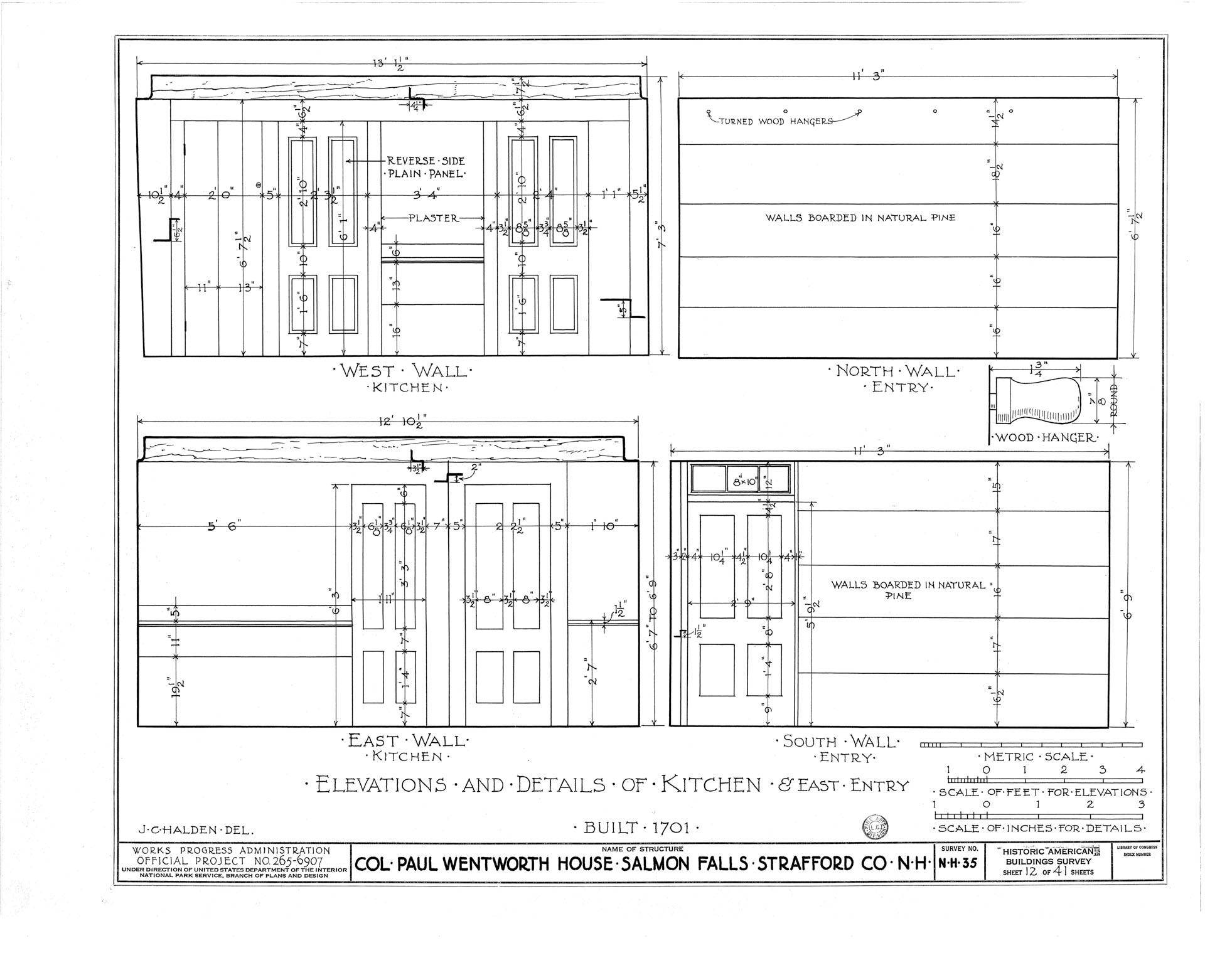
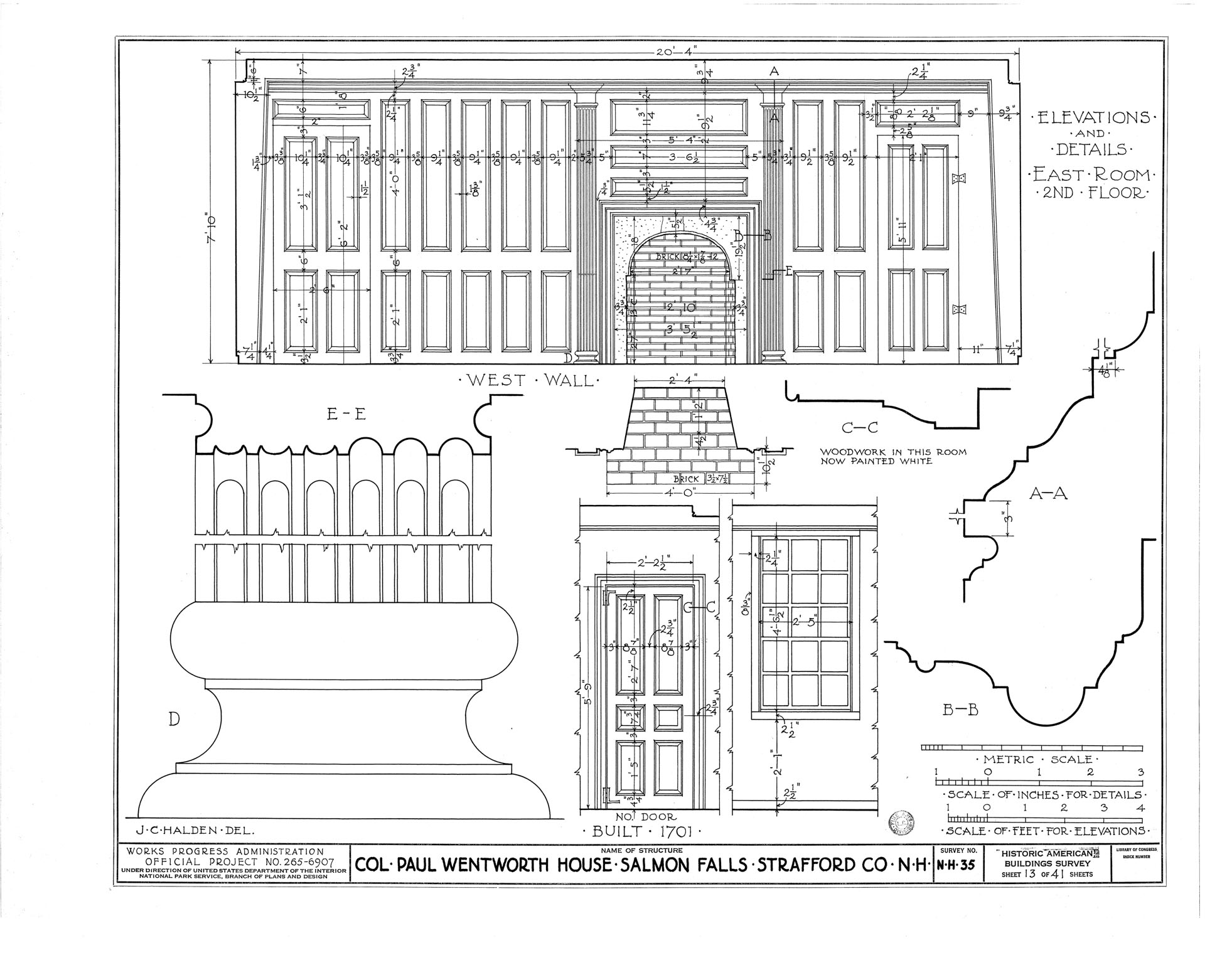
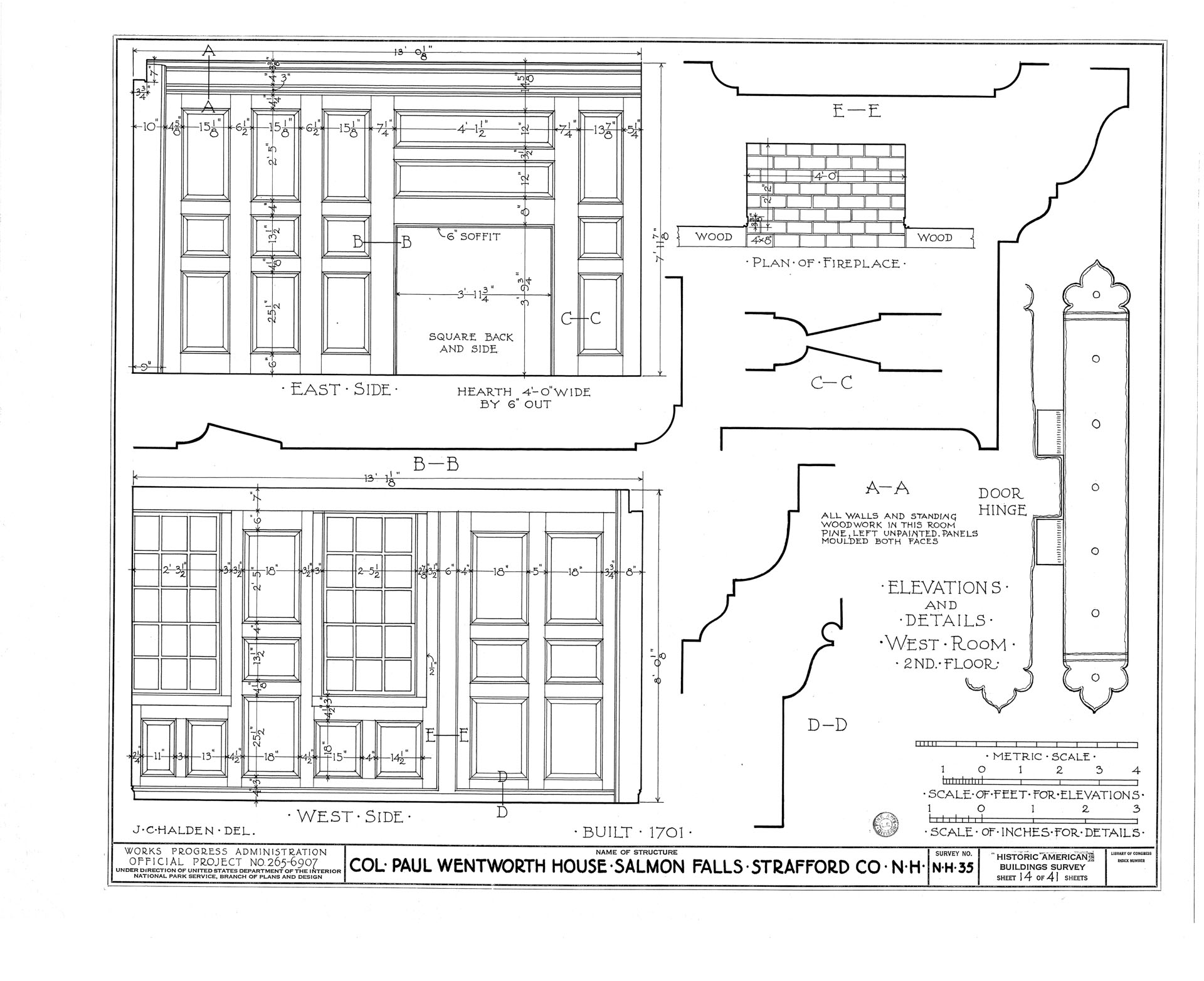
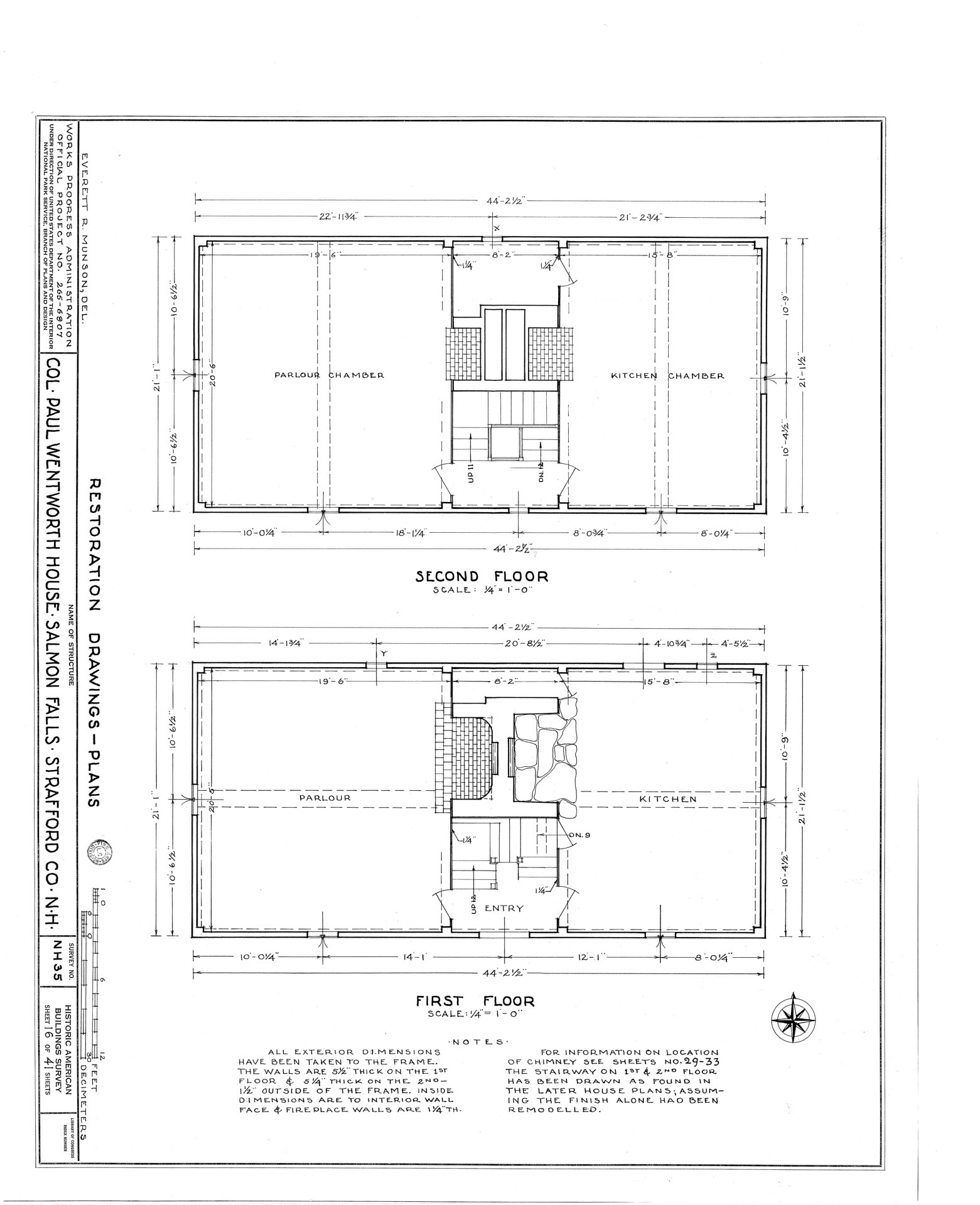
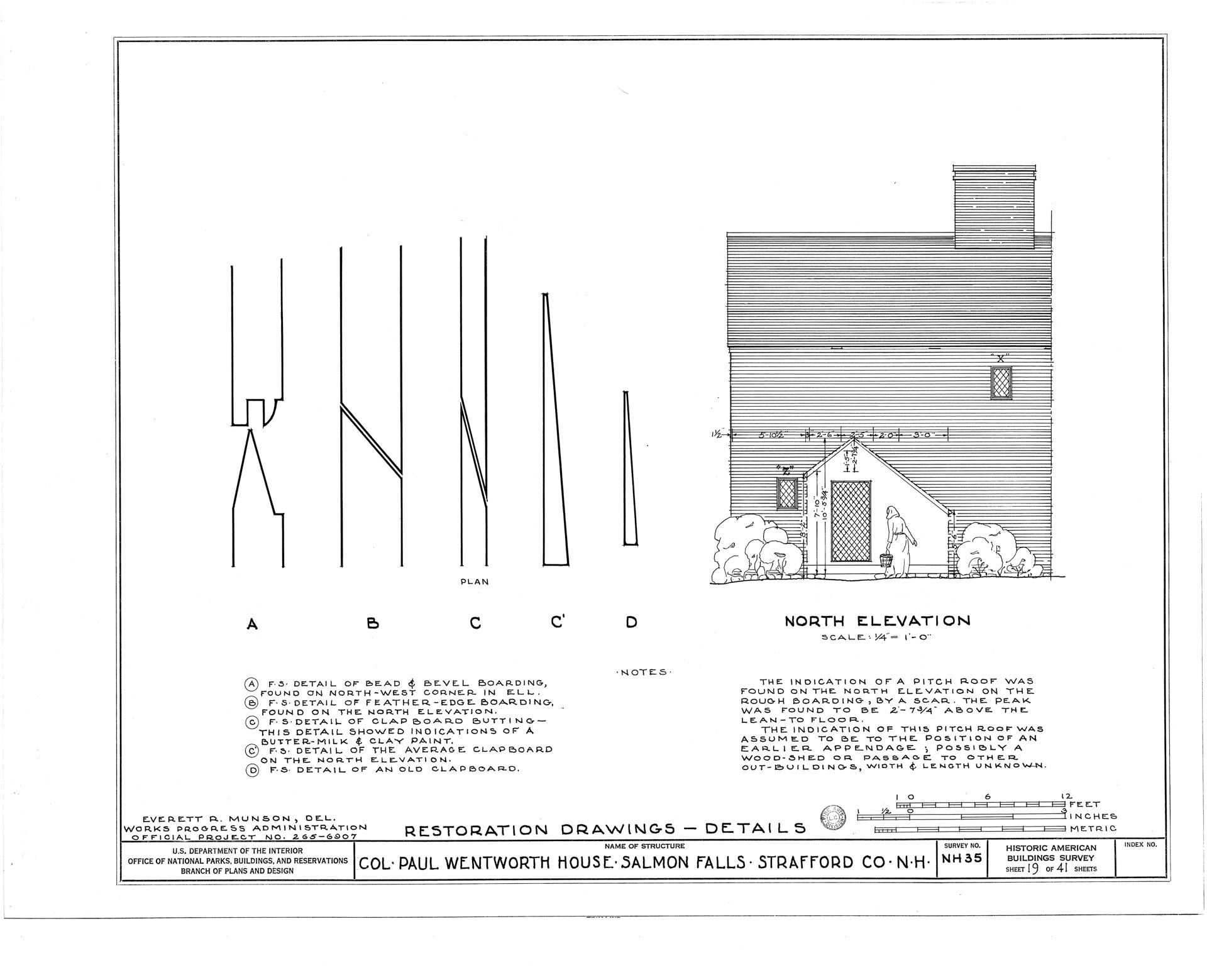
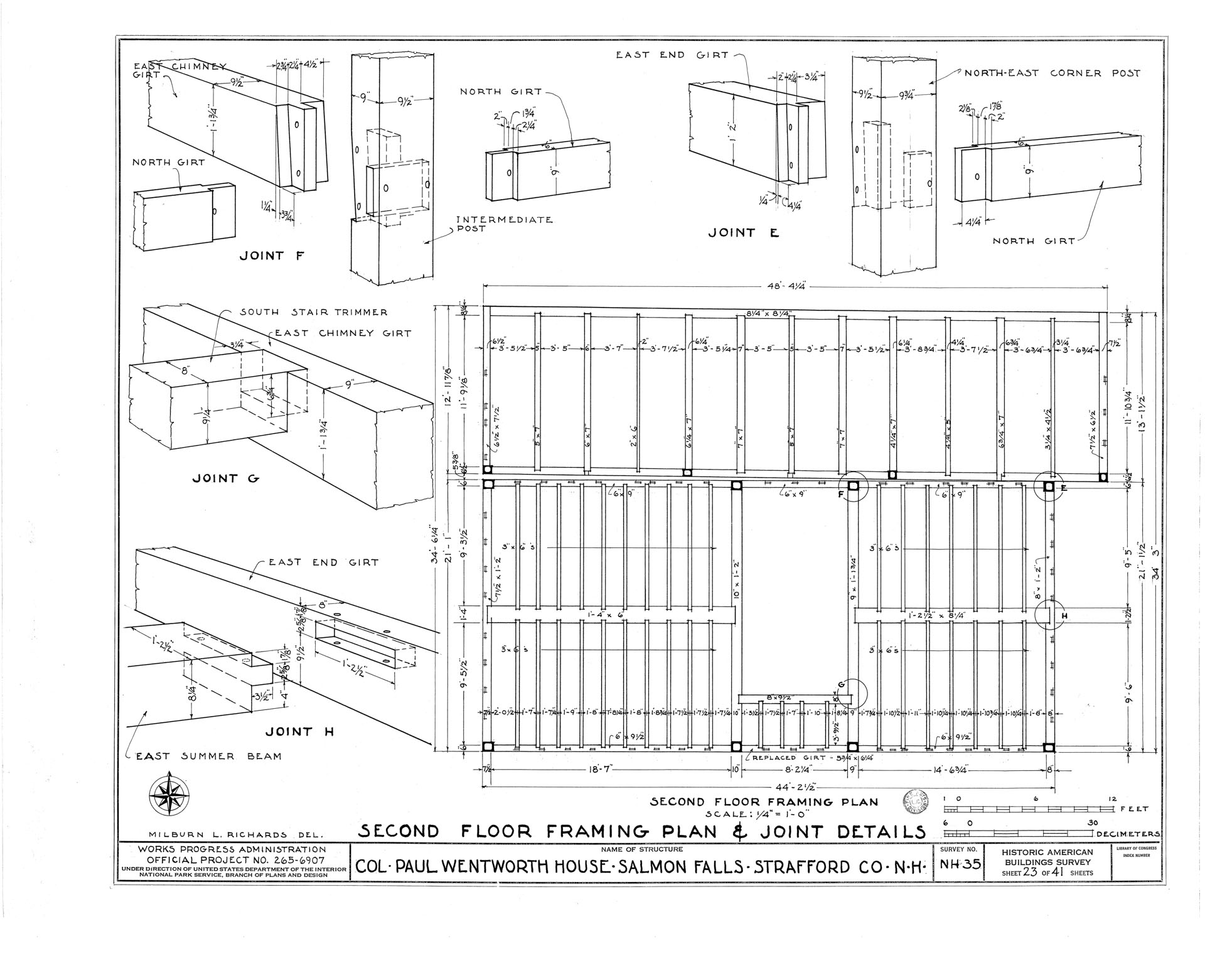
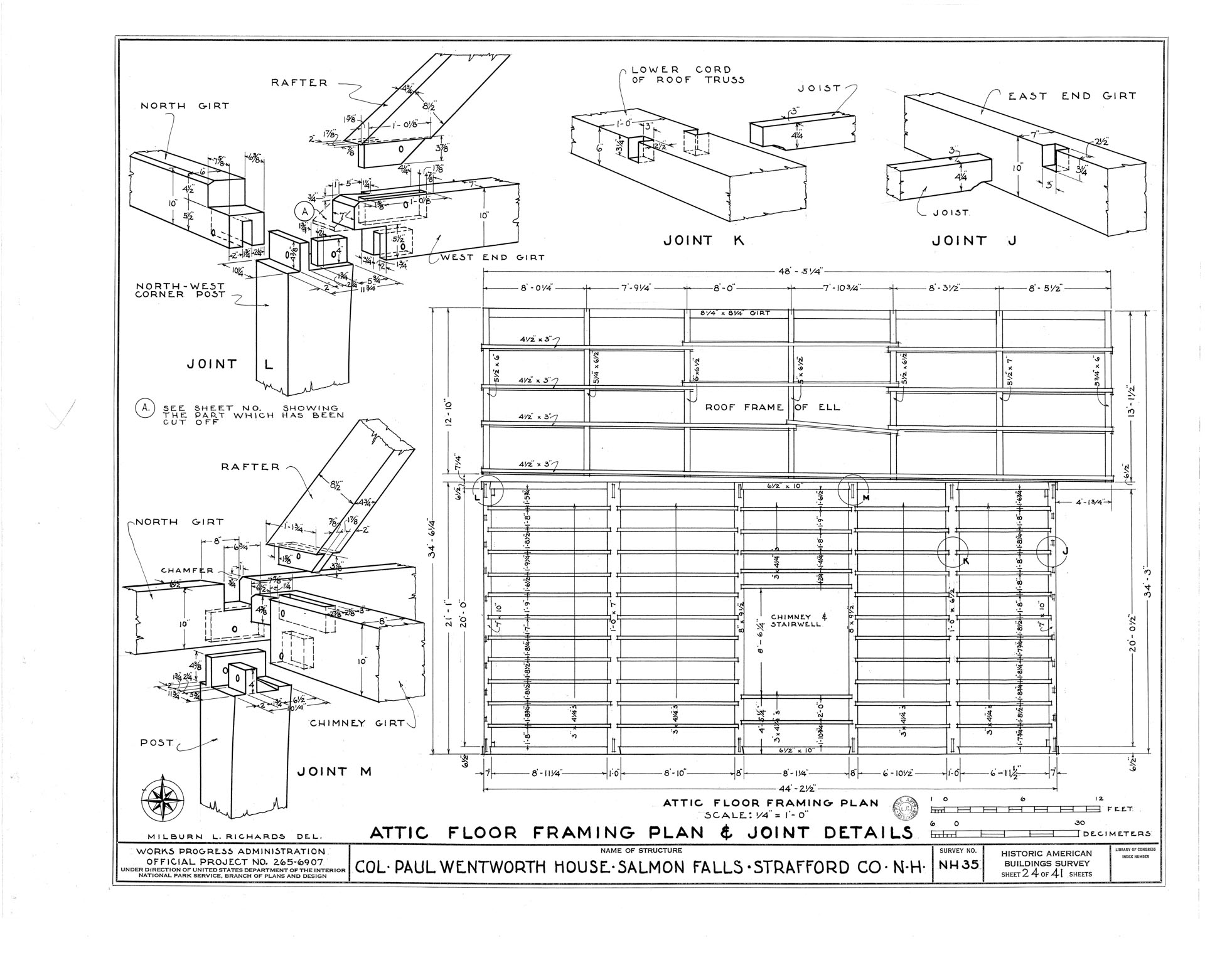
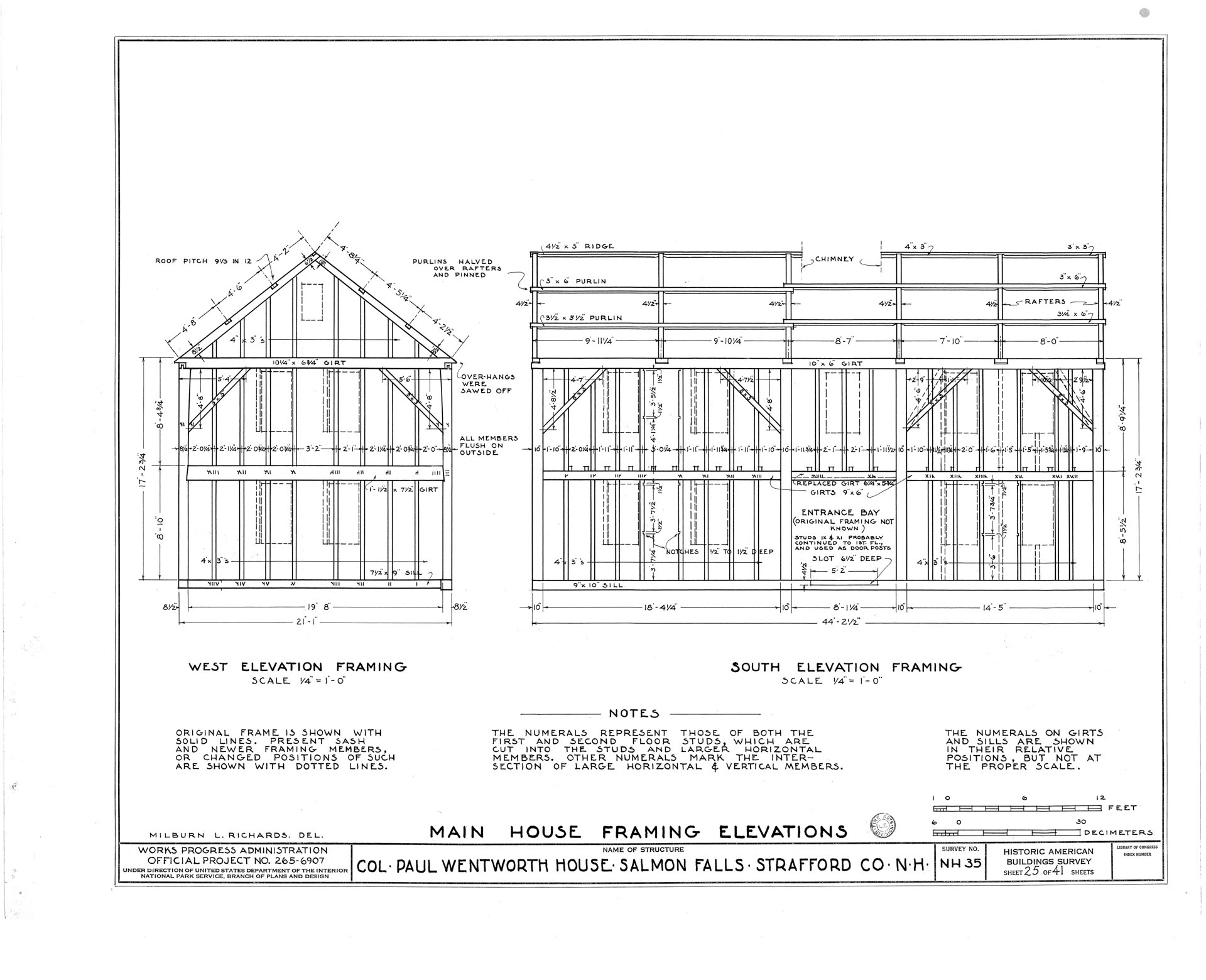
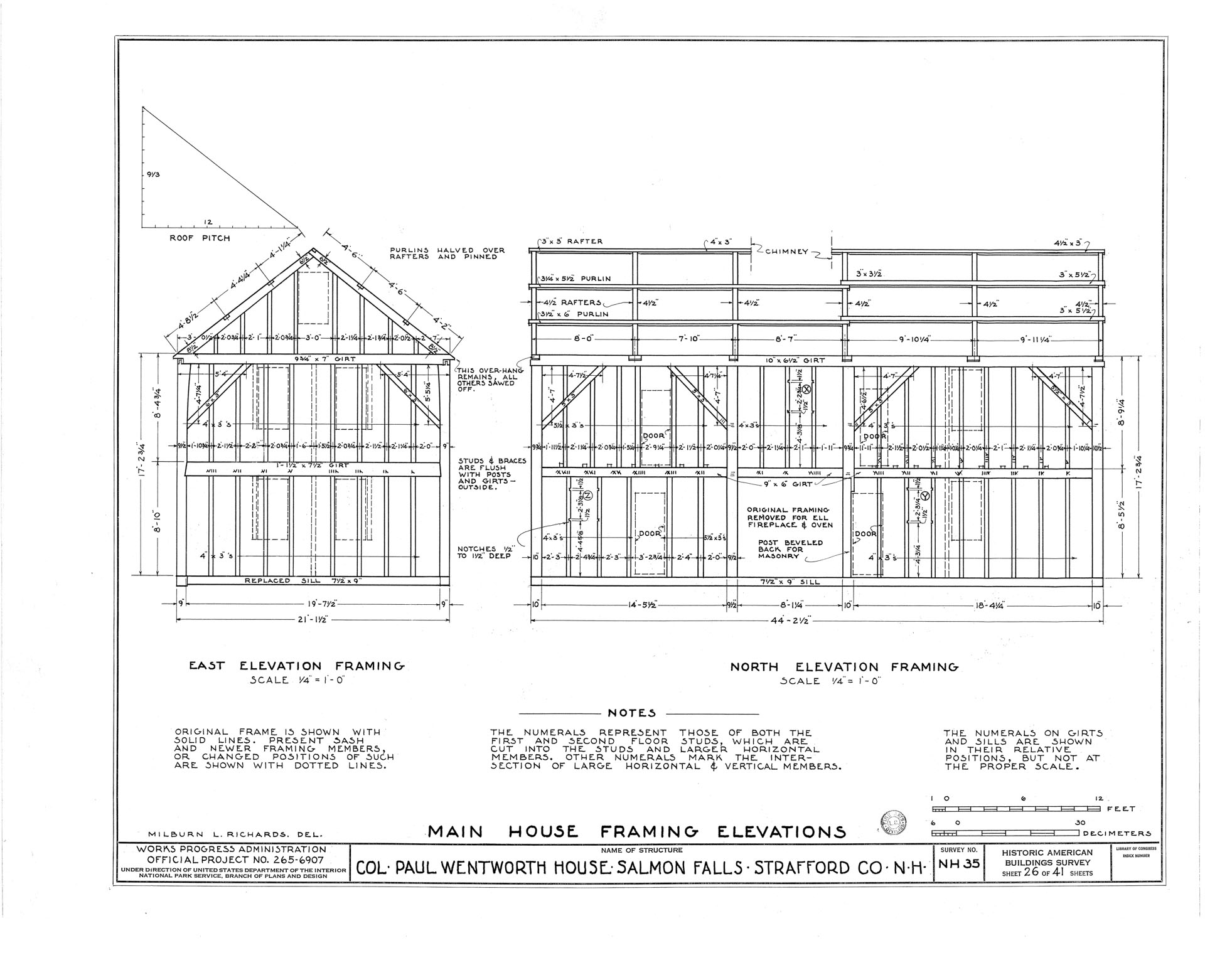
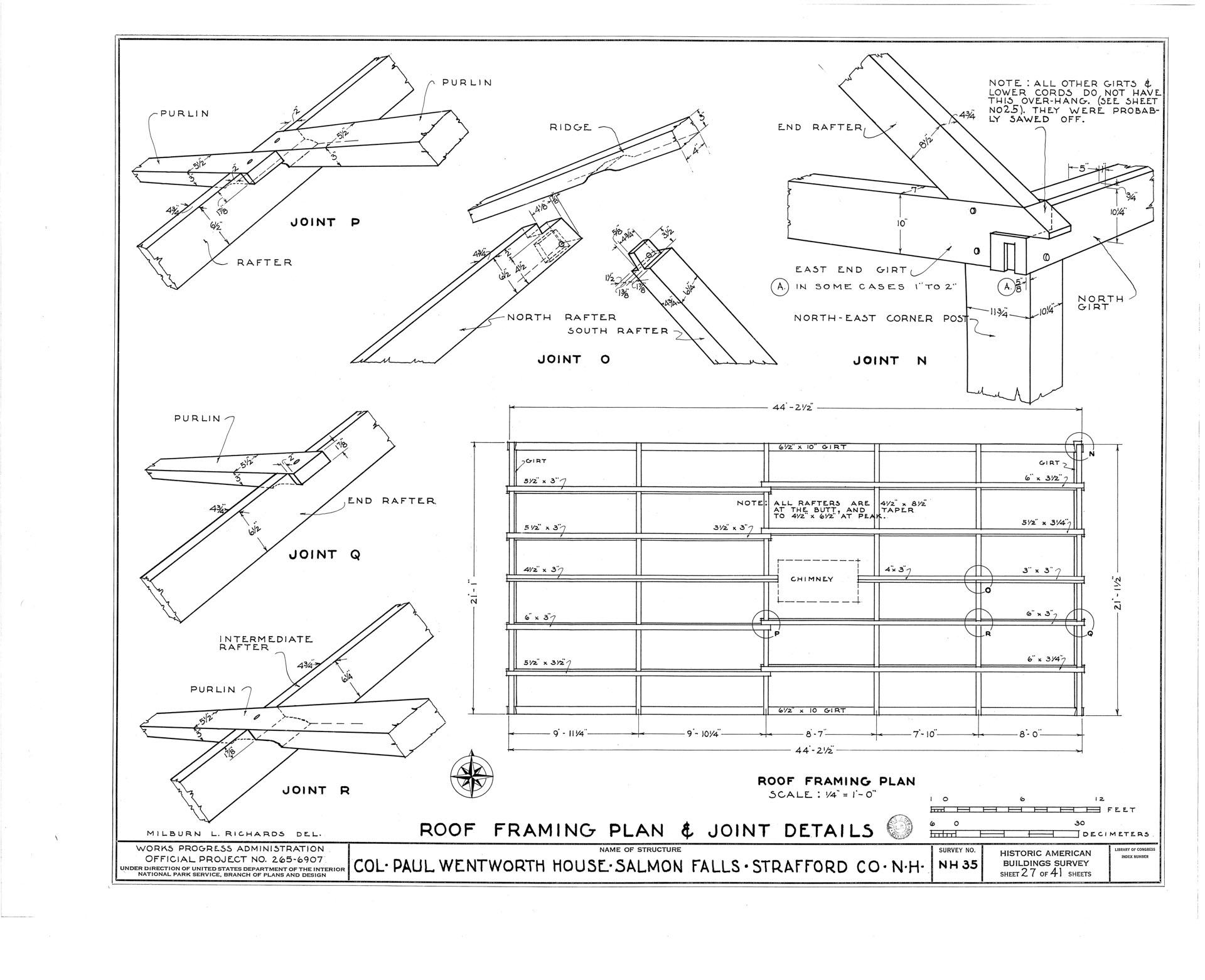
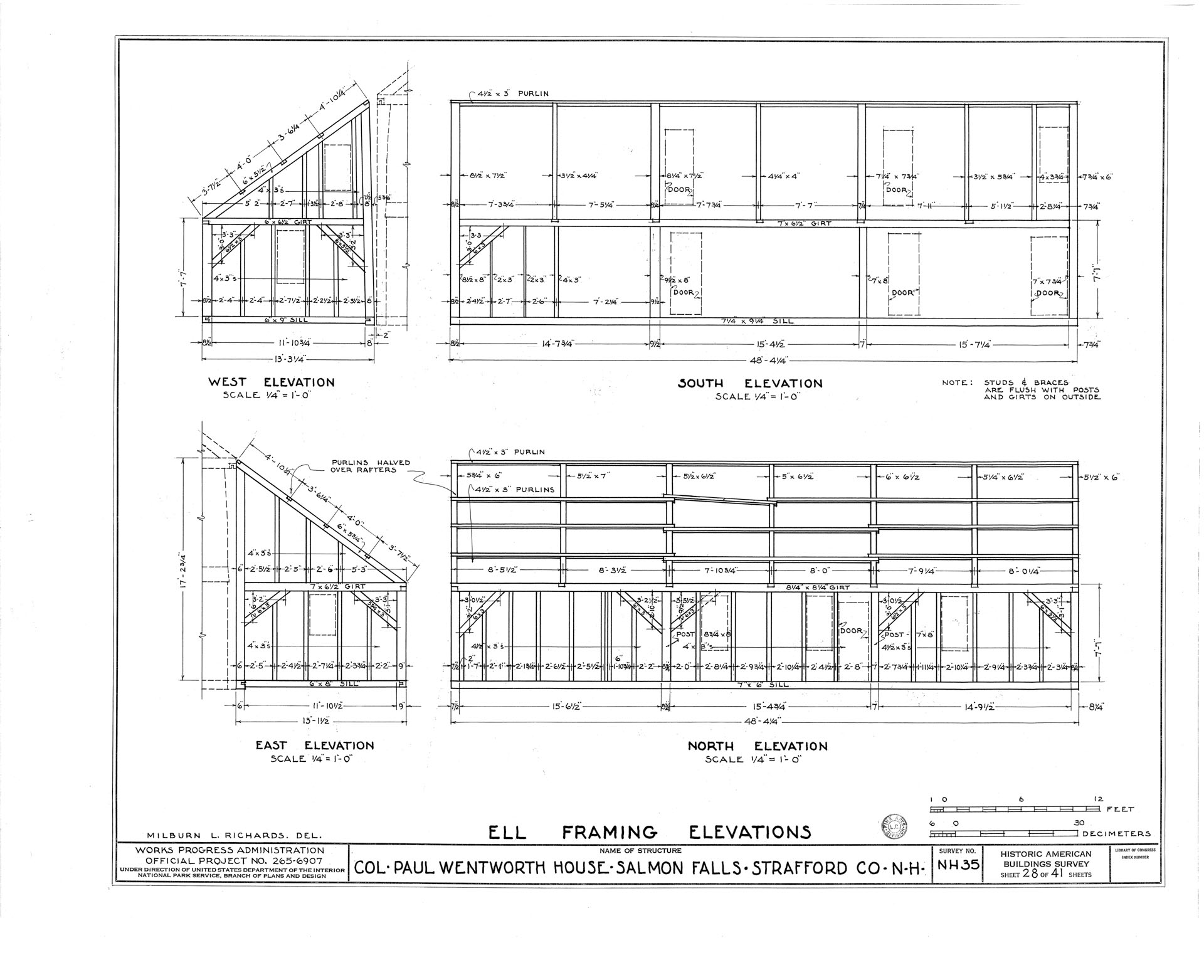
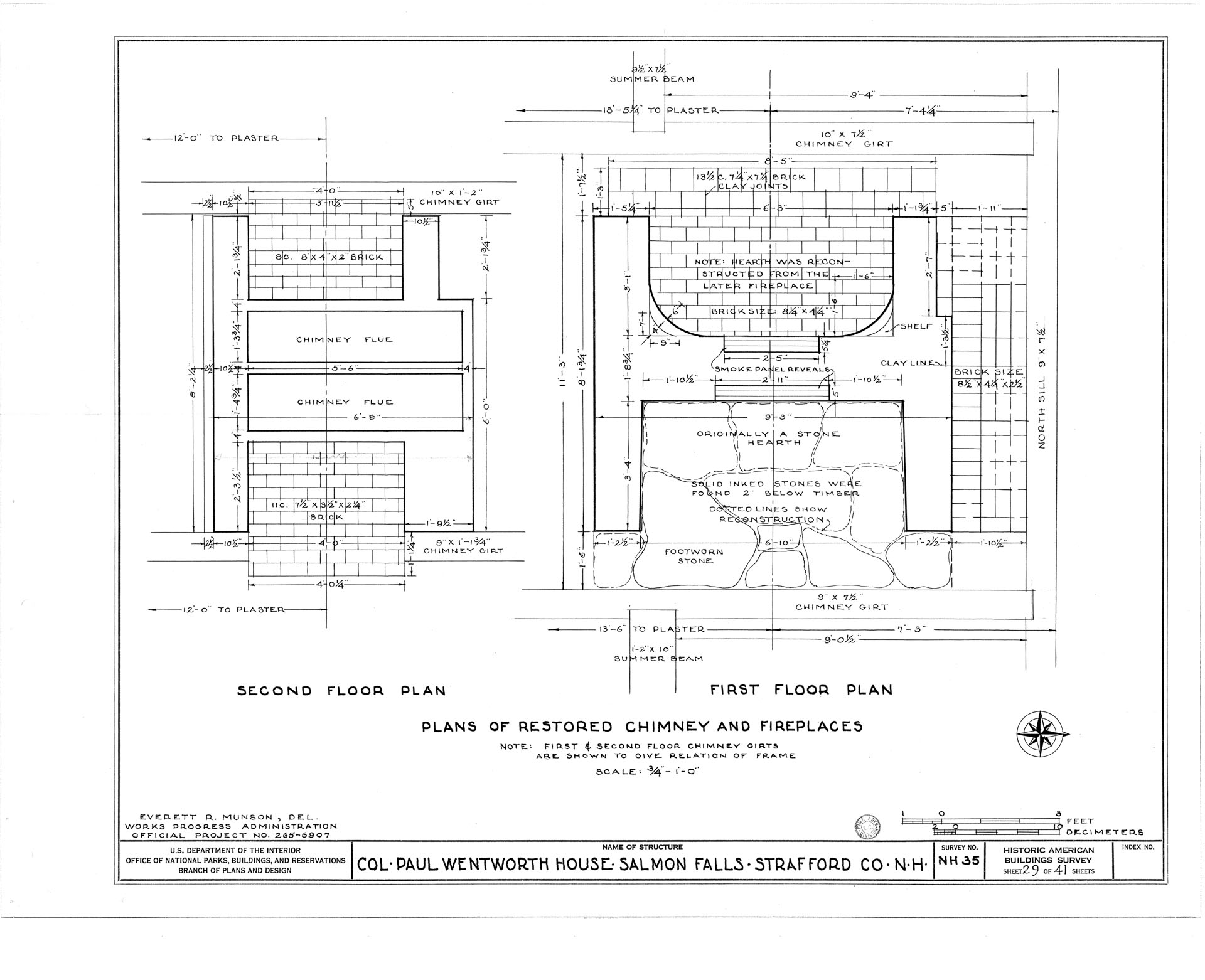
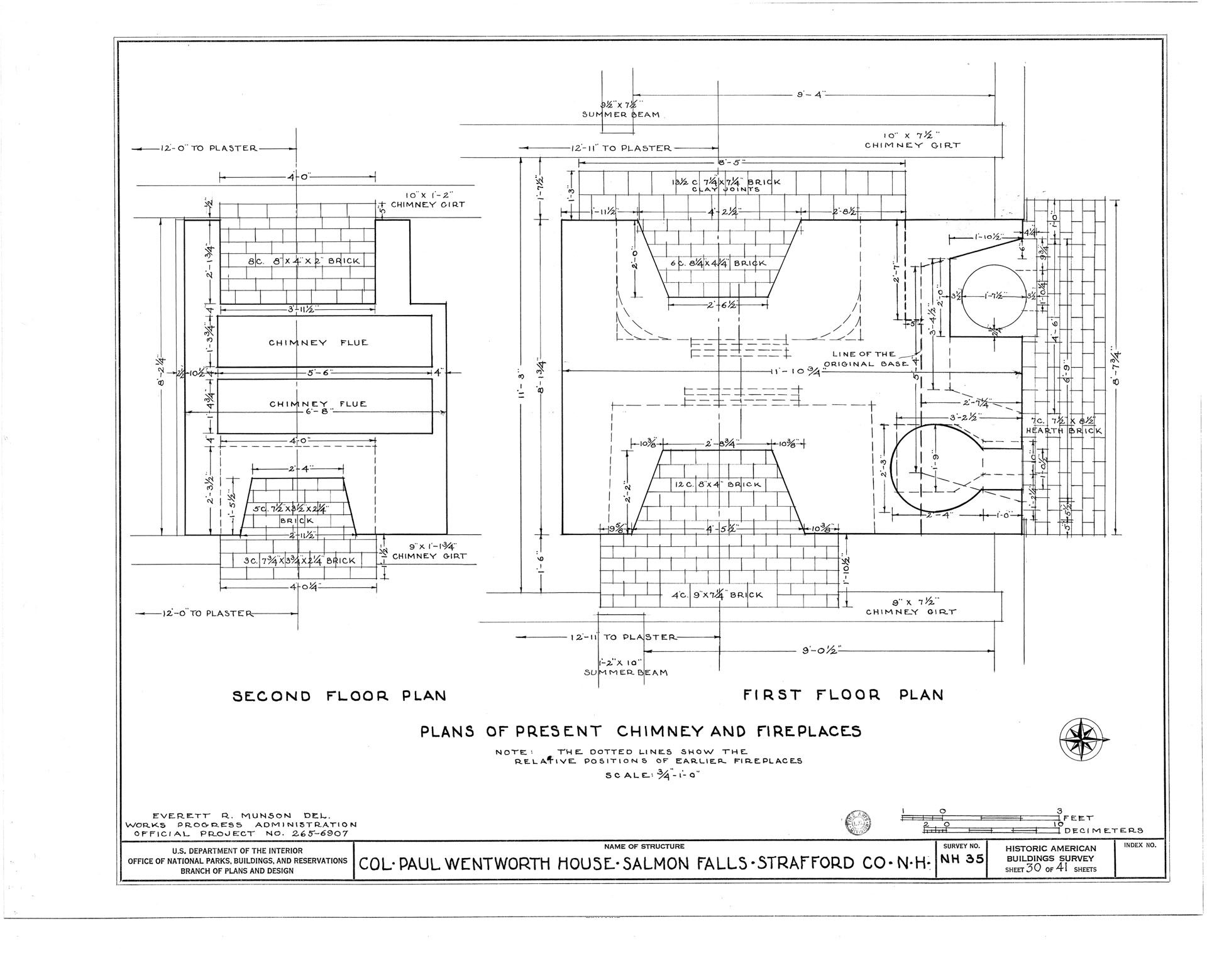
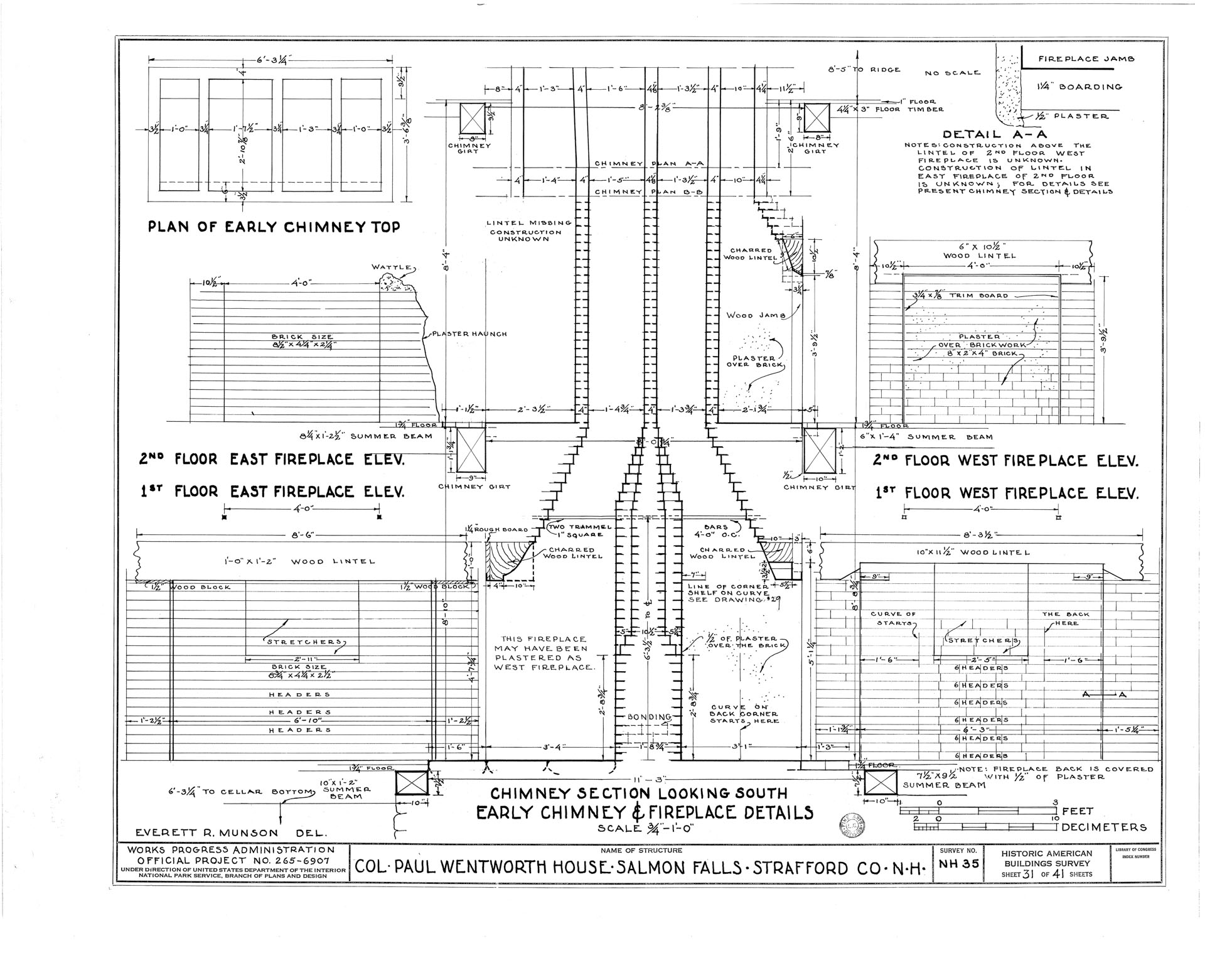
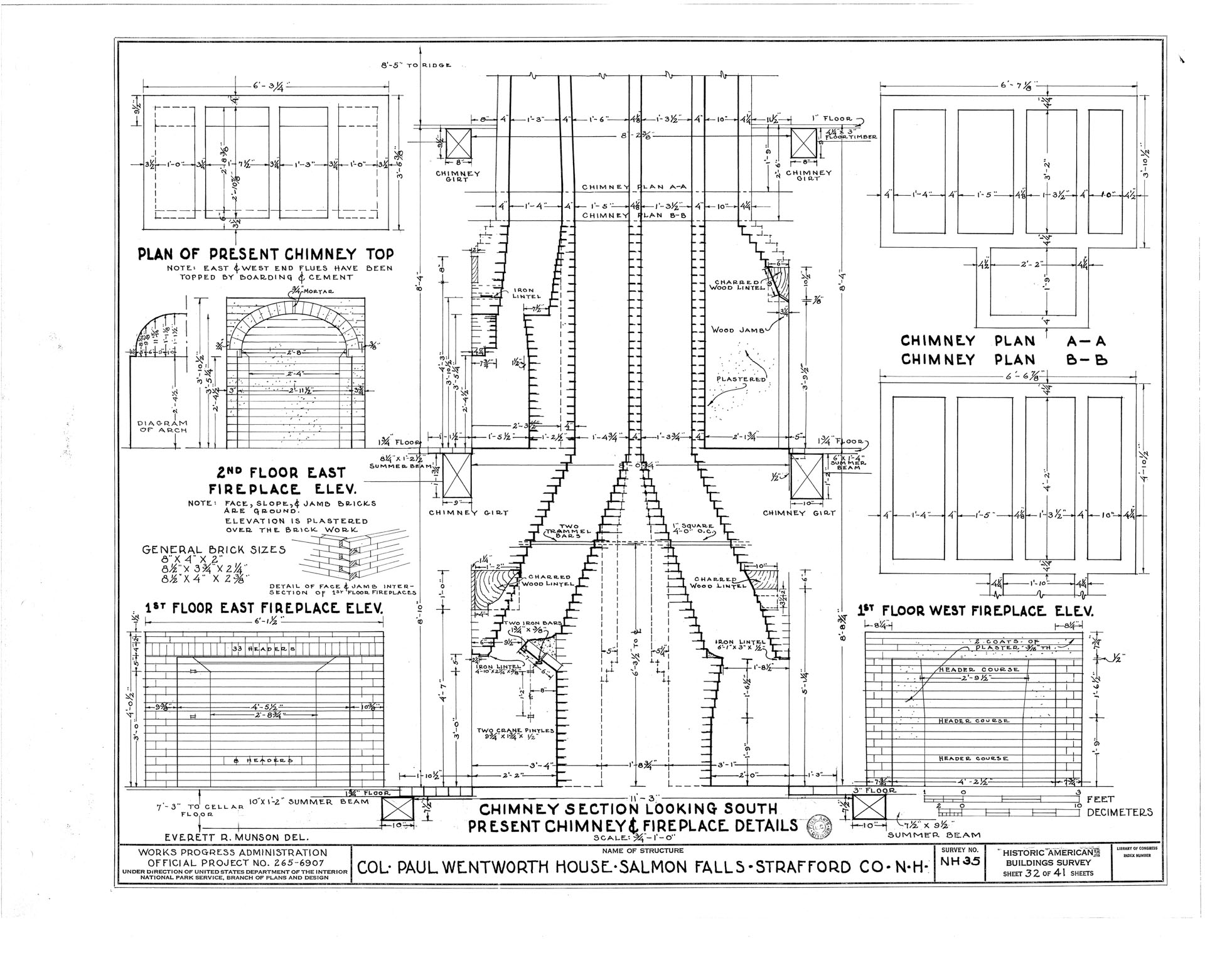
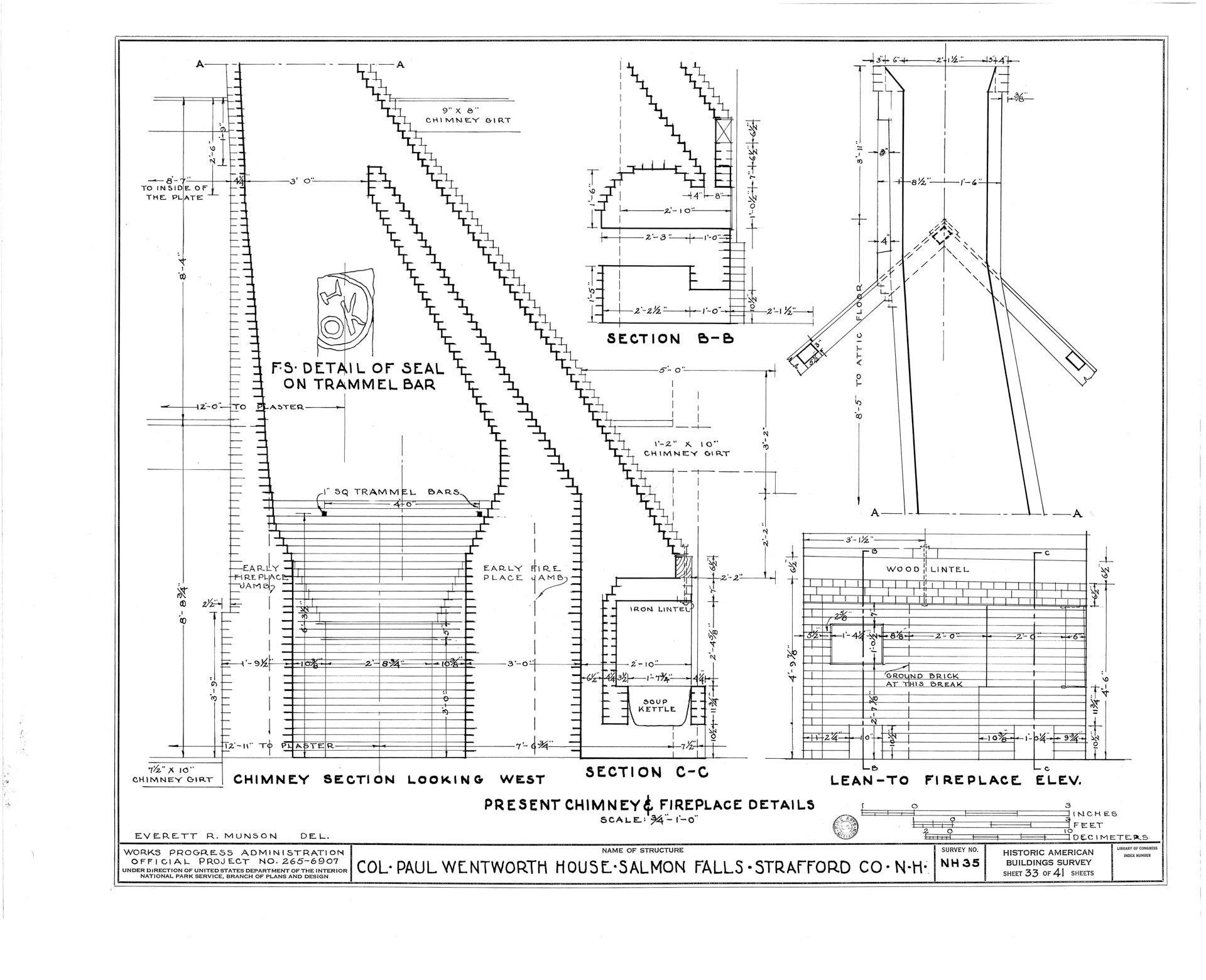
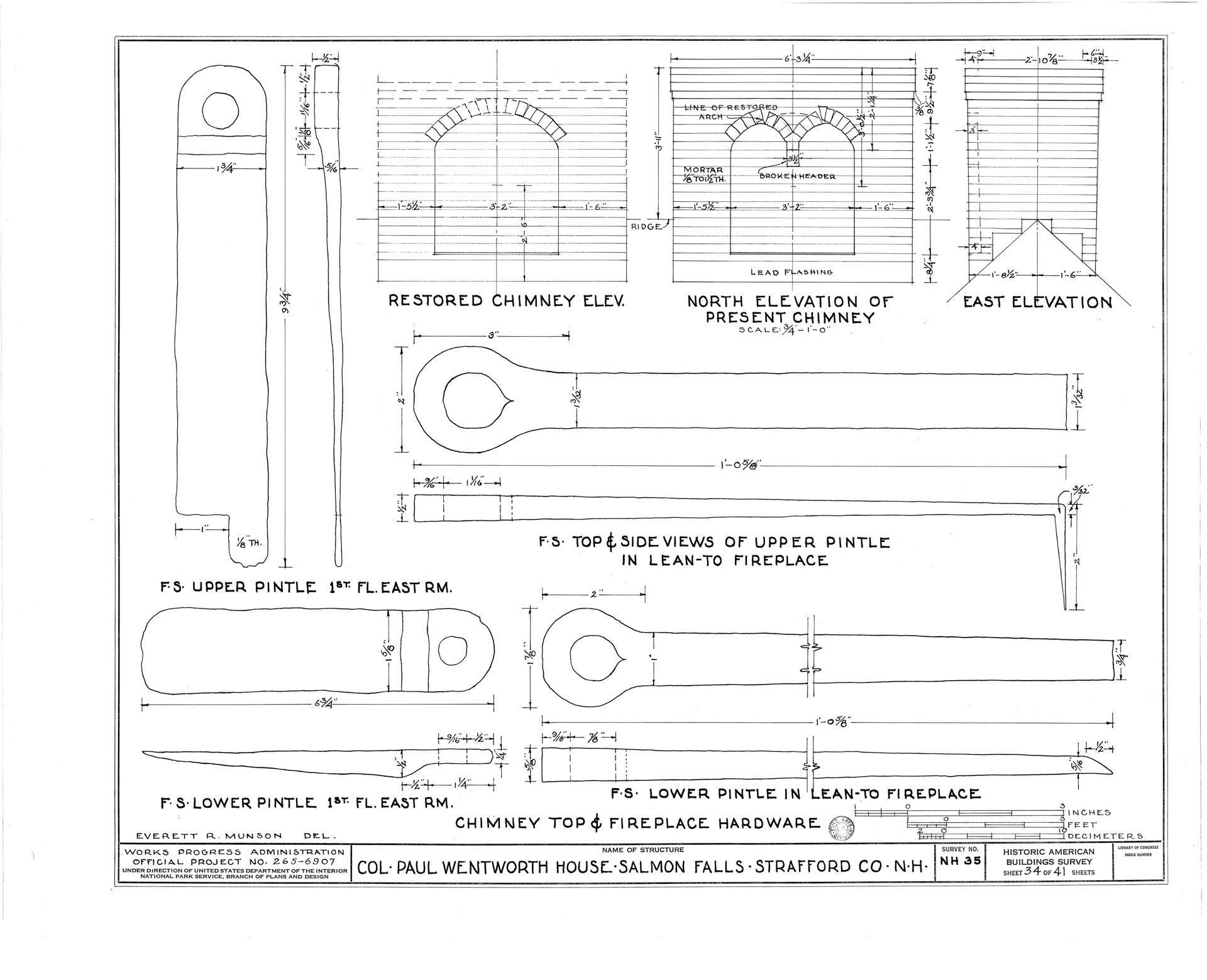
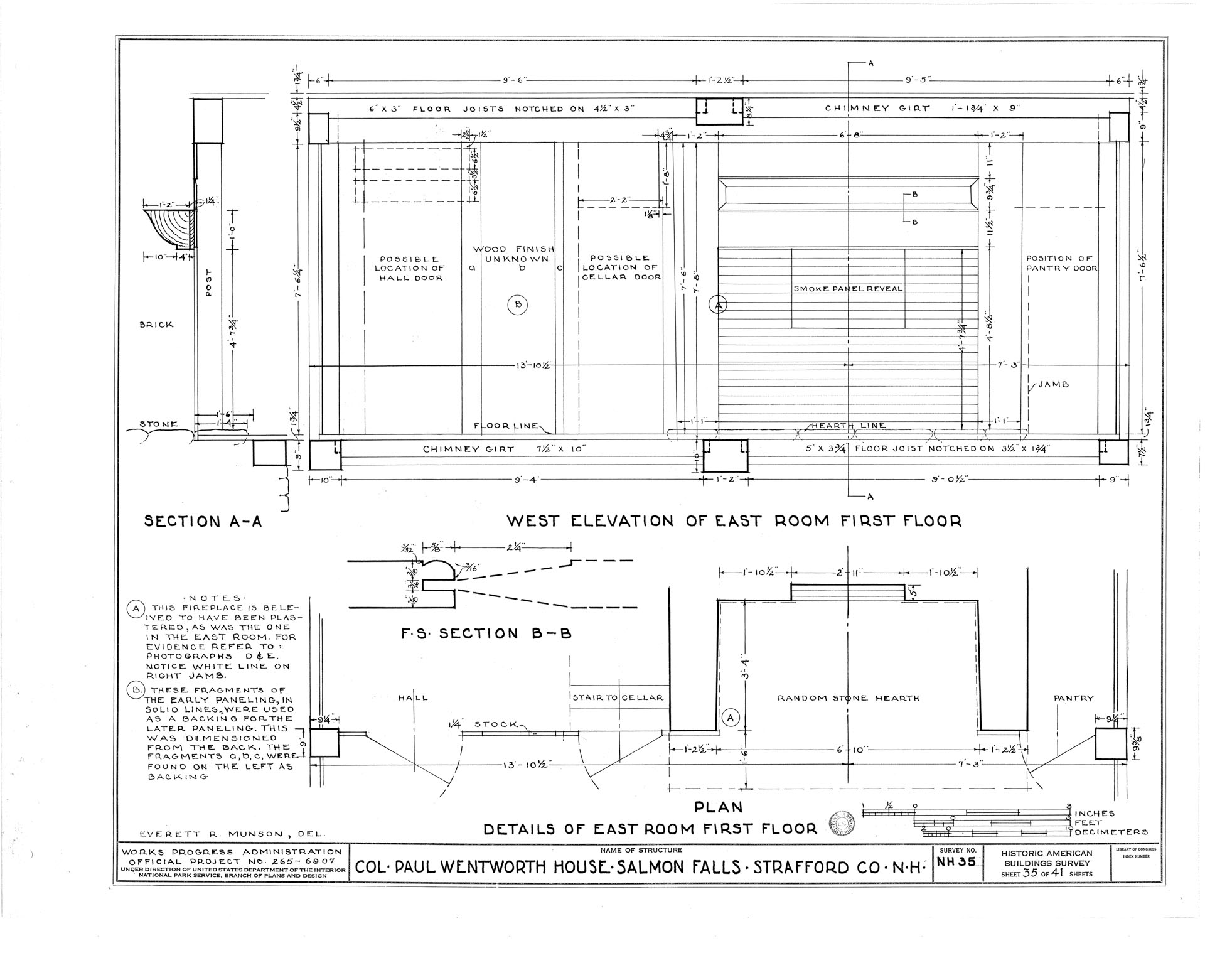
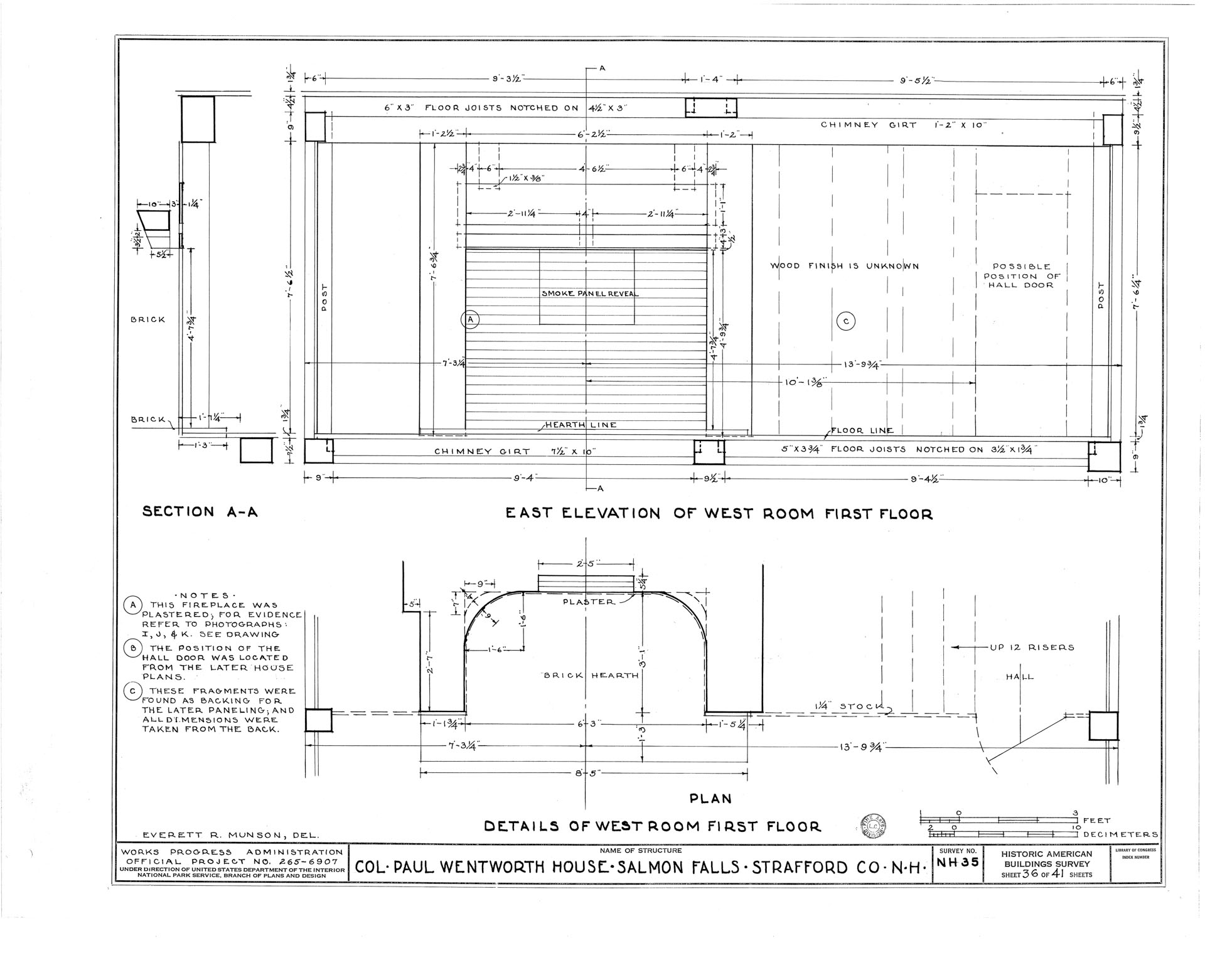
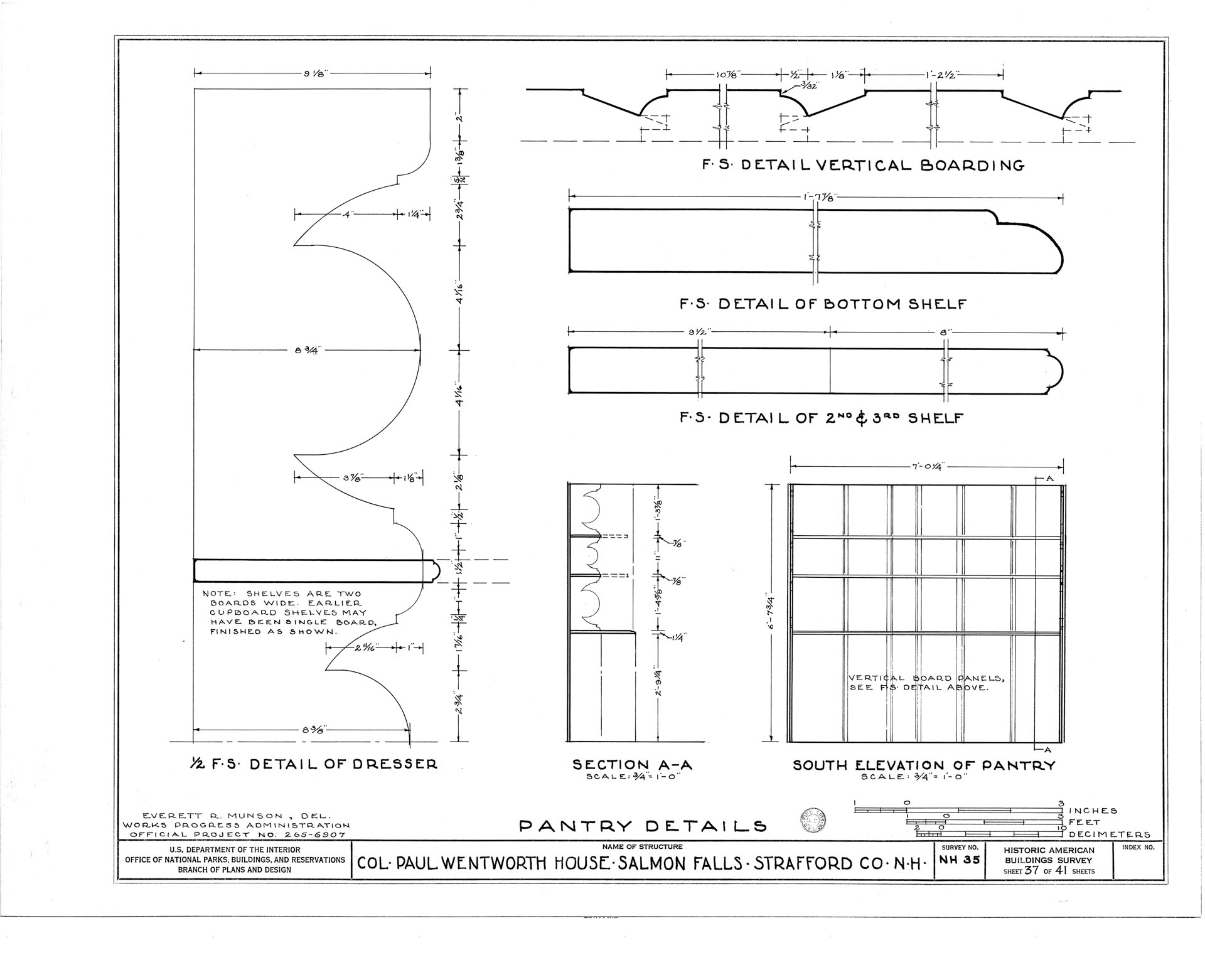
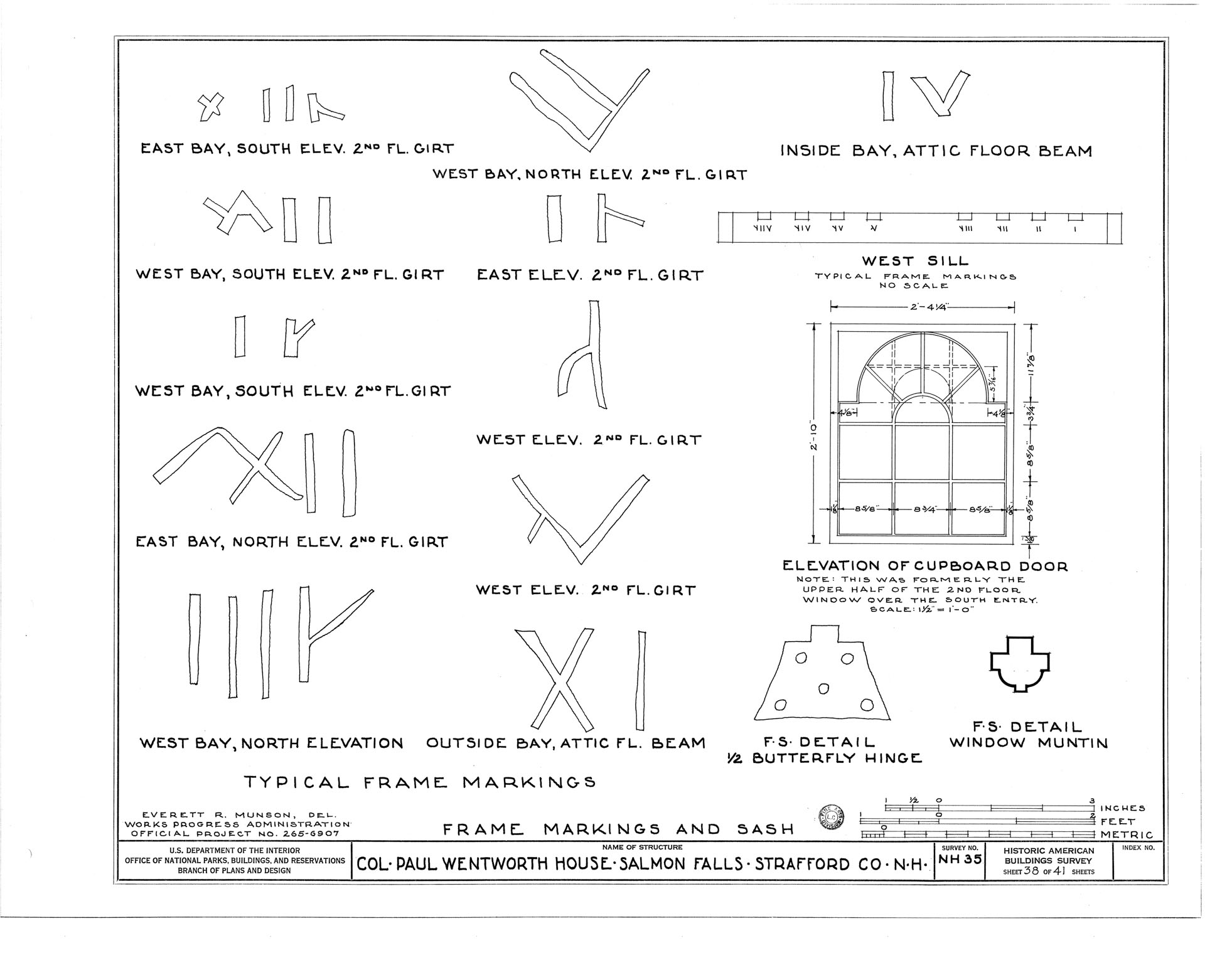
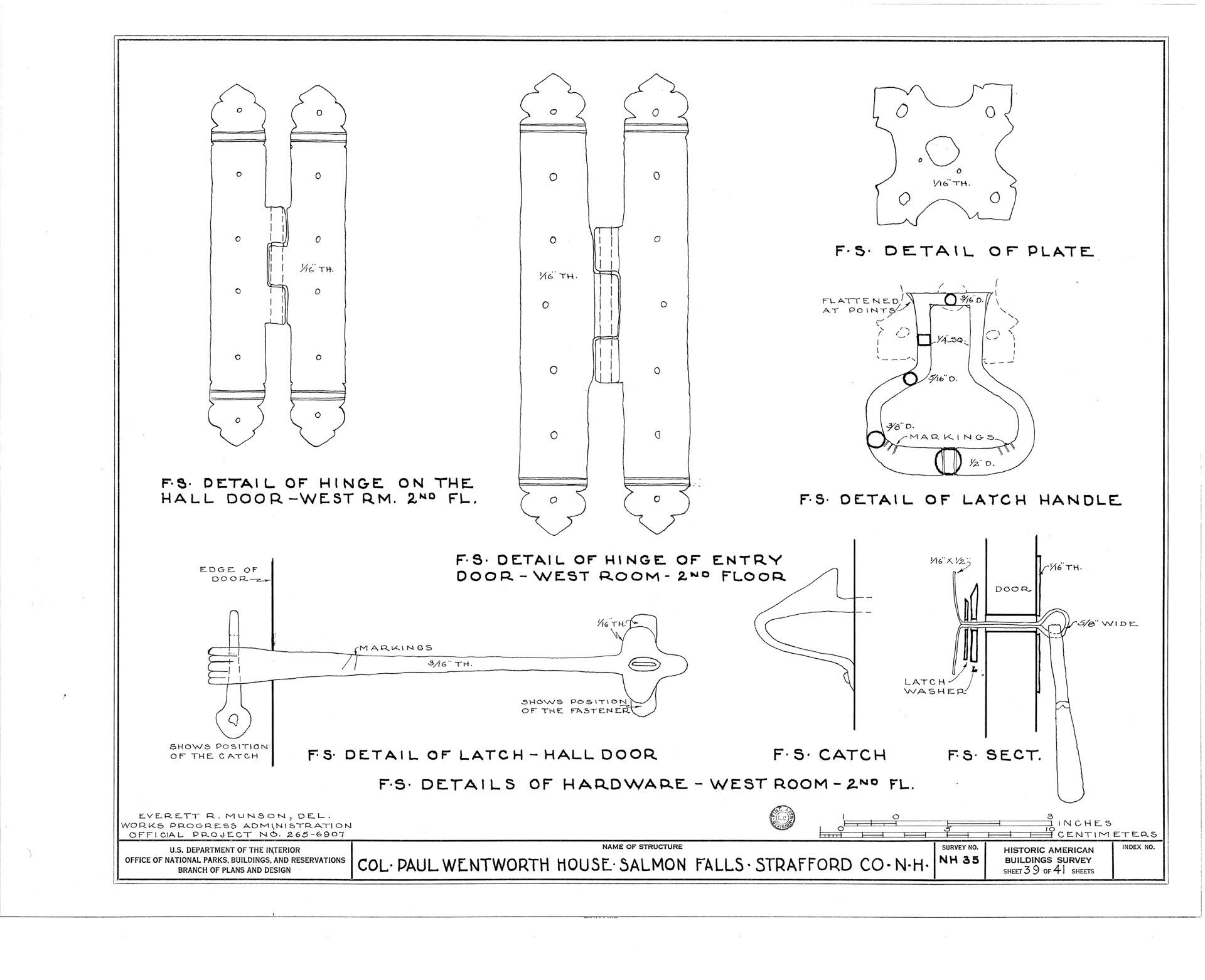
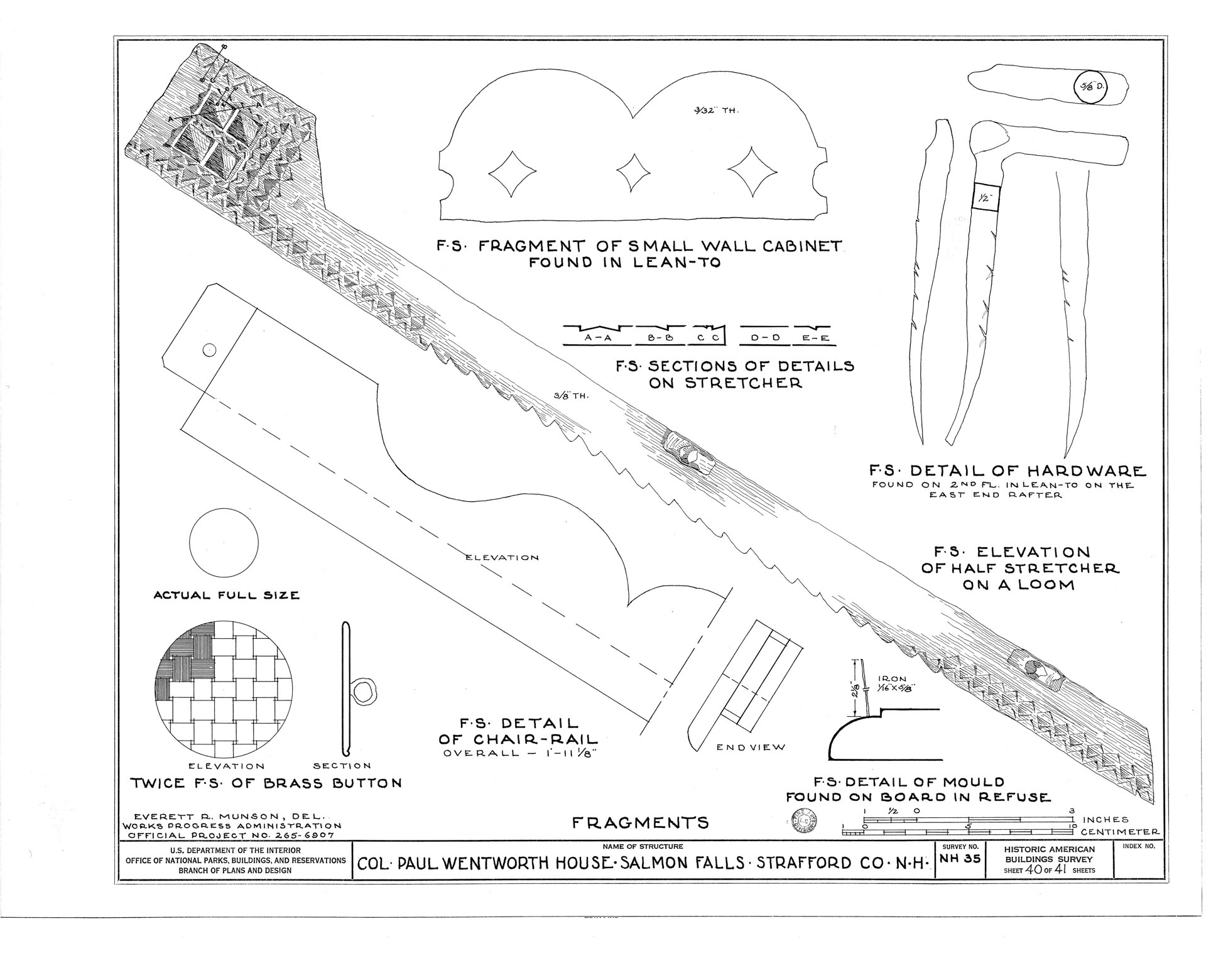
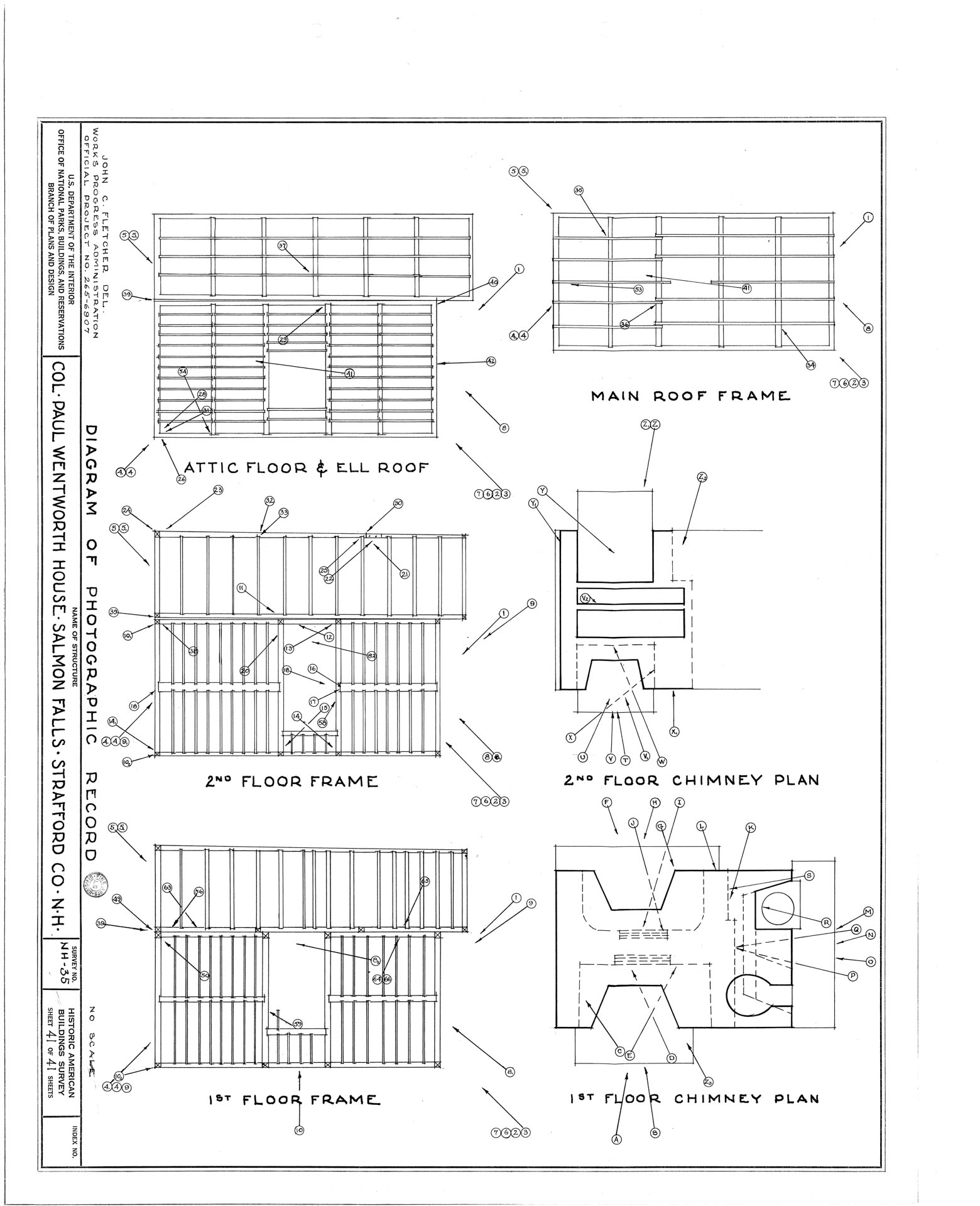
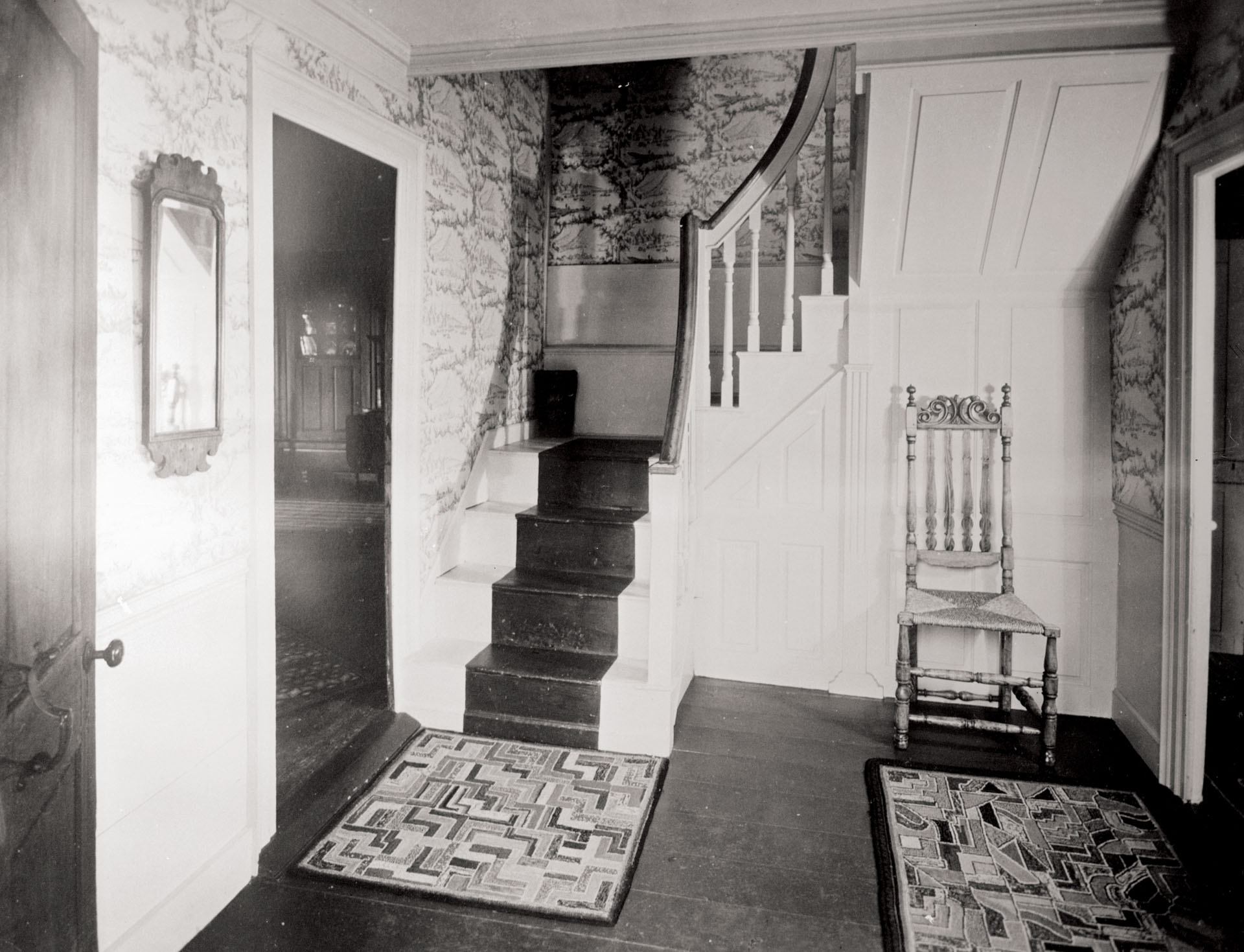
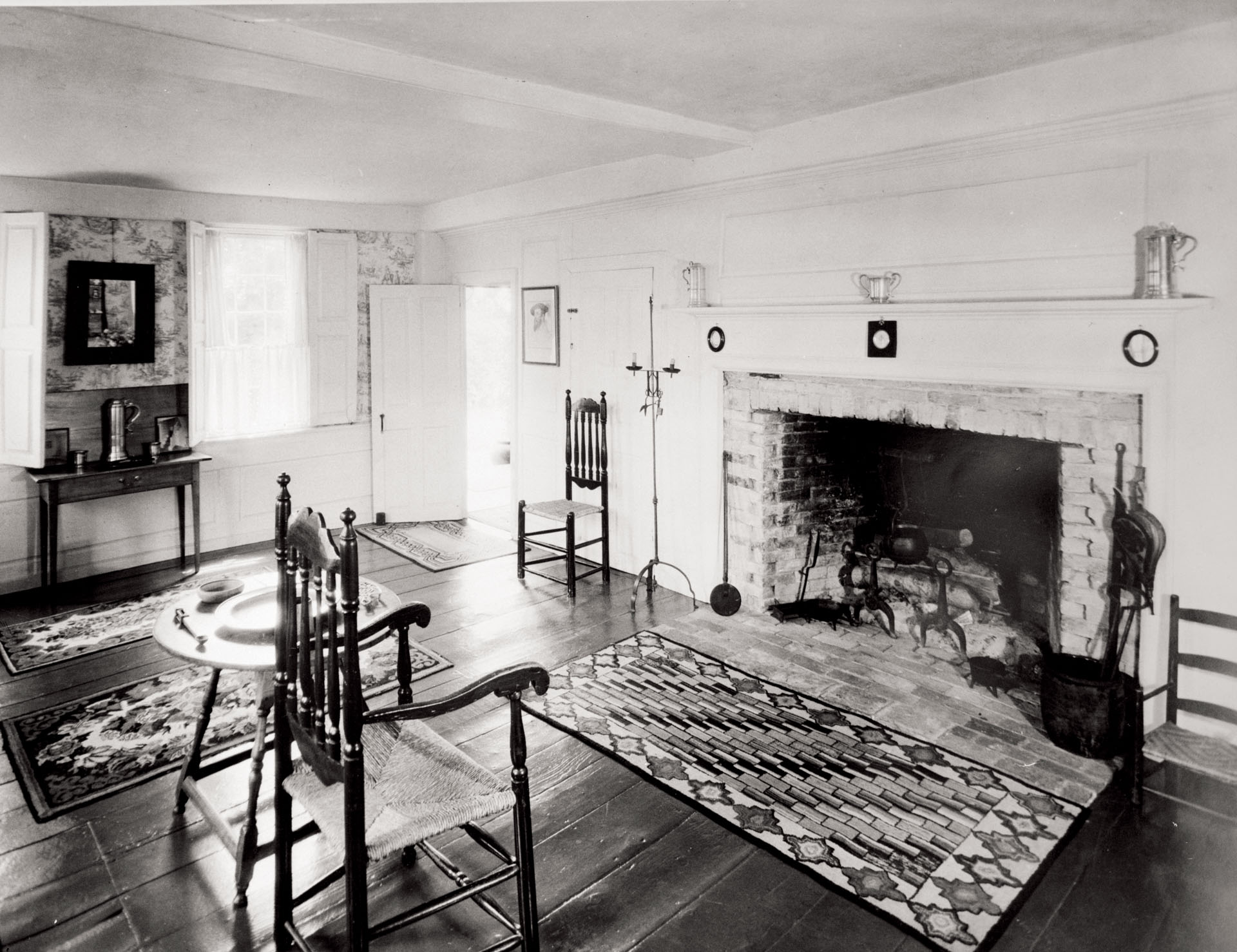
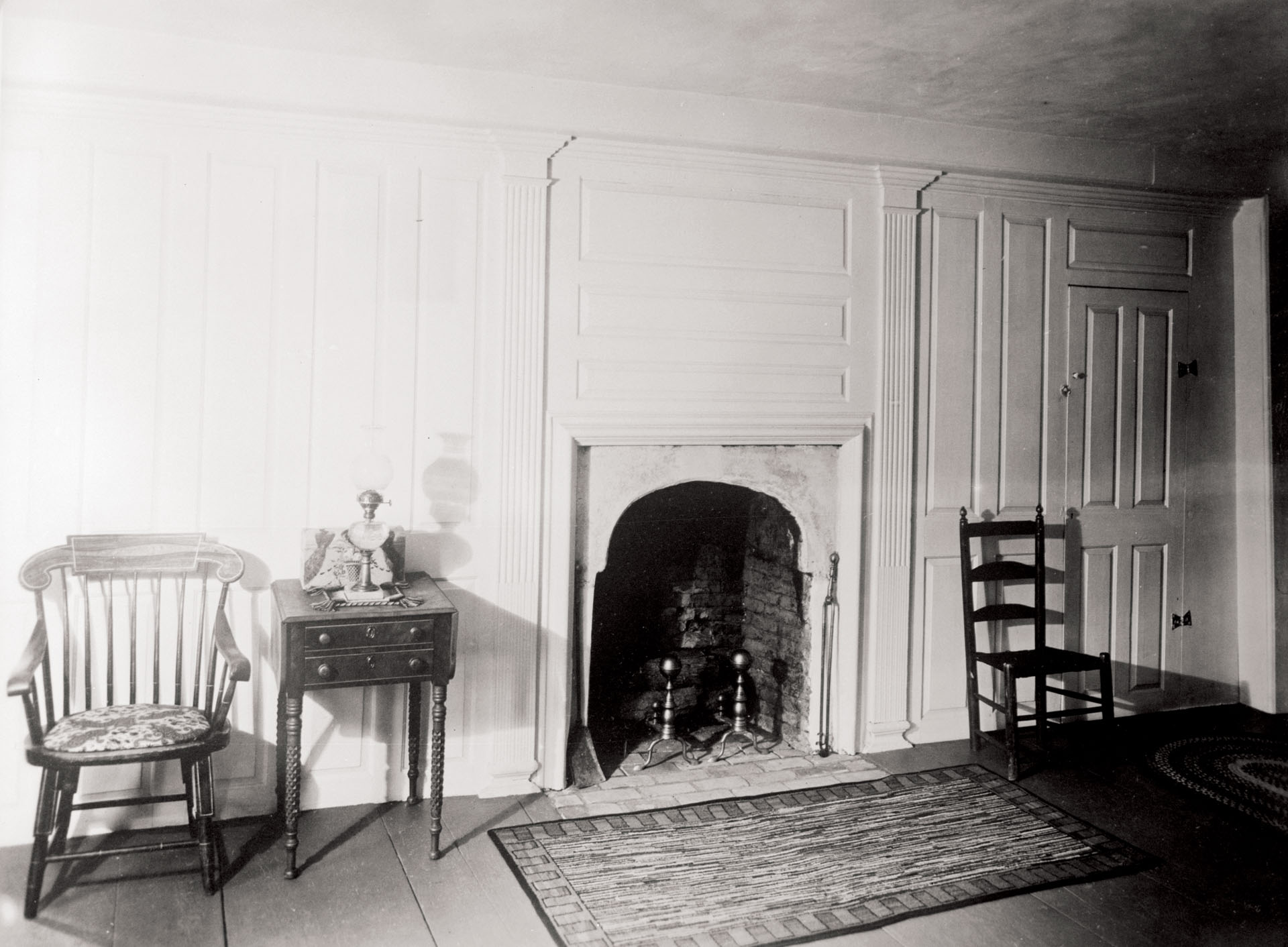
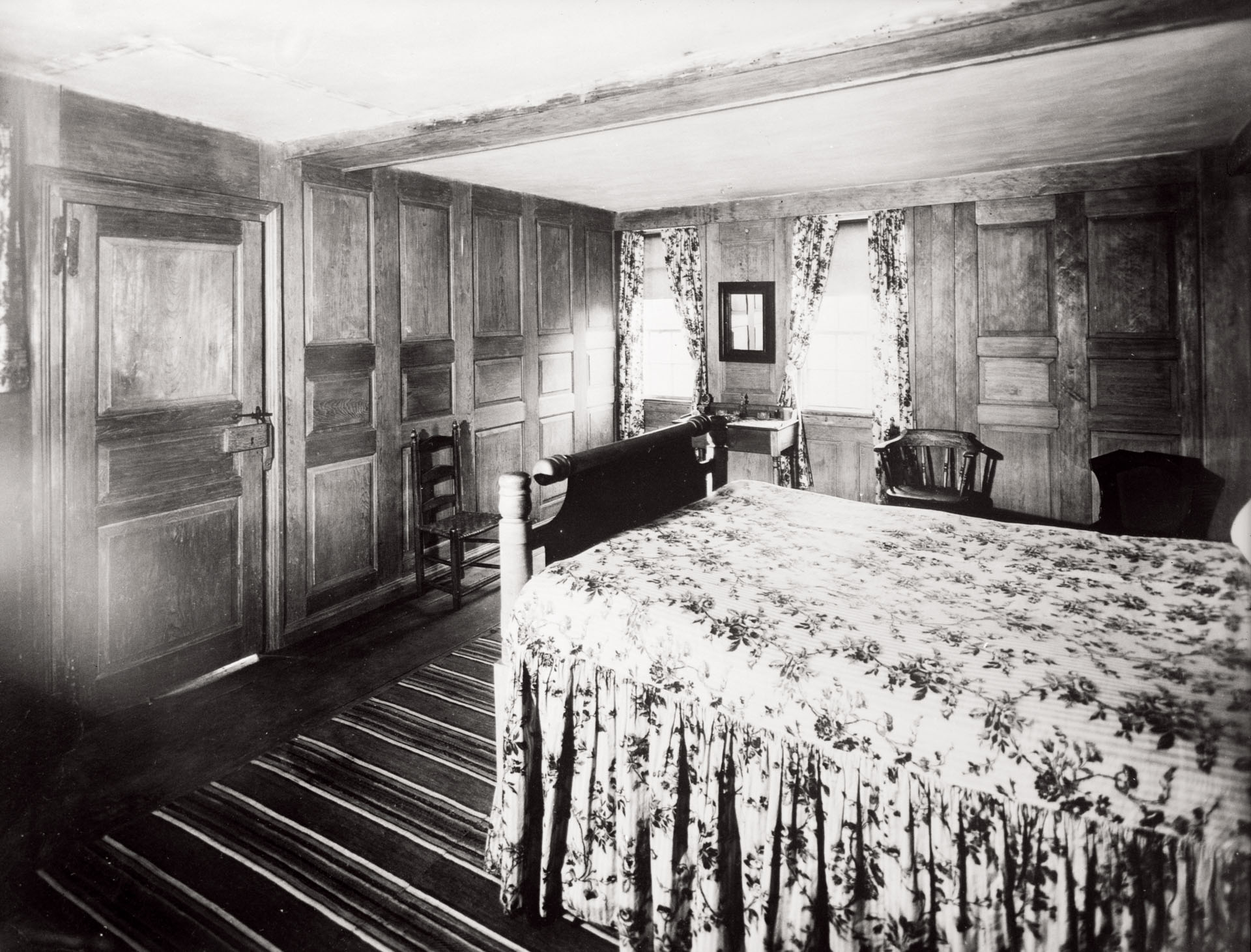
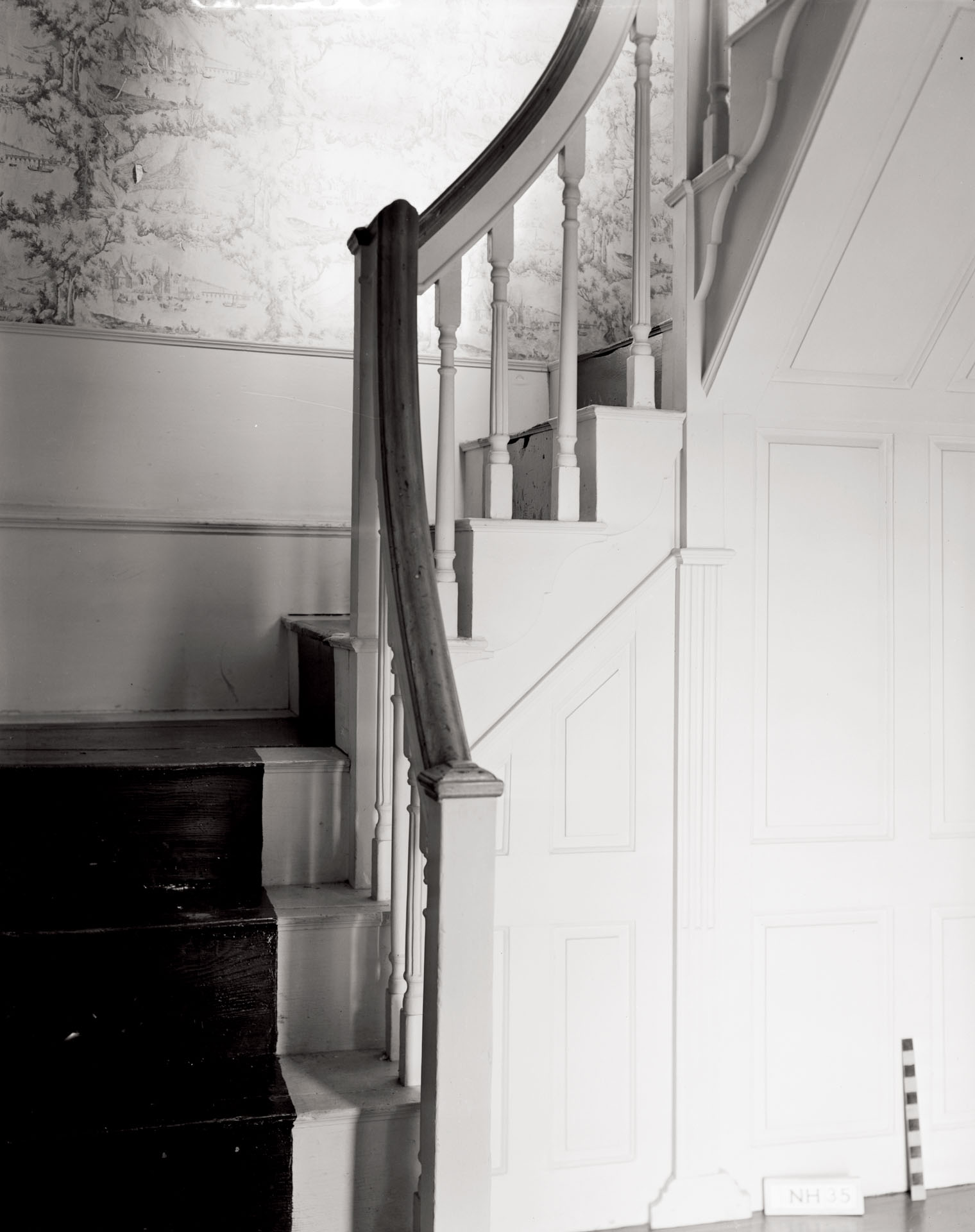
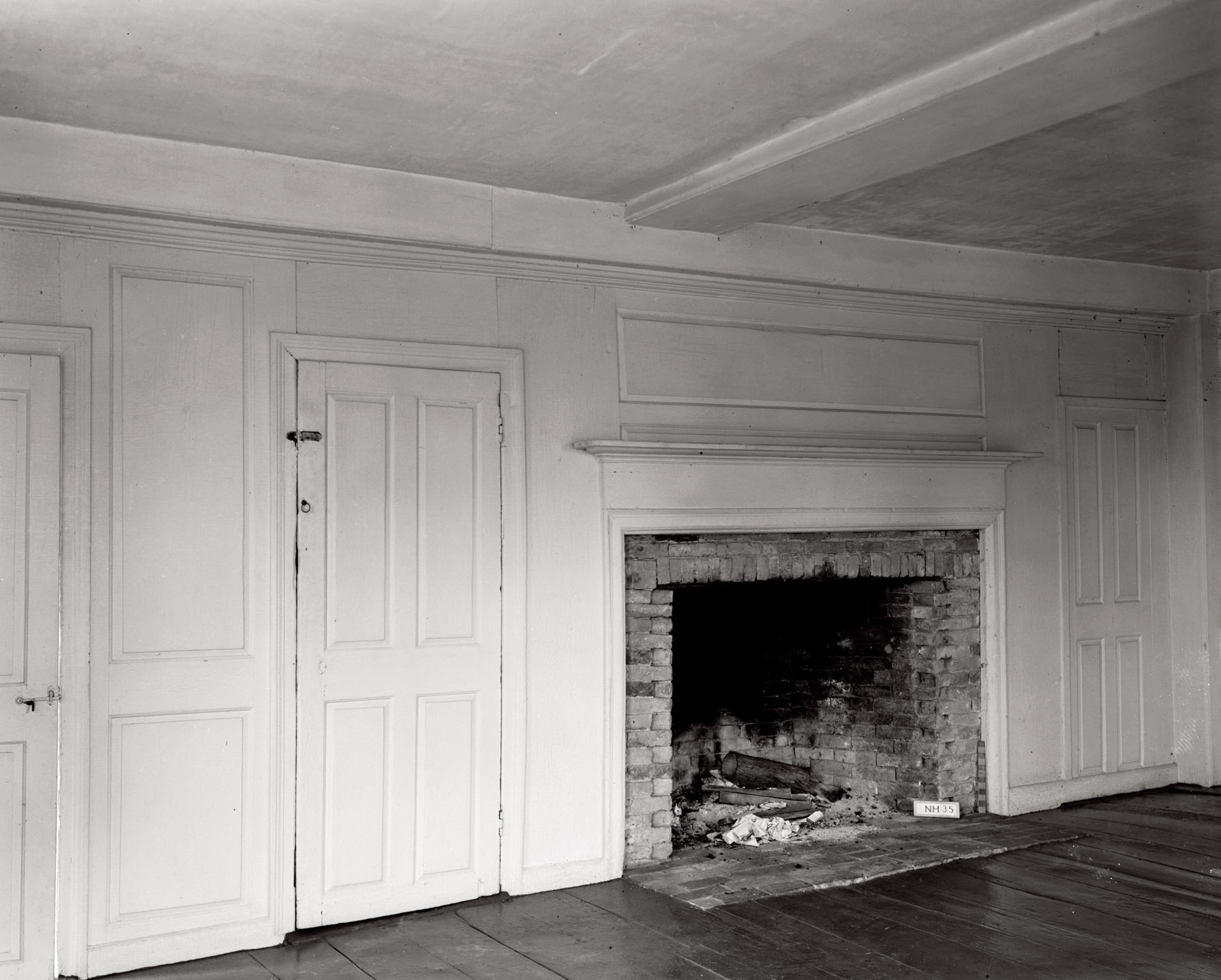
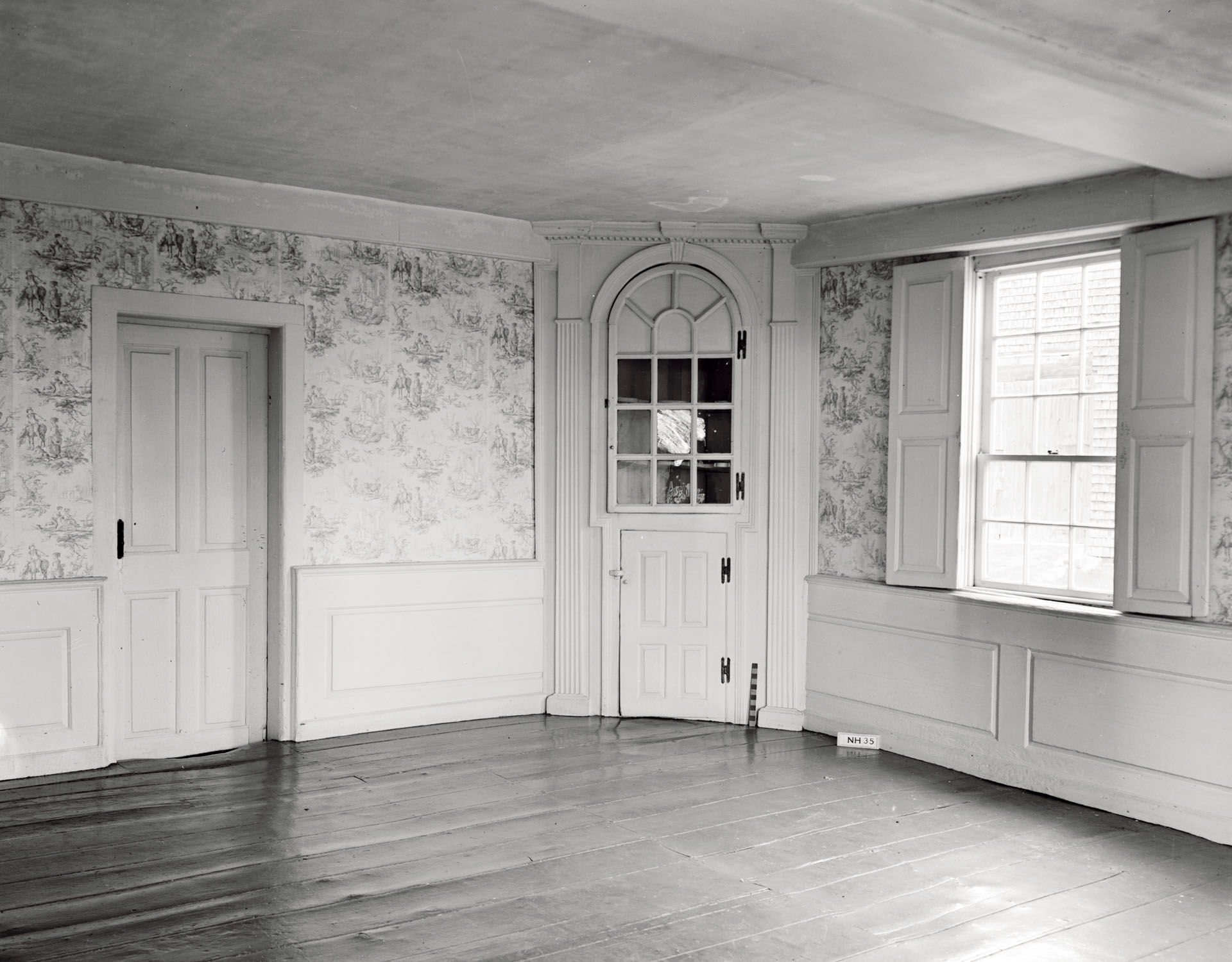
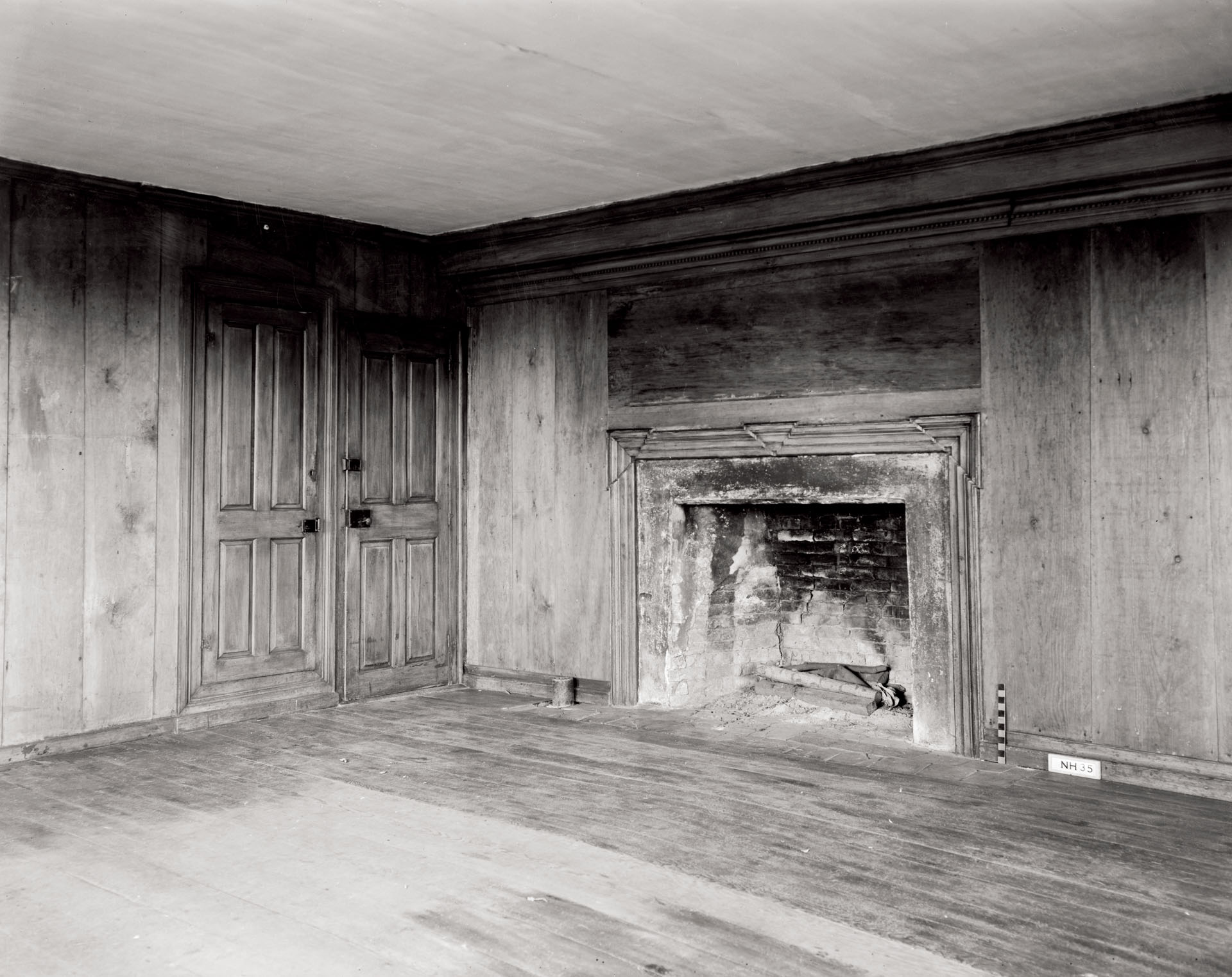
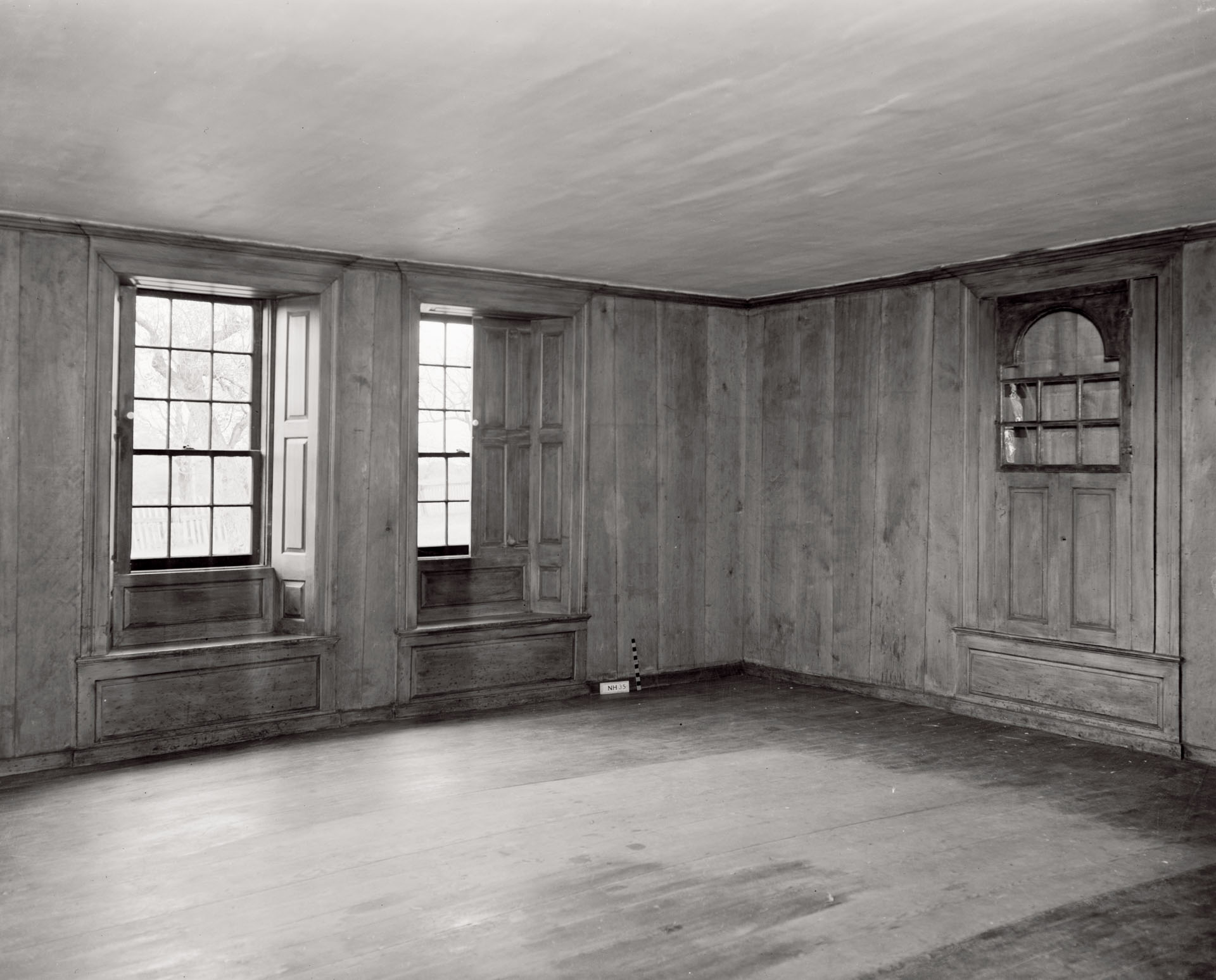
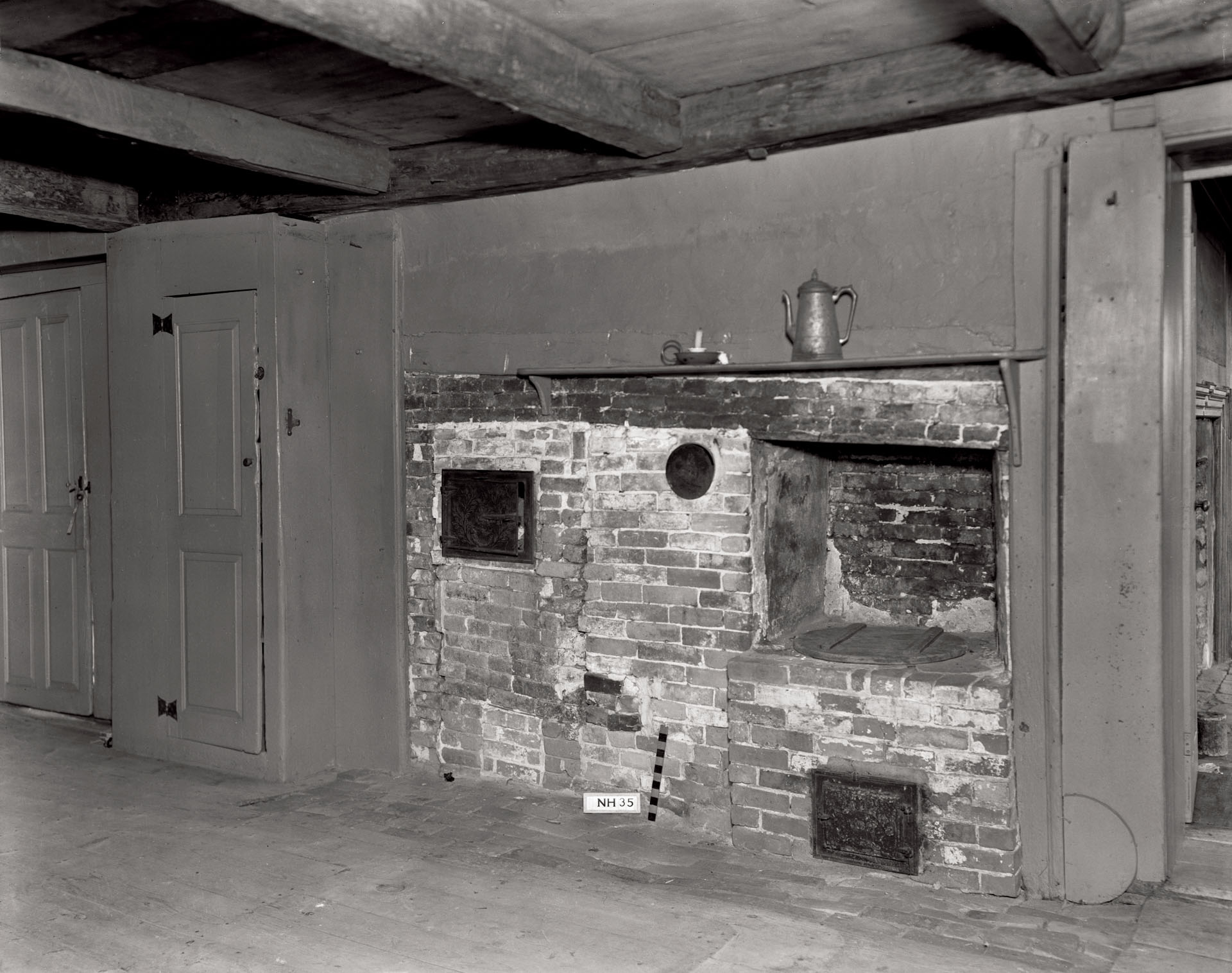
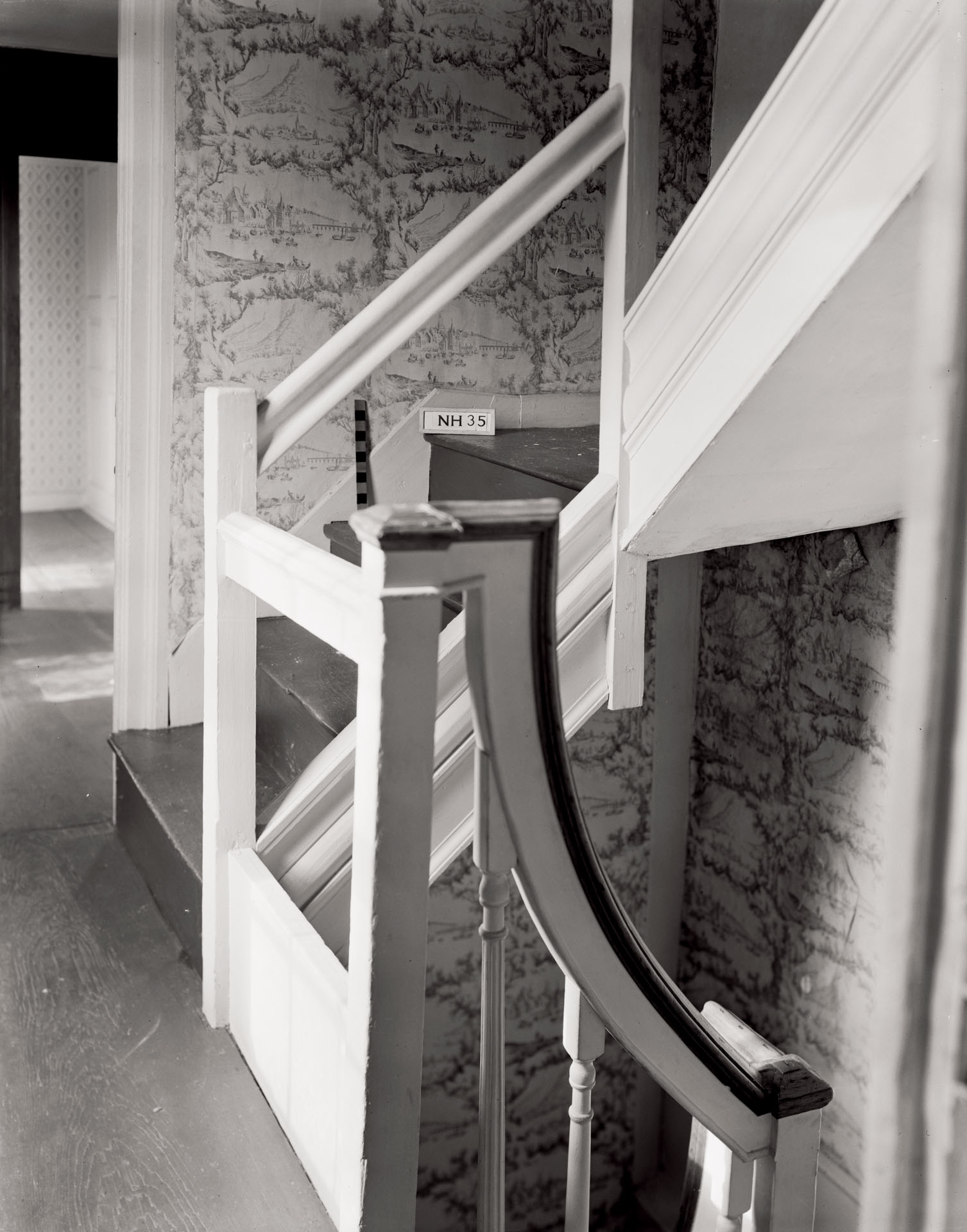
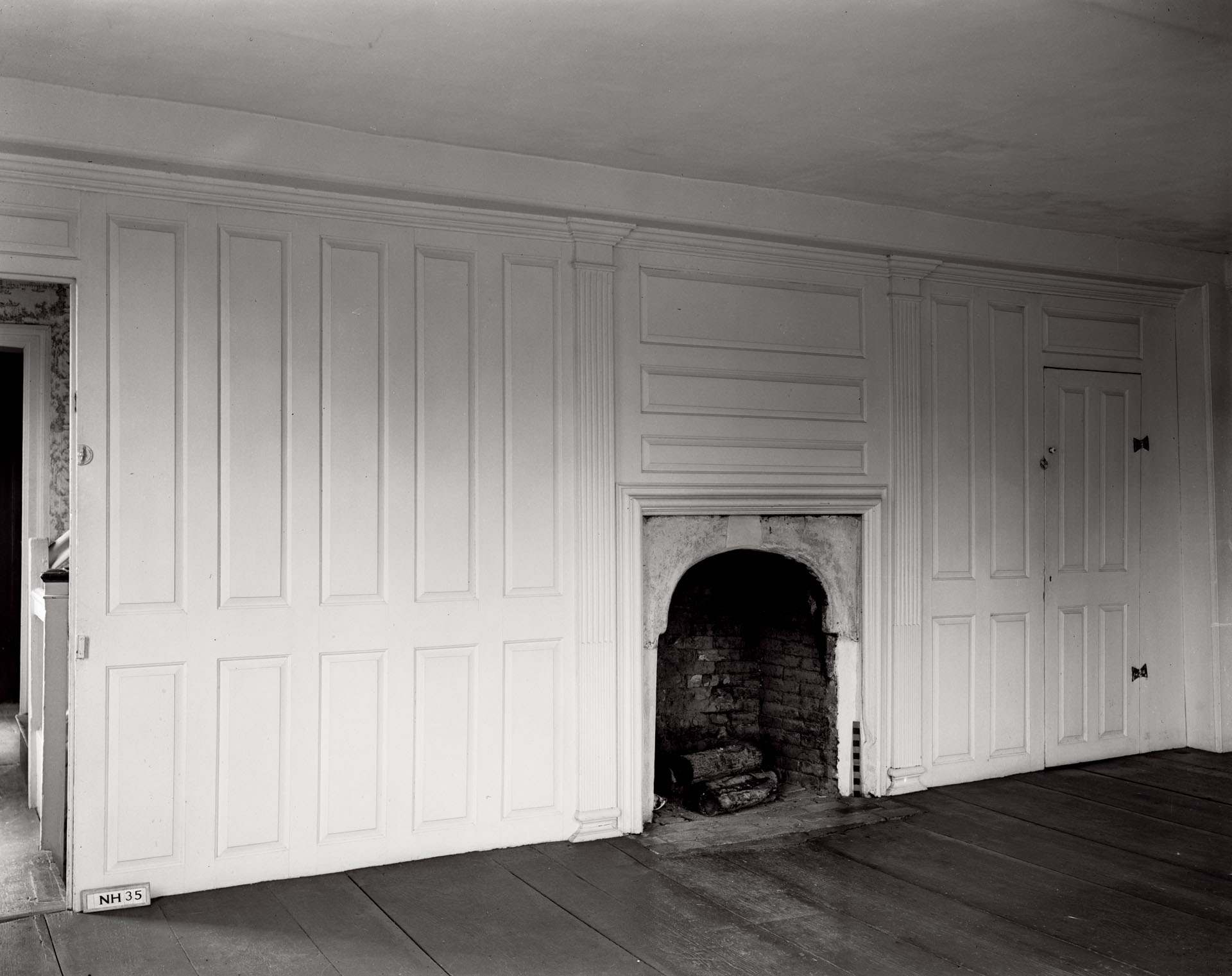
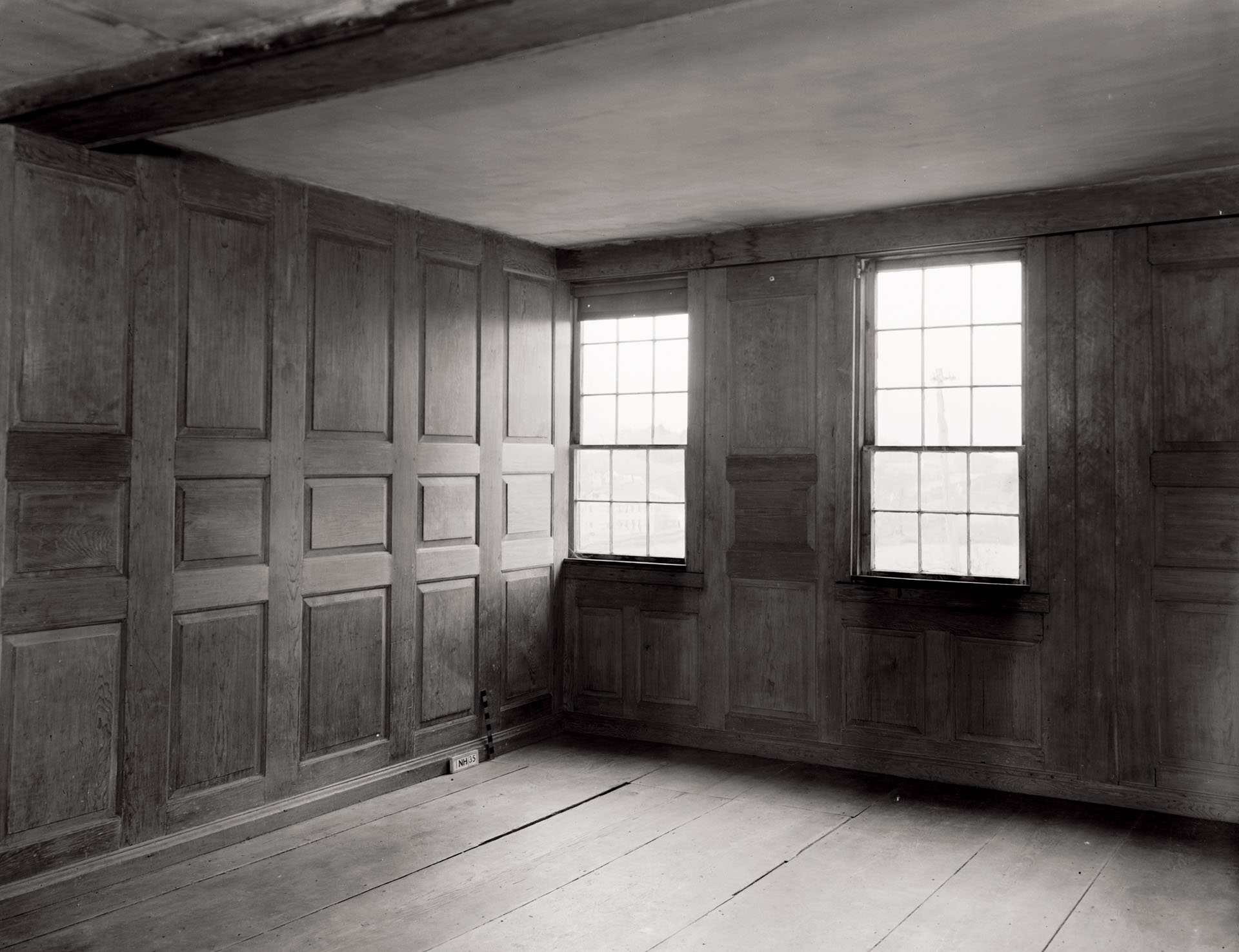
The true richness of the mansion emerges within its interior. Measured drawings documented through the Historic American Buildings Survey preserve an extraordinary compendium of paneling, fireplaces, stair details, and moulding profiles that bear testament to the virtuosity of eighteenth-century artisans. Particularly compelling are the drawing room mantelpieces, where carefully composed crowns, beds, fillets, and fascia boards work together with rare exactitude and poise. Their profiles disclose a level of sophistication that belies the house's early construction date, demonstrating how colonial craftsmen transformed simple lengths of timber into compositions of enduring permanence and architectural distinction. The drawings themselves constitute another chapter of the story. Recorded and studied centuries after the house was built, they safeguard details that might otherwise have receded from memory, affirming that future generations may continue to examine and appreciate the workmanship contained within these walls.
More than three centuries after its construction, the Colonel Paul Wentworth Mansion continues to offer invaluable lessons in thoughtful design and consummate workmanship. The surviving drawings represent far more than measurements; they document the deliberate decisions of craftsmen working along the New Hampshire frontier at the beginning of the eighteenth century. Through these preserved details, the house demonstrates how ordinary materials, shaped by skilled hands and guided by exacting design principles, can produce architecture of profound presence and timeless distinction. The mansion endures not merely as a historic residence, but as an invaluable record of the millwork traditions that helped shape the architectural identity of early New England.