Crown molding styles explained: How pros choose profiles that match trim packages
20th Feb 2026
Crown molding is the trim component that really ties together the whole package. It can make the difference between coherent results or having work come off as mismatched. Understanding how to choose crown molding styles is vital for a successful project. Here’s what you should know about profiles, coordination, and materials.
Quick answers for crown molding styles
- Carefully choose crown molding to fit into the trim package and match with casings and baseboards.
- Profile complexity, like more steps and curves, changes the apparent size of crown molding and emphasizes shadows. For ceiling-height-based sizing guidance, see crown molding sizes.
- Matching existing trim with custom crown molding maintains visual consistency in phased renovations.
- Confirm the species and finish intent for wood crown molding as early as possible for stained projects.
Common crown profile families and where they fit
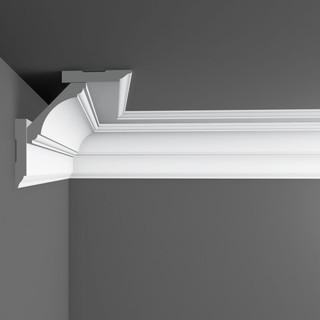
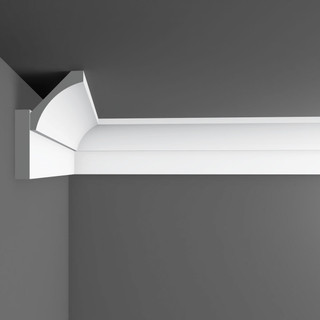
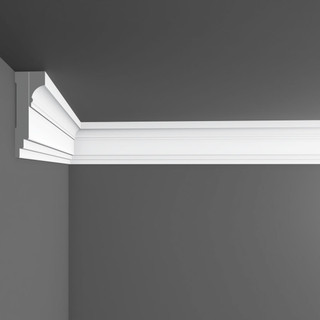
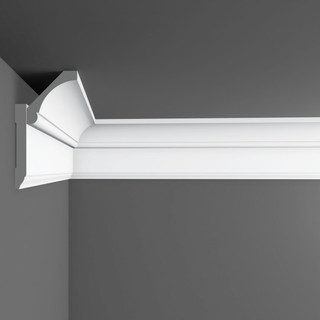
There are many crown molding styles available across profile families, providing suitable options for any project. However, selecting the right type can be a challenge. It’s best to choose one of these profile families first and then hone in on the size, project, and detail for individual crown molding profiles from there. In catalog and millwork contexts, these profiles are often grouped as crown mouldings, especially when referencing period collections.
Traditional
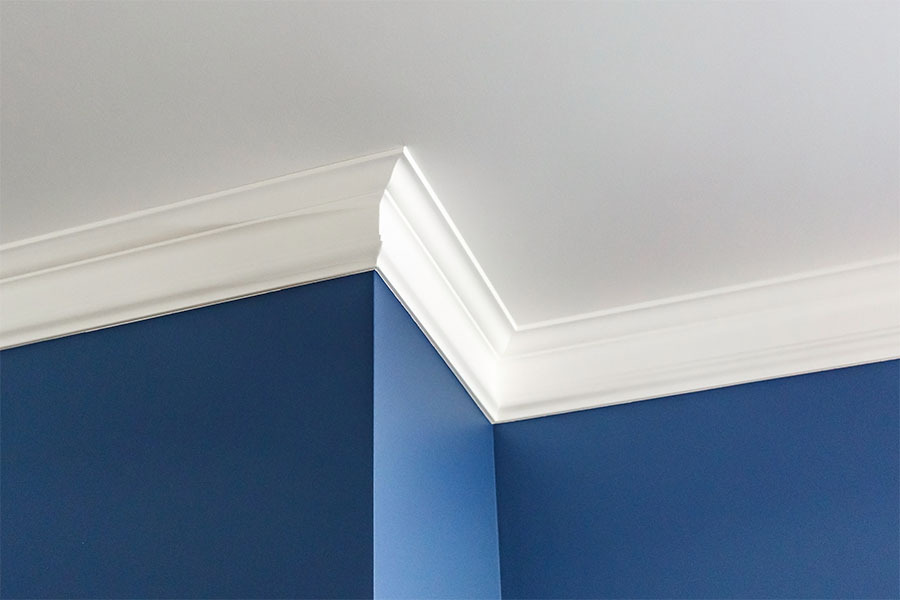
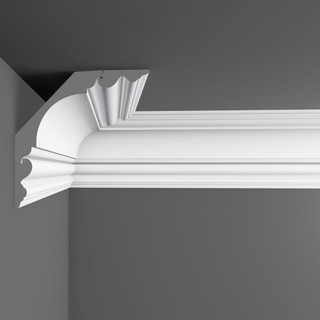
Traditional profiles are perfect for a wide range of projects, using curves and returns to create deeper shadow lines at the ceiling. Ogee, cyma reversa, and cove are great examples of this profile family. These styles of crown molding offer a formal appearance that goes well with detailed casing and tall base heights.
Styles with heavy ornamentation add a lot of visual weight. This can make small increases in projection seem overbearing with shorter ceilings. A simple cove style helps maintain a classic transition without heavy layering. For taller ceilings, compound forms can support buildup assemblies to resemble historic trim.
Edge treatment is another key detail for traditional styles. Fillets and small beads can provide a match for similar details on window and door casing. When choosing traditional profiles, make sure to evaluate ceiling and wall conditions before getting started, as any unwanted gaps can become more visible.
Craftsman
Craftsman profiles feature flat planes and crisp steps, achieving subtle shadow breaks. Many crown molding styles in this category have a broad fascia with a small cove or fillet. This provides an excellent match for square-edged casing and heavier baseboards, coming together as a cohesive trim package.
Proportion is a major part of what makes a specific profile look right. The crown depth needs to go well with casing width and base height to present a coherent style. Craftsman crown molding provides a good match for simple details, as opposed to profiles with excessive layering that would clash with those styles.
Even buildups for taller interiors can take advantage of craftsman styles. Stacking platter profiles with clean terminations provides a unique alternative to ornate curves. To maintain consistency, prioritize face width wherever beams, cabinets, or other obstructions interrupt the molding run.
Contemporary
Most contemporary profiles do away with significant ornamentation to focus on clean lines instead. Inclined faces and simple coves help soften the ceiling edge, while lower projection provides a great match for open layouts. Paired with thin baseboards and minimal casing details, contemporary moldings achieve a subtle yet refined style.
Modern interior design principles often emphasize continuity across planes. In these contexts, crisp edges and straight lines are a more suitable match than carved details. Flat face profiles with a small return help create a clean shadow line without competing for attention with other modern interior design elements.
Contemporary finish packages can sometimes do away with crown molding and instead use a simple ceiling reveal. When crown molding is used, it’s important to ensure the profile is consistent with the casing. Contemporary crown molding styles are deliberate and shouldn’t be seen as a default without considering how they match.
How to choose a style that matches the trim package
It’s important to remember that crown molding styles aren’t an isolated choice. Coordinating selection with the rest of the trim package is essential for cohesive results. Properly aligning with casing and base proportions, ceiling height, and other rooms in the property requires choosing the right geometry, depth, and detail.
Coordinating with casing and base
When planning a project, starting with the dominant trim elements, such as the window and door casing, base height, and cap detail, is an effective strategy. Choosing a crown profile that has the same type of edge detail, whether square, eased, or beaded, is essential to create continuity.
Using minimal casing with an ornate crown can feel disconnected, and other types of mismatches are jarringly obvious once installed.
However, exact matches aren’t always the best way to go. Thinking in terms of hierarchies can allow for inspired design choices. In general, follow guidelines such as matching a deeper crown with taller baseboards and restrained profiles with shorter bases, but don’t be afraid to explore more options.
Some projects may call for different trim levels across rooms. In these cases, keep the crown trim family consistent and adjust projection and detail to suit each room’s size. Watch out for abrupt style changes at doorways, especially for connected hallways.
Scale and visual weight
There’s more to getting the scale of crown moldings right than face height alone. Spring angle and projection both impact how far the profile extends into the room. Even two crowns with the same drop can read differently if they have multiple steps compared with a plain cove.
Ceiling height generally sets the upper bound for the appropriate scale. However, the room width, furniture, and decor also play a role. Deep projection in compact rooms crowds the ceiling line and reduces perceived height. On the other hand, large and spacious rooms can have undersized crown molding that practically disappears.
The visual weight of molding is how heavy or prominent it seems in actual conditions. It’s not just the profile itself. Lighting is another major factor. Diffuse light will help soften complex shapes, while direct light increases contrast on details. In general, sharp steps increase visual weight while curved moldings reduce it.
Wood crown molding considerations
Wood crown molding has additional considerations compared to other materials. First, the species has a major impact on coating behavior and appearance. The hardness of the wood will determine how crisp the edges are on detailed profiles. Grain openness is another important factor, impacting how surfaces accept coatings.
When looking at wood crown molding, selection is often based on tone. Keep in mind that tone isn’t an absolute value. Instead, it also depends on the daylight exposure, lighting temperature, and interior paint colors. If other wood elements are present in the property, matching species, tone, and coating to those is an effective strategy.
Paint vs. stain expectations
The choice to either paint or stain will have a major impact on both molding selection and final results. Painted wood crown molding will shift attention away from grain and toward geometry. When primer and topcoat are applied evenly, painted surfaces can help details like steps, fillets, and beads read clearly.
Stained crown molding accentuates the natural grain pattern, which can create a stunning effect but is also less forgiving.
Variations in grain pattern and underlying color can be noticeable. That’s why any project using stained crown molding should be planned ahead to get similar stock for all materials, with custom molding being a potential option.
Choosing specific paint or stain often comes down to matching existing trim, doors, or cabinets. If finding a perfect match of species and coating isn’t viable, an intentional contrast is another design strategy. However, the tone and sheen of the coating must be carefully chosen to achieve this effect.
When custom crown molding makes sense
Off-the-shelf crown molding is available in many different profiles to suit a wide range of projects. However, there are times when custom crown molding is the way to go. When standard profiles can’t match existing trim or meet constraints, custom may be the only option. Additions, renovations, and repairs can often face these challenges.
Matching existing profiles
Matching must be carefully considered in any project that involves combining new and old trim. When both are visible in the same room or at transitions, even slight variations can be obvious. Minor differences in curve radius or step depth will cast shadows and stand out, making the seams look improvised and amateurish.
Custom crown molding provides an effective solution for these kinds of projects. Having custom moulding and millwork done is possible with careful measurements and clear references. While profile complexity and long-term wear or smoothing due to paint layers can pose problems, trim profiles can often be recreated with suitable accuracy.
Alongside renovations and additions, custom crown molding is often used for projects with preservation in mind. Many historic trim profiles don’t have close matches in off-the-shelf options. Custom crown molding makes it possible to achieve a match even when dealing with sizes, geometries, and details that aren’t commonly used today.
Modifying profiles for constraints
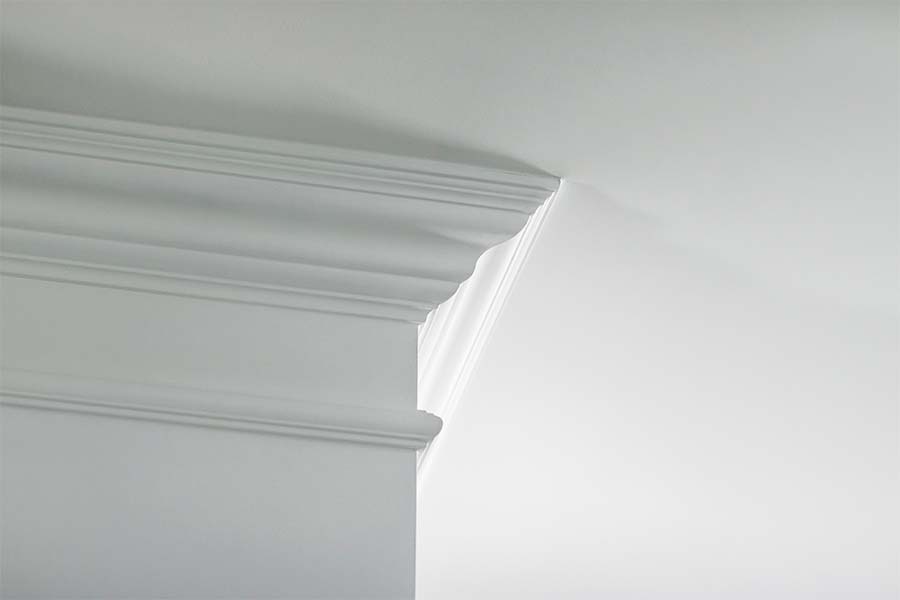
Projects can also face constraints that aren’t easily navigated with stock options. Tall door heads, low ceilings, and shallow soffits can all require crown molding designs smaller than usual profiles. A custom design can scale down the projection while maintaining curves and conveying the same general visual context.
Angled ceilings, uneven planes, and cabinetry can result in irregular terminations. Projects facing many constraints like this can benefit from custom molding to implement modified profiles or buildup assemblies that achieve clean intersections. Make sure to identify any such constraints before starting a project.
Common selection mistakes to avoid
A few mistakes commonly come up during projects when selecting crown molding styles. Taking shortcuts, overlooking trim geometry, and choosing the finish too late are all prime examples. These mistakes can be costly, leaving the project either over budget and behind schedule or with poor results.
Choosing crown molding in isolation
One of the biggest potential mistakes for any project is choosing crown molding in isolation. Many crown molding styles look appealing on their own, but what really matters is how they work with the rest of the trim package. Considering all of the parts together prevents conflicting geometry and clashing styles that can spoil project results.
The same is true for considering different rooms throughout a property. While varying dimensions and other factors mean that not every room will necessarily have identical trim, they must be considered together. Moldings that suit one room may have to be adapted for others and should also be considered based on where they terminate.
Misjudging scale and projection
Crown moldings are among the most difficult types of trim to get accurate measurements for. It’s easy to make mistakes when dealing with angles, corners, terminations, and other details. Even minor variations in scale and projection can appear very noticeable at corners.
One example is selecting based on face height without considering how the projection will impact the ceiling line. Deep crowns will leave low rooms feeling compressed, and it’s easy to underestimate true depth based on face height alone. Keep in mind that more complex crown moldings also appear larger at equal projection.
Crown molding styles for any project
When choosing crown molding, make sure to take every detail into account. The profile family, scale, material, and more must be just right to achieve seamless and appealing results. Mouldings One has an extensive range of crown molding styles in stock to suit any property, along with custom molding for challenging projects and renovations.
For stock options by profile family and projection, browse wood crown molding.