



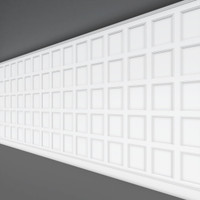

Wainscot and wall paneling assemblies use layered mouldings to add depth, rhythm, and architectural structure to interior walls. Common in both historic and modern interiors, these treatments enhance proportion, define spaces, and create a more finished, intentional look throughout a room.
What Is Wainscot & Wall Paneling?
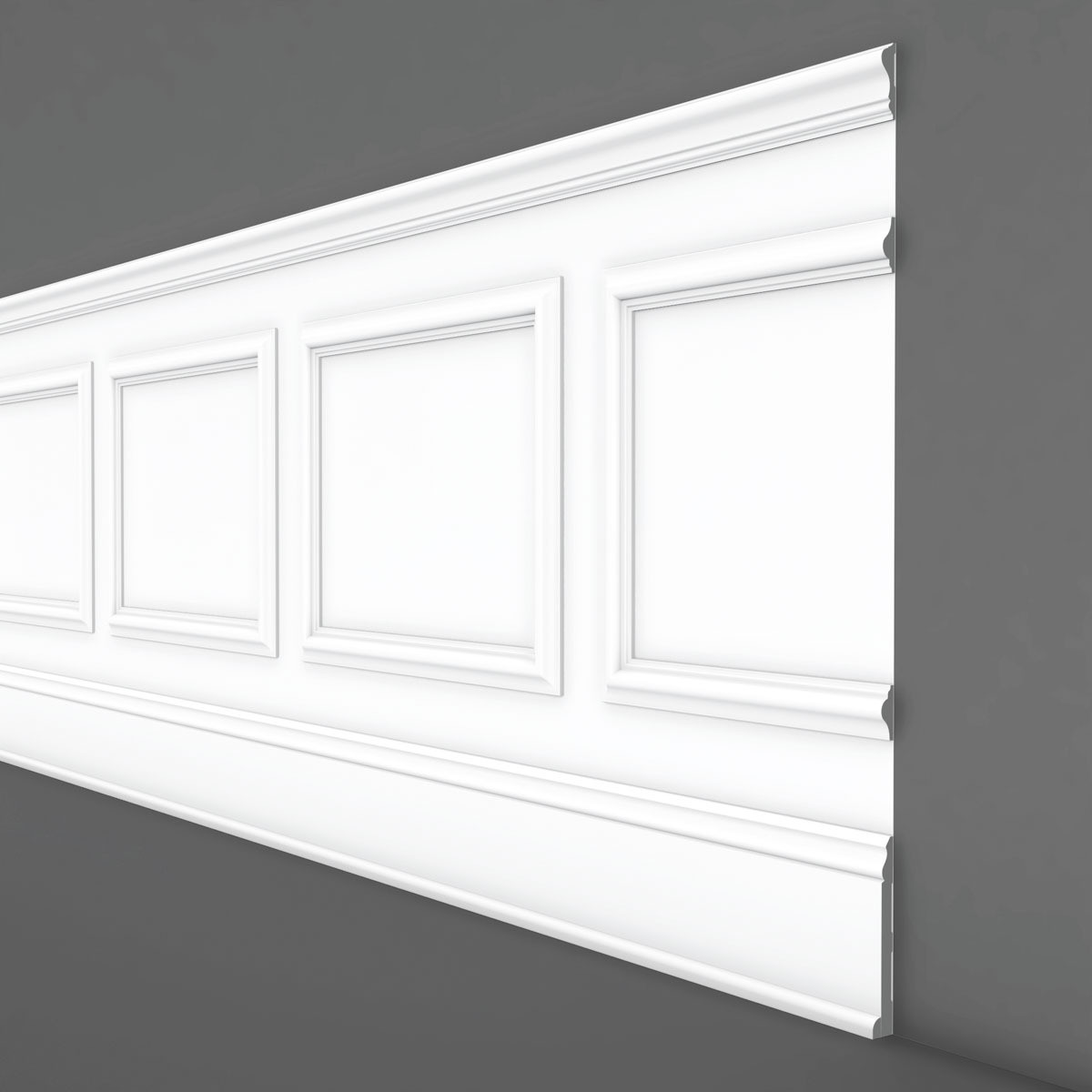
Wainscoting and wall paneling are architectural wall treatments created by combining mouldings such as panel mould, base cap, chair rail, and flat stock. These elements form framed, recessed, or raised panels that can cover the lower portion of a wall or extend from floor to ceiling, depending on the design and room scale. They also help establish proportion, rhythm, and visual structure across long or uninterrupted wall surfaces.
Paneling assemblies are used across a wide range of architectural styles, from traditional raised-panel wainscot to simplified applied panel systems suited for contemporary interiors.
Why Use Wainscot or Paneling?
Wall paneling introduces structure and visual order to large or open wall surfaces, helping rooms feel balanced and well-proportioned. By breaking up flat drywall, panel assemblies add depth and dimension while reinforcing architectural hierarchy.
Wainscot and paneling are frequently paired with short walls, columns, pilasters, or built-ins to create continuity throughout a space. These layered assemblies help tie together trim packages while elevating the overall interior design.
Because wainscot and wall paneling assemblies are highly adaptable, they can be used in a variety of layouts and room types—ranging from subtle architectural accents to full wall treatments that define an entire space.
Design Applications
- Install wainscot paneling in dining rooms, hallways, stairwells, or entryways for architectural emphasis.
- Create full-height wall paneling for libraries, offices, or formal living rooms.
- Use panel moulding to define rooms within open-concept floor plans.
- Combine paneling with chair rail, picture rail, or crown moulding to establish proportion and visual balance.
Choosing Panel Components
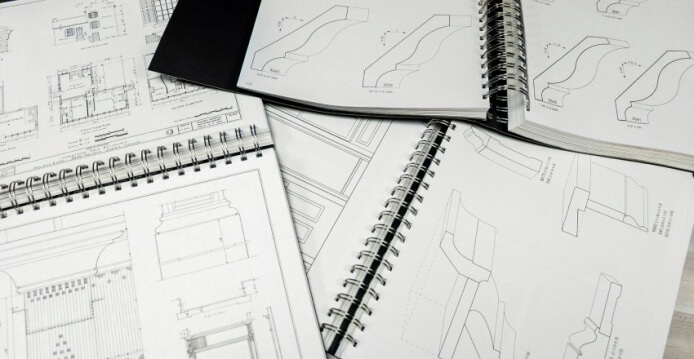
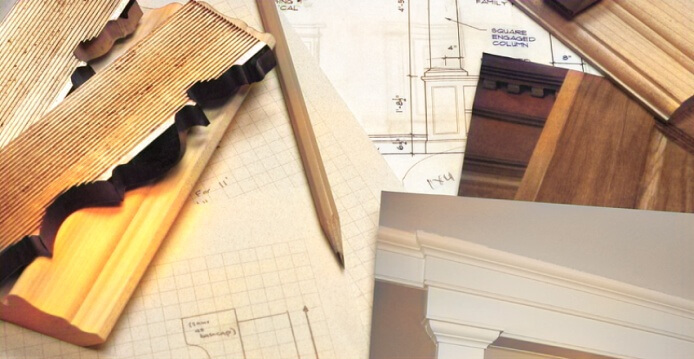
Wainscot and wall paneling assemblies typically incorporate S4S lumber, panel mould, base moulding, and cap or rail profiles. The layout, spacing, and projection of each component can be adjusted to suit ceiling height, wall length, and the surrounding trim.
Because these assemblies are built from individual mouldings, they allow for flexibility in scale and detail, making it easier to coordinate with existing baseboards, casings, and crown mouldings.
How Wainscot & Wall Paneling Is Supplied
Wainscot and wall paneling components are supplied as individual mouldings and S4S boards in running lengths, not as pre-assembled or pre-cut wall systems. Layout, spacing, miters, and final sizing are completed on site during installation.
Panel assemblies are created by combining rails, stiles, panel moulds, and flat stock into a coordinated layout that suits the room’s proportions. Because wall dimensions, ceiling heights, and existing trim conditions vary, panel layouts are typically determined by the installer or designer prior to cutting.
For projects with repeating panels or full-room installations, we recommend determining panel sizes and spacing in advance. Sharing this information during quoting allows us to recommend appropriate moulding lengths and quantities while helping reduce unnecessary waste.
Explore Wainscot & Paneling Assemblies
Browse our wainscot and wall paneling examples below to see how layered mouldings can transform interior walls. If you need a custom layout or want to design around existing trim, request a quote and our team can help create an assembly tailored to your project.