329 EAST BAY STREET, CHARLESTON, CHARLESTON COUNTY, SOUTH CAROLINA
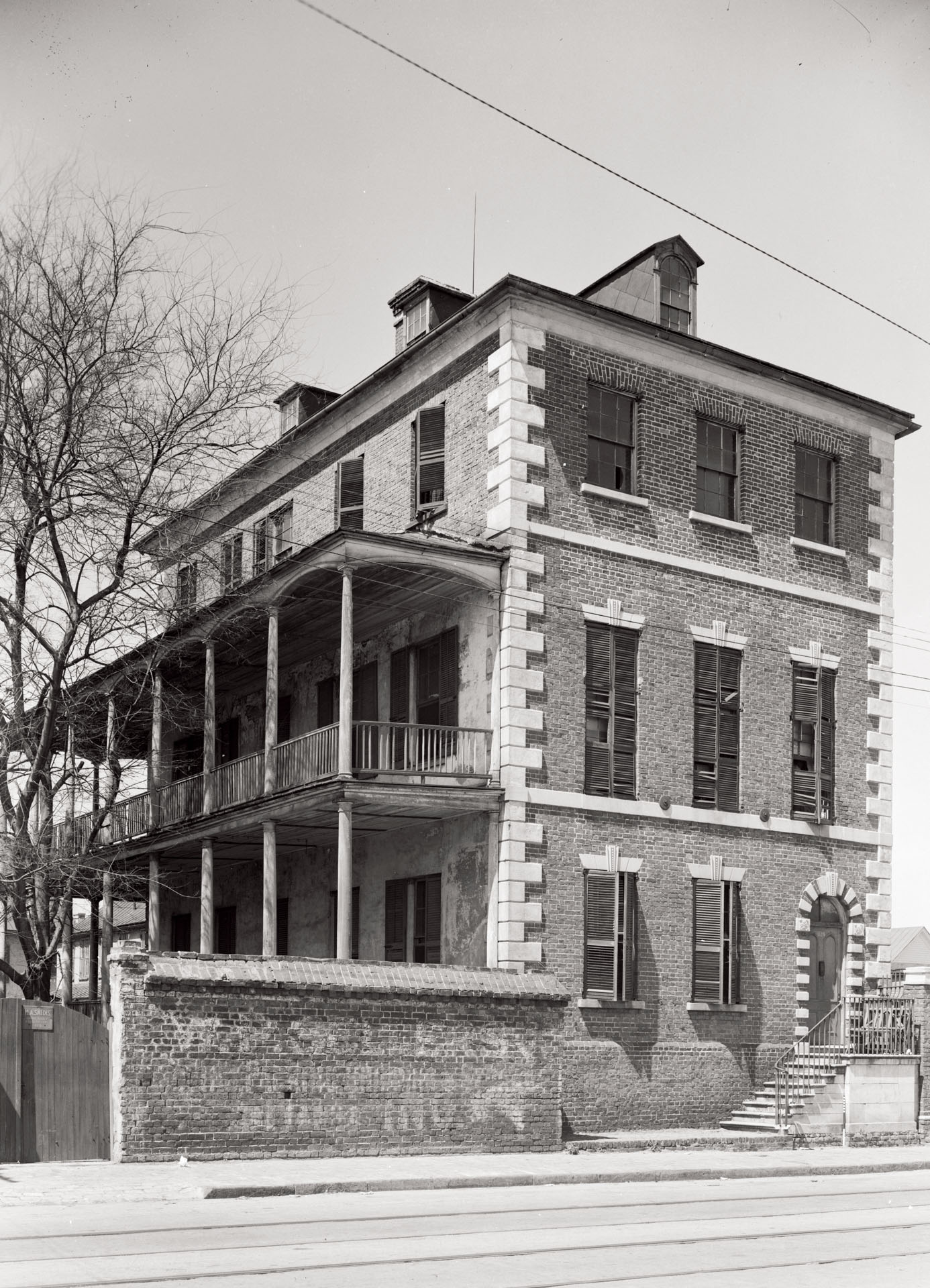
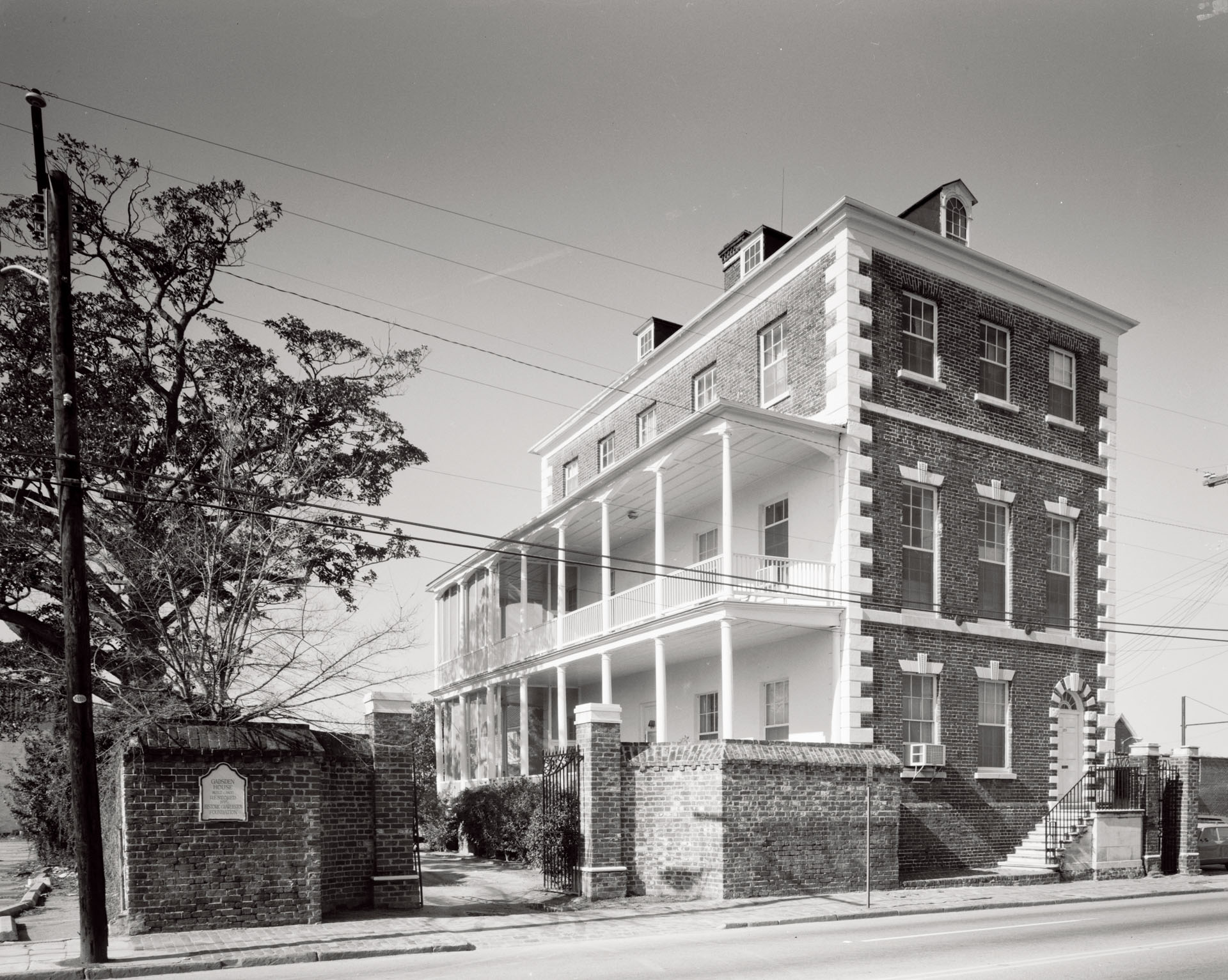
Few addresses along Charleston's East Bay Street carry as much layered history as 329, where a commanding Federal residence, constructed circa 1800, once stood at the very crossroads of Revolutionary legacy and mercantile ambition. Built on land formerly owned by Christopher Gadsden, Revolutionary War general and the originator of the defiant "Don't Tread on Me" flag, the house was most likely constructed by Thomas Morris, a Gadsden son-in-law whose name appears on the lot in the 1790s map of the Middlesex portion of Charleston. The Morris-Gadsden House sits at the intersection of domestic ambition and civic consequence, occupying a stretch of streetscape where commerce and private life shared walls, and where the families who shaped Charleston's post-war identity chose to establish their households.
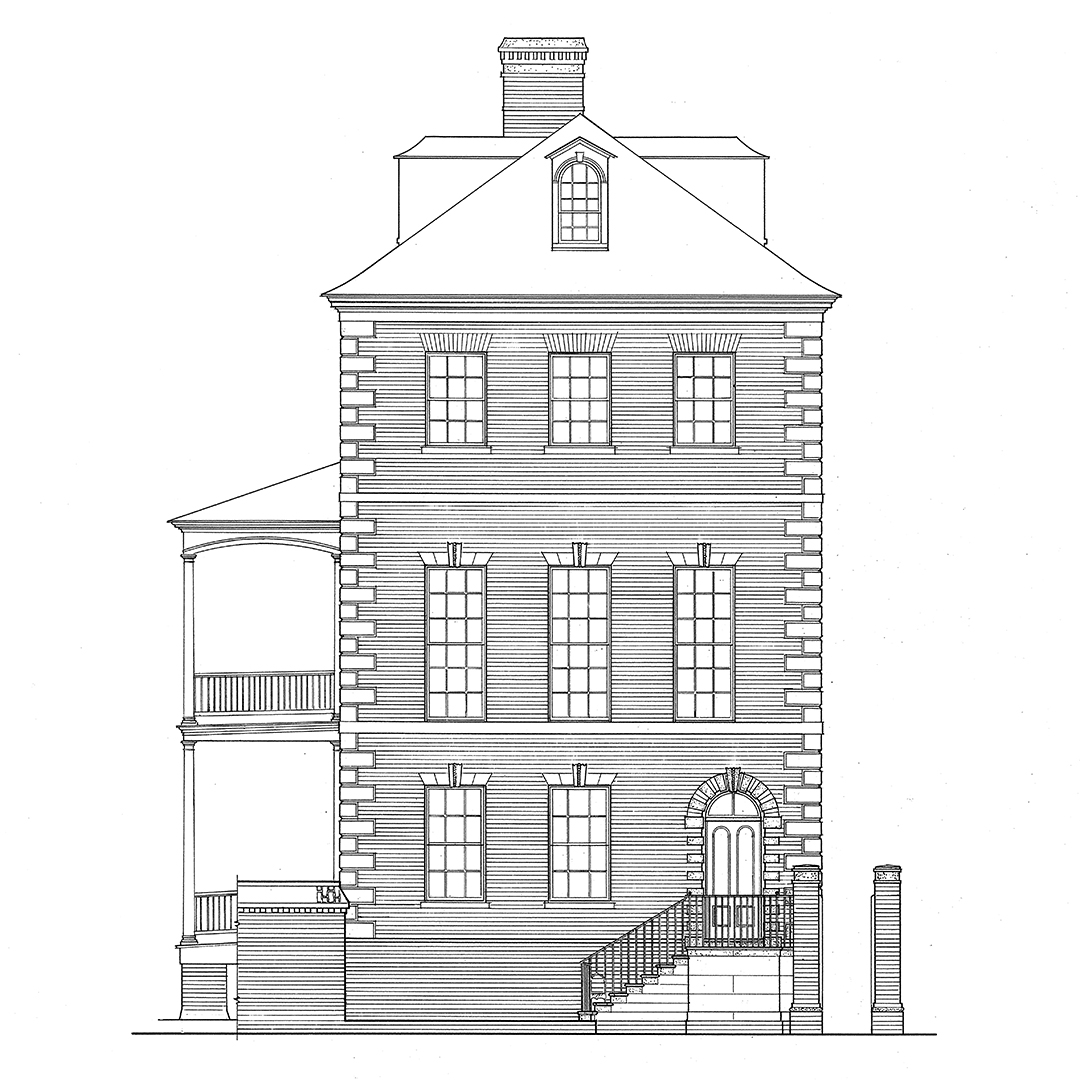
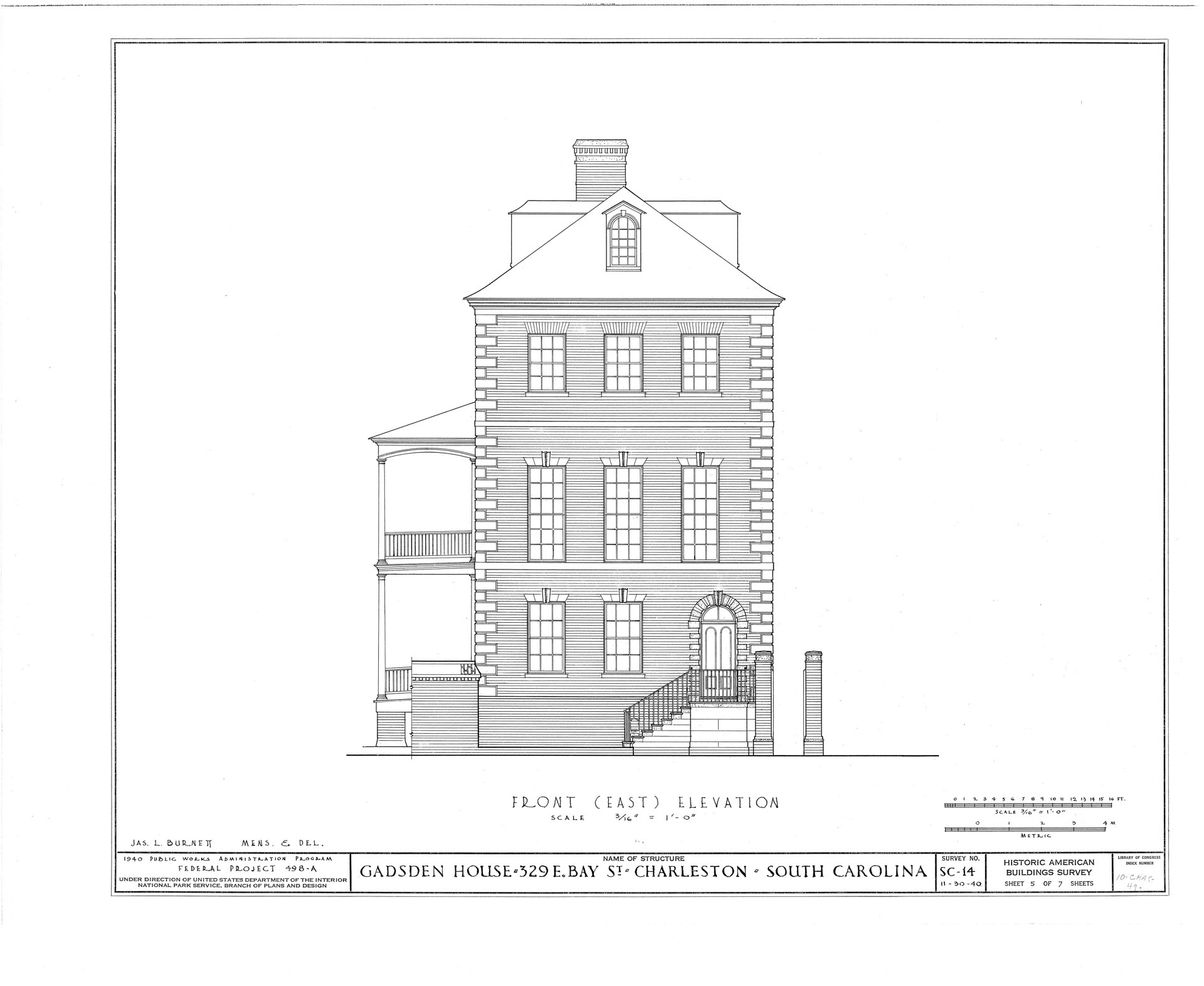
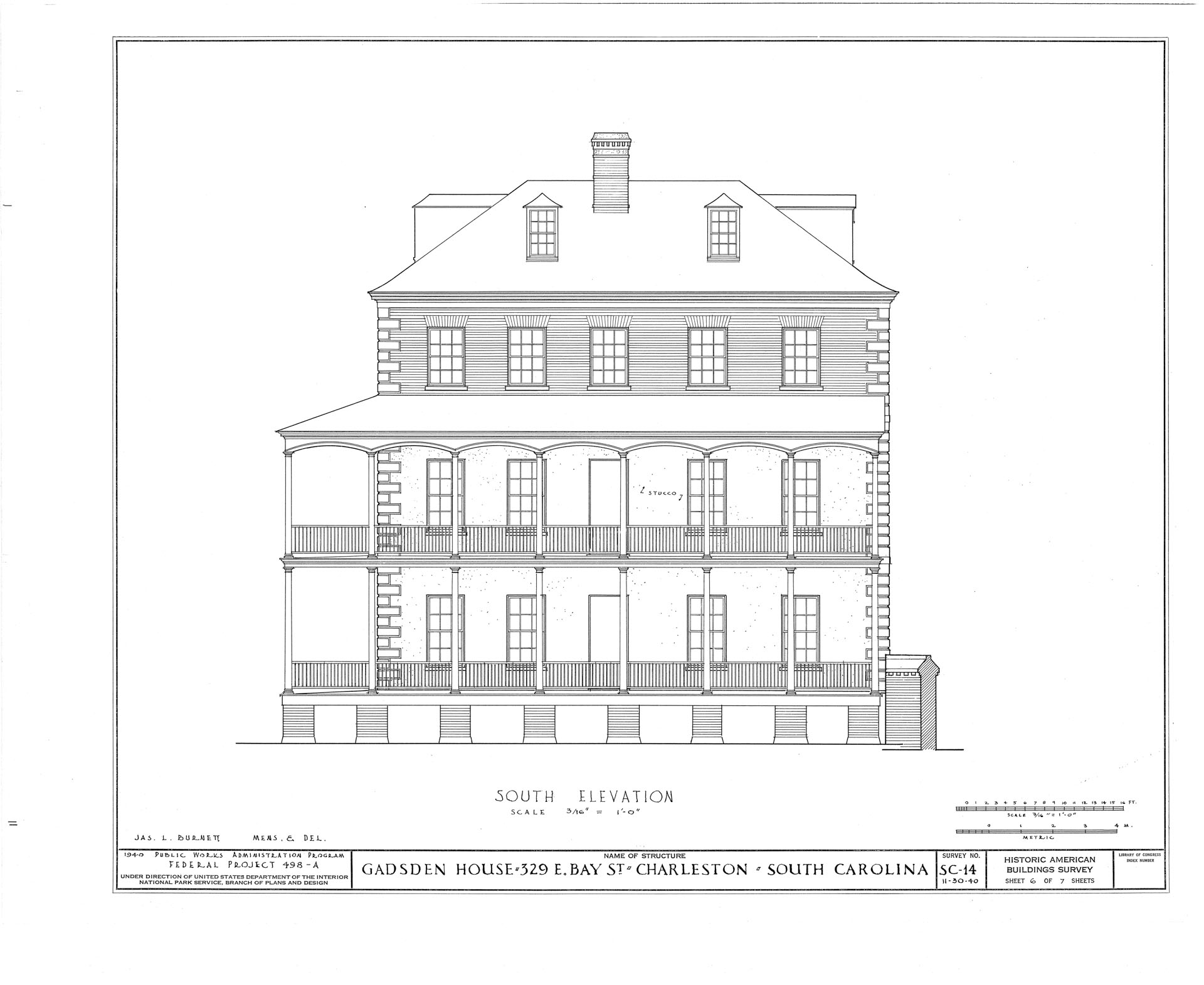
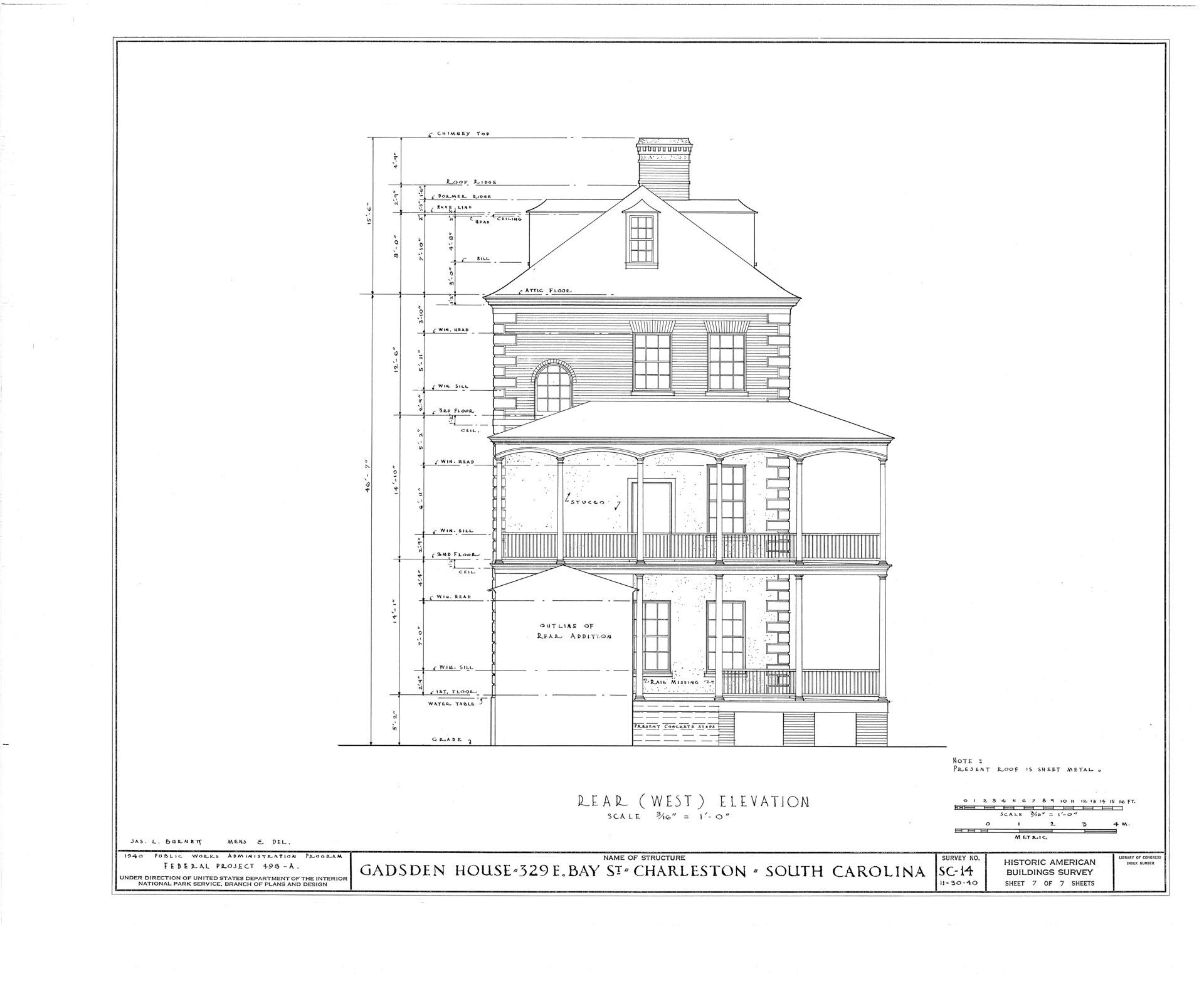
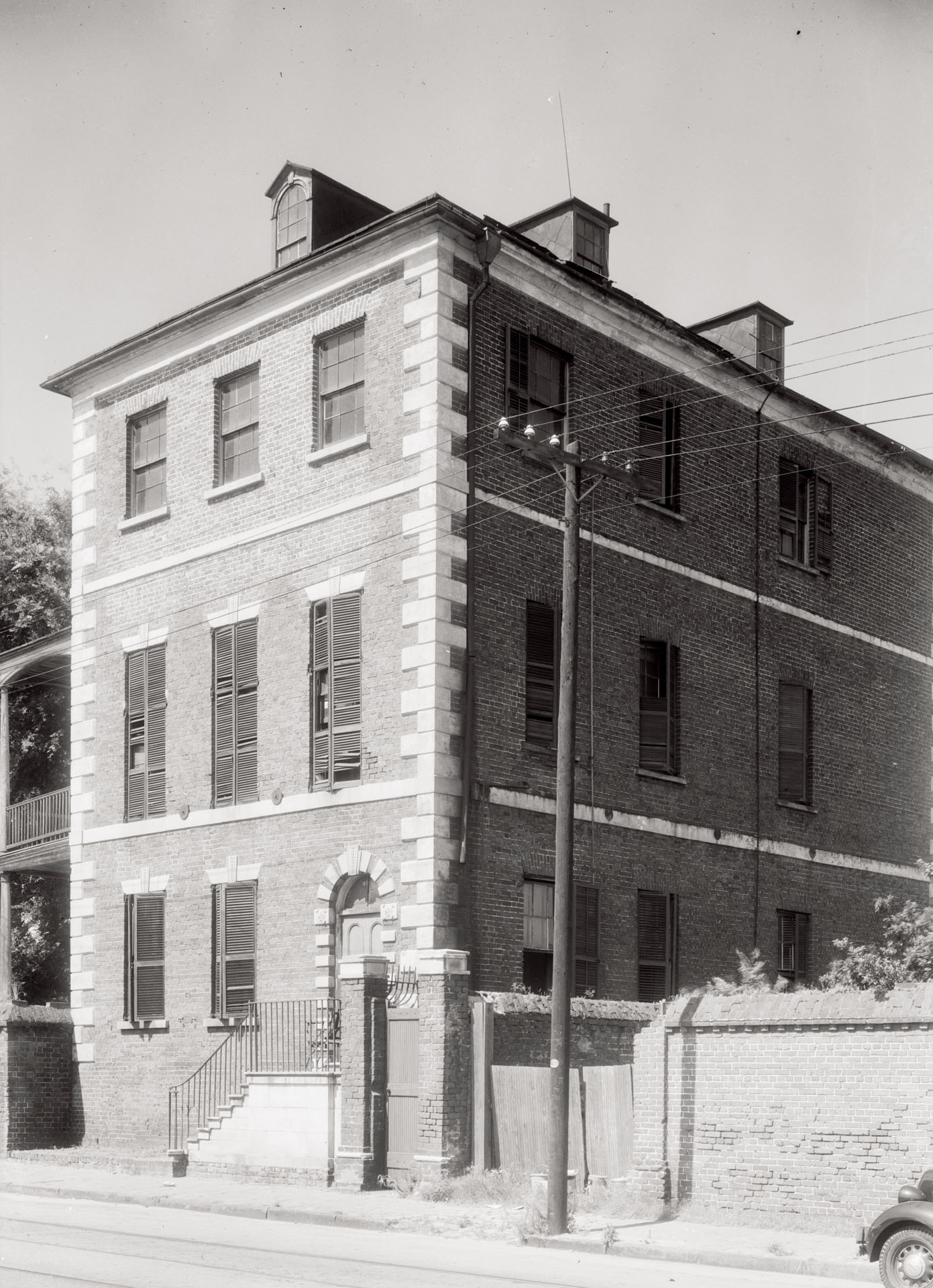
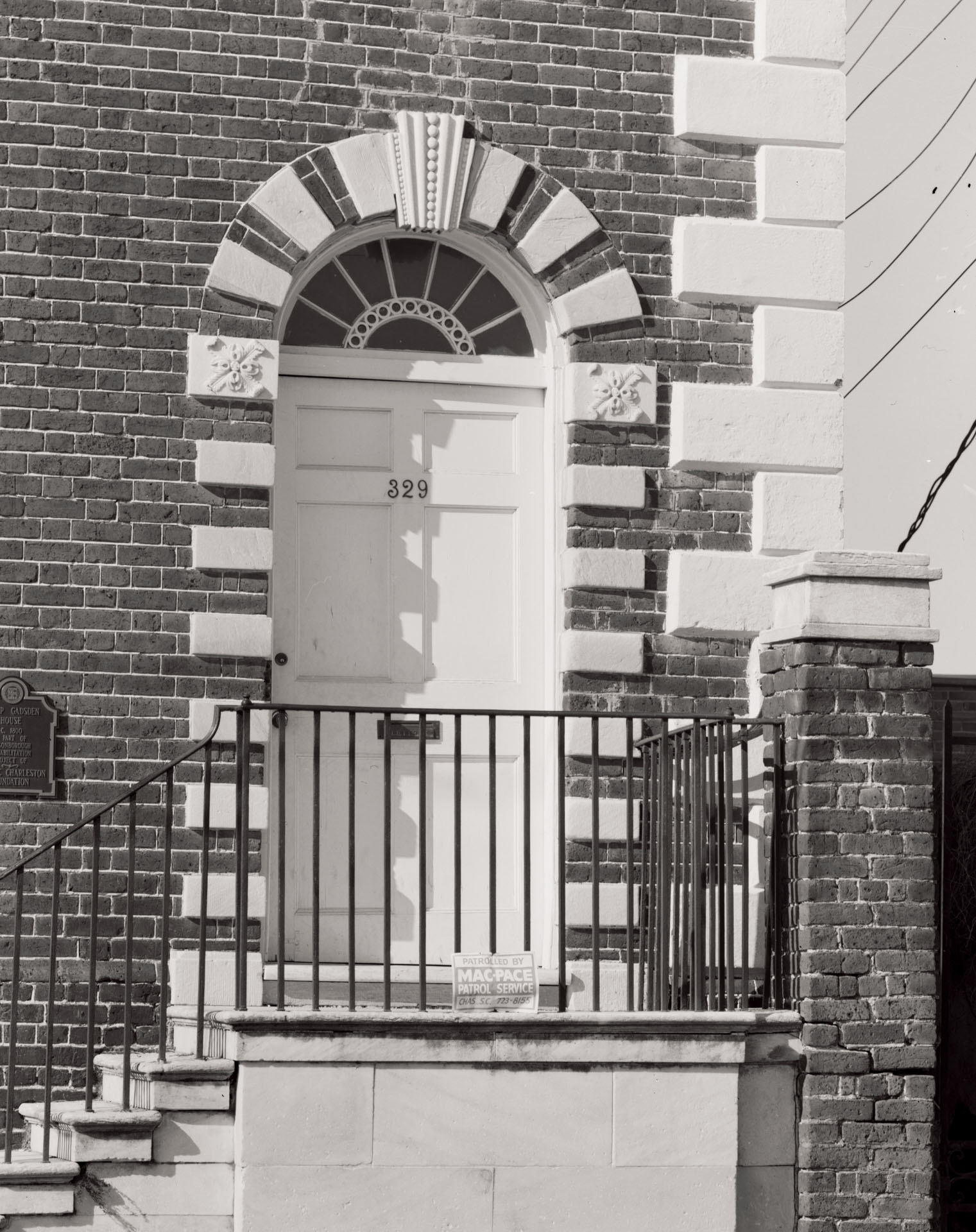
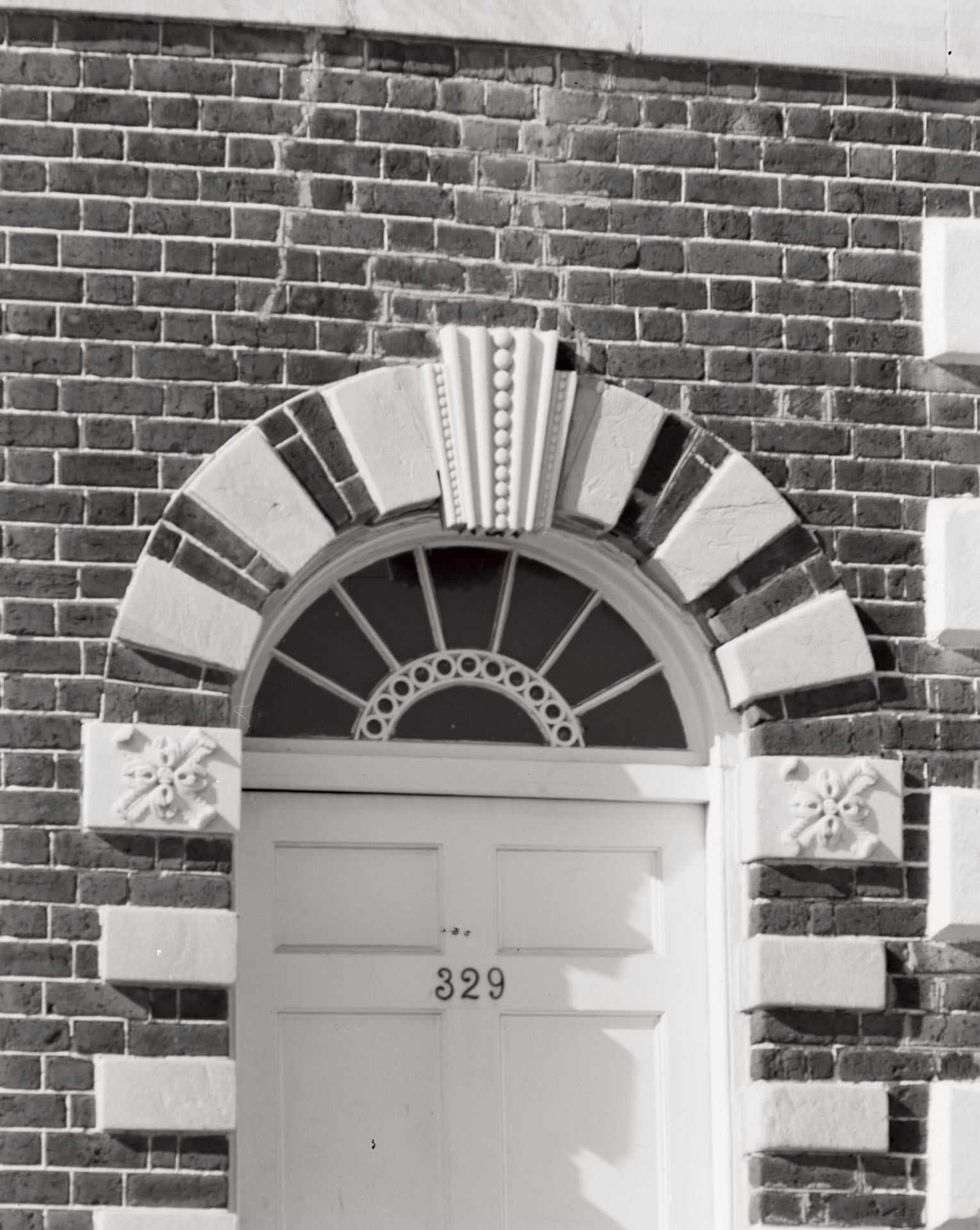
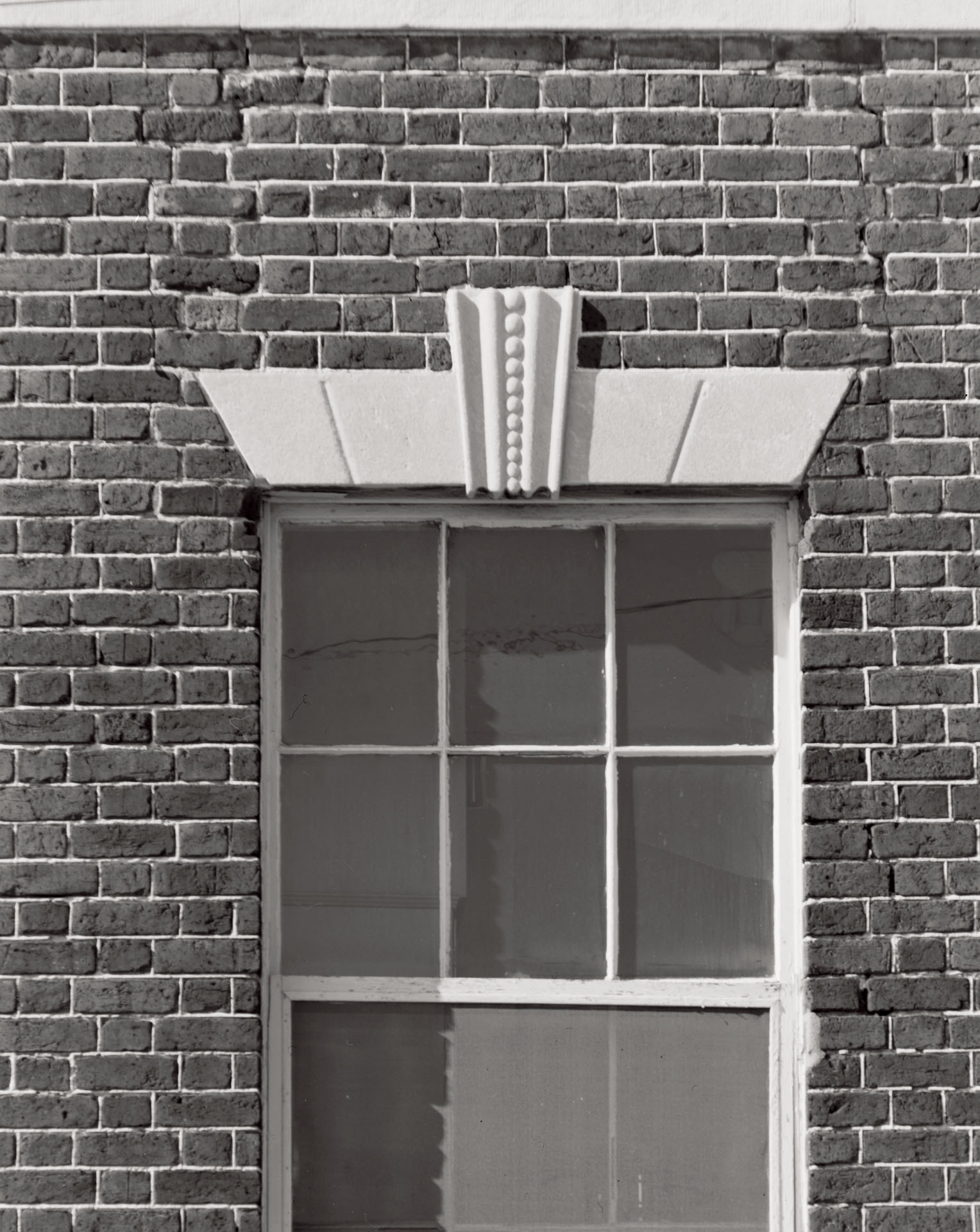
Recognized as one of the tallest and most elaborately detailed Federal style houses in Charleston, the Morris-Gadsden House rises three full stories in brick, its corners articulated by rusticated marble quoins that punctuate the façade with studied precision and reinforce the building's formidable vertical presence. Tall, regularly spaced windows march across each floor, each capped with a marble lintel, while a two-tier piazza supported by slender columns extends along the southern flank, capturing the prevailing sea breeze in the manner long favored by Charleston's most accomplished domestic builders. The entrance is framed by a rounded arch of alternating brick and marble voussoirs, crowned by a carved marble keystone embellished with beaded egg and dart detailing. Within the arch, a semicircular fanlight filled with radiating sunburst tracery and delicate circular motifs crowns the paneled door below, while carved marble rosette blocks flank the surround on either side, completing an entranceway of exceptional refinement.
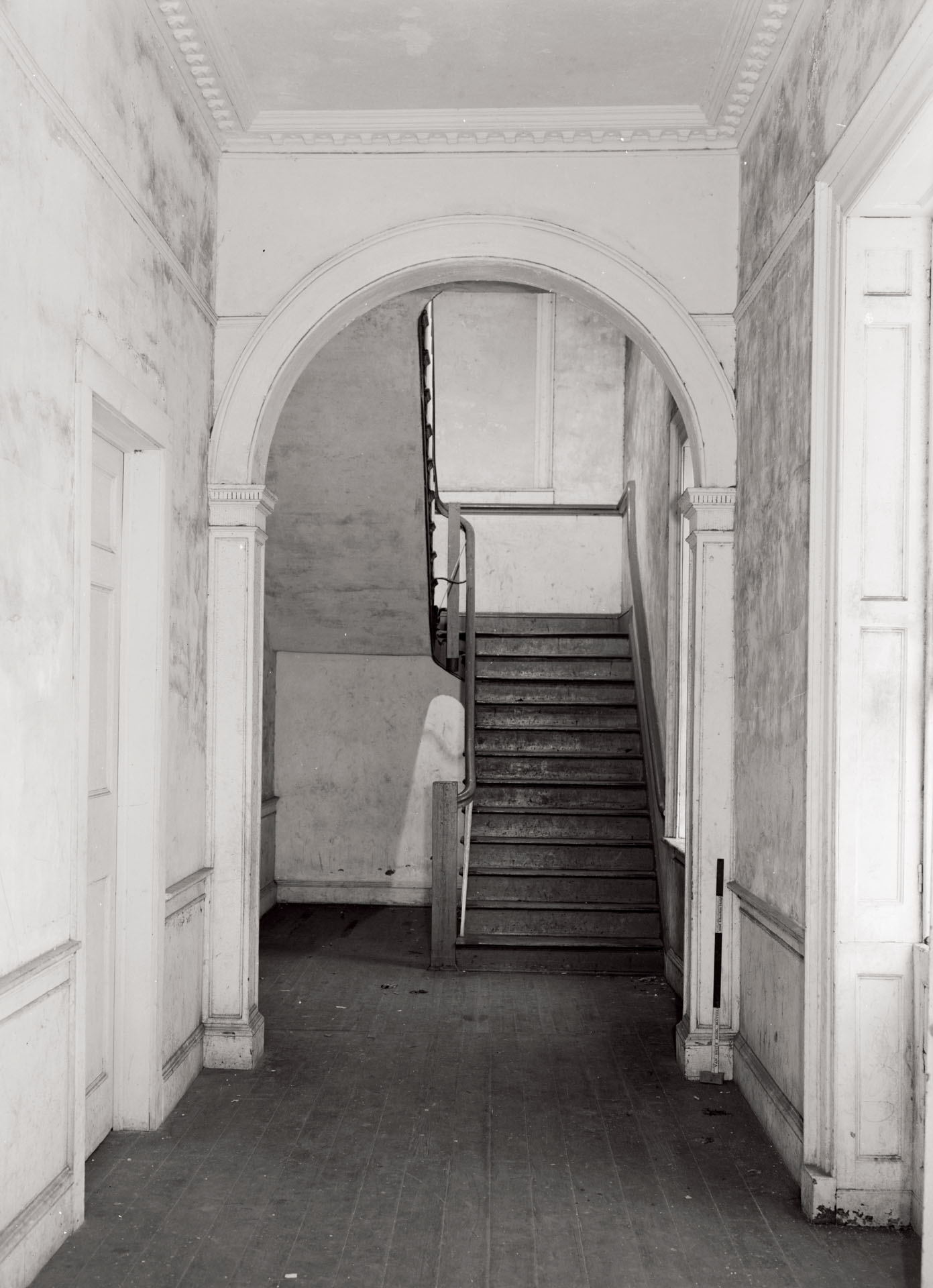
Stepping within, the interior sustains the same disciplined standard. A broad, rounded arch with a classically profiled surround and flanking pilasters frames the passage from the entry hall to the stair hall beyond, where the staircase rises on a straight run, its wooden handrail and open stringer inviting ascent through the house. The ceiling carries a cornice enriched with dentil and leaf detailing, and the walls are finished with raised panel wainscoting, the whole composition reading as a carefully orchestrated procession through space, where mouldings, paneling, and framed openings speak with the kind of architectural eloquence that reveals itself gradually, over time.
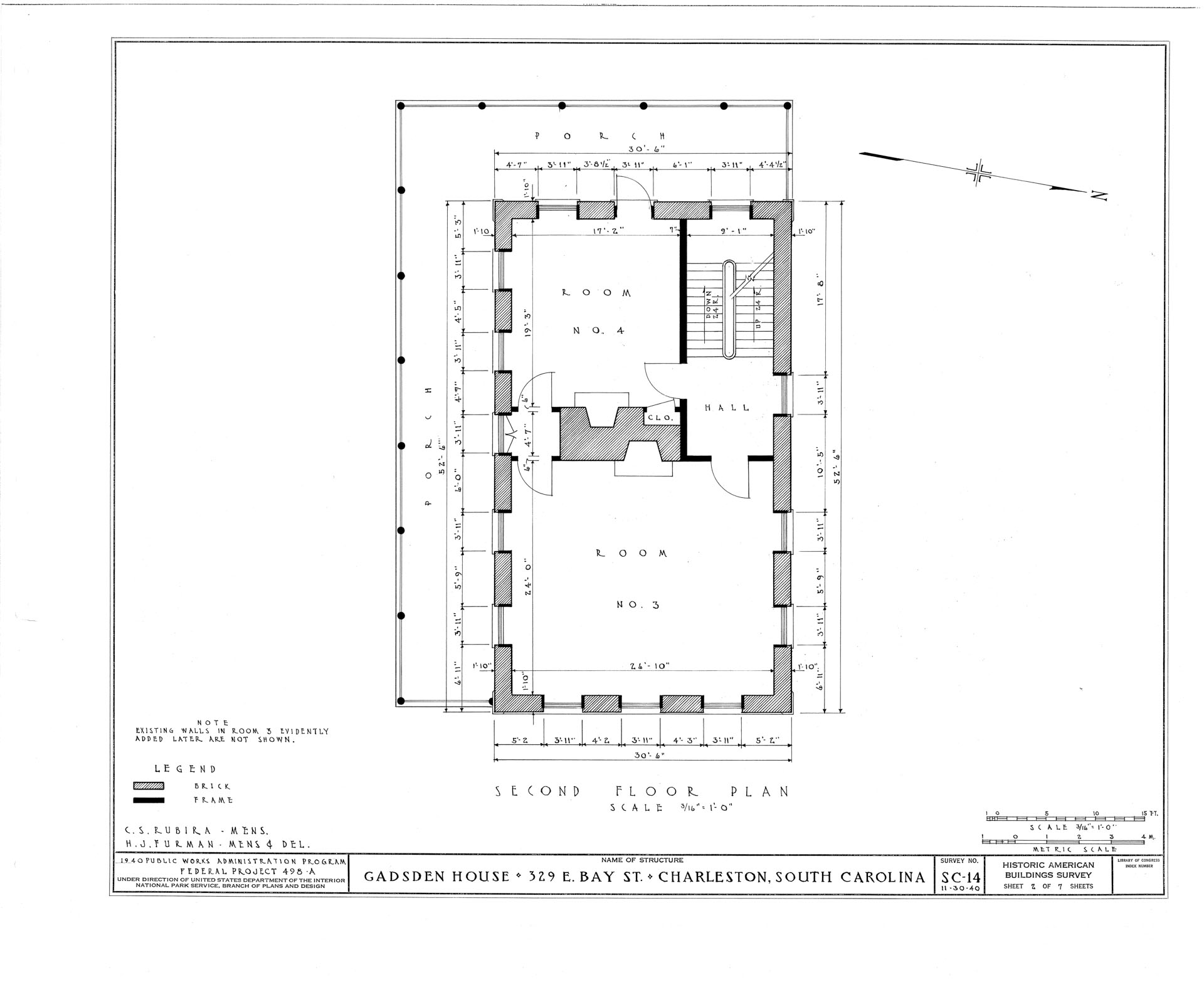
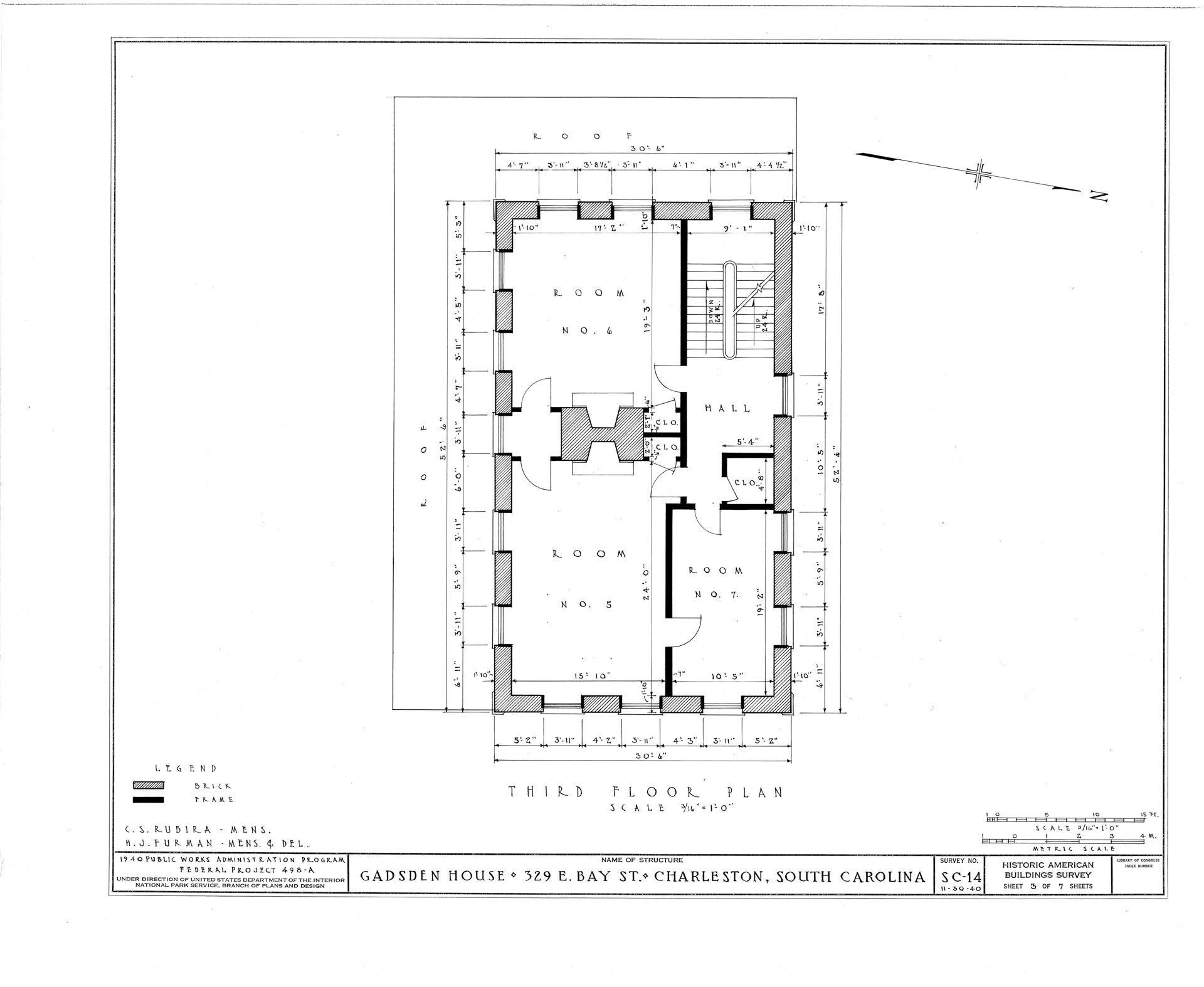
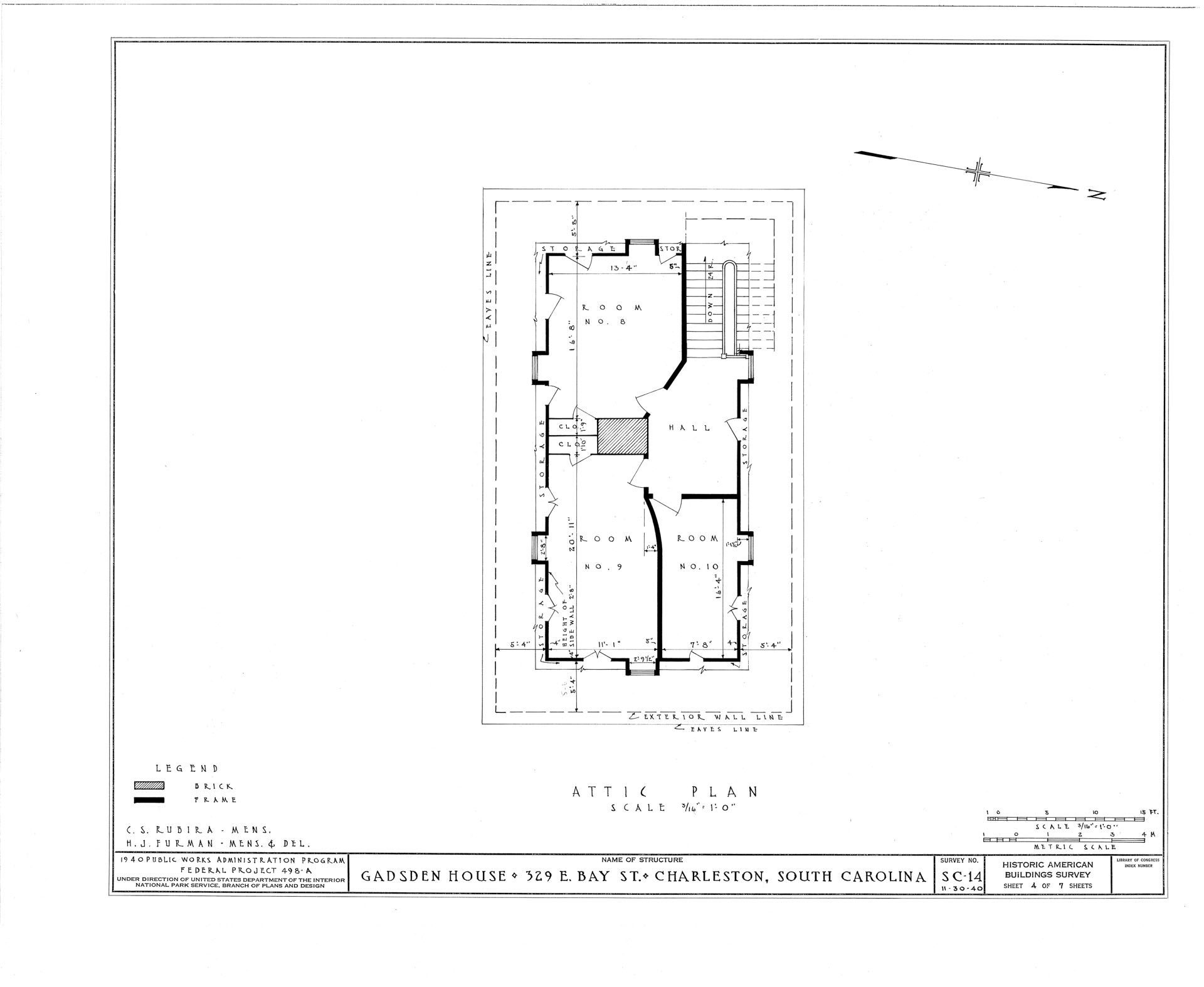
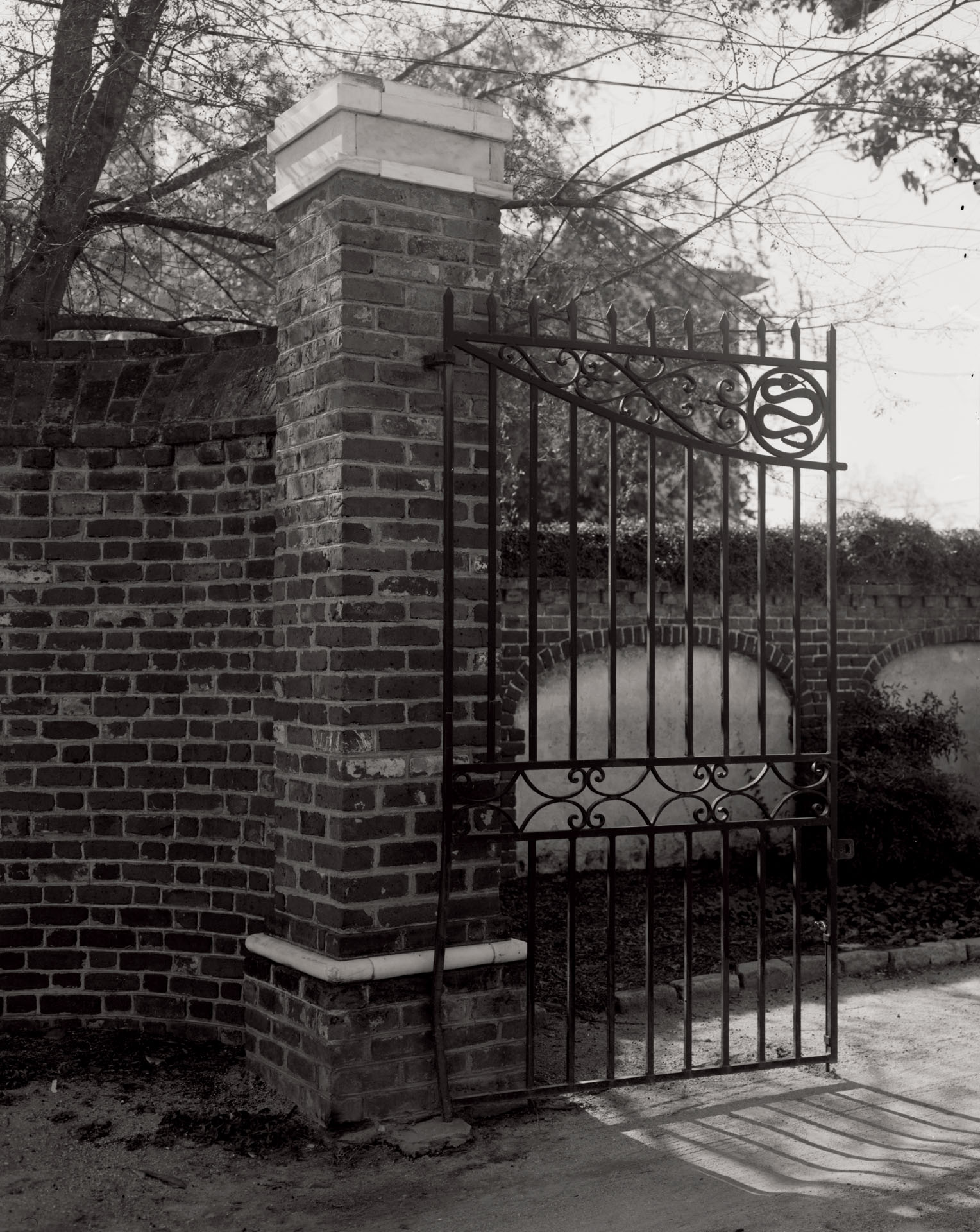
The house passed through a remarkable succession of stewards: Colonel Elnathan Haskell, a Revolutionary War hero; Dr. Benjamin Bonneau Simons, an outstanding medical practitioner; and, following the Civil War, the Right Reverend W. B. W. Howe, Episcopal bishop of South Carolina. Its most celebrated addition came in the mid twentieth century, when master blacksmith Philip Simmons forged the now iconic snake gates at the property entrance, their upper panels bearing a coiled rattlesnake in wrought iron, a direct and enduring tribute to the revolutionary flag that Gadsden had raised during the war. In 1959, the house was given to the Historic Charleston Foundation by a Gadsden descendant, securing its place within the landmark Ansonborough Rehabilitation Project, a preservation effort studied by preservationists. Documented in full by the Historic American Buildings Survey, the Morris-Gadsden House endures as one of East Bay Street's most authoritative architectural statements, a record of Federal craftsmanship, mercantile prosperity, and layered civic history rendered, unforgettably, in brick, marble, and iron.