99-101 EAST BAY STREET, CHARLESTON, CHARLESTON COUNTY, SOUTH CAROLINA
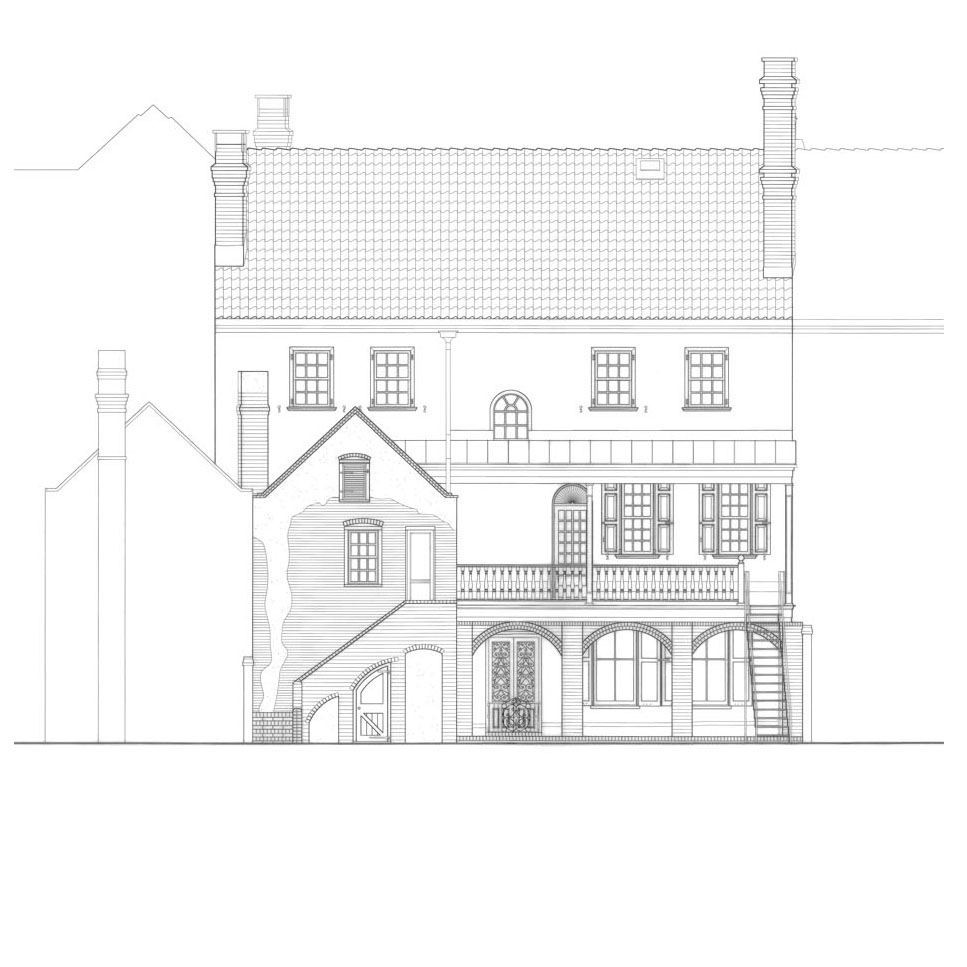
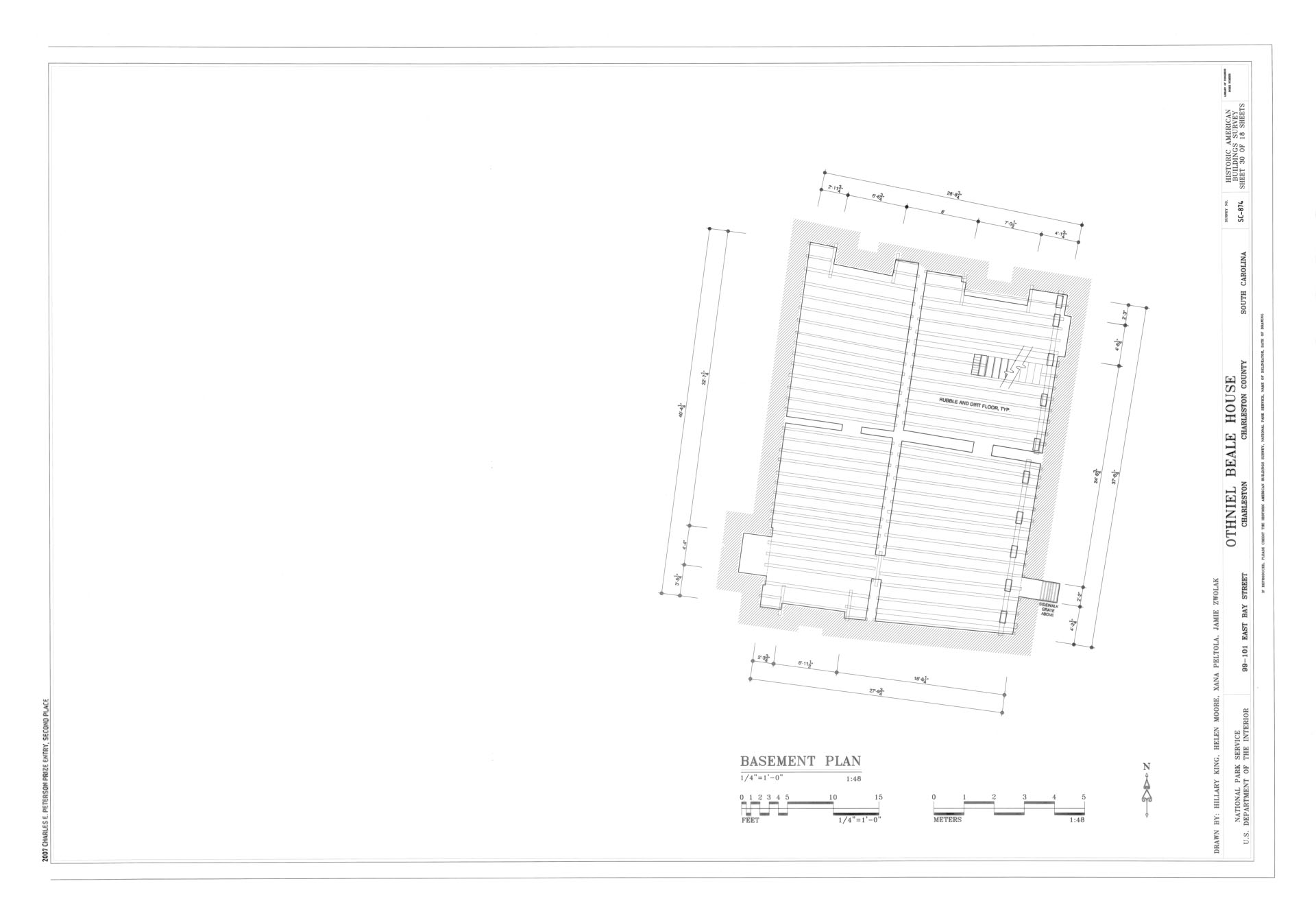
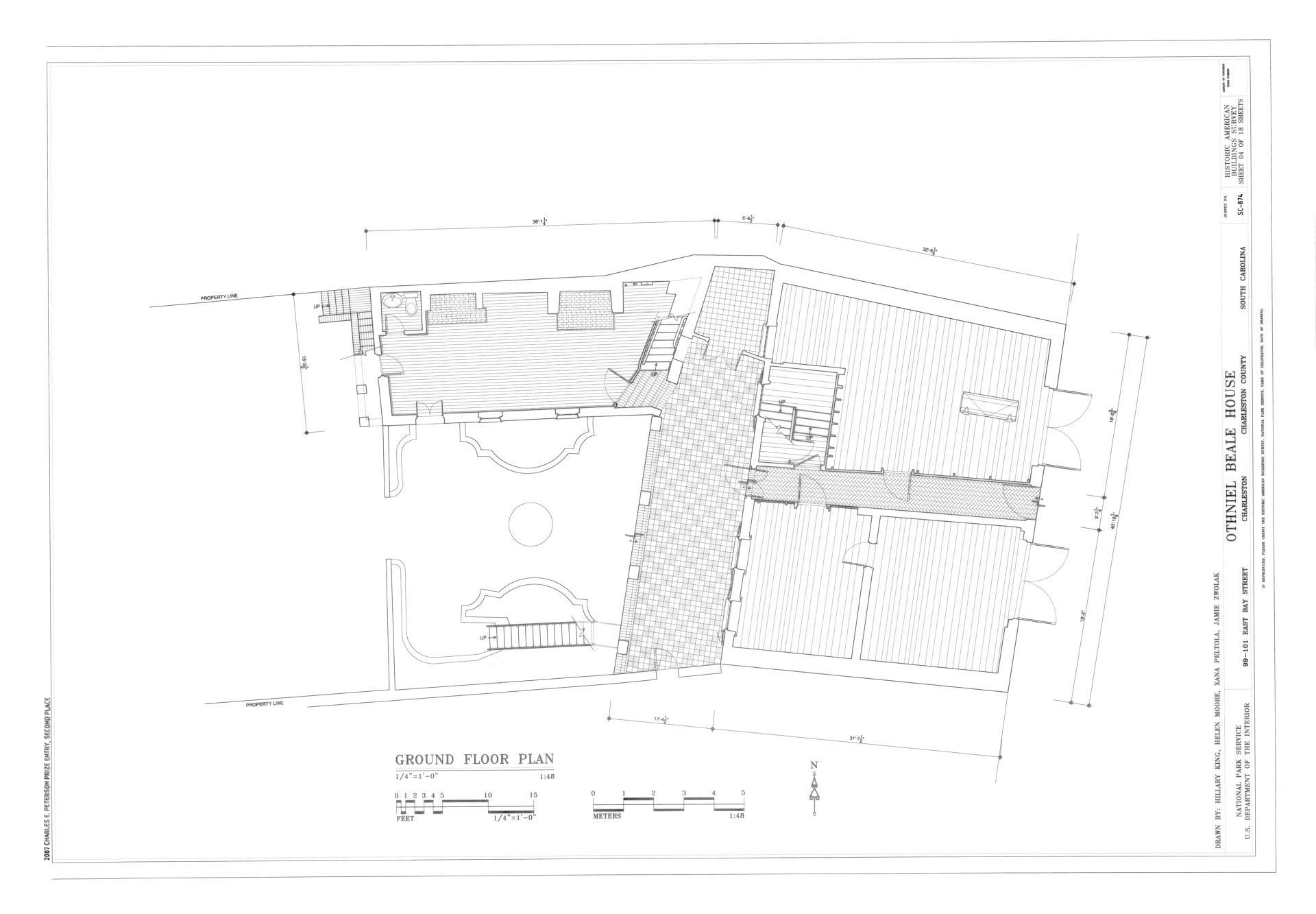
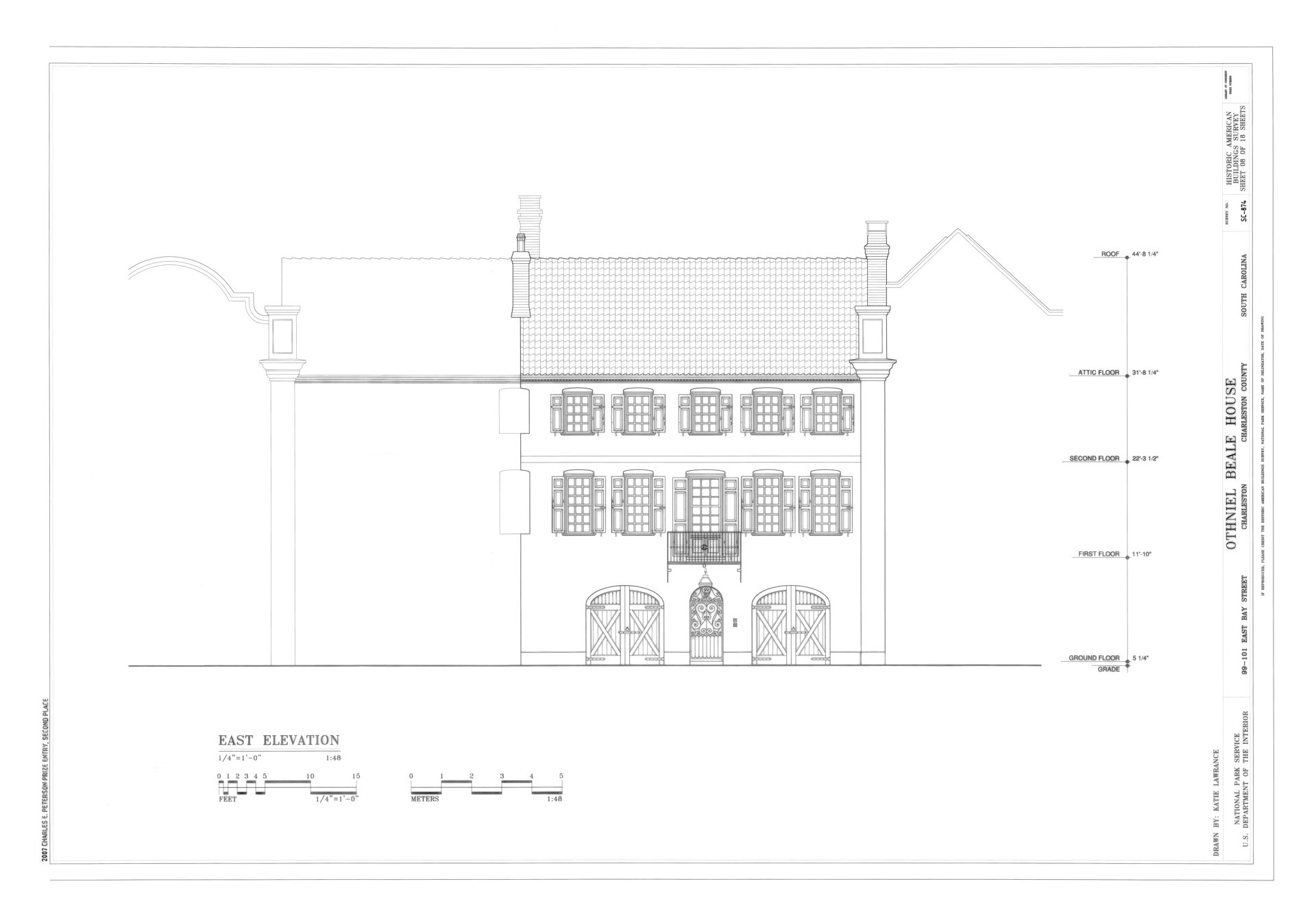
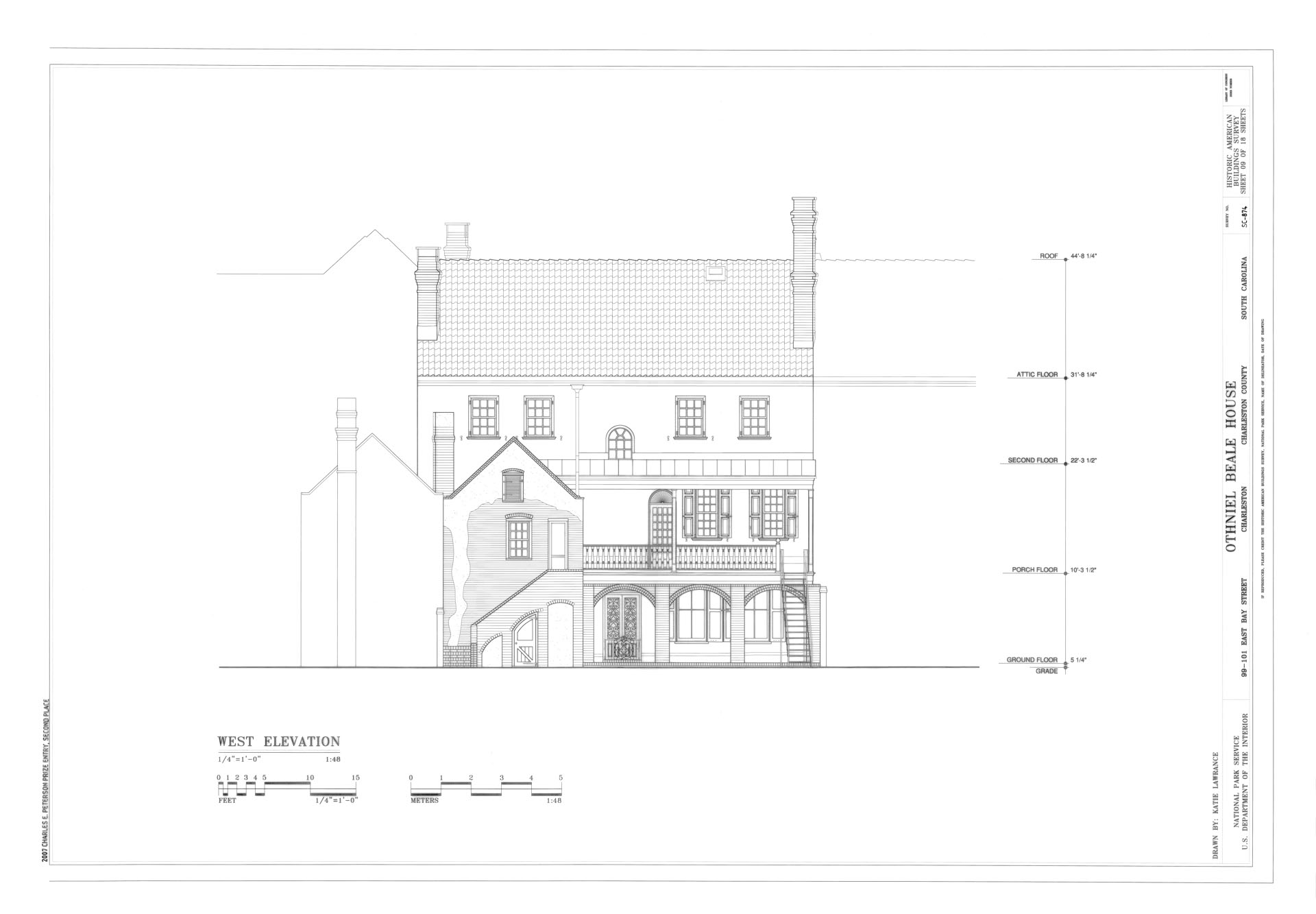
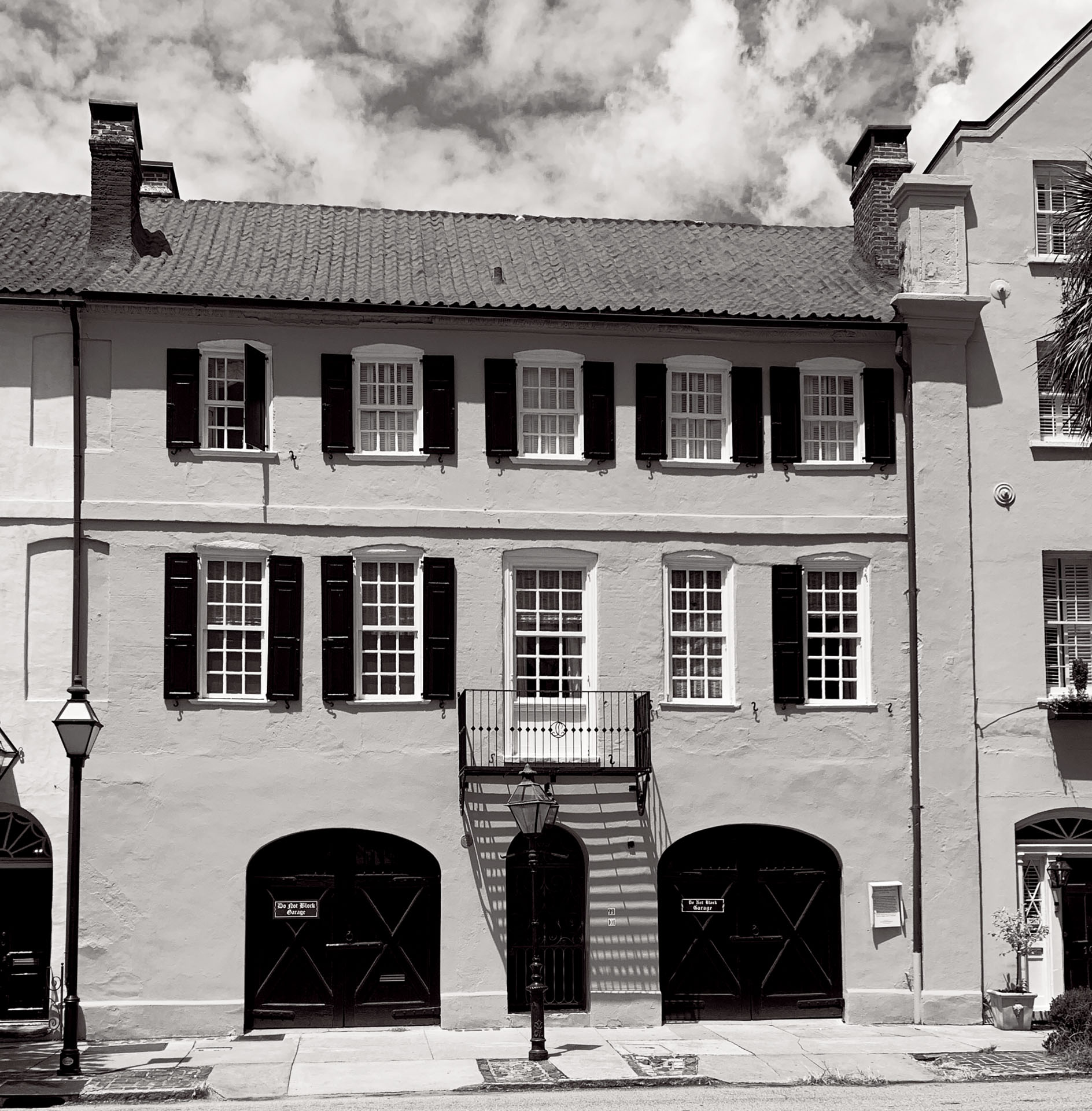
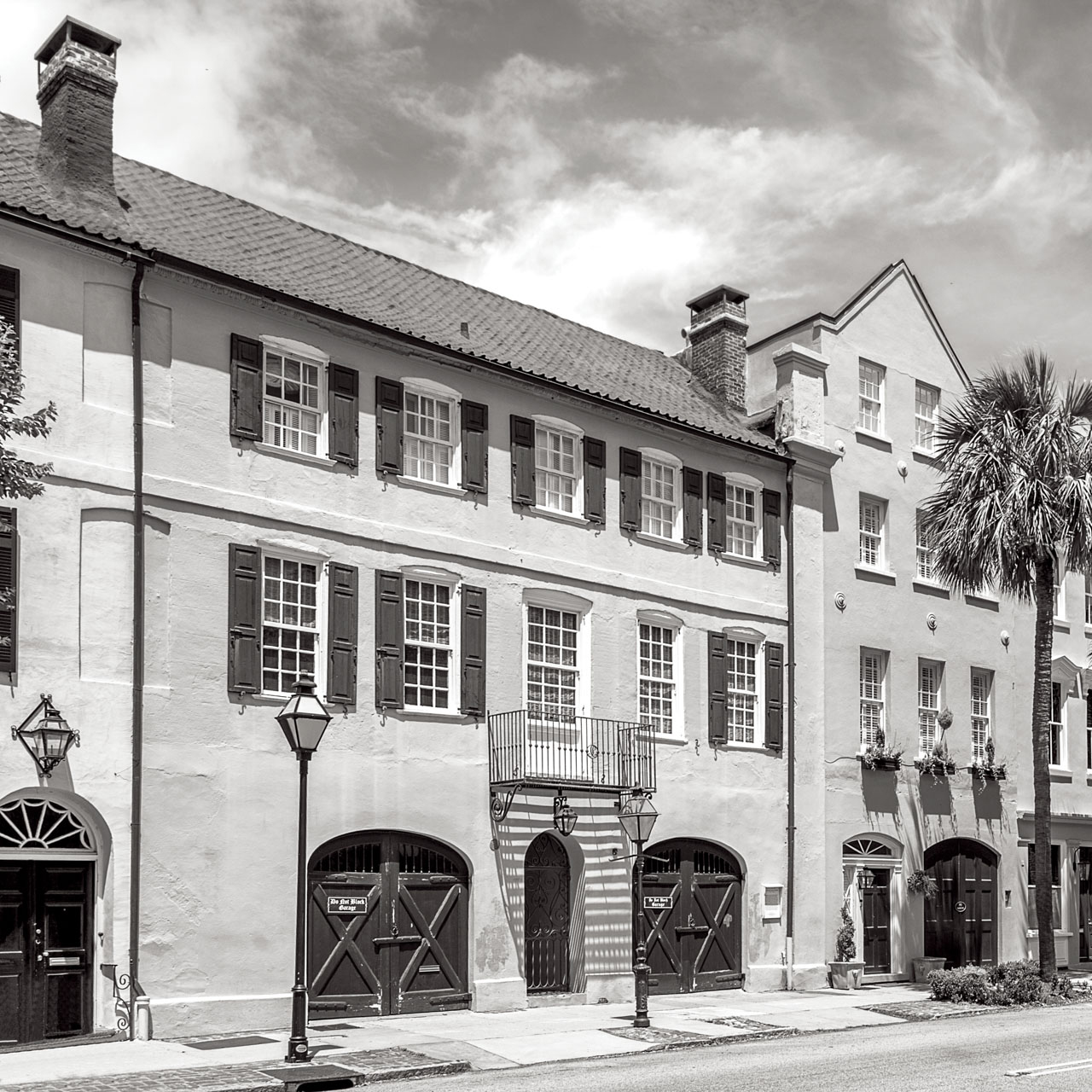
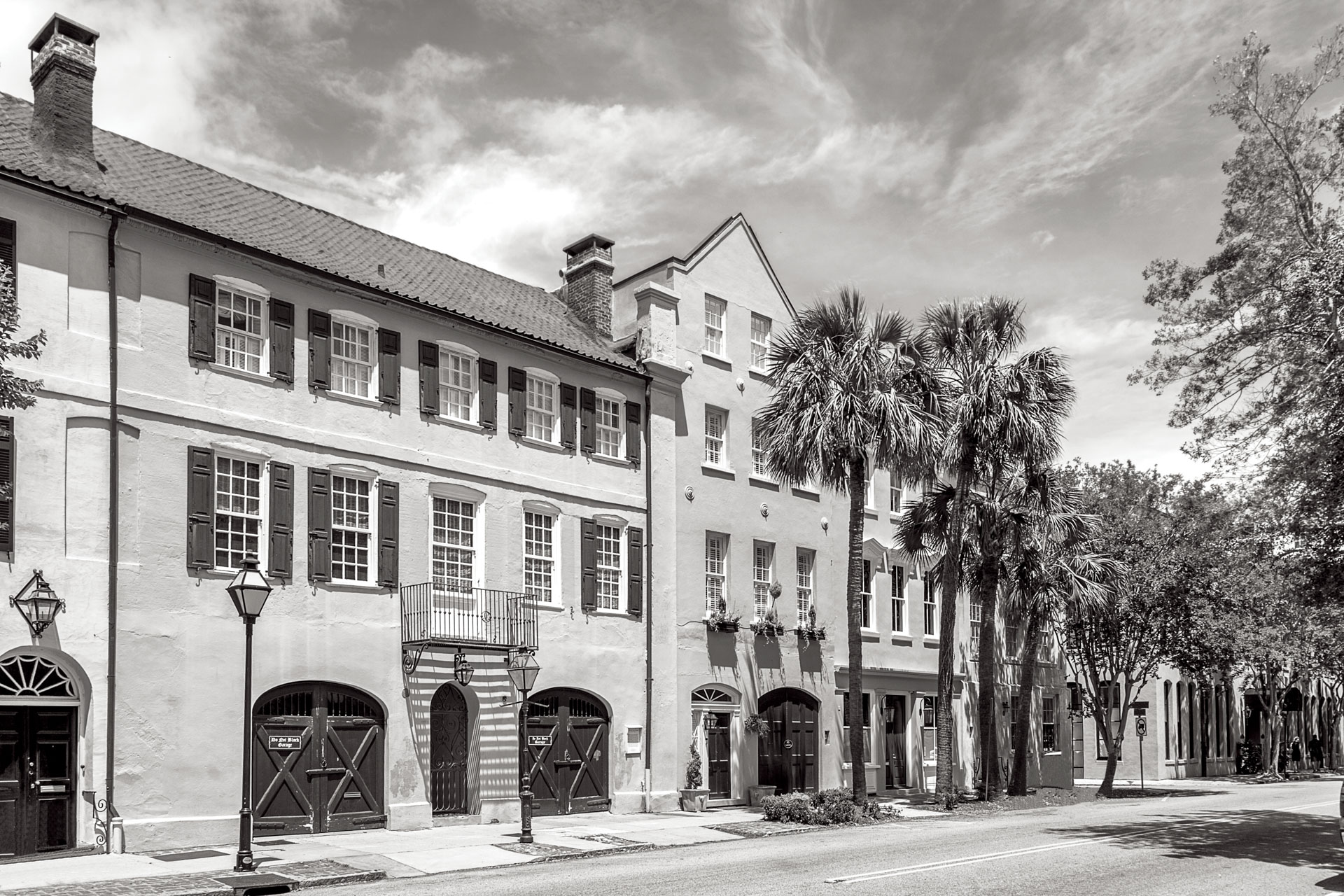
At the Othniel Beale House at 99–101 East Bay Street in Charleston, South Carolina, the structure forms part of the eighteenth-century row now known as Rainbow Row. Constructed after 1741 by merchant Othniel Beale, the building emerged during a period when Charleston's waterfront was rapidly consolidating as a nucleus of maritime trade. By 1748, records refer to Beale's "new Brick Store" on this site, placing the house directly within the early commercial ascendancy of East Bay Street. Its masonry façade, set tightly along the street, reflects the narrow urban parcels of the waterfront, where buildings were composed in close alignment and read as constituent elements of a continuous elevation.
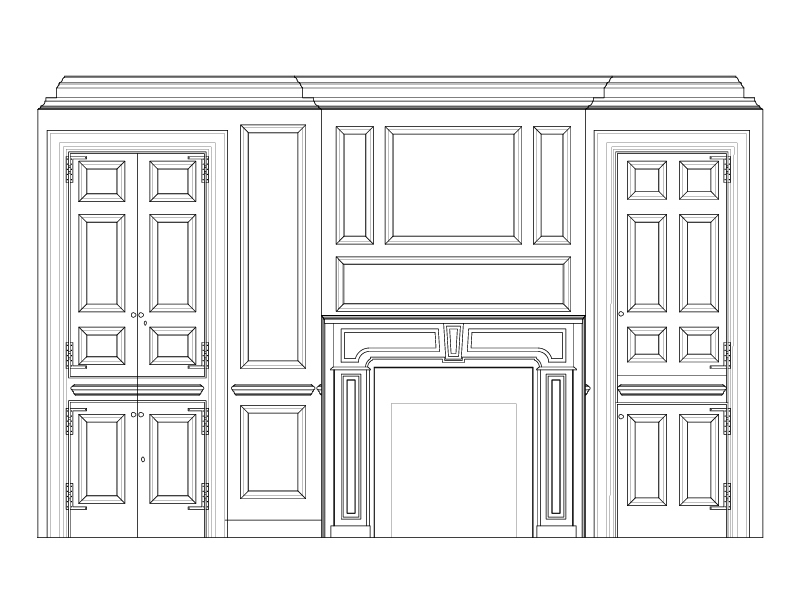
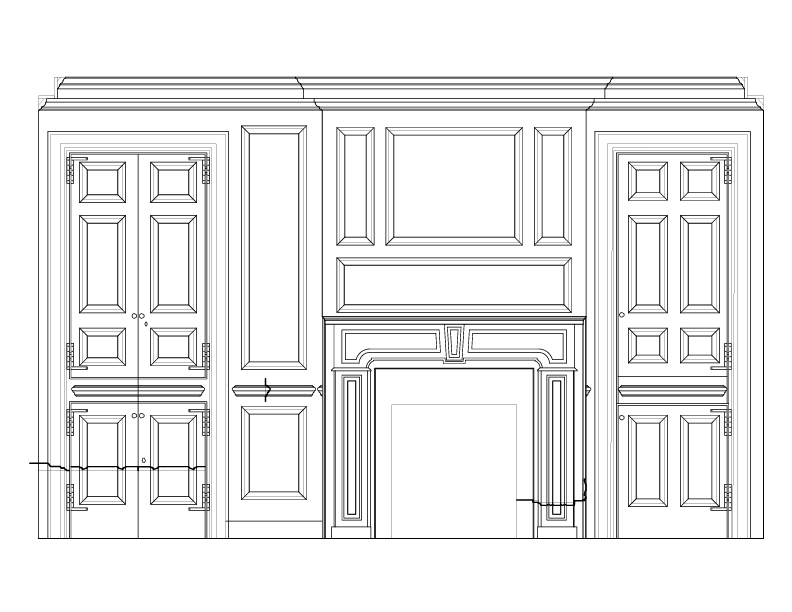
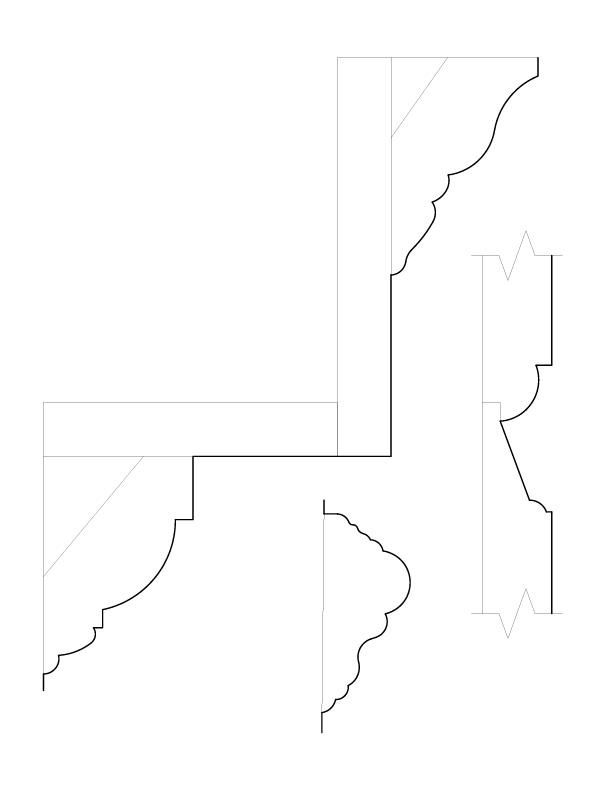
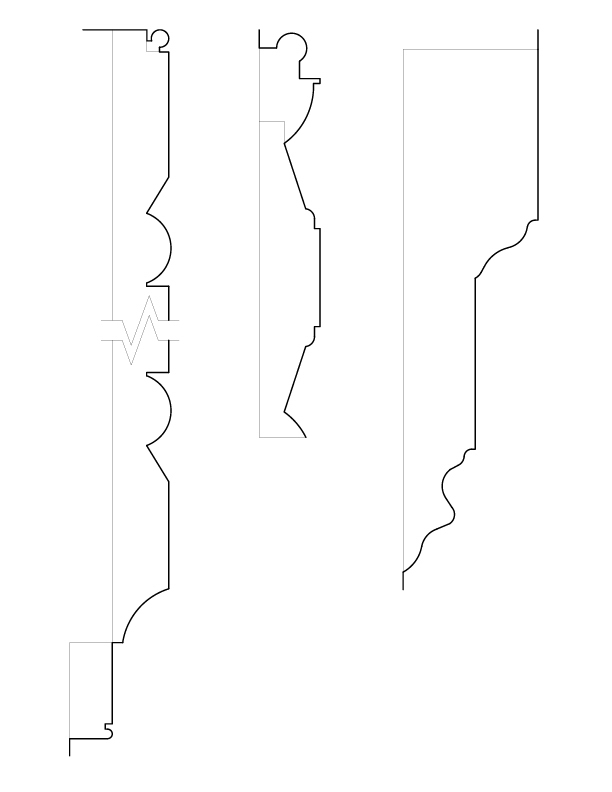
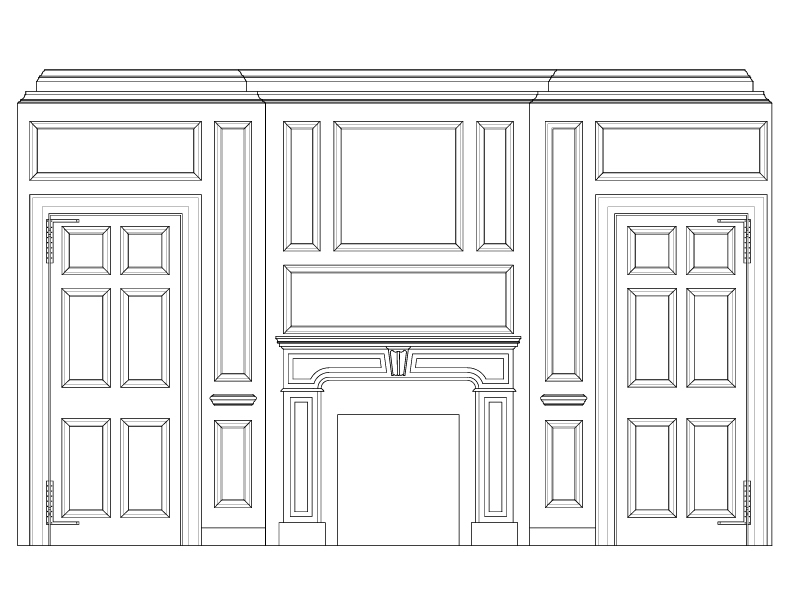
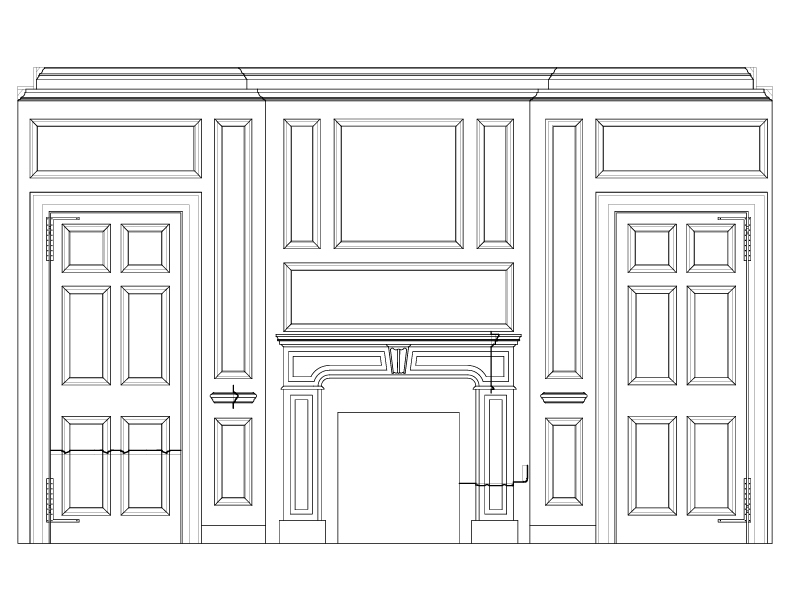
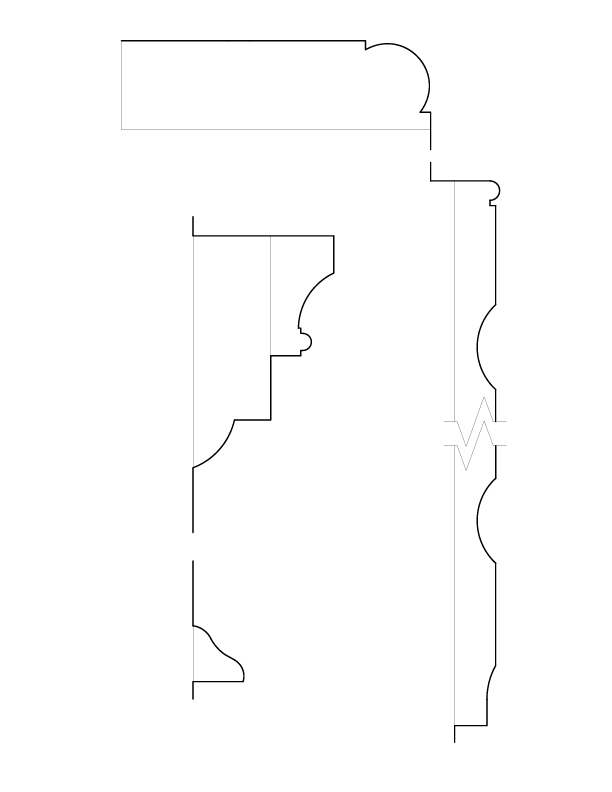
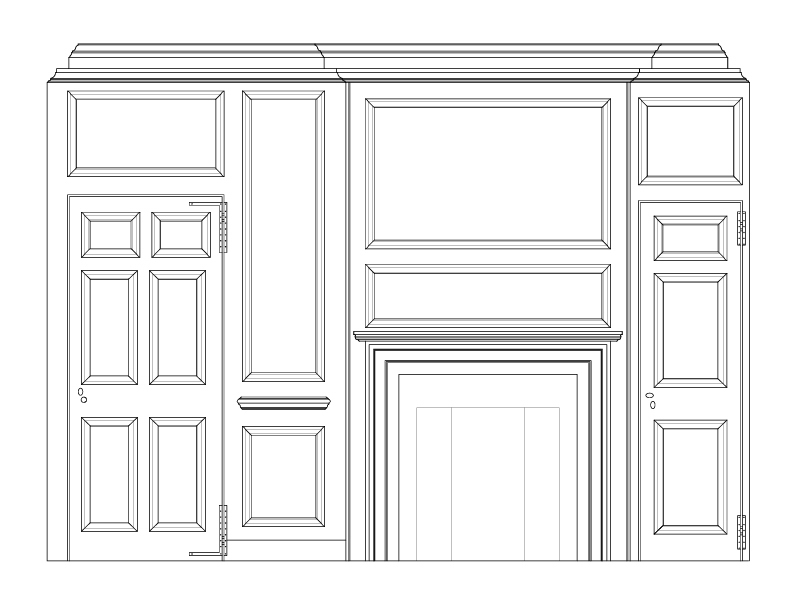
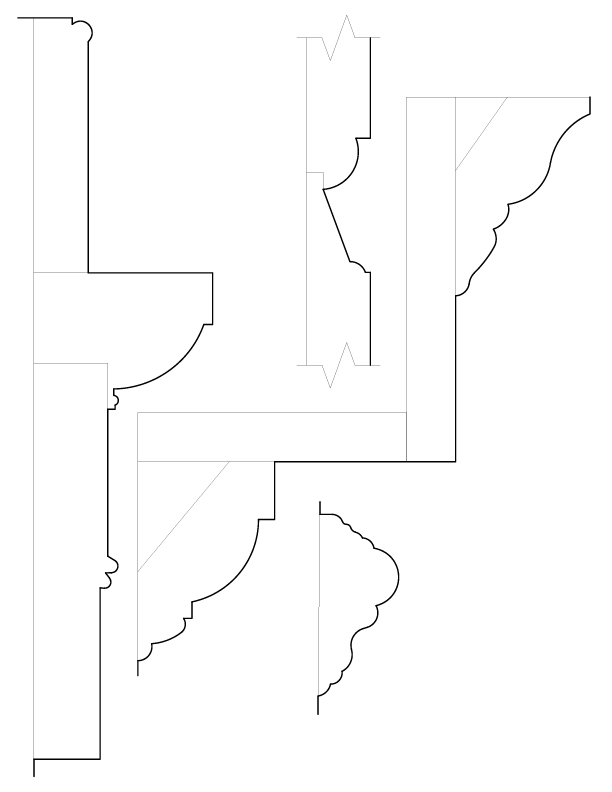
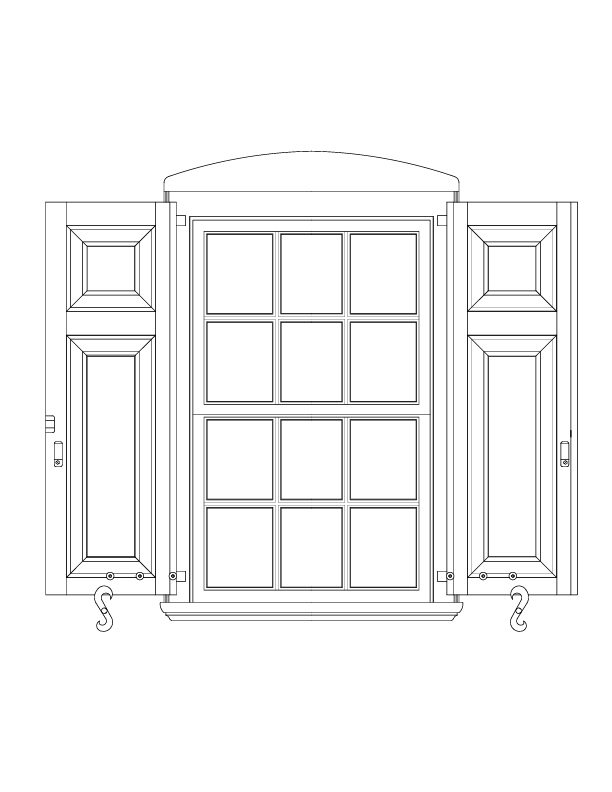
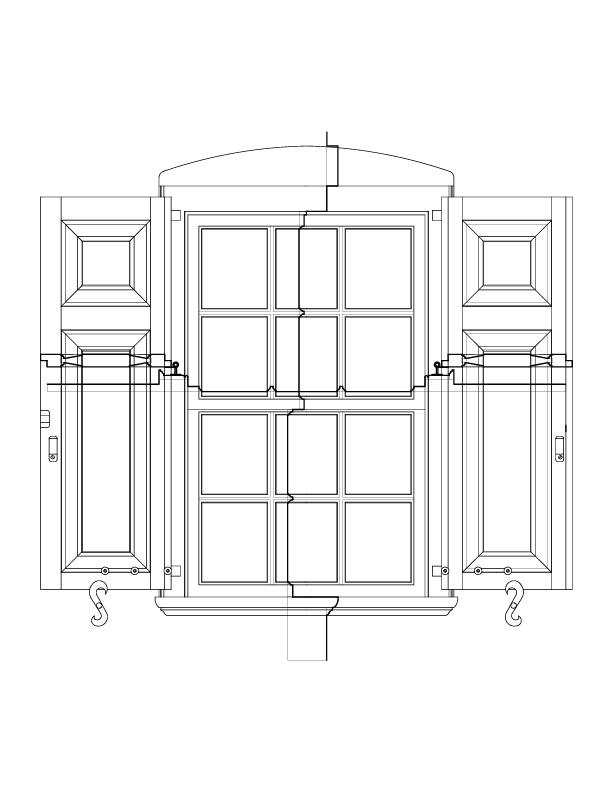
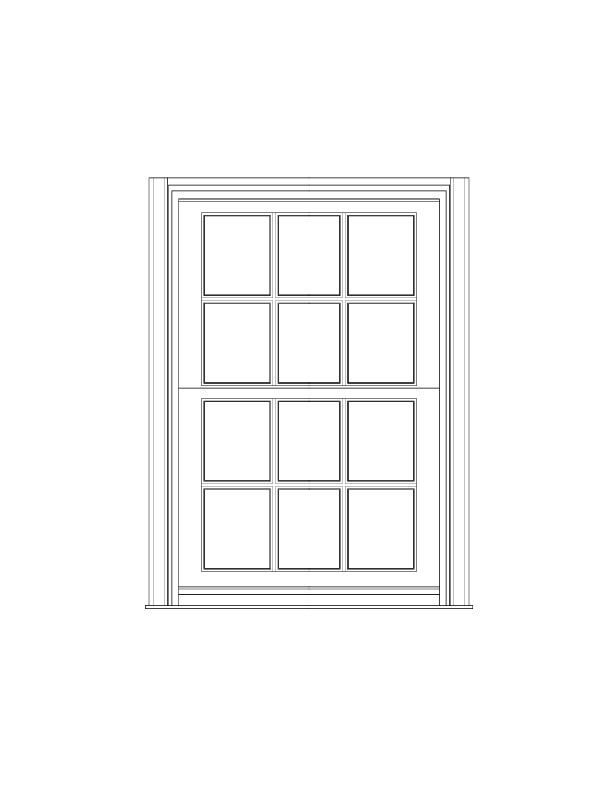
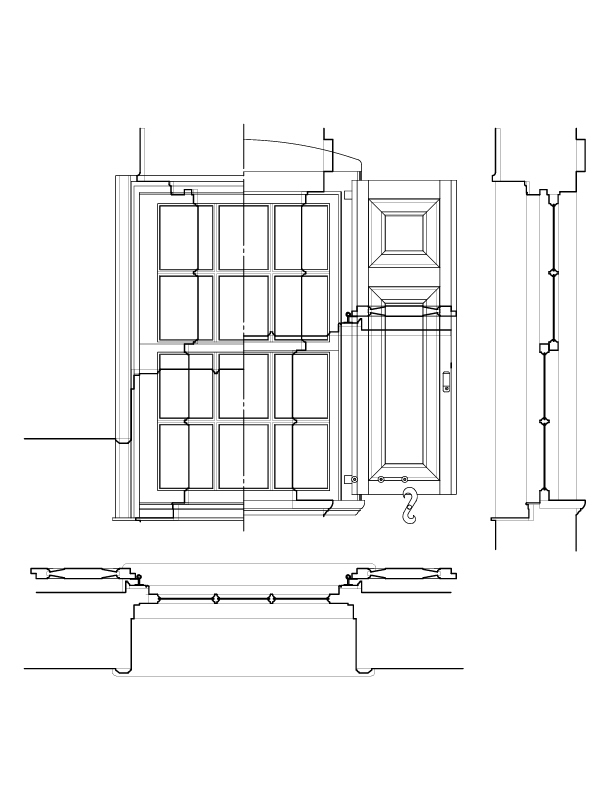
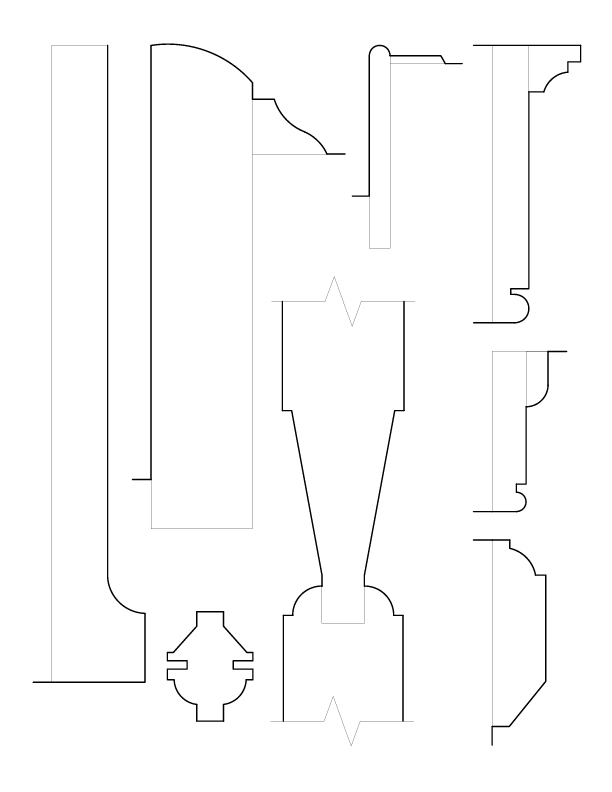
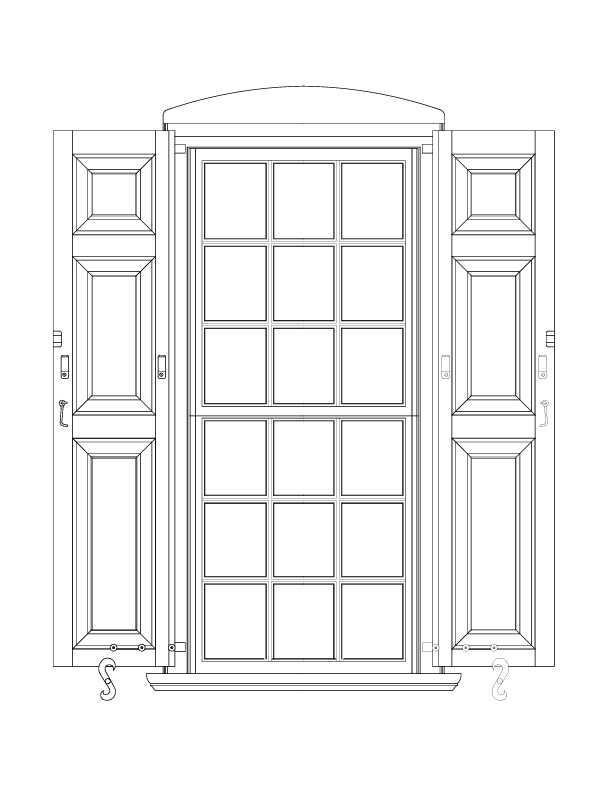
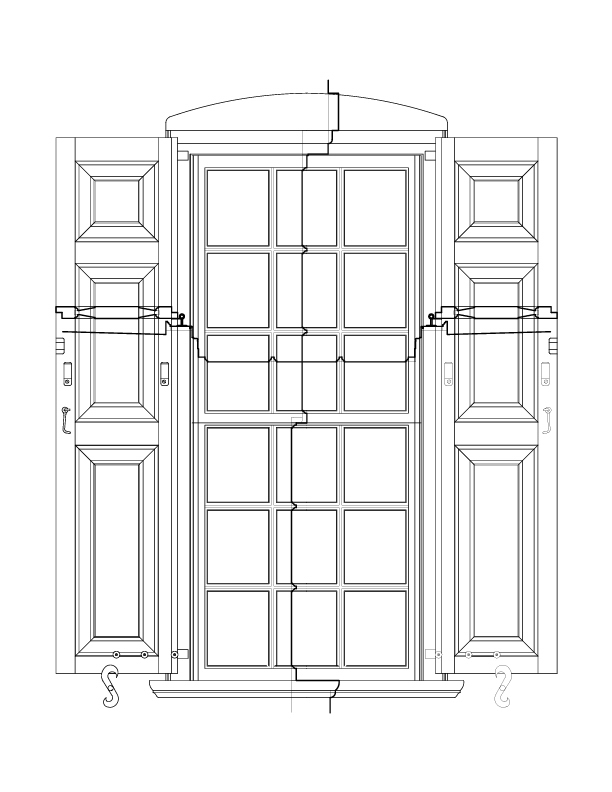
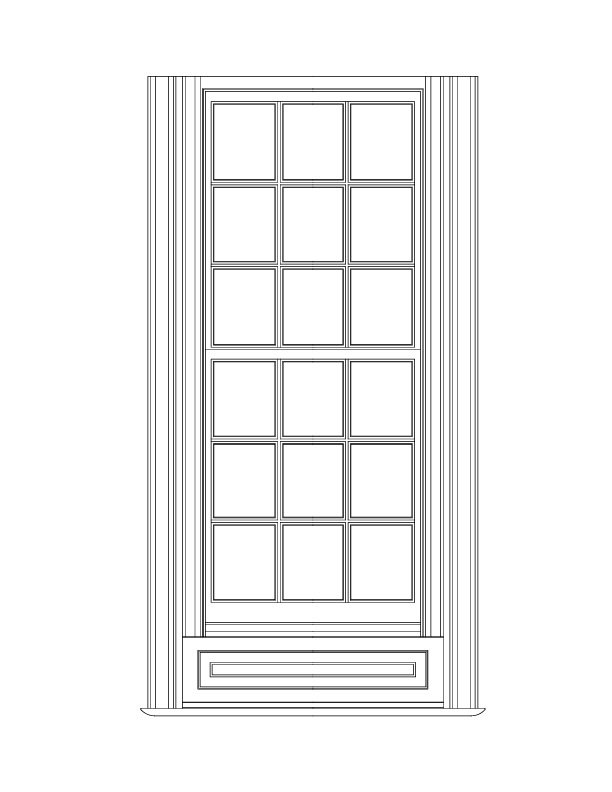
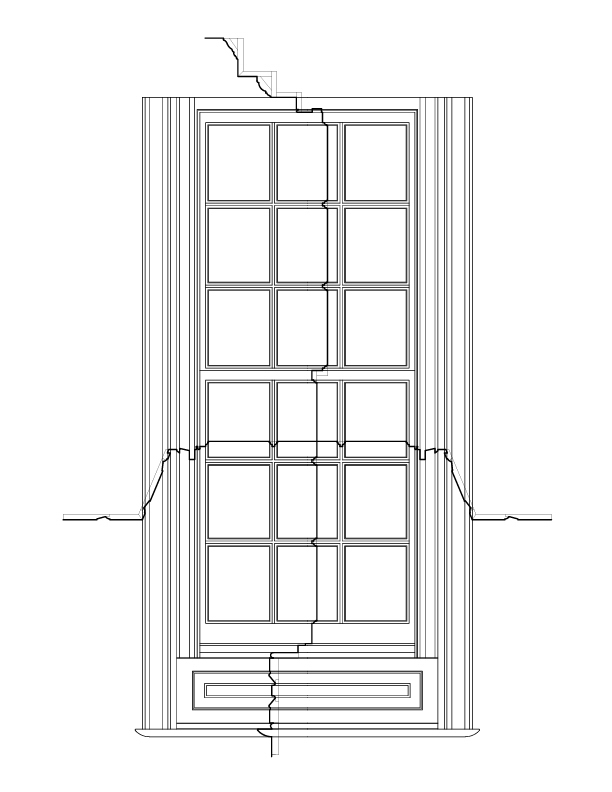
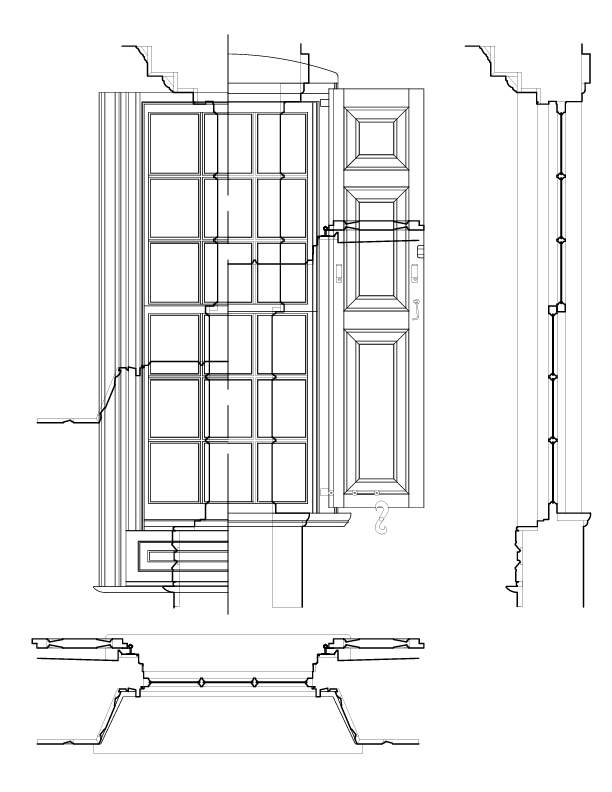
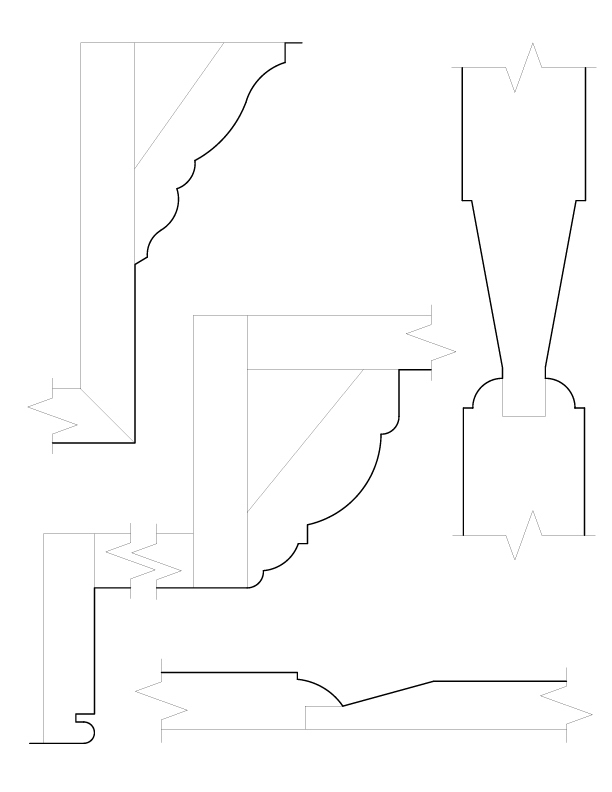
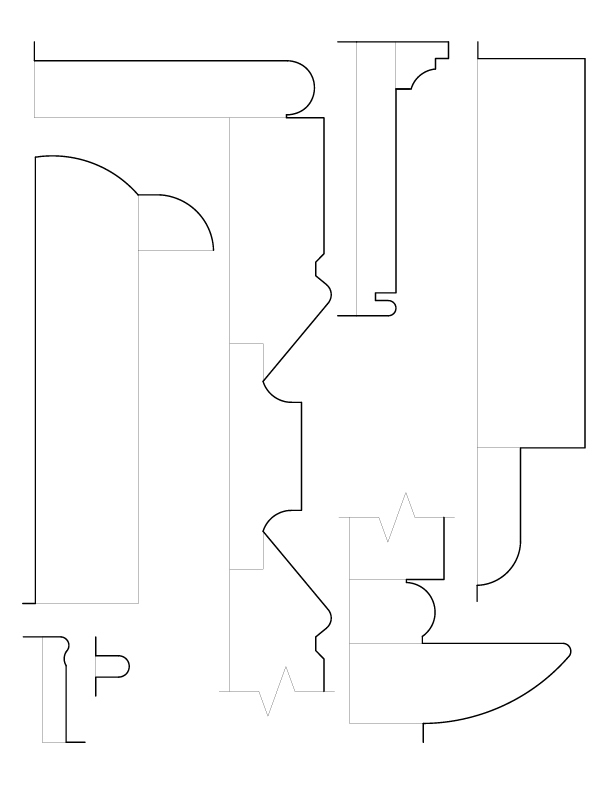
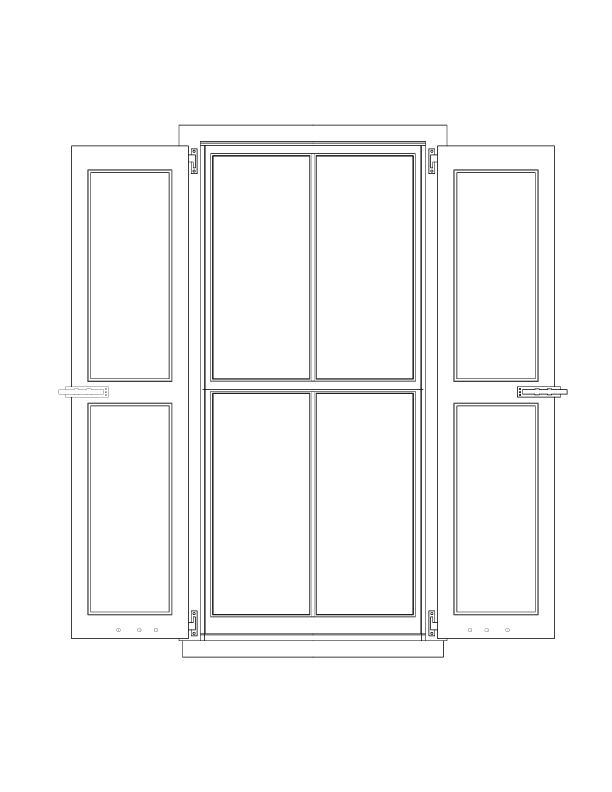
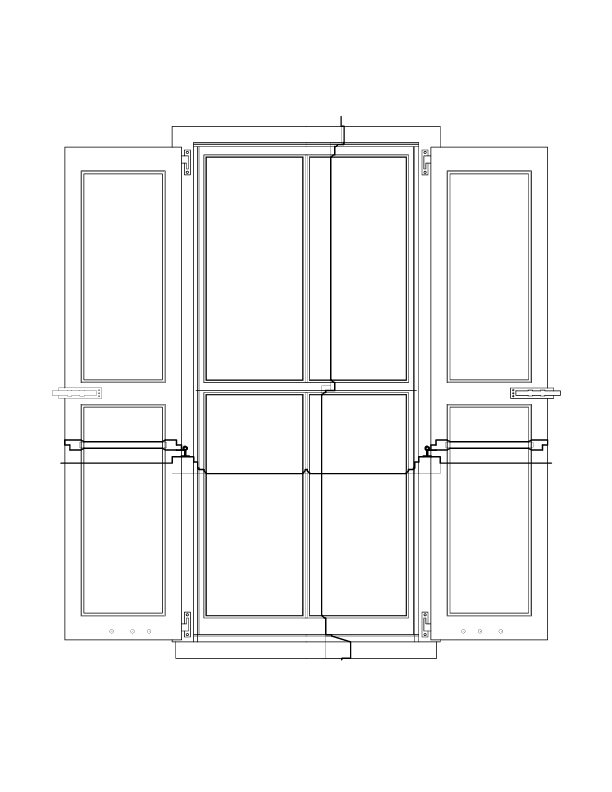
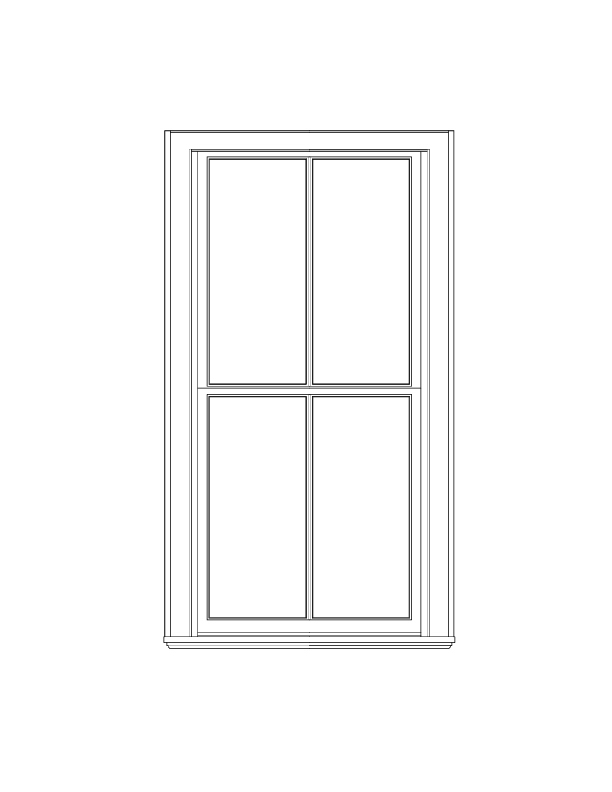
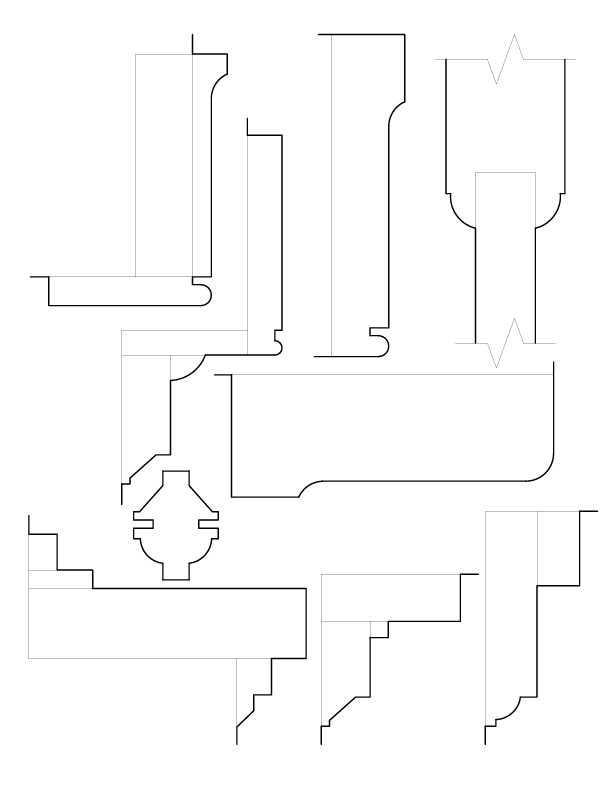
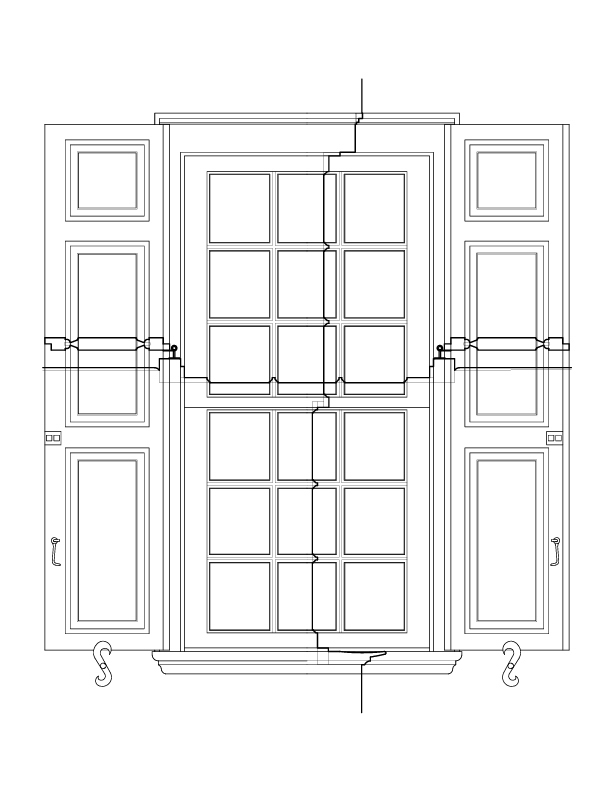
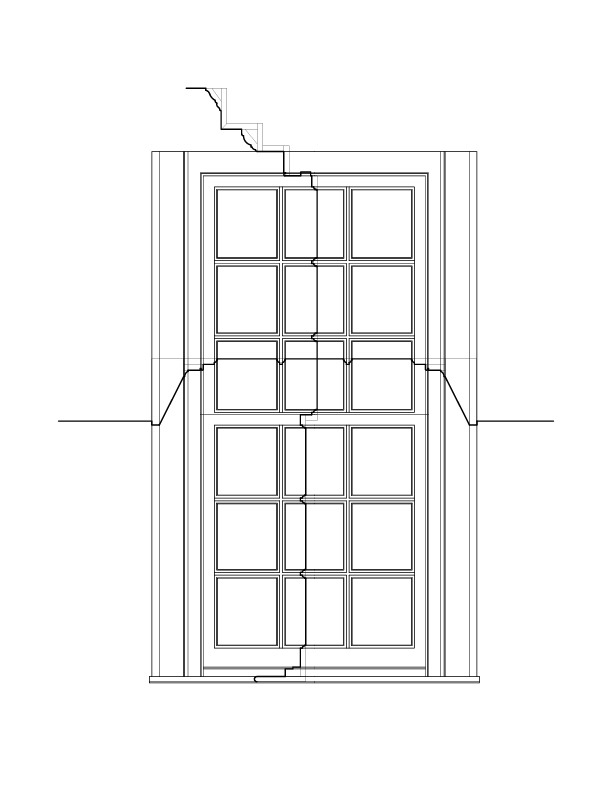
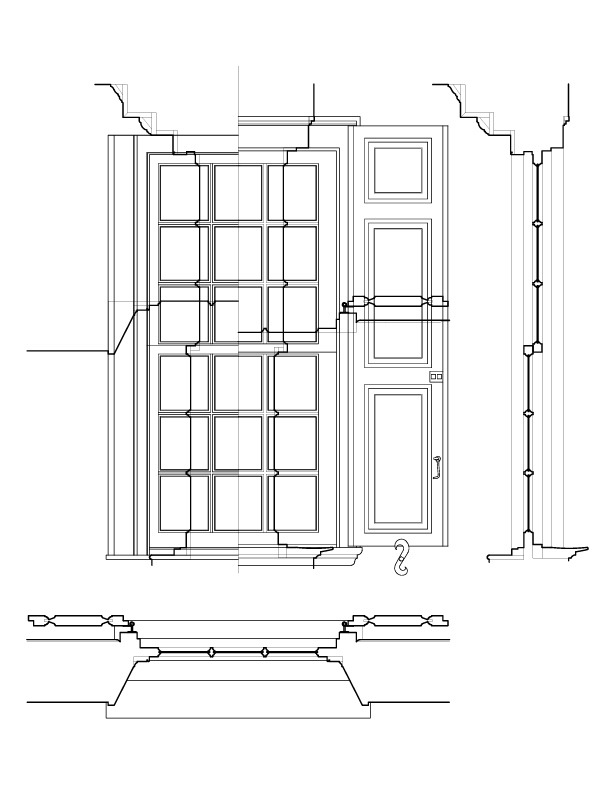
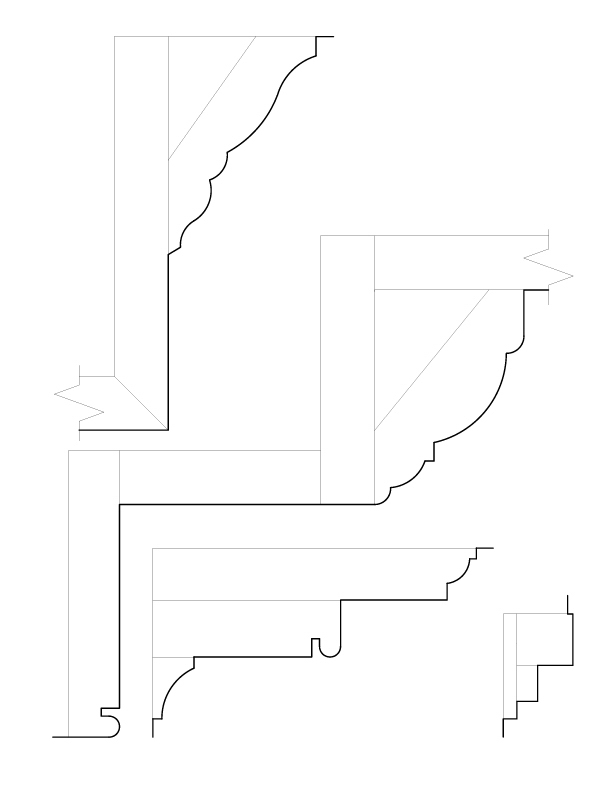
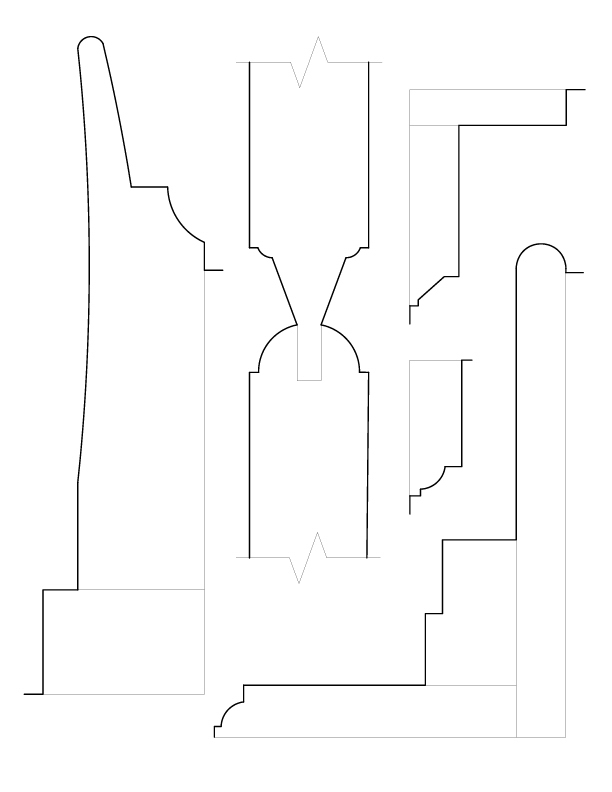
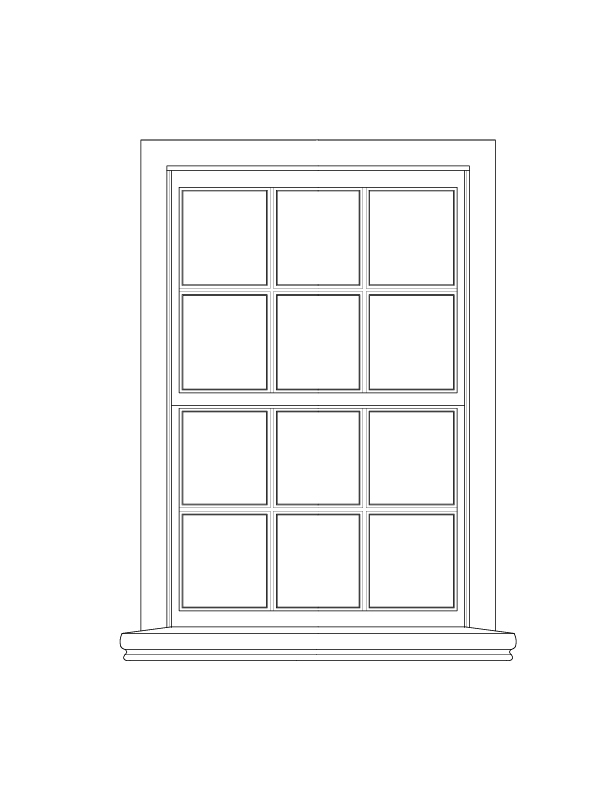
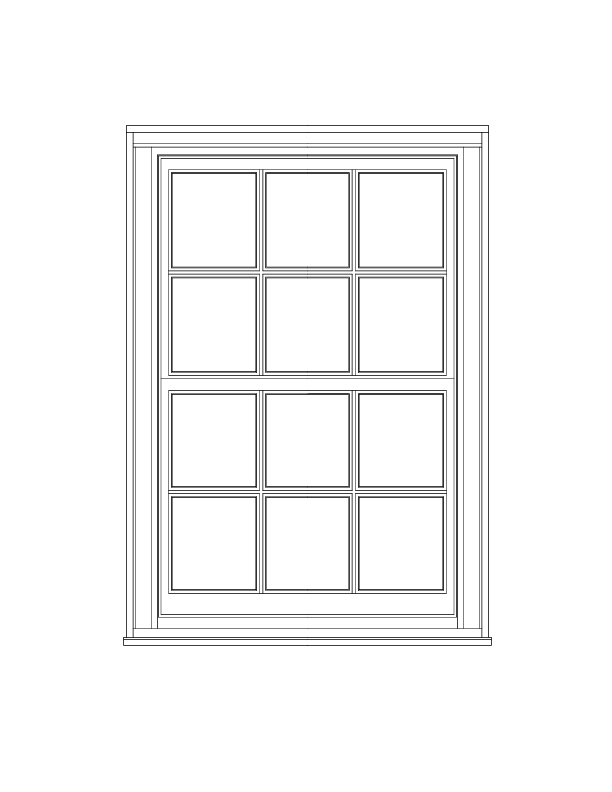
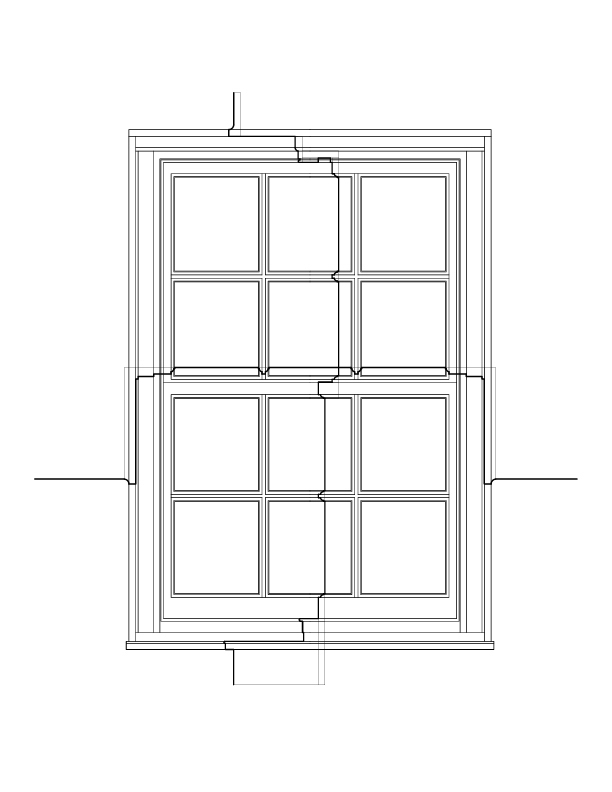
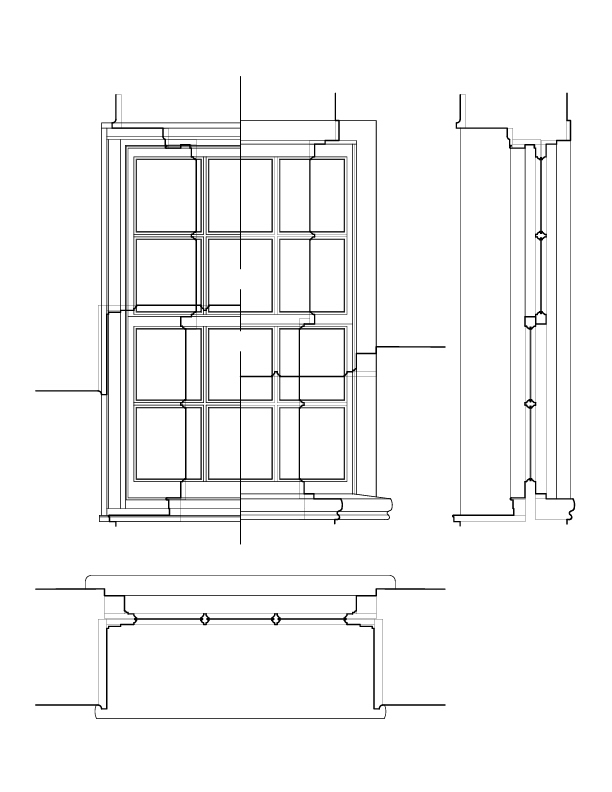
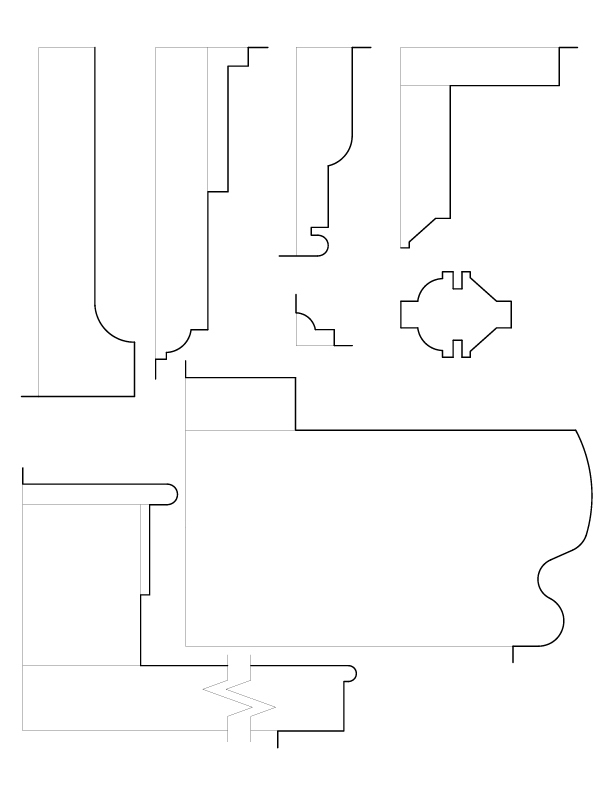
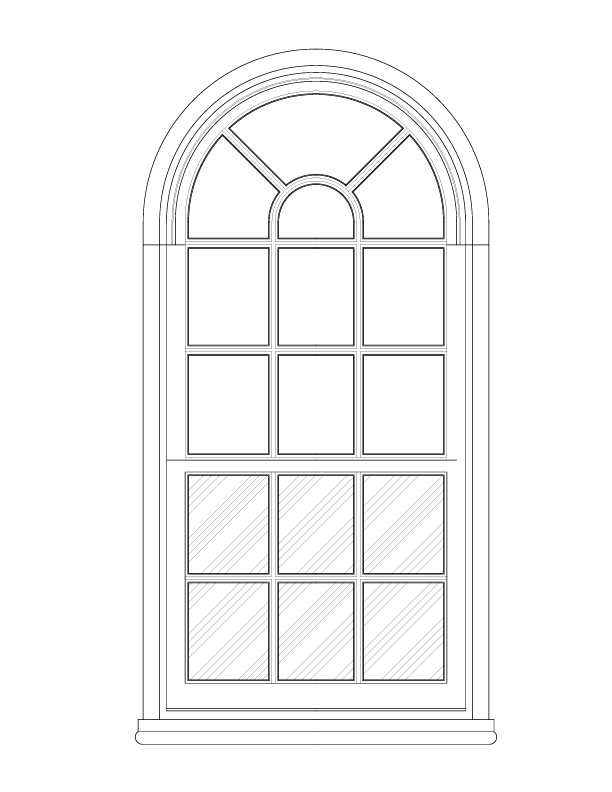
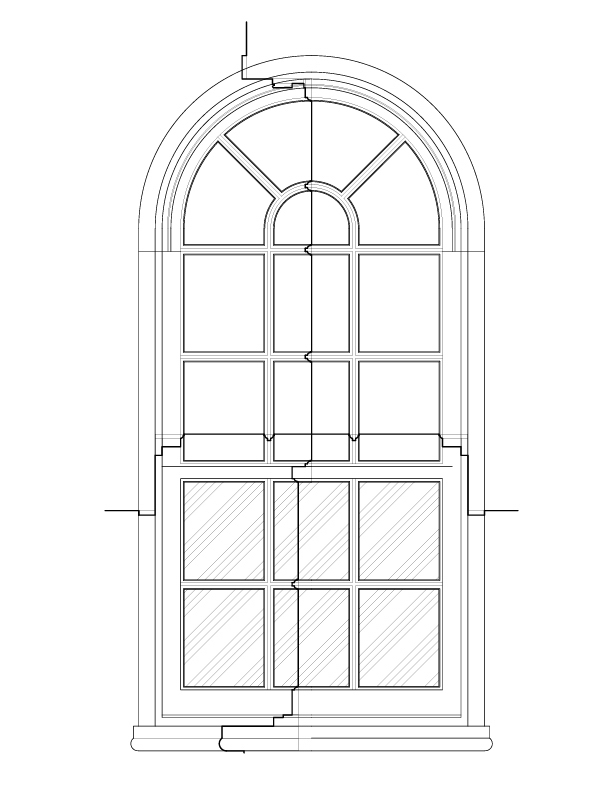
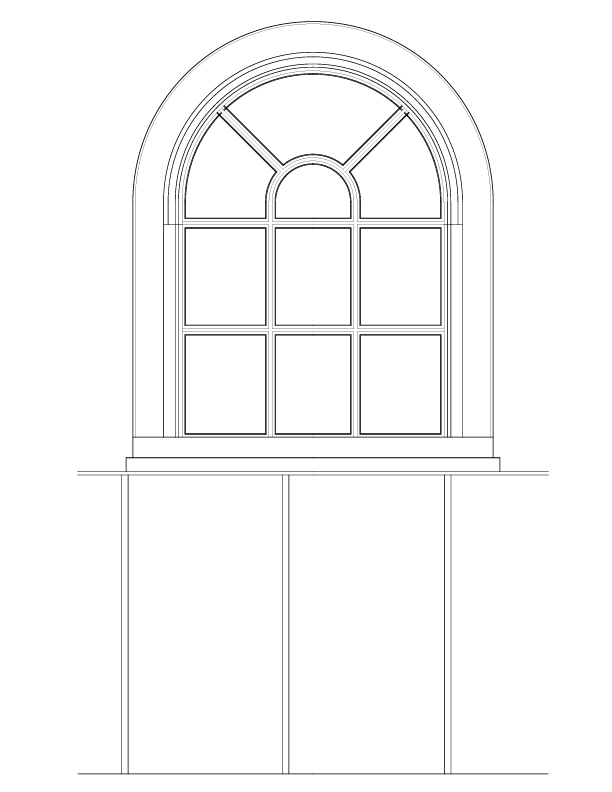
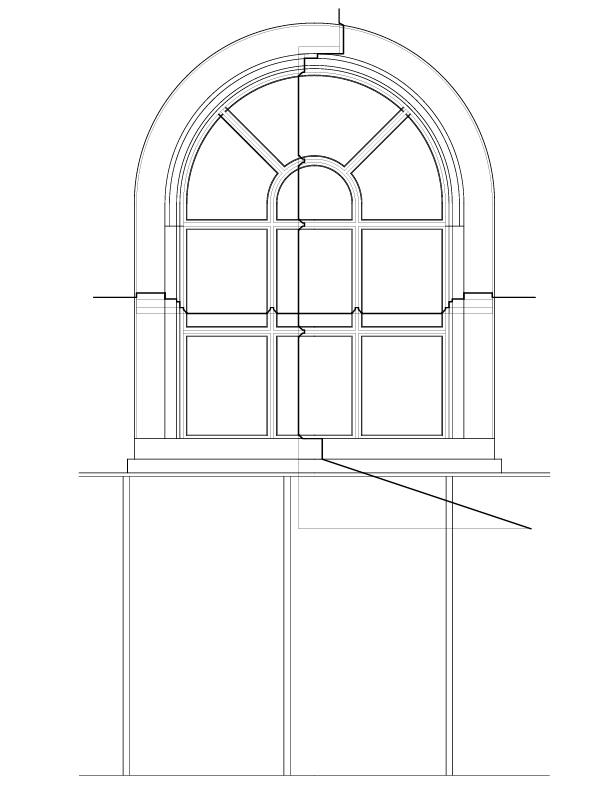
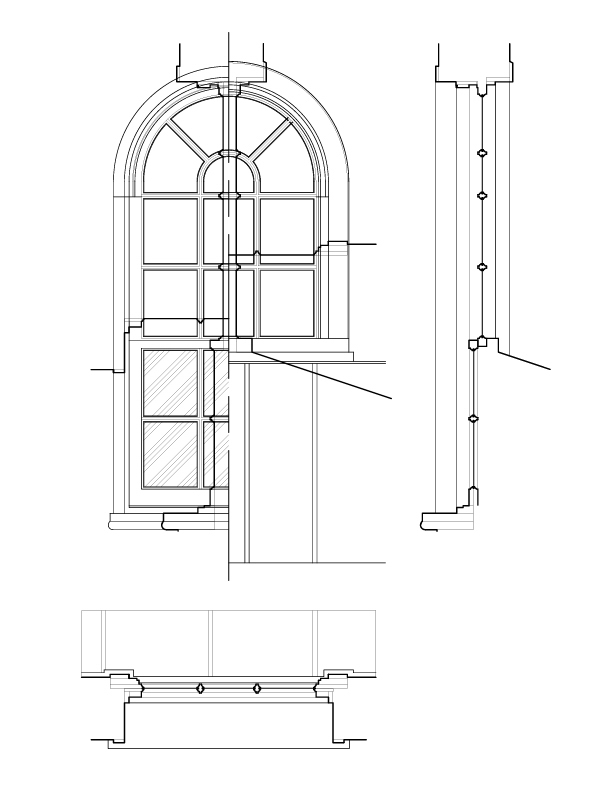
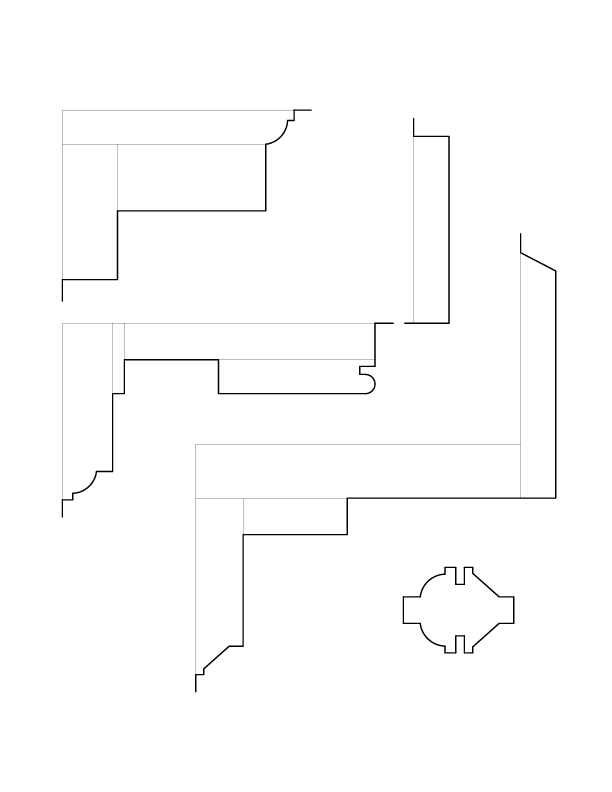
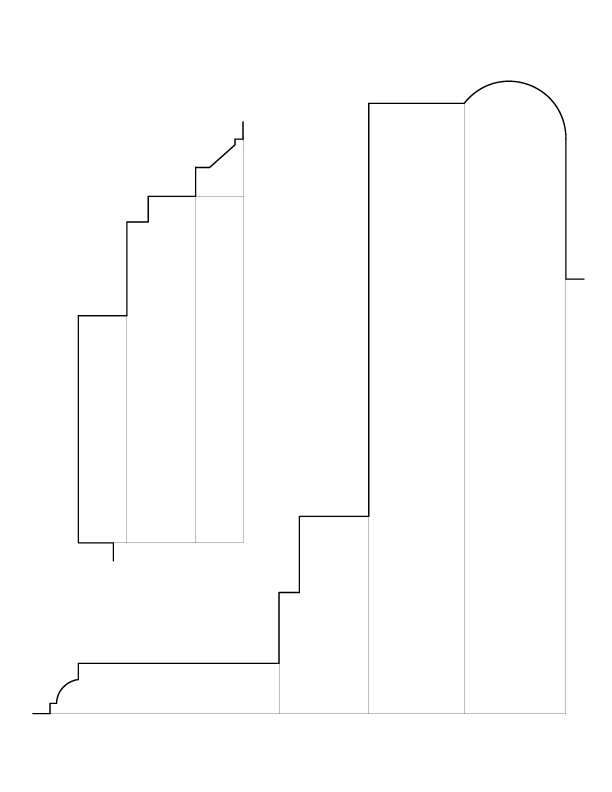
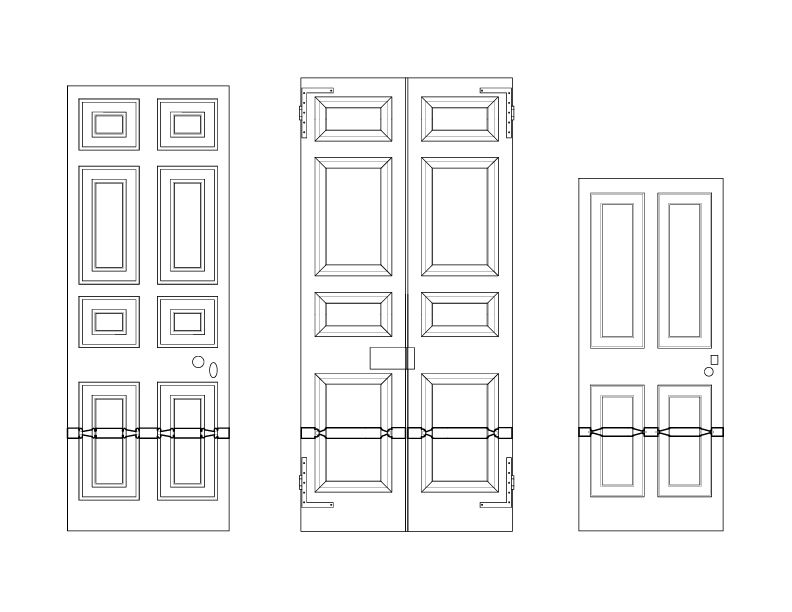
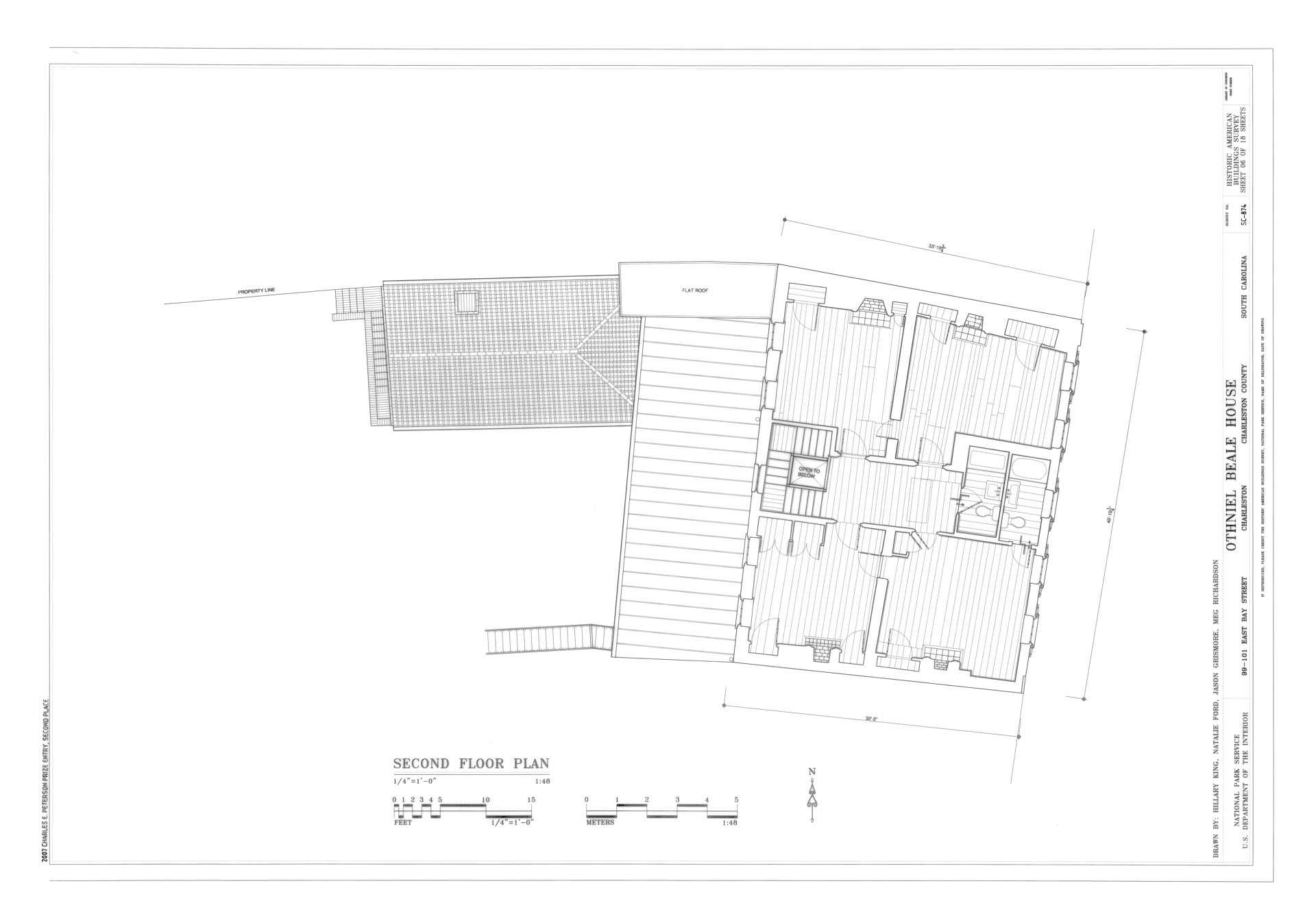
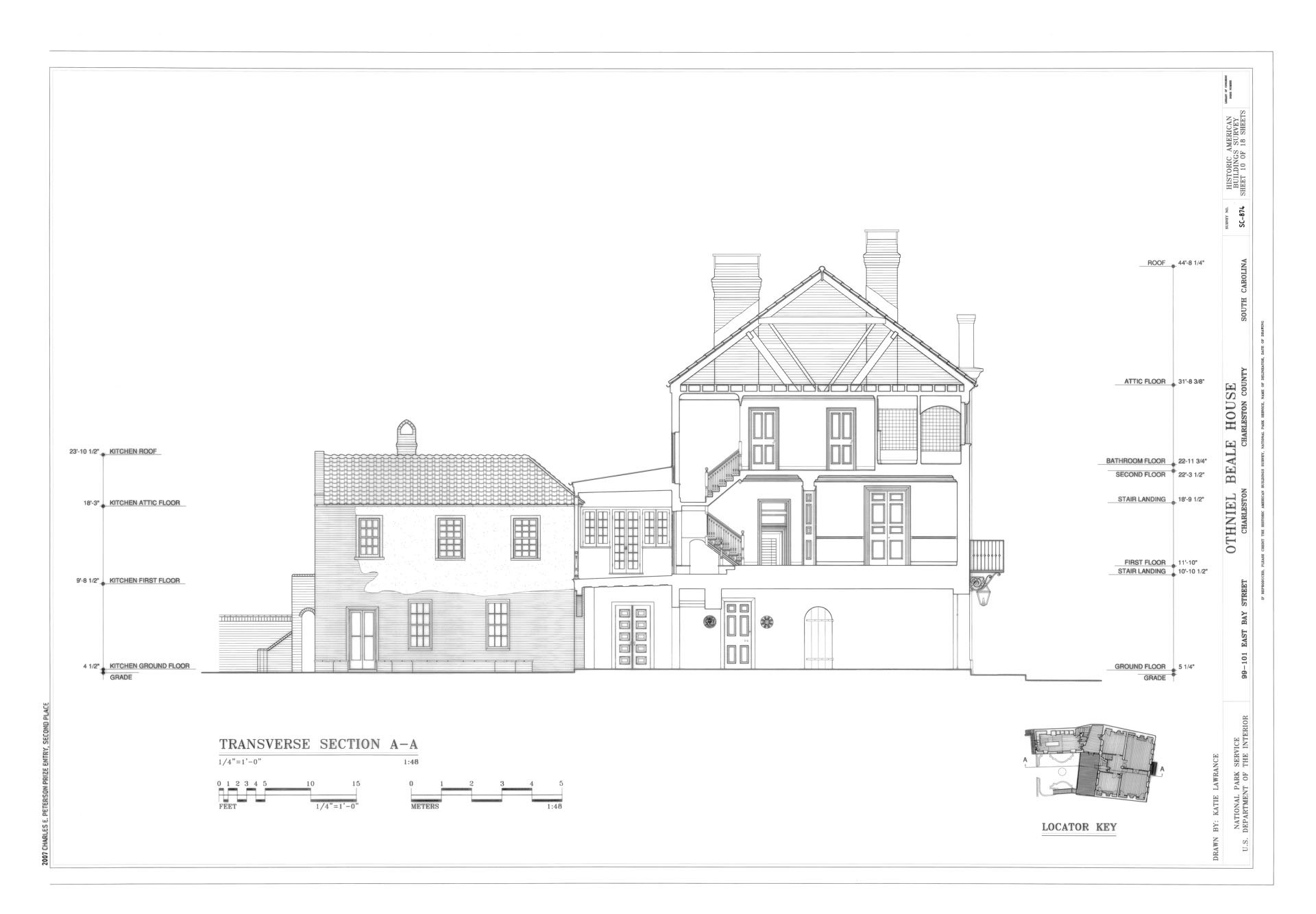
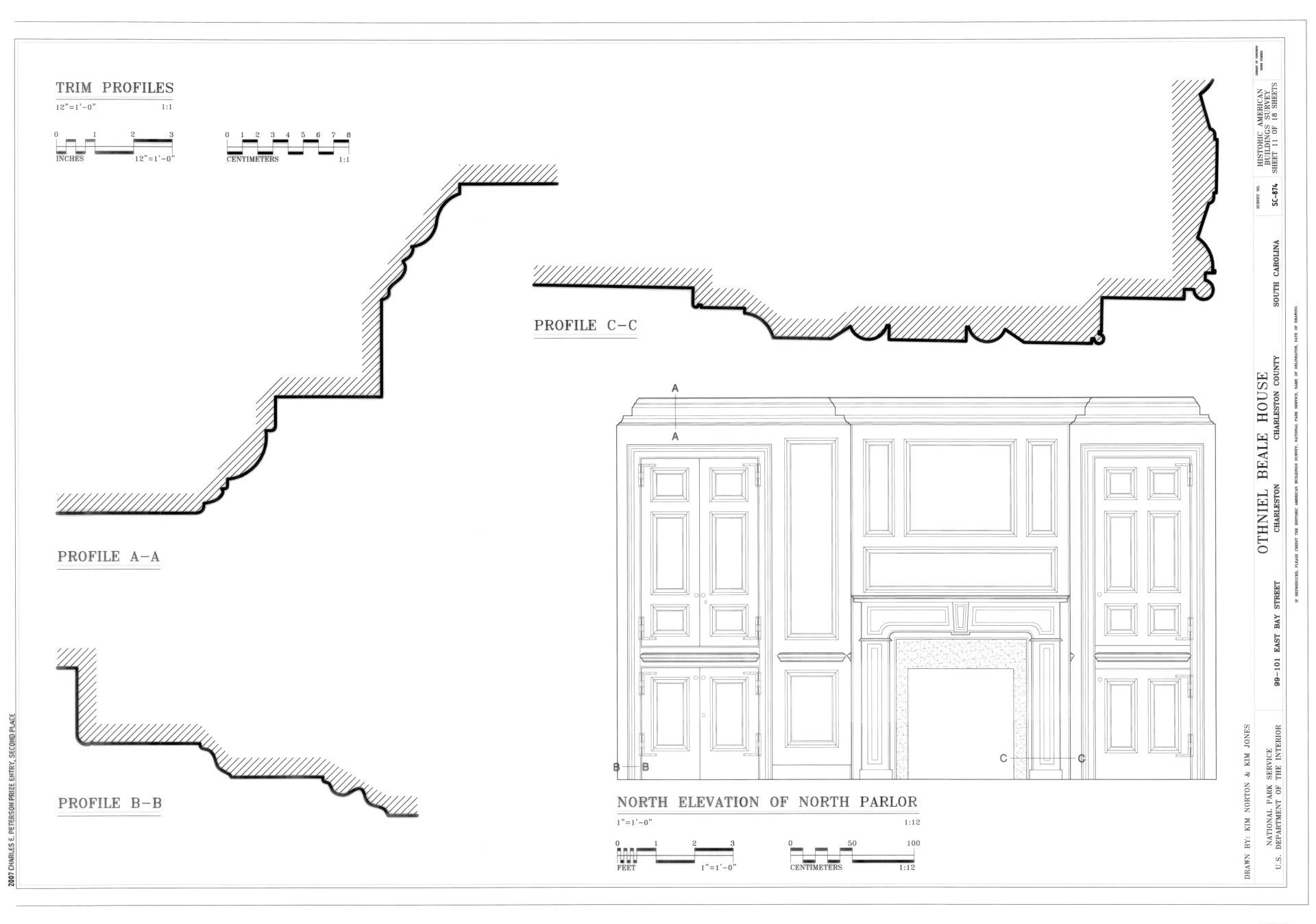
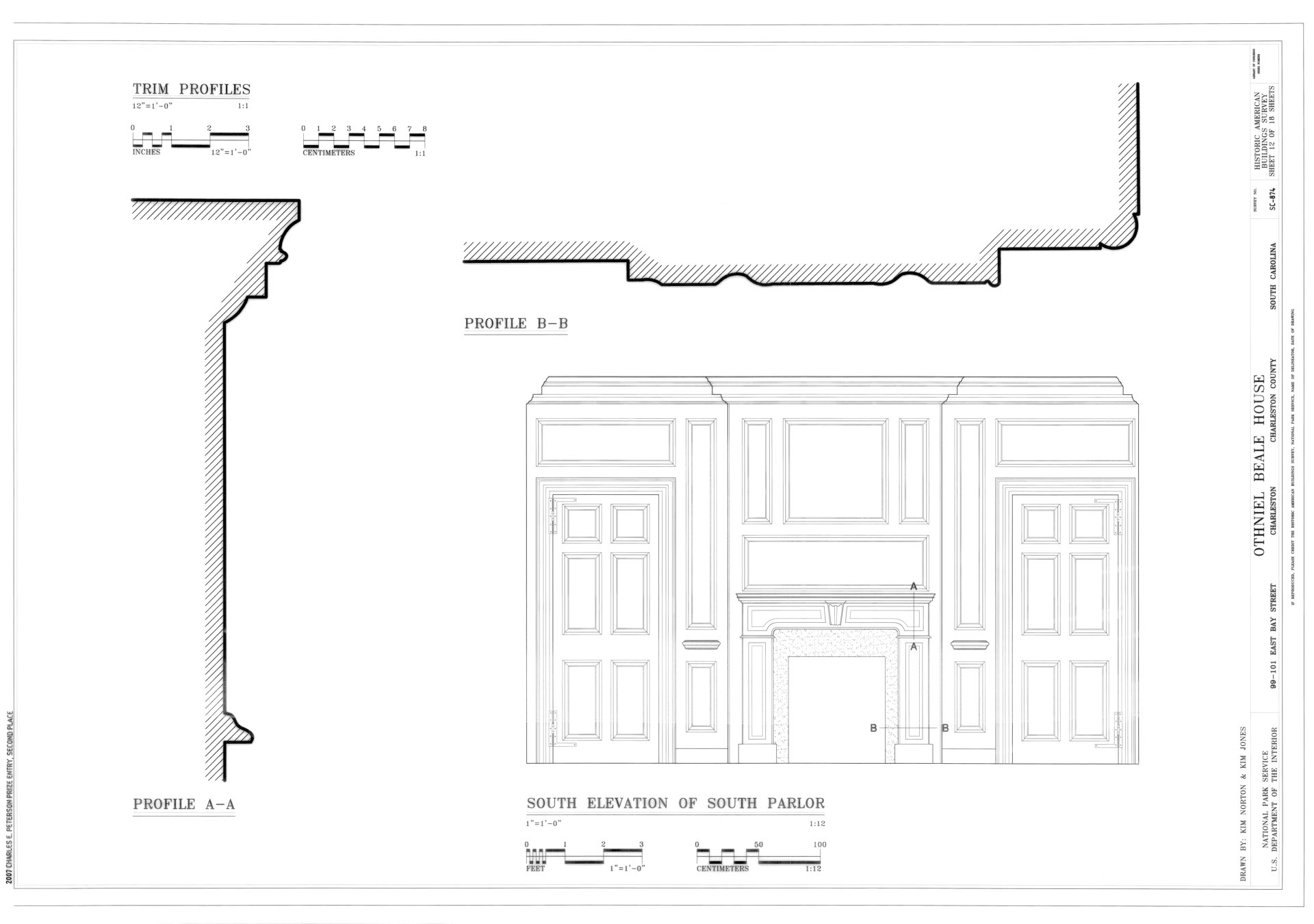
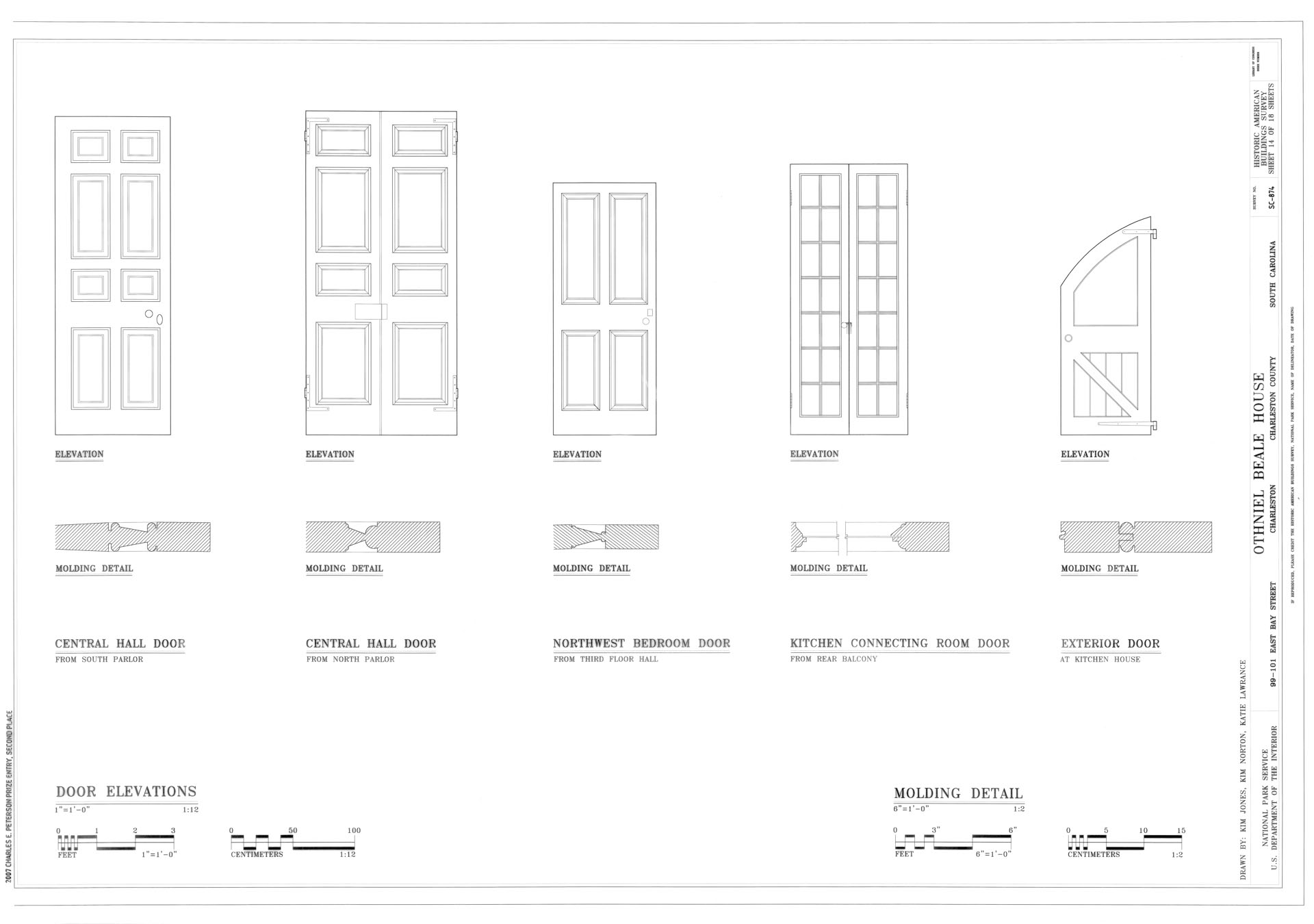
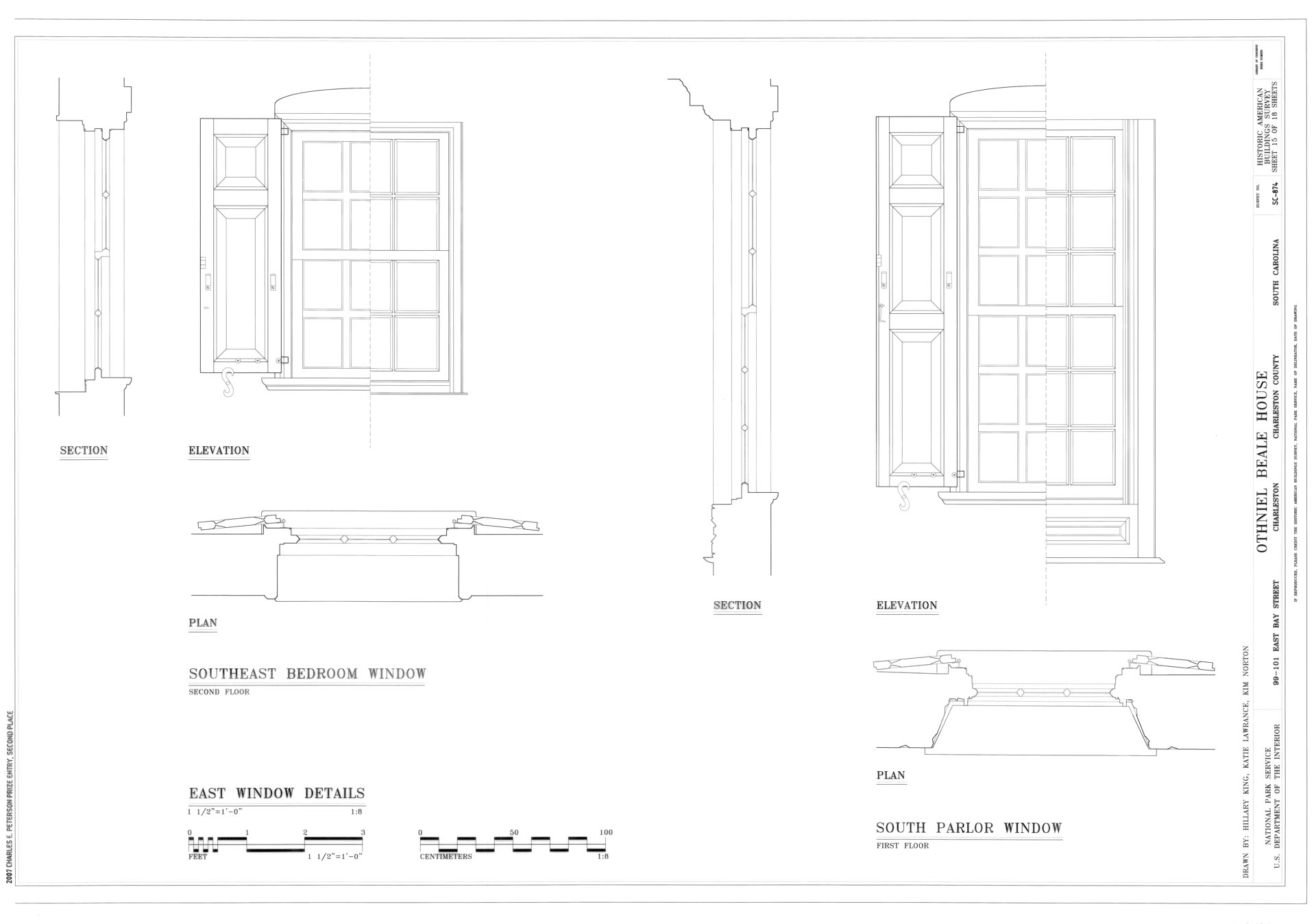
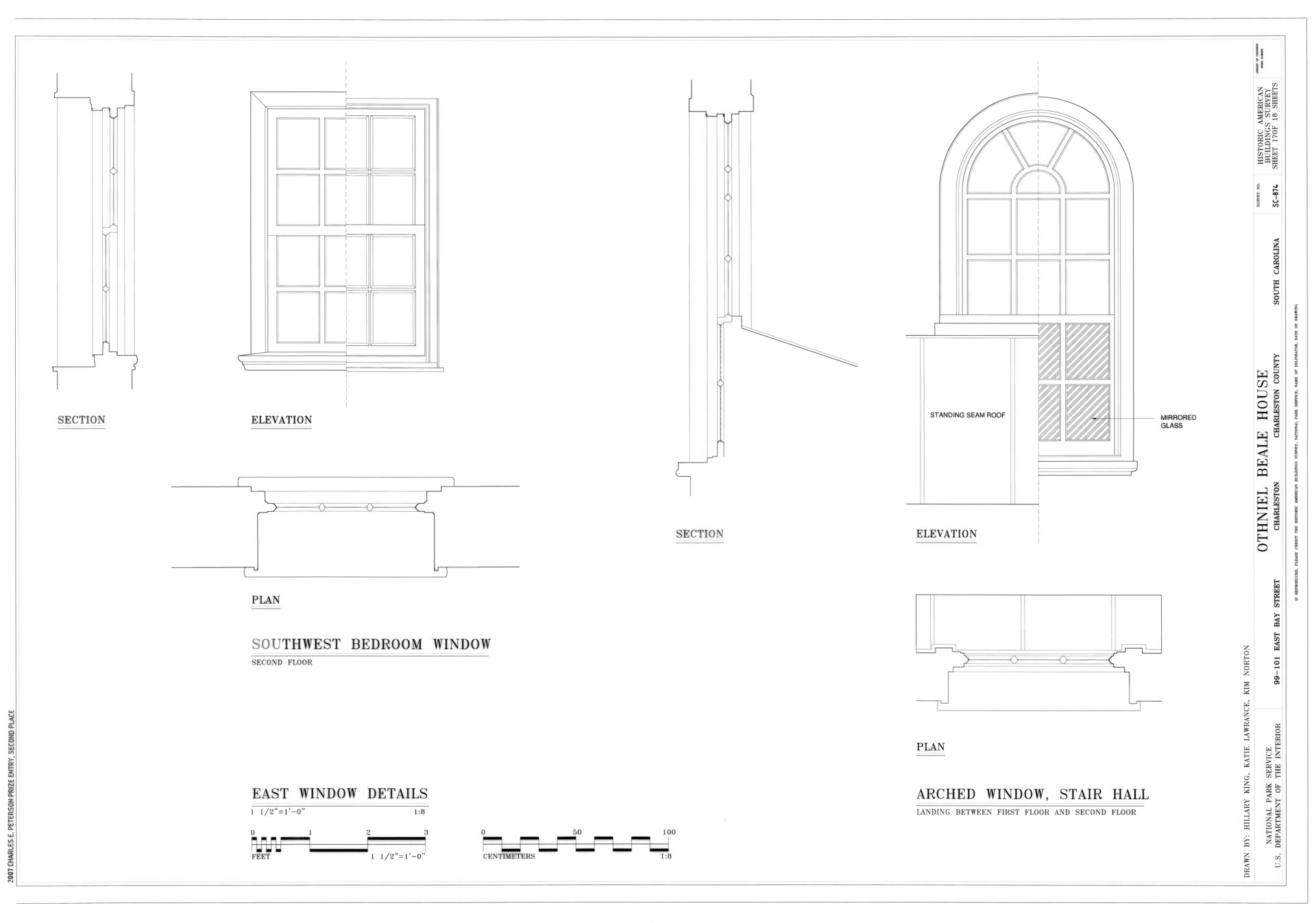
The interior presents a more articulated composition. Mantels emphasize vertical proportion; their members are drawn upward with a controlled sense of extension. This same discipline carries through the paneling, where the disposition of stiles and rails establishes a steady order across the wall surface. Interior windows are set deep within the wall thickness, their surrounds reinforcing the transition between spaces while admitting light with measured deliberation. Together, these elements define the rooms through proportion and surface rather than overt display.
The house also occupies a consequential position in Charleston's preservation history. In 1931, Judge Lionel Legge and Dorothy Porcher Legge commenced the restoration of 99–101 East Bay Street, making it the first property within what would later become Rainbow Row to undergo such intervention. That endeavor helped shape the preservation of the surrounding structures and established the character of the street as it is recognized today. The Othniel Beale House remains an unambiguous record of both its early construction and its subsequent restoration, linking the commercial origins of East Bay Street with the city's enduring commitment to its built environment.
Built in 1740 and is located along Rainbow Row, the name for a series of thirteen colorful historic homes in Charleston, South Carolina.