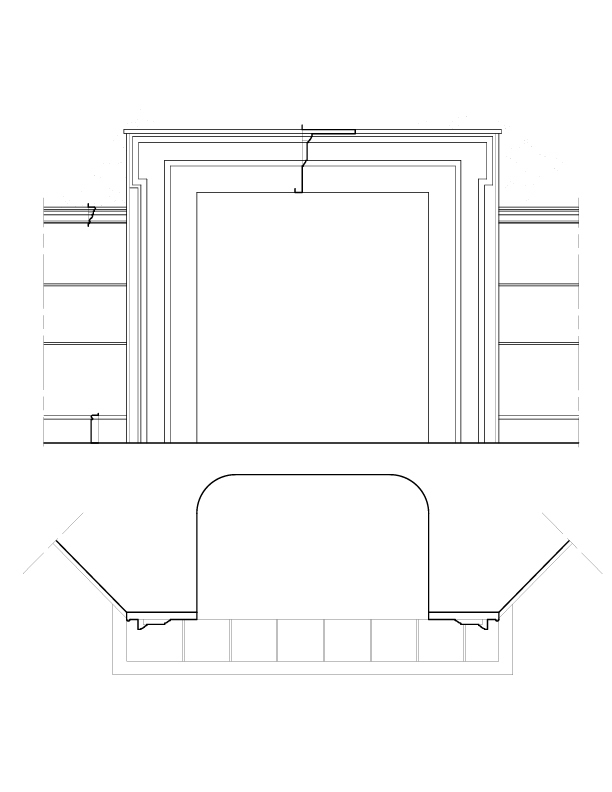
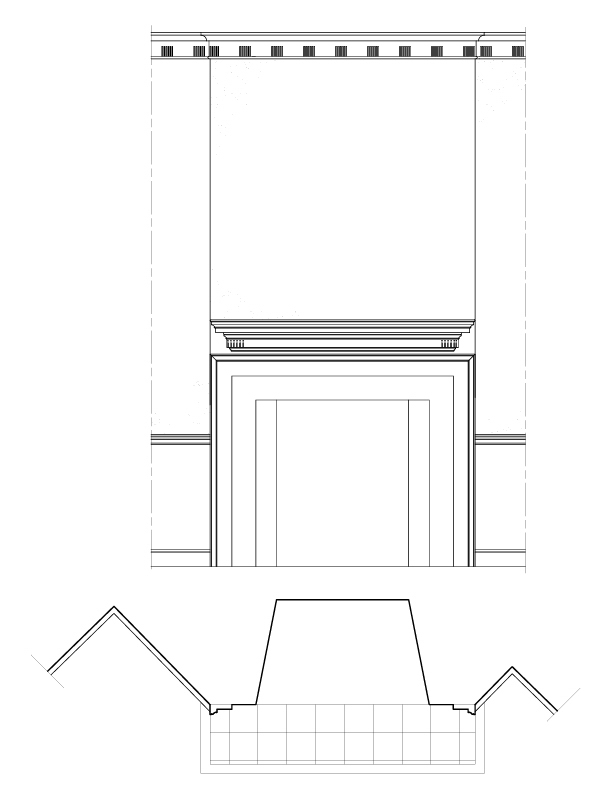
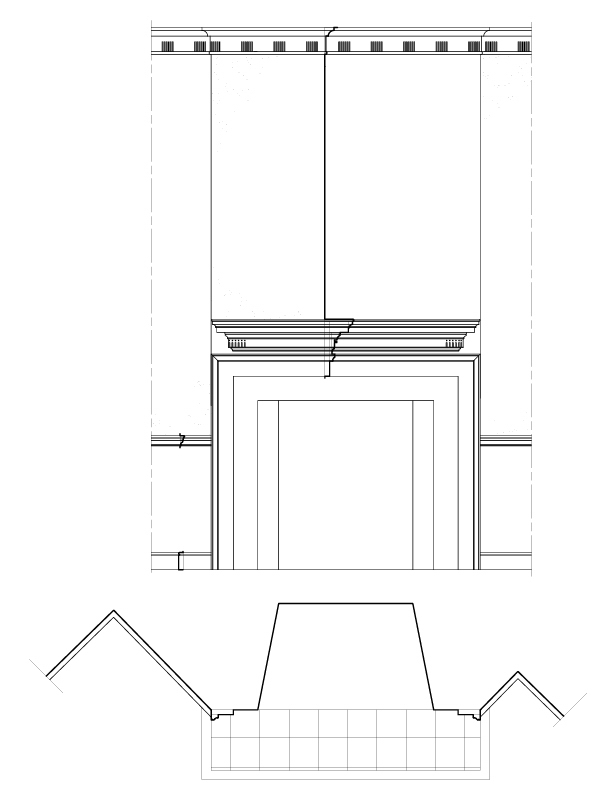
SOUTH OF U.S. 17 ON STRATTON PLACE, MOUNT PLEASANT, CHARLESTON COUNTY, SOUTH CAROLINA
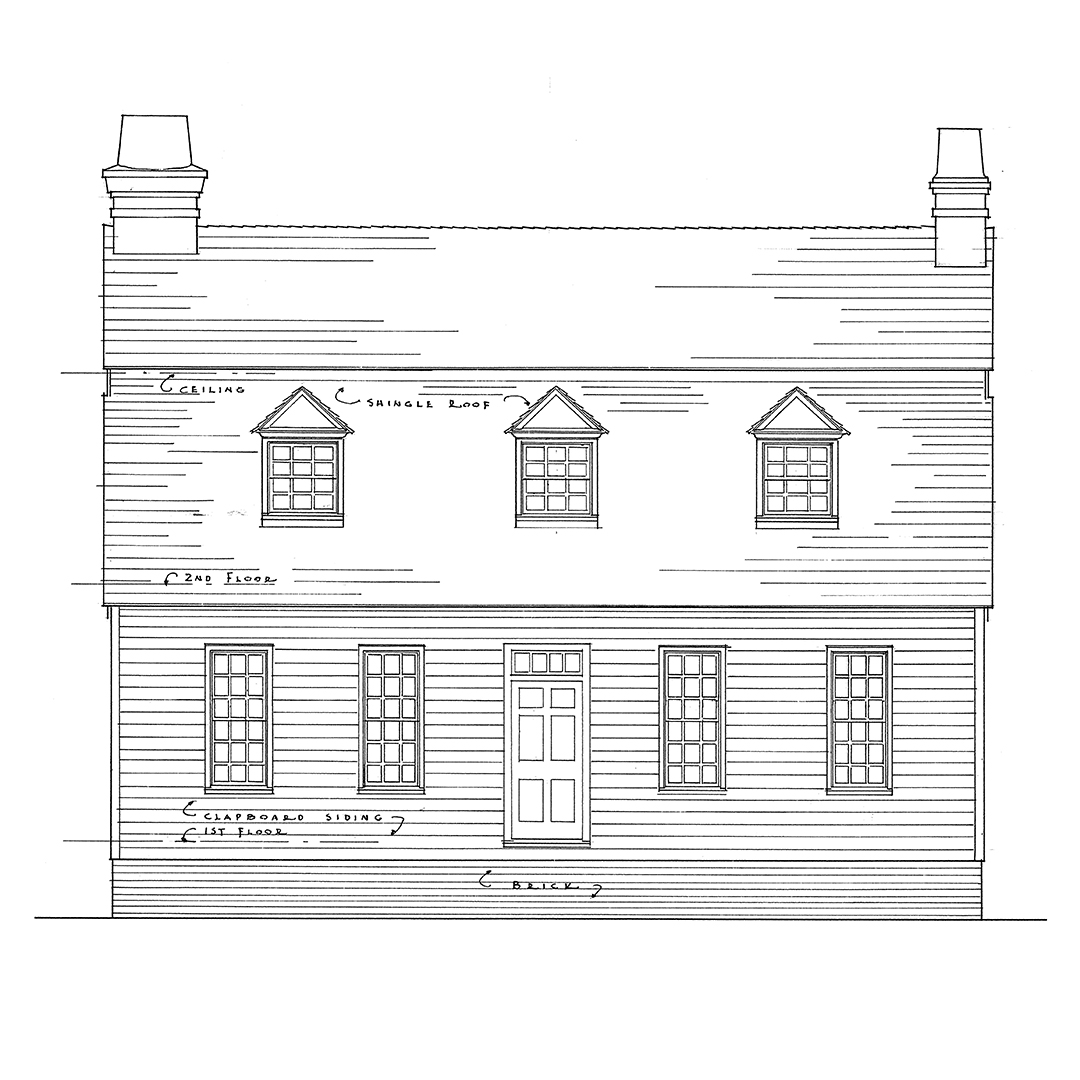
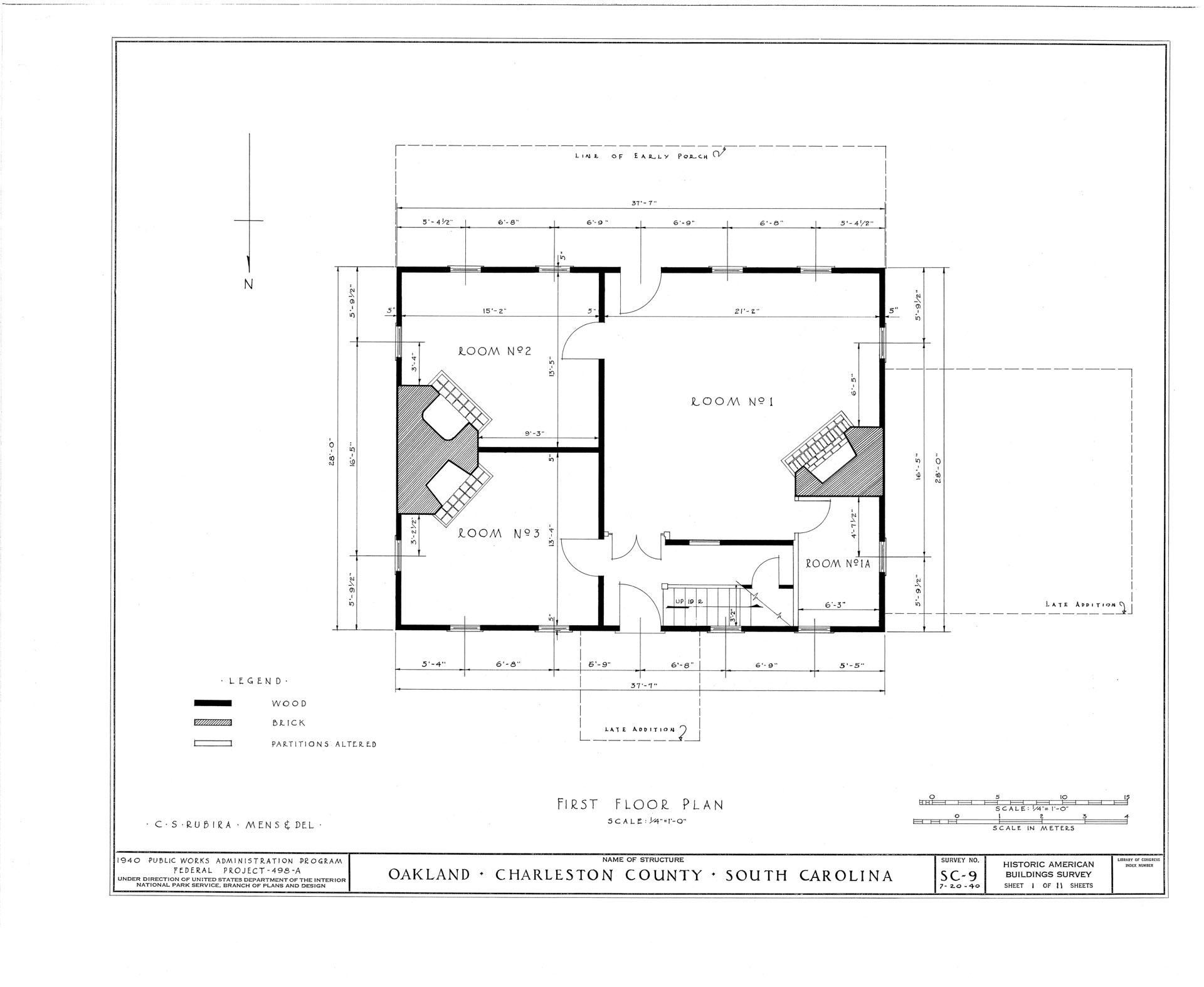
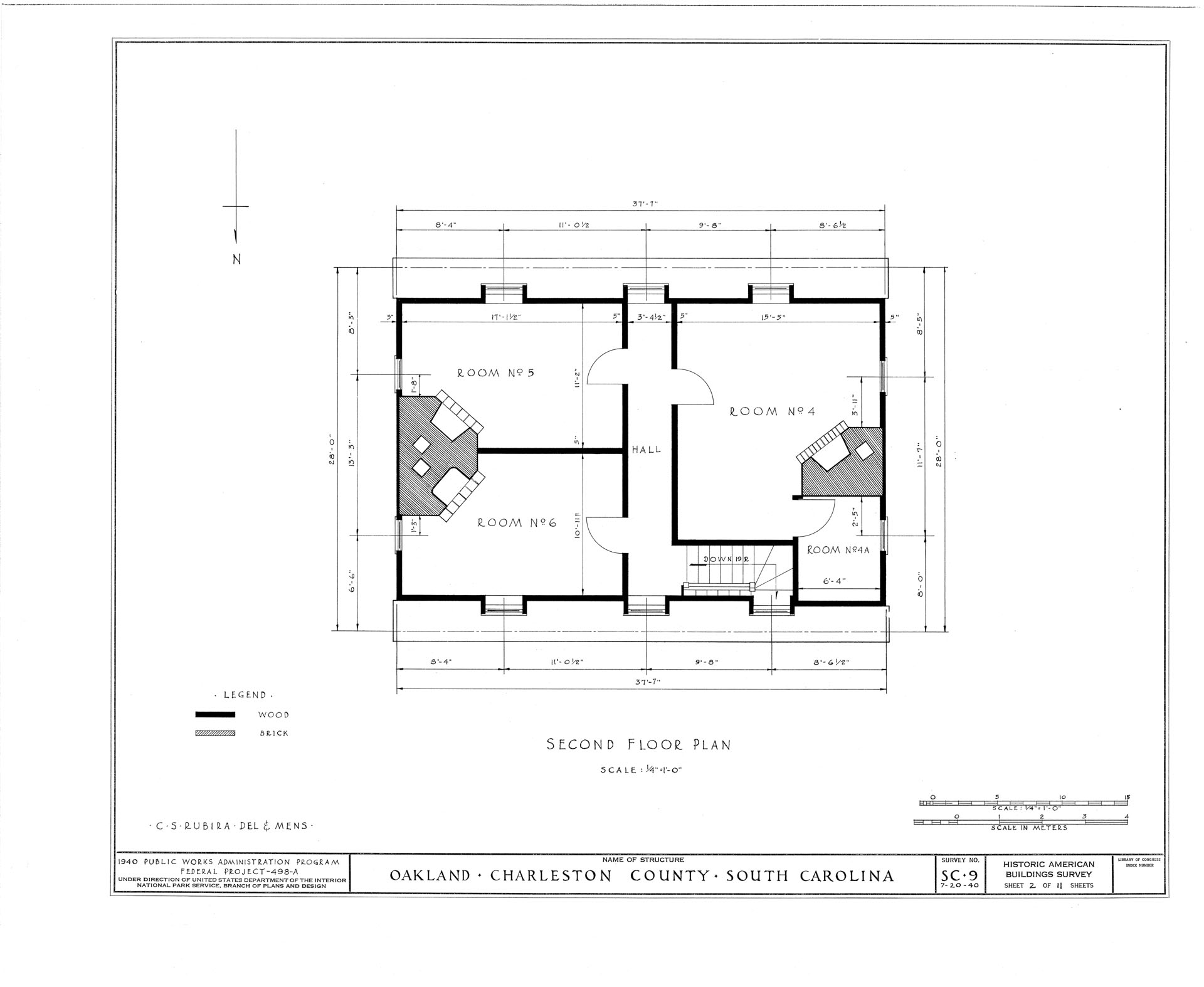
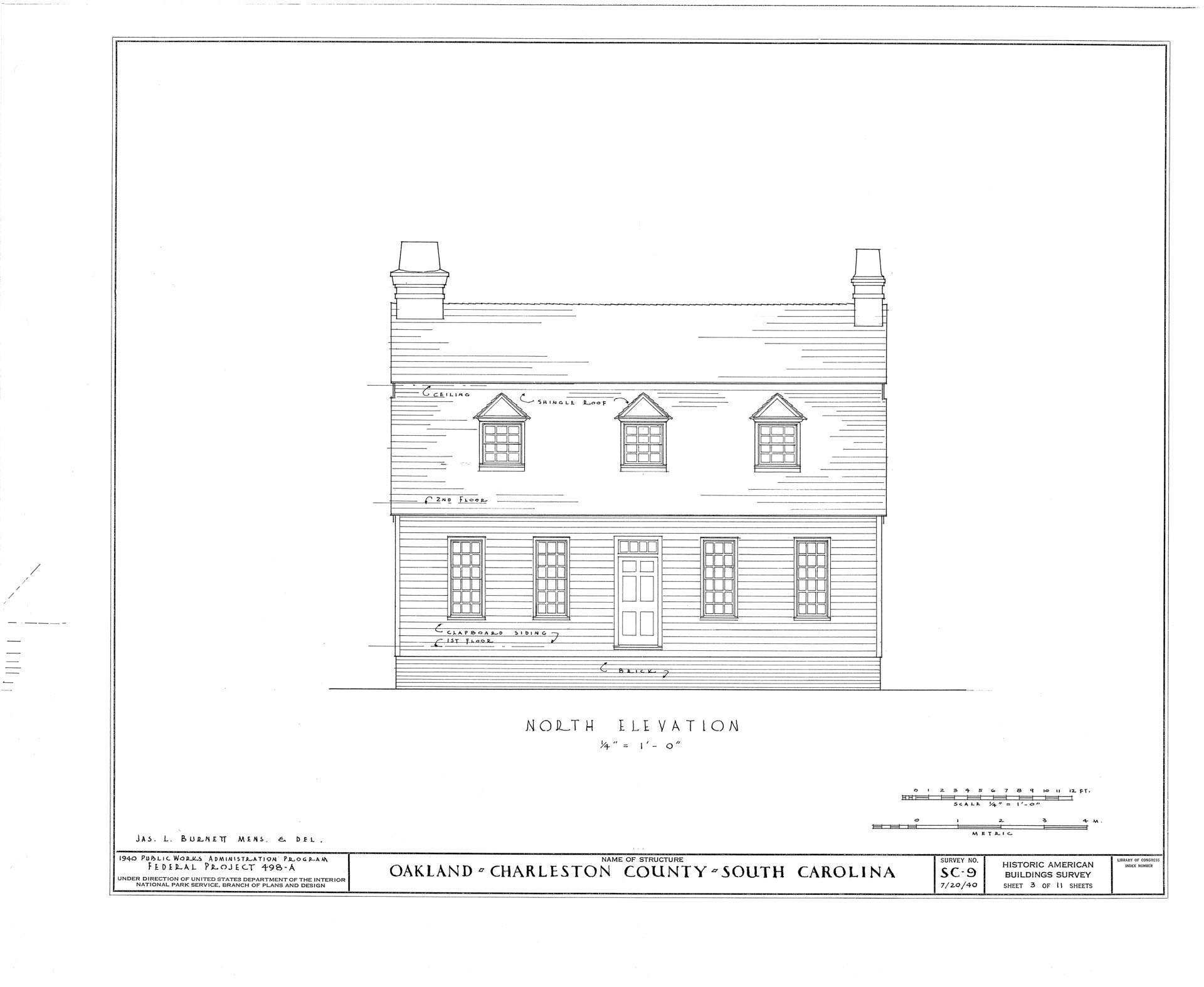
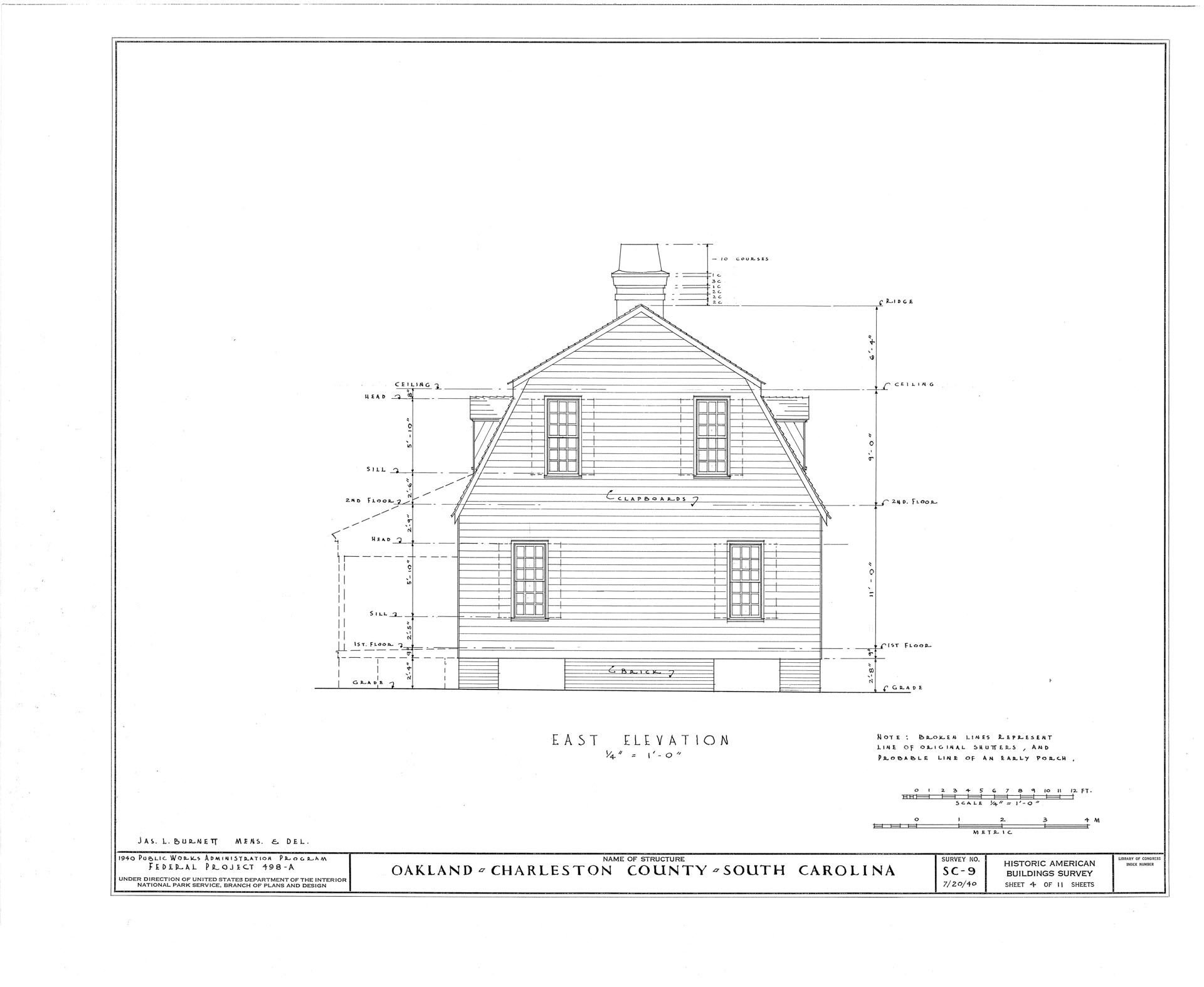
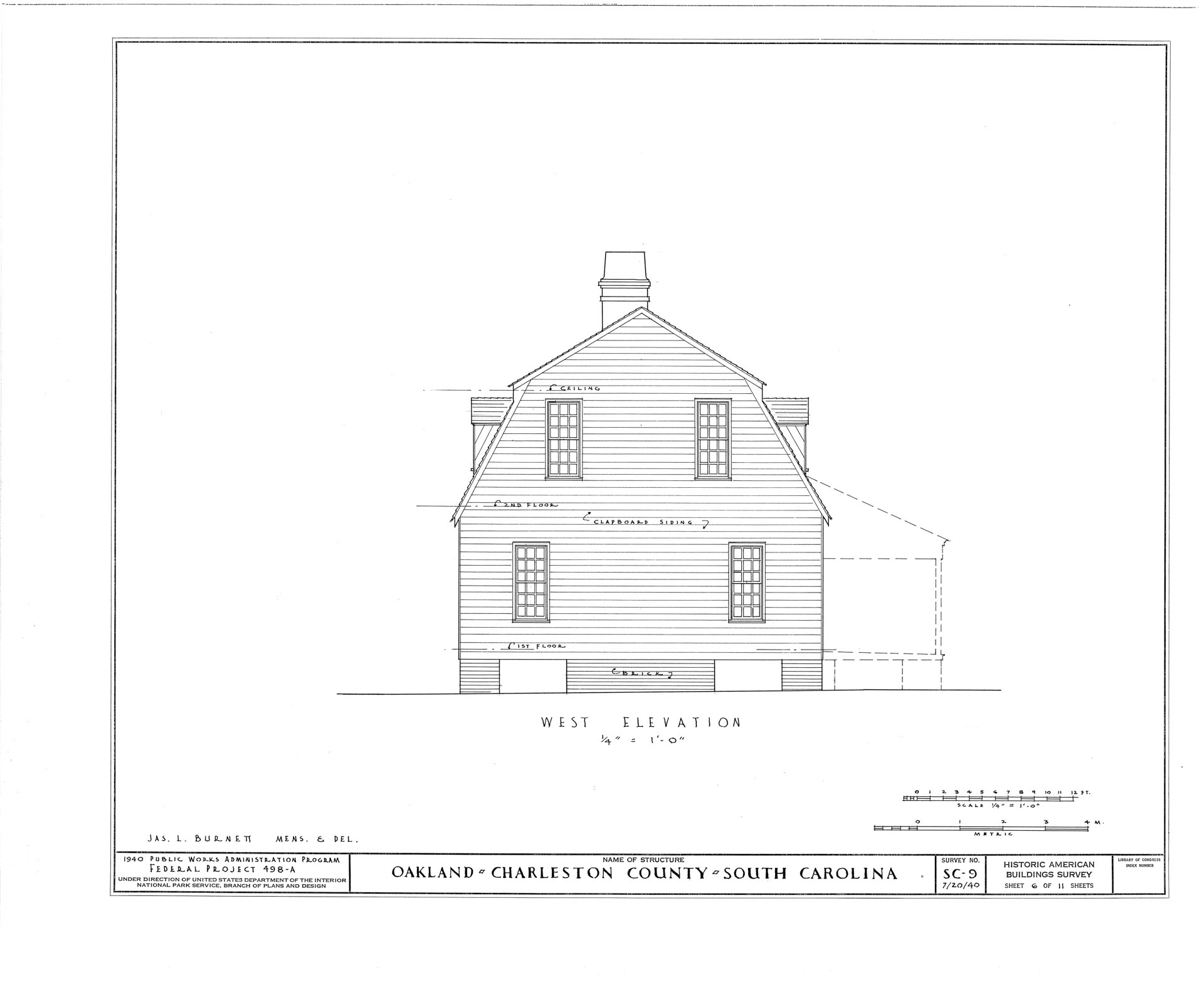
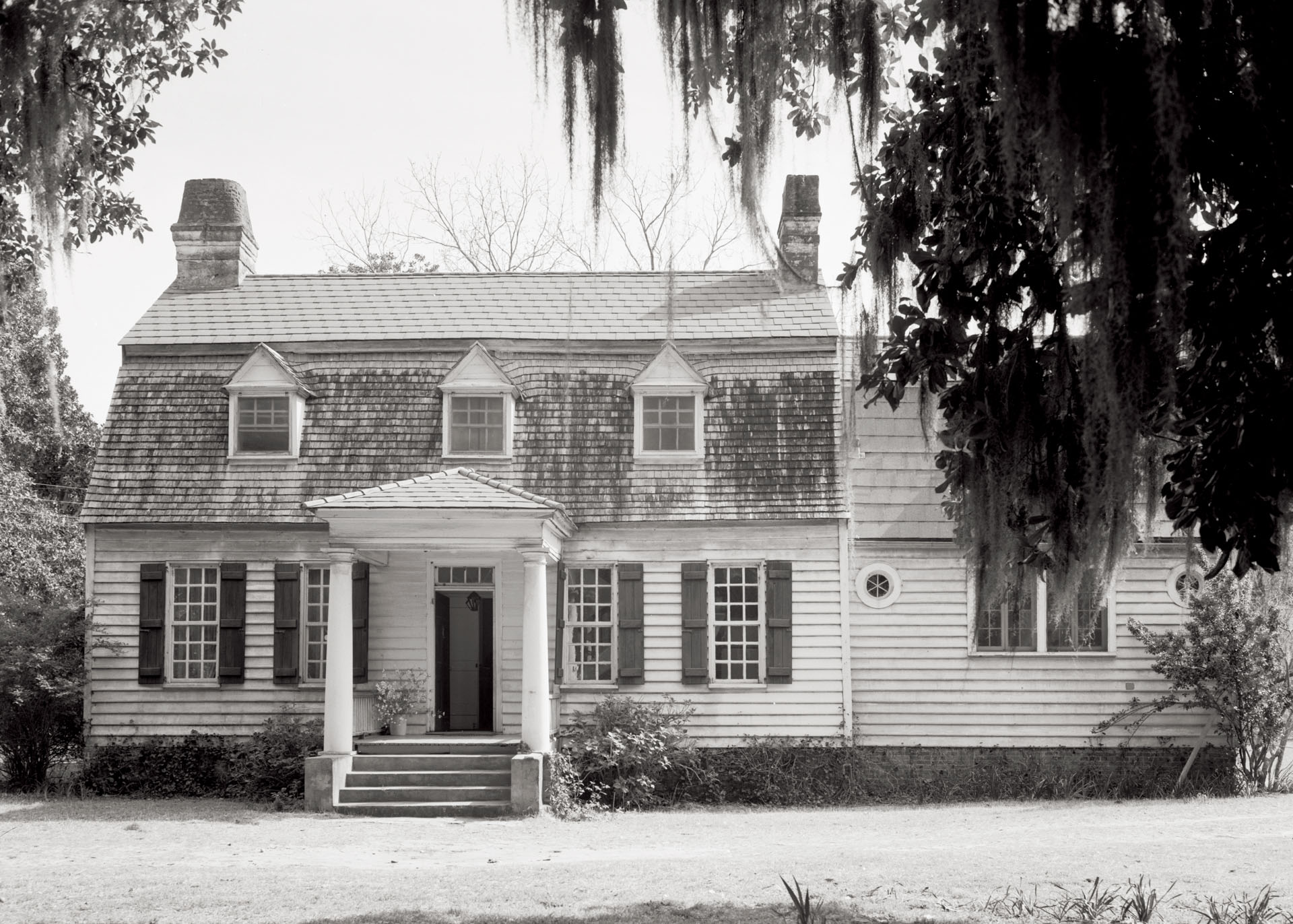
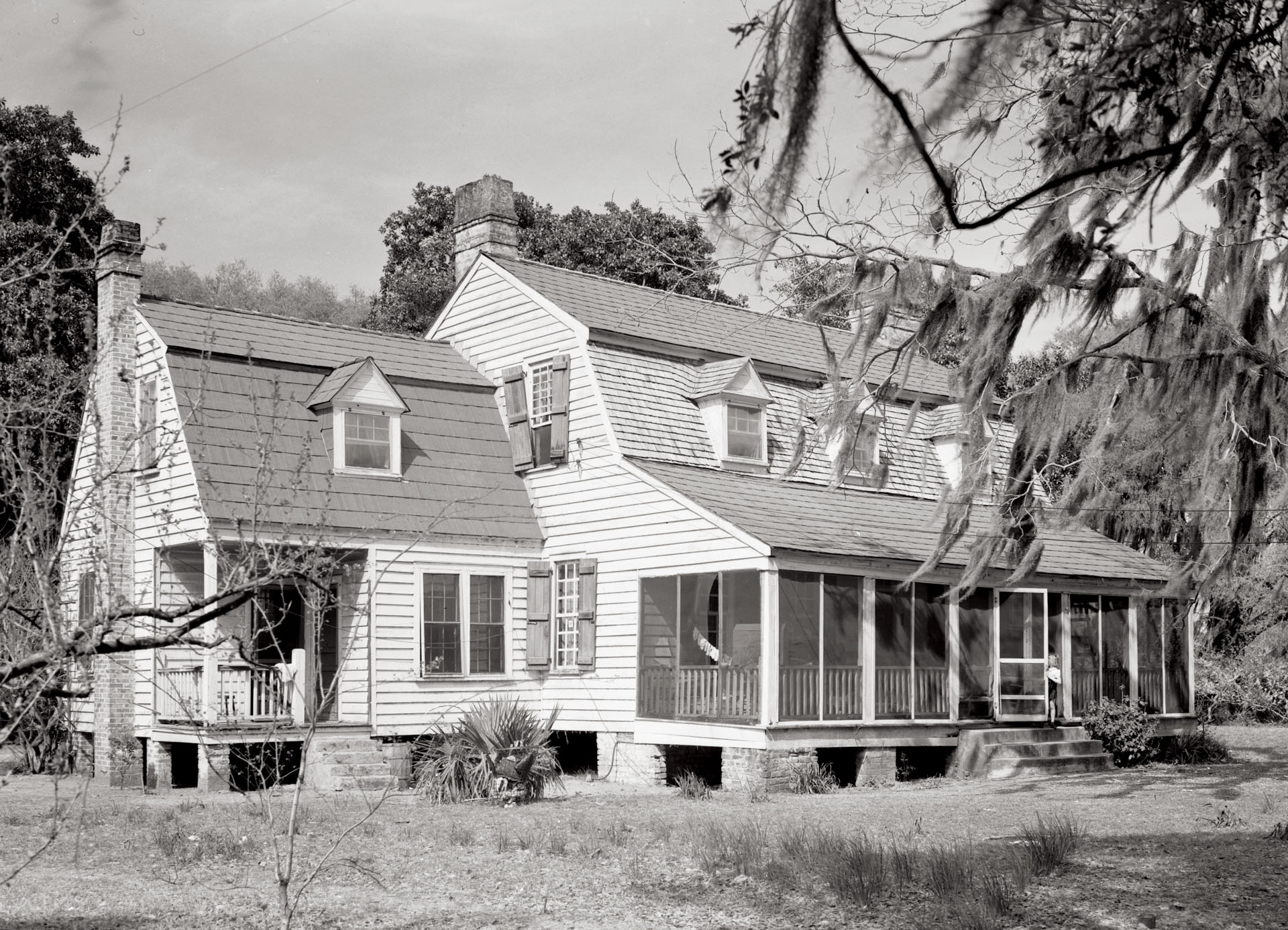
At Oakland Plantation in Mount Pleasant, South Carolina, the house endures as a rare surviving exemplar of an eighteenth-century Lowcountry plantation residence, distinguished by its gambrel roof and elevated brick foundation. Erected around 1750 and originally known as Youghall Plantation, the structure reflects an early phase of coastal settlement, wherein English building traditions were methodically adapted to the climatic and environmental imperatives of plantation life along the Charleston waterways.
The gambrel form, uncommon in the region relative to the side gabled plantation houses that would follow, imparts a distinct presence to the roofline, permitting a full upper story while preserving a compact and disciplined mass. Below, the raised brick basement elevates the principal floor above the ground plane as a pragmatic response to the climate that simultaneously confers upon the house a sense of permanence and civic bearing. This relationship between base and body is fundamental to the architectural character of the structure.
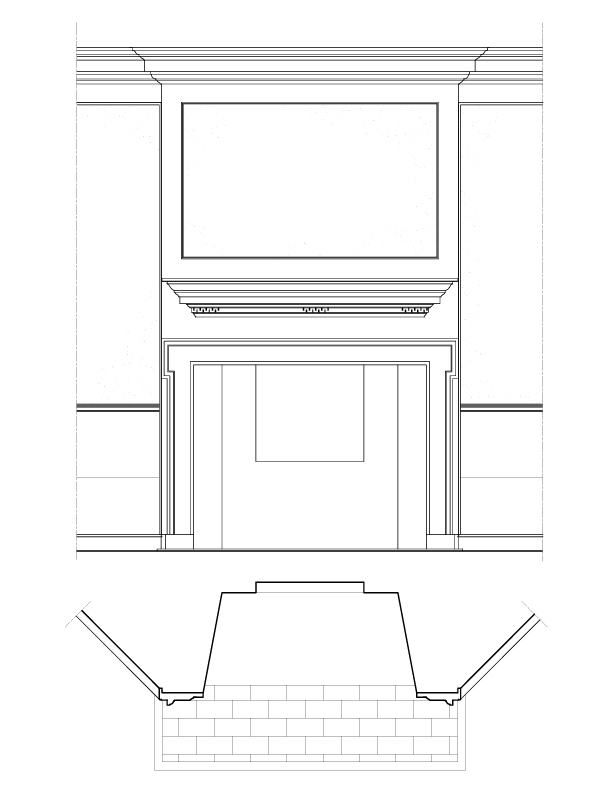
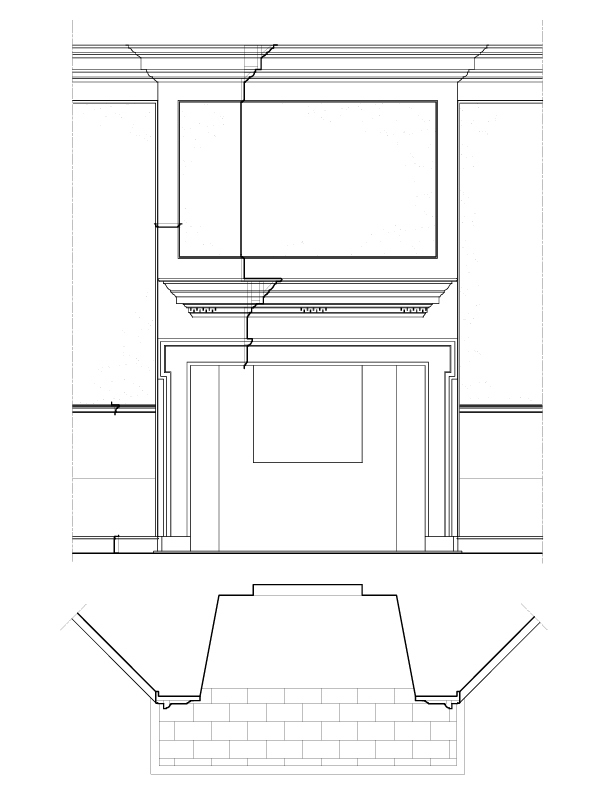
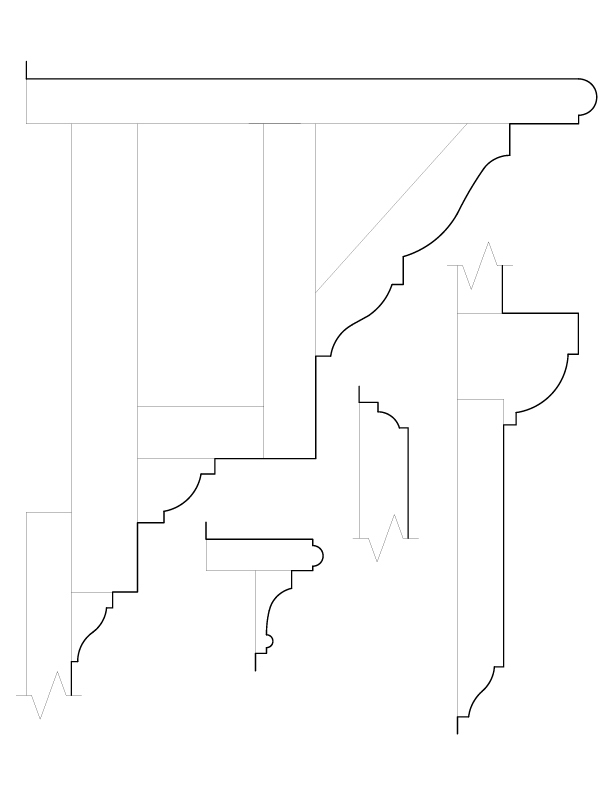
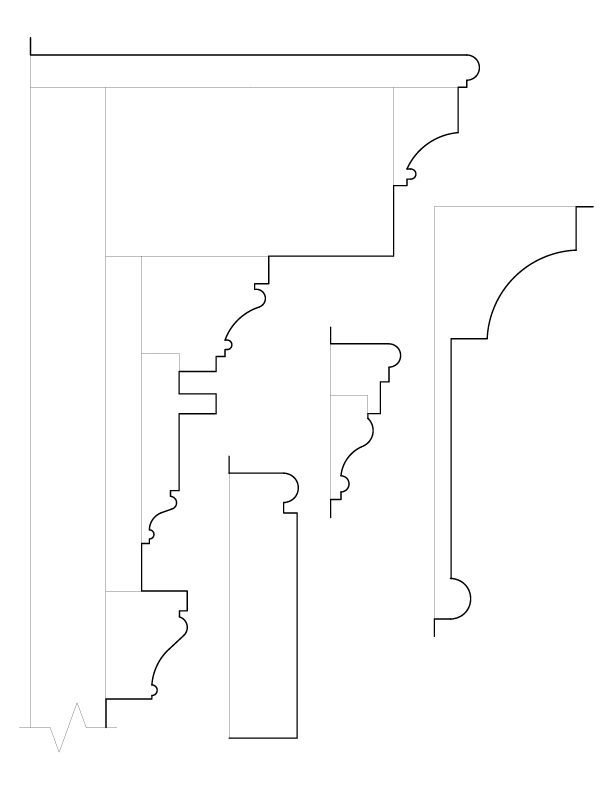
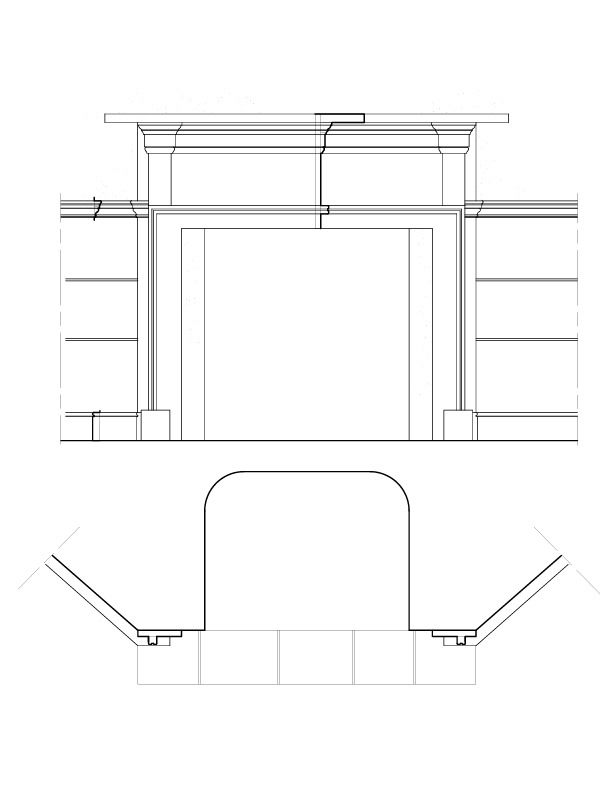
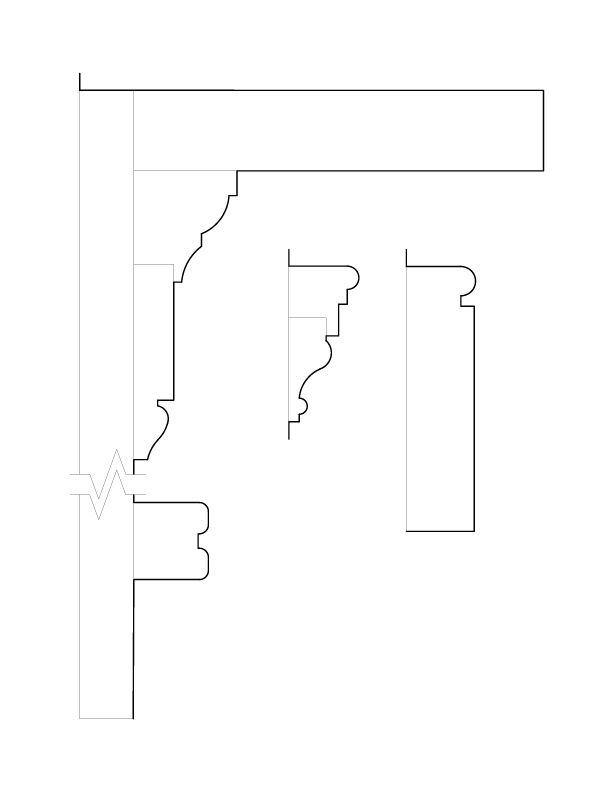
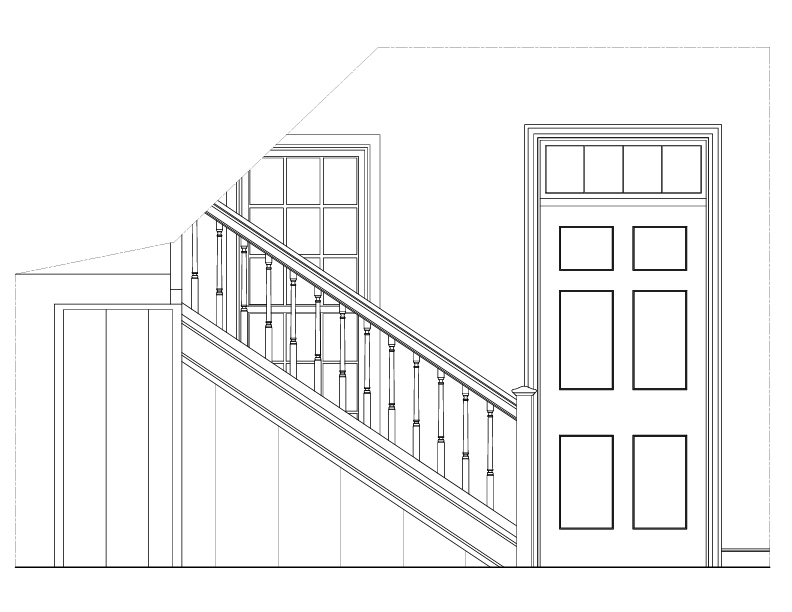
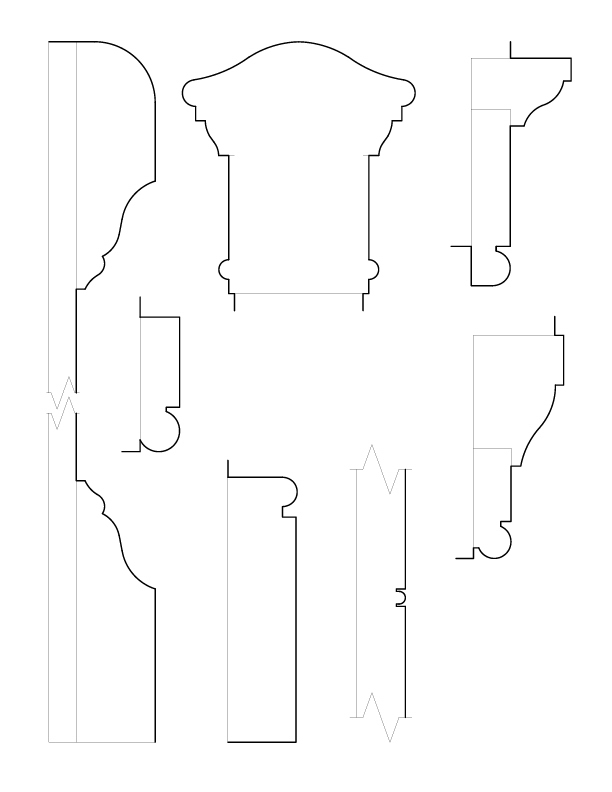
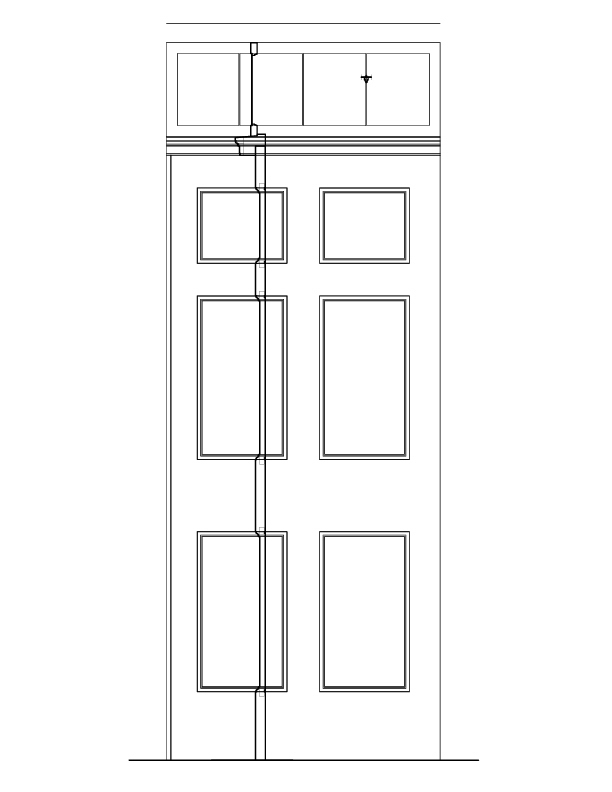
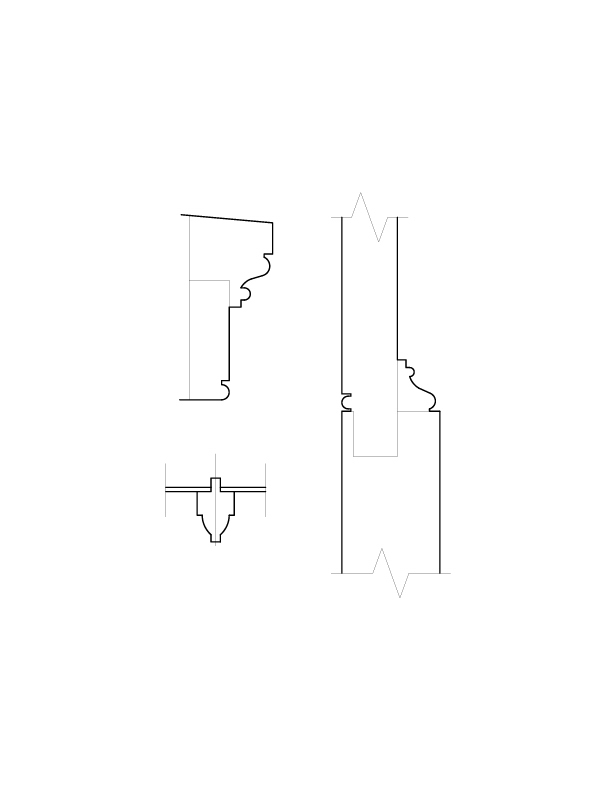
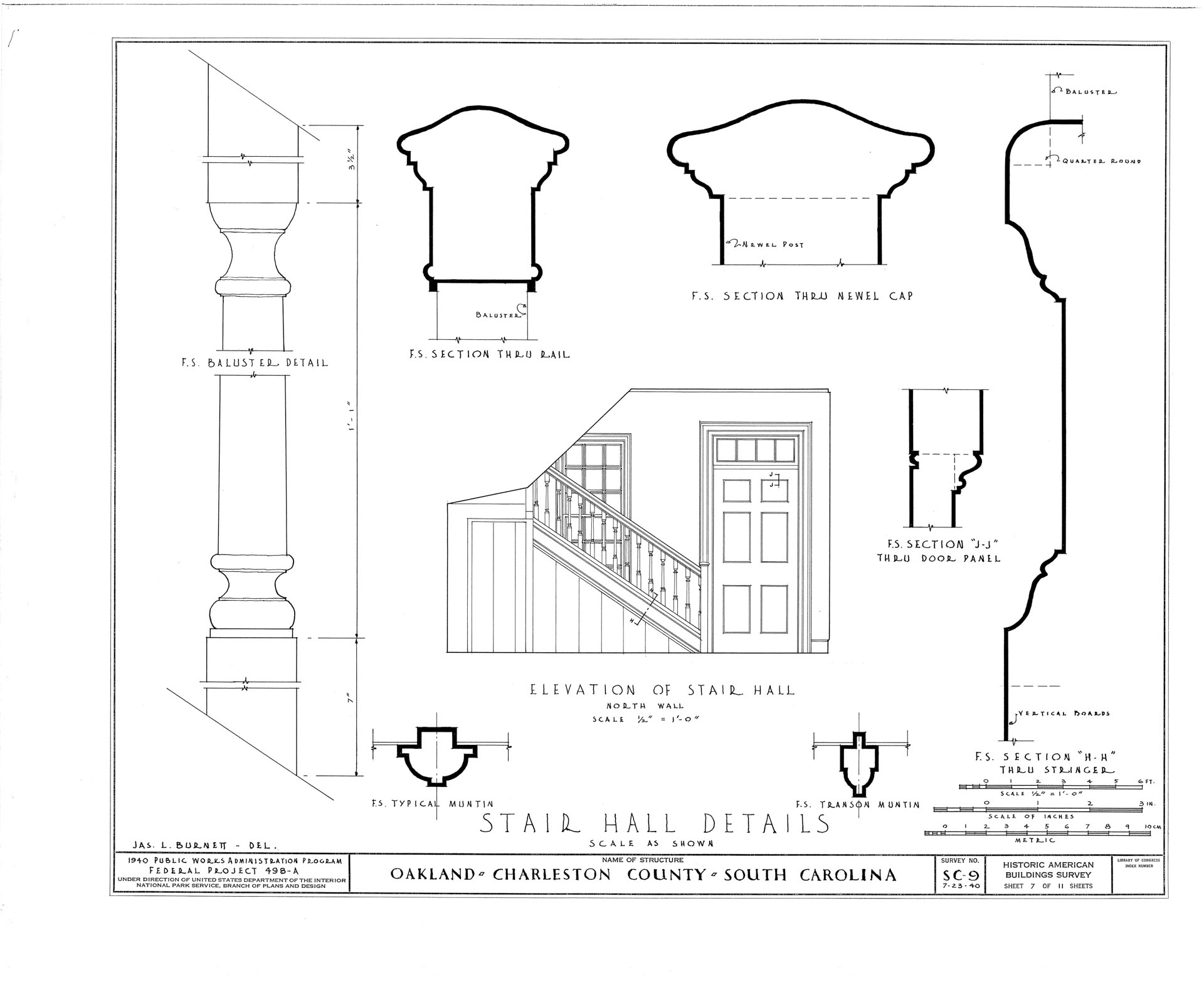
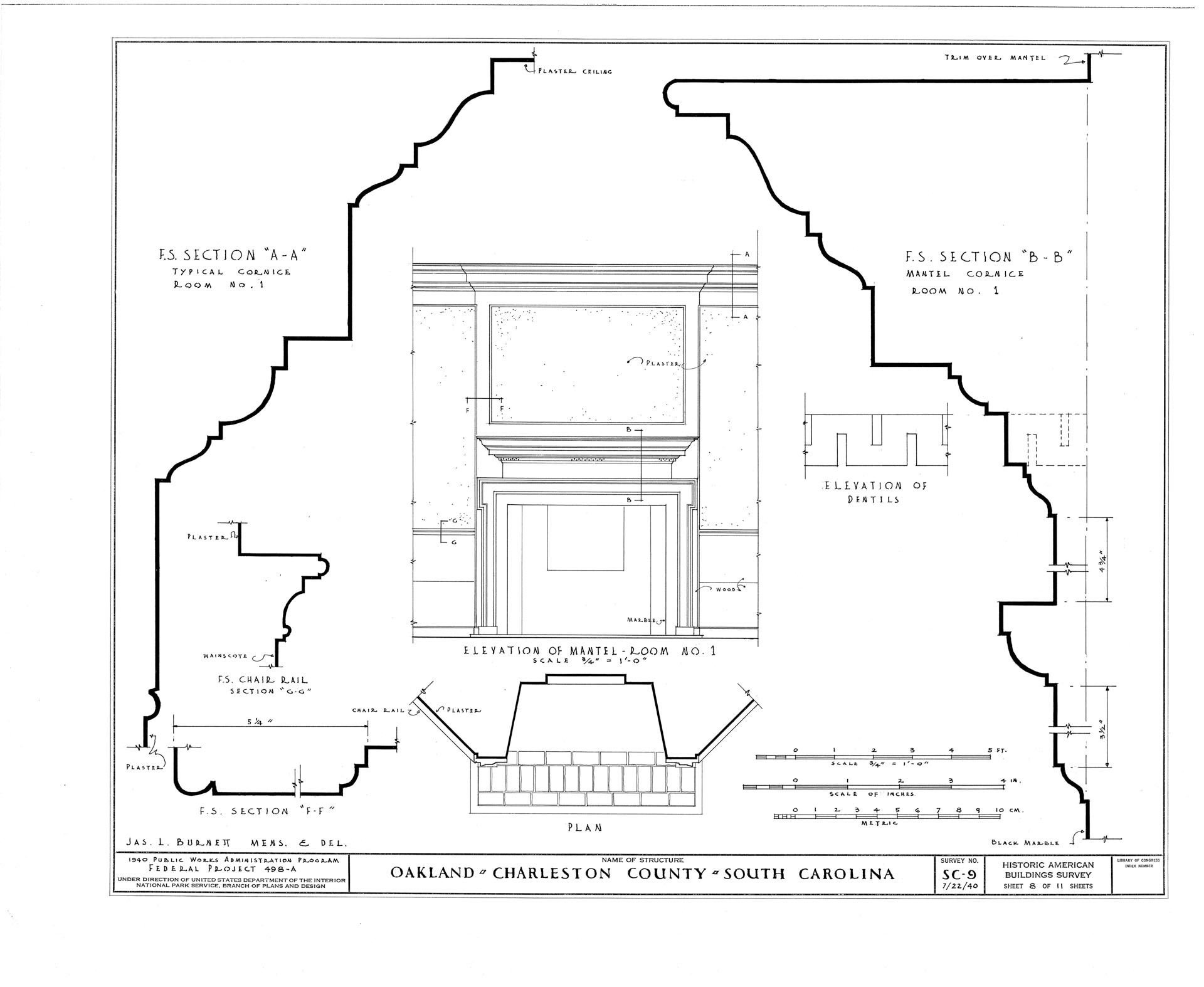
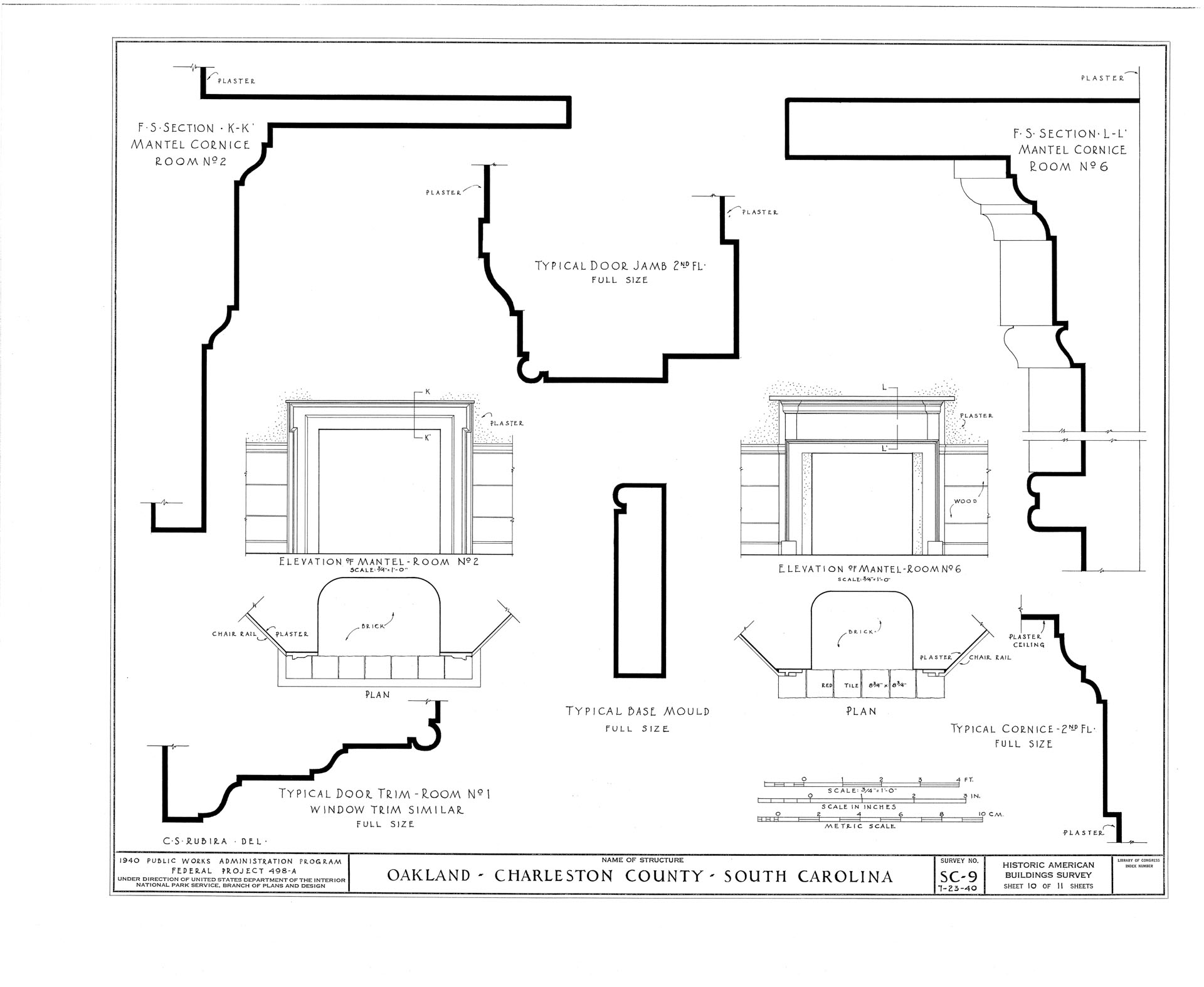
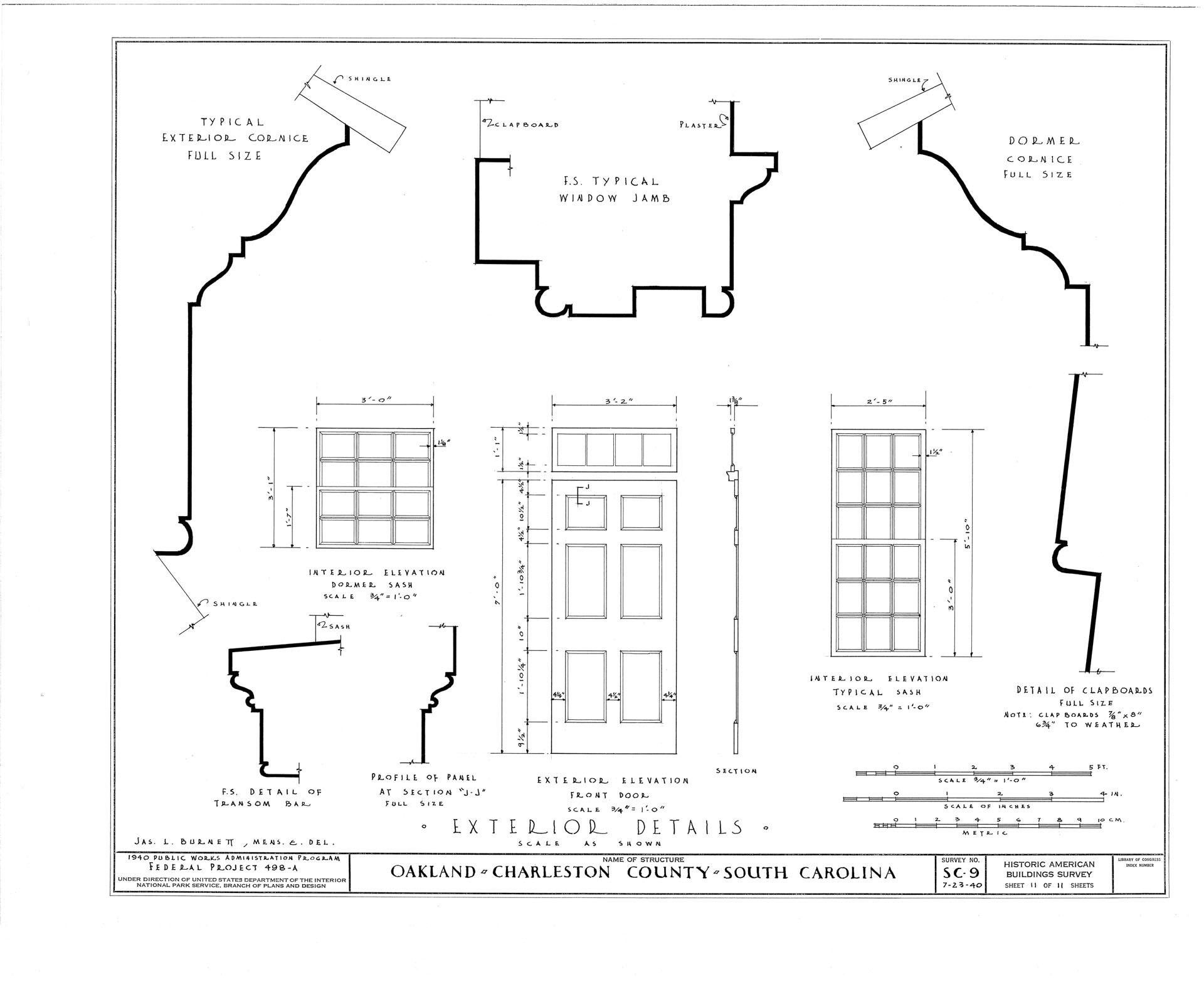
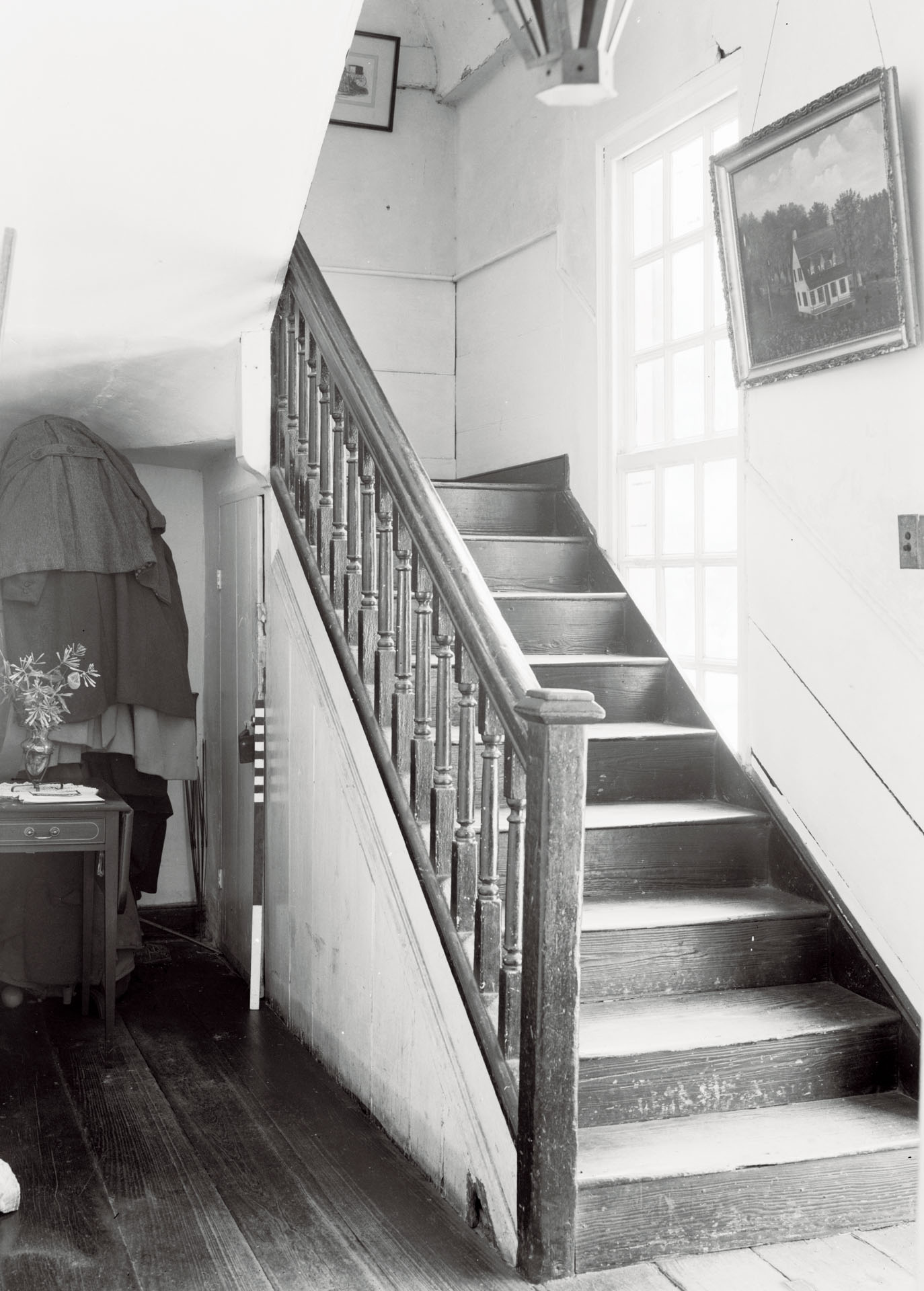
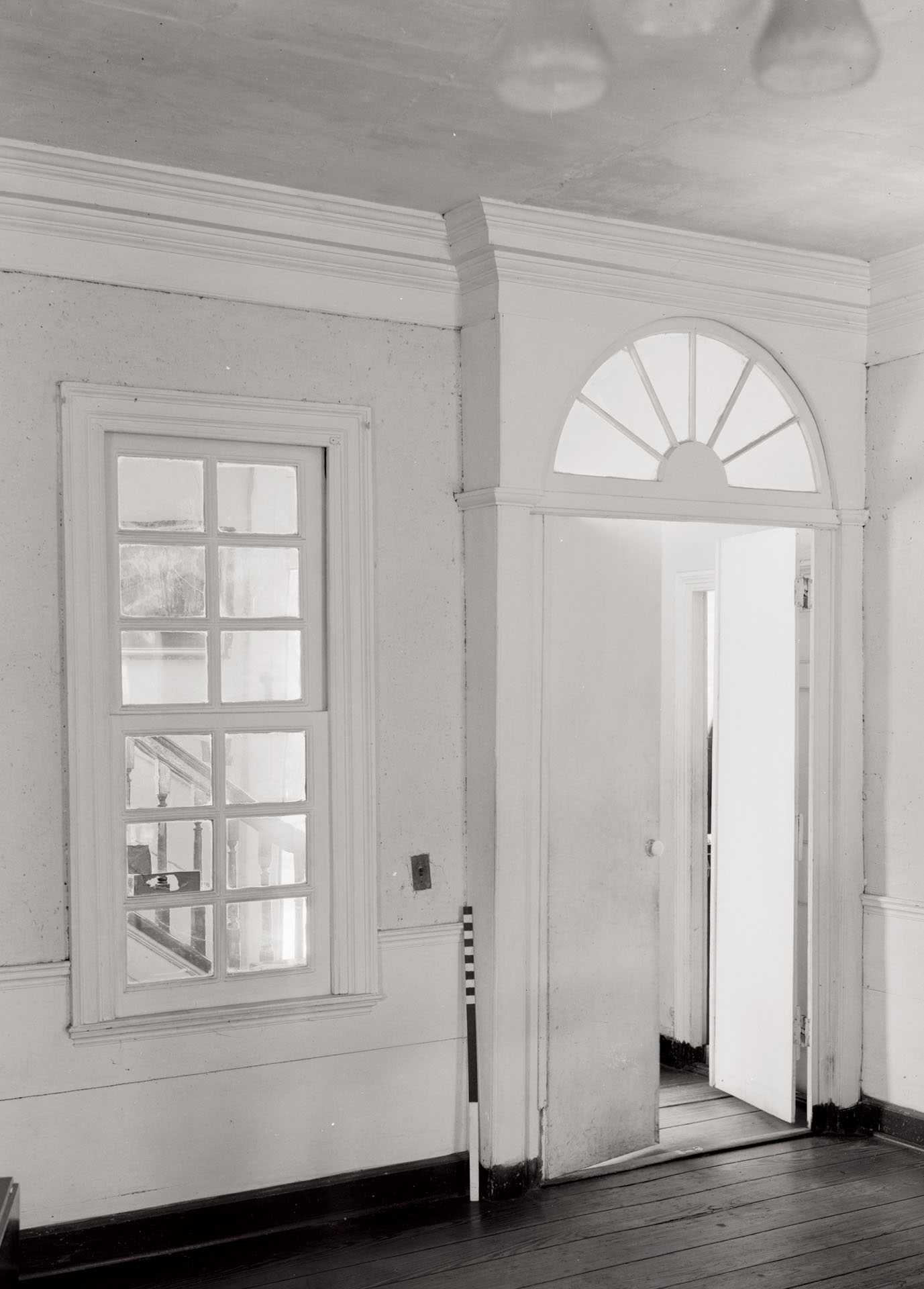
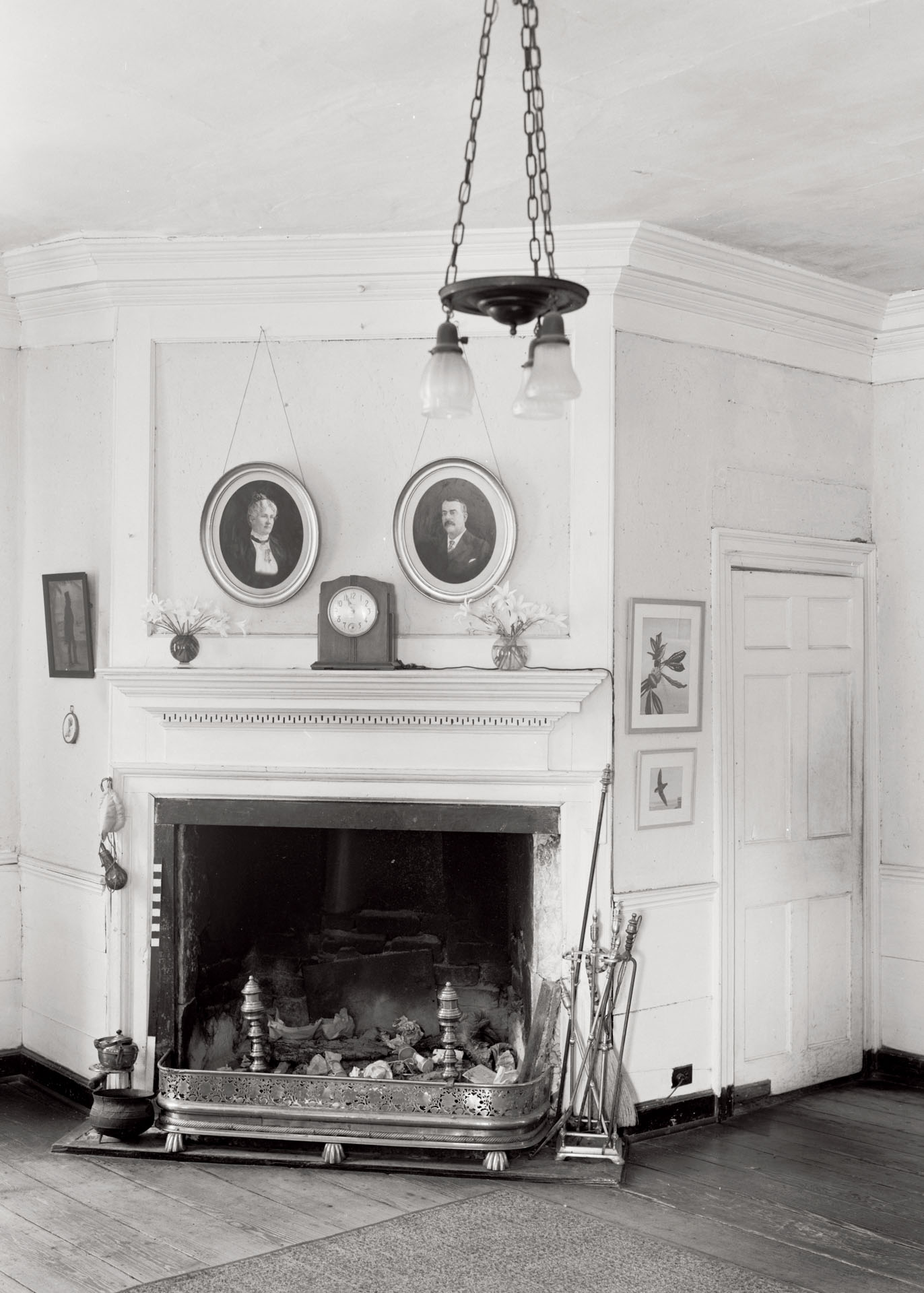
Within, the woodwork discloses a degree of sophistication closely associated with Charleston craftsmanship of the mid-eighteenth century. The mantels are particularly noteworthy for their attenuated proportions and meticulously stratified members. Fascia boards, bed moulds, and fillets are disposed with studied restraint, yielding compositions that are at once delicate and deliberate. The paneling and trim sustain this same disciplined economy, relying upon proportion rather than accumulation to define the character of the interior rooms.
Though the surrounding acreage has gradually yielded to modern development, Oakland Plantation retains an enduring connection to its setting beneath the live oaks of Charleston County. Its form and interior detailing together offer a concentrated and instructive aperture into the architectural sensibility of the early Lowcountry.