301 EAST BAY STREET, CHARLESTON, CHARLESTON COUNTY, SOUTH CAROLINA
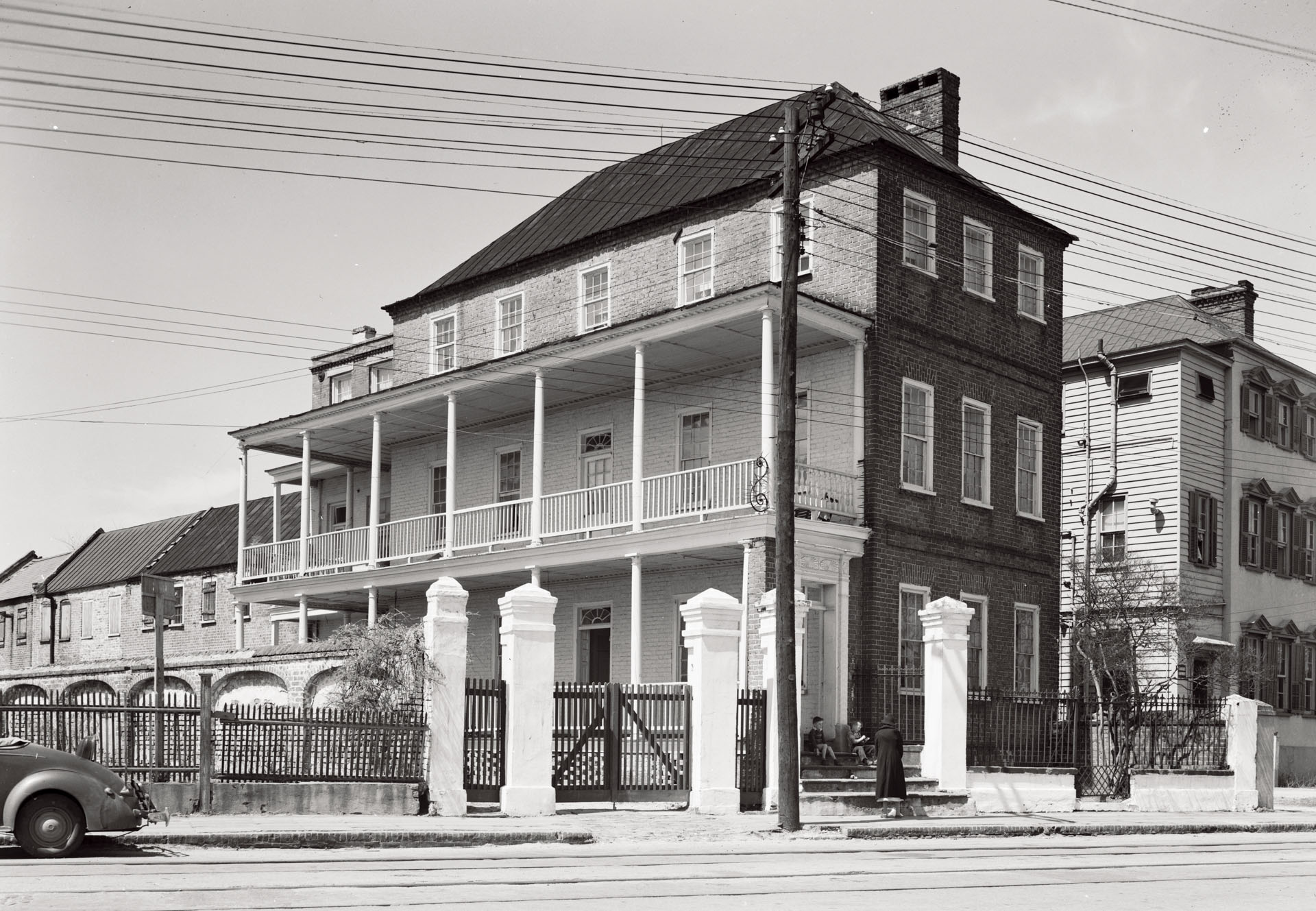
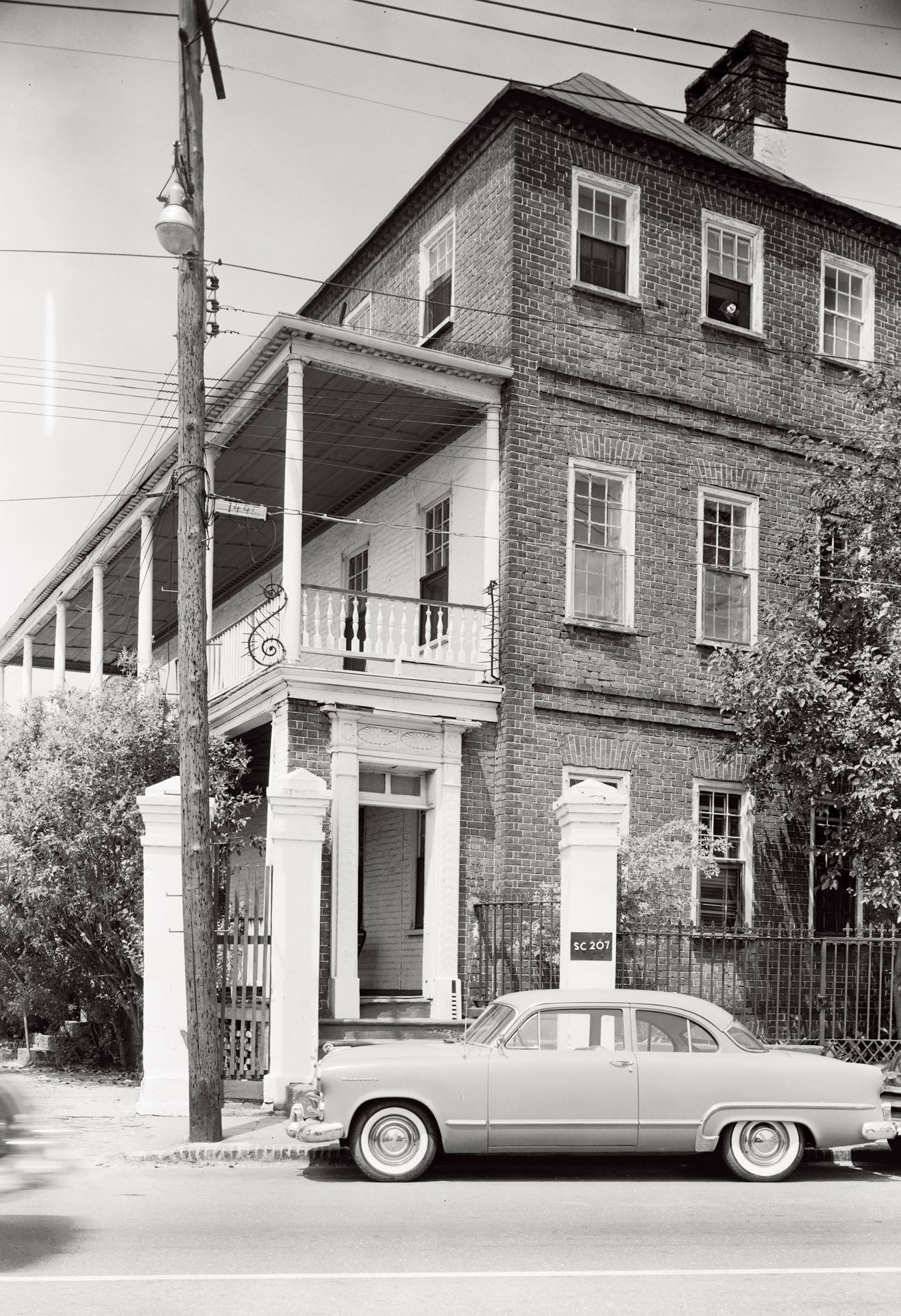
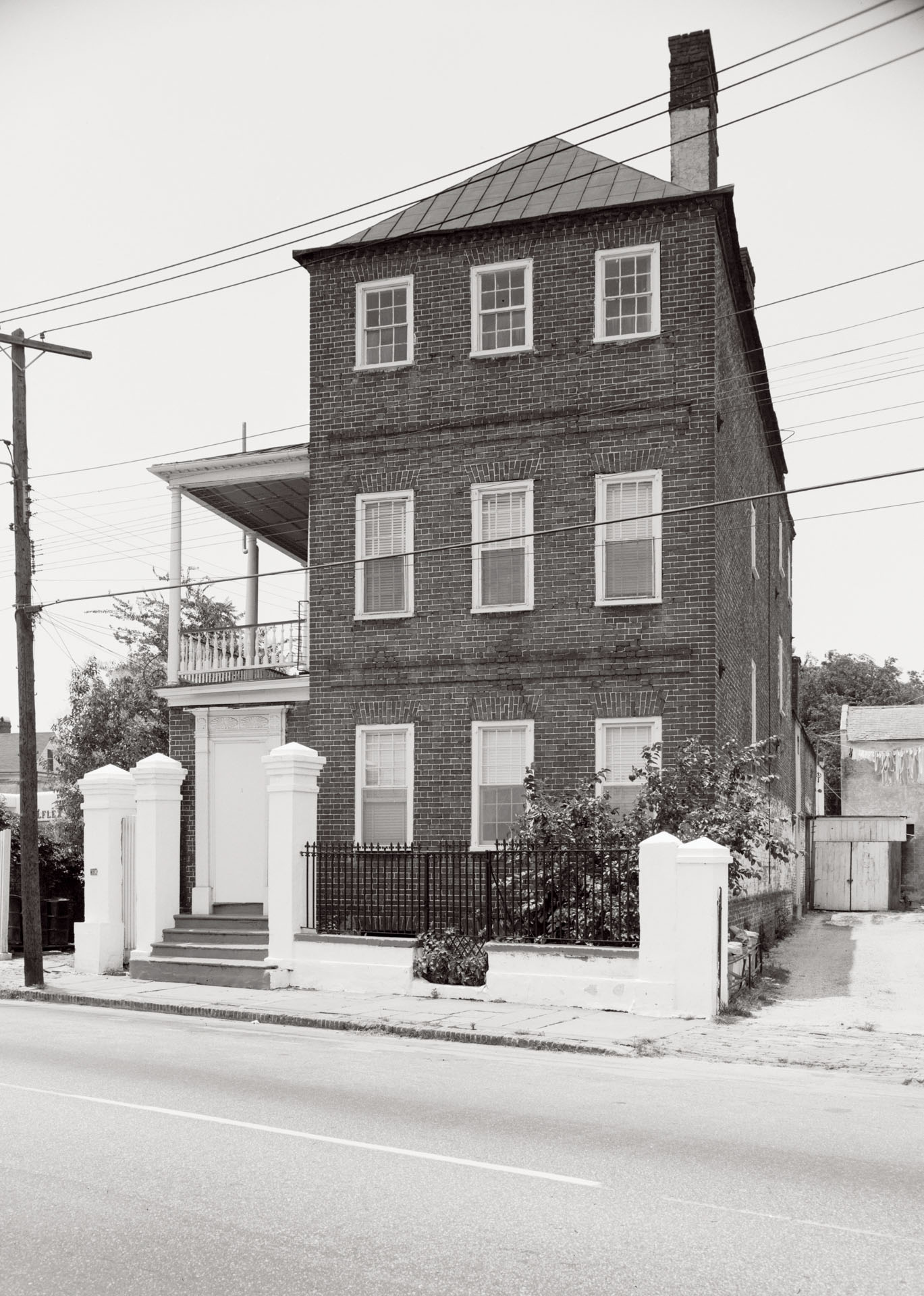
Behind the refined façade of 301 East Bay Street endures a distinguished surviving exemplar of the Federal architectural tradition, where history is perpetuated not merely in brick and timber, but in the exacting articulation of its millwork and the biography of the man who commissioned it. Erected between 1811 and 1816 under the patronage of Moses C. Levy, a Polish-born merchant whose ascendancy along King Street secured both considerable fortune and civic prominence, the structure occupies ground once held by Henry Laurens, among the most consequential mercantile figures of colonial Charleston and a former President of the Continental Congress. Levy himself was memorialized not solely for commercial distinction, but for the moral courage he demonstrated during the conflagration of 1838, when he intervened to salvage the sacred scrolls of Beth Elohim Synagogue at 90 Hasell Street. That act invested the house with a legacy inseparable from both material prosperity and the obligations of public life.
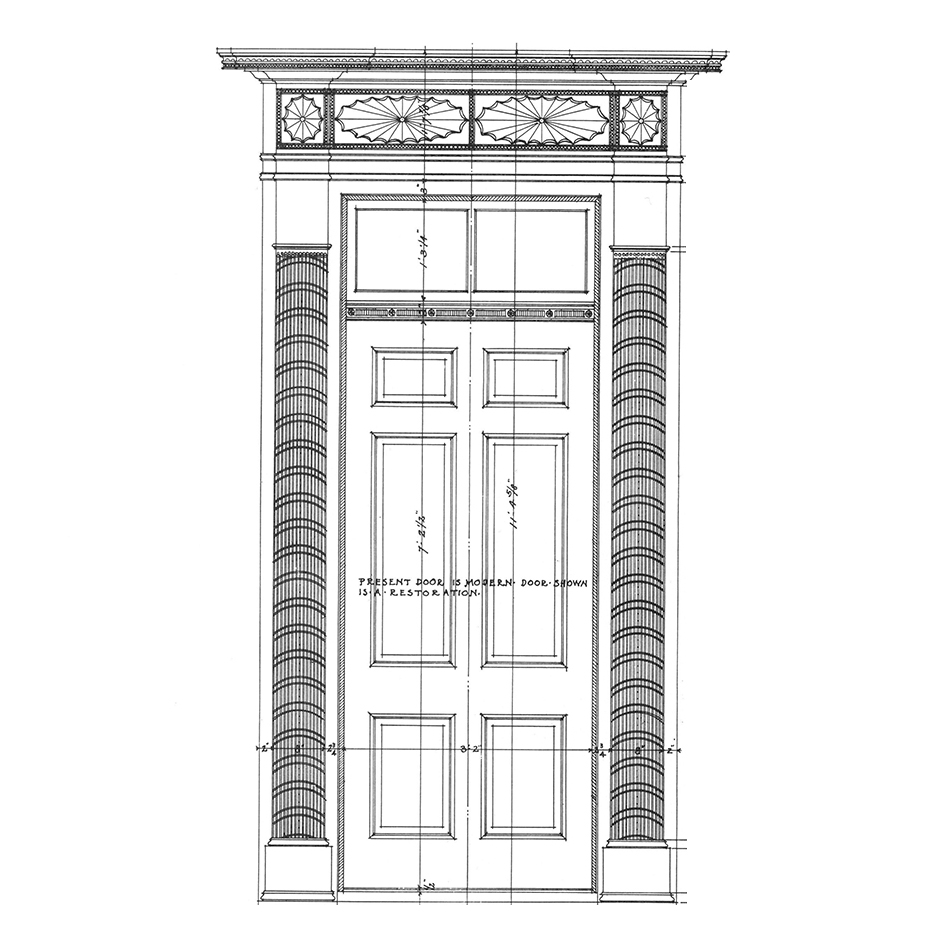
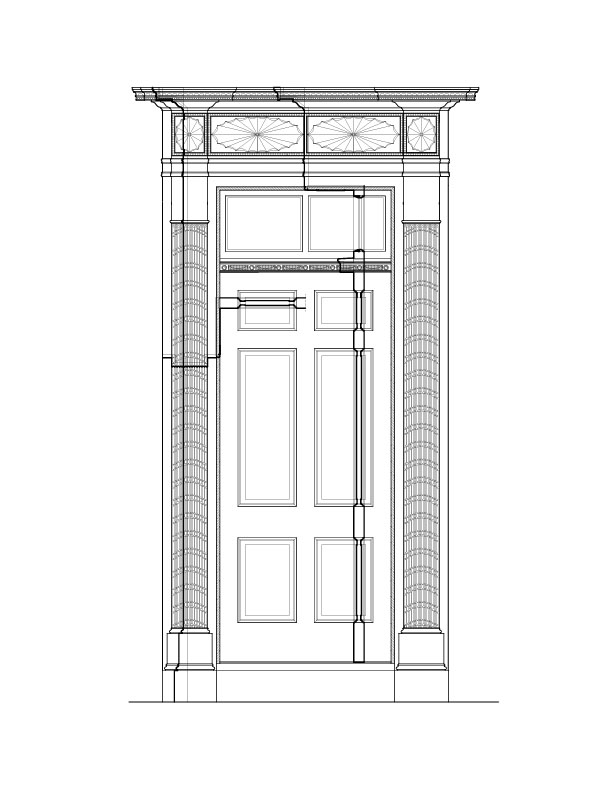
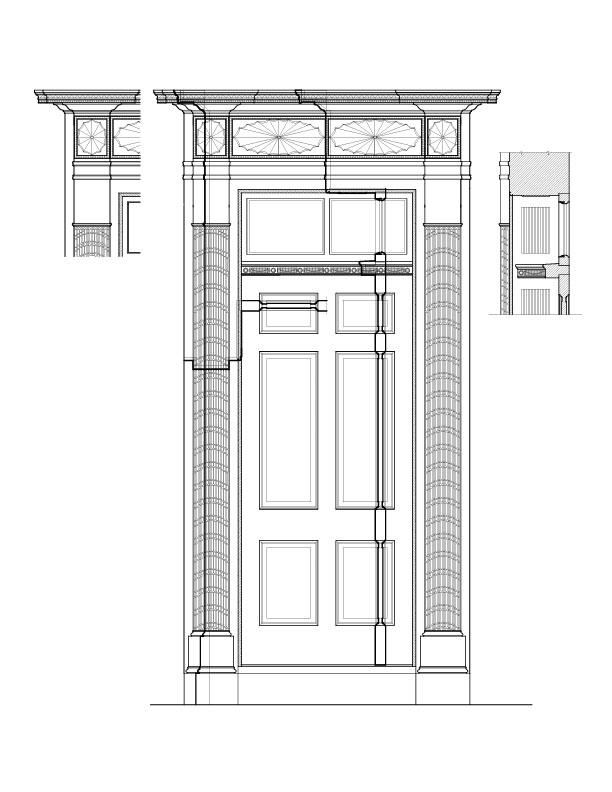
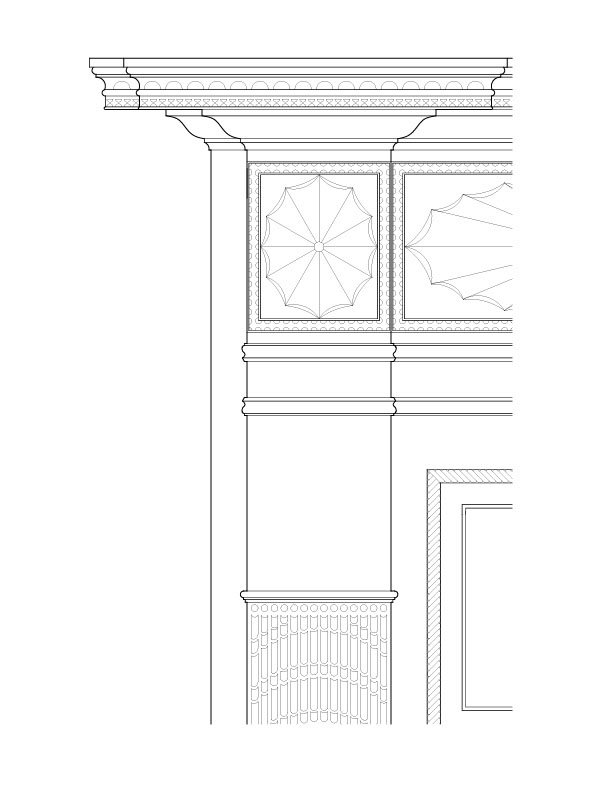
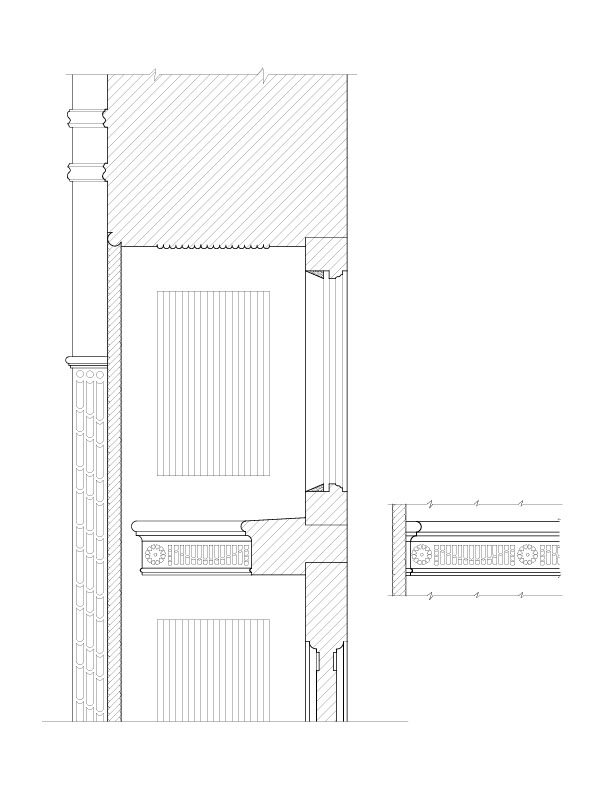
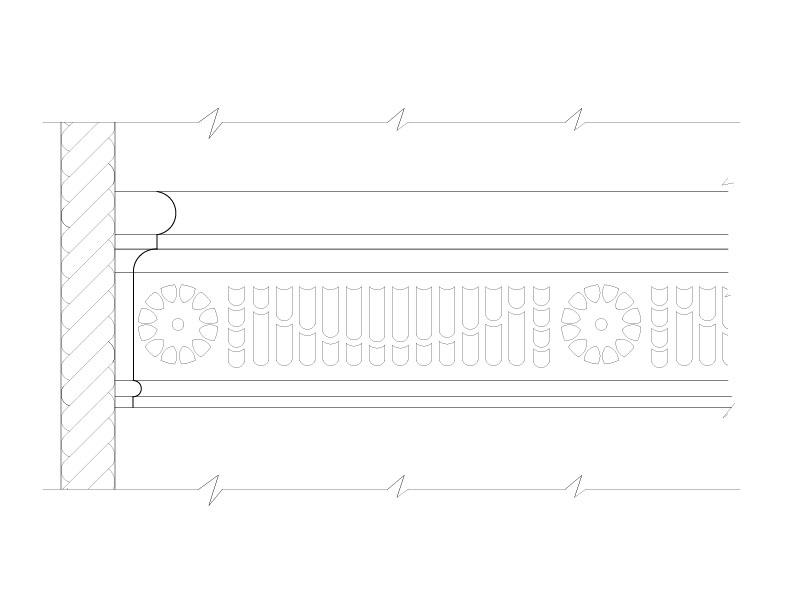
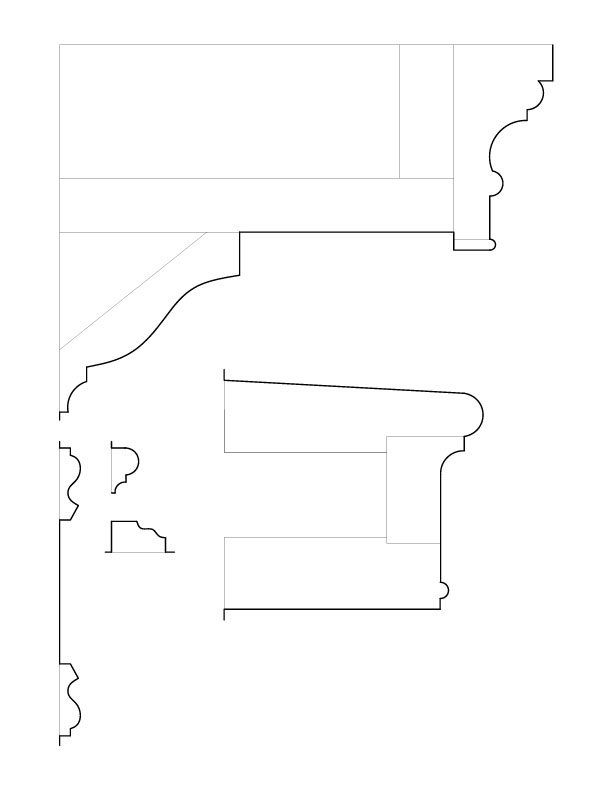
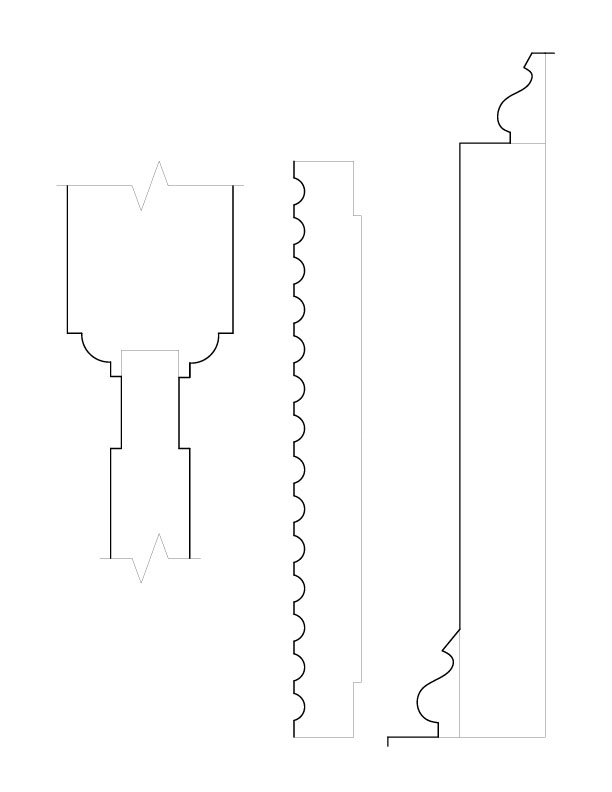
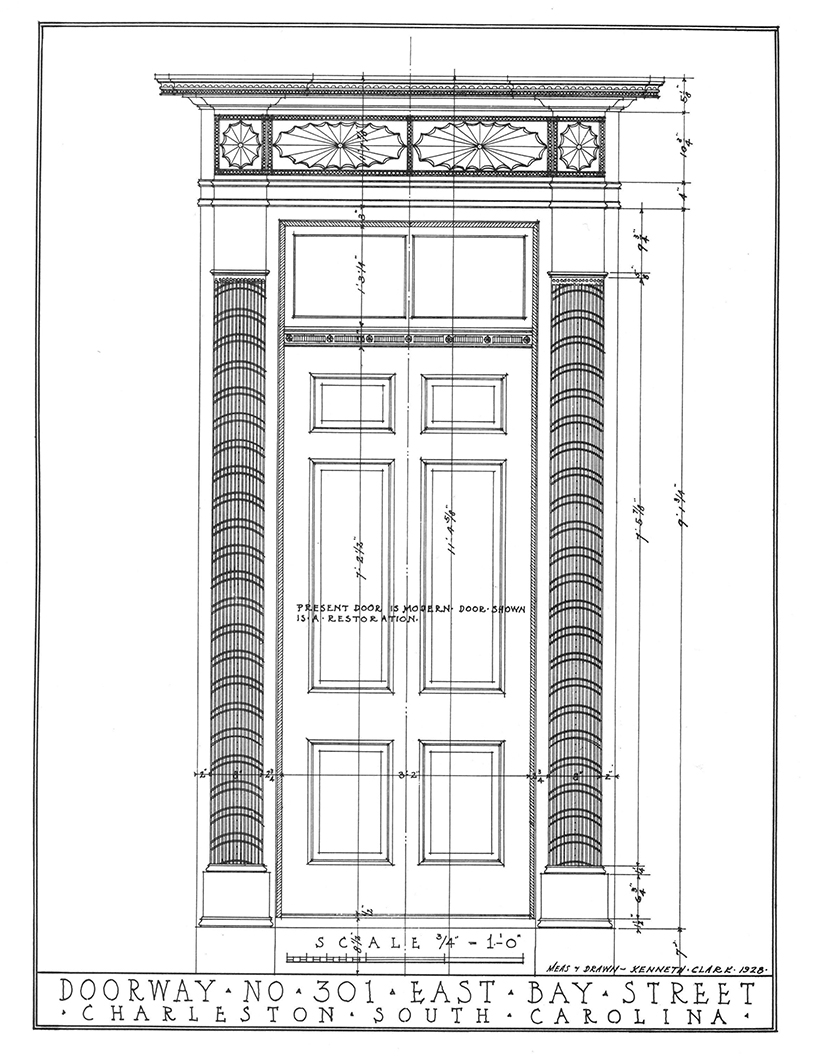
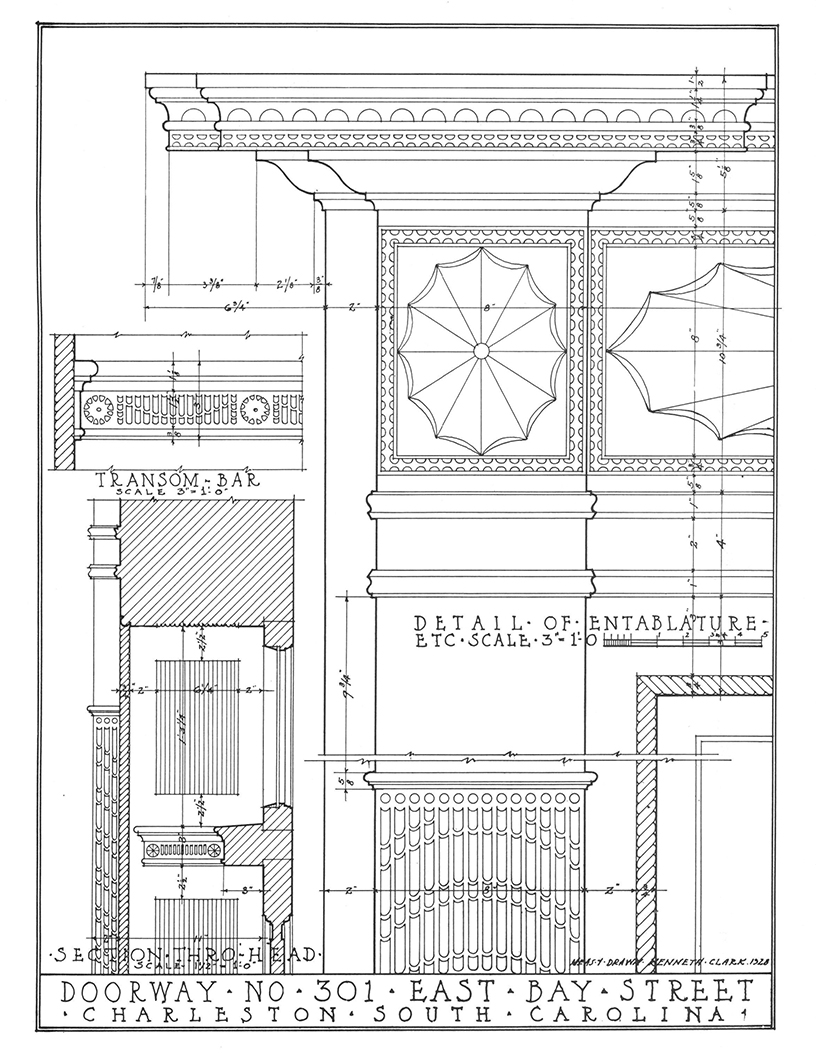
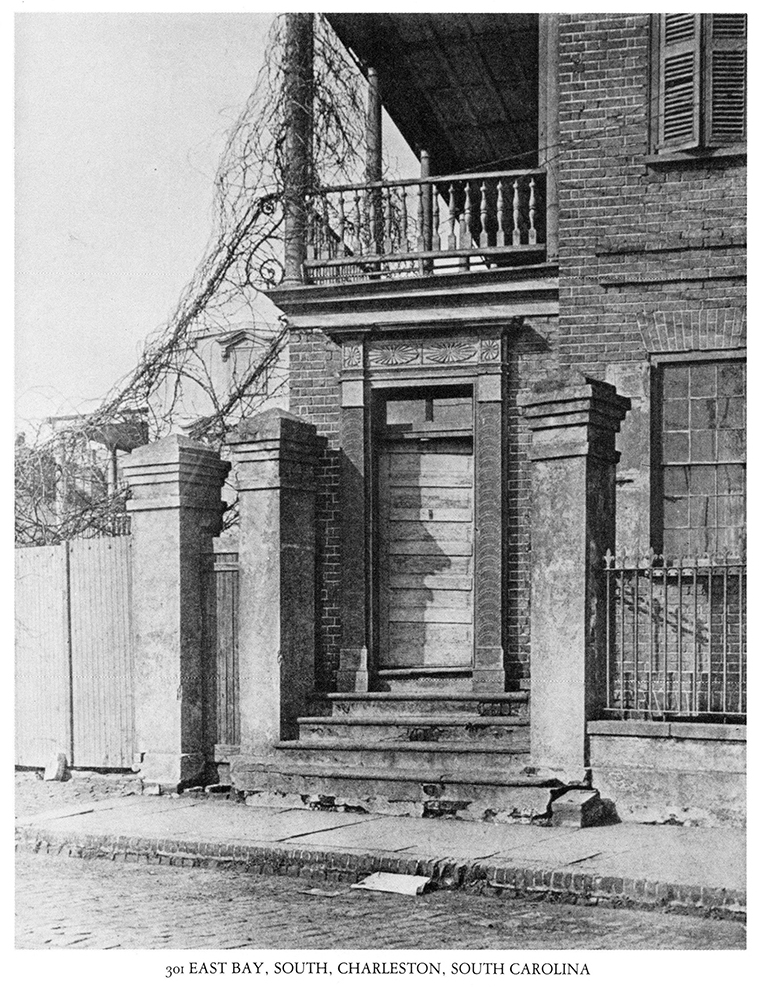
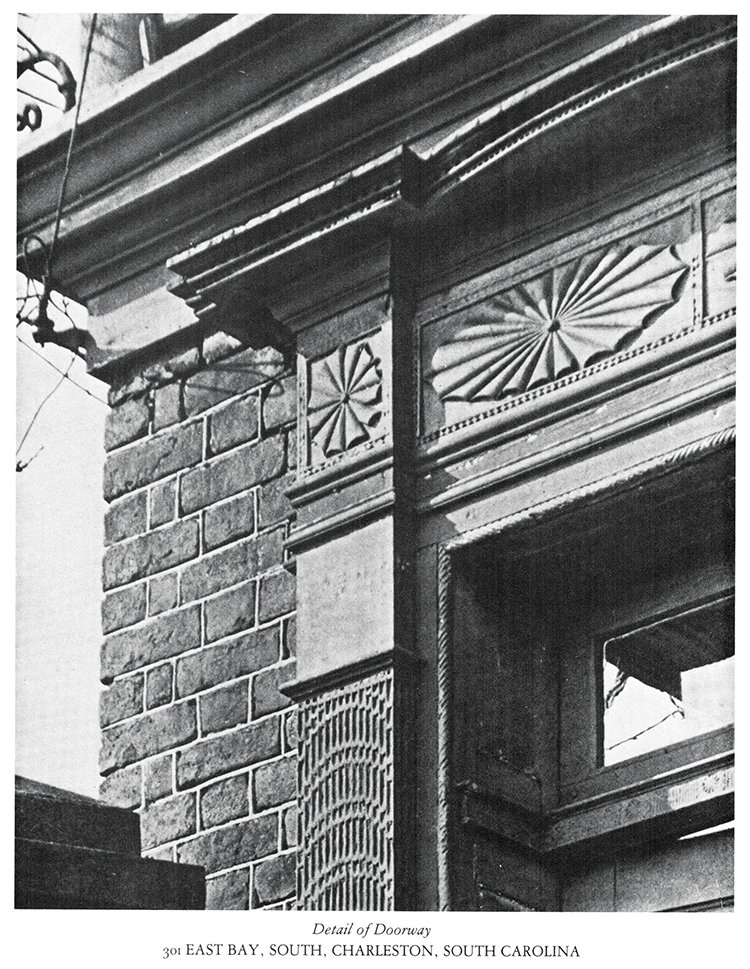
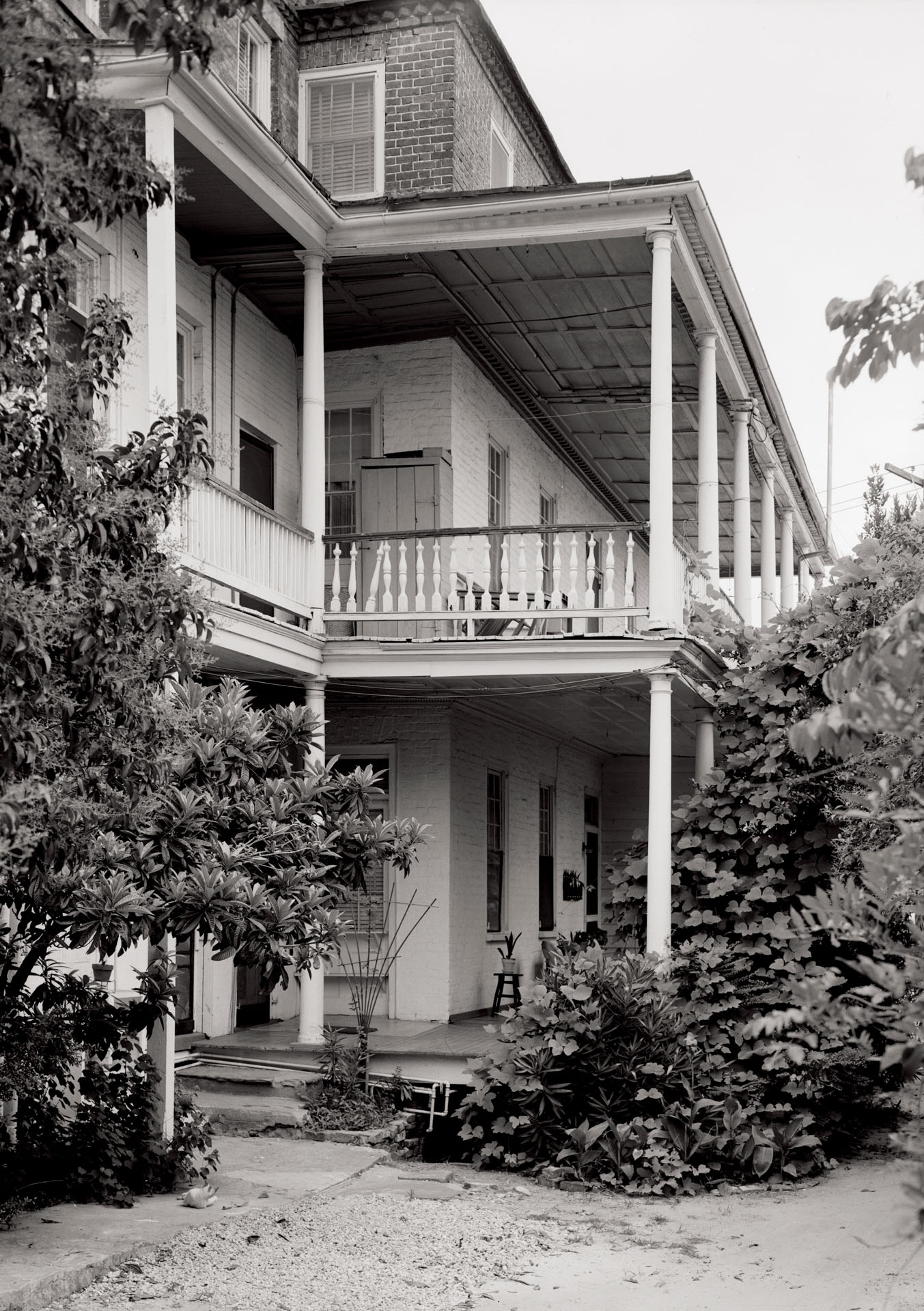
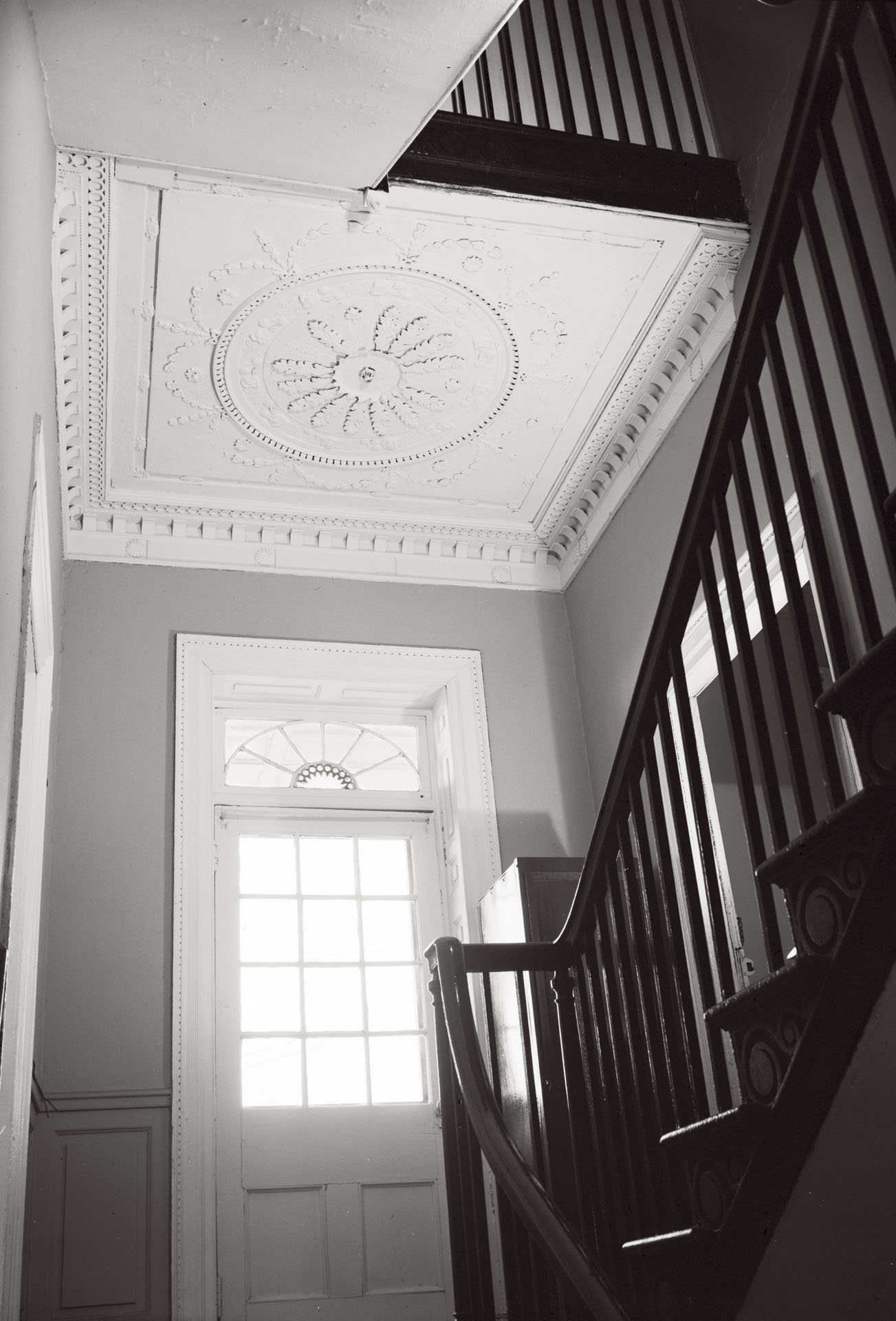
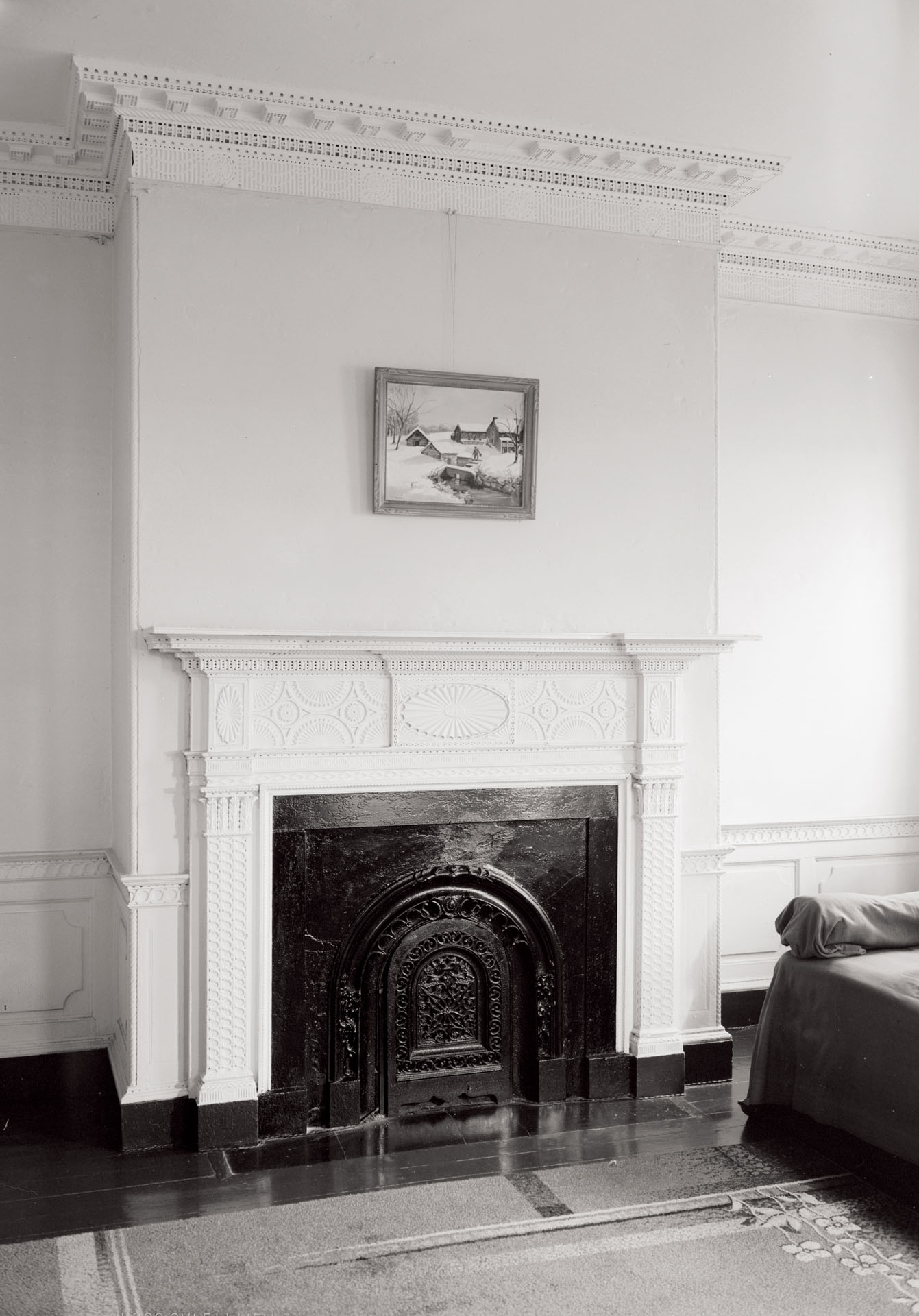
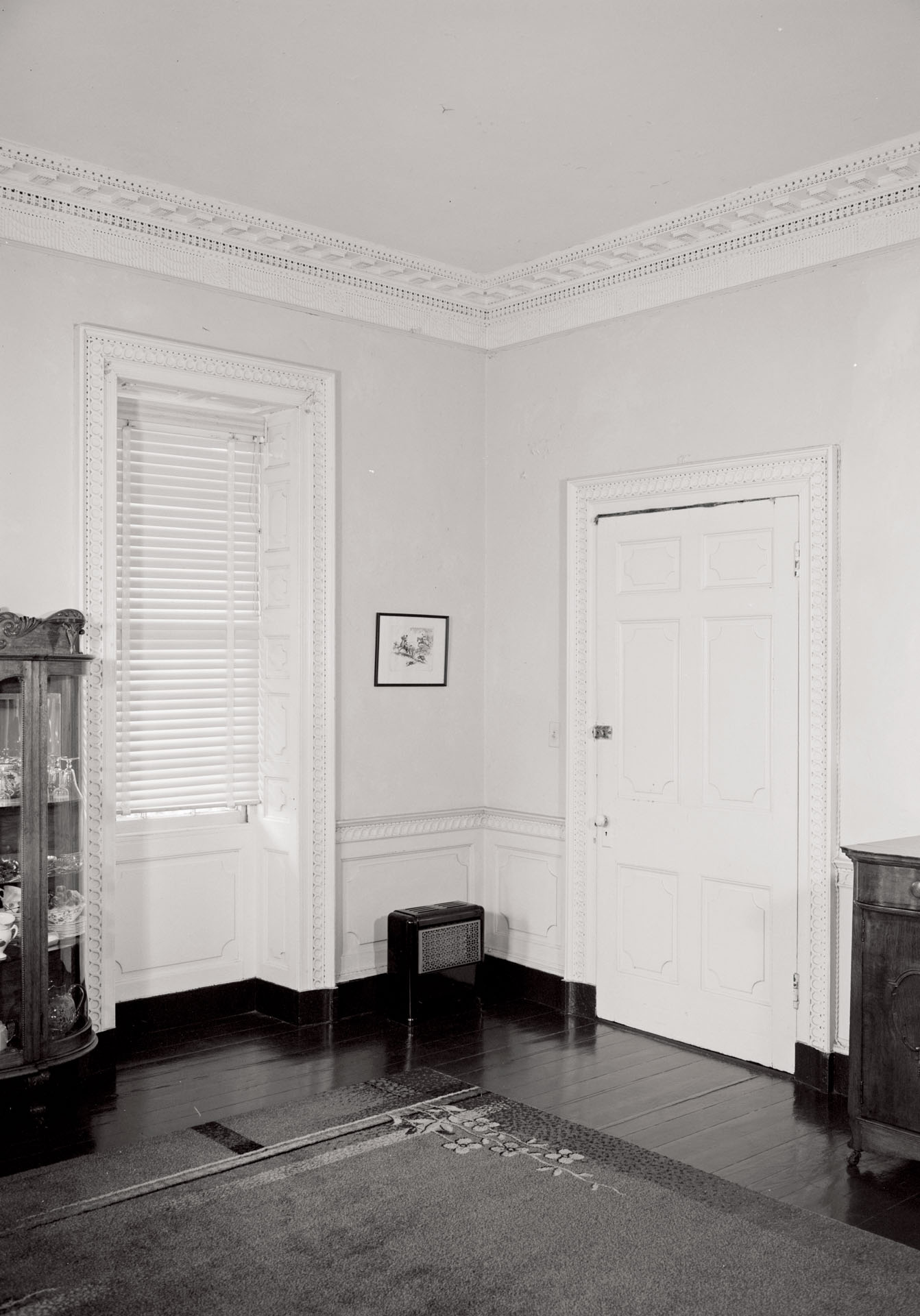
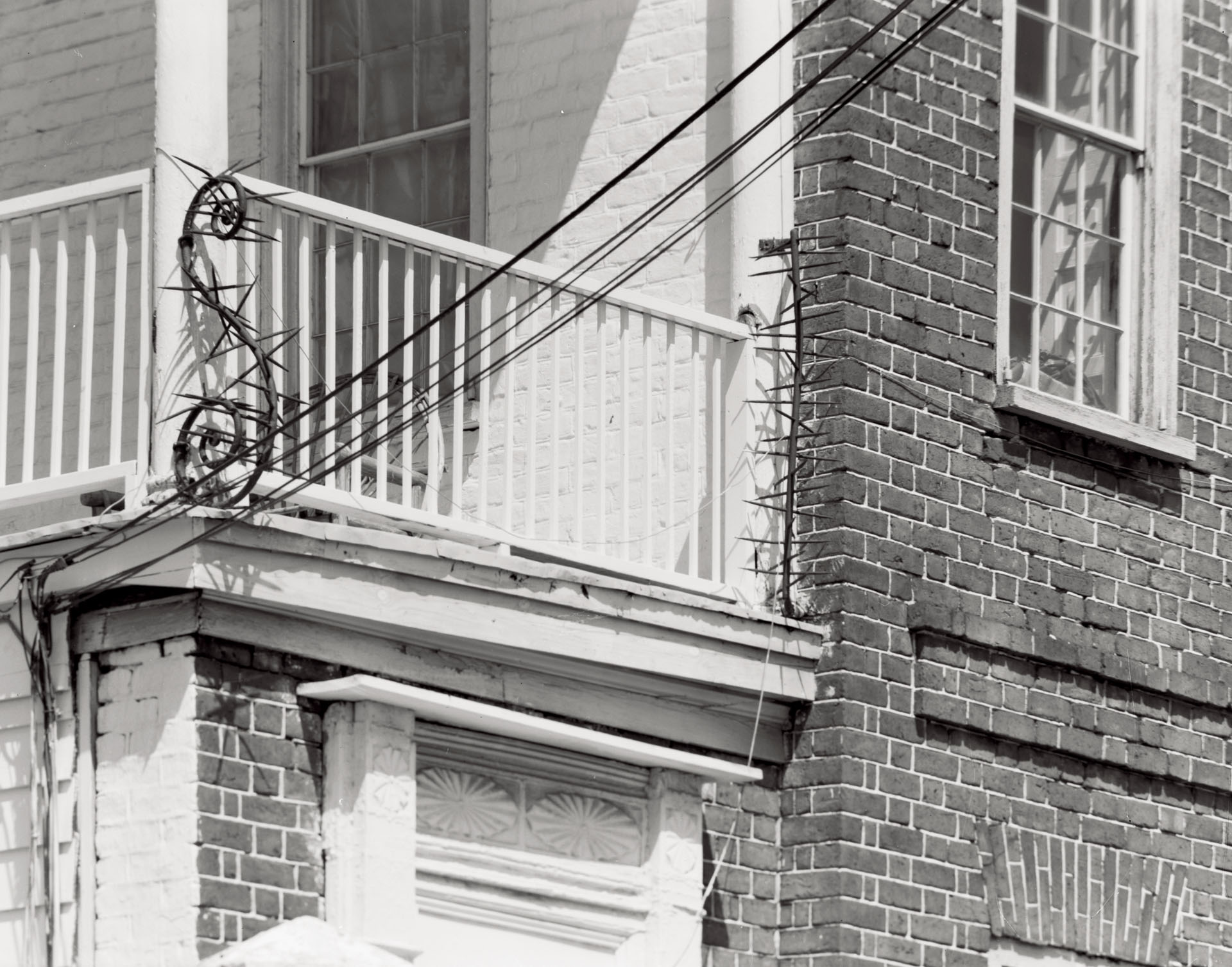
Architecturally, the structure is a Charleston single house of the Federal period, distinguished by exceptional Adam-style detailing most lucidly manifest in its piazza doorway surround. The Historic American Buildings Survey drawings and photographs preserve delicate moulded architraves, finely subdivided transom bars, carved enrichments, and a highly articulated entrance surround realized with extraordinary technical command. Its transom bars extend the architectural order upward with disciplined continuity, while the casing, carved returns, and stratified moulding profiles converge to produce an entrance of rare exactitude and poise. The measured drawings disclose the scrupulous deliberation with which each profile was scaled, establishing the house as an enduring reference for the study of early nineteenth-century joinery and Charleston Federal craftsmanship.
The property subsequently served as the residence of William J. Grayson, author of The Hireling and the Slave, whose tenure appended another stratum of antebellum history to an already layered narrative. Following periods of deterioration, the house was carefully restored, preserving a structure of particular scholarly distinction for its Adam-style millwork and the measured precision of its Federal period detailing. The Moses C. Levy House endures because it materializes the endeavors of a merchant whose life left an indelible impression upon Charleston, the virtuosity of Federal era artisans, and the rare convergence of architecture, historical memory, and civic identity within a single irreplaceable structure.