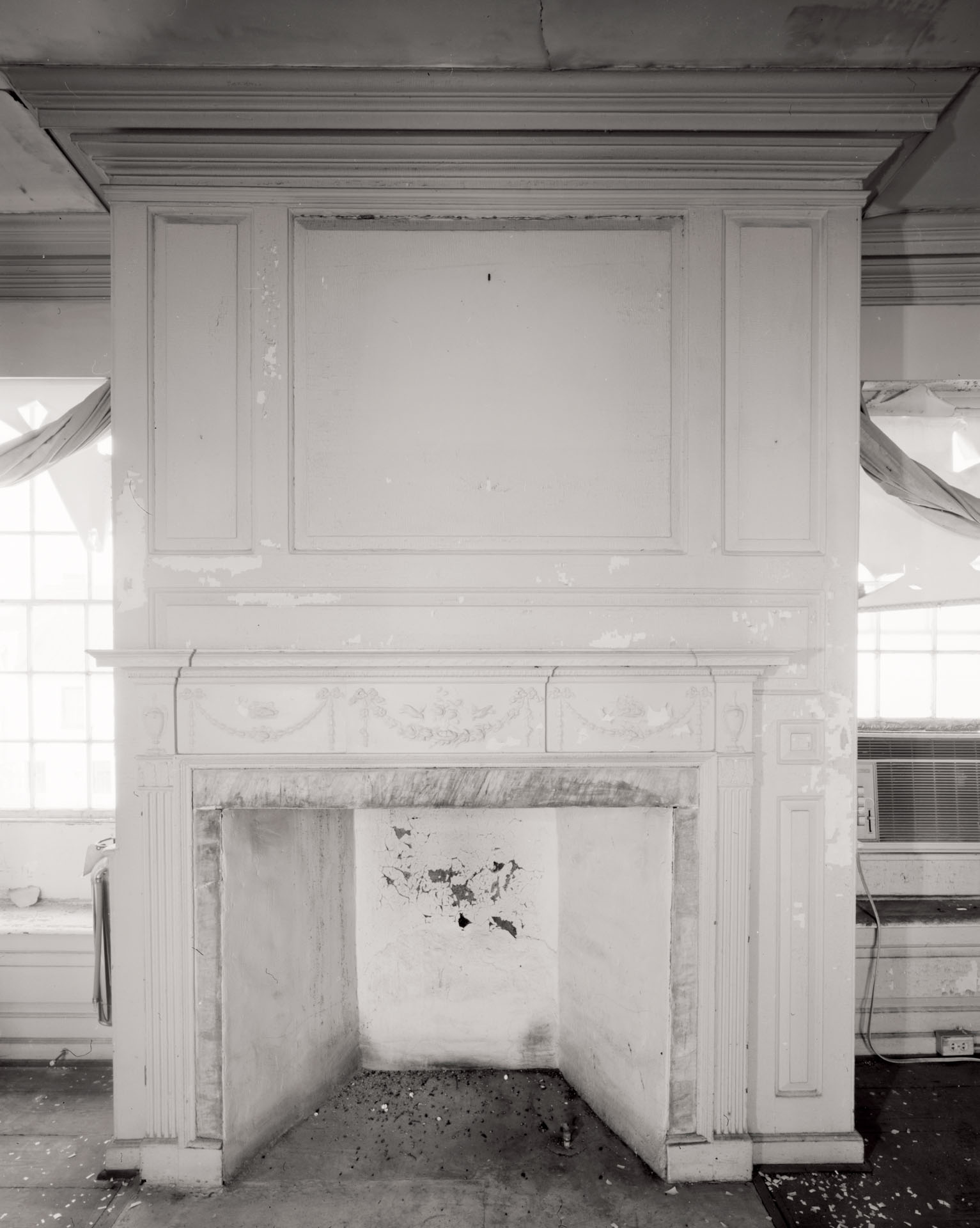
8 COURT HOUSE SQUARE, CHARLESTON, CHARLESTON COUNTY, SOUTH CAROLINA
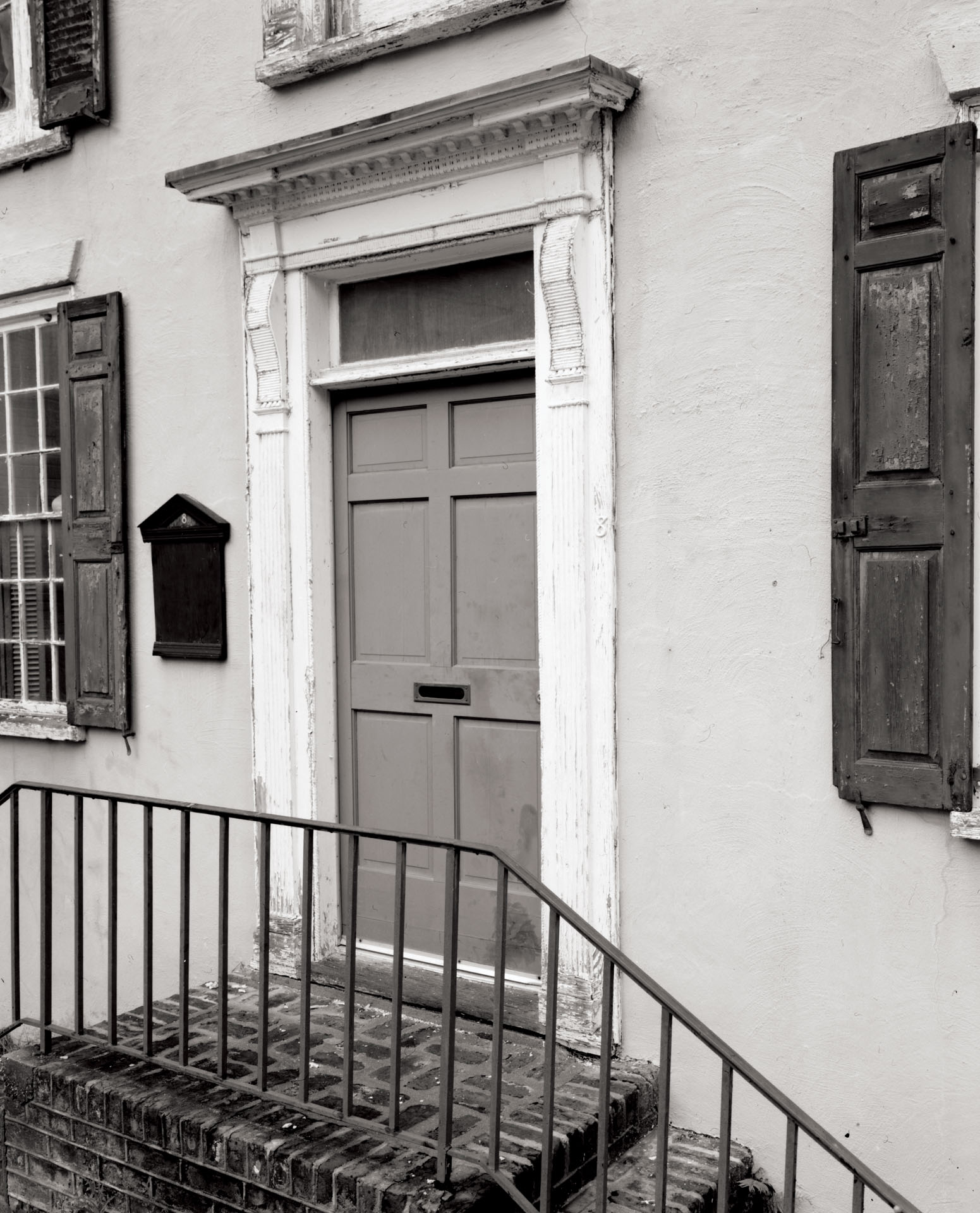
In the years following the Revolutionary War, as Charleston began to recover and redefine its civic and commercial identity, a substantial building rose at 8 Courthouse Square, erected circa 1783 by Philip Meyer, a sugar manufacturer and noted patriot. The property reflects a moment of renewed construction, as the growing presence of the nearby courthouse shaped the surrounding area into a civic center where legal and governmental activity gathered, later recognized as the Four Corners of Law.
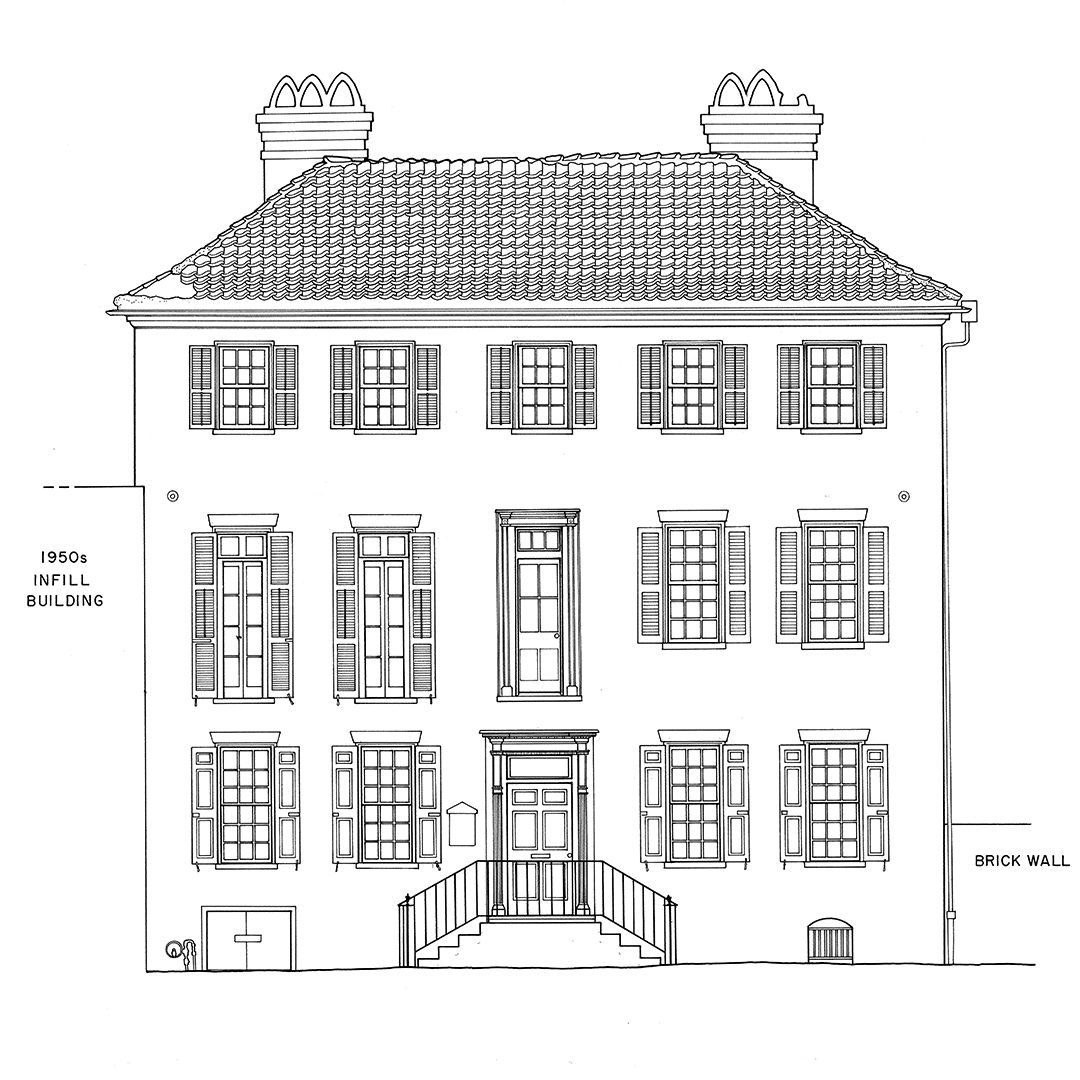
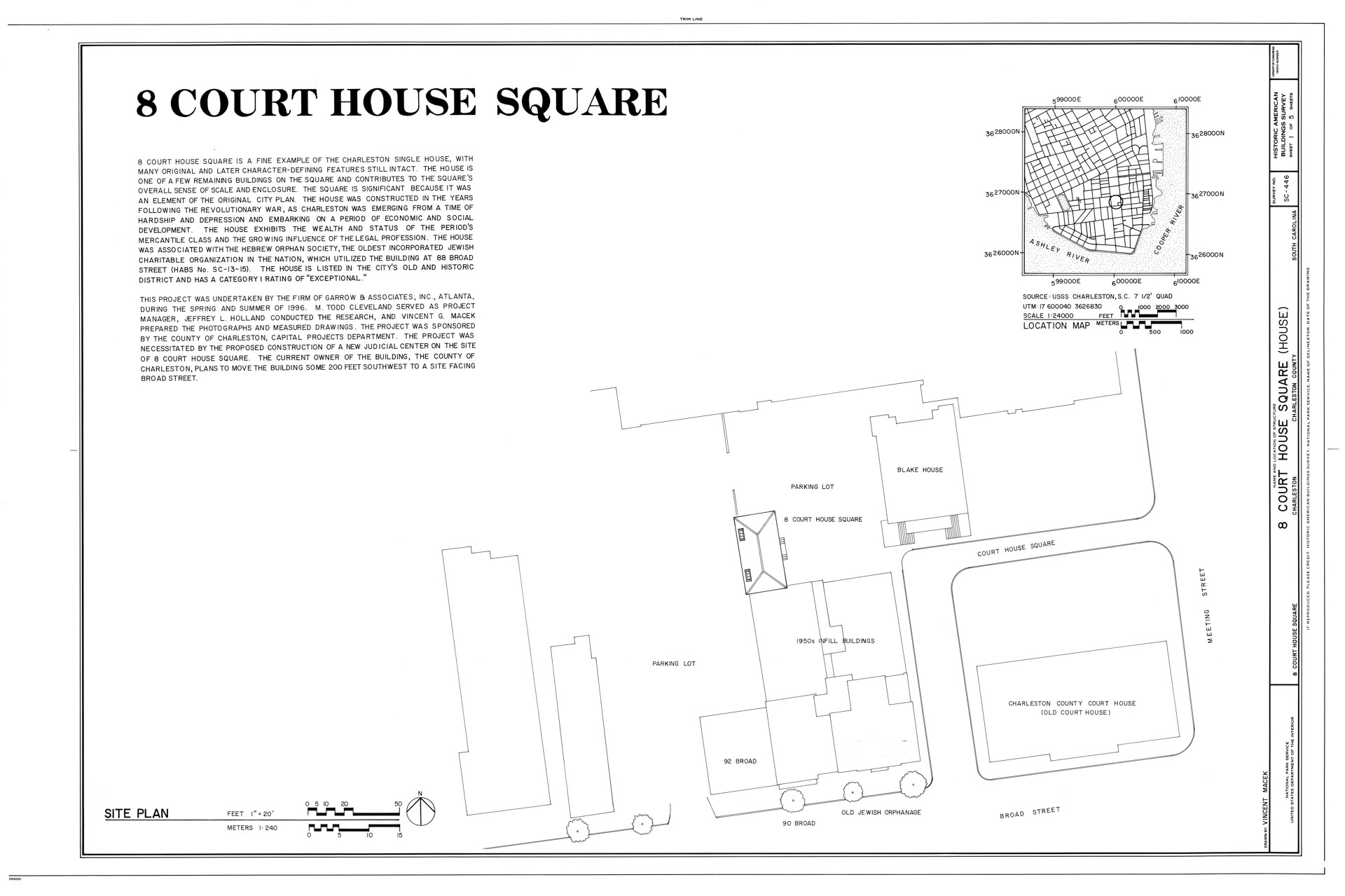
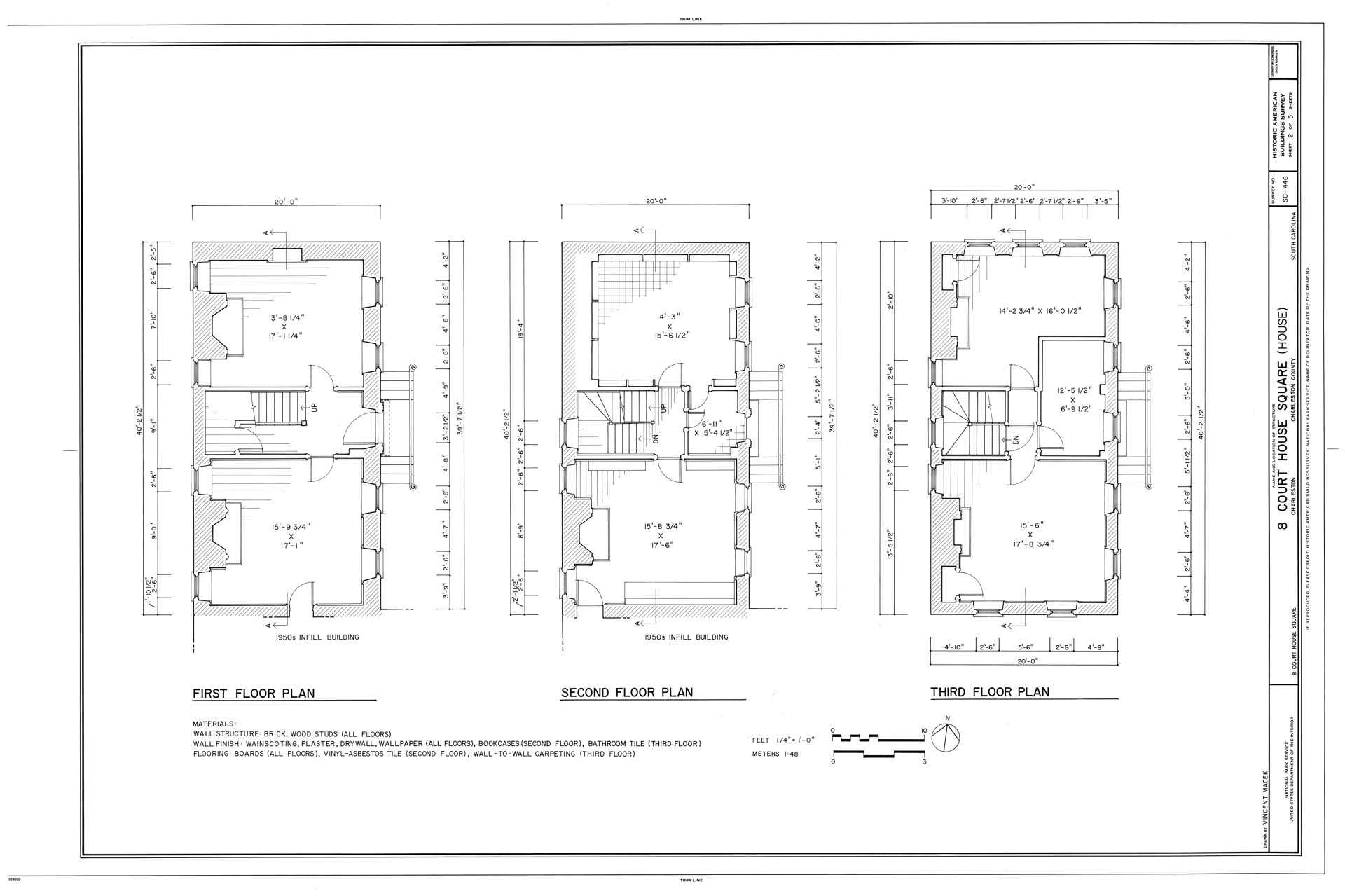
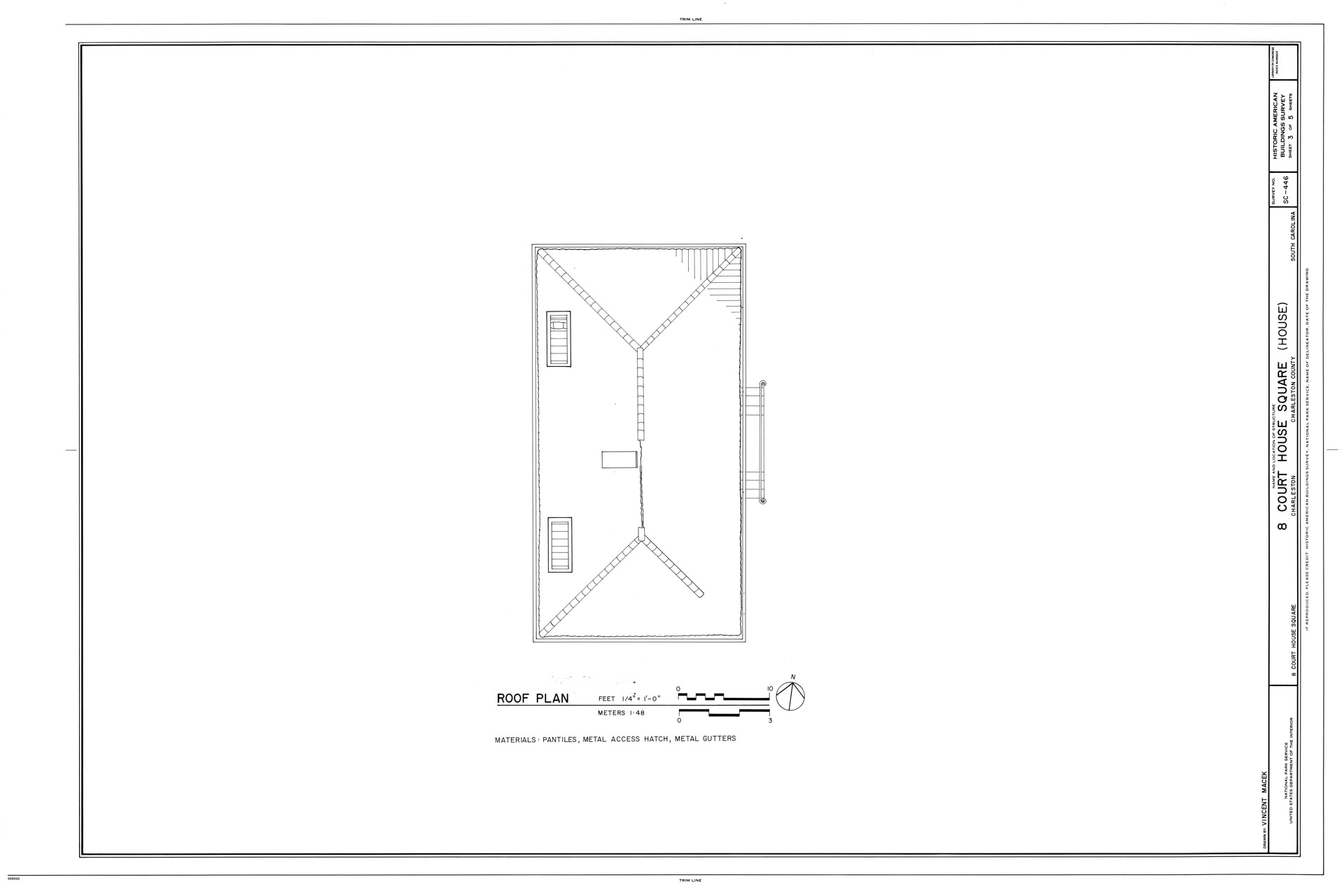
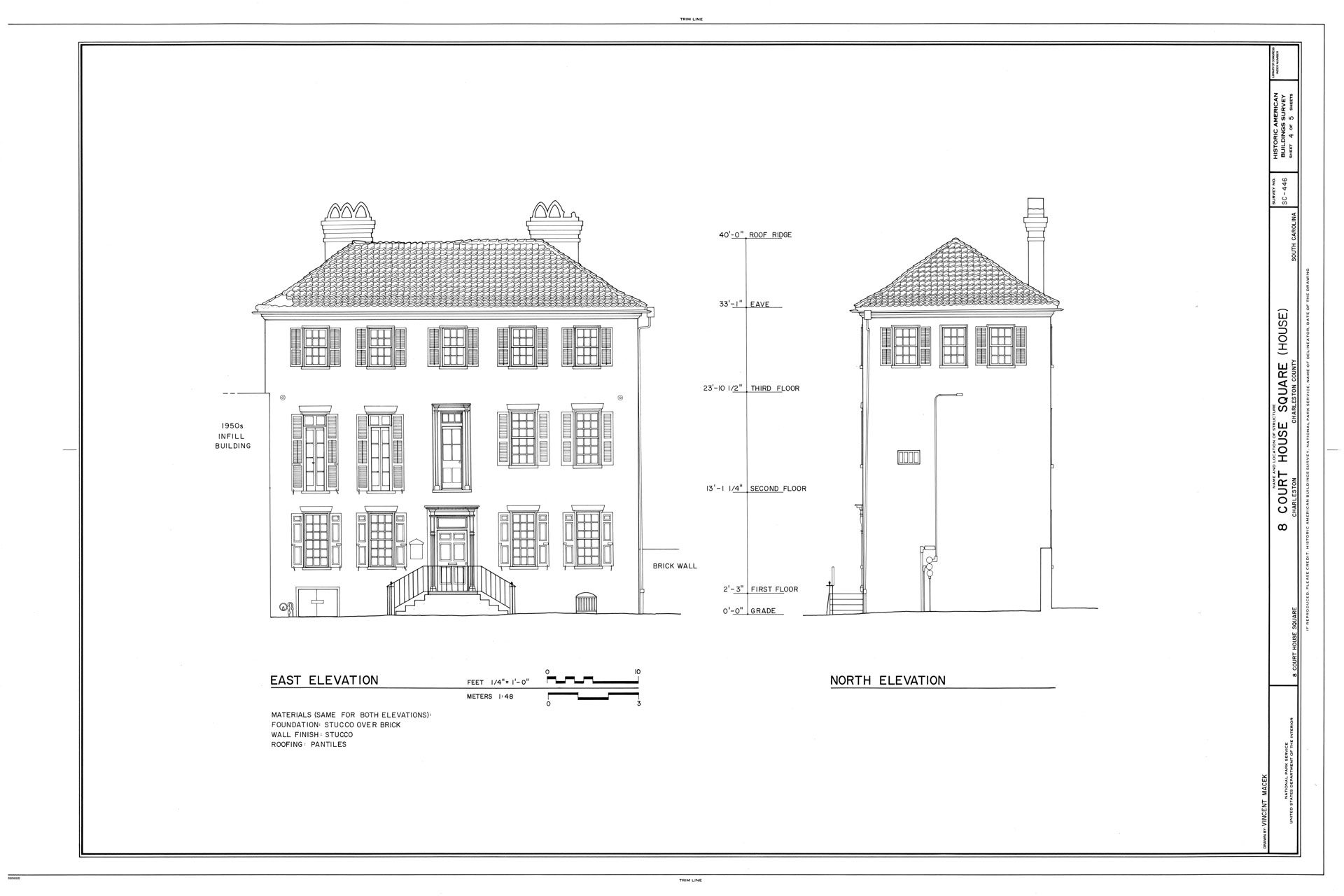
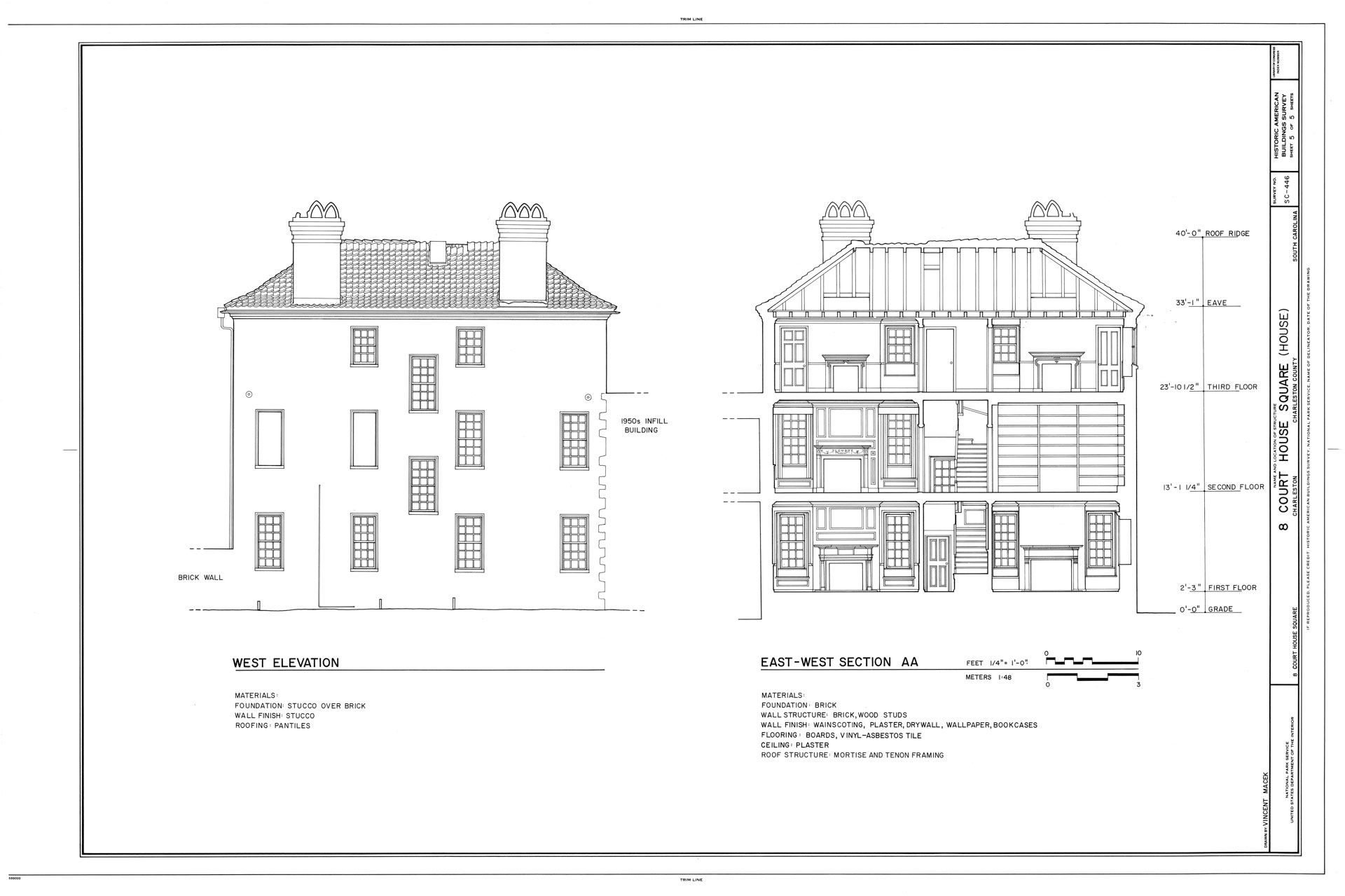
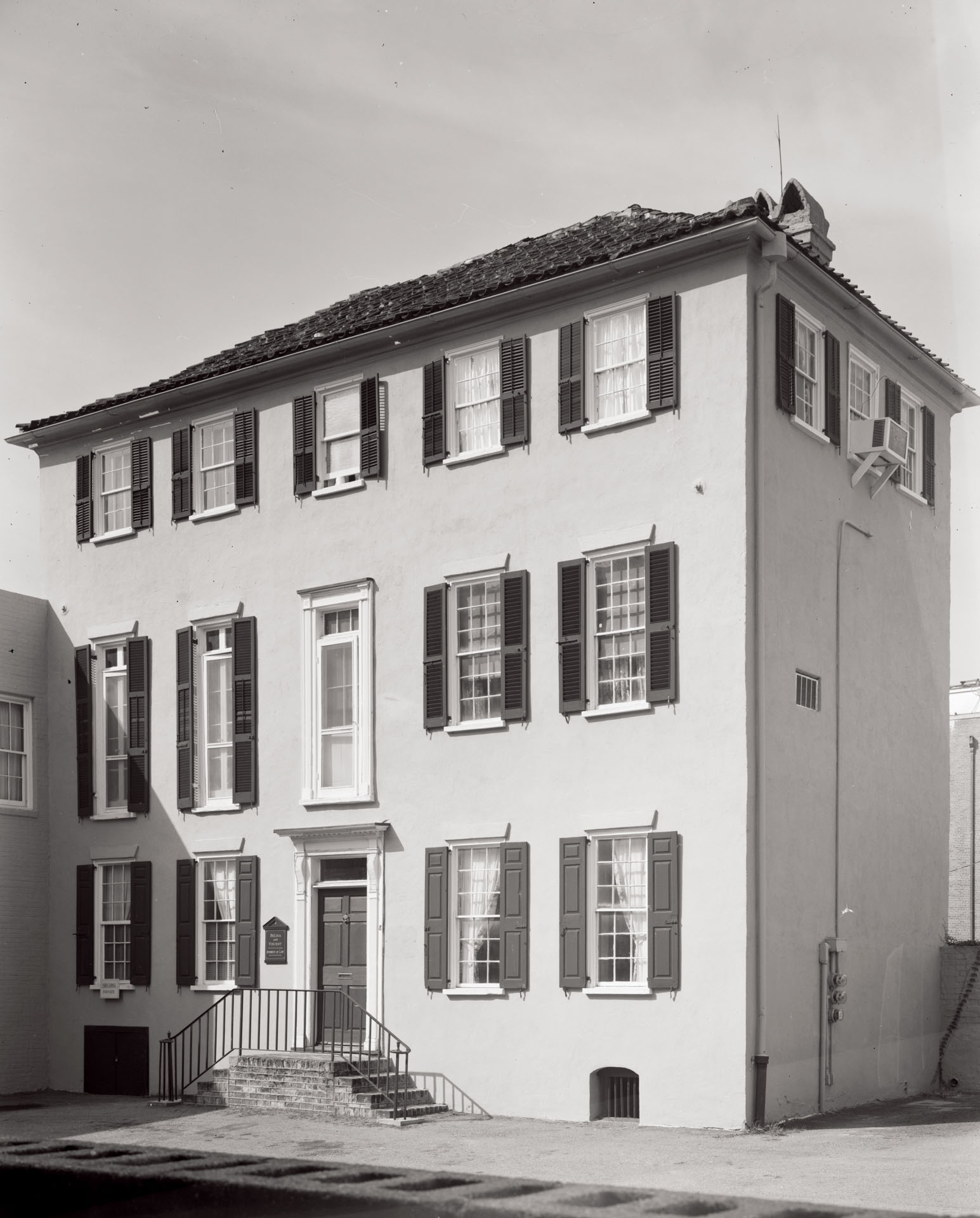
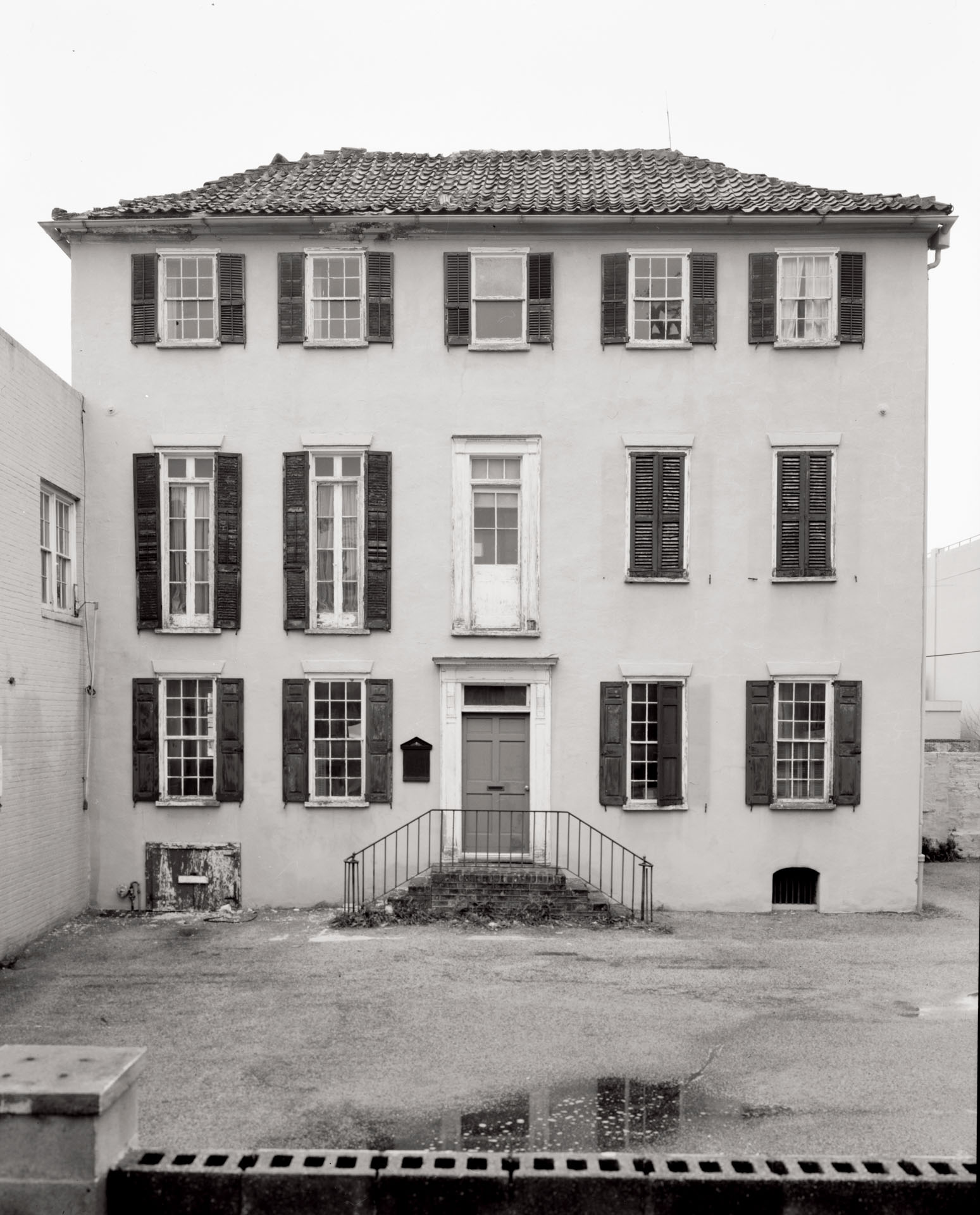
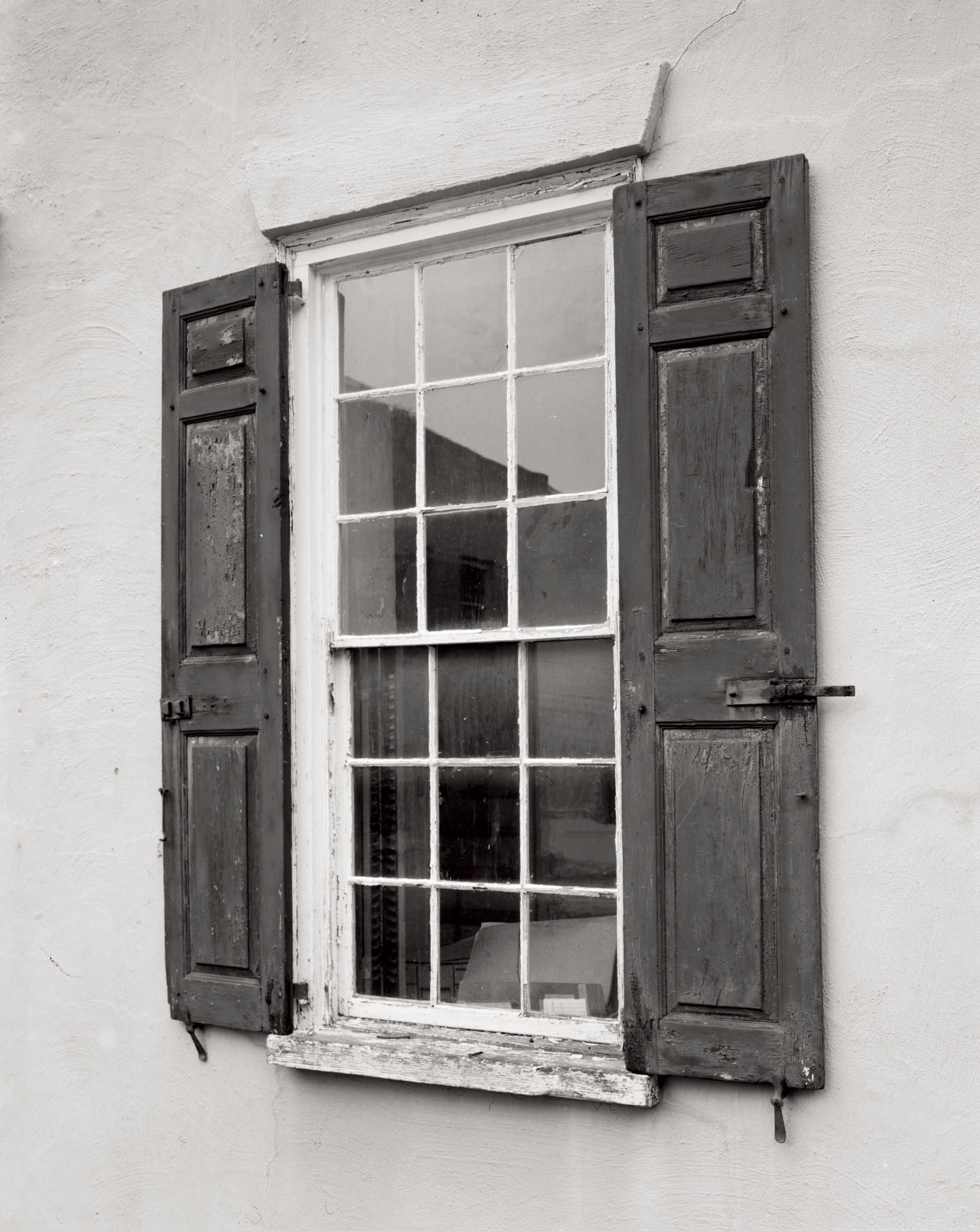
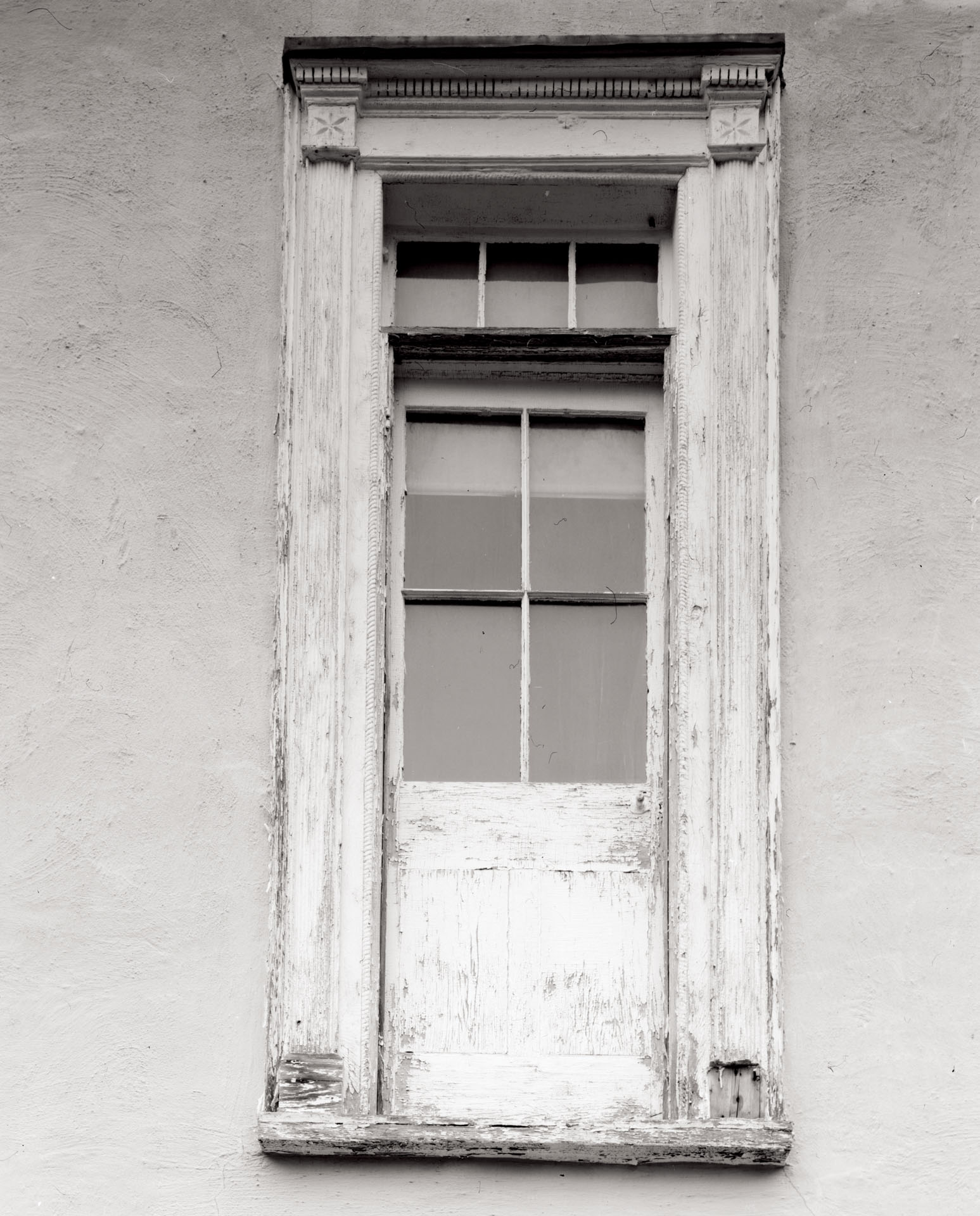
The structure, executed in brick and later finished in stucco, presents a three-story composition that aligns with the Federal style, its form both restrained and purposeful. As a Charleston single house, its narrow street presence and extended depth respond to the constraints of the urban lot while allowing for interior organization and ventilation. The building’s scale and placement contribute to the enclosure of Courthouse Square, one of the original elements of Charleston’s planned city fabric, reinforcing the spatial character of this civic enclave.
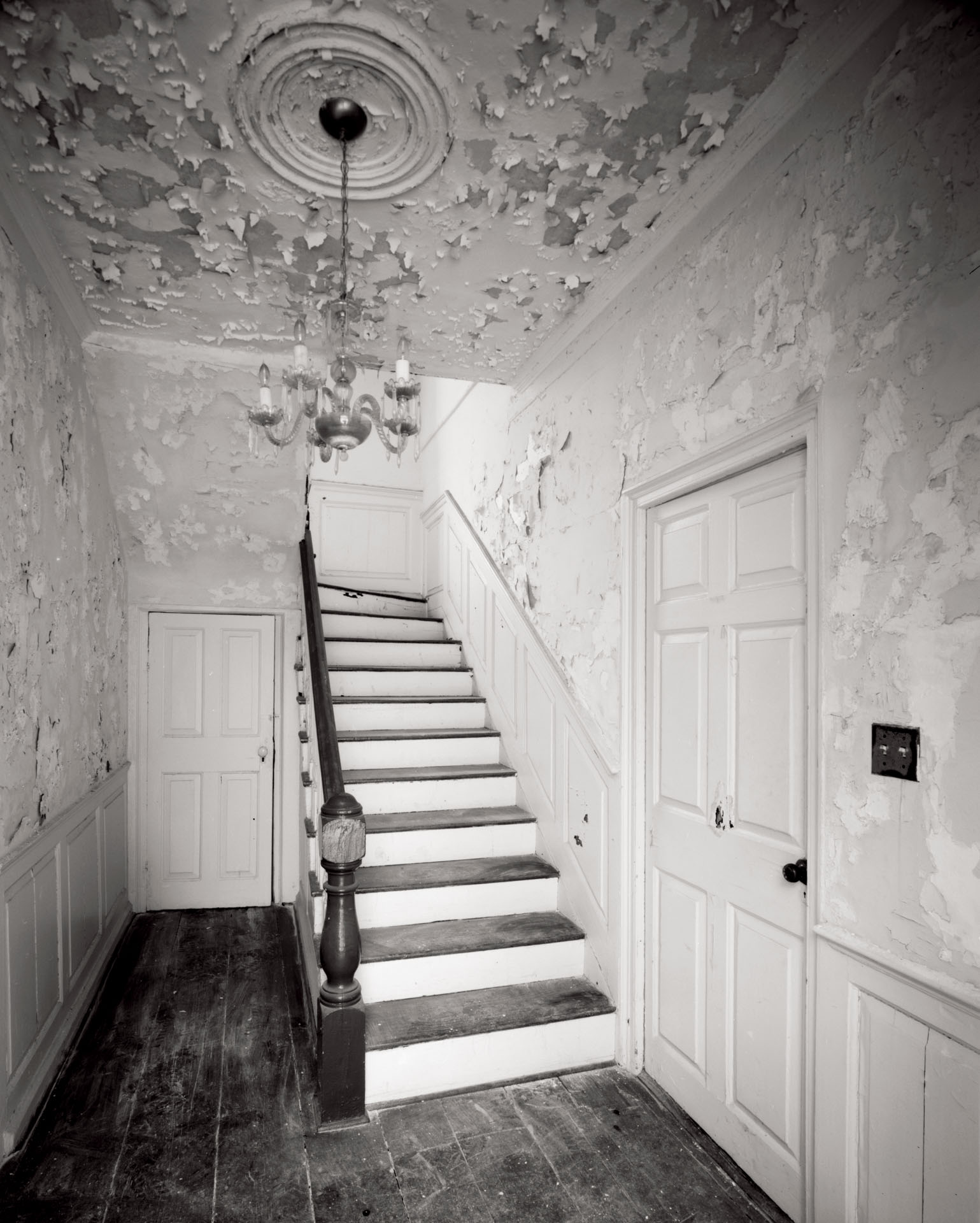
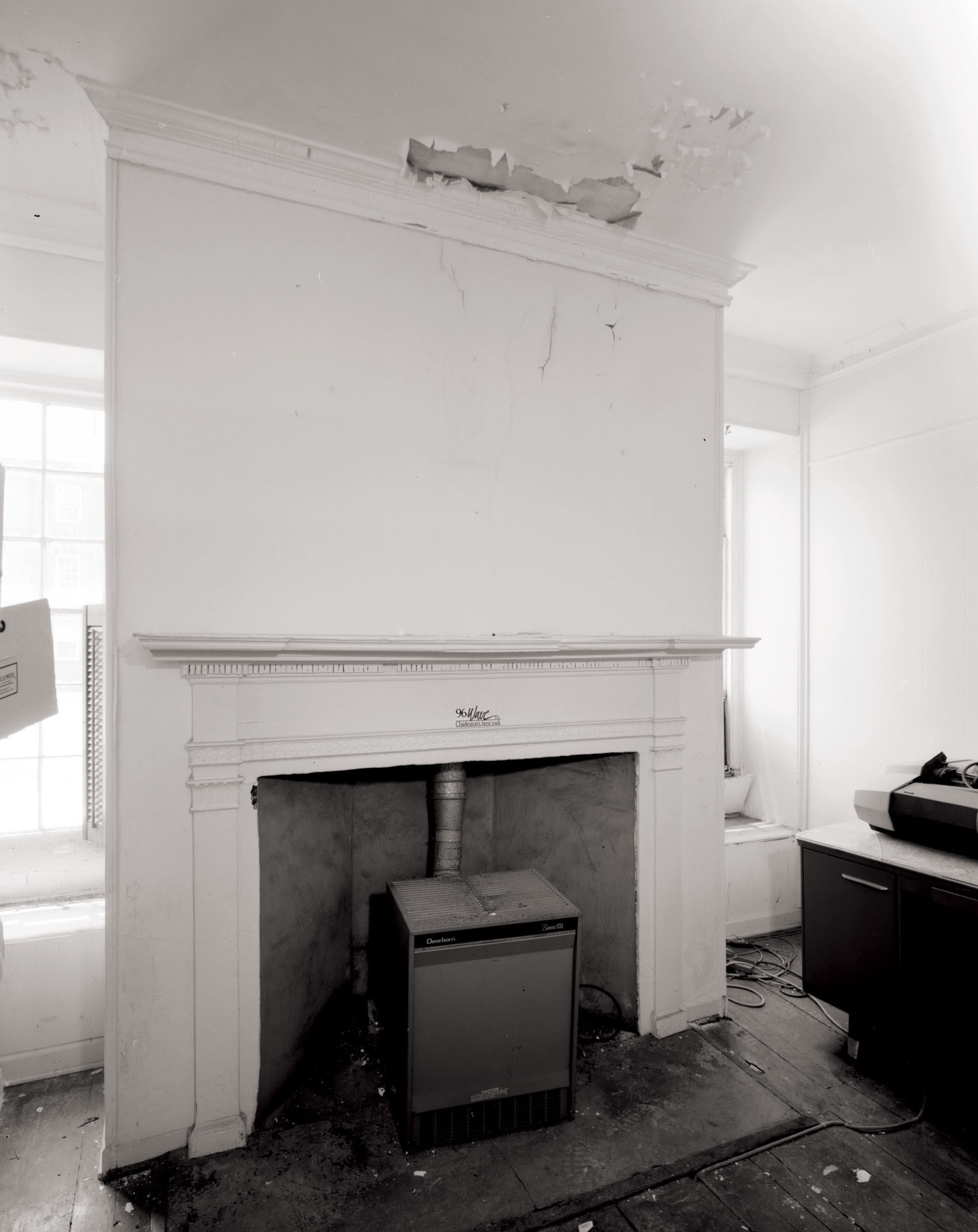
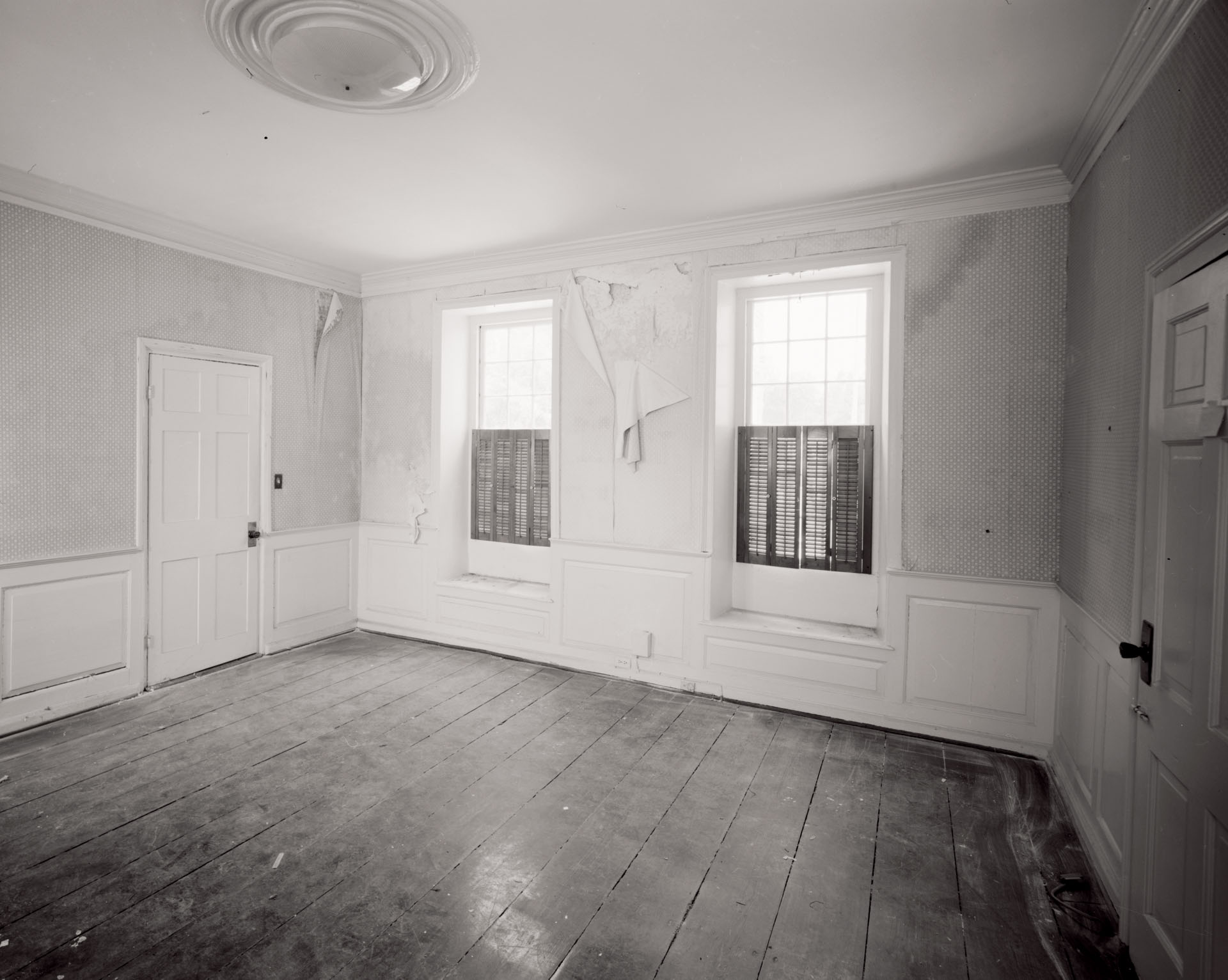
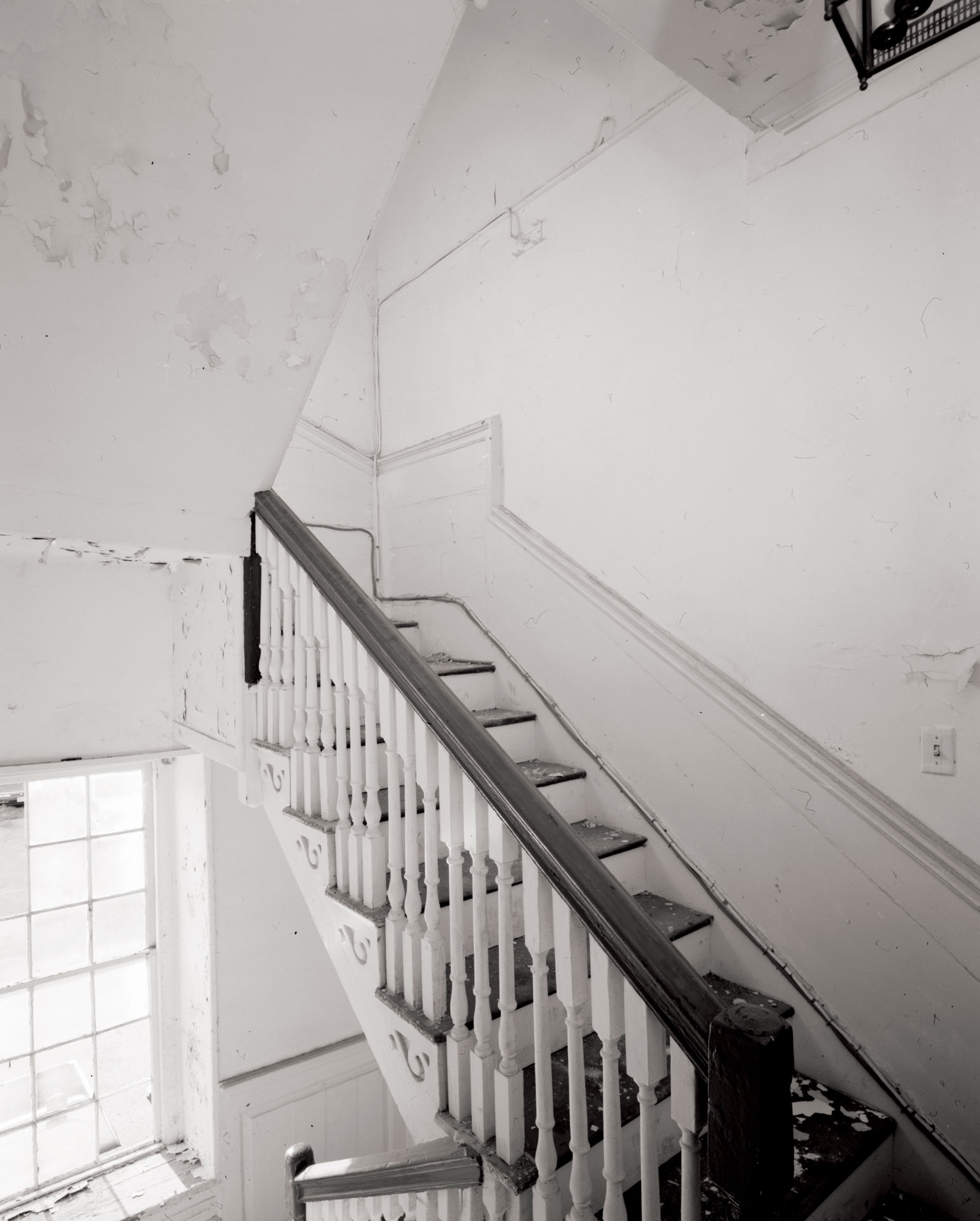
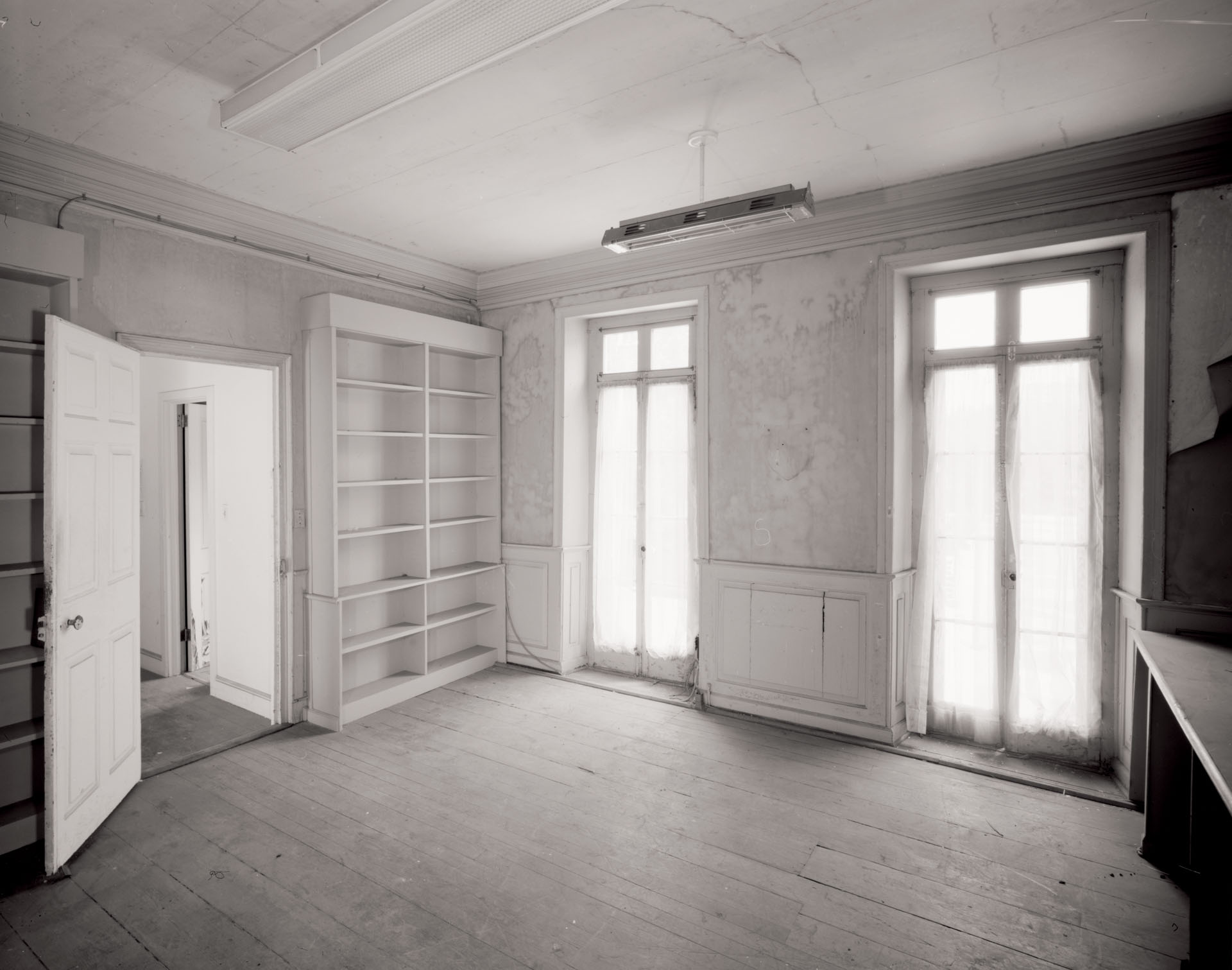
Within, the interior reveals a layered history of use and adaptation. Originally constructed as a residence and sugar bakery, the building later accommodated professional and institutional functions, including legal practice associated with Joseph Peace and his partner Landon Cheves, a future congressman and president of the Bank of the United States. Surviving drawings and interior details illustrate a disciplined approach to finish, where mouldings, paneling, and trim profiles are composed to support a sequence of spaces shaped as much by function as by form.
The Meyer Peace House endures as a rare survivor within Courthouse Square, embodying both domestic and commercial histories within a single structure. Its continued presence speaks to a formative period in Charleston’s recovery, when the rebuilding of its civic and commercial life found expression in the architecture of its streets and squares.