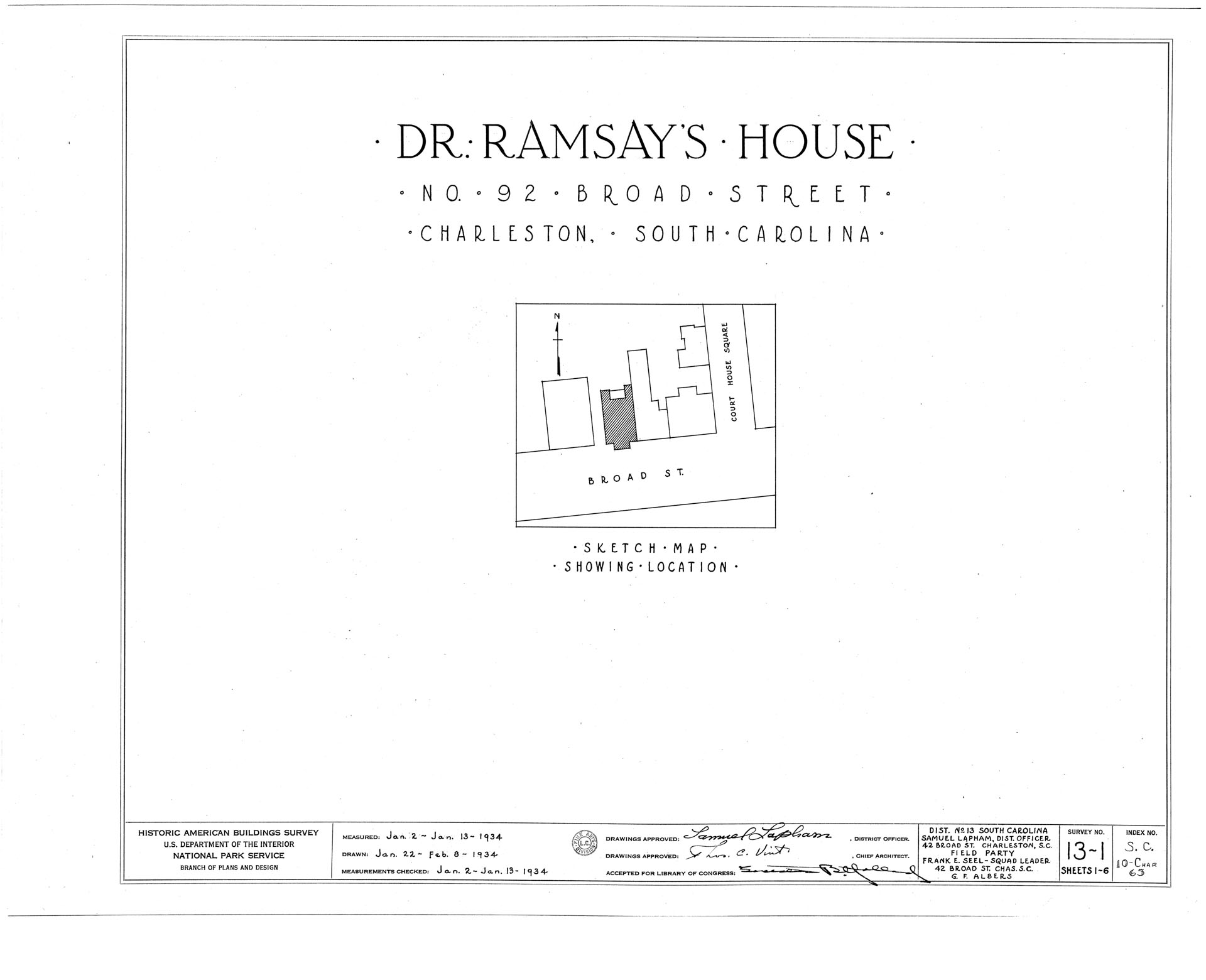
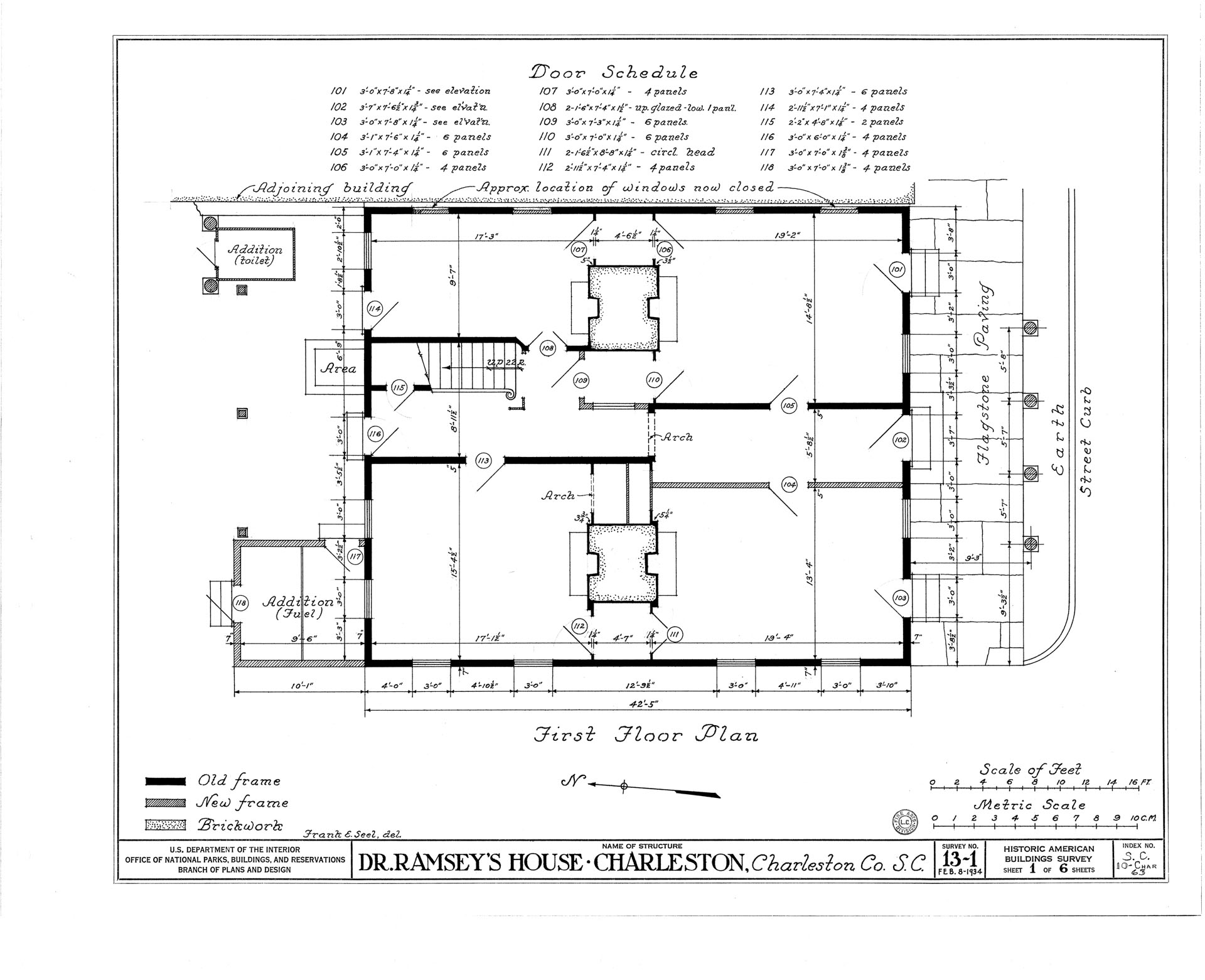
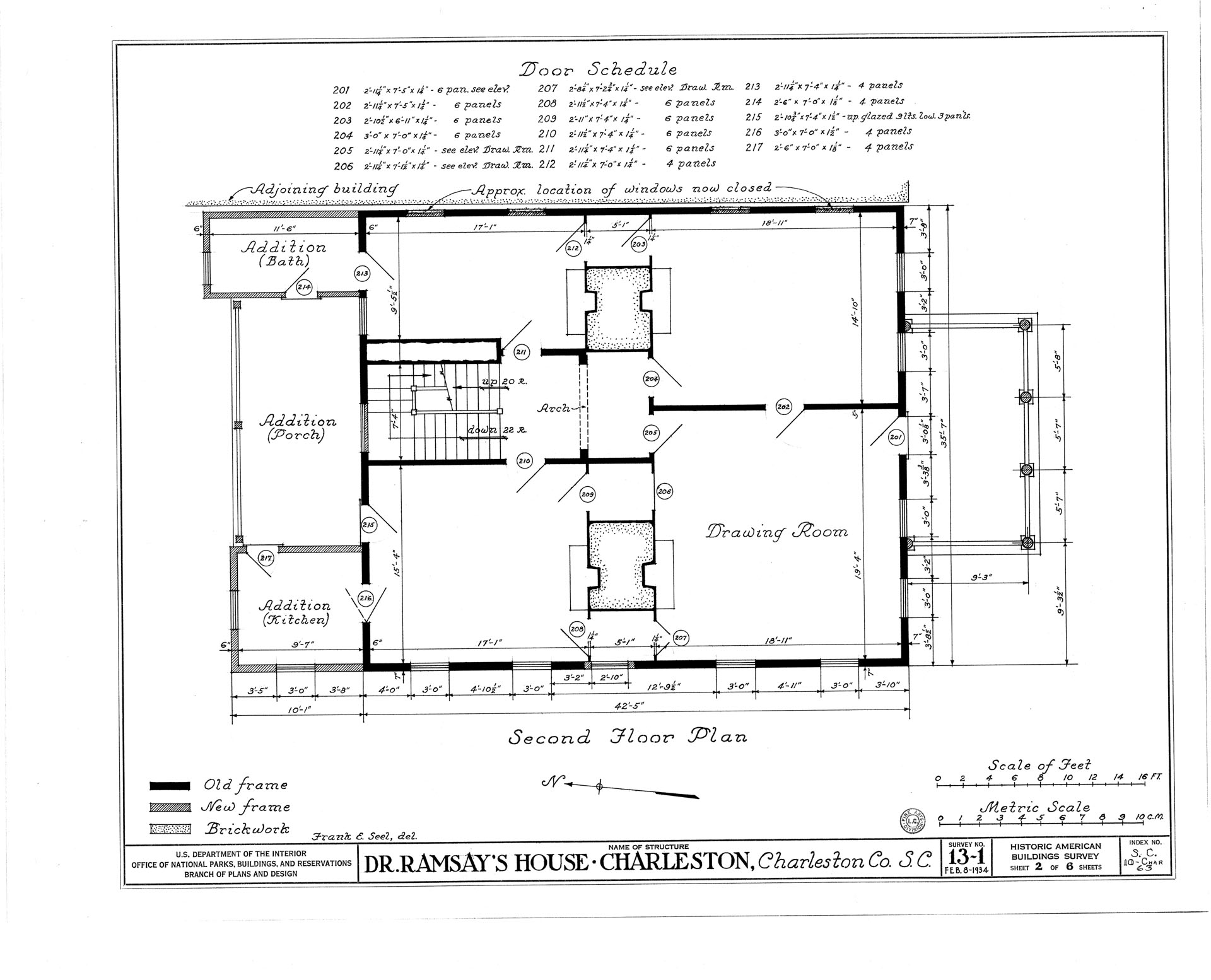
92 BROAD STREET, CHARLESTON, CHARLESTON COUNTY, SOUTH CAROLINA
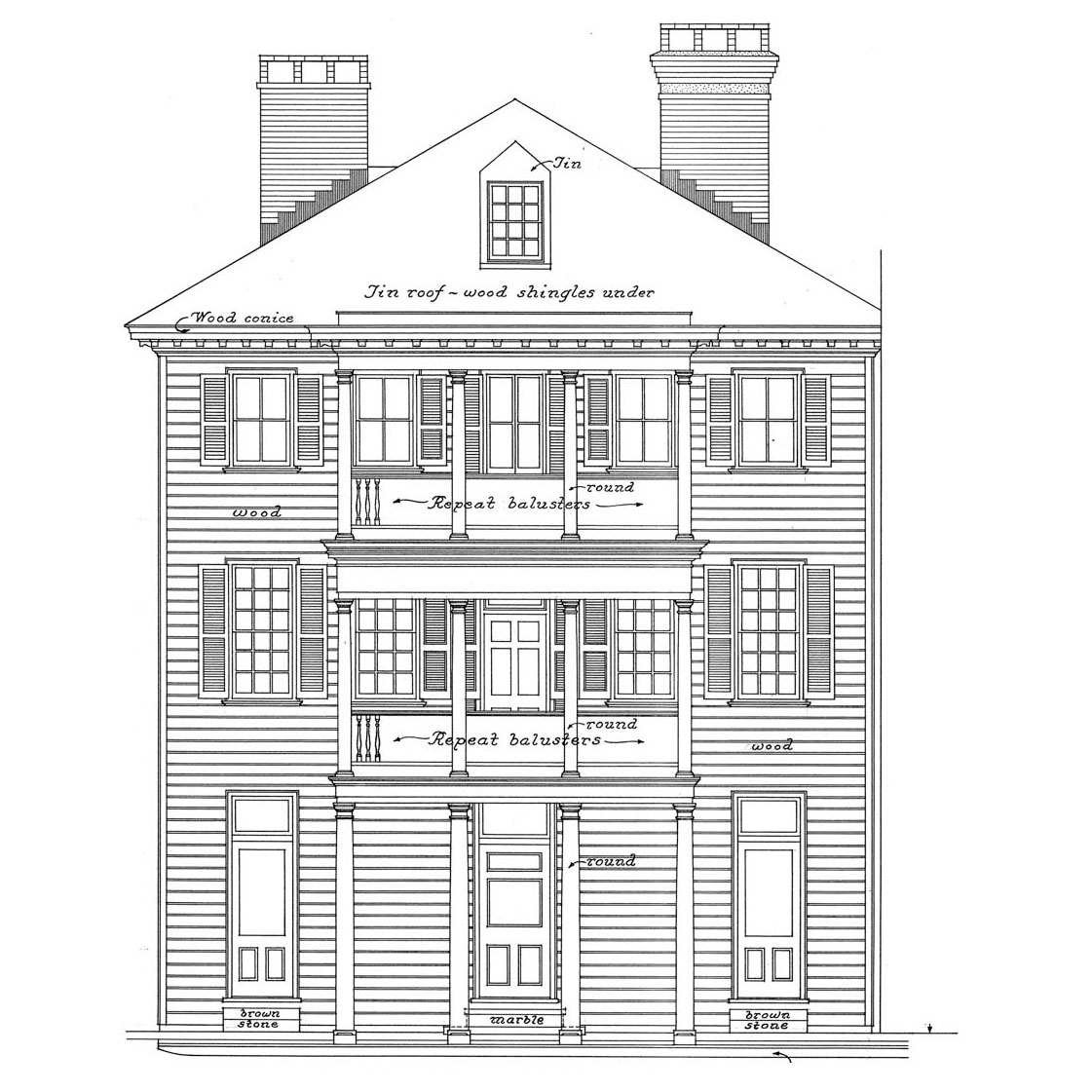
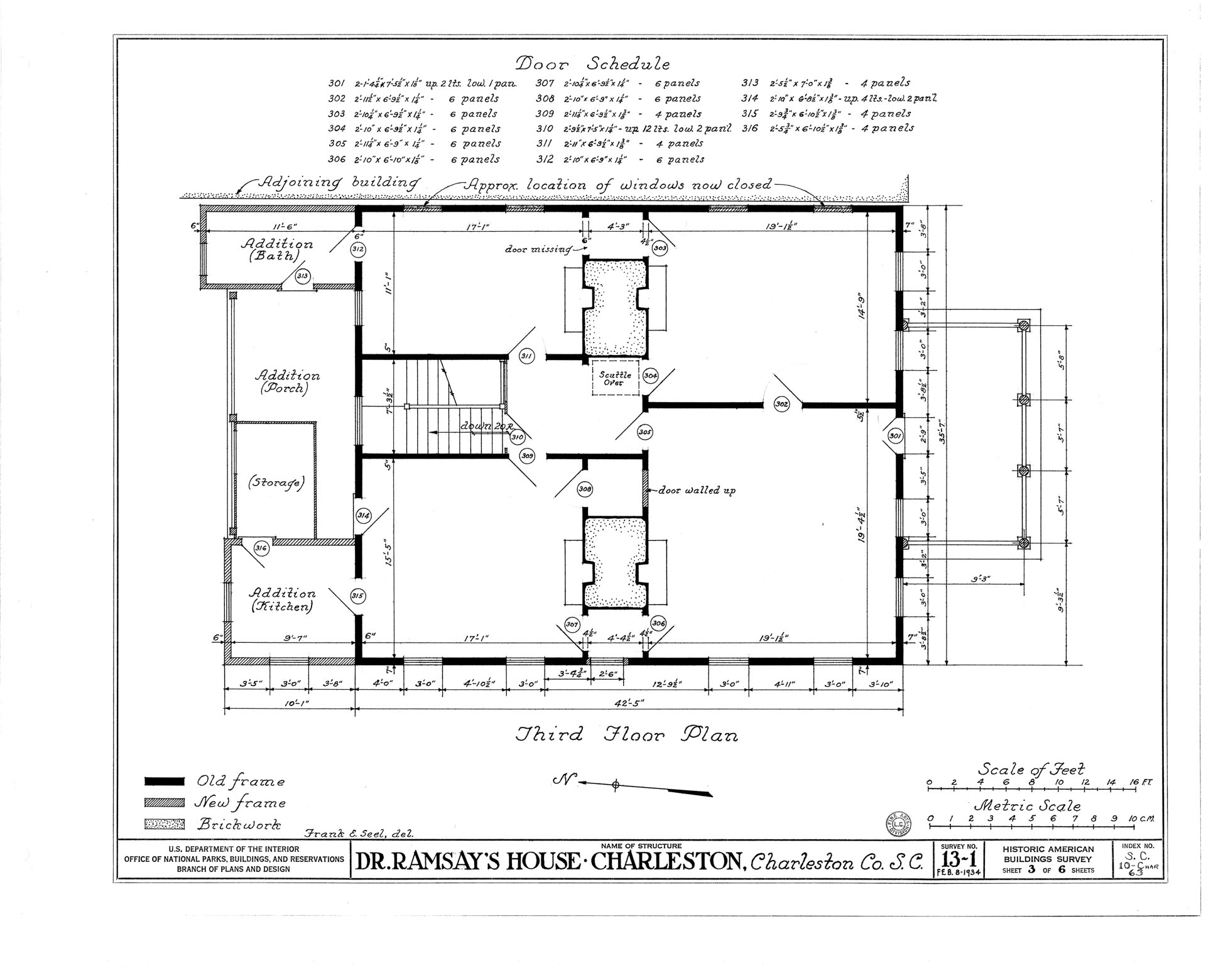
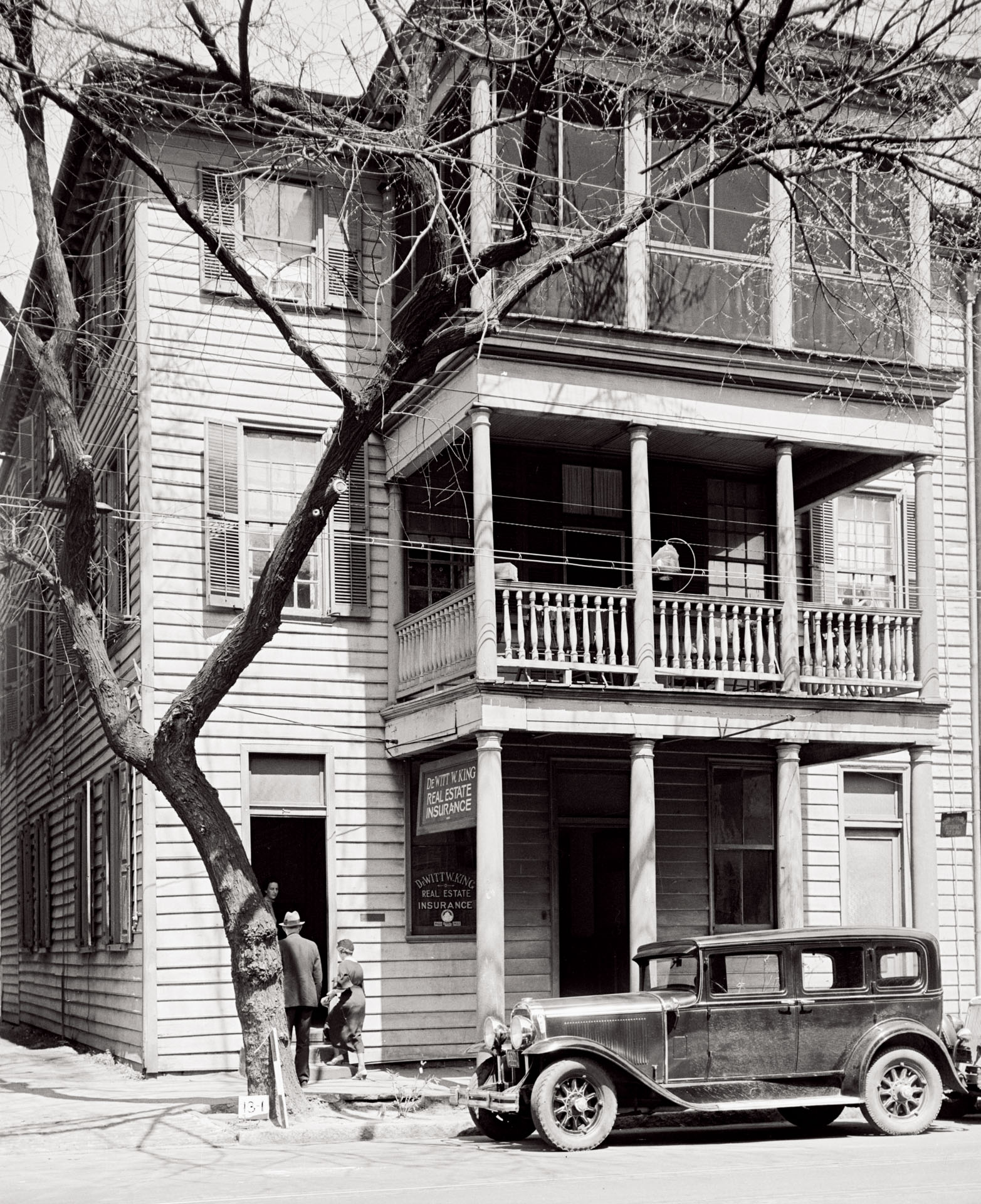
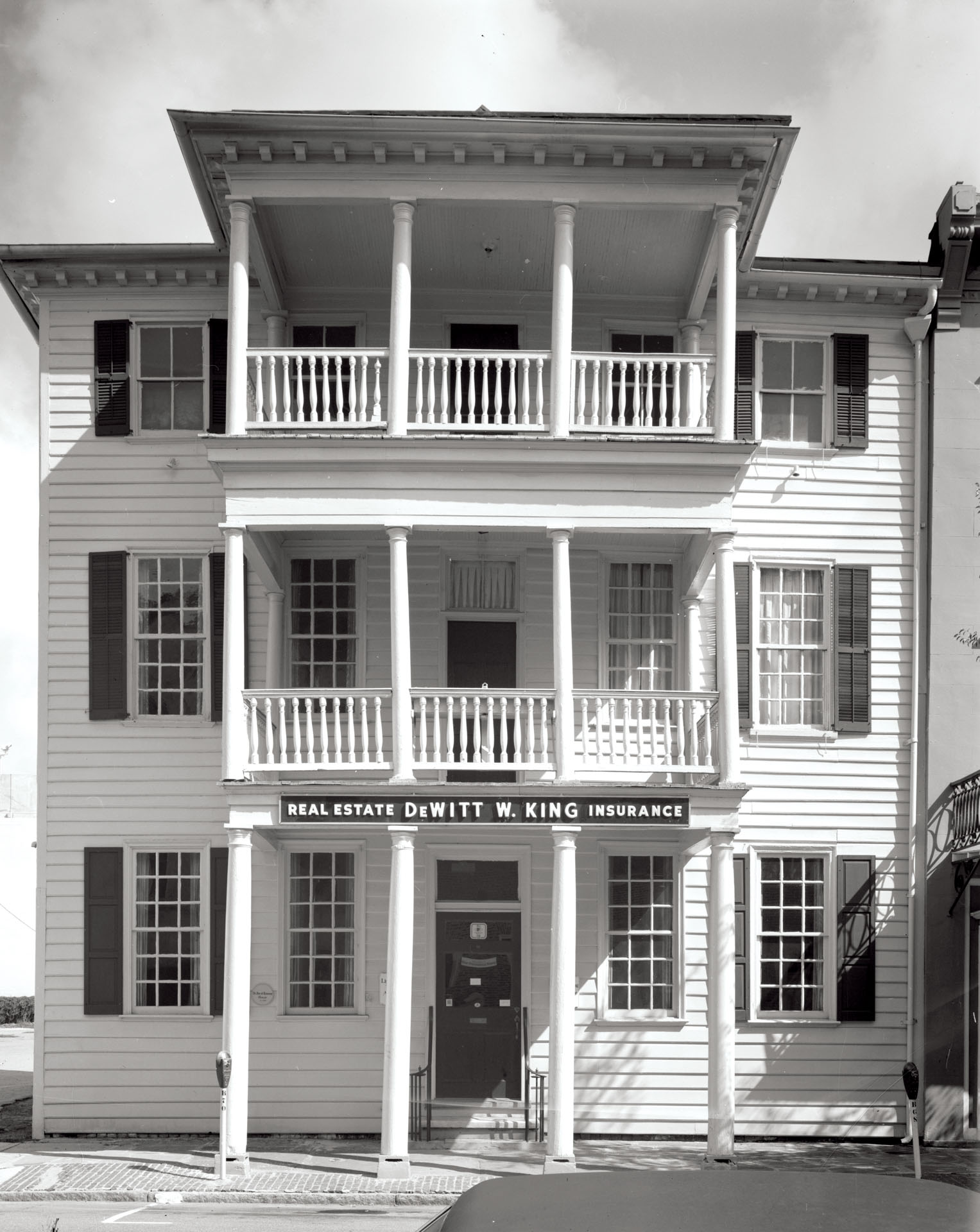
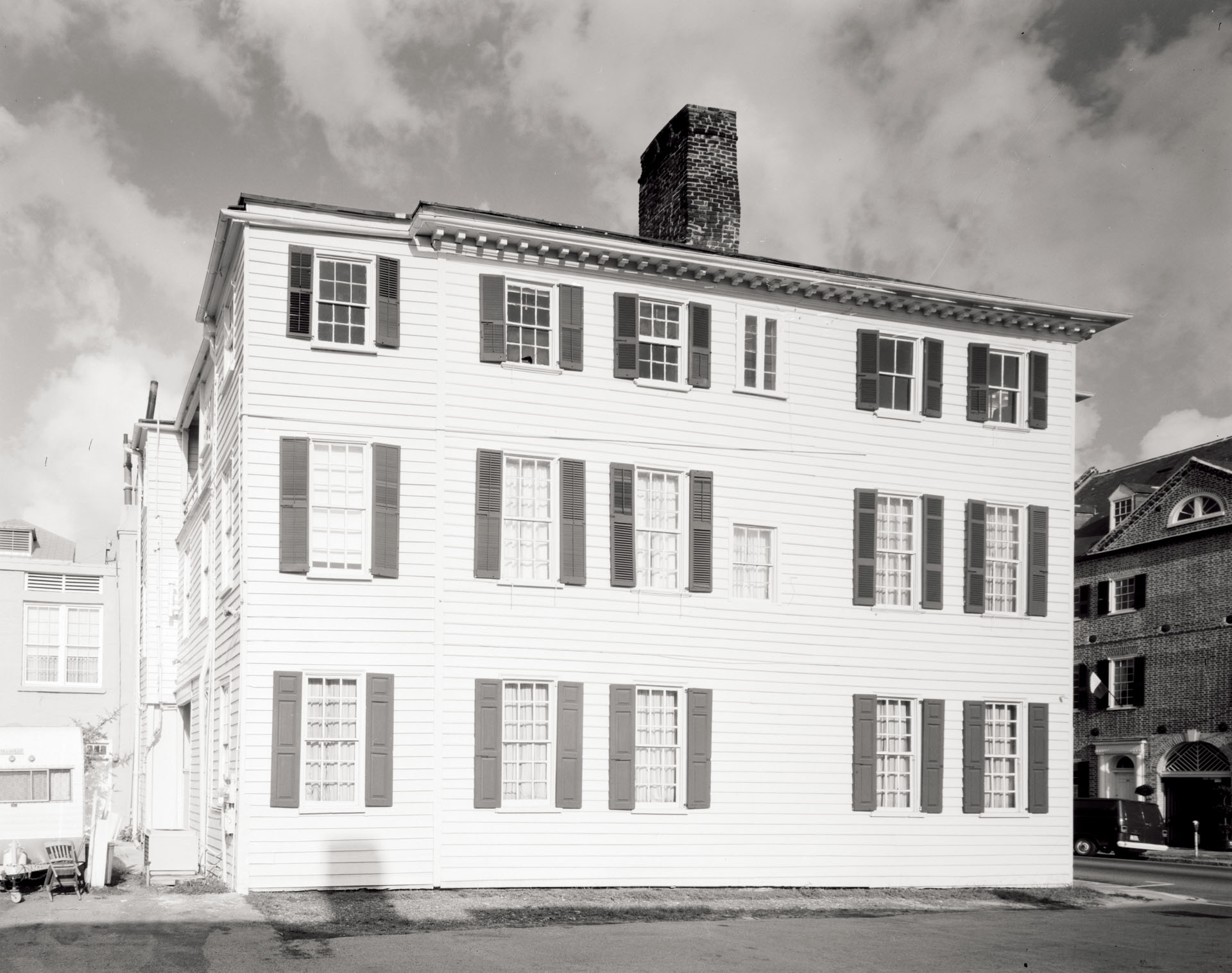
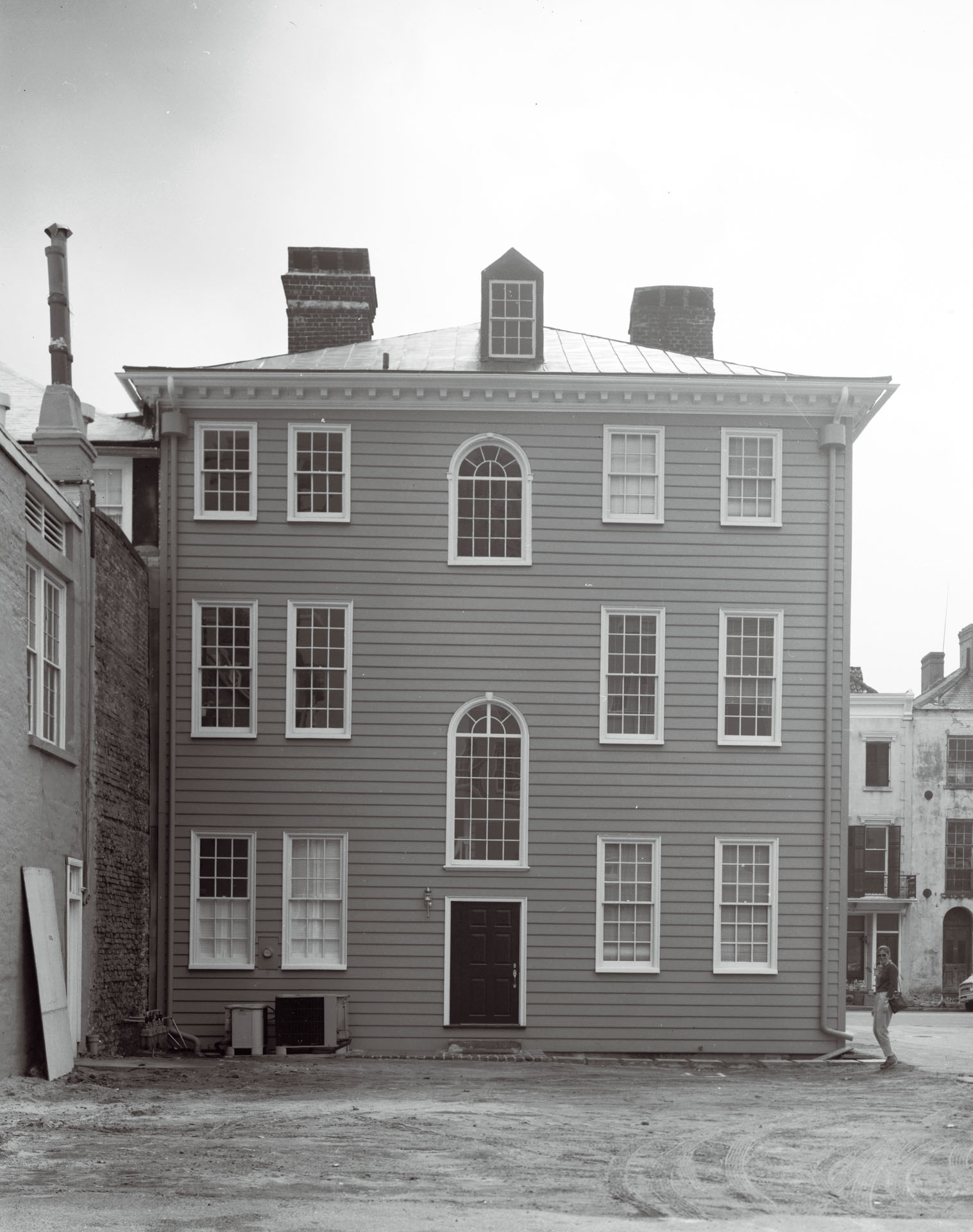
Along Broad Street in the historic center of Charleston stands the house long associated with David Ramsay, physician, statesman, and one of the earliest historians of the American Revolution. The residence at 92 Broad Street was built before 1740 and later purchased by Ramsay in 1783, where he lived and practiced medicine while contributing to the civic and scholarly life of the young republic. Dr. Ramsay served as an army surgeon during the Revolutionary War and has also been credited with introducing the practice of vaccination, particularly against smallpox, to South Carolina. His writings later helped shape early interpretations of the nation’s founding years.
A tragic event occurred here in 1815 when Ramsay was shot and killed by a mentally disturbed former patient in the courtyard of the property. The event shocked Charleston society, as he was widely respected as a physician, a patriot of the Revolution, and a historian of the young nation. The house, therefore, is not only a historic residence but also the setting of a dramatic moment in Charleston’s past.
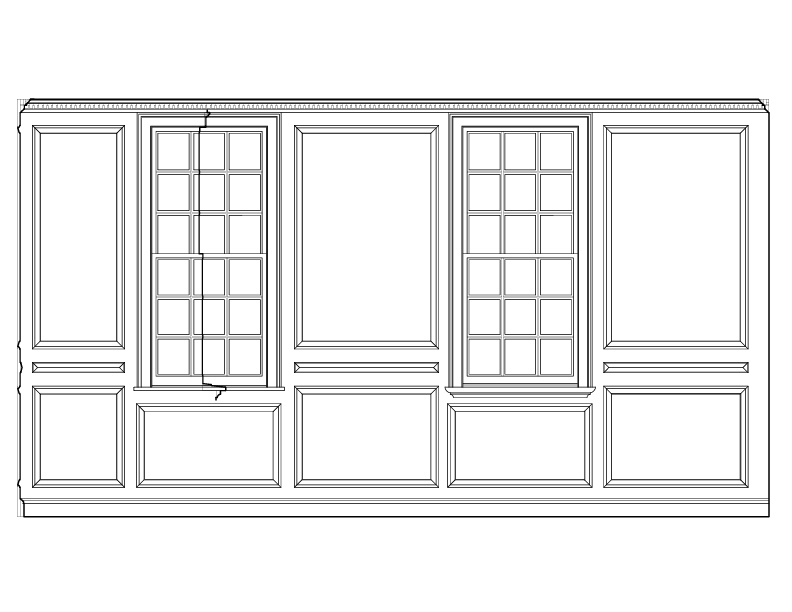
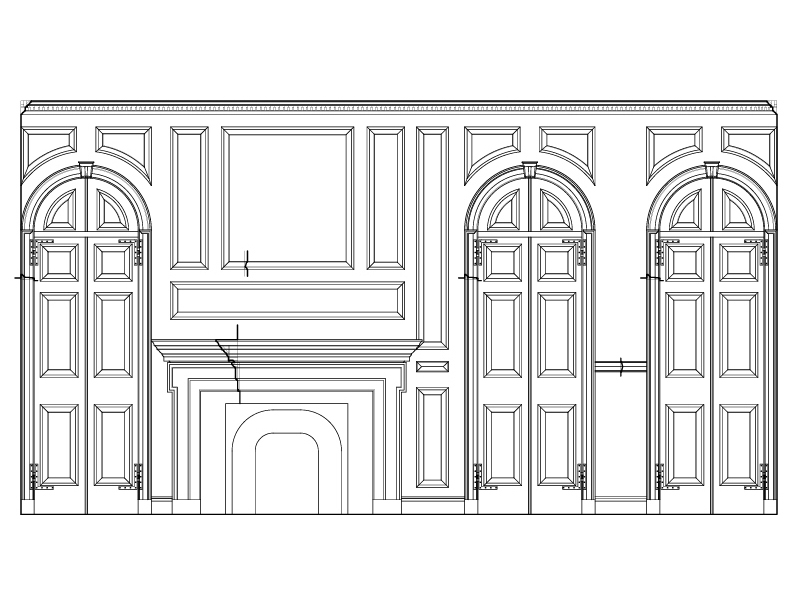
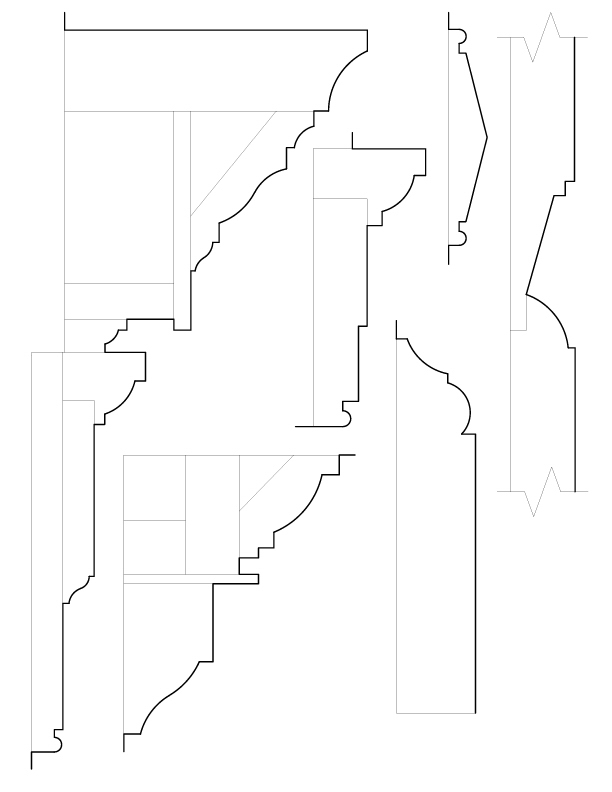
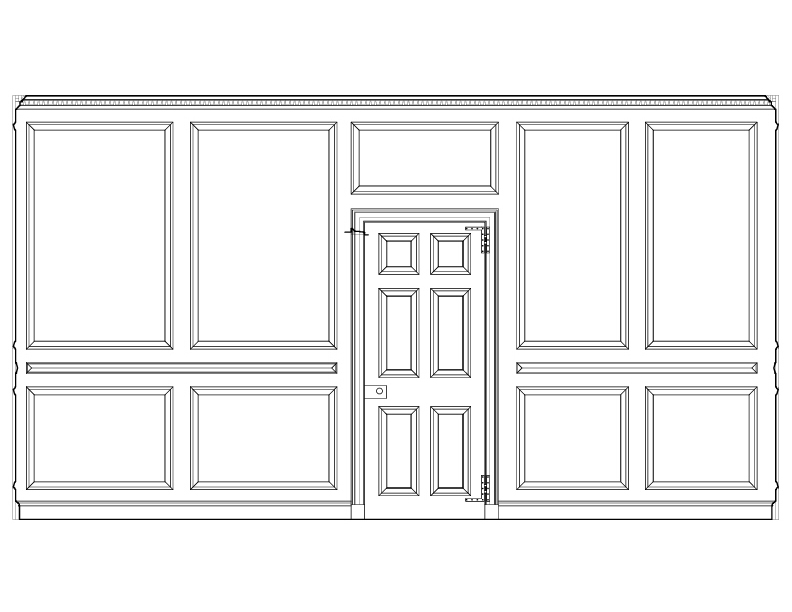
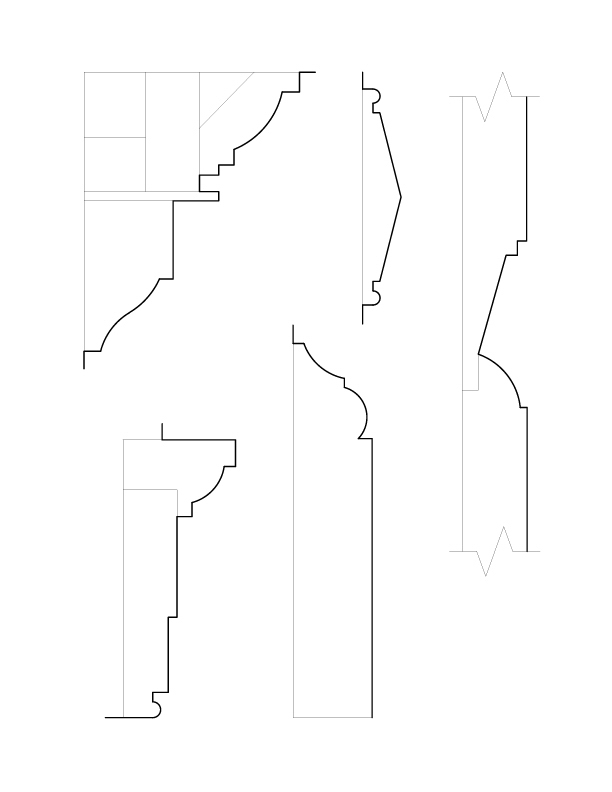
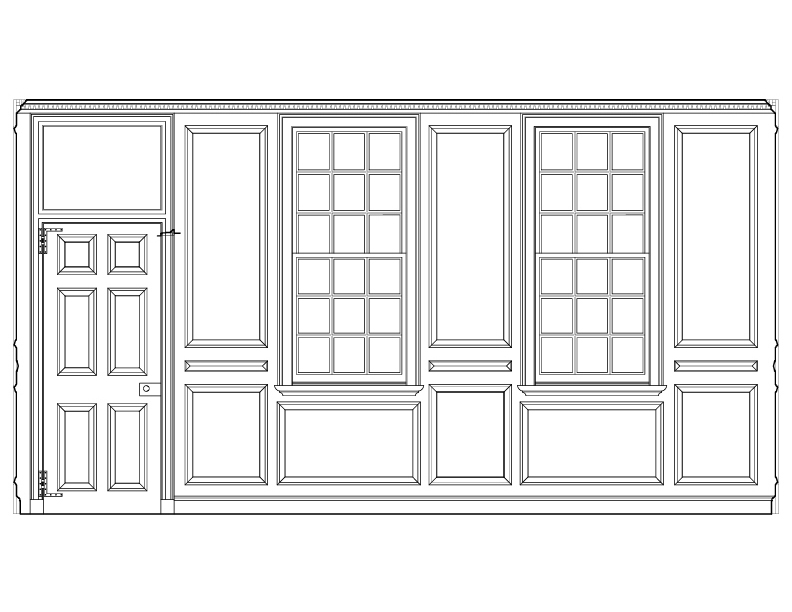
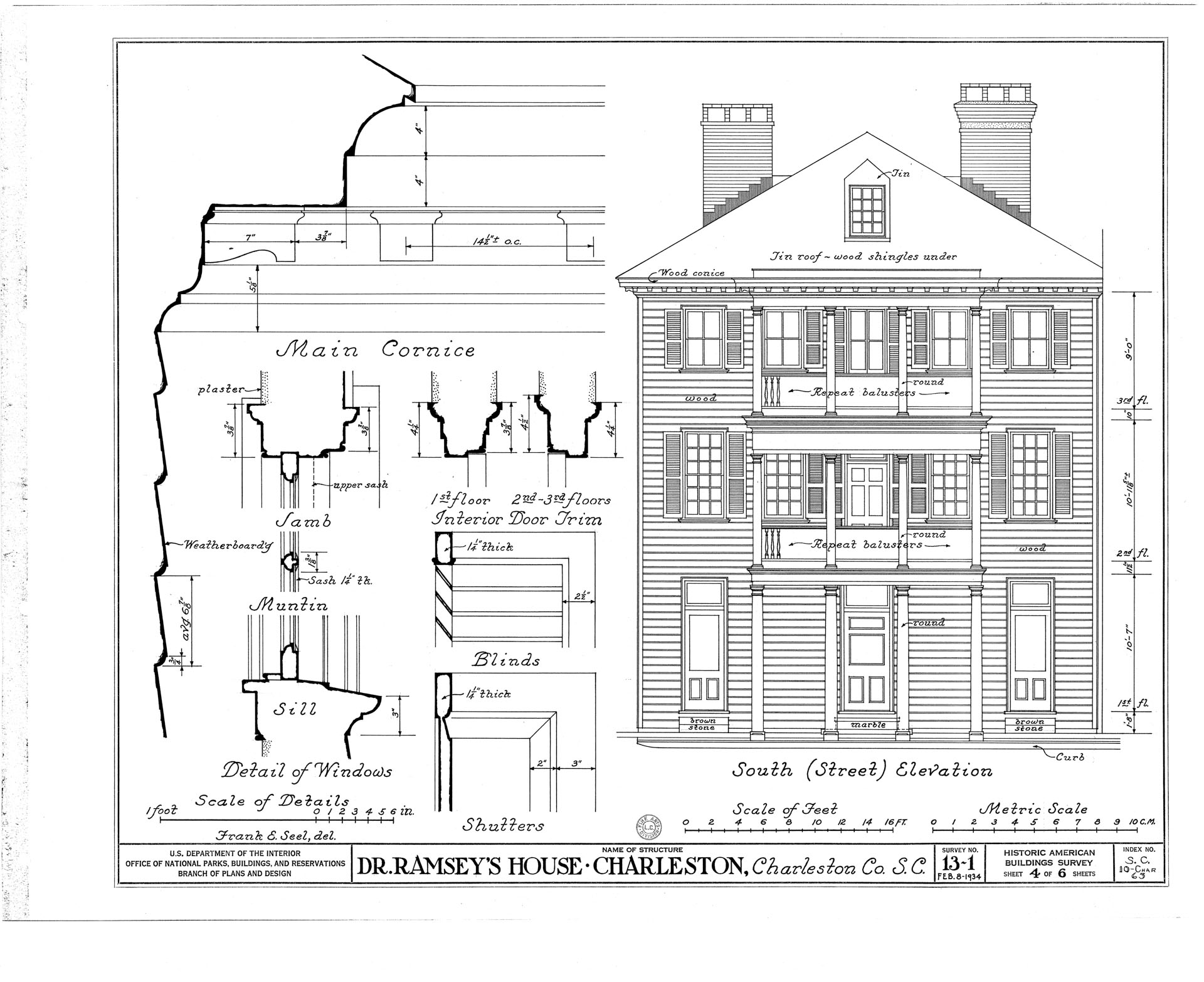
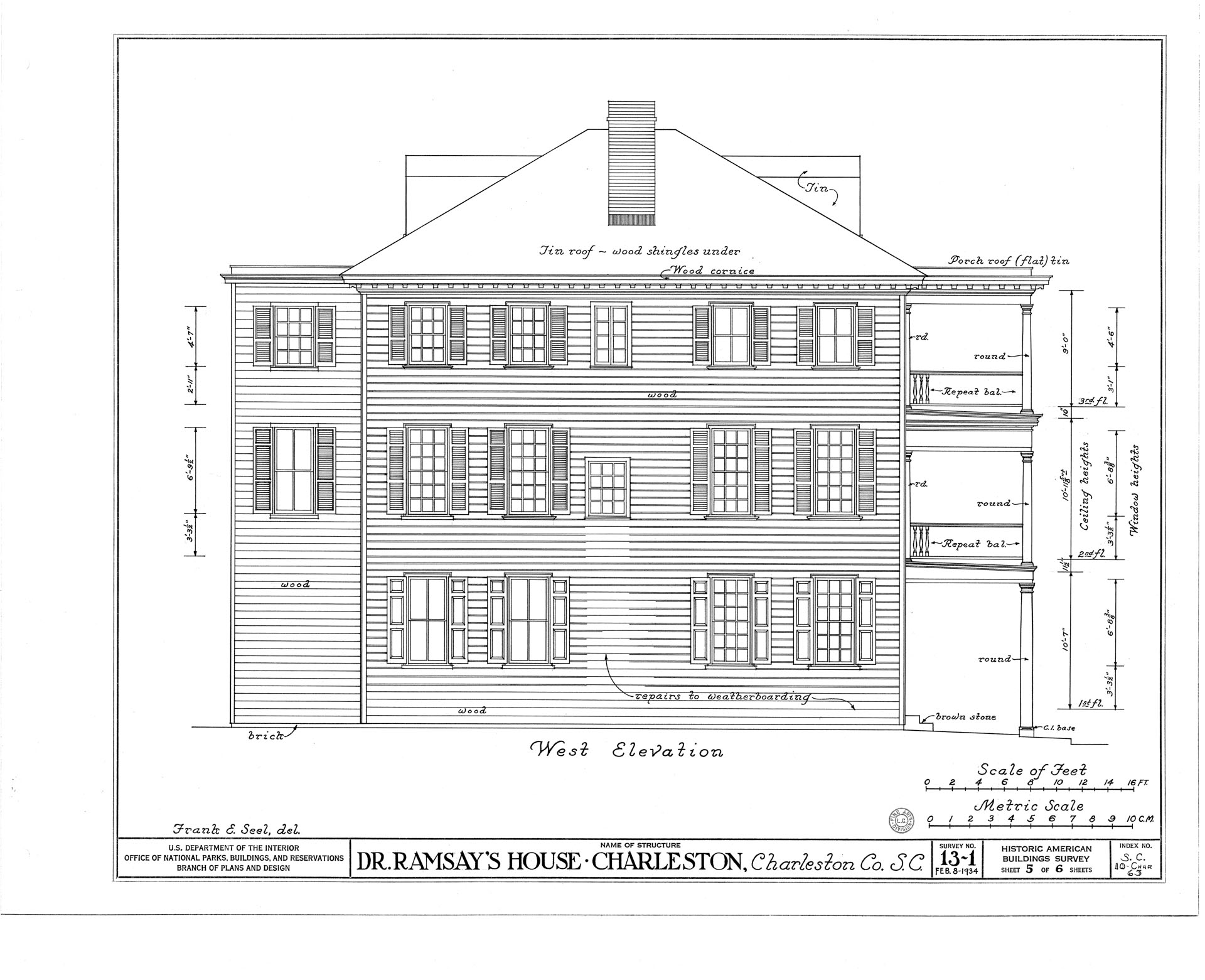
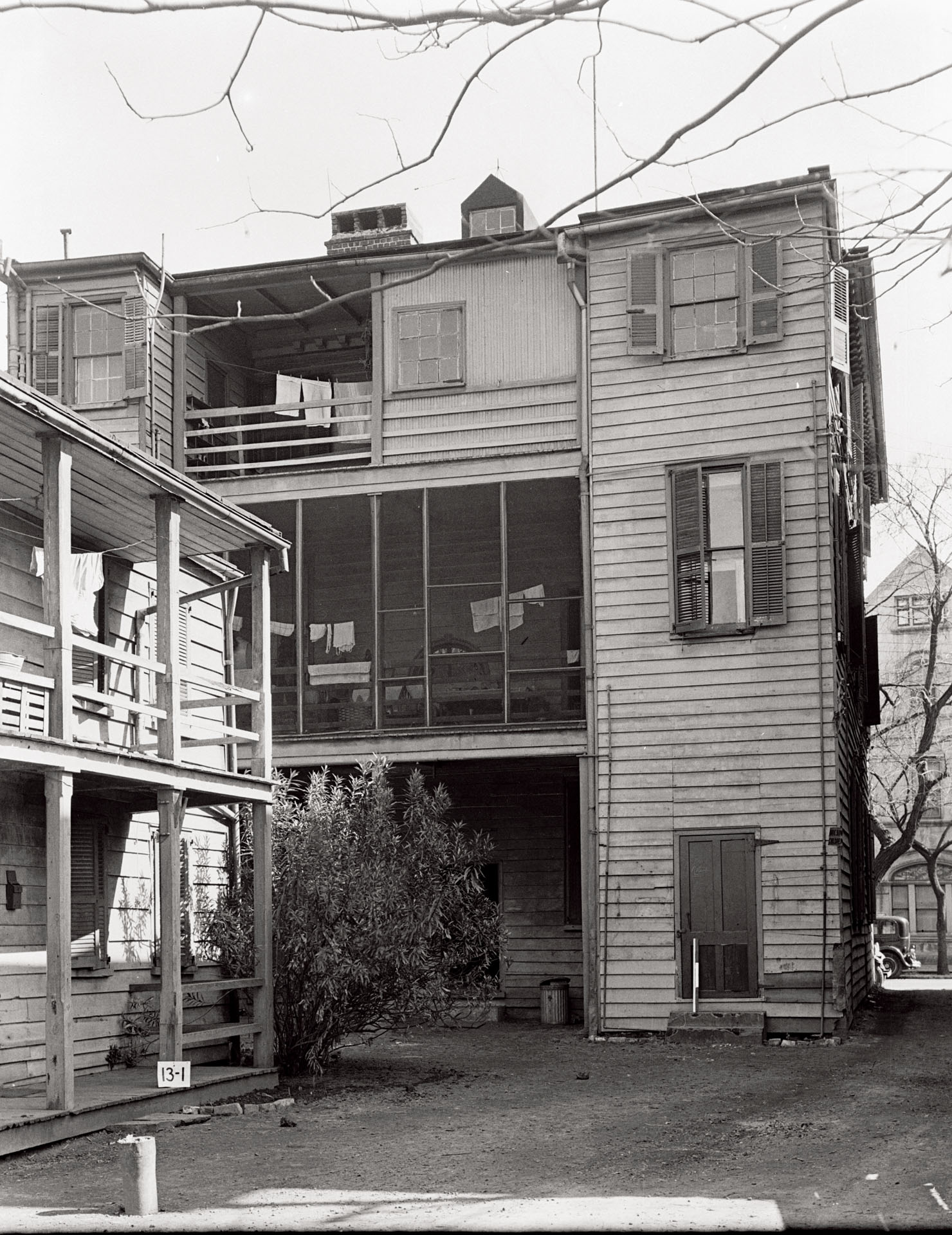
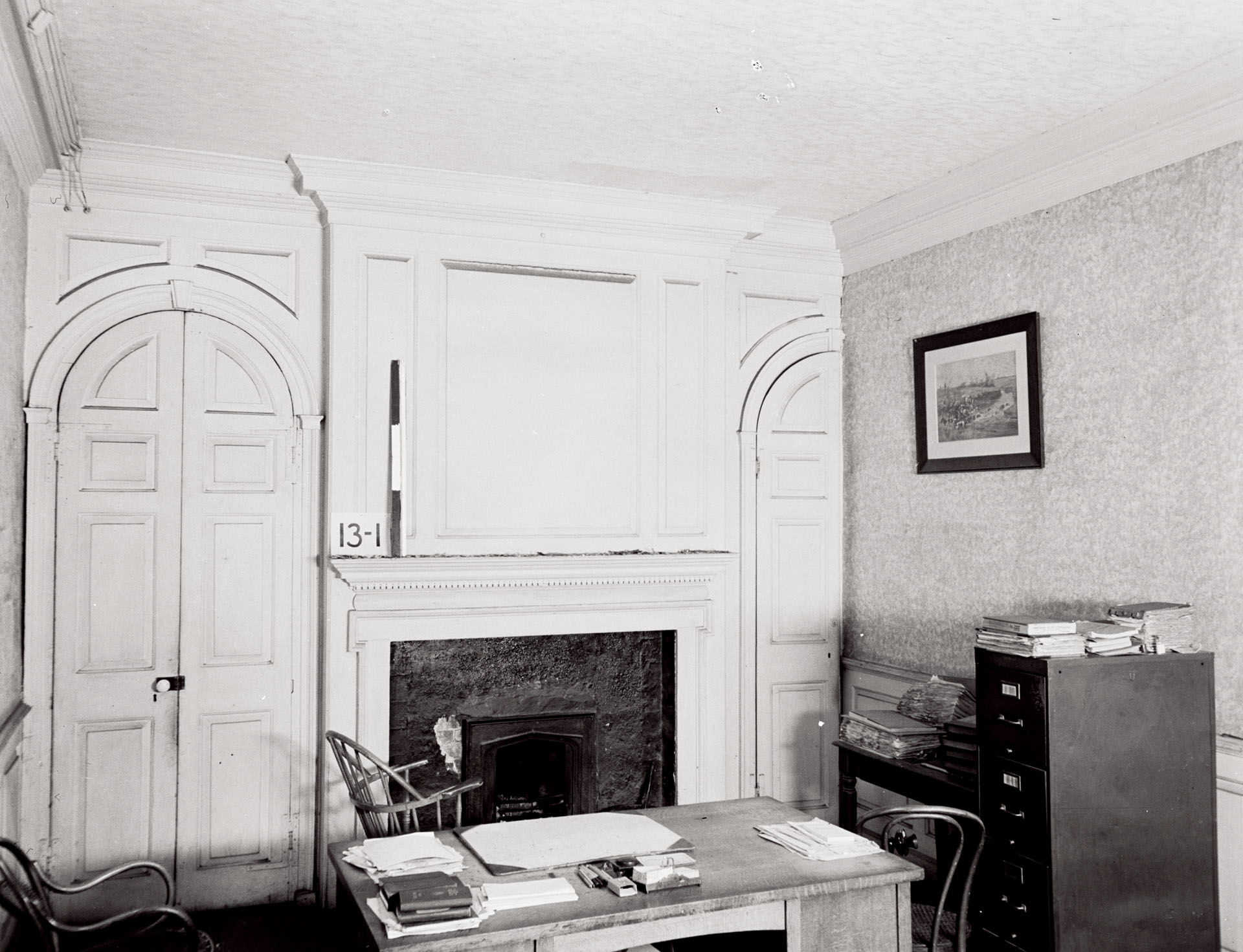
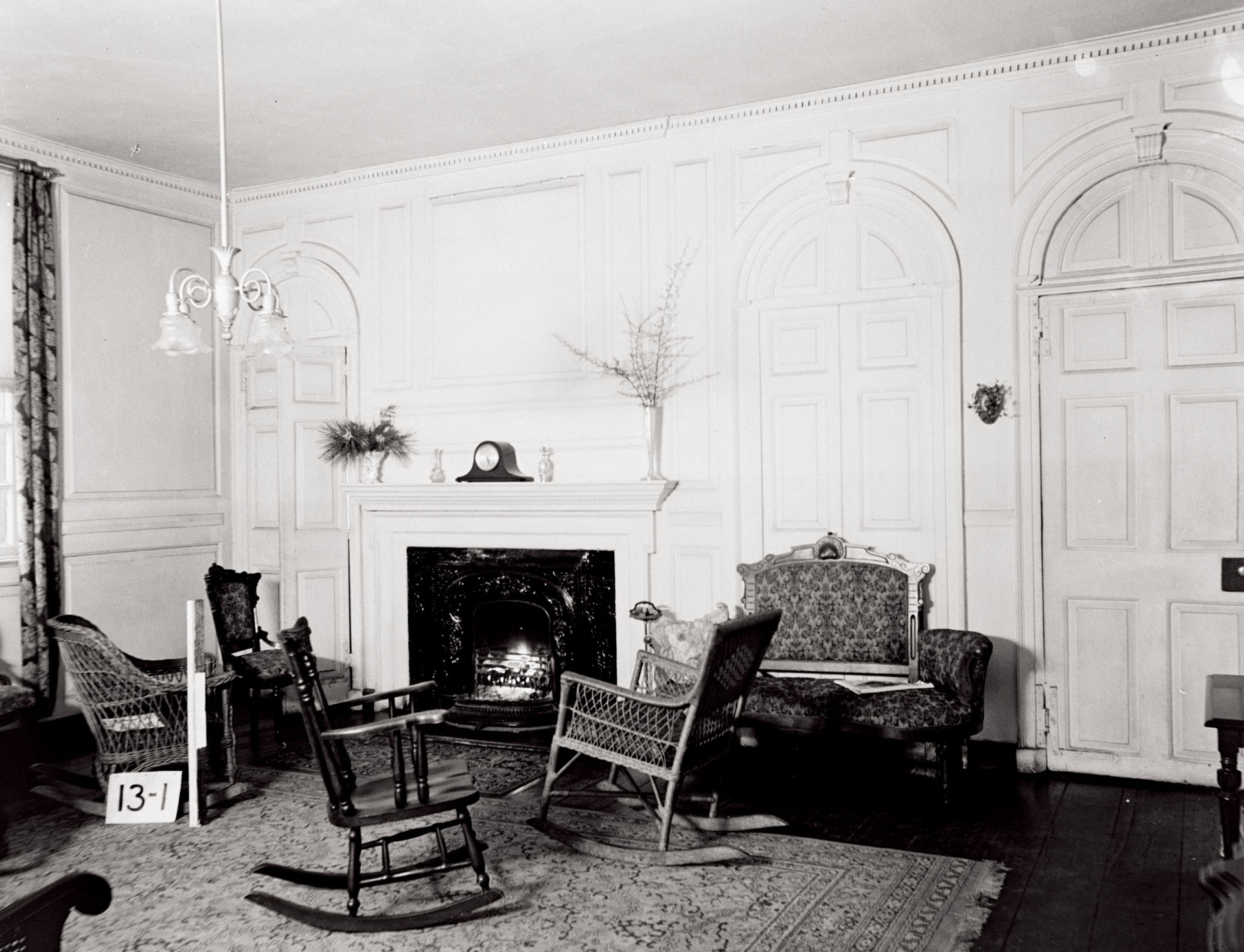
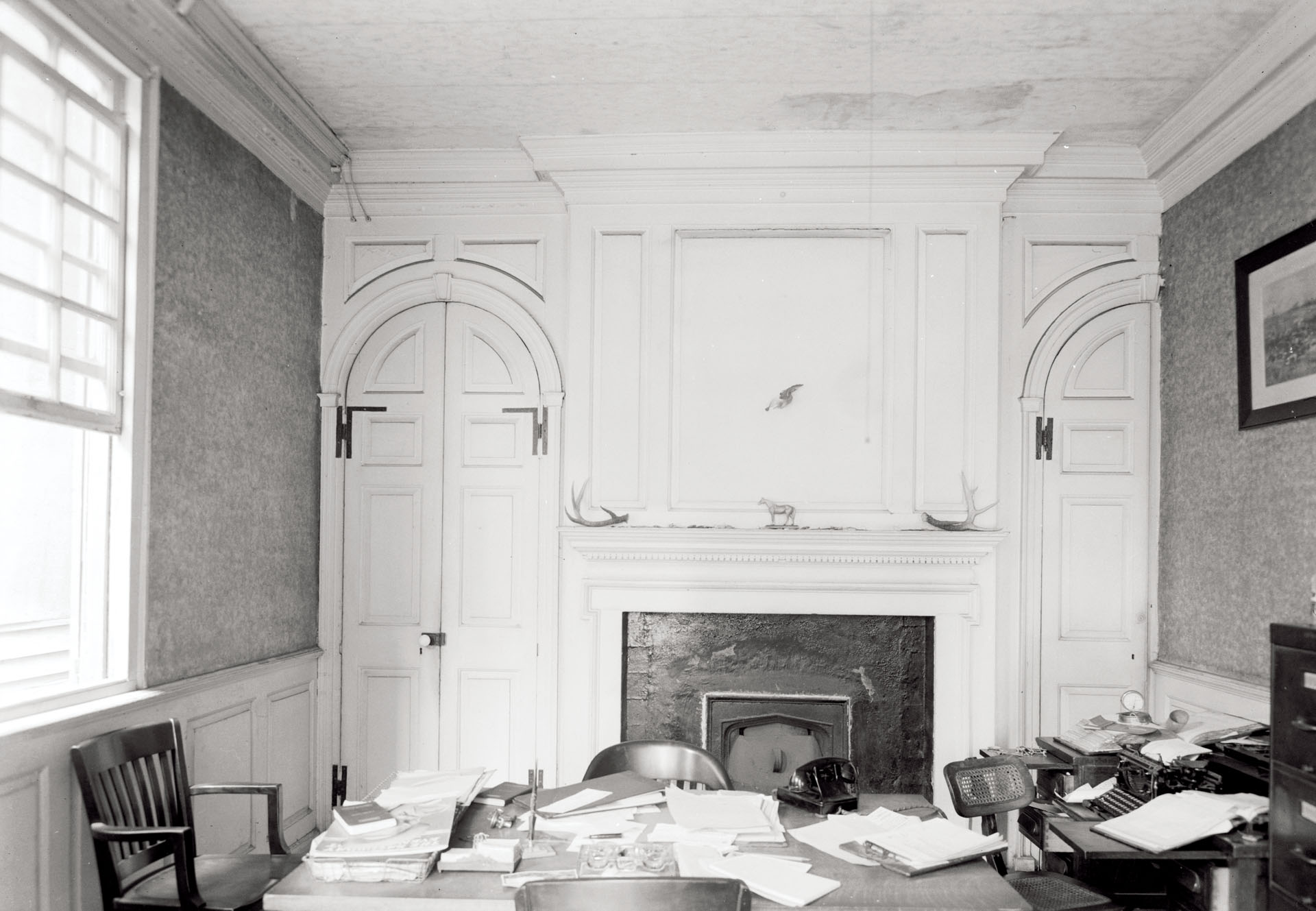
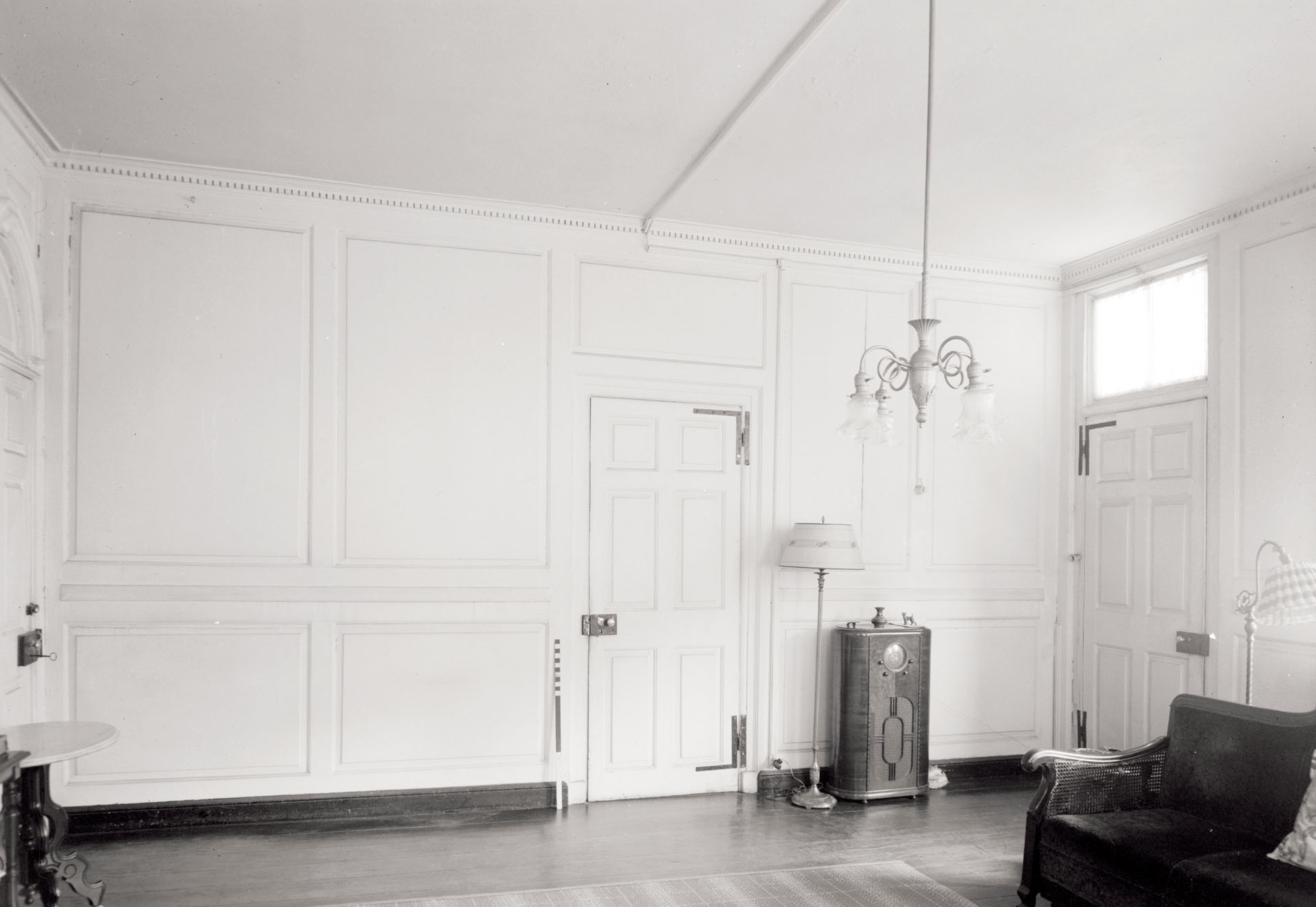
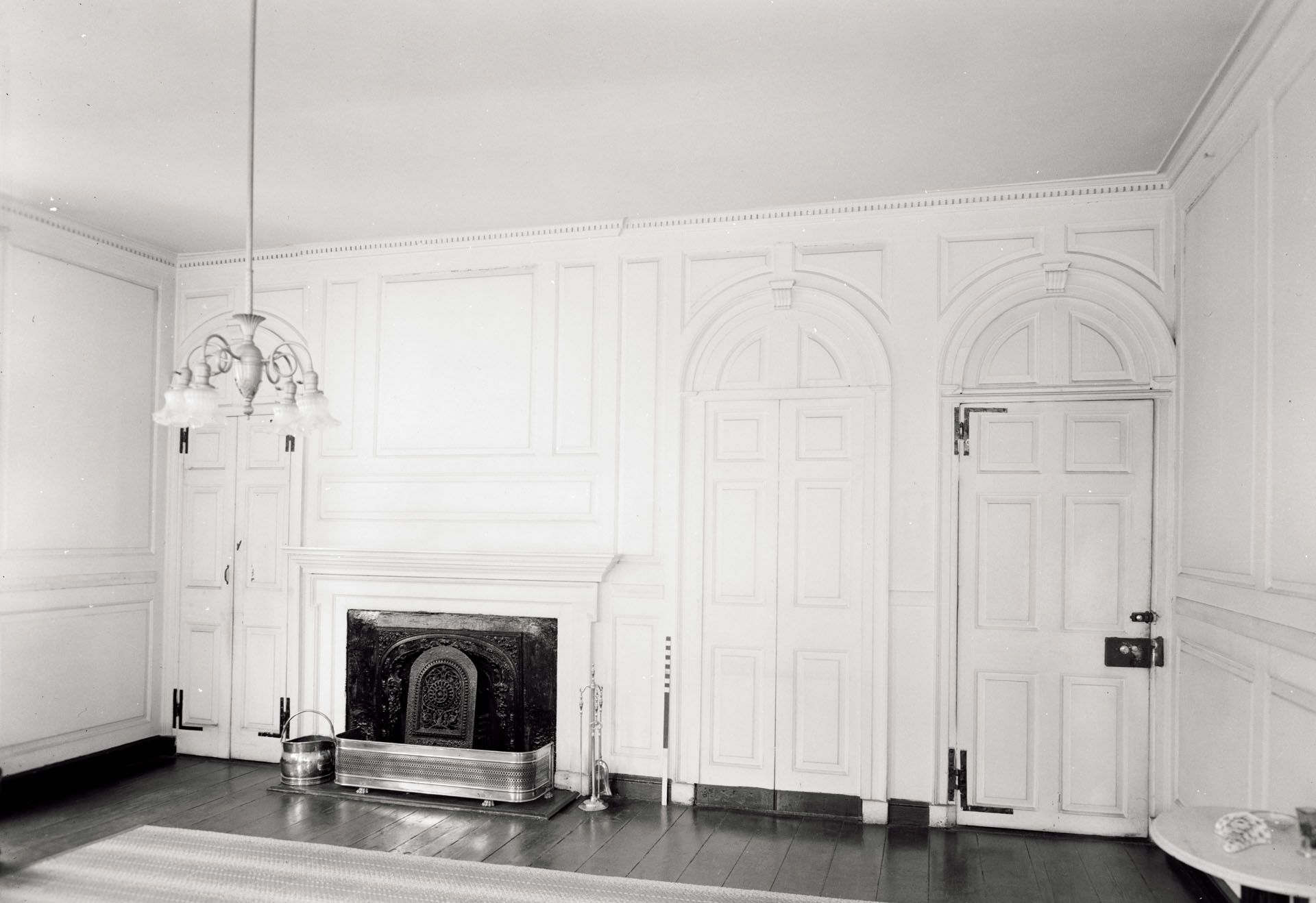
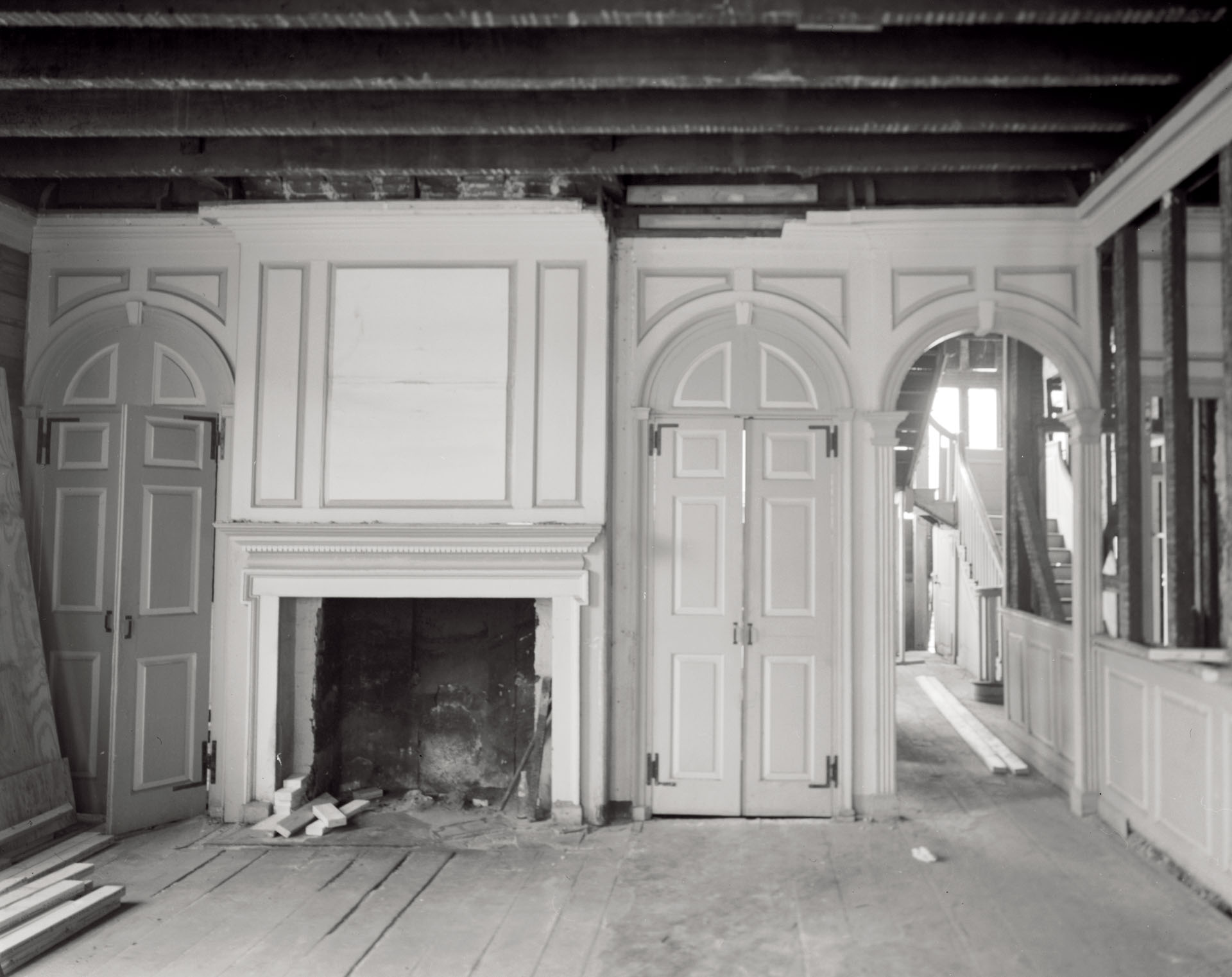
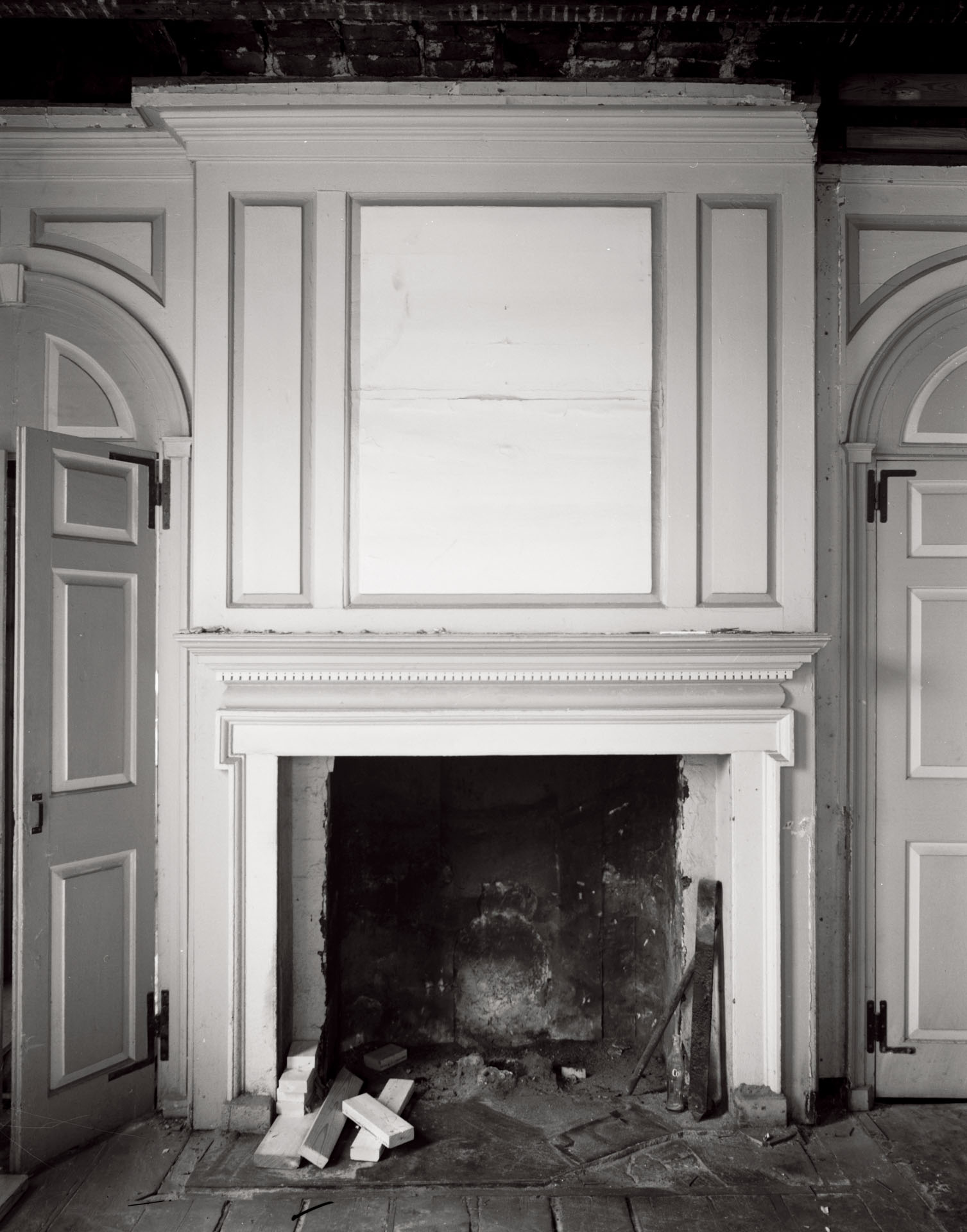
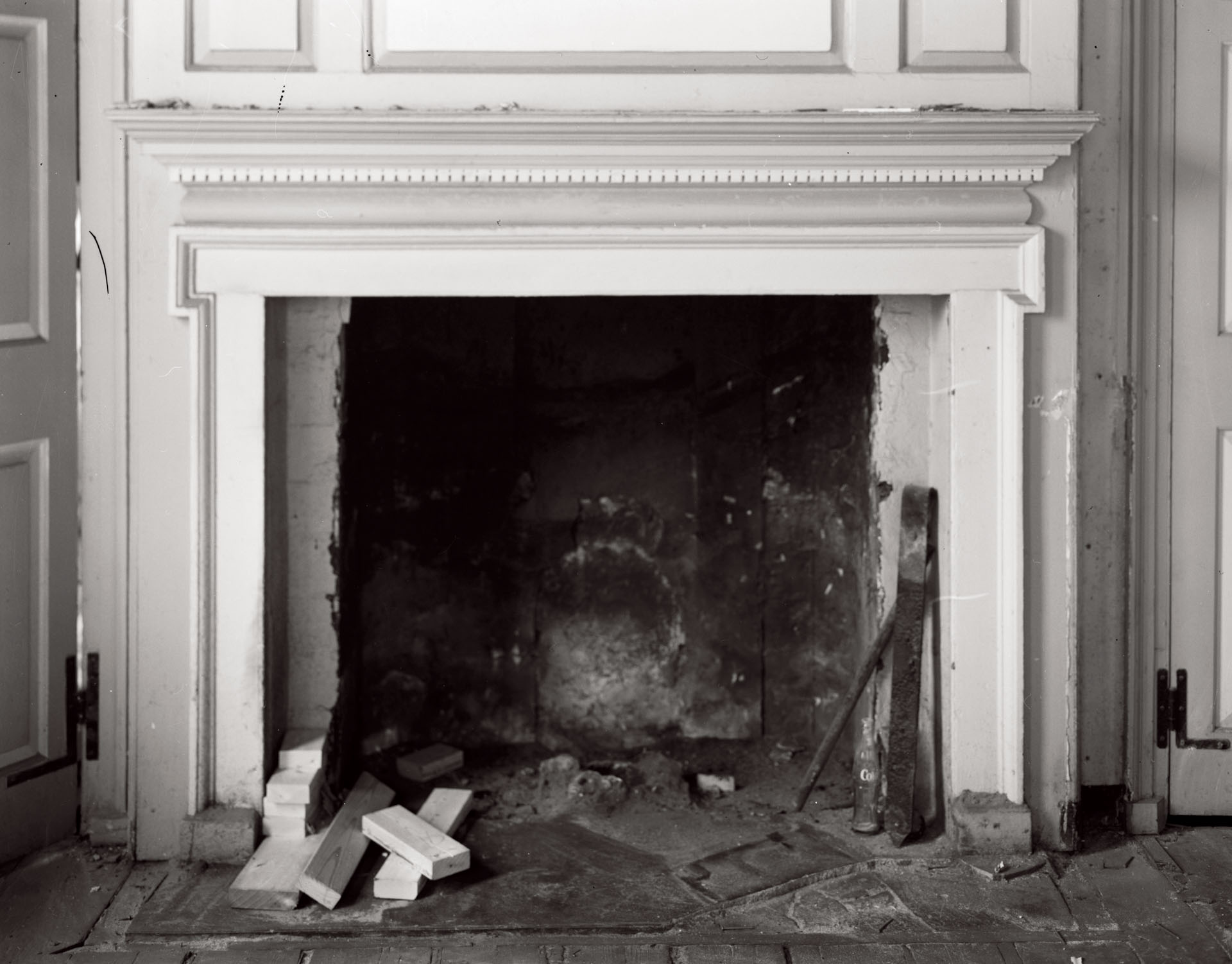
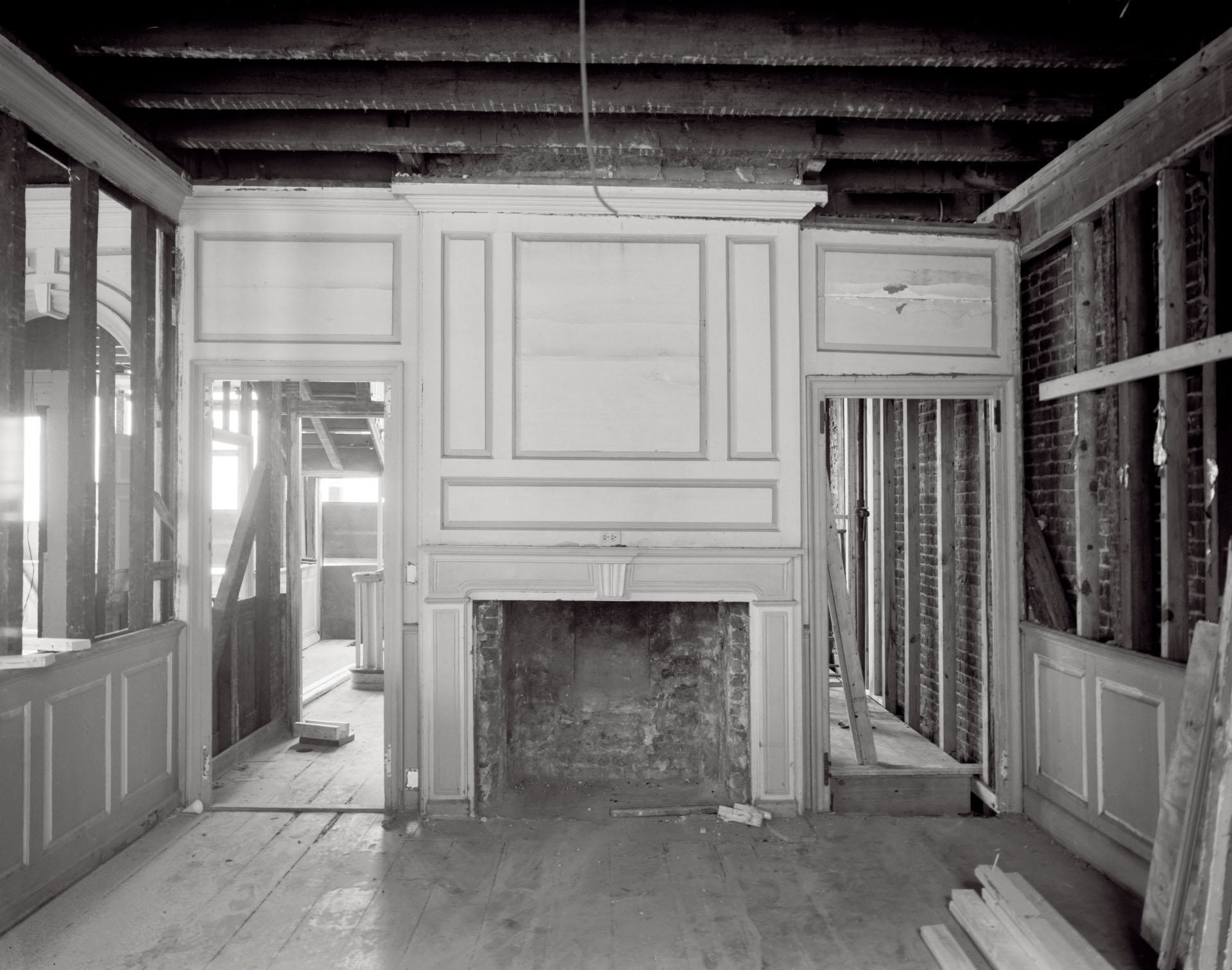
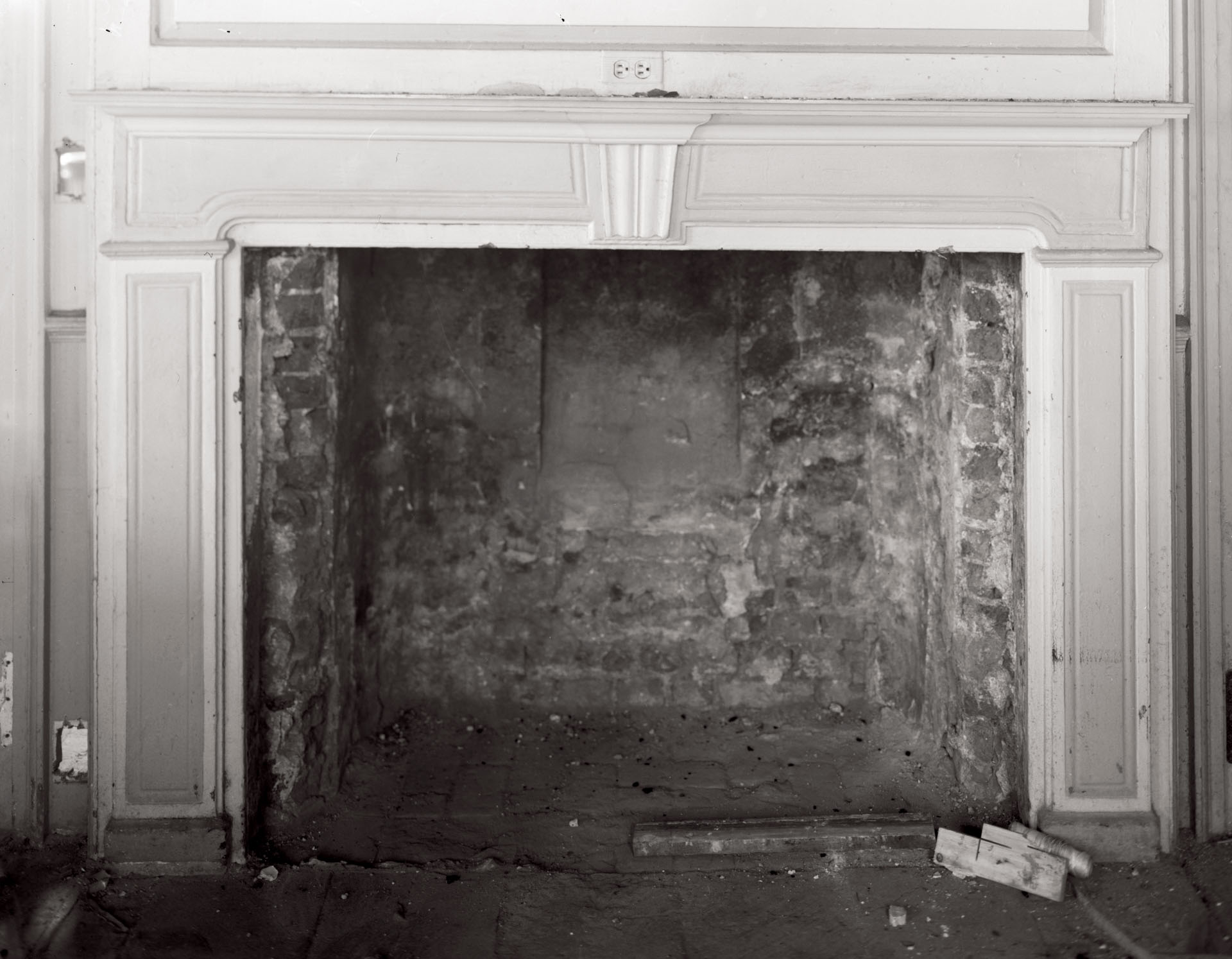
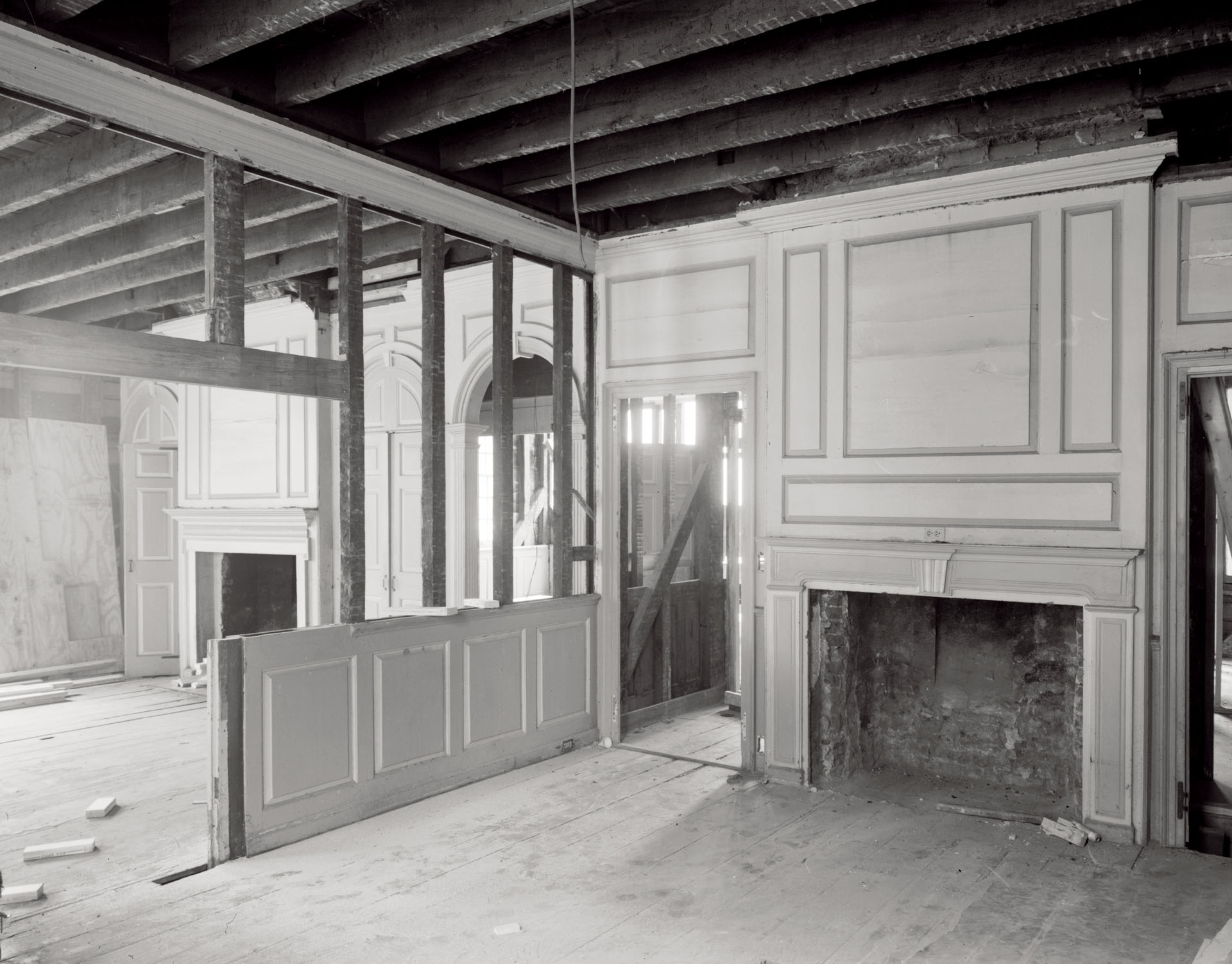
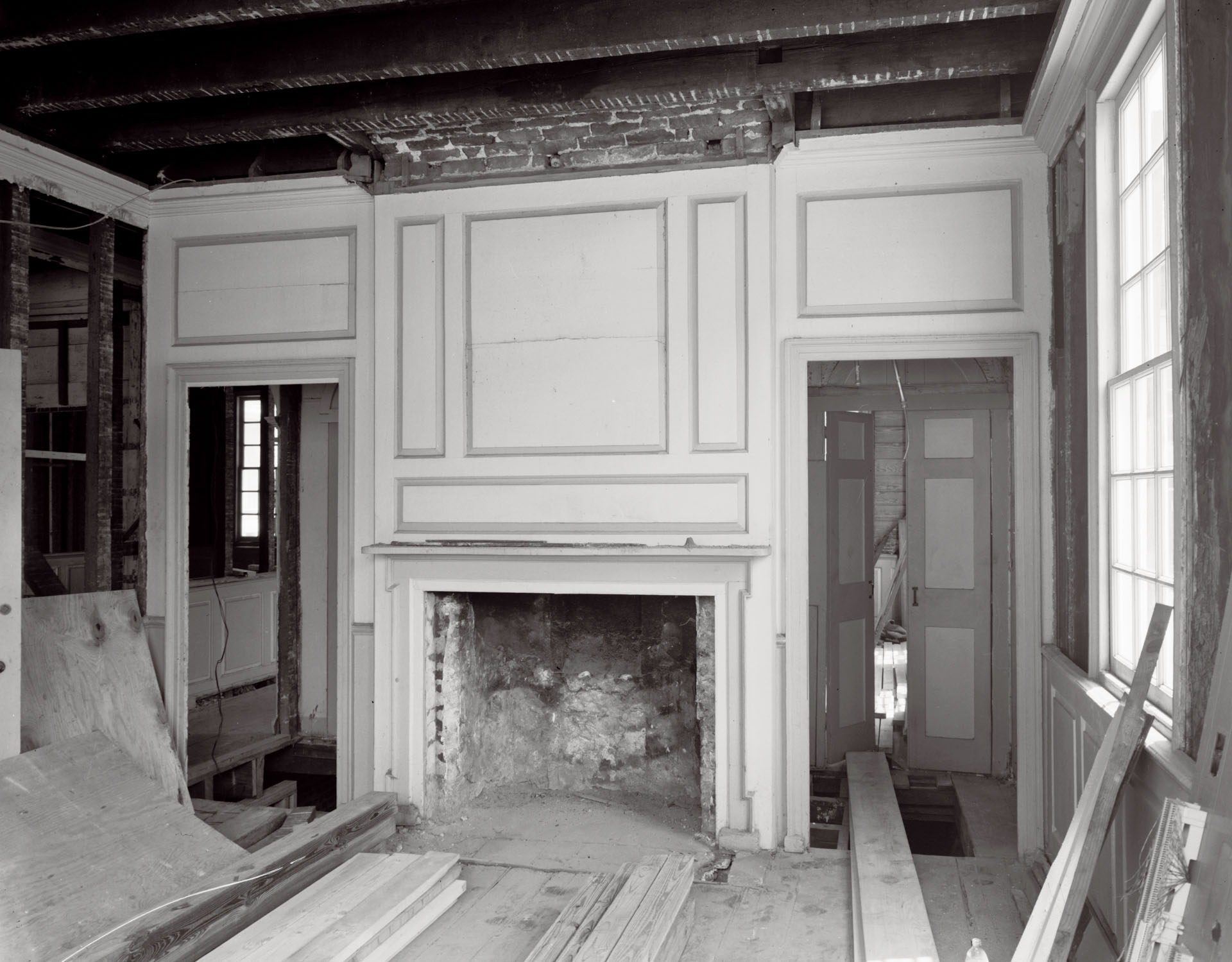
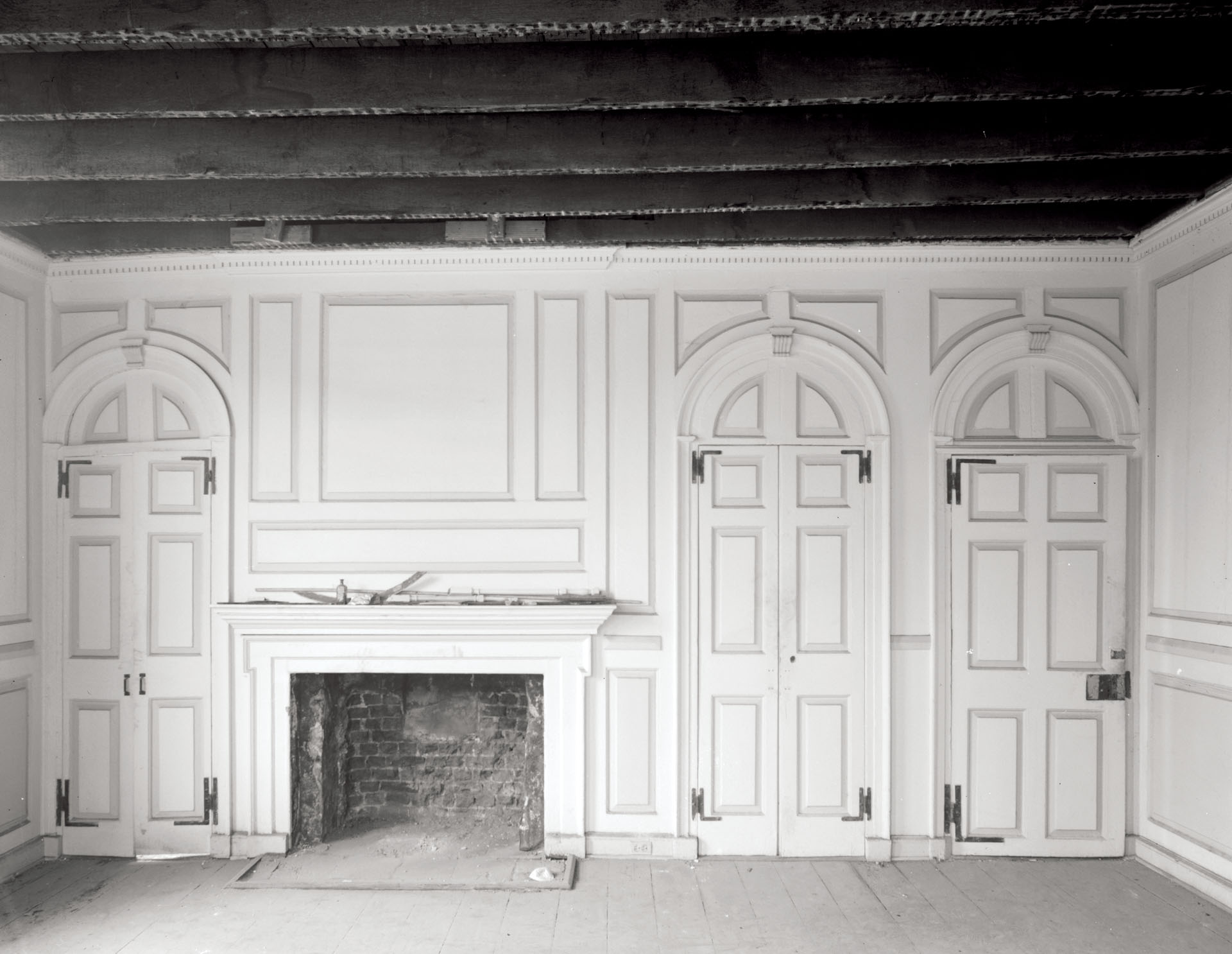
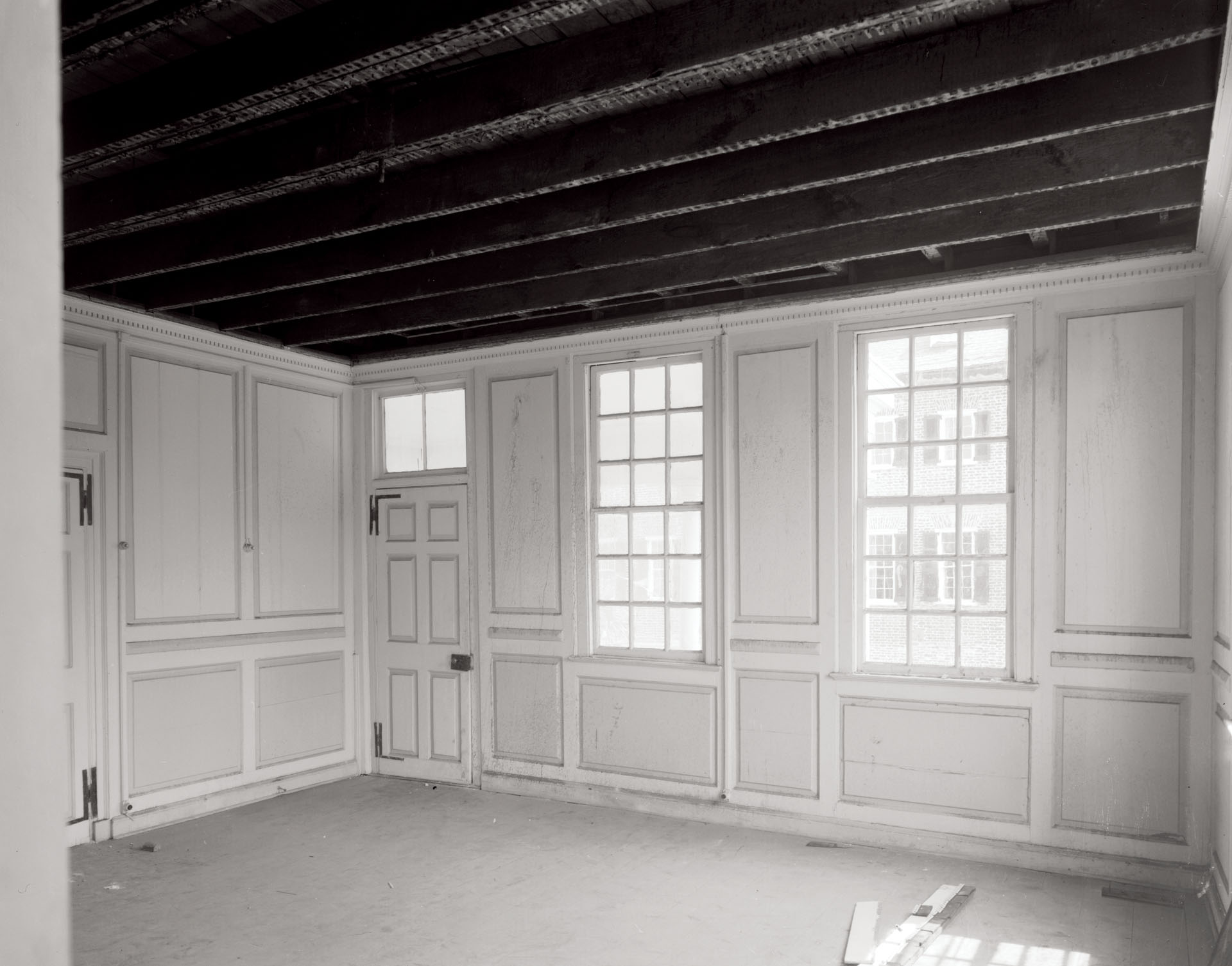
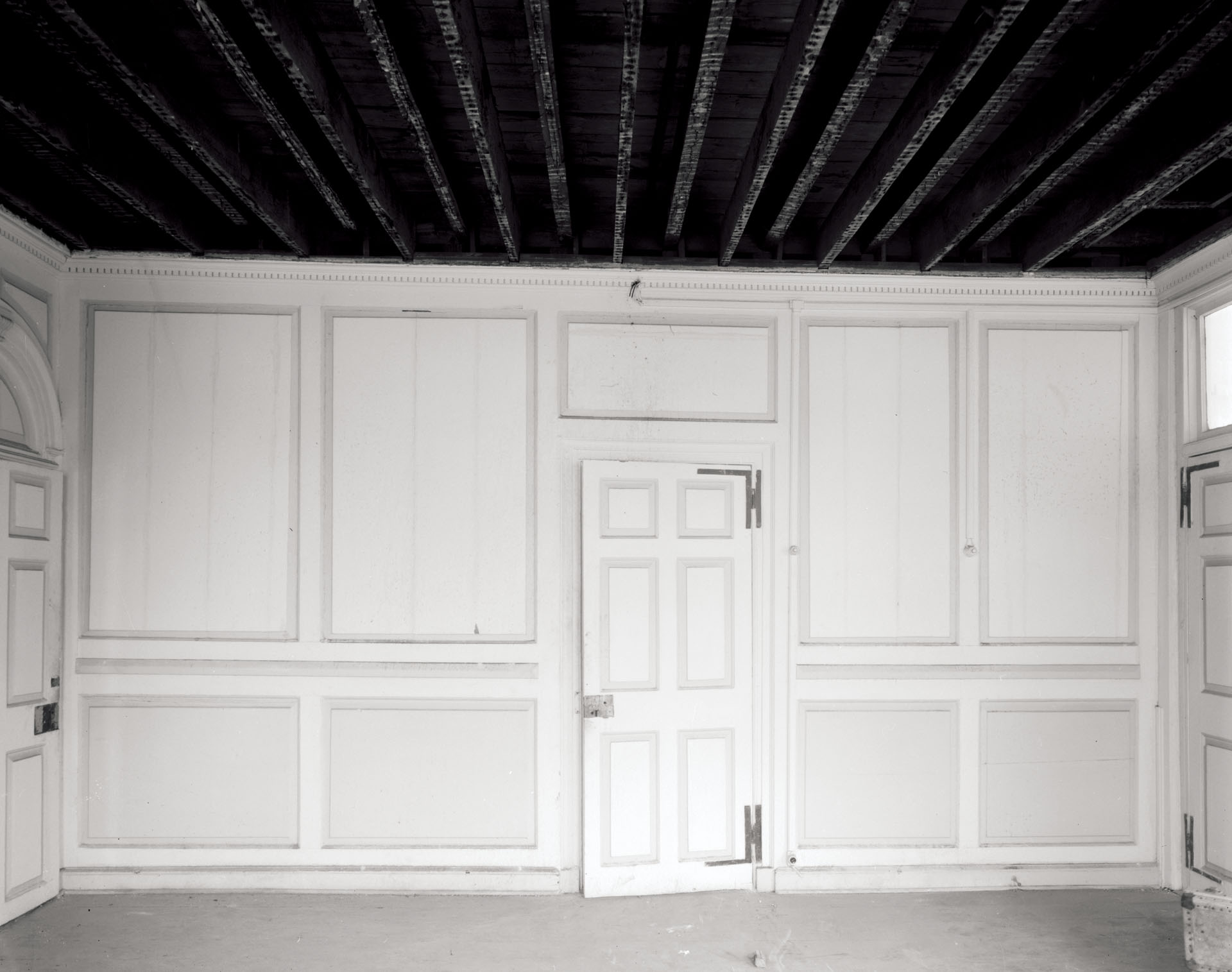
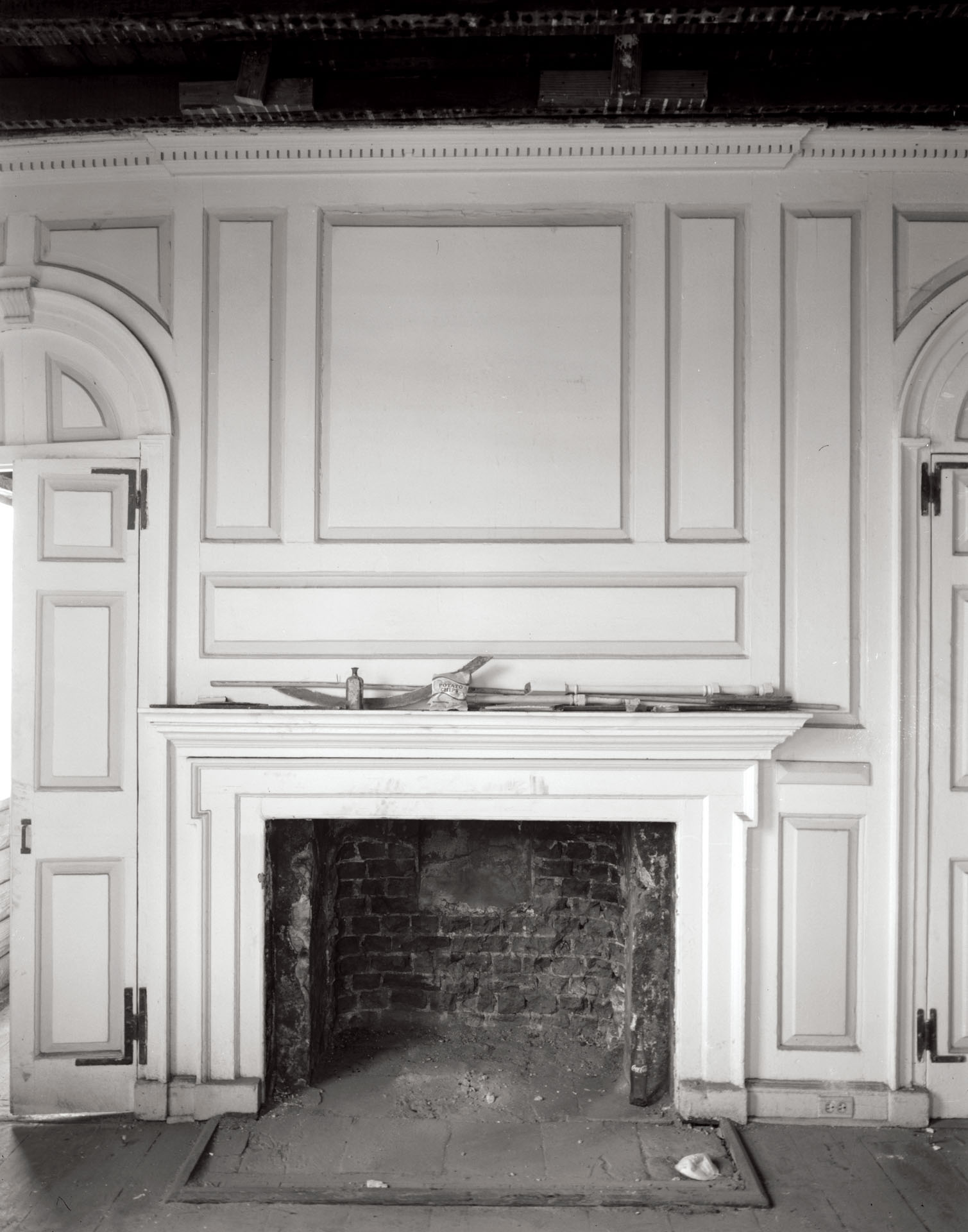
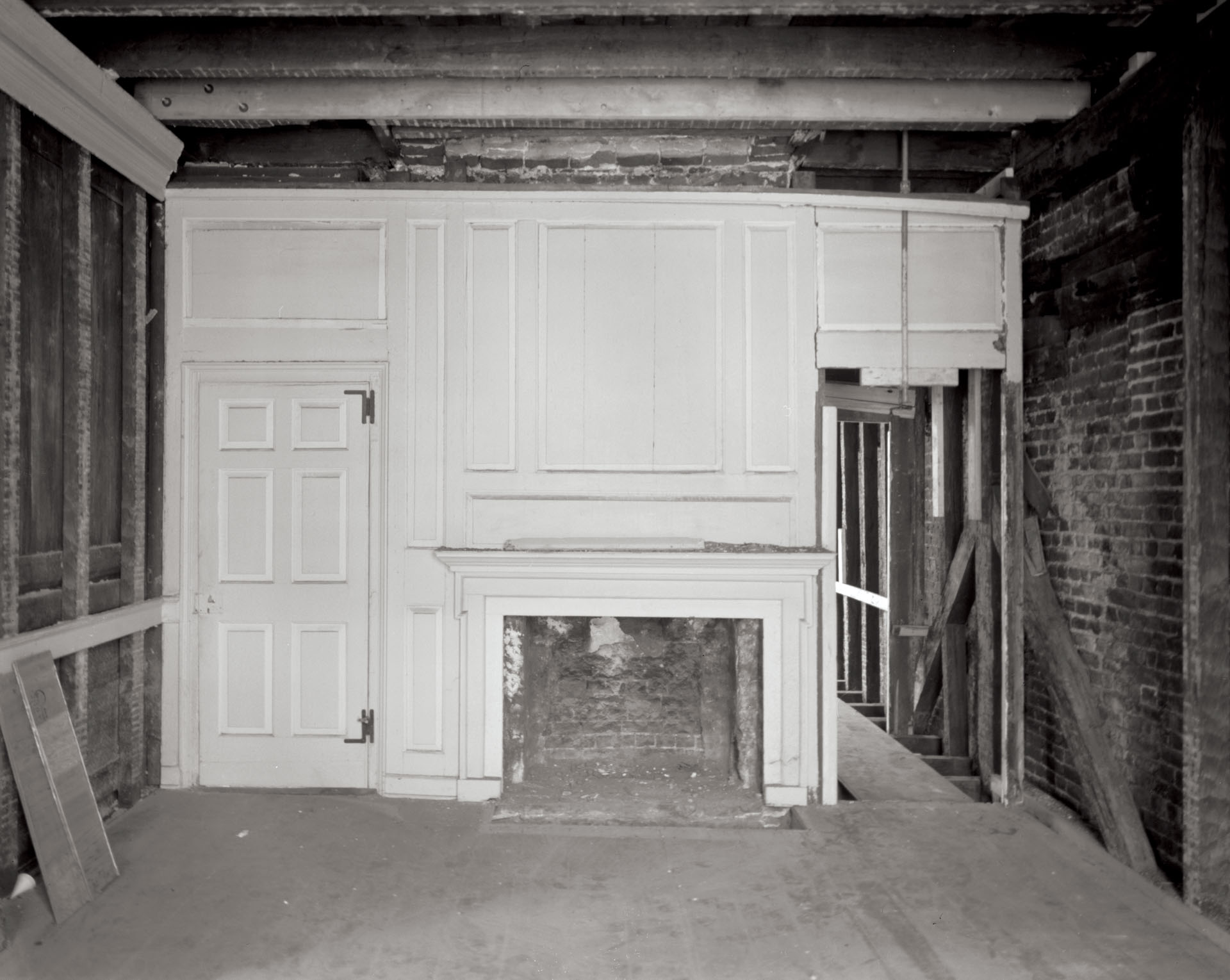
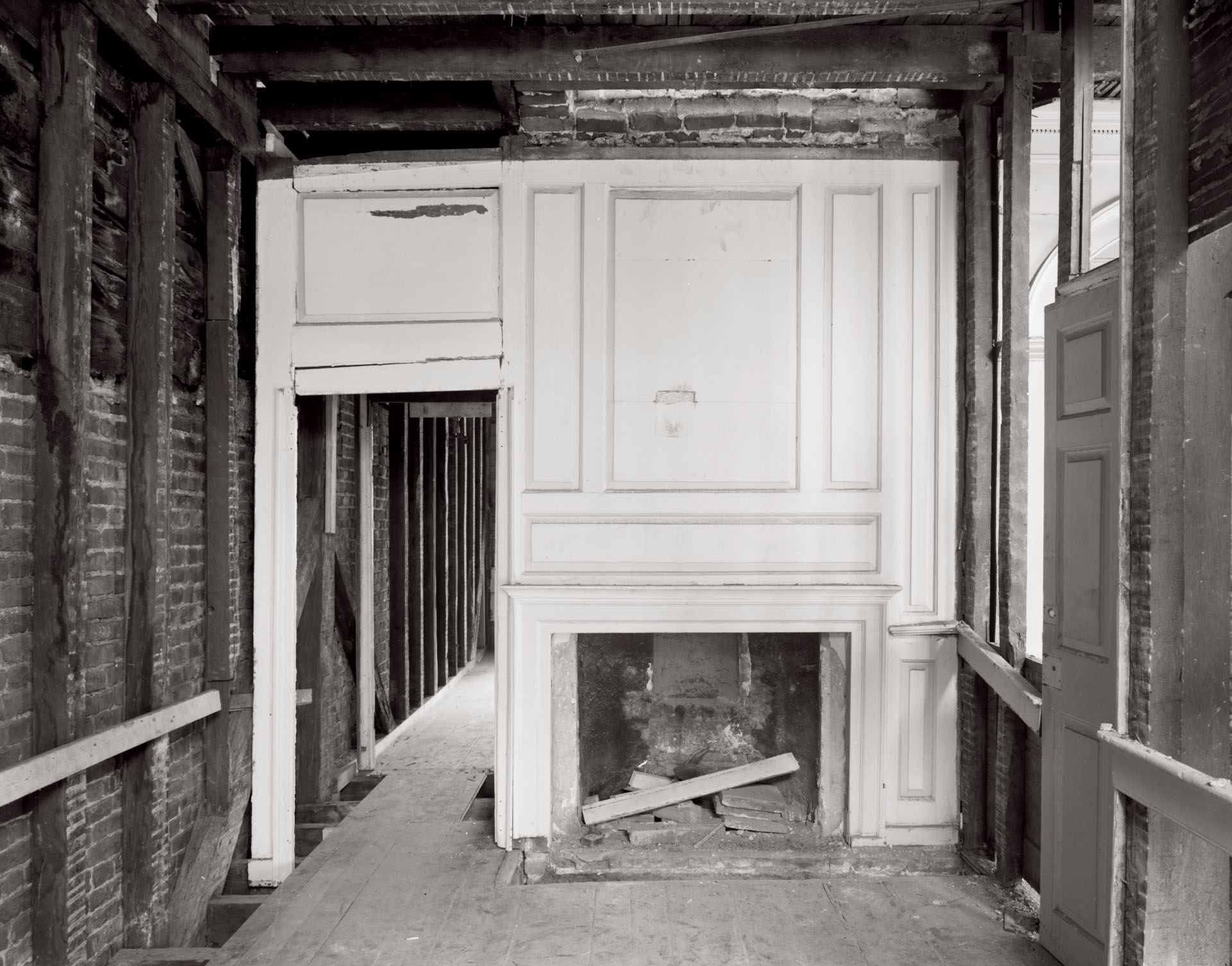
The Ramsay House is distinguished by its exceptional interior paneling, widely regarded as one of the finest surviving Georgian paneled rooms in America. Along the side of the house runs the characteristic Charleston piazza, a graceful multi-story porch designed to capture coastal breezes while casting welcome shade across the interior rooms during the long southern summers.
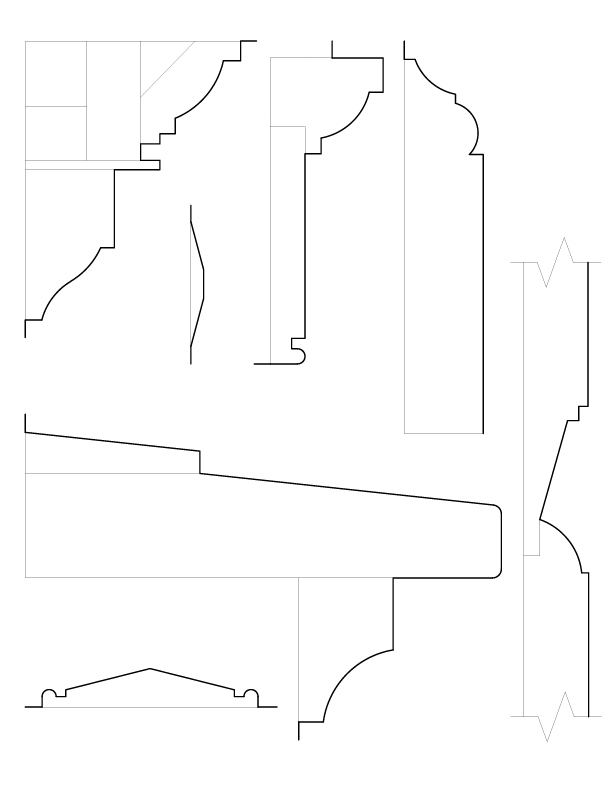
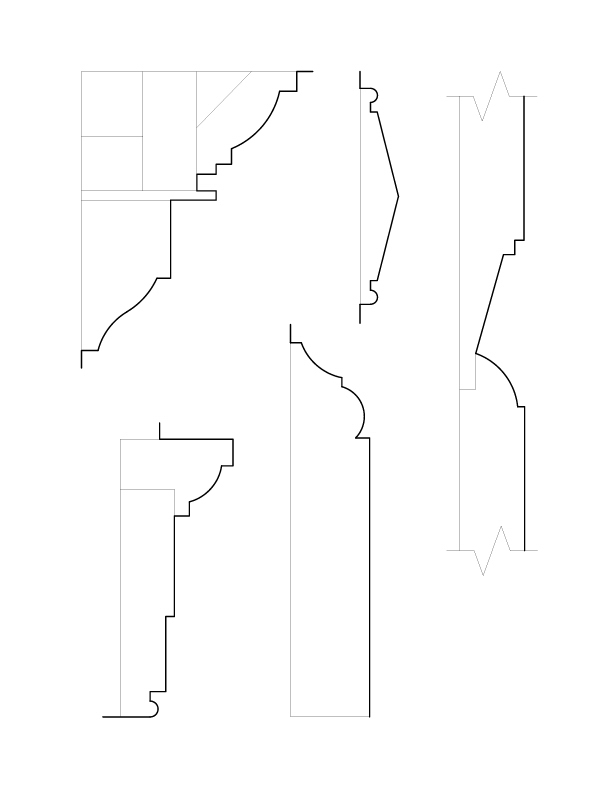
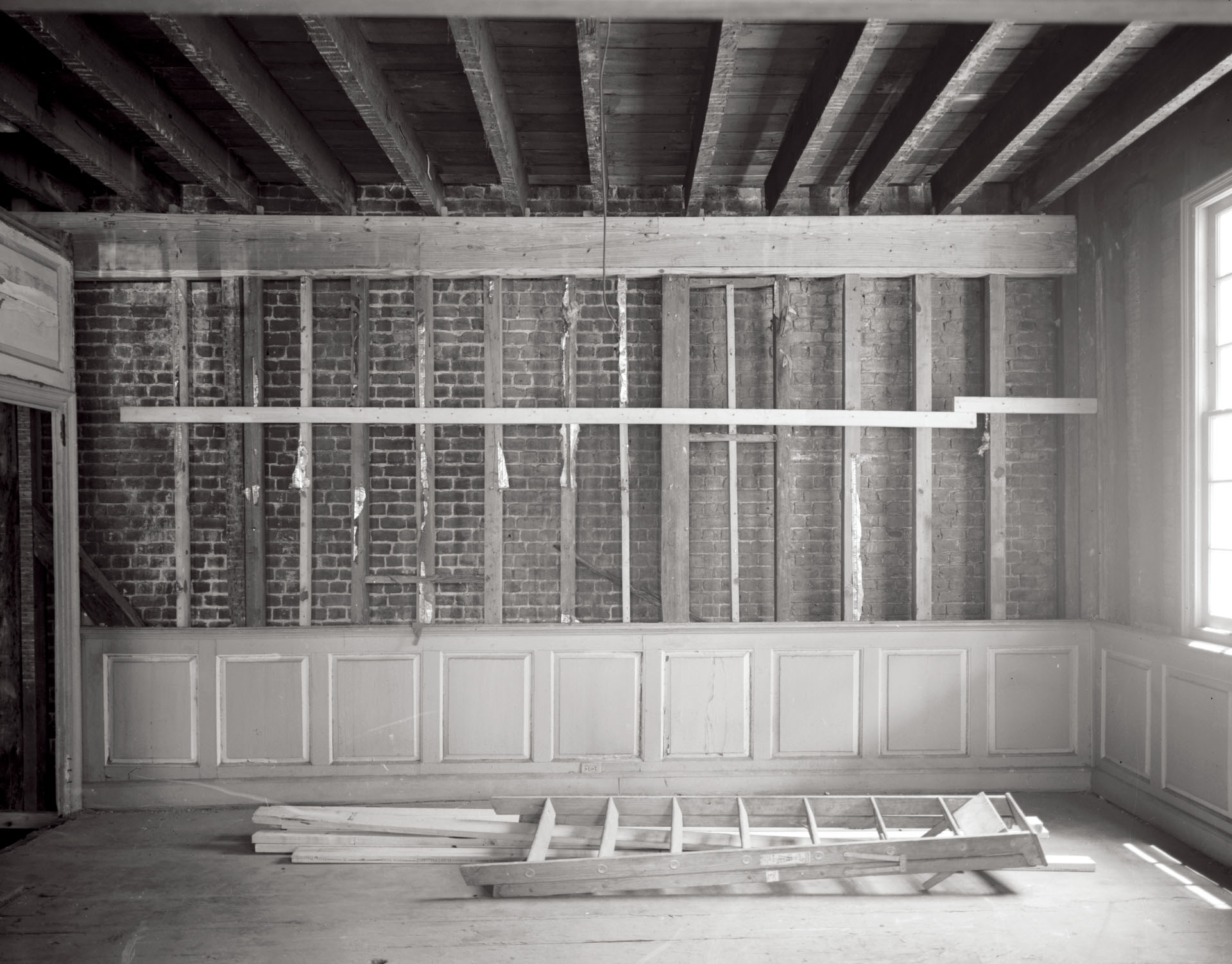
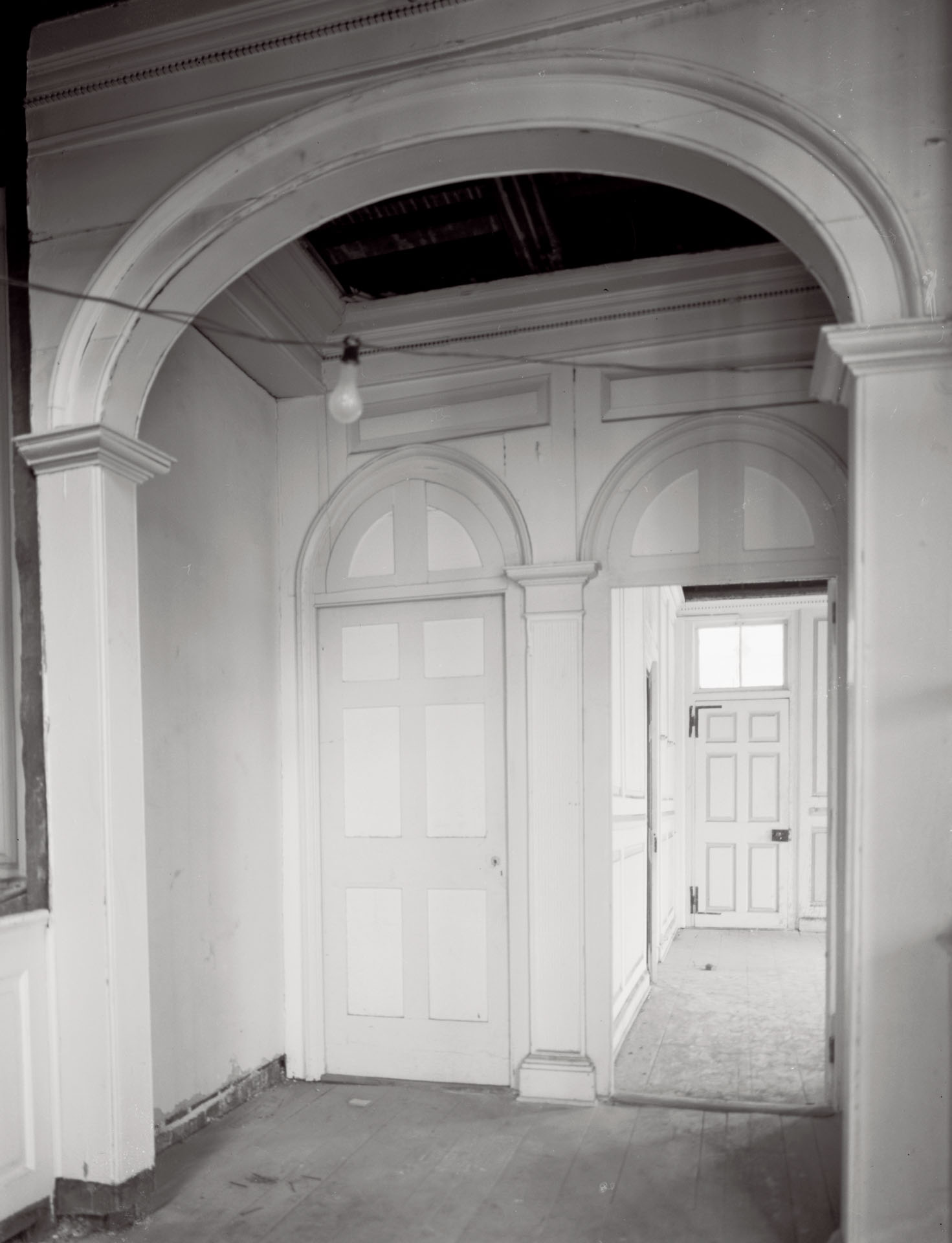
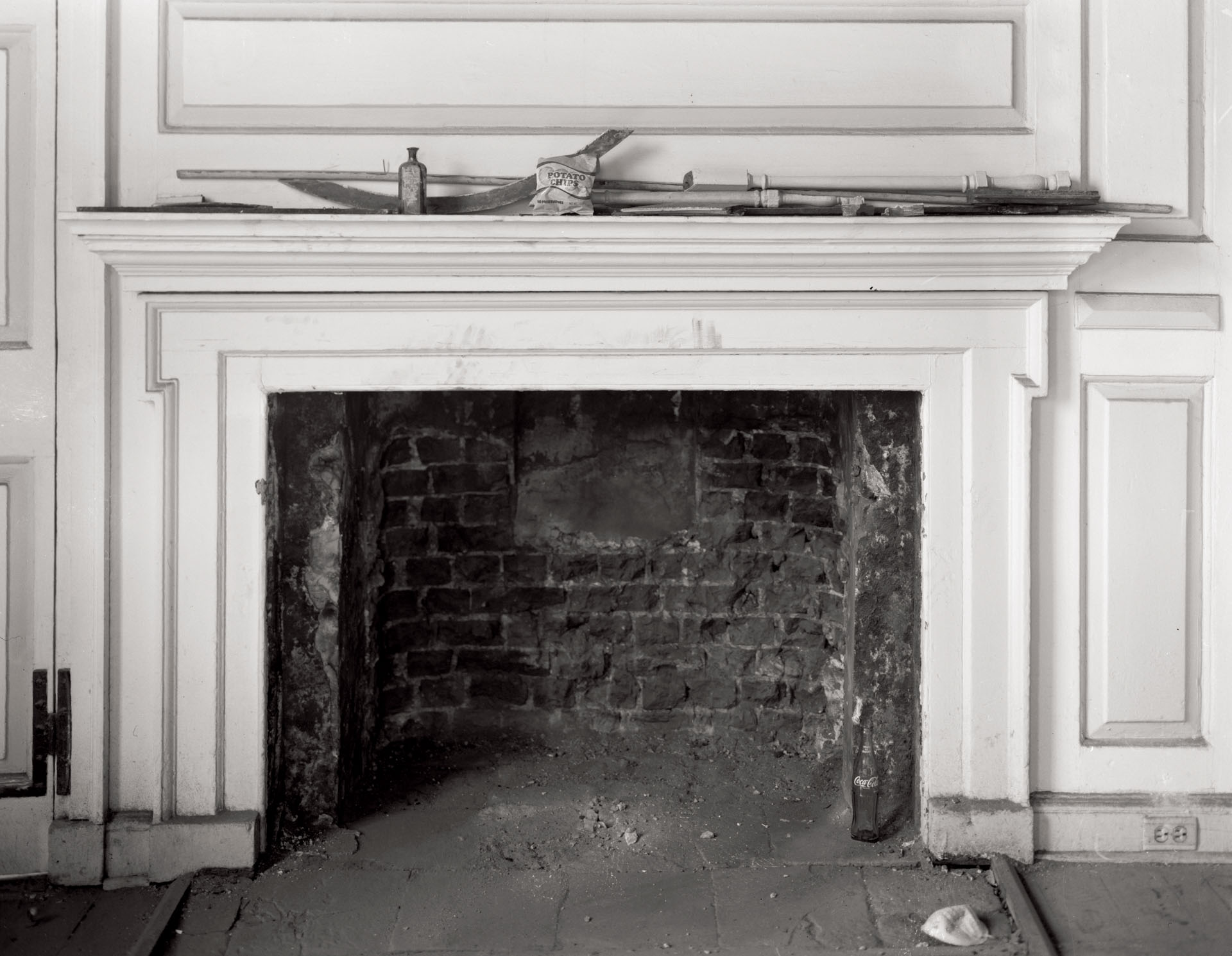
Within the principal rooms, craftsmanship becomes the defining expression of the interior. Full height paneled walls rise from the baseboard to the cornice, their carefully proportioned panels framed by finely carved mouldings that create an elegant architectural composition. The composition of the paneled walls reflects classical design principles transmitted through English architectural pattern books that guided craftsmen throughout the eighteenth century. Mantels, architraves, and cornices reveal the disciplined artistry of eighteenth-century craftsmen who shaped interior spaces through balance, proportion, and meticulous woodwork.
The remarkable preservation of this paneling allows the Ramsay House to serve as an important reference for the study of early American interiors. Houses such as this continue to guide the work of craftsmen today, demonstrating how thoughtful design and carefully carved mouldings can transform simple rooms into spaces of enduring beauty and architectural harmony.