2-4 COURTHOUSE SQUARE, CHARLESTON, CHARLESTON COUNTY, SOUTH CAROLINA
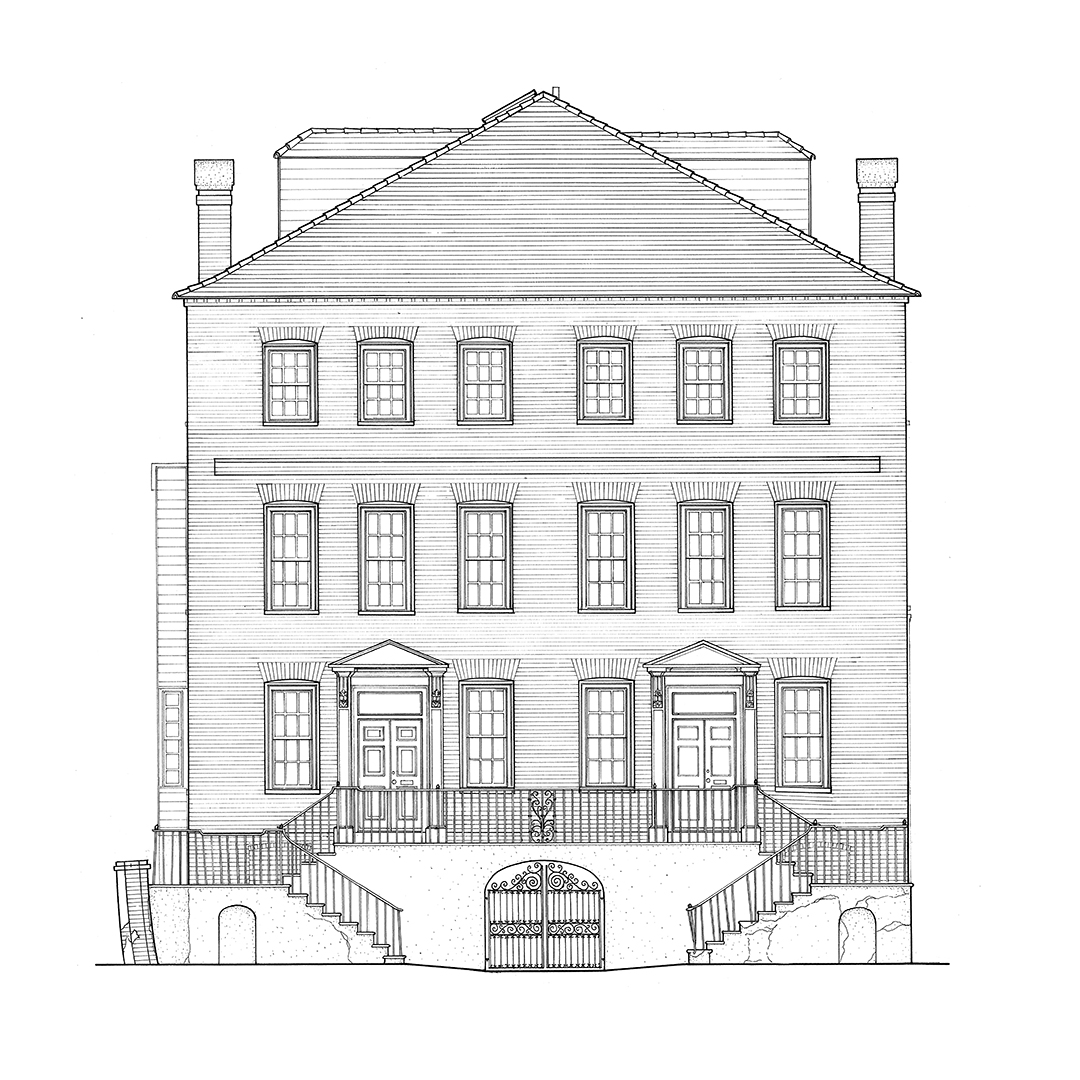
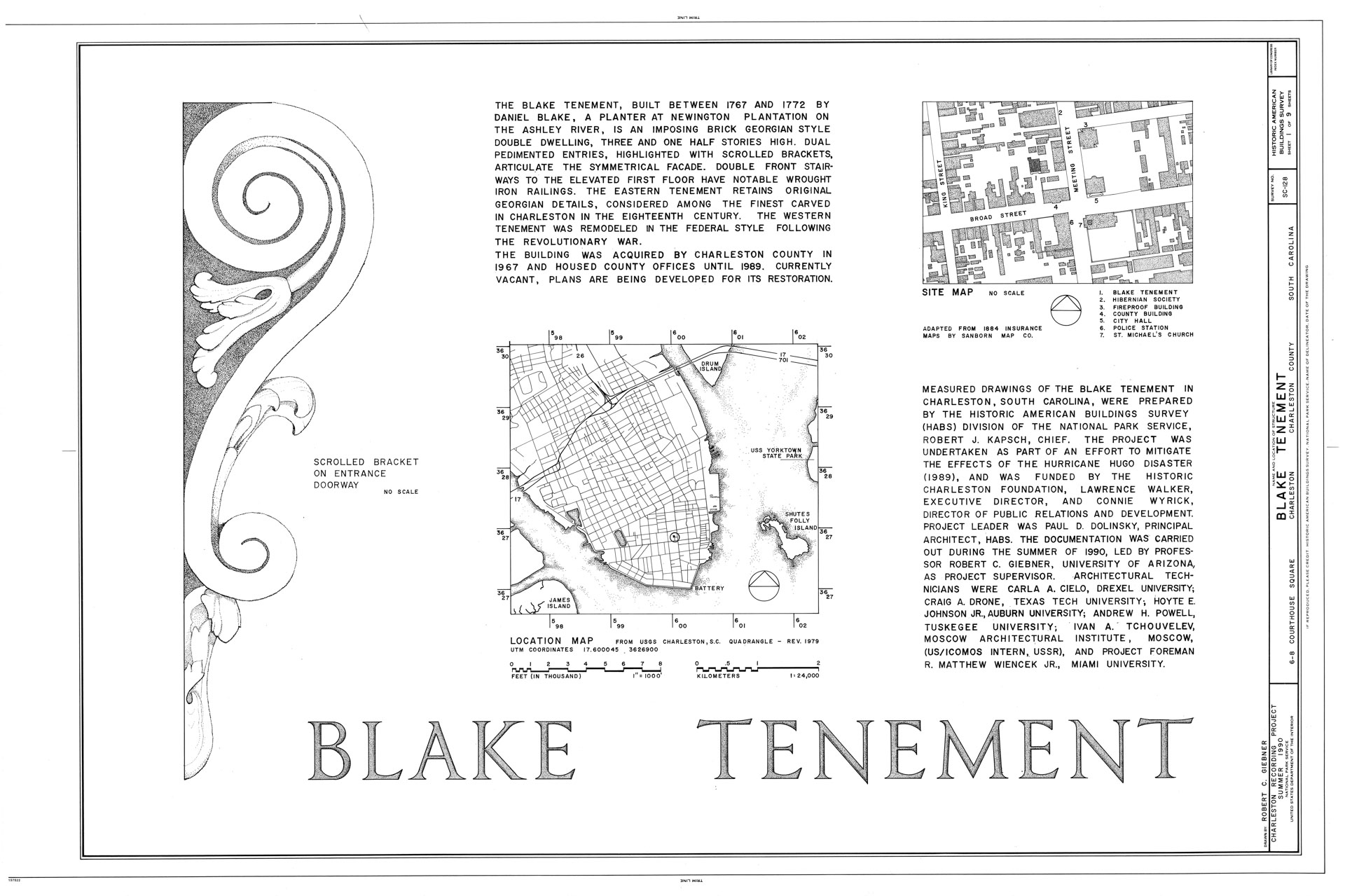
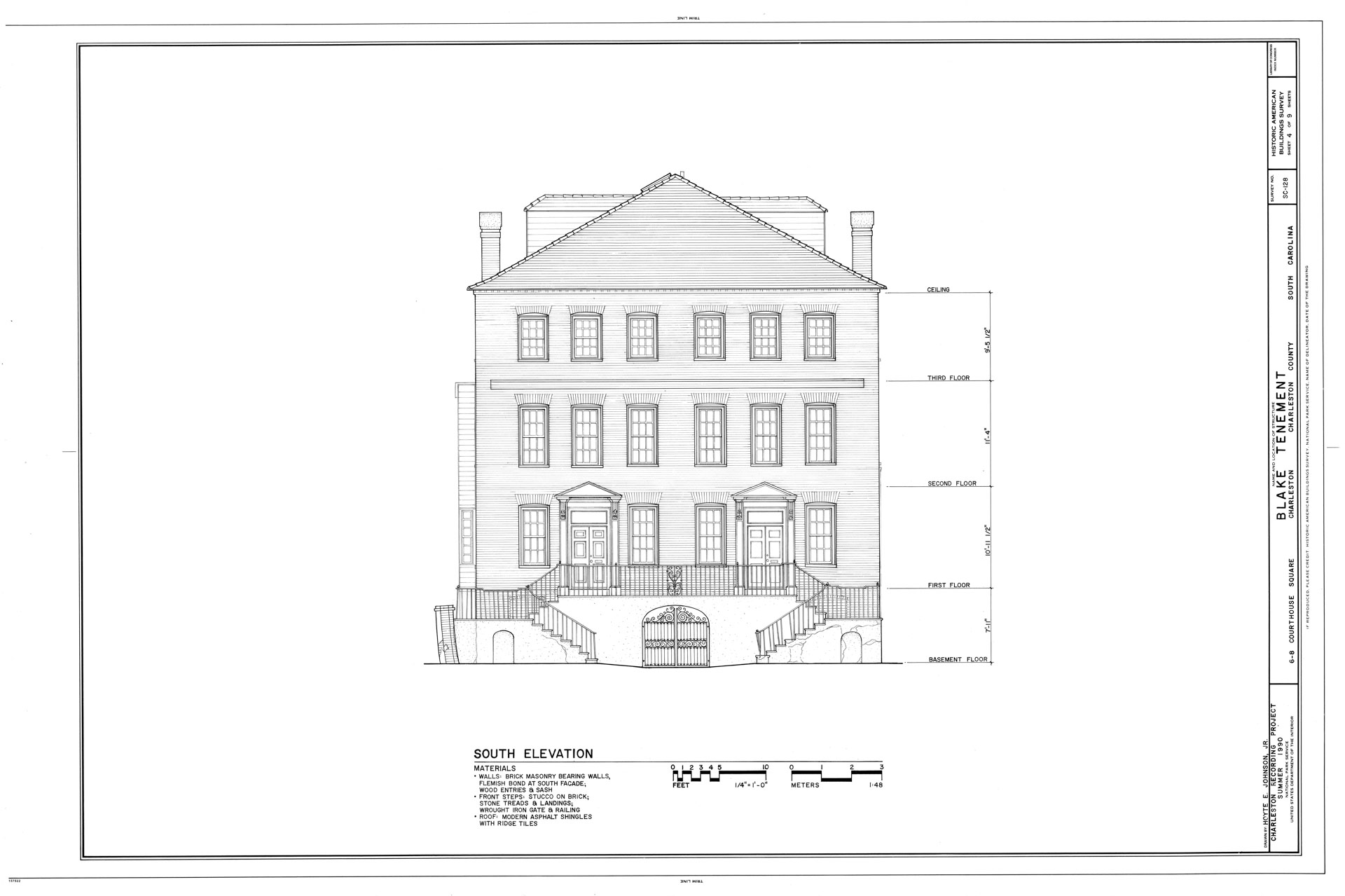
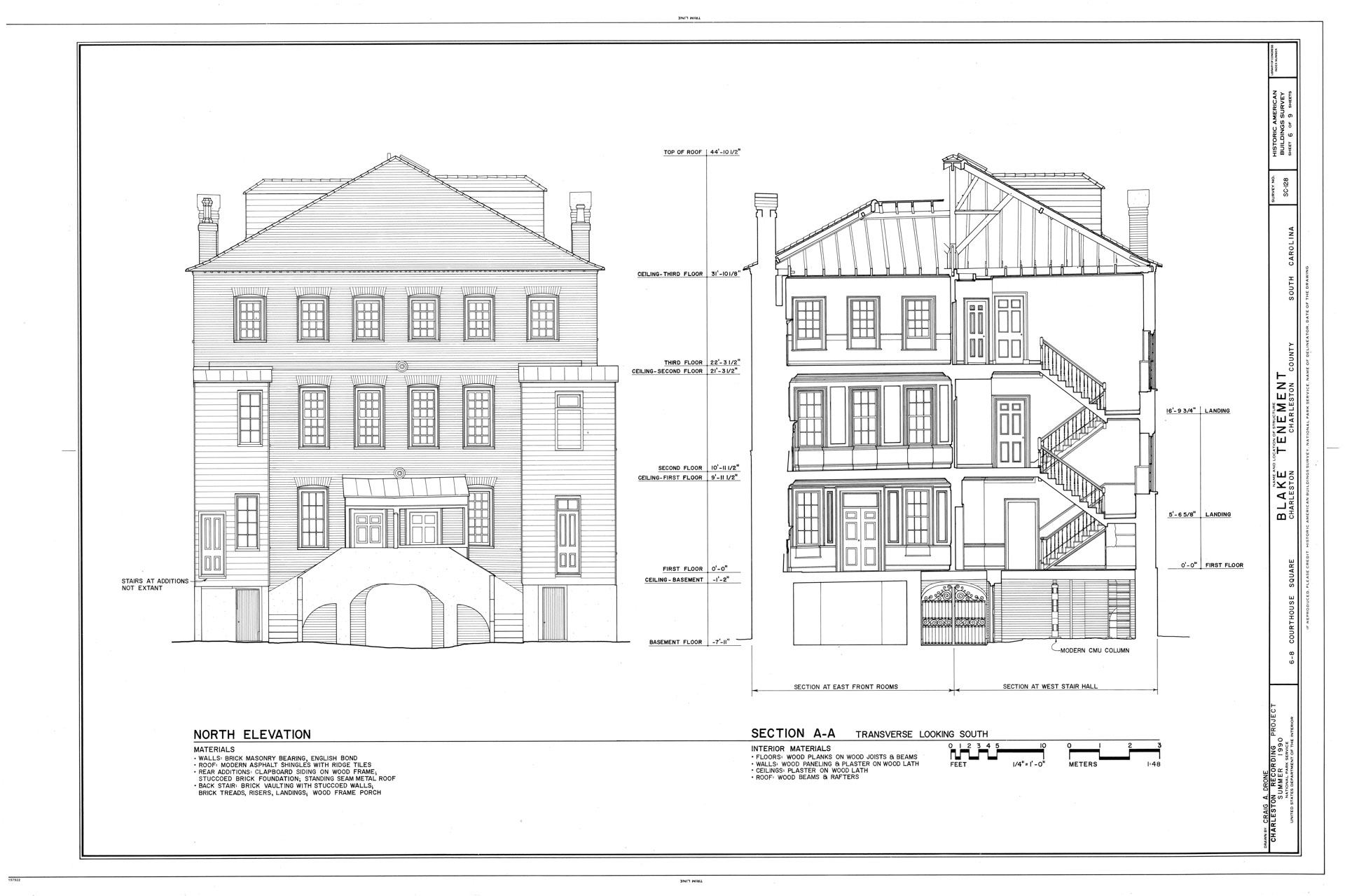
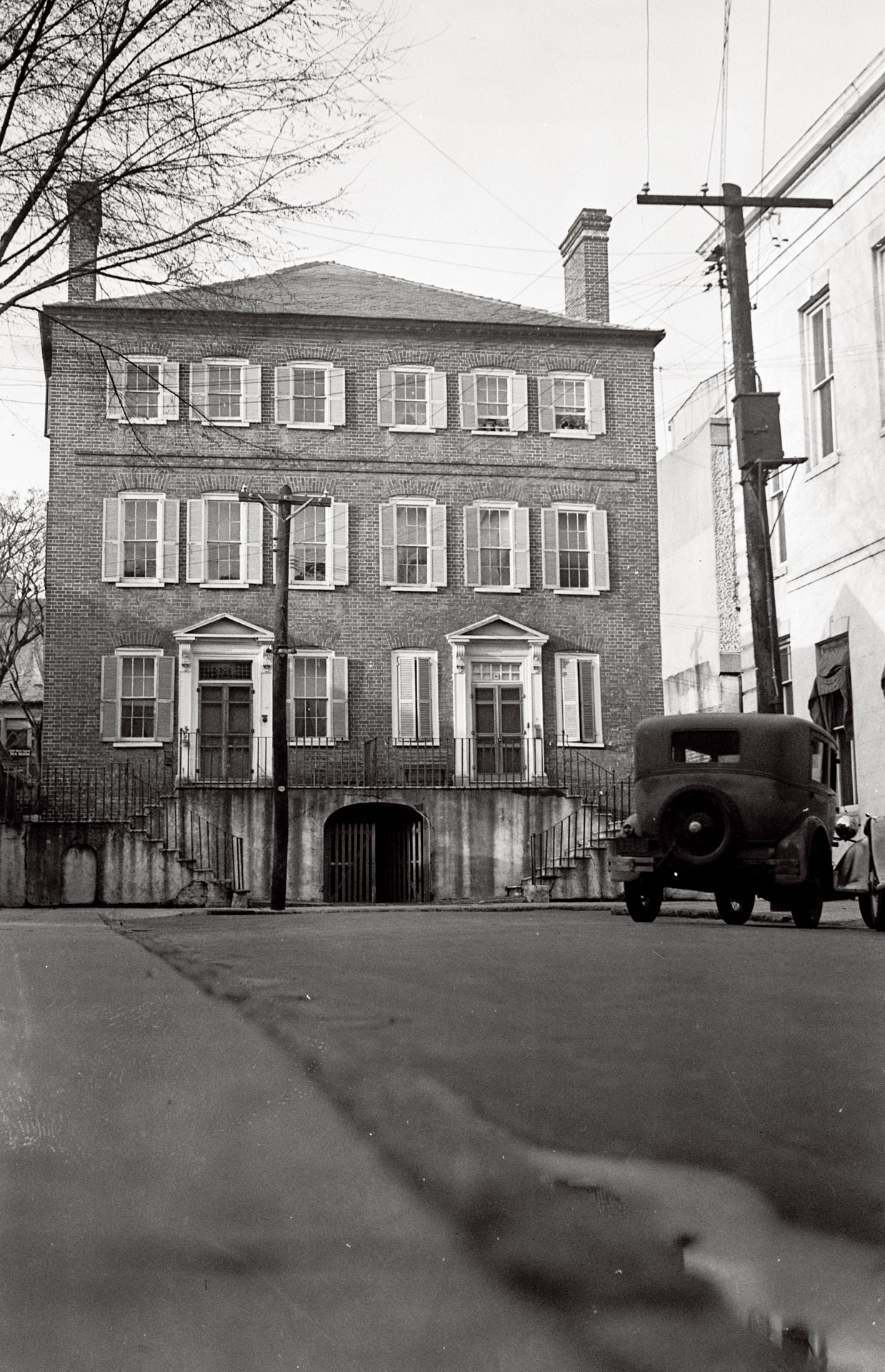
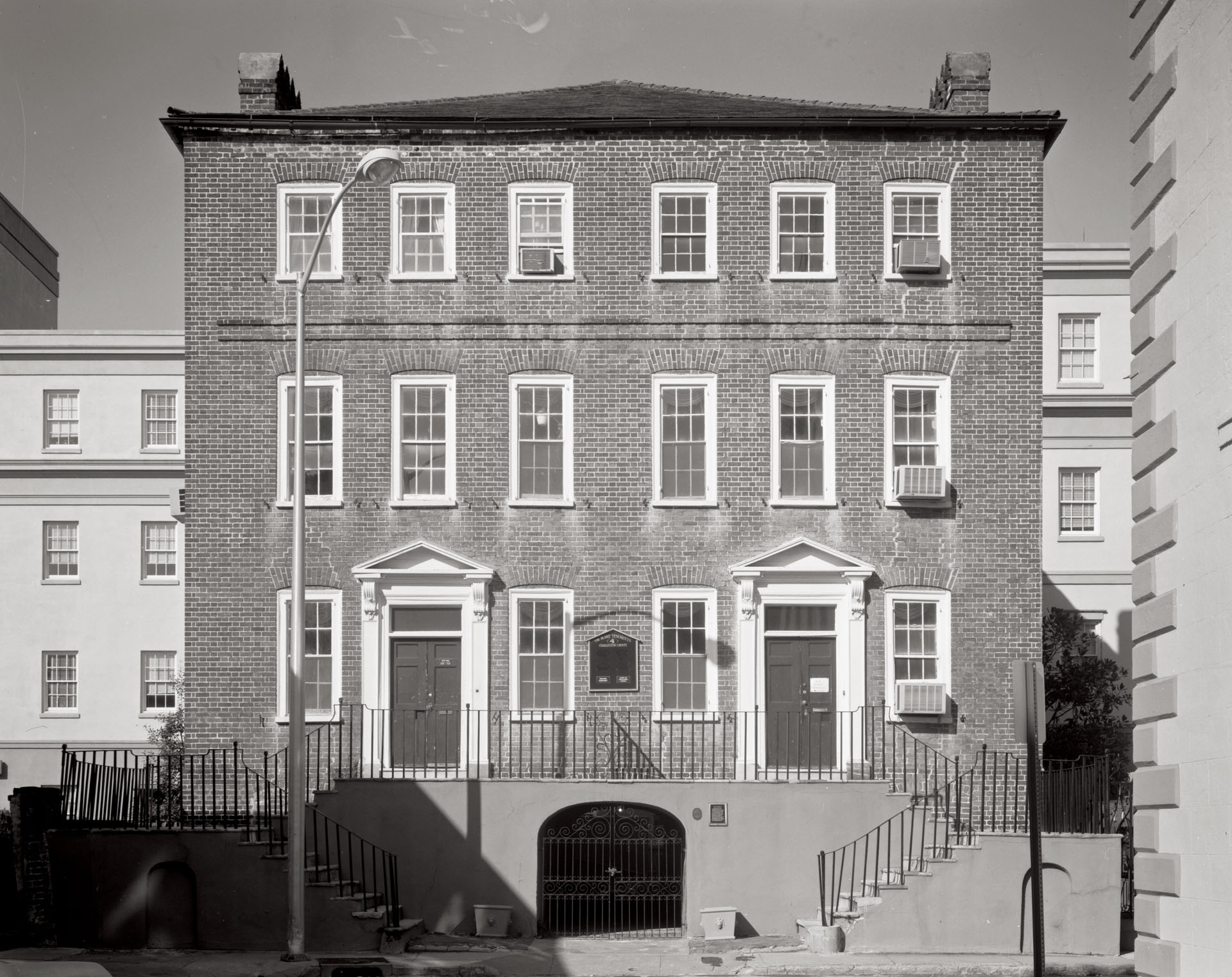
The architectural presence of the Blake Tenements anchors one of the most historic corners of Charleston. Built between about 1760 and 1772 by planter Daniel Blake of nearby Newington Plantation, the imposing brick double dwelling reflects the confidence of the colonial port city. Rising three and one-half stories above a high brick basement, the facade is composed in carefully laid Flemish-bond brickwork while the secondary walls employ English bond, revealing both the structural order and aesthetic priorities of eighteenth-century masonry construction. Tall window openings punctuate the facade at regular intervals, reinforcing the symmetry of the composition.
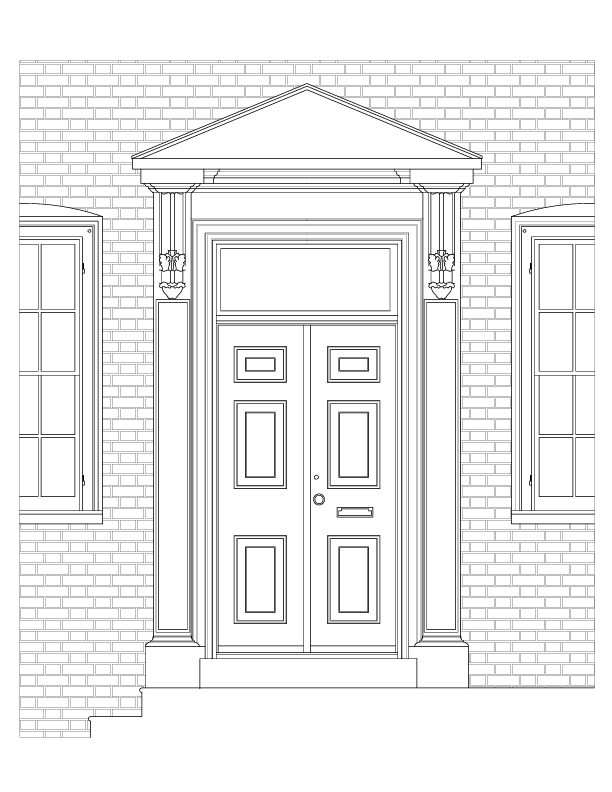
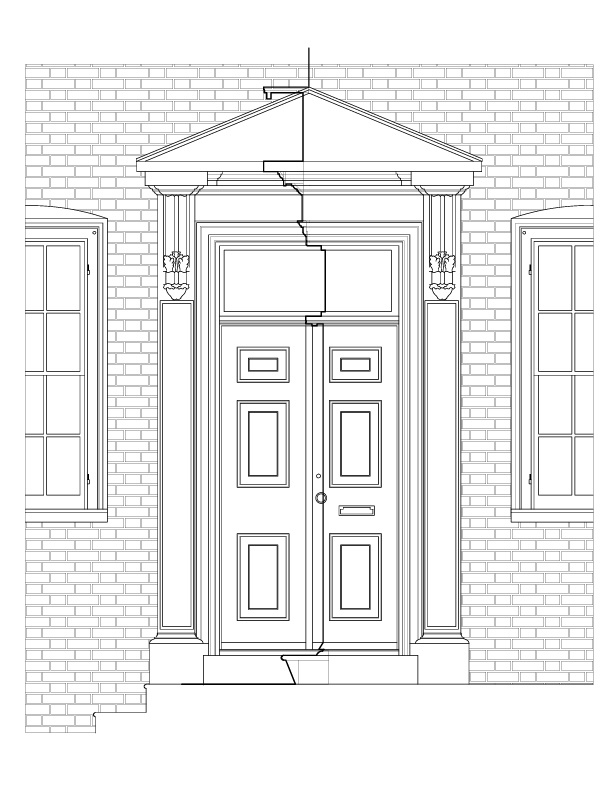
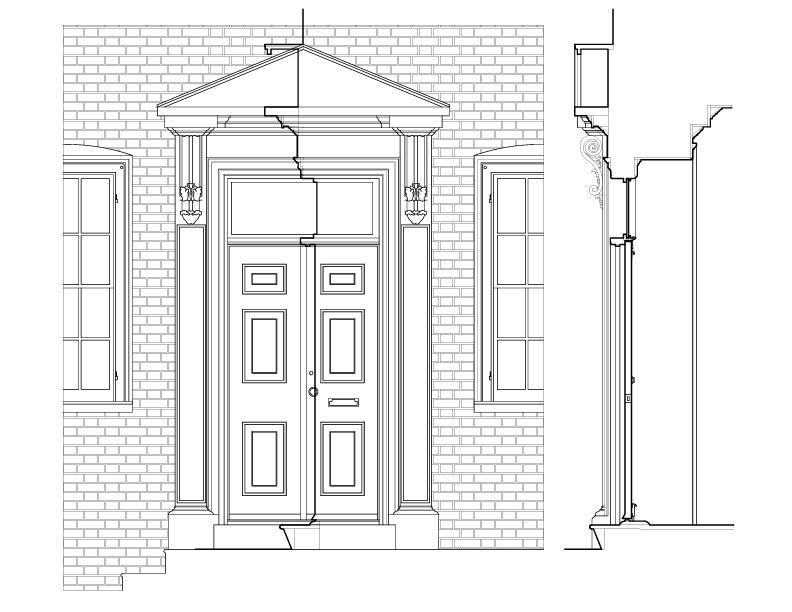
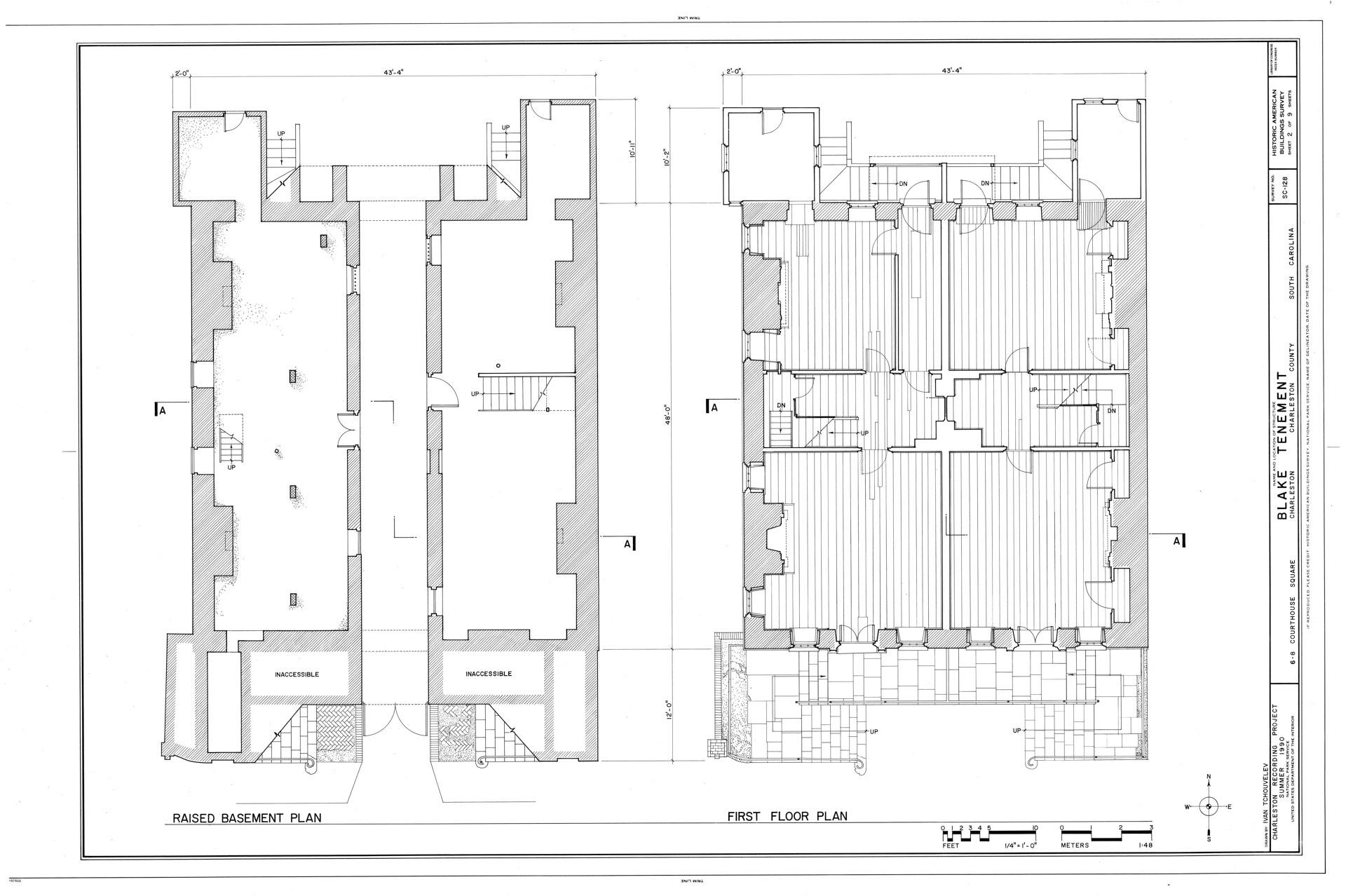
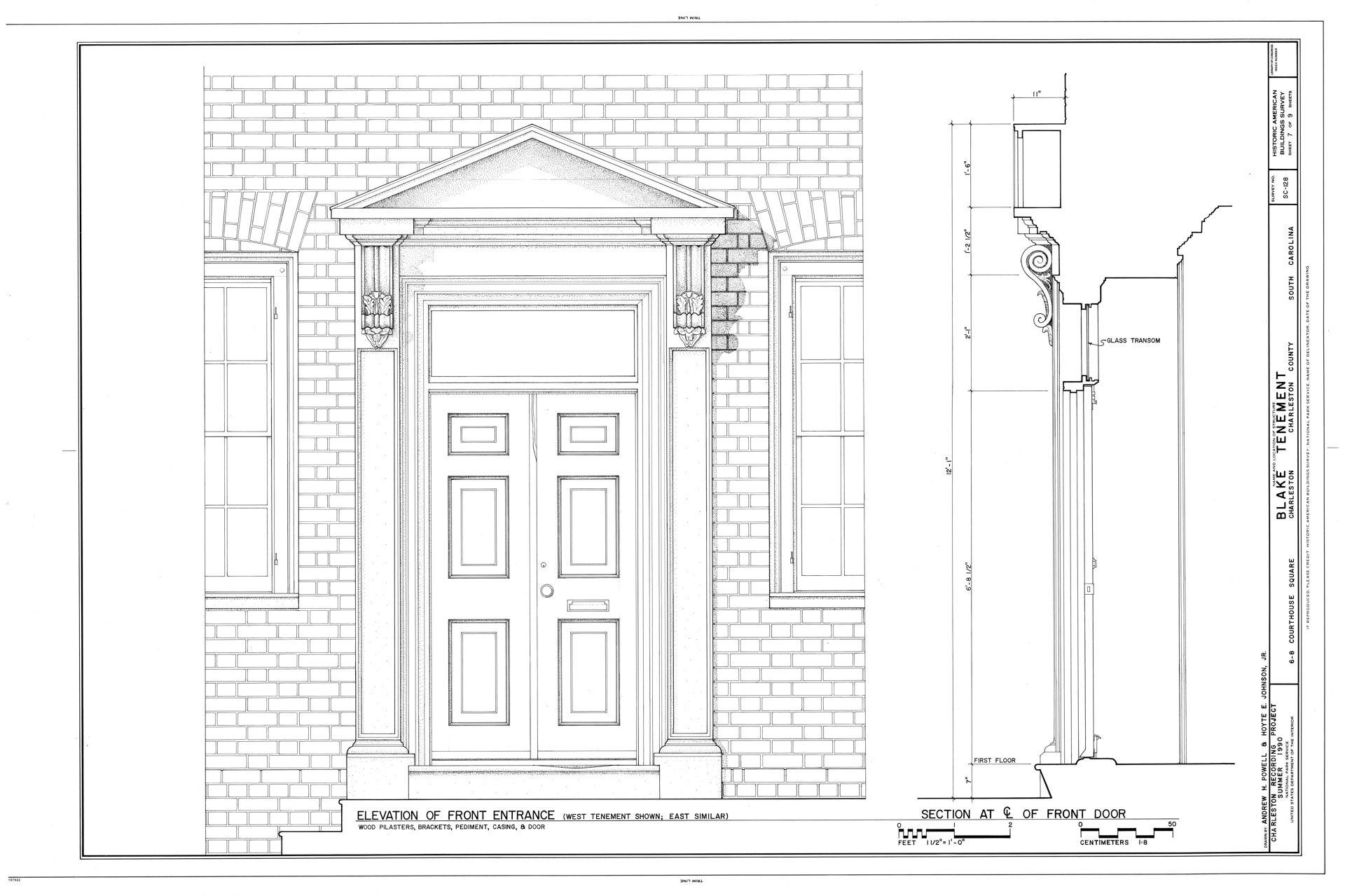
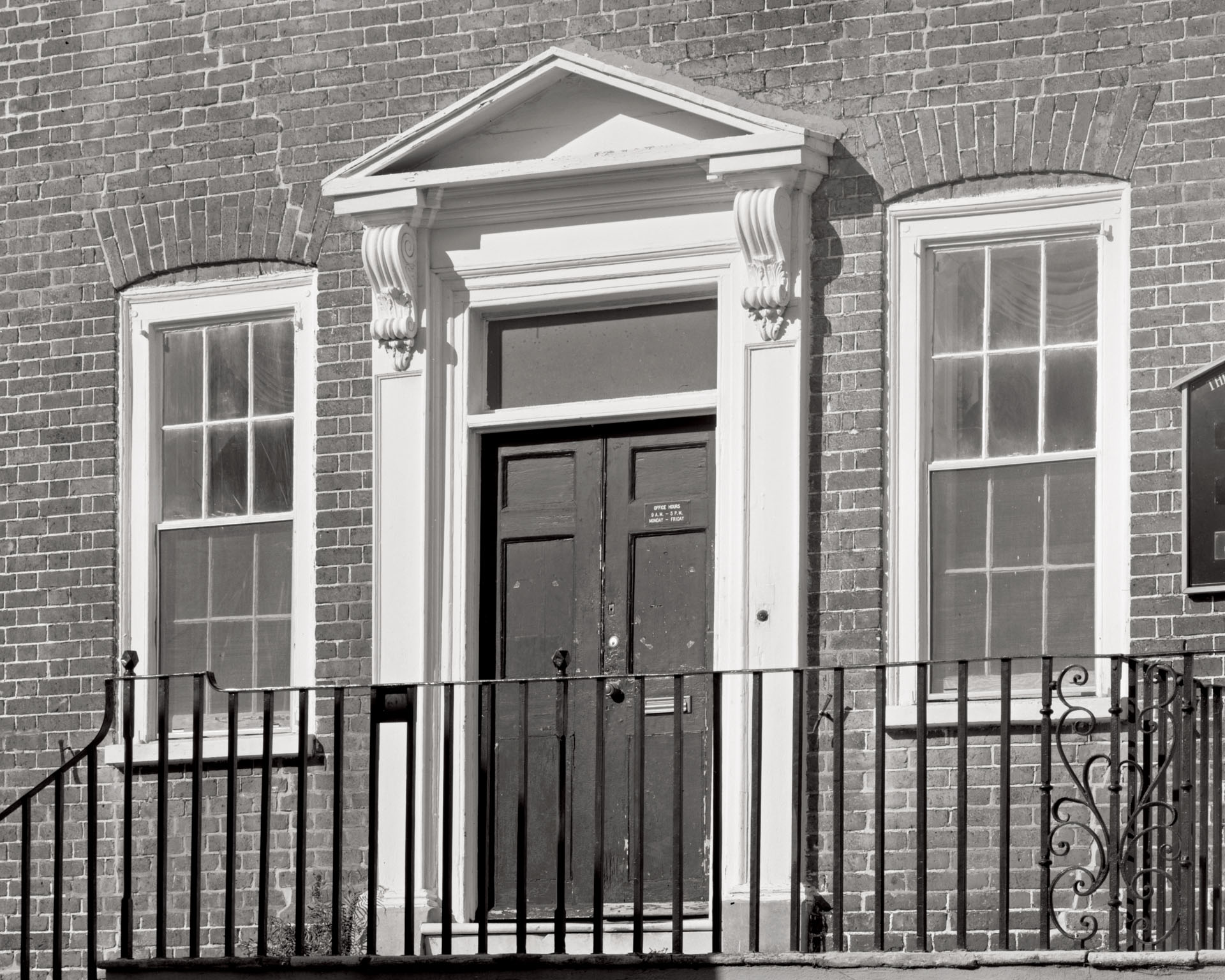
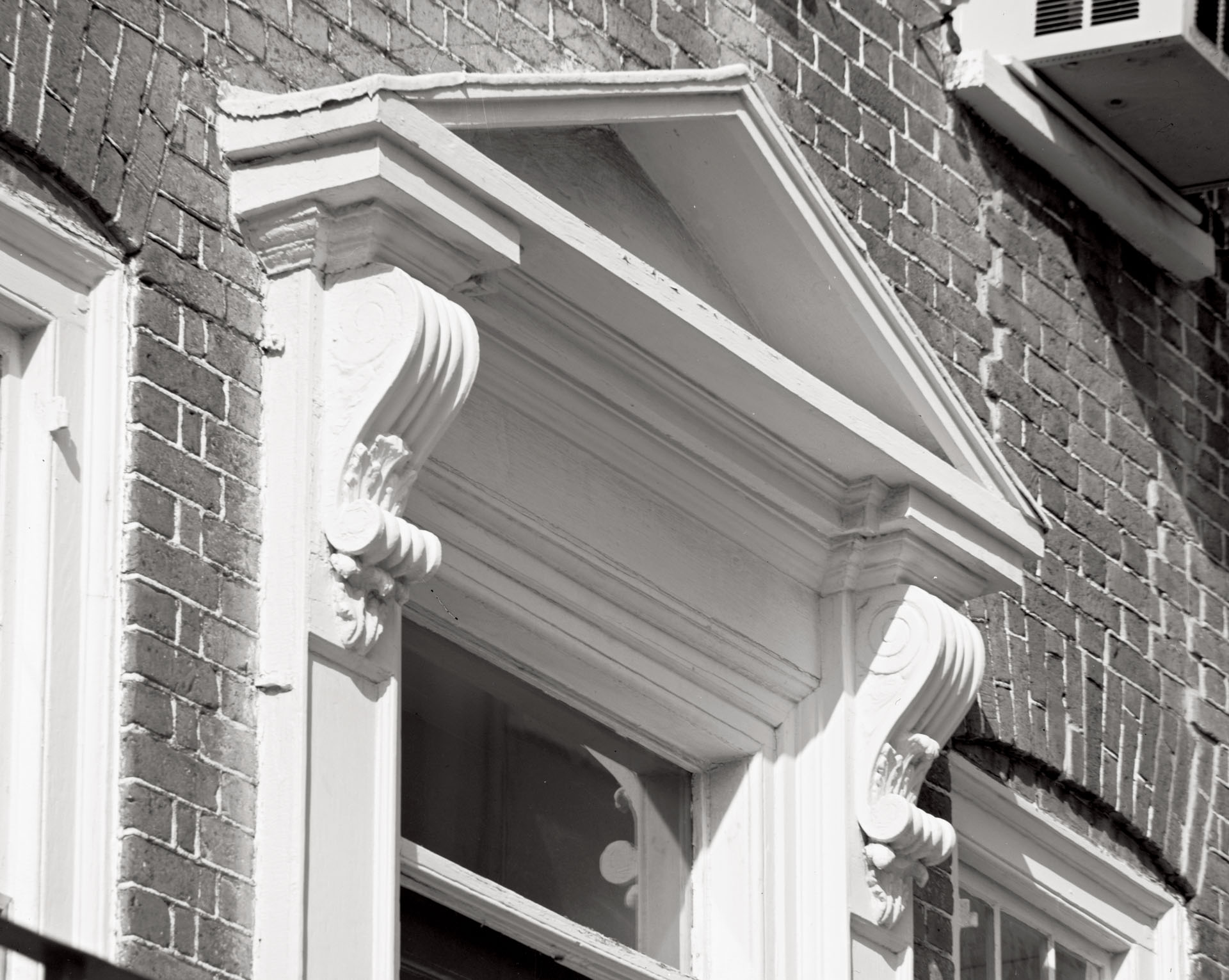
The street elevation presents a deliberate sequence of openings framed by segmental brick arches, their rowlock courses relieving the weight of the masonry above. Twin pedimented entrances rise from the square on broad exterior stairways paved in stone and bordered by wrought iron railings whose scrolling forms introduce a note of craftsmanship against the strict geometry of the brick facade. Beneath the stairways, a narrow barrel vaulted passage runs through the center of the building from the street to the rear yard. This distinctly urban solution allowed pedestrians to move through the property while service entrances and basement windows opened along either side.
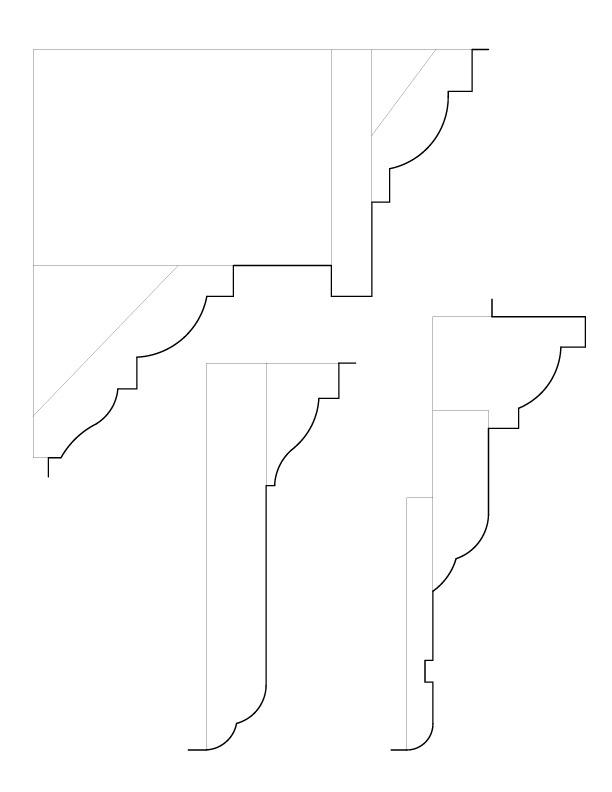
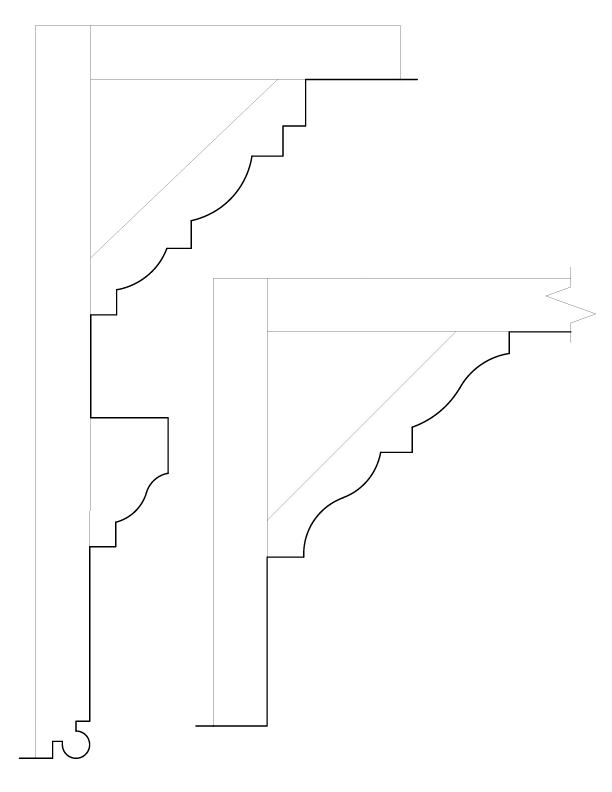
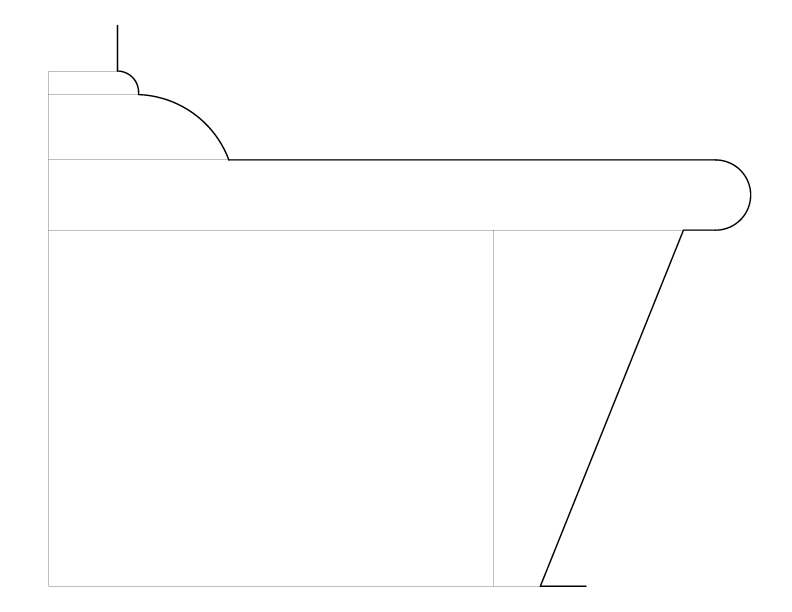
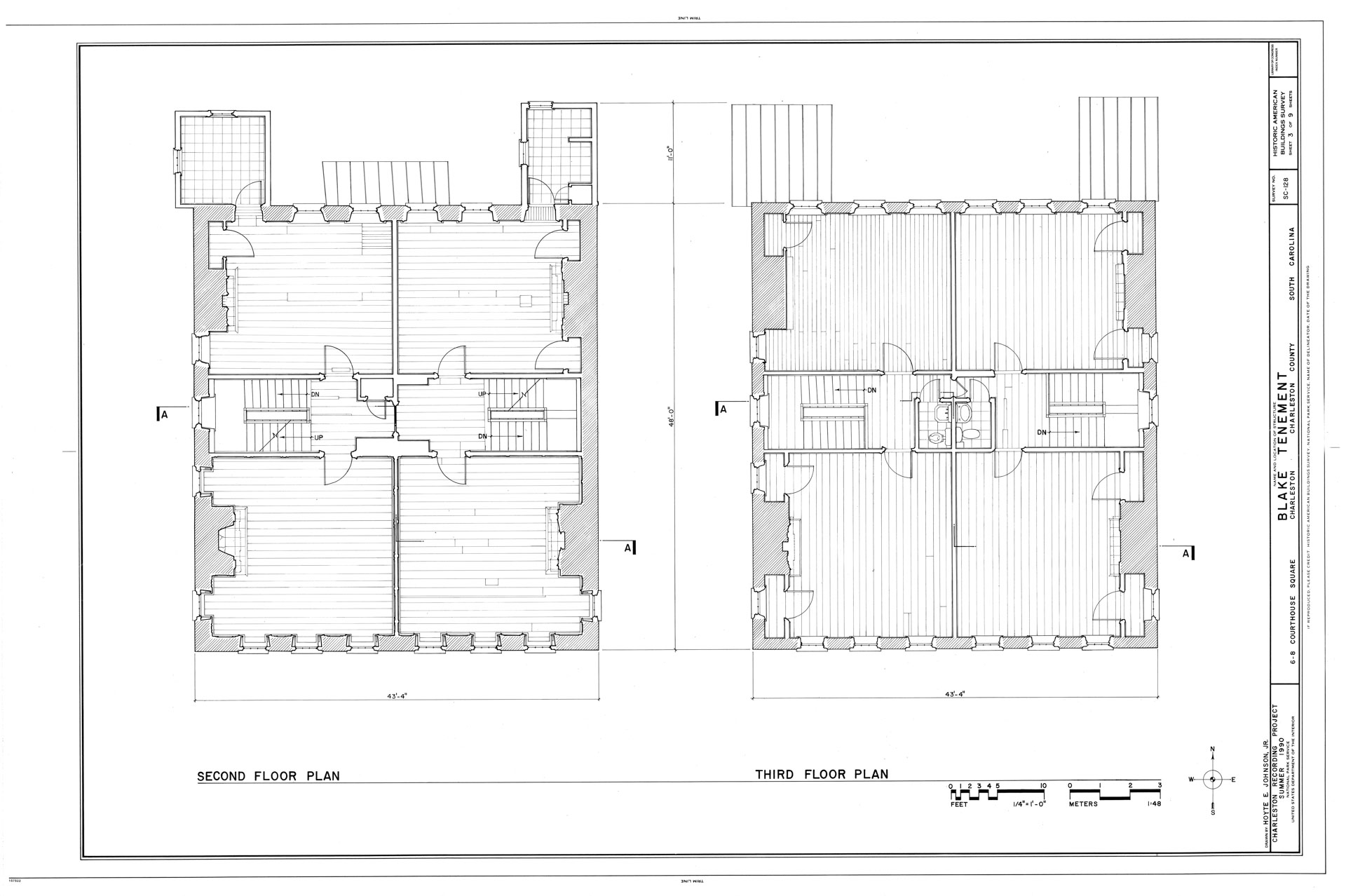
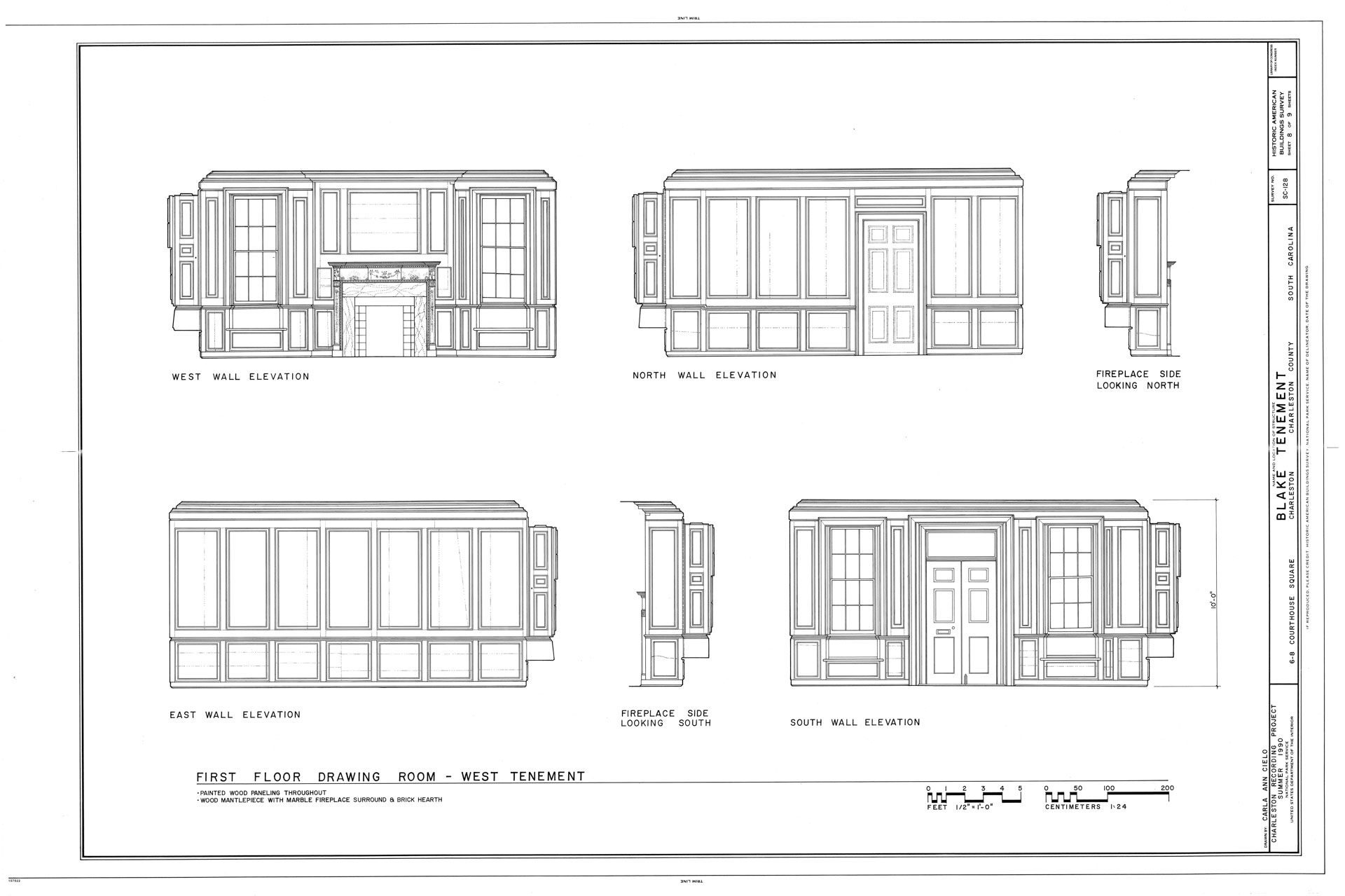
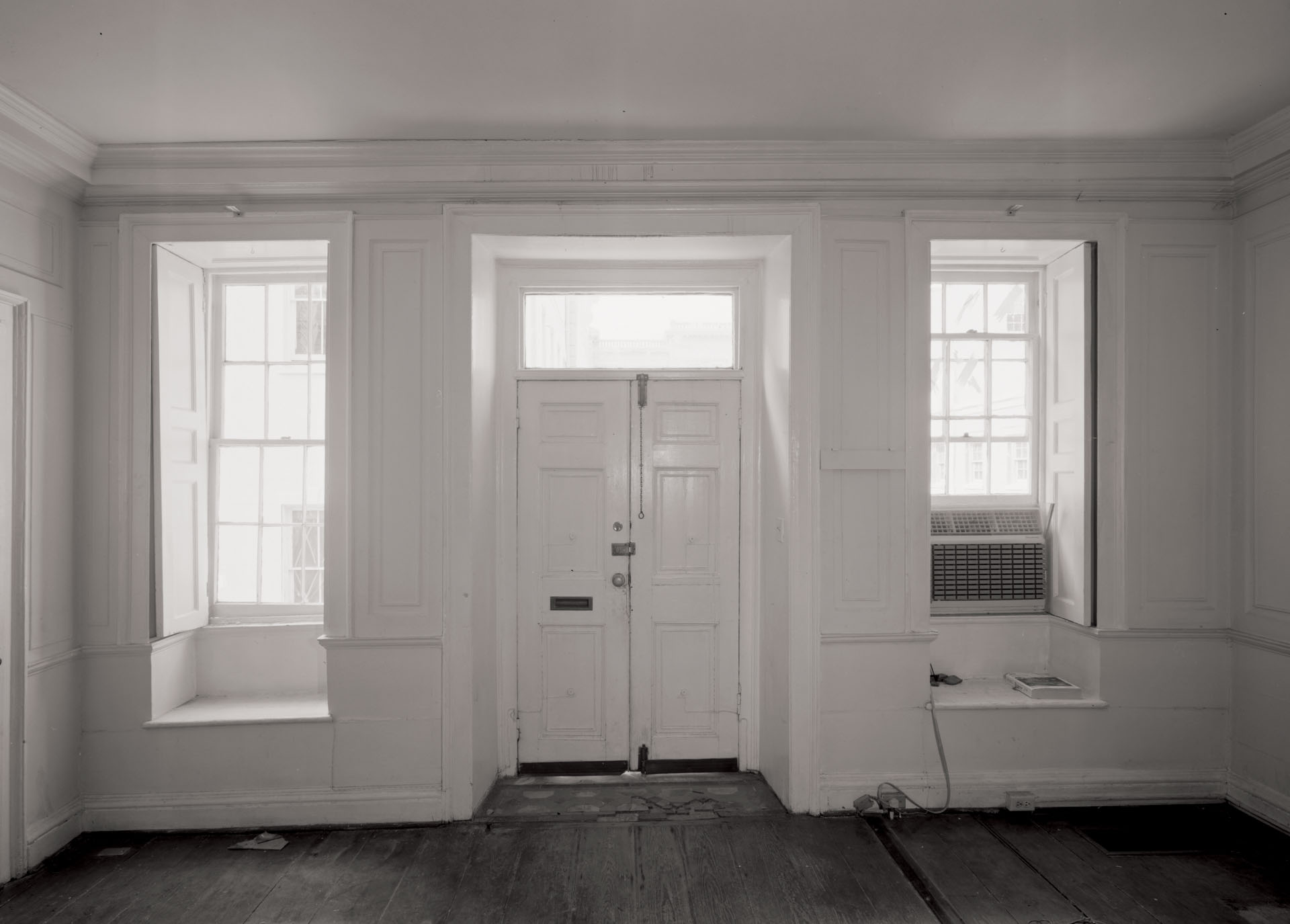
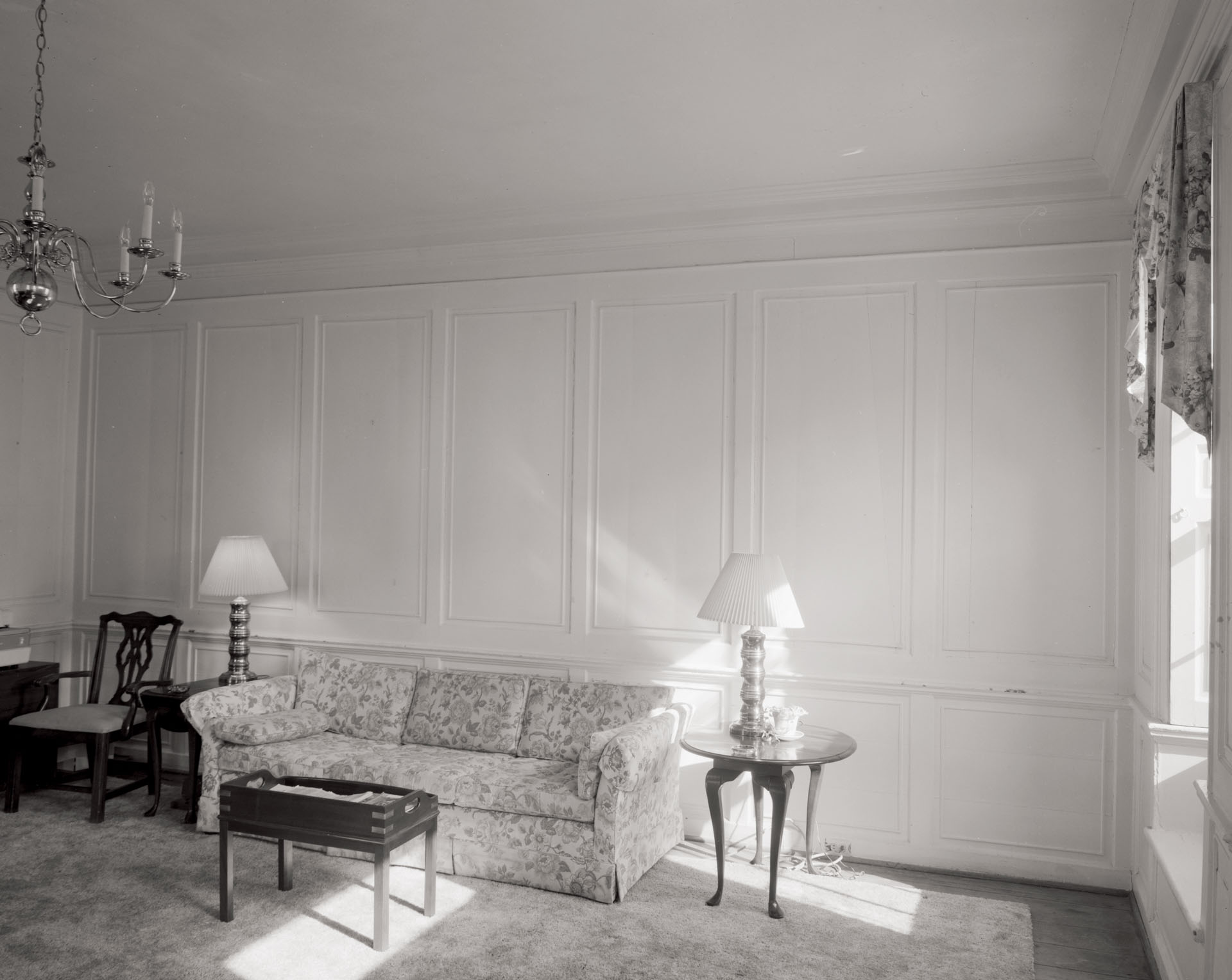
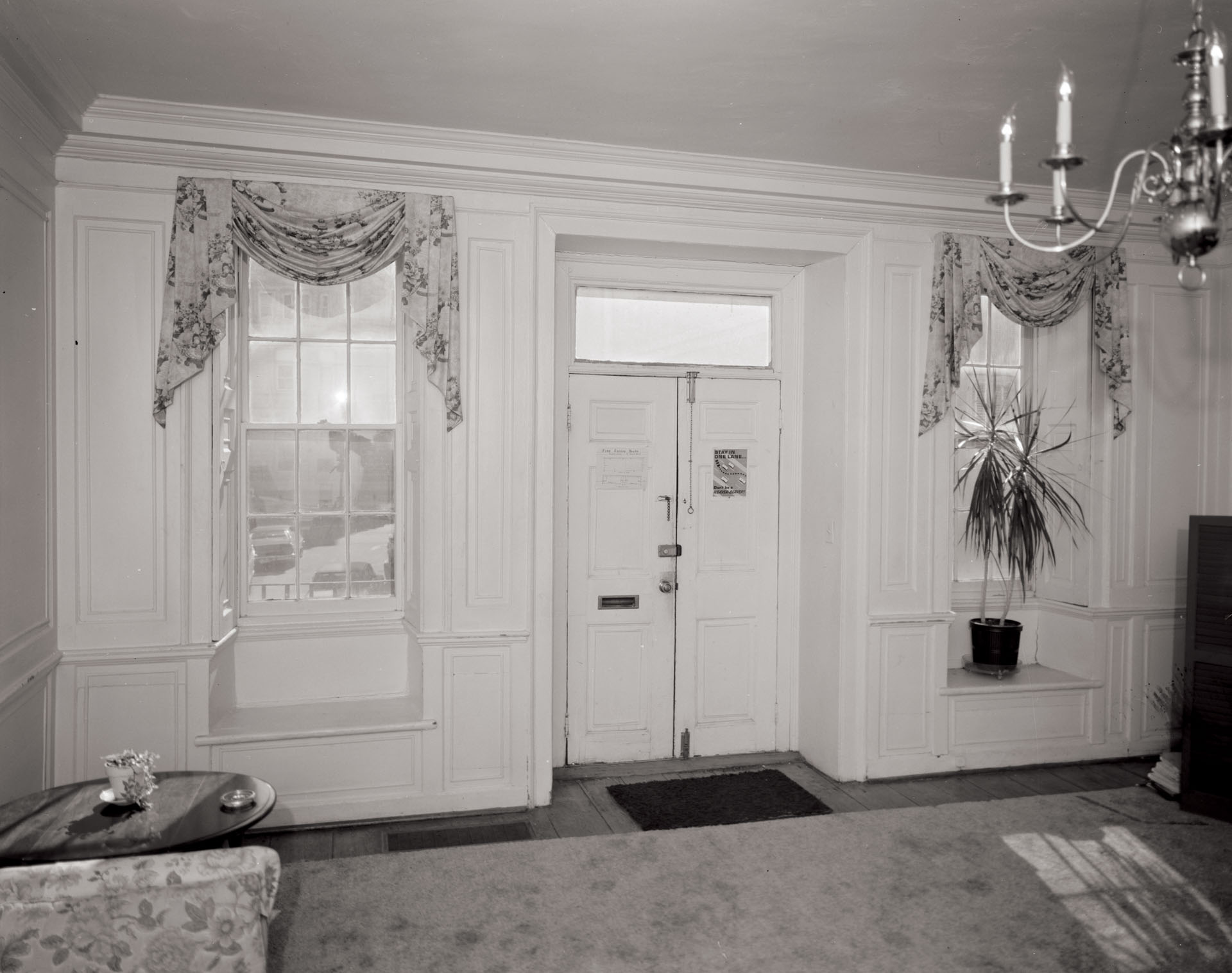
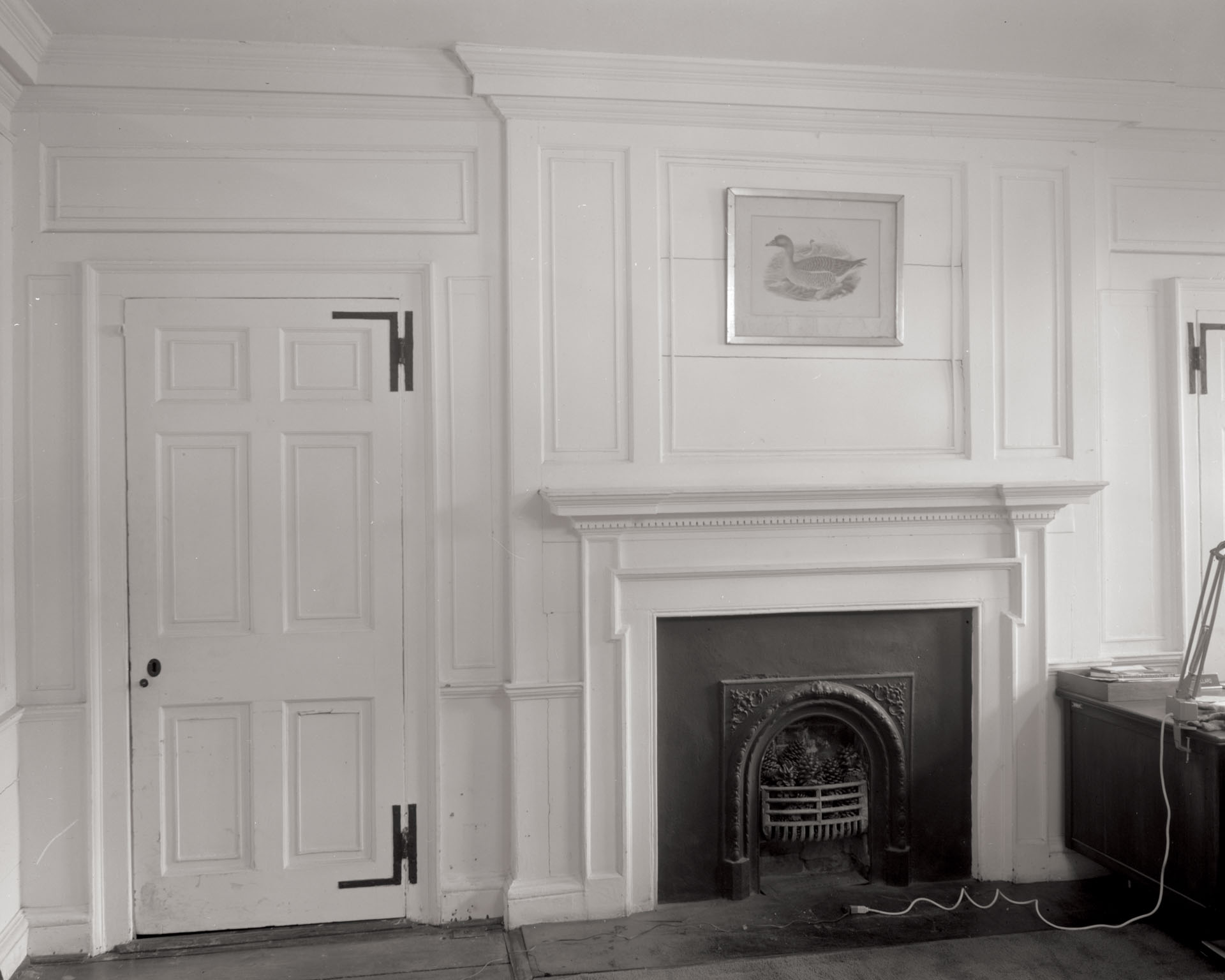
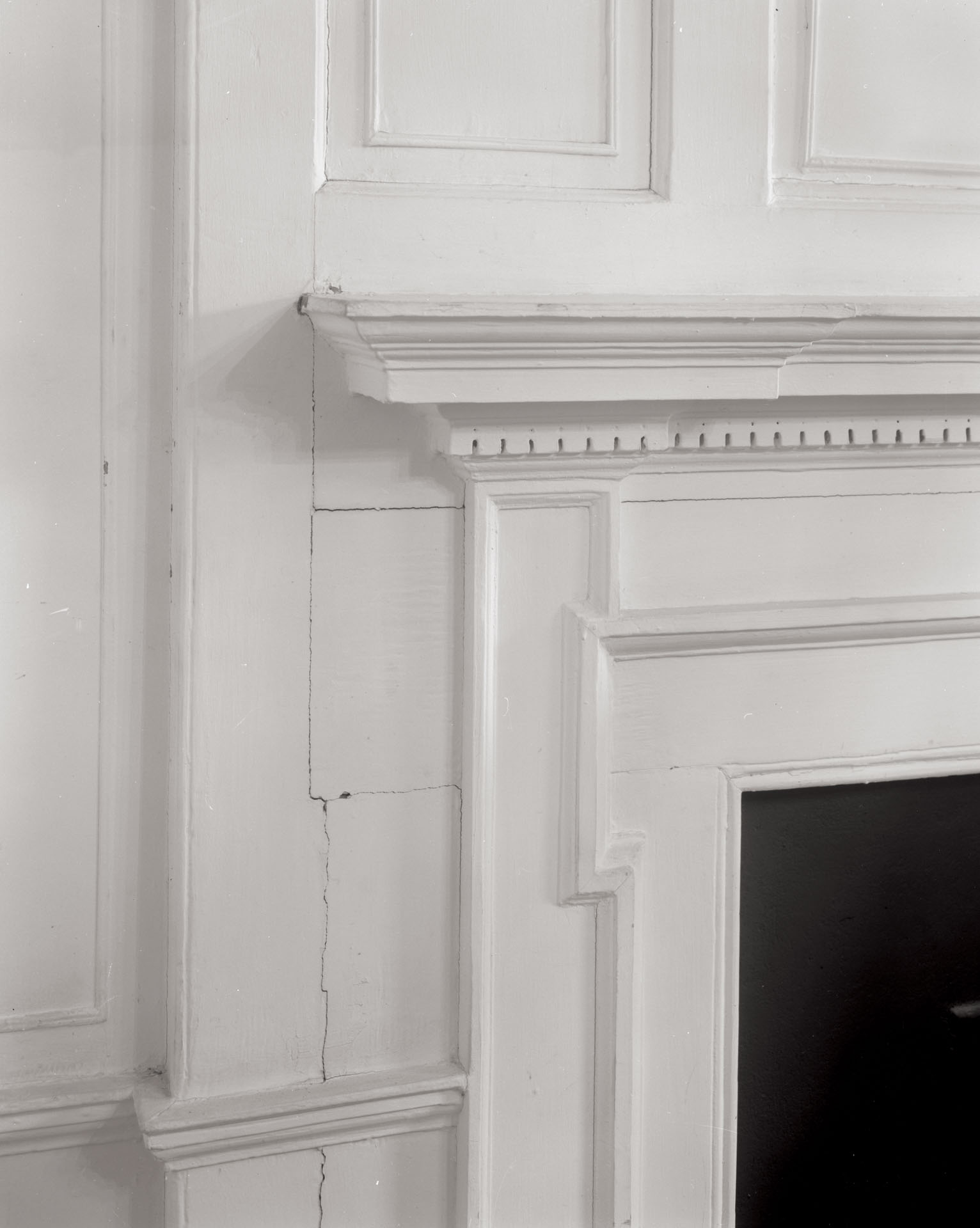
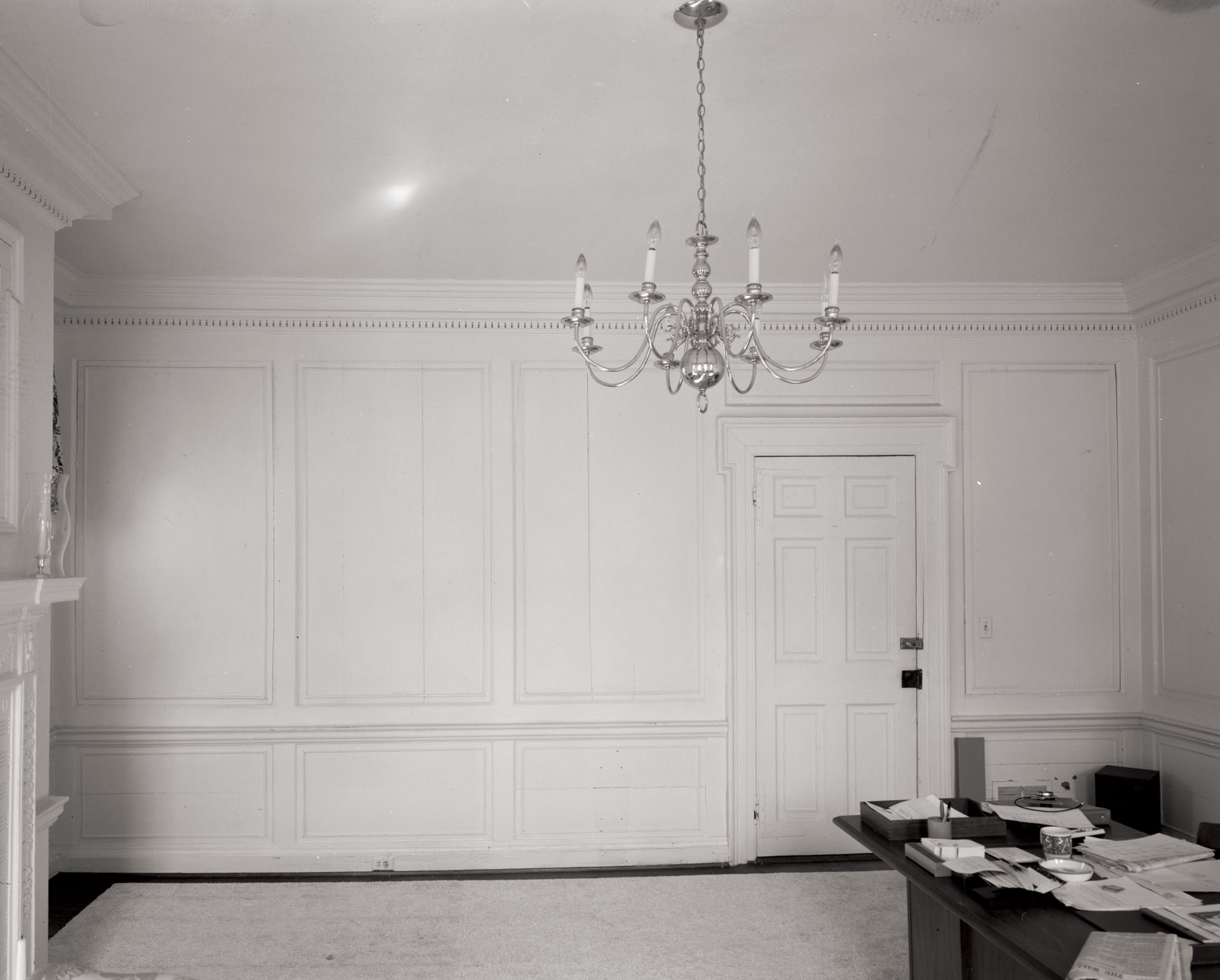
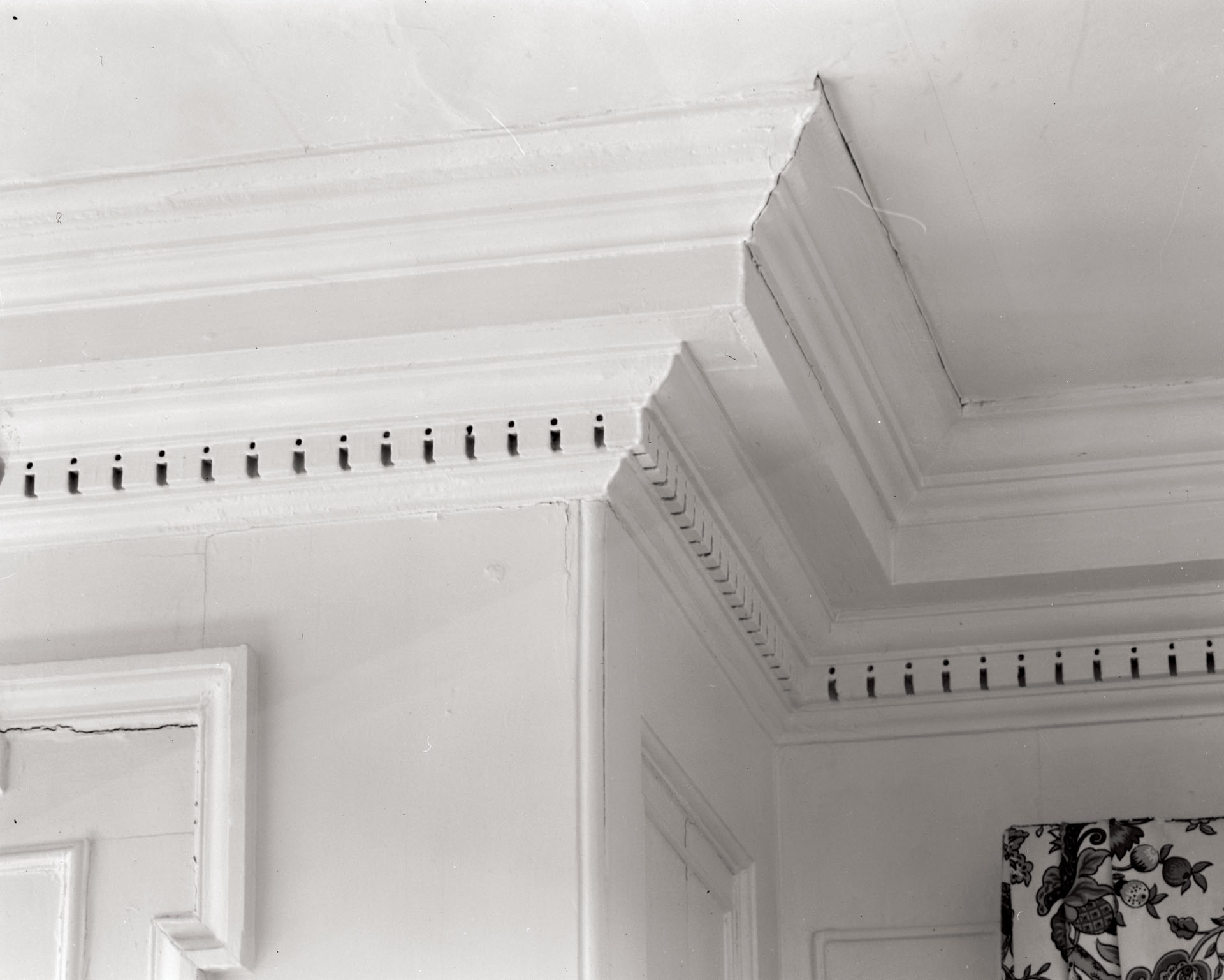
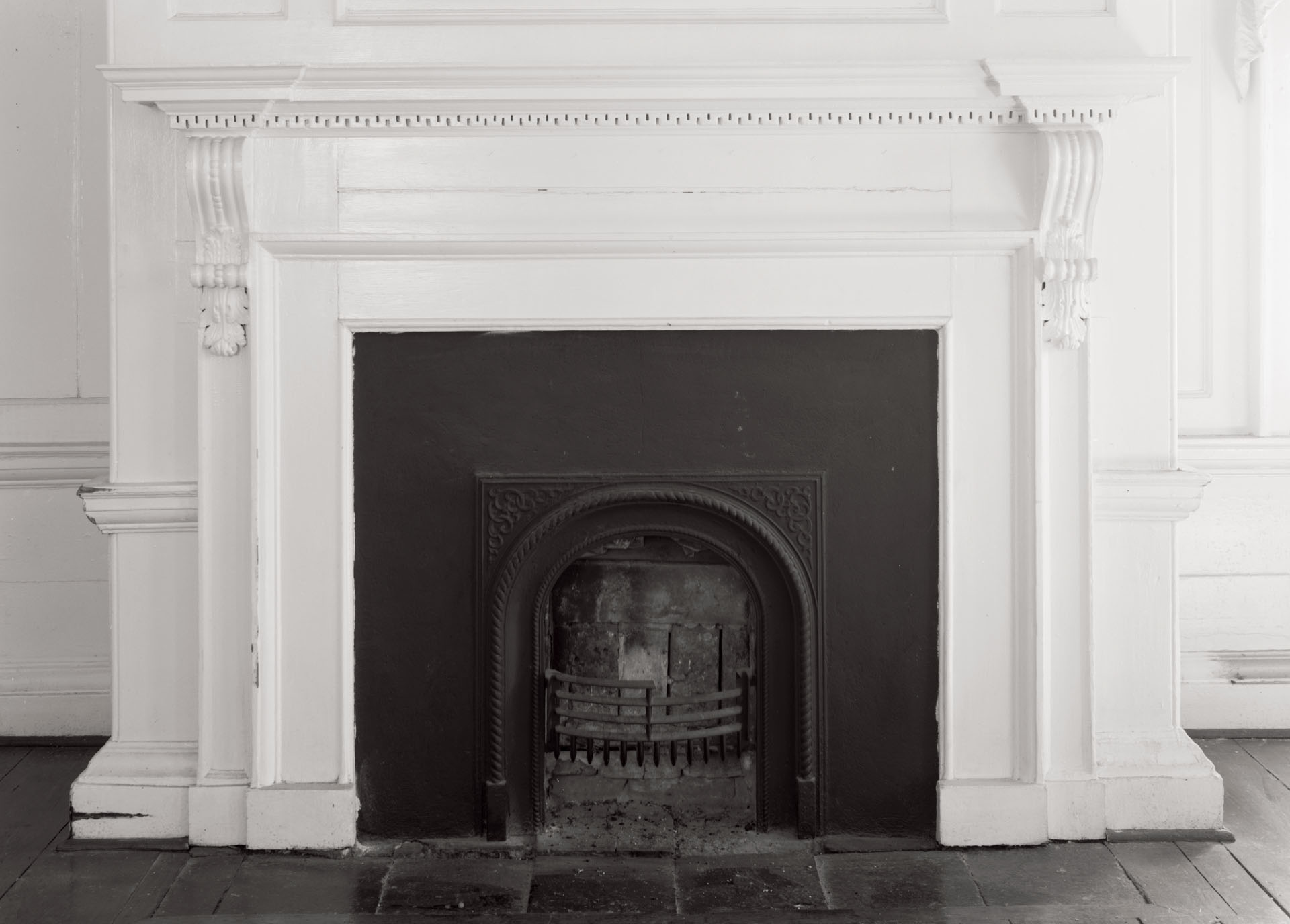
Within this masonry envelope, the refinement of the interior woodwork becomes the building’s most expressive feature. Principal rooms retain paneled walls with molded chair rails and full cornices, while wide, random-width floorboards remain intact across the levels. Windows are framed with carefully worked architraves whose layered mouldings echo the classical language seen throughout the interior. The mantelpiece emerges as the focal point of the room, while surrounding mouldings articulate the hearth with classical restraint. In the more formal rooms, the detailing becomes richer, where panel fields and delicate bead mouldings introduce an added layer of refinement that reflects Charleston’s evolving architectural taste in the decades following the Revolution.