Window Casing Basics: Choosing Casing Profiles and Matching Existing Trim
26th Mar 2026
Quick answers for choosing window casing
- Window and door casings are just one component of a trim package and should be chosen to complement baseboards, crown moulding, and other elevation details
- Pay attention to the window reveal conditions and areas of trim intersection when choosing casing profiles to ensure accurate measurements and suitable widths
- Create an attractive and cohesive appearance with matching trim and casing products, rather than substitutions that appear close enough but become an eyesore after installation
- Combine trim profiles to create a built-up assembly that adds width and depth for a custom appearance at less cost, instead of opting for an oversized, single-piece profile
What casing does at openings
A window casing serves functional and aesthetic purposes. A casing is a finish trim element that covers the rough gap around the window and creates a clean transition from jamb to wall once the opening has been properly sealed. A casing is an overlay that hides construction gaps and seals the perimeter of the window, eliminating concerns like air leaks that could cause drafts and impact energy efficiency.
Every door and window casing throughout a structure can also add visual interest and contribute to a polished interior design, depending on the trim materials you choose and how you coordinate them with other functional and decorative elements. Casings can be simple or feature complex and ornamental profiles, and you may customize them in a variety of ways or even match them to existing trim details.
How to choose casing profiles
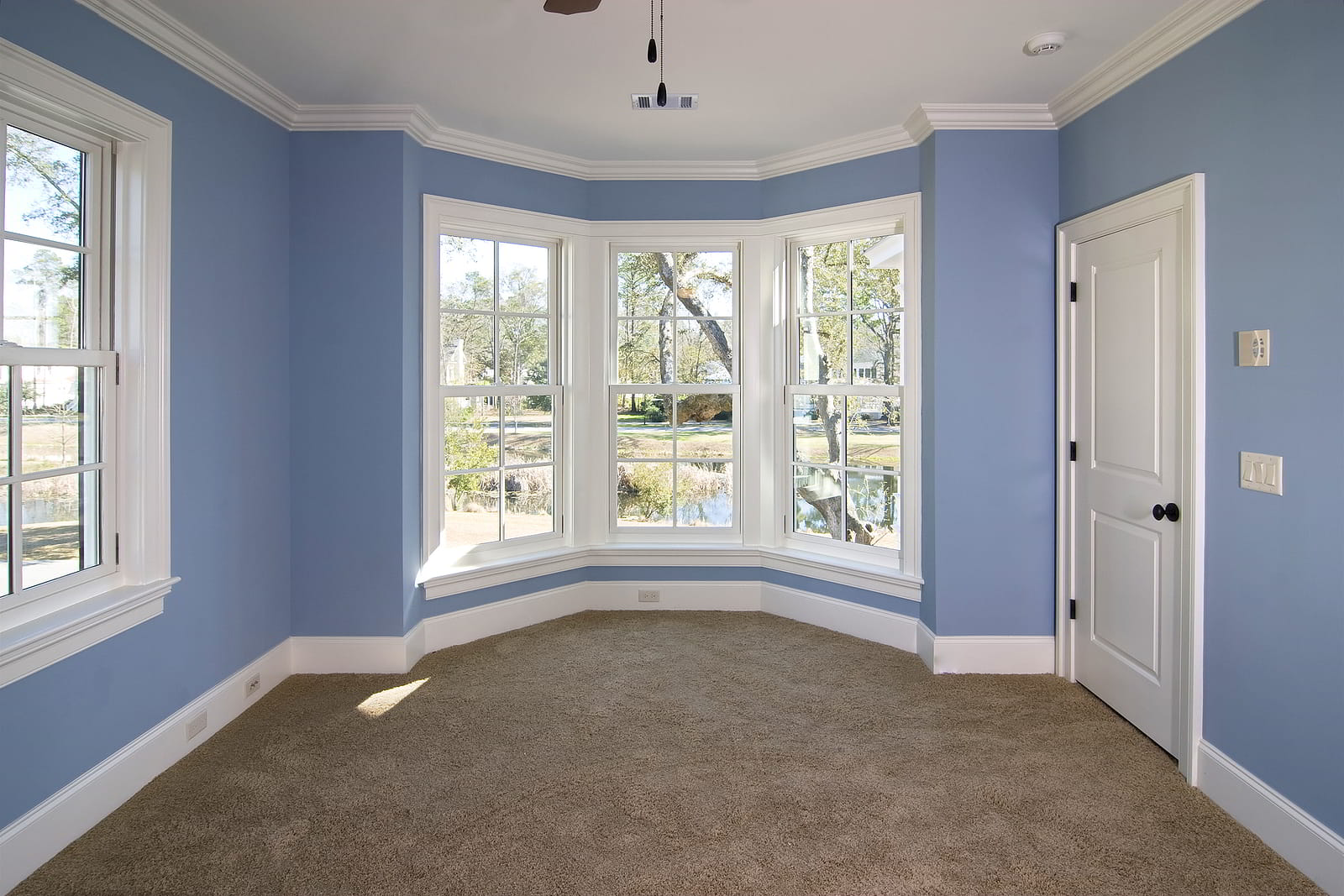
There are several factors to consider when choosing window casing profiles. First and foremost, the casings you choose should conform to window and wall sizing. Casing that is proportional to the window will complement the overall appearance without feeling underwhelming or overwhelming. However, you have some latitude to expand dimensions if windows are oversized, walls are especially tall, and the room is quite spacious.
You’ll want to explore styles that are suitable for your architecture but also support personal style preferences. If you plan to install additional trim, such as baseboards, crown molding, and other elevation details, all elements should feel coordinated and intentional. When preserving existing trim, opt for complementary window casing styles and profiles.
Style direction and profile families
Modern architecture allows for considerable flexibility when it comes to choosing molding styles for various applications, including window and door casings. To choose a window casing style, you’ll want to start by looking at profile families to see what they have to offer. A streamlined profile displays modern appeal with minimalist detailing, while a stepped profile adds dimension with a simple, layered effect.
Symmetric styles allow you to choose your level of ornamentation (steps, curvature, etc.) in a way that feels balanced and intentional. If you prefer more complex and delicate detailing, you can opt for fluted, reeded, or beaded styles. You can also explore products designed to support a specific architectural style, such as the Colonial style. Once you settle on a profile family that works with the structure, you can narrow down the options to represent personal style sensibilities.
Scale and proportion with baseboard and crown
In addition to picking a style and profile, you should consider how casings integrate with other elevation details, most importantly, the baseboard moulding and crown molding profiles. You can choose casings first or start with baseboards and crown, but either way, your first choice will inform the ones that follow. Trim doesn’t have to match precisely, as long as it’s complementary. However, the scale and proportion should follow certain guidelines.
Baseboard, crown, and casing do not need to match exactly, but they should feel proportionate to one another. In many trim packages, casing is less dominant in face width than major base or crown elements, with ornamentation scaled so the opening reads intentional rather than overbuilt. If you want windows and doors to stand out, you can choose slightly more elaborate casing profiles within the same family. For the most cohesive finished appearance, trim pieces should be similarly ornate, with proportions scaled to create the expected visual balance.
Wood casing considerations
When it comes to materials, a wood casing is the most common type for windows and doors. It works for both traditional and contemporary building styles and adds character, elegance, and a luxury aesthetic to living spaces. It also offers outstanding resilience and durability. Wood trim can last a lifetime with proper finishing and care.
Even so, wood casings aren’t a one-size-fits-all proposition. There are a few considerations when adding this type of trim to windows and doors. From a visual standpoint, you should think about the lasting effect of finishes like paint or stain. You must also consider the species, not only for strength, durability, and appearance, but also for how well it absorbs stain or displays paint.
Paint vs. stain
There are a couple of reasons to paint or stain window casings. While unfinished wood offers a natural aesthetic that complements rustic architecture, putting it near a window could be problematic due to potential temperature and humidity fluctuations. Paints, stains, and other finishes help protect the wood and increase longevity. They also create a polished appearance that elevates the overall aesthetic of a room and complements certain interior design styles.
Which is best for your project? Staining preserves the natural features of wood, including colors and grain patterns. You can also choose from a range of stain colors to suit personal preferences and control the depth of color through application techniques. However, paint offers greater versatility, and it can cover unsightly imperfections in wood.
With paint, you can brighten dark rooms, match trim color to walls, or create eye-catching contrast through accent colors. Ultimately, the decision to paint or stain casings will depend on the type of wood used, the architectural style of the structure, and the aesthetic you hope to create.
Species notes
Whether your design plan includes painting or staining, you must carefully consider the wood species you choose as a window casing material. You may know that certain species are stronger or harder than others, but when it comes to finishing, the porosity of wood is what’s important.
For stain-grade work, choose species that complement adjacent trim and take stain consistently, such as oak or walnut where appropriate. For paint-grade work, poplar and primed options are common because they provide a smooth finished surface.
Matching existing casing in renovations and additions
There are no hard and fast rules when it comes to window casing design, but if you want to avoid a haphazard appearance, it’s best to match window and door casing styles, profiles, and finishes throughout a structure. If you’re installing one or more new casings, you should match them to existing elements, rather than taking a “close enough” approach, especially when matching existing windows in the same room.
In some cases, it makes sense to match casings to other trim features, such as baseboard and crown molding designs. By choosing custom moulding and millwork, you’ll get an exact match, as opposed to a near match that might be more noticeable than you anticipate. In design, details matter, and even an expensive trim can become an eyesore if it clashes with other decorative elements.
Built-up casing and backband options
One easy and affordable way to achieve a custom, luxury aesthetic is by choosing a built-up casing or casing with backband assemblies. These intricate looks add character by using two or more relatively simple trim styles to create greater visual complexity. A built-up window casing increases depth and sophistication through stacked layers of trim, while a backband is added to the outside edge of a casing to increase width and ornamentation. Both result in a custom appearance that helps define interior style.
Common mistakes to avoid at openings and transitions
The window casing materials, finishes, styles, and profiles you select are all critical to achieving a preferred final look. Before installation, however, you should have a plan to address logistical concerns like openings and transitions. In other words, how will casings join with other elevation details, such as wainscotting, panels, or chair railing?
Common transition mistakes include pairing mismatched trim or mismatched finishes, cutting casing materials to fit around existing trim (casings should take precedence), and using unsightly joinery cuts. With help from a talented and experienced team of professionals, you can select the perfect casing materials and finishes to get your project underway.
Request a quote if you need casing, backband options, or custom profile matching for a renovation or addition.