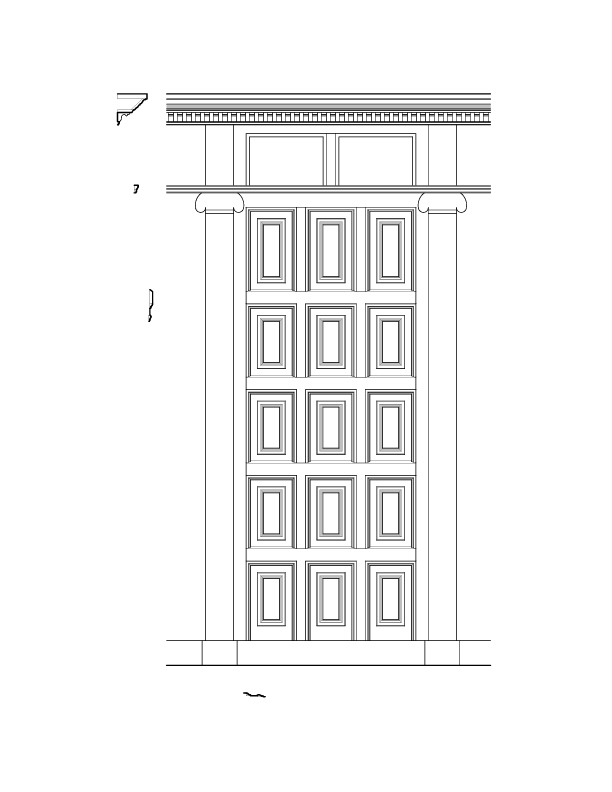
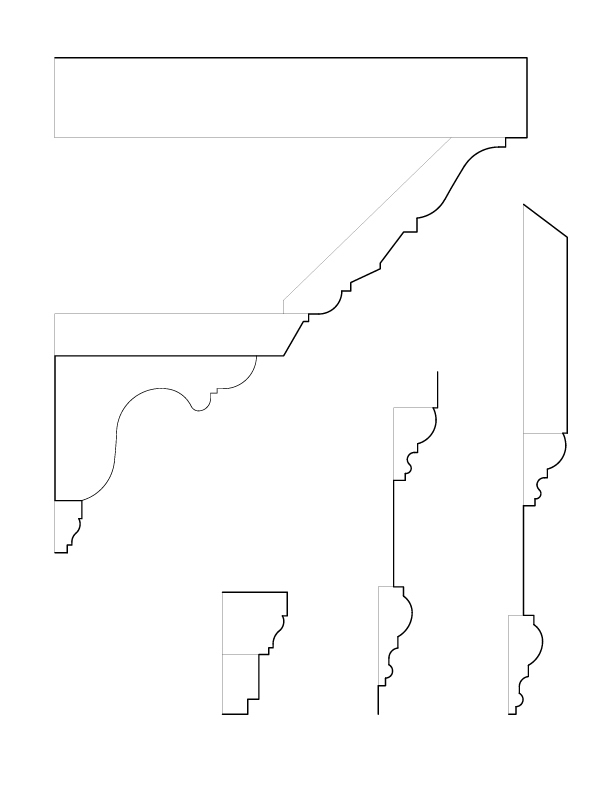
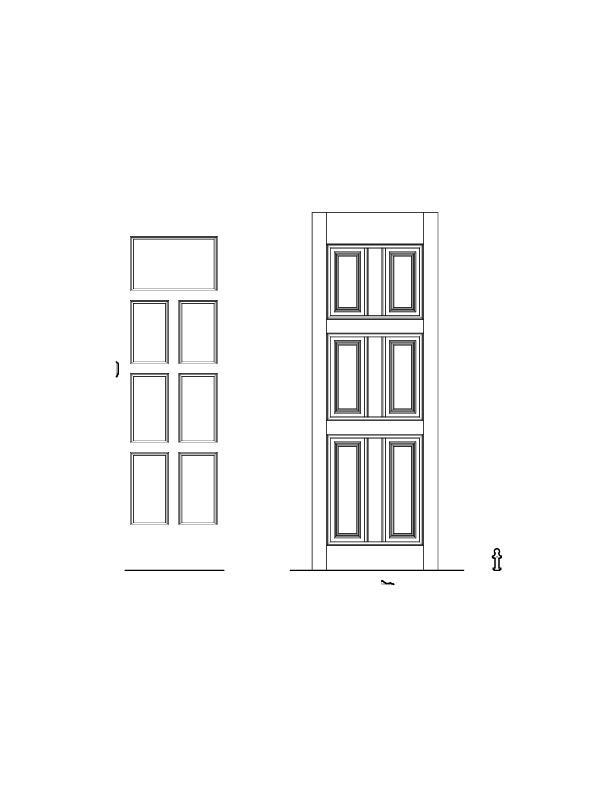
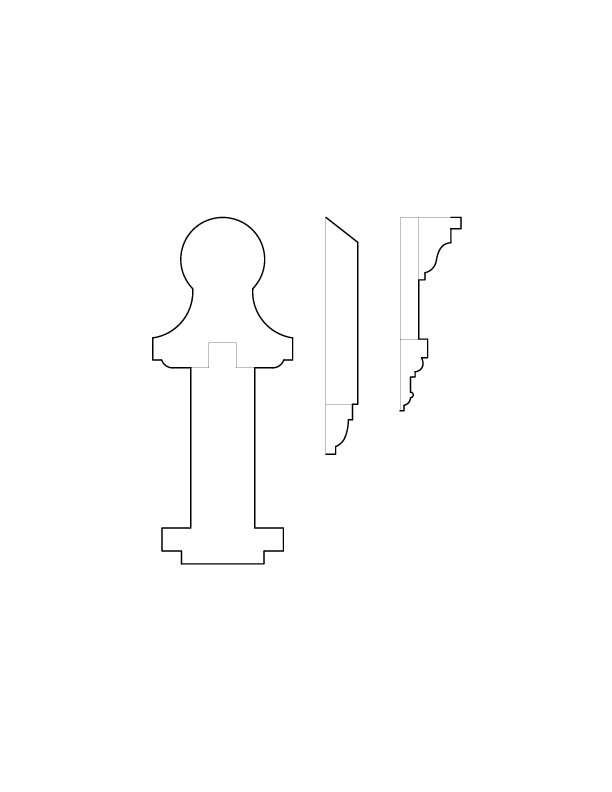
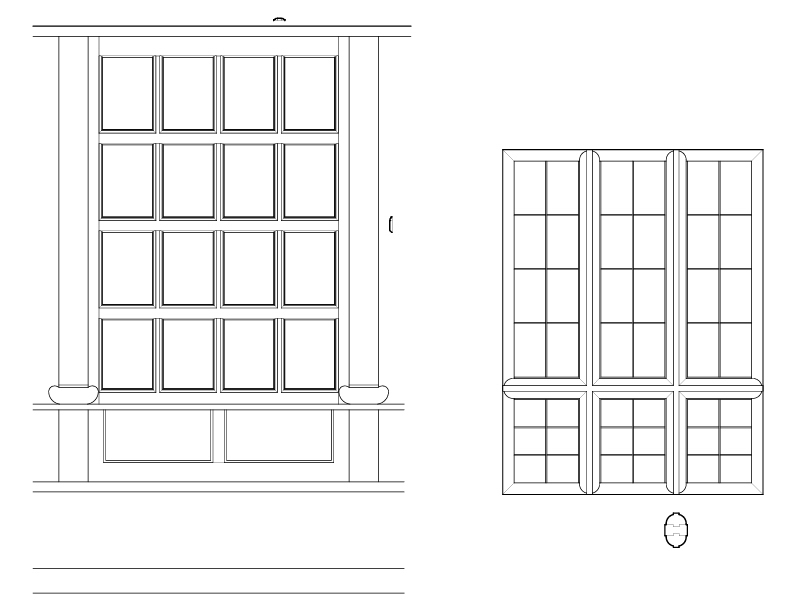
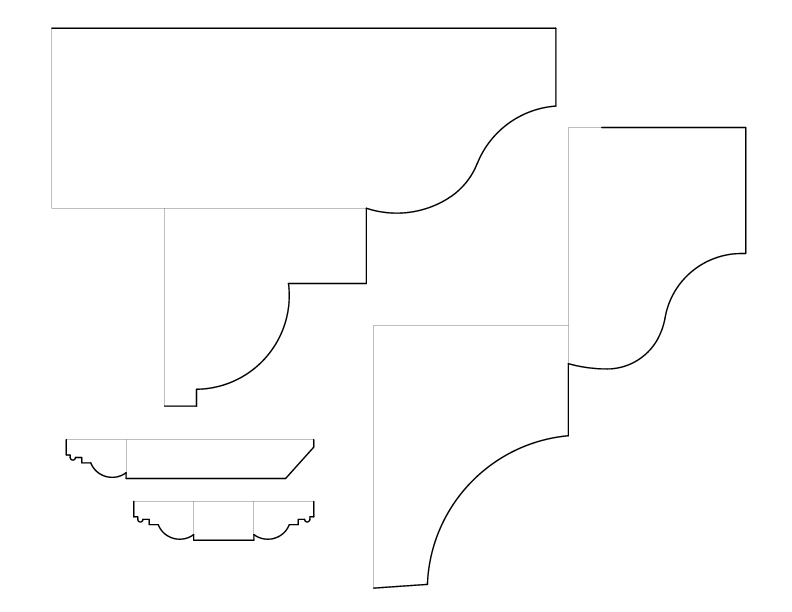
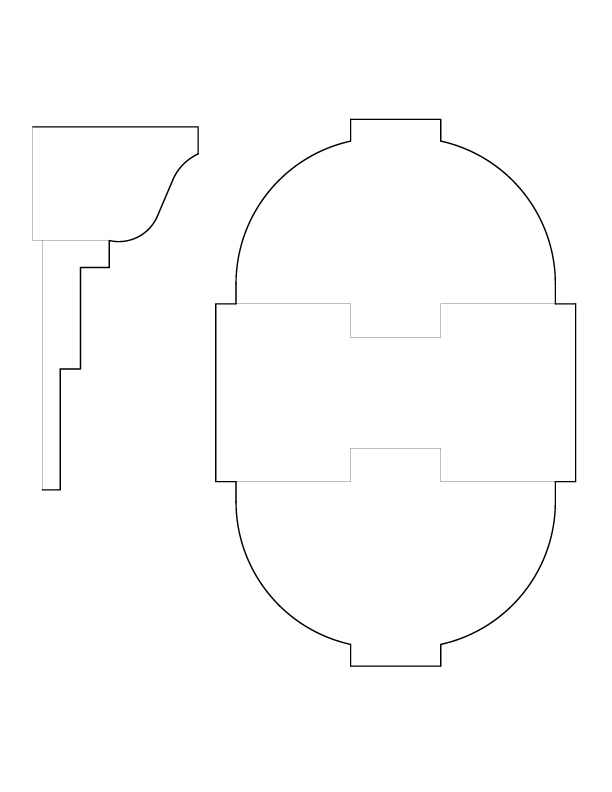
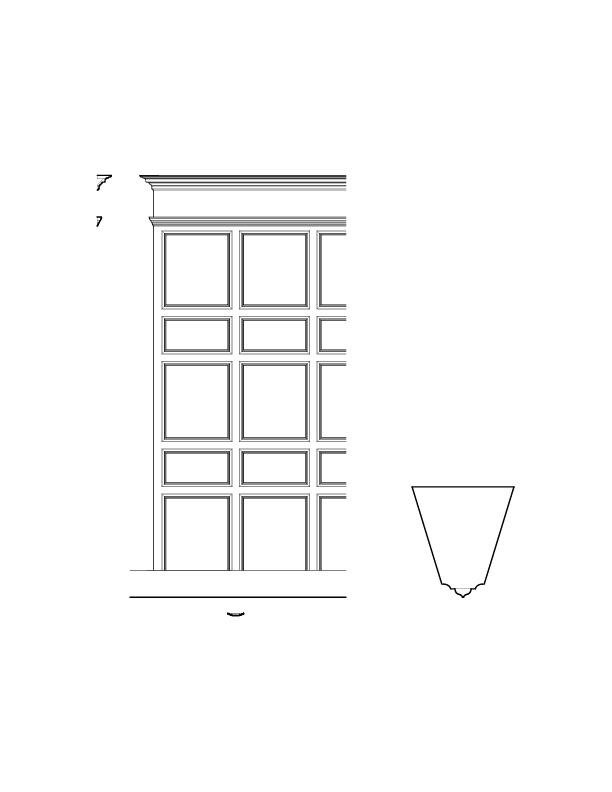
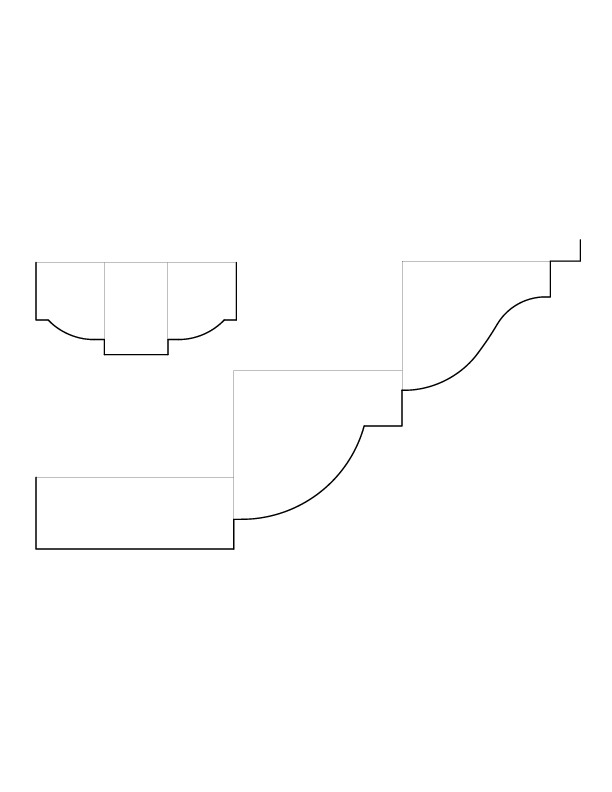
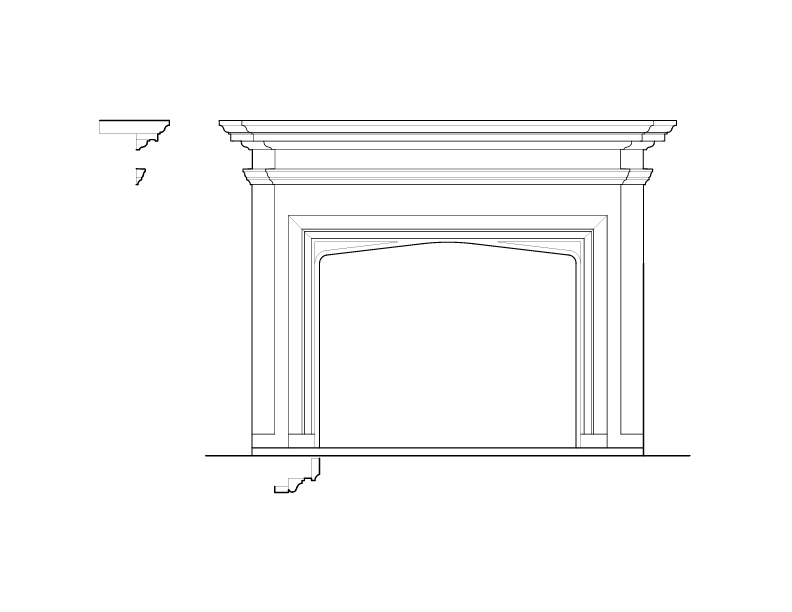
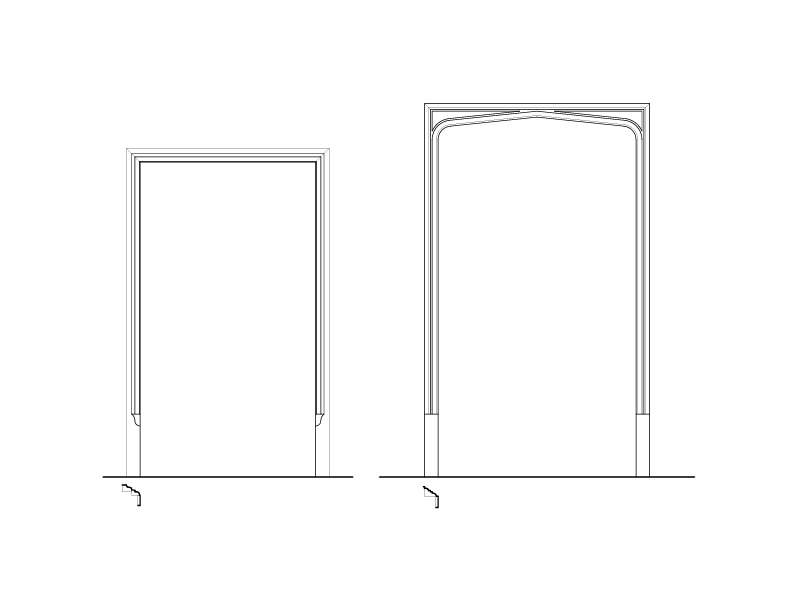
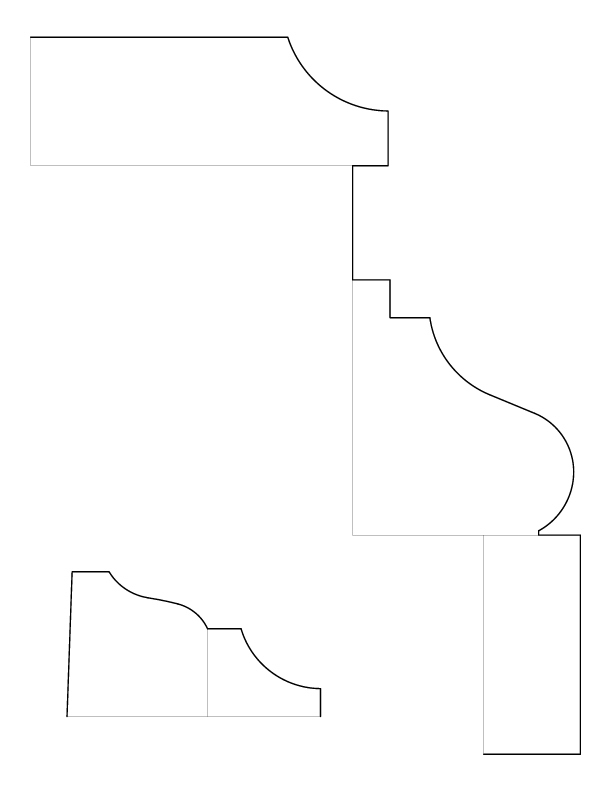
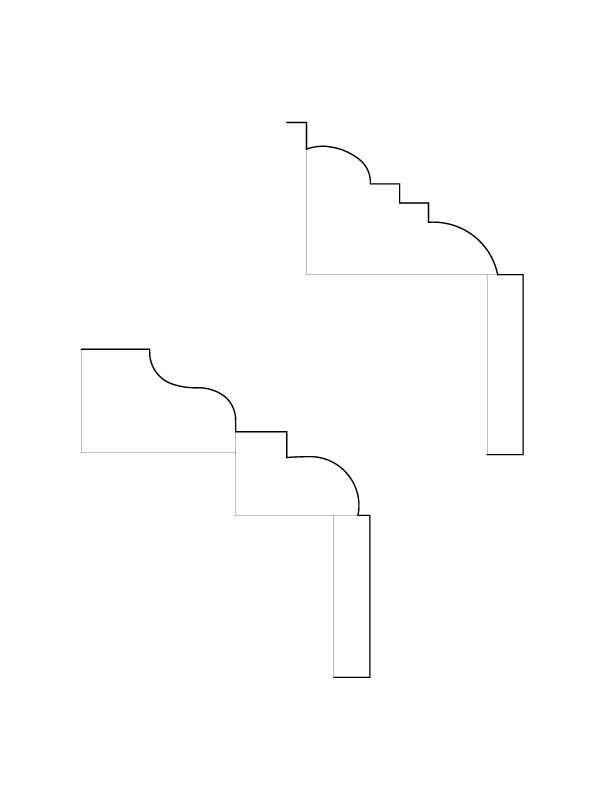
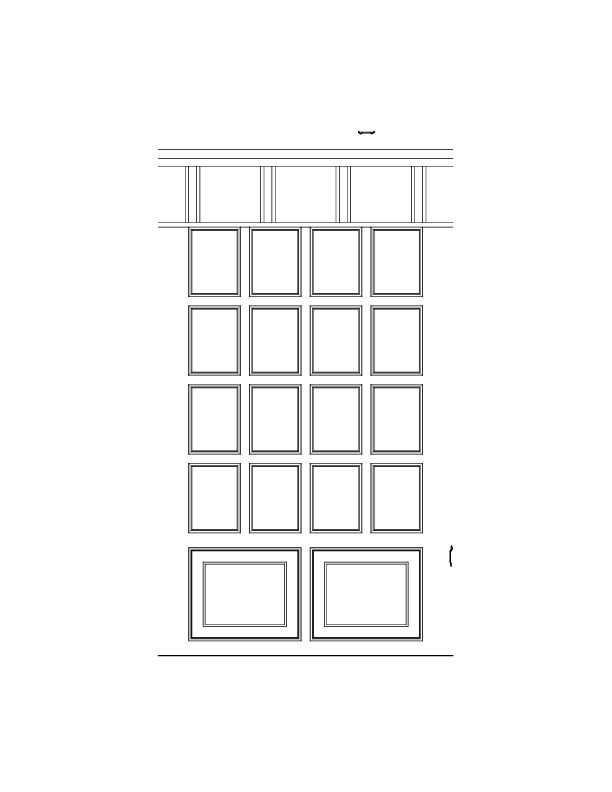
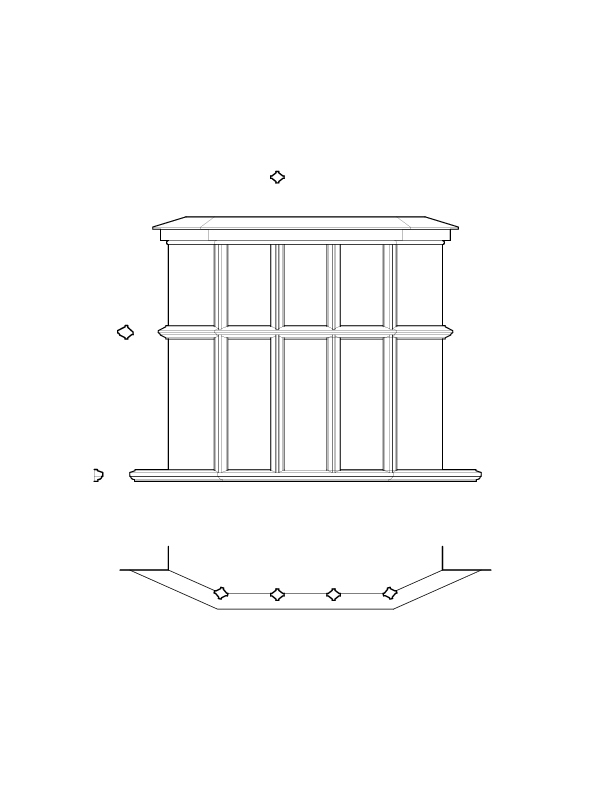
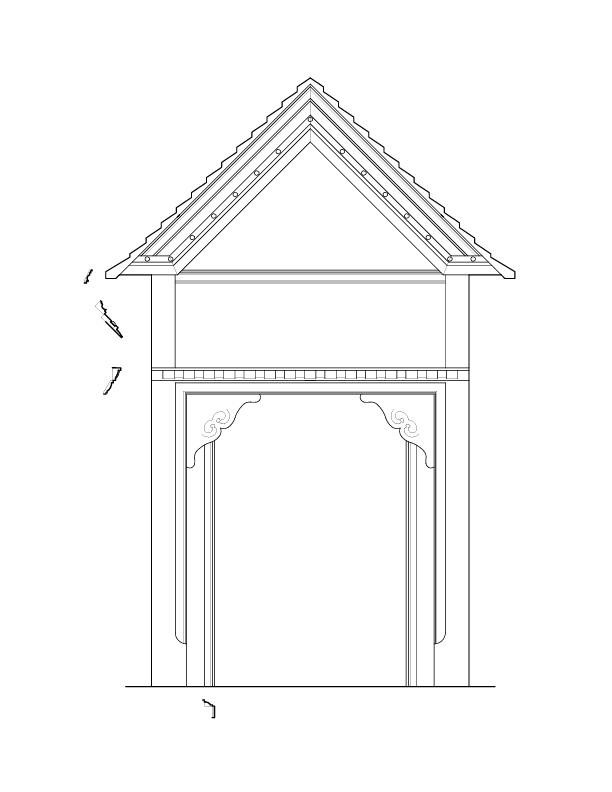
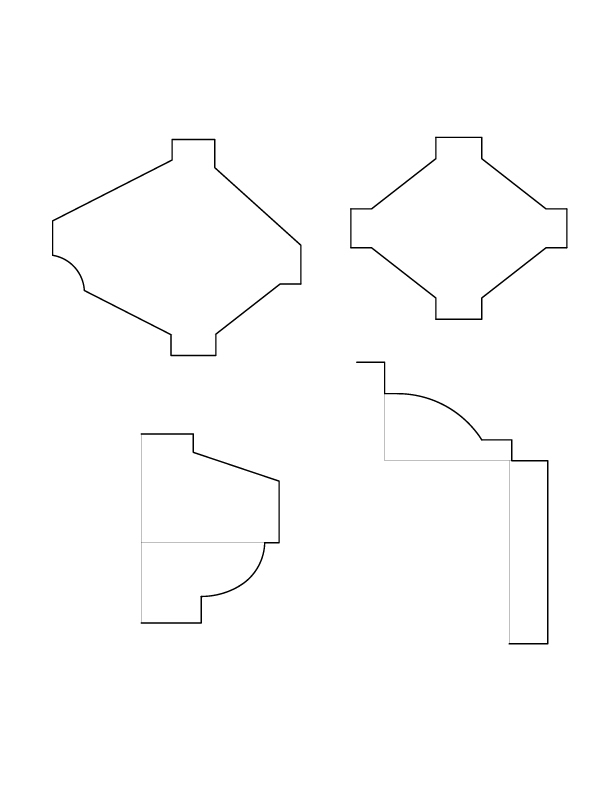
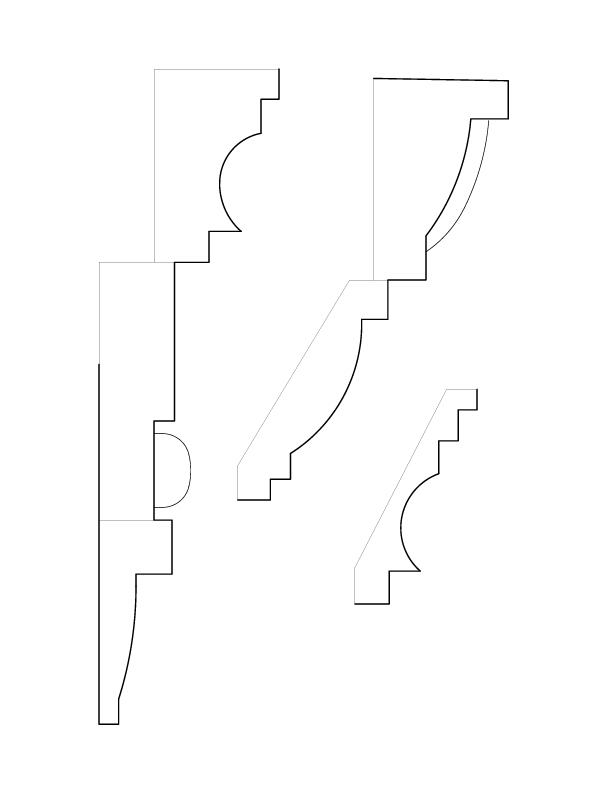
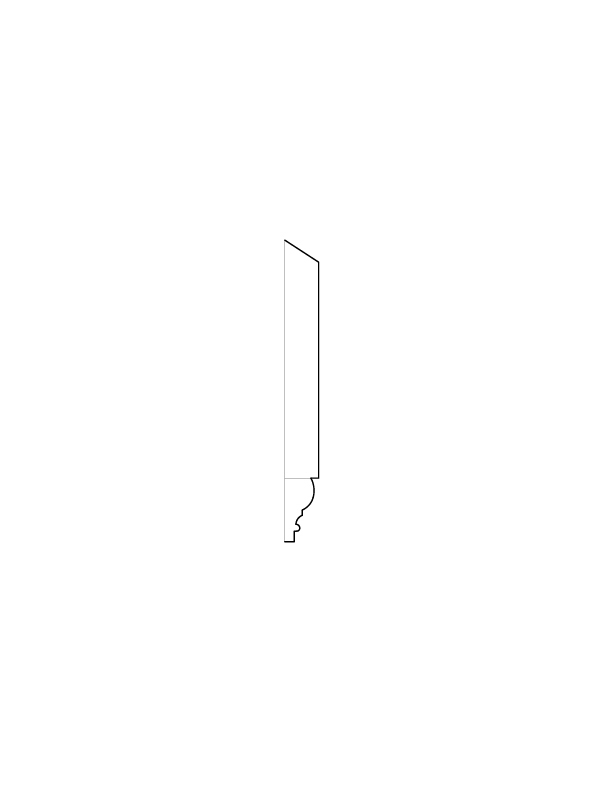
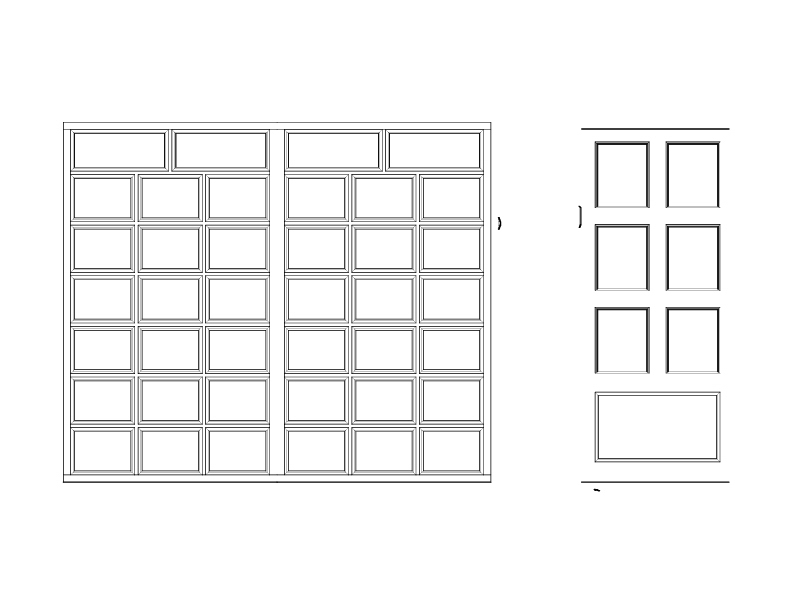
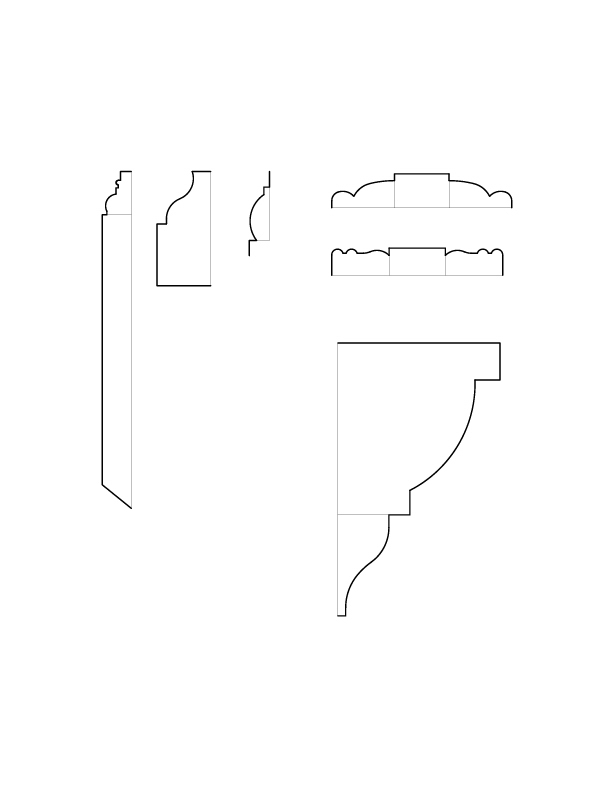
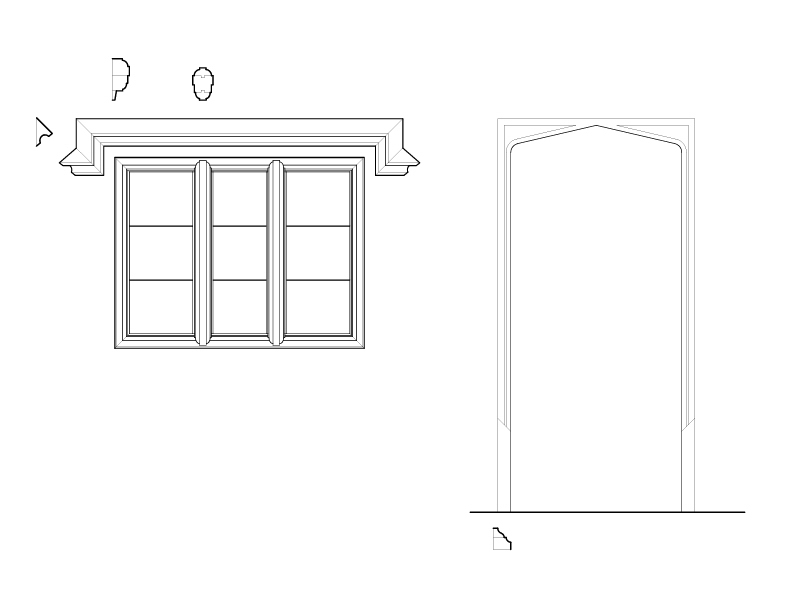
229 HIGH STREET, EXETER, DEVON
229 HIGH STREET, EXETER, DEVON
ABBOTS GRANGE, BROADWAY, WORCESTER
ABBOTS GRANGE, BROADWAY, WORCESTER
ABBOTS HOSPITAL, GUILDFORD, SURREY
ABBOTS HOSPITAL, GUILDFORD, SURREY
ABBOTS HOSPITAL, GUILDFORD, SURREY
ALMHOUSES, CASTLE RISING, NORFOLK
ALMHOUSES, CASTLE RISING, NORFOLK
ALMHOUSES, CASTLE RISING, NORFOLK
ANCIENT HOUSE, IPSWICH, SUFFOLK
ANCIENT HOUSE, IPSWICH, SUFFOLK
BAMPFYLDE HOUSE, EXETER, DEVON
BAMPFYLDE HOUSE, EXETER, DEVON
BAMPFYLDE HOUSE, EXETER, DEVON
BAMPFYLDE HOUSE, EXETER, DEVON
BELL HOTEL, CLARE, SUFFOLK
BELL HOTEL, CLARE, SUFFOLK
BIGNOLDS COURT, NORWICH, NORFOLK
BIGNOLDS COURT, NORWICH, NORFOLK
BIGNOLDS COURT, NORWICH, NORFOLK
BRIDGE STREET, KINGTON, HEREFORDSHIRE
BRIDGE STREET, KINGTON, HEREFORDSHIRE
CHAPTER HOUSE, SHREWSBURY, SHROPSHIRE
CHAPTER HOUSE, SHREWSBURY, SHROPSHIRE
CHURCH LANE, LEDBURY, HEREFORDSHIRE
CHURCH LANE, LEDBURY, HEREFORDSHIRE
CHURCH LANE, LEDBURY, HEREFORDSHIRE
CHURCH LANE, LEDBURY, HEREFORDSHIRE
CLEARBROOK FARM, PEMBRIDGE, HEREFORDSHIRE
CLEARBROOK FARM, PEMBRIDGE, HEREFORDSHIRE
CONSERVATIVE CLUB, HEREFORD
CONSERVATIVE CLUB, HEREFORD
COTHAY MANOR, EXETER, DEVON
COTHAY MANOR, EXETER, DEVON
COTHAY MANOR, EXETER, DEVON
COTHAY MANOR, WELLINGTON, SOMERSET
COTHAY MANOR, WELLINGTON, SOMERSET
FLUSHING INN, RYE-ON-SEA, SUSSEX
FLUSHING INN, RYE-ON-SEA, SUSSEX
FLUSHING INN, RYE-ON-SEA, SUSSEX
FLUSHING INN, RYE-ON-SEA, SUSSEX
GREENLAND FISHERIES, KINGS LYNN, NORFOLK
GREENLAND FISHERIES, KINGS LYNN, NORFOLK
GREENLAND FISHERIES, KINGS LYNN, NORFOLK
GREENLAND FISHERIES, KINGS LYNN, NORFOLK
GREENLAND FISHERIES, KINGS LYNN, NORFOLK
HOUSE SHREWSBURY, SHROPSHIRE
HOUSE SHREWSBURY, SHROPSHIRE
LYGON ARMS, BROADWAY, WORCESTER
LYGON ARMS, BROADWAY, WORCESTER
LYGON ARMS, BROADWAY, WORCESTER
LYGON ARMS, BROADWAY, WORCESTER
LYGON ARMS, BROADWAY, WORCESTER
MARKET HALL, LEDBURY, HEREFORDSHIRE
MARKET HALL, LEDBURY, HEREFORDSHIRE
MOLS COFFEE HOUSE, EXETER, DEVON
MOLS COFFEE HOUSE, EXETER, DEVON
MUSEUM SHREWSBURY, SHROPSHIRE
MUSEUM SHREWSBURY, SHROPSHIRE
NEW INN, PEMBRIDGE, HEREFORDSHIRE
NEW ST, LEOMINSTER, HEREFORDSHIRE
OLD HOUSE, HIGH TOWN, HEREFORD
OLD HOUSE, HIGH TOWN, HEREFORD
OLD HOUSE, HIGH TOWN, HEREFORD
OLD HOUSE, HIGH TOWN, HEREFORD
OLD HOUSE, HIGH TOWN, HEREFORD
OLD HOUSE, HIGH TOWN, HEREFORD
OLD HOUSE, HIGH TOWN, HEREFORD
OLD HOUSE, HIGH TOWN, HEREFORD
OLD HOUSE, HIGH TOWN, HEREFORD
R.D.C. OFFICES, WEOBLEY, HEREFORDSHIRE
R.D.C. OFFICES, WEOBLEY, HEREFORDSHIRE
R.D.C. OFFICES, WEOBLEY, HEREFORDSHIRE
R.D.C. OFFICES, WEOBLEY, HEREFORDSHIRE
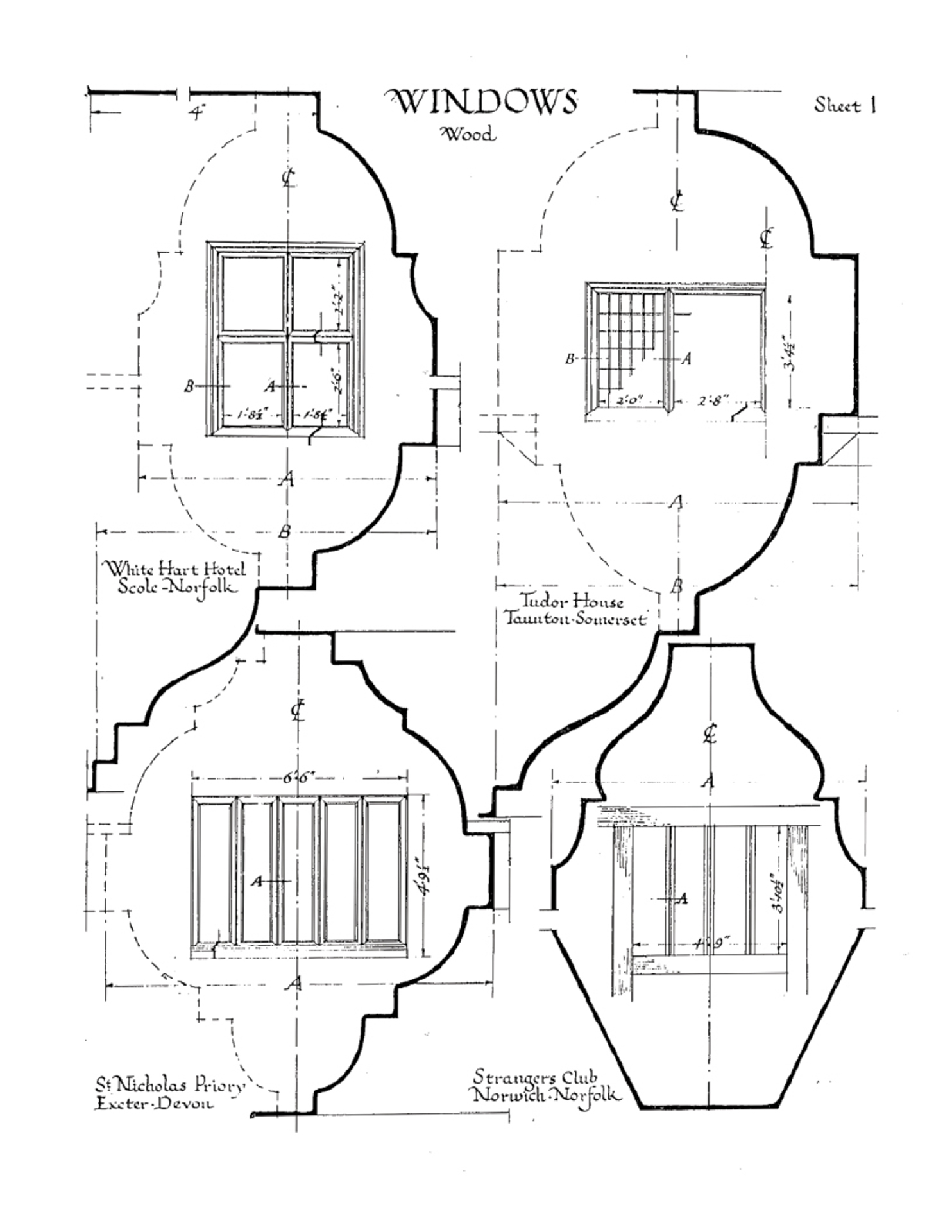
ST. NICHOLAS PRIORY, EXETER, DEVON
ST. NICHOLAS PRIORY, EXETER, DEVON
ST. NICHOLAS PRIORY, EXETER, DEVON
STRANGERS CLUB, NORWICH, NORFOLK
STRANGERS CLUB, NORWICH, NORFOLK
THE DEANERY, EXETER, DEVON
THE DEANERY, EXETER, DEVON
THE TALBOT HOTEL, KINGTON, HEREFORDSHIRE
TUCKERS HALL, EXETER, DEVON
TUCKERS HALL, EXETER, DEVON
TUDOR HOUSE, TAUNTON, SOMERSET
TUDOR HOUSE, TAUNTON, SOMERSET
TUDOR HOUSE, TAUNTON, SOMERSET
TUDOR HOUSE, TAUNTON, SOMERSET
WHITE HART HOTEL, SCOLE, NORFOLK
WHITE HART HOTEL, SCOLE, NORFOLK
WHITE HART HOTEL, SCOLE, NORFOLK
WHITE HART HOTEL, SCOLE, NORFOLK
WHITE HART HOTEL, SCOLE, NORFOLK
YE OLDE CHEVALIER INNE, EXETER, DEVON
YE OLDE CHEVALIER INNE, EXETER, DEVON
YE OLDE CHEVALIER INNE, EXETER, DEVON
YE OLDE CHEVALIER INNE, EXETER, DEVON
YE OLDE CORNER CUPBOARD INNE, WINCHCOMBE, SOMERSET
YE OLDE CORNER CUPBOARD INNE, WINCHCOMBE, SOMERSET
YE OLDE CORNER CUPBOARD INNE, WINCHCOMBE, SOMERSET
YE OLDE CORNER CUPBOARD INNE, WINCHCOMBE, SOMERSET
YE OLDE CORNER CUPBOARD INNE, WINCHCOMBE, SOMERSET