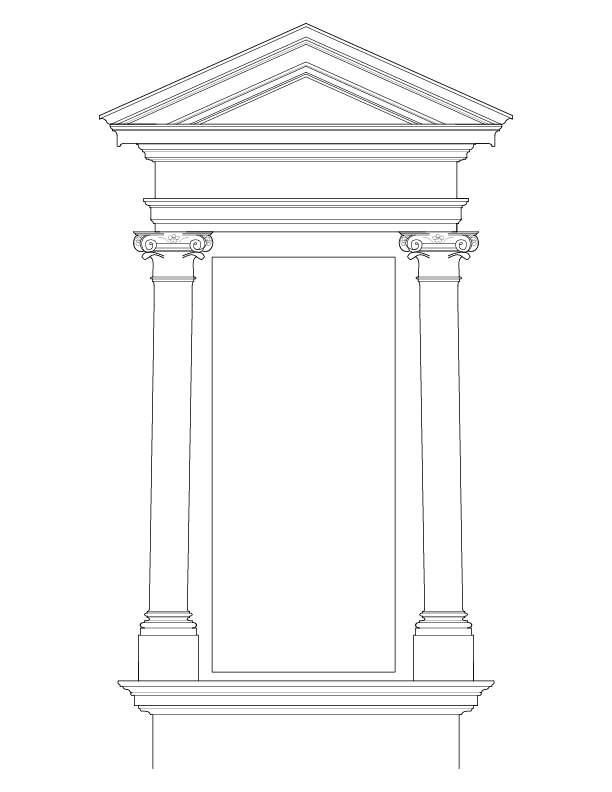
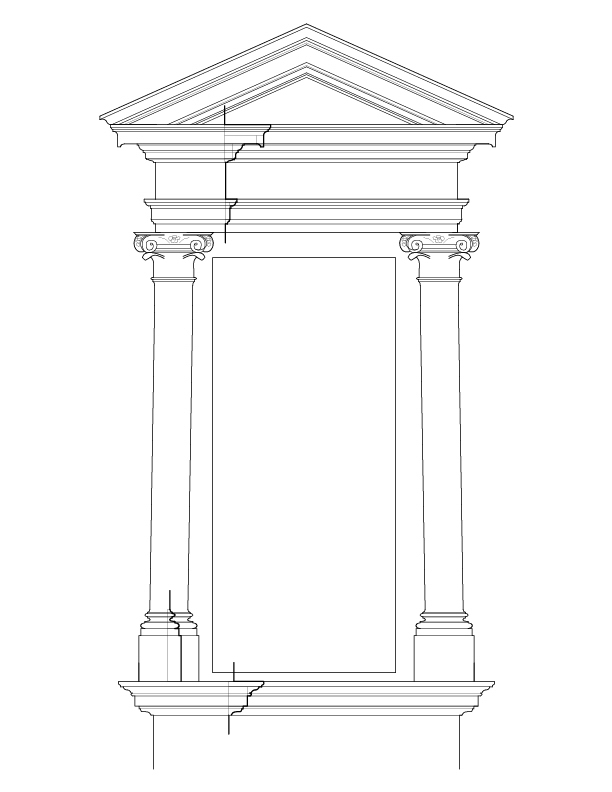
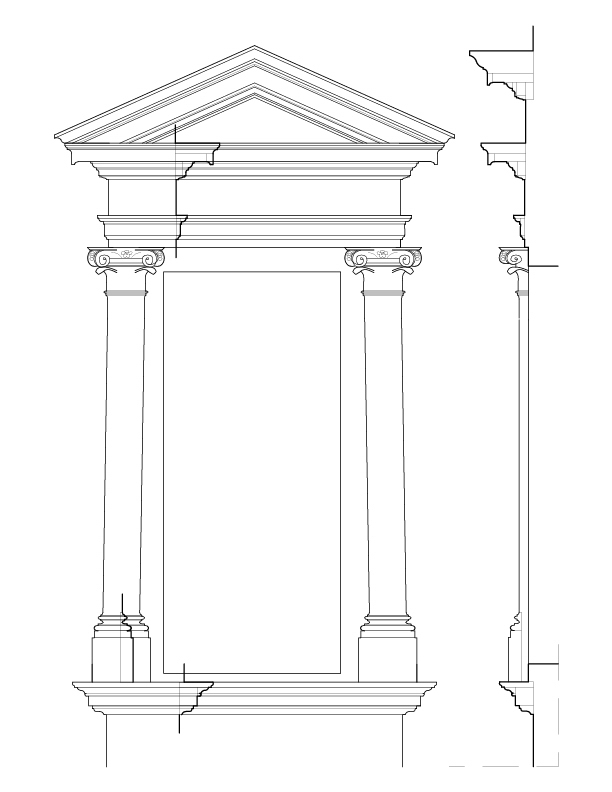
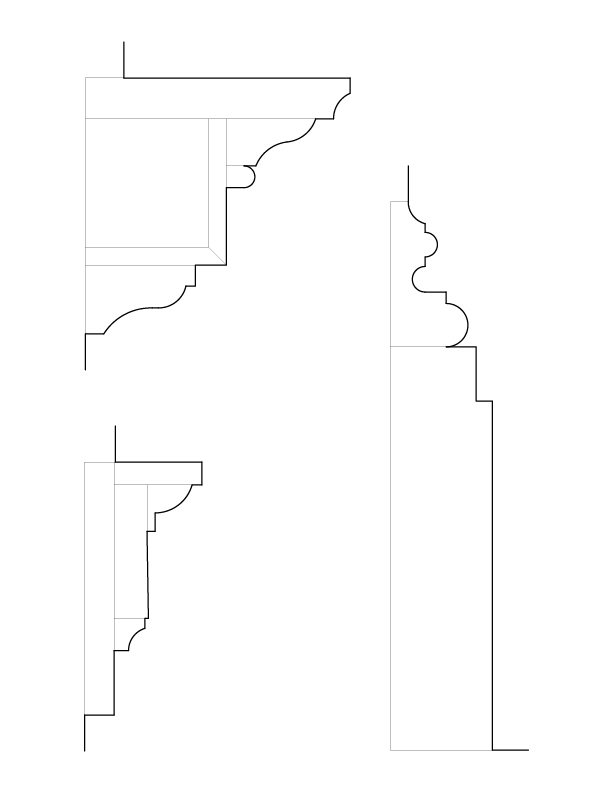
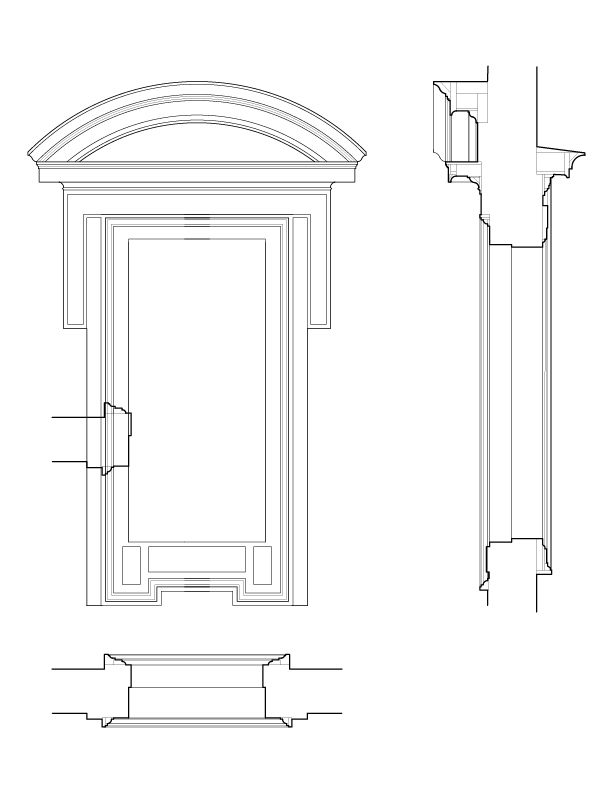
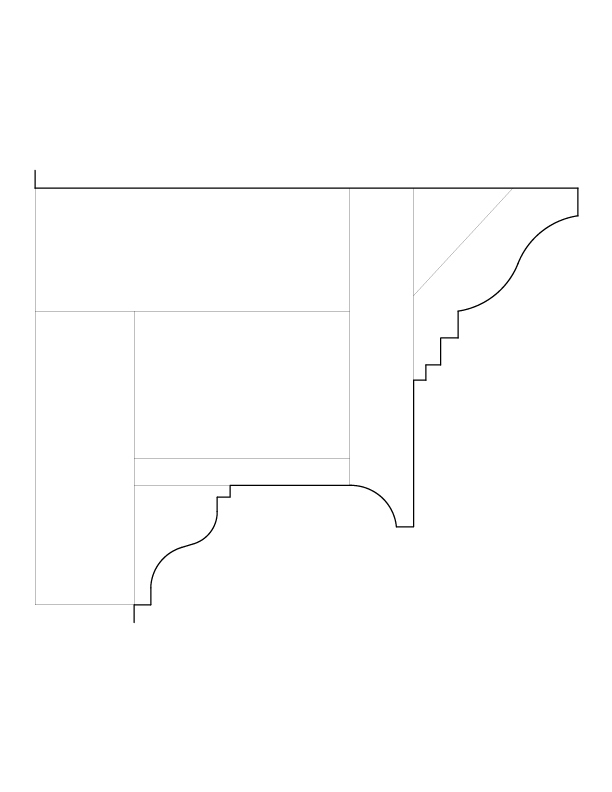
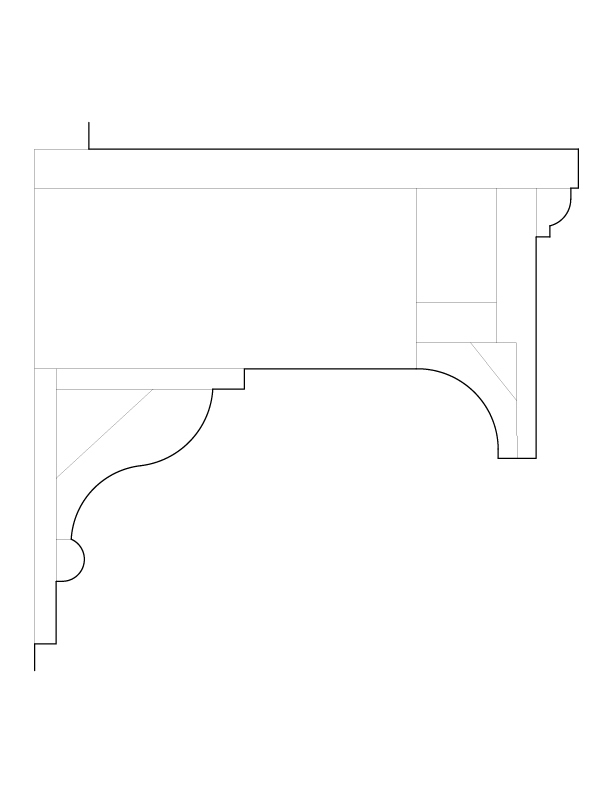
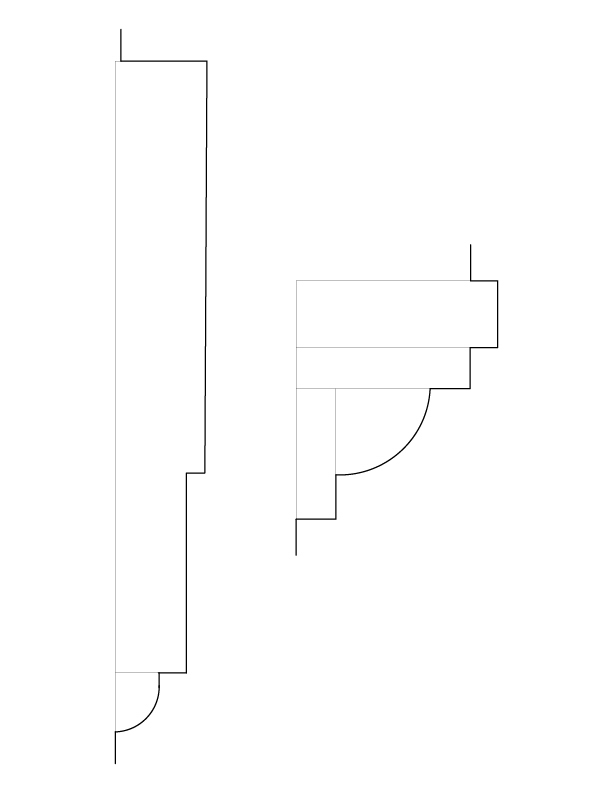
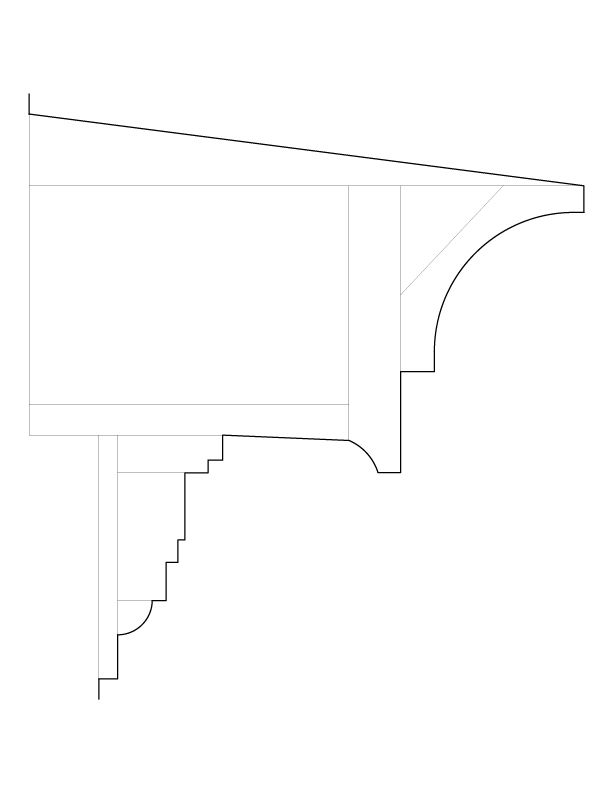
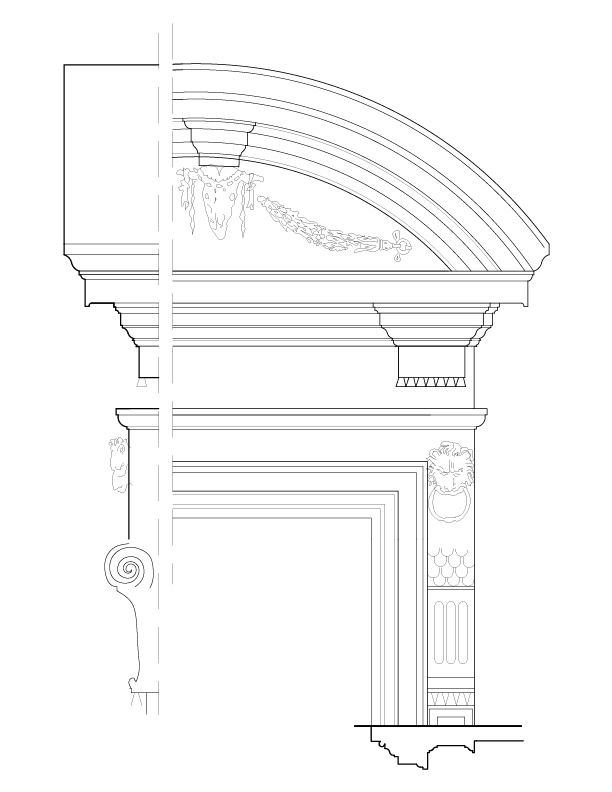
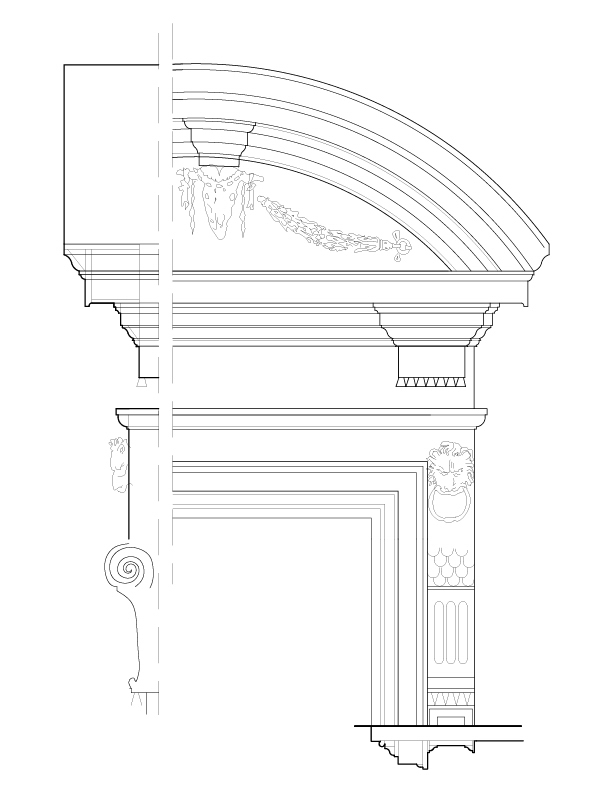
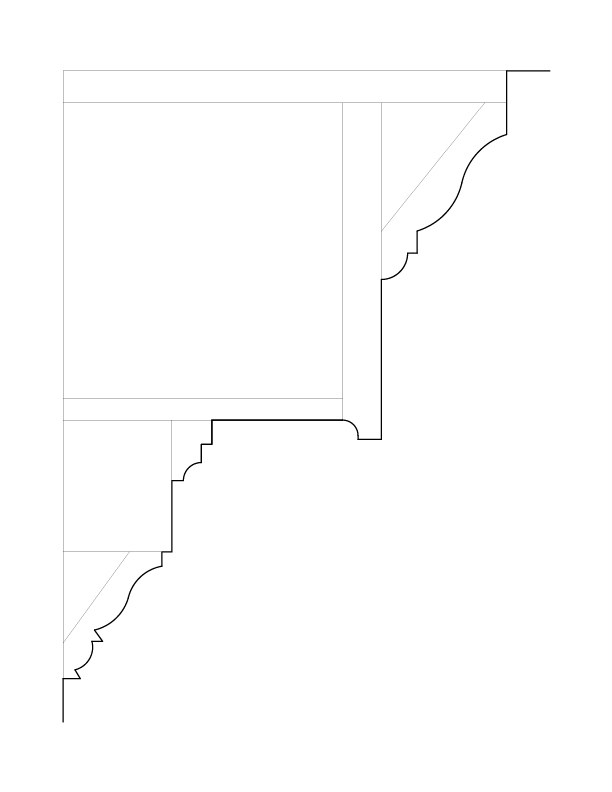
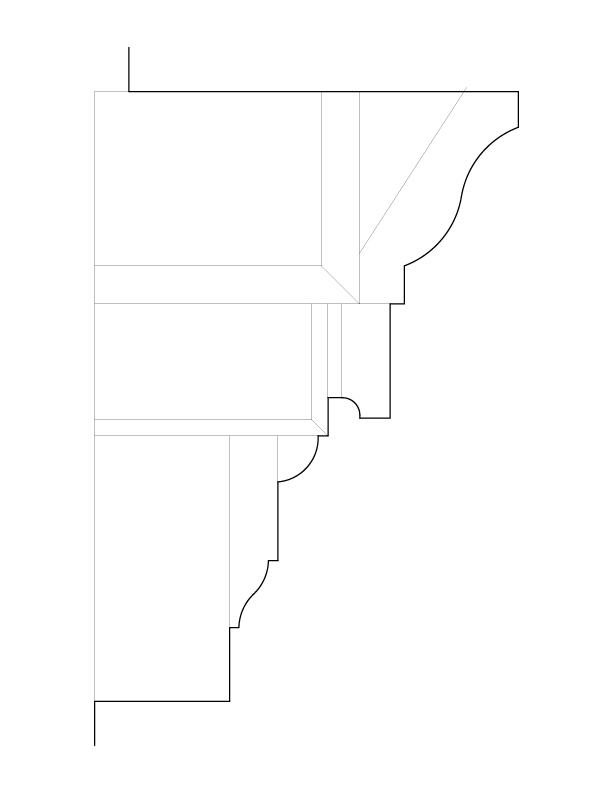
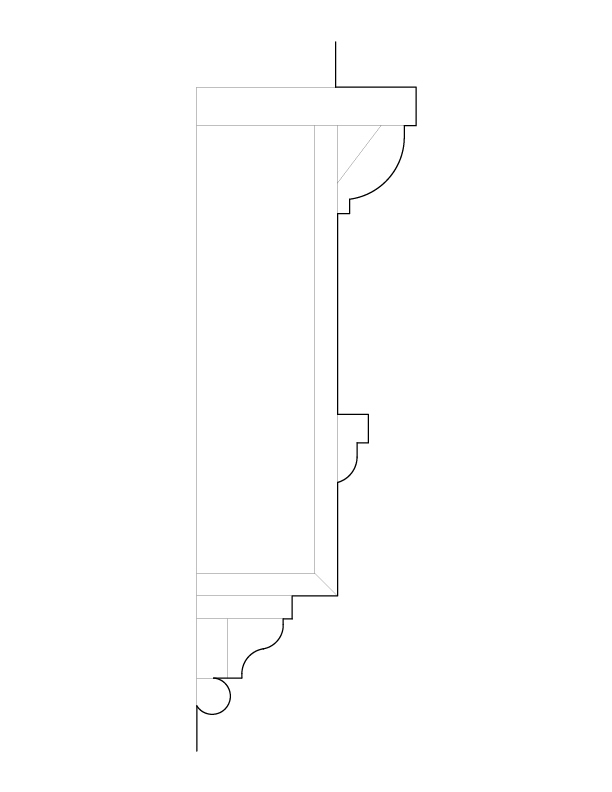
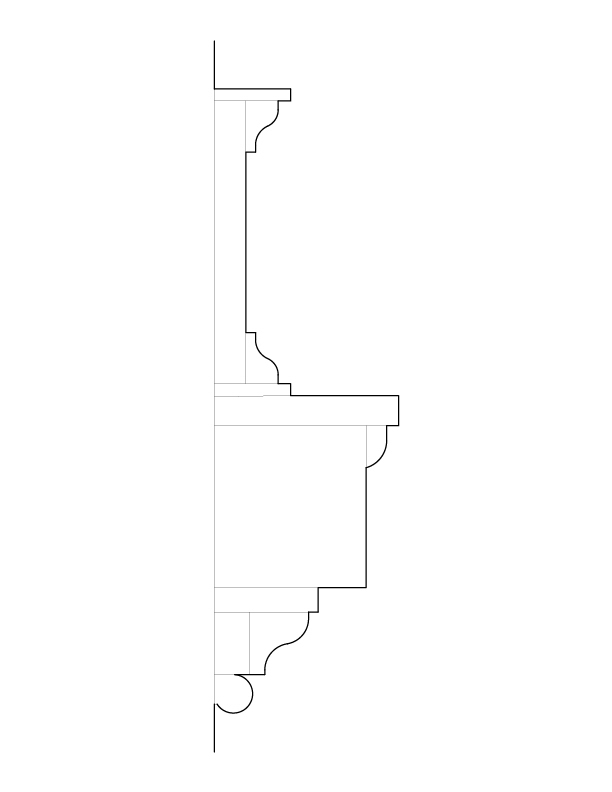
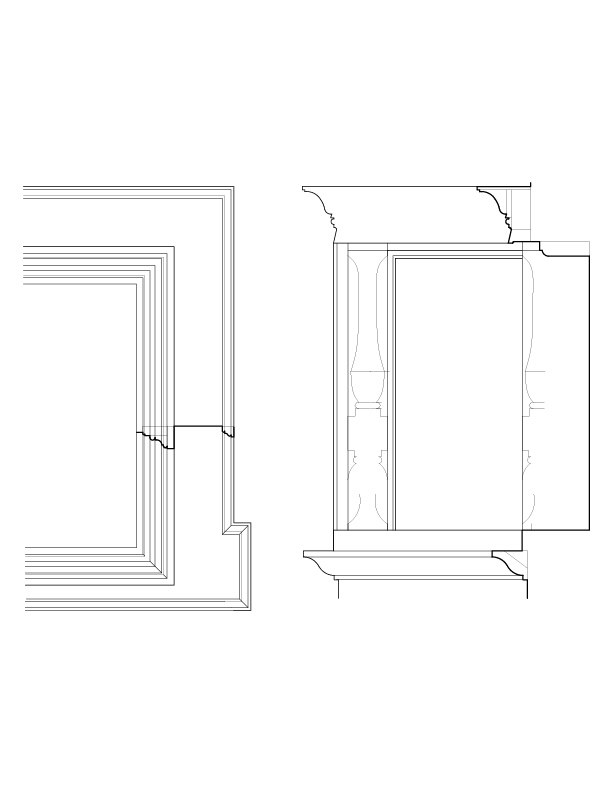
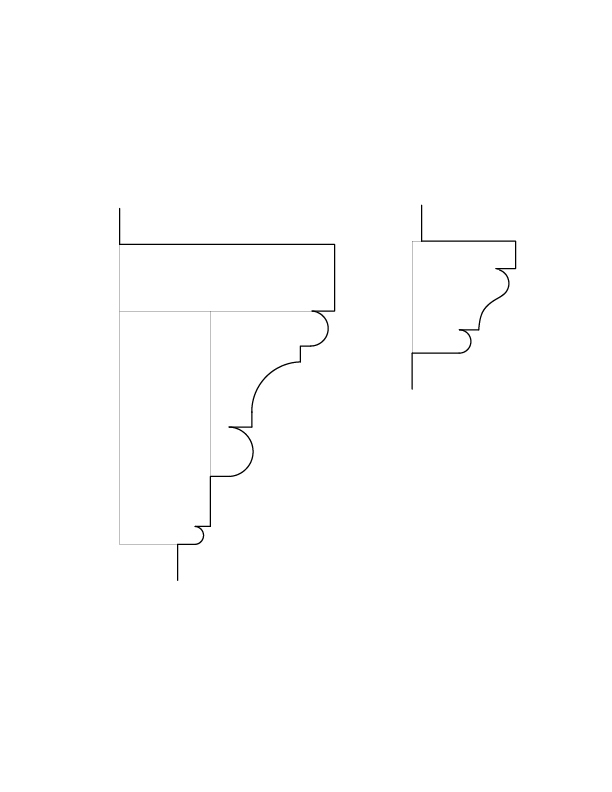
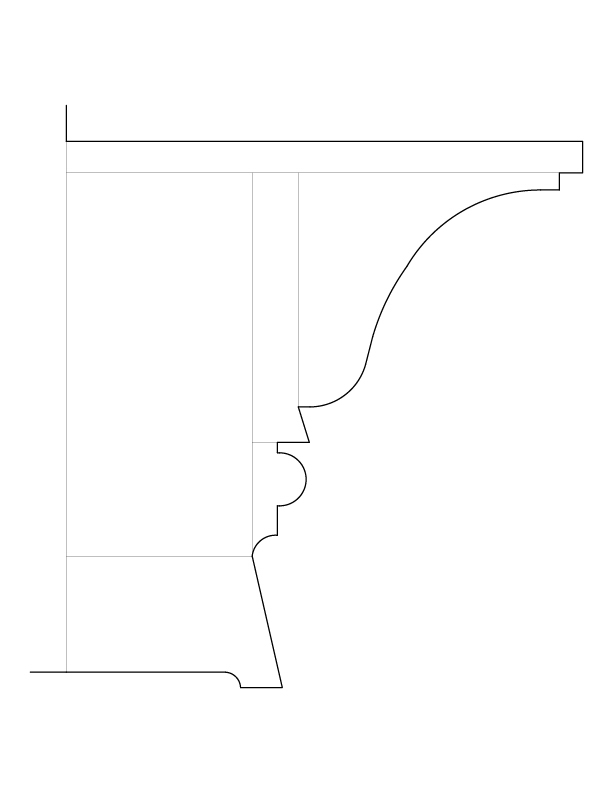
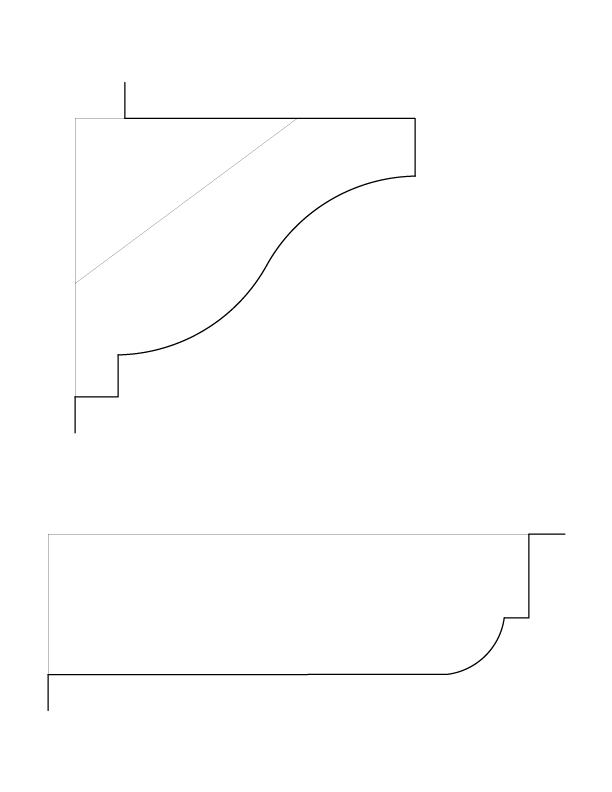
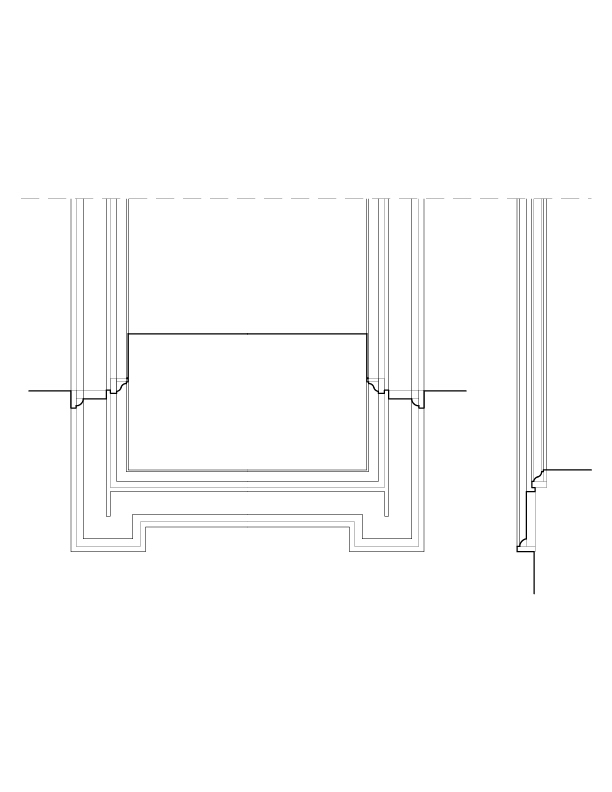
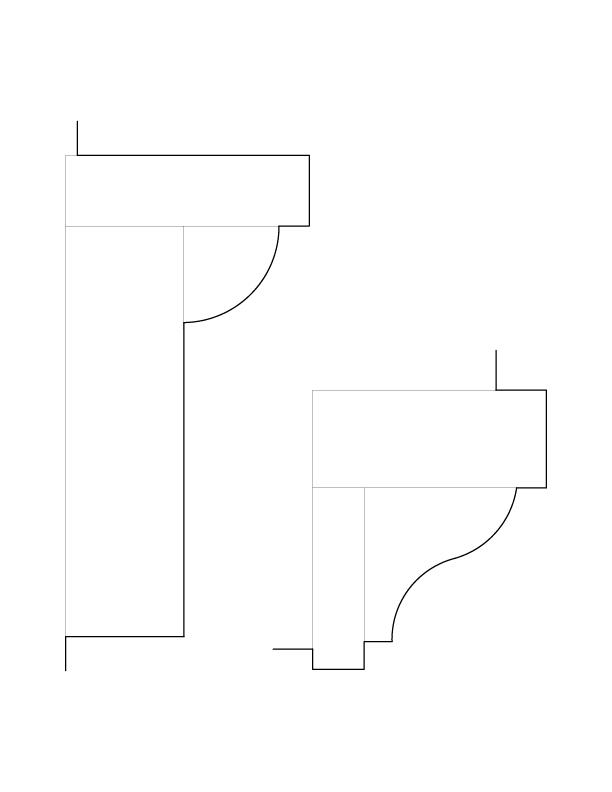
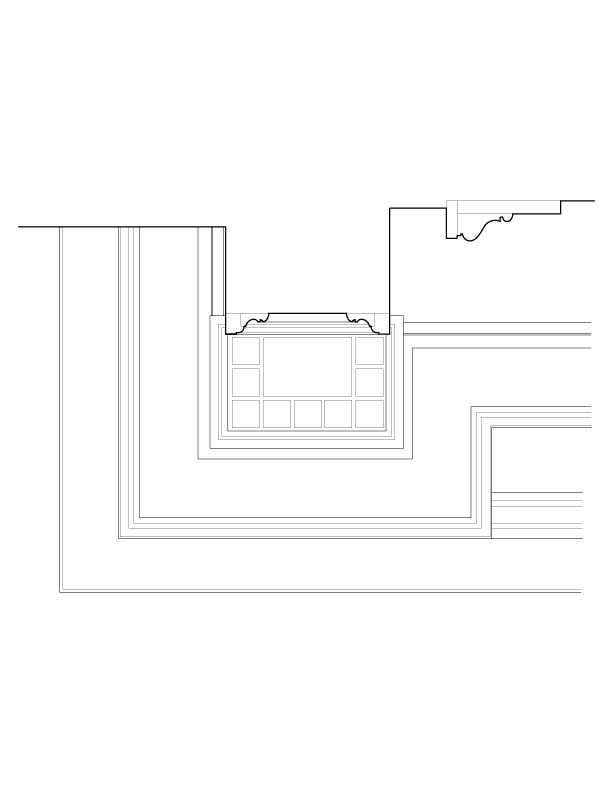
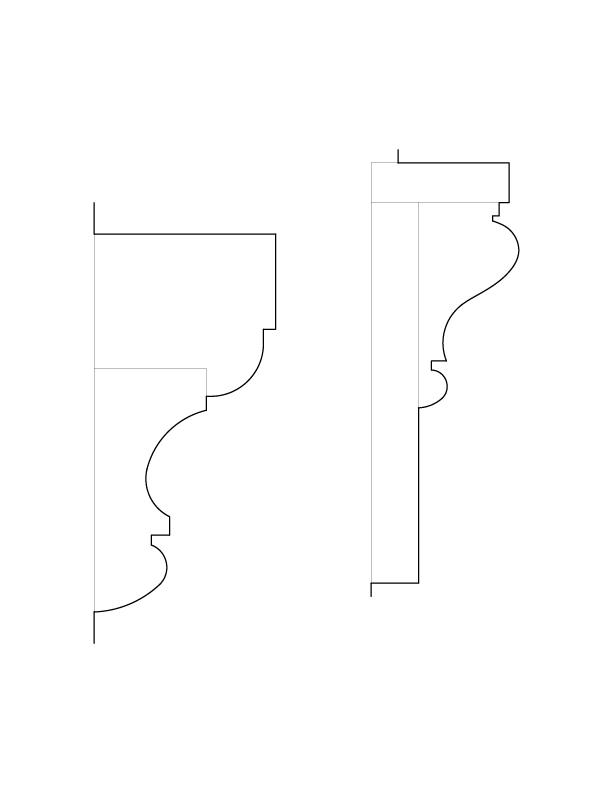
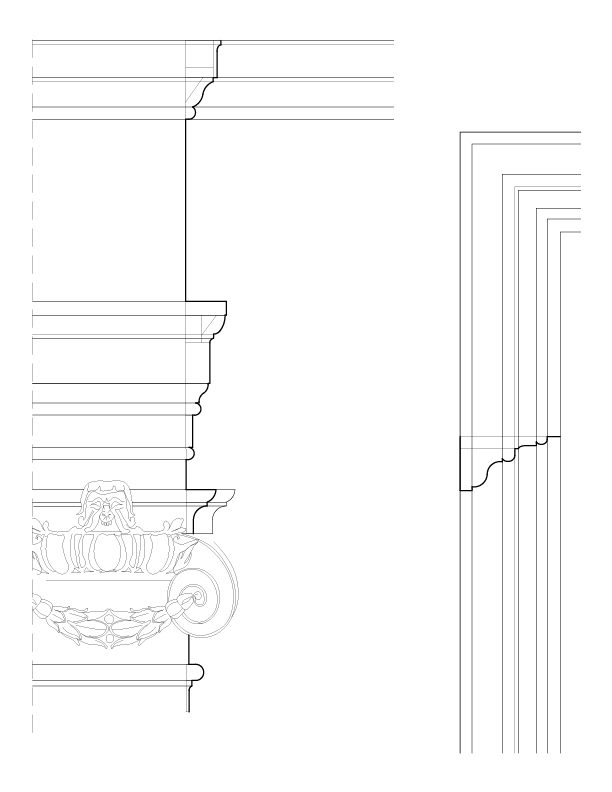
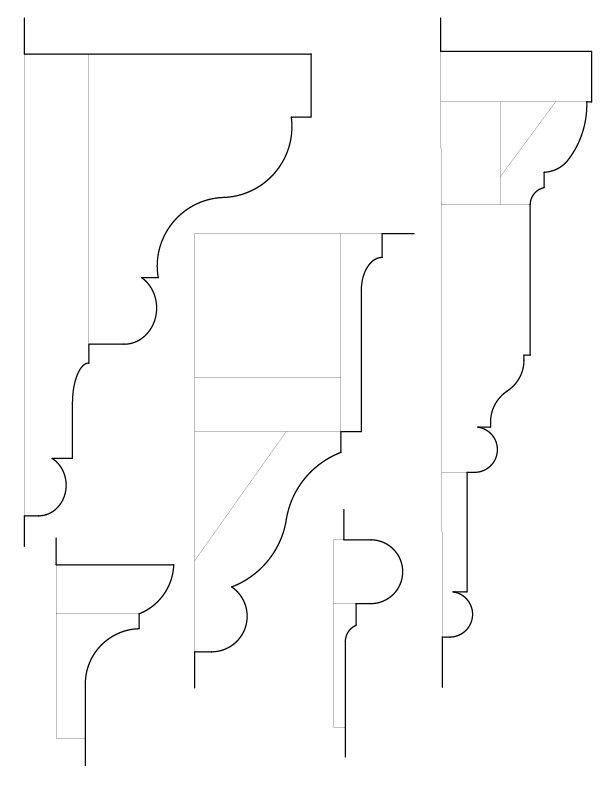
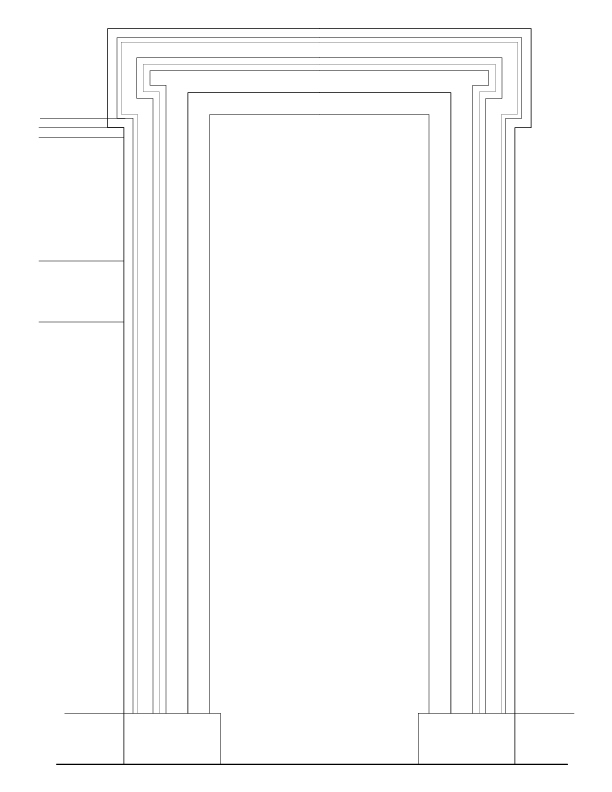
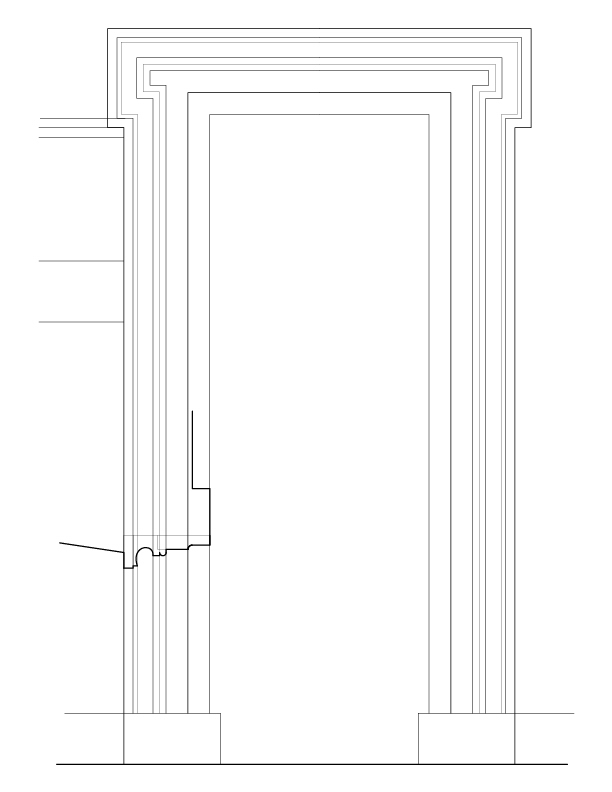
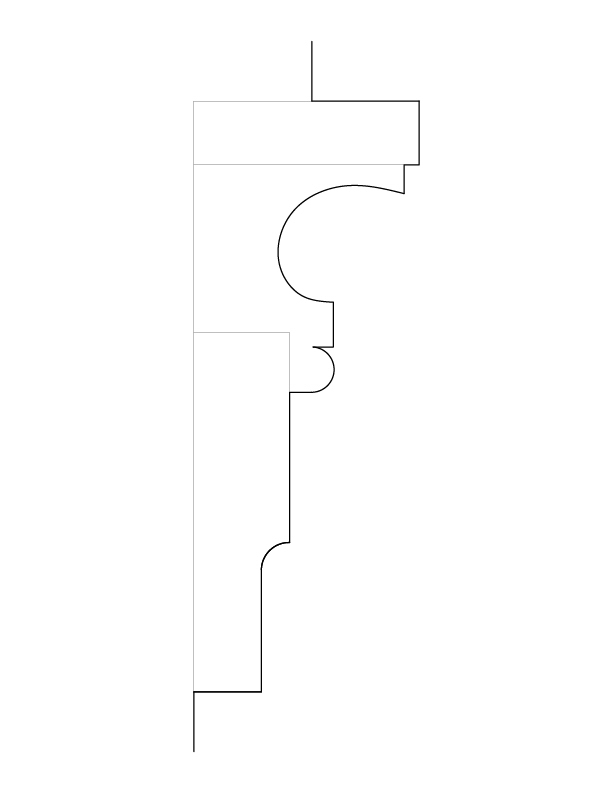
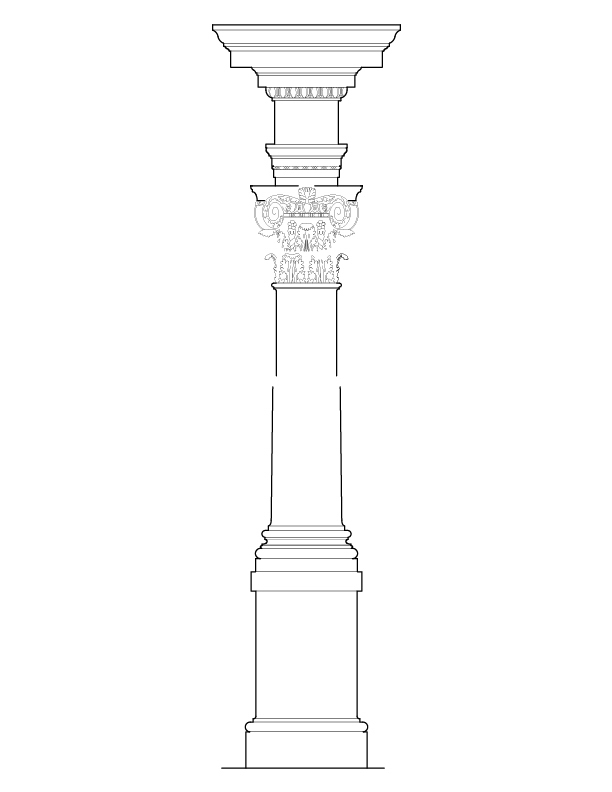
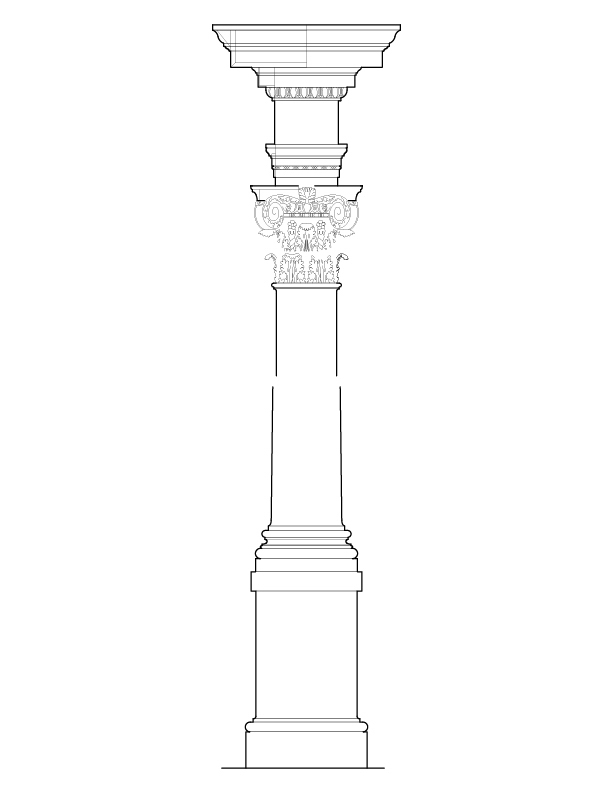
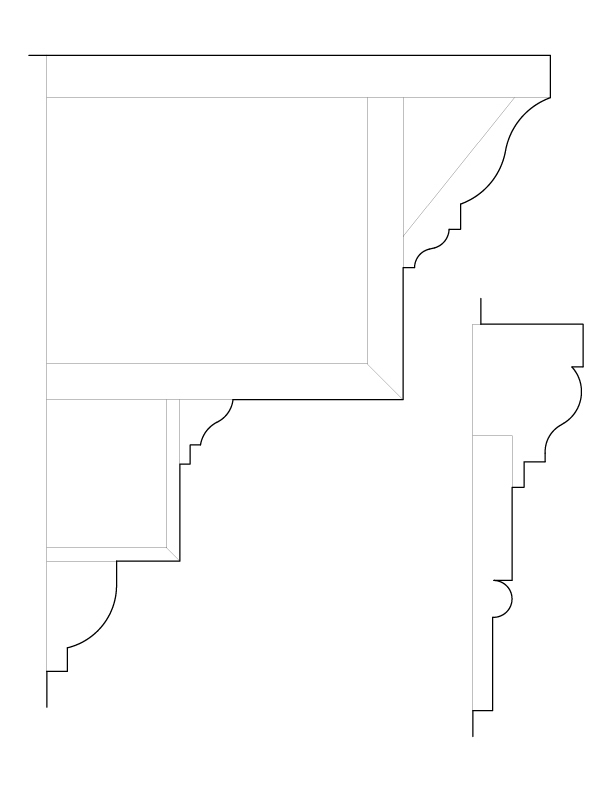
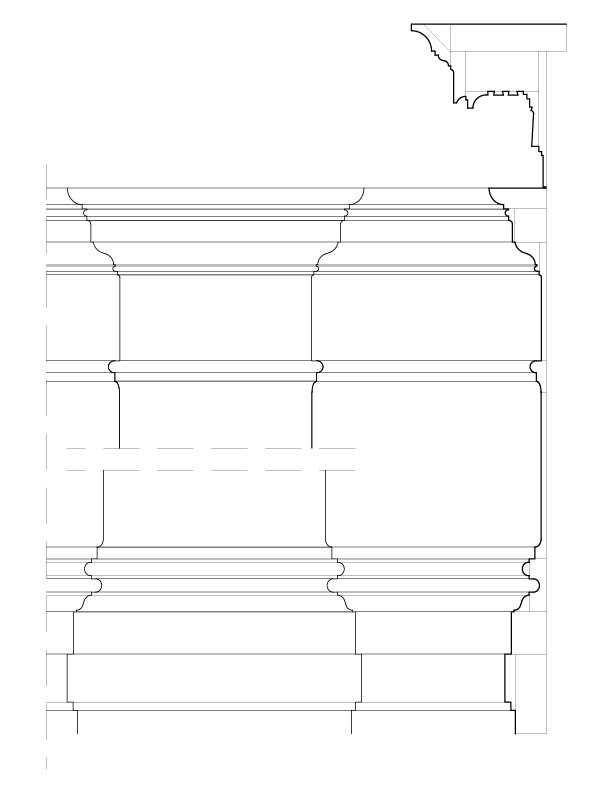
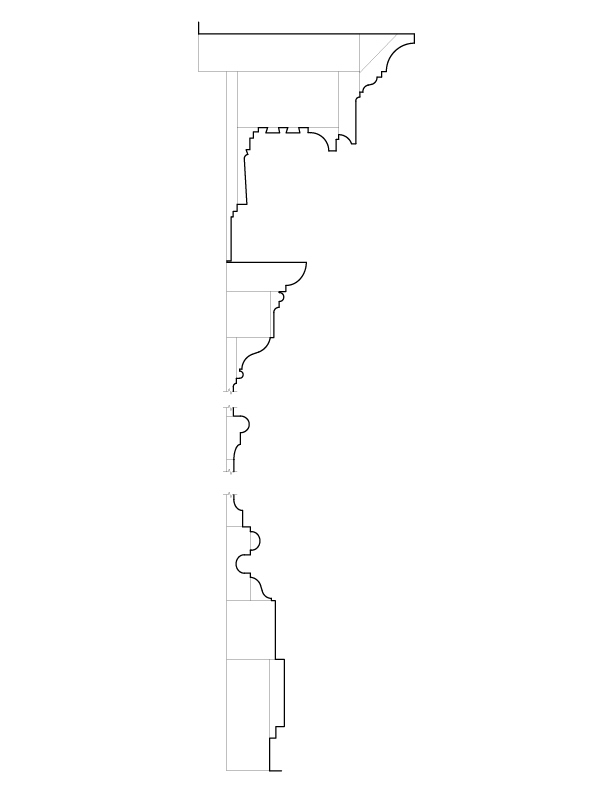
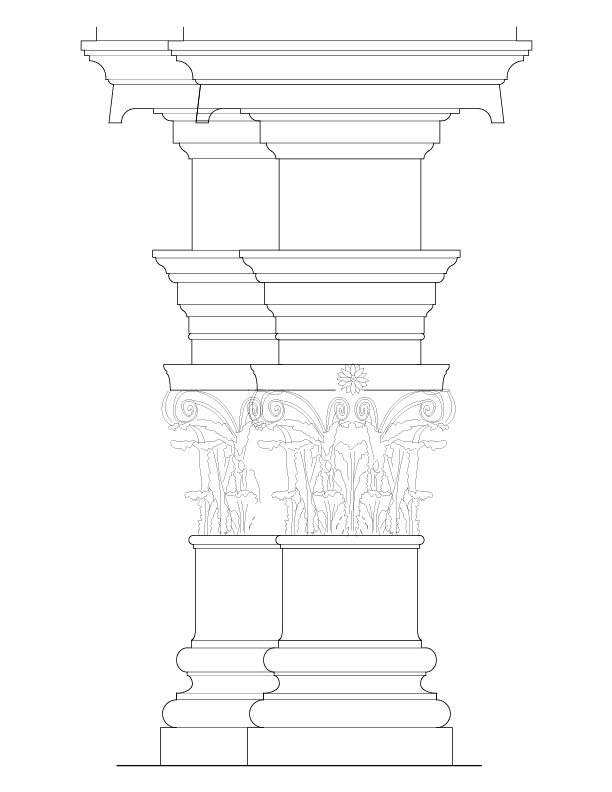
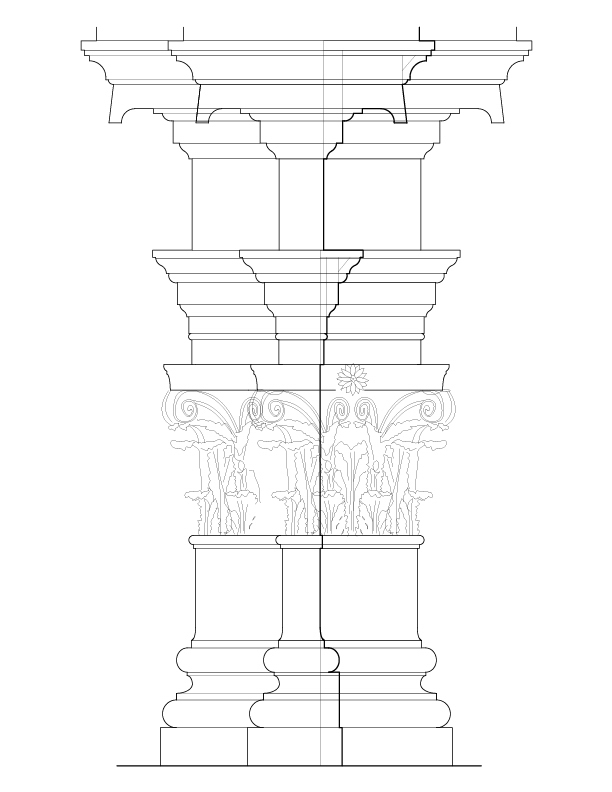
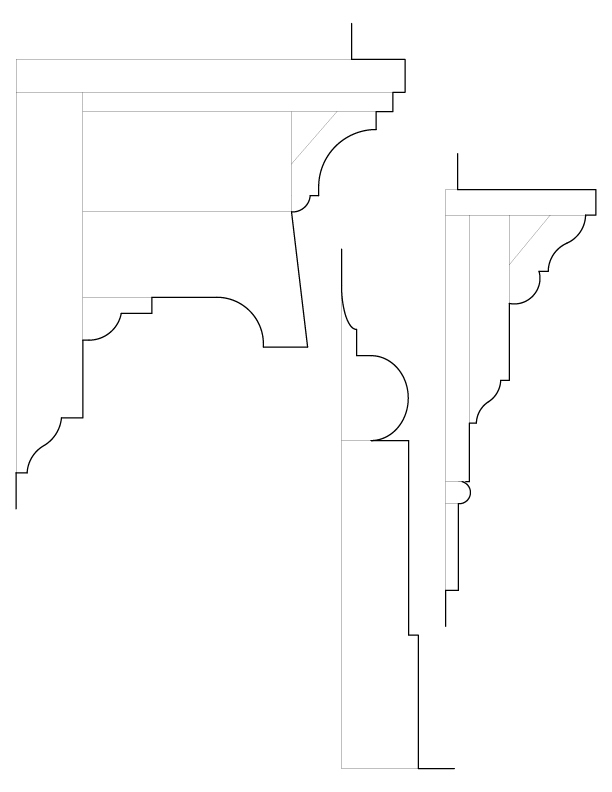
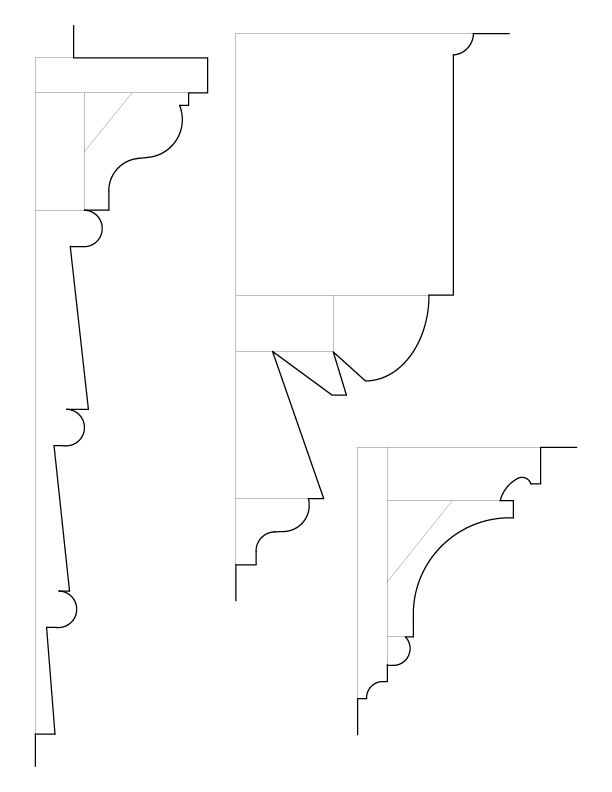
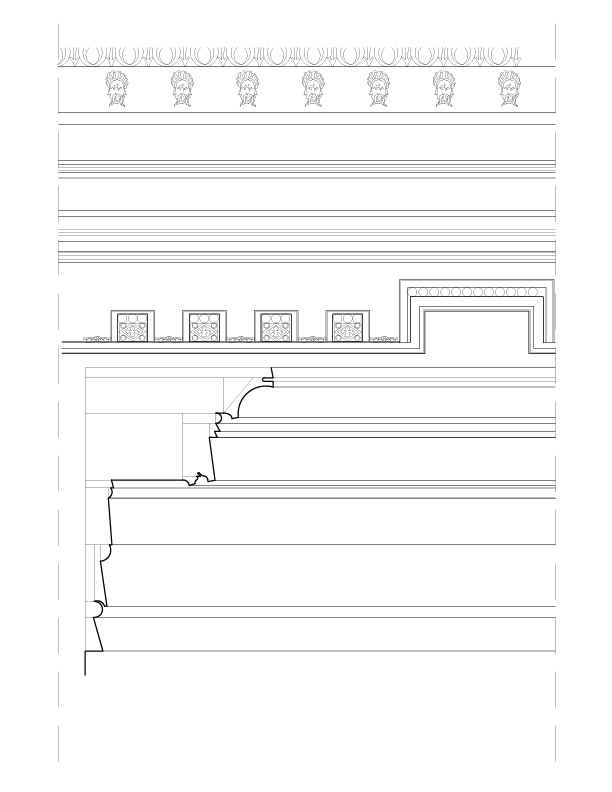
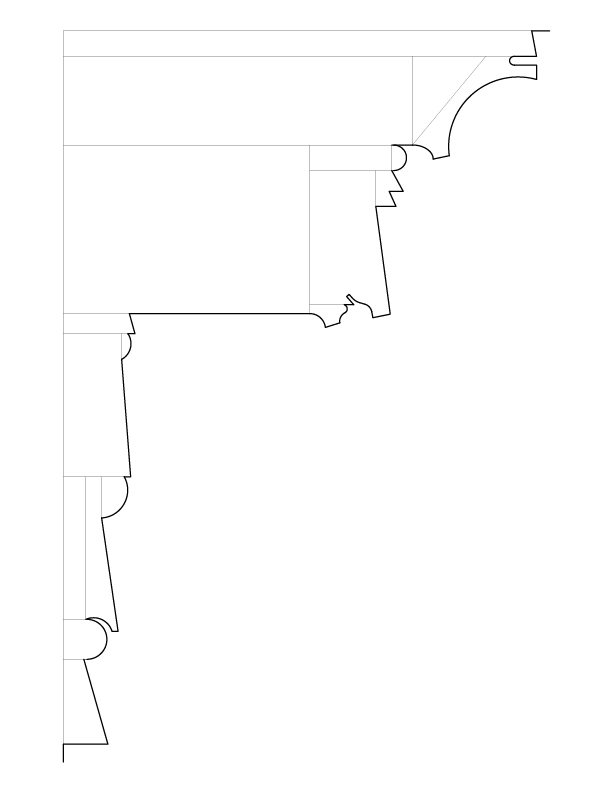
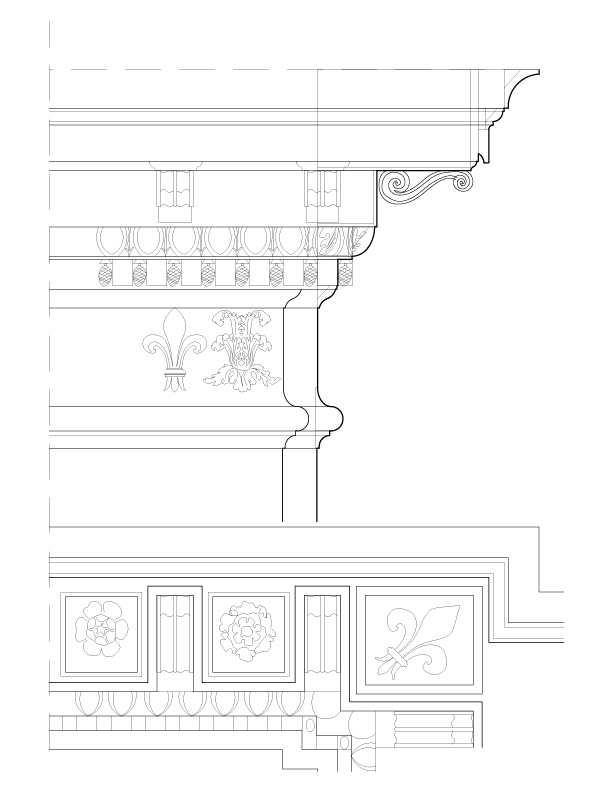
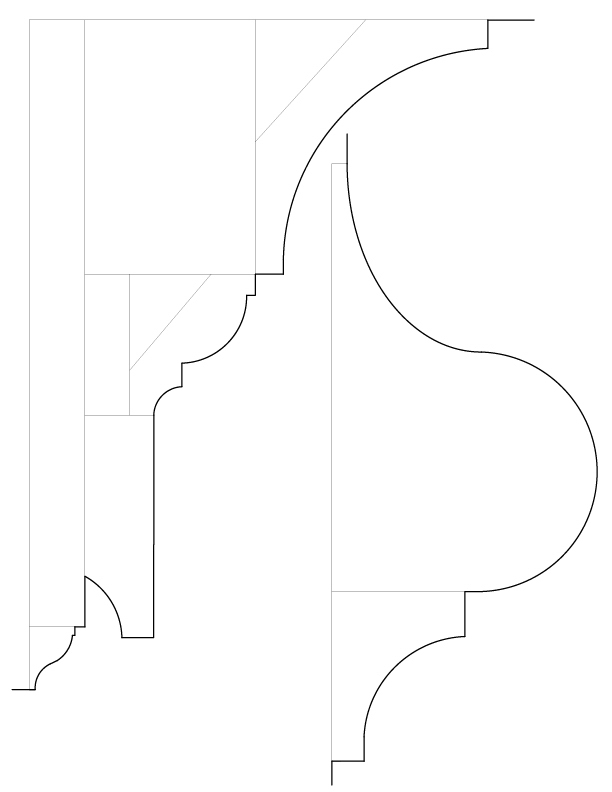
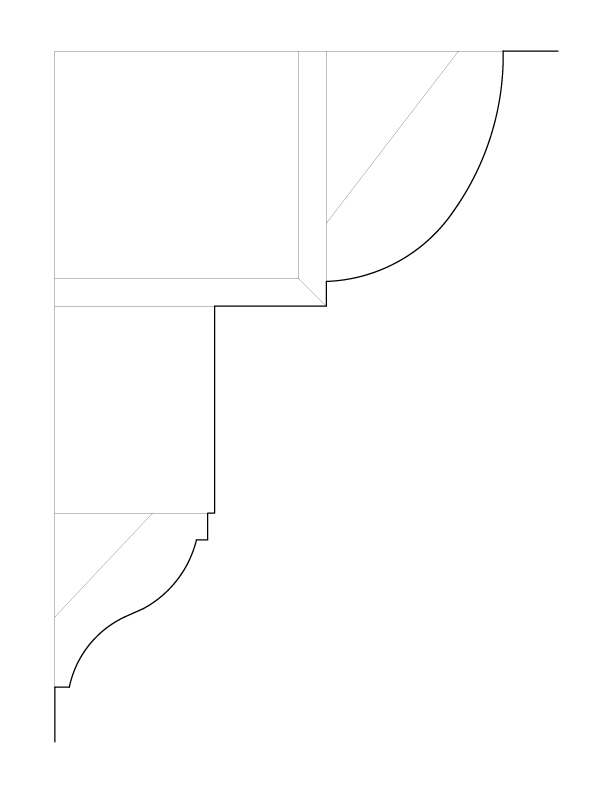
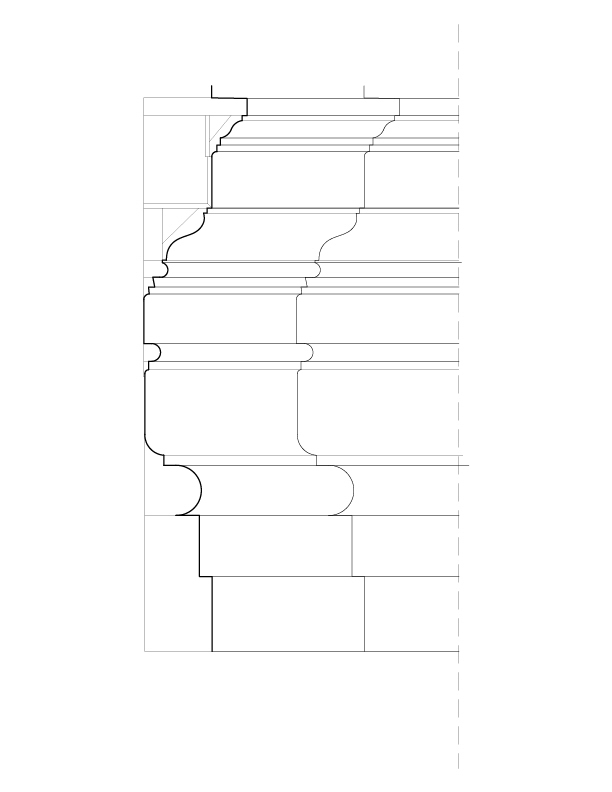
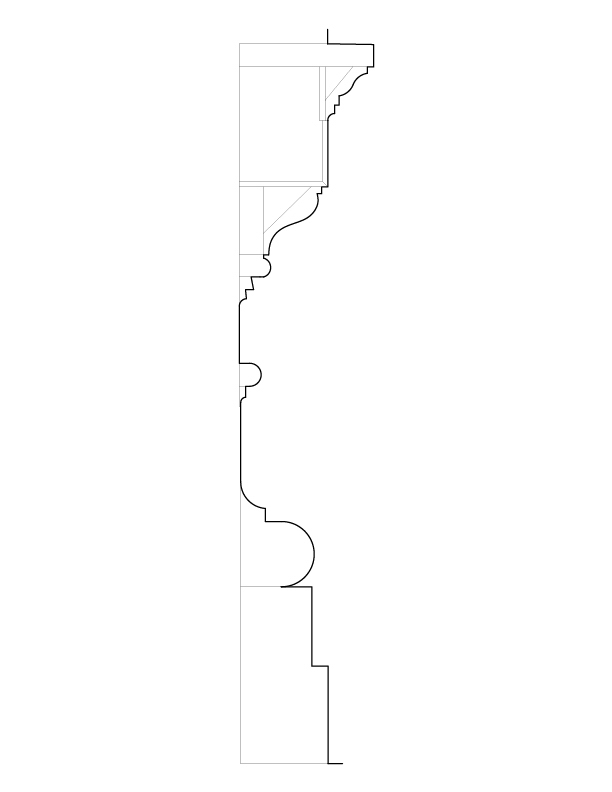
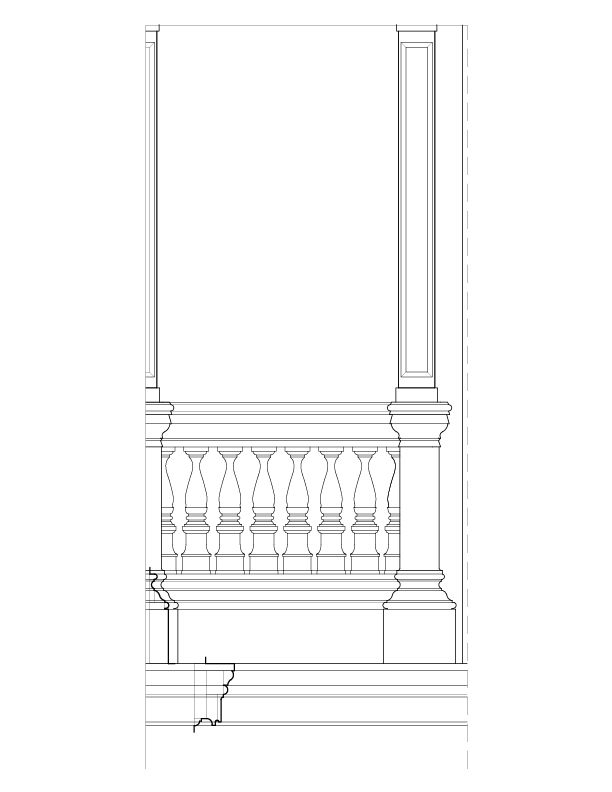
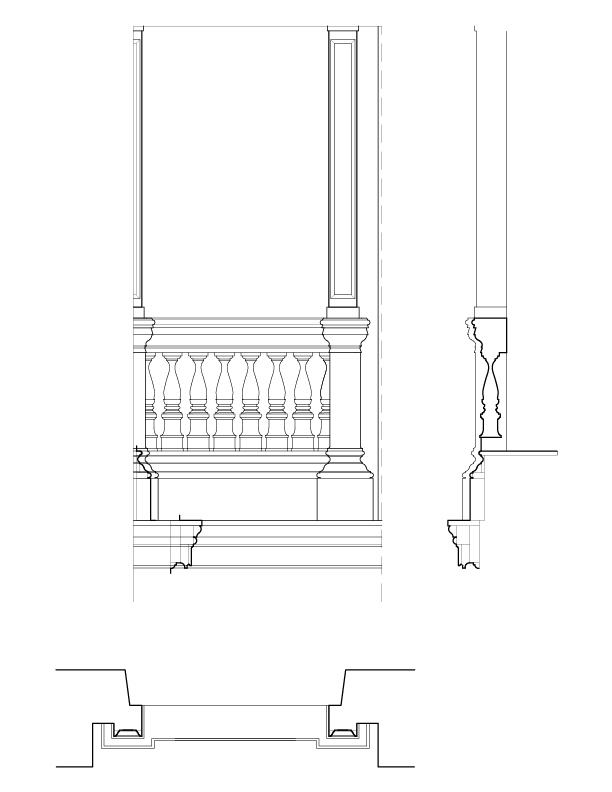
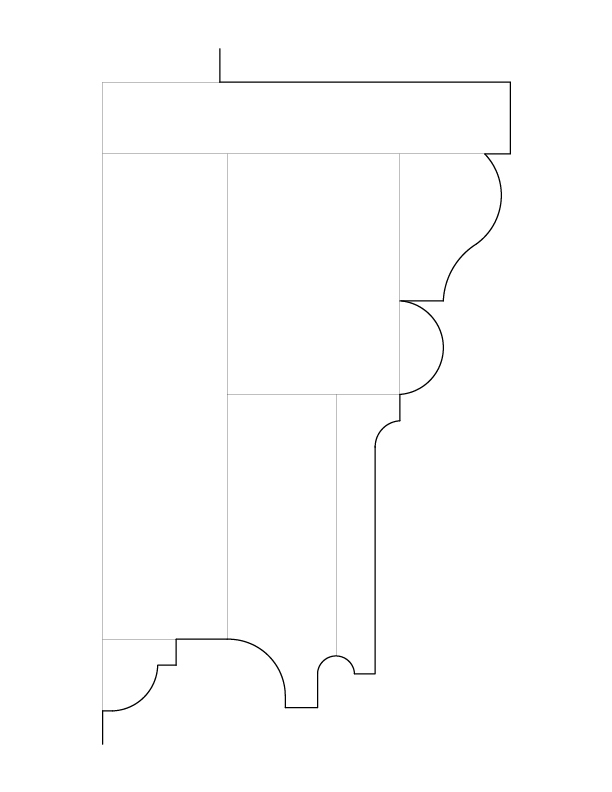
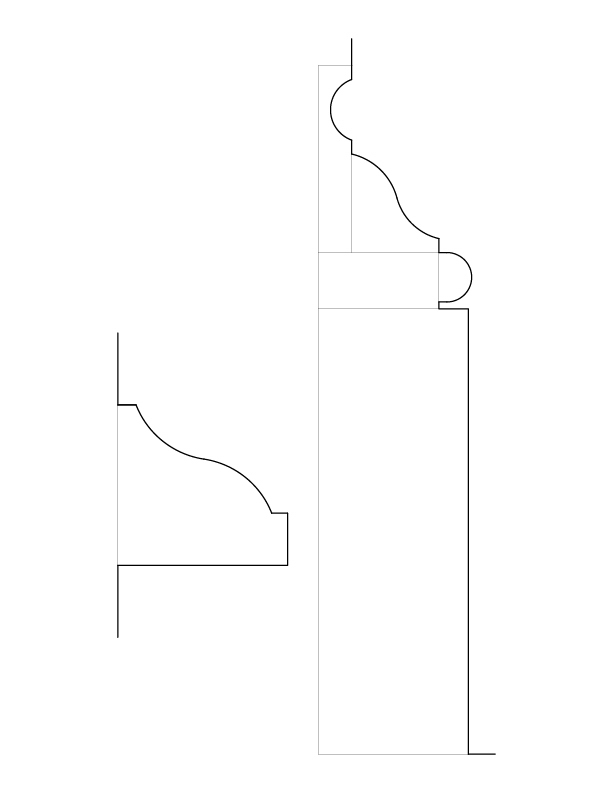
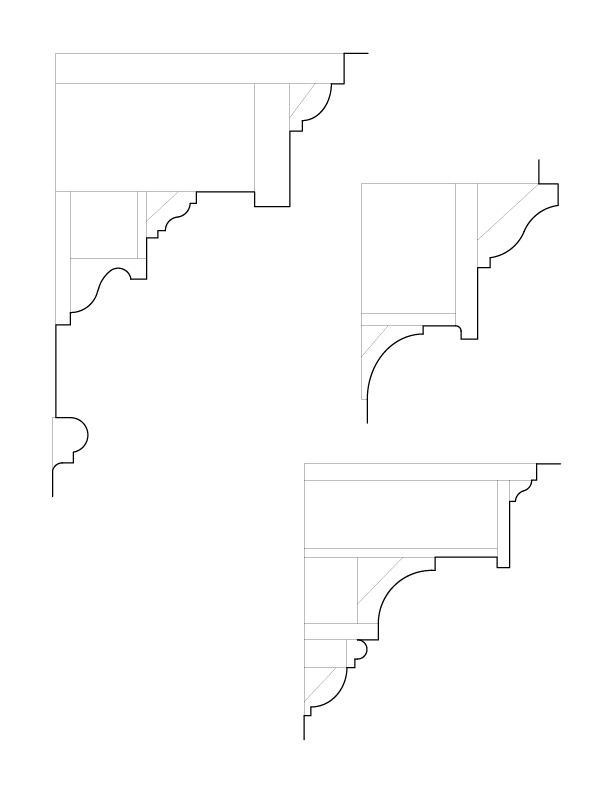
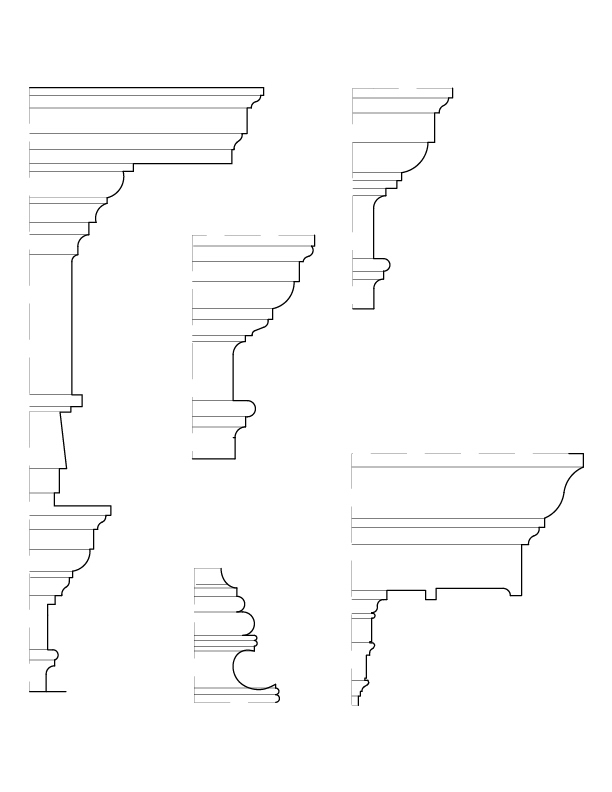
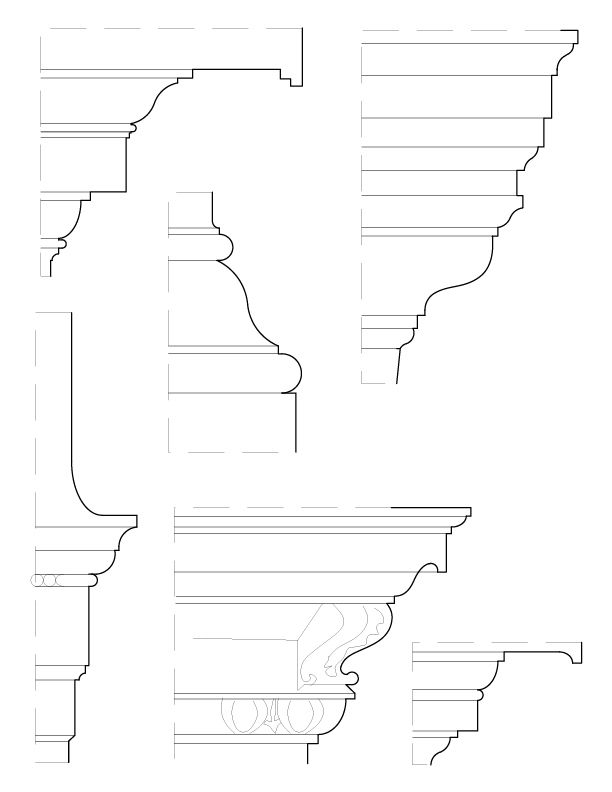
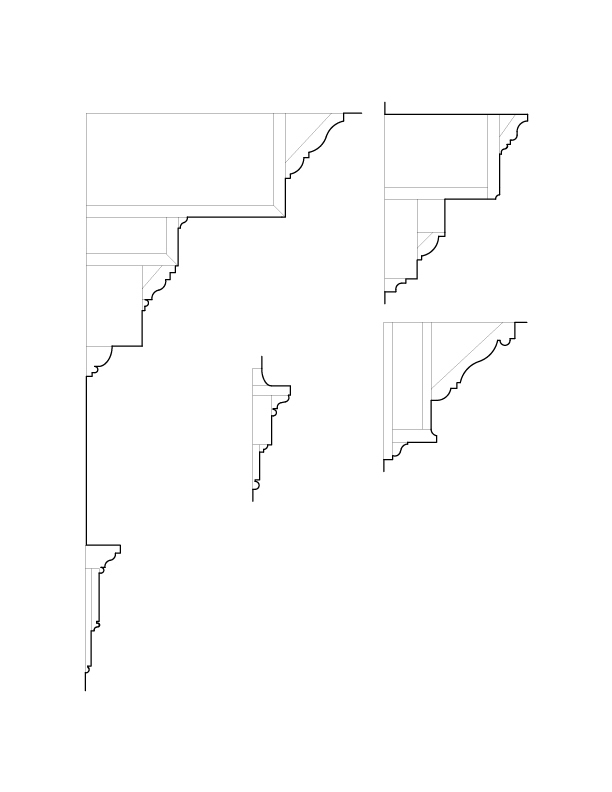
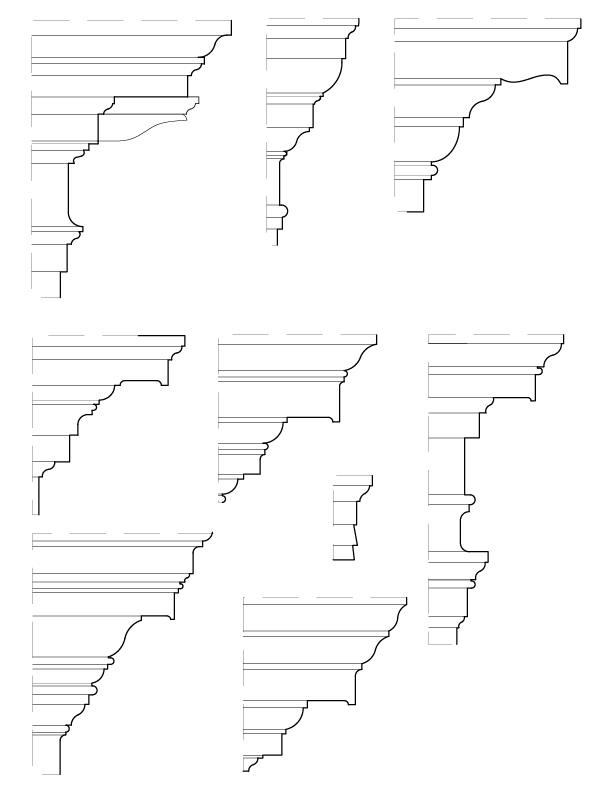
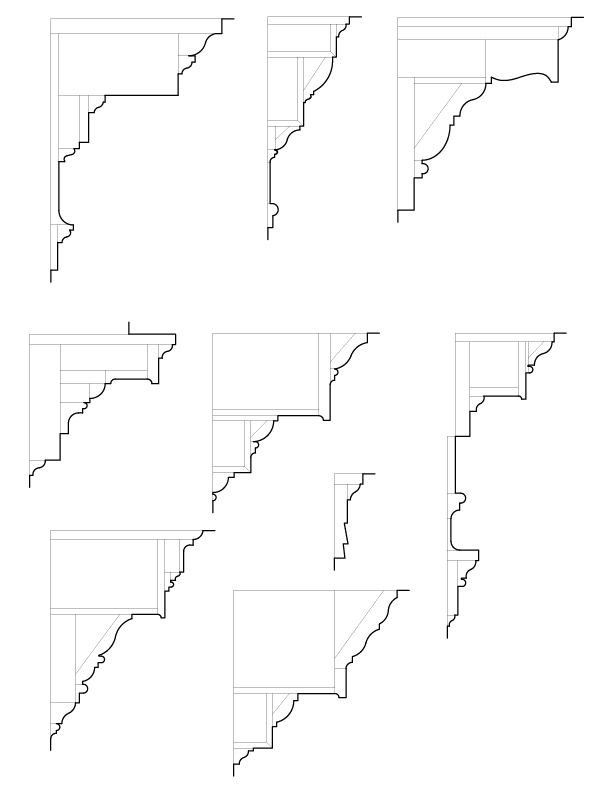
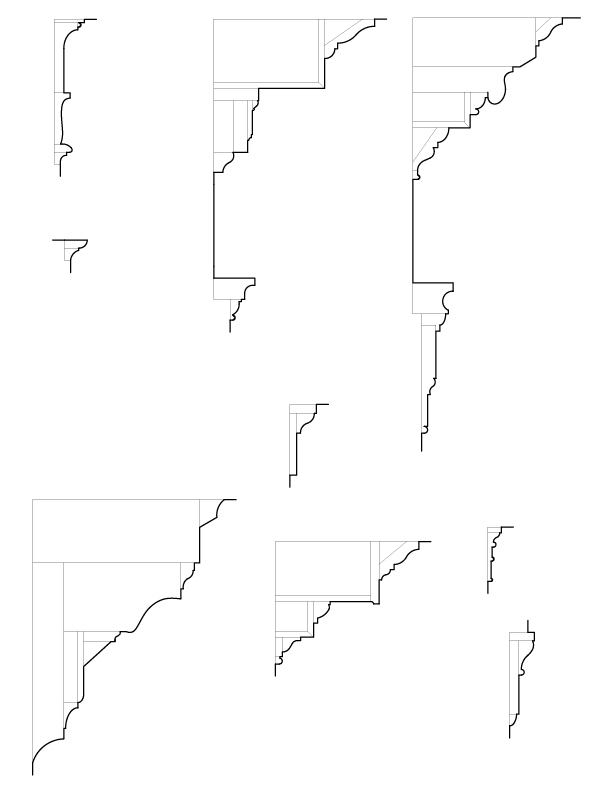
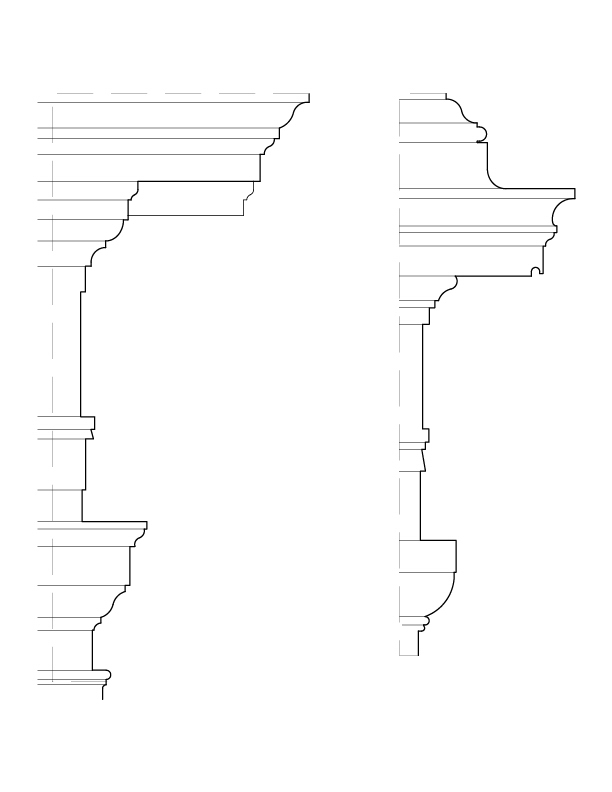
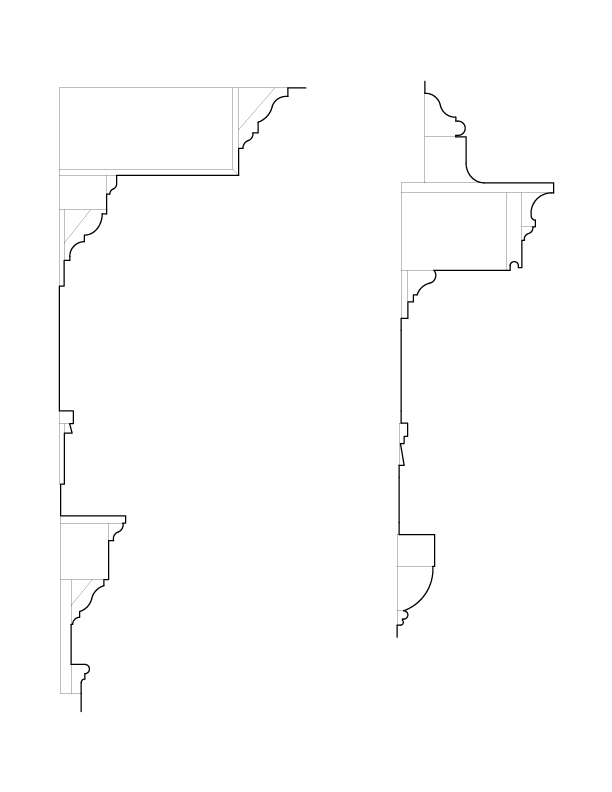
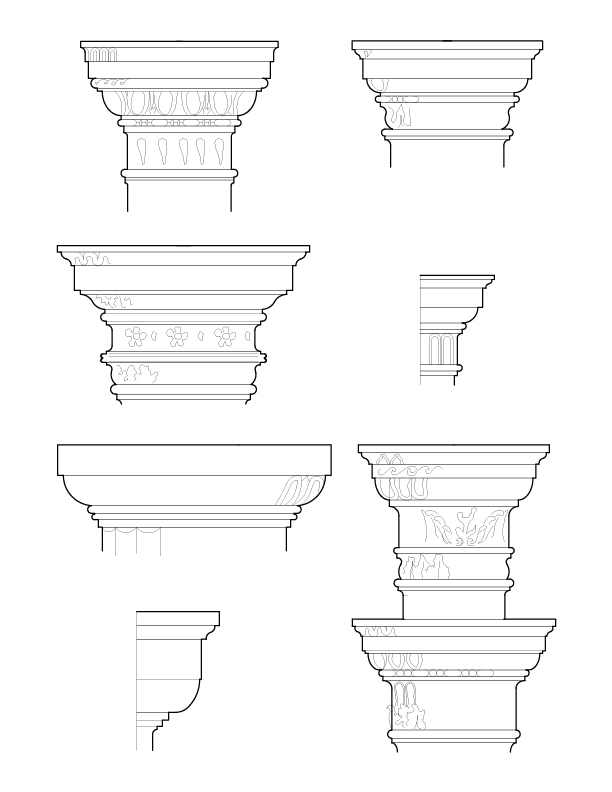
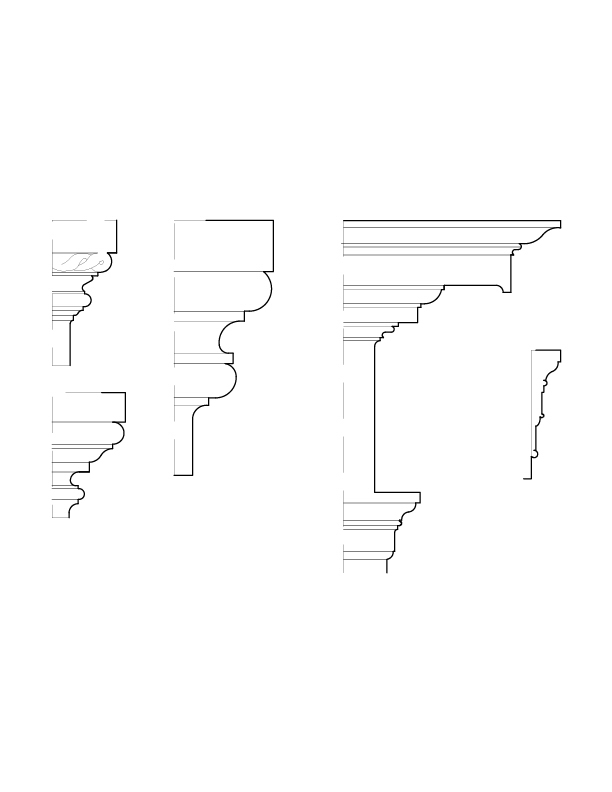
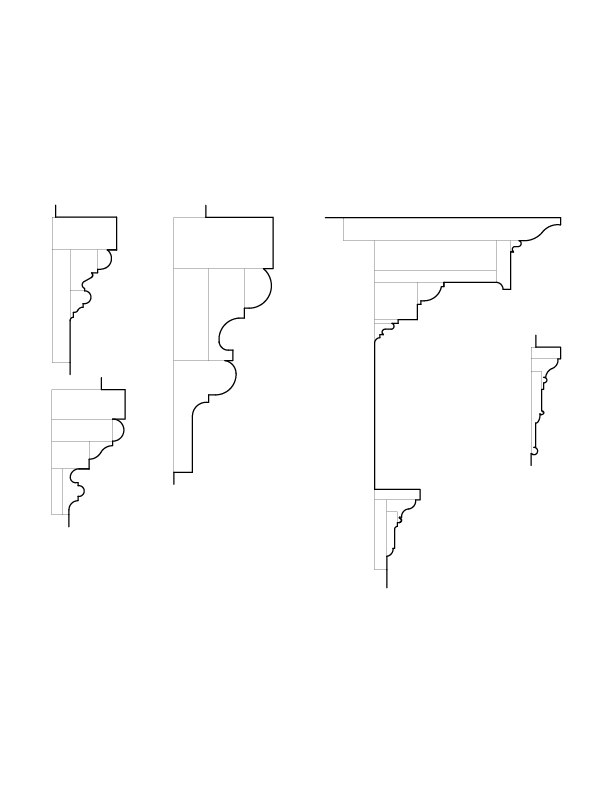
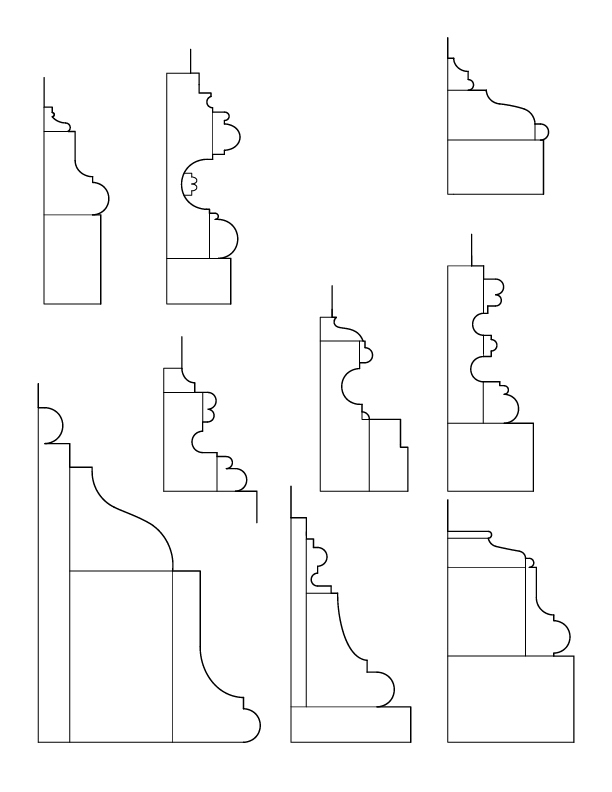
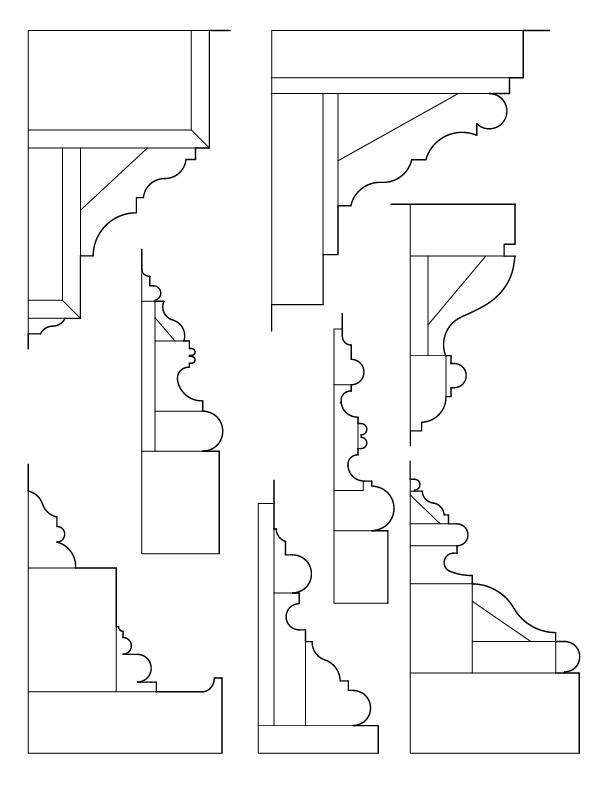
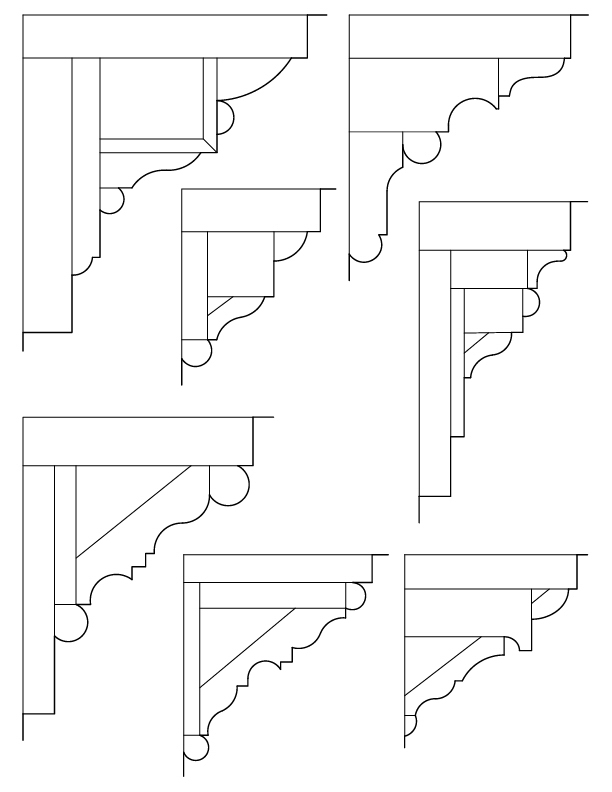
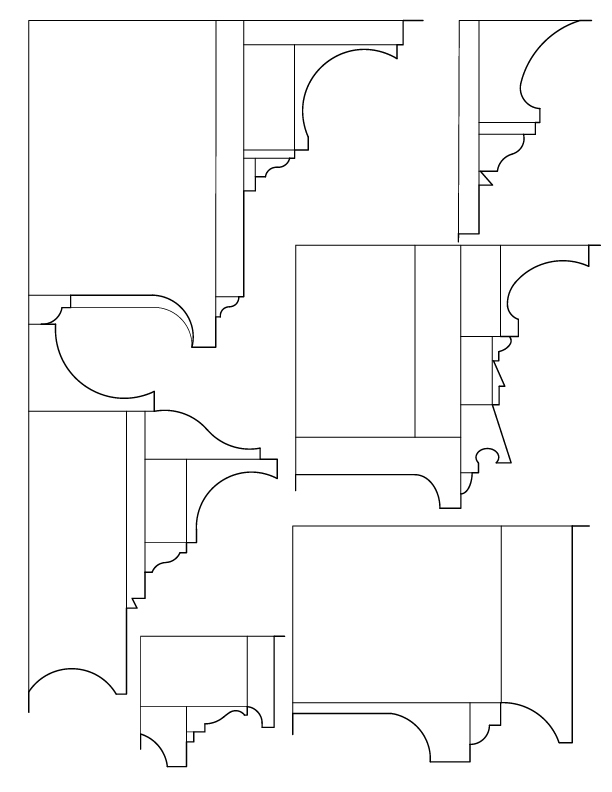
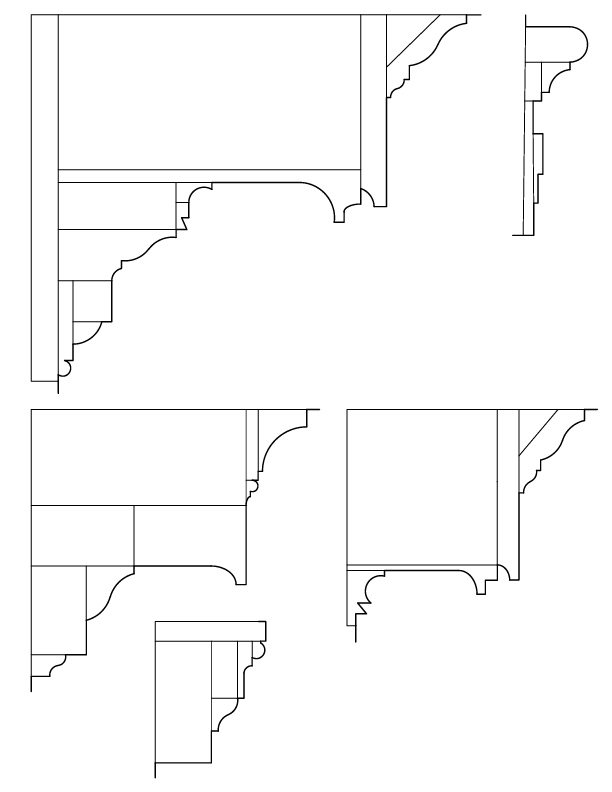
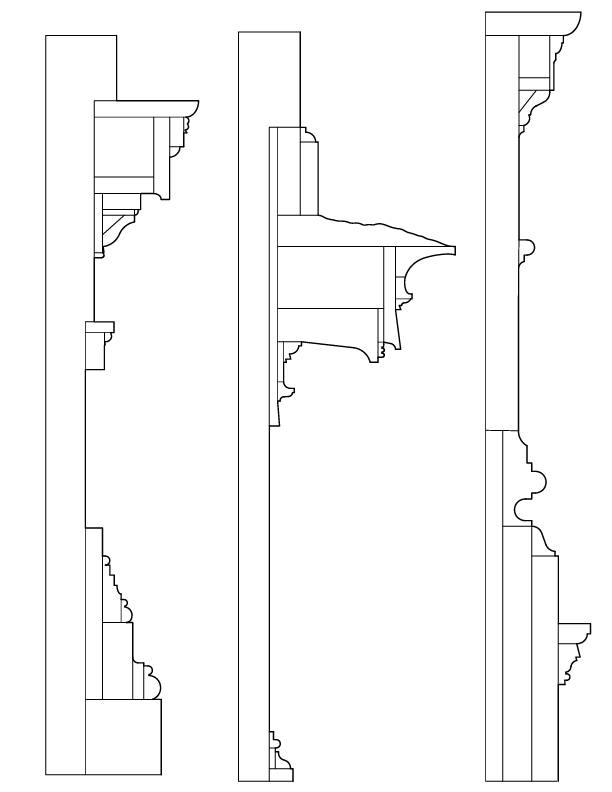
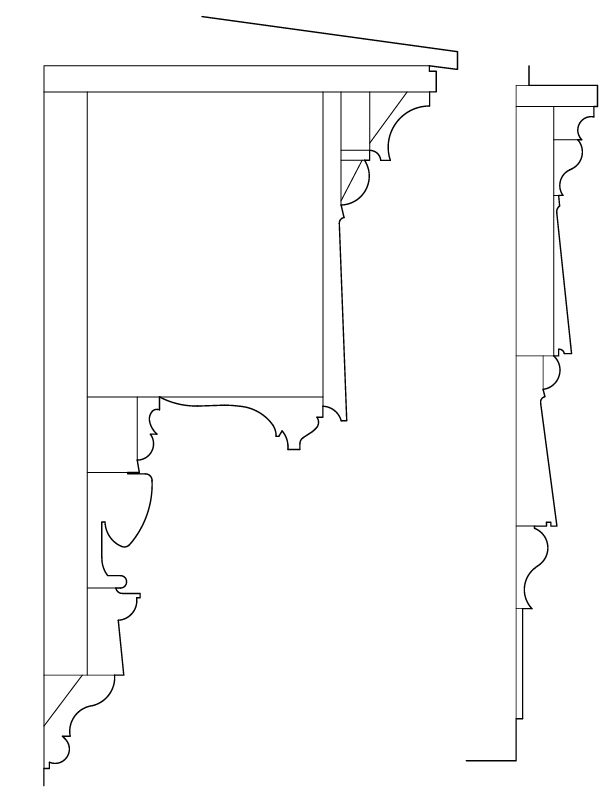
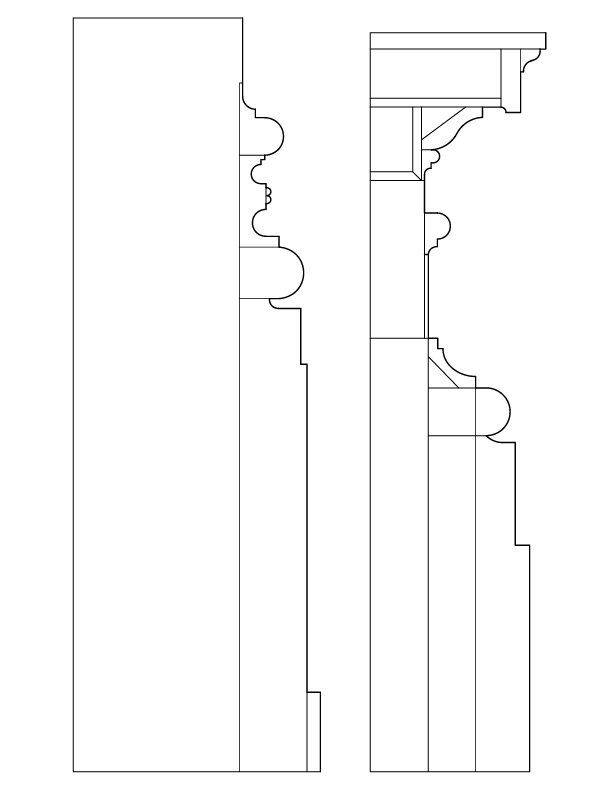
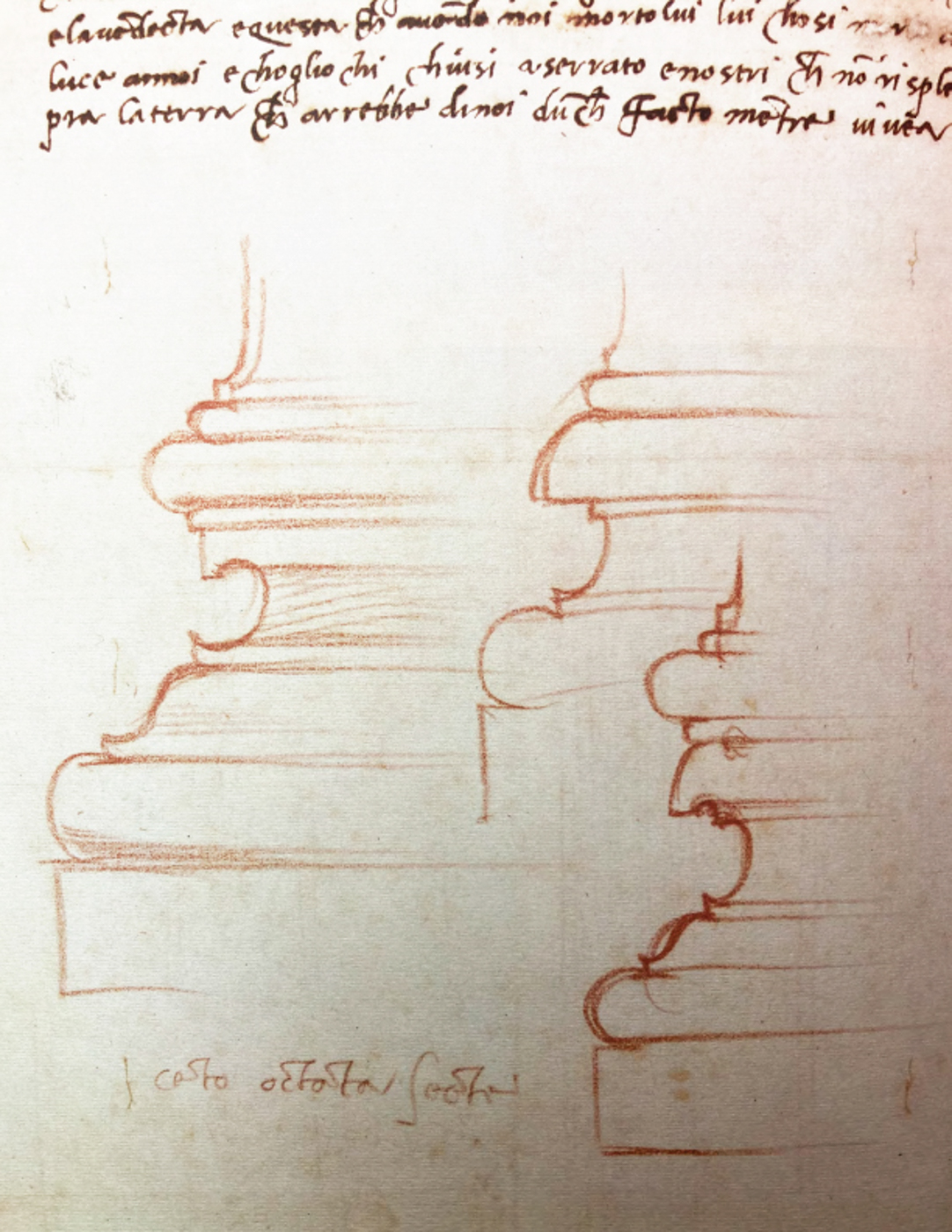
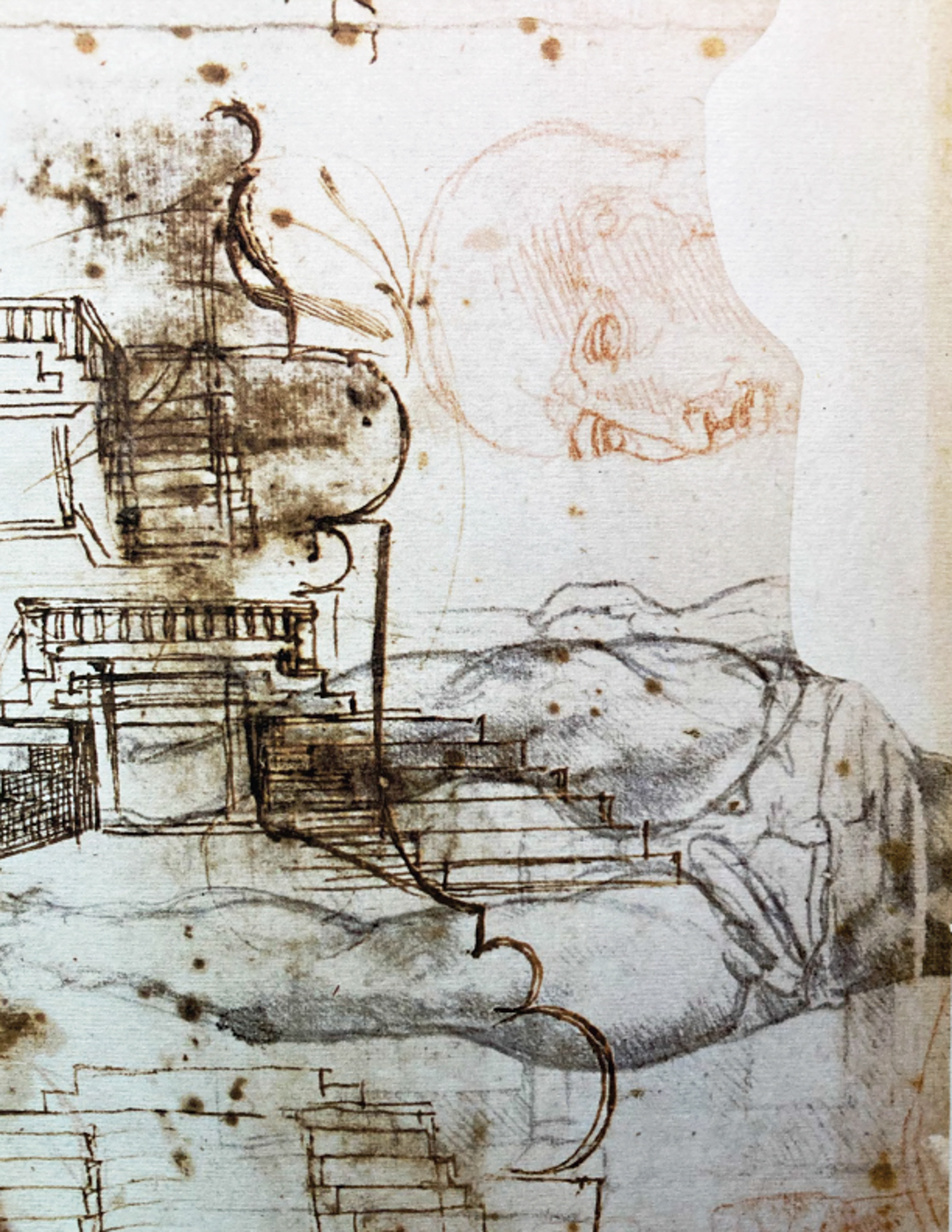
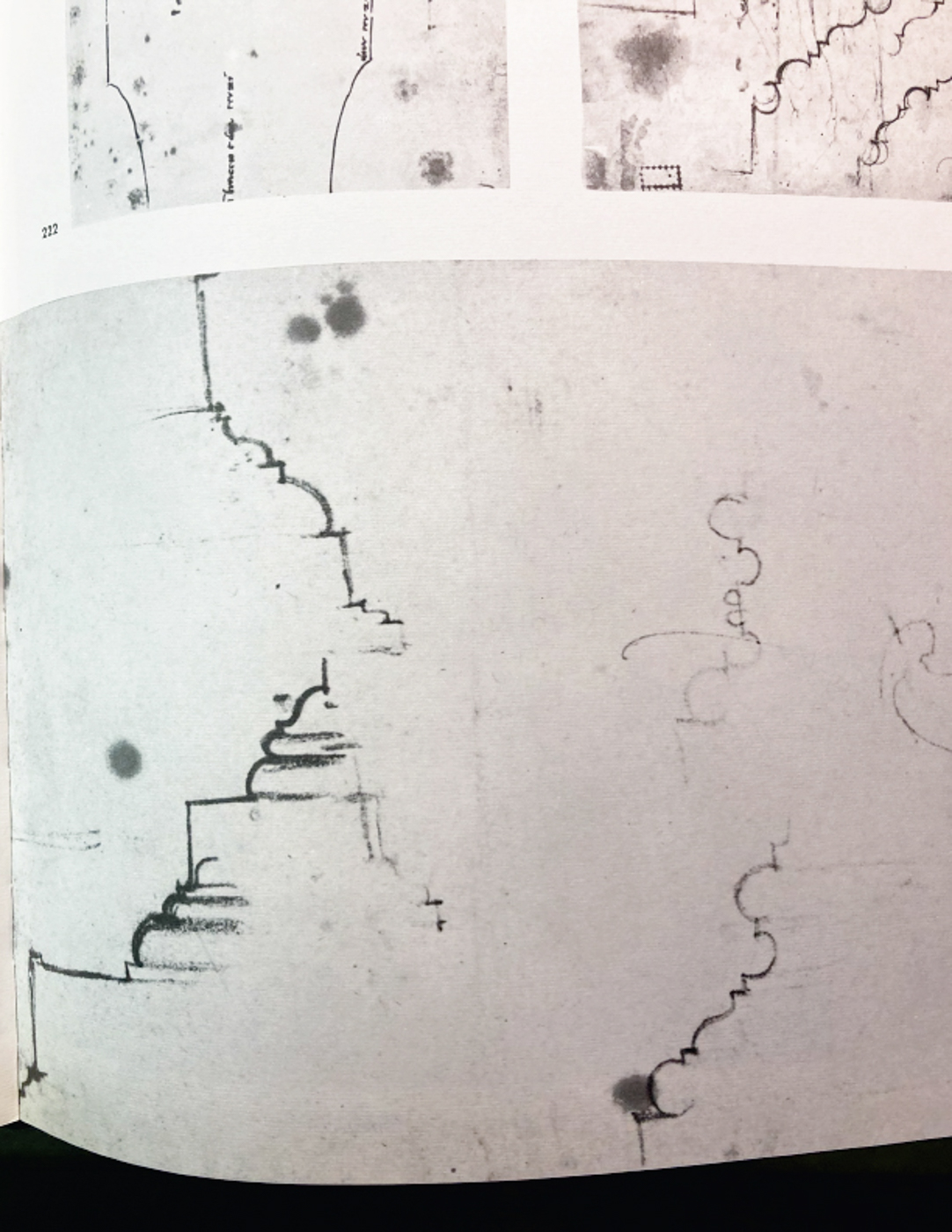
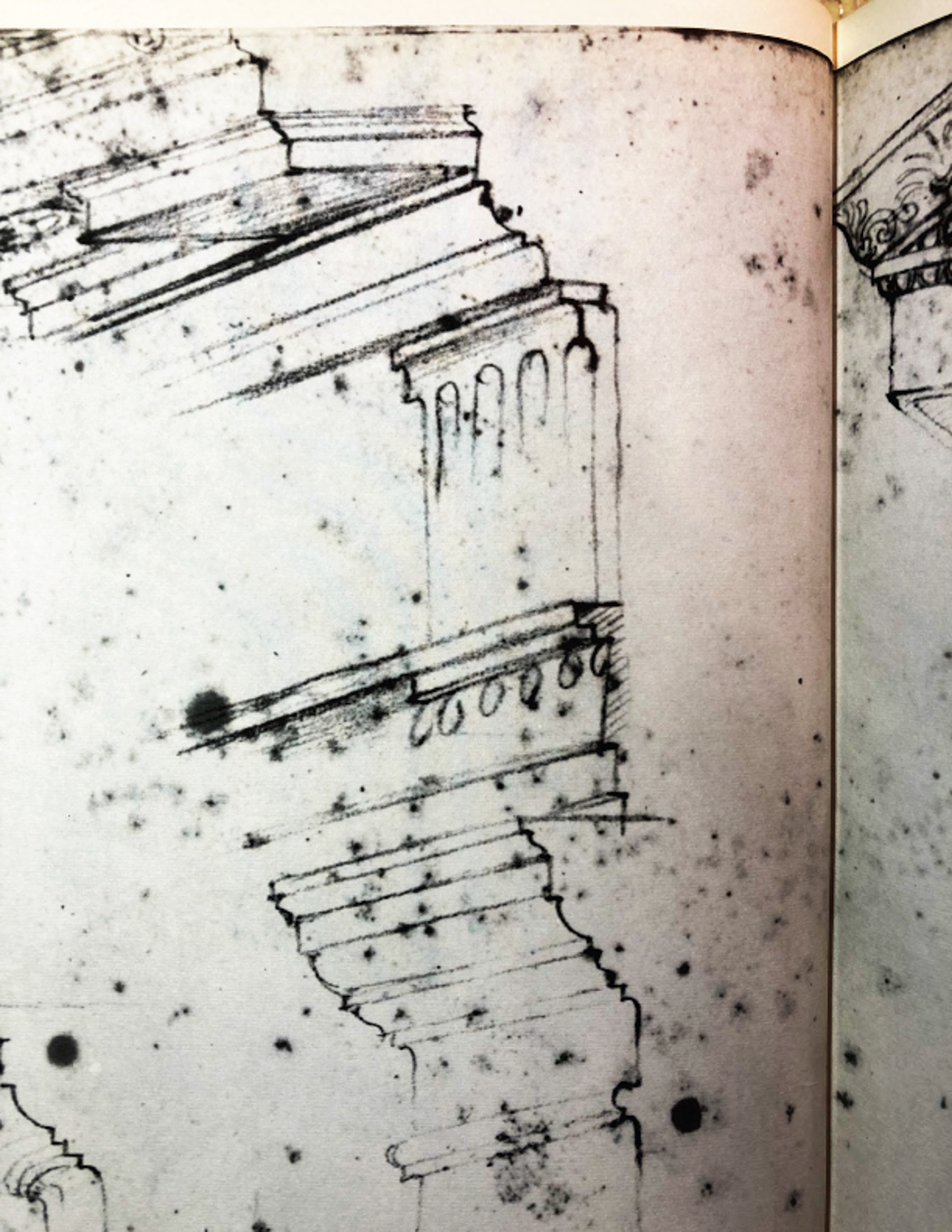
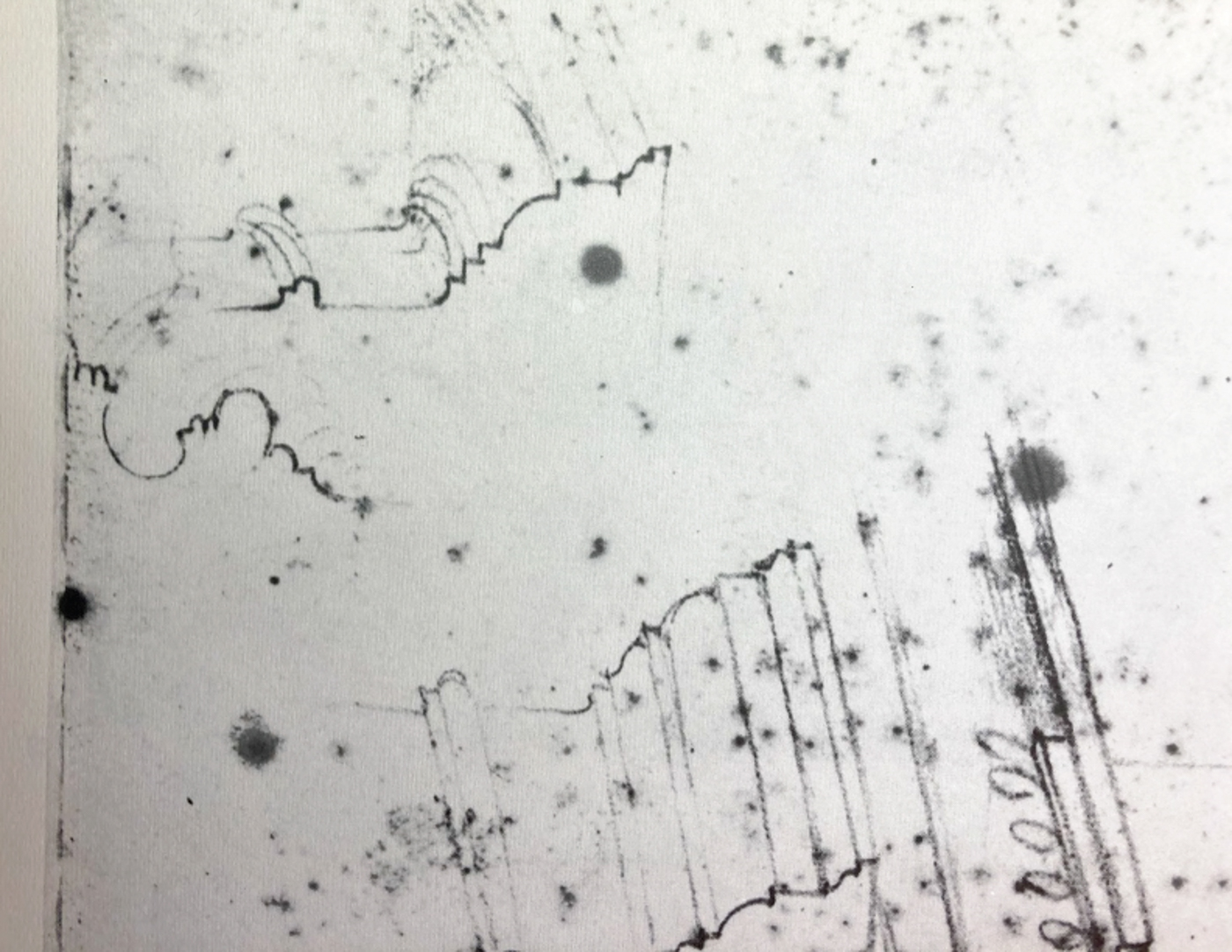
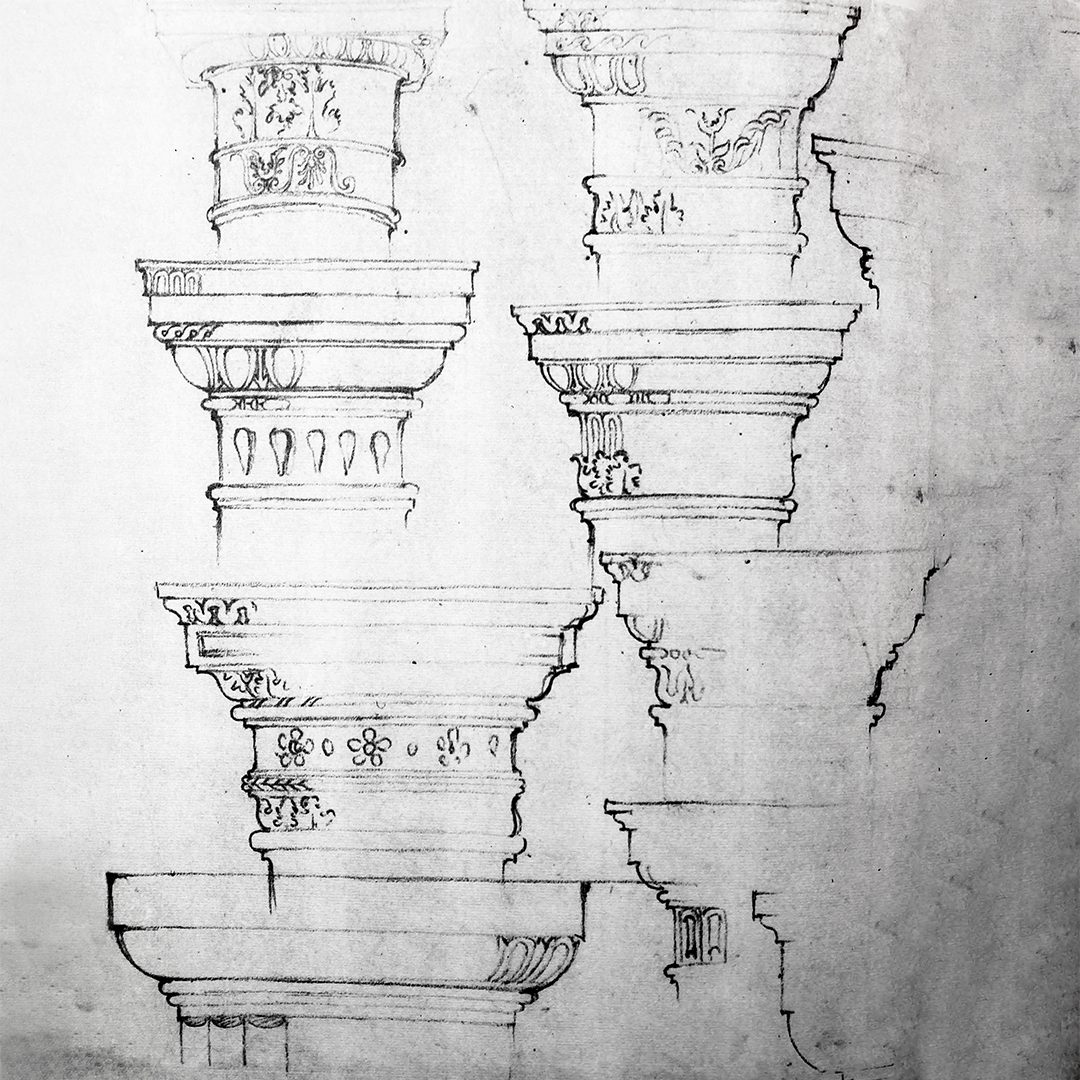
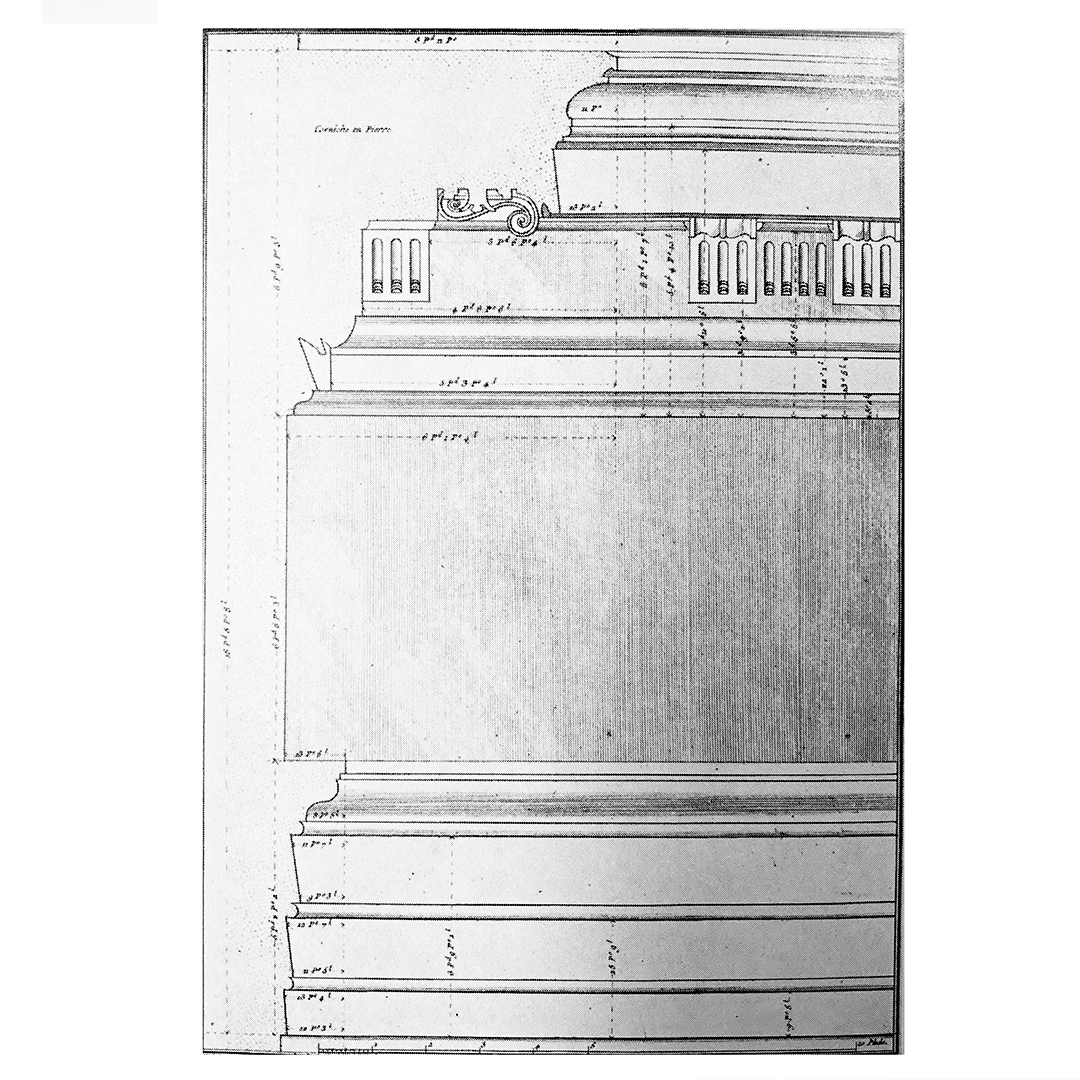
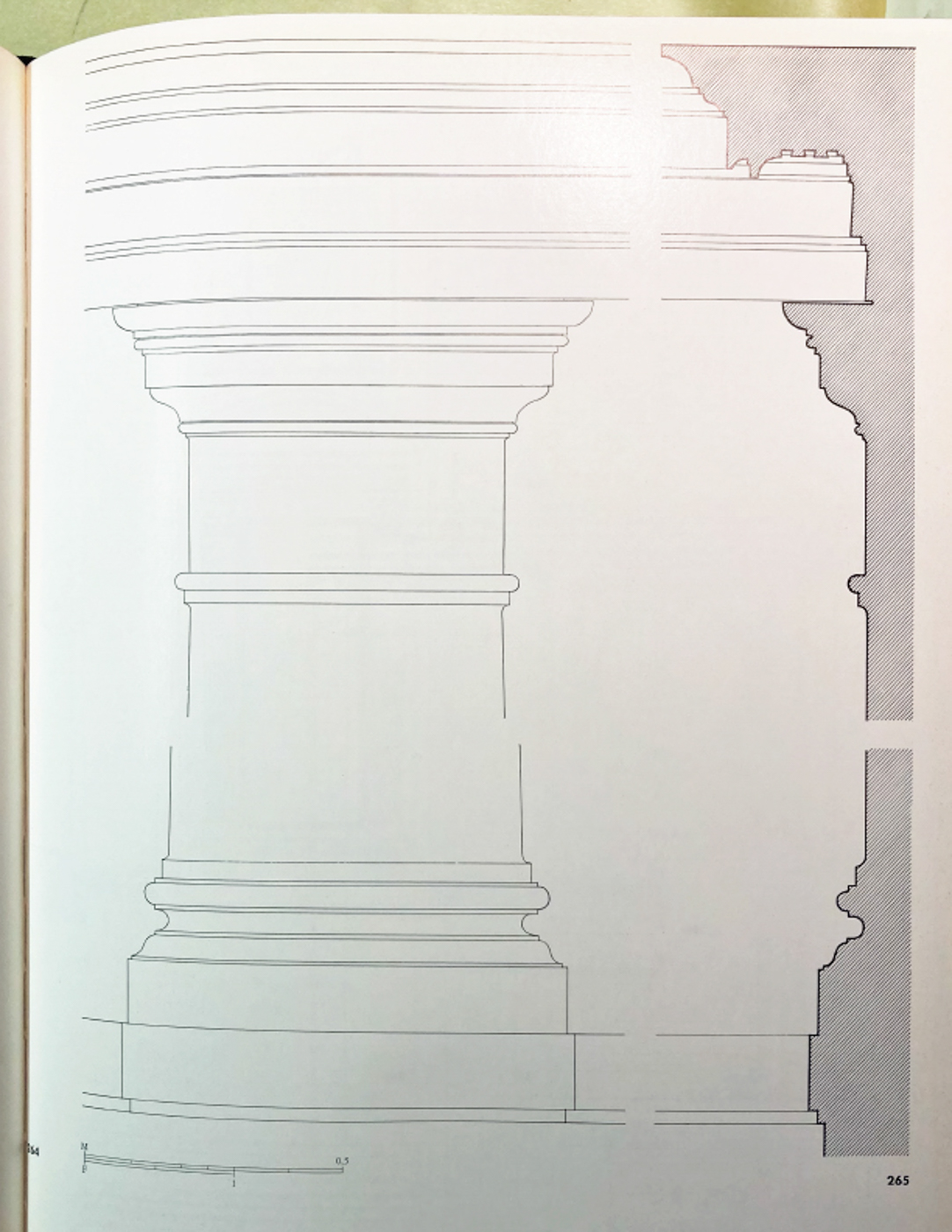
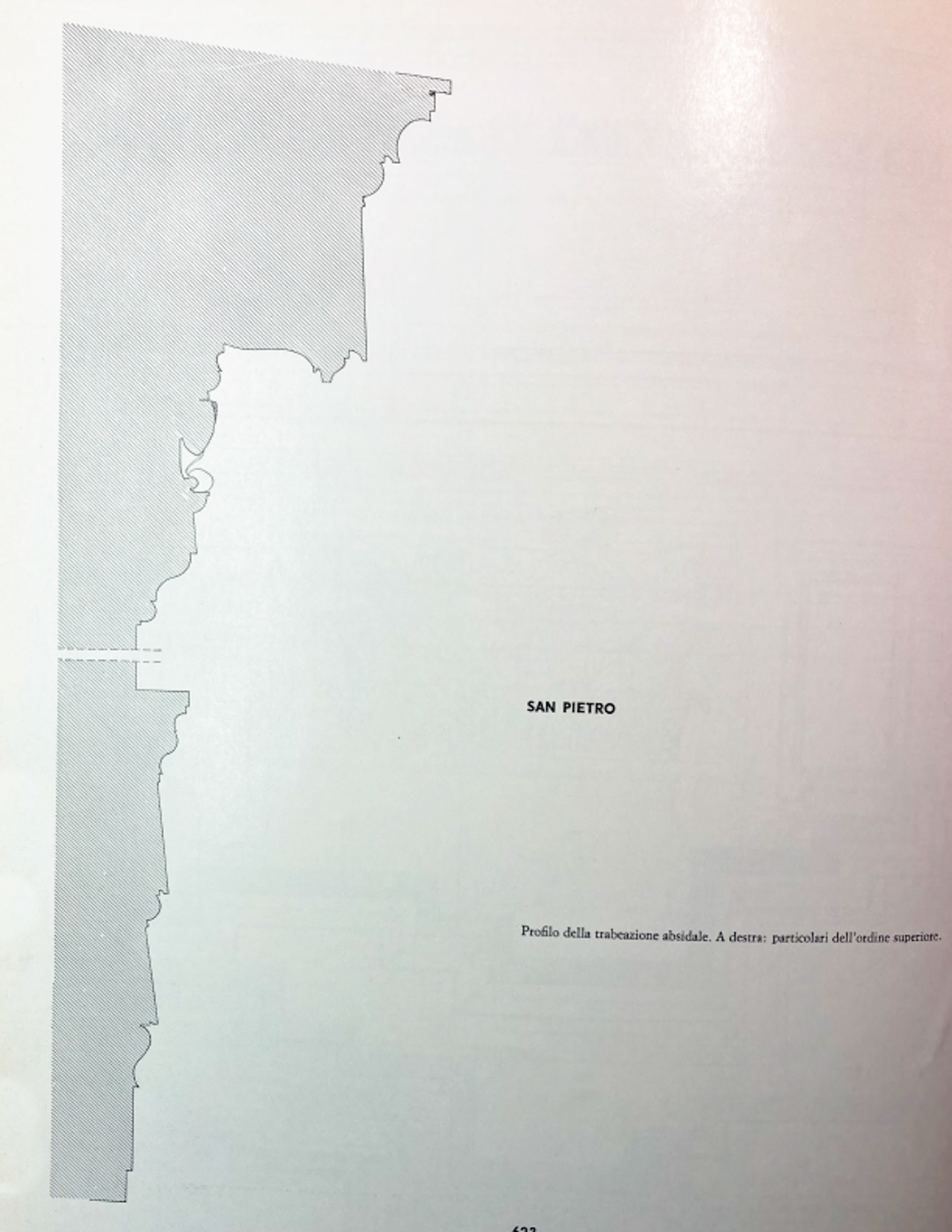
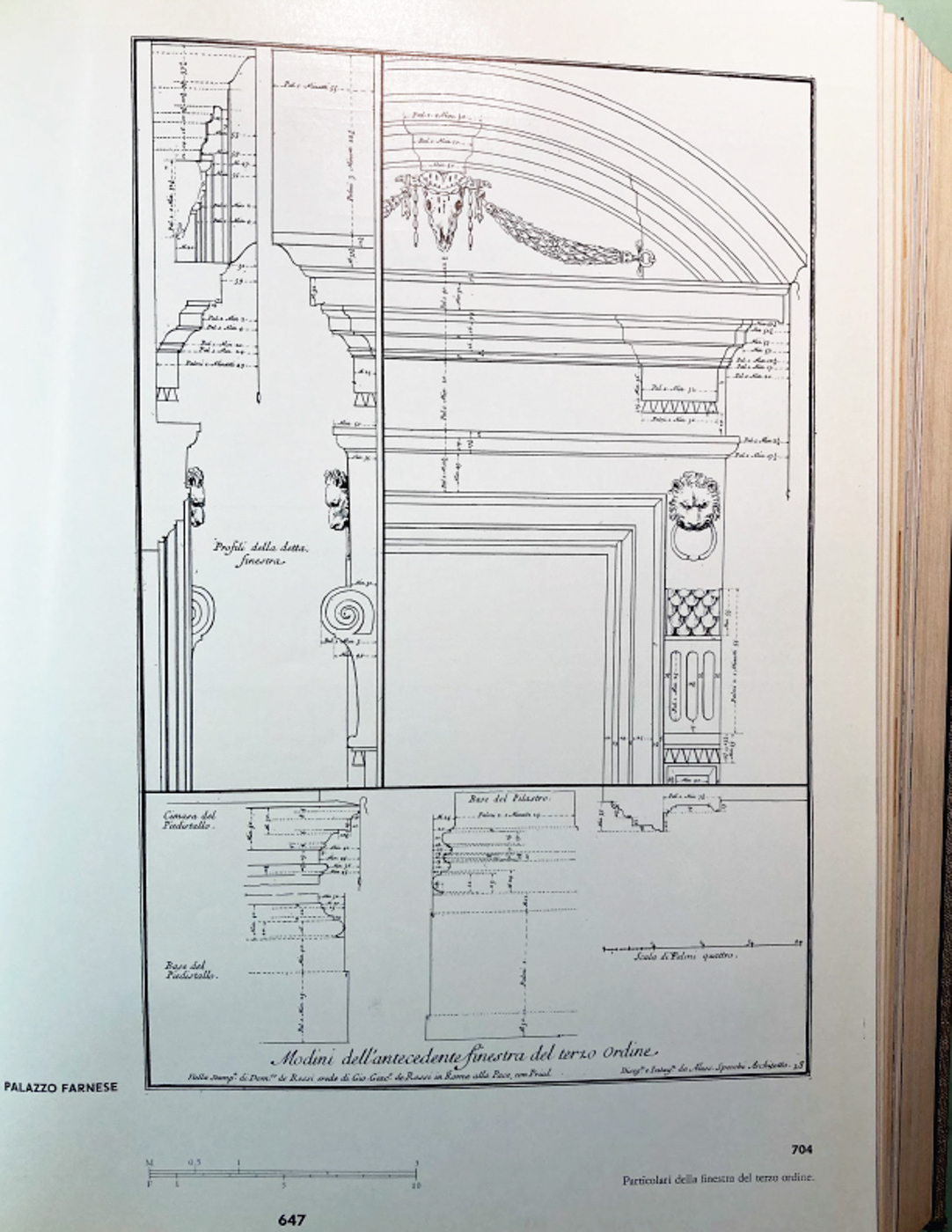
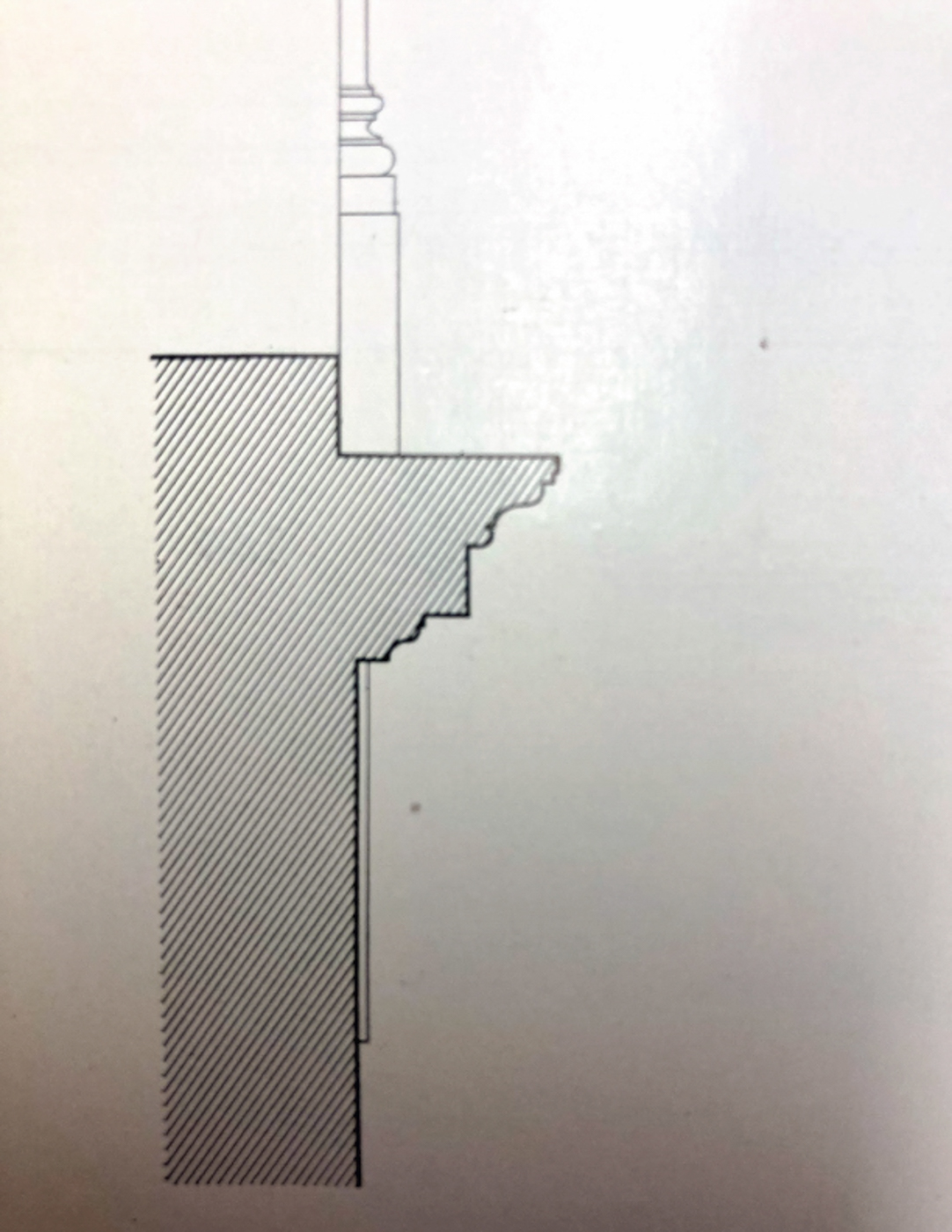
Born in 1475, Michelangelo di Lodovico Buonarroti Simoni remains one of the most influential figures in Western art and architecture. While celebrated primarily as a painter and sculptor, his architectural work stands among the greatest achievements of the Italian Renaissance. His designs for St. Peter’s Basilica in Rome, the Piazza del Campidoglio, and the architectural complex surrounding San Lorenzo in Florence reveal a masterful command of proportion, mass, and detail. Although he famously claimed that architecture was “not my profession,” Michelangelo devoted much of his later life to architectural practice. Appointed chief architect of St. Peter’s Basilica by Pope Paul III, he inherited a complex project and refined earlier schemes into a powerful, cohesive design. He worked on the basilica for years, viewing the undertaking as a final act of service and devotion. Michelangelo’s architecture is distinguished by a sculptural use of mouldings, using depth, shadow, and tension to give architectural members strength and clarity. Trained as a sculptor, he approached buildings much like carved forms, reducing the boundary between structure and ornament. Cornices, pilasters, and entablatures were treated not as surface decoration, but as essential parts of a unified architectural composition. Free from the constraints of academic training, Michelangelo challenged conventions of the classical language, experimenting with scale, perspective, and spatial drama. This inventive spirit is evident in works such as the Laurentian Library and the Capitoline Hill, where light, shadow, and form heighten the emotional impact of architecture. His influence helped set the stage for the Baroque approach that would later reshape Rome. Michelangelo’s legacy endures not only in monumental buildings, but in the language of mouldings themselves, where proportion, profile, and assembly work together to create spaces that feel both grounded and alive. His work continues to inform classical design and historic millwork, demonstrating how carefully composed mouldings remain essential to enduring architecture.Michelangelo and Architectural Mouldings