FREEMANSBURG, NORTHAMPTON COUNTY, PENNSYLVANIA
Planted modestly along Main Street in the small borough of Freemansburg, the John Freeman House stands as an assured expression of late nineteenth-century domestic architecture in eastern Pennsylvania. While detailed archival records concerning its construction and original owner remain limited in widely accessible public sources, the house’s recurring presence in historic imagery affirms its role as a familiar landmark of small-town life. Its enduring form mirrors the broader evolution of Freemansburg, from early settlement in the late eighteenth century to a settled and prosperous borough by the mid nineteenth-century.
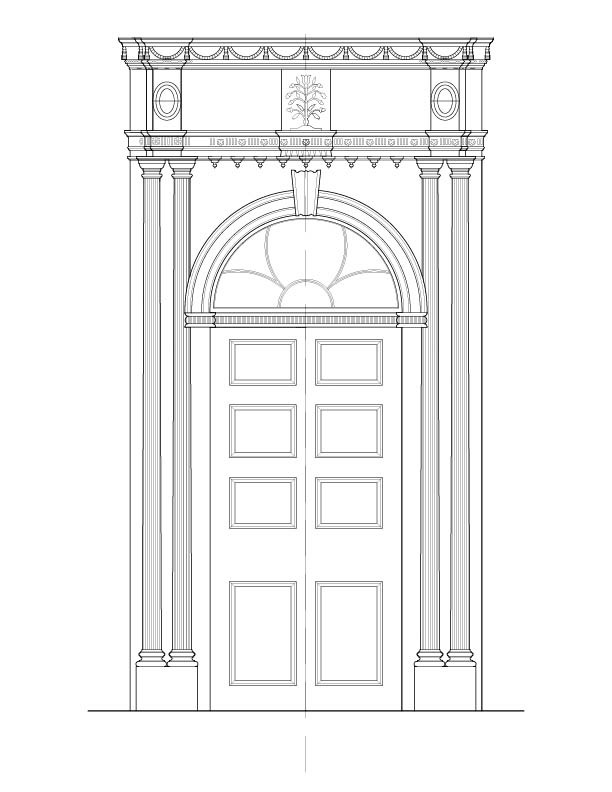
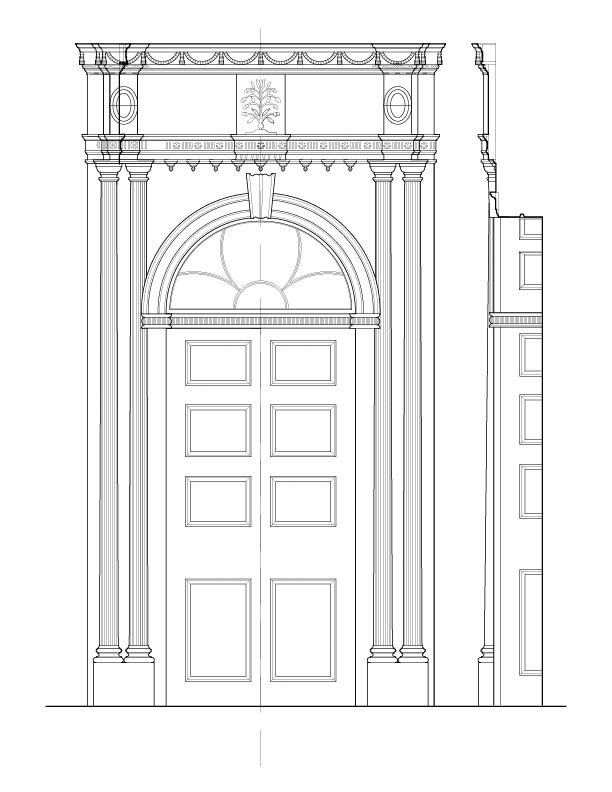
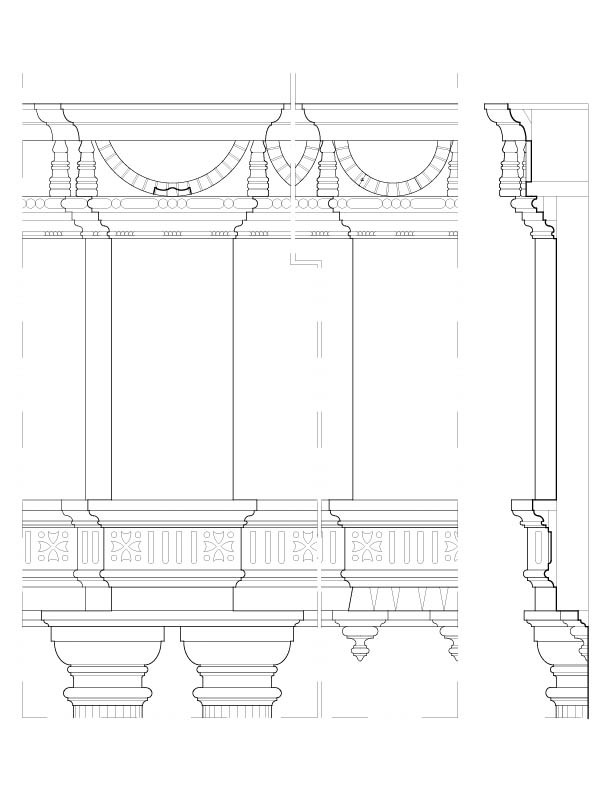
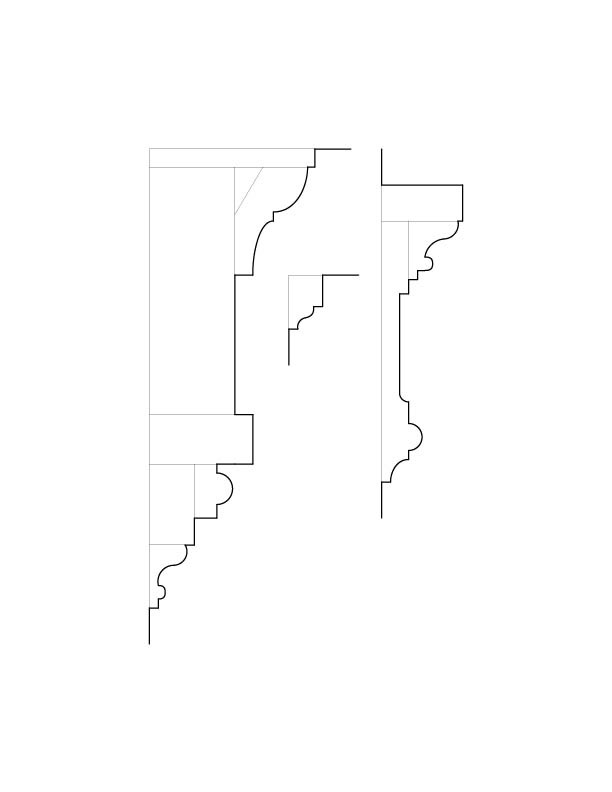
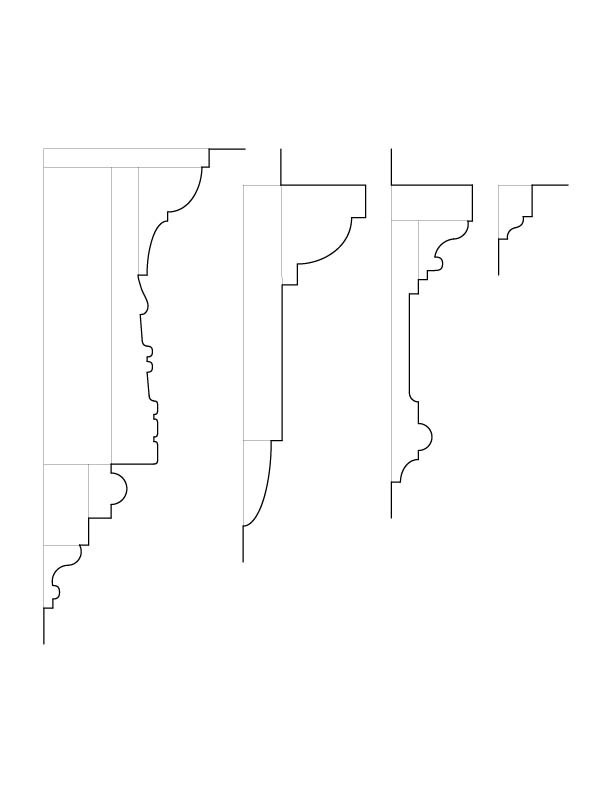
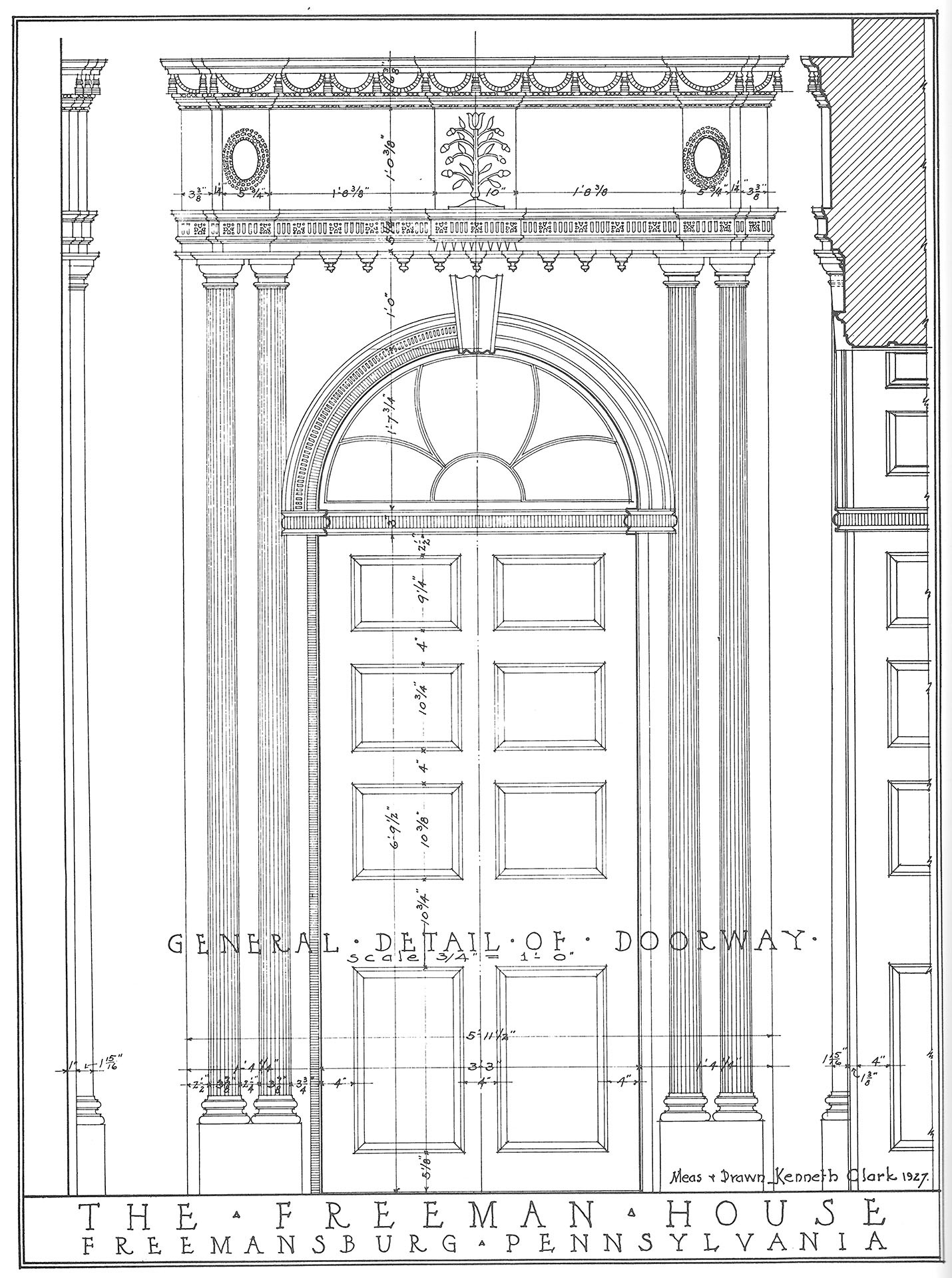
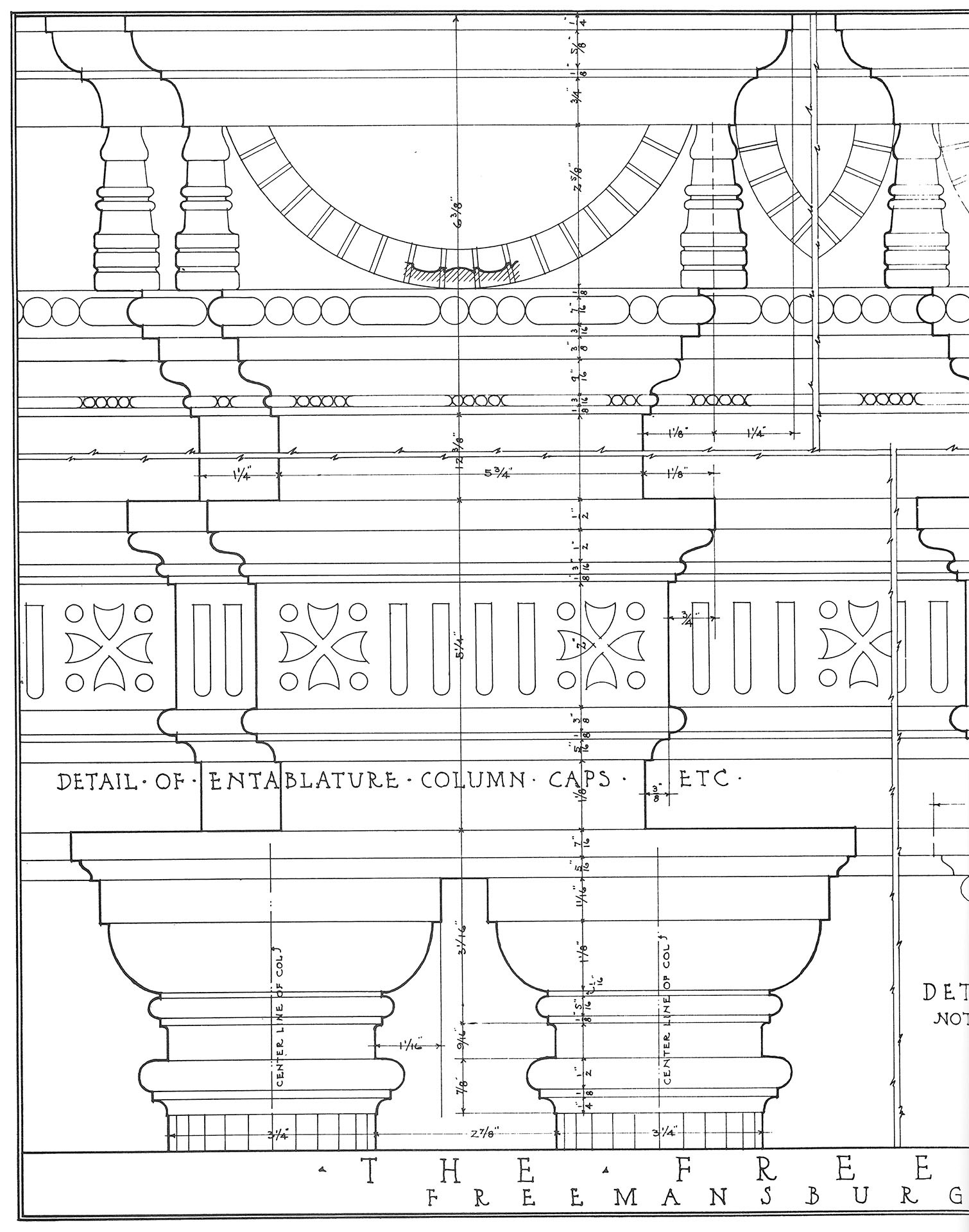
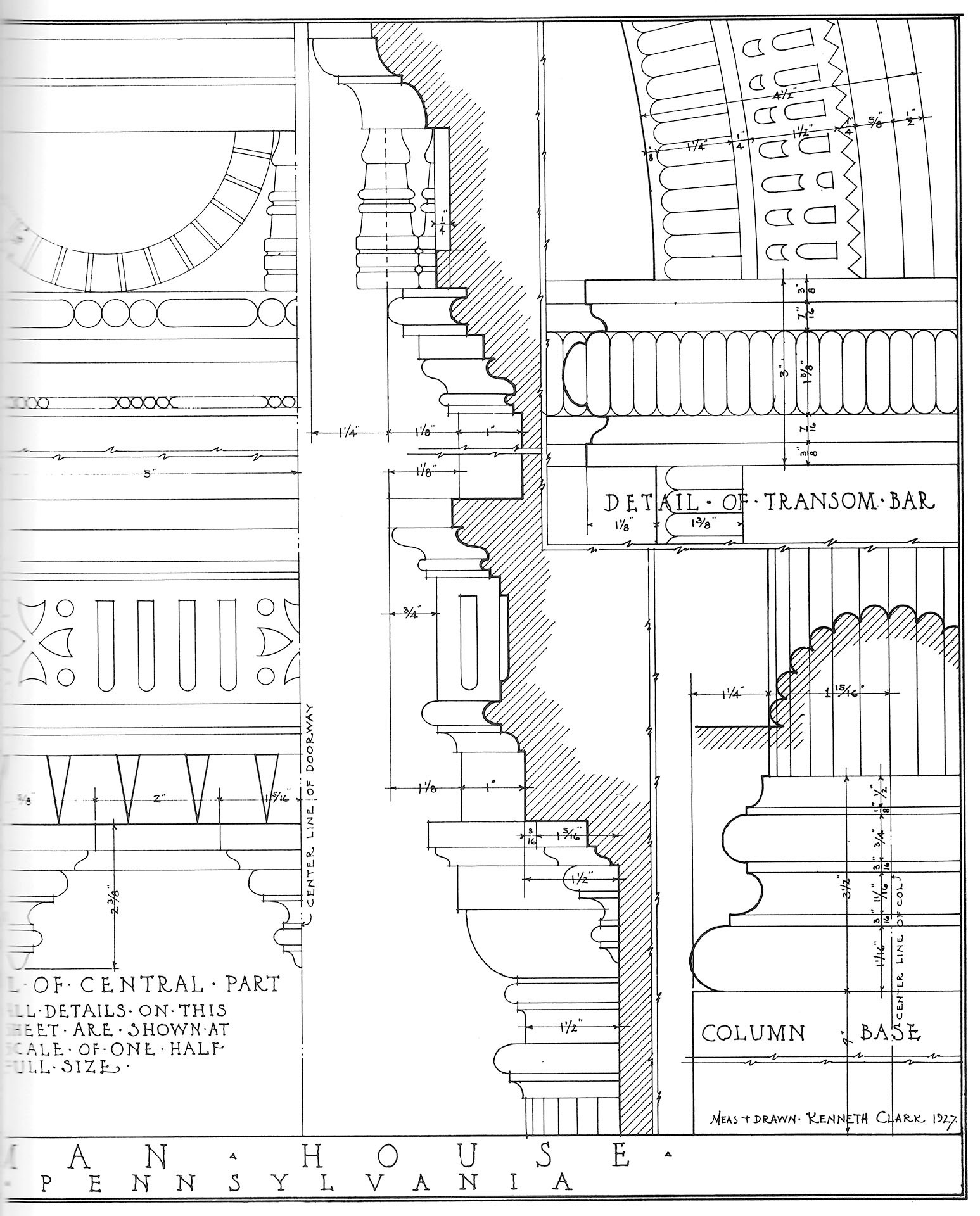
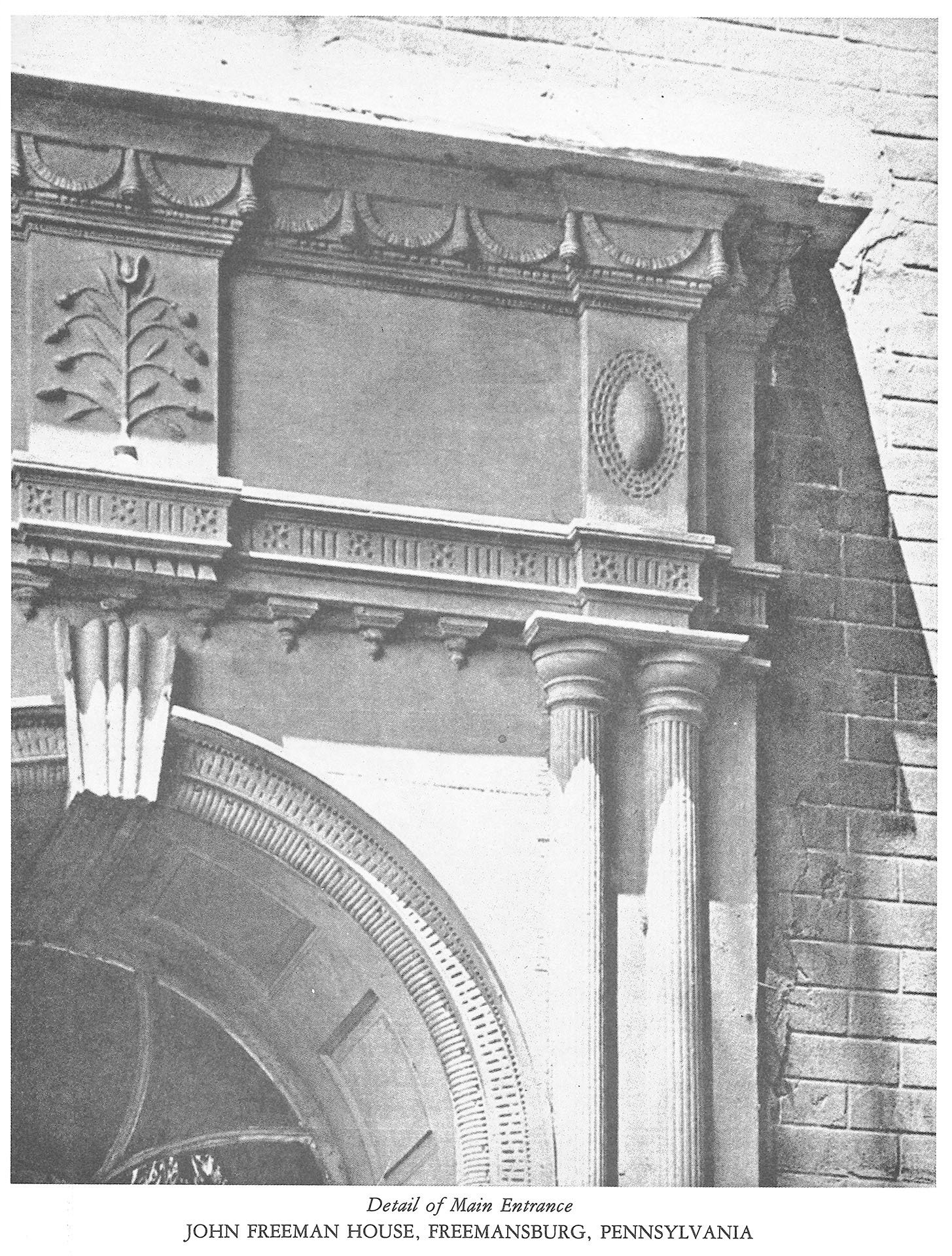
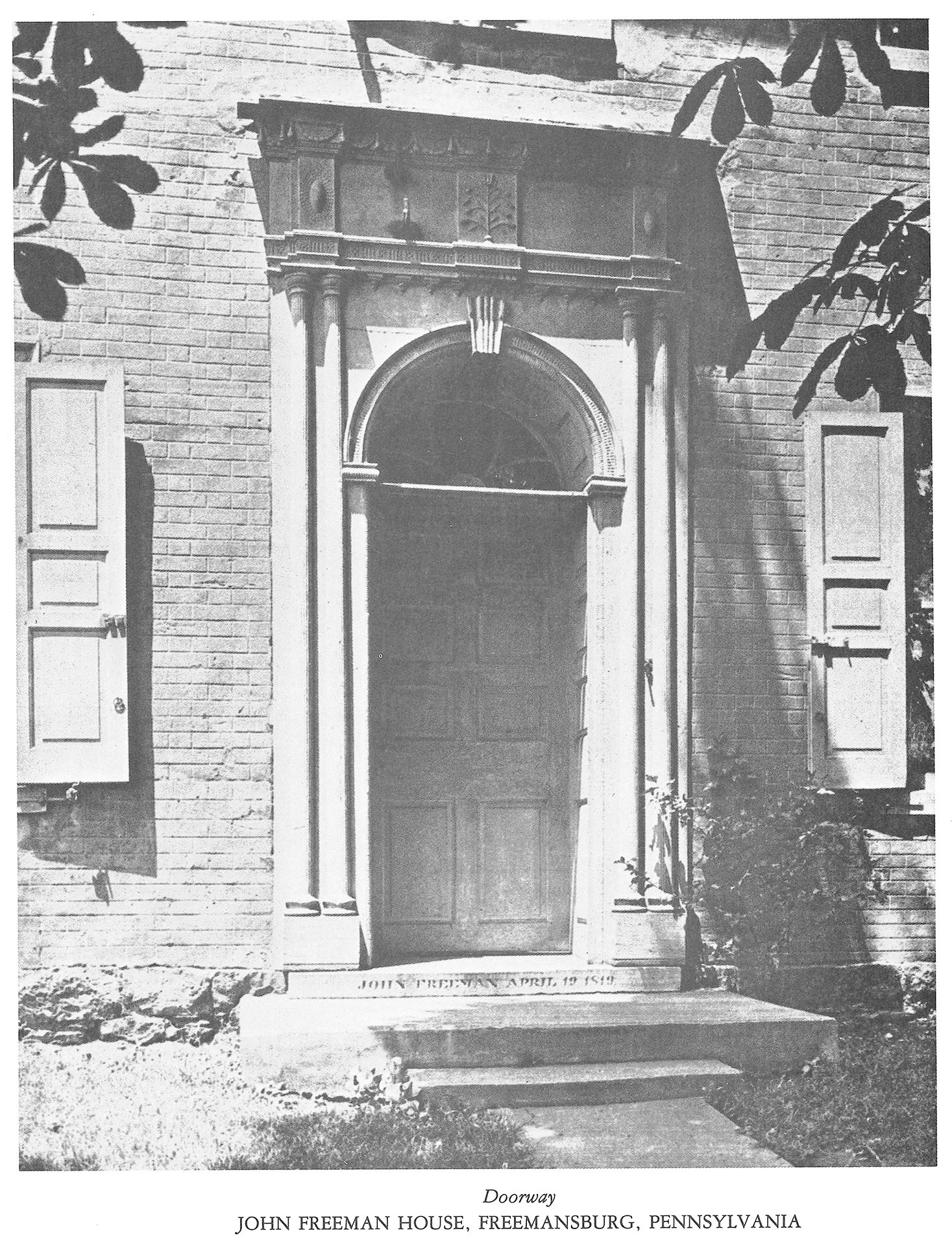
Historic photographs of the structure reveal a building defined by solid masonry construction and confident traditional massing, capped by a hipped or gently sloped roofline and framed with restrained exterior trim. The main entrance, preserved with its original millwork elements, is animated by layered profiles and carefully modeled relief that lend depth and character without excess. Throughout the house, exterior and interior mouldings establish a decorative cadence, where delicate floral motifs soften the geometry of openings and long, sweeping sash profiles draw the eye upward, shaping the passage of light. Together, these details suggest a builder fluent in the classical language of the period, selectively referencing Greek-inspired forms while adapting them gracefully to a domestic scale.
Found within a community shaped by early milling, tavern keeping, and settlement by families such as the Freemans and Bachmans, the Freeman House may be read as an architectural record of Freemansburg’s transition from frontier clearing to established borough. Its continued presence along Main Street situates it within the town’s physical memory, formed by industry, transport, and civic life, and preserves a tangible connection to the era in which Freemansburg assumed its identity as a distinct and self-governing Pennsylvania locality.