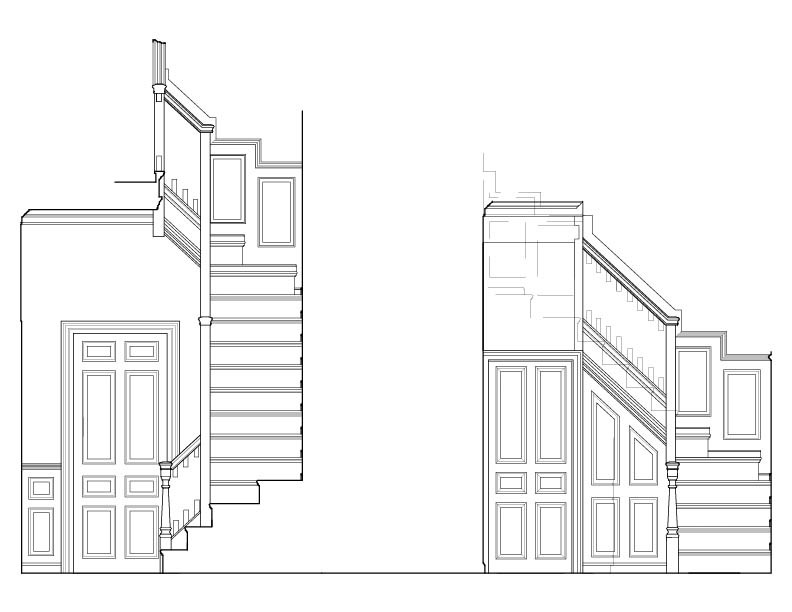
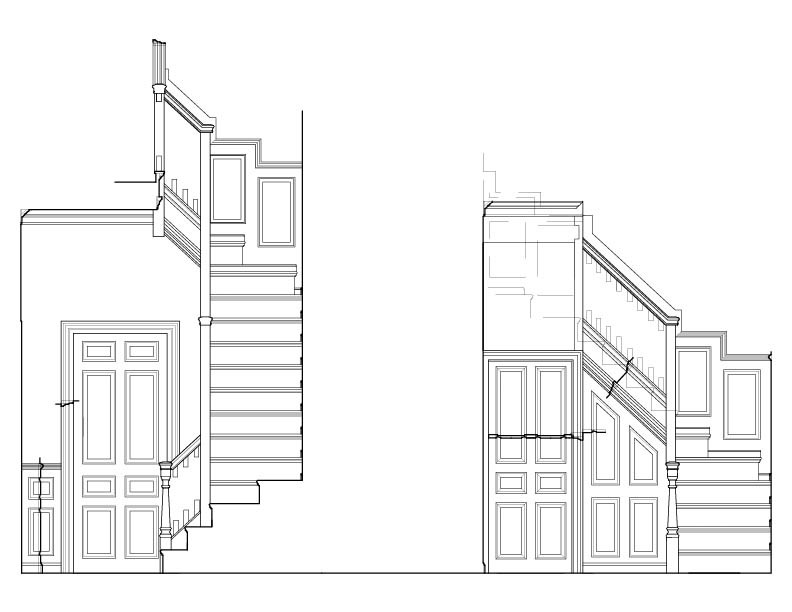
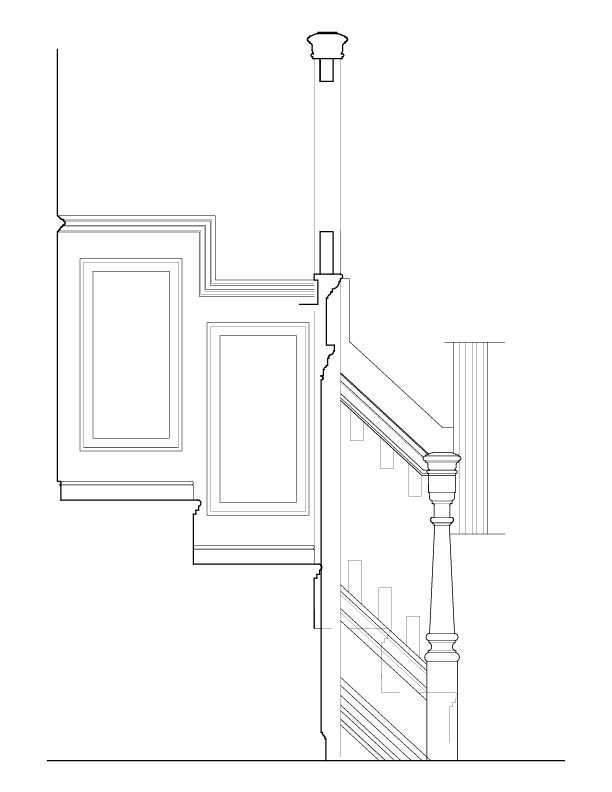
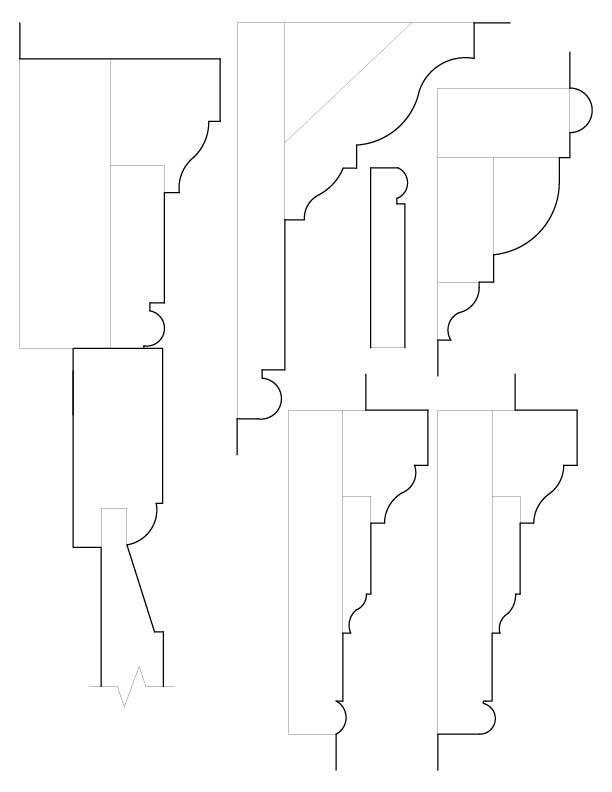
161 WASHINGTON STREET, MARBLEHEAD, ESSEX COUNTY, MASSACHUSETTS
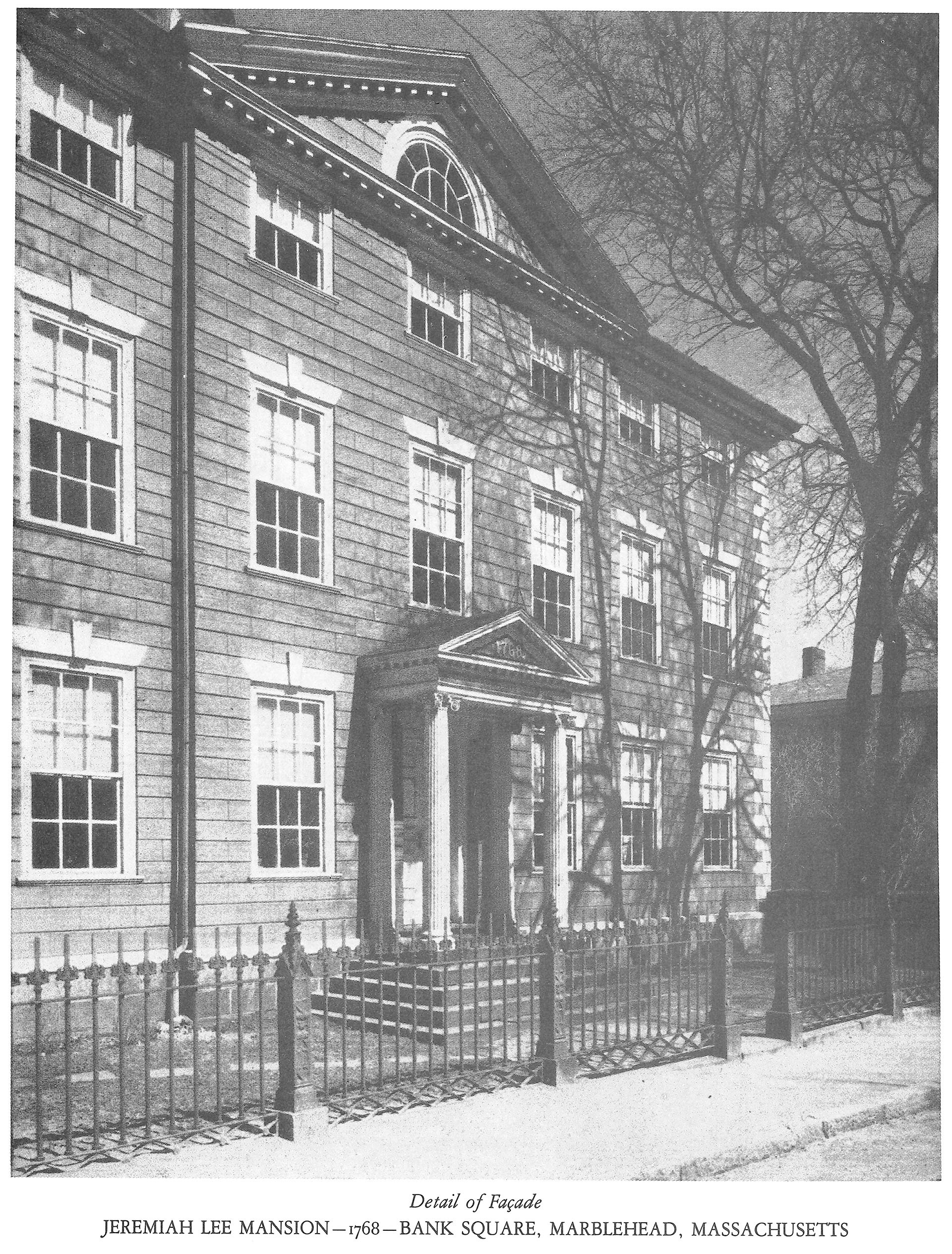
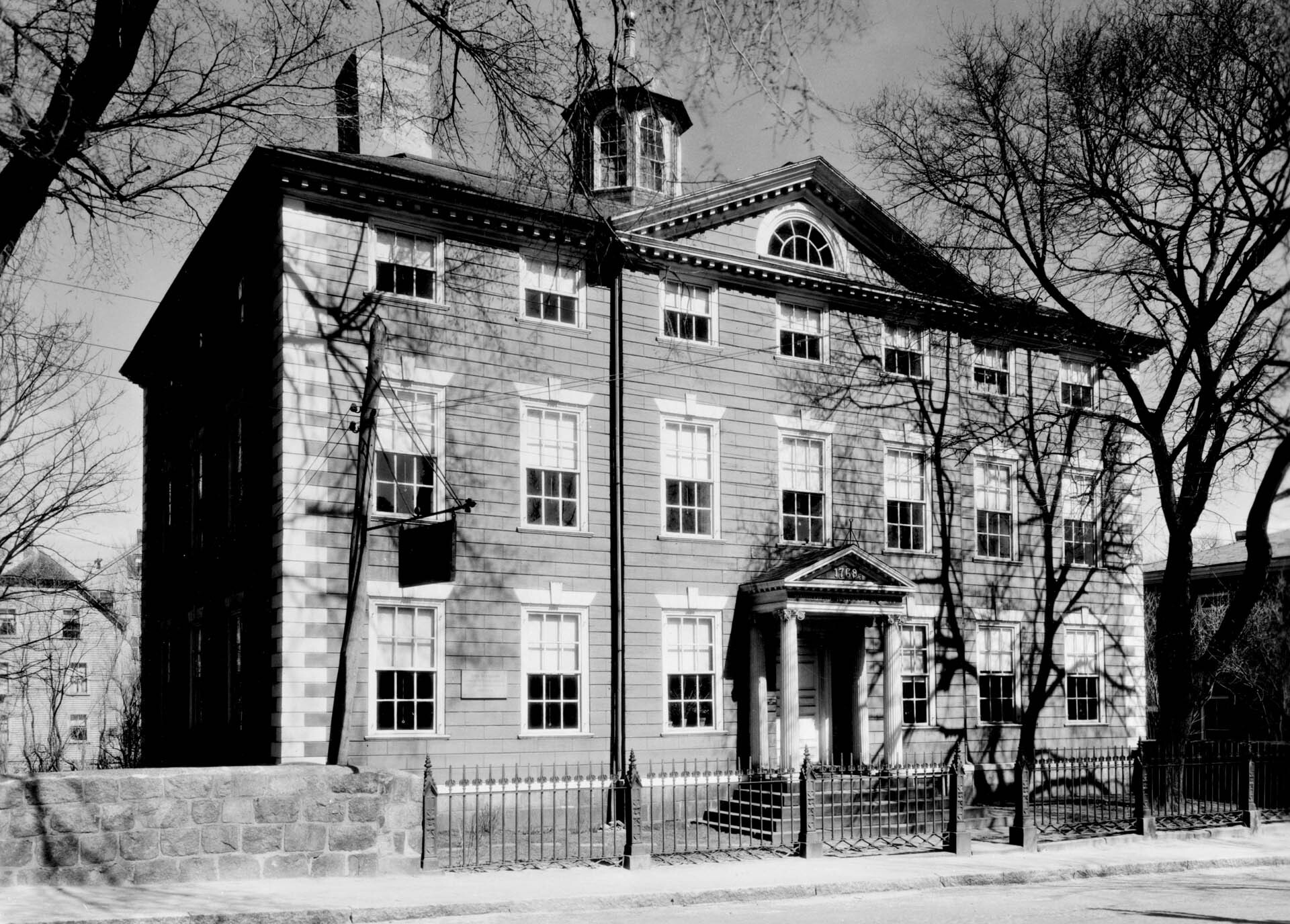
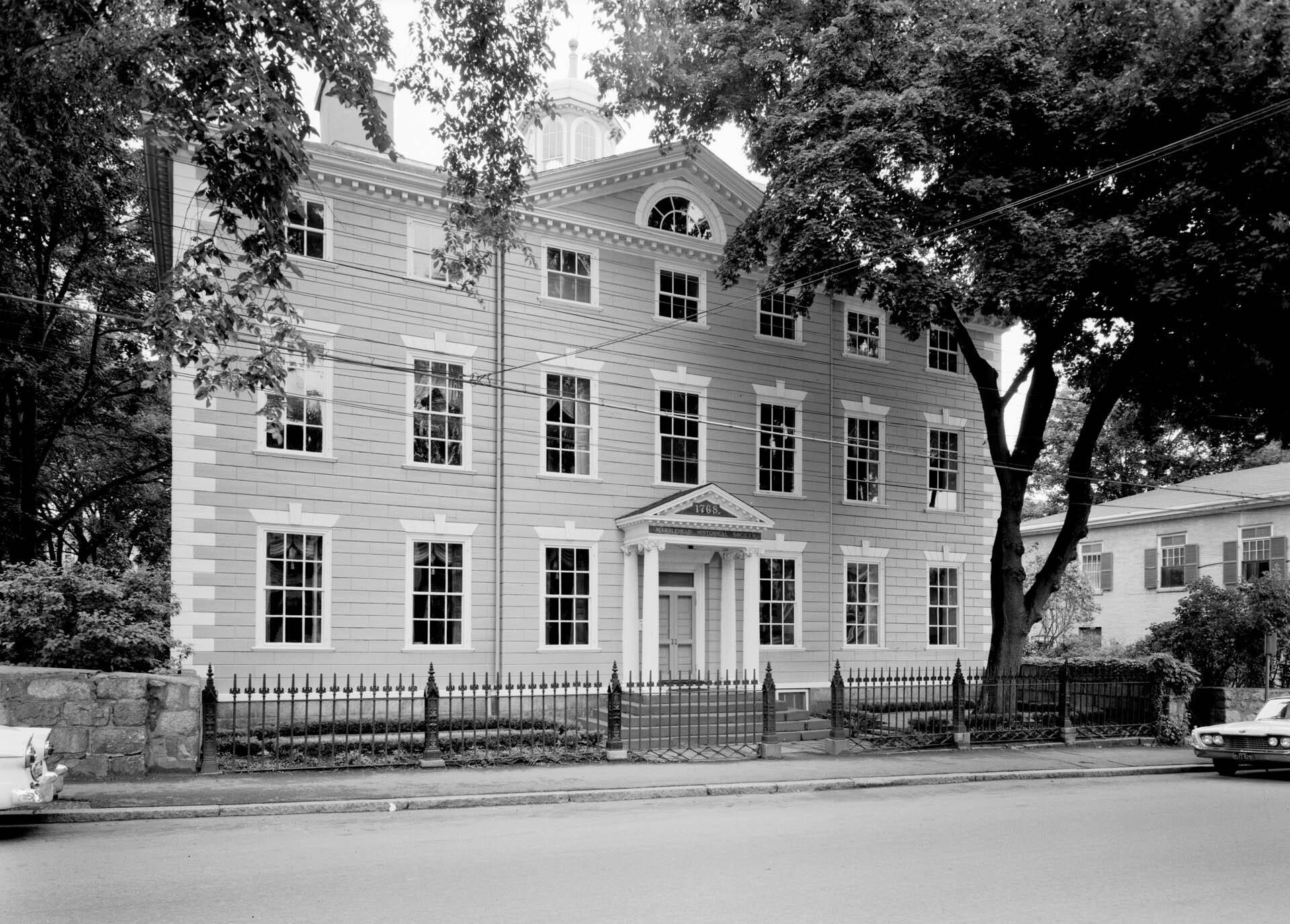
The Jeremiah Lee Mansion in Marblehead, Massachusetts, completed in 1768, stands among the most distinguished Georgian merchant houses in colonial era Massachusetts. Built for Jeremiah Lee, a successful shipowner and leading figure of the period, the house reflects eighteenth century refinement through its commanding scale, symmetrical five bay facade, and formal entrance framed by pilasters and a pediment. Twelve over twelve sash windows, a hipped roof, and carefully ordered proportions convey both Lee’s prosperity and the ambitions of a flourishing maritime town. From its earliest years, the mansion served as a setting for prominent social and political gatherings, while imported wallpapers and fine furnishings expressed the household’s international connections and cultural awareness.
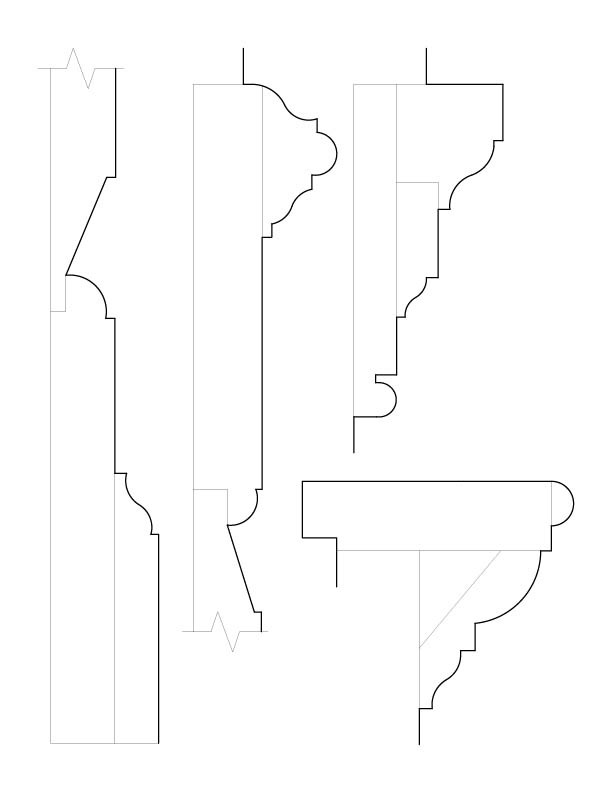
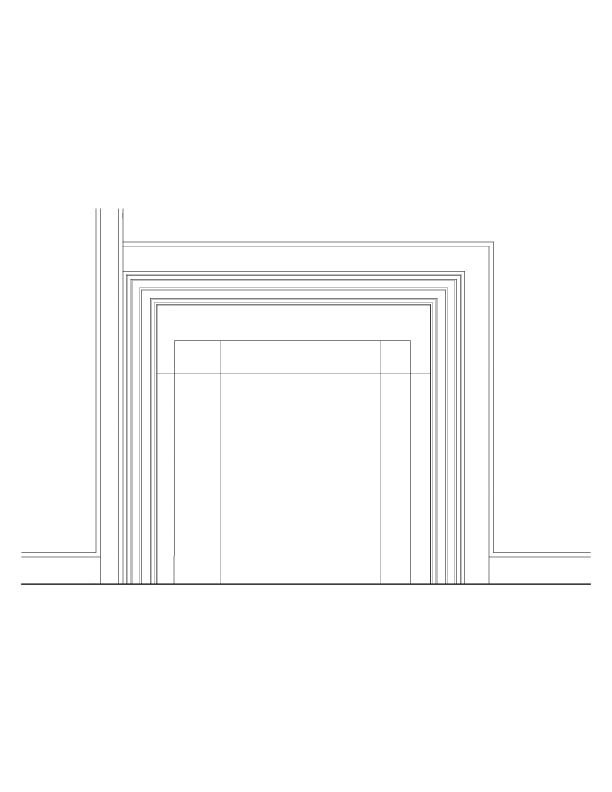
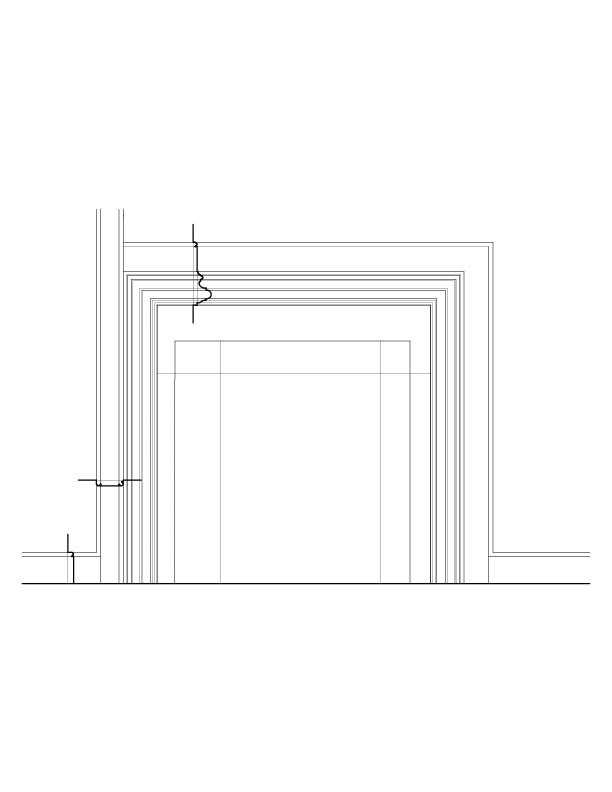
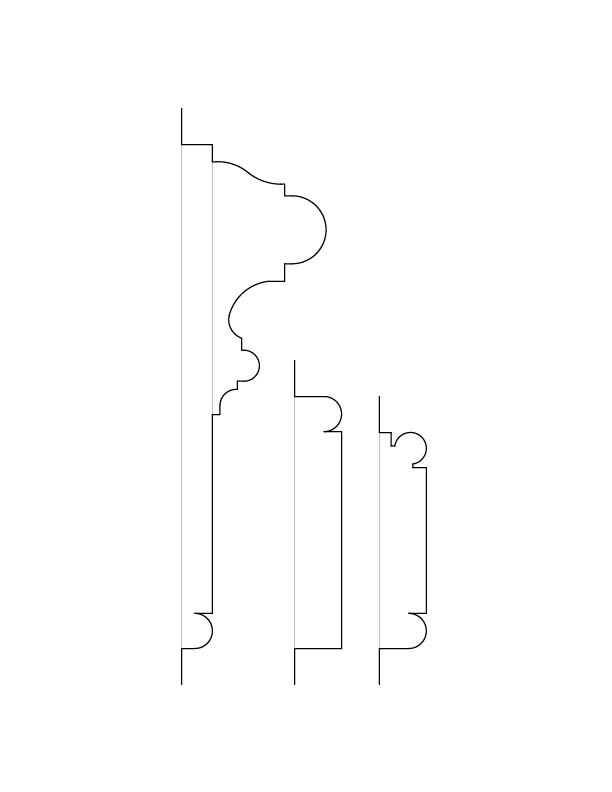
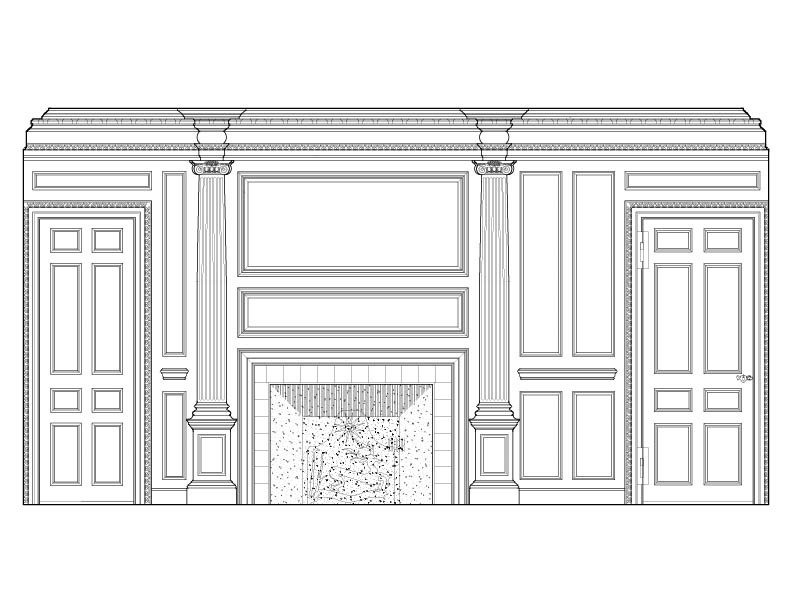
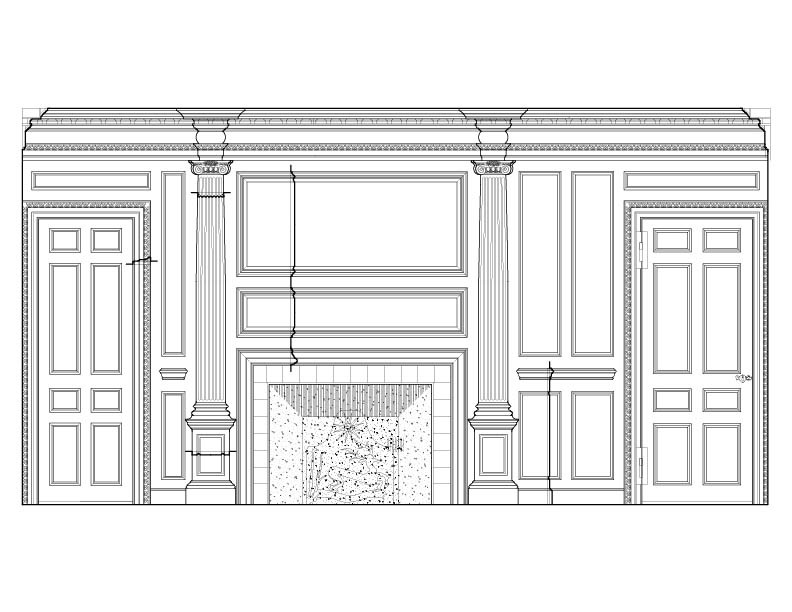
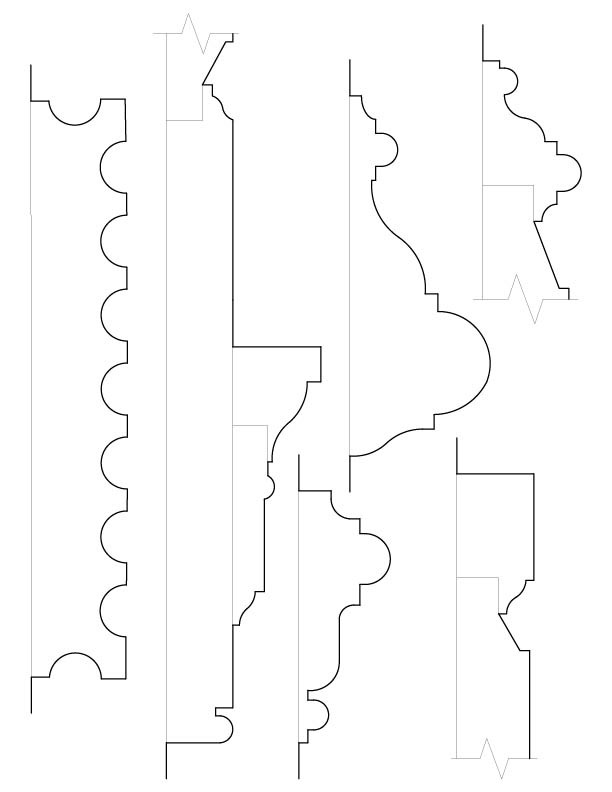
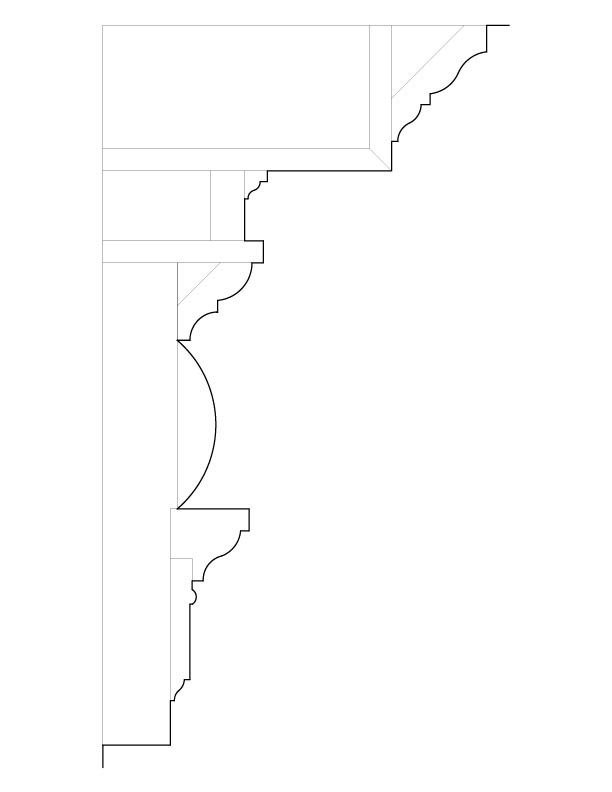
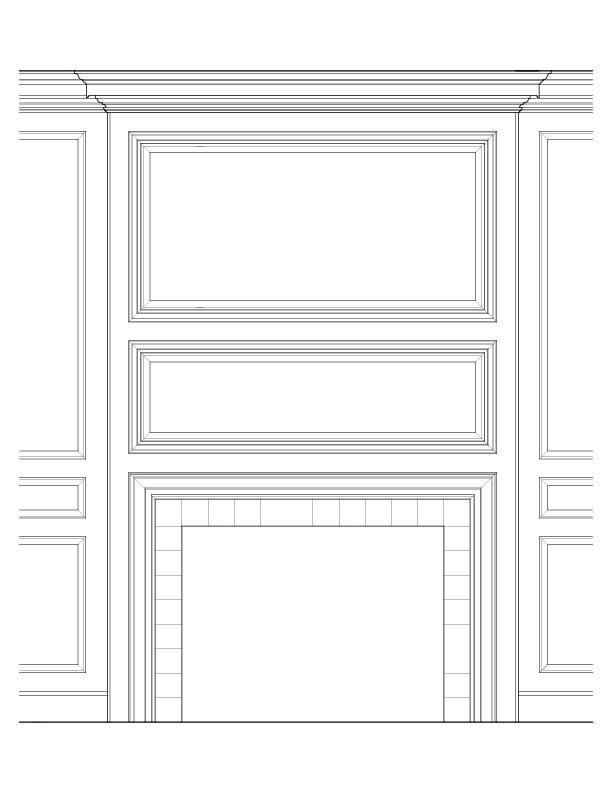
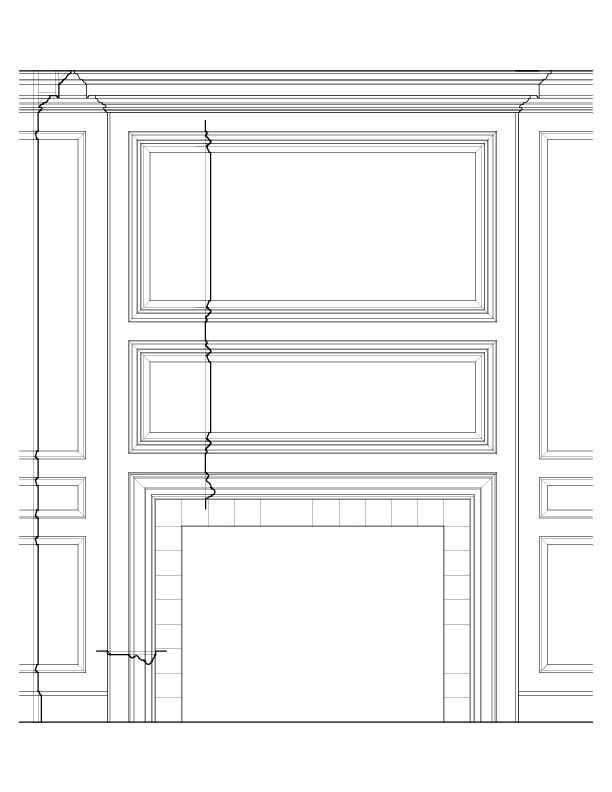
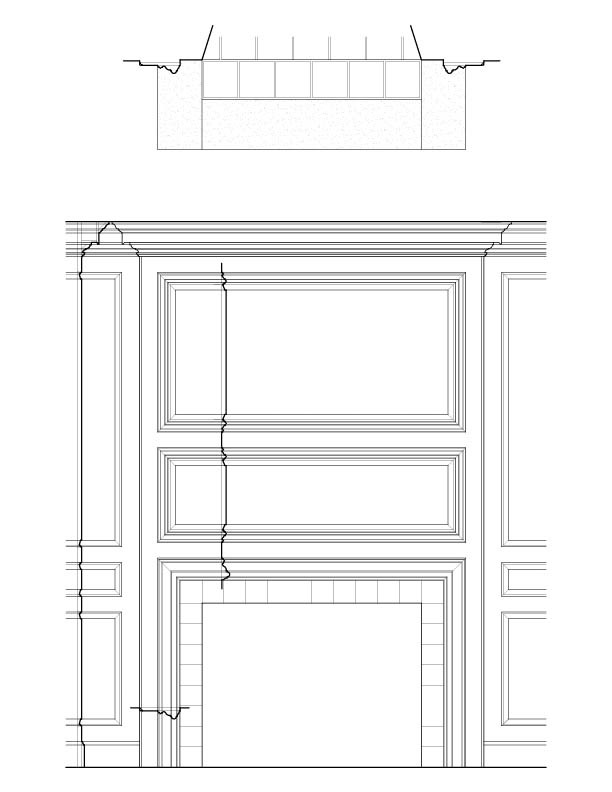
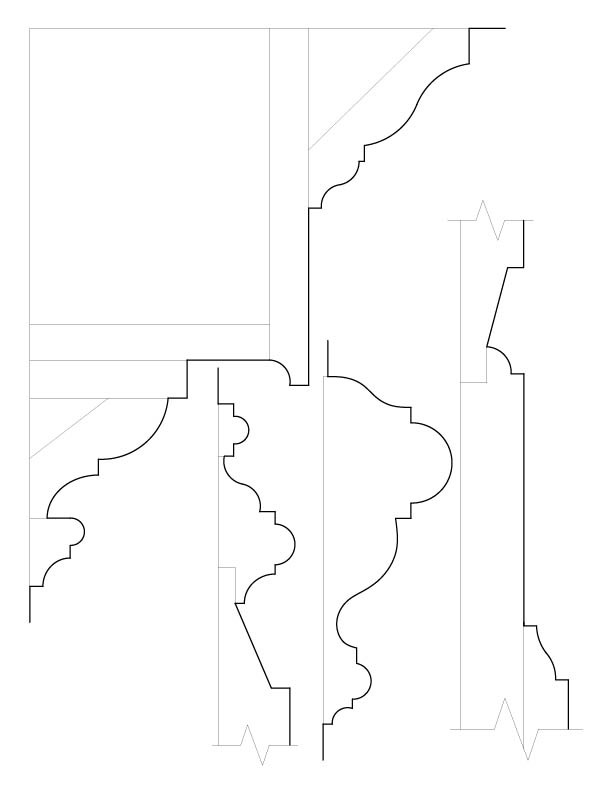
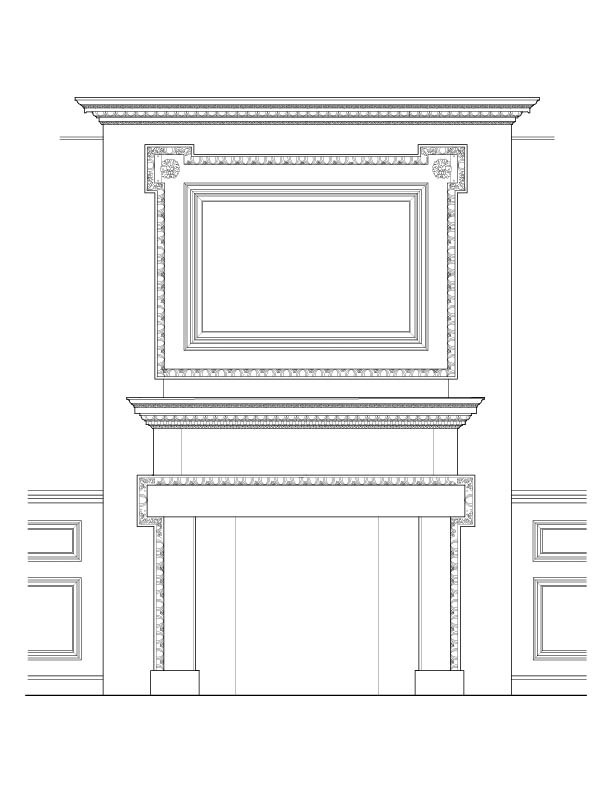
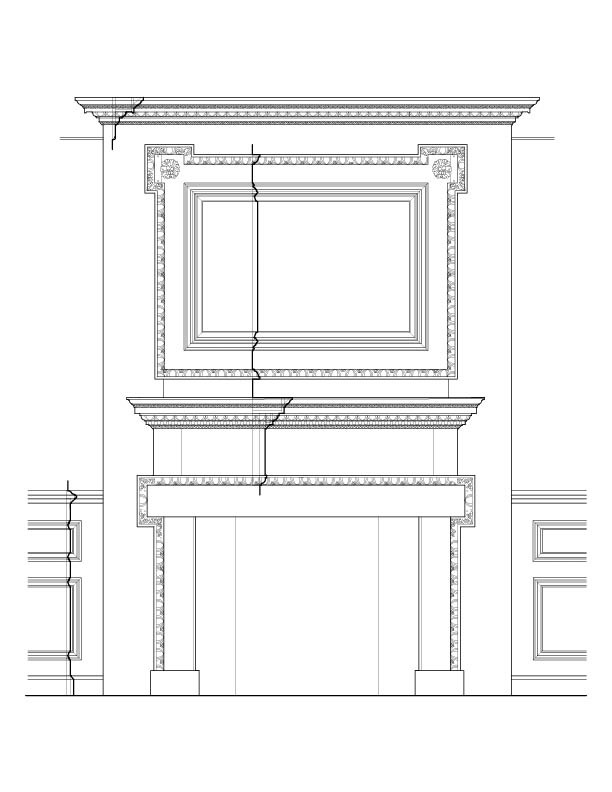
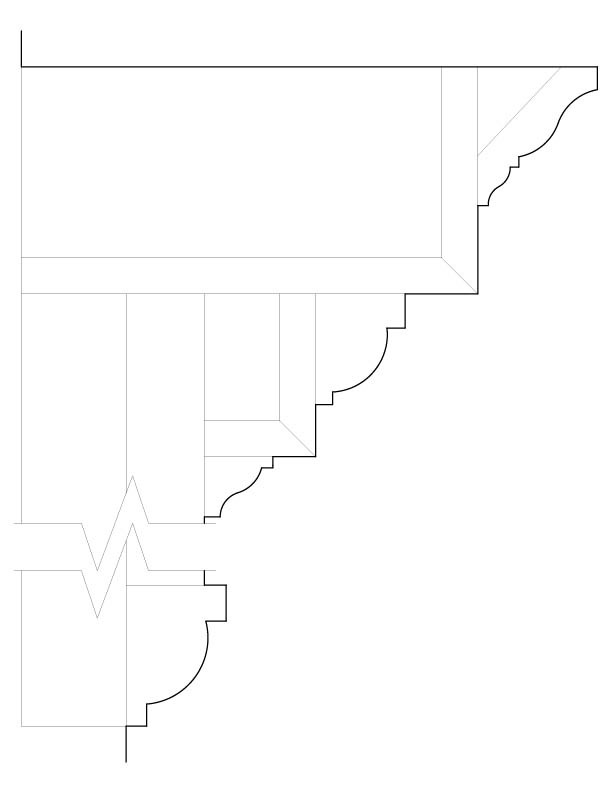
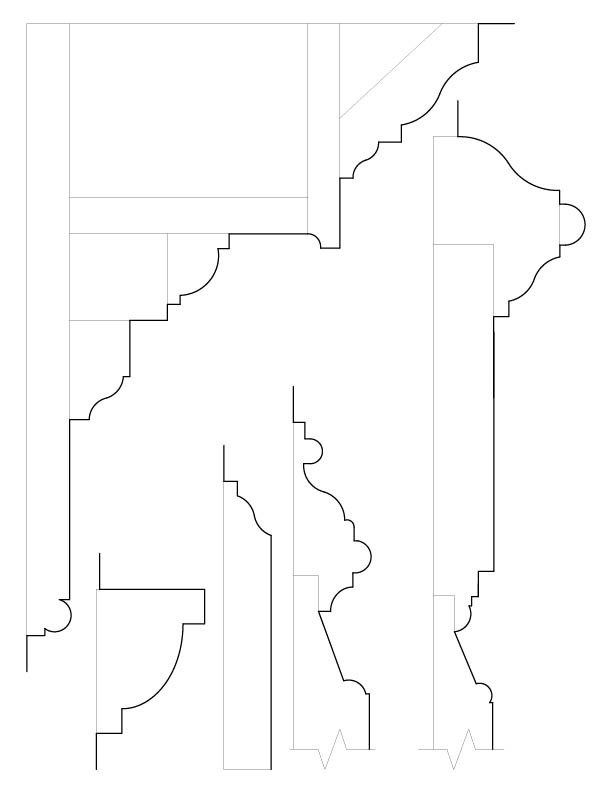
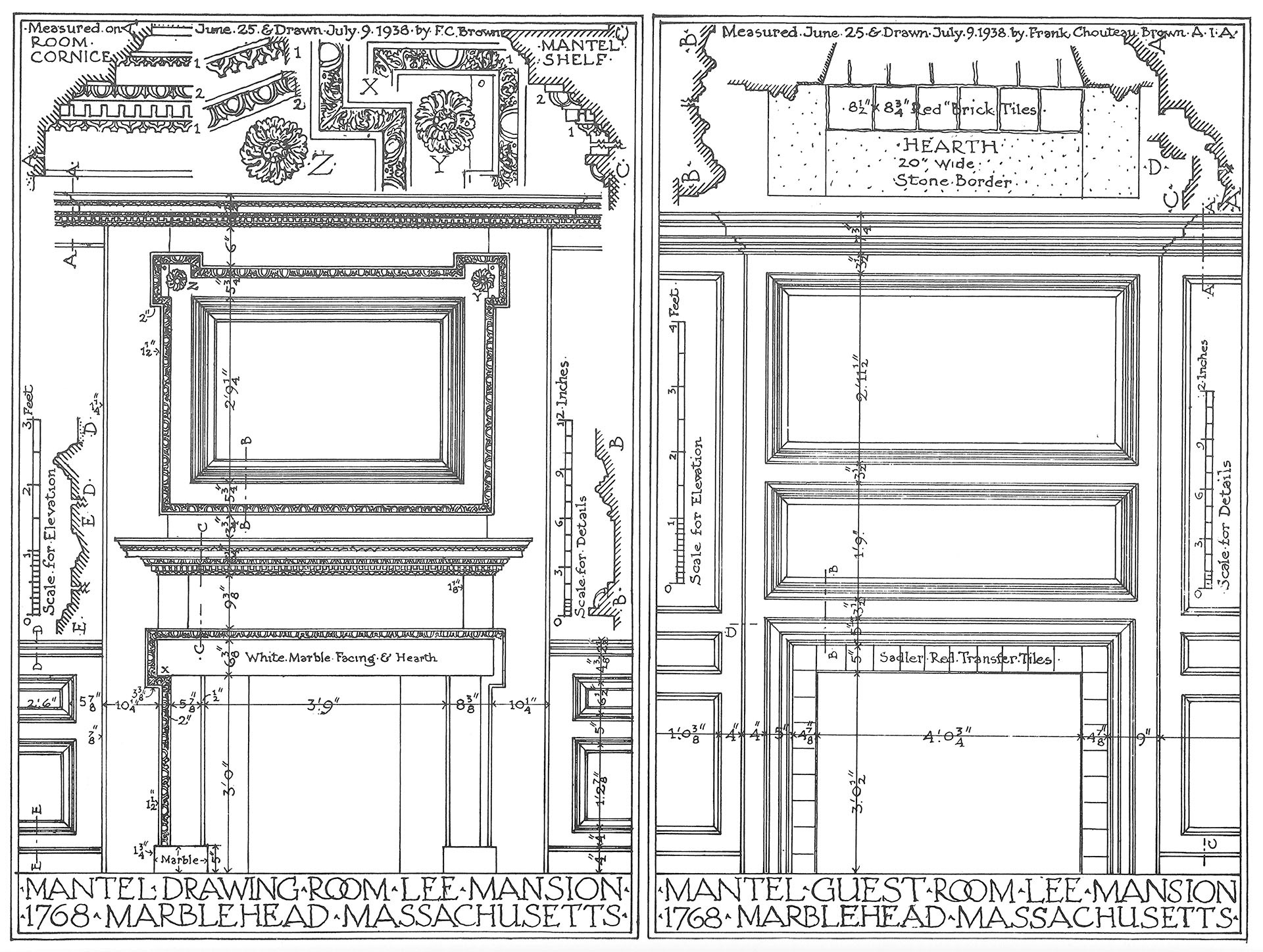
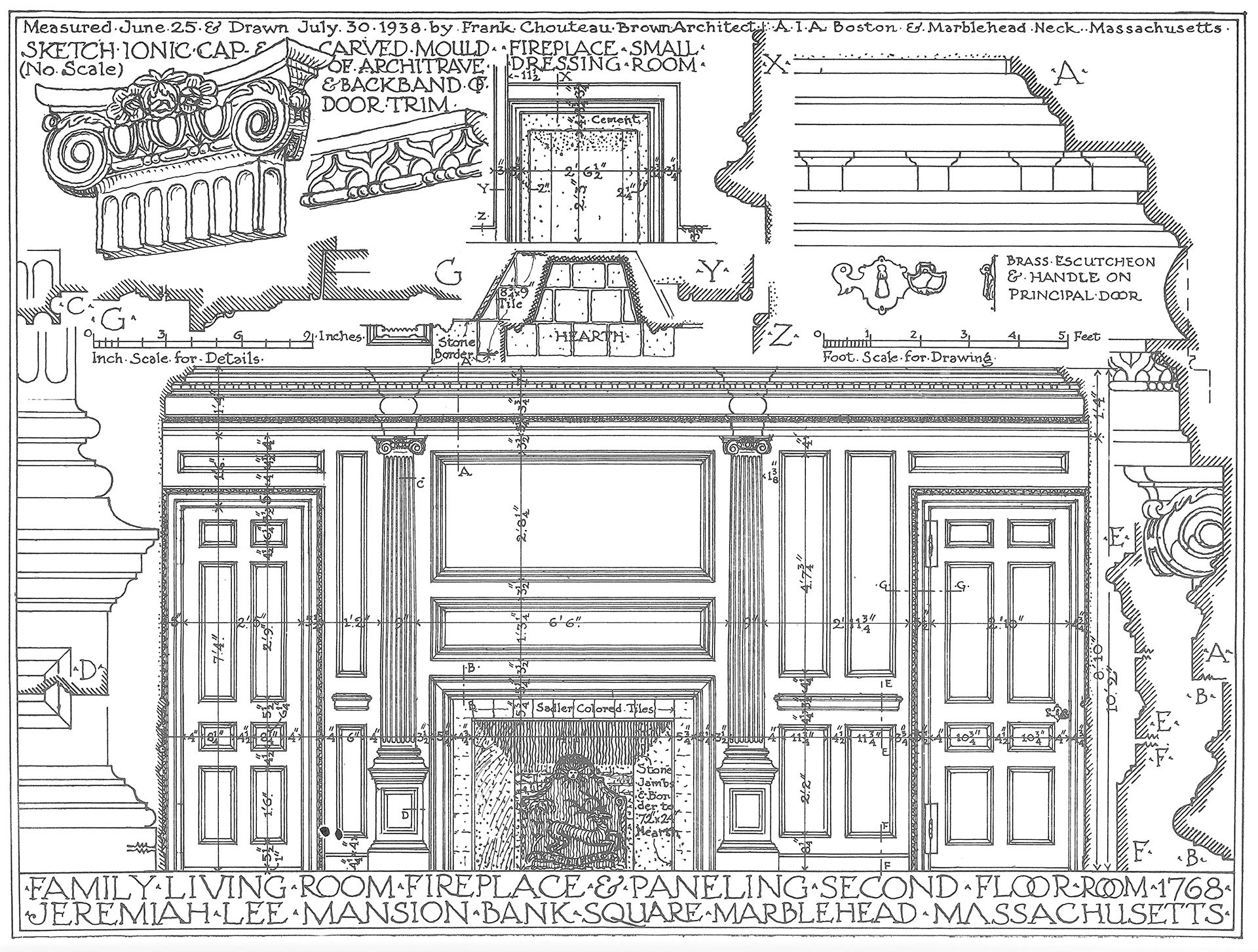
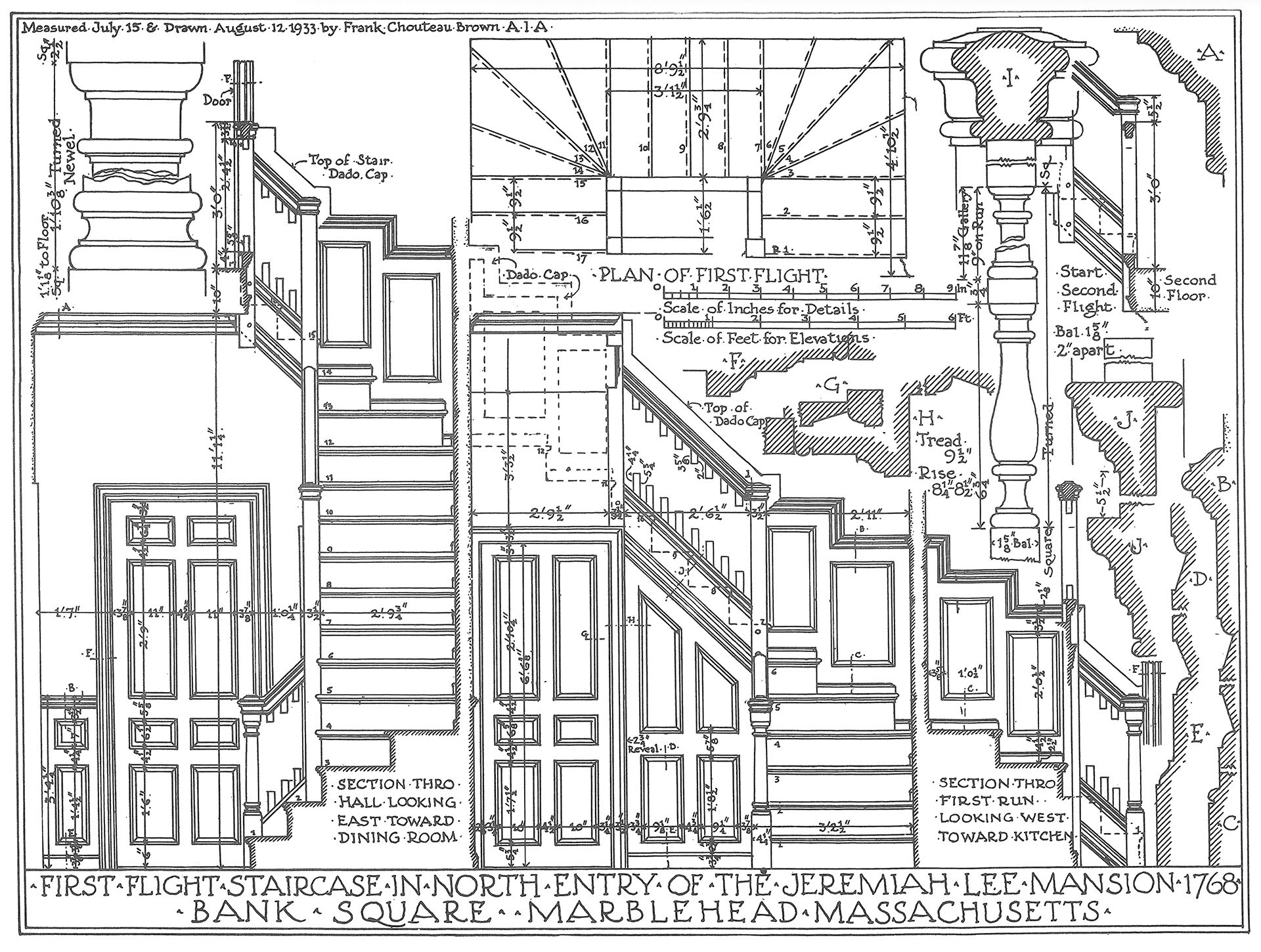
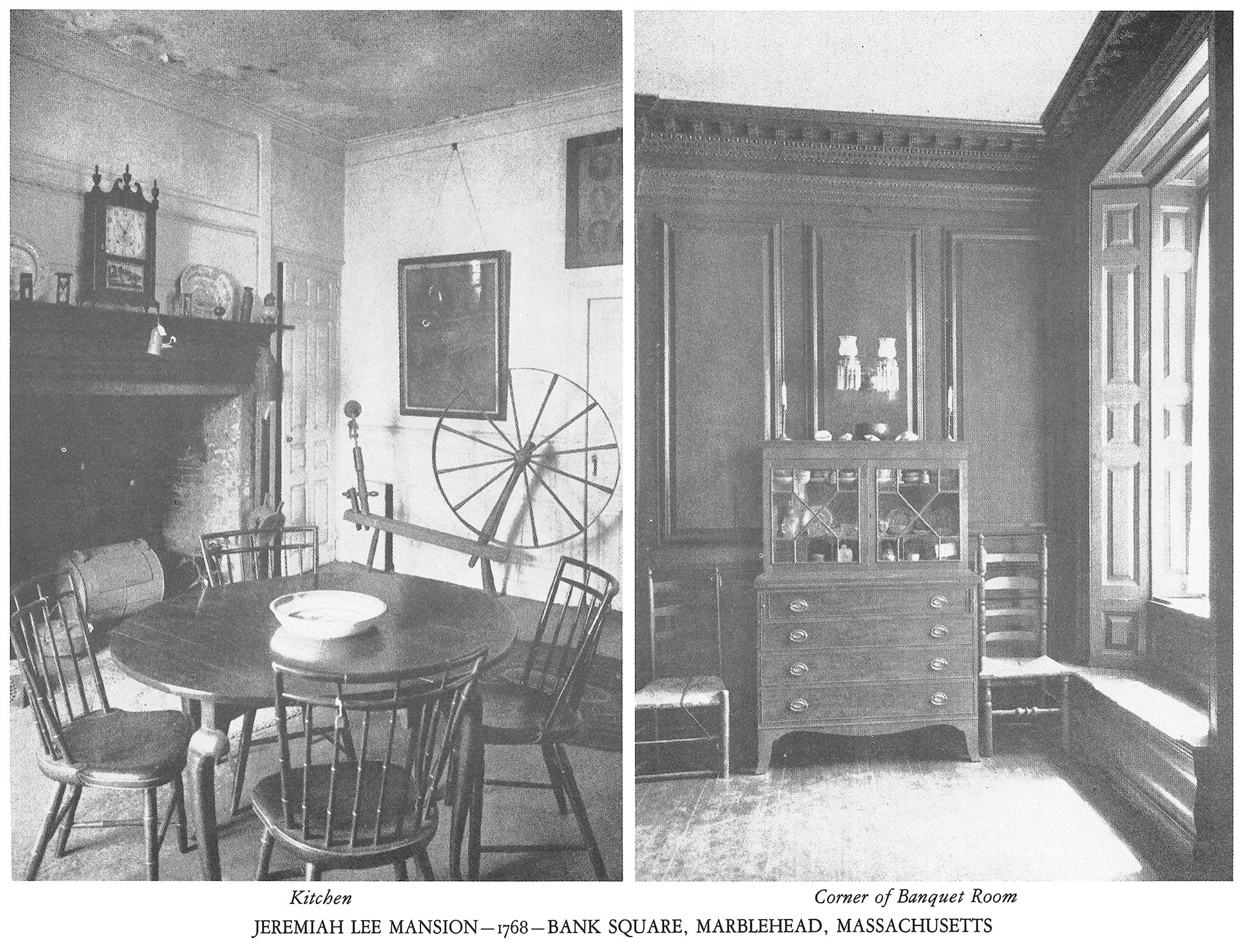
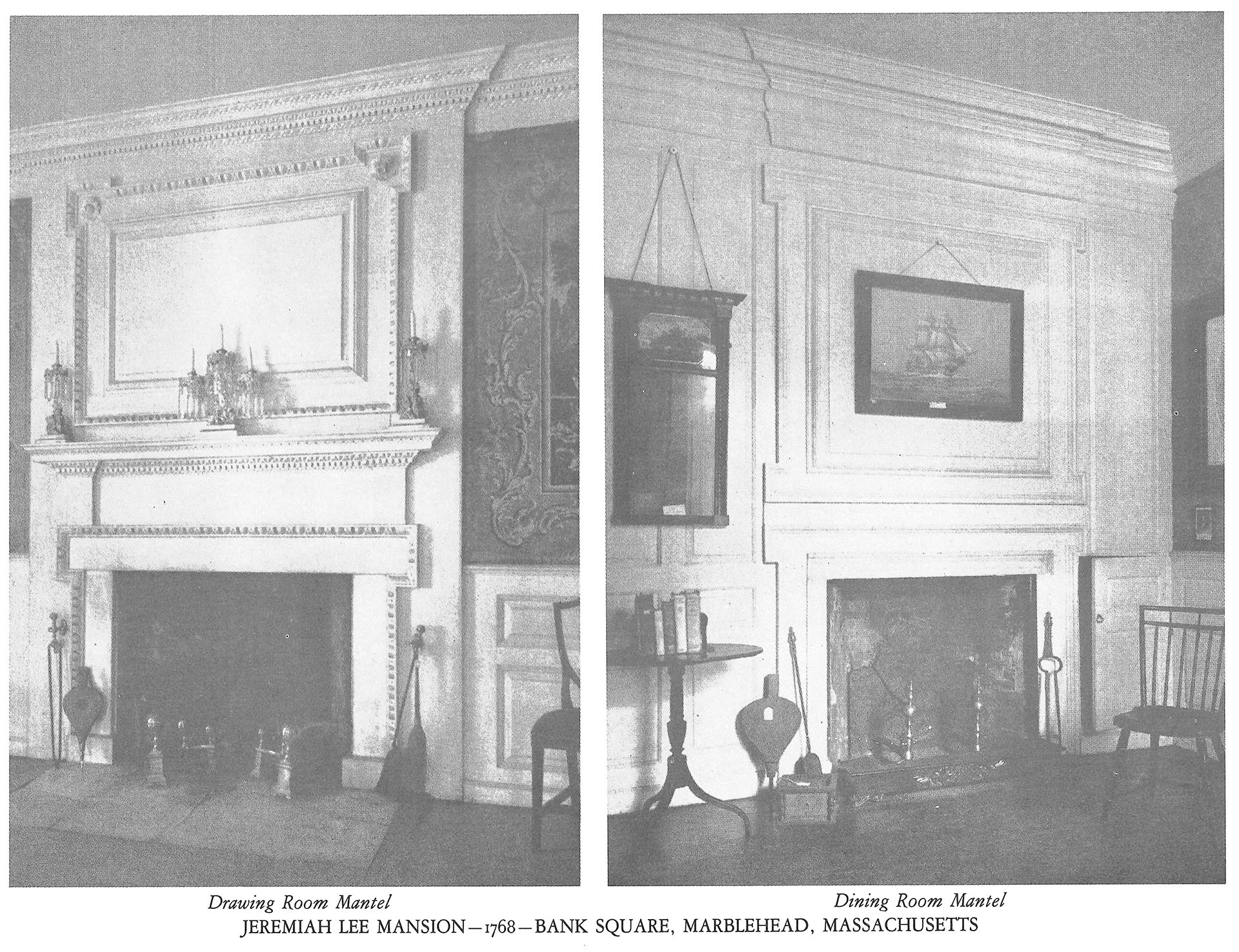
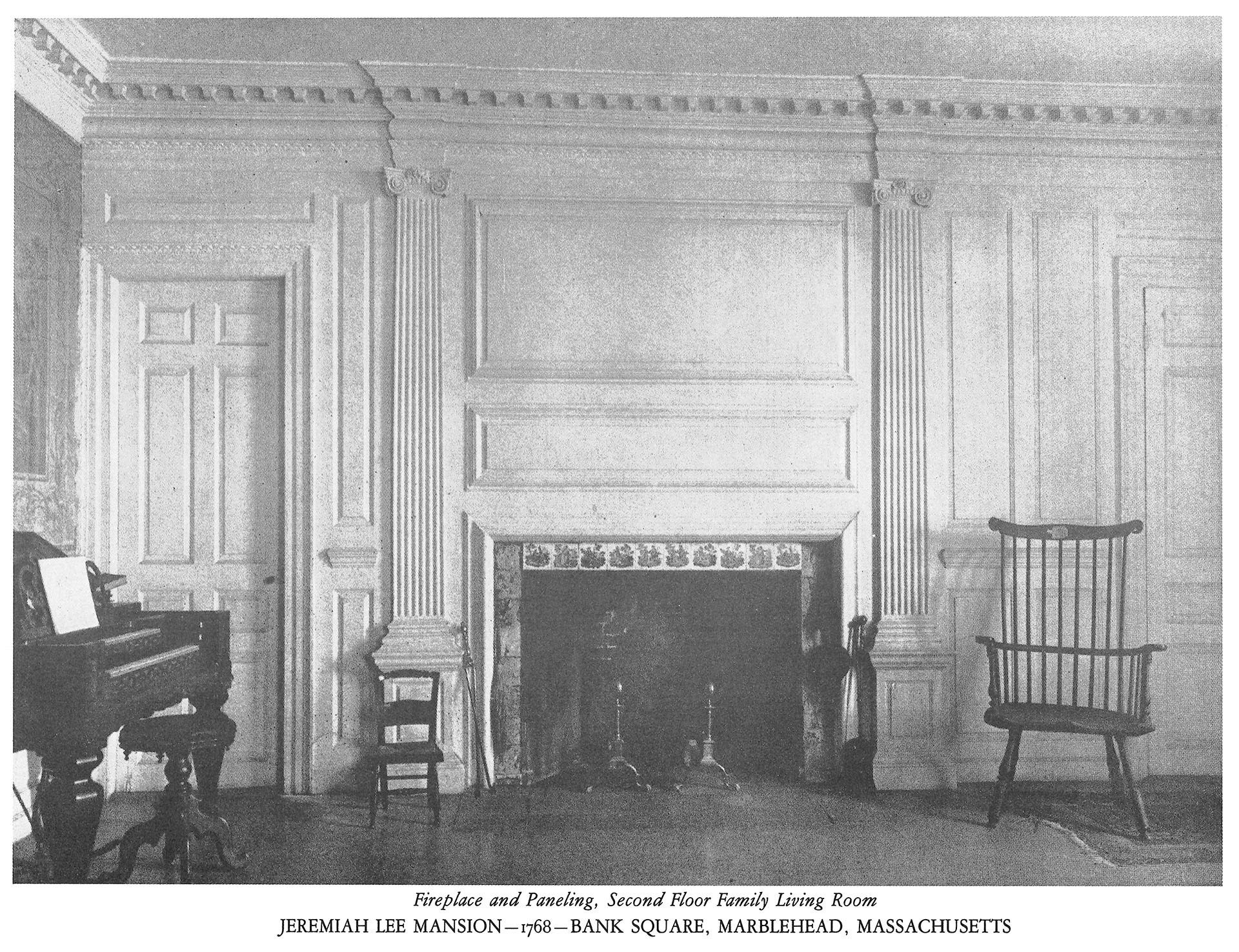
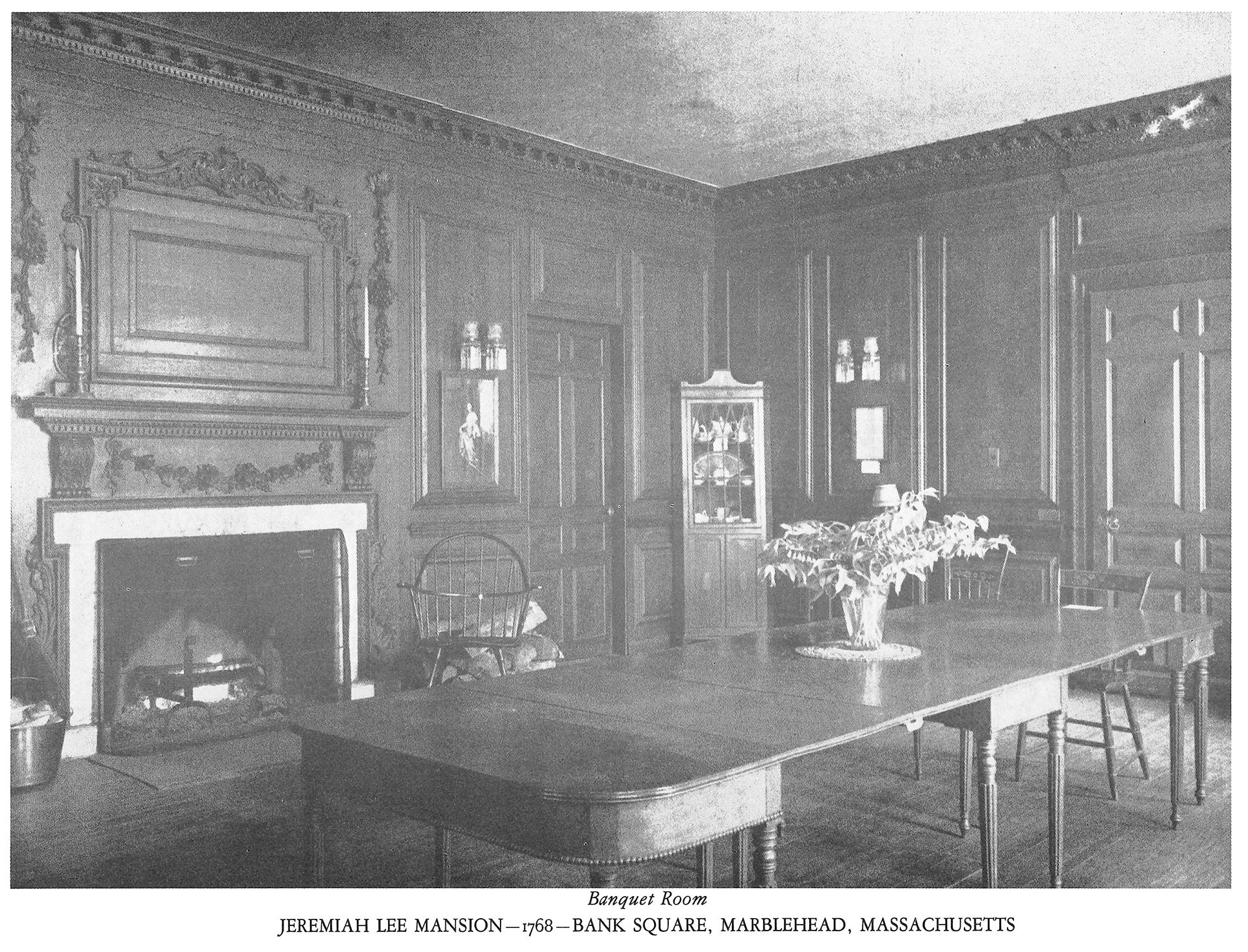
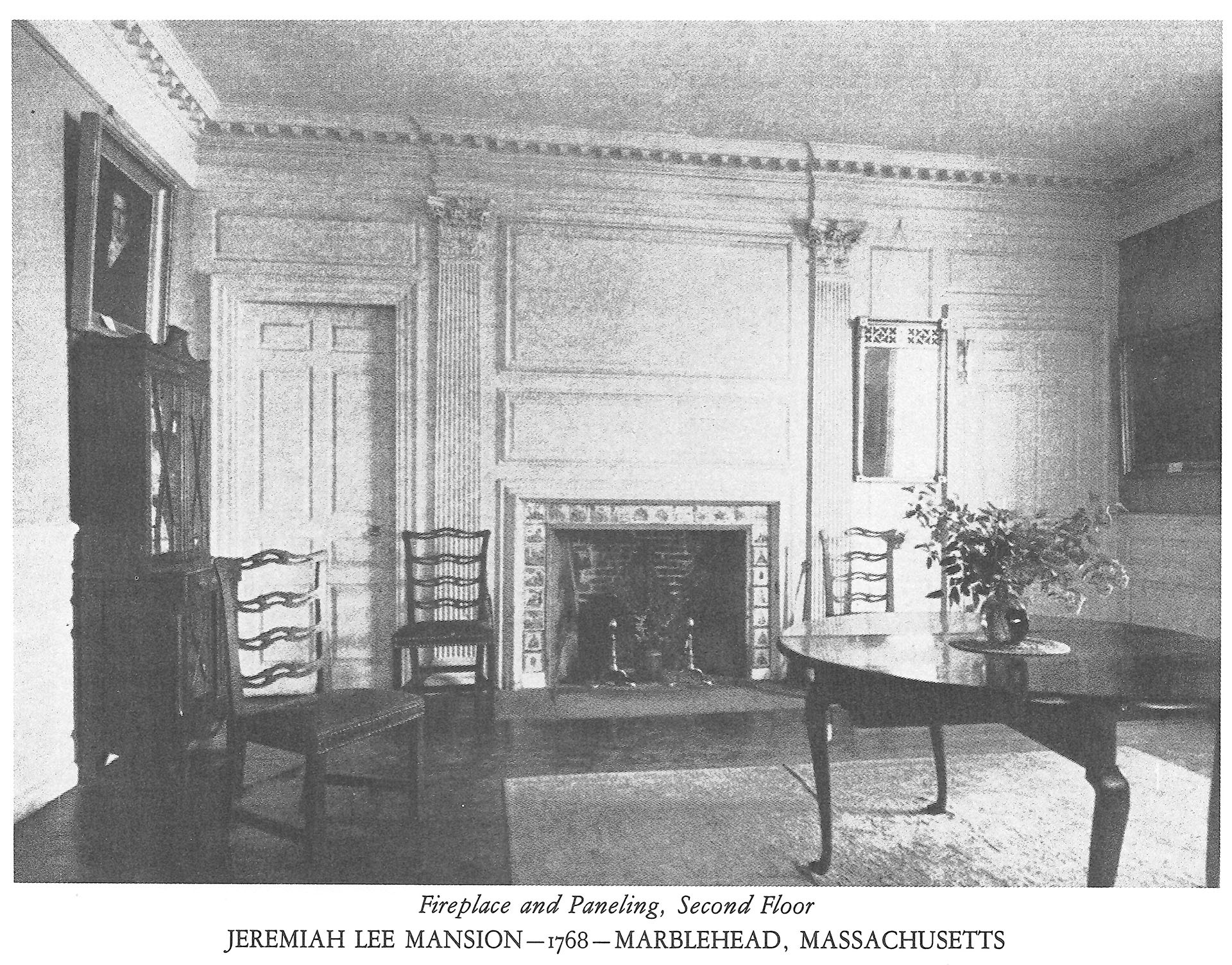
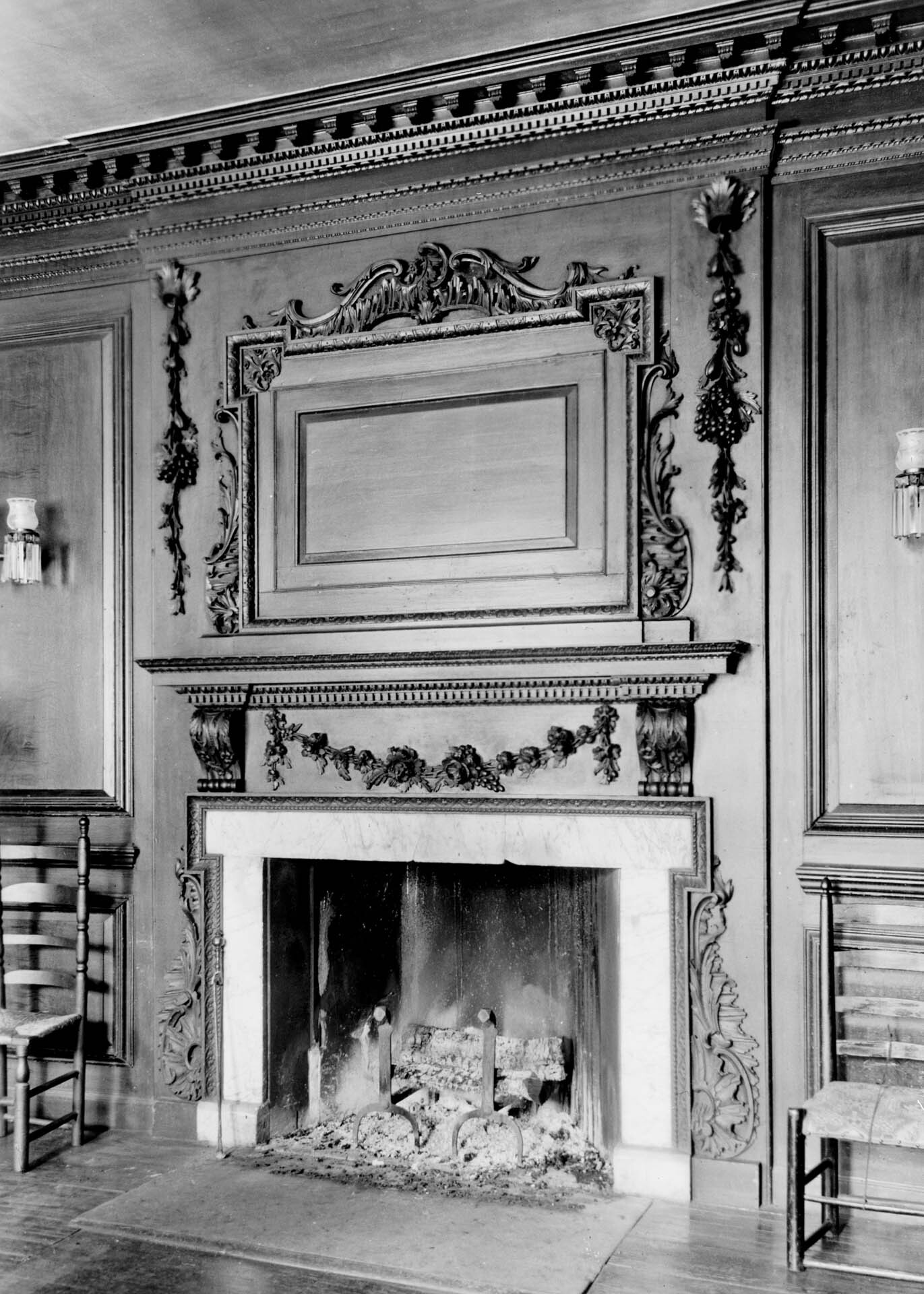
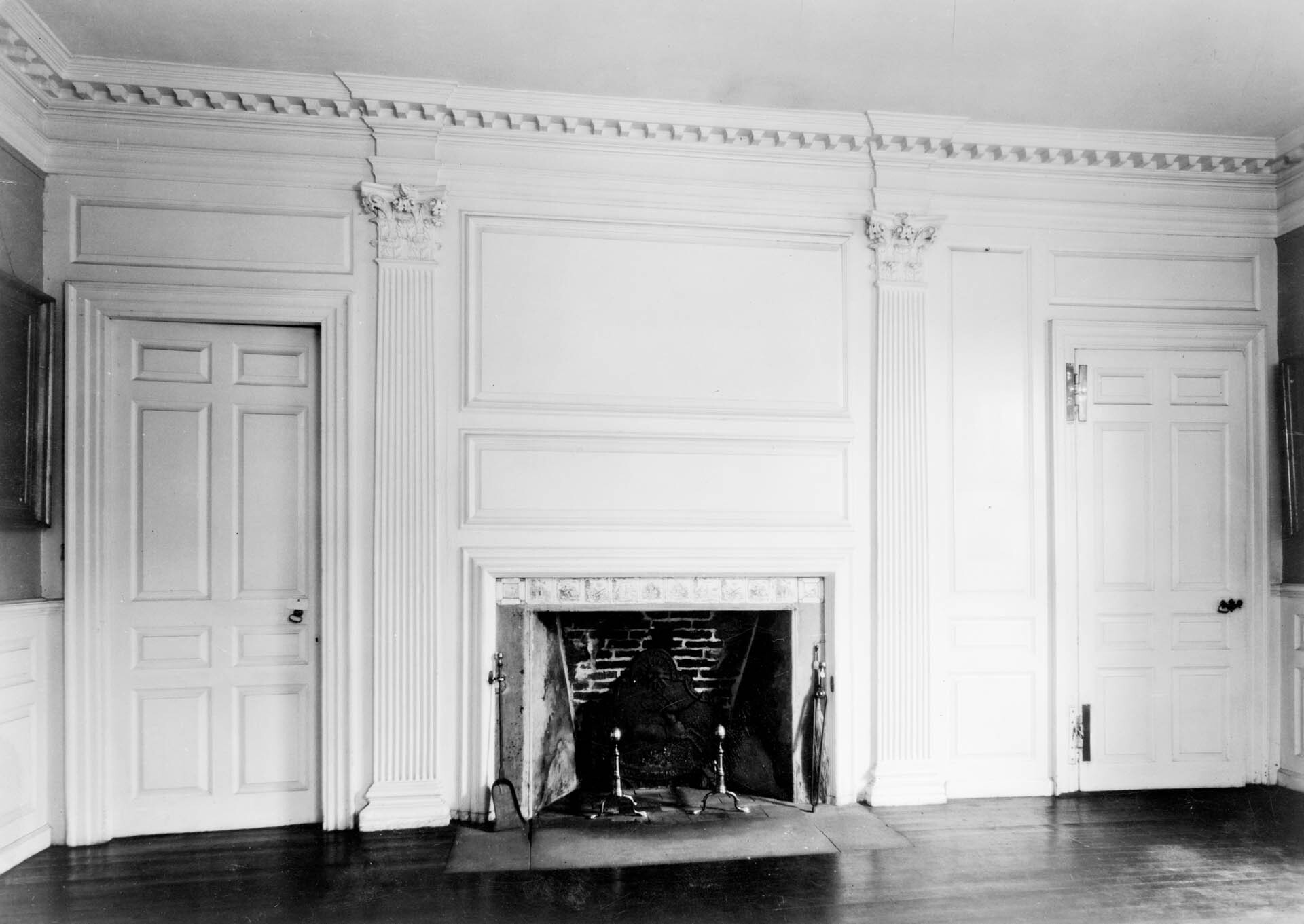
The interior retains an exceptional range of period craftsmanship. Full height paneling, carved fireplace surrounds, moulded cornices, and precisely detailed casings reveal the influence of English design sources and the skill of local joiners. The surviving woodwork provides a clear record of Georgian moulding profiles, proportional systems, and assembly techniques associated with high style interiors of the colonial period. A broad central staircase with turned balusters and a continuous rail organizes the plan, complemented by original plasterwork, wide pine floors, and surviving hardware that contribute to the house’s high degree of preservation.
After Jeremiah Lee’s death in 1775, the mansion continued as a landmark within Marblehead through the late colonial years and into the nineteenth century. Acquired by the Marblehead Museum in the early twentieth century, the house entered a period of careful stewardship that safeguarded its architectural character. Restoration efforts returned original wallpapers, paneling, sash, and finishes, reinforcing its standing as one of the finest Georgian houses in the nation. Today, the Jeremiah Lee Mansion operates as a museum and educational site, offering a focused study of early American design and craftsmanship to reflect the cultural ambitions of coastal communities in colonial era Massachusetts.