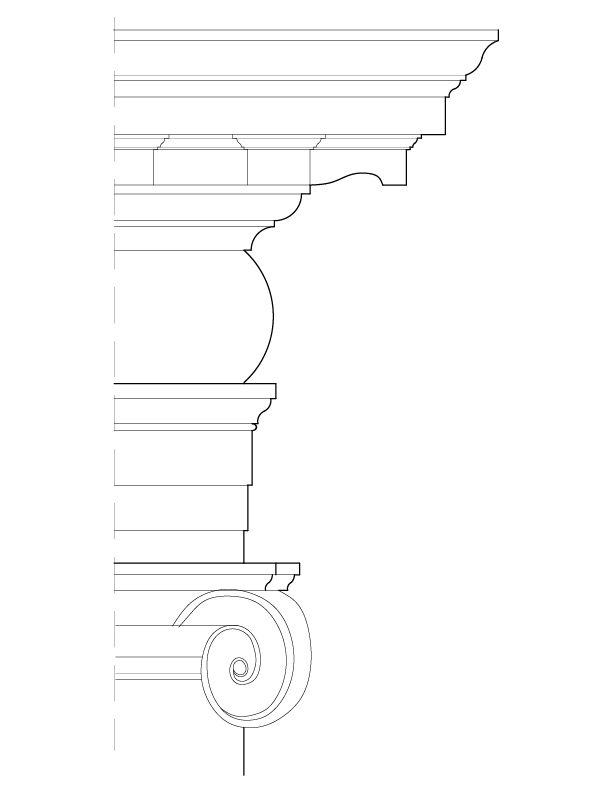
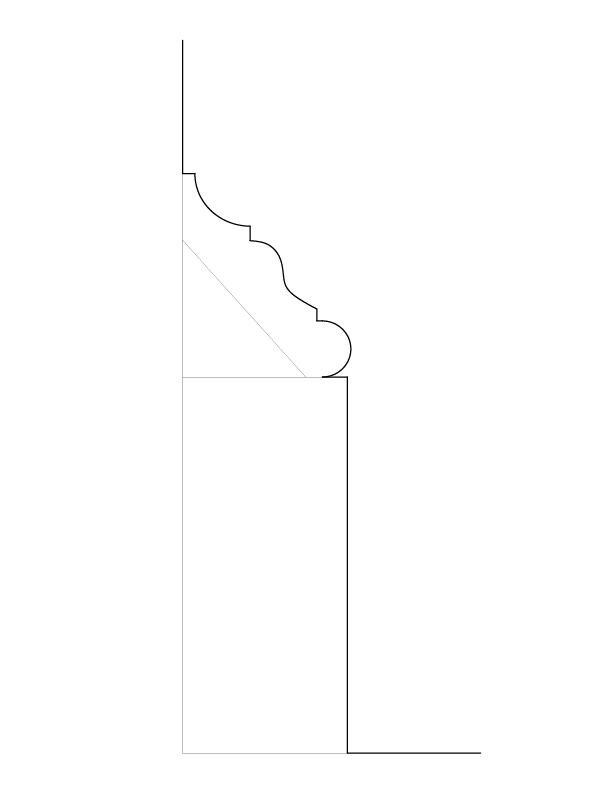
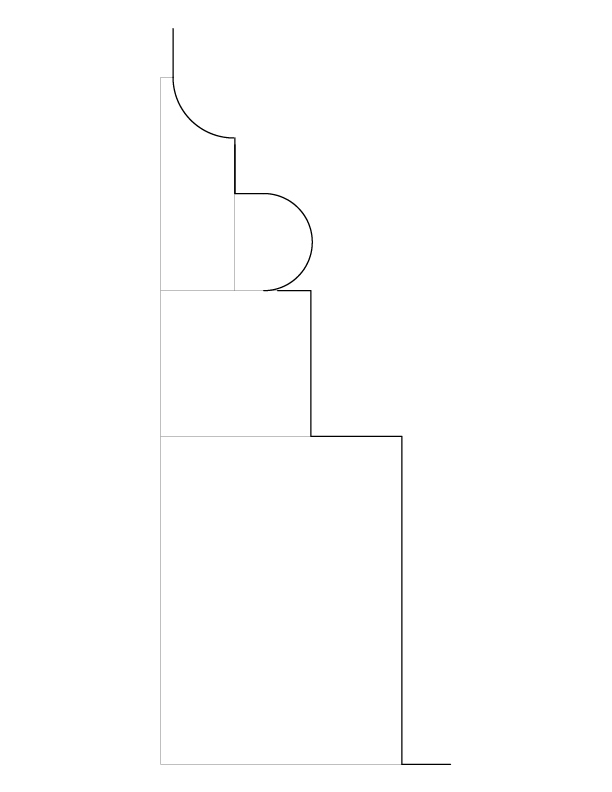
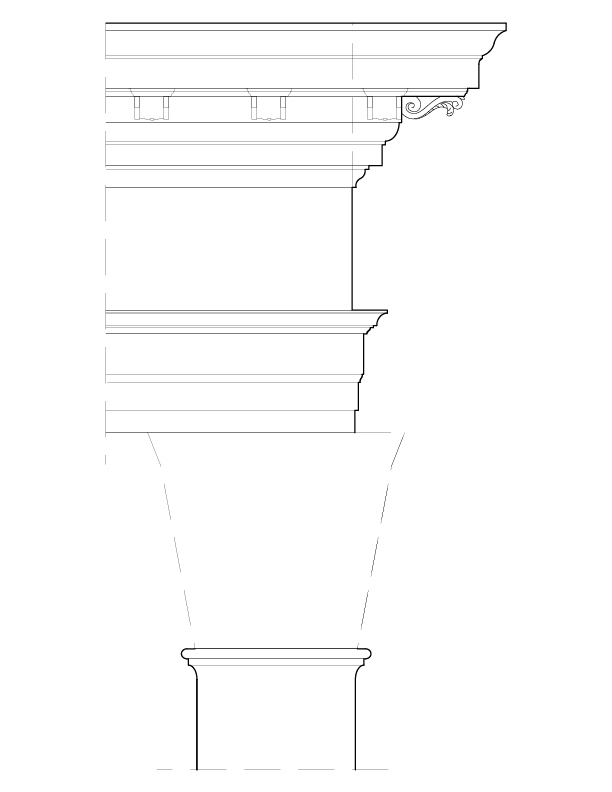
From the late 17th century through the early 19th century, architecture and interior decoration saw a renewed commitment to classical order. Inspired by the Renaissance revival of antiquity, designers increasingly emphasized symmetry, proportion, and the disciplined use of classical motifs. This shift marked a move away from medieval traditions toward a more rational and measured architectural language.
Inigo Jones (1573–1652) stands at the forefront of this transformation in Britain. Widely regarded as the first true classical architect in England, Jones introduced a scholarly understanding of ancient Greek and Roman architecture at a time when such ideas were largely absent from English building practice. His work helped establish a new standard rooted in geometry, hierarchy, and restraint.
Jones was profoundly influenced by Andrea Palladio, whose buildings and writings he studied during travels to Italy. Through Jones, Palladio’s ideas gained a lasting foothold in Britain, shaping not only exterior architecture but also the interior language of mouldings, wall articulation, and room composition. His designs demonstrated how classical orders and moulded profiles could be applied with clarity and precision to create harmonious interiors.
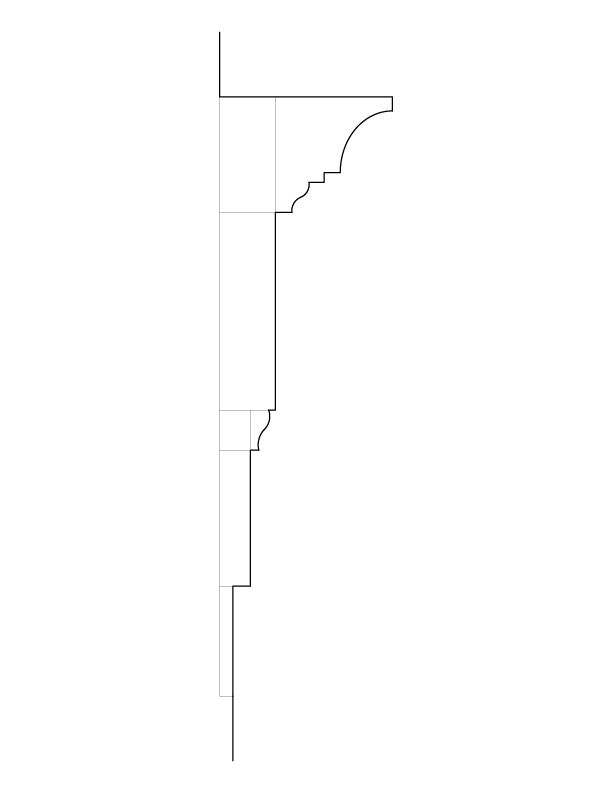
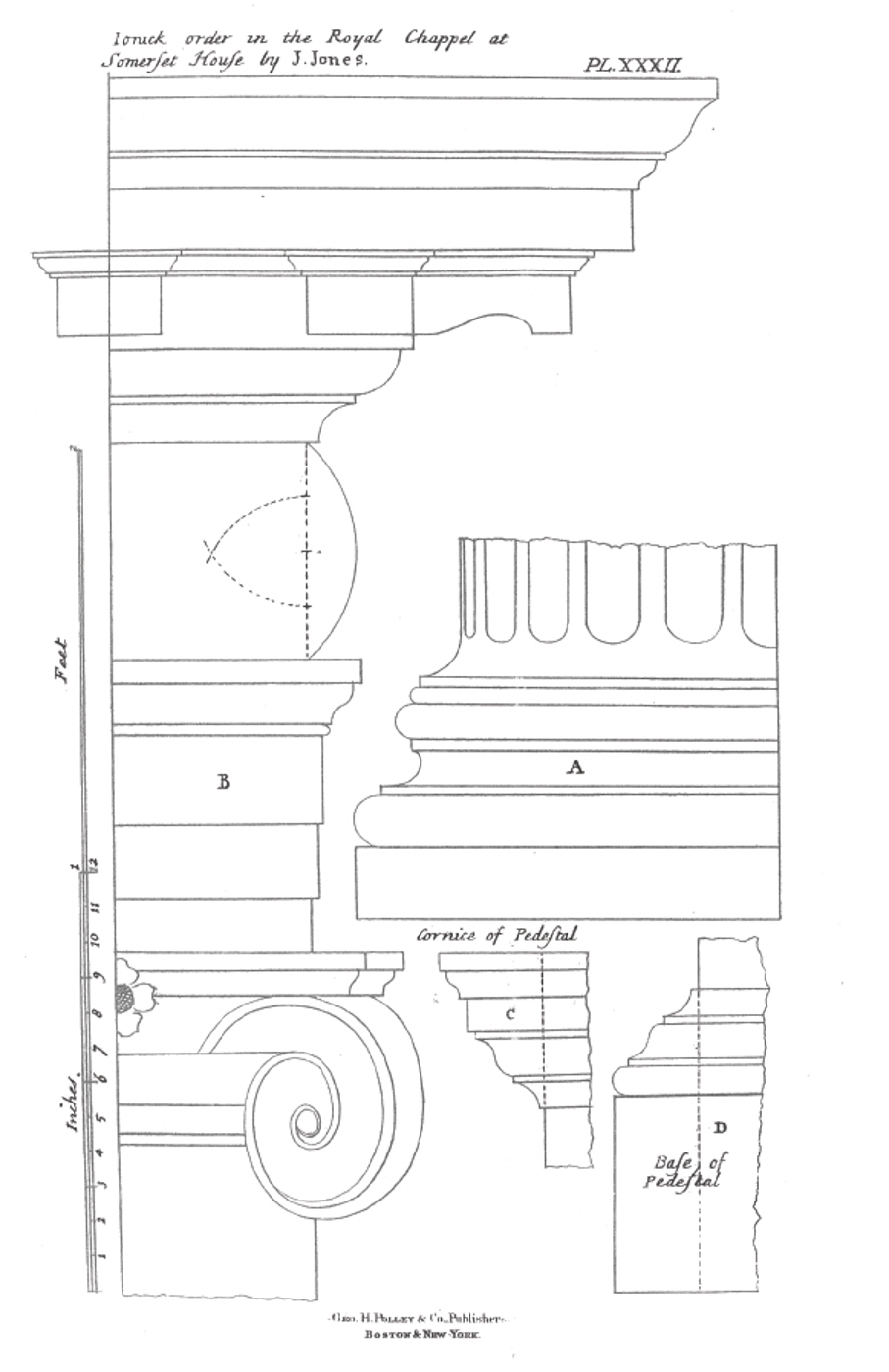
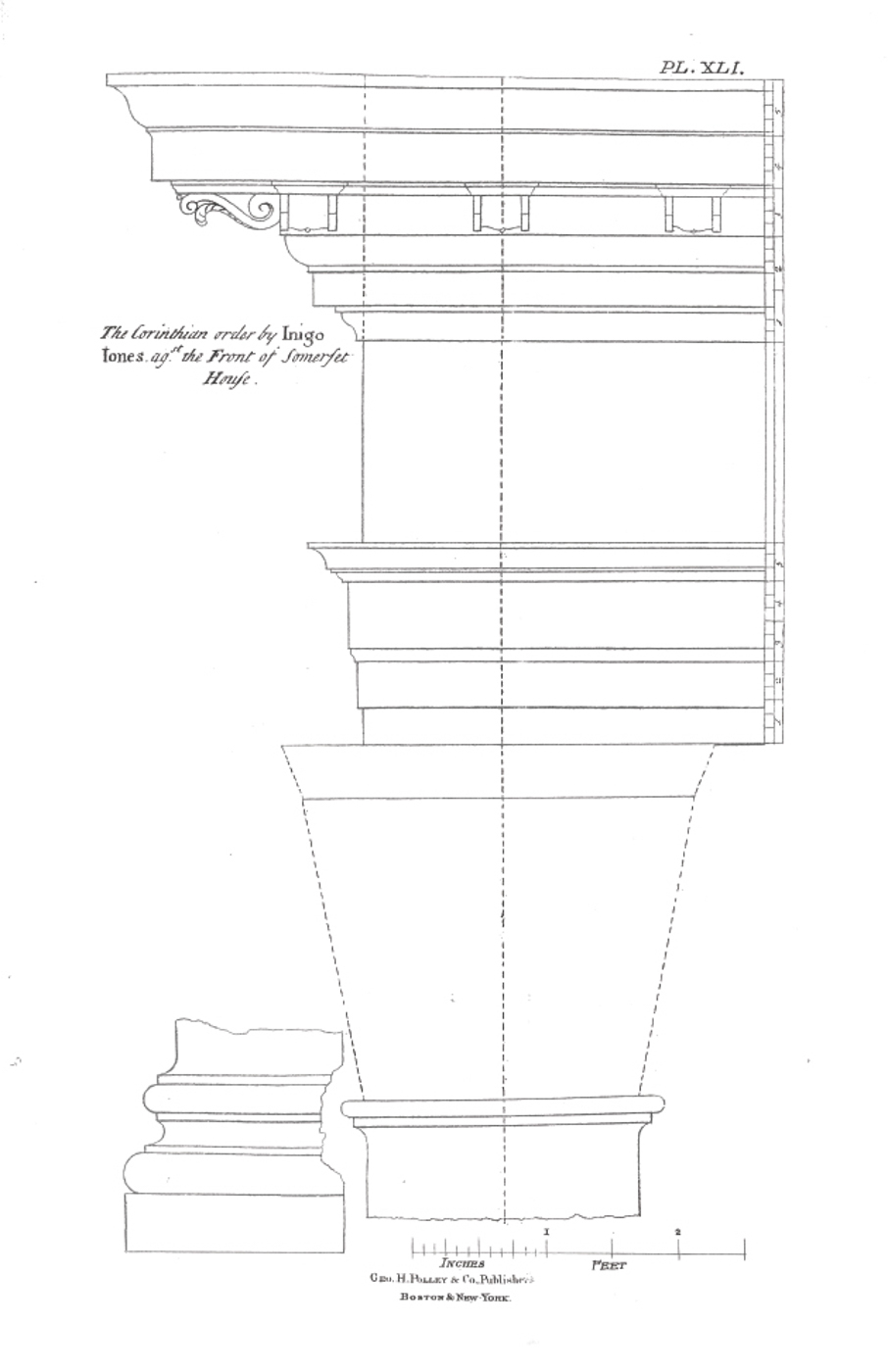
In Jones’s work, mouldings were not treated as applied ornament, but as essential architectural elements. Cornices, architraves, and panel moulds were carefully proportioned to their setting, reinforcing structure and hierarchy while maintaining visual restraint. This disciplined approach informed the development of Palladian, Georgian, and later Neoclassical interiors throughout Britain and beyond.
Inigo Jones’s legacy lies in translating classical theory into practical architectural language. His buildings redirected English design toward classical principles and laid the groundwork for centuries of traditional architecture. Today, his mouldings remain studied for their balance, elegance, and enduring relevance to historic millwork and classical interior design.