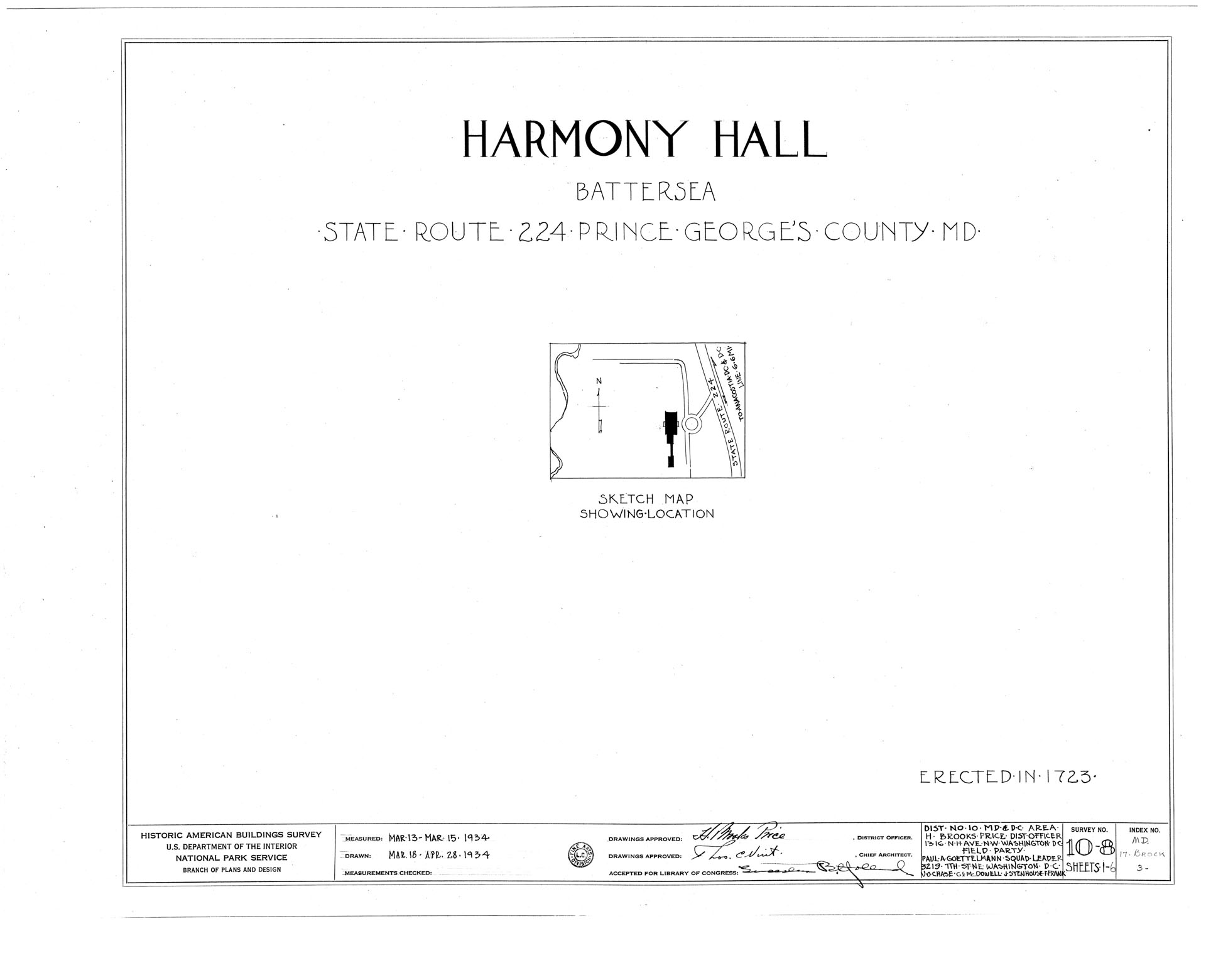
10511 LIVINGSTON ROAD, FORT WASHINGTON, PRINCE GEORGE’S COUNTY, MARYLAND
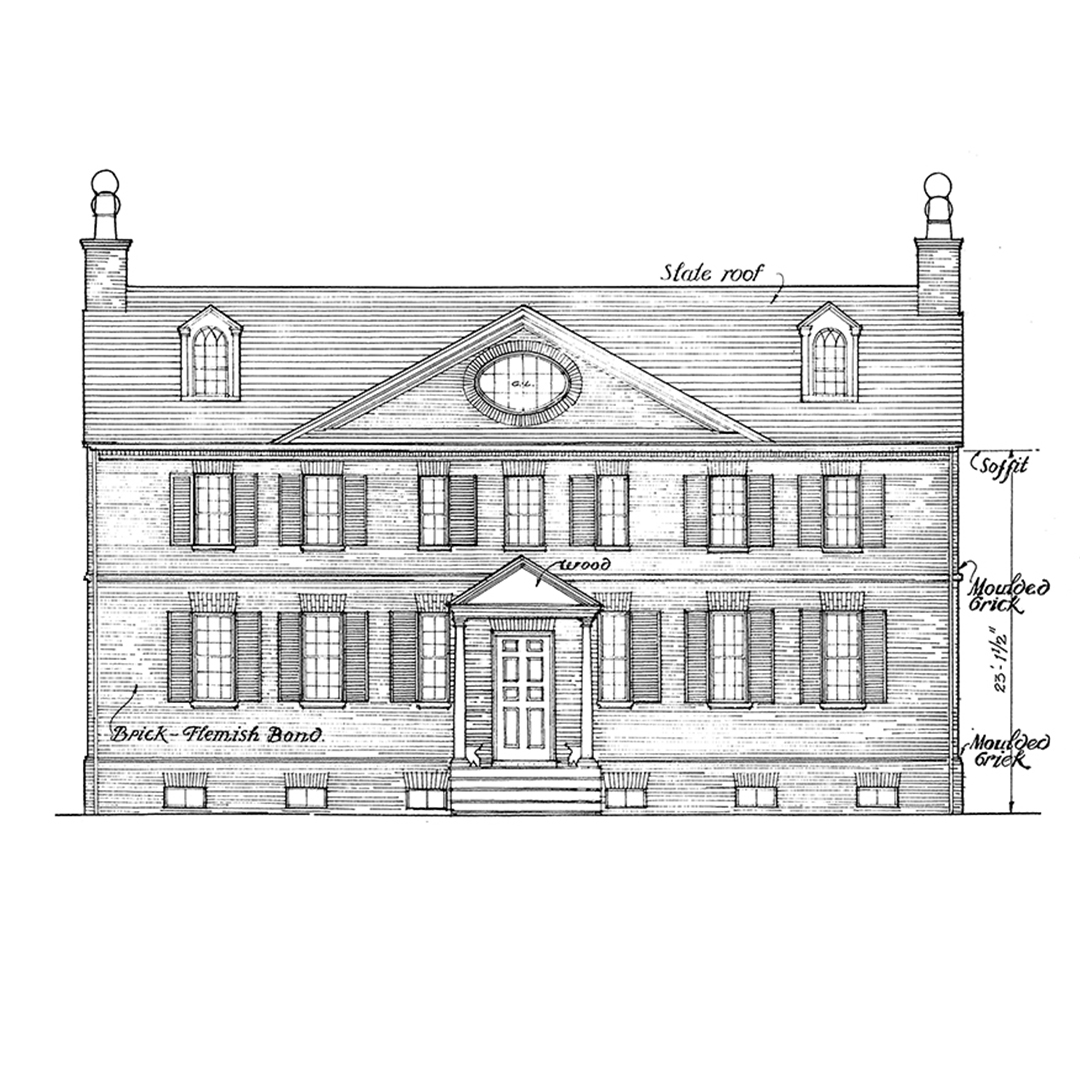
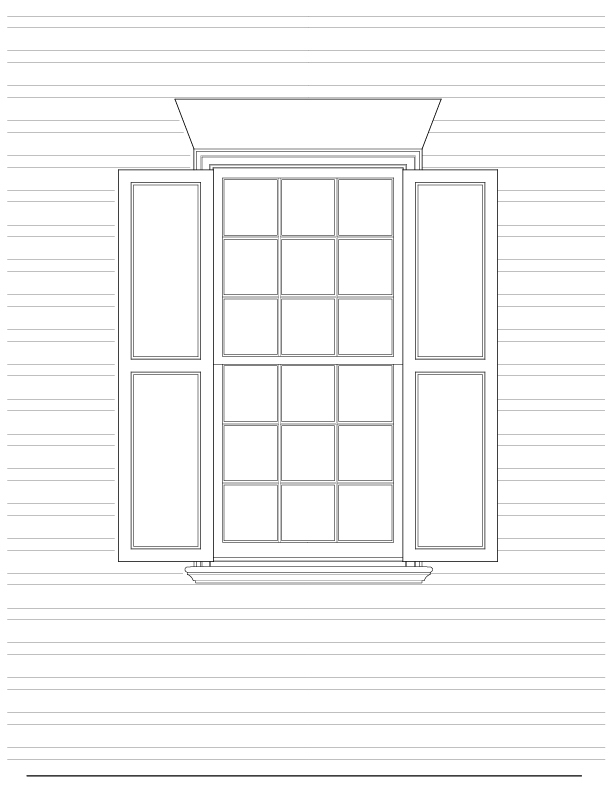
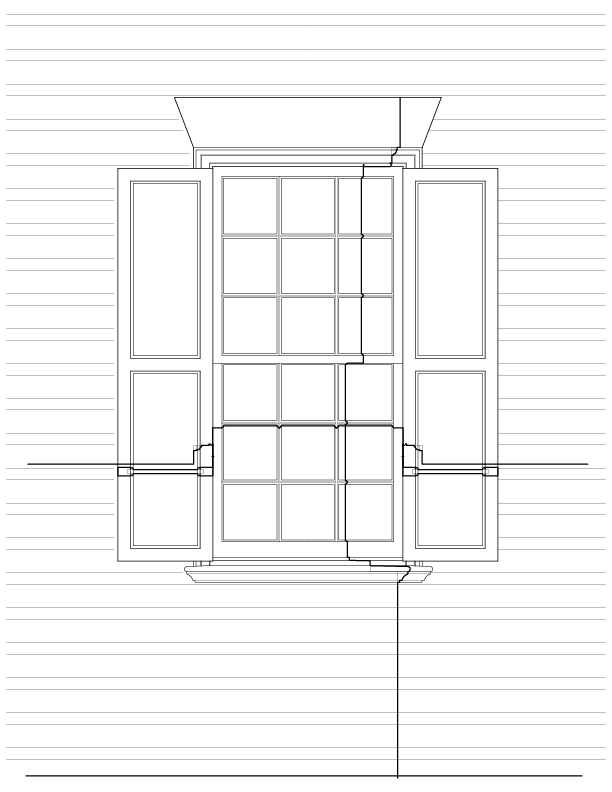
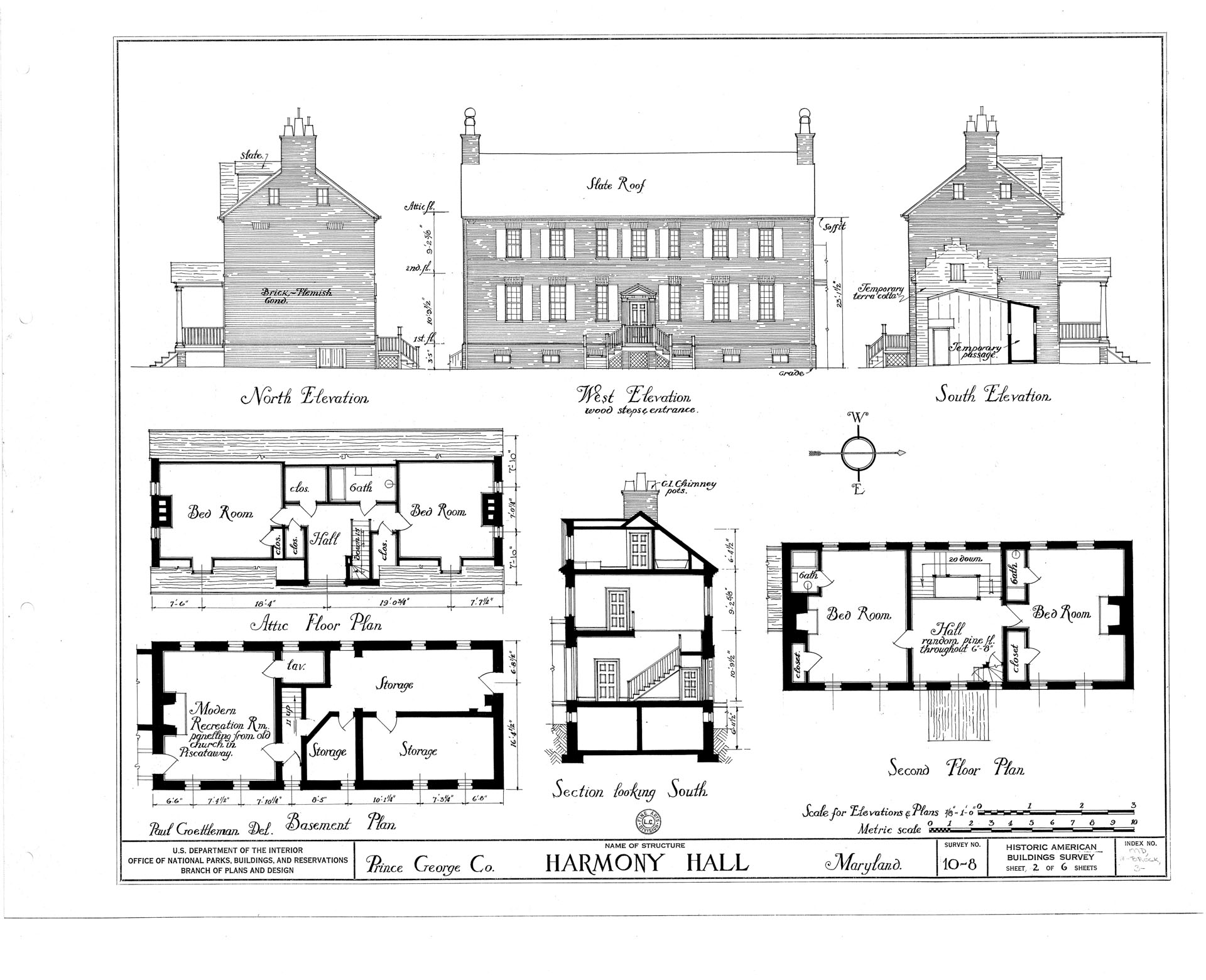
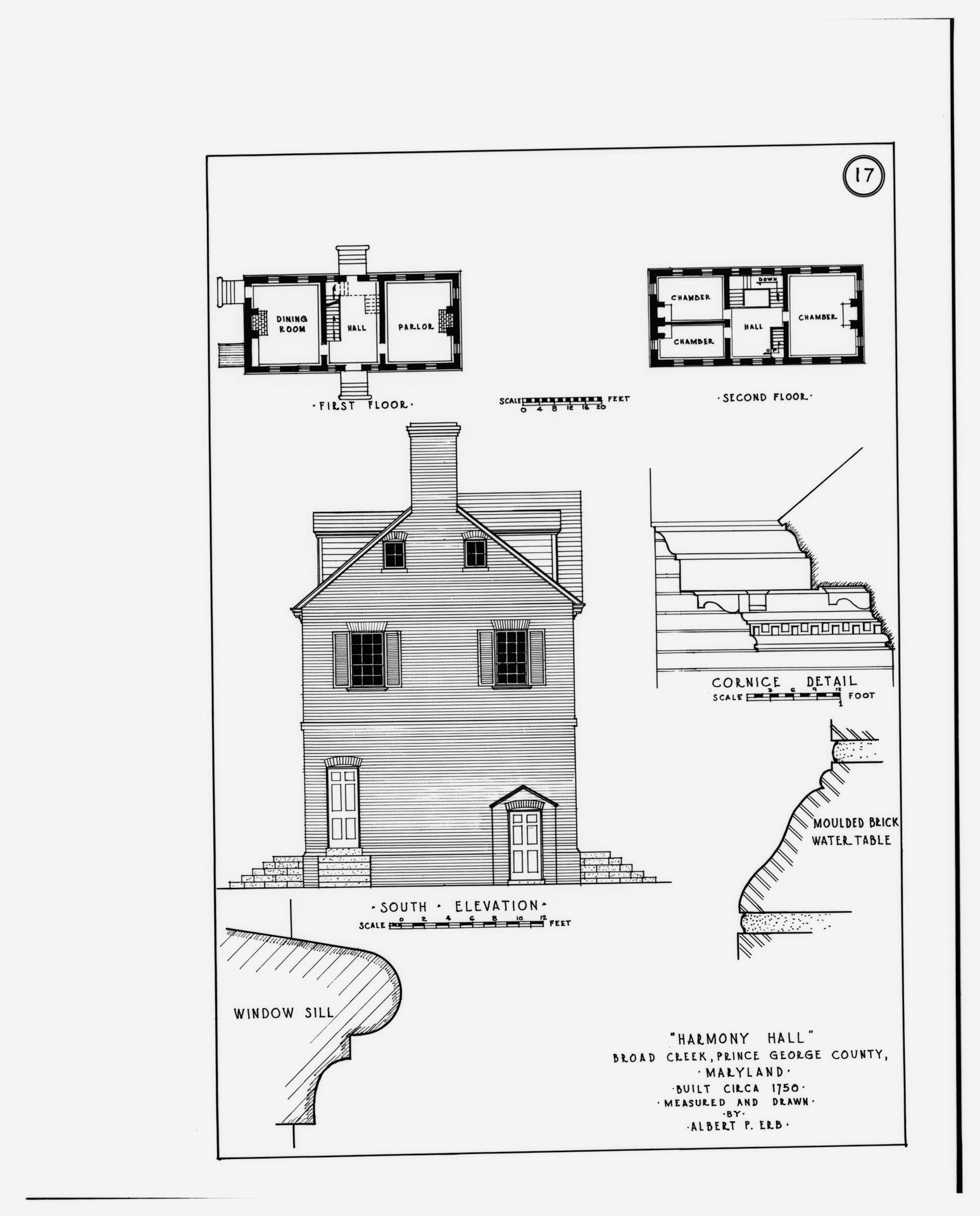
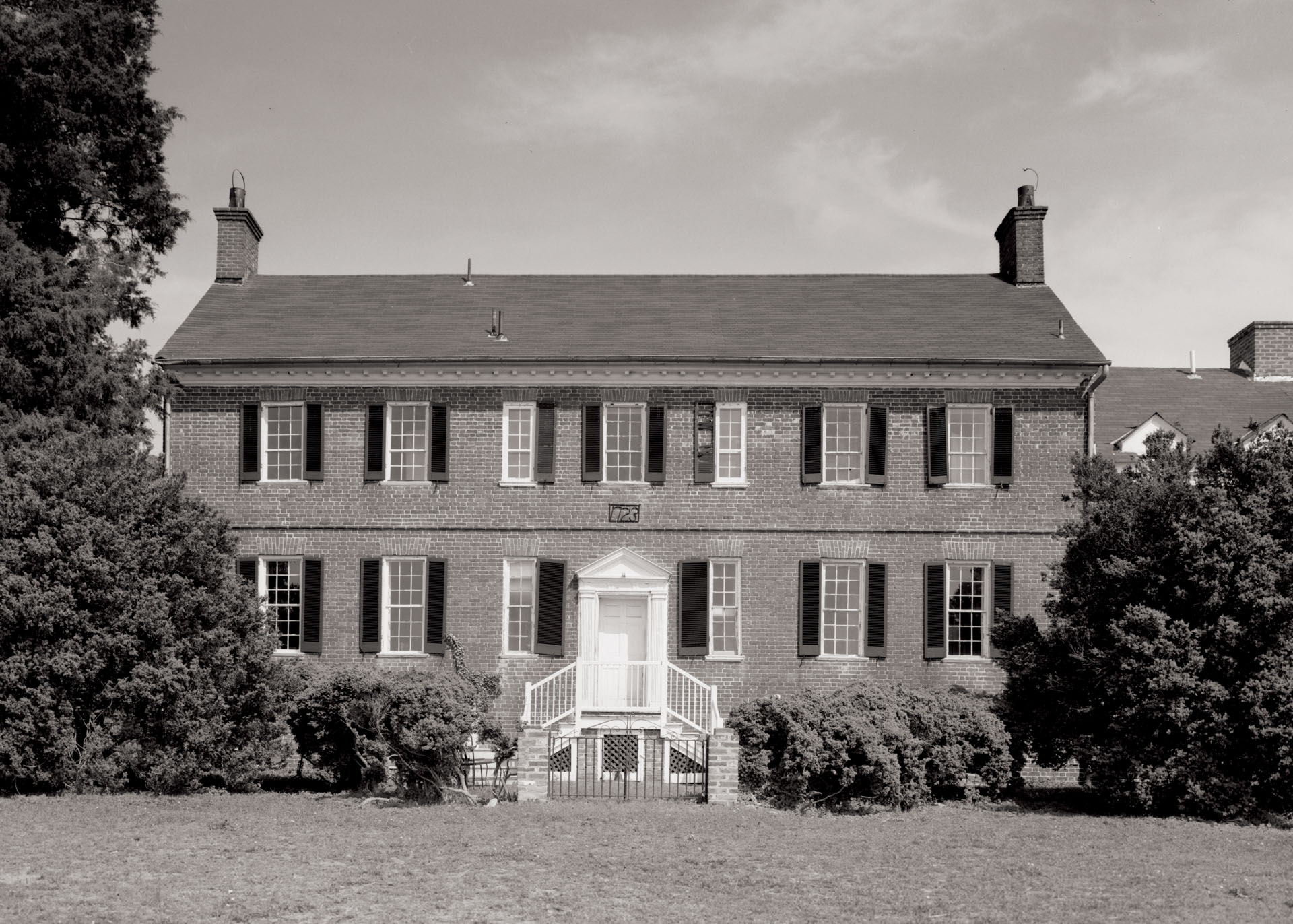
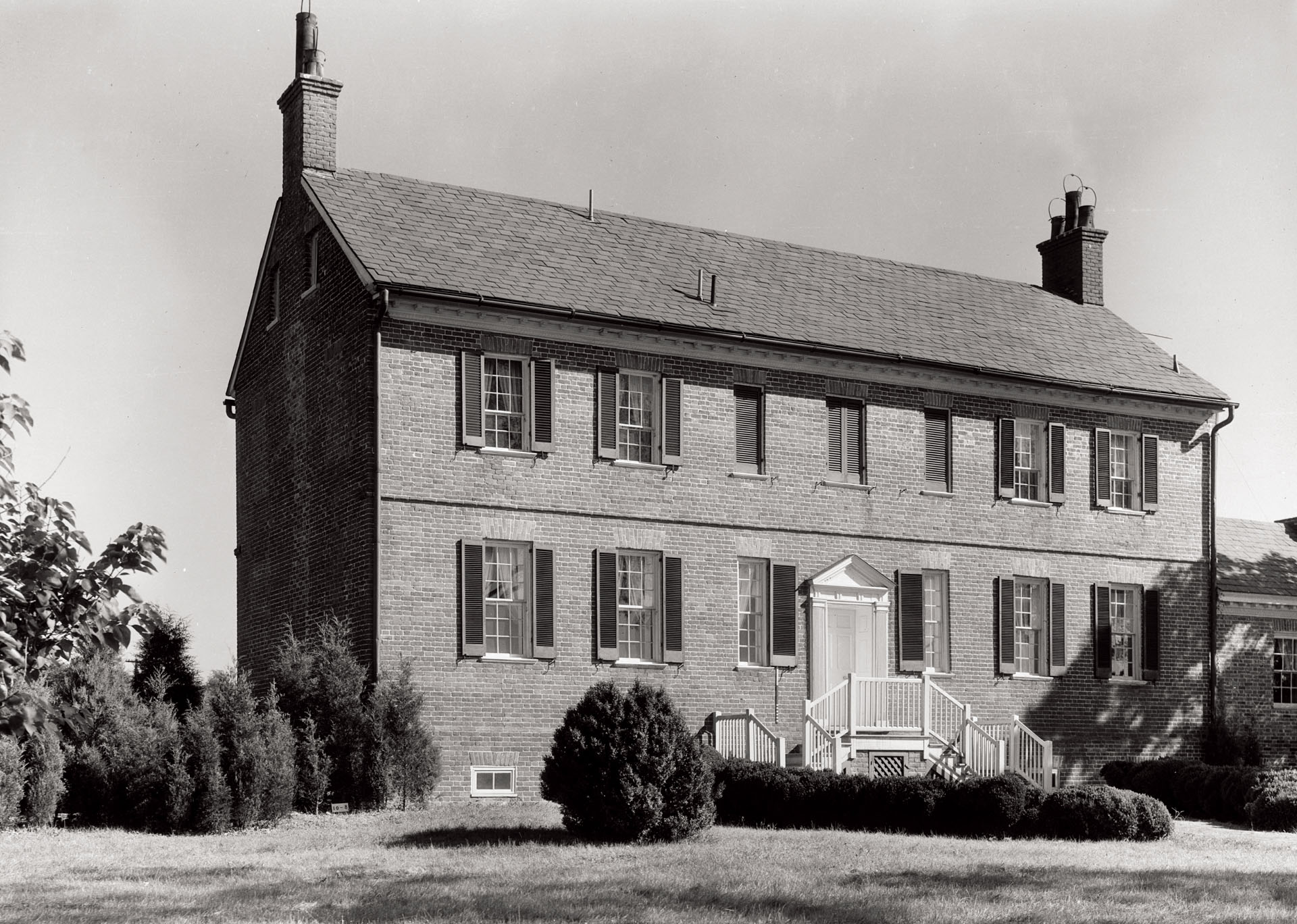
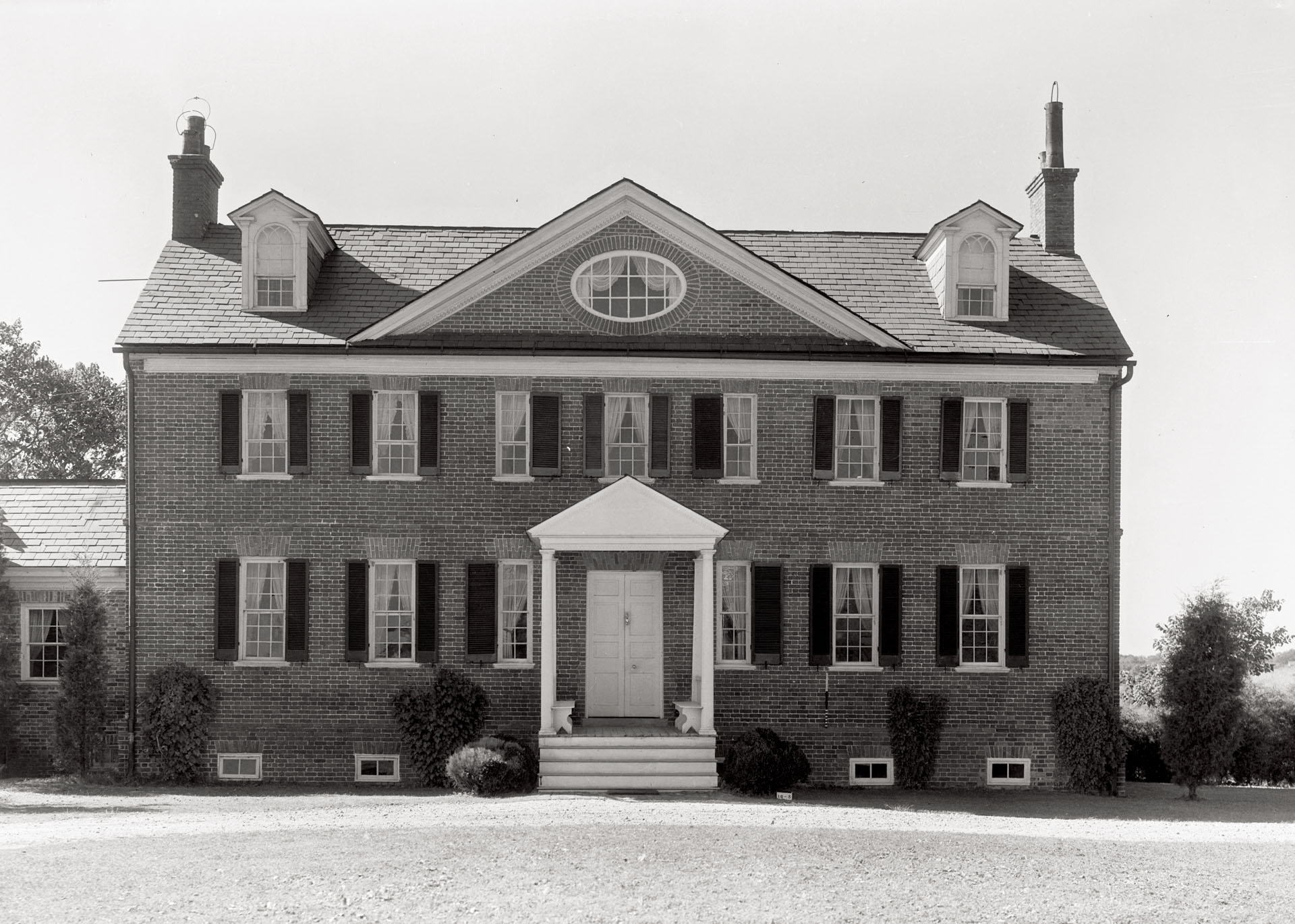
Rising above the rolling landscape of southern Prince George’s County, Harmony Hall stands as one of Maryland’s most accomplished eighteenth century domestic buildings. Erected circa 1769, the brick manor establishes its order through a balanced façade of sash windows, anchoring chimneys, and a gambrel roof articulated by dormers. Classical ideas are present but quietly expressed, translated through British design conventions and adjusted to the Chesapeake climate and landscape. The interplay of mass, brickwork, and roof form gives the house a grounded authority, situating it naturally within the agrarian terrain above Broad Creek.
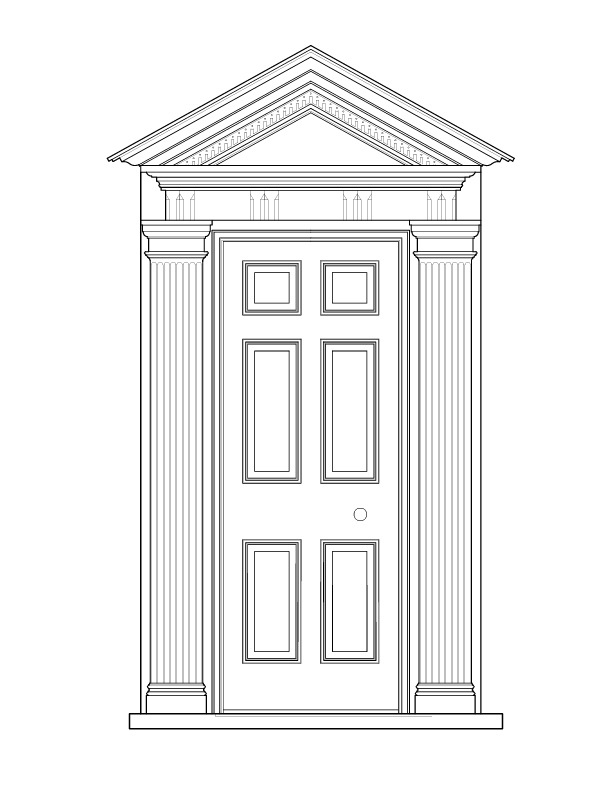
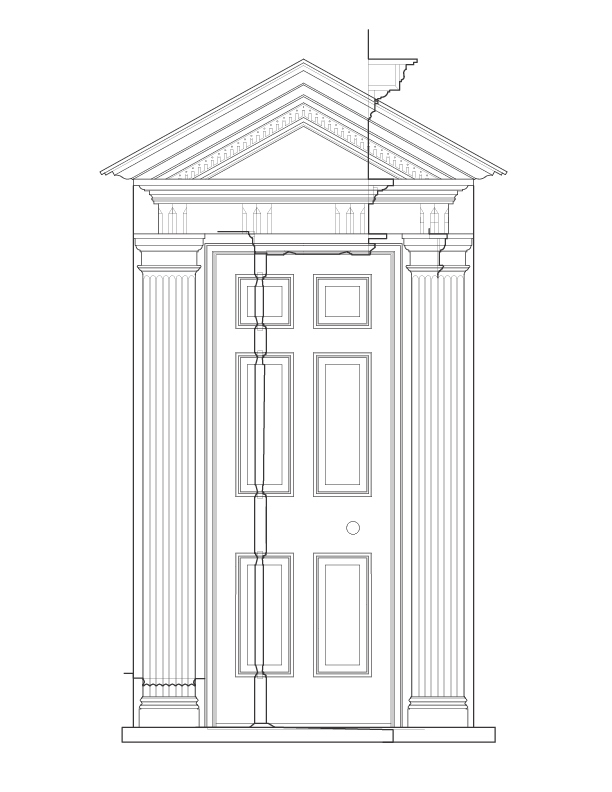
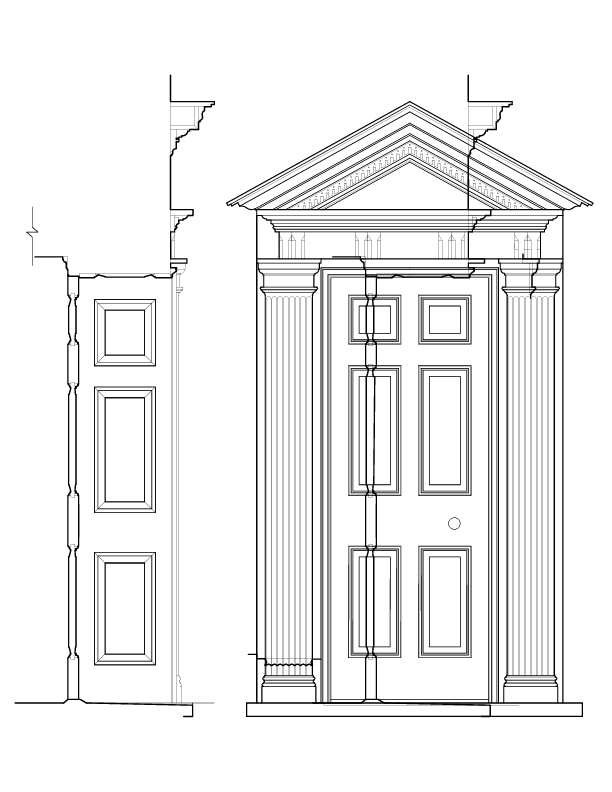
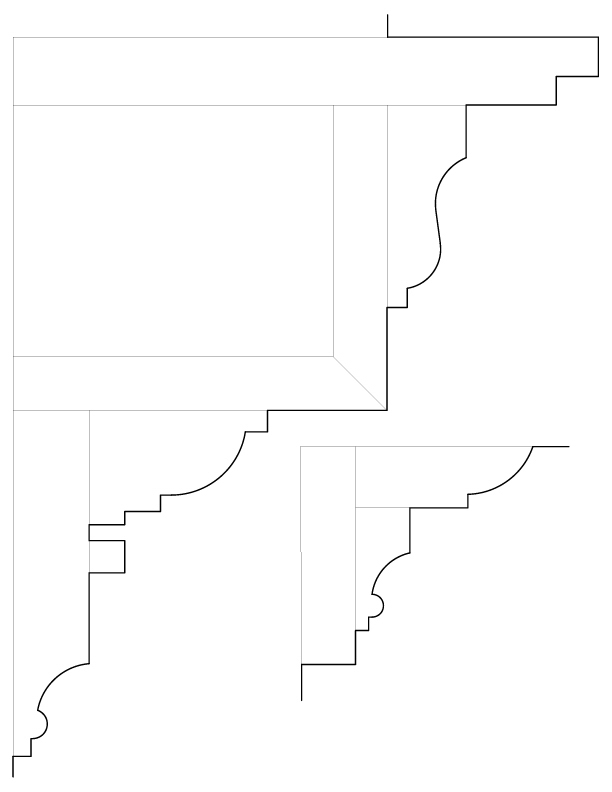
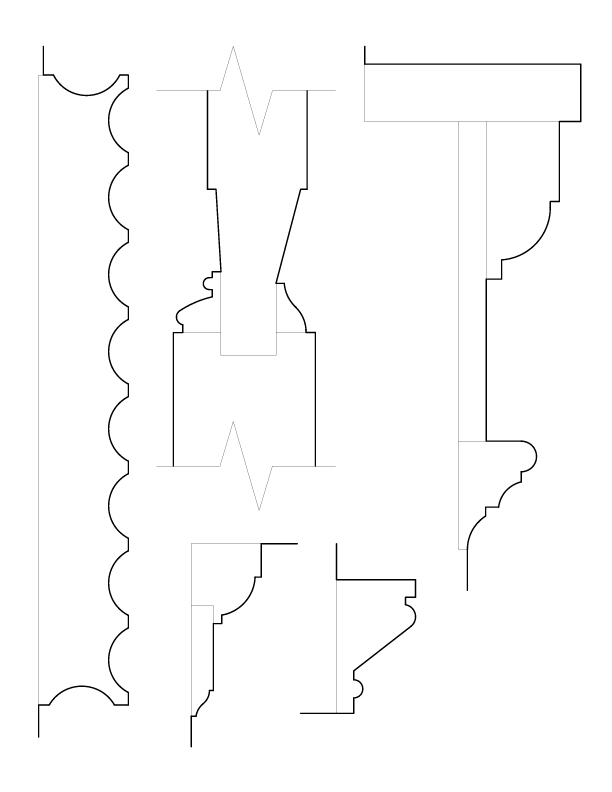
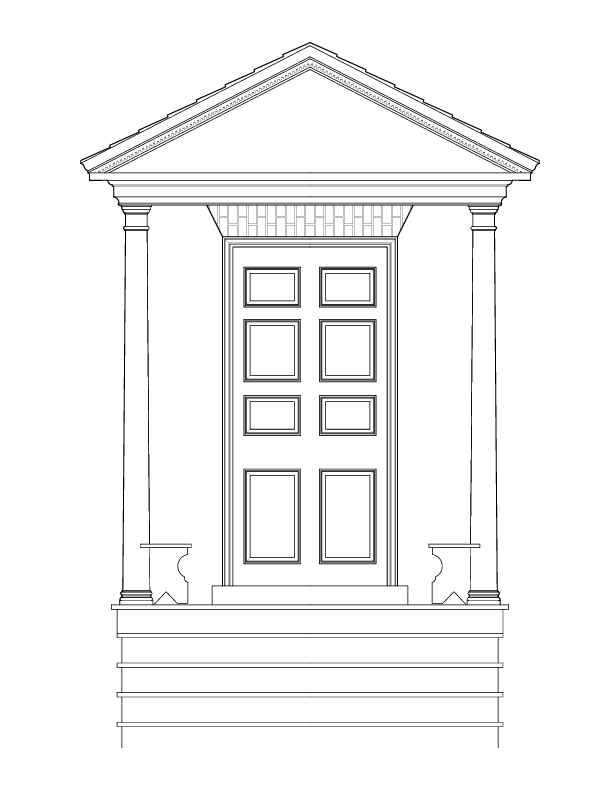
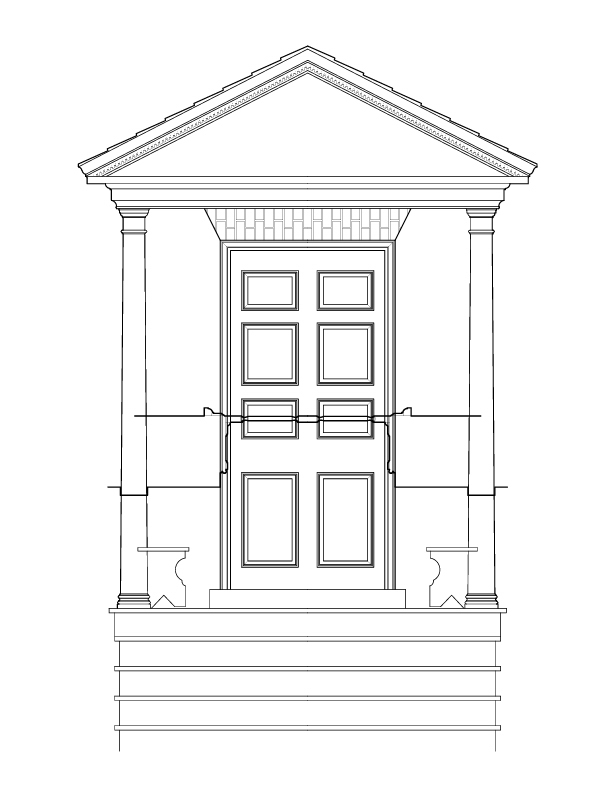
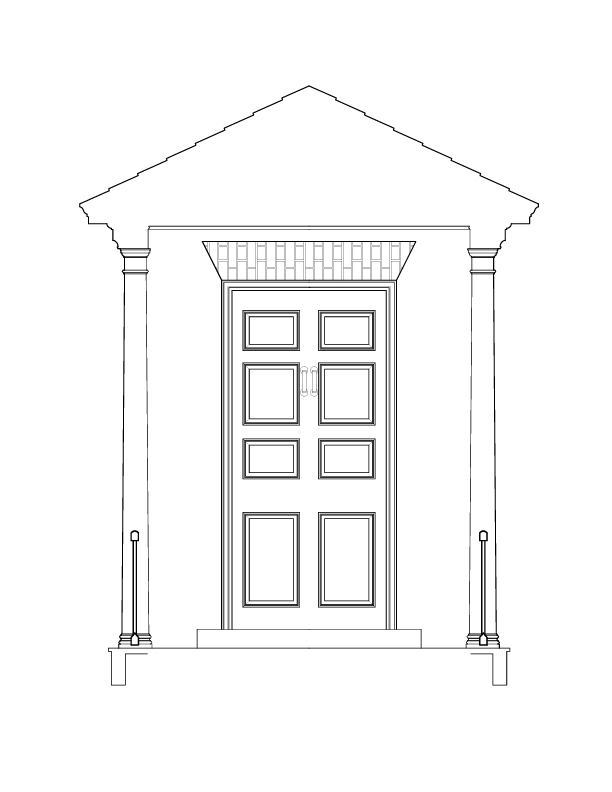
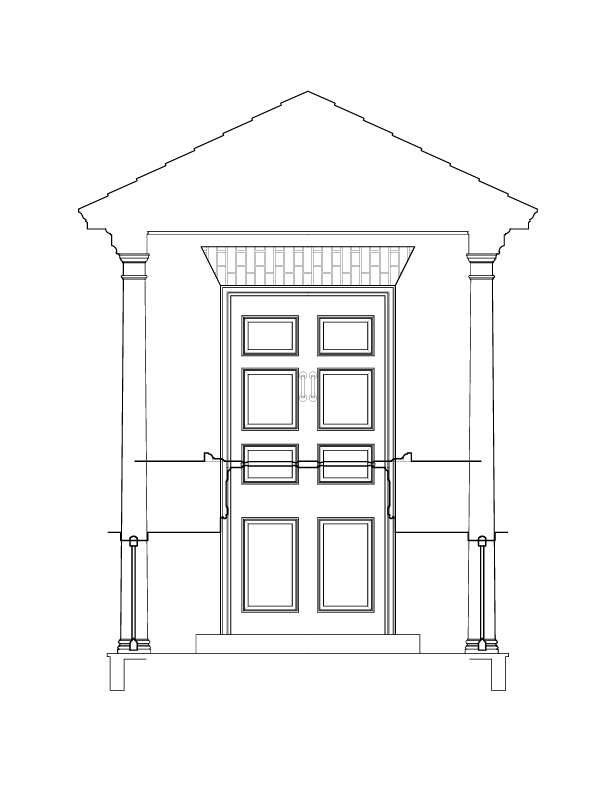
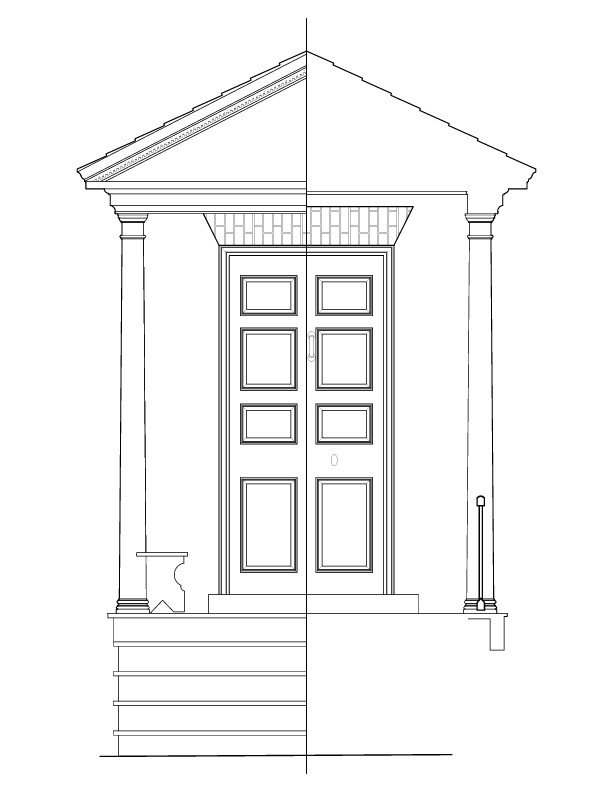
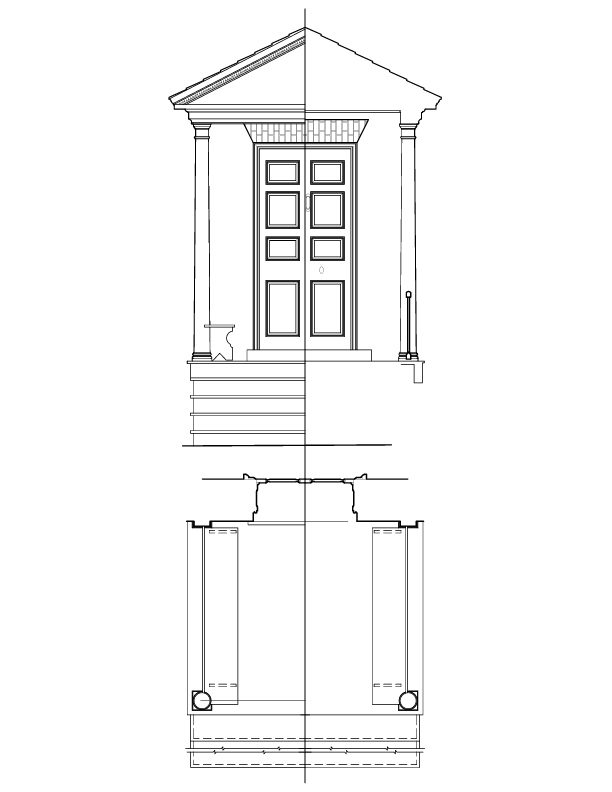
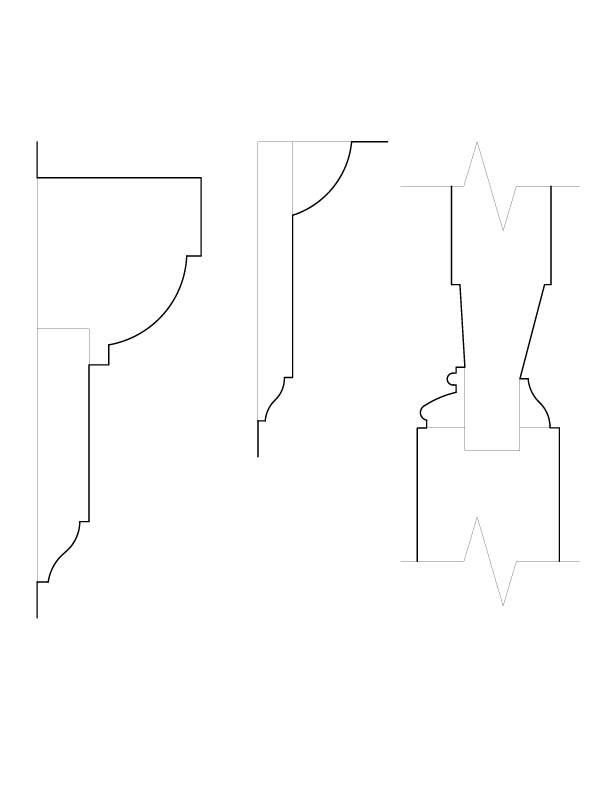
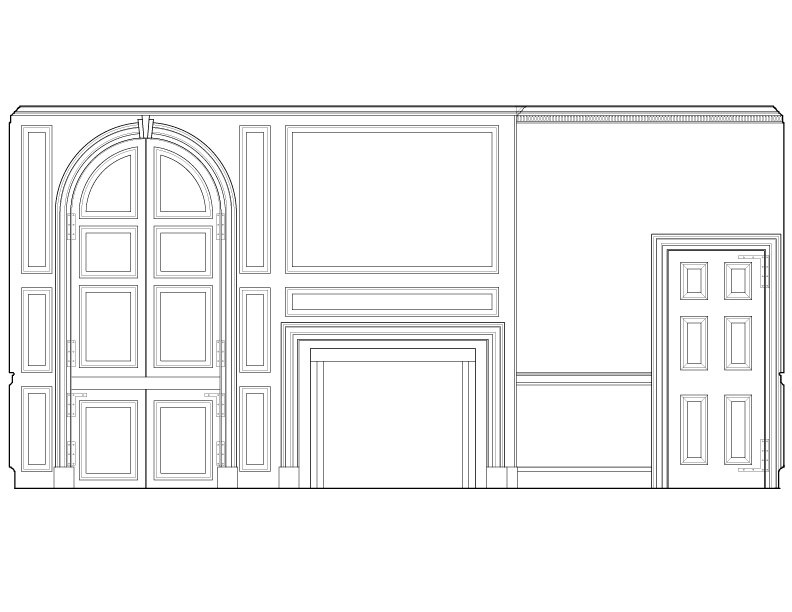
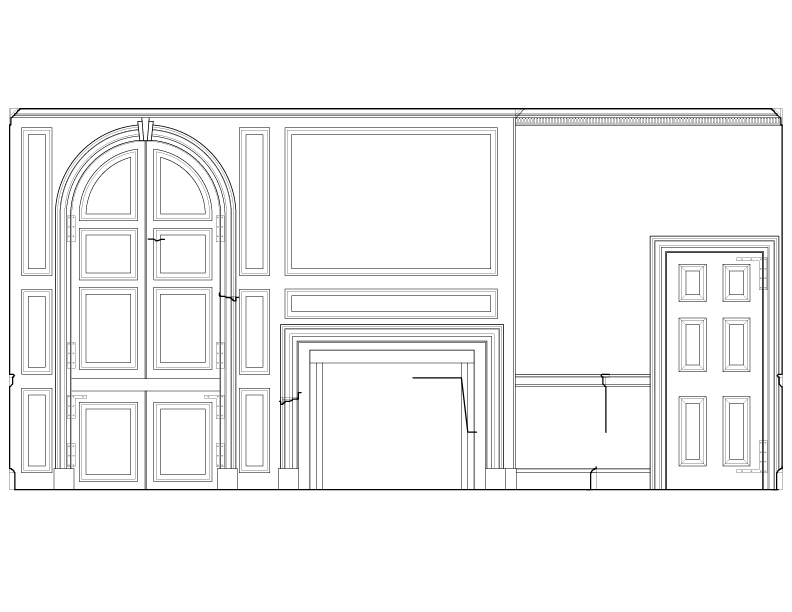
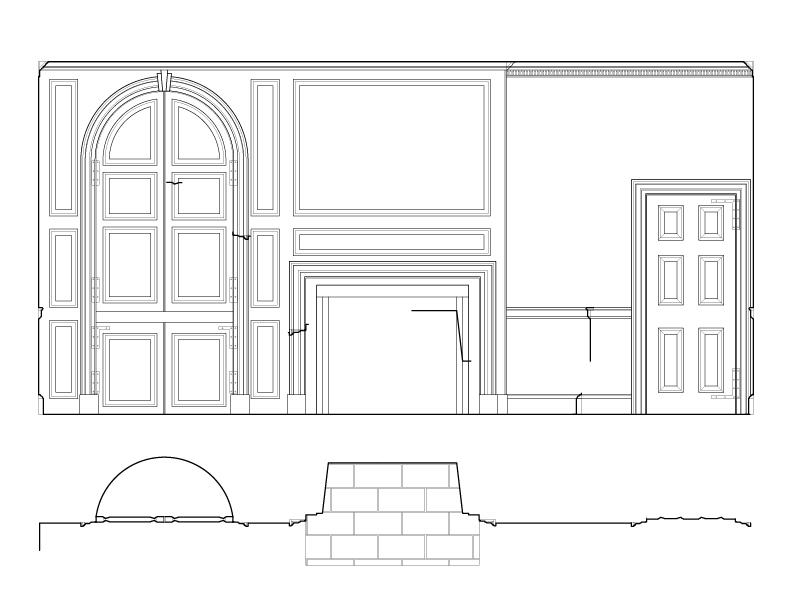
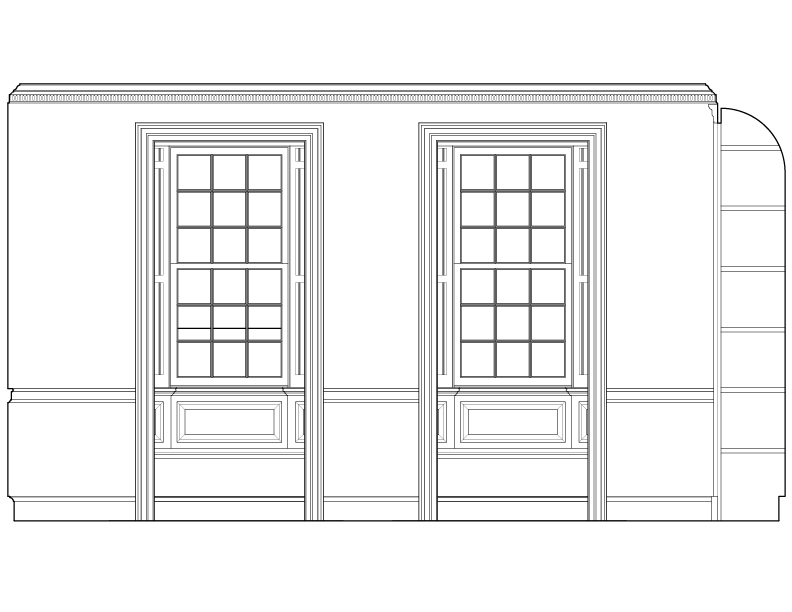
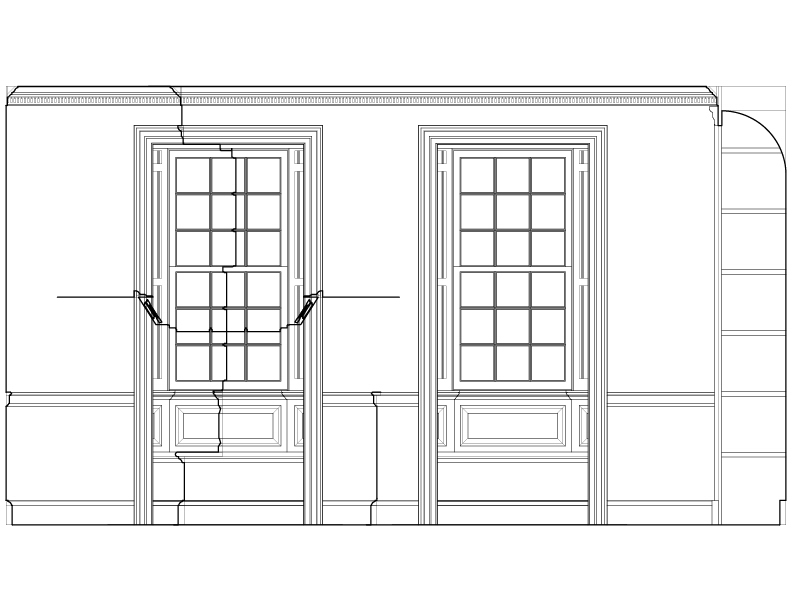
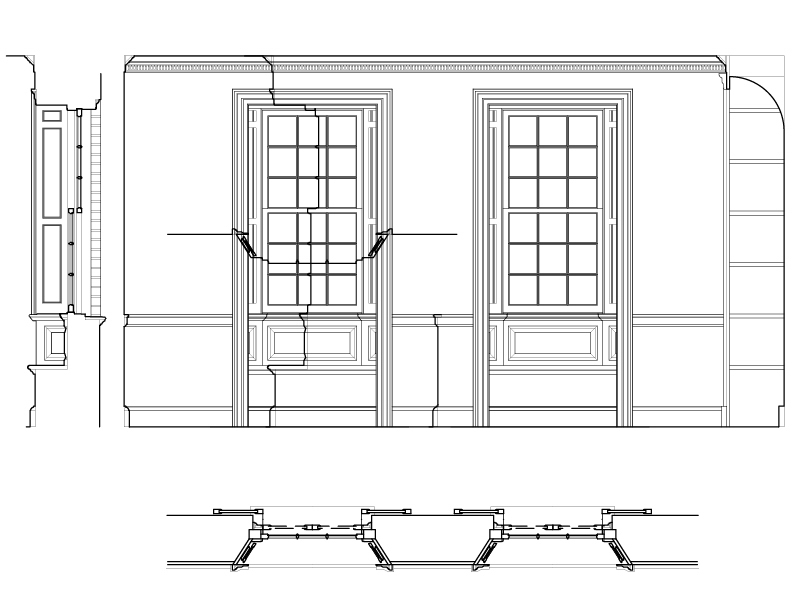
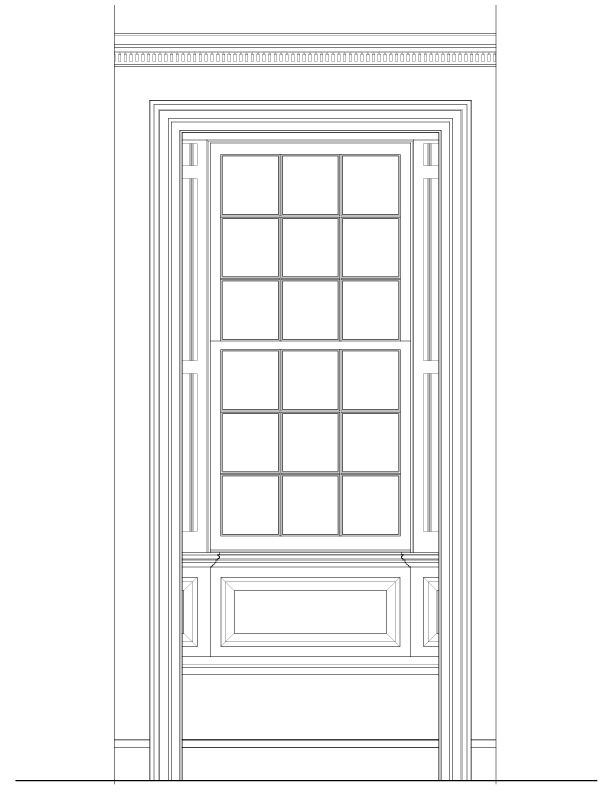
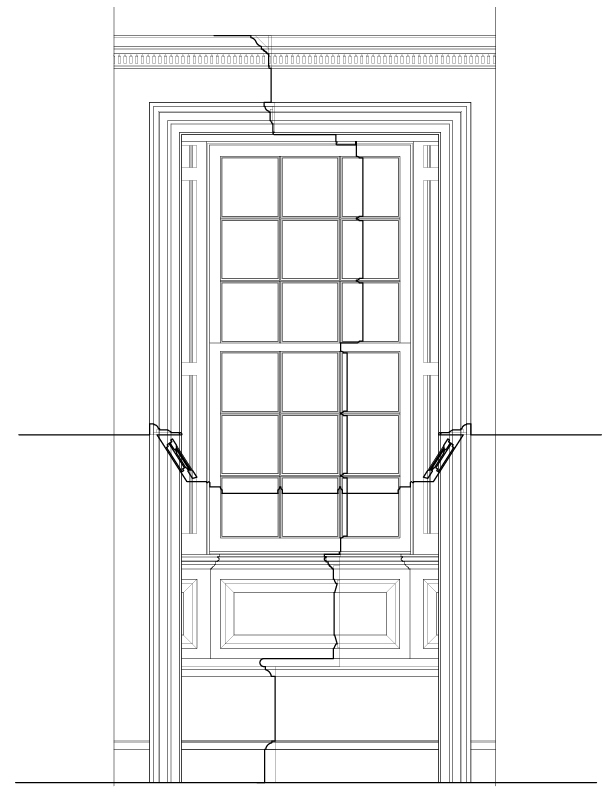
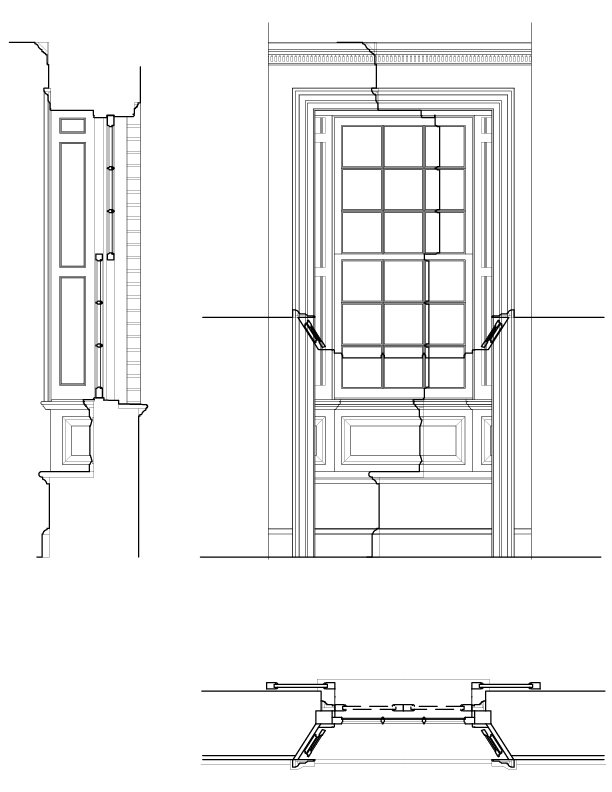
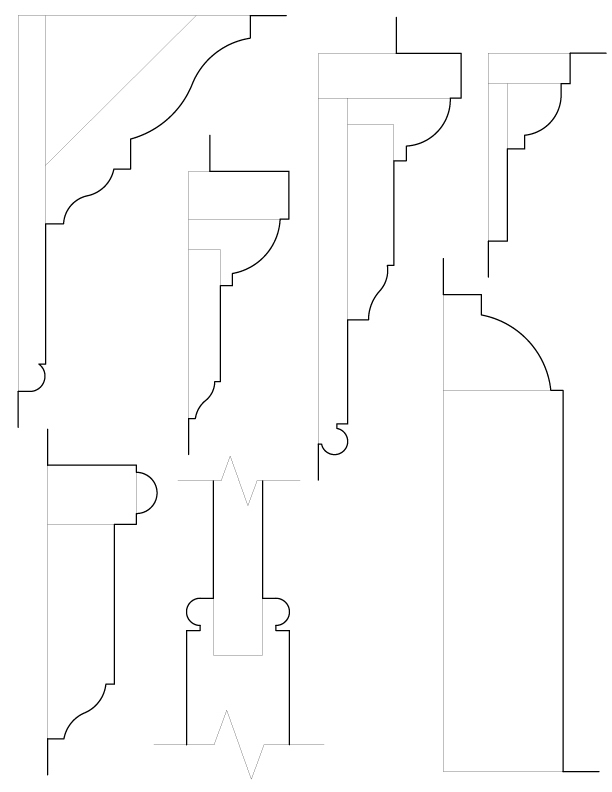
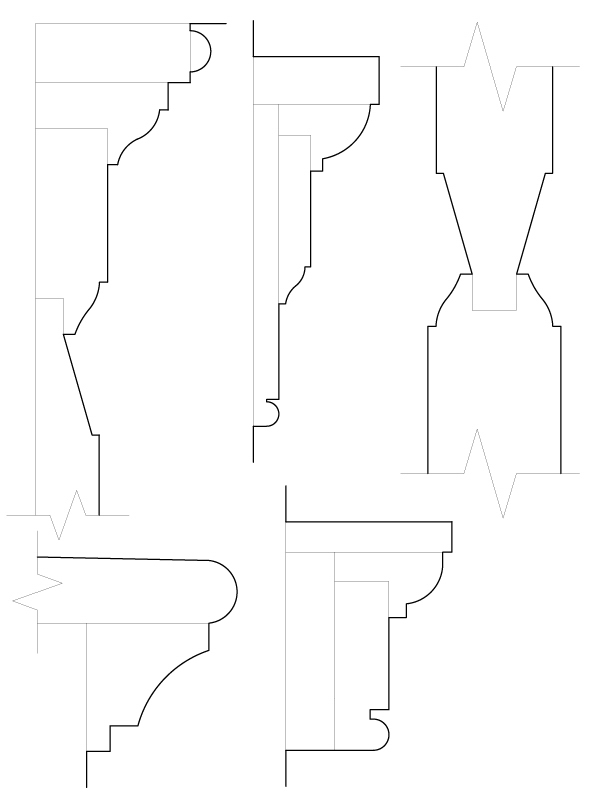
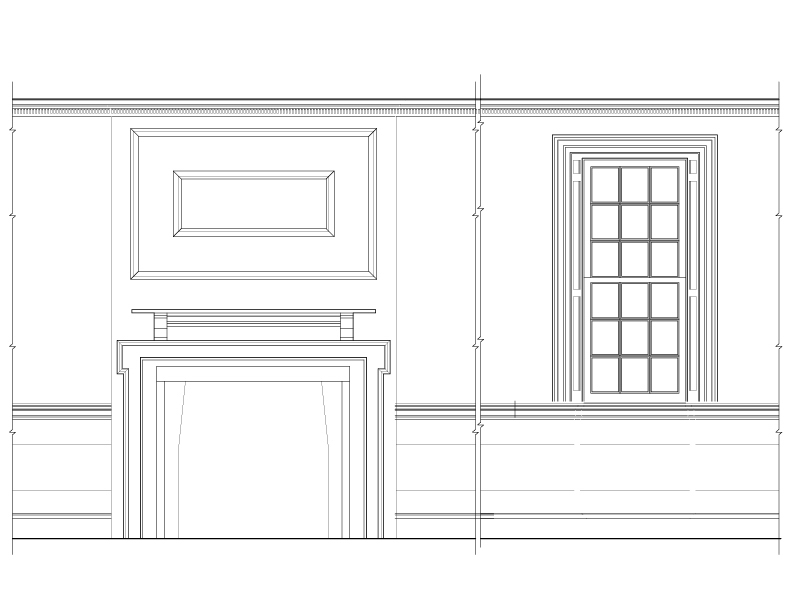
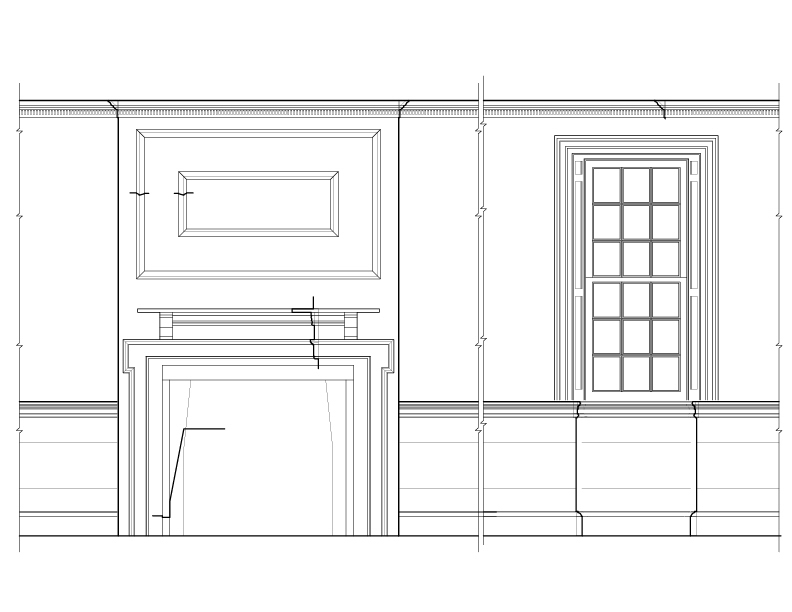
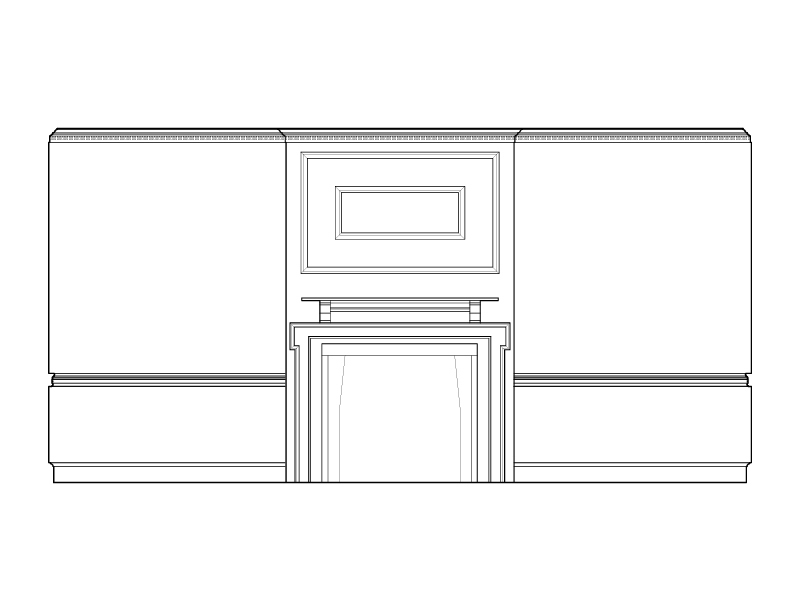
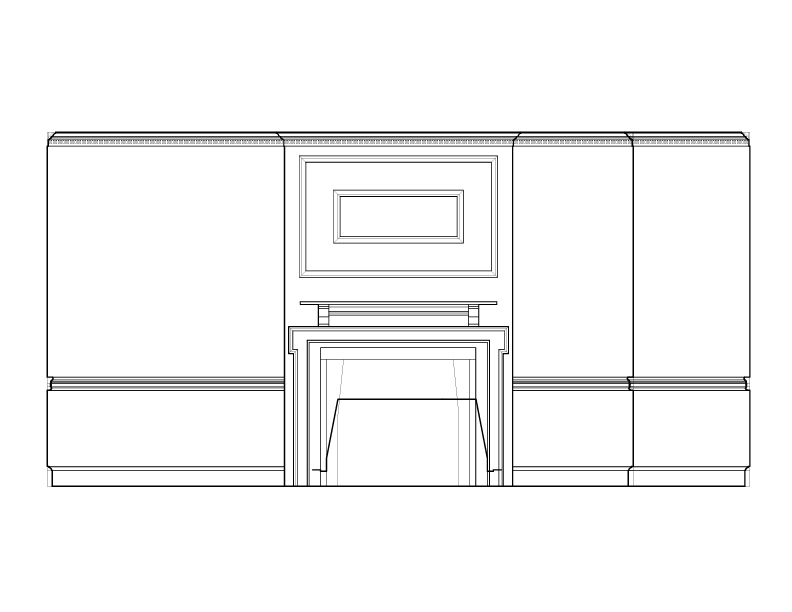
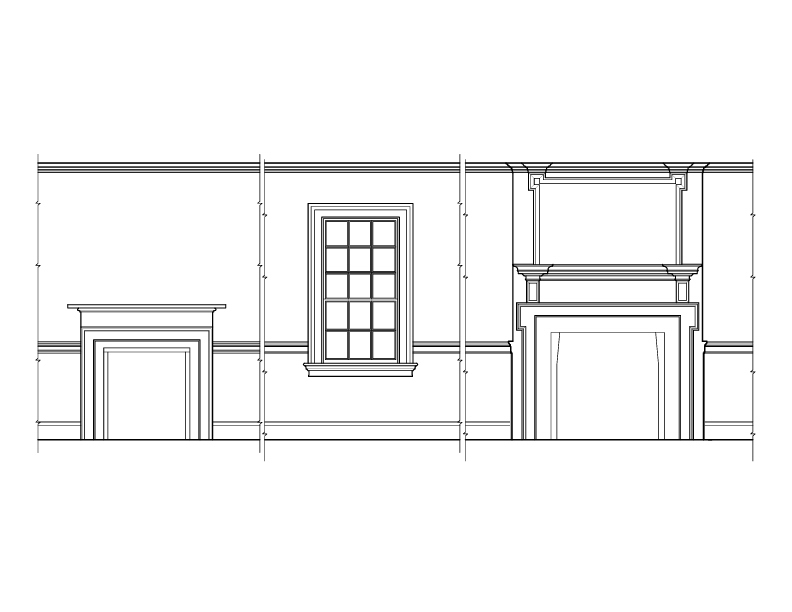
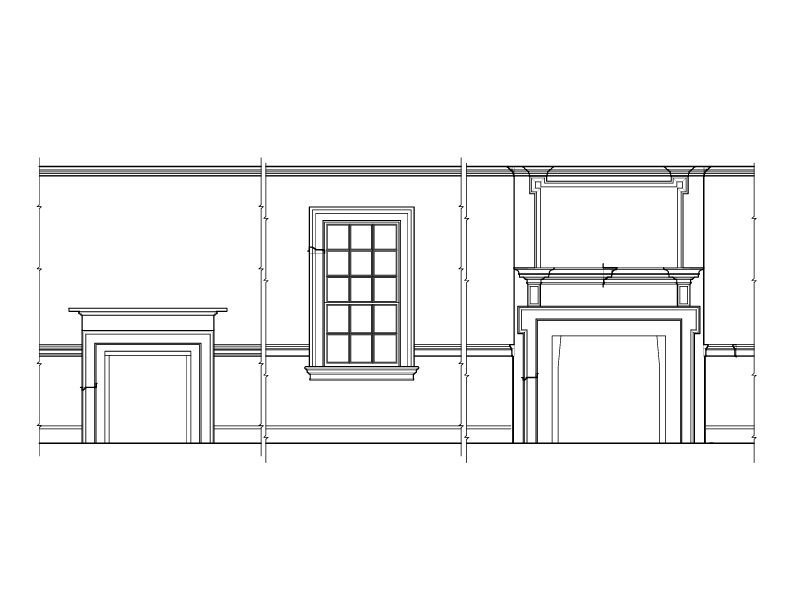
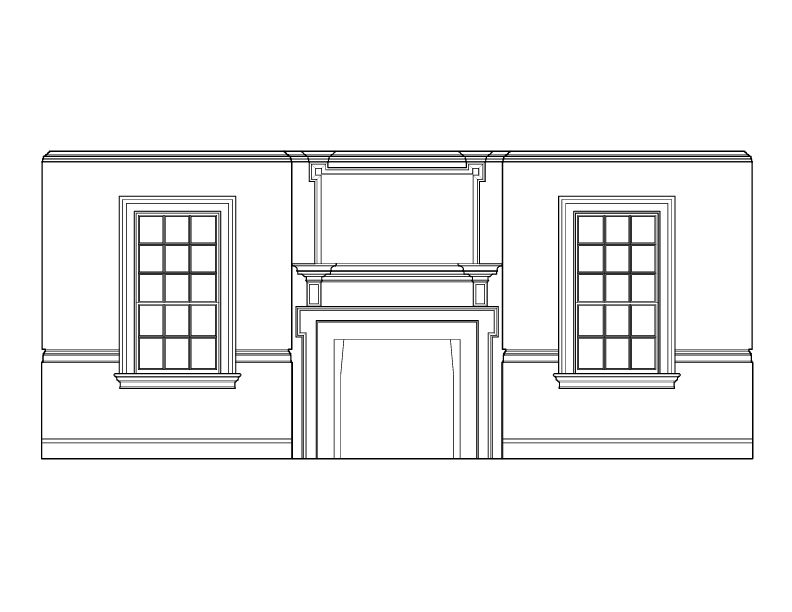
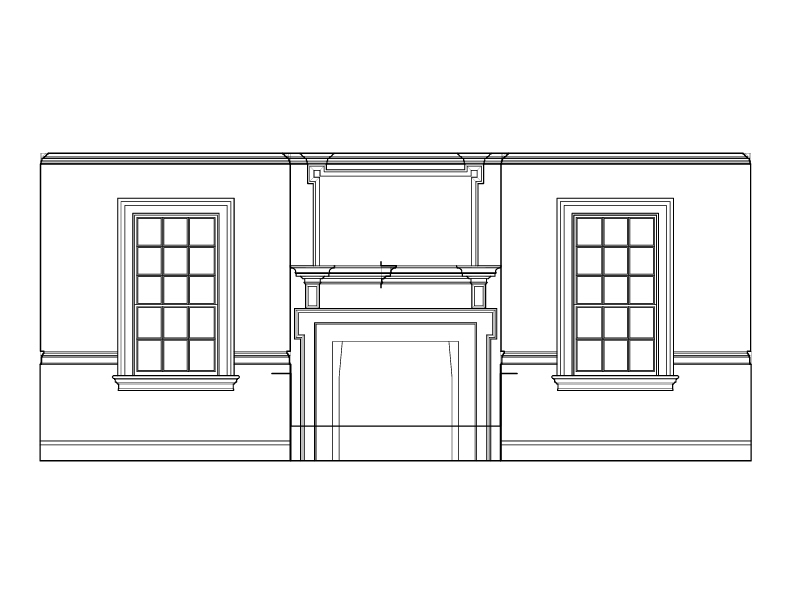
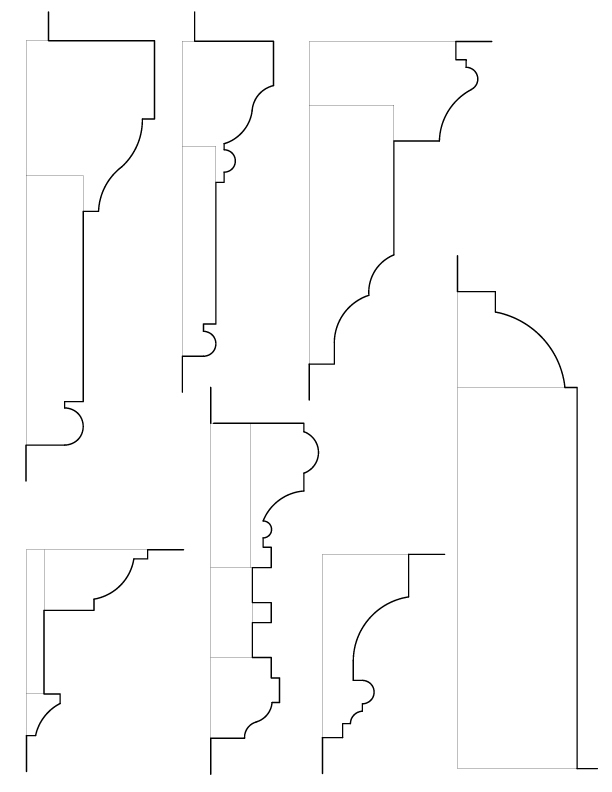
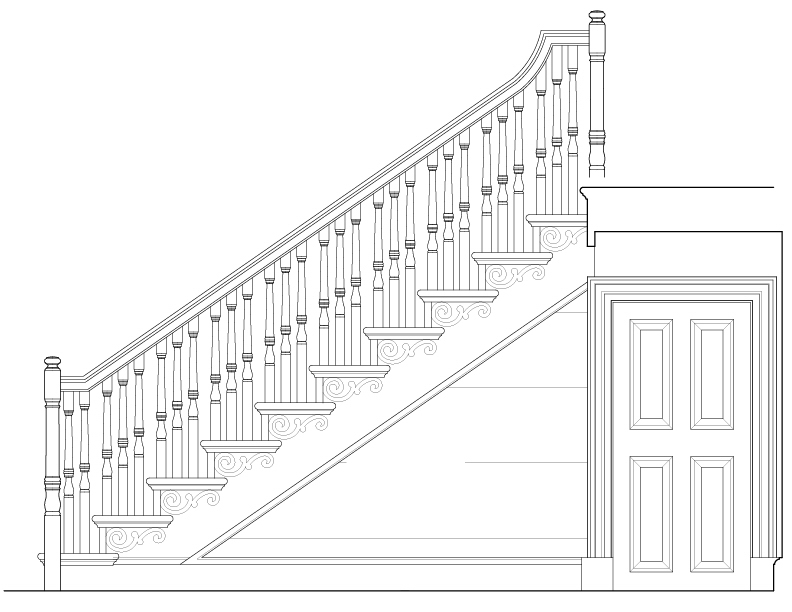
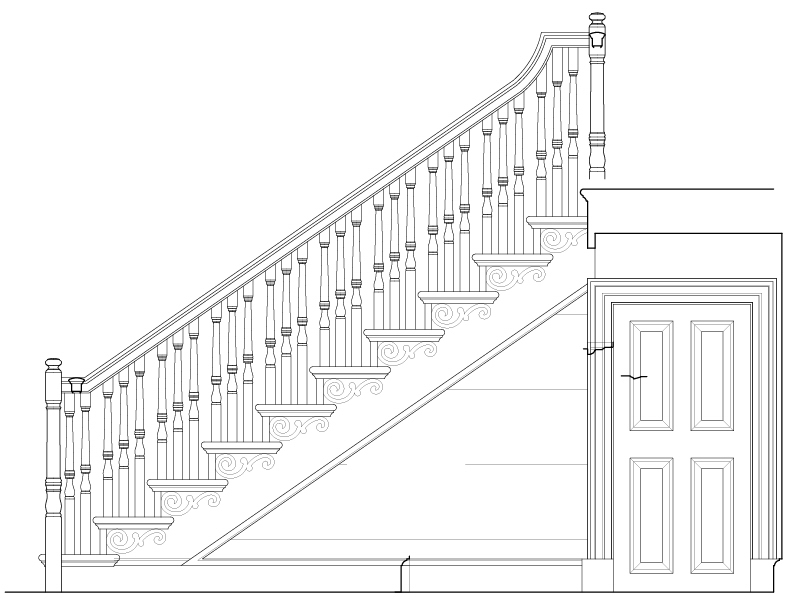
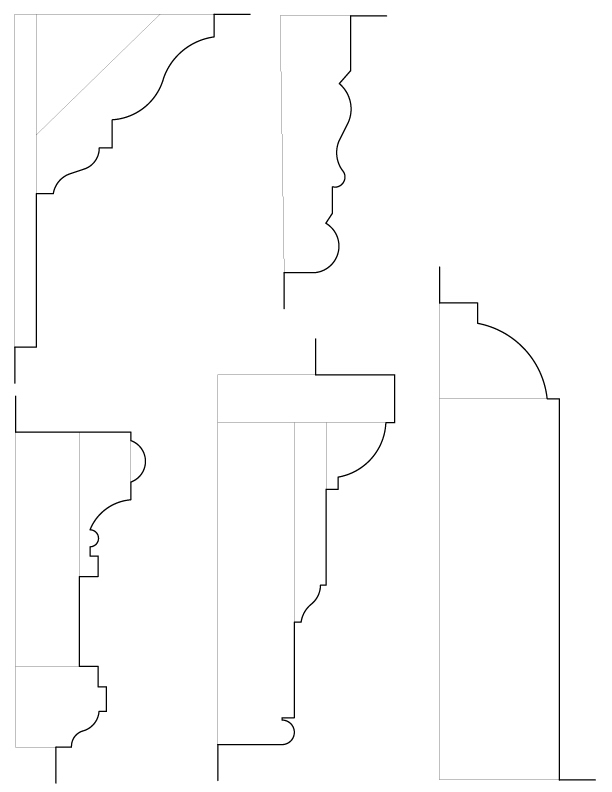
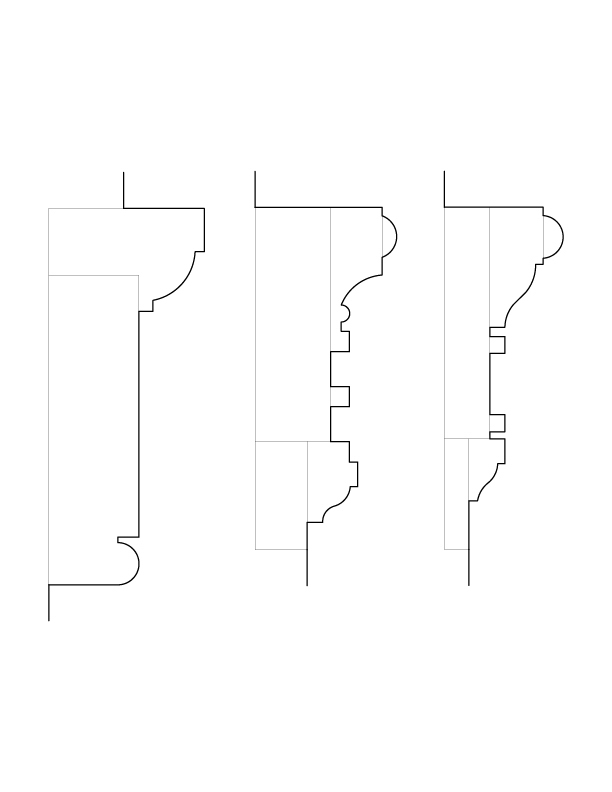
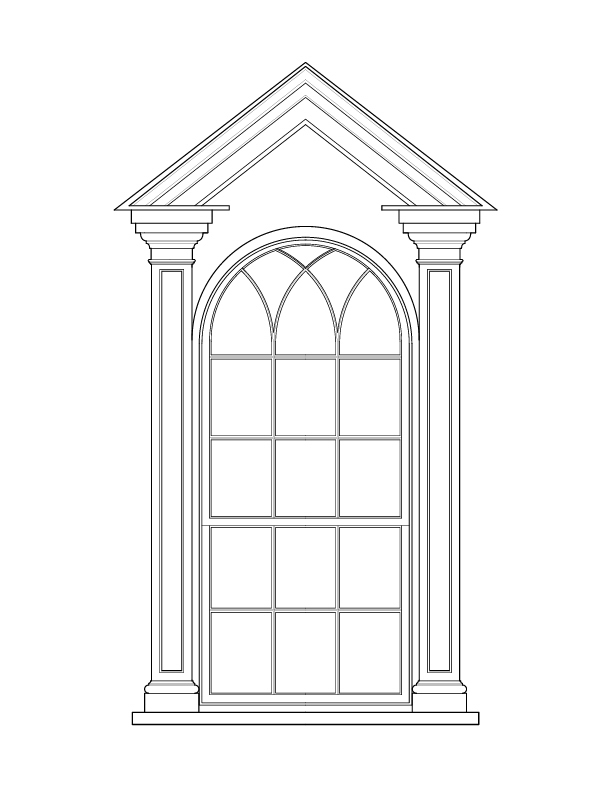
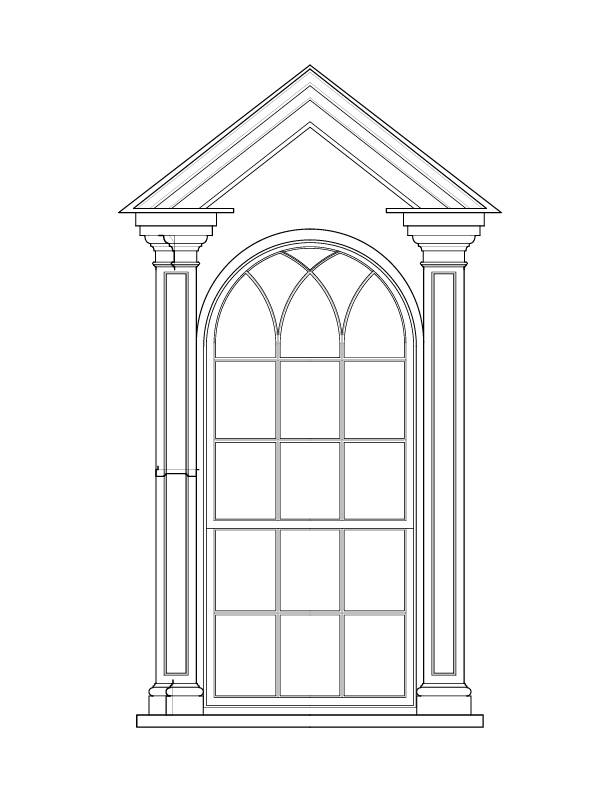
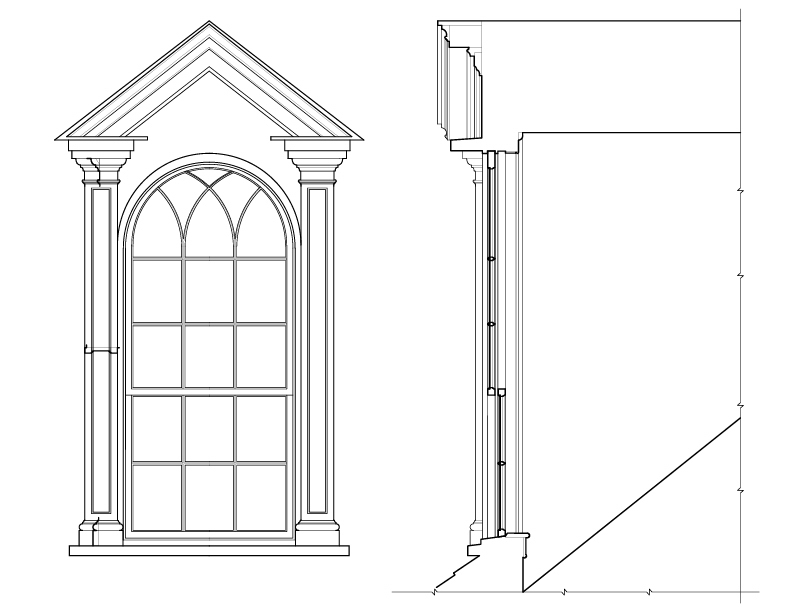
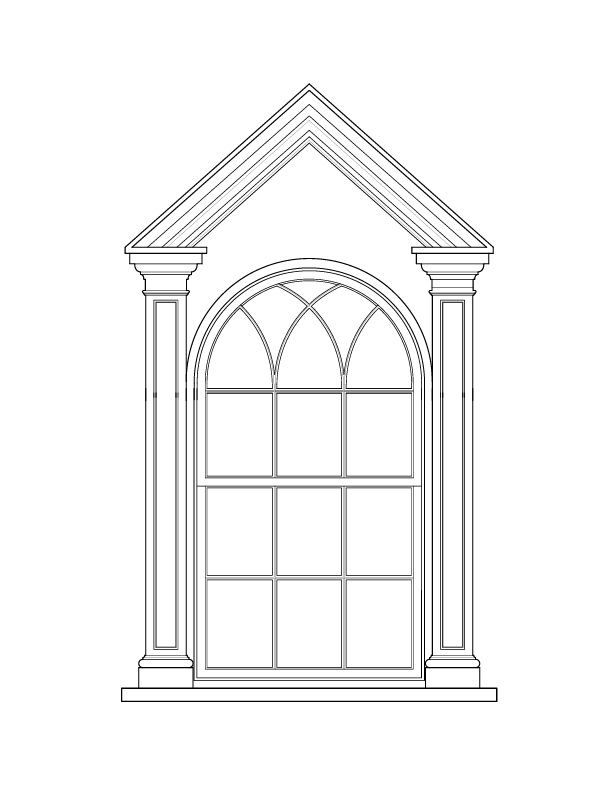
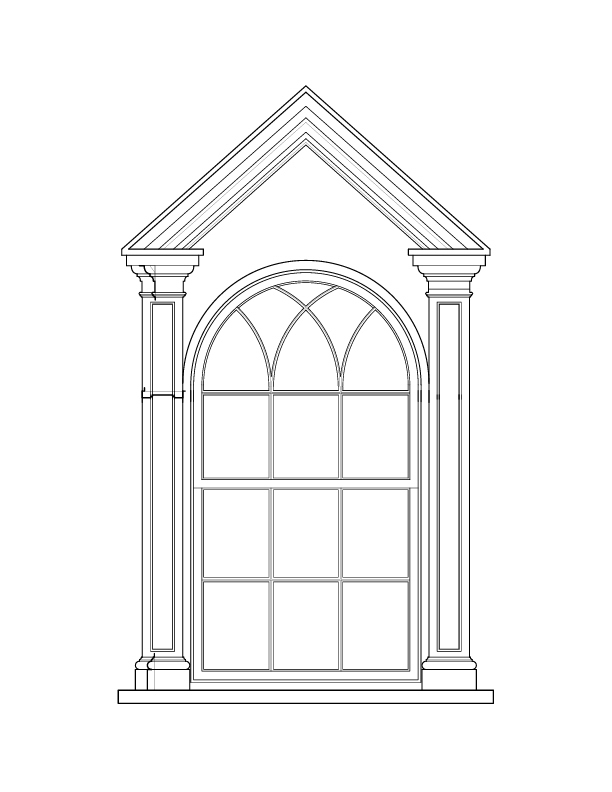
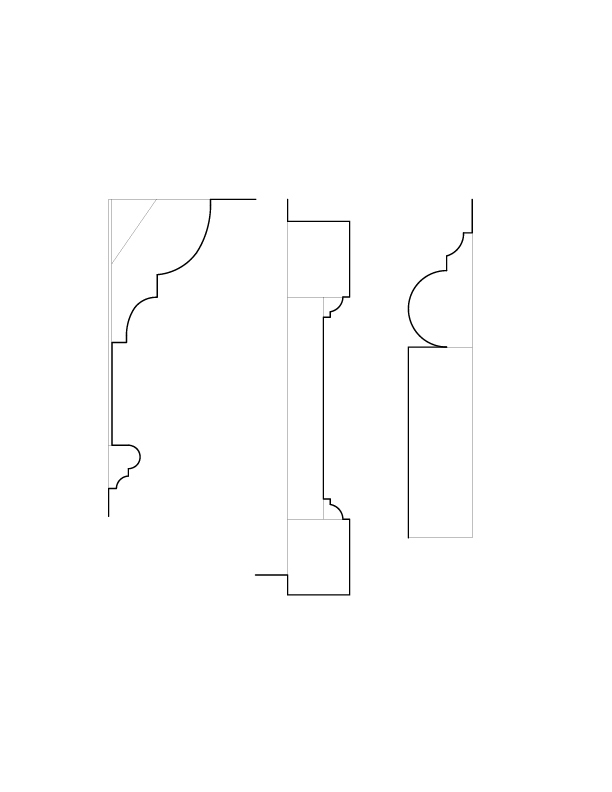
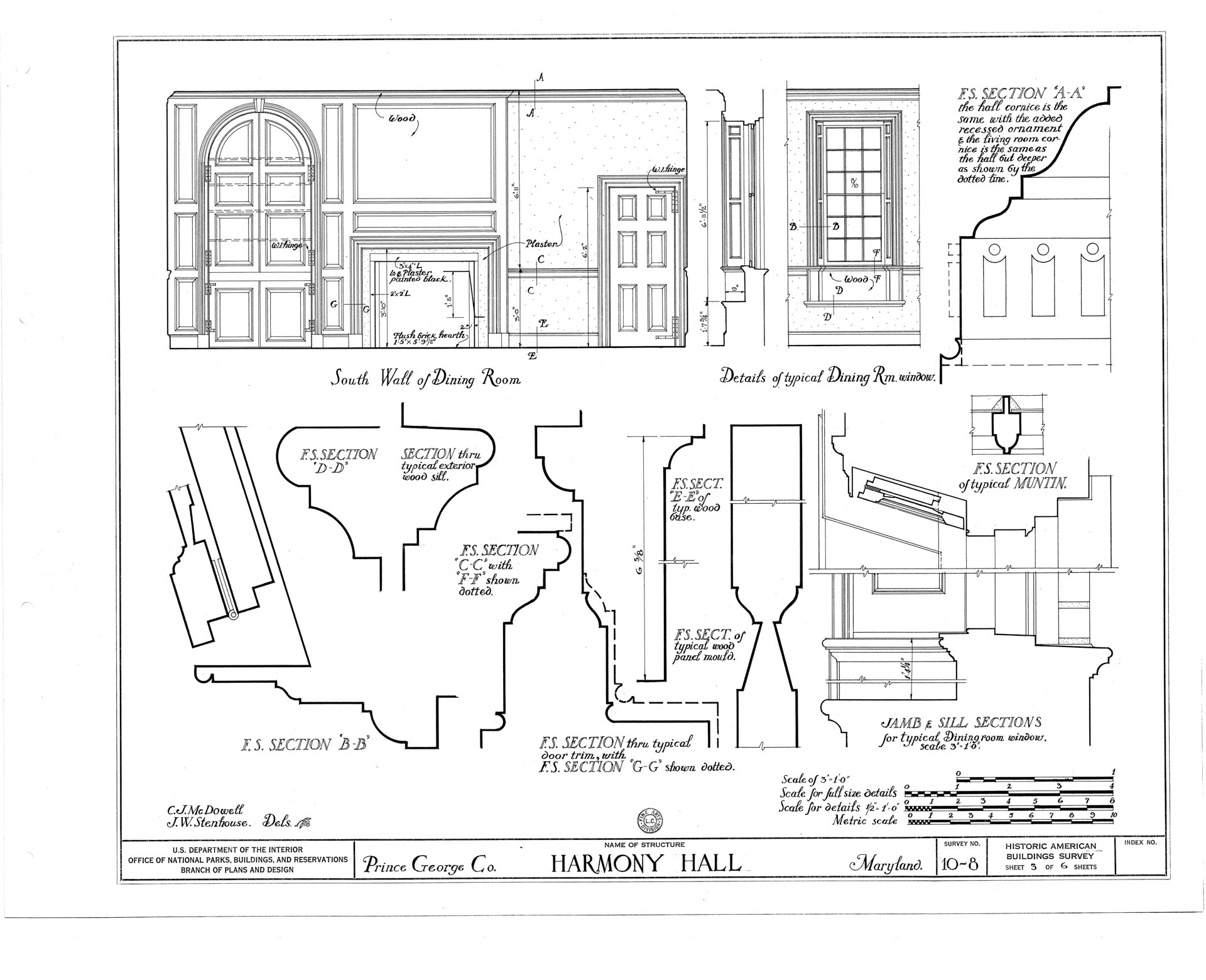
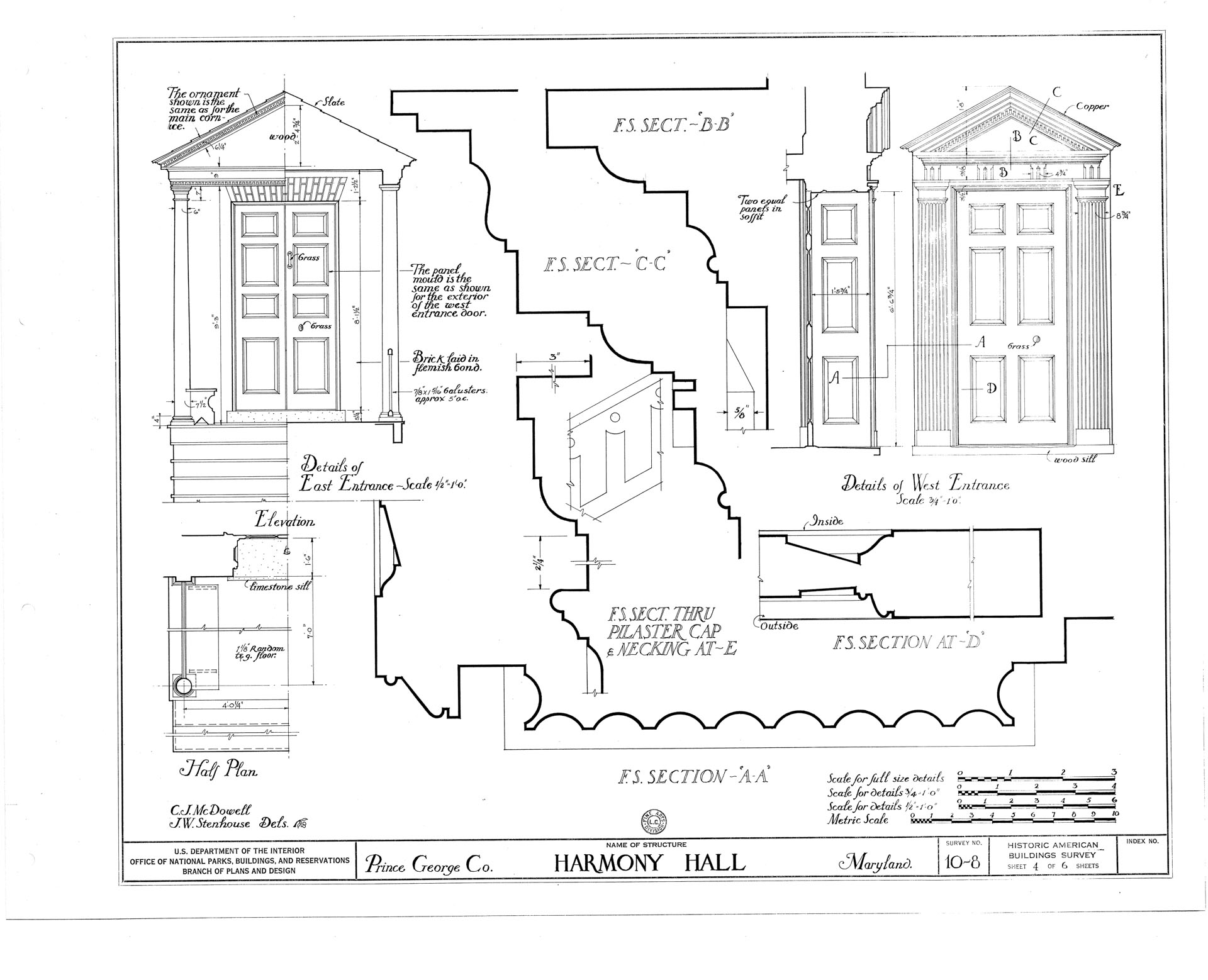
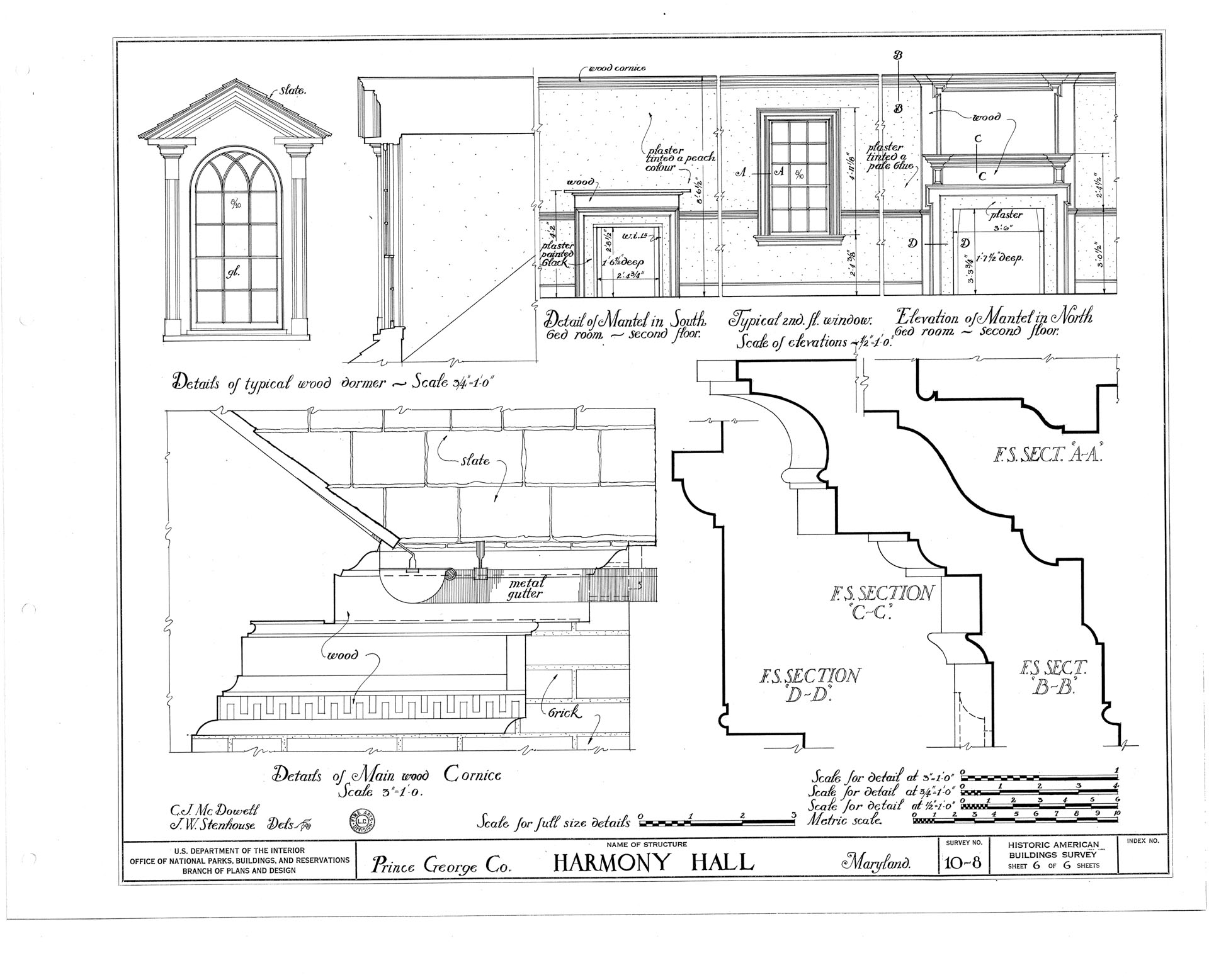
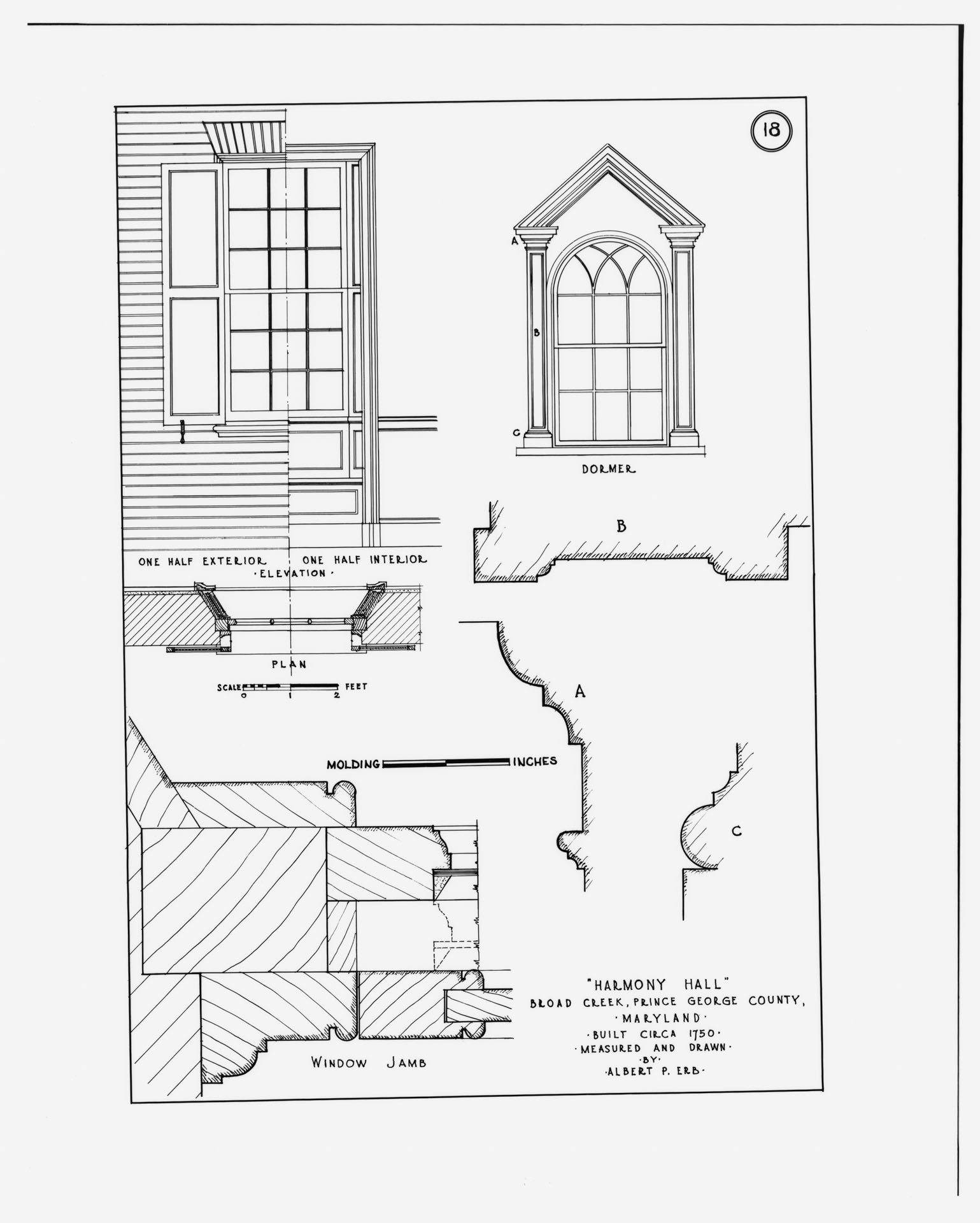
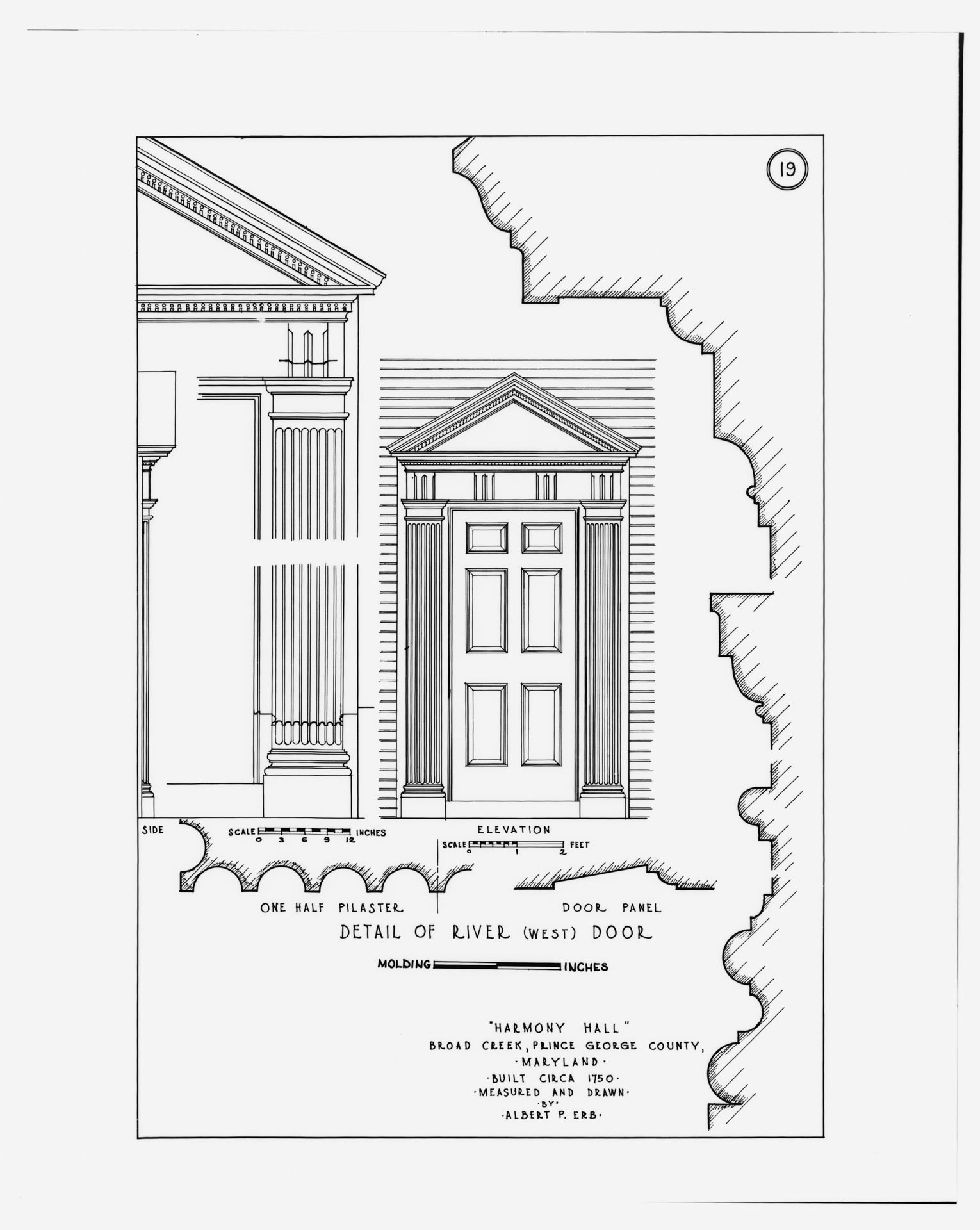
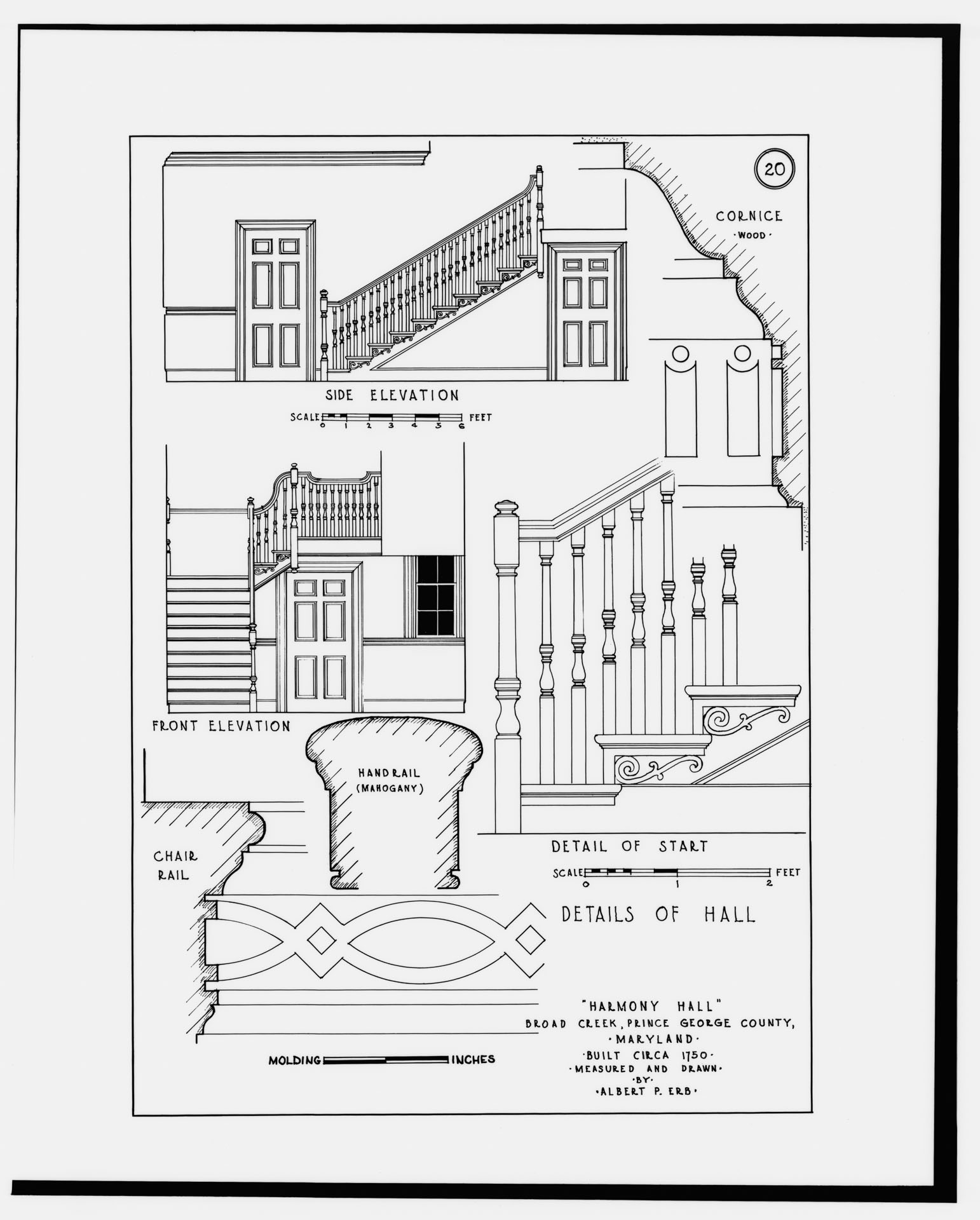
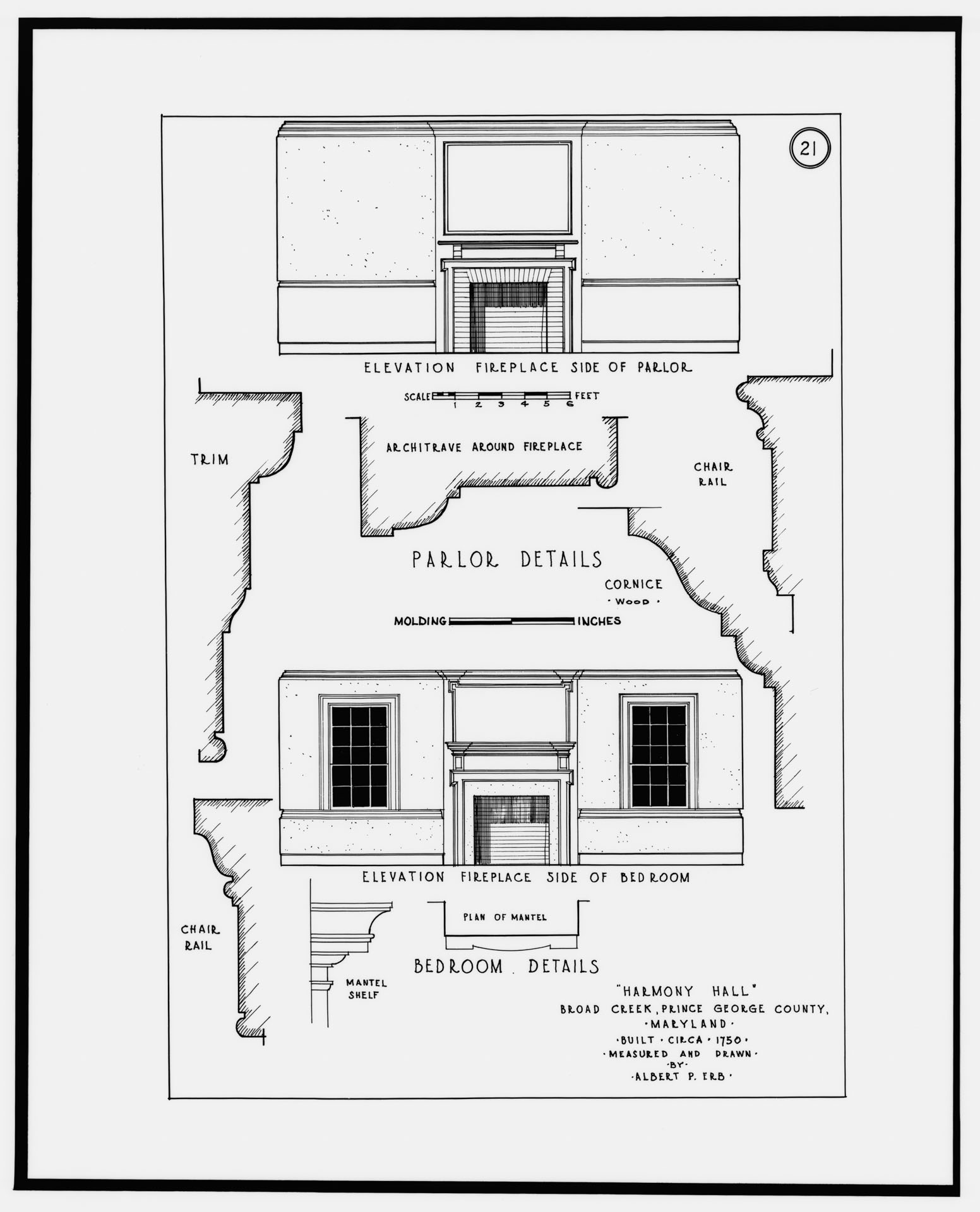
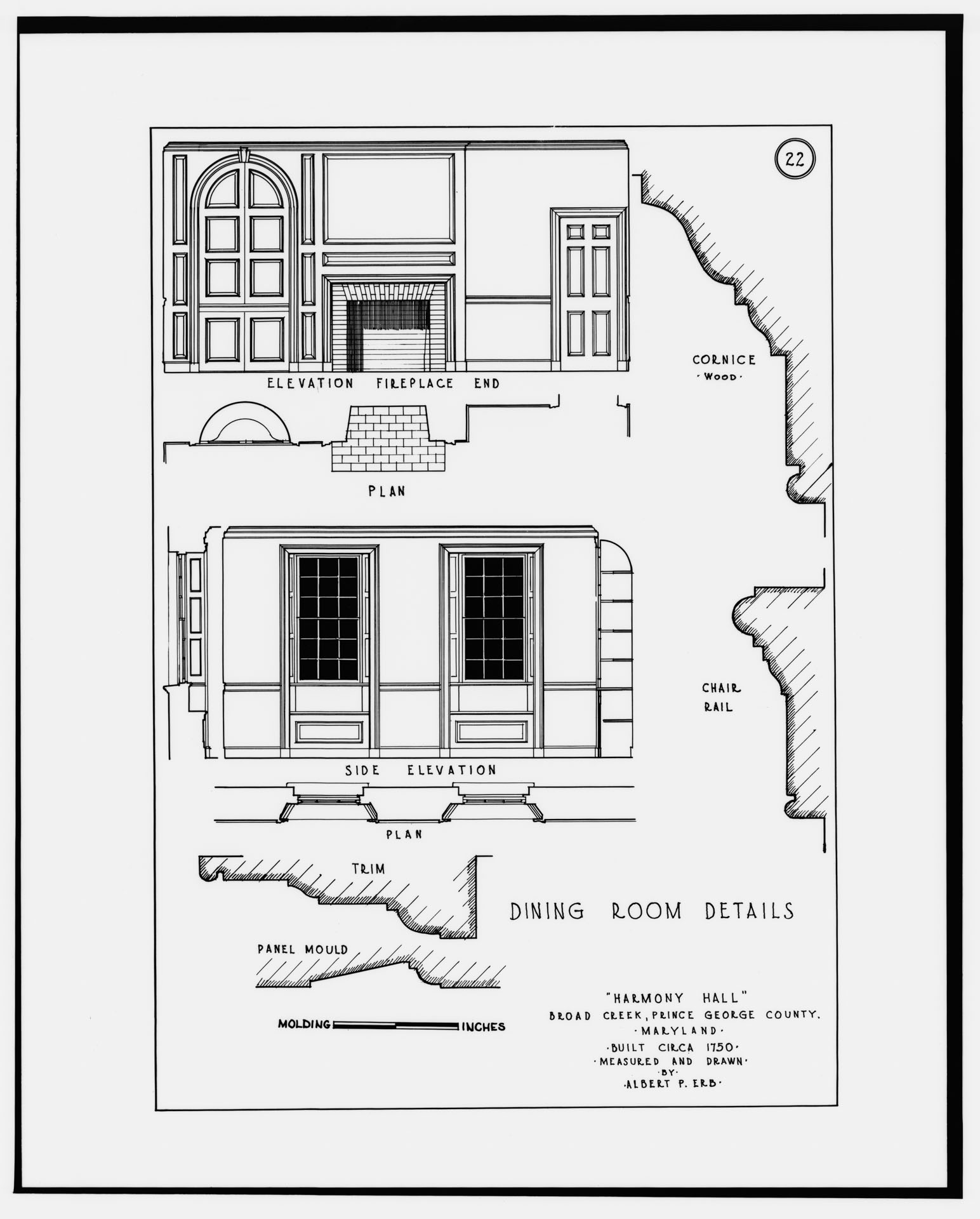
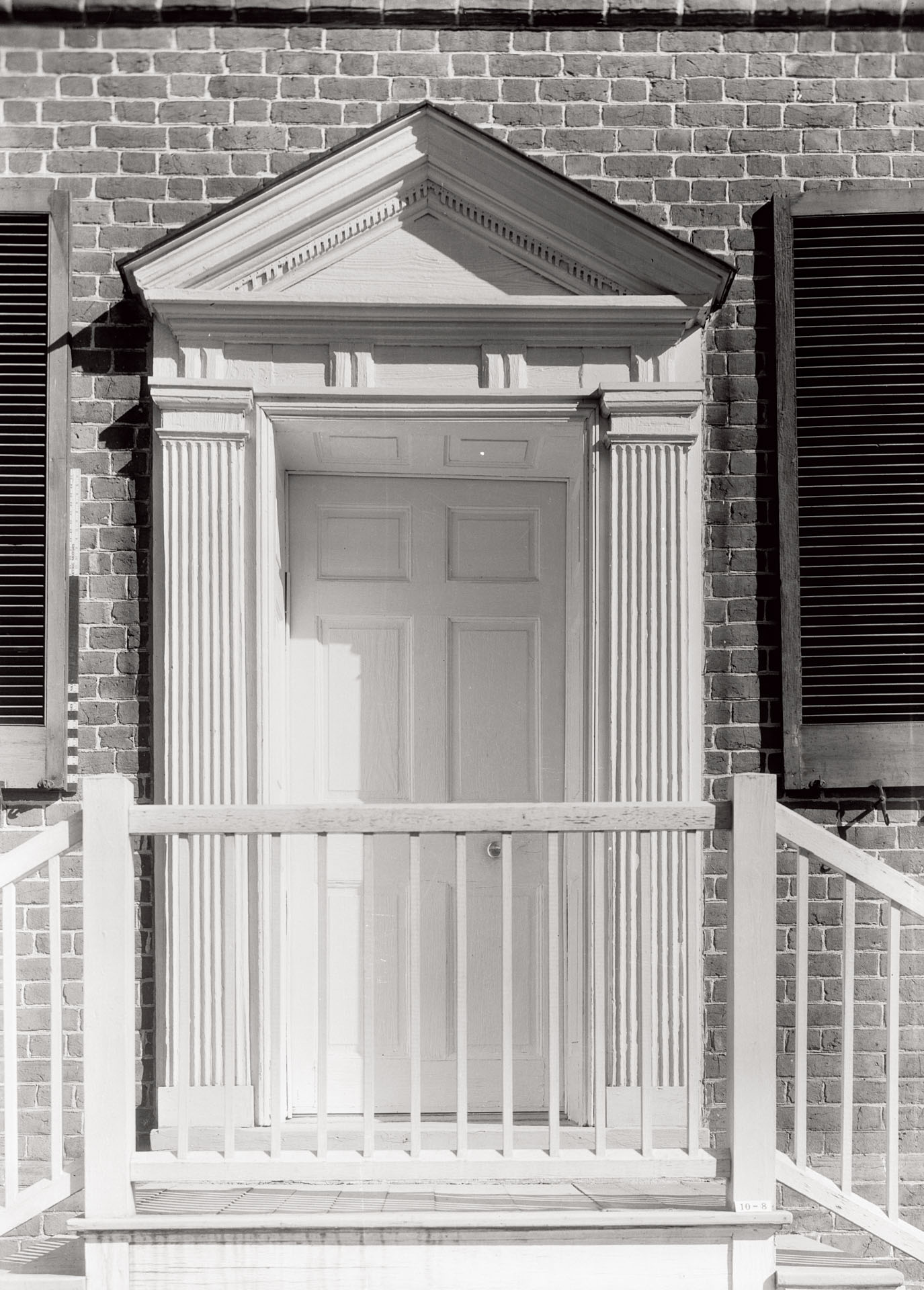
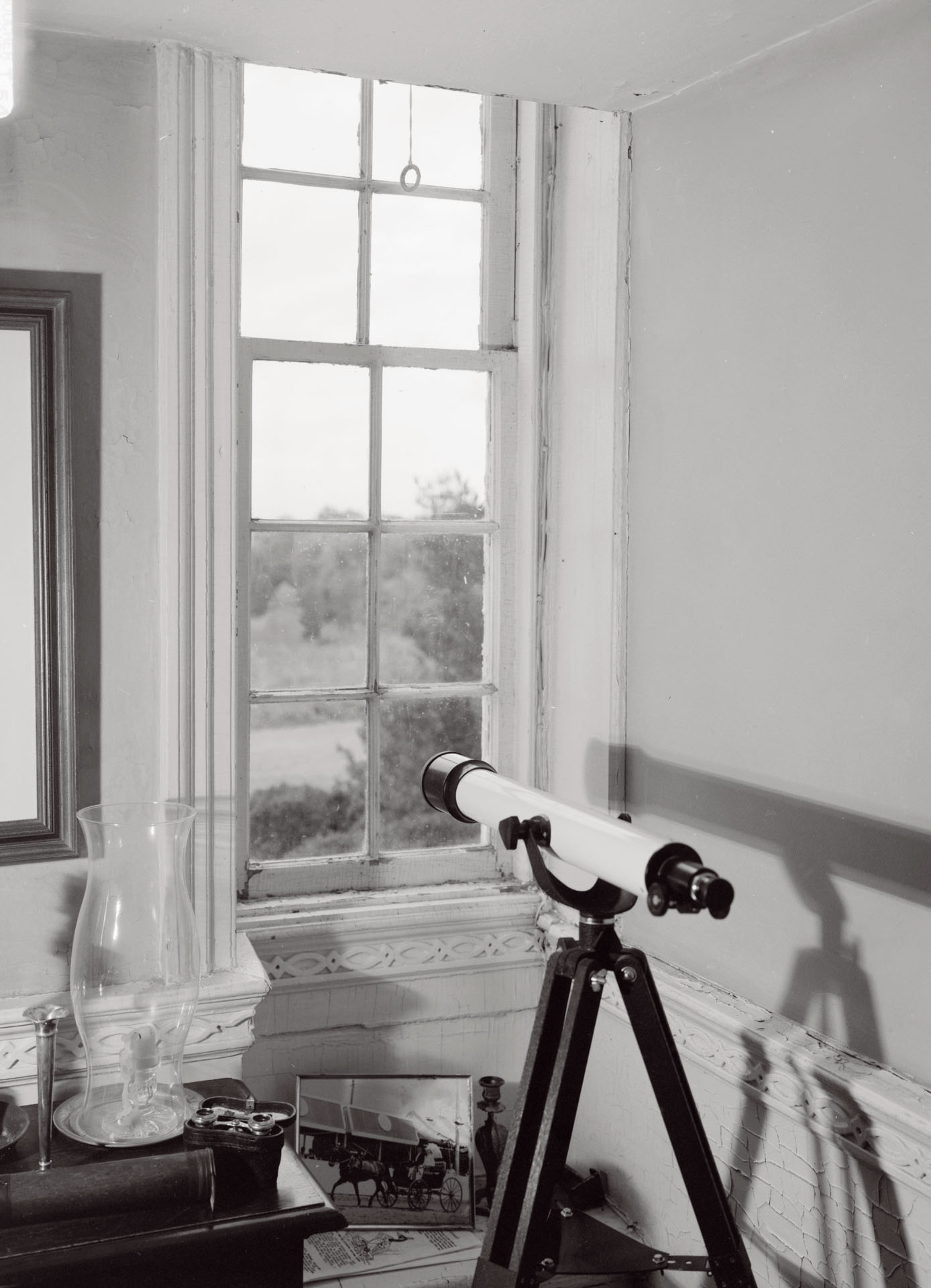
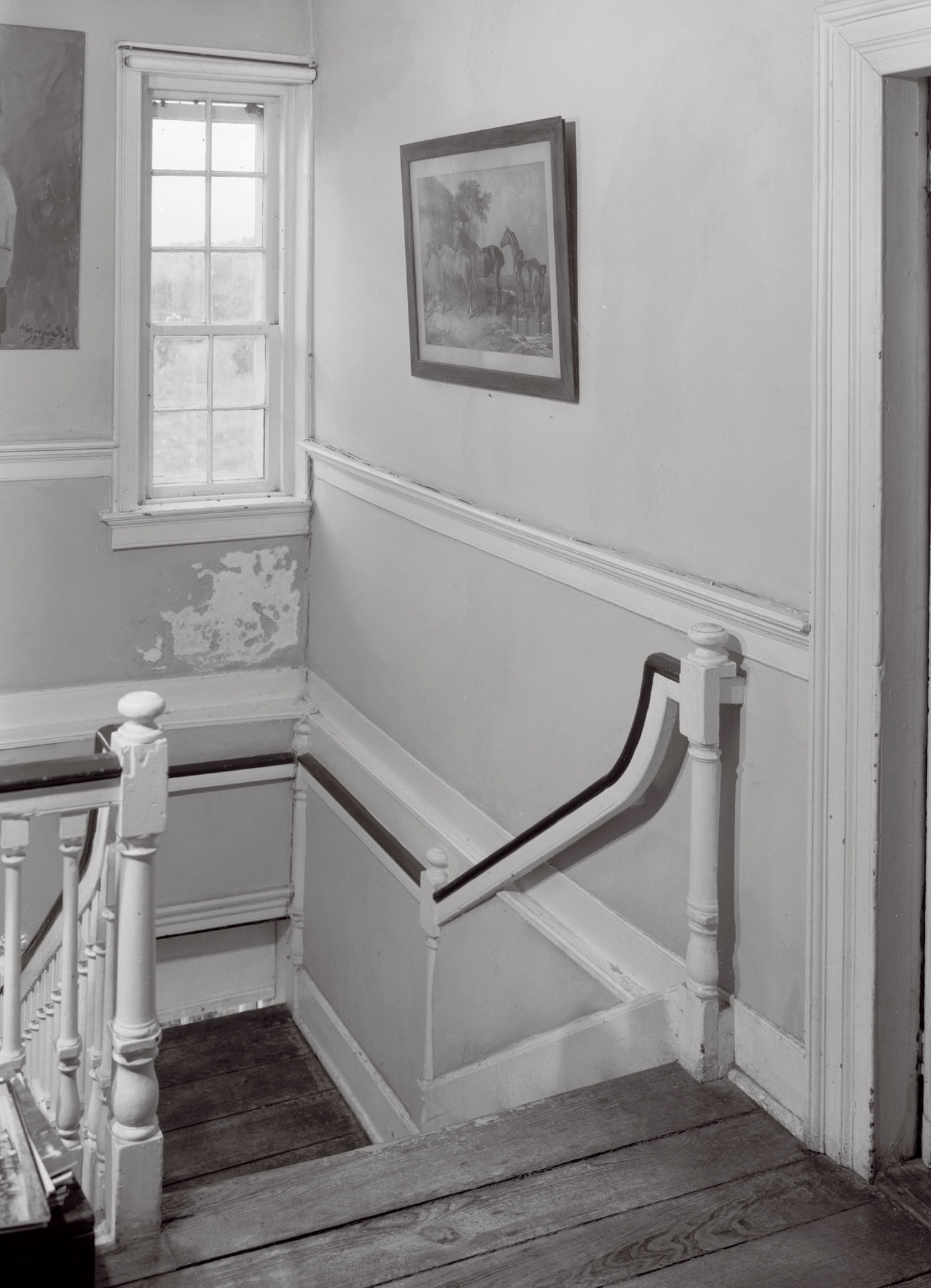
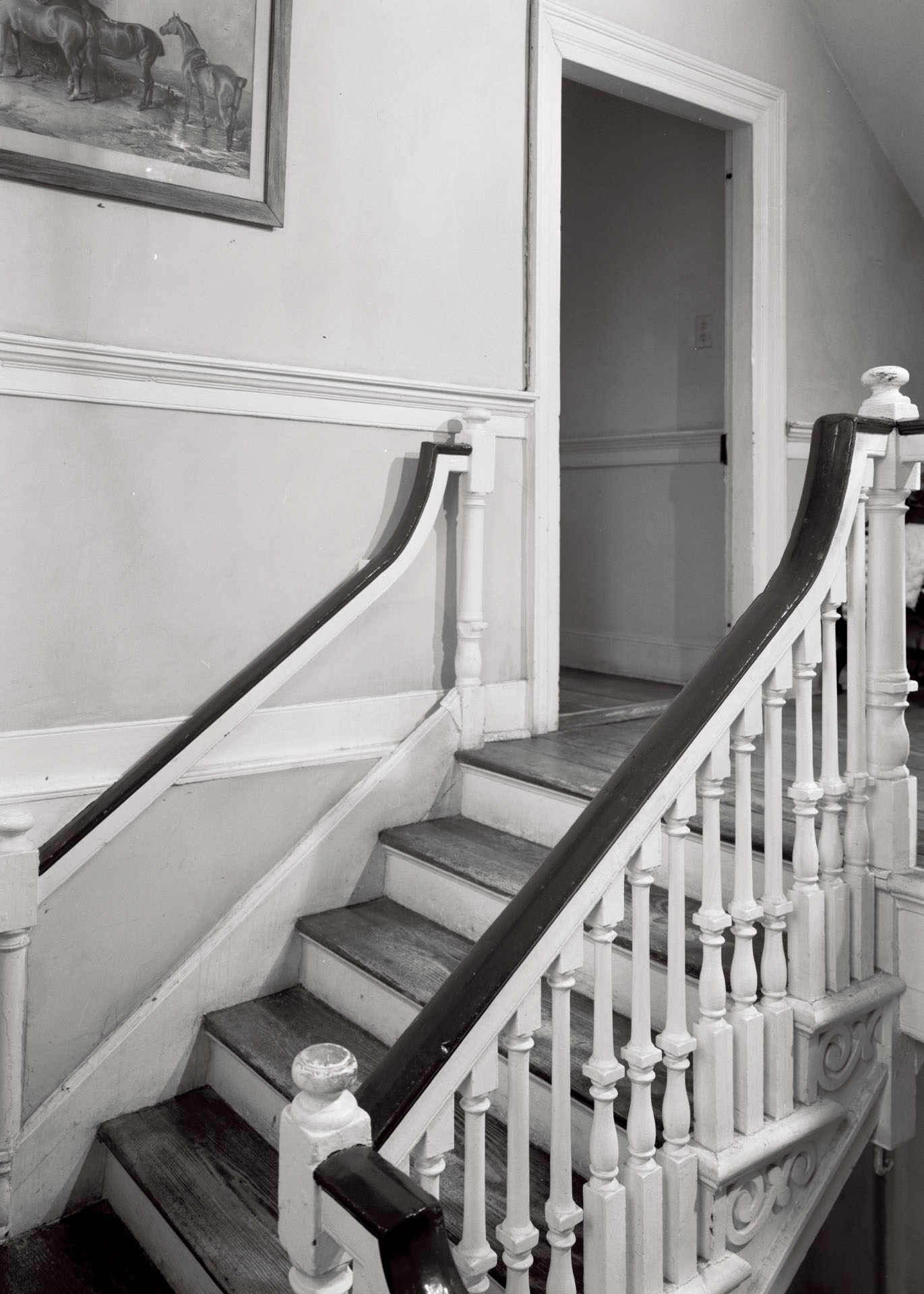
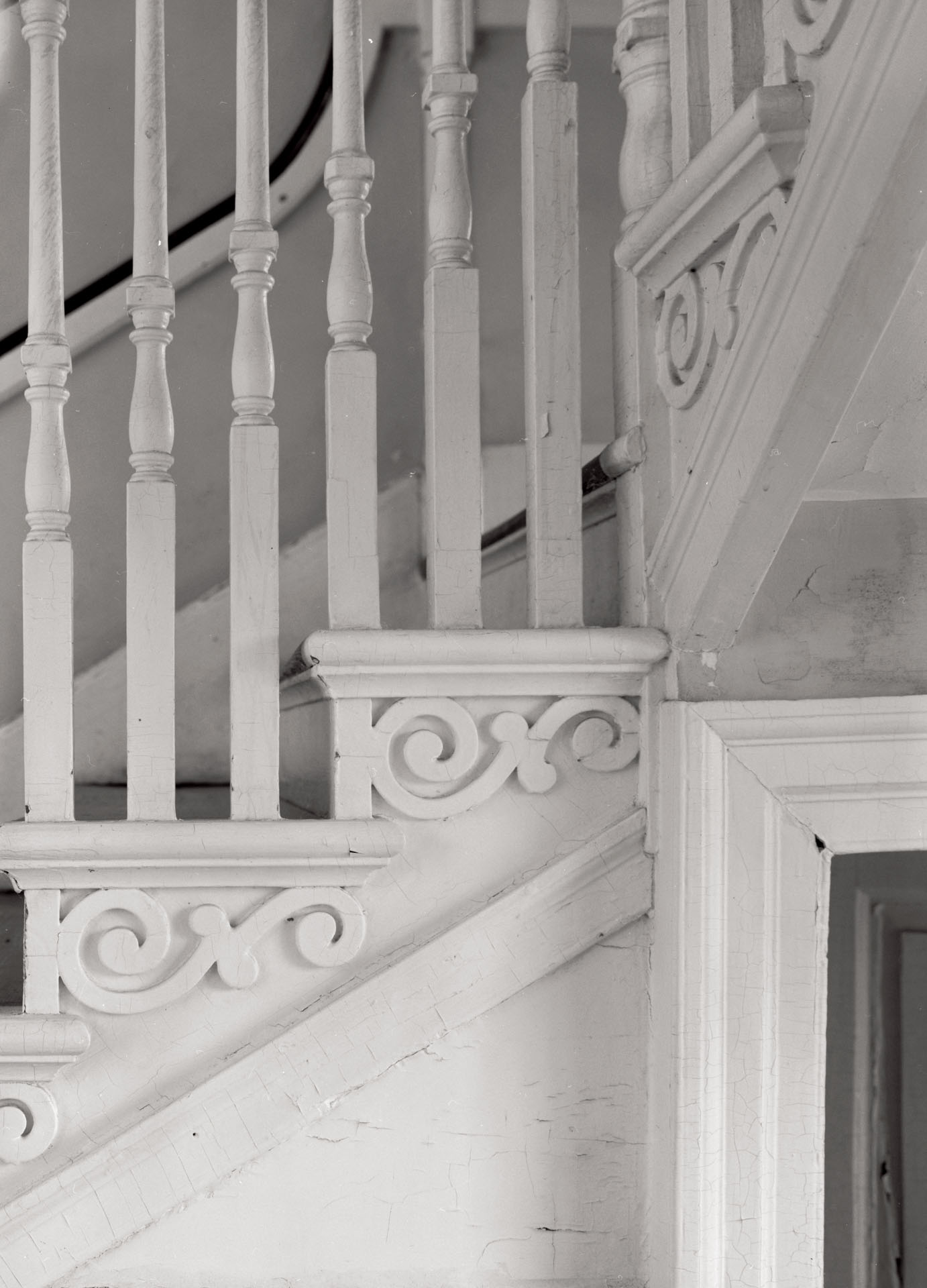
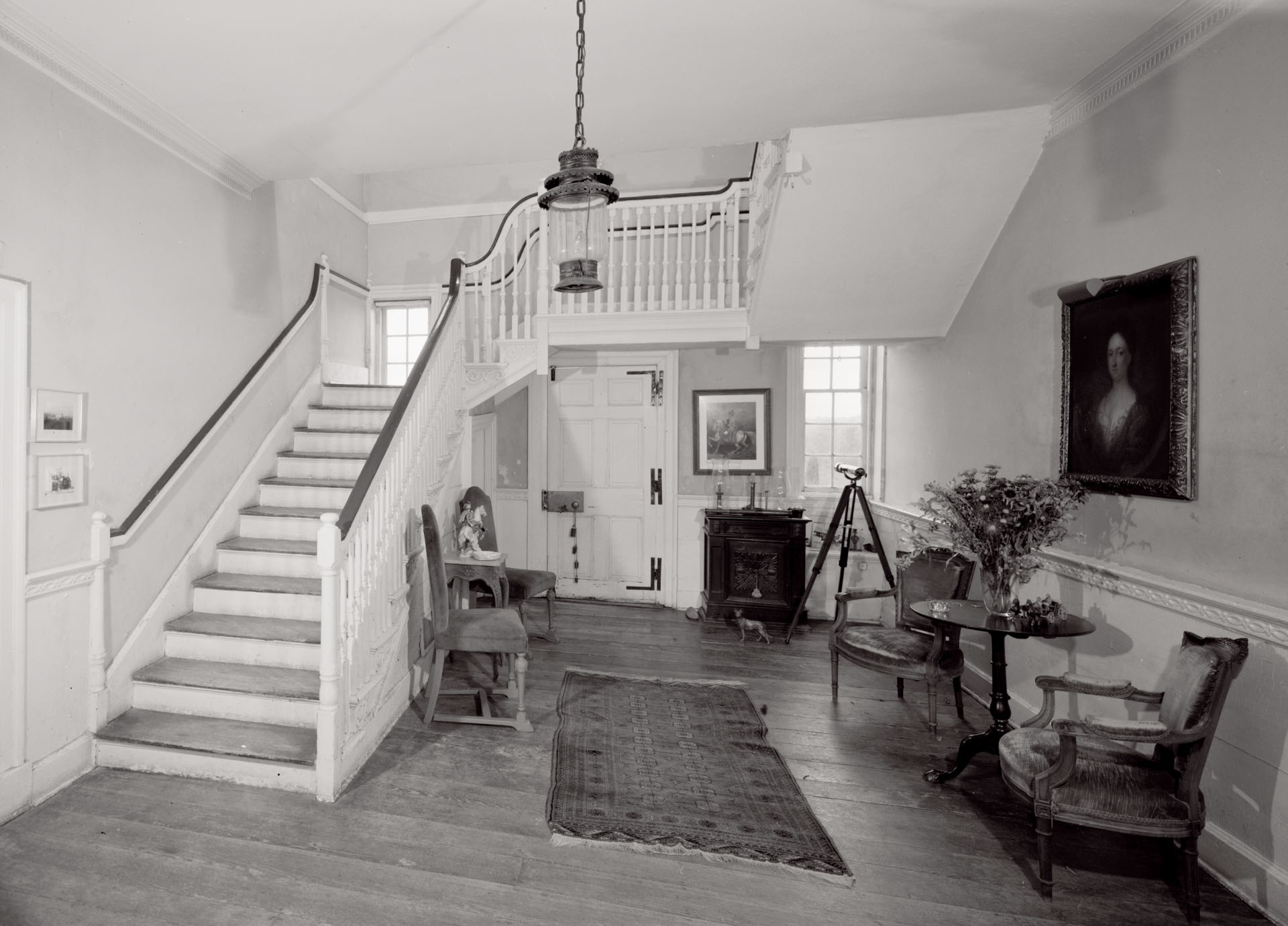
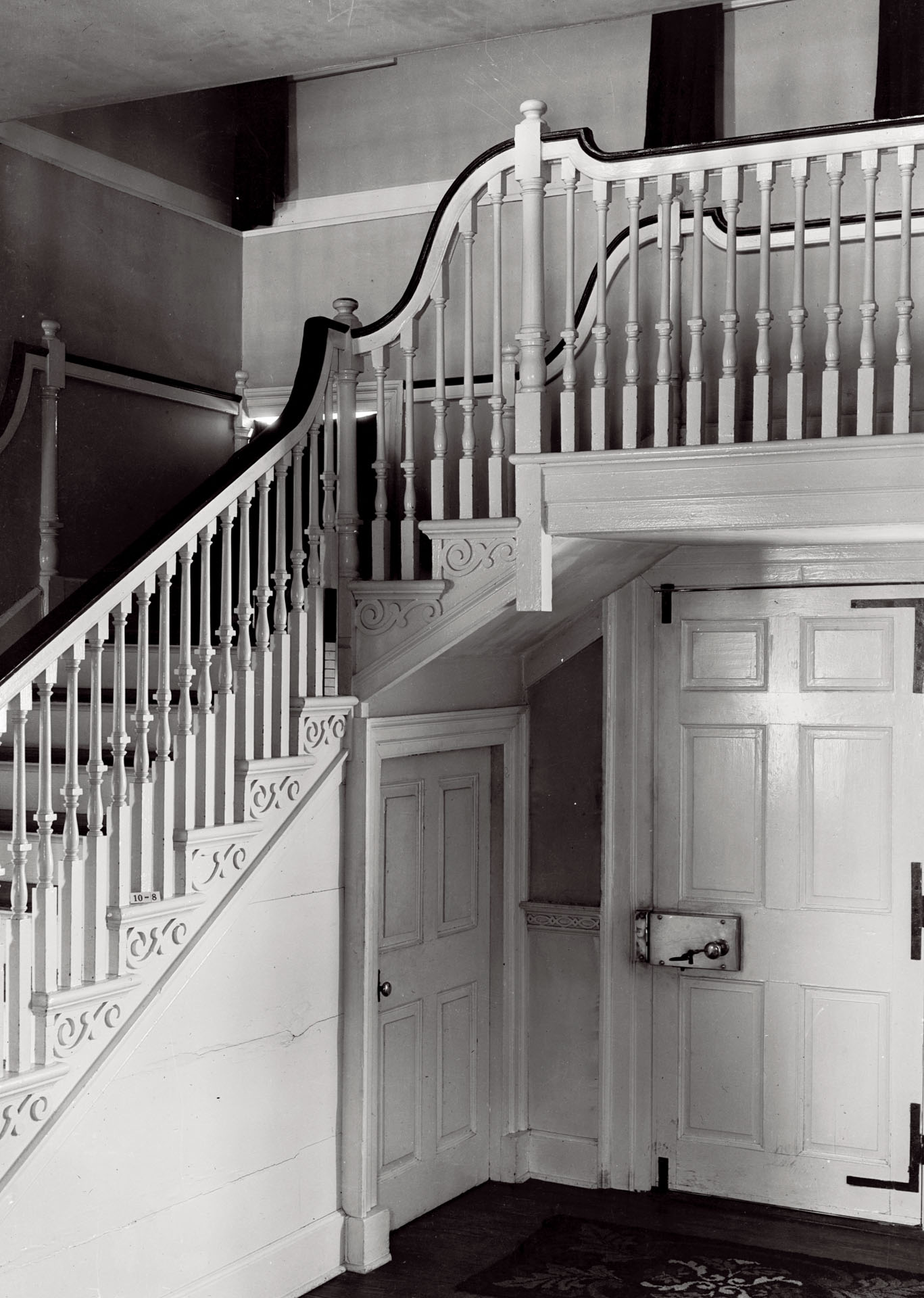
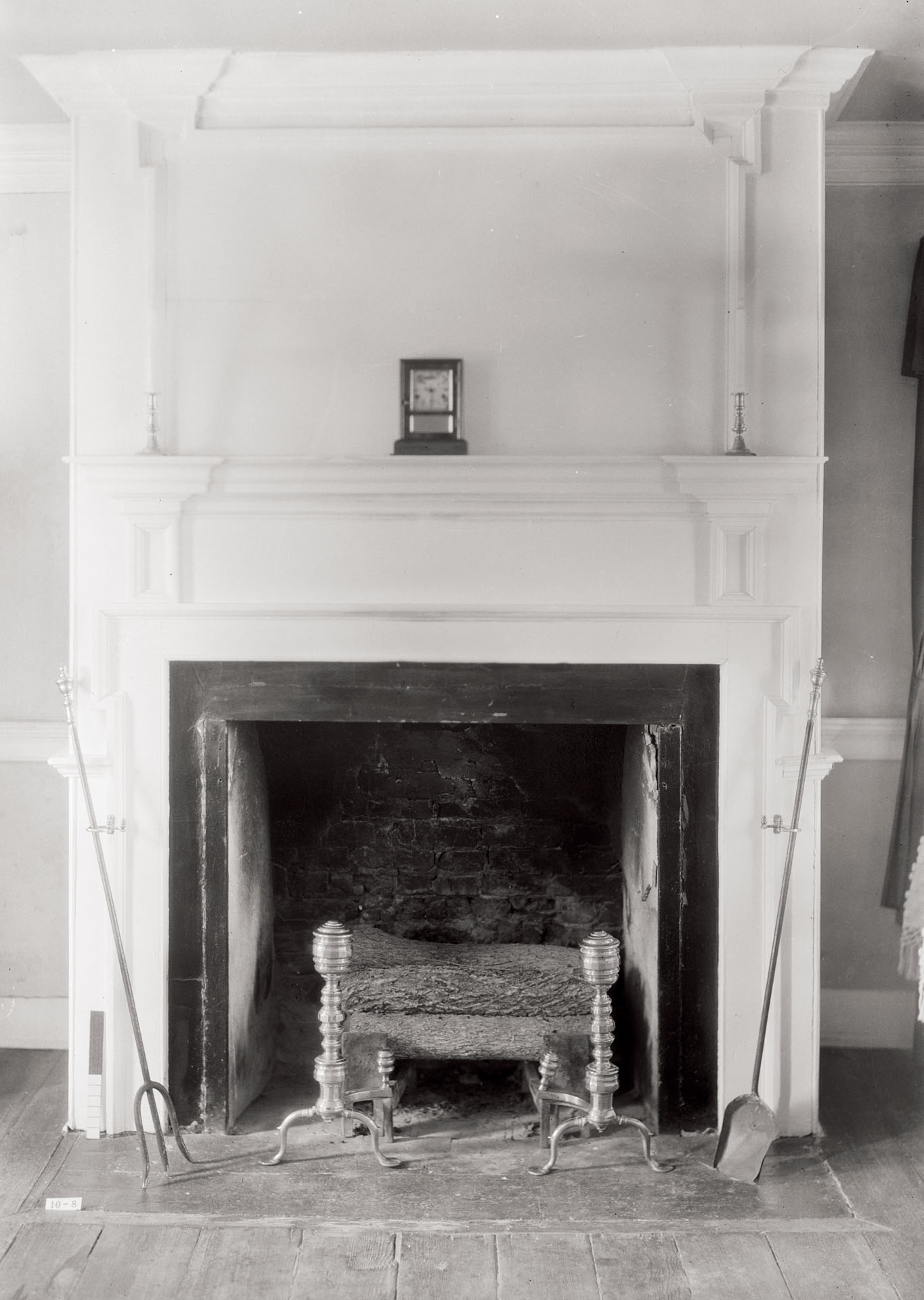
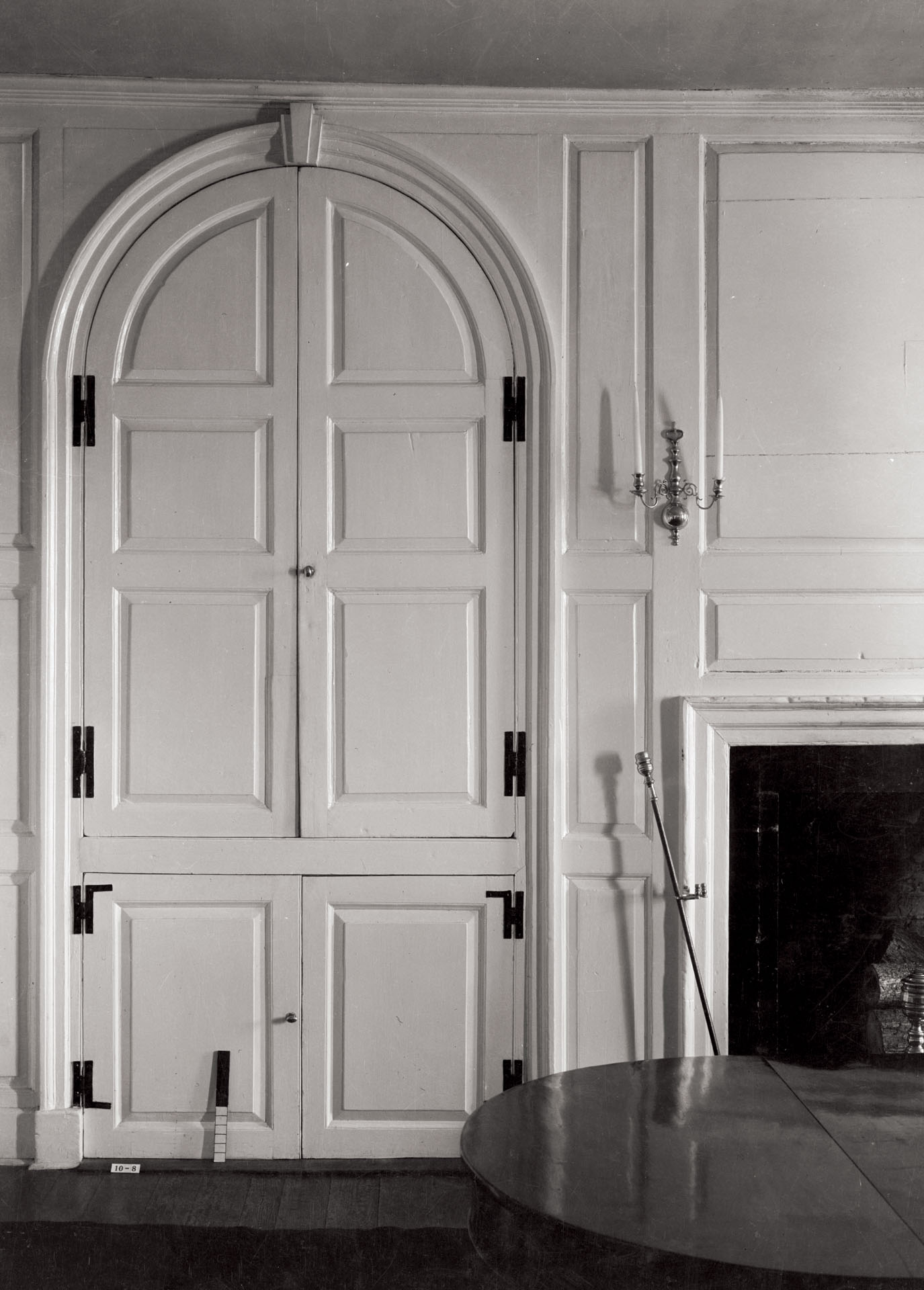
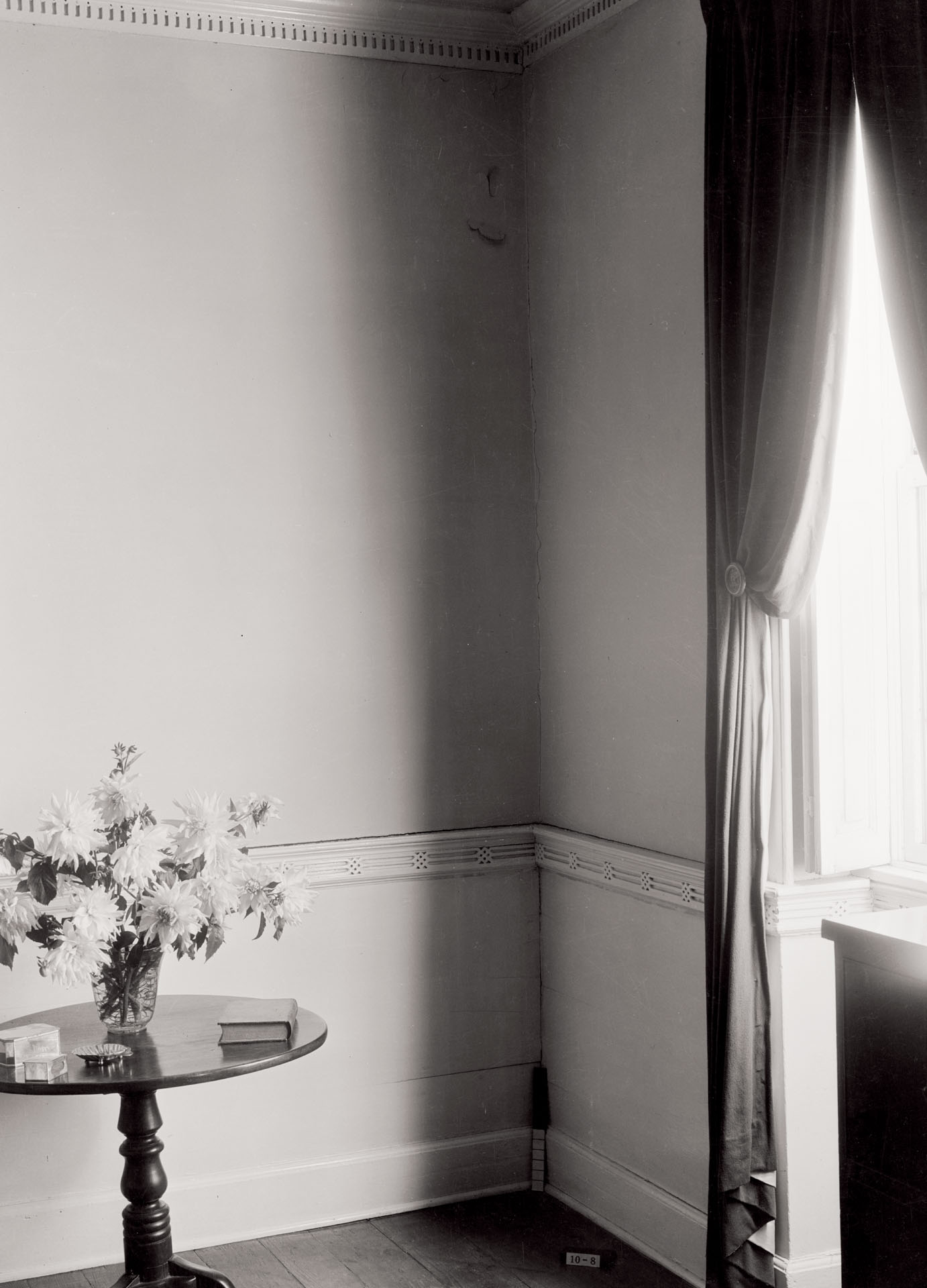
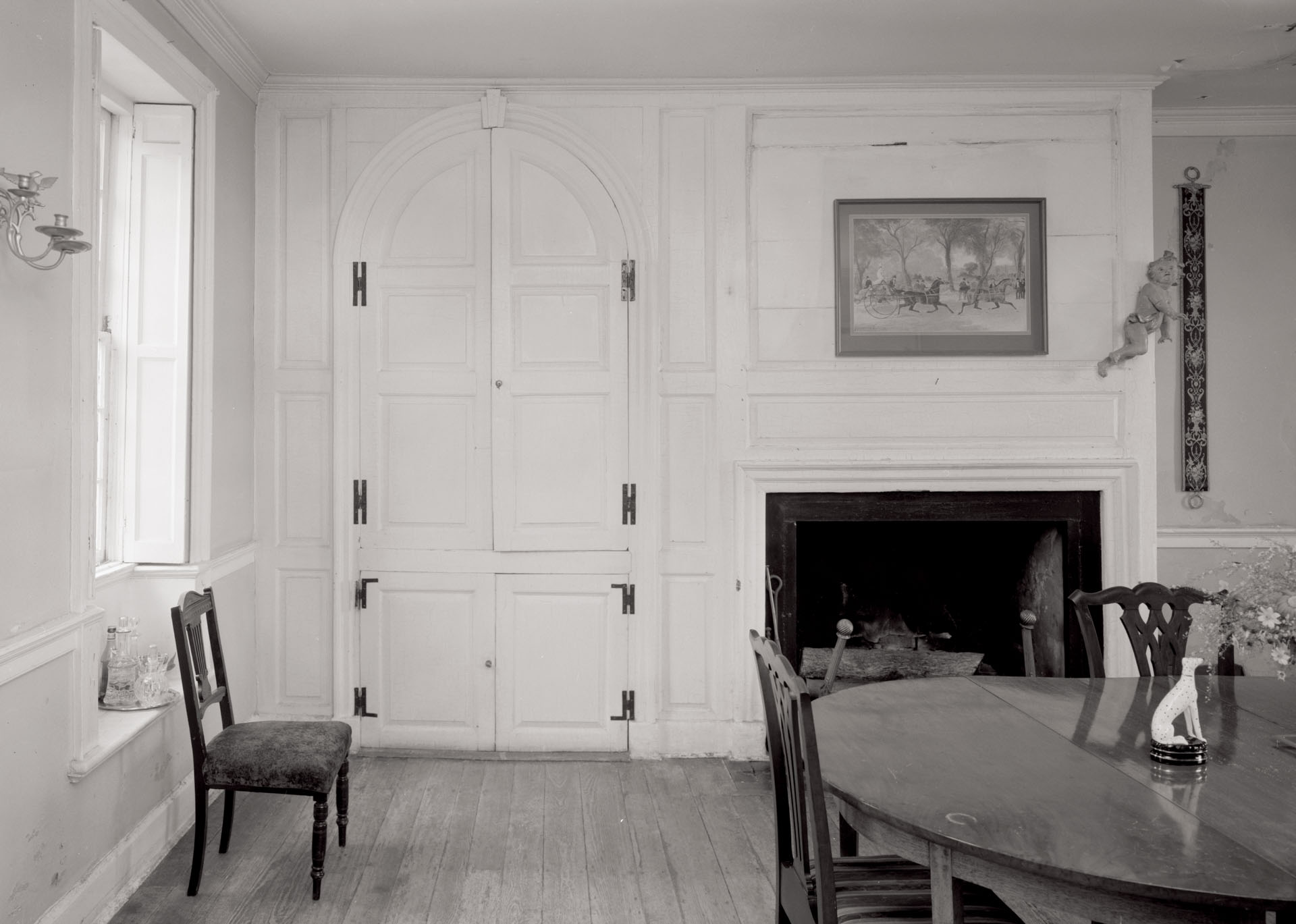
The measured drawings and historic photographs record an interior equally attentive to craft and discipline. Principal rooms are organized around tall fireplace walls articulated with scaled mantels, paneled surrounds, and mouldings that mediate between structure and refinement. Door and window casings, baseboards, and stair elements are clearly rendered in the drawings, revealing a consistent hierarchy of detail across public and private spaces. Light is deliberately managed through tall multipane windows and upper story dormers, reinforcing a balance between illumination, enclosure, and proportion that governs the domestic plan.
Harmony Hall’s architectural coherence is matched by a layered historical narrative. Built by planter Enoch Magruder on land originally patented in the seventeenth century, the house later acquired its name in the late eighteenth century. According to local legend, the name Harmony Hall emerged during the 1790s, inspired by the marital harmony that flourished there when two young couples rented the house following their nuptials. In the twentieth century, preservation efforts undertaken by Charles Wallace Collins sought to stabilize and document the house and its landscape, including the introduction of a sunken landscape wall that defines the grounds without interrupting views. Today, preserved by the National Park Service and listed on the National Register of Historic Places, Harmony Hall endures as a rare and instructive example of eighteenth century design in Maryland, its form and details continuing to speak across centuries.