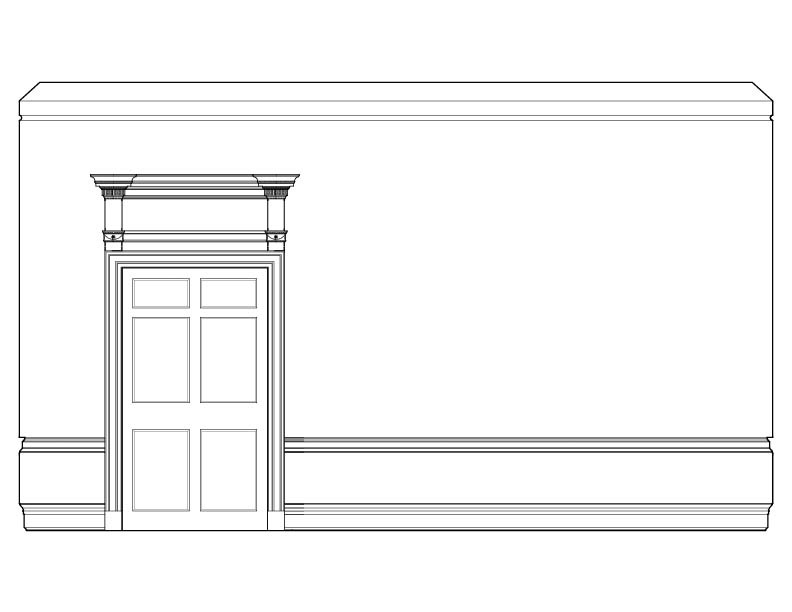
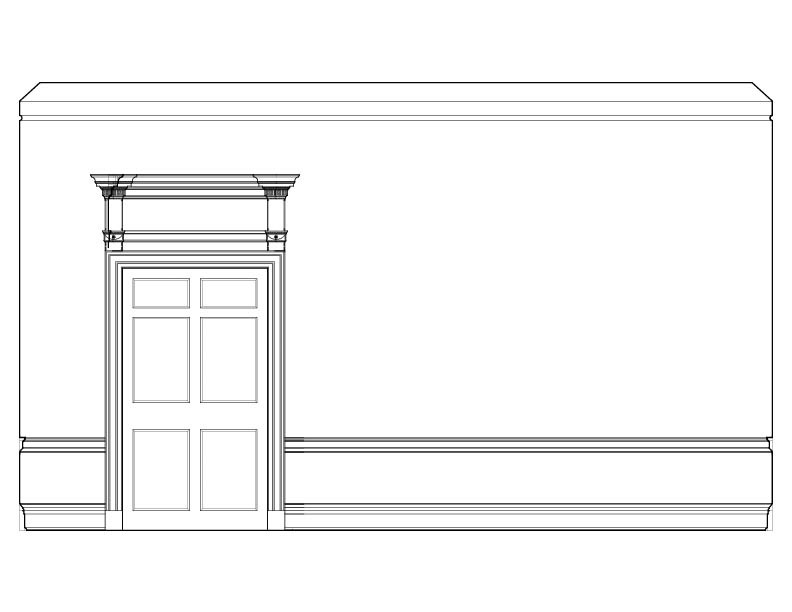
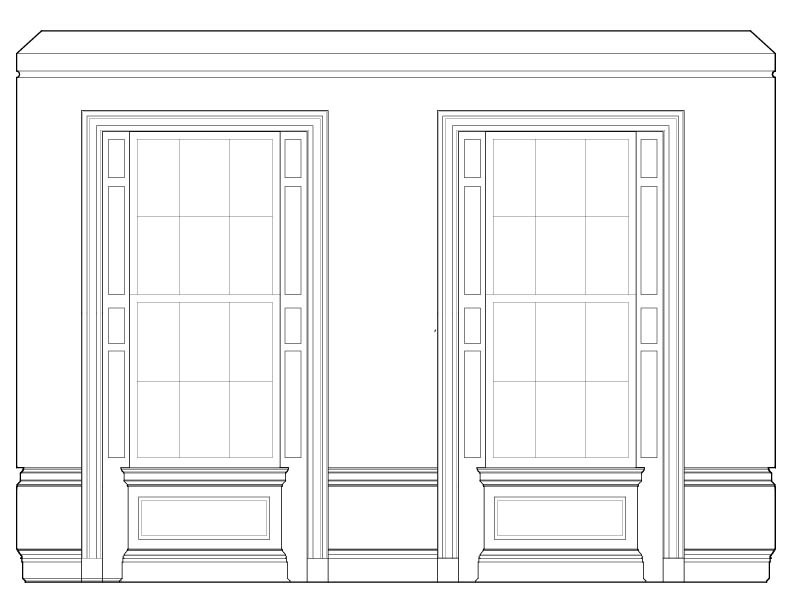
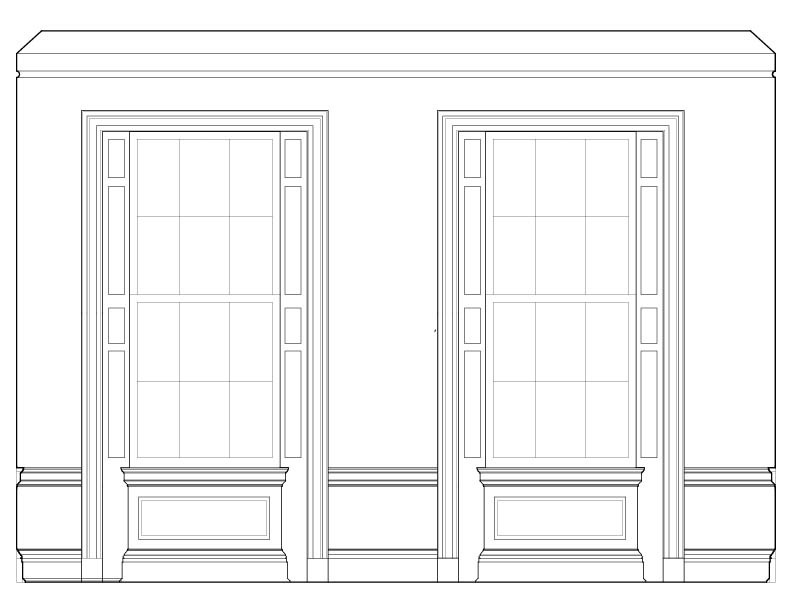
42 THE STRAND, NEW CASTLE, NEW CASTLE COUNTY, DELAWARE
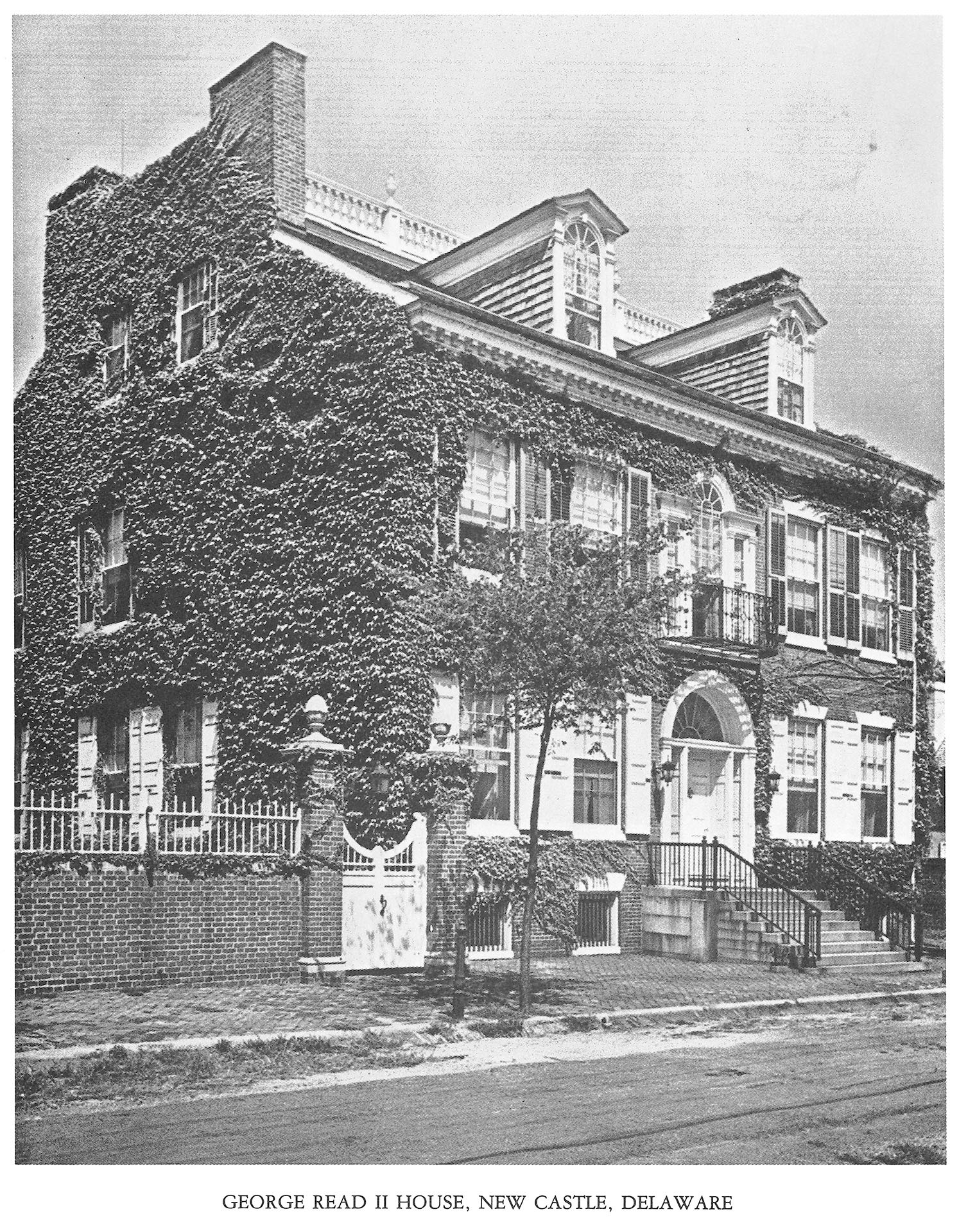
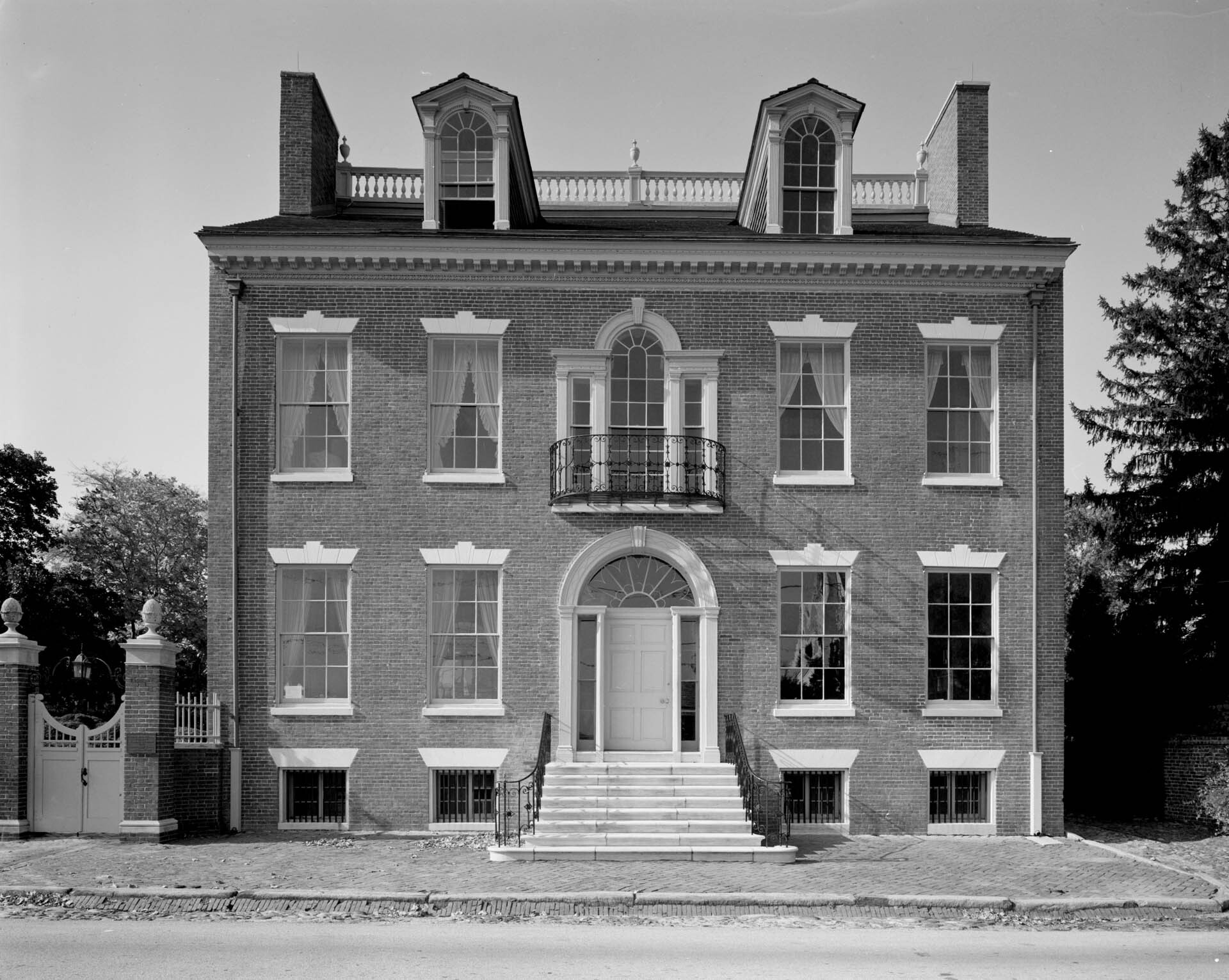
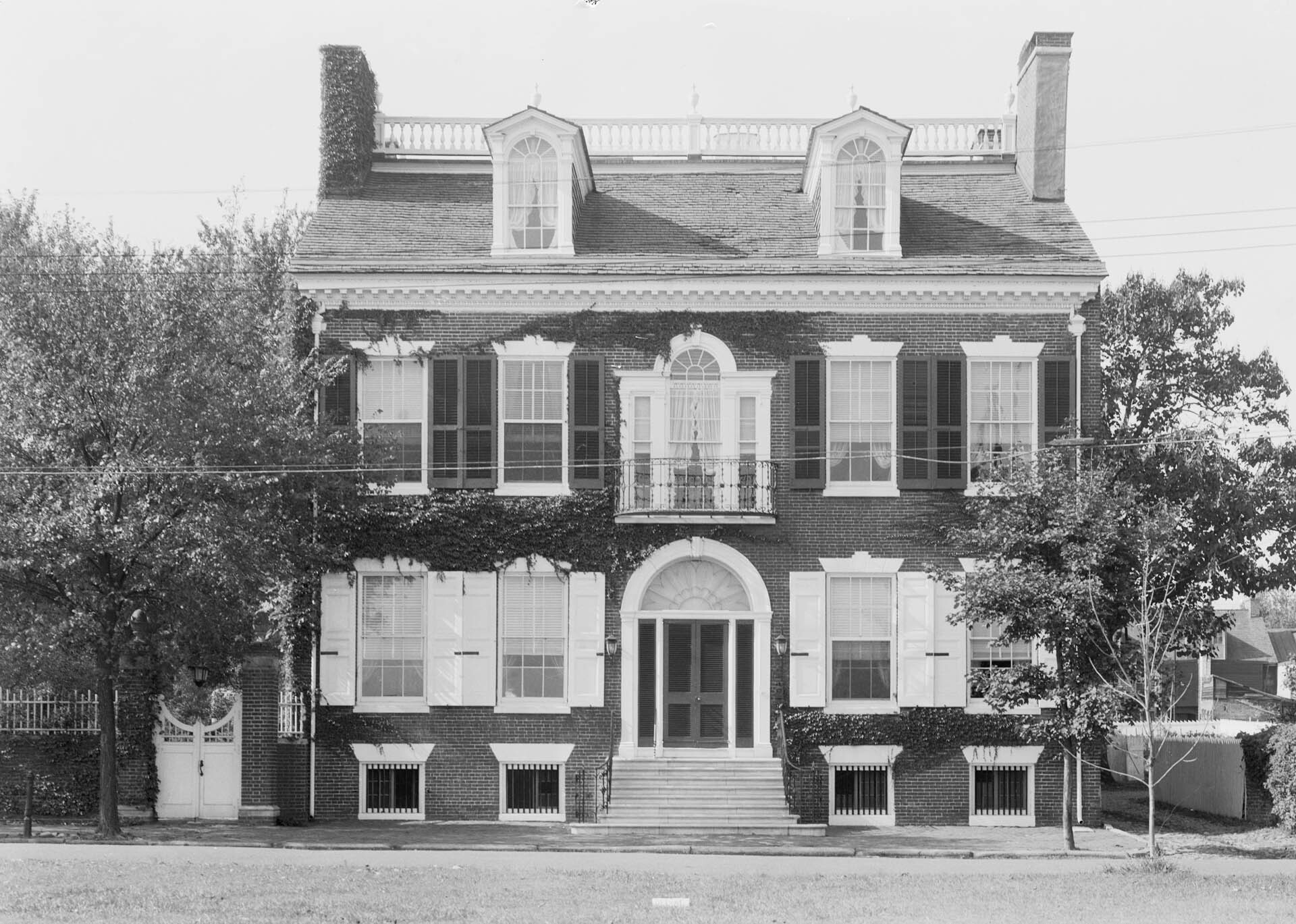
The George Read House at 42 The Strand in New Castle, Delaware, constructed between 1797 and 1804 for George Read II, son of the signer of the Declaration of Independence and the Constitution, is one of the most significant examples of Federal period domestic architecture in the Mid Atlantic. At more than fourteen thousand square feet, it was the largest private residence in Delaware at the time and expressed both the social standing and cultivated taste of a family central to the political and cultural life of the early republic. Set prominently along the riverfront, its scale, symmetry, and classical discipline announced an urbane architectural ambition drawn from the finest Philadelphia precedents.
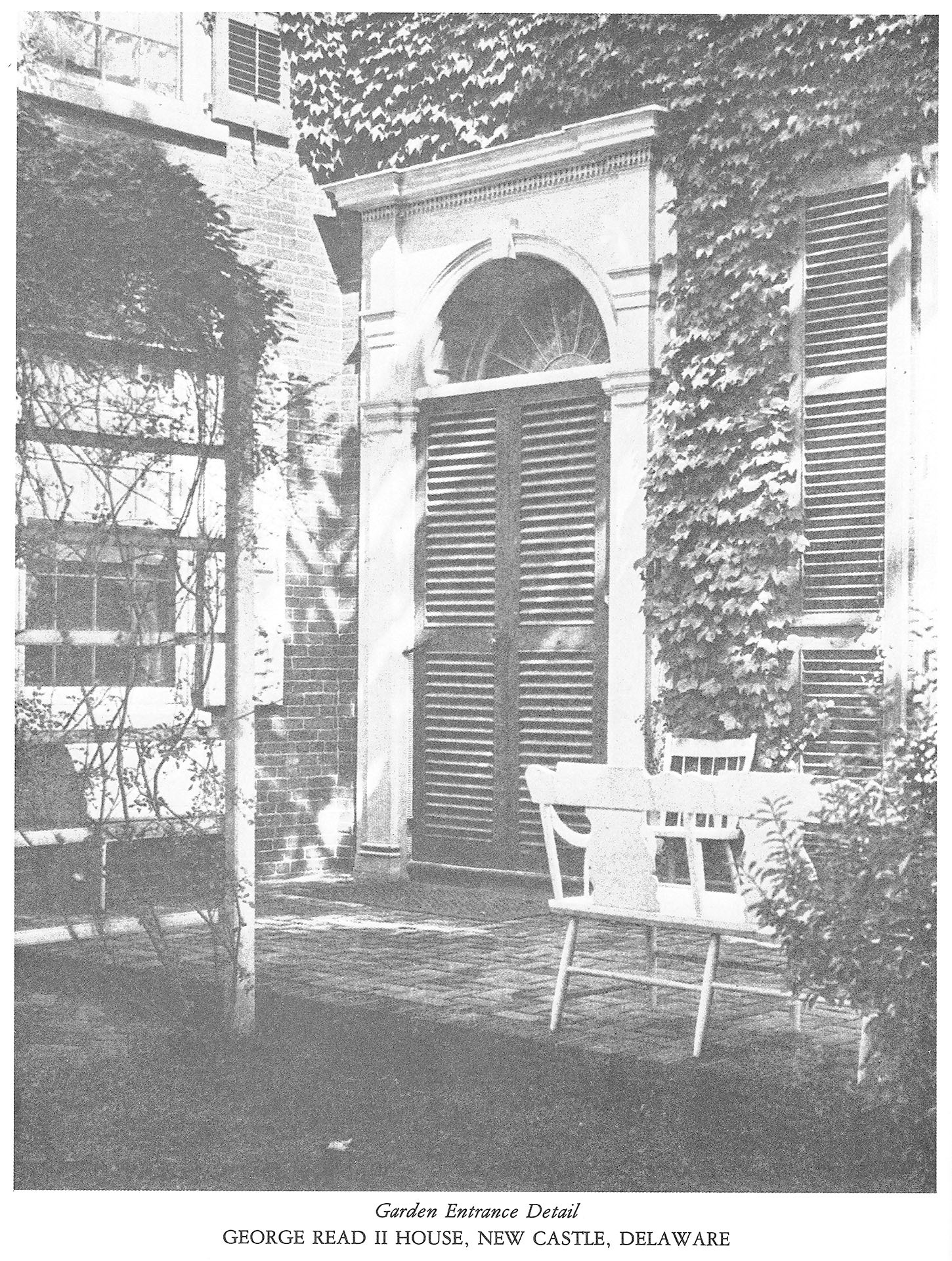
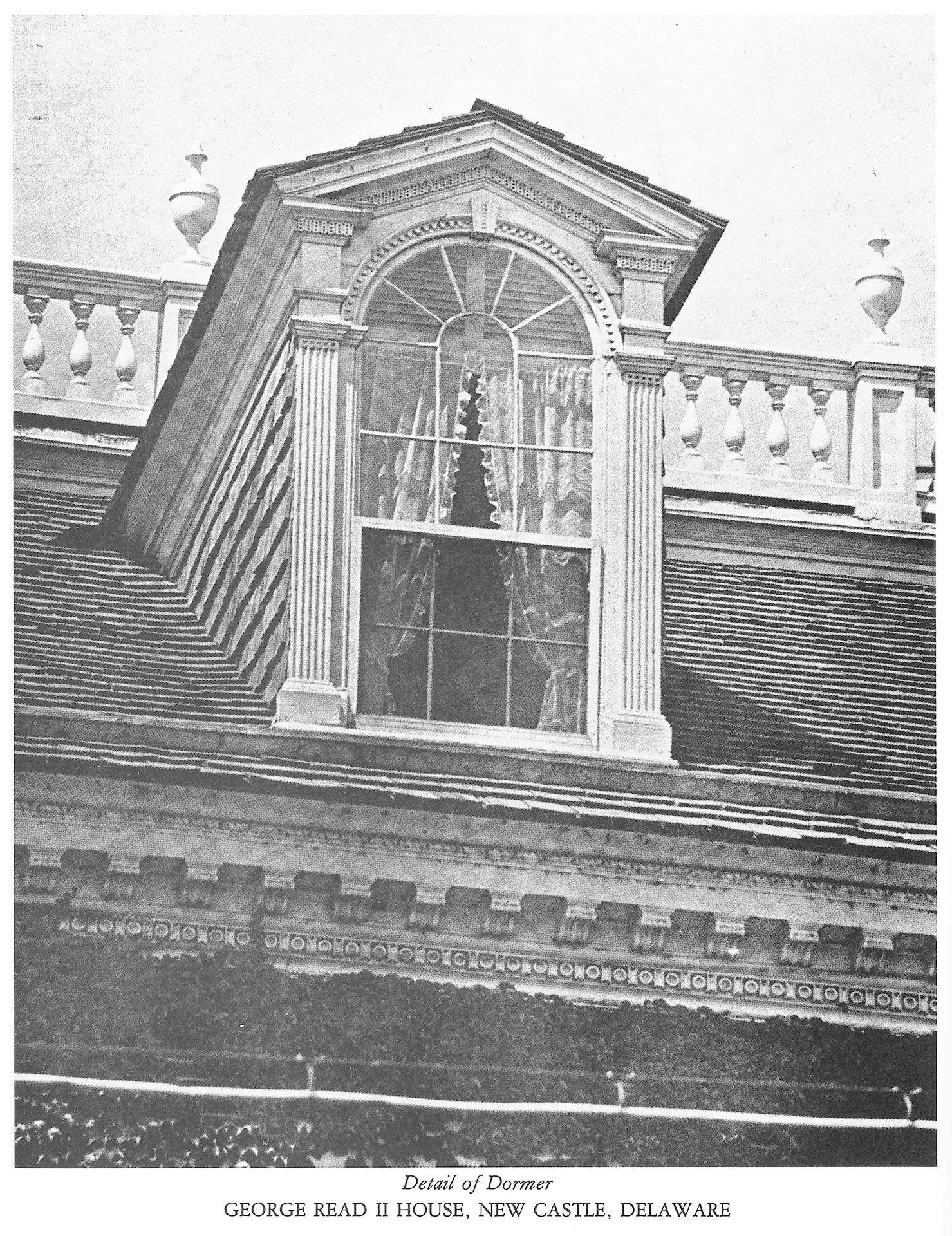
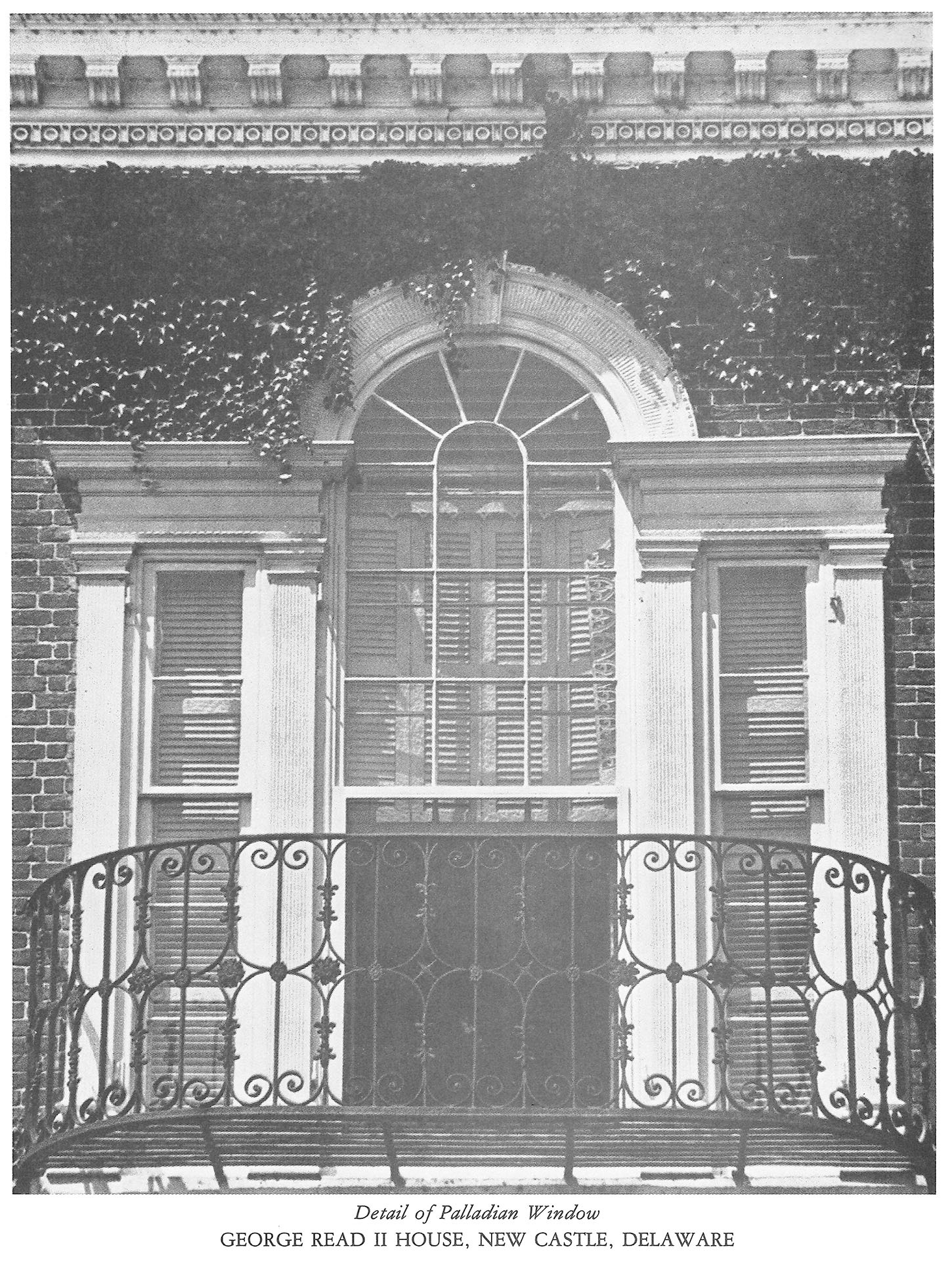
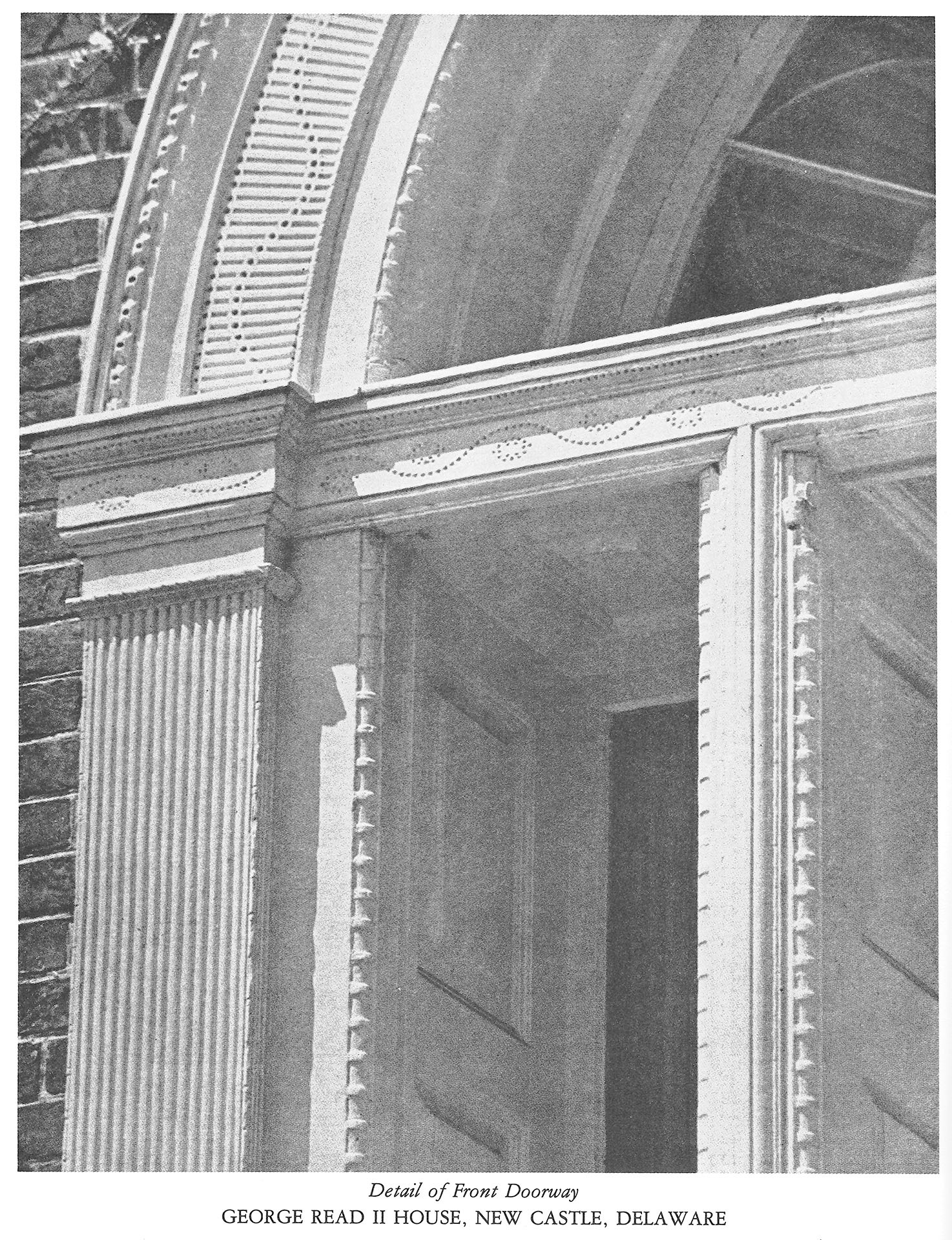
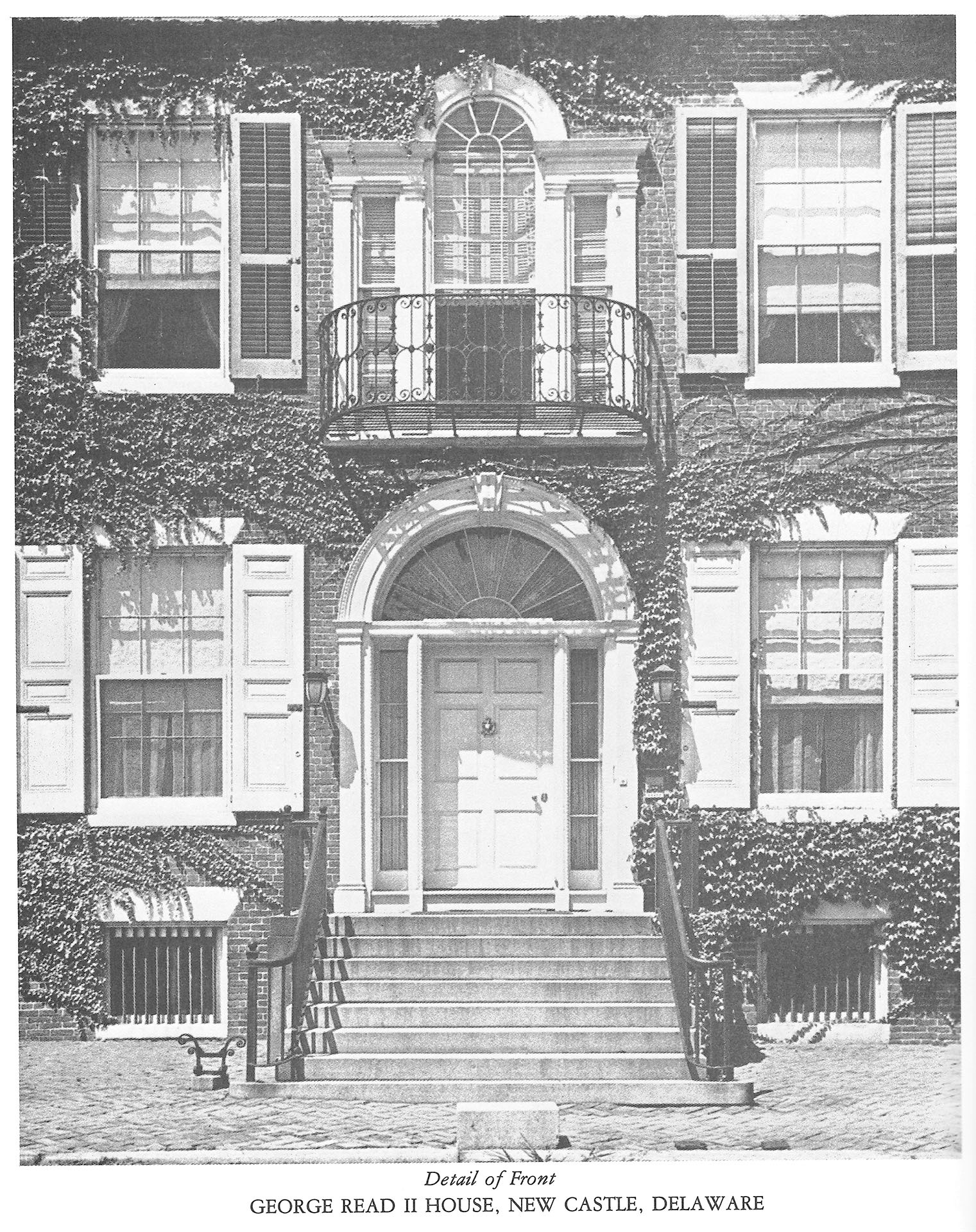
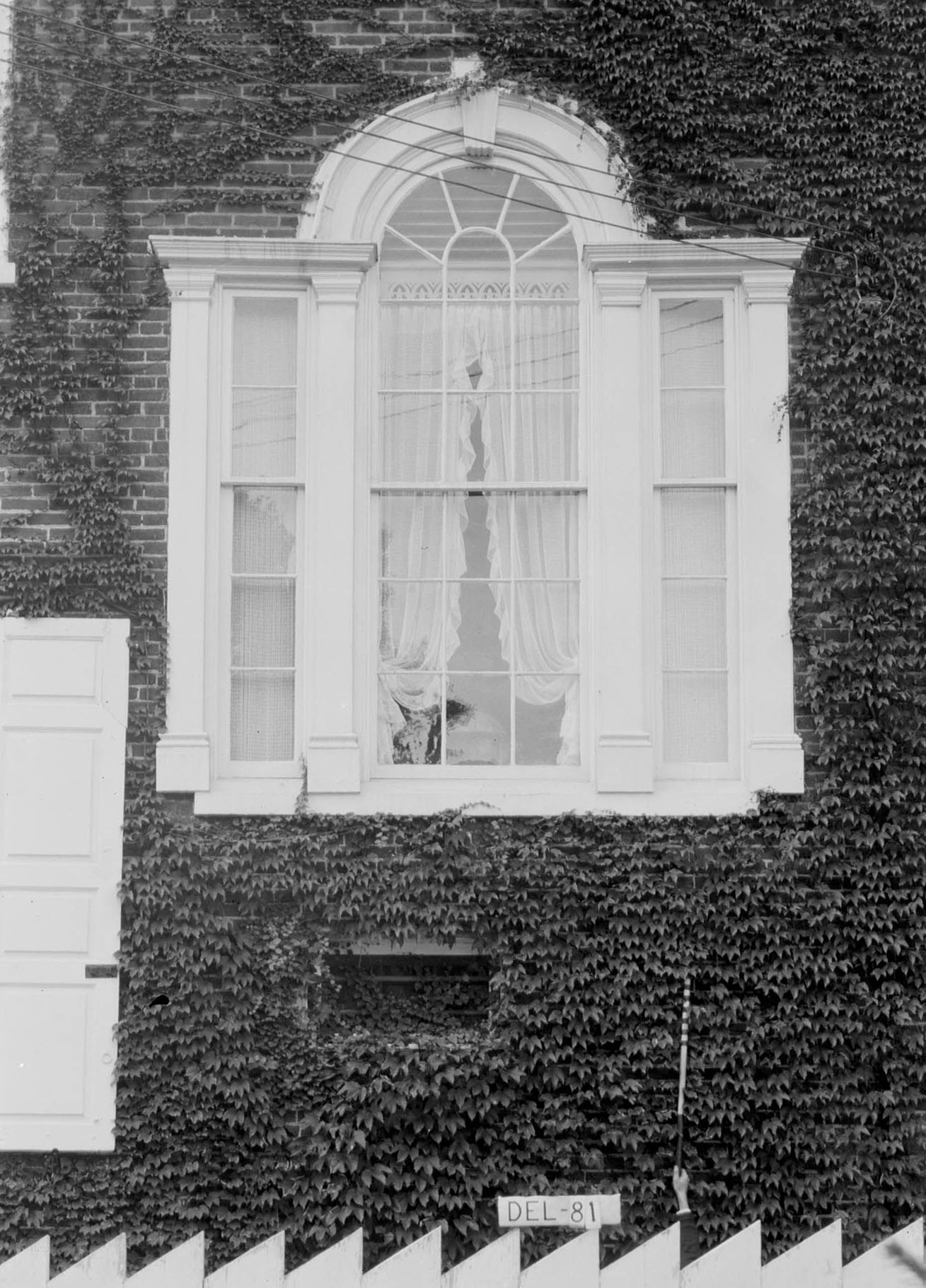
The brick exterior rises two and a half stories on a stone foundation, organized in a balanced five bay composition with sash windows, splayed stone lintels, and a central entrance framed by sidelights, pilasters, and a half round transom. A Palladian window on the second floor reinforces the classical pedigree, while dormers and the former roof balustrade complete a silhouette of ordered elegance. This carefully composed facade embodies the Federal ideal of proportion in translating European precedent into a confident American expression.
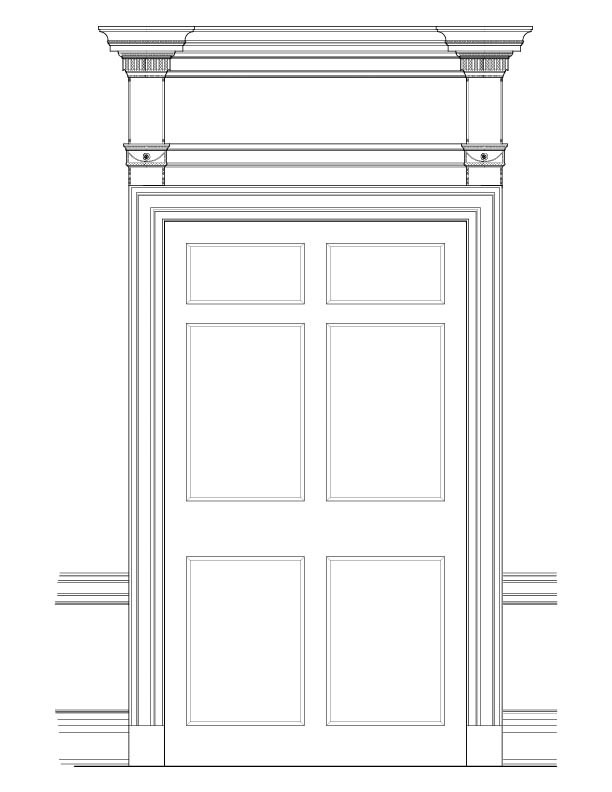
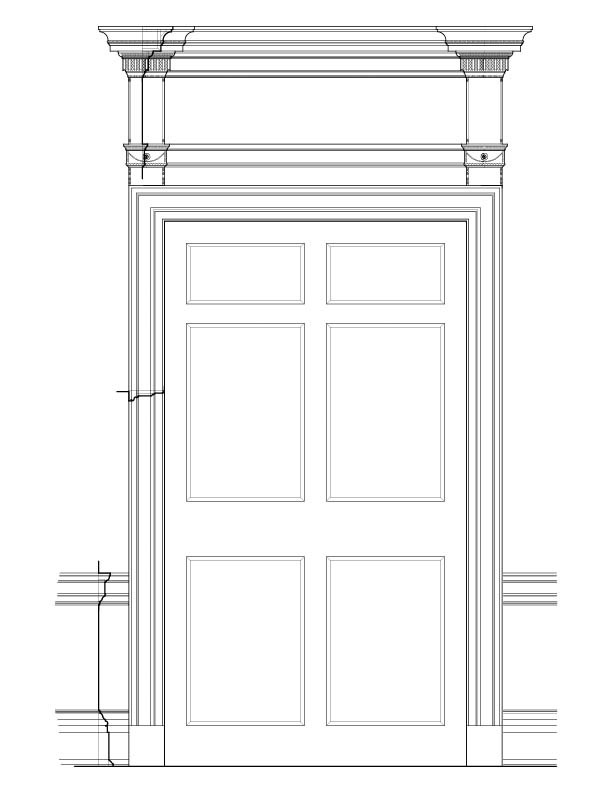
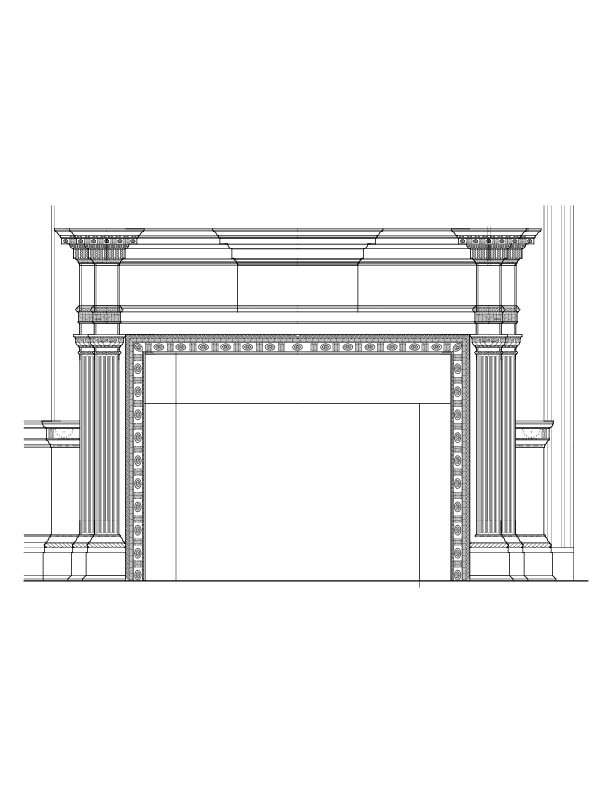
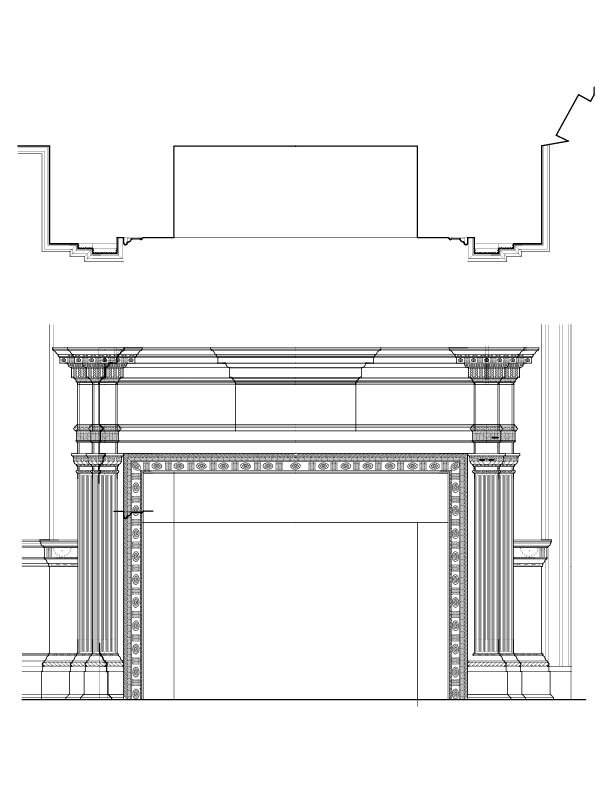
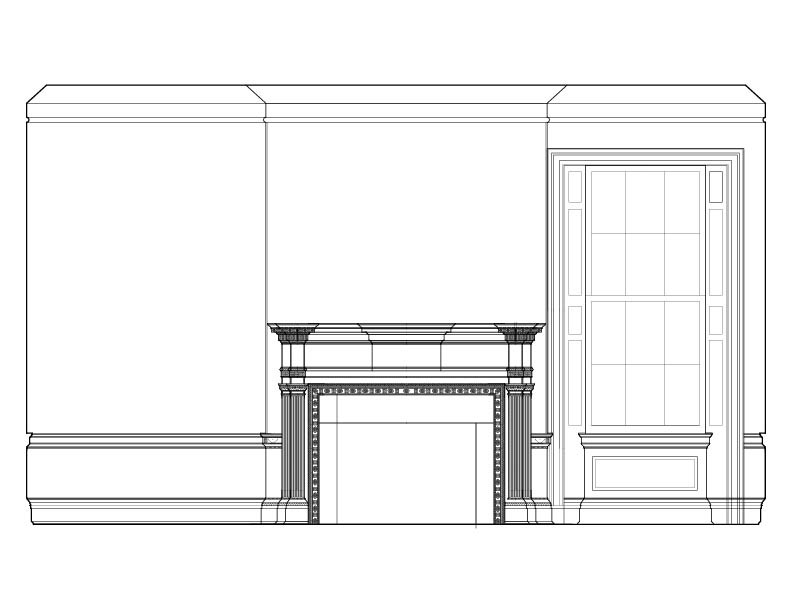
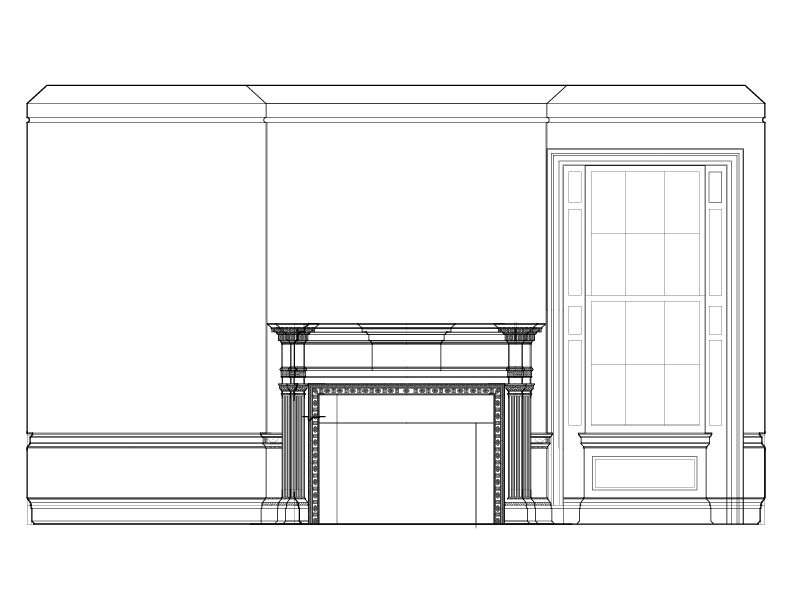
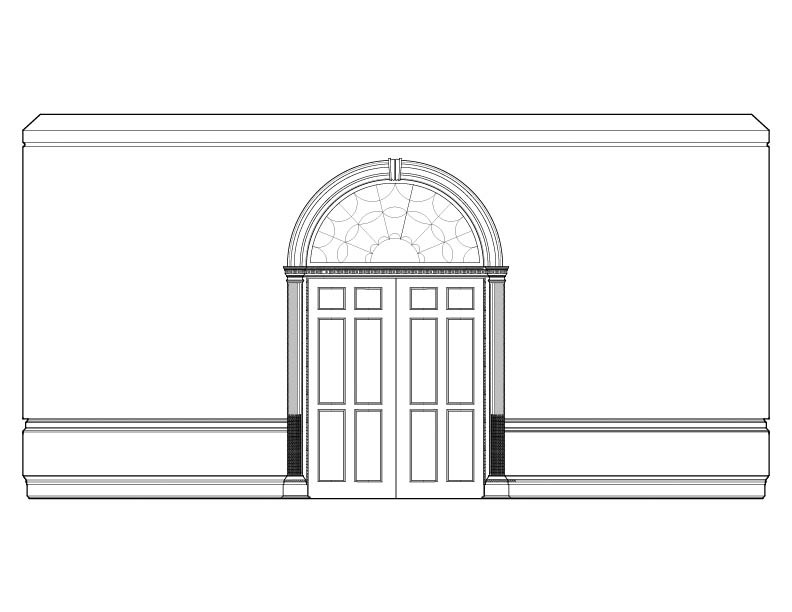
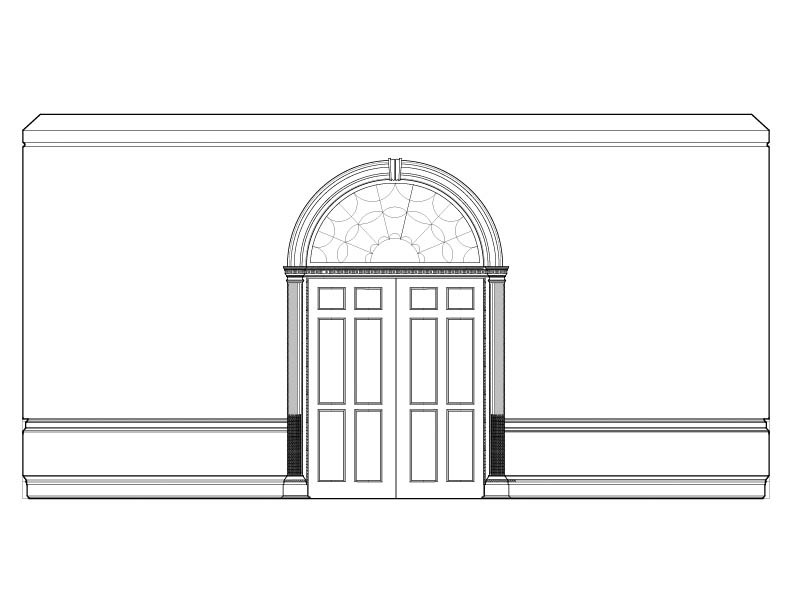
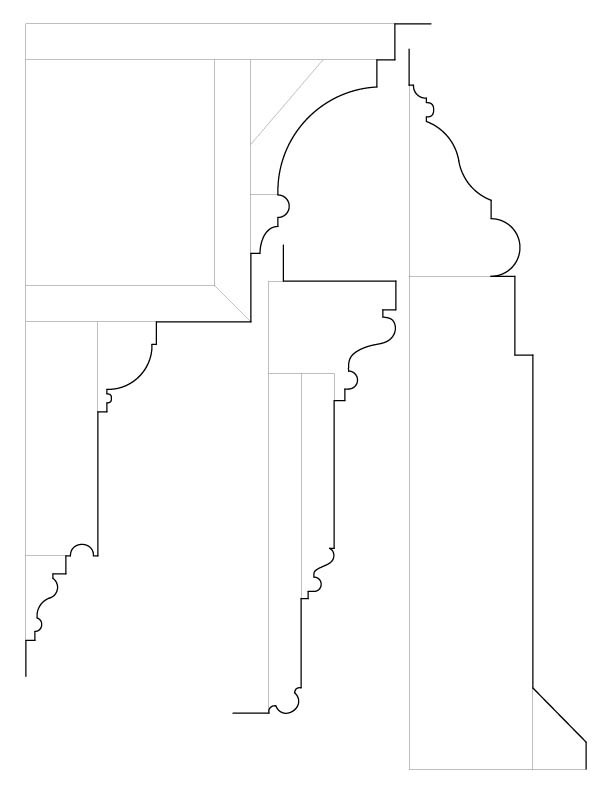
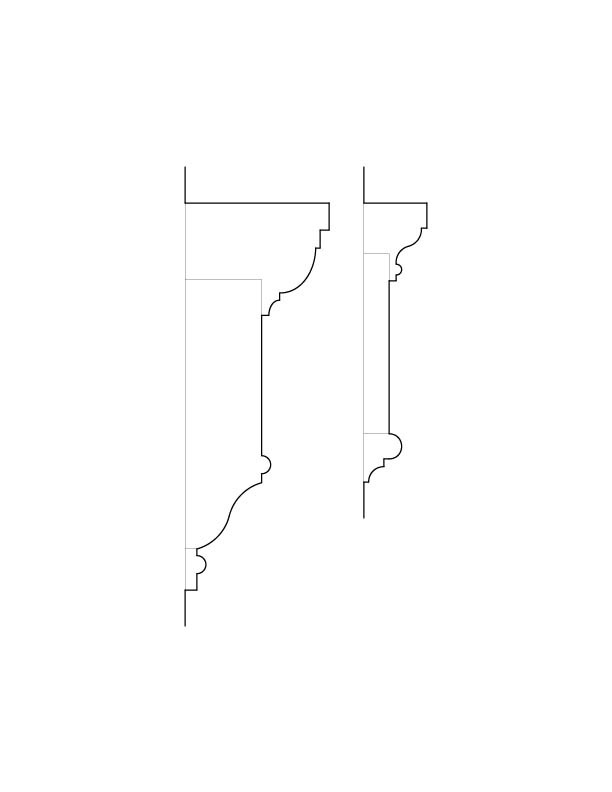
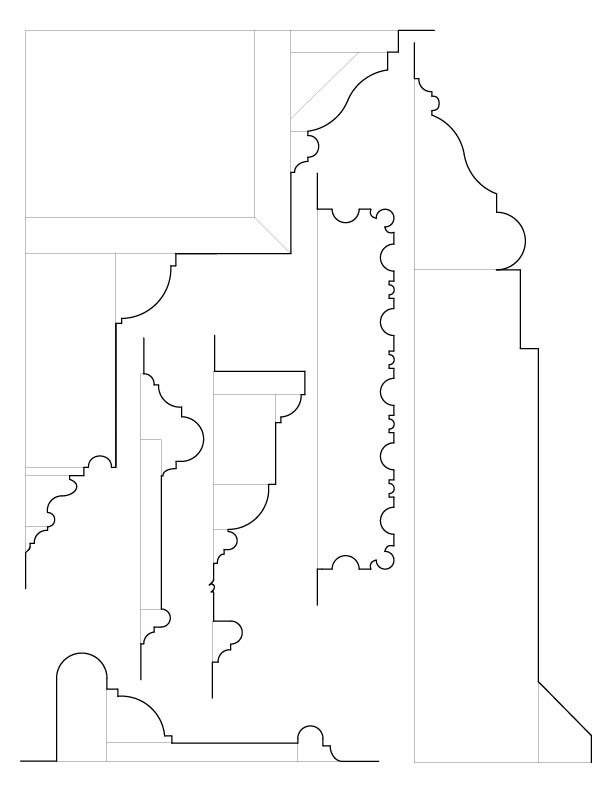
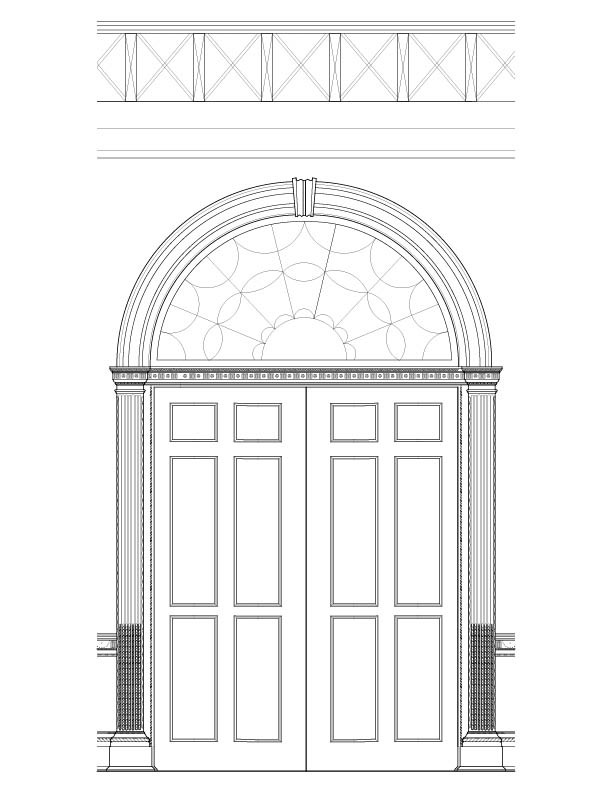
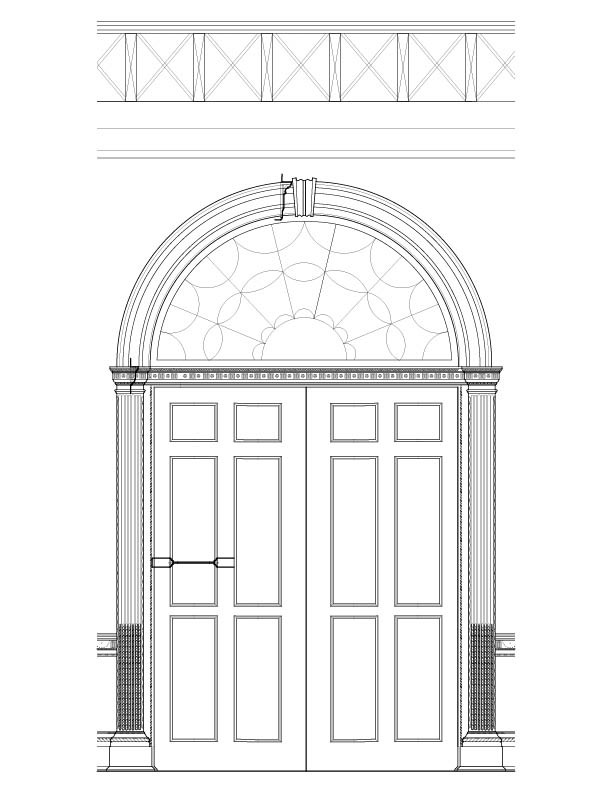
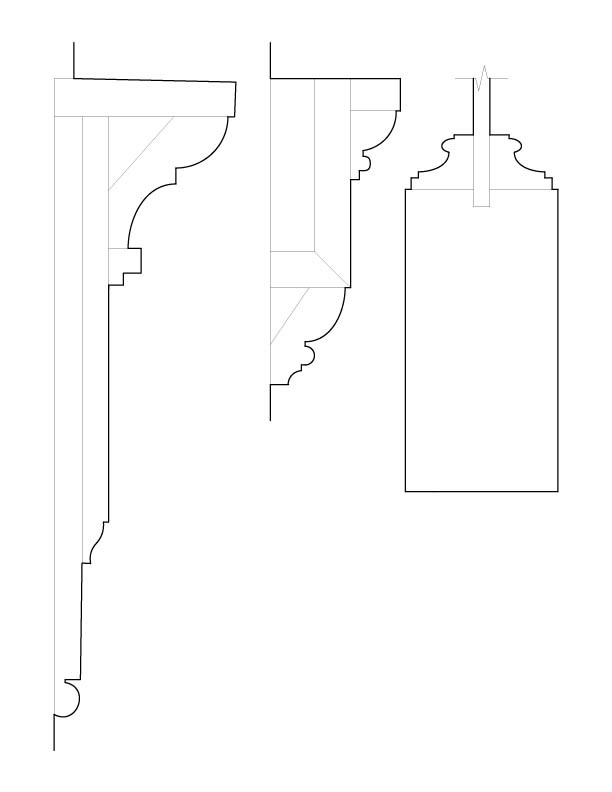
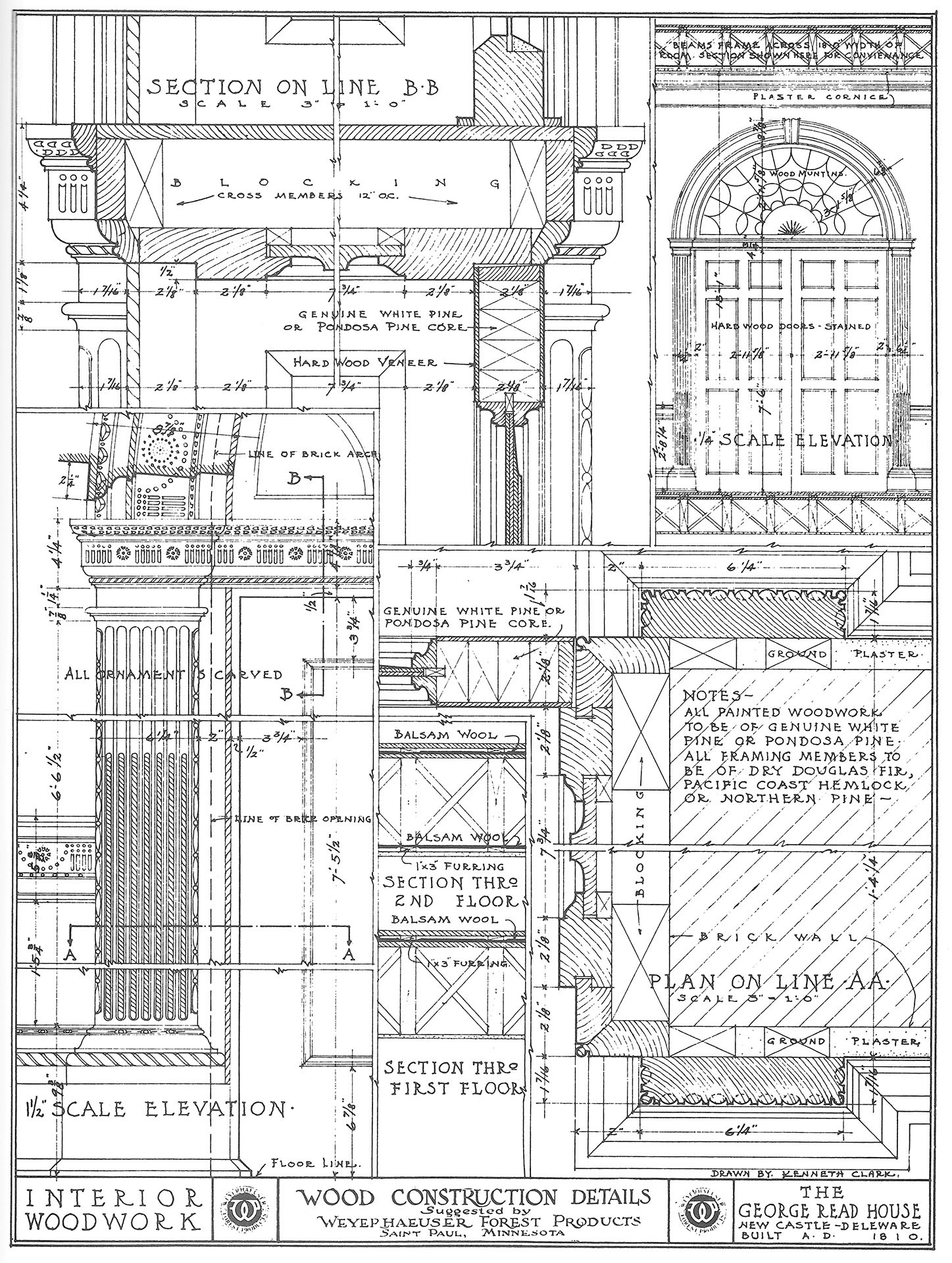
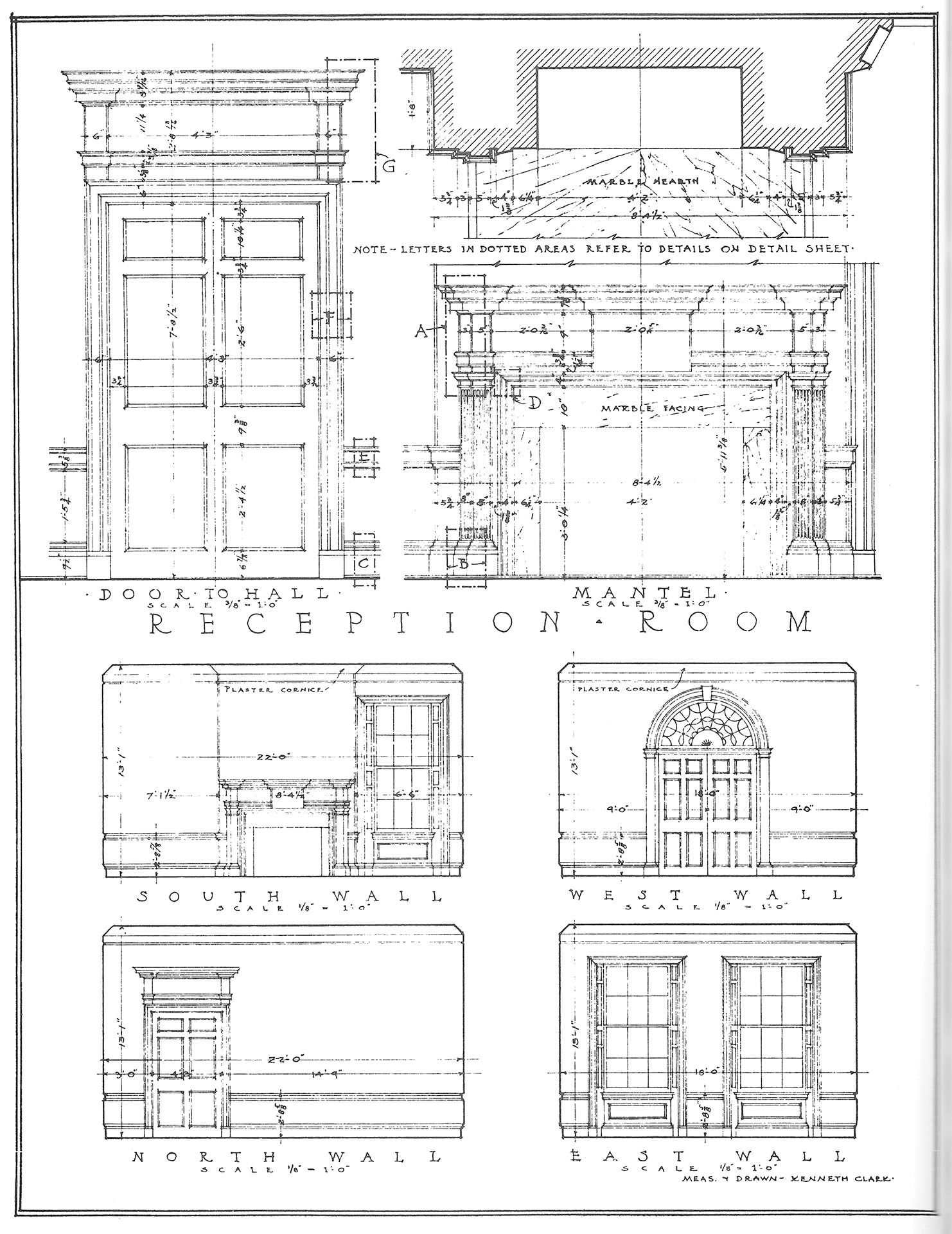
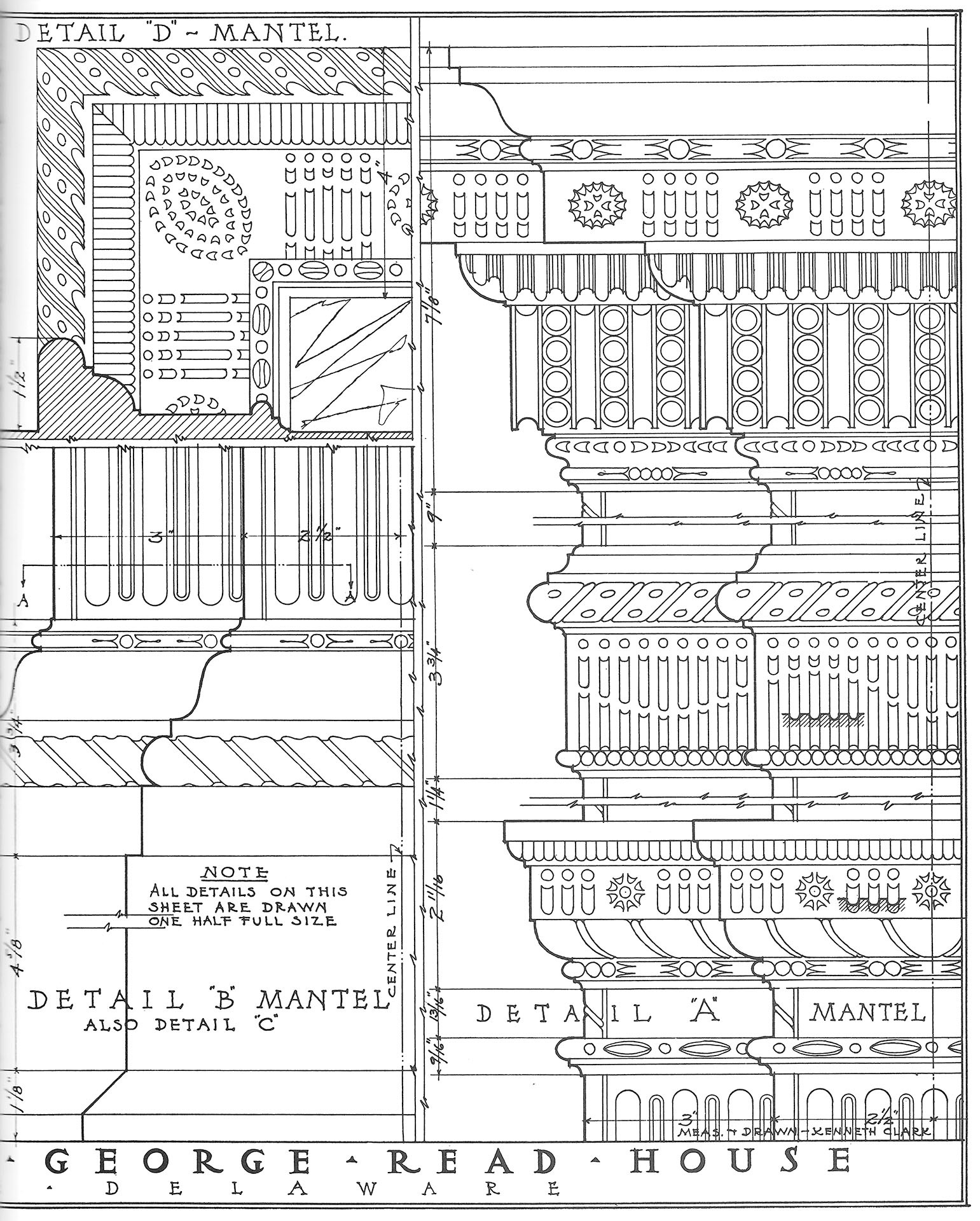
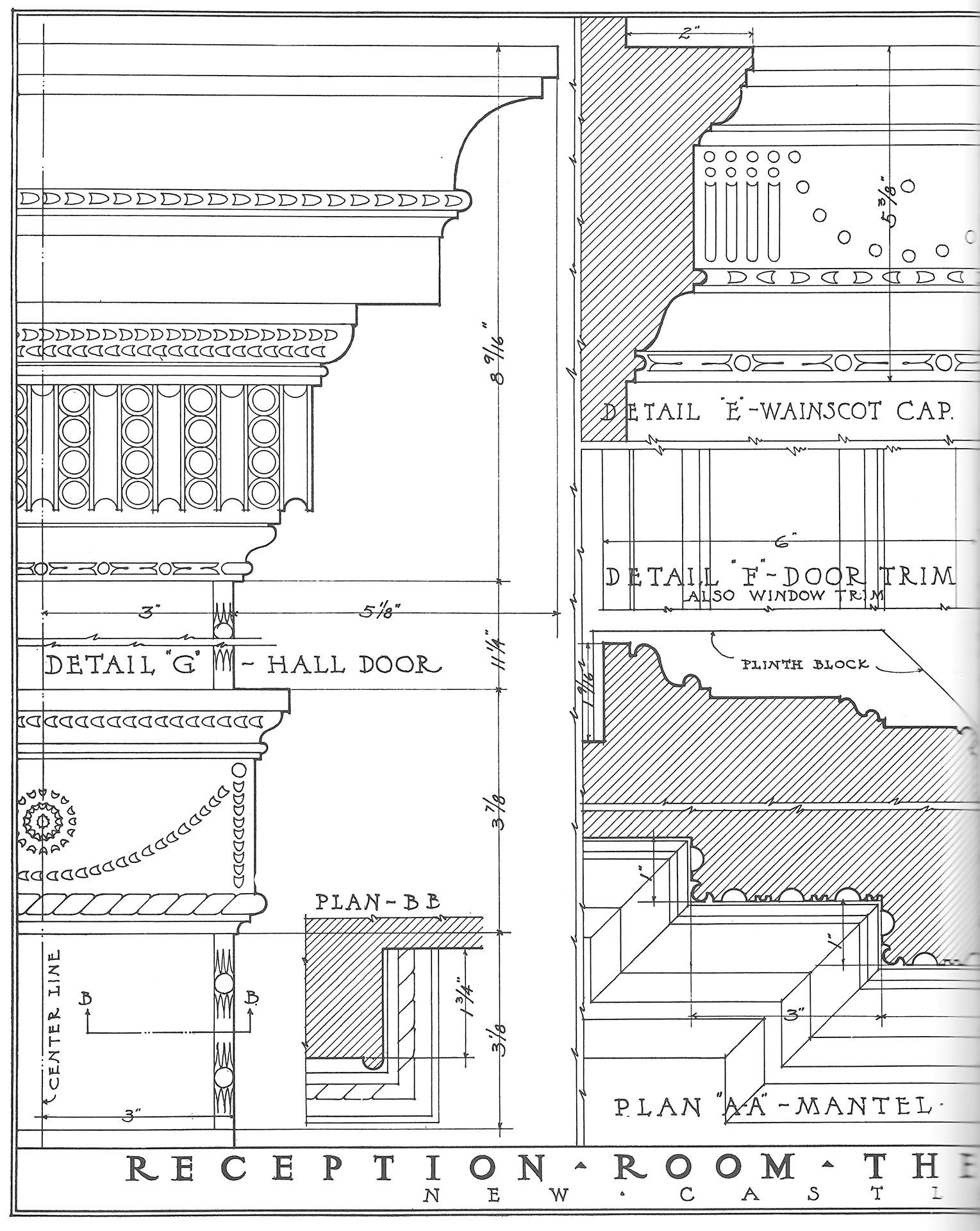
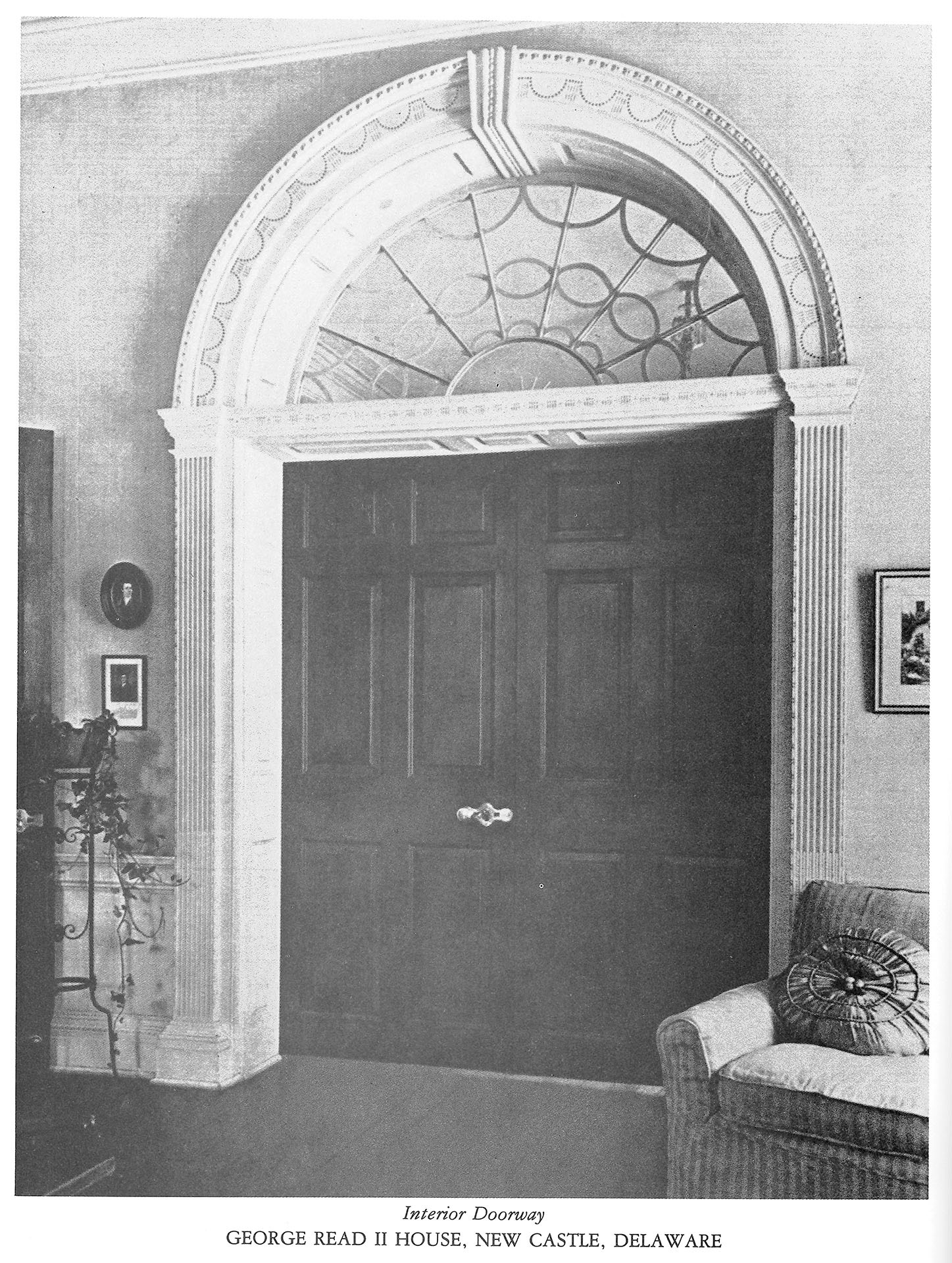
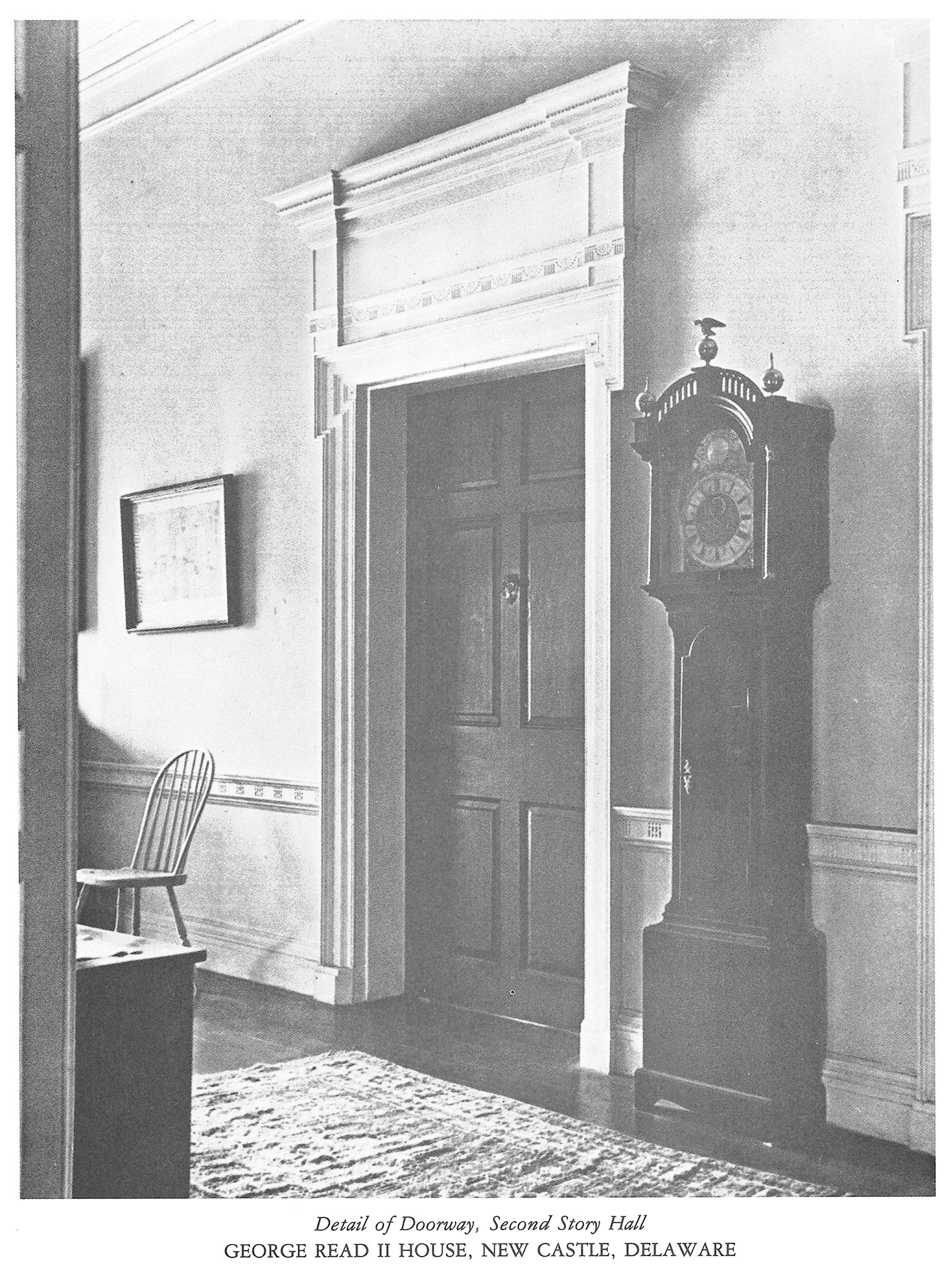
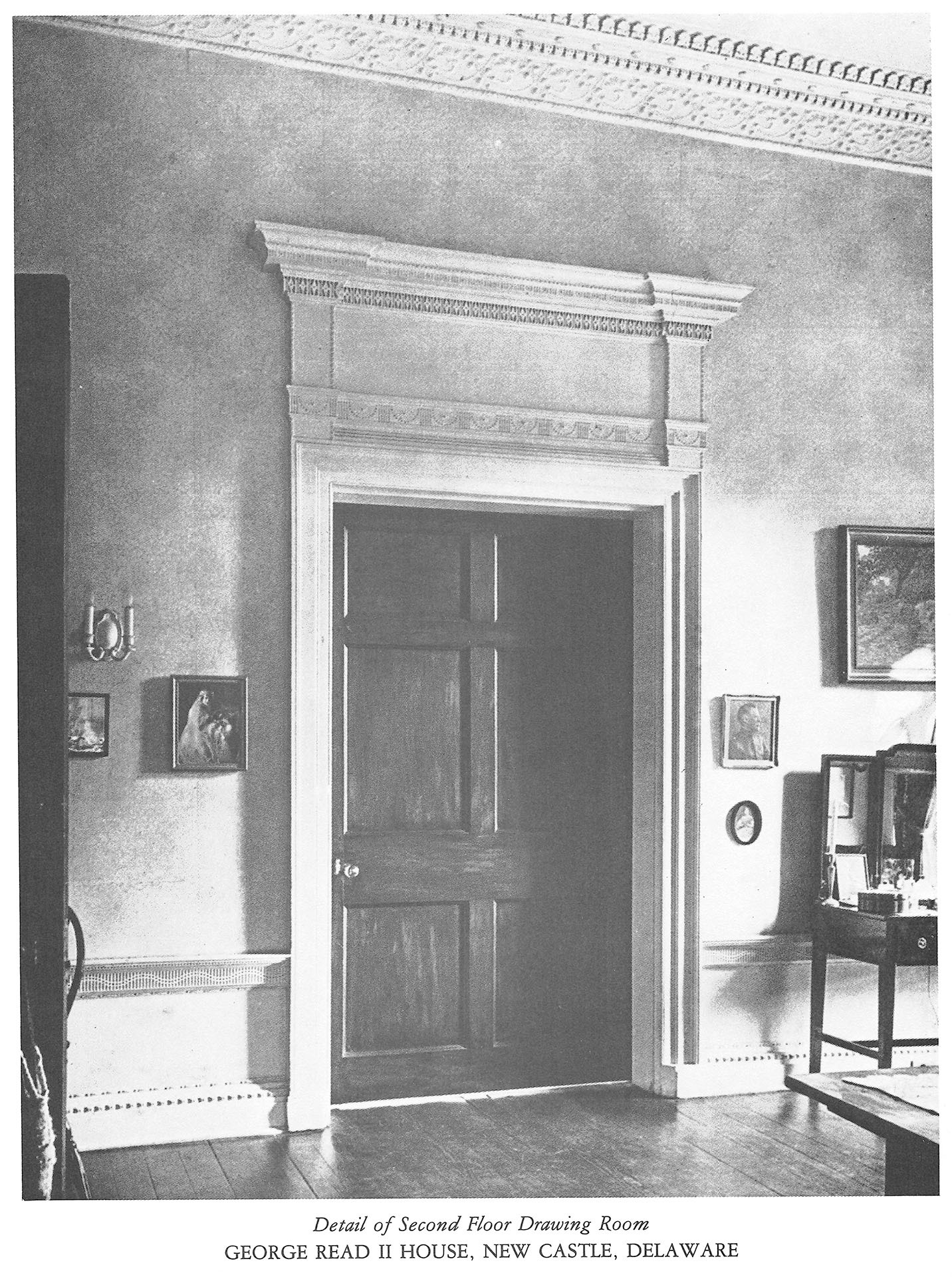
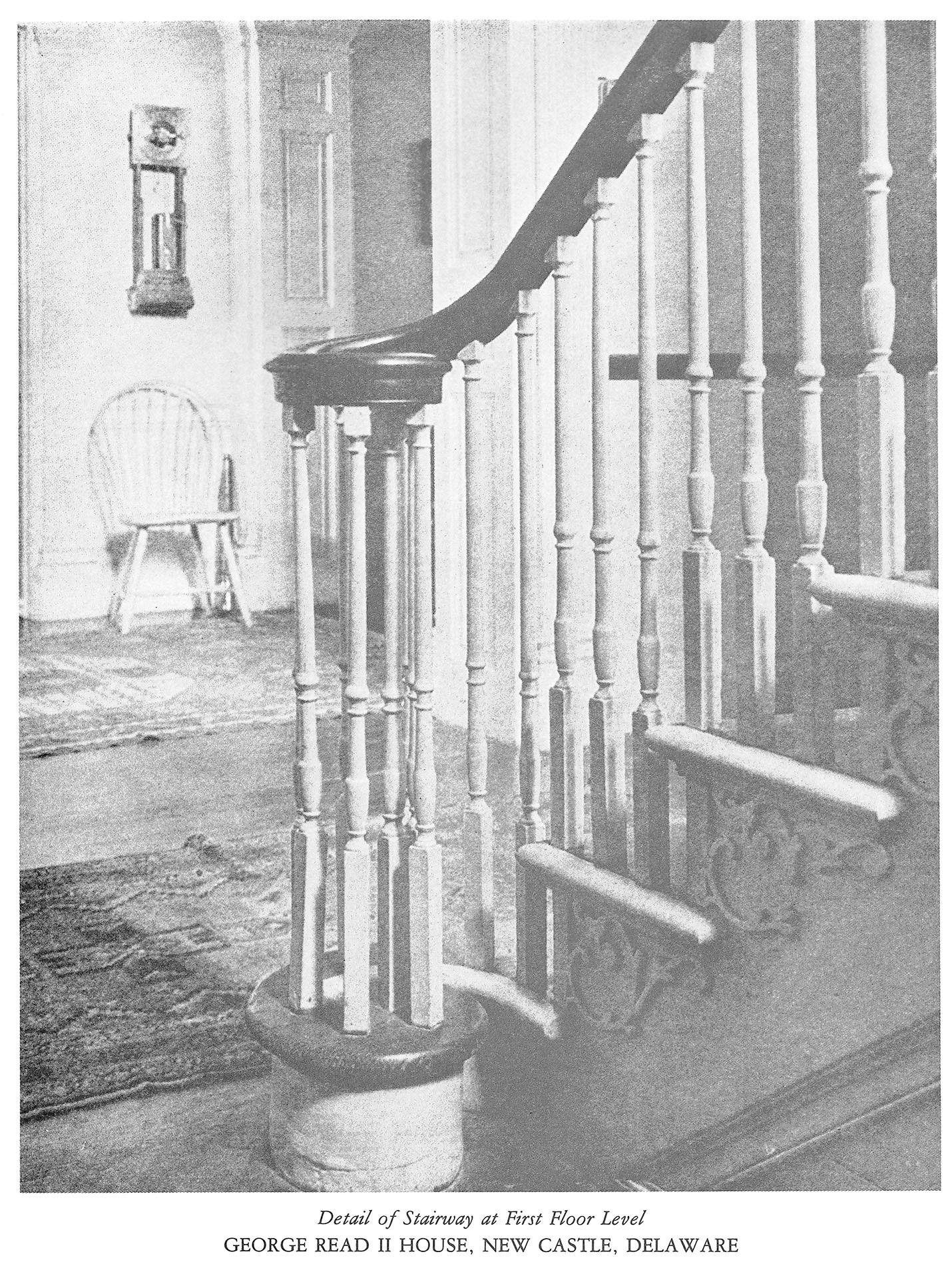
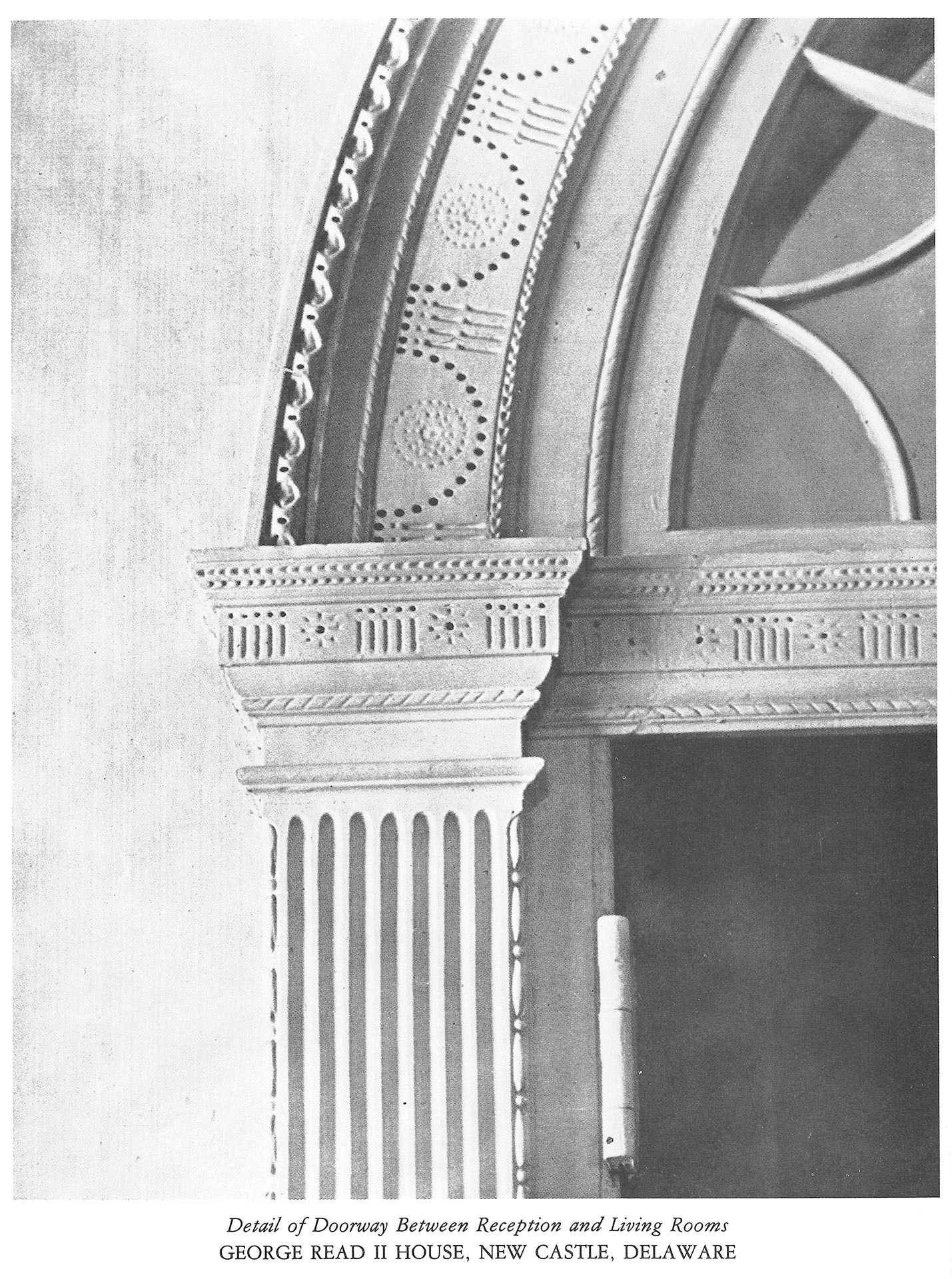
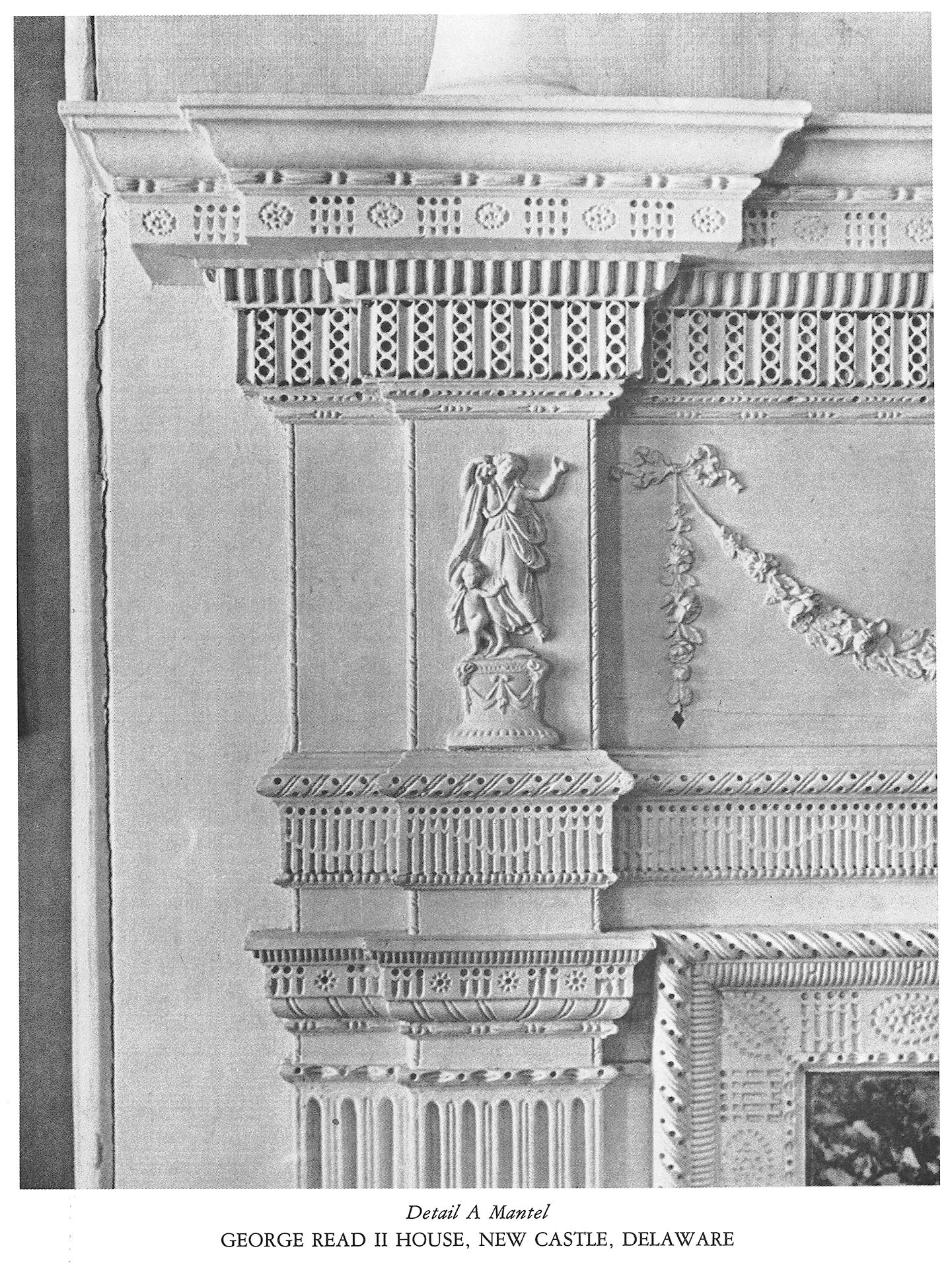
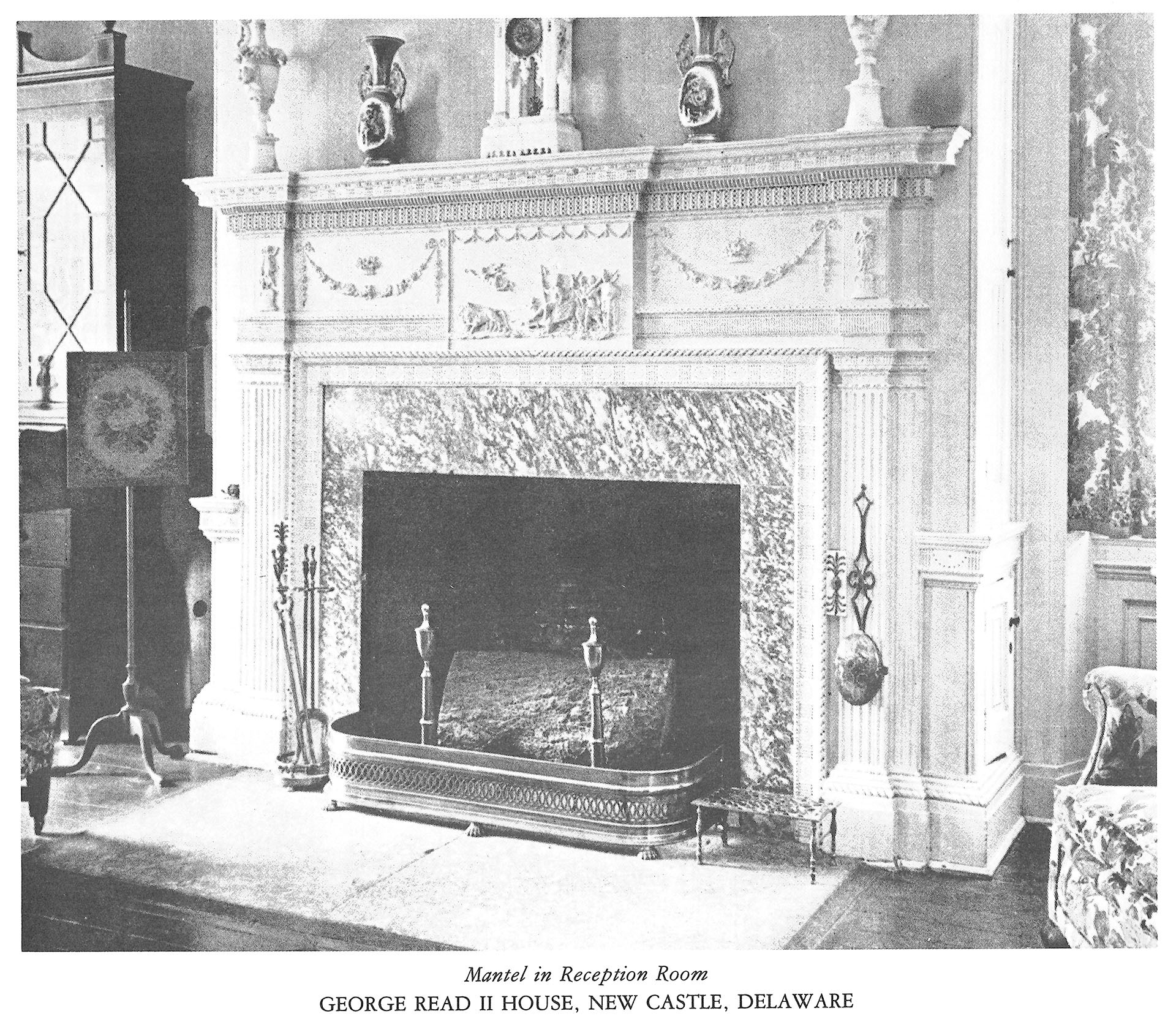
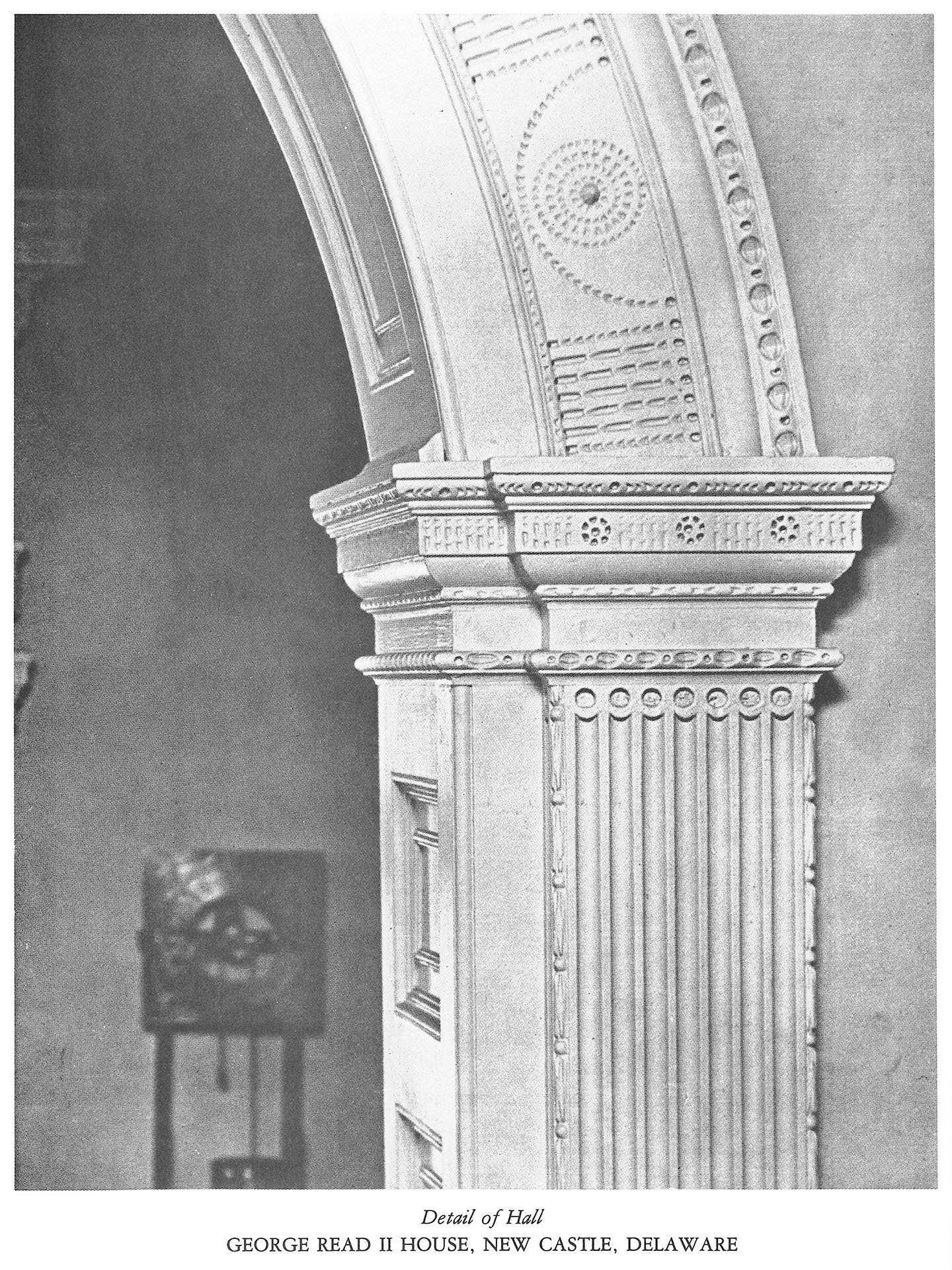
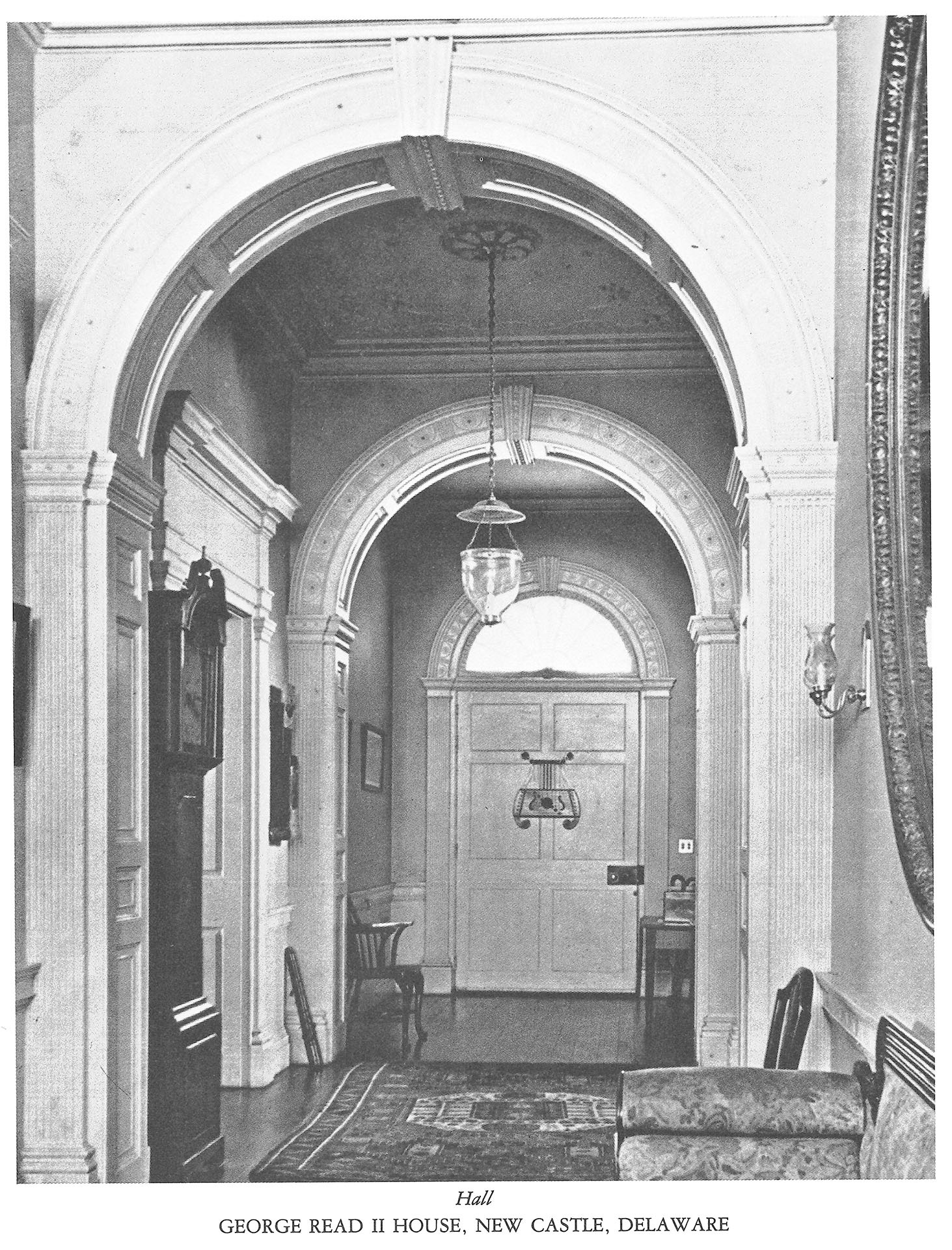
Inside, the architectural language becomes richly expressive through woodwork of exceptional refinement, preserved and recorded in historic photographs and the Mouldings One drawings. Slender fluted pilasters frame arched openings whose finely beaded mouldings and chains of carved ornament read almost like lace in wood, while the arch soffits are patterned with punched rosettes. The mantel compositions rise in layered bands of moulding, dentils, and reeded courses, forming miniature classical facades crowned by entablatures animated with garlands and sculpted figures in relief. Through this union of disciplined geometry and lyrical ornament, the George Read House reveals the full sophistication of Federal era craftsmanship and stands as one of the most accomplished domestic interiors of the early American republic.