LITTLE COVE POINT ROAD, COVE POINT, CALVERT COUNTY, MARYLAND
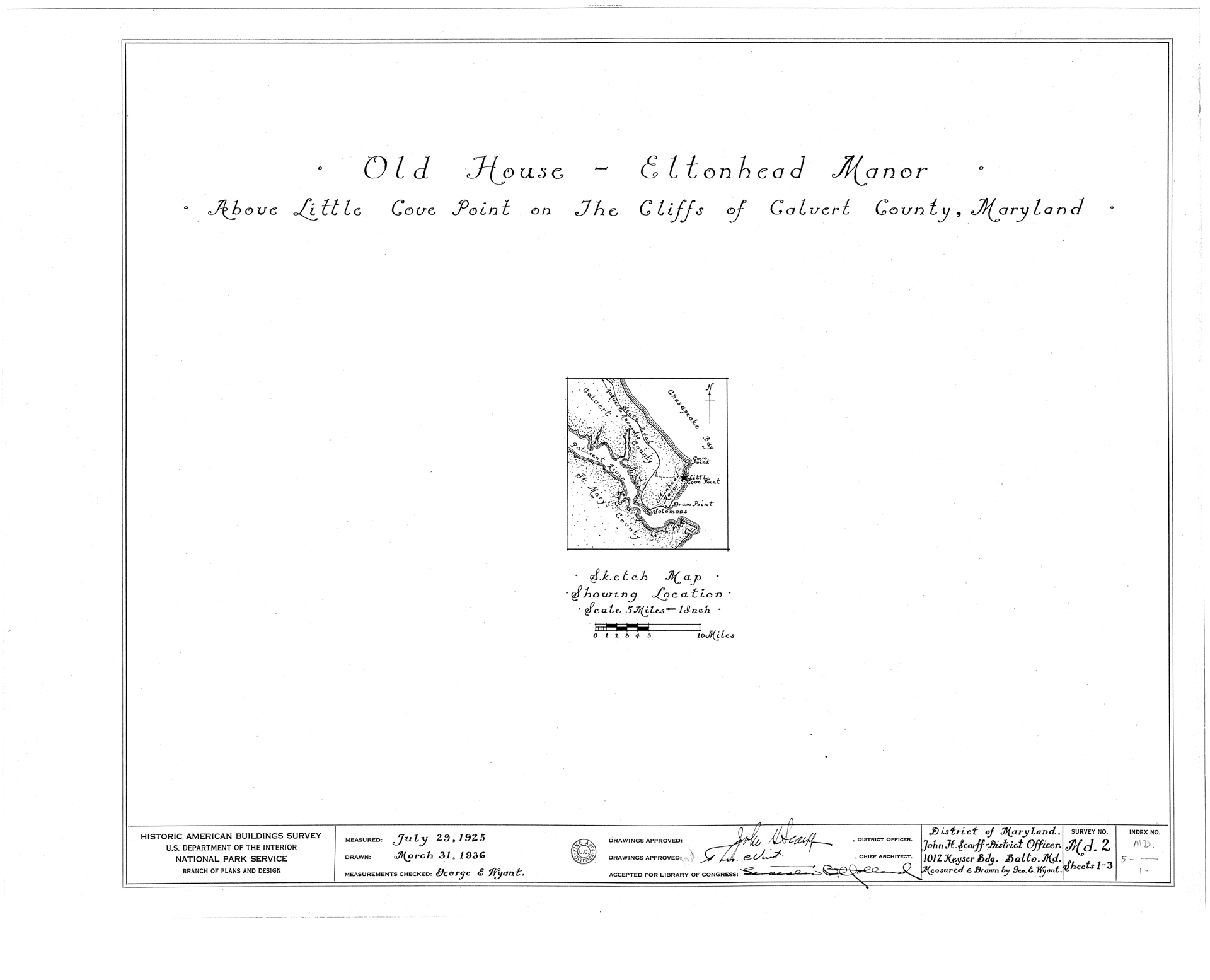
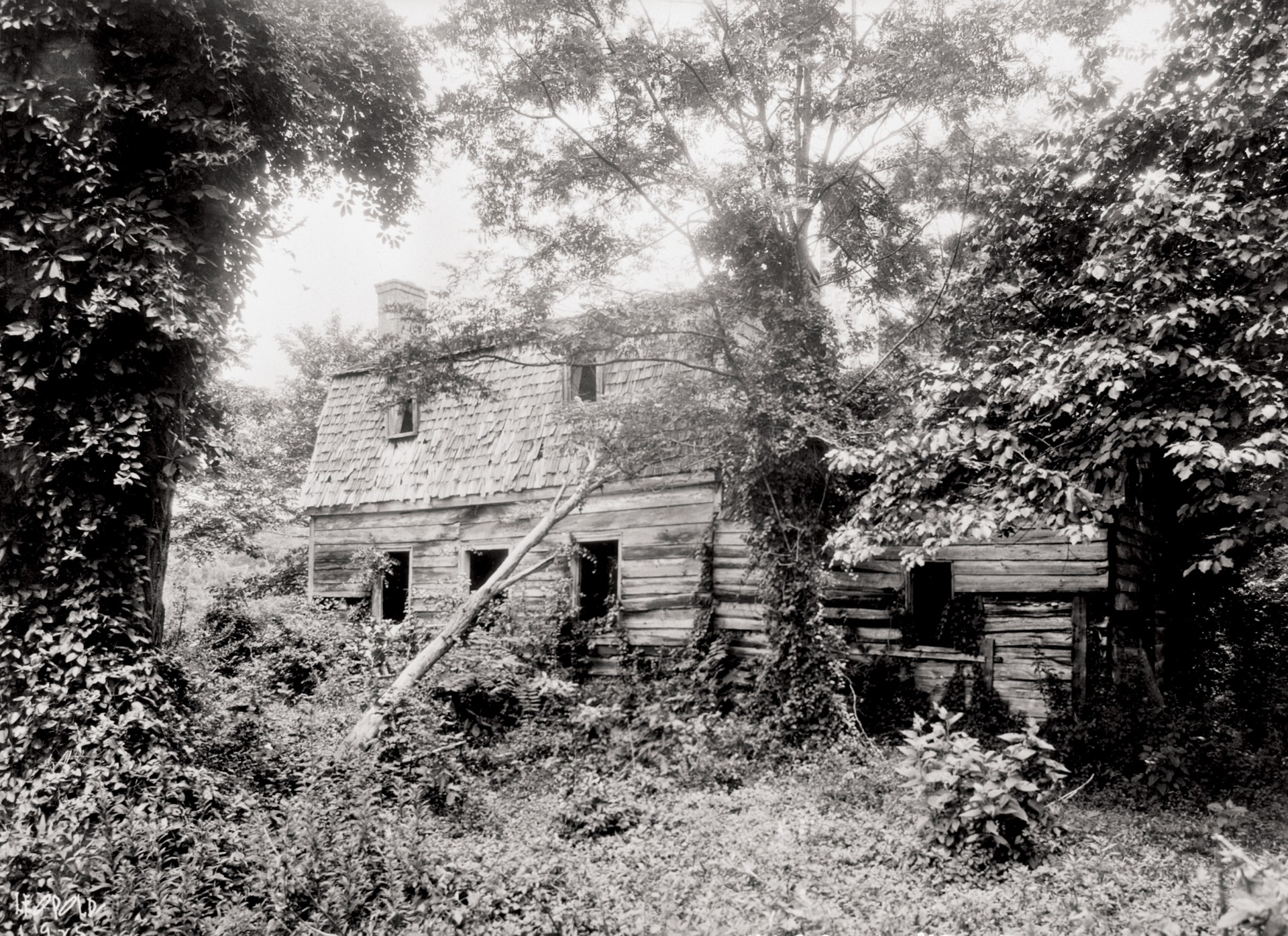
Eltonhead Manor was one of the earliest colonial dwellings in Calvert County, Maryland, originally built during the mid-1600s on what was then a vast tract of land known as Great Eltonhead, surveyed for Edward Eltonhead in 1651 and patented in 1658. The manor stood above Little Cove Point overlooking the Chesapeake Bay, part of a landscape that once encompassed more than five thousand acres extending to Drum Point and beyond. Although the house eventually fell into ruin, its architectural imprint and recorded millwork remain important evidence of early Chesapeake colonial life and craft.
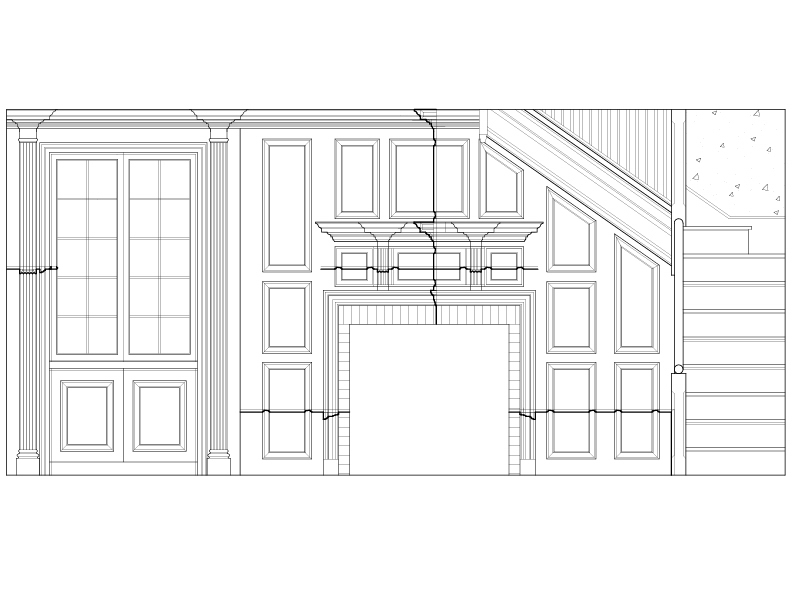
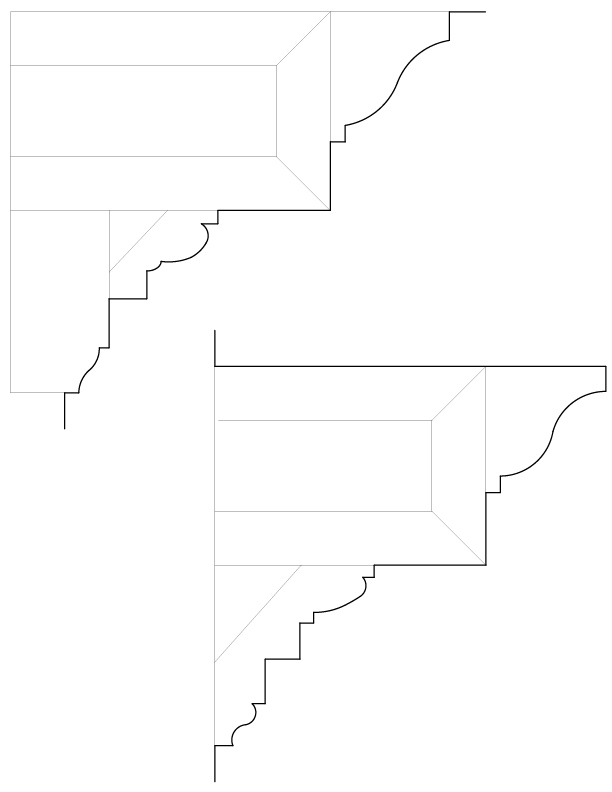
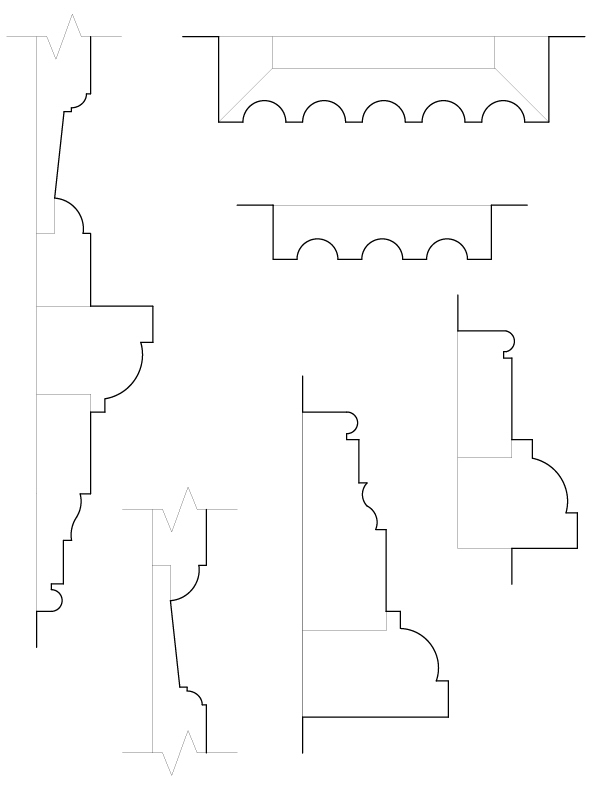
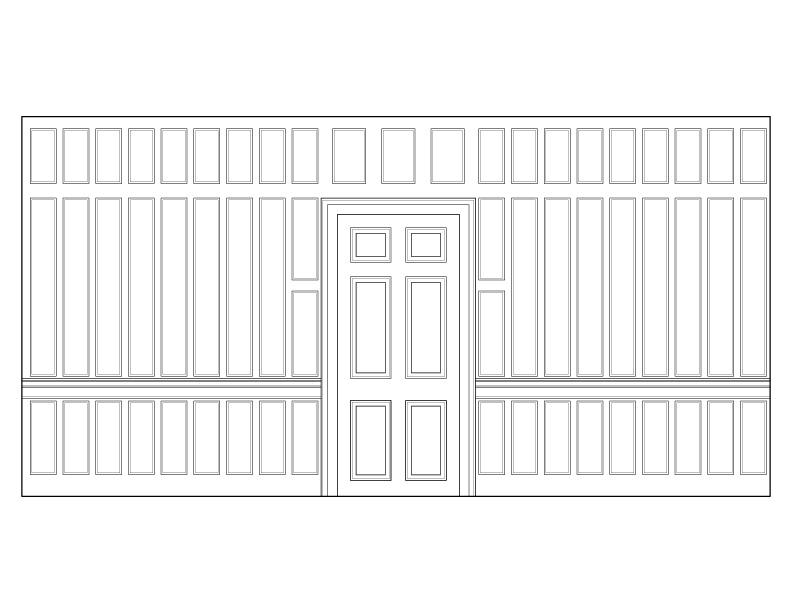
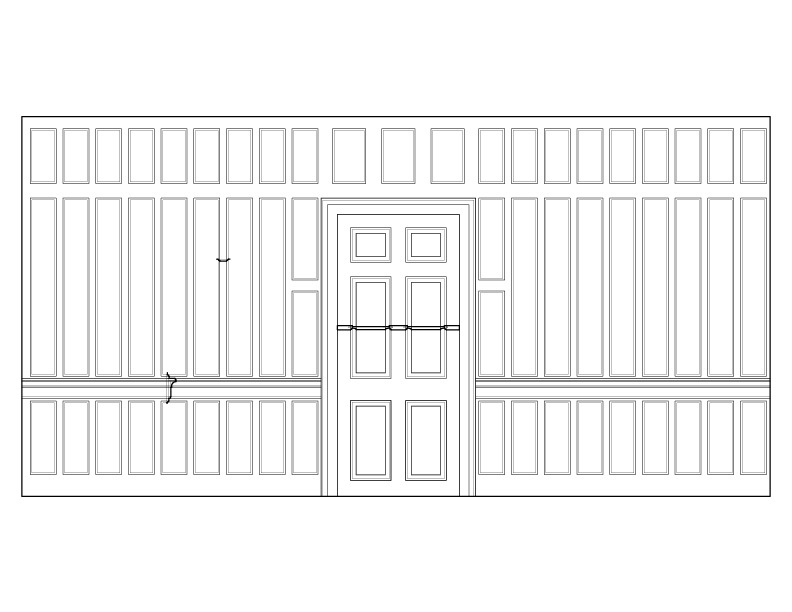
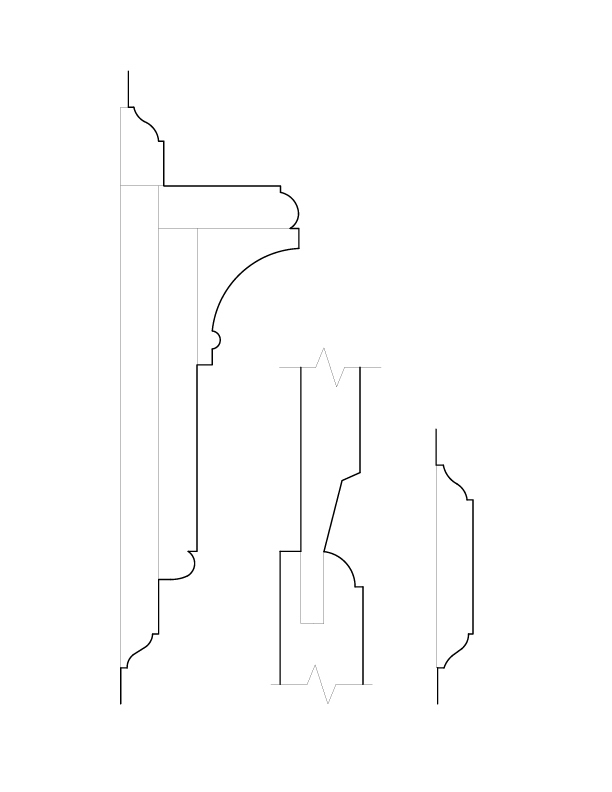
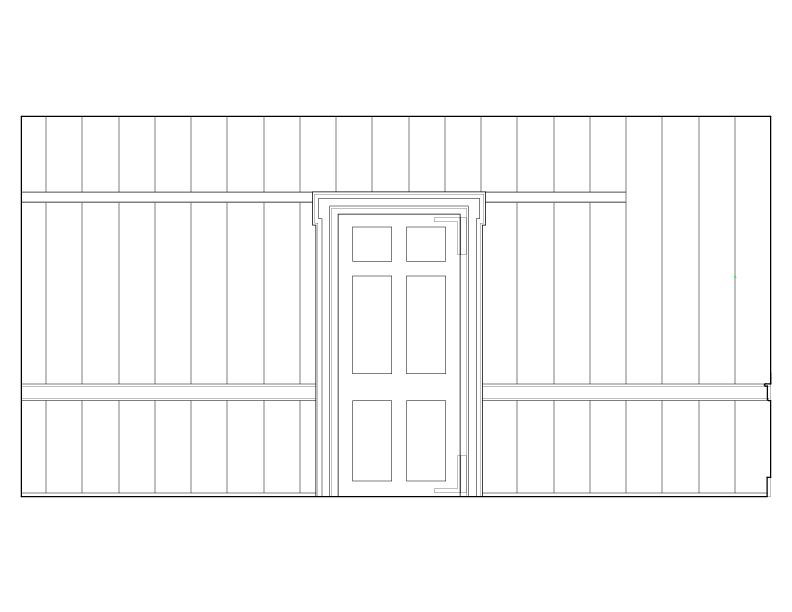
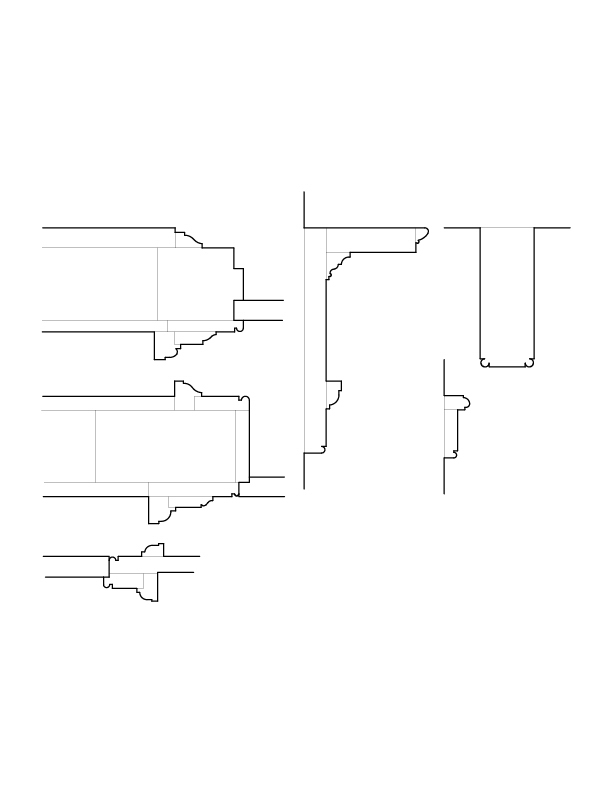
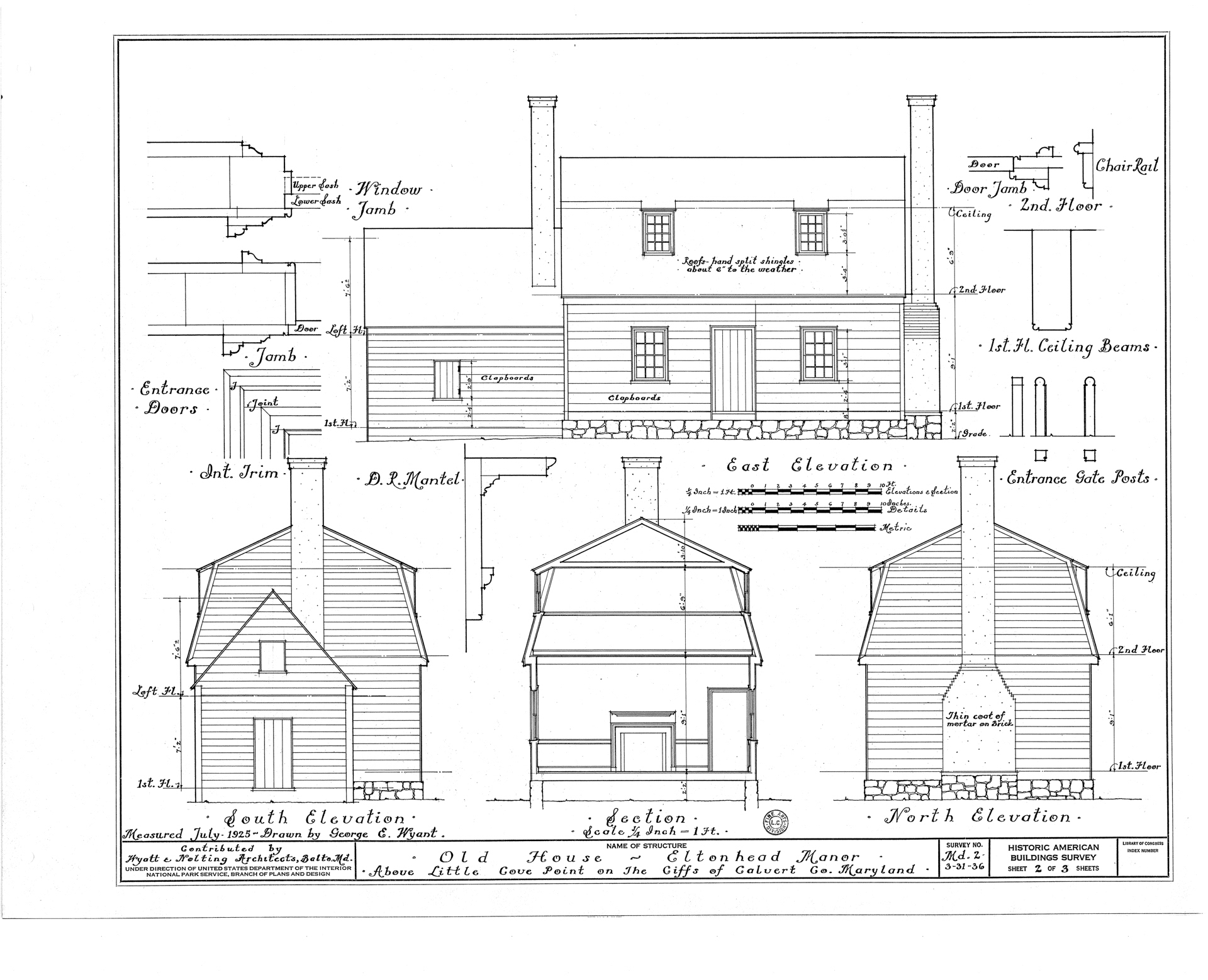
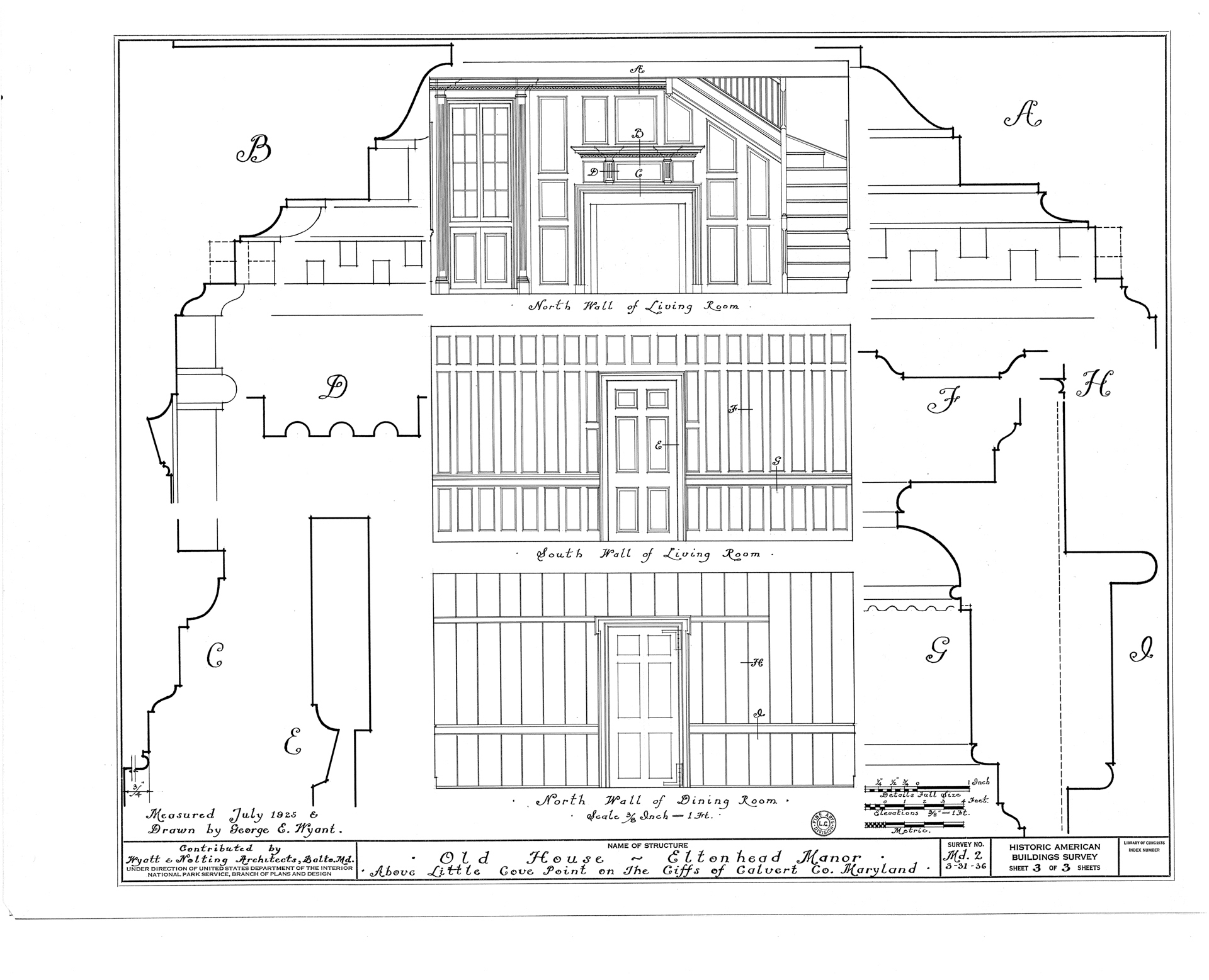
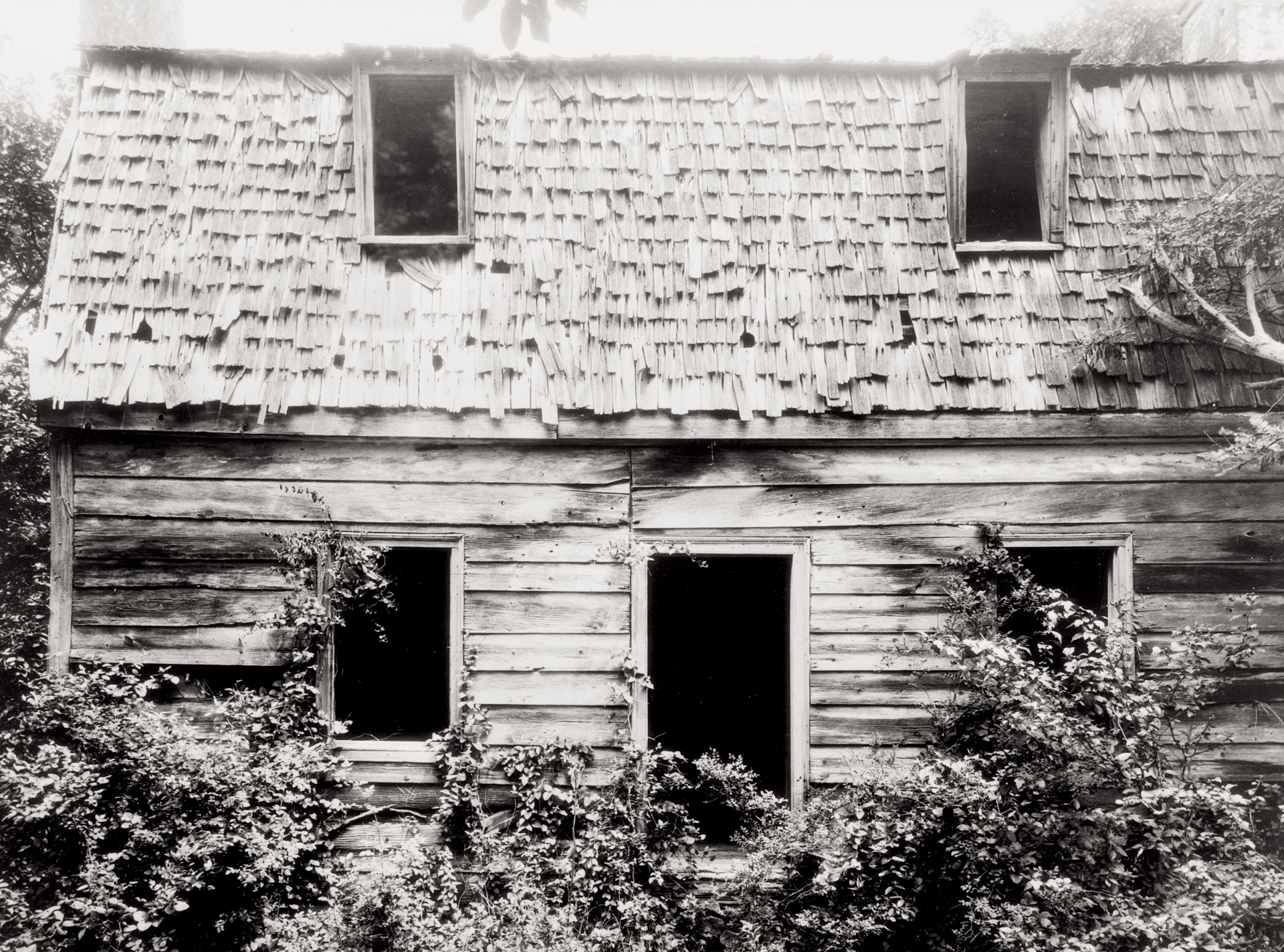
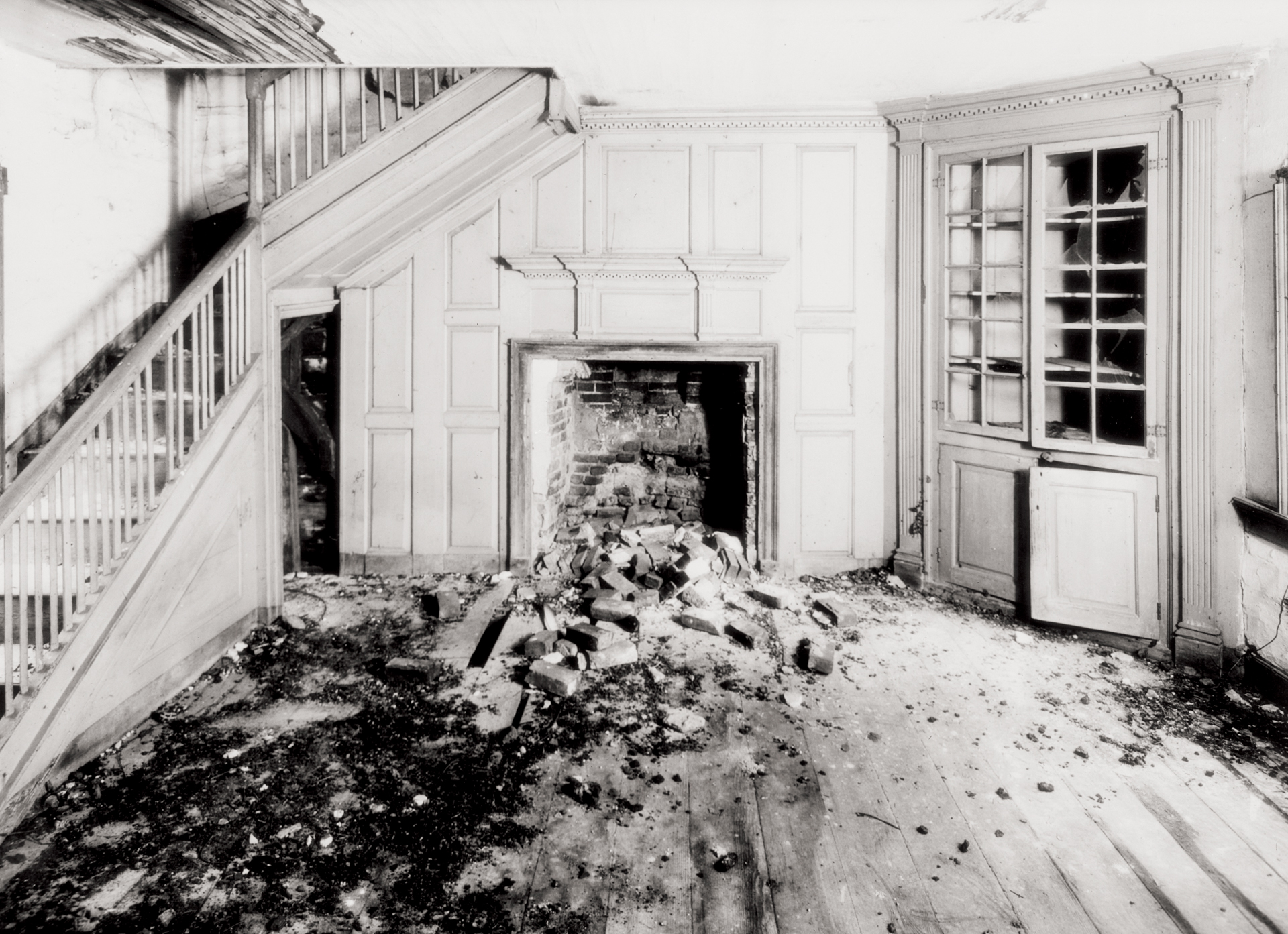
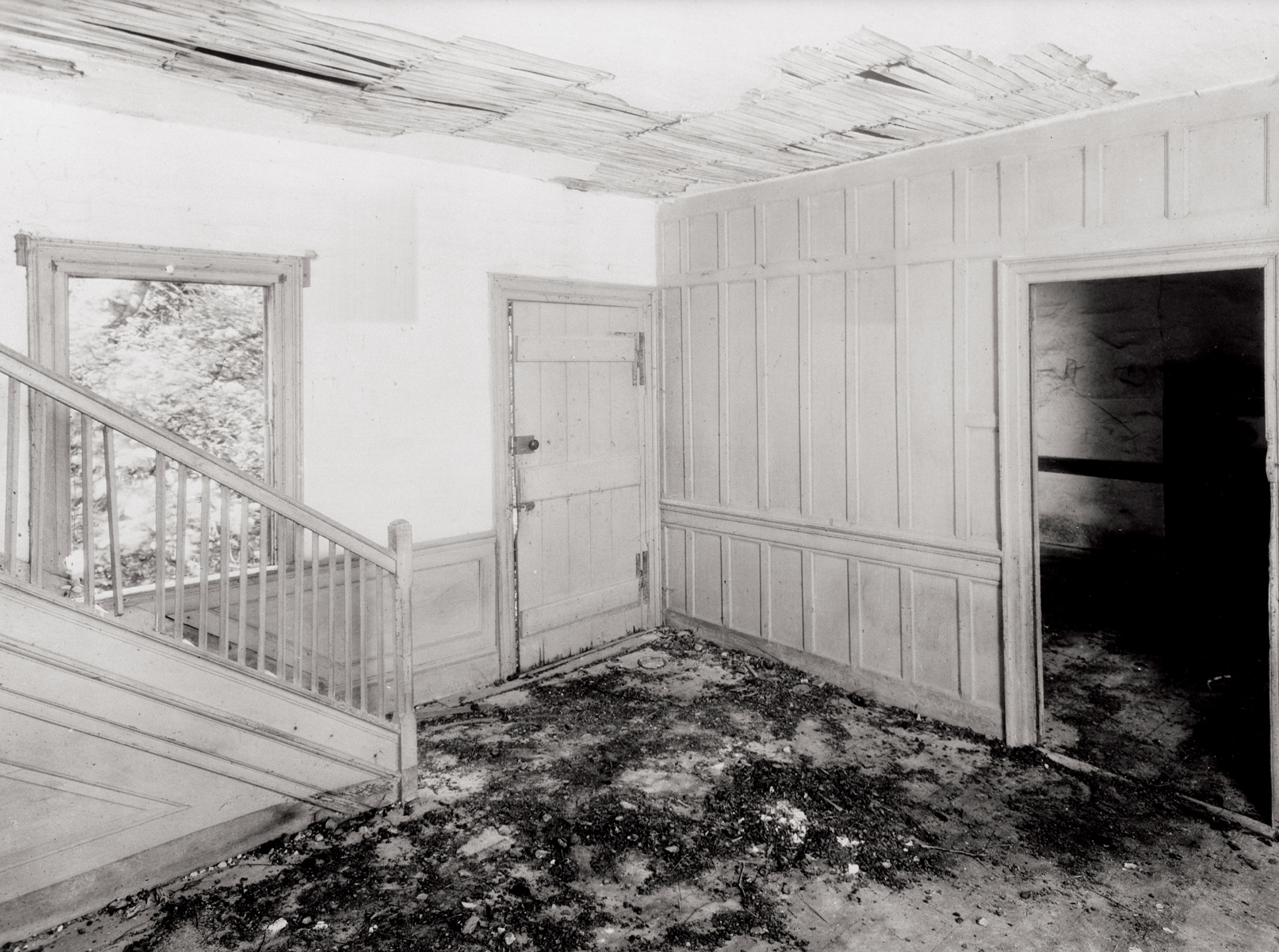
Constructed with a stone foundation, brick chimneys, and timber frame sheathed in clapboard, Eltonhead Manor was a modest one and a half story residence that embodied the practical yet skillful building traditions of its era. HABS documentation from the 1930s shows that much of the original interior finish had deteriorated by that time, but the manor’s living room and dining room elevations and mouldings were carefully measured, capturing how early colonial carpenters shaped space and hierarchy within a humble but purposeful dwelling. These measured drawings, now preserved in public archives and reflected in the Mouldings One gallery, demonstrate the use of straightforward profiles and transitions that articulate an understanding of proportion and utility in early Maryland houses.
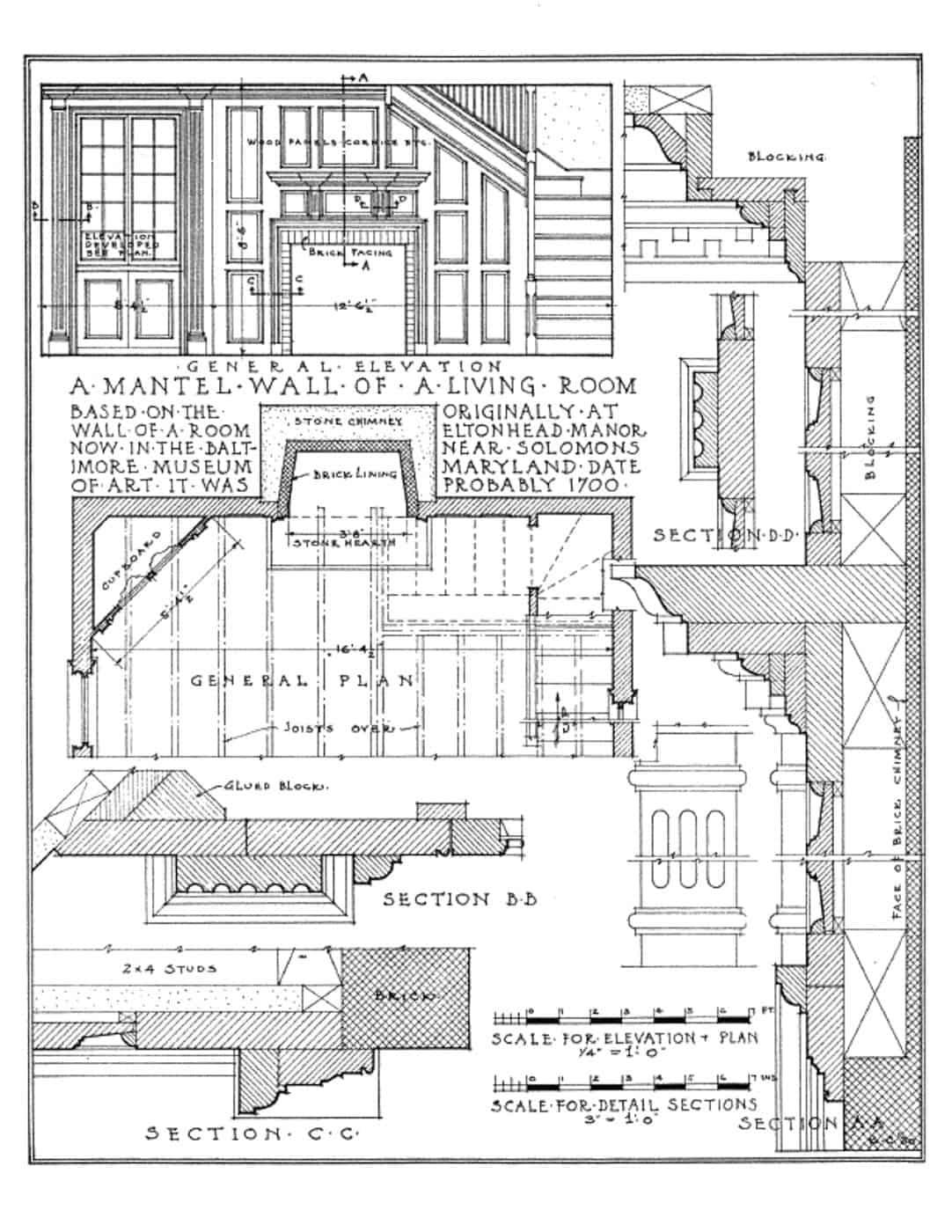
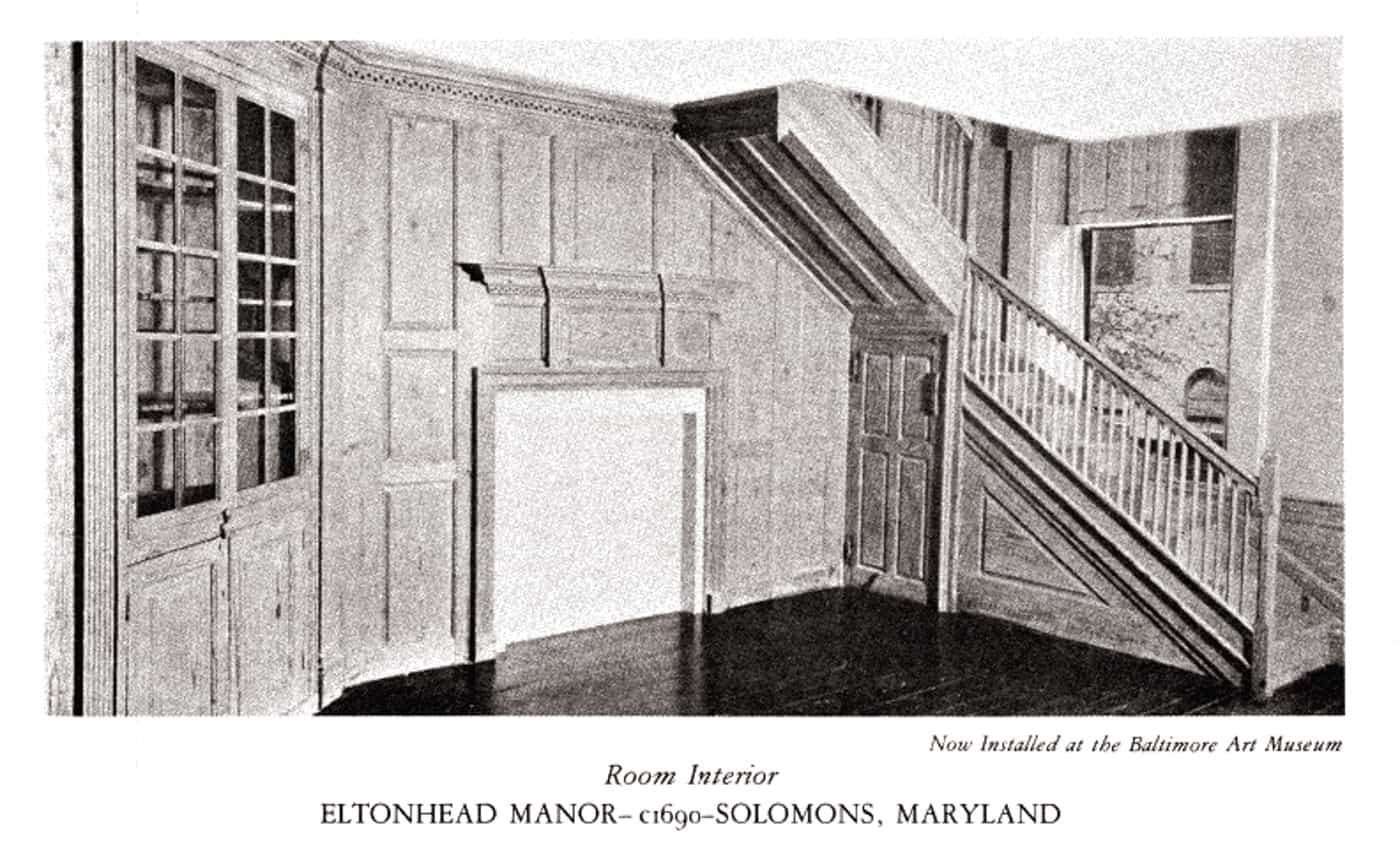
The recorded paneling and stair elements from Eltonhead Manor were removed in the 1920s and donated to the Baltimore Museum of Art, where they helped scholars and visitors alike appreciate the vernacular craftsmanship of Maryland’s earliest domestic architecture. The manor’s failing condition by the early twentieth century, and its ultimate disappearance, underscore both the fragility of early colonial structures and the value of measured documentation in preserving architectural memory. Today, Eltonhead Manor lives on through these records in offering a rare and direct link to the building practices and spatial logic of Chesapeake settlers in the mid-seventeenth century, when materials, climate, and colonial ambition converged to shape a distinctive regional architecture.